Emergency Dentist: Complete Guide
Key Takeaways
- Emergency Dentist: Complete Guide
- Category: General Dentistry & Oral Health
Emergency Dentist: Complete Guide Category: General Dentistry & Oral Health
Imagine this scenario: It's Saturday night, you're enjoying dinner, and suddenly, you bite down on something hard. A sharp, searing pain erupts in your mouth, and you realize a piece of your tooth has broken off. Or perhaps your child takes a tumble on the playground, and their front tooth is now loose or even missing. These are not situations that can wait for a Monday morning appointment. This is where an emergency dentist becomes your most crucial ally, providing immediate care to alleviate pain, address trauma, and prevent further damage or complications.
Dental emergencies are surprisingly common, impacting millions of Americans each year. Statistics from the American Dental Association (ADA) indicate that dental pain is one of the leading reasons for emergency room visits, underscoring the critical need for accessible urgent dental care. Ignoring a dental emergency can lead to severe consequences, including widespread infection, permanent tooth loss, and even systemic health issues. This comprehensive guide will equip you with the knowledge to recognize a dental emergency, understand your treatment options, navigate costs, and know exactly what to do when every minute counts. We’ll delve into everything from severe toothaches and knocked-out teeth to broken restorations and abscesses, ensuring you’re prepared for any urgent dental situation.
Key Takeaways:
- Act Fast: For knocked-out teeth, seek care within 30-60 minutes for the best chance of re-implantation success.
- Common Emergencies: Include severe toothaches, knocked-out teeth, broken teeth/fillings, abscesses, and trauma.
- Initial Steps: For a knocked-out tooth, rinse gently and try to reinsert it, or store it in milk. For pain, use cold compresses and OTC pain relievers.
- Costs Vary Widely: Emergency visits can range from $75-$300 for an exam, plus $200-$1,500+ for procedures like fillings, extractions, or temporary dental crown placement. Root canal therapy can range from $700-$2,000.
- Insurance Coverage: Most dental insurance plans cover a portion of emergency care, typically 50-80% after deductible, depending on the procedure.
- Prevention is Key: Regular check-ups, good oral hygiene, and mouthguards for sports can significantly reduce emergency risks.
- When to Call: Any severe pain, swelling, uncontrolled bleeding, or dental trauma warrants an immediate call to an emergency dentist.
What It Is / Overview
An emergency dentist specializes in providing immediate dental care for urgent situations that cannot wait for a scheduled appointment. Unlike routine check-ups or elective cosmetic procedures, emergency dentistry focuses on addressing acute pain, preventing further damage, and treating infections or trauma to the teeth, gums, and surrounding oral structures. Think of it as the dental equivalent of an urgent care clinic or emergency room, but specifically tailored to oral health crises.
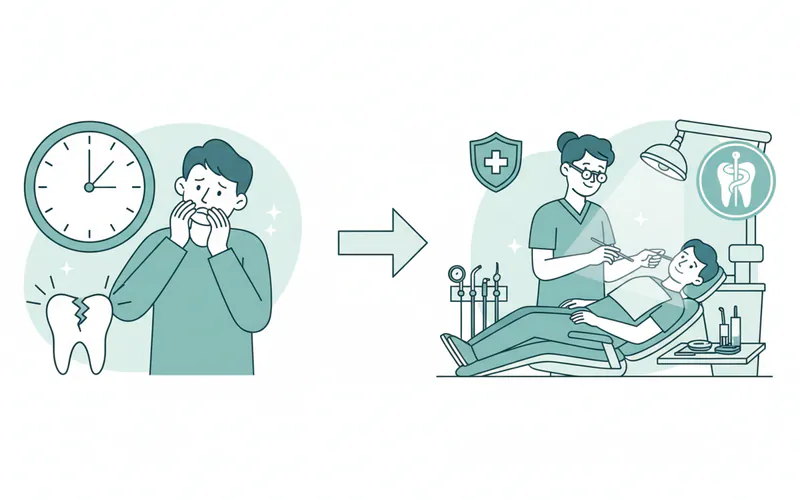
The primary goal of an emergency dentist is to stabilize your condition, alleviate severe pain, and treat the underlying problem swiftly. This often involves diagnosing the issue quickly and performing procedures that provide immediate relief, even if a more definitive or complex treatment needs to be scheduled for a later date. For instance, an emergency dentist might perform an emergency pulp removal (part of a root canal) to stop agonizing pain, or re-implant a knocked-out tooth, before referring you for follow-up care.
Types of Dental Emergencies
Understanding what constitutes a true dental emergency versus an urgent but non-emergent issue is crucial. Here are the most common types of situations requiring immediate attention from an emergency dentist:
a. Severe Toothache
A toothache is an emergency when it’s severe, persistent, and unresponsive to over-the-counter pain relievers, or if it’s accompanied by swelling, fever, or difficulty swallowing. This often indicates a deep infection (abscess), pulpitis (inflammation of the tooth’s nerve), or extensive decay reaching the nerve.
- Why it's an emergency: Untreated infections can spread to other parts of the head and neck, potentially becoming life-threatening. Severe pain also impacts quality of life significantly.
b. Knocked-Out (Avulsed) Tooth
This is one of the most time-sensitive dental emergencies. If a permanent tooth is completely dislodged from its socket, immediate action can often save the tooth.
- Why it's an emergency: The success rate for re-implantation drops significantly after 30-60 minutes outside the mouth. Time is of the essence for the tooth's root cells to remain viable.
c. Chipped, Cracked, or Broken Tooth
Minor chips might not be an emergency, but significant breaks that expose the tooth’s inner layers (dentin or pulp), cause severe pain, or leave sharp edges that cut the tongue or cheek require urgent care.
- Why it's an emergency: Exposed tooth structure is vulnerable to infection, sensitivity, and further breakage. Sharp edges can cause soft tissue trauma.
d. Lost or Broken Filling, Crown, or Bridge
While not always painful, a lost or broken restoration exposes the underlying tooth structure, making it susceptible to sensitivity, decay, and further damage. A dislodged dental crown can also cause sharp pain if the exposed tooth is sensitive.
- Why it's an emergency: The exposed tooth can be sensitive and vulnerable. If a crown is swallowed, it can also pose a minor health risk, though rare.
e. Dental Abscess
A dental abscess is a localized collection of pus in the tooth or gums, usually caused by a bacterial infection. Symptoms include severe, throbbing pain, swelling of the gums or face, fever, and a bad taste in the mouth.
- Why it's an emergency: Abscesses can lead to serious, life-threatening infections if left untreated, potentially spreading to the jaw, neck, or even the brain.
f. Soft Tissue Injuries
This includes lacerations to the lips, cheeks, gums, or tongue that cause significant bleeding, often due to trauma (e.g., falls, sports injuries).
- Why it's an emergency: Uncontrolled bleeding needs to be stopped, and deep cuts may require sutures to heal properly and prevent infection.
g. Loose Tooth (Not from Orthodontics)
If a permanent tooth becomes loose due to trauma or infection, it needs immediate evaluation.
- Why it's an emergency: A loose tooth can indicate damage to the supporting bone or ligaments and is at high risk of falling out.
Causes / Why Dental Emergencies Happen
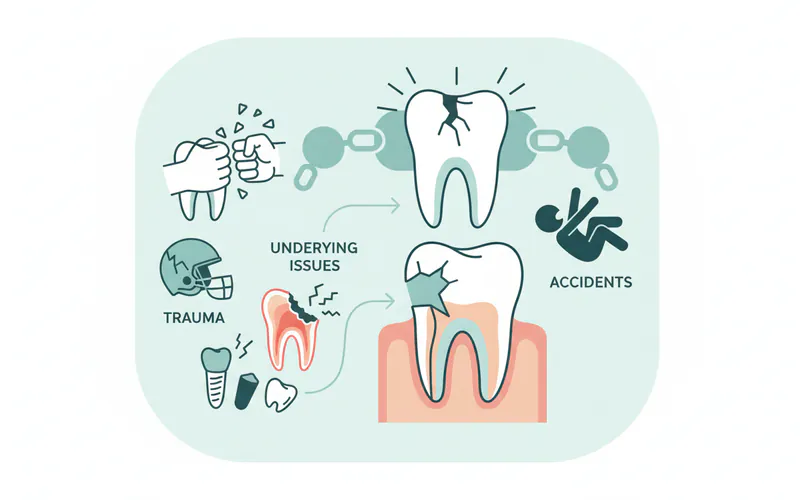
Dental emergencies don't always happen unexpectedly; sometimes, they are the culmination of underlying issues.
-
Trauma and Accidents:
- Sports Injuries: Accounts for a significant percentage of dental trauma, especially in contact sports.
- Falls: Common in children and the elderly, leading to chipped, broken, or knocked-out teeth.
- Car Accidents: Impact to the face can cause extensive dental and jaw injuries.
- Biting Hard Objects: Cracking a tooth on ice, popcorn kernels, or hard candies.
-
Poor Oral Hygiene and Neglect:
- Untreated Decay: Small cavities can progress to deep infections, leading to severe toothaches and abscesses.
- Gum Disease (Periodontitis): Advanced gum disease can weaken the support structure of teeth, leading to looseness or eventual tooth loss.
- Lack of Regular Check-ups: Prevents early detection of issues that could escalate into emergencies.
-
Failed Restorations:
- Old Fillings: Amalgam or composite fillings can wear down, crack, or fall out over time, exposing the tooth.
- Broken Crowns or Bridges: Restorations can fracture due to biting force, material fatigue, or underlying decay.
- Impacted Wisdom Teeth: These can cause pain, infection, and damage to adjacent teeth.
-
Bruxism (Teeth Grinding): Chronic grinding can weaken teeth, leading to fractures, chips, and damage to existing restorations.
-
Underlying Medical Conditions: Certain conditions or medications can affect oral health, making teeth more susceptible to issues.
Signs and Symptoms
Recognizing the signs of a dental emergency is the first step towards getting timely treatment.
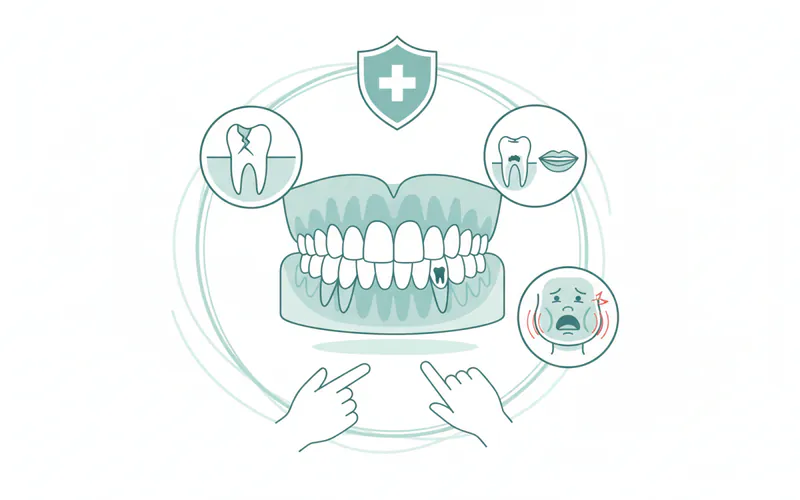
- Severe, persistent tooth pain: Especially if it throbs, radiates, or is unresponsive to pain medication.
- Swelling: In the gums, face, or jaw, often indicative of an infection or abscess.
- Bleeding: Uncontrolled or profuse bleeding from the mouth, gums, or site of a recent injury.
- Visible damage: A tooth that is chipped, cracked, broken, or completely knocked out.
- Sensitivity: Extreme sensitivity to hot, cold, or pressure, especially if sudden and intense.
- Loose tooth: A permanent tooth that feels wobbly or has shifted position after trauma.
- Fever: Accompanied by dental pain or swelling, signaling a spreading infection.
- Pimple-like bump on the gums: Often a sign of an abscess draining pus.
- Bad taste in the mouth: May indicate an active infection.
``
Treatment Options
Emergency dental treatment varies significantly depending on the nature and severity of the emergency. The immediate goal is always pain relief and preventing further harm.
a. For Severe Toothache / Abscess
- Diagnosis: X-rays are typically taken to identify the source of pain (decay, fracture, abscess).
- Drainage: If an abscess is present, the dentist may drain the pus to relieve pressure and pain. This might involve a small incision in the gum or opening the tooth.
- Antibiotics: Prescribed to combat bacterial infection, especially if there's significant swelling or fever.
- Root Canal Therapy (Endodontic Treatment): If the tooth's pulp is infected or severely inflamed, a root canal may be performed to remove the infected tissue, clean the canal, and seal it. This saves the natural tooth.
- Pros: Saves the tooth, relieves pain, prevents extraction.
- Cons: Can be costly, requires follow-up with a dental crown for protection.
- Extraction: If the tooth is beyond repair due to extensive decay, fracture, or infection, extraction may be the only option.
- Pros: Immediate pain relief, removes source of infection.
- Cons: Loss of natural tooth, requires future replacement (implant, bridge) to prevent bite issues and bone loss.
b. For Knocked-Out Tooth (Avulsed Tooth)
- Re-implantation: If the tooth is brought to the dentist quickly and handled properly, it can often be re-implanted into its socket. The dentist will clean the tooth, re-position it, and then splint it to adjacent teeth to stabilize it while the bone and ligaments heal.
- Pros: Preserves the natural tooth.
- Cons: Requires very quick action, success not guaranteed, may require future root canal.
- Follow-up: A root canal is often necessary for re-implanted teeth to prevent infection and resorption.
c. For Chipped, Cracked, or Broken Tooth
- Dental Bonding: For small chips, a tooth-colored resin can be applied and bonded to the tooth.
- Pros: Quick, aesthetically pleasing, relatively inexpensive.
- Cons: Not as durable as other restorations for larger breaks.
- Filling: If the break exposes dentin but isn't too extensive, a dental filling (composite or amalgam) can restore the tooth.
- Dental Crown: For more significant fractures where a large portion of the tooth is missing or weakened, a temporary or permanent dental crown will be needed to protect the remaining tooth structure.
- Pros: Restores tooth strength, protects against further damage, esthetic.
- Cons: More invasive than a filling, higher cost, may require multiple visits.
- Root Canal and Crown: If the fracture extends to the pulp, a root canal will be performed first, followed by a dental crown.
d. For Lost or Broken Filling, Crown, or Bridge
- Re-cementing: If a dental crown or bridge has simply come loose and is intact, the dentist may be able to re-cement it.
- New Filling/Crown: If the filling or crown is broken or the underlying tooth has further decay, a new restoration will be needed. A temporary dental crown might be placed during the emergency visit until a permanent one can be fabricated.
- Smooth Edges: For sharp edges from broken restorations, the dentist can smooth them down to prevent soft tissue irritation.
e. For Soft Tissue Injuries
- Cleaning and Hemostasis: The area will be thoroughly cleaned to prevent infection. Bleeding will be controlled using pressure, gauze, or sometimes a cauterizing agent.
- Sutures: Deep lacerations to the lips, tongue, or gums may require stitches to promote proper healing and minimize scarring.
The Role of the Dental Dam
In many restorative and endodontic (root canal) emergency treatments, a dental dam is an essential tool. A dental dam is a thin, rectangular sheet of latex or non-latex material, typically 5 or 6 inches square, that a dentist uses to isolate one or more teeth from the rest of the mouth. A hole is punched in the dam for the tooth to pass through, and the dam is secured with a clamp.
- Purpose of a Dental Dam:
- Maintains a Dry and Clean Field: Prevents saliva, blood, and debris from contaminating the tooth during treatment (e.g., during root canal therapy or bonding). This is crucial for successful outcomes.
- Prevents Infection: Reduces the number of bacteria introduced into the tooth during procedures, especially during root canals.
- Protects the Patient: Prevents aspiration or swallowing of small instruments, restorative materials, or irrigating solutions.
- Protects Soft Tissues: Retracts the lips, cheeks, and tongue, keeping them out of the working area and preventing accidental injury from dental instruments.
- Improves Visibility: Provides a clear, unobstructed view of the tooth being treated, leading to more precise work.
While you won't actively "receive" a dental dam as a treatment, its use by the emergency dentist is critical for the safety and efficacy of many procedures, particularly those involving deep cavities, root canals, or precise bonding.
Step-by-Step Process: What to Expect During an Emergency Visit
Knowing what to expect can ease anxiety during a stressful dental emergency.

-
Initial Phone Call:
- Describe your symptoms clearly (pain level, location, when it started, what happened).
- Be honest about your medical history and any medications.
- The receptionist or dentist will advise you on immediate first aid and whether you need to come in immediately.
- Pro Tip: If you have a knocked-out tooth, ask for specific instructions on how to transport it (e.g., in milk, saline, or saliva).
-
Arrival and Paperwork:
- You'll likely fill out standard medical history forms.
- Inform them if you have dental insurance.
-
Examination and Diagnosis:
- The dentist will take a detailed history of your emergency.
- A thorough oral examination will be performed, focusing on the affected area.
- X-rays: Crucial for diagnosing internal tooth issues, root fractures, abscesses, or bone damage.
- Other Diagnostic Tests: May include vitality tests (checking nerve response), percussion tests (tapping teeth), or thermal tests (hot/cold sensitivity).
-
Discussion of Treatment Options:
- The dentist will explain their findings and propose treatment options.
- They will outline the immediate goal (pain relief, stabilization) and discuss any necessary follow-up care.
- Cost estimates will usually be provided at this stage.
-
Emergency Treatment:
- Anesthesia: Local anesthetic will be administered to numb the area, ensuring comfort during the procedure.
- Procedure: This could be draining an abscess, re-implanting a tooth, placing a temporary filling, smoothing a sharp edge, or starting a root canal.
- Dental Dam: May be placed for procedures requiring a sterile and dry field, such as root canals or bonding.
-
Aftercare Instructions:
- You will receive detailed instructions on how to care for the treated area, including diet, oral hygiene, and medication (pain relievers, antibiotics).
- Information on what symptoms to watch for and when to call back will be provided.
-
Follow-Up Scheduling:
- Many emergency treatments are temporary fixes. You’ll typically need a follow-up appointment for definitive treatment (e.g., placing a permanent dental crown after a root canal, replacing a temporary filling, or further restorative work).
Cost and Insurance
Dental emergencies can be costly, and understanding the financial aspect is crucial. Prices vary significantly based on your location, the dentist's fees, and the complexity of the procedure.
Average US Costs for Common Emergency Procedures (Without Insurance):
| Procedure Type | Low-End Estimate (USD) | Mid-Range Estimate (USD) | High-End Estimate (USD) | Notes |
|---|---|---|---|---|
| Emergency Exam/Consultation | $75 | $150 | $300 | Often includes X-rays. |
| Simple Filling (e.g., composite) | $150 | $300 | $500 | Varies by size and location. |
| Complex Filling | $250 | $450 | $700 | Involves multiple surfaces. |
| Tooth Extraction (Simple) | $150 | $350 | $600 | Non-surgical, easily accessible tooth. |
| Tooth Extraction (Surgical/Impacted) | $300 | $500 | $1,000 | For impacted wisdom teeth or complex cases. |
| Root Canal (Front Tooth) | $700 | $900 | $1,200 | Does not include the cost of the final dental crown. |
| Root Canal (Premolar) | $800 | $1,100 | $1,500 | |
| Root Canal (Molar) | $1,000 | $1,400 | $2,000 | Molars have more canals, making the procedure more complex. |
| Dental Crown (Permanent) | $800 | $1,500 | $3,000 | Follows a root canal or major fracture, material dependent (porcelain, ceramic, zirconia). |
| Temporary Dental Crown | $100 | $250 | $400 | Used as an interim solution. |
| Drainage of Abscess | $100 | $250 | $500 | Often an initial step, followed by other treatments. |
| Re-implantation of Avulsed Tooth | $200 | $500 | $1,000 | Does not include splinting or future root canal. |
Insurance Coverage:
Most dental insurance plans cover a portion of emergency dental services. The level of coverage depends on your specific plan (PPO, HMO, etc.) and what is considered a "basic" versus "major" procedure.
- Diagnostic & Preventative: Emergency exams and X-rays are often covered at a high percentage (80-100%).
- Basic Procedures: Fillings and simple extractions are typically covered at 70-80% after your deductible.
- Major Procedures: Root canals, surgical extractions, and dental crowns usually fall under "major" services and are covered at 50-60% after your deductible.
- Deductibles and Annual Maximums: Remember to account for your annual deductible (the amount you pay before insurance starts covering) and annual maximum (the most your insurance will pay in a calendar year).
- Waiting Periods: Some plans have waiting periods for major procedures. If you've just started a new plan, check if these apply.
Pro Tip: Always call your insurance provider before or immediately after your emergency visit to understand your specific benefits and coverage.
Recovery and Aftercare
Proper aftercare is crucial for healing and preventing complications after an emergency dental procedure.
General Aftercare:
- Pain Management: Take prescribed pain medication as directed. Over-the-counter options like ibuprofen or acetaminophen can also help.
- Swelling: Apply a cold compress to the outside of your cheek for 15-20 minutes at a time, with 20-minute breaks, during the first 24-48 hours.
- Bleeding: Minor bleeding is normal. Bite gently on a gauze pad for 30-45 minutes, replacing it as needed. Avoid spitting forcefully.
- Diet: Stick to soft foods for the first few days. Avoid extremely hot, cold, spicy, or crunchy foods. Chew on the opposite side of your mouth.
- Oral Hygiene: Brush and floss gently around the treated area. Rinse with warm salt water several times a day to reduce inflammation and promote healing. Avoid alcohol-based mouthwashes.
- Avoid Smoking/Alcohol: These can significantly impair healing and increase the risk of complications.
Specific Aftercare Instructions:
- After an Extraction: Avoid straws, spitting, or rinsing vigorously for 24 hours to prevent dislodging the blood clot (dry socket).
- After a Root Canal: The tooth may be sensitive for a few days. It is crucial to get a permanent dental crown placed as soon as recommended by your dentist to protect the tooth from fracture.
- After Re-implantation of a Knocked-Out Tooth: Follow specific instructions regarding the splint, diet, and oral hygiene. A root canal will almost certainly be needed eventually.
- After a Filling or Crown Placement: Avoid chewing on the tooth until the anesthetic wears off to prevent accidental biting of the cheek or tongue. Some sensitivity to hot or cold is normal initially.
Prevention
Preventing dental emergencies is always better than treating them. Many common emergencies are preventable with proactive care.
-
Maintain Excellent Oral Hygiene:
- Brush Twice Daily: Use fluoride toothpaste and a soft-bristled brush.
- Floss Daily: Removes plaque and food particles from between teeth and under the gumline, preventing cavities and gum disease.
- Use Mouthwash: An antiseptic mouthwash can help reduce bacteria.
-
Regular Dental Check-ups and Cleanings:
- Bi-annual Visits: The ADA recommends visiting your dentist every six months for professional cleanings and examinations.
- Early Detection: Dentists can identify and treat small cavities, gum disease, or cracked fillings before they escalate into painful emergencies.
-
Wear a Mouthguard:
- Sports: If you play contact sports (even non-contact ones like basketball or skateboarding), wear a custom-fitted athletic mouthguard to protect against knocked-out, chipped, or broken teeth, and soft tissue injuries.
- Bruxism: If you grind or clench your teeth (bruxism), a nightguard can prevent excessive wear, cracks, and fractures.
-
Avoid Chewing Hard Objects:
- Don't chew on ice, popcorn kernels, hard candies, or use your teeth to open packages. These habits can easily chip or crack teeth and damage restorations like dental crowns.
-
Healthy Diet:
- Limit sugary and acidic foods and drinks, which contribute to tooth decay and erosion.
- Stay hydrated with water.
-
Address Minor Issues Promptly:
- Don't ignore persistent sensitivity, a small chip, or a loose filling. Getting these fixed early can prevent them from becoming emergencies.
Risks and Complications
While emergency dental care aims to resolve problems, neglecting an emergency or complications during treatment can lead to serious issues.
- Untreated Infection: A dental abscess can spread rapidly to other parts of the face, jaw, neck, or even into the bloodstream (sepsis), becoming life-threatening. Symptoms include fever, chills, rapid heartbeat, confusion, and difficulty breathing.
- Tooth Loss: If a tooth is too severely damaged, infected, or if treatment is delayed, extraction may be the only option, leading to permanent tooth loss.
- Bone Loss: Lost teeth can lead to bone resorption in the jaw, affecting facial structure and making future tooth replacement (like dental implants) more complex.
- Damage to Adjacent Teeth: Untreated infections or trauma can sometimes affect neighboring teeth.
- Nerve Damage: While rare, complications during procedures like extractions or root canals can sometimes result in temporary or permanent nerve damage, leading to numbness or altered sensation.
- Dry Socket: A common complication after tooth extraction if the blood clot is dislodged, causing severe pain and delayed healing.
- Failed Re-implantation: For knocked-out teeth, even with quick action, the re-implanted tooth may not successfully re-attach or may undergo root resorption.
Pro Tip: Always follow your dentist's aftercare instructions diligently and report any concerning symptoms (increasing pain, swelling, fever) immediately.
Children / Pediatric Considerations
Dental emergencies in children are common, especially given their active lifestyles and developing dentition. Parents need to know how to respond to protect their child's oral health.
- Knocked-Out Baby Tooth: If a primary (baby) tooth is knocked out, do NOT try to re-implant it. This can damage the developing permanent tooth underneath. Instead, keep the child calm, control any bleeding with gauze, and see a pediatric dentist immediately. The dentist will assess for damage to the permanent tooth bud and ensure no fragments of the baby tooth remain.
- Knocked-Out Permanent Tooth: For a permanent tooth in a child, follow the same strict guidelines as for adults: find the tooth, handle it by the crown, rinse gently (no scrubbing), and try to reinsert it if possible. If not, store it in milk or saline and get to an emergency dentist within 30-60 minutes.
- Chipped or Broken Tooth: Collect any tooth fragments if possible and bring them to the dentist. A chipped baby tooth may just need smoothing if not causing pain. A chipped permanent tooth will likely need bonding or a dental crown to restore it.
- Toothache: A child's toothache should never be ignored. It can indicate a cavity, infection, or abscess. Seek a pediatric dentist promptly.
- Soft Tissue Injuries: Lacerations to lips, tongue, or cheeks often bleed a lot but may not be as serious as they appear. Apply direct pressure with a clean cloth. If bleeding is profuse, doesn't stop, or the wound is deep, see a dentist or go to urgent care.
- Fever with Swelling: This is a red flag for a spreading infection and requires immediate medical attention.
Pro Tip: Keep your pediatric dentist's emergency contact information readily available. A child's emotional state during an emergency is key, so reassure them and act calmly.
Cost Breakdown: Navigating Financials for Emergency Care
The overall cost of an emergency dental visit can range widely, from a couple of hundred dollars for a minor issue to several thousand for complex treatments. Understanding these potential costs and available payment options can help you manage the financial burden.
| Aspect | Average Cost Range (USD) | Notes |
|---|---|---|
| Initial Visit | $75 - $300 | Includes emergency exam, consultation, and potentially initial X-rays. This is often the starting point. |
| Immediate Pain Relief | $100 - $500 | May involve draining an abscess, prescribing antibiotics, or smoothing a sharp edge. This doesn't include the cost of definitive treatment. |
| Restorations (Basic) | $150 - $700 | For simple to complex fillings. |
| Extractions | $150 - $1,000+ | Simple extractions are less costly; surgical extractions (e.g., impacted wisdom teeth) are on the higher end. |
| Root Canal Therapy | $700 (front) - $2,000 (molar) | This often requires a follow-up visit for a dental crown, adding another $800-$3,000 to the total cost. |
| Dental Crown (Permanent) | $800 - $3,000 | The cost varies significantly based on material (porcelain, ceramic, gold, zirconia) and lab fees. |
| With Insurance | Typically 50-80% covered after deductible | Your out-of-pocket will be significantly less. You'll pay your deductible first, then a co-pay or co-insurance percentage. Your annual maximum (usually $1,000-$2,000) will also dictate total coverage. |
| Without Insurance | Full cost as listed above | You are responsible for 100% of the bill unless you negotiate with the dental office. |
Payment Plans and Financing Options:
For those without insurance or facing high out-of-pocket costs, several options can help:
- In-house Payment Plans: Many dental offices offer interest-free payment plans, allowing you to pay for your treatment over several months. Inquire directly with the office.
- Third-Party Financing (e.g., CareCredit, LendingClub): These are healthcare credit cards or personal loans designed specifically for medical and dental expenses. They often offer low-interest or even interest-free periods if paid off within a certain timeframe.
- Dental Schools: University dental schools often provide services at a reduced cost, as they are teaching institutions. The work is supervised by experienced faculty.
- Community Dental Clinics: Many communities have clinics that offer services on a sliding scale based on income or at significantly reduced rates.
- Dental Discount Plans: These are not insurance but membership plans where you pay an annual fee and get reduced rates on dental services from participating providers.
- Health Savings Accounts (HSAs) & Flexible Spending Accounts (FSAs): If you have these, they are excellent ways to pay for dental expenses with pre-tax dollars.
Cost-Saving Tips:
- Compare Prices: If you have time and it's not a life-threatening emergency, call a few local emergency dentists to compare consultation fees.
- Ask for Itemized Bill: Always ask for a detailed breakdown of costs before treatment, if possible, and after.
- Negotiate: For uninsured patients, some offices may be willing to offer a discount for upfront payment in cash.
- Preventive Care: The best cost-saving tip is prevention. Regular check-ups and good oral hygiene dramatically reduce the likelihood and severity of dental emergencies, saving you money in the long run.
``
Frequently Asked Questions
What constitutes a true dental emergency versus an urgent but non-emergent issue?
A true dental emergency involves severe pain, uncontrolled bleeding, swelling, or trauma that could lead to tooth loss or systemic health problems if not addressed immediately. Urgent but non-emergent issues might include a lost filling without pain or a dull ache that can wait a day or two for an appointment. When in doubt, always call an emergency dentist.
How quickly do I need to see an emergency dentist for a knocked-out tooth?
For a permanent tooth that has been completely knocked out, you need to see an emergency dentist within 30-60 minutes for the best chance of successful re-implantation. Time is critical as the cells on the root surface begin to die quickly.
Will my dental insurance cover an emergency dental visit?
Most dental insurance plans do cover emergency dental visits, but the extent of coverage varies. Diagnostic services like exams and X-rays are often covered at a high percentage (80-100%), while treatments like fillings, extractions, root canals, and dental crowns typically fall under basic or major procedures with 50-80% coverage after your deductible. Always verify with your specific plan.
What should I do for severe tooth pain while waiting to see an emergency dentist?
For severe tooth pain, you can try several things: rinse your mouth with warm salt water, gently floss around the painful tooth to dislodge any trapped food particles, and take over-the-counter pain relievers like ibuprofen or acetaminophen. Apply a cold compress to your cheek outside the painful area to help reduce swelling and numb the pain. Do not put aspirin directly on the tooth or gums, as this can cause a chemical burn.
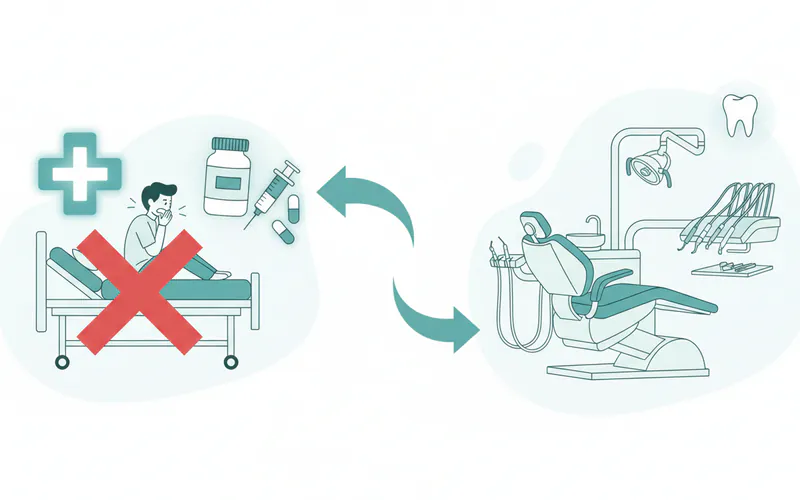
Can I go to a hospital emergency room for a dental emergency?
While a hospital emergency room can provide temporary pain relief and antibiotics for a severe infection, they are typically not equipped to perform definitive dental work like fillings, root canals, or extractions. They can stabilize life-threatening conditions (e.g., severe swelling obstructing airways) but will usually refer you to an emergency dentist for actual dental treatment.
What if I can't afford an emergency dental visit?
Many options exist for those worried about cost. Discuss payment plans directly with the dental office, explore third-party financing like CareCredit, or seek care from community dental clinics or university dental schools which often offer reduced fees. Prioritizing emergency care is crucial, as delaying treatment can lead to more costly and complex problems down the line.
How long does an emergency dental visit typically take?
The duration of an emergency dental visit can vary widely. An initial exam and diagnosis might take 30-60 minutes. If an immediate procedure like a simple filling, extraction, or temporary repair is performed, the visit could extend to 1-2 hours. More complex procedures, like starting a root canal, might take longer.
Is it normal to have sensitivity after emergency dental treatment?
Yes, some sensitivity, especially to hot or cold, or mild discomfort in the treated area, is common after emergency dental procedures like fillings, root canals, or extractions. This usually subsides within a few days to a week. If the pain is severe, persistent, or worsens, contact your dentist.
What are the long-term consequences of ignoring a dental emergency?
Ignoring a dental emergency can lead to serious consequences, including the spread of infection to other parts of the body (potentially life-threatening), permanent tooth loss, increased pain, damage to adjacent teeth, and more complex and expensive treatments later on. Early intervention is key to preserving your oral and overall health.
How can I prevent dental emergencies?
Preventing dental emergencies involves maintaining excellent oral hygiene (brushing twice daily, flossing daily), attending regular dental check-ups and cleanings (every six months), wearing a mouthguard during sports or if you grind your teeth, and avoiding chewing on hard objects. Addressing minor dental issues promptly can also prevent them from escalating.
When to See a Dentist
Knowing when to seek immediate dental care versus when you can wait for a regular appointment is critical. Here’s a clear guide:
Immediate Emergency (Call an emergency dentist NOW):
- Knocked-Out Permanent Tooth: Every minute counts.
- Severe, Uncontrolled Bleeding: From the mouth or gums after trauma or extraction.
- Sudden, Intense Pain with Swelling: Especially if accompanied by fever, difficulty swallowing, or a bad taste in the mouth (signs of an abscess or severe infection).
- Jaw Injury: A suspected broken or dislocated jaw, often with pain, swelling, and difficulty opening/closing the mouth.
- Tooth Fracture with Exposed Pulp: If you can see a red dot or bleeding from the center of a broken tooth, the nerve is exposed.
- Facial Trauma: Significant injury to the face, mouth, or teeth.
Urgent Care (See a dentist within 24-48 hours):
- Lost or Broken Filling/Crown without Severe Pain: The tooth is exposed and vulnerable, but not excruciatingly painful.
- Persistent Mild-to-Moderate Toothache: That hasn't improved with home remedies.
- Chipped or Cracked Tooth without Exposed Pulp: Sharp edges may irritate your tongue or cheek.
- Loose Tooth (non-traumatic): A tooth becoming loose due to gum disease or other factors, not immediate trauma.
- Objects Caught Between Teeth: If you can't remove it with floss and it's causing discomfort.
- Sore or Swollen Gums: That doesn't resolve within a day or two.
Routine Care (Schedule a regular appointment):
- Routine Check-up and Cleaning: To prevent problems.
- Cosmetic Concerns: Whitening, veneers, minor alignment issues.
- Filling a Small Cavity: That isn't causing pain or sensitivity.
- Dull Tooth Sensitivity: To hot or cold that is minor and occasional.
Red Flags vs. Routine Guidance: The key differentiator is pain level, visible trauma, bleeding, and signs of infection (swelling, fever). If you are experiencing any of the "Immediate Emergency" scenarios, do not hesitate to contact an emergency dentist or, if unavailable and your condition is life-threatening (e.g., severe swelling making it hard to breathe), go to the nearest emergency room. Your oral health is intrinsically linked to your overall health, and prompt action can make all the difference.
Frequently Asked Questions
Medically Reviewed Content
This article was written by our dental health editorial team and reviewed for medical accuracy. Our content follows strict editorial guidelines for reliability and trustworthiness.
Medical Disclaimer
This article is for informational purposes only and does not constitute medical advice. Always consult with a qualified dental professional for diagnosis and treatment. Do not delay seeking professional advice because of something you read on this website.
Related Articles
Dental Office: Complete Guide
More than 1 in 4 adults in the United States experiences untreated dental caries, a statistic that underscores a critical reality: regular visits to a dental office are not merely about aesthetics, but about foundational health. A dental office serves as the primary gateway to maintaining op
February 22, 2026
Dental: Complete Guide
Imagine a life where you never have to worry about a toothache, where your breath is always fresh, and your smile radiates confidence. While perfect dental health might seem like a dream, understanding and actively managing your oral care is the closest you can get to this ideal. Did you know that *
February 22, 2026
Delta Dental Insurance: Complete Guide
Navigating the landscape of dental insurance can often feel as complex as understanding advanced calculus, yet its impact on your oral health and overall well-being is undeniable. Did you know that over 36% of American adults did not visit a dentist in the past year, often citing cost as a major bar
February 22, 2026
Pediatric Dentist: Complete Guide
When it comes to your child's health, every detail matters—especially their developing smile. Did you know that tooth decay is the most common chronic childhood disease, five times more prevalent than asthma? This startling statistic underscores the critical importance of early and consistent de
February 22, 2026