Root Canal and Crown: Complete Guide
Key Takeaways
- When a tooth suffers from significant damage or infection, a combination of two powerful restorative dental procedures often becomes necessary to save it: a root canal and crown. This comprehensive approach not only eradicates infection and alleviates pain but also restores the tooth's structura
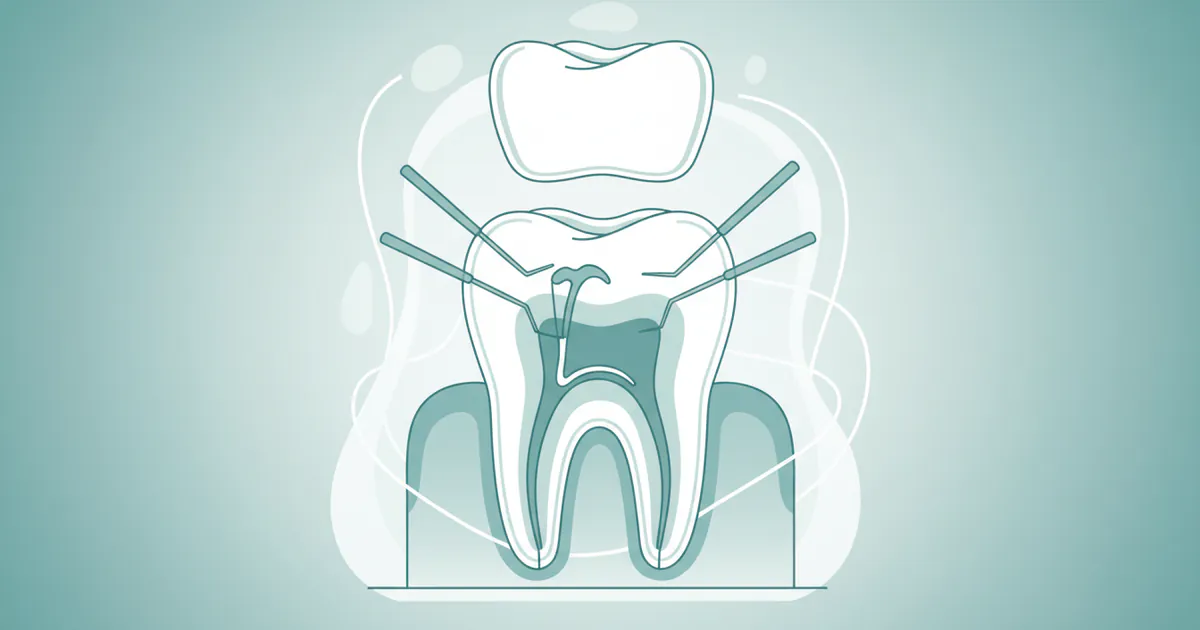
When a tooth suffers from significant damage or infection, a combination of two powerful restorative dental procedures often becomes necessary to save it: a root canal and crown. This comprehensive approach not only eradicates infection and alleviates pain but also restores the tooth's structural integrity, function, and aesthetic appearance. For many Americans, understanding this combined treatment is crucial for making informed decisions about their oral health. In fact, millions of root canal procedures are performed successfully each year in the United States, underscoring their importance in maintaining a healthy smile.
This article from SmilePedia.net aims to be your definitive guide to understanding the synergy between a root canal and a dental crown. We will delve into what these procedures entail, why they are often performed together, the different types of crowns available, the step-by-step process, associated costs, recovery expectations, and how to prevent future issues. By the end of this guide, you will have a clear, comprehensive understanding of how a root canal and crown can restore your oral health and confidence.
Key Takeaways:
- A root canal is an endodontic procedure that removes infected or damaged pulp from inside a tooth, alleviating pain and saving the natural tooth.
- A dental crown, often called a "cap," is a custom-made restoration placed over a tooth treated with a root canal to protect it from fracture and restore its shape, strength, and appearance.
- The combined cost for a root canal and crown in the US typically ranges from $1,500 to $4,500 per tooth, varying by tooth type, location, and crown material.
- The entire process, from root canal completion to permanent crown placement, usually spans 2-3 appointments over 2-4 weeks.
- Crowns are essential after most root canals, especially on molars and premolars, because the tooth becomes brittle and susceptible to fracture after pulp removal.
- Success rates for root canal therapy followed by a crown are very high, often exceeding 90% over 10 years with proper care.
- Good oral hygiene and regular dental check-ups are vital for preventing the need for these procedures and for ensuring their long-term success.
What It Is: Understanding Root Canal and Crown Procedures
The combination of a root canal and a dental crown represents a cornerstone of modern restorative dentistry, designed to preserve natural teeth that would otherwise be lost. Let's break down each component.
The Root Canal Procedure: Saving Your Natural Tooth
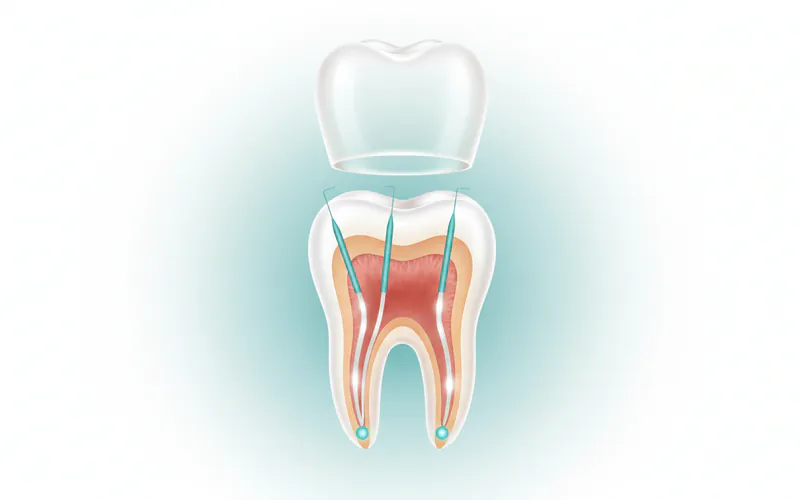
A root canal, medically known as endodontic therapy, is a procedure aimed at saving a tooth whose soft inner tissue (the pulp) has become infected, inflamed, or damaged. The pulp, located within the pulp chamber and root canals, contains nerves, blood vessels, and connective tissue. When this pulp is compromised, it can lead to severe pain, abscess formation, and eventual tooth loss if left untreated.
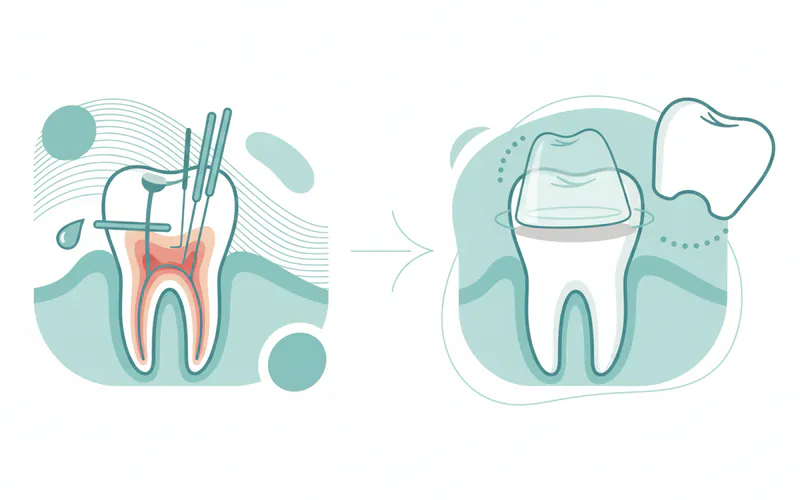
During a root canal, the dentist or an endodontist (a dental specialist in treating the pulp) carefully removes the diseased or damaged pulp, cleans and disinfects the inside of the tooth, and then fills and seals the space. The goal is to eliminate bacteria and prevent reinfection, thereby preserving the tooth's structure and function. Despite its reputation, modern root canal therapy is often no more uncomfortable than a routine dental filling, thanks to advanced anesthetic techniques.
The Dental Crown: Protecting and Restoring
After a successful root canal, the tooth's internal structure is compromised. The removal of the pulp, which nourishes the tooth, can make it more brittle and susceptible to fracture. Furthermore, a significant amount of tooth structure may have been removed due to decay or trauma before the root canal was even necessary. This is where a dental crown comes into play.
A dental crown is a custom-made, tooth-shaped "cap" that is permanently bonded over the entire visible portion of a damaged tooth, sitting right at the gum line. Its primary functions after a root canal are:
- Protection: It shields the treated tooth from chewing forces and prevents fractures, which are common in endodontically treated teeth.
- Restoration: It restores the tooth's original shape, size, strength, and aesthetic appearance, allowing it to function normally.
- Support: It holds together parts of a cracked tooth.
Essentially, the root canal treats the internal problem (infection), while the crown addresses the external issue (structural weakness and protection). They are almost always a necessary pairing, especially for back teeth (molars and premolars) that endure heavy chewing forces, but are also commonly used for front teeth for both protection and aesthetic reasons.
Causes: Why a Tooth Needs a Root Canal and Crown
Understanding why a tooth might require this extensive treatment is key to prevention and early intervention. The need for a root canal primarily stems from damage or infection of the dental pulp.
Deep Tooth Decay
This is the most common reason. When a cavity is left untreated, bacteria can erode through the enamel and dentin layers, eventually reaching the pulp chamber. Once bacteria invade the pulp, they cause inflammation (pulpitis) and infection, leading to pulp death and potentially an abscess at the tooth's root.
Trauma or Injury
A severe blow to the face or mouth can damage a tooth, even if there's no visible crack. The impact can cause the pulp to become inflamed or die, leading to infection over time. Fractured teeth that expose the pulp are also direct pathways for bacteria.
Repeated Dental Procedures
Multiple fillings, repairs, or other procedures on the same tooth can sometimes stress the pulp, leading to irreversible inflammation or infection over time. While necessary, each intervention slightly increases the risk of pulp compromise.
Cracks or Chips in the Tooth
Cracks, especially those extending into the dentin or pulp, can allow bacteria to enter and infect the pulp. Even hairline cracks can be problematic. This is particularly relevant for front teeth crowns, where even a minor fracture might compromise the tooth's vitality.
Gum Disease (Periodontitis)
Advanced gum disease can sometimes affect the surrounding bone and tissues, and in rare cases, can lead to infection that spreads to the tooth's pulp through accessory canals in the root.
Large Fillings
While fillings restore teeth, very large or deep fillings, particularly those close to the pulp, can sometimes irritate the pulp to the point of inflammation or infection, even years later.
Signs and Symptoms: When to Suspect a Problem
Recognizing the signs and symptoms that indicate a potential need for a root canal and subsequent crown is crucial for timely treatment and avoiding more severe complications. Do not ignore these warning signs:
- Persistent Tooth Pain: This is the most common symptom. The pain can range from mild to severe, can be constant, or come and go. It might worsen when chewing or applying pressure to the tooth.
- Sensitivity to Hot and Cold: Prolonged sensitivity to hot or cold temperatures, even after the stimulus has been removed, indicates nerve damage or inflammation.
- Swelling and Tenderness in the Gums: The area around the affected tooth might be swollen, red, and tender to the touch. This can indicate an infection or an abscess.
- Pimple-like Bump on the Gums (Fistula): A small, pus-filled bump, often called a "pimple" or "gum boil," may appear on the gum tissue near the painful tooth. This indicates that the infection is draining, often providing temporary relief from pain but not resolving the underlying issue.
- Tooth Discoloration: An infected tooth's pulp can cause the tooth to darken or appear grayish/brownish. This is particularly noticeable with front teeth crowns where aesthetics are paramount.
- Pain When Chewing or Biting: Tenderness or pain when biting down can be a sign of inflammation around the root of the tooth.
- Loose Tooth: In some advanced cases of infection, the bone supporting the tooth can be affected, leading to mobility of the tooth.
If you experience any of these symptoms, it's essential to see a dentist promptly for an accurate diagnosis. Delaying treatment can lead to the spread of infection, increased pain, and potentially the loss of the tooth.
Treatment Options: Root Canal vs. Alternatives
When a tooth's pulp is irreversibly damaged or infected, you generally have two primary treatment paths: save the tooth with a root canal or remove it.
Option 1: Root Canal Therapy (and Crown) – Saving the Natural Tooth
Pros:
- Preserves Natural Tooth: You keep your original tooth, maintaining natural chewing function and speech.
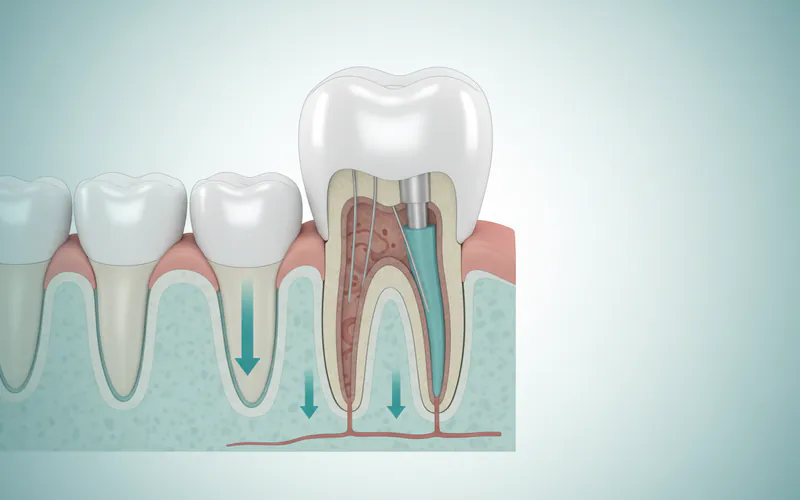
- Maintains Jawbone Structure: The natural tooth root continues to stimulate the jawbone, preventing bone loss that occurs after extraction.
- Prevents Shifting: Keeping the tooth prevents adjacent teeth from shifting into the empty space.
- High Success Rate: Modern root canals followed by proper restoration (crown) boast a very high success rate, often lasting a lifetime.
Cons:
- Multiple Appointments: Typically requires 2-3 visits (root canal and then crown placement).
- Cost: Can be more expensive upfront than extraction alone, especially when including the crown.
- Potential for Complications: Though rare, complications like reinfection or root fracture can occur.
Option 2: Tooth Extraction – Removing the Tooth
Pros:
- Immediate Pain Relief: Removing the source of infection often provides instant relief.
- Simpler Procedure: A single procedure to remove the tooth.
- Lower Initial Cost: Extraction is generally less expensive than a root canal and crown.
Cons:
- Loss of Natural Tooth: You lose your original tooth.
- Bone Loss: Without the tooth root, the jawbone in that area will begin to resorb (shrink) over time.
- Shifting Teeth: Adjacent teeth can drift into the gap, affecting your bite and making future restoration more complex.
- Need for Replacement: To maintain function and aesthetics, the missing tooth usually needs to be replaced with a dental implant, bridge, or partial denture, which are often more costly and invasive than the initial root canal and crown combined.
- Impact on Chewing: A missing tooth can impair your ability to chew properly and comfortably.
Pro Tip: While extraction might seem like a quicker, cheaper solution initially, consider the long-term implications. Replacing a missing tooth with an implant or bridge can cost significantly more (often $3,000 to $6,000+ for an implant and crown) and involves additional procedures. Saving your natural tooth with a root canal and crown is often the most cost-effective and beneficial long-term solution.
Comparison Table: Root Canal vs. Extraction
| Feature | Root Canal & Crown | Tooth Extraction (without replacement) |
|---|---|---|
| Purpose | Save infected tooth, restore function & aesthetics | Remove infected tooth |
| Tooth Status | Natural tooth preserved | Natural tooth lost |
| Jawbone Health | Maintained | Bone loss over time |
| Adjacent Teeth | Stable | Risk of shifting into gap |
| Cost (Initial) | $1,500 - $4,500 | $150 - $600 (simple), $250 - $800 (surgical) |
| Long-Term Cost | Generally lower than extraction + replacement | Potentially higher if replacement (implant, bridge) needed |
| Appointments | 2-3 (root canal, then crown) | 1 |
| Functionality | Fully restored | Impaired chewing, potential speech issues |
| Aesthetics | Fully restored | Gap in smile |
Step-by-Step Process: What to Expect
The journey to restoring your tooth with a root canal and crown typically involves several carefully orchestrated steps, usually spread across two or three appointments.
Part 1: The Root Canal Procedure
-
Diagnosis and Treatment Planning:
- Your dentist will examine your tooth, take X-rays, and perform diagnostic tests (e.g., thermal tests, percussion tests) to confirm pulp infection or damage and determine if a root canal is the appropriate treatment. They will also assess the overall tooth structure to plan for the eventual crown.
- Pro Tip: Don't hesitate to ask questions about the procedure, expected pain, and recovery during this stage.
-
Anesthesia:
- Before starting, the area around the affected tooth will be numbed with local anesthetic. You should feel no pain during the procedure, only pressure.
-
Isolation:
- A small sheet of rubber, called a dental dam, is placed around the tooth to isolate it from the rest of the mouth. This keeps the tooth clean and dry and prevents bacteria from saliva from entering the treatment area.
-
Access Opening:
- A small opening is created through the top (crown) of the tooth to access the pulp chamber and root canals.
-
Pulp Removal, Cleaning, and Shaping:
- Using tiny, flexible instruments called files, the dentist carefully removes the infected or inflamed pulp, nerves, and debris from inside the root canals.
- The canals are then thoroughly cleaned, disinfected, and shaped to prepare them for filling. This step can take significant time, especially for molars with multiple, complex canals.
-
Filling the Canals (Obturation):
- Once cleaned and shaped, the canals are filled with a biocompatible, rubber-like material called gutta-percha, often sealed with an adhesive cement. This material fills the space and prevents reinfection.
-
Temporary Filling/Restoration:
- A temporary filling is placed in the access opening to seal the tooth until the permanent crown can be fabricated and placed. This temporary filling protects the tooth from contamination and damage in the interim.
Part 2: The Dental Crown Placement
After the root canal is complete and the tooth has had time to settle, the focus shifts to placing the permanent dental crown. This typically occurs 1-3 weeks after the root canal.
-
Crown Preparation (First Crown Appointment):
- The temporary filling is removed, and the tooth is carefully reshaped and trimmed to create space for the crown. The amount of tooth reduction depends on the type of crown material chosen.
- For front teeth crowns, precise shaping is crucial for optimal aesthetics.
- Impression Taking: An impression (mold) of the prepared tooth is taken. This impression, along with an impression of your opposing teeth and a bite registration, is sent to a dental laboratory where your custom crown will be fabricated.
- Shade Selection: If you're getting a tooth-colored crown (like porcelain or zirconia), your dentist will work with you to select a shade that matches your natural teeth.
- Temporary Crown Placement: A temporary crown, usually made of acrylic, is immediately placed over the prepared tooth. This protects the tooth, maintains its position, and ensures a comfortable bite while your permanent crown is being made. You will wear this for approximately 1-3 weeks.
-
Permanent Crown Placement (Second Crown Appointment):
- Once your custom crown arrives from the dental lab, you'll return for your final appointment.
- The temporary crown is carefully removed, and the underlying tooth is cleaned.
- Trial Fit: Your dentist will meticulously check the fit, bite, and aesthetics of the permanent crown. Adjustments may be made to ensure it aligns perfectly with your surrounding teeth and bite.
- Final Cementation: Once you and your dentist are satisfied, the permanent crown is bonded onto your tooth using a strong dental cement. The cement is hardened, and any excess material is removed.
- Final Polish: The crown is polished, and a final check of your bite is performed.
Types of Crowns: Choosing the Right Material
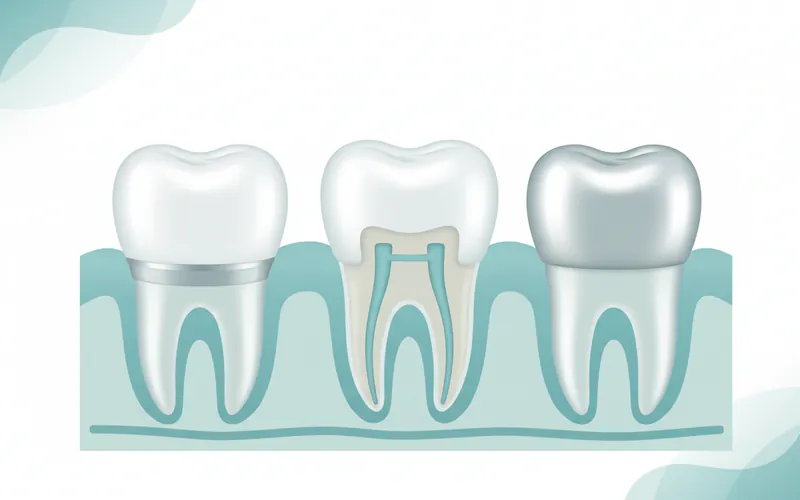
The type of dental crown chosen after a root canal is a significant decision, impacting aesthetics, durability, and cost. Modern crowns are made from a variety of materials, each with unique properties. Your dentist will help you choose based on the tooth's location, your bite, aesthetic preferences, and budget.
1. Porcelain-Fused-to-Metal (PFM) Crowns
- Description: These crowns have a metal substructure for strength, with a layer of porcelain fused over it for a tooth-colored appearance.
- Pros: Good strength and reasonable aesthetics. More durable than full porcelain, less expensive than full ceramic/zirconia. Can be a good option for front teeth crowns if budget is a concern.
- Cons: The metal base can sometimes show through as a dark line at the gum line, especially as gums recede. Porcelain can chip or fracture. Not as aesthetic as all-ceramic crowns.
- Cost: Mid-range, typically $800 - $1,500.
2. All-Ceramic/All-Porcelain Crowns
- Description: Made entirely of porcelain or ceramic material, these crowns are known for their natural appearance.
- Pros: Excellent aesthetics, especially for front teeth crowns, as they mimic the translucency of natural tooth enamel. No metal allergy concerns.
- Cons: Can be less strong than metal or zirconia crowns, making them more prone to chipping or breaking, especially on back teeth that endure heavy chewing forces. Can be abrasive to opposing teeth if not highly polished.
- Cost: Mid to high-range, typically $1,000 - $1,800.
3. Zirconia Crowns
- Description: Made from zirconium dioxide, a highly durable ceramic material. Zirconia crowns have become very popular due to their strength and aesthetic appeal.
- Pros: Extremely strong and highly resistant to fracture, making them ideal for back teeth. Good aesthetics, especially newer translucent zirconia. Biocompatible.
- Cons: Can be more opaque than traditional porcelain, sometimes making them less ideal for highly aesthetic front teeth crowns unless a very high-translucency variety is used. Can be harder to adjust or polish.
- Cost: High-range, typically $1,200 - $2,500.
4. E-max Crowns (Lithium Disilicate)
- Description: A type of all-ceramic crown made from lithium disilicate glass-ceramic.
- Pros: Known for their exceptional strength and superb aesthetics, offering a balance between durability and translucency. Often considered excellent for front teeth crowns and premolars.
- Cons: Not as strong as zirconia, so might not be recommended for heavy bite areas in molars.
- Cost: High-range, typically $1,200 - $2,000.
5. Metal Crowns (Gold Alloys, Base Metal Alloys)
- Description: Made entirely of metal, typically gold alloys (gold, copper, palladium) or base metal alloys (nickel-chromium, cobalt-chromium).
- Pros: Extremely strong, highly durable, and very resistant to wear. Require minimal tooth reduction. Excellent for back teeth where aesthetics are less of a concern.
- Cons: Metallic color is not aesthetic, making them unsuitable for visible teeth. Metal allergies are possible.
- Cost: Mid-range, typically $800 - $1,500 (cost can fluctuate with precious metal prices).
Crown Materials Comparison Table
| Crown Material | Aesthetics | Durability | Ideal Use Case | Average Cost (US) |
|---|---|---|---|---|
| Porcelain-Fused-to-Metal | Good (can show metal line) | Good | Front or back teeth | $800 - $1,500 |
| All-Ceramic/Porcelain | Excellent | Fair to Good | Front teeth, light bite areas | $1,000 - $1,800 |
| Zirconia | Very Good | Excellent | Back teeth, high bite force | $1,200 - $2,500 |
| E-max (Lithium Disilicate) | Excellent | Very Good | Front teeth, premolars | $1,200 - $2,000 |
| Metal (Gold, Base Metal) | Poor (metallic) | Excellent | Back teeth | $800 - $1,500 |
Cost and Insurance: Navigating the Financial Aspect
The cost of a root canal and crown can be a significant concern for many patients. Prices vary widely based on several factors, including the type of tooth, geographic location, the specific dentist or specialist, and the materials chosen for the crown.
Average US Cost Ranges (Without Insurance)
- Root Canal:
- Anterior (Front) Tooth: Typically $700 - $1,200
- Premolar (Bicuspid): Typically $800 - $1,500
- Molar (Back Tooth): Typically $1,000 - $2,000 (Molars have more canals and are more complex)
- Dental Crown:
- PFM Crown: $800 - $1,500
- All-Ceramic/Porcelain Crown: $1,000 - $1,800
- Zirconia/E-max Crown: $1,200 - $2,500
- Metal (Gold/Base Metal) Crown: $800 - $1,500
Combined Cost (Root Canal + Crown): Adding these together, the total cost for a root canal and a single crown on the same tooth can range from approximately $1,500 to $4,500 per tooth without insurance. More complex cases or high-end crown materials will be at the higher end of this spectrum.
Impact of Geographic Location
Costs can vary significantly by region. Major metropolitan areas (e.g., New York, Los Angeles) generally have higher dental fees compared to rural areas or states with lower costs of living. For instance, a root canal on a molar in a large city might cost $1,800-$2,200, while in a smaller town, it could be $1,000-$1,400.
Insurance Coverage Details
Most standard dental insurance plans offer some level of coverage for root canal therapy and crowns, as they are considered major restorative procedures.
- Typical Coverage:
- Diagnostic & Preventative Care (cleanings, X-rays): Often covered at 80-100%.
- Basic Restorative (fillings): Often covered at 70-80%.
- Major Restorative (root canals, crowns, bridges): Typically covered at 50-70%.
- Deductibles: You will likely need to meet an annual deductible (e.g., $50-$100) before your insurance begins to pay.
- Annual Maximums: Most dental insurance plans have an annual maximum benefit (e.g., $1,000-$2,000). Once you reach this limit, you are responsible for 100% of the costs.
- Waiting Periods: Some plans have waiting periods (e.g., 6-12 months) for major procedures, meaning you must be enrolled for a certain amount of time before these services are covered.
- In-network vs. Out-of-network: Your out-of-pocket costs will be lower if you choose a dentist who is in your insurance plan's network.
Pro Tip: Always contact your dental insurance provider directly or ask your dental office to provide a detailed breakdown of estimated costs and your specific coverage before starting treatment. This will give you the most accurate financial picture.
Recovery and Aftercare: Ensuring Long-Term Success
Proper recovery and diligent aftercare are crucial for the long-term success of your root canal and crown. While the root canal removes the infection, the crown protects the tooth from fracture and restores its function.
Immediately After the Root Canal
- Numbness: The area will remain numb for several hours after the procedure. Be careful not to bite your cheek or tongue. Avoid chewing until the numbness wears off.
- Mild Discomfort/Soreness: It's normal to experience some mild discomfort, tenderness, or sensitivity for a few days as the inflammation subsides. This can usually be managed with over-the-counter pain relievers like ibuprofen (Advil, Motrin) or naproxen (Aleve).
- Temporary Filling Care: You'll have a temporary filling in place. Avoid chewing hard or sticky foods directly on this tooth to prevent dislodging the temporary filling or fracturing the tooth before the permanent crown is placed.
- Oral Hygiene: Continue brushing and flossing gently around the treated tooth.
- Diet: Stick to soft foods for the first few days.
After Permanent Crown Placement
- Initial Sensation: It's normal to feel the new crown in your mouth. Your tongue might notice the different texture or shape. It should feel like a natural tooth.
- Bite Adjustment: Your bite might feel slightly off initially. If after a few days it still doesn't feel right, or if you feel a "high spot" when you bite down, contact your dentist. A minor adjustment can usually correct this.
- Temperature Sensitivity: Some temporary sensitivity to hot or cold may occur, especially if the tooth was very inflamed before the root canal. This should subside within a few days to weeks.
- Oral Hygiene: Treat your crowned tooth just like your natural teeth. Brush at least twice a day with fluoride toothpaste and floss daily. Pay special attention to the gum line around the crown to prevent gum disease and decay at the crown margin.
- Avoid Damaging Habits: Refrain from chewing on ice, hard candies, or non-food items, and avoid using your crowned tooth to open packages.
- Night Guards: If you clench or grind your teeth (bruxism), your dentist might recommend a night guard to protect your crown and natural teeth from excessive forces.
Long-Term Care and Follow-Up
- Regular Dental Check-ups: Continue with your routine dental check-ups and professional cleanings every six months, or as recommended by your dentist. Your dentist will monitor the health of your crowned tooth and overall oral health.
- Longevity: With proper care, a root canal and crown can last for many years, often a decade or more. The crown itself may eventually need replacement due to wear, chipping, or gum recession.
Prevention: Avoiding the Need for Root Canal and Crown
While root canals and crowns are highly effective restorative treatments, preventing the need for them in the first place is always the best approach. Good oral hygiene and proactive dental care are your strongest defenses.
- Maintain Excellent Oral Hygiene:
- Brush twice daily: Use fluoride toothpaste and brush for at least two minutes, covering all tooth surfaces.
- Floss daily: Flossing removes plaque and food particles from between teeth and under the gumline, areas your toothbrush can't reach. This prevents decay and gum disease, which can lead to pulp infection.
- Use mouthwash: An antiseptic mouthwash can help reduce bacteria in your mouth.
- Regular Dental Check-ups and Cleanings:
- Visit your dentist for professional cleanings and examinations at least twice a year (every six months). Regular check-ups allow your dentist to identify and treat cavities early, before they reach the pulp, and to detect other potential issues.
- Protect Your Teeth from Trauma:
- Wear a mouthguard during sports or any recreational activities that carry a risk of facial impact.
- If you clench or grind your teeth at night (bruxism), ask your dentist about a custom-fitted night guard to protect your teeth from excessive forces and cracks.
- Address Cavities Promptly:
- Don't delay treatment for cavities. The sooner a cavity is filled, the less likely it is to progress to the pulp and require a root canal.
- Limit Sugary and Acidic Foods and Drinks:
- Reduce your consumption of sugary snacks, sodas, and acidic foods. These contribute to tooth decay. If you do consume them, rinse your mouth with water afterward.
- Avoid Chewing Hard Objects:
- Refrain from chewing on ice, pens, or other hard objects that can chip or crack your teeth, potentially exposing the pulp.
Risks and Complications: What Can Go Wrong
While root canal and crown procedures are generally safe and highly successful, like any medical treatment, they carry potential risks and complications. Being aware of these can help you understand what to look for and when to contact your dentist.
Complications Related to Root Canal Therapy
- Persistent Infection/Reinfection: Although rare, the initial infection might not be fully eliminated, or a new infection could develop if:
- The root canals were not thoroughly cleaned and sealed.
- Accessory canals or very narrow, curved canals went undetected.
- The crown placement was delayed, or the temporary filling failed.
- A new cavity forms under the crown margin.
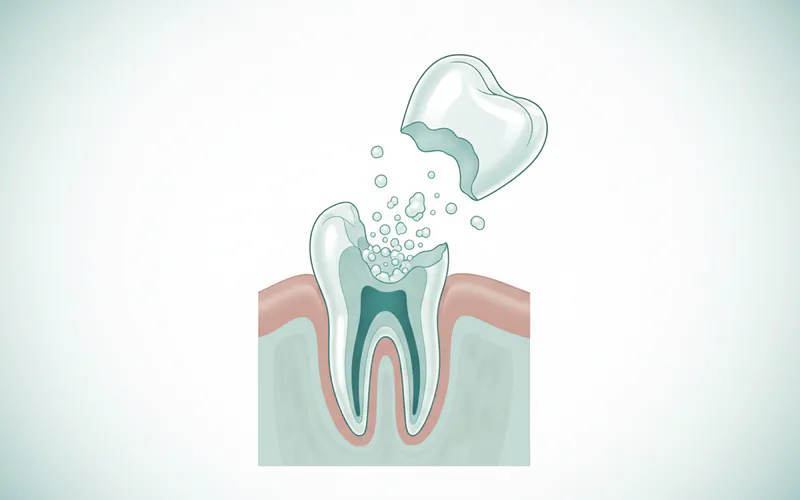
- Fractured Tooth or Root: During the procedure, a root might fracture, or the tooth could sustain damage. After the root canal, the tooth can become more brittle and susceptible to fracture if not protected by a crown, particularly on molars.
- Instrument Separation: In rare cases, a small dental file can break off inside the root canal. If the fragment is small and the canal is otherwise clean, it may not pose a significant problem, but sometimes it requires specialized removal or surgical intervention.
- Missed Canals: Some teeth have a complex anatomy with extra canals that might be difficult to locate and treat. If a canal is missed, the infection can persist.
- Perforation: An instrument might accidentally create a hole (perforation) in the side of the tooth or root, potentially leading to leakage and infection.
- Post-Operative Flare-Up: While most discomfort is mild, some patients experience a significant flare-up of pain and swelling after a root canal due to the body's inflammatory response. This usually resolves with medication but can be distressing.
Complications Related to Crown Placement
- Crown Dislodgment: The crown can become loose or fall off if the cement washes away or if there wasn't enough tooth structure to begin with.
- Chipped Crown: Porcelain or ceramic crowns can chip or fracture, especially if subjected to excessive biting forces or trauma. Small chips can sometimes be repaired, while larger chips might require crown replacement.
- Sensitivity: Some sensitivity to hot or cold might linger, though it usually subsides. If severe or persistent, it warrants a check-up.
- Allergic Reaction: While rare with most modern crown materials, some individuals may have an allergic reaction to the metals or other materials used in a crown.
- Gum Problems: Improperly fitted crowns can irritate the gums, leading to inflammation, bleeding, or gum disease. A crown that extends too far below the gum line can also trap plaque.
- Decay Under the Crown: If the crown margin doesn't seal perfectly against the tooth, or if oral hygiene is poor, bacteria can leak under the crown and cause new decay in the remaining tooth structure.
- Crown Fracture: The entire crown can fracture, particularly if made from less durable materials or if subjected to extreme forces.
Most complications are treatable. If you experience unusual pain, swelling, signs of infection, or issues with your crown after treatment, contact your dentist immediately. Early intervention is key to managing complications successfully.
Children / Pediatric Considerations for Root Canals and Crowns
While the full "root canal and crown" procedure is more commonly associated with adult permanent teeth, children can also experience dental issues that affect the pulp, requiring specialized endodontic treatment and subsequent restoration. This is particularly true for their primary (baby) teeth, but can also occur in young permanent teeth.
Pulp Therapy for Primary Teeth
For baby teeth, the goal is often to preserve the tooth until it naturally falls out, maintaining space for the permanent tooth and ensuring proper chewing and speech development. The treatments are variations of root canal therapy:
- Pulpotomy (Partial Pulp Removal):
- What it is: If decay or trauma has only affected the pulp in the crown portion of the tooth, a pulpotomy might be performed. The infected pulp in the crown is removed, the remaining healthy pulp in the root canals is treated with a medicament, and the pulp chamber is sealed.
- Why it's done: To save the baby tooth, prevent pain, and maintain its function until it's ready to exfoliate naturally.
- Crown: A stainless steel crown (SSC) is almost always placed immediately after a pulpotomy to protect the weakened baby tooth. SSCs are durable, cost-effective, and provide full coverage.
- Pulpectomy (Full Pulp Removal):
- What it is: If the entire pulp (in both the crown and root canals) of a baby tooth is infected, a pulpectomy is performed. Similar to an adult root canal, the entire pulp is removed, and the canals are cleaned, shaped, and filled with a resorbable material that allows for natural shedding of the tooth.
- Why it's done: For more extensive infection when the tooth can still be saved.
- Crown: A stainless steel crown is essential after a pulpectomy to protect the compromised tooth.
Endodontic Treatment for Young Permanent Teeth
When a permanent tooth in a child (especially one with immature roots) becomes infected or traumatized, a pediatric dentist or endodontist may perform:
- Apexification: If the root end is not fully formed, this procedure encourages the root to complete its development, allowing for a more stable tooth.
- Vital Pulp Therapy: Newer techniques aim to preserve the vital pulp in immature permanent teeth, stimulating further root development. These procedures also usually require a strong, protective restoration like a permanent crown once the root development is complete and the tooth is stable.
Pediatric Crown Considerations
- Stainless Steel Crowns (SSCs): These are the most common crowns for children's primary teeth. They are prefabricated, durable, and cemented in one visit. While not tooth-colored, they are very effective at protecting weak baby teeth after pulp therapy.
- Zirconia Crowns for Primary Teeth: Tooth-colored zirconia crowns are now available for primary teeth, offering a more aesthetic option, especially for visible front teeth. They are more costly than SSCs.
- Permanent Crowns for Permanent Teeth: For young permanent teeth requiring crowns, the same range of materials (porcelain, zirconia, E-max) as adults may be used, with considerations for durability, aesthetics, and the child's bite.
Pro Tip for Parents: If your child complains of tooth pain, swelling, or develops a "pimple" on their gums, seek dental care immediately. Early intervention can prevent the need for more complex procedures and save the tooth. Regular check-ups are vital for children to catch small problems before they become big ones.
Cost Breakdown: A Detailed Look at Expenses
While we've touched on costs, let's provide a more consolidated breakdown, emphasizing payment options and cost-saving strategies.
Average US Costs (Without Insurance)
| Procedure | Anterior Tooth | Premolar Tooth | Molar Tooth | General Crown Cost |
|---|---|---|---|---|
| Root Canal | $700 - $1,200 | $800 - $1,500 | $1,000 - $2,000 | N/A |
| Crown | N/A | N/A | N/A | $800 - $2,500 |
| Total (RC + Crown) | $1,500 - $3,700 | $1,600 - $4,000 | $1,800 - $4,500 | N/A |
These are general ranges. Costs can be higher or lower based on complexity, specialist fees (endodontist), and geographic location.
With vs. Without Insurance
As mentioned, most dental insurance plans cover 50-70% of major restorative procedures like root canals and crowns, after your deductible is met and up to your annual maximum.
- Example for a Molar Root Canal and Zirconia Crown:
- Total Cost: $3,500 (e.g., $1,500 RC + $2,000 Crown)
- Annual Deductible: $50
- Insurance Coverage (e.g., 60%): (3500 - 50) * 0.60 = $2,070
- Your Out-of-Pocket: $1,430 ($3500 - $2070)
- Note: If your annual maximum is $1,500, your insurance would only pay up to that amount, and your out-of-pocket would be higher.
Payment Plans and Financing Options
Many dental offices understand the financial burden of extensive dental work and offer various payment solutions:
- In-Office Payment Plans: Some practices allow you to pay in installments over several months, often without interest.
- Third-Party Financing (e.g., CareCredit, LendingClub): These are healthcare credit cards or loans specifically designed for medical and dental expenses. They often offer interest-free periods if paid in full within a certain timeframe (e.g., 6, 12, or 18 months), or low-interest extended payment plans.
- Credit Cards: Standard credit cards can be used, but be mindful of interest rates.
Cost-Saving Tips
- Early Intervention: Addressing dental problems like cavities early prevents them from progressing to a point where a root canal and crown are necessary. Regular check-ups are key.
- Dental Savings Plans: These are not insurance but membership plans where you pay an annual fee and receive discounted rates (typically 10-60%) on dental procedures from participating dentists.
- Dental Schools: University dental schools often provide services at a reduced cost, as treatment is performed by students under the close supervision of experienced faculty.
- Community Dental Clinics: Some non-profit or government-funded clinics offer sliding-scale fees based on income.
- Shop Around (with caution): While comparing costs is wise, choose a dentist based on reputation, experience, and the quality of care, not solely on price. A poorly done root canal or crown can lead to expensive complications down the line.
Frequently Asked Questions
Is a crown always necessary after a root canal?
While not always required for every tooth (e.g., some front teeth with minimal damage might only need a filling), a crown is highly recommended after most root canals, especially for back teeth (molars and premolars). Root canal-treated teeth can become brittle and prone to fracture, and a crown provides the necessary protection, strength, and seals the tooth against reinfection. Your dentist will assess your specific situation.
How long does a root canal and crown procedure take?
A root canal procedure typically takes one to two appointments, each lasting 60-90 minutes, depending on the tooth's complexity. Crown placement involves two additional appointments: one for preparation and a temporary crown (60-90 minutes), and a second for permanent crown cementation (30-60 minutes) 1-3 weeks later. The entire process, from root canal start to final crown, usually spans 2-4 weeks.
Is the root canal procedure painful?
Modern root canal procedures are generally not painful. Dentists use effective local anesthetics to numb the tooth and surrounding area, making the procedure itself as comfortable as a routine filling. Post-procedure soreness, which is manageable with over-the-counter pain medication, is normal for a few days.
What are the success rates for a root canal and crown?
With proper care, root canal therapy followed by a permanent crown has a very high success rate, often exceeding 90% over 10 years. The success largely depends on thorough cleaning of the canals, a good seal, and the protective crown preventing fracture and reinfection.
Can I choose what my crown is made of?
Yes, you typically have options for crown materials (porcelain, zirconia, PFM, etc.). Your dentist will discuss the pros and cons of each, considering factors like the tooth's location, your bite, aesthetic preferences (especially for front teeth crowns), and budget.
What are the alternatives to a root canal and crown?
The primary alternative is tooth extraction. If the tooth is removed, the gap can then be filled with a dental implant, a bridge, or a partial denture. However, these replacement options are often more expensive and involve additional procedures compared to saving the natural tooth.
How long do dental crowns last?
The longevity of a dental crown varies, but with good oral hygiene and regular dental check-ups, crowns typically last anywhere from 5 to 15 years, and often much longer. Factors like crown material, biting habits (e.g., grinding), and general oral health can influence its lifespan.
Will my crowned tooth feel different?
Initially, you might notice the new crown's texture or shape, but it should feel like a natural tooth within a few days. It's crucial that your bite feels comfortable and balanced. If you notice any "high spots" or persistent discomfort when biting, contact your dentist for an adjustment.
Can a root canal treated tooth get a cavity?
Yes, a root canal-treated tooth can still get a cavity, typically at the margin where the crown meets the natural tooth structure. The crown does not protect against new decay. This is why excellent oral hygiene, including brushing and flossing around your crowned teeth, is still vital.
Can I eat normally with a temporary crown?
While wearing a temporary crown, it's best to avoid sticky, hard, or very chewy foods, as these can dislodge or break the temporary. Also, try to chew on the opposite side of your mouth to protect the temporary crown and the underlying prepared tooth.
When to See a Dentist
Prompt dental attention is critical for many oral health issues. Here's when you should definitely see a dentist regarding symptoms related to a root canal and crown:
Immediate Attention (Emergency/Urgent Care)
- Severe, persistent toothache: Especially if it wakes you up at night, or is throbbing and unresponsive to over-the-counter pain relievers. This is a classic sign of pulp infection.
- Swelling in your gums, face, or jaw: This indicates a spreading infection or abscess, which can be serious.
- A "pimple" or boil on your gums: This is a fistula, indicating an infection is draining and needs immediate professional treatment.
- Extreme sensitivity to hot or cold that lingers: If the pain persists for more than 30 seconds after the stimulus is removed, it suggests irreversible pulp damage.
- Pain when chewing or biting down: This can indicate inflammation around the tooth's root or a cracked tooth.
- Trauma to a tooth: If you've chipped, cracked, or knocked a tooth loose due to an accident, see your dentist as soon as possible, even if there's no immediate pain.
Scheduled Appointment (Routine or Less Urgent)
- Mild, intermittent tooth sensitivity: If sensitivity to hot or cold is brief and goes away quickly, it might be minor decay or gum recession, but still warrants a check-up.
- A loose or chipped temporary crown: While not an emergency, you should call your dentist as soon as possible to get it re-cemented or replaced to protect the underlying tooth.
- A permanent crown feels "off" or uncomfortable after a few days: If your bite feels unbalanced, or you have persistent but mild discomfort after your final crown placement, call your dentist for an adjustment.
- Discoloration of a tooth: If you notice a tooth gradually darkening, it could indicate a dying pulp, even without pain.
- Any new or unusual oral symptoms: If something just doesn't feel right in your mouth, it's always best to get it checked out by a professional.
Don't ignore dental pain or unusual symptoms. Early diagnosis and treatment can prevent minor issues from becoming severe, painful, and more expensive problems. Regular dental check-ups, as recommended by the American Dental Association (ADA), are your best defense against serious oral health complications.
Frequently Asked Questions
Medically Reviewed Content
This article was written by our dental health editorial team and reviewed for medical accuracy. Our content follows strict editorial guidelines for reliability and trustworthiness.
Medical Disclaimer
This article is for informational purposes only and does not constitute medical advice. Always consult with a qualified dental professional for diagnosis and treatment. Do not delay seeking professional advice because of something you read on this website.
Related Articles
Teeth Crown: Complete Guide
Imagine the confidence of a strong, healthy smile. Yet, for many Americans, dental issues like decay, cracks, or large fillings can compromise not just aesthetics, but also the vital function of their teeth. In fact, over 15 million Americans have undergone crown and bridge procedures, highlight
February 22, 2026
How Long Do Fillings Take
When you discover a cavity or experience tooth pain, one of the first questions that might come to mind is, how long do fillings take? Understanding the duration of a dental filling procedure is crucial for managing your schedule and expectations, but it's just one piece of the puzzle. Dental fi
February 22, 2026
Bridge Teeth Cost: Complete Price Guide 2026
Losing a tooth can be more than just an aesthetic concern; it can impact your ability to chew, speak clearly, and even lead to shifting teeth, affecting your overall oral health. If you're considering solutions for missing teeth, a dental bridge is a common and effective restorative option. But what
February 22, 2026
Gold Crown Tooth: Complete Guide
The quest for a strong, durable, and long-lasting dental restoration often leads patients and dentists alike to consider the gold crown tooth. While modern dentistry offers a plethora of aesthetic options, the classic gold crown has maintained its esteemed position for centuries, revered for its
February 22, 2026