Types of Teeth Shapes: Complete Guide
Key Takeaways
- Your smile is a unique reflection of you, and at its heart lies the intricate design of your teeth. Did you know that the average adult mouth houses 32 teeth, each meticulously shaped for a specific purpose? Understanding the types of teeth shapes isn't just a fascinating dive into dental anatom
Your smile is a unique reflection of you, and at its heart lies the intricate design of your teeth. Did you know that the average adult mouth houses 32 teeth, each meticulously shaped for a specific purpose? Understanding the types of teeth shapes isn't just a fascinating dive into dental anatomy; it's crucial for appreciating how your oral health directly impacts your overall well-being, from effective chewing to clear speech and even your confidence. Irregular or atypical tooth shapes can lead to a myriad of issues, including difficulty maintaining proper oral hygiene, increased risk of decay, and aesthetic concerns.
This comprehensive guide from SmilePedia.net will explore the diverse forms your teeth take, detailing the unique characteristics of incisors, canines, premolars, and molars. We'll uncover the vital functions each shape performs, delve into common variations and anomalies, and discuss how these shapes influence everything from your bite to your susceptibility to dental problems. Moreover, we'll provide insights into the causes of unusual tooth shapes, effective treatment options, associated costs, and essential preventive strategies, ensuring you have all the knowledge to maintain a healthy, functional, and beautiful smile.
Key Takeaways:
- Four Primary Types: Humans have four distinct types of teeth—incisors, canines, premolars, and molars—each with a unique shape optimized for specific functions like biting, tearing, or grinding food.
- Functional Importance: The shape of each tooth is critical for its role in mastication (chewing), speech articulation, and maintaining proper bite alignment (occlusion).
- Genetic & Developmental Influences: Tooth shapes are largely determined by genetics, but developmental issues, trauma, or wear can lead to variations or irregularities like peg laterals, microdontia, or fused teeth.
- Oral Health Impact: Atypical tooth shapes can increase the risk of dental problems such as crowding, food impaction, decay, gum disease, and uneven wear, potentially compromising the integrity of the pulp chamber.
- Corrective Treatments: Common solutions for undesirable tooth shapes include enameloplasty (recontouring for minor adjustments, costing $50-$300 per tooth), dental bonding (adding resin for minor to moderate changes, costing $300-$600 per tooth), and porcelain veneers or crowns (for significant aesthetic or structural correction, ranging from $900-$2,500 per tooth for veneers and $800-$3,000 per tooth for crowns).
- Insurance Coverage Varies: While purely cosmetic procedures for tooth shape are typically not covered, treatments addressing functional issues (e.g., restoring a broken tooth, improving bite) may receive partial insurance coverage, often falling under restorative dental codes.
- Prevention is Key: Regular dental check-ups, good oral hygiene, and addressing issues like bruxism (teeth grinding) with nightguards can help preserve the natural shapes and health of your teeth.
What It Is: The Blueprint of Your Smile
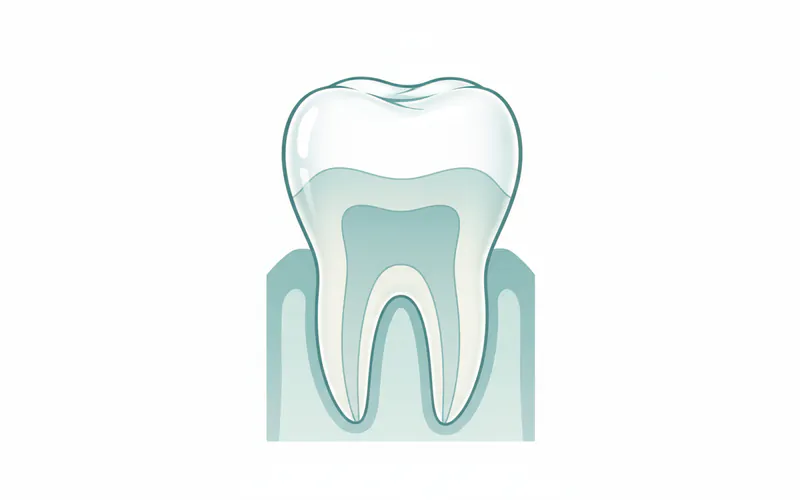
At its core, a tooth is a complex biological structure designed to process food, contribute to speech, and support facial aesthetics. Each tooth has two main anatomical parts: the crown, which is the visible portion above the gum line, and the root(s), which anchor the tooth into the jawbone. The crown's outer layer is covered by the hardest substance in the human body, enamel, protecting the softer dentin beneath. Inside the dentin lies the pulp chamber, a vital space housing the tooth's nerves, blood vessels, and connective tissue, collectively known as the dental pulp. The shape of the crown, specifically its biting surface and contours, is what defines a tooth's type and primary function.

The diverse types of teeth shapes are a marvel of natural engineering. From the sharp edges of your front teeth to the broad, bumpy surfaces of your back teeth, every curve, cusp, and ridge serves a specific mechanical purpose in the intricate process of mastication. Understanding these shapes is fundamental to comprehending how your dental system works synergistically, impacting your ability to chew, speak clearly, and maintain a healthy bite.
![A detailed diagram showing the anatomy of a tooth, labeling the crown, root, enamel(/glossary/glossary-enamel), dentin, pulp chamber, and gum line.]
The Four Main Types of Teeth Shapes and Their Functions
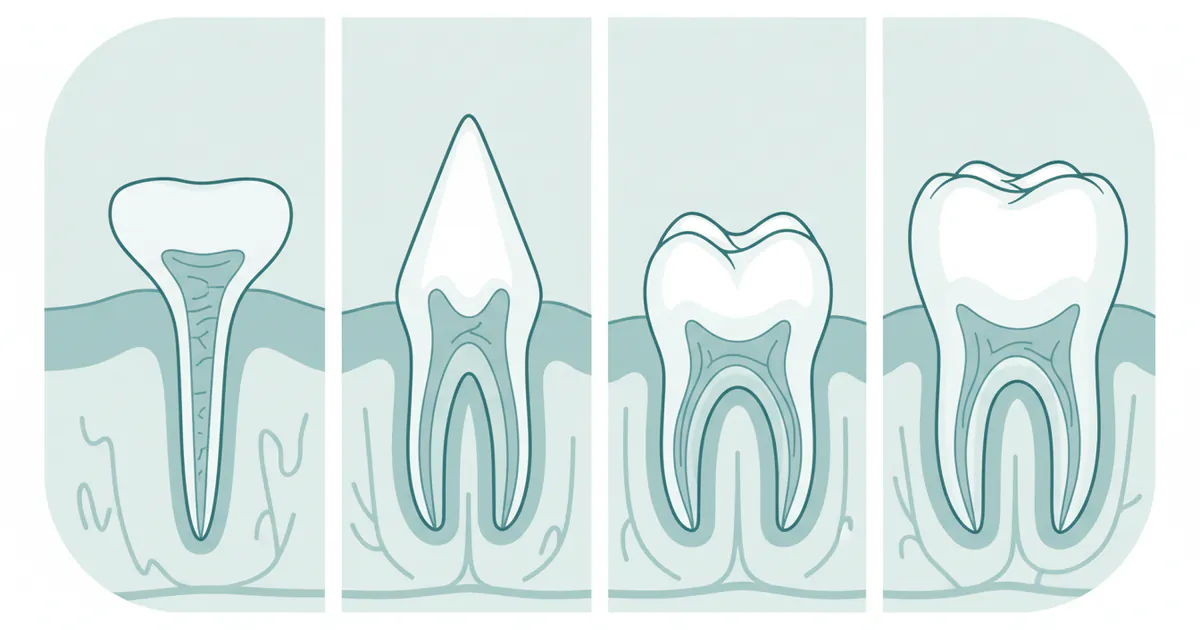
The human dentition is divided into four principal categories, each characterized by a distinct shape that reflects its specialized role in the oral cavity.
1. Incisors: The Biting Edge
What They Are: Located at the very front of your mouth, incisors are your primary biting and cutting teeth. There are eight incisors in total – four central incisors (the two most prominent front teeth on top and bottom) and four lateral incisors (flanking the central incisors).
Shape and Function: Incisors are distinguished by their relatively thin, flat, and chisel-like crowns, ending in a sharp, straight edge. This design makes them perfect for incising, or cutting, food into smaller, more manageable pieces. When you bite into an apple, it's your incisors doing the initial work. They also play a crucial role in speech articulation, particularly with sounds involving the tongue touching the front teeth (e.g., 't', 'd', 's', 'z').
Variations in Incisor Shapes:
- Shovel-Shaped Incisors: A common genetic variation, particularly among East Asian, Indigenous American, and Arctic populations, where the lingual (tongue side) surface of the incisors has pronounced marginal ridges, creating a scoop or shovel-like appearance. While generally harmless, they can sometimes be more prone to certain types of decay if oral hygiene isn't meticulous.
- Peg Laterals: This refers to upper lateral incisors that are noticeably smaller than average, often conical or "peg-like" in shape, rather than the typical rectangular form. Peg laterals are a genetic anomaly that can impact aesthetics and lead to spacing issues.
- Diastema: While not a shape variation itself, a gap between the central incisors (diastema) can sometimes be influenced by the shape and size of the adjacent teeth.
2. Canines (Cuspids): The Tearing Powerhouses
What They Are: Positioned at the "corners" of your mouth, immediately next to the lateral incisors, are the canines. You have four canines in total – two in the upper jaw and two in the lower jaw. Sometimes referred to as cuspids, they are the longest teeth in the human mouth.
Shape and Function: Canines are easily recognizable by their single, sharp, pointed cusp. This robust, pointed shape makes them ideally suited for tearing and piercing tough foods, such as meat. Beyond their role in tearing, canines are critical for guiding your bite, helping to maintain the correct alignment of your jaws when you chew. Their deep roots provide exceptional stability, making them highly durable teeth.
3. Premolars (Bicuspids): The Crushing Allies
What They Are: Located between the canines and the molars, premolars are transitional teeth, sharing characteristics with both. Adults typically have eight premolars – two on each side of both the upper and lower jaws (first and second premolars). Children do not have premolars; these teeth erupt as part of the permanent dentition, replacing the primary molars.
Shape and Function: Premolars have a broader, flatter surface than canines and incisors, but are smaller and less complex than molars. Their distinguishing feature is the presence of typically two cusps on their biting surface, hence their alternative name "bicuspids." This shape allows them to crush and grind food, acting as a bridge between the tearing function of canines and the heavy grinding of molars. They help prepare food for the final stages of mastication.
4. Molars: The Grinding Machines
What They Are: The largest and strongest teeth in your mouth, molars are found at the very back of your jaws. Adults typically have 12 molars – three on each side of both the upper and lower jaws (first, second, and third molars, commonly known as wisdom teeth).
Shape and Function: Molars have wide, flat biting surfaces with multiple cusps (usually four or five). This complex, broad, and deeply furrowed surface is perfectly designed for the heavy-duty grinding and pulverizing of food, breaking it down into a consistency suitable for swallowing. The substantial size of their pulp chamber and complex root systems makes molars vital but also more susceptible to dental issues if not properly cared for. The morphology of molars is often unique, with distinct groove patterns and variations in the number and size of cusps.
Variations in Molar Shapes:
- Wisdom Teeth (Third Molars): These often vary significantly in size, shape, and eruption pattern. They can be smaller, abnormally shaped, or impacted (unable to erupt fully), leading to a range of issues.
- "Carabelli's Cusp": An extra cusp often found on the mesiopalatal (front-tongue side) surface of upper first molars, a harmless genetic variation.
Beyond the Basics: Unique and Atypical Teeth Shapes
While the four main categories define most teeth, nature, genetics, and various factors can lead to unusual or anomalous tooth shapes. These variations can range from minor aesthetic concerns to significant functional challenges.
Developmental Anomalies Affecting Shape:
- Supernumerary Teeth: These are extra teeth that form beyond the normal count. Their shapes can vary wildly; a common type is a mesiodens, a small, peg-like tooth often found between the upper central incisors. Other supernumerary teeth can appear as distomolars (behind the third molars) or paramolars (next to existing molars), often with rudimentary or atypical shapes.
- Microdontia: A condition where teeth are noticeably smaller than average. Generalized microdontia affects all teeth, while localized microdontia often impacts specific teeth, such as peg laterals (a form of microdontia affecting upper lateral incisors).
- Macrodontia: The opposite of microdontia, where teeth are significantly larger than average. This can lead to crowding and bite issues.
- Gemination: Occurs when a single tooth bud attempts to divide, resulting in a tooth that appears abnormally wide or "double." It often has a single root and a single pulp chamber, but a bifid (split) crown.
- Fusion: Involves two separate tooth buds joining together during development, forming a single, unusually large tooth with two distinct pulp chambers or root canals.
- Concrescence: Similar to fusion, but the teeth are joined only by cementum (the outer layer of the root) after root formation is complete.
- Dens Evaginatus: An outward bulge or "extra cusp" on the biting surface of premolars or molars, often containing a pulp horn that makes it vulnerable to fracture and pulp exposure.
- Dens Invaginatus (Dens in Dente): An inward infolding of the enamel and dentin, creating a "tooth within a tooth" appearance, most commonly affecting lateral incisors. This anomaly often predisposes the tooth to decay and infection due to difficult-to-clean invaginations.
- Talon Cusps: An accessory cusp-like projection extending from the cingulum (a bulge on the tongue side) of anterior (front) teeth, giving a prominent, talon-like appearance. It can interfere with occlusion and sometimes contains a pulp horn.
- Taurodontism: A condition where the body of the tooth and the pulp chamber are enlarged at the expense of the roots, which are shorter than normal. This gives the tooth a "bull-like" appearance and is often seen in molars. It can be associated with certain genetic syndromes.
Genetic and Systemic Conditions Influencing Shape:
- Amelogenesis Imperfecta: A genetic disorder affecting enamel formation, leading to teeth that are abnormally shaped, discolored, pitted, or grooved.
- Dentinogenesis Imperfecta: Another genetic disorder affecting dentin formation, resulting in teeth that are often discolored (bluish-gray or amber), translucent, and prone to wear, often with bulbous crowns and small or absent pulp chambers.
- Ectodermal Dysplasia: A group of genetic disorders that can affect the development of teeth, leading to congenitally missing teeth, conical shapes, or other severe developmental anomalies.
Why Tooth Shape Matters: Impact on Oral Health
The precise types of teeth shapes in your mouth are not merely aesthetic; they are foundational to optimal oral health and overall well-being.
- Chewing Efficiency (Mastication): Each tooth shape is optimized for a specific stage of food processing. Incisors cut, canines tear, and premolars and molars crush and grind. When teeth are malformed or misaligned, this efficient system breaks down, leading to improper chewing, digestive issues, and potentially nutrient deficiencies.
- Speech Articulation: The shape and positioning of your front teeth (incisors) are critical for forming certain sounds (e.g., 's', 'f', 'v', 'th'). Irregular shapes or significant gaps can result in speech impediments, such as lisping.
- Occlusion (Bite): The way your upper and lower teeth meet when you close your mouth is called your occlusion. Proper tooth shapes contribute to a healthy bite, distributing chewing forces evenly. Atypical shapes can lead to malocclusion, causing uneven wear on teeth, jaw pain (TMJ disorders), and increased risk of fractures.
- Oral Hygiene Challenges: Teeth with unusual shapes, deep pits, grooves, or crowding due to size discrepancies can create hard-to-clean areas where plaque and food particles accumulate. This significantly increases the risk of tooth decay (cavities) and gum disease (gingivitis and periodontitis). Anomalies like dens invaginatus are particularly susceptible to deep decay.
- Risk of Wear and Trauma: Teeth with sharp or pointed atypical shapes (like talon cusps) can suffer excessive wear from biting or grinding. Conversely, abnormally shaped teeth might be more prone to chipping or fracture due to their structural weaknesses or improper contact points.
- Aesthetics and Self-Confidence: Beyond functionality, the shape of your teeth plays a significant role in your smile's appearance. Irregularly shaped teeth can lead to self-consciousness and impact social interactions.
When Tooth Shapes Go Awry: Causes and Contributing Factors
While the general types of teeth shapes are genetically programmed, specific variations or anomalies can arise from a combination of factors:
- Genetic Predisposition: Many developmental anomalies, such as peg laterals, shovel-shaped incisors, supernumerary teeth, amelogenesis imperfecta, and dentinogenesis imperfecta, have a strong genetic component. If these conditions run in your family, you may have a higher likelihood of inheriting them.
- Developmental Disturbances: During the complex process of tooth formation (odontogenesis) in utero or during early childhood, any disruption can impact tooth shape. These disruptions can include:
- Nutritional Deficiencies: Severe deficiencies in vitamins (like Vitamin D) or minerals (like calcium) during critical developmental stages.
- Maternal Illnesses: Certain infections or illnesses experienced by the mother during pregnancy.
- Trauma: Injury to the primary (baby) teeth can sometimes affect the development of the underlying permanent teeth, leading to shape or eruption abnormalities.
- Environmental Factors: Exposure to certain toxins or medications (e.g., tetracycline staining).
- Wear and Tear: Over time, natural tooth shapes can be altered by external forces:
- Bruxism: Chronic teeth grinding or clenching can lead to significant wear (attrition) on the biting surfaces, flattening cusps and altering the original shape.
- Acid Erosion: Exposure to highly acidic foods, drinks, or gastric reflux can erode enamel and dentin, causing teeth to lose their distinct shapes and become more rounded or 'cupped'.
- Abfraction: V-shaped notches near the gum line caused by excessive biting forces flexing the tooth.
- Trauma or Injury: Direct impact to a tooth can cause chips, fractures, or complete breaks, drastically altering its shape.
- Systemic Conditions: Some medical conditions or syndromes (e.g., Down Syndrome, cleft lip and palate) are associated with specific dental anomalies, including variations in tooth number, size, and shape.
Corrective Treatment Options for Tooth Shape Irregularities
Fortunately, dentistry offers a wide array of options to address undesirable tooth shapes, whether for aesthetic enhancement or functional improvement. The choice of treatment depends on the severity of the issue, the specific tooth involved, your budget, and your individual goals.
1. Enameloplasty (Tooth Recontouring or Shaping)
- What it is: A minimally invasive procedure where a dentist uses a fine diamond bur or sanding disc to remove a tiny amount of enamel, subtly reshaping the tooth. It's often used to correct minor chips, irregular edges, small overlaps, or to even out the length of teeth.
- Pros: Quick (often one visit), painless (no anesthesia usually needed), relatively inexpensive, and permanent.
- Cons: Limited to minor changes, irreversible as enamel cannot regrow, and cannot address significant shape issues or structural damage.
- Pro Tip: Enameloplasty is excellent for correcting minor imperfections and creating a more harmonious smile, especially for front teeth. It can often be combined with dental bonding for optimal results.

2. Dental Bonding
- What it is: A tooth-colored composite resin material is applied to the tooth, sculpted into the desired shape, and then hardened with a special light. This effectively "adds" to the tooth structure.
- Pros: Aesthetic (matches natural tooth color), relatively inexpensive compared to veneers or crowns, minimally invasive (little to no enamel removal), and often completed in a single visit. Great for closing small gaps, repairing chips, masking discoloration, or changing the shape of peg laterals.
- Cons: Less durable and stain-resistant than porcelain, may chip or wear over time, and requires good oral hygiene to maintain. Typically lasts 5-10 years.
3. Porcelain Veneers
- What it is: Thin, custom-made shells of porcelain that are bonded to the front surface of teeth. They are designed to cover the existing tooth structure, effectively changing its color, shape, size, and length.
- Pros: Highly aesthetic, natural-looking, durable, and very stain-resistant. Can dramatically transform a smile, correcting significant shape discrepancies, severe discoloration, gaps, and minor misalignments.
- Cons: More invasive than bonding (requires removal of a small amount of enamel), more expensive, and typically irreversible. Requires at least two visits.
- Pro Tip: Veneers are an excellent option for a comprehensive smile makeover, especially when multiple teeth have shape or aesthetic issues.
4. Dental Crowns
- What it is: A full-coverage "cap" that encases the entire visible portion of a damaged or misshapen tooth. Crowns can be made from porcelain, ceramic, metal, or a combination.
- Pros: Provides significant strength and protection to a compromised tooth, can correct severe shape irregularities, large fillings, cracks, or fractures. Highly durable and long-lasting (10-15+ years).
- Cons: Most invasive treatment (requires significant tooth reduction), more expensive than bonding or veneers, and typically requires multiple visits.
- Risks: Aggressive preparation for crowns can sometimes irritate the pulp chamber, potentially leading to sensitivity or even requiring root canal therapy if the pulp becomes inflamed or infected.
5. Orthodontic Treatment
- What it is: Braces or clear aligners (e.g., Invisalign) are used to gradually move teeth into proper alignment. While not directly changing tooth shape, orthodontics can correct issues like crowding, spacing, and bite problems that are often exacerbated by or related to atypical tooth shapes.
- Pros: Comprehensive correction of bite and alignment, can improve overall oral health, and creates space for other restorative treatments if needed.
- Cons: Long treatment duration (months to years), cost, and requires patient compliance.
6. Extraction
- What it is: Removal of a tooth. This is typically reserved for severely malformed, non-functional, impacted, or supernumerary teeth that cause pain, infection, or interfere with the health of adjacent teeth.
- Pros: Eliminates the problem tooth.
- Cons: Permanent tooth loss, may require replacement with an implant or bridge.
Step-by-Step: The Journey to a Perfect Smile (Focus on Porcelain Veneers)
Let's walk through the process of getting porcelain veneers, a common treatment for significantly altering tooth shapes for aesthetic improvement.
Step 1: Initial Consultation and Planning
- Assessment: Your dentist will conduct a thorough examination of your teeth, gums, and bite. X-rays and possibly 3D scans will be taken to assess underlying structures, including the pulp chamber and root health.
- Discussion: You'll discuss your aesthetic goals, review different veneer options (material, shade, shape), and understand the procedure's benefits, risks, and costs. Digital imaging or wax-up models may be used to show you a preview of your potential results.
- Treatment Plan: A personalized treatment plan is created.
Step 2: Tooth Preparation
- Anesthesia: Local anesthesia will be administered to numb the teeth and surrounding gums to ensure comfort.
- Enamel Removal: A small amount of enamel (typically 0.5-1.0 mm) is carefully removed from the front and sides of the teeth receiving veneers. This creates space for the veneer and ensures it fits naturally without appearing bulky. The dentist must be meticulous to preserve as much tooth structure as possible and avoid compromising the pulp.
- Impressions: Accurate impressions (molds) or digital scans of your prepared teeth are taken. These are sent to a dental lab where skilled technicians will custom-fabricate your porcelain veneers.
Step 3: Temporary Veneers (Optional)
- If significant reshaping or preparation was done, temporary veneers may be placed to protect your teeth and maintain aesthetics while your permanent veneers are being crafted. These are usually made from a composite resin.
Step 4: Veneer Fabrication
- This step takes place in a specialized dental laboratory, usually over 1-2 weeks. Dental technicians meticulously layer and shape the porcelain to match your desired aesthetics and the specific contours of your prepared teeth.
Step 5: Veneer Placement (Bonding)
- Try-in: Once your custom veneers arrive from the lab, your dentist will first temporarily place them on your teeth to check their fit, color, and shape. Any minor adjustments can be made at this stage.
- Cleaning and Etching: Your teeth will be thoroughly cleaned and polished. A special etching gel is applied to the tooth surface to create a microscopic rough texture, which enhances the bond strength.
- Bonding: A dental adhesive is applied to the etched tooth and the inside surface of the veneer. The veneer is then carefully placed onto the tooth.
- Curing: A specialized light is used to rapidly cure (harden) the adhesive, securely bonding the veneer to your tooth.
- Final Adjustments: Excess cement is removed, and the bite is checked and adjusted to ensure comfortable occlusion. The edges are polished smooth.
Comparison of Common Tooth Shape Correction Treatments
| Treatment Type | Best For | Average US Cost (Per Tooth) | Durability (Years) | Invasiveness | Timeframe | Aesthetic Result |
|---|---|---|---|---|---|---|
| Enameloplasty | Minor chips, uneven edges, slight overlaps | $50 - $300 | Permanent | Minimal | 1 visit | Subtle improvement |
| Dental Bonding | Small gaps, chips, minor shape changes, discoloration | $300 - $600 | 5 - 10 | Minimal | 1 visit | Good |
| Porcelain Veneers | Significant shape/size changes, severe discoloration, gaps, minor misalignment | $900 - $2,500 | 10 - 15+ | Moderate | 2-3 visits | Excellent |
| Dental Crowns | Severely damaged/misshapen teeth, large fillings, post-root canal | $800 - $3,000 | 10 - 15+ | Significant | 2-3 visits | Excellent |
| Orthodontics (Aligners) | Alignment issues, spacing, crowding, bite problems | $3,000 - $8,000 (Full Arch) | Permanent (with retainer) | Non-invasive | Months to years | Comprehensive |

Costs and Insurance Coverage for Tooth Shape Corrections
Understanding the financial aspect of tooth shape correction is crucial for planning your treatment. Costs can vary significantly based on the type of procedure, the number of teeth involved, the materials used, the complexity of your case, and your geographic location within the US.
Average US Price Ranges (Per Tooth, Without Insurance):
- Enameloplasty (Tooth Recontouring): This minor procedure is generally the most affordable, ranging from $50 to $300 per tooth. Some dentists may even include minor recontouring as part of a routine check-up for a minimal fee or none at all if it's very minor.
- Dental Bonding: A common and effective solution for moderate shape changes, dental bonding typically costs between $300 and $600 per tooth. The cost depends on the amount of resin used and the artistic skill required for sculpting.
- Porcelain Veneers: A more significant investment due to the custom fabrication and aesthetic quality, veneers generally range from $900 to $2,500 per tooth. Prices can go higher for ultra-premium materials or highly specialized cosmetic dentists.
- Dental Crowns: For full coverage and structural integrity, crowns range from $800 to $3,000 per tooth. The material (e.g., porcelain-fused-to-metal, all-ceramic, zirconia) significantly influences the cost. Crowns on molars, especially those involving the pulp chamber (e.g., post-root canal), tend to be on the higher end due to complexity and strength requirements.
- Orthodontic Treatment (e.g., Clear Aligners): While not directly altering tooth shape, orthodontics corrects alignment. Full treatment can range from $3,000 to $8,000 for an entire arch or both arches, varying by duration and complexity.
Insurance Coverage Details:
Dental insurance coverage for tooth shape correction is highly dependent on whether the procedure is deemed cosmetic or restorative/medically necessary.
- Cosmetic Procedures: If the primary purpose of the treatment is to improve aesthetics (e.g., simply making teeth look "better" without functional impairment), insurance typically does not cover the cost. This often applies to elective enameloplasty, bonding for purely aesthetic reasons, and most porcelain veneers.
- Restorative/Medically Necessary Procedures: If the tooth shape correction is necessary to restore function, alleviate pain, prevent further damage, or address a health issue, insurance may provide partial coverage. Examples include:
- Bonding to repair a chipped tooth that impairs chewing.
- Crowns for a fractured tooth or after a root canal to protect the remaining structure.
- Orthodontics to correct a severe malocclusion causing jaw pain or difficulty eating.
- Extraction of an impacted or problematic supernumerary tooth.
- ADA Codes: Your dentist will use specific American Dental Association (ADA) codes when submitting claims. Codes for cosmetic procedures are often rejected, while codes for restorative work (e.g., D2940 for protective restoration, D2740 for ceramic crown, D5994 for dental veneers) have a higher chance of partial coverage if deemed medically necessary.
- Pre-Authorization: It's always advisable to request a pre-authorization from your insurance company before starting any significant treatment to understand your exact out-of-pocket costs.
Recovery and Aftercare: Maintaining Your New Shape
After undergoing a procedure to correct tooth shape, proper recovery and diligent aftercare are essential to ensure the longevity and success of your treatment.
Immediate Post-Treatment:
- Sensitivity: It's common to experience some temporary sensitivity to hot or cold foods and drinks, especially after enameloplasty, bonding, or veneer/crown placement where enamel was removed. This usually subsides within a few days or weeks.
- Discomfort: Mild discomfort or soreness in the gums might occur, particularly after more invasive procedures. Over-the-counter pain relievers can help manage this.
- Avoid Hard/Sticky Foods: For bonding, veneers, and crowns, avoid biting into very hard foods (e.g., ice, hard candy) or sticky foods immediately after placement to allow the bond to fully set and prevent dislodgement or damage.
Long-Term Aftercare:
- Excellent Oral Hygiene: This is paramount. Brush twice daily with a soft-bristled toothbrush and fluoride toothpaste. Floss daily to remove plaque and food particles, paying special attention around the margins of veneers or crowns. Good hygiene helps prevent decay around the treated teeth and maintains gum health.
- Regular Dental Check-ups: Adhere to your dentist's recommended schedule for check-ups and cleanings, typically every six months. Your dentist can monitor the integrity of your restorations, check for any issues, and perform professional cleanings.
- Avoid Staining Agents (for Bonding/Veneers): While porcelain veneers are highly stain-resistant, bonding material can stain over time. Limit consumption of coffee, tea, red wine, and tobacco products to preserve their color.
- Protect Your Investment:
- Nightguard: If you grind or clench your teeth (bruxism), a custom-fitted nightguard is crucial to protect your natural teeth and any restorations from excessive wear or fracture.
- Mouthguard: Wear a mouthguard during sports or activities with a risk of facial impact to protect your teeth from trauma.
- Avoid Using Teeth as Tools: Never use your teeth to open packages, cut threads, or bite on non-food items.
- Address Issues Promptly: If you notice any chips, cracks, looseness, or persistent sensitivity with your restorations, contact your dentist immediately. Early intervention can often prevent more significant problems.
Prevention: Protecting Your Natural Tooth Shapes
While some tooth shape variations are genetic or developmental and cannot be entirely prevented, many issues that alter or arise from tooth shape can be minimized or avoided through proactive measures.
- Maintain Excellent Oral Hygiene: Regular and thorough brushing and flossing prevent tooth decay and gum disease, which can compromise tooth structure and indirectly affect shape over time. Healthy enamel is the first line of defense.
- Regular Dental Check-ups: Professional cleanings remove plaque and tartar buildup, and routine examinations allow your dentist to identify and address issues like early decay, wear, or developmental anomalies before they become severe. The ADA recommends at least annual check-ups.
- Protect Against Trauma:
- Sports Mouthguards: If you or your children participate in contact sports, a custom-fitted mouthguard is essential to prevent chips, fractures, or tooth displacement.
- Avoid Oral Habits: Do not chew on ice, pen caps, or other hard objects that can chip or wear down teeth.
- Address Bruxism (Teeth Grinding): If you grind or clench your teeth, especially at night, a custom-made nightguard can protect your teeth from excessive wear and potential fractures, preserving their natural shape.
- Manage Acid Exposure:
- Limit Acidic Foods/Drinks: Reduce consumption of highly acidic beverages (sodas, fruit juices) and foods (citrus fruits).
- Rinse with Water: After consuming acidic items, rinse your mouth with water to neutralize acids, but wait at least 30 minutes before brushing to avoid abrading softened enamel.
- Treat GERD: If you suffer from gastroesophageal reflux disease (GERD), work with your doctor to manage it, as stomach acid can significantly erode tooth enamel.
- Early Intervention for Developmental Issues: For children, early dental visits can help detect and monitor developmental anomalies. In some cases, interceptive orthodontics or minor dental work can prevent minor issues from becoming major problems later on.
Risks and Complications of Tooth Shape Modification
While dental procedures to correct tooth shapes are generally safe and effective, like any medical intervention, they carry potential risks and complications.
- Tooth Sensitivity: A common temporary side effect, especially after enamel removal (for veneers, crowns, or enameloplasty). The removal of enamel exposes underlying dentin, which contains microscopic tubules leading to the pulp chamber, increasing sensitivity to temperature changes. This usually subsides, but can occasionally be persistent.
- Damage to the Pulp: Aggressive tooth preparation, particularly for crowns or deep veneers, can sometimes overheat or irritate the dental pulp. In rare cases, this irritation can lead to irreversible pulpitis (inflammation) or necrosis (death) of the pulp, necessitating a root canal procedure. The closer the preparation gets to the pulp chamber, the higher this risk.
- Irreversibility: Procedures involving enamel removal, such as veneers, crowns, and enameloplasty, are irreversible. Once enamel is removed, it cannot grow back. This means that if a restoration fails or needs replacement, the tooth will always require some form of covering.
- Restoration Failure: Dental bonding can chip, stain, or wear over time, requiring repair or replacement. Veneers and crowns can also chip, crack, or de-bond, especially if proper care isn't followed or if excessive forces are applied (e.g., bruxism, trauma).
- Marginal Leakage and Secondary Decay: If the bond between the restoration and the tooth is compromised, or if the margins are not perfectly sealed, bacteria can penetrate underneath, leading to secondary tooth decay beneath the restoration.
- Gum Irritation: Poorly fitted restorations can irritate the gum tissue, leading to inflammation (gingivitis) or gum recession around the treated tooth.
- Occlusal Discrepancies: Improperly shaped or placed restorations can interfere with your bite (occlusion), leading to discomfort, jaw pain, headaches, or uneven wear on other teeth. Careful adjustment by the dentist is crucial.
- Aesthetic Disappointment: Despite best efforts, there's always a slight risk that the final aesthetic result may not perfectly match the patient's expectations. Clear communication and mock-ups during the planning phase can minimize this risk.
Children and Pediatric Considerations
The shapes of children's teeth (primary or "baby" teeth) are just as important as those of permanent teeth, and various shape anomalies can manifest early in life.
- Primary Dentition Shapes: Children have 20 primary teeth. Like adult teeth, they are categorized into incisors, canines, and molars. There are no primary premolars.
- Primary Incisors: Similar chisel-like shape, crucial for biting and early speech development.
- Primary Canines: Pointed for tearing.
- Primary Molars: These are unique, with broad, flatter surfaces and multiple cusps for grinding. They are later replaced by permanent premolars. The last primary molars are often lettered "D" and "E" in dental notation.
- Importance of Primary Tooth Shape: Healthy primary teeth with proper shapes are vital for:
- Effective chewing and nutrition.
- Proper speech development.
- Maintaining space for the eruption of permanent teeth. If primary teeth are prematurely lost or severely malformed, it can impact the alignment and eruption of the permanent dentition.
- Common Pediatric Anomalies:
- Microdontia/Macrodontia: Small or large primary teeth can lead to spacing or crowding issues, potentially impacting permanent tooth eruption.
- Peg Laterals: Can also occur in primary dentition, although more commonly seen in permanent laterals.
- Fusion/Gemination: These developmental anomalies can occur in primary teeth, sometimes affecting subsequent permanent tooth development.
- Supernumerary Teeth: Extra teeth can impede the eruption of primary teeth or cause crowding.
- Natal/Neonatal Teeth: Teeth present at birth or erupting within the first month of life, often with rudimentary shapes and poor root formation, potentially requiring removal if they interfere with feeding or pose an aspiration risk.
- Early Detection and Intervention: Pediatric dentists are trained to identify abnormal tooth shapes and developmental anomalies during routine check-ups.
- Early diagnosis allows for monitoring or timely intervention (e.g., removal of supernumerary teeth, space maintainers, early orthodontics) to prevent more complex problems as permanent teeth emerge.
- Pro Tip: The American Academy of Pediatric Dentistry (AAPD) recommends a child's first dental visit by age one or when the first tooth erupts. This helps establish good oral hygiene habits and allows for early detection of any shape-related concerns.
Cost Breakdown
As discussed, costs for correcting or enhancing tooth shapes can vary widely. Here's a summary of average US costs, considerations for insurance, and payment options.
Average US Dental Procedure Costs (Approximate, Per Tooth)
| Procedure | Average Cost (No Insurance) | Average Cost (With Insurance - Est.) | Example ADA Code |
|---|---|---|---|
| Enameloplasty | $50 - $300 | $0 - $150 | D9999 (Unspecified) |
| Dental Bonding | $300 - $600 | $150 - $400 | D2940 (Protective Restoration) |
| Porcelain Veneer | $900 - $2,500 | $0 - $500 (if restorative) | D5994 (Dental Veneer - Lab) |
| Ceramic/Porcelain Crown | $800 - $3,000 | $400 - $1,500 | D2740 (Crown - Porcelain/Ceramic) |
| Orthodontics (Full Case) | $3,000 - $8,000 | $1,500 - $4,000 | D8070 (Compr. Ortho Treatment - Adolescent) |
| Tooth Extraction | $75 - $400 (simple) | $25 - $200 | D7140 (Extraction - Erupted Tooth) |
Please note: "Average Cost (With Insurance - Est.)" is highly variable. Many insurance plans do not cover purely cosmetic procedures, or they may cover only a small percentage of restorative procedures after a deductible is met.
Payment Plans and Financing Options:
- In-Office Payment Plans: Many dental offices offer flexible payment plans, allowing you to pay for treatment in interest-free monthly installments.
- Third-Party Financing: Companies like CareCredit or LendingClub provide healthcare-specific credit lines with various interest rates and repayment terms.
- Health Savings Accounts (HSAs) & Flexible Spending Accounts (FSAs): If you have an HSA or FSA through your employer, you can use these tax-advantaged accounts to pay for qualified dental expenses.
- Dental Schools: University dental schools often provide services at a reduced cost, as students perform the work under the close supervision of experienced faculty. This can be a significant cost-saving measure for complex or multiple procedures.

Cost-Saving Tips:
- Preventative Care: The best way to save money is to prevent dental problems in the first place. Regular check-ups, cleanings, and diligent at-home hygiene can prevent costly interventions.
- Compare Quotes: Don't hesitate to get quotes from multiple dentists for larger procedures.
- Ask About Discounts: Some practices offer discounts for upfront cash payments or for patients without insurance.
- Understand Your Insurance: Know your plan's coverage, deductibles, annual maximums, and limitations before starting treatment.
Frequently Asked Questions
Are all tooth shapes the same for everyone?
No, while there are four main categories of teeth shapes (incisors, canines, premolars, molars), there's natural variation among individuals. Factors like genetics, ethnicity, and even developmental conditions can lead to unique shapes or slight deviations from the typical forms, making every smile truly unique.
Can my tooth shape change over time?
Yes, tooth shapes can change over time due to wear from grinding (bruxism), erosion from acids, or chips and fractures from trauma. Dental procedures like enameloplasty, bonding, veneers, or crowns can also intentionally alter tooth shapes.
What is a "perfect" tooth shape?
There isn't a single "perfect" tooth shape, as beauty is subjective. However, a functionally optimal tooth shape allows for efficient chewing, clear speech, proper bite alignment, and easy cleaning. From an aesthetic perspective, "ideal" shapes often include well-proportioned, symmetrical teeth that fit harmoniously within the smile and face.
Is fixing my tooth shape painful?
Most minor tooth shape adjustments, like enameloplasty, are generally painless and don't require anesthesia. Procedures like bonding or veneers might involve minimal discomfort, often managed with local anesthesia. More invasive procedures like crowns, which involve more significant tooth preparation, will always be performed with numbing agents to ensure comfort.
How long do results from tooth shaping last?
The longevity depends on the procedure. Enameloplasty results are permanent since enamel is removed. Dental bonding typically lasts 5-10 years, while porcelain veneers and crowns can last 10-15 years or more with proper care. Longevity also depends on oral hygiene, diet, and habits like teeth grinding.
Does insurance cover cosmetic tooth shaping?
Generally, dental insurance does not cover purely cosmetic procedures aimed solely at improving appearance. However, if reshaping or restoration is deemed medically necessary to restore function, alleviate pain, or prevent further damage (e.g., repairing a broken tooth), partial coverage may be available. Always check with your insurance provider.
What's the difference between enameloplasty and veneers?
Enameloplasty involves removing a tiny amount of natural enamel to subtly reshape the tooth, used for minor corrections. Veneers involve removing a small layer of enamel and then bonding a custom-made porcelain shell to the front surface, allowing for more dramatic changes in shape, size, and color.
Can crooked teeth affect their shape?
While crookedness refers to misalignment, severely crooked or crowded teeth can sometimes appear to have altered shapes due to uneven wear patterns or difficulty in cleaning, which can lead to decay that changes the tooth's contour. Orthodontics can improve alignment, often indirectly enhancing the perceived shape and health.
What is the pulp chamber's role in tooth shape?
The pulp chamber houses the vital soft tissues of the tooth (nerves, blood vessels). While it doesn't directly define the external crown shape, its size and location within the tooth are crucial. Aggressive dental work that gets too close to or exposes the pulp chamber can compromise the tooth's vitality and necessitate a root canal, indirectly impacting decisions about shape modification.
How can I tell if my child has an unusual tooth shape?
Regular pediatric dental check-ups are the best way to monitor your child's dental development. Dentists can identify anomalies like peg laterals, supernumerary teeth, or unusual molar shapes early on. Look for teeth that seem unusually small, large, pointed, or have extra bumps or grooves, and discuss any concerns with your pediatric dentist.
When to See a Dentist
Understanding the types of teeth shapes is an excellent step towards being proactive about your dental health. While routine dental check-ups are always recommended, there are specific instances when you should make an appointment with your dentist promptly:
- Pain or Persistent Sensitivity: If you experience ongoing toothache, sharp pain when chewing, or prolonged sensitivity to hot or cold, it could indicate decay, a crack, or an issue with the pulp chamber that may be related to tooth structure or a previous modification.
- Difficulty Chewing or Speaking: If you notice new difficulty in biting, tearing, or grinding food, or if your speech has changed, an irregular tooth shape or a bite problem could be the cause.
- Chipped, Cracked, or Broken Teeth: Any visible damage to your tooth warrants immediate dental attention, especially if it exposes the inner dentin or pulp.
- Abnormal Wear: If you observe that your teeth are visibly flattening, shortening, or developing unusual grooves, especially if accompanied by jaw pain or headaches, it could be a sign of bruxism or acid erosion, altering your natural tooth shapes.
- Aesthetic Concerns: If you are unhappy with the appearance of your teeth due to their shape, size, or any irregularities, a consultation with a cosmetic dentist can explore treatment options.
- Developmental Anomalies in Children: For parents, if you notice any unusual tooth shapes, missing teeth, extra teeth, or significant gaps in your child's mouth, consult a pediatric dentist. Early intervention can often prevent more complex issues later.
Don't wait for a problem to become severe. Regular dental visits are your best defense against oral health issues and ensure your unique types of teeth shapes continue to function optimally for a lifetime of healthy smiles.
Frequently Asked Questions
Medically Reviewed Content
This article was written by our dental health editorial team and reviewed for medical accuracy. Our content follows strict editorial guidelines for reliability and trustworthiness.
Medical Disclaimer
This article is for informational purposes only and does not constitute medical advice. Always consult with a qualified dental professional for diagnosis and treatment. Do not delay seeking professional advice because of something you read on this website.
Related Articles
Tooth Eruption Order: Complete Guide
The journey of human teeth, from their initial emergence in infancy to the arrival of wisdom teeth in young adulthood, is a fascinating and crucial aspect of our overall health. Understanding the tooth eruption order is not just a matter of curiosity; it's a vital piece of knowledge that empower
February 23, 2026
Primary Tooth Eruption Sequence: Complete Guide
Did you know that by their third birthday, most children will have a full set of 20 primary teeth? The journey of these first teeth, from their initial appearance to their eventual replacement by permanent teeth, is a remarkable and often challenging milestone for both infants and parents. Understan
February 23, 2026
Canine Tooth Eruption: Complete Guide
Have you ever wondered about the complex process that brings your teeth into alignment, especially the prominent, pointed teeth known as canines? While often overshadowed by discussions of wisdom teeth or incisors, the canine tooth eruption process is a critical stage in your oral development, d
February 23, 2026
Permanent Tooth Eruption Sequence: Complete Guide
Welcome to SmilePedia.net, your trusted resource for comprehensive dental health information. The journey of your permanent teeth emerging into your mouth, known as the permanent tooth eruption sequence, is a fundamental aspect of oral development. Did you know that while primary (baby) teeth ty
February 23, 2026