Temporary Tooth Filling: Complete Guide
Key Takeaways
- Dental discomfort can strike unexpectedly, often requiring immediate attention but not always a swift, final resolution. In fact, a staggering 90% of adults in the United States have experienced some form of tooth decay by age 20, leading to a common dental intervention: the filling. But what ha
Dental discomfort can strike unexpectedly, often requiring immediate attention but not always a swift, final resolution. In fact, a staggering 90% of adults in the United States have experienced some form of tooth decay by age 20, leading to a common dental intervention: the filling. But what happens when a permanent filling isn't immediately possible or appropriate? That's where a temporary tooth filling comes into play. This crucial interim solution provides protection, pain relief, and allows time for further diagnosis or specialized lab work. Understanding its purpose, how it works, and what to expect is vital for anyone facing dental issues, helping you navigate your treatment journey with confidence and preserve your oral health. This comprehensive guide will delve into every aspect of temporary tooth fillings, from their various types and uses to costs, aftercare, and what to do when they fail.
Key Takeaways:
- Purpose: A temporary tooth filling provides immediate protection for a prepared tooth, relieves pain, and seals the tooth while awaiting a permanent restoration like a permanent filling, crown, or root canal.
- Duration: Typically designed to last from a few days to several weeks, rarely months. Their lifespan depends on the material, location, and patient's care.
- Common Materials: Zinc oxide eugenol (ZOE), glass ionomer cement, IRM (Intermediate Restorative Material), and even some softer composite resins are used, each with specific properties.
- Cost: The cost for a temporary filling is usually included in the overall cost of the primary procedure (e.g., root canal, crown preparation). As a standalone service, it might range from $50 to $250, depending on the material and dental office.
- Aftercare is Crucial: Avoid chewing on the temporary filling side, especially sticky or hard foods, for at least an hour after placement. Gentle brushing and flossing are necessary to prevent dislodgment.
- Not a Permanent Solution: A temporary filling is not designed for long-term wear. Failure to replace it with a permanent restoration can lead to further decay, infection, or tooth fracture.
- When to See a Dentist: Contact your dentist immediately if your temporary filling falls out completely, cracks, causes significant pain, or develops a foul odor.
``
What It Is / Overview
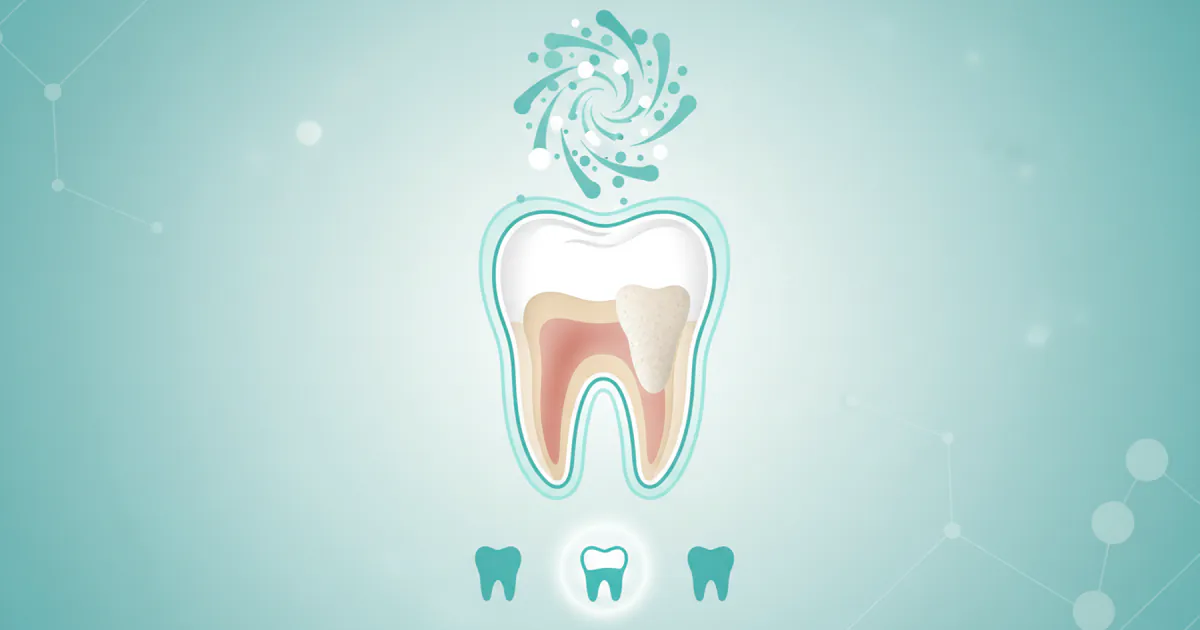
A temporary tooth filling is precisely what its name suggests: a dental filling designed to serve a short-term purpose. Unlike its permanent counterparts, which are meant to last for many years, a temporary filling is an interim restorative solution applied to a tooth that has been prepared for a more definitive treatment. It acts as a protective barrier, sealing the tooth and preventing bacteria, food particles, and extreme temperatures from irritating the sensitive inner pulp.

The primary goal of a temporary filling is to maintain the integrity of the tooth structure and prevent further damage or infection until a permanent restoration can be placed. This often occurs in scenarios where:
- A tooth has undergone initial preparation for a crown, root canal, or large permanent filling, and the final restoration requires laboratory fabrication (e.g., a dental crown or inlay/onlay).
- There's a need to allow time for a tooth to settle or for inflammation to subside after a deep cavity preparation, before committing to a permanent material.
- An emergency situation, such as a fractured tooth or a lost permanent filling, requires immediate protection and pain relief, but a comprehensive treatment plan needs to be established.
- During a multi-stage root canal therapy, to seal the access opening between appointments.
Essentially, a temporary filling buys time. It provides comfort, protects the exposed dentin and pulp, and prevents the prepared tooth from shifting, ensuring that the space remains open and ready for the final, permanent restoration.
Types / Variations of Temporary Tooth Filling Materials
Dentists have several materials at their disposal for temporary tooth fillings, each with its own set of characteristics regarding strength, sealing ability, and intended duration. The choice of material often depends on the specific clinical situation, the expected duration of the temporary filling, and the dentist's preference.
Intermediate Restorative Material (IRM)
IRM, which stands for Intermediate Restorative Material, is one of the most commonly used temporary filling materials. It's a zinc oxide-eugenol based cement, known for its good strength and excellent sealing properties.
- Pros: Eugenol provides a sedative effect on the pulp, which can help soothe a sensitive tooth. It sets relatively quickly and offers decent durability for a temporary solution. It's also opaque, making it easy for the dentist to see and remove later.
- Cons: Its white color isn't always aesthetically pleasing, and it has a distinct taste that some patients find unpleasant. It's not designed for long-term chewing forces.
- Typical Use: Often used after deep cavity preparations, root canal treatments, or as a temporary filling while waiting for a crown.
Zinc Oxide Eugenol (ZOE) Cement
ZOE is a classic dental cement used for various applications, including temporary fillings. It's similar to IRM but typically has a lower strength, making it suitable for very short-term use or in areas not subject to heavy chewing forces.
- Pros: Excellent sedative effect on inflamed pulp, good marginal seal, and easy to manipulate. It's also very affordable.
- Cons: Weaker than IRM, less wear resistance, and the taste of eugenol can be strong.
- Typical Use: Short-term temporary fillings, temporary cementation of crowns, or as a base/liner under other restorative materials.
Glass Ionomer Cement (GIC)
Glass ionomer cement is a versatile material known for its unique property of releasing fluoride, which can help prevent further decay in the tooth and surrounding areas.
- Pros: Fluoride release offers a therapeutic benefit, good adhesion to tooth structure (dentin and enamel), and a more aesthetic, tooth-colored appearance than ZOE/IRM. It's also biocompatible.
- Cons: Not as strong or durable as some other temporary materials or permanent fillings like a composite filling. Can be sensitive to moisture during placement.
- Typical Use: Temporary fillings, pediatric restorations (due to fluoride release), and as a base or liner.
Resin-Based Composites (Soft/Flowable)
While typically used for permanent composite fillings, some softer, flowable resin-based materials or specific temporary resin composites are available for temporary applications. These are often light-cured, offering a quick set.
- Pros: Good aesthetics, easy to place and remove, and decent strength for short-term use.
- Cons: Can be more expensive than other temporary materials, and some types may require bonding agents, making the placement process slightly more involved.
- Typical Use: Temporary aesthetic restorations, sealing small access openings, or when a tooth-colored temporary is preferred.
Pre-fabricated Crowns
In some cases, especially for anterior teeth or for pediatric patients, a temporary filling might take the form of a pre-fabricated crown (e.g., celluloid crown forms filled with composite, or stainless steel crowns for children). While not strictly a "filling," these serve a temporary purpose of protecting the prepared tooth and maintaining aesthetics until a permanent crown is ready.
- Pros: Excellent protection, maintains aesthetics, and preserves tooth position.
- Cons: More involved placement, can be more costly.
- Typical Use: After significant tooth preparation for a permanent crown, especially in visible areas.
Causes / Why a Temporary Tooth Filling Is Needed
A temporary tooth filling isn't a solution to a problem; rather, it's a crucial step in the process of solving a problem. The underlying "causes" that necessitate a temporary filling are typically situations where immediate, permanent restoration is either not possible, not advisable, or part of a multi-stage treatment.
Here are the primary scenarios where a temporary filling becomes necessary:
-
Preparation for Indirect Restorations (Crowns, Inlays/Onlays):
- When a tooth requires a dental crown, inlay, or onlay, the tooth must first be meticulously prepared (shaped) by the dentist.
- Impressions are then taken and sent to a dental laboratory to custom-fabricate the permanent restoration. This process can take one to three weeks.
- During this waiting period, the prepared tooth needs protection from bacteria, temperature changes, and chewing forces. A temporary filling, often in the form of a pre-fabricated or chairside-made temporary crown, protects the exposed dentin and maintains the space until the permanent restoration returns from the lab.
-
Multi-Stage Root Canal Therapy:
- Root canal treatment often requires more than one appointment. After the first stage (removing infected pulp and cleaning the canals), the dentist will place a temporary filling to seal the access opening in the tooth.
- This prevents bacteria from re-entering the tooth between appointments and protects the medicaments placed inside the canals. Once the root canal is complete, a permanent filling or crown will be placed.
-
Deep Cavity Preparation:
- If a cavity is very deep and extends close to the tooth's pulp, the dentist might initially place a temporary filling.
- This allows the tooth pulp to recover and settle for a few weeks. If the tooth remains asymptomatic (no pain or sensitivity), a permanent filling can then be placed. This "wait and see" approach helps avoid an immediate root canal if the pulp can heal.
-
Dental Emergencies:
- A fractured tooth, a lost permanent filling, or severe decay causing pain might necessitate an emergency dental visit.
- In such cases, the dentist might clean out the decay or smooth the fracture and place a temporary filling to alleviate pain, protect the tooth, and prevent further damage until a definitive treatment plan can be scheduled.
-
Diagnostic Purposes:
- Sometimes, a dentist might use a temporary filling to assess a tooth's response to treatment or to identify the source of referred pain. For instance, if there's a suspicious crack, a temporary filling might be placed to see if symptoms resolve before a more extensive procedure is undertaken.
-
Extensive Dental Work Requiring Multiple Appointments:
- For patients undergoing extensive restorative work involving multiple teeth or complex procedures, temporary fillings help protect prepared teeth and maintain oral function during the various stages of treatment. This is also common when preparing for more complex solutions like teeth bridges, where multiple abutment teeth are prepared and then protected temporarily.
Signs and Symptoms That You Might Need a Temporary Filling (or Your Existing One is Failing)
While a temporary filling is placed by a dentist, there are signs that might indicate you need one due to an underlying problem, or that an existing temporary filling is failing.
Signs You Might Need a Temporary Filling (indicating underlying tooth issues):
- Persistent Toothache: A dull ache, sharp pain, or throbbing sensation, especially when chewing or applying pressure, can indicate a deep cavity, crack, or pulp inflammation that might require a temporary filling after initial treatment.
- Sensitivity to Hot, Cold, or Sweet: Lingering sensitivity after exposure to temperature changes or sugary foods suggests exposed dentin or pulp irritation, often a sign of decay or a fractured tooth that will likely need a temporary covering post-treatment.
- Visible Hole or Pit in Your Tooth: A clear sign of a cavity that will need to be cleaned and protected.
- Broken or Fractured Tooth: Any visible chip, crack, or fracture in a tooth will expose the inner layers and require immediate protection, often starting with a temporary filling.
- Lost Existing Filling: If an old permanent filling falls out, it leaves a void, exposing the tooth to bacteria and sensitivity. A temporary filling is often the first step to protect it before a new permanent one.
- Food Getting Trapped: Persistent trapping of food in a specific area could indicate a cavity or a faulty existing restoration.
Signs Your Existing Temporary Filling is Failing or Needs Attention:
- Discomfort or Pain: While some minor sensitivity is normal initially, increasing or persistent pain, especially sharp pain when biting down, could indicate the temporary filling is loose, has cracked, or the underlying tooth is having issues.
- Increased Sensitivity: Heightened sensitivity to hot, cold, or air around the filled tooth might mean the temporary filling's seal is compromised, allowing irritants to reach the dentin.
- Loose Feeling: You might feel the temporary filling shifting or moving slightly when you bite or touch it with your tongue. This is a clear sign it's not securely in place.
- Cracks or Chips: Visibly noticing a crack or a piece chipped off the temporary filling material indicates its integrity is compromised.
- Complete Dislodgment: The most obvious sign is when the entire temporary filling falls out of the tooth. This leaves the prepared tooth completely exposed and vulnerable.
- Foul Taste or Odor: A bad taste or smell coming from the temporary filling area could indicate bacterial leakage and potential infection.
- Changes in Bite: If your bite feels "off" or uneven after a temporary filling, it might be too high or has shifted.
Pro Tip: If you notice any of these signs with an existing temporary filling, contact your dentist promptly. Delaying can lead to further decay, infection, or damage to the underlying tooth, potentially complicating your permanent treatment.
Treatment Options Following a Temporary Filling
A temporary filling is rarely the end of treatment; it's a bridge to a more permanent solution. The specific permanent treatment option chosen will depend on the initial reason for the temporary filling and the overall health of the tooth.
1. Permanent Dental Fillings
- Description: For cavities that are not excessively large or deep, a permanent filling is the most common follow-up. After the temporary filling is removed and the tooth is re-prepped (if necessary), a durable material is placed.
- Types:
- Composite Filling: Made from a tooth-colored resin, offering excellent aesthetics and bonding directly to the tooth structure. Widely used for visible teeth and molars.
- Amalgam (Silver) Filling: A traditional, strong, and durable metal alloy filling. More common for back teeth due to its silver appearance.
- Glass Ionomer: Can also be used as a permanent filling, particularly in areas not subjected to heavy chewing or in pediatric dentistry, offering fluoride release.
- Pros: Restores tooth function and aesthetics, prevents further decay.
- Cons: Can sometimes lead to post-treatment sensitivity; may require replacement over many years.
- Cost (US Average): Composite fillings typically range from $150 to $450 per tooth, depending on size and location. Amalgam fillings are usually less, $100 to $300.
2. Dental Crowns
- Description: If the tooth has extensive decay, a large fracture, or has undergone root canal therapy, a full-coverage dental crown is often necessary. The temporary filling (or temporary crown) protects the prepared tooth while a custom crown is fabricated in a lab.
- Types: Porcelain, ceramic, porcelain-fused-to-metal (PFM), gold, or other metal alloys.
- Pros: Provides maximum protection, restores strength, improves aesthetics, and extends the life of a heavily damaged tooth.
- Cons: Requires significant tooth reduction; higher cost than a filling.
- Cost (US Average): Dental crowns range widely from $800 to $2,500 per tooth, depending on the material and lab fees.
3. Root Canal Therapy (and subsequent restoration)
- Description: In cases where the initial temporary filling was placed due to deep decay close to the pulp, or if pulp inflammation doesn't subside, a root canal may become necessary. After the root canal procedure, a temporary filling will again be used to seal the tooth until a final filling or crown can be placed.
- Pros: Saves a natural tooth that would otherwise need extraction, eliminates infection and pain.
- Cons: Can be a multi-appointment procedure; tooth often requires a crown afterward for protection.
- Cost (US Average): Root canals typically cost $700 to $1,500 for front teeth and $1,000 to $2,000 for molars, not including the final restoration (filling or crown).

4. Inlays and Onlays
- Description: These are indirect restorations (meaning they are made in a lab) that are more extensive than a filling but less extensive than a full crown. Inlays fit within the cusps of the tooth, while onlays cover one or more cusps. A temporary filling covers the prepared tooth while the inlay/onlay is fabricated.
- Pros: Conserve more natural tooth structure than crowns, durable, good aesthetics.
- Cons: Higher cost than direct fillings; requires multiple appointments.
- Cost (US Average): Inlays and onlays typically range from $600 to $1,500.
5. Extraction and Replacement Options (e.g., Teeth Bridge)
- Description: In rare and severe cases where a tooth cannot be saved even with a temporary filling and further treatment, extraction might be the only option. Following extraction, various replacement options exist.
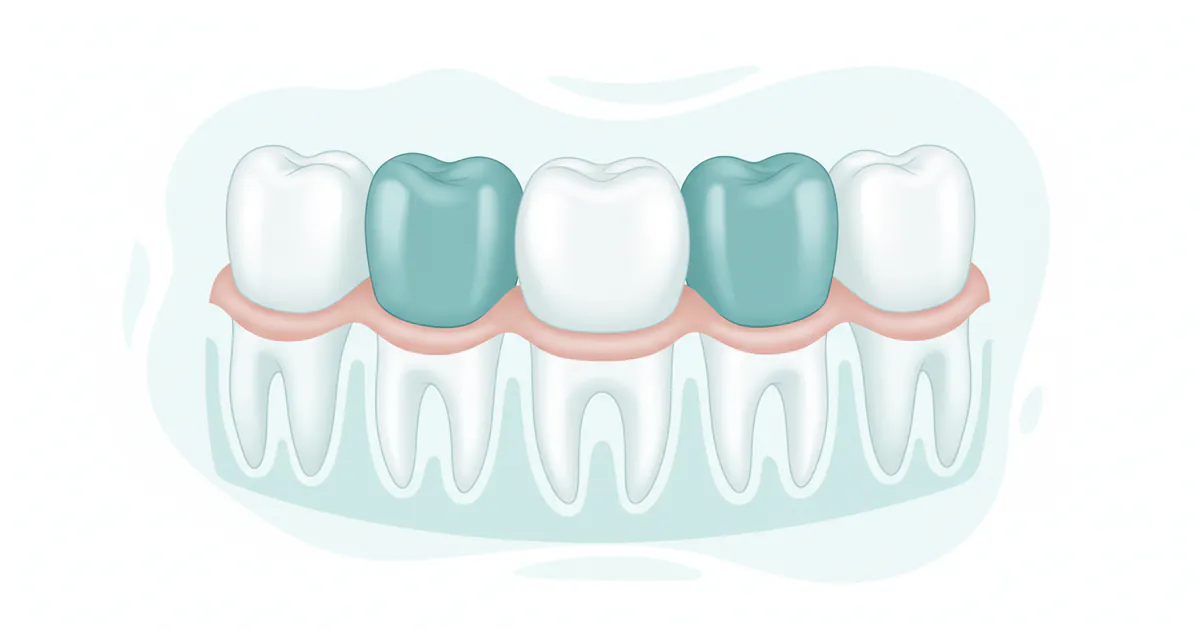
- Teeth Bridge: A teeth bridge is a fixed prosthetic device used to replace one or more missing teeth. It consists of artificial teeth (pontics) fused to crowns on adjacent natural teeth (abutments).
- Pros: Restores chewing function and aesthetics, prevents adjacent teeth from shifting.
- Cons: Requires preparation of adjacent healthy teeth; not as conservative as fillings/crowns.
- Other Options: Dental implants (a titanium post surgically placed into the jawbone) or removable partial dentures.
- Cost (US Average): A traditional teeth bridge typically costs $2,000 to $5,000 for a three-unit bridge (one missing tooth and two crowns). Dental implants can range from $3,000 to $6,000 per tooth (implant, abutment, and crown).
Step-by-Step Process: What to Expect When Getting a Temporary Tooth Filling
Getting a temporary tooth filling is generally a straightforward procedure, often performed as part of a larger treatment plan. Here’s what you can expect:
1. Initial Examination and Diagnosis
- Your dentist will examine your tooth, often using X-rays, to diagnose the problem (e.g., cavity, fracture, pulp inflammation, or preparation for a crown).
- They will explain why a temporary filling is needed and what the next steps in your treatment plan will be.
2. Anesthesia (If Needed)
- For most procedures requiring a temporary filling (like cavity preparation or root canal treatment), local anesthesia will be administered to numb the tooth and surrounding tissues. This ensures you remain comfortable throughout the process.
- If the temporary filling is merely replacing a lost one and no further tooth preparation is needed, anesthesia might not be required.
3. Tooth Preparation
- Cavity/Decay Removal: If there's decay, the dentist will use a dental drill to carefully remove all compromised tooth structure, shaping the cavity for the filling.
- Root Canal Access: For root canal treatment, an access opening is created, and the infected pulp is removed, and canals are cleaned and shaped.
- Crown Preparation: For a dental crown, the tooth will be meticulously shaped and reduced in size to accommodate the future permanent crown.
- Cleaning: The prepared tooth will be thoroughly cleaned and disinfected to remove any debris or bacteria.
4. Placement of the Temporary Filling Material
- The chosen temporary filling material (e.g., IRM, GIC, ZOE) will be mixed or prepared.
- The dentist will carefully place the material into the prepared tooth cavity or over the access opening.
- They will sculpt and contour the material to ensure it fits properly within the tooth's structure and doesn't interfere with your bite.
- Some materials, like certain resin-based temporaries, may require a special light to cure and harden them instantly.
5. Bite Adjustment and Curing
- Once the material is in place, the dentist will check your bite using articulating paper. You'll be asked to bite down gently.
- Any high spots will be adjusted and polished to ensure a comfortable and even bite, preventing undue pressure on the temporary filling.
- For materials that harden over time (like ZOE or IRM), you'll be advised to avoid chewing on that side for a certain period.
6. Post-Procedure Instructions
- Your dentist or dental assistant will provide detailed aftercare instructions specific to your temporary filling, including what to avoid, how to clean it, and how long it's expected to last.
- You'll also receive information about your next appointment for the permanent restoration.
The entire process for placing a temporary filling typically takes between 15 to 45 minutes, depending on the complexity of the initial tooth preparation.
``
Cost and Insurance for Temporary Tooth Fillings in the US
Understanding the financial aspect of dental care is crucial. The cost of a temporary tooth filling in the US can vary significantly based on several factors, including the material used, the complexity of the case, the region, and whether it's part of a larger procedure.
Average US Price Ranges
- As a Standalone Procedure: If you simply need a temporary filling to replace a lost one or for immediate relief without other extensive work, the cost can range from $50 to $250. This is less common as temporary fillings are usually part of a larger treatment.
- Included in Primary Procedure Cost: In most cases, the cost of the temporary filling is integrated into the total fee for the permanent procedure it precedes. For example:
- Crown Preparation: If you're getting a crown, the temporary crown or filling placed while your permanent crown is made is typically included in the $800 - $2,500 cost of the permanent crown.
- Root Canal Treatment: A temporary filling sealing the tooth between root canal appointments is usually part of the $700 - $2,000 root canal fee.
- Large Cavity/Deep Filling: If a temporary filling is placed to allow a tooth to settle before a permanent composite filling, the temporary portion is often covered within the $150 - $450 cost of the final filling.
Factors Influencing Cost:
- Material Used: Some temporary materials (like certain light-cured resins) might be slightly more expensive than traditional zinc oxide eugenol.
- Location: Dental costs can be higher in urban areas and certain regions (e.g., Northeast, West Coast) compared to rural areas or the Midwest.
- Dental Practice: Fees can vary between general dentists and specialists (though specialists rarely place temporary fillings without a major procedure).
- Emergency vs. Scheduled: An emergency visit to place a temporary filling might incur additional emergency fees.
Insurance Coverage Details
Most dental insurance plans in the US will provide some level of coverage for temporary tooth fillings, especially when they are part of a larger, covered restorative procedure.
- Diagnostic/Preventive Coverage: Some plans might cover a basic temporary filling under diagnostic or minor restorative categories if it's considered essential for preventing further damage.
- Major Restorative Coverage: When a temporary filling is preparatory for a major procedure like a crown or root canal, its cost is usually bundled into the overall charge, which typically falls under the "major restorative" category. These procedures are often covered at 50-80% of the Usual, Customary, and Reasonable (UCR) fees, after your deductible is met.
- Deductibles and Co-pays: You will likely be responsible for your annual deductible before insurance coverage kicks in, and then a co-payment (a percentage of the total cost) for the covered services.
- Annual Maximums: Be aware of your plan's annual maximum benefit. If you're undergoing extensive treatment, you might reach this limit, and subsequent costs would be out-of-pocket.
- Waiting Periods: Some insurance plans have waiting periods (e.g., 6-12 months) before they will cover major restorative procedures. If your temporary filling is part of such a procedure, ensure you understand your plan's waiting periods.
Pro Tip: Always contact your dental insurance provider directly before treatment to understand your specific coverage, deductibles, co-pays, and annual maximums. Your dental office can also often assist with a pre-treatment estimate.
Recovery and Aftercare for a Temporary Tooth Filling
Proper care for your temporary tooth filling is essential to ensure it stays in place, prevents complications, and allows your tooth to heal or await its permanent restoration. Neglecting aftercare can lead to discomfort, infection, or the need for an unplanned dental visit.

Immediate Aftercare (First Few Hours)
- Avoid Chewing: For at least 1 hour (and often longer, depending on the material – your dentist will specify), avoid chewing on the temporary filling. Some materials need time to fully set and harden.
- Be Gentle: Your mouth might still be numb for a few hours. Be careful not to bite your cheek, tongue, or lips.
- Temperature Sensitivity: It's normal to experience some mild sensitivity to hot or cold for a few days. Avoid extremely hot or cold foods and drinks if they cause discomfort.
Ongoing Care (While the Temporary Filling is in Place)
- Avoid Hard and Sticky Foods: This is paramount.
- Hard Foods: Biting down on nuts, hard candies, ice, or even crusty bread can easily crack or dislodge a temporary filling.
- Sticky Foods: Caramel, chewing gum, taffy, and other sticky items can pull the temporary filling right out of your tooth.
- Chewy Foods: Tough meats or bagels can also exert too much force.
- Chew on the Opposite Side: Whenever possible, favor chewing on the side of your mouth that does not have the temporary filling.
- Gentle Brushing: Brush your teeth gently as usual, but be particularly careful around the temporary filling. Use soft, circular motions.
- Careful Flossing: Floss around the temporary filling with extreme caution. Instead of pulling the floss up through the contact point (which could dislodge the filling), gently slide the floss out from the side.
- Pro Tip: Some dentists recommend not flossing directly adjacent to a temporary crown to avoid pulling it off, but for a temporary filling, gentle flossing is usually fine. Confirm with your dentist.
- Maintain Oral Hygiene: Continue to brush at least twice a day and floss daily (gently around the temporary) to prevent plaque buildup and keep the area clean.
- Pain Management: Mild pain or sensitivity can be managed with over-the-counter pain relievers like ibuprofen (Advil, Motrin) or acetaminophen (Tylenol), as long as there are no contraindications.
- Contact Your Dentist for Concerns: Do not hesitate to call your dental office if you experience:
- Significant or increasing pain.
- The temporary filling feeling loose or shifting.
- A crack or chip in the filling.
- The temporary filling falling out completely (this is an emergency and needs immediate attention).
Average Lifespan of a Temporary Filling: A temporary filling is typically designed to last anywhere from a few days to a few weeks, usually no more than 2-4 weeks. Some stronger temporary materials might last a couple of months if necessary, but this is less common and should always be at the dentist's recommendation. Prolonged reliance on a temporary filling can lead to re-infection, fracture of the tooth, or complicate the placement of the permanent restoration. Adhering to the dentist's recommended timeline for your permanent restoration is critical.
Prevention of the Need for Fillings
While temporary fillings are a valuable tool in restorative dentistry, the best approach is always prevention. Reducing your risk of cavities and other dental issues means you might never need a filling—temporary or permanent.
1. Excellent Oral Hygiene Practices
- Brush Twice Daily: Brush your teeth for at least two minutes twice a day using a fluoride toothpaste. Fluoride strengthens tooth enamel and makes it more resistant to acid attacks. The American Dental Association (ADA) strongly recommends fluoride toothpaste.
- Floss Daily: Flossing removes food particles and plaque from between teeth and under the gumline, areas your toothbrush can't reach. This prevents interproximal cavities (cavities between teeth).
- Use Mouthwash: An antimicrobial or fluoride mouthwash can provide an extra layer of protection, killing bacteria and further strengthening enamel.
2. Dietary Choices
- Limit Sugary and Acidic Foods/Drinks: Sugar feeds the bacteria in your mouth that produce acids, leading to tooth decay. Acidic foods and drinks (like soda, citrus fruits, and sports drinks) can directly erode tooth enamel.
- Choose Tooth-Friendly Snacks: Opt for fresh fruits, vegetables, lean proteins, and dairy products (cheese, yogurt) which help neutralize acids and promote saliva production.
- Drink Water: Water helps rinse away food particles and neutralizes acids. Fluoridated tap water can also contribute to enamel strength.
3. Regular Dental Check-ups and Cleanings
- Visit Your Dentist Bi-annually: Professional cleanings remove plaque and tartar buildup that you can't remove at home. Regular check-ups allow your dentist to spot potential problems (like small cavities or developing gum disease) early, before they become major issues requiring fillings or more extensive treatment.
- Early Detection: Catching a small cavity early means it can be treated with a smaller, less invasive filling (e.g., a simple composite filling), rather than progressing to a larger cavity that might require a temporary filling, crown, or even root canal.
4. Protective Measures
- Dental Sealants: For children and sometimes adults, dental sealants can be applied to the chewing surfaces of back teeth (molars and premolars). These thin, protective coatings fill the pits and fissures where food and bacteria often get trapped, preventing cavities.
- Mouthguards: If you grind your teeth (bruxism) or play contact sports, a custom-fitted mouthguard can protect your teeth from fractures and excessive wear, which can sometimes lead to the need for fillings or crowns.
By diligently following these preventive measures, you significantly decrease your chances of needing a temporary tooth filling or any other restorative dental procedure.
Risks and Complications of Temporary Tooth Fillings
While generally safe and effective for their intended short-term purpose, temporary tooth fillings are not without potential risks and complications. Understanding these can help you identify issues early and seek prompt dental attention.
1. Dislodgment or Loss of the Filling
- Risk: This is the most common complication. Temporary materials are not designed for long-term wear or heavy chewing forces. Hard, sticky, or chewy foods can pull or push the filling out of place.
- Consequence: When the temporary filling falls out, the underlying prepared tooth is exposed to bacteria, food particles, and temperature changes, which can lead to pain, sensitivity, and re-contamination, potentially jeopardizing the success of the permanent restoration.
2. Cracking or Fracturing of the Filling
- Risk: Similar to dislodgment, biting on hard objects or excessive chewing pressure can cause the temporary material to crack or fracture.
- Consequence: A cracked filling loses its protective seal, allowing irritants to reach the tooth and increasing the risk of pain and infection.
3. Sensitivity or Pain
- Risk: While a temporary filling is meant to reduce pain, some sensitivity to hot, cold, or pressure is normal for a few days, especially if the underlying cavity was deep. However, persistent or increasing pain, or sharp pain when biting, can be a concern.
- Consequence: This might indicate that the filling is loose, has a poor seal, or that the underlying tooth pulp is still inflamed or has developed an infection (e.g., irreversible pulpitis), potentially requiring a root canal.
4. Allergic Reaction (Rare)
- Risk: Although rare, some individuals might have an allergic reaction to components of the temporary filling material (e.g., eugenol).
- Consequence: Symptoms might include redness, itching, swelling of the surrounding gums, or an unusual taste.
5. Infection
- Risk: If the temporary filling is compromised (loose, cracked, or lost), bacteria can re-enter the prepared tooth. This is especially critical after a root canal procedure, where the aim is to eliminate bacteria.
- Consequence: A bacterial infection can lead to abscess formation, severe pain, and may necessitate further treatment, potentially delaying or complicating the permanent restoration.
6. Pulpitis (Inflammation of the Pulp)
- Risk: If a deep cavity was prepared and the pulp was irritated, even with a temporary filling, the pulp might not recover and can become irreversibly inflamed or infected.
- Consequence: This almost always leads to the need for root canal therapy to save the tooth.

7. Overgrowth of Gum Tissue
- Risk: In some cases, if a temporary filling is left in for an extended period, the surrounding gum tissue can grow over the margins of the filling.
- Consequence: This can make removal of the temporary filling and placement of the permanent restoration more difficult and may require minor gum recontouring.
8. Tooth Fracture
- Risk: A tooth with a large temporary filling, or one heavily compromised by decay or trauma, is inherently weaker than a fully restored tooth. Biting incorrectly or on a hard object can cause the natural tooth structure to fracture around the temporary filling.
- Consequence: A tooth fracture can be severe, potentially leading to tooth loss or requiring more extensive and costly treatments like a dental crown or even extraction.
Pro Tip: Always follow your dentist's aftercare instructions diligently and attend your scheduled appointment for the permanent restoration. If any complications arise, contact your dental office immediately.
Comparison Tables
Table 1: Common Temporary Filling Materials Comparison
| Feature | Intermediate Restorative Material (IRM) | Zinc Oxide Eugenol (ZOE) Cement | Glass Ionomer Cement (GIC) | Resin-Based Temporary Composites |
|---|---|---|---|---|
| Primary Base | Zinc oxide-eugenol | Zinc oxide-eugenol | Fluoroaluminosilicate glass, polyacrylic acid | Acrylic resin, inorganic fillers |
| Strength | Good (for temporary) | Moderate (lower than IRM) | Moderate | Good |
| Sealing Ability | Excellent | Good | Good | Good |
| Durability | Weeks to a few months | Few days to 2-3 weeks | Weeks to a few months | Weeks to a few months |
| Aesthetics | Opaque white, not ideal | Opaque white, not ideal | Tooth-colored, better aesthetics | Tooth-colored, best aesthetics |
| Fluoride Release | No | No | Yes | No (generally) |
| Sedative Effect | Yes (eugenol) | Yes (eugenol) | No | No |
| Common Use Cases | Root canal access, deep cavities, crown temps | Short-term temps, liners | Pediatric, fluoride benefit, small temps | Aesthetic areas, quick set |
Table 2: Temporary Filling vs. Permanent Filling vs. Crown
| Feature | Temporary Tooth Filling | Permanent Dental Filling (e.g., Composite Filling) | Dental Crown (Full Coverage) |
|---|---|---|---|
| Purpose | Short-term protection, pain relief, space maintenance | Restore tooth structure lost to decay, fracture | Restore severely damaged tooth, post-root canal |
| Durability | Few days to a few weeks/months | 5-15+ years (material dependent) | 10-15+ years (material dependent) |
| Material | IRM, ZOE, GIC, soft composites | Composite resin, amalgam, GIC | Porcelain, ceramic, PFM, gold |
| Aesthetics | Varies, often opaque white | Tooth-colored (composite), silver (amalgam) | Excellent, matches natural teeth |
| Tooth Prep | Minimal (after initial cavity prep) | Minimal to moderate removal of diseased tissue | Significant removal of tooth structure |
| Cost Range (US) | ~$50 - $250 (standalone) | ~$100 - $450 | ~$800 - $2,500 |
| Maintenance | Gentle care, avoid hard/sticky foods | Normal brushing & flossing | Normal brushing & flossing |
| Longevity | Short-term, requires replacement | Long-term | Very long-term, highest protection |
Children / Pediatric Considerations for Temporary Tooth Fillings
Temporary tooth fillings play a significant role in pediatric dentistry, often used for different reasons and with unique considerations compared to adults. Children's teeth, particularly primary (baby) teeth, have distinct characteristics that influence treatment decisions.
Why Temporary Fillings are Used in Children:
- Pulp Capping Procedures: In deep cavities in primary teeth, if the decay is very close to or has just exposed the pulp, a temporary filling (often with a medicament like calcium hydroxide) may be placed after a vital pulp therapy (like a pulpotomy) to encourage healing and allow the tooth to settle before a more permanent restoration like a stainless steel crown.
- Space Maintainers: If a primary tooth needs to be extracted prematurely due to extensive decay or trauma, but the permanent tooth is not ready to erupt, a temporary filling might be part of a larger appliance (space maintainer) to hold the space for the permanent tooth, preventing other teeth from shifting.
- Anxious or Uncooperative Children: For very young or anxious children, a full permanent filling might be too lengthy or challenging in a single visit. A temporary filling can be placed quickly to address acute pain or prevent further decay, allowing time for the child to become more comfortable or for a subsequent appointment under sedation.
- Managing Trauma: Following a dental injury to a primary tooth (e.g., a fracture), a temporary filling can seal the tooth and protect it while monitoring for vitality or preparing for a more definitive restoration.
- Cost-Effective Interim Solution: Sometimes, a temporary filling is used in primary teeth that are nearing their natural exfoliation (falling out) time. A less expensive temporary solution can protect the tooth for the short period it remains in the mouth, avoiding a more costly permanent restoration for a tooth that will soon be lost.
Specific Considerations for Children:
- Material Choice: Glass Ionomer Cement (GIC) is particularly popular in pediatric dentistry because of its fluoride-releasing properties, which helps to prevent secondary decay. It also bonds well to primary tooth structure and can be placed even in somewhat moist environments, which is helpful with young children.
- Lifespan: The expected lifespan of a temporary filling in a child's mouth needs to be carefully considered in relation to the primary tooth's natural exfoliation schedule.
- Cooperation: The procedure needs to be as quick and comfortable as possible. Pediatric dentists are skilled at making children feel at ease.
- Oral Hygiene Education: Parents and guardians play a crucial role in ensuring children maintain good oral hygiene around temporary fillings and avoid foods that could dislodge them.
Parents should work closely with their pediatric dentist to understand the rationale behind a temporary filling and the subsequent steps required to ensure the child's long-term oral health, whether it involves a permanent composite filling, a stainless steel crown, or simply monitoring the tooth until natural exfoliation.
Cost Breakdown for Temporary Tooth Fillings
As discussed, the cost of a temporary tooth filling is usually integrated into the broader cost of the procedure it's supporting. However, understanding potential standalone costs and payment options is still valuable.
Average US Costs (Low, Mid, High Estimates)
- Low End: $50 - $100. This typically applies to very simple temporary fillings, perhaps replacing a small lost filling, or a basic temporary cement placed without extensive tooth preparation, often in a general dental practice.
- Mid-Range: $100 - $200. Most standalone temporary fillings for more involved cases (e.g., emergency protection of a fractured tooth, or a slightly larger area) fall into this category. This covers the material and the chair time.
- High End: $200 - $250. This might be for more complex temporary restorations, use of more advanced temporary materials, or if it's placed during an emergency visit outside of regular hours, where emergency fees might apply.
With vs Without Insurance
- With Insurance: If your dental insurance plan covers temporary fillings (often under "basic restorative" or as part of a "major restorative" procedure), you'll typically pay a co-payment (e.g., 20-50% of the cost) after your deductible (e.g., $50-$100 annually) is met.
- For a $150 temporary filling, if your plan covers 80% after a $50 deductible, and you haven't met your deductible, you might pay the $50 deductible plus 20% of the remaining $100 ($20), totaling $70. If you've already met your deductible, you'd only pay $30 (20% of $150).
- Without Insurance: You will be responsible for the full out-of-pocket cost as quoted by your dental office. This is why many patients seek dental savings plans or payment plans if they lack insurance.
Payment Plans and Financing Options
For more expensive overall treatments (like crowns or root canals where the temporary filling cost is bundled), dental offices often provide various payment solutions:
- In-Office Payment Plans: Some practices offer interest-free payment plans, allowing you to pay for your treatment in installments over a few months.
- Third-Party Financing: Companies like CareCredit or LendingClub partner with dental offices to offer low-interest or no-interest financing options for larger treatment costs, spread out over longer periods.
- Dental Savings Plans: These are not insurance but membership programs where you pay an annual fee and receive discounted rates (typically 10-60% off) on dental procedures from participating dentists.
- Cash Discounts: Some dental offices may offer a small discount for patients who pay in full with cash at the time of service.
Cost-Saving Tips
- Preventive Care: The absolute best way to save money on dental care is to prevent issues in the first place through diligent oral hygiene and regular check-ups.
- Understand Your Insurance: Maximize your benefits by understanding your plan and scheduling treatments strategically (e.g., splitting larger treatments across two calendar years to utilize two annual maximums).
- Compare Dentists: While quality of care is paramount, obtaining quotes from a few different dental practices in your area can help you find a reasonable price, especially for major procedures.
- Don't Delay Treatment: A small cavity treated with a composite filling is far less expensive than waiting until it requires a temporary filling, root canal, and a crown.
Frequently Asked Questions
What is a temporary tooth filling used for?
A temporary tooth filling serves as a short-term protective cover for a tooth that has undergone initial preparation for a more permanent restoration. It's used to seal the tooth, prevent bacteria and food particles from entering, reduce sensitivity or pain, and maintain the tooth's position while awaiting a permanent filling, crown, or after a root canal procedure.

How long does a temporary filling last?
A temporary filling is designed to last from a few days to several weeks, typically 2-4 weeks. Its lifespan depends on the material used, its location in the mouth, and how well you care for it. It is not meant for long-term wear and should always be replaced by a permanent restoration within the dentist's recommended timeframe.
Can I eat normally with a temporary filling?
No, you should avoid eating very hard, sticky, or chewy foods on the side of your mouth with the temporary filling. Hard foods can crack or break it, while sticky and chewy foods can pull it out. It's best to chew on the opposite side and opt for softer foods to prevent dislodgment or damage.
What should I do if my temporary filling falls out?
If your temporary filling falls out, contact your dentist immediately. The exposed tooth is vulnerable to pain, sensitivity, and infection. Your dentist will advise you on whether you need an emergency appointment to replace it or if you can wait until your scheduled permanent restoration appointment. Do not try to re-insert it yourself with household adhesives.
Is it painful to get a temporary filling?
The process of placing a temporary filling itself is usually not painful, especially if the tooth is already numbed from previous preparation (e.g., for a cavity or root canal). You might experience some mild pressure. After the anesthesia wears off, some temporary sensitivity or discomfort is normal for a few days, which can usually be managed with over-the-counter pain relievers.
How much does a temporary filling cost without insurance?
As a standalone procedure, a temporary filling can cost anywhere from $50 to $250 without insurance. However, its cost is often included in the overall fee for the permanent procedure it facilitates, such as a dental crown or a composite filling.
Can a temporary filling become permanent?
No, a temporary filling cannot become permanent. It is made of materials that are not durable enough for long-term chewing forces and do not provide the same hermetic seal as permanent materials. It is crucial to follow up with your dentist to replace it with a permanent restoration to protect your tooth effectively.
What are the risks of leaving a temporary filling in too long?
Leaving a temporary filling in for too long carries significant risks. It can wear down, crack, or fall out, exposing the tooth to bacteria and food particles. This can lead to new decay, infection, pain, and potentially complicate or even prevent the successful placement of the permanent restoration, possibly necessitating a root canal or extraction.
Are temporary fillings visible?
Most temporary fillings, especially those made from IRM or ZOE, are an opaque white or off-white color and are quite visible, though sometimes they can be tooth-colored (like GIC or temporary composites). They are not designed for aesthetics but rather for protection and function.
What are the alternatives to a temporary filling?
There are no direct alternatives if a temporary filling is clinically indicated as a necessary step in a multi-stage treatment (e.g., waiting for a crown or during a root canal). In some emergency situations, if the tooth can be permanently restored in one visit, then a permanent composite filling or a direct permanent crown might be placed instead of a temporary. However, the need for a temporary filling usually implies a specific reason why a permanent solution isn't immediate.
When to See a Dentist
Knowing when to seek dental care for issues related to temporary tooth fillings is crucial for your oral health and for the success of your ongoing treatment.
Immediate Attention (Emergency Care - Call Your Dentist Now)
- Complete Loss of Temporary Filling: If the entire temporary filling falls out, leaving a hole in your tooth. The exposed tooth is highly vulnerable to infection, sensitivity, and further damage.
- Severe or Worsening Pain: If you experience intense, throbbing, or sharp pain that is not relieved by over-the-counter pain medication, especially if it worsens when biting or with temperature changes. This could indicate an infection or an inflamed pulp.
- Swelling Around the Tooth or Jaw: Any swelling in the gum tissue, cheek, or jaw could be a sign of a serious infection (abscess) that requires urgent treatment.
- Foul Taste or Odor: A persistent bad taste or smell coming from the temporary filling area could indicate leakage and bacterial re-infection.
- Difficulty Breathing or Swallowing: This is a rare but serious sign of a spreading infection and requires immediate emergency medical attention, not just a dental visit.
Scheduled Appointment (Routine Follow-up or Non-Emergency Concern)
- Small Chip or Crack in the Filling: If a small piece of the temporary filling breaks off, but the tooth is not overly sensitive or painful. Contact your dentist to see if it needs repair sooner than your next scheduled appointment.
- Slight Looseness: If the temporary filling feels slightly loose but hasn't fallen out, and there's no pain or sensitivity. It's best to have it checked to prevent complete dislodgment.
- Mild, Manageable Sensitivity: Some mild sensitivity to hot or cold is normal for a few days after placement. If it's not worsening and you can manage it with OTC pain relievers, monitor it. However, if it persists beyond a few days or becomes more intense, call your dentist.
- Discomfort with Your Bite: If the temporary filling feels "high" or your bite feels off, it might need a minor adjustment. This isn't usually an emergency but should be addressed to prevent undue pressure on the tooth.
- Scheduled Replacement: Most importantly, always attend your scheduled appointment for the permanent restoration. A temporary filling is a short-term solution, and timely replacement is essential for your long-term dental health.
Pro Tip: When in doubt, always err on the side of caution and contact your dental office. They can assess your symptoms and advise you on the best course of action. Delaying necessary care can lead to more extensive and costly treatments down the line.
Frequently Asked Questions
Medically Reviewed Content
This article was written by our dental health editorial team and reviewed for medical accuracy. Our content follows strict editorial guidelines for reliability and trustworthiness.
Medical Disclaimer
This article is for informational purposes only and does not constitute medical advice. Always consult with a qualified dental professional for diagnosis and treatment. Do not delay seeking professional advice because of something you read on this website.
Related Articles
Teeth Crown: Complete Guide
Imagine the confidence of a strong, healthy smile. Yet, for many Americans, dental issues like decay, cracks, or large fillings can compromise not just aesthetics, but also the vital function of their teeth. In fact, over 15 million Americans have undergone crown and bridge procedures, highlight
February 22, 2026
How Long Do Fillings Take
When you discover a cavity or experience tooth pain, one of the first questions that might come to mind is, how long do fillings take? Understanding the duration of a dental filling procedure is crucial for managing your schedule and expectations, but it's just one piece of the puzzle. Dental fi
February 22, 2026
Root Canal and Crown: Complete Guide
When a tooth suffers from significant damage or infection, a combination of two powerful restorative dental procedures often becomes necessary to save it: a root canal and crown. This comprehensive approach not only eradicates infection and alleviates pain but also restores the tooth's structura
February 22, 2026
Bridge Teeth Cost: Complete Price Guide 2026
Losing a tooth can be more than just an aesthetic concern; it can impact your ability to chew, speak clearly, and even lead to shifting teeth, affecting your overall oral health. If you're considering solutions for missing teeth, a dental bridge is a common and effective restorative option. But what
February 22, 2026