Root Canal and Crown Cost Without Insurance: Complete Price Guide 2026
Key Takeaways
- Dental emergencies can strike anyone, often leading to immediate concerns not just about pain, but also about cost. Indeed, a staggering 38% of Americans report delaying dental care due to cost concerns, a figure that often translates to more severe, expensive problems down the line. When faced
Dental emergencies can strike anyone, often leading to immediate concerns not just about pain, but also about cost. Indeed, a staggering 38% of Americans report delaying dental care due to cost concerns, a figure that often translates to more severe, expensive problems down the line. When faced with a severely damaged or infected tooth, the recommended solution is frequently a root canal followed by a dental crown. But what if you don't have dental insurance? Understanding the root canal and crown cost without insurance is crucial for making informed decisions about your oral health and financial planning. This comprehensive guide from SmilePedia.net aims to demystify the expenses involved, providing detailed price ranges, exploring payment options, and offering invaluable tips for managing these significant dental investments in 2026. We'll delve into everything from the procedures themselves to recovery, prevention, and essential cost-saving strategies to help you navigate this often daunting landscape.
Key Takeaways:
- Root canal and crown cost without insurance typically ranges from $1,800 to $4,500 per tooth in the US, depending on complexity, location, and materials.
- Root canal therapy alone averages $700-$2,000 for front teeth, $800-$2,200 for premolars, and $1,000-$2,500+ for molars.
- Dental crowns without insurance can cost between $800 and $3,000, with material (porcelain, zirconia, gold) being the primary cost driver.
- Financing options like dental savings plans, payment plans, and healthcare credit cards can significantly reduce out-of-pocket expenses.
- Delaying treatment due to cost often leads to more extensive, painful, and expensive procedures, potentially resulting in tooth loss.
- Preventative care through good oral hygiene and regular check-ups is the most effective way to avoid the need for root canals and crowns.
What is a Root Canal and a Dental Crown? An Overview
When a tooth's inner pulp—containing nerves, blood vessels, and connective tissue—becomes inflamed or infected, a root canal, clinically known as Endodontic Therapy, is often the only way to save it. This procedure involves removing the damaged pulp, thoroughly cleaning and disinfecting the inside of the tooth, and then filling and sealing it. The goal is to eliminate the infection and pain, allowing you to retain your natural tooth.
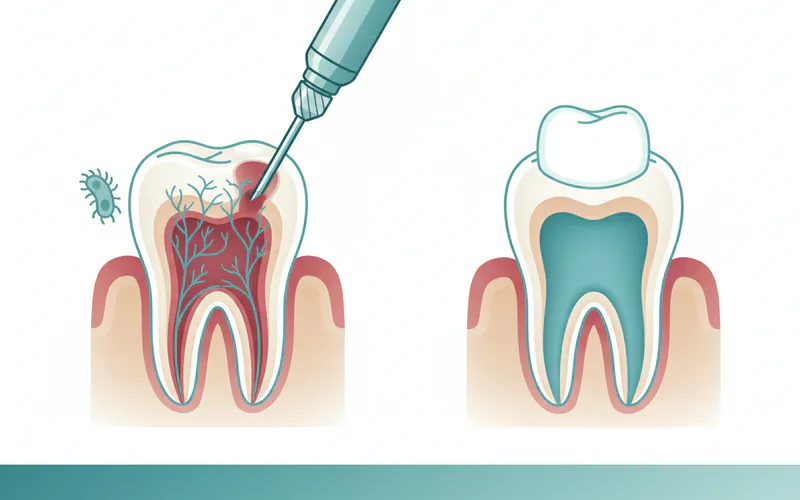
Following a root canal, the treated tooth often becomes brittle and susceptible to fracture because its blood supply has been removed. To protect it from further damage and restore its strength, shape, and appearance, a dental crown is typically recommended. A crown is a tooth-shaped cap placed over the entire tooth, cementing it permanently into place. It acts like a protective helmet, covering the visible portion of the tooth above the gum line. Together, a root canal and a crown are a common and highly effective treatment pairing for preserving a compromised tooth.
Types and Variations
Understanding the different approaches to root canal treatment and the various crown materials available is key to comprehending the cost differences.
Root Canal Therapy (RCT) Variations
- Standard Root Canal (Conventional Endodontic Treatment): This is the most common procedure, performed by either a general dentist or an endodontist (a dental specialist in root canal treatment). It involves accessing the pulp chamber, cleaning out the infected tissue, shaping the canals, and sealing them.
- Apicoectomy: If an infection persists or recurs after a standard root canal, an apicoectomy might be necessary. This surgical procedure involves removing the very tip of the tooth's root and the surrounding infected tissue, then sealing the end of the root. It's more complex and thus typically more expensive than a standard root canal.
- Pulpectomy: Often an emergency procedure, a pulpectomy involves removing all of the pulp from the root canals to relieve severe pain and infection, particularly in primary (baby) teeth. It's the initial stage of a root canal.
- Pulpotomy: More common in children's primary teeth, a pulpotomy involves removing only the infected part of the pulp in the crown of the tooth, leaving healthy pulp in the roots.
Dental Crown Variations by Material
The material chosen for your dental crown significantly impacts its cost, durability, and aesthetic appeal.
- Porcelain-Fused-to-Metal (PFM) Crowns: These crowns have a metal substructure for strength, with a porcelain layer fused over it for a natural tooth appearance. They offer a good balance of strength and aesthetics but can sometimes show a dark line at the gum line if the gum recedes.
- Pros: Strong, reasonably aesthetic, good for back teeth.
- Cons: Can show metal edge, porcelain can chip, more opaque than all-ceramic.
- All-Porcelain / All-Ceramic Crowns: Made entirely from ceramic or porcelain, these crowns are highly aesthetic and a popular choice for front teeth due to their natural appearance and translucency. They are metal-free.
- Pros: Highly aesthetic, natural look, no metal allergies, good for front teeth.
- Cons: Can be more brittle than metal-containing crowns, may not be suitable for heavy biting forces.
- Zirconia Crowns: Zirconia is a very strong, biocompatible ceramic material. Zirconia crowns are increasingly popular for both front and back teeth due to their exceptional durability and natural tooth color. They come in various translucencies.
- Pros: Extremely strong, durable, excellent aesthetics, metal-free, biocompatible.
- Cons: Can be very hard, potentially causing wear on opposing teeth if not polished properly. Cost can be higher.
- E-Max Crowns (Lithium Disilicate): A type of all-ceramic crown known for its outstanding strength and highly aesthetic, translucent properties. E-max is often chosen for front teeth where aesthetics are paramount.
- Pros: Superior aesthetics, strong for an all-ceramic option, natural translucency.
- Cons: May be less durable than zirconia for severe grinding, typically higher cost.
- Gold Crowns (Full Metal Crowns): Gold alloy crowns are incredibly durable and long-lasting, especially suitable for back teeth where chewing forces are strongest. While not aesthetic for everyone, they are very biocompatible and gentle on opposing teeth.
- Pros: Extremely durable, rarely chip or fracture, biocompatible, require less tooth reduction.
- Cons: Metallic appearance, higher material cost due to gold content.
- Stainless Steel Crowns (SSCs): Primarily used for children's primary (baby) teeth or as a temporary measure for adult teeth. They are prefabricated, durable, and cost-effective.
- Pros: Durable, inexpensive, quick placement.
- Cons: Not aesthetically pleasing, usually temporary for adults.
Causes: Why a Tooth Needs a Root Canal and Crown
A tooth typically requires root canal therapy and a subsequent crown when the innermost part of the tooth, the dental pulp, becomes irreversibly inflamed or infected. This condition is often referred to as pulpitis.
Common causes include:
- Deep Decay: The most frequent cause. When tooth decay (cavities) is left untreated, bacteria can penetrate through the enamel and dentin layers, reaching the pulp chamber. This bacterial invasion leads to inflammation and infection.
- Repeated Dental Procedures: Multiple dental treatments on the same tooth, such as fillings or crown replacements, can stress the pulp over time, eventually leading to its demise.
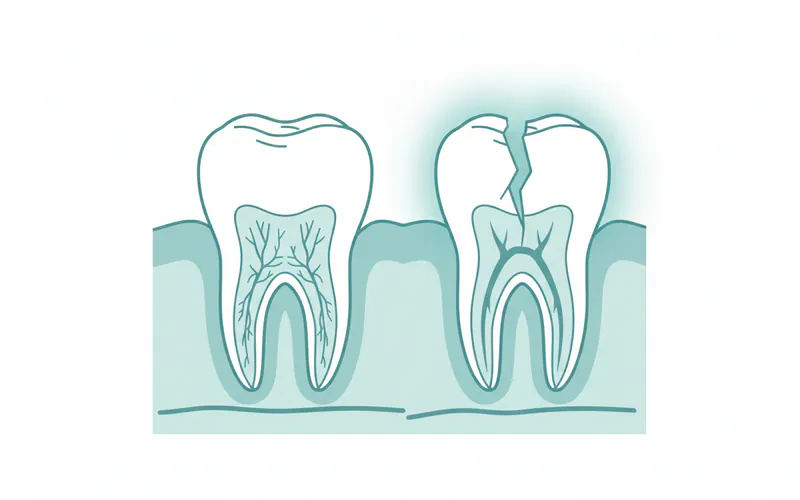
- Cracks or Chips in the Tooth: Fractures in a tooth can expose the pulp to bacteria from the mouth, leading to infection. Even a hairline crack, invisible to the naked eye, can create a pathway for bacteria.
- Trauma to the Tooth: A blow or injury to the mouth can damage the pulp, even if there's no visible crack or chip on the tooth's surface. This can lead to pulp inflammation, nerve damage, or even necrosis (death of the pulp).
- Gum Disease: In advanced stages, gum disease can erode bone and gum tissue, exposing the root and potentially leading to bacterial entry into the pulp through accessory canals in the root.
- Large Fillings: Very large or old fillings can weaken the tooth structure, making it more susceptible to cracks or decay underneath the filling, ultimately affecting the pulp.
Understanding these causes highlights the importance of preventative care and addressing dental issues promptly to avoid the need for more extensive treatments like root canals and crowns.
Signs and Symptoms You Might Need Treatment
Recognizing the signs and symptoms of a compromised tooth needing a root canal is crucial for timely intervention. Ignoring these warnings can lead to more severe pain, widespread infection, and potentially tooth loss.
Common symptoms include:
- Persistent Pain: This is often the most telling sign. The pain can range from mild to severe, can be constant, or can come and go. It might worsen when you chew or apply pressure.
- Sensitivity to Hot and Cold: Prolonged sensitivity to hot or cold temperatures, especially after the stimulus has been removed, indicates an inflamed or infected pulp.
- Swelling and Tenderness in the Gums: The area around the infected tooth might become swollen, tender to the touch, or even develop a "pimple-like" bump (known as a fistula or abscess) on the gums near the affected tooth. This indicates pus draining from the infection.
- Tooth Discoloration: An infected tooth may appear darker or grayish, especially compared to surrounding teeth, due to the dying pulp tissue.
- Pain When Chewing or Touching: Biting down or applying pressure to the tooth causes sharp pain.
- Loose Tooth: In some severe cases, the bone supporting the tooth can be affected by the infection, leading to the tooth becoming loose.
Pro Tip: Even if symptoms subside, it doesn't mean the infection has cleared. Sometimes, the pulp dies, and the pain temporarily goes away, but the infection remains and can spread. Always seek professional dental advice if you experience any of these symptoms.
Treatment Options: Root Canal vs. Extraction
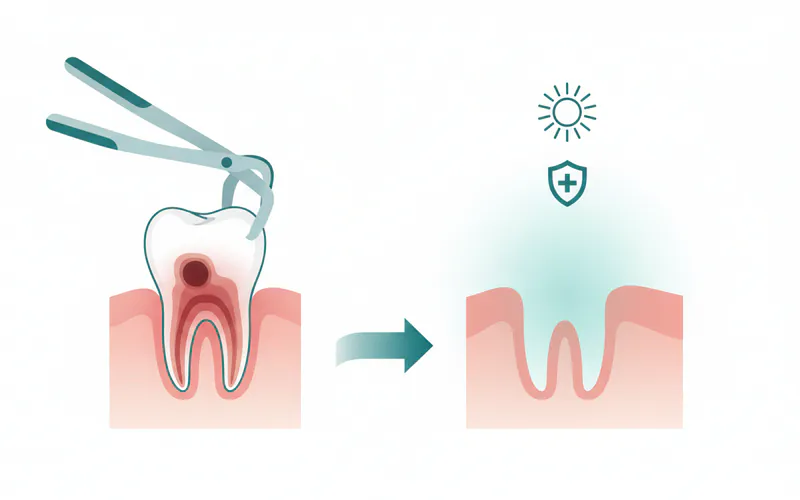
When faced with an infected or severely damaged tooth, the primary treatment options are root canal therapy (RCT) or tooth extraction. Each has its own set of pros and cons, which impact long-term oral health and future costs.
Option 1: Root Canal Therapy (with Crown)
Purpose: To save the natural tooth. Pros:
- Preserves Natural Tooth: Keeps your natural tooth in place, maintaining your bite and jaw alignment.
- Natural Appearance: A crown can perfectly match your other teeth, restoring aesthetics.
- Maintains Chewing Function: Allows you to continue chewing with the natural tooth.
- Prevents Bone Loss: The tooth's root stimulates the jawbone, preventing bone atrophy that occurs after extraction.
- Cost-Effective in the Long Run: While initially expensive, it can be less costly than extraction followed by complex replacement options like a dental implant or a bridge tooth. Cons:
- Multiple Appointments: Typically requires 1-2 root canal appointments and 2 crown appointments.
- Temporary Discomfort: Some soreness or sensitivity after the procedure.
- Cost: Higher upfront cost compared to simple extraction.
- Risk of Failure: Though rare, root canals can sometimes fail, requiring re-treatment or extraction.
Option 2: Tooth Extraction
Purpose: To remove the infected or damaged tooth. Pros:
- Immediate Relief: Eliminates the source of infection and pain quickly.
- Lower Initial Cost: Simple extractions are generally less expensive than root canals. Cons:
- Missing Tooth: Leaves a gap, which can affect speech, chewing, and aesthetics.
- Shifting Teeth: Adjacent teeth can drift into the empty space, leading to bite problems.
- Bone Loss: The jawbone under the missing tooth will begin to resorb (shrink) over time due to lack of stimulation.
- Future Costs: A missing tooth often requires replacement with a dental implant, a bridge tooth, or a partial denture, which are typically more expensive and involve more procedures than a root canal and crown.
- An implant can cost $3,000-$6,000+.
- A traditional 3-unit dental bridge (replacing one tooth) can cost $2,000-$5,000+.
| Feature | Root Canal Therapy + Crown | Tooth Extraction |
|---|---|---|
| Goal | Save natural tooth | Remove problematic tooth |
| Longevity | Can last a lifetime with proper care | Permanent tooth removal |
| Jawbone Health | Preserves bone stimulation | Leads to bone loss over time |
| Adjacent Teeth | Keeps alignment, prevents shifting | Can cause adjacent teeth to shift |
| Aesthetics | Excellent with a well-matched crown | Leaves a gap unless replaced |
| Initial Cost | Higher (often $1,800-$4,500 without insurance) | Lower (simple extraction: $150-$400) |
| Long-Term Cost | Can be lower than replacement options | Often higher if tooth is replaced (implant/bridge) |
| Procedure | Pulp removal, cleaning, sealing, crown | Tooth removal |
While extraction might seem like a cheaper and quicker fix, saving your natural tooth with a root canal and crown is almost always the preferred option for long-term oral health, if feasible. The long-term consequences and costs associated with replacing a missing tooth often outweigh the initial savings of an extraction.
Step-by-Step Process: What to Expect
Undergoing a root canal and crown involves several distinct stages, usually spread across multiple appointments. Here's a general overview of what you can expect:
Part 1: The Root Canal Procedure
- Diagnosis and Anesthesia: Your dentist or endodontist will thoroughly examine your tooth, take X-rays, and assess the extent of the infection. Before starting, the area around the tooth will be numbed with local anesthesia to ensure a pain-free experience.
- Isolation: A small sheet of rubber, called a dental dam, is placed around the affected tooth. This isolates the tooth, keeping it clean, dry, and free from saliva during the procedure, which is crucial for preventing further bacterial contamination.
- Access Opening: A small opening is drilled through the crown of the tooth to access the pulp chamber and root canals.
- Pulp Removal and Cleaning: Using tiny, specialized instruments (files), the infected or inflamed pulp is carefully removed from the pulp chamber and root canals. The canals are then thoroughly cleaned, shaped, and disinfected with antiseptic solutions. This step might be followed by an antibiotic medication placed inside the tooth if the infection is severe.
- Filling the Canals (Obturation): Once the canals are clean and dry, they are filled with a biocompatible, rubber-like material called gutta-percha. This material is sealed into the canals, usually with an adhesive cement, to prevent reinfection.
- Temporary Filling: A temporary filling is placed in the access opening to protect the tooth until the permanent crown is placed. This typically concludes the root canal portion of the treatment, which may take one or two appointments depending on the complexity of the tooth and infection.
Part 2: The Dental Crown Placement
- Tooth Preparation (First Crown Appointment): After the root canal is complete and the tooth has settled, your dentist will prepare the tooth for the crown. This involves removing a small amount of enamel and dentin from all sides and the top of the tooth. The goal is to create enough space for the crown to fit snugly over the tooth without making it bulky.
- Pro Tip: The amount of tooth structure removed depends on the chosen crown material. Metal crowns require less removal, while all-ceramic crowns may require more.
- Impressions or Digital Scan: Once the tooth is prepared, an impression (mold) of your tooth and surrounding teeth is taken. This might be done using traditional putty impressions or a digital scanner. This impression is sent to a dental lab, which custom-fabricates your permanent crown to precisely fit your tooth and match your bite. An impression of your opposing teeth is also taken to ensure proper occlusion.
- Temporary Crown Placement: While your permanent crown is being made (which can take 1-3 weeks), a temporary crown made of acrylic or composite resin is placed over your prepared tooth. This protects the tooth, prevents shifting of adjacent teeth, and maintains aesthetics. You'll receive instructions on how to care for your temporary crown.
- Permanent Crown Placement (Second Crown Appointment): Once your custom crown arrives from the dental lab, you'll return for your final appointment. The temporary crown is removed, and your dentist will try in the permanent crown to check its fit, bite, and appearance. Any necessary adjustments are made.
- Cementation: If everything looks and feels right, the permanent crown is cemented onto your prepared tooth using a strong, durable dental cement. Your dentist will ensure your bite is comfortable and provide final aftercare instructions.
The entire process, from root canal to final crown, usually spans 2-4 appointments over several weeks.
Cost and Insurance: Breaking Down Expenses Without Coverage
Understanding the root canal and crown cost without insurance is arguably the most critical aspect for many patients. These procedures represent a significant investment in your oral health, and the prices can vary widely based on several factors.
Factors Influencing Cost
- Tooth Location:
- Front Teeth (Incisors, Canines): Generally have 1-2 canals, making the root canal simpler and less expensive.
- Premolars (Bicuspids): Typically have 1-2 canals, but can sometimes have three, increasing complexity.
- Molars: Located in the back of the mouth, molars can have 3-4 canals, which are often curved and harder to access. This makes molar root canals the most complex and expensive.
- Severity of Infection/Damage: More severe infections, calcified canals, or complex anatomy will require more time and specialized techniques, leading to higher costs.
- Specialist vs. General Dentist: Endodontists (root canal specialists) generally charge more than general dentists due to their advanced training, specialized equipment (like microscopes), and expertise. However, for complex cases, their higher fee can lead to a more successful outcome.
- Geographic Location: Dental costs vary significantly by region. Major metropolitan areas and coastal cities (e.g., New York, Los Angeles) typically have higher prices than rural areas or states with a lower cost of living.
- Crown Material: As discussed earlier, the choice of crown material (e.g., gold, zirconia, porcelain, PFM) is a major cost driver. Zirconia and E-max crowns are often among the most expensive, while PFM and some all-ceramic options can be mid-range.
- Additional Procedures:
- Build-up/Core Foundation: If significant tooth structure is lost, a dental build-up or post-and-core may be needed before the crown can be placed. This adds to the cost (typically $200-$500).
- X-rays and Exams: Initial diagnostic X-rays and exams are separate costs.
- Sedation: If you opt for sedation (e.g., nitrous oxide, oral sedation, IV sedation) beyond local anesthesia, this will incur additional fees ($50-$500+ depending on type and duration).
Average US Costs Without Insurance (2026 Estimates)
Please note these are average ranges. Always get a detailed, written estimate from your dental provider.
Root Canal Costs (Without Insurance)
| Tooth Type | Average Cost Range (General Dentist) | Average Cost Range (Endodontist) |
|---|---|---|
| Front Tooth | $700 - $1,200 | $900 - $1,500 |
| Premolar | $800 - $1,500 | $1,000 - $1,800 |
| Molar | $1,000 - $1,800 | $1,200 - $2,500+ |
| Apicoectomy | $900 - $2,000+ | $1,500 - $2,800+ |
Dental Crown Costs (Without Insurance)
| Crown Material | Average Cost Range | Considerations |
|---|---|---|
| Porcelain Fused to Metal (PFM) | $800 - $1,500 | Good balance, metal edge may show, durable |
| All-Ceramic / Porcelain | $900 - $1,800 | Highly aesthetic, good for front teeth, can be brittle |
| Zirconia | $1,000 - $2,200 | Very strong, excellent aesthetics, popular choice |
| E-Max | $1,200 - $2,500 | Superior aesthetics for front teeth, strong |
| Gold Alloy | $1,000 - $2,000+ | Extremely durable, biocompatible, metal appearance |
| Temporary Crown | Included (often $50-$200 if separate) | Short-term protection while permanent crown is made |
| Stainless Steel Crown (Children) | $150 - $300 | Primarily for primary teeth, not aesthetic |
Total Estimated Root Canal and Crown Cost Without Insurance: Combining these, a root canal and crown without insurance typically falls in the range of $1,800 to $4,500 per tooth. This figure does not include initial exams, X-rays, or potential build-ups.
Payment Plans and Financing Options
Even without traditional dental insurance, several options can help manage the cost:
- Dental Savings Plans (Discount Plans): These are membership plans where you pay an annual fee (typically $100-$200 for individuals, $150-$300 for families) and receive 10-60% discounts on dental procedures from participating dentists. They are not insurance but a way to reduce costs immediately.
- Payment Plans Directly from the Dentist: Many dental offices understand the financial burden and offer in-house payment plans. This allows you to pay for the treatment over several months, often interest-free, as long as you make regular payments. Don't hesitate to ask your dentist if they offer this.
- Healthcare Credit Cards (e.g., CareCredit, LendingClub): These specialized credit cards are designed for healthcare expenses. They often offer promotional periods with 0% interest if the balance is paid within a certain timeframe (e.g., 6, 12, or 18 months). Beyond that, interest rates can be high.
- Personal Loans: Banks or credit unions offer personal loans that can cover dental expenses. These typically have fixed interest rates and repayment schedules.
- Community Dental Clinics / Dental Schools: These institutions often offer services at a reduced cost because they are either non-profit or use students (under supervision of licensed instructors) to perform procedures. Quality of care is still high, but appointment availability might be limited, and procedures could take longer.
- Flexible Spending Accounts (FSAs) or Health Savings Accounts (HSAs): If you have access to these through your employer or a high-deductible health plan, you can use pre-tax dollars to pay for dental care, including root canals and crowns.
Pro Tip: Always discuss financing options with your dental office's administrative staff before beginning treatment. They can often provide a comprehensive breakdown of costs and available payment solutions.
Recovery and Aftercare
Proper recovery and aftercare are vital for the long-term success of your root canal and crown.
After the Root Canal Procedure
- Numbness: The local anesthesia will wear off over a few hours. Avoid chewing on the treated side until the numbness subsides to prevent biting your cheek or tongue.
- Mild Discomfort: It's common to experience mild to moderate soreness or sensitivity for a few days after the root canal, especially when chewing. This is due to inflammation from the procedure, not usually a sign of failure.
- Pain Management: Over-the-counter pain relievers like ibuprofen (Advil, Motrin) or acetaminophen (Tylenol) are usually sufficient. Your dentist might prescribe stronger medication if necessary.
- Temporary Filling Care: Be gentle when brushing and flossing around the temporary filling. Avoid very sticky or hard foods that could dislodge it. If the temporary filling comes out, contact your dentist immediately.
- Avoid Chewing: Try to avoid chewing on the treated tooth until the permanent crown is placed to prevent fracture, as the tooth is brittle after a root canal.
After the Crown Placement
- Initial Sensitivity: It's normal to experience some sensitivity to hot, cold, or pressure for a few days or weeks after the permanent crown is cemented. This should gradually diminish.
- Adjusting to the Bite: Your bite might feel slightly different initially. If it feels "high" or uncomfortable, contact your dentist for an adjustment. A high spot on a crown can cause pain or damage.
- Oral Hygiene: Treat your crown like your natural teeth. Brush twice daily and floss once daily around the crowned tooth to prevent gum disease and decay at the crown margin.
- Avoid Hard/Sticky Foods: While crowns are strong, excessive force from chewing ice, hard candies, or sticky foods can potentially damage the crown or dislodge it.
- Grinding/Clenching: If you grind or clench your teeth (bruxism), your dentist might recommend a nightguard to protect your crown and other teeth.
- Regular Check-ups: Continue with your routine dental check-ups and cleanings every six months to monitor the crown and overall oral health.
ADA Guidelines: The American Dental Association (ADA) emphasizes maintaining good oral hygiene practices, including regular brushing, flossing, and professional cleanings, to ensure the longevity of root canal-treated teeth and dental crowns.
Prevention: Avoiding the Need for Root Canals and Crowns
The best way to save on root canal and crown cost without insurance is to avoid needing them in the first place. Prevention is always more cost-effective and less invasive than treatment.
- Excellent Oral Hygiene:
- Brush Twice Daily: Use a fluoride toothpaste and brush for at least two minutes, morning and night.
- Floss Daily: Floss or use interdental cleaners to remove plaque and food particles from between teeth and under the gum line where your toothbrush can't reach.
- Regular Dental Check-ups and Cleanings:
- Visit your dentist every six months for professional cleanings and examinations. This allows your dentist to detect and treat small cavities (with amalgam fillings or composite resins) before they become deep enough to reach the pulp and require a root canal. Early detection can save you thousands of dollars.
- Fluoride Application: Discuss with your dentist whether fluoride treatments or prescription fluoride toothpaste would benefit you, especially if you're prone to cavities.
- Protective Mouthguards:
- Sports: Wear a custom-fitted mouthguard during sports or recreational activities to protect your teeth from trauma and potential fractures that could necessitate a root canal.
- Bruxism: If you grind or clench your teeth (bruxism), a nightguard can prevent excessive wear and tear, and potential cracks that lead to pulp damage.
- Healthy Diet: Limit sugary and acidic foods and drinks, which contribute to tooth decay.
- Address Decay Early: Do not delay getting a cavity filled. Small fillings are far less expensive and less invasive than a root canal and crown. If you have older amalgam fillings that are showing signs of wear or cracking, have them evaluated, as decay can occur underneath them.
- Avoid Using Teeth as Tools: Don't use your teeth to open packages, bite nails, or chew on hard objects like ice, which can cause chips or cracks.
By diligently following these preventive measures, you significantly reduce your risk of developing the issues that lead to complex and costly procedures like root canals and crowns.
Risks and Complications
While root canals and crowns have a high success rate, like any medical procedure, there are potential risks and complications to be aware of.
Root Canal Complications:
- Persistent Infection: Despite thorough cleaning, some infections may persist or recur if there were very complex canal anatomy, missed canals, or if bacteria remain. This may require re-treatment or an apicoectomy.
- Fractured Instrument: In rare cases, a small file used during the cleaning process can fracture inside the canal. The dentist will attempt to remove it, but sometimes it remains. This doesn't always lead to failure but can complicate future treatment.
- Perforation: An accidental opening can be created in the side of the tooth during the cleaning process. This can sometimes be repaired but may affect the long-term prognosis.
- Lack of Healing: Despite successful treatment, the surrounding bone or tissue may not heal completely, leading to ongoing inflammation or pain.
- Tooth Fracture: A root-canaled tooth, being more brittle, can fracture, especially if a crown isn't placed promptly. A vertical root fracture often leads to extraction.
Crown Complications:
- Crown Loosening or Falling Off: This can happen if the cement washes out or the underlying tooth structure is not sufficient. The crown can often be re-cemented.
- Chipped Crown: Porcelain or ceramic crowns can chip, especially if subjected to excessive force. Small chips can sometimes be repaired, but larger ones may require crown replacement.
- Sensitivity or Pain: Some sensitivity can occur after crown placement, usually subsiding over time. Persistent pain, especially to pressure, may indicate an issue with the bite or, rarely, a lingering pulp problem if the root canal wasn't fully successful.
- Allergic Reaction: Though rare, some individuals may have an allergic reaction to the metal in PFM or gold crowns.
- Gum Inflammation: Poorly fitting crowns can irritate the gum tissue, leading to inflammation or gum disease around the crown.
- Recurrent Decay: If the seal between the crown and the tooth fails, bacteria can get underneath the crown, leading to new decay that can compromise the treated tooth.
Regular dental check-ups are essential after treatment to monitor the health of your root-canaled and crowned tooth and to identify any potential complications early.
Children / Pediatric Considerations
Root canal therapy and crowns are not exclusive to adults; children can also require these procedures, though the specifics often differ.
Root Canal-like Procedures for Children
For primary (baby) teeth, dentists typically perform less extensive procedures than adult root canals:
- Pulpotomy (Baby Tooth "Nerve Treatment"): This is often called a "baby root canal," but it's not a full root canal. Only the infected portion of the pulp in the crown of the tooth is removed, and a medicated material is placed to keep the remaining root pulp healthy. The goal is to save the tooth until it naturally falls out.
- Pulpectomy: If the infection has spread to the root canals of a primary tooth, a pulpectomy is performed. This involves removing all the pulp from the crown and root canals, which are then cleaned and filled with a resorbable material that allows the permanent tooth to erupt naturally.
Crowns for Children
After a pulpotomy or pulpectomy, primary teeth are almost always restored with a stainless steel crown (SSC).
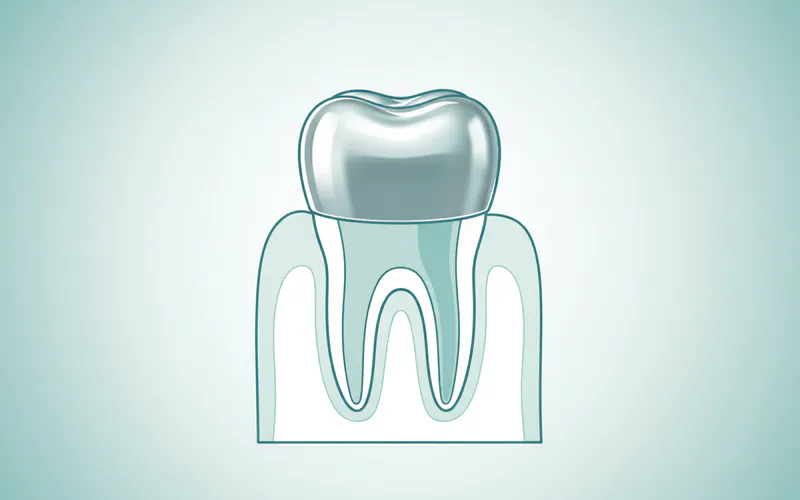
- Stainless Steel Crowns (SSCs): These are prefabricated, silver-colored metal caps that are cemented onto the primary tooth. They are durable, cost-effective, and quickly placed in a single visit. They provide excellent protection for a tooth that has undergone pulp therapy, ensuring it lasts until it's naturally shed.
- Zirconia Crowns for Children: While less common than SSCs, aesthetic zirconia crowns are becoming an option for primary teeth, particularly in visible areas. They are more expensive than SSCs but offer a white, natural appearance.
Cost for Pediatric Procedures (Without Insurance):
- Pulpotomy: Typically ranges from $250-$500.
- Pulpectomy: Can range from $400-$800.
- Stainless Steel Crown (SSC): Usually costs between $150-$300.
- Pediatric Zirconia Crown: Can be $400-$800+.
Pro Tip for Parents: Maintaining excellent oral hygiene and scheduling regular pediatric dental check-ups are crucial to prevent childhood decay that can lead to these procedures. Early intervention for cavities with simple amalgam fillings or composite fillings is far preferable to pulp therapy and crowns.
Cost Breakdown: Navigating Expenses Without Insurance
Let's consolidate and further detail the financial landscape when you need a root canal and crown without dental insurance.
Average US Costs (Low, Mid, High Estimates for 2026)
Remember, these are estimates. Your actual cost will depend on your specific case and location.
| Procedure Component | Low Estimate | Mid Estimate | High Estimate |
|---|---|---|---|
| Root Canal (Front Tooth) | $700 | $1,000 | $1,500 |
| Root Canal (Premolar) | $800 | $1,200 | $1,800 |
| Root Canal (Molar) | $1,000 | $1,500 | $2,500+ |
| Post/Core Build-up (if needed) | $200 | $350 | $500 |
| Dental Crown (PFM) | $800 | $1,200 | $1,500 |
| Dental Crown (All-Ceramic/Zirconia) | $1,000 | $1,800 | $2,500 |
| Dental Crown (E-Max/Gold) | $1,200 | $2,000 | $3,000+ |
| Initial Exam/X-rays | $50 | $150 | $300+ |
Total Estimated Range for a Root Canal and Crown (without insurance): A typical scenario for a molar requiring a root canal (approx. $1,000-$2,500) plus a zirconia crown (approx. $1,000-$2,200), potentially with a build-up ($200-$500), and initial diagnostics ($50-$300), means you could be looking at a total bill between $2,250 and $5,500+. Front teeth are generally on the lower end, while complex molar cases with specialist intervention and high-end crown materials will be on the higher end.
With vs. Without Insurance
- With Insurance: Most standard dental insurance plans typically cover a portion of root canals and crowns, often at 50-80% of the cost after your deductible is met. However, many plans have annual maximums (e.g., $1,000-$2,000), meaning you might still pay a significant amount out-of-pocket, especially for higher-cost procedures or multiple teeth.
- Without Insurance: You are responsible for 100% of the cost. This is why understanding the breakdown and exploring financing options is so critical.
Payment Plans and Cost-Saving Tips
As mentioned, payment plans from your dental office, healthcare credit cards, and dental savings plans are excellent tools. Here are additional cost-saving tips:
- Shop Around (Carefully): Get quotes from a few different dental offices. While cost shouldn't be the only factor, comparing prices can help you find a reasonable rate. Ensure you're comparing apples to apples (same crown material, type of root canal, etc.).
- Ask for Cash Discounts: Some dentists offer a discount (e.g., 5-10%) for patients who pay in full at the time of service, especially if you're paying with cash or a debit card, as it reduces their administrative and credit card processing fees.
- Negotiate: Don't be afraid to politely discuss the cost with your dental office. They may be willing to work with you, especially if you explain your financial situation.
- Consider Dental Schools/Community Clinics: These can be significantly cheaper, offering savings of 20-50% or more, though wait times can be longer and appointments may take more time.
- Travel for Care (Selectively): While not for everyone, some individuals choose to travel to areas with lower dental costs, or even cross borders to countries like Mexico or Canada, for significant savings. Research is critical to ensure quality and safety.
- Preventive Care Now: The ultimate cost-saver is preventing the need for these procedures. Invest in good oral hygiene and regular check-ups to catch problems when they are small and inexpensive (amalgam fillings or composite fillings).
Frequently Asked Questions
Is a root canal always followed by a crown?
While not always required, a crown is highly recommended after a root canal, especially on back teeth, because the tooth becomes brittle and prone to fracture after the pulp is removed. A crown protects the weakened tooth, ensuring its longevity and restoring its function and appearance.
How much pain should I expect during a root canal without insurance?
With modern anesthetics and techniques, a root canal should be a relatively pain-free procedure during treatment. You might feel pressure, but not sharp pain. After the procedure, it's normal to experience some soreness for a few days, which can usually be managed with over-the-counter pain relievers.
How long does a root canal and crown last?
With proper care, a successful root canal and crown can last for many years, often a lifetime. Factors like oral hygiene, crown material, biting habits, and regular dental check-ups influence its longevity.
Can I just get the root canal and skip the crown to save money?
While it might save initial costs, skipping the crown is highly discouraged, especially for back teeth. The root-canaled tooth is significantly weakened and very susceptible to fracture. A fracture often means the tooth cannot be saved and will require extraction, leading to higher costs in the long run for replacement options like implants or a bridge tooth.
What are the alternatives to a root canal and crown?
The main alternative to a root canal and crown for an infected tooth is extraction. However, extraction creates a gap that ideally should be filled with a dental implant, a bridge tooth, or a partial denture, all of which are generally more expensive and invasive than saving the natural tooth with a root canal and crown.
Can I get an amalgam filling instead of a crown after a root canal?
A large amalgam filling or composite filling might be placed to restore the access opening after a root canal, but it does not provide the comprehensive protection a crown offers. For most root-canaled teeth, particularly molars that bear heavy chewing forces, a crown is essential to prevent fracture.
Why do costs vary so much between dentists?
Cost variations stem from factors like the dentist's experience and specialization (general dentist vs. endodontist), geographic location (urban vs. rural), overhead costs of the practice, type of crown material, and whether additional procedures (like a post-and-core) are needed.
Is it worth paying more for a specialist (endodontist) for a root canal?
For complex cases, such as molars with multiple or curved canals, retreated root canals, or teeth with unusual anatomy, an endodontist's specialized training, equipment (like operating microscopes), and experience often lead to a higher success rate. While more expensive, it can be a worthwhile investment to avoid complications or re-treatment.
What happens if I delay getting a root canal or crown due to cost?
Delaying treatment for an infected tooth can lead to the infection spreading, causing increased pain, swelling, and potentially affecting surrounding teeth or even systemic health. It can also lead to irreversible damage, making the tooth unsalvageable and requiring extraction, which often results in more complex and expensive replacement options later.
Can I get a bridge tooth instead of a crown if I have a missing tooth and need a root canal on an adjacent one?
A dental bridge is used to replace one or more missing teeth by anchoring to adjacent natural teeth (which often need crowns themselves). If you have a missing tooth and an adjacent tooth needs a root canal, you might consider an implant for the missing tooth, and a crown for the root-canaled one, rather than a bridge that puts extra strain on the already compromised root-canaled tooth. Your dentist will evaluate the best option for your specific situation.
When to See a Dentist
Recognizing when to seek dental care is crucial, especially when dealing with potential severe issues that could lead to a root canal and crown.
Immediate Attention (Emergency)
You should see a dentist immediately, or go to an urgent dental care clinic, if you experience:
- Severe, persistent toothache: Especially if it's spontaneous, wakes you up at night, or worsens when you lie down.
- Swelling in your face, jaw, or gums: This could indicate a spreading infection or abscess.
- A "pimple" or boil on your gums: This is a fistula, a sign of infection draining from an abscessed tooth.
- Pain when chewing or biting: Especially if it's sharp and localized to one tooth.
- Extreme sensitivity to hot or cold that lingers for more than 30 seconds after the stimulus is removed.
- Trauma to a tooth: If your tooth has been chipped, cracked, knocked loose, or knocked out.
These symptoms suggest a severe infection or injury that, if left untreated, could lead to widespread infection, tooth loss, or impact your overall health.
Scheduled Appointment (Routine Care / Early Intervention)
Schedule a regular dental appointment if you notice:
- Mild tooth sensitivity: Especially to hot or cold, but it goes away quickly. This could be a sign of early decay or gum recession, which might be manageable with simple amalgam fillings or other less invasive treatments.
- Minor tooth discomfort: A dull ache that isn't severe or persistent.
- Visible holes or pits in your teeth: These are cavities that need to be filled before they deepen.
- Dark spots or discoloration on your teeth.
- Changes in your bite or persistent bad breath that isn't resolved with regular hygiene.
Regular check-ups (every six months, as recommended by the ADA) are the best way to catch these issues early. Your dentist can perform X-rays and examinations to identify problems before they become emergencies, saving you pain, time, and significant root canal and crown cost without insurance. Don't wait until the pain is unbearable; early intervention is always the most effective and affordable solution.
Frequently Asked Questions
Medically Reviewed Content
This article was written by our dental health editorial team and reviewed for medical accuracy. Our content follows strict editorial guidelines for reliability and trustworthiness.
Medical Disclaimer
This article is for informational purposes only and does not constitute medical advice. Always consult with a qualified dental professional for diagnosis and treatment. Do not delay seeking professional advice because of something you read on this website.
Related Articles
Teeth Crown: Complete Guide
Imagine the confidence of a strong, healthy smile. Yet, for many Americans, dental issues like decay, cracks, or large fillings can compromise not just aesthetics, but also the vital function of their teeth. In fact, over 15 million Americans have undergone crown and bridge procedures, highlight
February 22, 2026
How Long Do Fillings Take
When you discover a cavity or experience tooth pain, one of the first questions that might come to mind is, how long do fillings take? Understanding the duration of a dental filling procedure is crucial for managing your schedule and expectations, but it's just one piece of the puzzle. Dental fi
February 22, 2026
Root Canal and Crown: Complete Guide
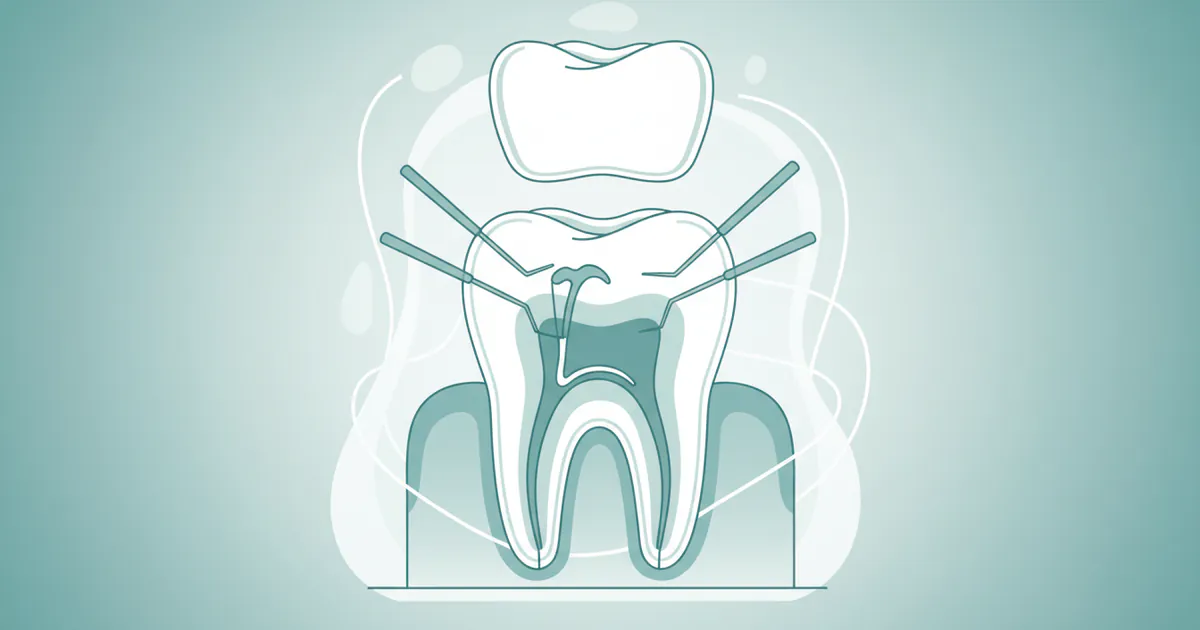
When a tooth suffers from significant damage or infection, a combination of two powerful restorative dental procedures often becomes necessary to save it: a root canal and crown. This comprehensive approach not only eradicates infection and alleviates pain but also restores the tooth's structura
February 22, 2026
Bridge Teeth Cost: Complete Price Guide 2026
Losing a tooth can be more than just an aesthetic concern; it can impact your ability to chew, speak clearly, and even lead to shifting teeth, affecting your overall oral health. If you're considering solutions for missing teeth, a dental bridge is a common and effective restorative option. But what
February 22, 2026