Symptoms of Teething in Babies: Complete Guide
Key Takeaways
- Few milestones in a baby's first year are as anticipated—and sometimes dreaded—as the eruption of their first tooth. Teething, the natural process where a baby's first set of teeth pushes through the gums, is a universal experience for infants and their parents alike. While a tiny white pearly tooth
Introduction
Few milestones in a baby's first year are as anticipated—and sometimes dreaded—as the eruption of their first tooth. Teething, the natural process where a baby's first set of teeth pushes through the gums, is a universal experience for infants and their parents alike. While a tiny white pearly tooth is a cause for celebration, the journey to its emergence can be fraught with discomfort for your little one. In fact, studies suggest that over 80% of infants experience some form of discomfort during teething, making it one of the most common reasons for parental concern in a baby's early months. Understanding the symptoms of teething in babies is crucial for parents, not only to provide appropriate comfort and care but also to distinguish normal teething signs from symptoms that may indicate a more serious illness.

This comprehensive guide from SmilePedia.net aims to be your definitive resource, offering medically accurate, actionable information to help you navigate this significant developmental stage. We will delve into what teething truly is, explore the typical timeline for tooth eruption, and provide a detailed look at the common and less common signs you might observe. Moreover, we will cover effective and safe remedies, discuss when it’s appropriate to seek professional dental or medical advice, and address common concerns such as cost implications for various treatments and the importance of early pediatric dental care. By the end of this article, you will be equipped with the knowledge to confidently support your baby through the teething process, ensuring their comfort and setting the foundation for a lifetime of good oral health.
Key Takeaways:
- Teething typically starts between 4 and 7 months of age, with the two bottom front teeth (central incisors) usually appearing first.
- Common symptoms include increased drooling, fussiness, swollen gums, a desire to chew on objects, and sleep disturbances, usually lasting a few days per tooth.
- Mild fever (below 101°F or 38.3°C) and slight changes in bowel movements can occur, but high fever, severe diarrhea, or vomiting are not normal teething symptoms and warrant a doctor's visit.
- Safe remedies include chilled (not frozen) teething rings (cost: $5-$25), gentle gum massage, and age-appropriate doses of acetaminophen or ibuprofen (cost: $5-$15). Avoid topical numbing gels with benzocaine and homeopathic remedies.
- First dental visit should be by age one or within six months of the first tooth erupting, as recommended by the American Dental Association (ADA) and American Academy of Pediatric Dentistry (AAPD). An initial pediatric dental consultation may range from $100-$300 without insurance.
- Oral hygiene should begin even before teeth emerge, by wiping gums with a clean, damp cloth. Once teeth appear, brush twice daily with a rice-grain-sized smear of fluoride toothpaste.
- A "baby teeth xray" is rarely needed for typical teething but may be used by a pediatric dentist in specific cases to assess tooth development or impacted teeth, potentially costing $50-$150 per image without insurance.
What It Is / Overview
Teething, medically known as odontiasis or tooth eruption, is a natural and essential developmental process in infants where their primary (or deciduous) teeth begin to push through the gums. This phase marks a significant milestone in a baby's growth, leading to the development of their first set of 20 teeth. While the process typically begins around 6 months of age, it can vary widely, with some babies starting as early as 4 months and others not until their first birthday. The entire process of all primary teeth erupting usually concludes by the time a child is around 2.5 to 3 years old.
The journey of a tooth from beneath the gum line to its visible position in the mouth involves a complex biological mechanism. The tooth bud, which has been developing in the jawbone since before birth, gradually moves upwards, putting pressure on the overlying gum tissue. This pressure, along with the release of certain chemicals and enzymes, causes the gum tissue to thin and eventually break, allowing the tooth to emerge. This localized inflammation and pressure are what primarily contribute to the discomfort and symptoms of teething in babies.
Understanding this fundamental process helps parents recognize that teething is not an illness but a normal physiological event, albeit one that requires comfort and care. It’s the precursor to solid food consumption, speech development, and the overall healthy development of the jaw and facial structures.
Types / Variations in Teething
While teething is a universal process, the experience can vary significantly among infants in terms of timing, order of eruption, and severity of symptoms. There aren't "types" of teething in a medical sense, but rather variations in how a baby progresses through this developmental stage.
Typical Teething Timeline and Order
The general timeline for tooth eruption follows a predictable pattern, though individual variations are common:
- Lower Central Incisors (Front Bottom Teeth): Usually the first to appear, typically between 6-10 months (range: 4-7 months).
- Upper Central Incisors (Front Top Teeth): Follow shortly after, between 8-12 months.
- Upper Lateral Incisors (Next to Top Front Teeth): Around 9-13 months.
- Lower Lateral Incisors (Next to Bottom Front Teeth): Around 10-16 months.
- First Molars (Back Teeth): These larger teeth often cause more discomfort due to their size and broader surface area. Upper first molars typically emerge between 13-19 months, and lower first molars between 14-18 months.
- Canines (Cuspids/Eyeteeth): The pointed teeth between the incisors and molars. Upper canines appear around 16-22 months, lower canines around 17-23 months.
- Second Molars (Furthest Back Teeth): The final primary teeth to erupt, completing the set of 20. Lower second molars typically appear between 23-31 months, and upper second molars between 25-33 months.
``
Variations in Experience
- Early vs. Late Teethers: Some babies get their first tooth around 4 months, while others may not have one until after their first birthday. Both are considered within the normal range. Genetic factors often play a role.
- Symptom Severity: One baby might sail through teething with minimal fuss, while another experiences significant discomfort with each erupting tooth. The severity of symptoms of teething in babies is highly individual.
- "Teething Free" Babies: While rare, some babies may show virtually no signs of discomfort during teething, seemingly waking up one day with a new tooth.
- "Teething Fits": Some parents report their baby experiencing more intense, but brief, periods of discomfort immediately preceding a tooth's eruption.
Pro Tip: While these timelines are helpful, remember that every baby is unique. Focus on your child's overall well-being and developmental milestones rather than strict adherence to age charts. If you have concerns about significantly delayed tooth eruption, consult your pediatrician or a pediatric dentist.
Causes / Why It Happens
The fundamental cause of teething is the natural biological process of tooth eruption. It's an intricate dance of cellular activity and physical forces within the jaw. Here's a deeper look into why it happens and the contributing factors:
- Physiological Development: Babies are born with a full set of 20 primary teeth already formed and positioned within their jawbones, beneath the gums. These tooth buds begin developing in the womb and continue to mature after birth.
- Upward Movement and Pressure: As the jawbone grows, the developing teeth gradually move upwards towards the surface of the gums. This upward movement exerts pressure on the surrounding gum tissue and the bone above the tooth.
- Resorption of Gum Tissue: The pressure from the erupting tooth, along with chemical signals, stimulates cells in the gum tissue to break down or "resorb." This thinning of the gum allows the tooth to eventually pierce through.
- Inflammation: The process of the tooth breaking through the gum tissue inevitably causes localized inflammation. This inflammation, characterized by swelling and tenderness, is the primary source of the discomfort that leads to the symptoms of teething in babies.
- Nerve Stimulation: As the tooth moves and presses against nerve endings in the gums, it can cause pain or irritation, contributing to a baby's fussiness.
It's important to understand that teething is a normal, healthy process and not caused by external factors like diet or environment. However, the experience of teething can be influenced by a baby's individual pain threshold, overall health, and genetic predisposition.
Signs and Symptoms
Identifying the symptoms of teething in babies is key to providing timely comfort. While some signs are widely recognized, others are often confused with illnesses. Here’s a detailed breakdown of what to look for:
Common Teething Symptoms
These are the most frequently observed and generally accepted signs that a tooth is on its way:
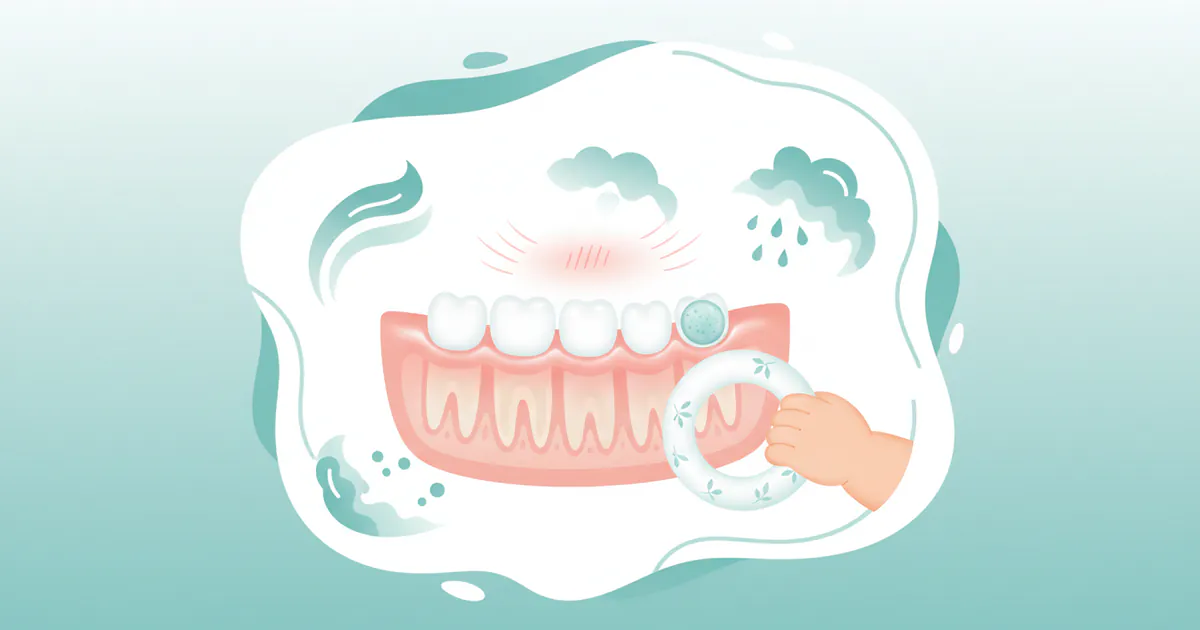
- Swollen, Tender, or Red Gums: This is often the most direct sign. You might see a small, red, swollen bump on the gum where the tooth is about to emerge. Sometimes, a bluish lump (eruption cyst) might form over the erupting tooth; this is usually harmless and resolves on its own.
- Increased Drooling: Babies often produce excessive saliva during teething. This isn't just a symptom; it's thought to be a natural protective mechanism, washing away irritants and keeping the mouth moist. This can start weeks before a tooth actually appears.
- Irritability and Fussiness: Due to the discomfort and mild pain, babies often become more irritable, restless, and fussy. They may cry more than usual, especially at night when there are fewer distractions.
- Gnawing, Biting, and Chewing: The pressure of a tooth pushing through the gums causes discomfort. Babies instinctually try to relieve this pressure by biting, gnawing, and chewing on anything they can get their hands on – toys, fingers, clothing, or even your shoulder.
- Difficulty Sleeping: The discomfort can make it challenging for babies to settle down and stay asleep. They may wake up more frequently at night or struggle to nap.
- Refusing Food/Loss of Appetite: The soreness in their gums can make sucking or eating solid foods painful. If your baby is refusing to feed or eat, especially solids, it might be due to teething discomfort.
- Rubbing Gums or Ears: Babies might rub their gums with their hands or tug at their ears as a way to self-soothe or due to referred pain. This is more common when molars are erupting, as the pain can radiate towards the ears.
- Facial Rash: Excessive drooling can lead to a rash or chapping around the mouth, chin, and neck due to constant moisture. Keep the area clean and dry to prevent this.
Less Common or Often Misattributed Symptoms
While the following symptoms are sometimes associated with teething by parents, dental and medical professionals generally agree that teething itself does not directly cause them. If these symptoms are prominent or severe, they are more likely indicative of an underlying illness:
- Low-Grade Fever: Some babies may develop a very slight elevation in body temperature (typically below 100.4°F or 38°C) during teething. However, a true fever (above 101°F or 38.3°C) is not caused by teething and should prompt a call to your pediatrician. The mild temperature rise is likely due to the localized inflammation, but a significant fever suggests an infection or other illness.
- Mild Diarrhea: Some parents report a slight loosening of stools or increased frequency during teething. This is often attributed to the increased saliva being swallowed, which can irritate the digestive system, or a baby putting more objects in their mouth, potentially introducing germs. However, severe or watery diarrhea is not a teething symptom and requires medical attention, as it can lead to dehydration.
- Coughing: Increased drooling can sometimes lead to a mild cough as babies learn to manage the excess saliva. A persistent cough, especially with other respiratory symptoms, is not due to teething.
- Runny Nose: Similar to a cough, a very mild, clear runny nose might occur due to irritation from increased drooling. However, thick, colored mucus or persistent nasal discharge is a sign of a cold or allergy, not teething.
Crucial Distinction: It's vital for parents to understand that teething does NOT cause high fever, severe diarrhea, vomiting, severe rash over the body, or significant congestion and respiratory symptoms. If your baby exhibits these symptoms, especially in combination, it's crucial to consult your pediatrician, as these are signs of an illness that needs medical evaluation and treatment. Never attribute severe symptoms solely to teething; it could delay necessary medical intervention.
Treatment Options (Relief Measures)
While teething is a natural process that cannot be "treated," parents can offer various safe and effective remedies to alleviate their baby's discomfort. The goal is to reduce pain and inflammation without introducing new risks.
Non-Pharmacological Remedies
These are often the first line of defense and typically involve simple, accessible methods.

-
Teething Rings and Toys:
- Description: Specifically designed for babies to chew on, providing counter-pressure to the gums.
- Pros: Safe, readily available, provides sensory stimulation. Many are chillable for added relief.
- Cons: Needs regular cleaning to prevent germ buildup. Some designs may pose choking hazards if parts break off.
- Usage: Choose solid teething rings made from safe materials (BPA-free silicone, natural rubber). Chill them in the refrigerator (not freezer, as extreme cold can damage gums and be too hard). Supervise your baby while they use it.
- Cost: $5 - $25 per ring/toy.
-
Gentle Gum Massage:
- Description: Using a clean finger to gently rub your baby's sore gums.
- Pros: Direct, immediate relief, strengthens parent-child bond.
- Cons: Some babies may resist if gums are very tender.
- Usage: Wash your hands thoroughly. Apply gentle pressure and massage the swollen areas for a few minutes. A cooled, damp washcloth wrapped around your finger can also work.
-
Cold Objects (Other than Teethers):
- Description: Anything cold that your baby can safely chew on or suck.
- Pros: Soothes inflammation and numbs the area.
- Cons: Needs constant supervision.
- Usage: A clean, wet washcloth chilled in the refrigerator, a spoon chilled in the fridge, or even cold, age-appropriate foods (if your baby is eating solids), such as unsweetened applesauce or yogurt. Ensure items are not frozen solid, as this can cause frostbite or stick to sensitive gum tissue.
-
Pacifiers:
- Description: Sucking can be very comforting for babies and can help distract from gum pain.
- Pros: Soothing, readily available.
- Cons: Not all babies take to pacifiers.
- Usage: Offer a clean pacifier. Some pacifiers are designed to be chilled, offering additional relief.
Pharmacological Remedies (Over-the-Counter)
When non-pharmacological methods aren't enough, oral pain relievers can be considered, but always consult your pediatrician or pediatric dentist for appropriate dosing based on your baby's weight and age.
-
Acetaminophen (e.g., Tylenol):
- Description: A pain reliever and fever reducer.
- Pros: Generally safe for infants over 2 months when dosed correctly.
- Cons: Can be overdosed if not careful with measuring.
- Usage: Follow pediatrician's instructions or package directions carefully for age and weight. Administer only when necessary for significant discomfort or low-grade fever (if present).
- Cost: $5 - $15 for infant liquid suspension.
-
Ibuprofen (e.g., Advil, Motrin):
- Description: An anti-inflammatory pain reliever and fever reducer.
- Pros: Can be more effective for pain associated with inflammation.
- Cons: Not recommended for infants under 6 months of age. Should be given with food to minimize stomach upset. Can be overdosed.
- Usage: Follow pediatrician's instructions or package directions carefully for age and weight.
- Cost: $5 - $15 for infant liquid suspension.
Remedies to AVOID
Certain products and practices are not recommended due to safety concerns:
- Topical Numbing Gels (containing Benzocaine): The U.S. Food and Drug Administration (FDA) and American Academy of Pediatrics (AAP) advise against using topical pain relief gels and liquids with benzocaine (e.g., Orajel, Anbesol) for children under 2 years old. Benzocaine can cause a rare but serious condition called methemoglobinemia, which reduces the amount of oxygen carried in the blood. These products also wash away quickly, providing minimal relief.
- Homeopathic Teething Tablets/Gels: The FDA has warned against these products, as they are not proven safe or effective and have sometimes been found to contain inconsistent and potentially toxic levels of belladonna.
- Amber Teething Necklaces/Bracelets: These pose serious strangulation and choking hazards. There is no scientific evidence that they provide any pain relief. The ADA and AAP strongly advise against their use.
- Frozen Teethers/Foods: Items frozen solid can be too hard for delicate gums, potentially causing tissue damage. Always chill, not freeze.
- Alcohol on Gums: Absolutely never rub alcohol on a baby's gums. It's dangerous and ineffective.
Step-by-Step Process: Managing a Teething Episode
When your baby begins to show symptoms of teething in babies, a structured approach can help you manage their discomfort effectively.
- Identify the Signs: Look for the common symptoms: increased drooling, fussiness, swollen gums, desire to chew. Notice if a specific area of the gum is red or bulging.
- Start with Non-Pharmacological Relief:
- Offer a chilled, safe teething ring or toy.
- Gently massage their gums with a clean finger or a cool, damp cloth.
- Provide a chilled pacifier if they use one.
- If they're eating solids, offer cool, soft foods.
- Manage Drool and Skin Irritation:
- Keep a bib on your baby to catch excess drool.
- Gently wipe their chin and neck frequently with a soft cloth to prevent rash. Apply a barrier cream (like petroleum jelly or lanolin) if a rash develops.
- Address Sleep Disturbances:
- Maintain your baby's regular sleep routine as much as possible.
- Offer comfort measures (cuddles, rocking) before bedtime.
- If discomfort is severe, consult your pediatrician about giving an appropriate dose of acetaminophen or ibuprofen (if over 6 months) shortly before sleep.
- Consider OTC Pain Relief (with professional guidance):
- If non-pharmacological methods aren't sufficient and your baby is clearly in pain, contact your pediatrician for guidance on using acetaminophen (for babies 2+ months) or ibuprofen (for babies 6+ months).
- Always confirm dosage based on your baby's weight.
- Maintain Oral Hygiene:
- Even before teeth erupt, gently wipe your baby’s gums with a clean, damp cloth daily.
- Once a tooth appears, brush twice daily with a rice-grain sized smear of fluoride toothpaste using a soft-bristled infant toothbrush. This helps prevent early childhood caries.
- Monitor for Other Symptoms:
- Be vigilant for signs that are not typical for teething, such as high fever, severe diarrhea, vomiting, or widespread rash. These indicate a need for a pediatrician's visit.
- First Dental Visit:
- Schedule your baby's first dental check-up by their first birthday or within six months of the first tooth erupting. This is crucial for early detection of potential issues and for establishing good oral health habits.
``
Cost and Insurance
Understanding the financial aspects of managing teething and related dental care for your baby is important for US parents.
Cost of Teething Remedies
Most common teething remedies are quite affordable:
- Teething Rings/Toys: Generally range from $5 to $25 depending on brand, material (silicone, natural rubber, wood), and features (e.g., chillable, vibrating).
- Infant Acetaminophen/Ibuprofen: A bottle of infant liquid suspension typically costs between $5 and $15, and lasts for many doses.
- Infant Toothbrushes and Fluoride Toothpaste: An infant toothbrush is usually $3-$10, and a tube of fluoride toothpaste is $4-$8.
- Bibs/Wipes: Minimal cost, often included in general baby supplies.
Cost of Pediatric Dental Visits
The most significant cost related to teething might be a visit to a pediatric dentist if you have concerns or for your child's first preventative check-up.
- Initial Pediatric Dental Consultation (without insurance): A comprehensive oral exam for an infant, including an assessment of their gums and erupting teeth, can range from $100 to $300 across the US. This typically includes the exam, cleaning (if applicable), and fluoride varnish application.
- Northeast: May see prices on the higher end, $180-$300.
- Midwest/South: Often more moderate, $100-$220.
- West Coast: Can also be higher, $150-$280.
- Baby Teeth X-ray (if needed): A baby teeth xray is not typically needed for routine teething assessment. However, in rare cases, if there are concerns about missing teeth, impacted teeth, or unusual eruption patterns, a pediatric dentist might recommend a limited X-ray. A single bitewing or periapical X-ray can cost $50-$150 without insurance. Full-mouth X-rays or panoramic X-rays (which are very rare for infants) would be considerably more.
- Follow-up Visits: Routine preventative visits usually cost less than the initial consultation, often in the $75-$150 range without insurance, depending on services.
Insurance Coverage
- Dental Insurance: Many family dental insurance plans cover pediatric preventative care, including the first dental visit and subsequent check-ups and cleanings, often at 100% or with a small co-pay. It's crucial to check your specific plan's benefits for pediatric dentistry. Some plans may have waiting periods or limitations on certain services.
- Medical Insurance (for pediatrician visits): If you visit your pediatrician for teething-related concerns (e.g., to rule out illness), this would typically be covered under your medical insurance plan, subject to your co-pay, deductible, and network coverage.
- Medicaid/CHIP: State-funded programs like Medicaid and CHIP (Children's Health Insurance Program) generally provide comprehensive dental benefits for children, often covering preventative and restorative care with little to no out-of-pocket cost.
Pro Tip: Always confirm coverage with your insurance provider before scheduling a dental appointment to understand your out-of-pocket expenses. Many dental offices also offer payment plans or accept third-party financing options like CareCredit.
Recovery and Aftercare
Once a tooth has successfully erupted through the gum, the immediate discomfort usually subsides. However, the process of teething doesn't end there; new teeth will continue to emerge for the next couple of years. Proper aftercare and ongoing oral hygiene are crucial from the moment the first tooth appears.
Immediate Aftercare After Eruption
- Continued Comfort: While the worst of the pain is often over once the tooth breaks through, some lingering tenderness might remain for a day or two. Continue to offer gentle gum massage or a chilled teether if your baby seems bothered.
- Observe the New Tooth: Take a moment to inspect the new tooth. It should appear white and smooth. If you notice any unusual discoloration, chips, or irregularities, bring it to the attention of your pediatric dentist.
Ongoing Oral Hygiene
The eruption of the first tooth signals the start of lifelong oral hygiene habits. The ADA recommends beginning oral care even before teeth erupt.

- Before Teeth Erupt:
- Wipe Gums: After feedings, gently wipe your baby's gums with a clean, soft, damp cloth or a finger brush. This removes milk residue and bacteria, setting the stage for healthy teeth.
- After the First Tooth Appears:
- Brush Twice Daily: Start brushing your baby's teeth twice a day (morning and night) using a soft-bristled infant toothbrush and a smear of fluoride toothpaste (about the size of a grain of rice).
- Fluoride is Key: The ADA recommends fluoride toothpaste from the first tooth to prevent cavities. While this amount is small, supervise brushing to ensure your baby doesn't swallow excessive amounts.
- Technique: Gently brush all surfaces of the tooth. Don't forget the gum line where plaque tends to accumulate.
- Regular Dental Check-ups:
- First Visit by Age One: Schedule your baby's first dental appointment by their first birthday or within six months of the first tooth erupting. This allows the pediatric dentist to check for proper development, discuss oral hygiene, fluoride needs, diet, and habits (like pacifier use or thumb-sucking).
- Dietary Considerations:
- Limit Sugary Drinks and Foods: Avoid putting your baby to bed with a bottle containing anything other than water. Sugary liquids can pool around the new teeth and lead to "bottle rot" (early childhood caries).
- Healthy Eating Habits: Promote a balanced diet rich in fruits, vegetables, and calcium to support healthy tooth development.
Prevention
While you can't prevent teething itself, you can take proactive steps to prevent severe discomfort, potential complications, and ensure good oral health from the start.
- Early Oral Hygiene Habits:
- Start Early: Before any teeth appear, regularly wipe your baby's gums with a clean, damp cloth. This cleans the mouth and introduces a routine.
- Fluoride Toothpaste: As soon as the first tooth erupts, begin brushing twice daily with a rice-grain sized smear of fluoride toothpaste. This is the most effective way to prevent cavities, as recommended by the ADA.
- Safe Teething Aids:
- Choose Wisely: Invest in high-quality, safe teething rings made from silicone or natural rubber. Ensure they are BPA-free and don't contain any small parts that could break off.
- Proper Use: Always supervise your baby with teething aids and keep them clean. Chill (don't freeze) them for best results.
- Maintain Regular Feeding and Sleep Schedules:
- Consistency helps. While teething might temporarily disrupt routines, try to maintain them as much as possible. This provides a sense of security and helps manage fussiness.
- Hydration:
- Ensure your baby stays well-hydrated, especially if drooling excessively or if they have a mild increase in temperature.
- First Dental Visit by Age One:
- This isn't just for treatment; it's a preventative measure. A pediatric dentist can offer personalized advice on oral hygiene, fluoride, diet, and identify any potential issues early, preventing more significant problems down the line.
- Avoid Unsafe Remedies:
- By understanding and avoiding harmful remedies like benzocaine gels, homeopathic tablets, or amber necklaces, you prevent potential serious complications.
Risks and Complications
While teething is a normal process, certain risks and complications can arise, mainly from misattributing severe symptoms to teething or using unsafe remedies.
- Misdiagnosis of Illness: The most significant risk is confusing serious illness with teething. Attributing a high fever, severe diarrhea, vomiting, or lethargy solely to teething can delay necessary medical attention for conditions like infections, viruses, or other health issues.
- Dehydration: Severe diarrhea or refusal to drink (if misattributed to teething) can lead to dehydration in infants, which can be dangerous.
- Methemoglobinemia: This rare but serious blood disorder can be caused by topical benzocaine products (teething gels). It reduces the oxygen-carrying capacity of red blood cells and can be fatal. The FDA strongly advises against their use in children under 2.
- Choking and Strangulation: Amber teething necklaces and bracelets pose severe risks of choking if beads break off, and strangulation if worn around the neck or wrist, especially during sleep.
- Gum Infection/Inflammation: While mild gum inflammation is normal, improper cleaning or introduction of excessive bacteria from unclean teething toys can, in rare cases, lead to more severe localized gum infections.
- Early Childhood Caries (Tooth Decay): Once teeth erupt, they are susceptible to decay. Lack of proper oral hygiene (e.g., not brushing with fluoride toothpaste, giving sugary drinks in bottles at bedtime) can quickly lead to cavities, even in infants.
- Dental Traumas: Increased oral exploration during teething can sometimes lead to dental trauma if a baby falls or bumps their new teeth.
- Eruption Cysts: While usually harmless and resolve on their own, large or persistent eruption cysts (bluish swelling over the erupting tooth) should be monitored by a dentist.
By staying informed, using safe and recommended relief methods, and knowing when to seek professional help, parents can significantly mitigate these risks and ensure their baby's safety and comfort during teething.
Comparison Tables
Table 1: Safe vs. Unsafe Teething Remedies
| Feature | Safe & Recommended Remedies | Unsafe & Not Recommended Remedies |
|---|---|---|
| Primary Action | Relieves pressure, numbs with cold, reduces inflammation | Topical anesthetic, unproven claims, choking/strangulation hazard |
| Examples | Chilled teething rings, gum massage, acetaminophen/ibuprofen (age/weight-appropriate), chilled washcloth | Benzocaine gels, homeopathic tablets/gels, amber necklaces/bracelets |
| Risk Profile | Low risk if used correctly, potential for overdose with medication if not careful | Methemoglobinemia, choking, strangulation, inconsistent ingredients, unproven efficacy |
| Cost Range | $5 - $25 (teethers), $5 - $15 (medication) | $5 - $30+ (gels/tablets), $15 - $50+ (amber products) |
| Professional Stance | Supported by ADA, AAP, FDA (for approved medications) | Warned against by FDA, AAP, ADA |
Table 2: Typical Teething Symptoms vs. Symptoms Requiring Doctor's Visit
| Symptom Category | Typical Teething Symptoms | Symptoms Requiring a Doctor's Visit |
|---|---|---|
| Fever | Mild temperature rise (<100.4°F / 38°C) | High fever (>101°F / 38.3°C), especially if persistent or accompanied by other severe symptoms |
| Gastrointestinal | Increased drooling, mild fussiness around feeding | Severe, watery diarrhea (especially with signs of dehydration), vomiting |
| Behavioral | Irritability, fussiness, sleep disturbances | Inconsolable crying for extended periods, lethargy, significant change in alertness |
| Oral/Skin | Swollen gums, chin/mouth rash from drooling | Spreading rash on body, pus in gums, severe gum bleeding, refusal to drink |
| Respiratory | Mild cough from excess drool, mild clear runny nose | Severe or persistent cough, difficulty breathing, thick or colored mucus |
| Duration | Usually a few days around tooth eruption | Symptoms persisting for more than a few days, worsening rapidly |
Children / Pediatric Considerations
Teething is a fundamental part of pediatric development, and recognizing its specific implications for children is essential for parents. Pediatric dentistry places a strong emphasis on preventative care and education from birth.
Early Oral Health Foundation
- Oral Care Before Teeth: Even before the first tooth erupts, parents should establish oral hygiene by gently wiping their baby's gums daily with a soft, damp cloth or finger brush. This cleans the mouth and introduces a positive routine.
- First Dental Visit by Age One: The ADA and American Academy of Pediatric Dentistry (AAPD) strongly recommend that children have their first dental visit by their first birthday or within six months of the eruption of their first tooth. This visit isn't about extensive treatment but about:
- Assessment: Checking for proper tooth development, alignment, and gum health.
- Education: Guiding parents on proper brushing techniques, fluoride use, pacifier habits, thumb-sucking, and dietary advice to prevent cavities.
- Risk Assessment: Identifying any early signs of potential dental issues.
- Fluoride Varnish: Applying a fluoride varnish to strengthen developing enamel and prevent decay.
Fluoride and Oral Health
- Fluoride Toothpaste: From the first tooth, use a rice-grain sized smear of fluoride toothpaste twice daily. Fluoride is a natural mineral that strengthens tooth enamel and dramatically reduces the risk of cavities.
- Fluoride Varnish: Pediatric dentists often apply fluoride varnish during check-ups, which is a highly concentrated form of fluoride that is painted onto the teeth. It's safe and effective for preventing decay.
- Community Water Fluoridation: If your community's water supply is fluoridated, it provides an additional layer of protection against cavities.
Pacifiers and Thumb-Sucking
- Comfort During Teething: Pacifiers can be a great source of comfort for teething babies.
- Potential for Dental Issues: Prolonged pacifier use or thumb-sucking beyond age 2-4 can lead to orthodontic problems like misaligned teeth or jaw development issues. A pediatric dentist can provide guidance on when and how to gently discourage these habits.
Baby Teeth X-rays
A baby teeth xray is not a standard procedure for merely identifying symptoms of teething in babies. However, pediatric dentists may recommend X-rays in specific situations:

- Assessing Development: To check for the presence and proper development of permanent teeth buds (which are forming in the jaw behind the primary teeth).
- Missing or Extra Teeth: To identify if any primary or permanent teeth are missing or if there are supernumerary (extra) teeth.
- Impacted Teeth: To determine if a tooth is unable to erupt properly due to blockage.
- Cavity Detection: In older toddlers, X-rays can detect cavities between teeth that are not visible during a clinical exam.
Pediatric dentists use digital X-rays with minimal radiation exposure and appropriate shielding for infants and children, adhering to ADA guidelines for diagnostic imaging.
Cost Breakdown
While we've touched on costs earlier, here's a consolidated breakdown for managing teething and early dental care in the US. These are average ranges, and actual costs can vary significantly by geographic location, the specific dental practice, and your insurance plan.
Average US Costs (Without Insurance)
- Teething Rings/Toys:
- Low: $5 (basic silicone ring)
- Mid: $10-$15 (branded, textured, or chillable ring)
- High: $25 (multi-feature, designer, or specialized material)
- Infant OTC Pain Relievers (Acetaminophen/Ibuprofen):
- Low: $5 (generic brand)
- Mid: $8-$10 (popular brand, e.g., Children's Tylenol)
- High: $15 (larger bottle or specific formulation)
- First Pediatric Dental Exam (including cleaning/fluoride varnish):
- Low: $100 (rural/small town)
- Mid: $150-$220 (most suburban areas)
- High: $250-$300 (major metropolitan areas, specialized practices)
- Baby Teeth X-ray (limited, if needed):
- Low: $50 (single periapical/bitewing)
- Mid: $80-$100 (single/couple images)
- High: $150 (more complex imaging, multiple views)
- Infant Toothbrush & Fluoride Toothpaste:
- Low: $7 (basic set)
- Mid: $12 (popular brand set)
- High: $18 (specialty brush/toothpaste)
With vs. Without Insurance
- Without Insurance: You will pay the full cash price for all services and products. Many dental offices offer discounts for cash payments or payment plans.
- With Insurance:
- Pediatric Dental Visits: Most dental insurance plans offer excellent coverage for preventative pediatric care. Often, exams, cleanings, and fluoride applications are covered at 100% with no co-pay or deductible, especially if you stay within network. X-rays may be covered at 80-100%.
- Medical Doctor Visits: If you visit your pediatrician for teething-related concerns (e.g., to rule out illness), your medical insurance typically covers it according to your plan's co-pay and deductible structure.
- OTC Products: These are usually not covered by standard health or dental insurance but may be eligible for reimbursement through Flexible Spending Accounts (FSAs) or Health Savings Accounts (HSAs).
Payment Plans and Financing Options
- In-Office Payment Plans: Many pediatric dental offices understand the financial burden and offer interest-free payment plans for larger treatments (though this is less common for initial infant exams unless combined with other services).
- Third-Party Financing: Companies like CareCredit are widely accepted in dental offices. They offer various financing options, including short-term interest-free plans, allowing you to pay for services over several months.
- Dental Schools: If you live near a dental school, their clinics often provide services at a reduced cost, as procedures are performed by students under the supervision of experienced faculty.
Cost-Saving Tips
- Research Insurance: Choose a dental insurance plan that offers robust pediatric benefits.
- In-Network Providers: Stick to dentists who are in your insurance network to maximize coverage and minimize out-of-pocket costs.
- Preventative Care: Regular dental check-ups and good home oral hygiene are the best cost-saving measures, preventing expensive restorative treatments down the line.
- Ask About Discounts: Don't hesitate to ask dental offices if they offer any cash discounts or new patient specials, especially if you are uninsured.
- Use FSAs/HSAs: If you have one, use these tax-advantaged accounts to pay for eligible dental and medical expenses.
Frequently Asked Questions
Is fever a normal symptom of teething?
A very mild elevation in body temperature (typically below 100.4°F or 38°C) can sometimes be associated with teething due to localized inflammation. However, a true fever (above 101°F or 38.3°C) is not a normal symptom of teething and indicates an underlying illness or infection that requires evaluation by a pediatrician. Never attribute a high fever solely to teething.
How long do teething symptoms typically last for each tooth?
The discomfort from teething usually lasts for a few days immediately before and during the eruption of each tooth. Some babies may experience symptoms for a week or more, particularly with molars. Once the tooth breaks through the gum, the most intense discomfort typically subsides.
What is the safest and most effective teething remedy?
The safest and often most effective remedies are non-pharmacological. These include offering a chilled (not frozen) teething ring or toy, gently massaging your baby's gums with a clean finger, or providing a chilled, damp washcloth to chew on. For persistent discomfort, age-appropriate doses of acetaminophen (for babies 2+ months) or ibuprofen (for babies 6+ months), under pediatrician guidance, can be used.
When should I take my baby to the dentist for teething concerns?
You should schedule your baby's first dental visit by their first birthday or within six months of the first tooth erupting, as recommended by the ADA. This visit is primarily preventative. If you have immediate concerns about a specific teething symptom that seems unusual, or if you notice any discoloration or damage to the newly erupted teeth, contact a pediatric dentist or your pediatrician for advice.

Can teething cause diarrhea or a runny nose?
While some parents report a slight loosening of stools or a mild, clear runny nose during teething, these are not directly caused by the tooth eruption process itself. Increased drooling, which is swallowed, can sometimes mildly irritate the digestive system, or babies putting more objects in their mouths can introduce germs. However, severe diarrhea or persistent, thick nasal discharge are not normal teething symptoms and warrant a doctor's visit.
Are topical numbing gels like Orajel safe for teething babies?
No, topical numbing gels containing benzocaine (like Orajel or Anbesol) are not safe for babies and young children under 2 years of age. The FDA has issued warnings against their use due to the risk of methemoglobinemia, a serious blood disorder. They also offer minimal, short-lived relief as they quickly wash away.
When do molars typically come in, and are they more painful?
The first molars usually erupt between 13 and 19 months, followed by the second molars between 23 and 33 months. Many parents report that molars cause more discomfort due to their larger size and broader chewing surface, which exerts more pressure when pushing through the gums.
What is a "baby teeth xray" for, and is it common during teething?
A baby teeth xray is not typically used to assess normal teething symptoms. It may be recommended by a pediatric dentist in specific situations, such as to check for congenitally missing teeth, assess the development of permanent teeth buds, or identify issues like impacted teeth or cysts. It is not a routine part of a first dental visit for an infant unless a specific concern arises.
What if my baby is significantly delayed in teething?
If your baby hasn't erupted any teeth by 18 months, or if there's a significant delay compared to the typical timeline (e.g., no teeth by 12 months when their peers already have several), it's advisable to consult your pediatrician or a pediatric dentist. While variations are normal, they can assess if there's an underlying cause, though often it's just a normal variation in development.
What should I avoid giving my baby for teething relief?
Avoid anything that poses choking or strangulation hazards (like amber necklaces), topical numbing gels with benzocaine, homeopathic remedies (due to unproven efficacy and potential toxicity), and anything frozen solid (can damage gums). Never give honey to infants under one year due to the risk of botulism.
When to See a Dentist
Knowing when to seek professional help is paramount for your baby's health and safety during the teething process. While teething is a natural part of development, certain signs warrant a visit to a dentist or pediatrician.
Clear Warning Signs for Immediate Attention (See a Pediatrician or Emergency Care)
These symptoms are NOT typical for teething and suggest a more serious underlying issue:
- High Fever: A temperature of 101°F (38.3°C) or higher. Teething does not cause significant fever.
- Severe or Persistent Diarrhea: Especially if accompanied by signs of dehydration (e.g., decreased urination, dry mouth, lack of tears, sunken soft spot).
- Vomiting: Persistent or severe vomiting is not a teething symptom.
- Unexplained Rash: A rash spreading beyond the mouth/chin area, especially if accompanied by fever or if your baby seems generally unwell.
- Extreme Irritability or Lethargy: Inconsolable crying for extended periods, unusual drowsiness, or lack of responsiveness that is not typical for your baby.
- Refusal to Drink: If your baby refuses to take fluids for an extended period, increasing the risk of dehydration.
- Signs of Infection: Redness, swelling, or pus around the gums that appears severe or spreading, or severe gum bleeding.
- Difficulty Breathing: Any signs of respiratory distress, severe coughing, or congestion.
Red Flags for a Scheduled Dental Appointment (See a Pediatric Dentist)
These concerns are typically not emergencies but warrant evaluation during a scheduled visit:
- No Teeth by 12-18 Months: If your baby shows no signs of teeth by their first birthday, or is significantly delayed compared to general timelines, a dental check-up can assess tooth development.
- First Dental Visit: As per ADA recommendations, your baby's first dental visit should be by age one or within six months of the first tooth erupting. This is a crucial preventative check-up, not just for "teething" per se.
- Unusual Tooth Appearance: If an erupted tooth appears discolored, chipped, or has an unusual shape or texture.
- Persistent Eruption Cyst: A bluish lump on the gum that does not resolve within a few weeks after the tooth erupts or if it causes significant pain.
- Concerns about Oral Habits: If you have questions about pacifier use, thumb-sucking, or proper oral hygiene techniques for your baby.
- Sensitivity or Pain that Doesn't Resolve: If your baby continues to experience significant pain or sensitivity in a particular area long after a tooth has erupted, it could indicate another issue.
By understanding the difference between routine teething discomfort and more serious symptoms, you can ensure your baby receives the right care at the right time, safeguarding their health and promoting a positive start to their oral development journey.
Frequently Asked Questions
Medically Reviewed Content
This article was written by our dental health editorial team and reviewed for medical accuracy. Our content follows strict editorial guidelines for reliability and trustworthiness.
Medical Disclaimer
This article is for informational purposes only and does not constitute medical advice. Always consult with a qualified dental professional for diagnosis and treatment. Do not delay seeking professional advice because of something you read on this website.
Related Articles
Kitten Teething Toys: Complete Guide
Few milestones in early life bring as much joy – and sometimes, as much discomfort – as teething. Just as a playful kitten explores its new world by mouthing and chewing on everything it can, human babies also embark on a similar developmental journey. In fact, over 80% of infants experience som
February 22, 2026
How Many Teeth Do Children Have
Did you know that a child's smile goes through more dramatic transformations in their first 12 years than an adult's does in a lifetime? Understanding the journey of your child's dental development is fundamental to ensuring their lifelong oral health. For many parents, a common question arises: **h
February 22, 2026
Teething Syndrome: Complete Guide
As a parent, few things are as universally anticipated and often dreaded as the arrival of your baby's first tooth. While a milestone to celebrate, the process of primary tooth eruption, commonly known as teething syndrome, can bring with it a host of challenging symptoms. In fact, studies sugge
February 22, 2026
When Do Kittens Lose Their Baby Teeth
When Do Kittens Lose Their Baby Teeth
February 22, 2026