Teething Baby: Complete Guide
Key Takeaways
- Welcome to SmilePedia.net, your trusted resource for comprehensive dental health information. Few developmental milestones are as anticipated – and sometimes dreaded – as when your teething baby begins to cut their first teeth. It’s a universal experience for parents across the globe, bringing w
Welcome to SmilePedia.net, your trusted resource for comprehensive dental health information. Few developmental milestones are as anticipated – and sometimes dreaded – as when your teething baby begins to cut their first teeth. It’s a universal experience for parents across the globe, bringing with it a mix of excitement for a new stage of growth and concern over potential discomfort for their little one. Statistics show that the vast majority of infants, typically around 6 months of age, will embark on this journey, introducing changes not only to their smiles but also to their sleep patterns and overall demeanor. Understanding this natural process is crucial for providing effective comfort and ensuring good oral health from the very start.
This complete guide is designed to equip you with all the knowledge you need, from recognizing the earliest signs of teething in babies to exploring safe and effective remedies, understanding the typical timeline of tooth eruption, and knowing when to consult a pediatric dentist. We’ll delve into the causes of teething discomfort, outline various treatment options, discuss cost considerations, and provide essential tips for recovery and aftercare. Our goal is to empower you with medically accurate, actionable information to confidently navigate this significant period in your baby's development.
Key Takeaways:
- Typical Onset: Most babies start teething between 4 and 7 months, though it can vary significantly.
- Common Signs: Increased drooling, irritability, swollen gums, gnawing on objects, and mild changes in sleep or appetite are prevalent.
- Safe Remedies: Gum massage, teething rings (chilled, not frozen), and age-appropriate pain relievers (acetaminophen or ibuprofen, consult pediatrician) are effective.
- Oral Hygiene: Begin cleaning your baby’s gums before teeth erupt, and brush newly emerged teeth twice daily with a rice-grain smear of fluoride toothpaste.
- Dental Visits: The American Dental Association (ADA) recommends the first dental visit by age one or within six months of the first tooth's eruption.
- Cost of Teething Aids: Over-the-counter remedies range from $5 to $30, while a first dental visit can cost $100-$300 without insurance, depending on your region and services.
- Important Distinction: Teething does not directly cause fever over 100.4°F (38°C) or diarrhea; consult a doctor if these symptoms are severe.
What Teething Is: An Overview
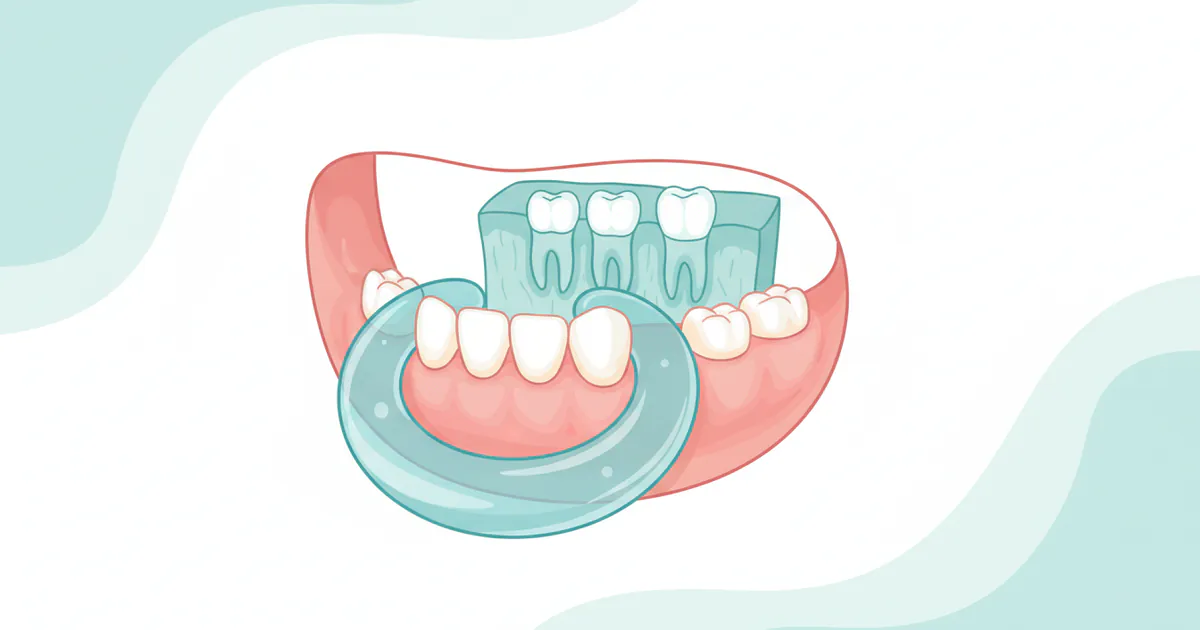
Teething, medically known as odontiasis, is the natural process by which a baby's first set of teeth, often called primary or deciduous teeth, erupts through the gums. This developmental milestone marks a significant step in an infant's growth, leading to the development of a full set of 20 primary teeth by around age three. While an exciting phase, it's also frequently associated with varying degrees of discomfort, as the emerging teeth put pressure on the sensitive gum tissue.
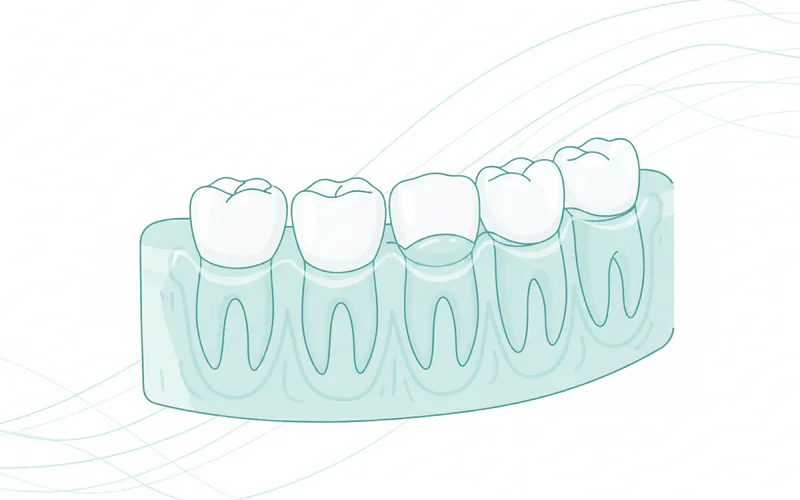
The process begins long before the first tooth is visible. Tooth buds, the precursors to teeth, form during the embryonic stage, even before birth. These buds mature and begin to move upwards, gradually pushing through the bone and then the gum tissue. This upward movement and pressure are what cause the characteristic signs of teething in babies.
It's important to understand that teething is a physiological process, not an illness. While it can cause temporary discomfort, it typically doesn't lead to serious health issues. The timeline for teething is highly individual, with some babies showing signs as early as 3 months and others not until after 12 months. However, the most common period for the first tooth to appear is between 4 and 7 months of age.
The Eruption Sequence
Teeth generally emerge in a predictable sequence, though variations are common and usually not a cause for concern. The typical order is:
- Lower Central Incisors: (front bottom teeth) — 6 to 10 months
- Upper Central Incisors: (front top teeth) — 8 to 12 months
- Upper Lateral Incisors: (either side of the upper central incisors) — 9 to 13 months
- Lower Lateral Incisors: (either side of the lower central incisors) — 10 to 16 months
- First Molars: (back teeth, top and bottom) — 13 to 19 months (upper), 14 to 18 months (lower)
- Canines (Cuspids): (pointy teeth next to lateral incisors) — 16 to 22 months (upper), 17 to 23 months (lower)
- Second Molars: (rearmost back teeth, top and bottom) — 23 to 33 months (lower), 25 to 33 months (upper)
By the time a child is around 2.5 to 3 years old, they typically have all 20 primary teeth. This entire process can span several years, with periods of discomfort coinciding with each tooth's eruption.
Causes: Why Teething Happens
Teething is a natural, genetically programmed developmental process. The primary "cause" of the discomfort associated with teething is the physical pressure and tearing of gum tissue as the tooth pushes its way through.
Here's a closer look at the mechanisms involved:
- Tooth Bud Development: As mentioned, teeth begin to form in the jawbones even before birth. These tooth buds are encased in dental sacs.
- Upward Movement and Resorption: As the tooth develops, it begins to move upwards through the jawbone towards the gum surface. Specialized cells called odontoclasts help to resorb (dissolve) the bone and gum tissue in the path of the emerging tooth.
- Pressure and Inflammation: This upward movement and the subsequent breakdown of tissue create pressure and can cause localized inflammation in the gum area. The gums can become red, swollen, and tender. This inflammation is the direct cause of the pain and discomfort that babies experience.
- Nerve Stimulation: The pressure on the nerves within the gums also contributes to the pain and sensitivity, leading to the baby's irritability.
- Hormonal Changes: While not a direct cause of the physical eruption, some theories suggest that minor hormonal fluctuations or localized chemical releases during the eruption process might play a role in a baby's overall temperament during teething.
It's crucial to distinguish between the natural physiological process of teething and external factors. Teething itself is not caused by diet, hygiene, or specific activities, although these can certainly influence a child's overall oral health once teeth have erupted.
Signs and Symptoms of Teething in Babies
Recognizing the signs of teething in babies can help parents provide timely comfort and support. While every baby is unique and experiences teething differently, some common indicators signal that a tooth is on its way. It's important to remember that these symptoms are typically mild to moderate; severe symptoms should always prompt a call to your pediatrician.
Common Signs
- Increased Drooling: This is often one of the earliest and most noticeable signs. Babies produce more saliva to lubricate and soothe their irritated gums. This can lead to a rash around the mouth and chin.
- Irritability and Fussiness: Your baby might be more agitated, whiny, or unsettled than usual. This is a direct response to the discomfort they feel. This can range from mild grumpiness to prolonged crying spells.
- Swollen, Tender, or Red Gums: Visually inspecting your baby's mouth might reveal gums that look slightly swollen, red, or bruised in the area where a tooth is about to erupt. You might even feel a hard lump beneath the gum surface.
- Chewing and Gnawing: Babies have an instinctive need to apply pressure to their gums to relieve discomfort. They will often chew on their hands, toys, clothing, or anything they can get their mouths on.
- Changes in Sleep Patterns: Discomfort can make it harder for babies to fall asleep or stay asleep, leading to more frequent night wakings.
- Refusal of Food or Drink (Mild): While some babies might want to chew more, others may temporarily refuse solid foods or even their bottle/breast due to sore gums.
- Ear Pulling or Cheek Rubbing: The pain from erupting teeth, particularly molars, can radiate to the ears and cheeks. Your baby might pull at their ears or rub their cheeks in an attempt to alleviate the generalized discomfort.
- Gum Bleeding (Rare and Minor): Occasionally, you might notice a tiny spot of blood when a tooth cuts through, or a small blood blister (eruption hematoma) on the gum. These are usually harmless and resolve on their own.
Misconceptions and What Teething Does NOT Cause
It's critical to debunk some persistent myths surrounding teething, as attributing serious symptoms to teething can delay necessary medical attention. According to the American Academy of Pediatrics (AAP) and the ADA, teething does not cause:
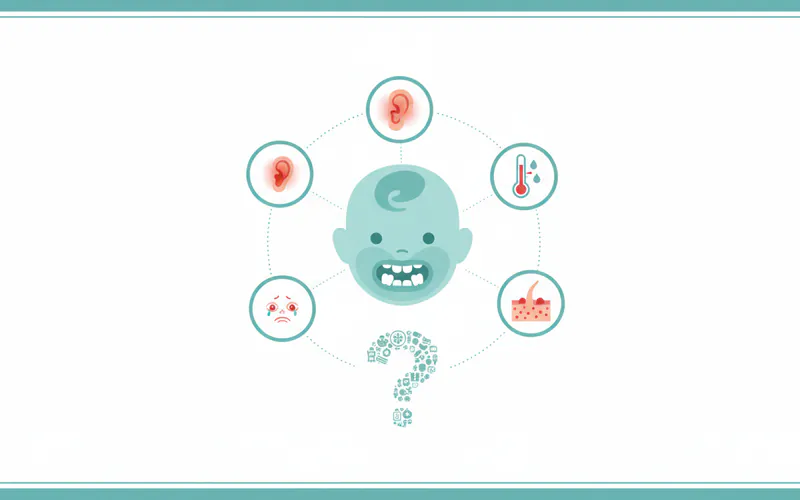
- High Fever: While a very slight increase in body temperature (low-grade fever, usually below 100.4°F or 38°C) might be observed in some babies, teething itself does not cause a fever above this threshold. If your baby has a fever over 100.4°F, it's a sign of illness, not teething, and requires a pediatrician's evaluation.
- Diarrhea: Teething does not cause diarrhea. Increased drooling might lead to looser stools if a lot of saliva is swallowed, but true diarrhea (frequent, watery stools) indicates an infection or other digestive issue.
- Rash on the Body: While a drool rash around the mouth and chin is common, a widespread body rash is unrelated to teething.
- Vomiting: Teething does not cause vomiting.
- Congestion or Runny Nose: These are symptoms of a cold or allergy, not teething.
Pro Tip: Always consult your pediatrician if your baby exhibits a high fever, severe diarrhea, vomiting, widespread rash, or any other concerning symptoms. It's easy to dismiss these as "teething," but doing so could delay treatment for an actual illness.
Treatment Options for Teething Discomfort
While teething is a natural process that requires no "cure," there are many safe and effective ways to help alleviate your baby's discomfort. The goal is to soothe sore gums and provide temporary relief. Always opt for methods recommended by pediatricians and dental professionals.
Non-Pharmacological Remedies
These are often the first line of defense and can be very effective for mild to moderate discomfort.
- Gum Massage: Gently rub your baby's gums with a clean finger. The pressure can counteract the pressure from the erupting tooth and provide significant relief. Ensure your hands are clean.
- Teething Rings and Toys:
- Silicone or Rubber Teethers: Choose solid, one-piece teethers that are easy to clean and free from small parts that could break off. Look for BPA-free products.
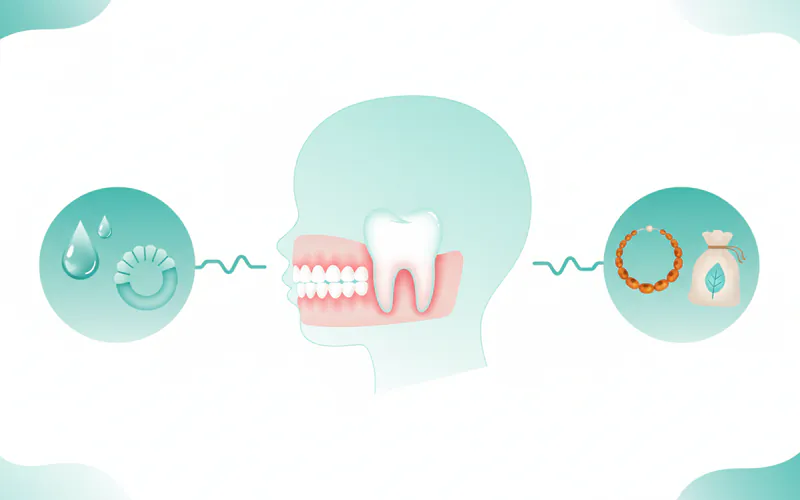
- Chilled Teethers: A cold teether can numb the gums. Place a teether in the refrigerator (not freezer, as extreme cold can damage gums and make plastic brittle).
- Wet Washcloth: A clean, wet washcloth, chilled in the refrigerator and then twisted or folded for your baby to chew on, can be very effective and offers a different texture. Pro Tip: Avoid teething necklaces (amber, silicone beads) as they pose significant choking and strangulation hazards and are not recommended by the ADA or AAP.
- Cold Foods: For older babies who have started solids, cold foods like applesauce, yogurt, or pureed fruits (served slightly chilled, not frozen solid) can be soothing.
- Increased Hydration: Offer extra breast milk, formula, or water (for babies over 6 months) to compensate for increased drooling and prevent dehydration, especially if appetite is reduced.
Pharmacological Remedies
When non-pharmacological methods aren't enough, over-the-counter pain relievers can provide relief. Always consult your pediatrician before administering any medication to your baby and adhere strictly to dosage guidelines.
- Acetaminophen (Tylenol, Paracetamol):
- Pros: Generally safe for infants over 2 months of age (consult pediatrician for dosage under 2 months). Reduces pain and any associated low-grade fever.
- Cons: Must be given at correct dosage based on weight. Overdosing can be dangerous.
- Ibuprofen (Advil, Motrin):
- Pros: Effective pain reliever and anti-inflammatory. Can be useful if there's significant gum inflammation. Generally recommended for babies 6 months and older.
- Cons: Must be given at correct dosage based on weight. Not suitable for babies under 6 months. Can cause stomach upset in some infants. Pro Tip: Never give aspirin to children due to the risk of Reye's Syndrome, a serious illness.
- Topical Gels (Use with Caution):
- Benzocaine-containing Gels (e.g., Orajel): The FDA strongly advises against the use of benzocaine products for teething in children under 2 years old due to the risk of methemoglobinemia, a rare but serious condition that reduces oxygen in the blood. Avoid these completely.
- Homeopathic Teething Gels/Tablets: Many of these products have been recalled or flagged by the FDA for inconsistent ingredients, potential belladonna contamination, or lack of proven efficacy. Avoid these as well.
- Safe Topical Gels: Some non-medicated, natural gels containing ingredients like chamomile or clove oil are marketed. While generally safer, their efficacy is often unproven, and excessive use can still cause irritation. It's best to stick to gum massage and chilled teethers.
Teething Remedy Comparison
| Remedy Type | Mechanism of Action | Age Appropriateness | Pros | Cons | Average Cost (US) |
|---|---|---|---|---|---|
| Gum Massage | Pressure counteracts pain, soothing touch | All ages | Free, instant relief, safe | Requires parent's direct involvement | $0 |
| Chilled Teether | Cold numbs gums, pressure provides relief | From 3-4 months onwards | Effective, safe, provides chewing outlet | Requires chilling, can fall on floor, must be solid/one-piece | $5 - $20 |
| Wet Washcloth | Cold numbs gums, soft chewing surface | From 4-6 months onwards | Inexpensive, customizable | Needs frequent washing, can get messy | $0 - $5 |
| Acetaminophen | Reduces pain and fever | 2+ months (consult pediatrician) | Systemic relief, effective | Dosage critical, risk of overdose if misused, temporary relief | $5 - $15 |
| Ibuprofen | Reduces pain and inflammation | 6+ months (consult pediatrician) | Systemic relief, effective | Dosage critical, risk of overdose if misused, stomach upset, temporary relief | $5 - $15 |
| Topical Gels | Localized numbing (benzocaine) | AVOID in children under 2 years | (Not recommended due to risks) | Risk of methemoglobinemia, choking (homeopathic tablets), inconsistent ingredients, often ineffective | $10 - $20 |
Step-by-Step Process: Navigating the Teething Journey
Understanding the typical progression of teething can help parents anticipate upcoming milestones and prepare for potential discomfort. While individual timelines vary, the general "step-by-step" process covers the full eruption of primary teeth.
Phase 1: The First Few Teeth (Typically 4-12 Months)
- Anticipation and Early Signs: Around 4-6 months, you'll likely notice increased drooling, fussiness, and a strong urge to chew. While you might not see a tooth yet, the internal movement has begun.
- Lower Central Incisors (6-10 months): These are usually the first to appear. You might notice a small white bump or feel a sharp edge when running a clean finger over the gum. Discomfort might be moderate, as this is your baby's first experience.
- Upper Central Incisors (8-12 months): Soon after the bottom front teeth, the top front teeth typically emerge. Your baby will gain confidence in biting and chewing.
- Introducing Oral Hygiene: As soon as the first tooth erupts, it's time to start cleaning it.
- Step 1: Use a soft, damp washcloth or a finger toothbrush to gently wipe the tooth and gums twice a day, especially after feeding and before bedtime.
- Step 2: Transition to a rice-grain smear of fluoride toothpaste (ADA-recommended for children under 3) and a soft-bristled infant toothbrush.
Phase 2: Lateral Incisors and First Molars (Typically 9-19 Months)
- Lateral Incisors (9-16 months): The teeth next to the central incisors, both top and bottom, emerge. This often happens in quick succession after the central incisors, leading to periods of recurring discomfort.
- First Molars (13-19 months): These are larger teeth located further back in the mouth. Their broader surface pushing through the gums can cause more significant discomfort than the smaller front teeth. You might notice more pronounced chewing and irritability during this phase.
- Continued Oral Hygiene: Continue brushing twice daily. As more teeth come in, ensure you're reaching all surfaces. Encourage your child to participate as they get older, but always follow up with your own brushing until they demonstrate proficiency (usually around age 6-8).
Phase 3: Canines and Second Molars (Typically 16-33 Months)
- Canines (16-23 months): Also known as cuspids, these are the pointy teeth. Their sharp shape can sometimes cause notable discomfort as they cut through.
- Second Molars (23-33 months): These are the very last primary teeth to erupt, located at the back of the mouth. Because they are the largest, their eruption can be one of the most challenging teething periods for both baby and parents.
- Full Set of Primary Teeth: By around 2.5 to 3 years old, your child should have a full set of 20 primary teeth. This marks the end of the active teething phase.
- Establishing Routine Dental Care: This period is crucial for establishing regular dental check-ups, as recommended by the ADA. Your child should have their first dental visit by their first birthday or within six months of the first tooth erupting.
Pro Tip: Maintain consistency in your comfort measures throughout all teething phases. What worked for the first tooth will likely work for the molars, even if the intensity of discomfort varies. Patience and reassurance are key.
Recovery and Aftercare
The "recovery" from teething is generally quick once a tooth has fully emerged, as the discomfort usually subsides. However, ongoing care is essential to protect those new teeth and ensure a lifetime of good oral health.
Immediate Aftercare During Teething Episodes
- Continued Comfort Measures: Even after a tooth has partially emerged, the gums around it can remain sensitive for a few days. Continue offering chilled teethers, gum massage, or age-appropriate pain relief as needed.
- Manage Drool Rash: Excessive drooling can cause a rash on your baby's chin, neck, and chest.
- Step 1: Gently wipe away drool frequently with a soft cloth, avoiding harsh rubbing.
- Step 2: Apply a thin layer of petroleum jelly or a pediatrician-recommended barrier cream to protect the skin from moisture.
- Ensure Good Sleep: Try to maintain a consistent bedtime routine. If discomfort disrupts sleep, consider giving a dose of pain reliever before bed, after consulting your pediatrician.
Long-Term Aftercare: Oral Hygiene for Newly Erupted Teeth
Once teeth emerge, they are susceptible to decay, even primary teeth. Early oral hygiene is paramount.
- Brush Twice Daily: As soon as the first tooth appears, brush it twice a day (morning and night) using a soft-bristled infant toothbrush and a fluoride toothpaste.
- For children under 3, use a rice-grain smear of fluoride toothpaste.
- For children 3-6 years old, use a pea-sized amount of fluoride toothpaste.
- The ADA and AAP recommend fluoride toothpaste from the first tooth, as studies show it's safe and highly effective in preventing cavities.
- Proper Brushing Technique: Gently brush all surfaces of the teeth and along the gumline. You'll be doing most of the brushing initially, but involve your child as they grow.
- Avoid Sugary Drinks and Foods: Minimize exposure to sugary snacks, juices, and sweetened drinks, especially between meals. Do not put your baby to bed with a bottle of milk, formula, or juice, as this can lead to "baby bottle tooth decay." Offer water only in a bottle at night.
- Regular Dental Check-ups: The ADA recommends scheduling your baby's first dental visit by their first birthday or within six months of the eruption of their first tooth, whichever comes first. This allows the pediatric dentist to check for proper development, discuss oral hygiene, and provide preventive care.
- Monitor Habits: Watch for habits like thumb-sucking or pacifier use past age 2-3, as prolonged use can affect tooth alignment. Discuss concerns with your dentist.
Prevention of Complications Related to Teething
While teething itself is a natural process and not something to prevent, you can take proactive steps to prevent complications often associated with it or the emergence of new teeth.
- Prevent Cavities (Baby Bottle Tooth Decay):
- Never put your baby to bed with a bottle containing milk, formula, juice, or any sweetened liquid. Water is the only safe option.
- Limit sugary drinks and snacks.
- Brush twice daily with fluoride toothpaste from the first tooth.
- Transition from bottle to cup by your child's first birthday. Prolonged bottle use can affect tooth and jaw development, in addition to cavity risk.
- Prevent Choking Hazards:
- Choose safe teething toys: Ensure they are solid, one-piece, age-appropriate, and cannot break into small pieces.
- Supervise your baby closely when they are using teethers or gnawing on objects.
- Avoid small, hard food items that pose a choking risk, especially when molars are erupting.
- Prevent Gum Infections:
- Maintain good oral hygiene: Regularly clean your baby's gums (even before teeth appear) and brush newly erupted teeth to remove bacteria.
- Keep teething aids clean: Wash teethers and toys frequently with soap and water or as directed by the manufacturer.
- Manage Drool Rash:
- Keep skin dry: Gently wipe drool away from your baby's face and neck regularly.
- Use a barrier cream: Apply petroleum jelly or a similar product to prevent skin irritation.
- Avoid Unsafe Remedies:
- Do not use amber teething necklaces or similar jewelry. These are choking and strangulation hazards.
- Avoid topical gels containing benzocaine or any homeopathic teething tablets/gels. The FDA explicitly advises against their use due to serious health risks.
- Do not offer frozen teethers or food items that are solid frozen. Extreme cold can cause freezer burn or damage to your baby's delicate gum tissue. Chilled items are safer.
Risks and Complications
While teething is generally benign, it's essential to be aware of potential risks and complications, especially those often mistakenly attributed to teething itself.
True Teething-Related Issues (Usually Minor)
- Eruption Cysts/Hematomas: Sometimes a bluish, fluid-filled or blood-filled sac (hematoma) can appear on the gum where a tooth is about to erupt. These are usually harmless, require no treatment, and rupture on their own as the tooth emerges. They look concerning but are rarely problematic.
- Minor Gum Irritation/Inflammation: This is a normal part of the process. If it seems unusually severe or persistent, a dental visit might be warranted to rule out other issues.
- Drool Rash: As mentioned, this is a common skin irritation around the mouth and chin due to excessive saliva. While uncomfortable, it's easily managed with good hygiene and barrier creams.
Risks from Unsafe Teething Practices
- Choking and Strangulation: This is the most serious risk associated with amber teething necklaces, silicone bead necklaces, and other jewelry marketed for teething. Small beads or parts can break off and be inhaled, or the necklace can get caught and cause strangulation. The FDA explicitly warns against their use.
- Methemoglobinemia: This rare but serious condition is linked to topical benzocaine products (like Orajel) in infants under 2 years old. It reduces the amount of oxygen carried by red blood cells. Symptoms include pale, gray, or blue-colored skin, lips, and nail beds, shortness of breath, fatigue, confusion, headache, lightheadedness. Seek immediate medical attention if these symptoms appear.
- Inconsistent Ingredients/Toxicity: Homeopathic teething tablets and gels have been found to contain inconsistent amounts of active ingredients, including toxic substances like belladonna, which can be dangerous for infants.
- Gum Damage from Over-Freezing: Freezing teethers or food items solid can cause freezer burn or damage to delicate gum tissues when used directly. Chilled (refrigerated) is always safer than frozen.
- Cavities: While not directly a "teething complication," the emergence of teeth increases the risk of dental caries if proper oral hygiene is not established and maintained. Baby bottle tooth decay (early childhood caries) is a significant concern.
Misattributed "Complications"
- High Fever, Diarrhea, Vomiting: As stated previously, these are NOT caused by teething. If your baby experiences these symptoms, particularly a fever over 100.4°F (38°C), it indicates an underlying illness (like a virus or infection) that requires medical evaluation by a pediatrician, not just a teething remedy. Delaying treatment for a serious condition by wrongly attributing it to teething can be dangerous.
- Seizures: There is absolutely no scientific evidence linking teething to seizures.
Always prioritize your child's overall health and well-being. If you are ever in doubt about the cause of your baby's symptoms, consult your pediatrician or a pediatric dentist.
Children / Pediatric Considerations
For parents of teething babies, specialized pediatric dental guidance is paramount. The journey from the first tooth to a full set of primary teeth is a critical period for establishing lifelong oral health habits.
The First Dental Visit
The American Dental Association (ADA) and the American Academy of Pediatric Dentistry (AAP) strongly recommend that children have their first dental visit by their first birthday or within six months of the eruption of their first tooth, whichever comes first. This "dental home" approach is crucial for several reasons:
- Early Detection and Prevention: A pediatric dentist can examine your baby’s oral development, check for any abnormalities, and identify early signs of decay.
- Parental Guidance: You'll receive personalized advice on oral hygiene, fluoride use, pacifier habits, diet, and injury prevention tailored to your child's needs.
- Acclimatization: Early visits help children become comfortable with the dental environment, making future appointments easier.
Oral Hygiene for Infants and Toddlers
- Before Teeth Erupt: Even before the first tooth appears, gently wipe your baby's gums twice a day with a soft, clean, damp cloth or gauze after feedings. This removes bacteria and food particles and gets them accustomed to oral care.
- First Tooth to Age 3: Start brushing immediately with a soft-bristled infant toothbrush and a rice-grain smear of fluoride toothpaste twice daily. Focus on gently cleaning all surfaces of the tooth and along the gumline.
- Ages 3-6: Increase the amount of fluoride toothpaste to a pea-sized amount. Continue brushing twice daily. Children at this age are learning independence, but parents should continue to assist and supervise brushing until around age 7 or 8 to ensure thorough cleaning.
- Flossing: Once two teeth touch, begin flossing gently with child-friendly flossers or regular floss.
Pacifier Use and Thumb-Sucking
While pacifiers can be soothing for infants, especially during teething, and thumb-sucking is a natural self-comfort mechanism, prolonged habits can impact dental development.
- Recommendations: Generally, most dentists recommend trying to discontinue pacifier use and thumb-sucking by around age 2-3 years.
- Potential Issues: Continued habits past this age can lead to problems with jaw growth, tooth alignment (such as an open bite or crossbite), and speech development. Your pediatric dentist can provide strategies and support for phasing out these habits.
Diet and Nutrition
- Limit Sugary Exposure: Avoid giving sugary drinks (juice, soda) or sticky sweets, especially between meals or at bedtime.
- Healthy Snacks: Offer tooth-friendly snacks like cheese, fruits, and vegetables.
- Transition from Bottle to Cup: Encourage the use of a sippy cup around 12-18 months of age to reduce the risk of "baby bottle tooth decay" and promote healthy oral development.
Pro Tip: Your pediatric dentist is your best resource for tailored advice on your child's specific oral health needs. Don't hesitate to schedule an appointment if you have any questions or concerns about your baby's teething or developing teeth.
Cost Breakdown: Understanding Expenses for Teething and Early Dental Care
The costs associated with a teething baby can range from minimal for at-home remedies to more significant for professional dental care if complications arise. Understanding these expenses and how insurance can help is crucial for US families.
Average US Costs for Teething Aids
| Item / Service | Low End (USD) | Mid Range (USD) | High End (USD) | Notes |
|---|---|---|---|---|
| Gum Massage / Wet Washcloth | $0 | $0 | $0 | Free, using household items. |
| Single Teething Ring / Toy | $5 | $12 | $25 | Price varies by brand, material (silicone, wood, rubber), and features. |
| Pack of Infant Toothbrushes (2-4 count) | $6 | $10 | $18 | Soft bristles, small heads designed for infants. |
| Tube of Fluoride Toothpaste (Infant-safe) | $4 | $8 | $12 | Rice-grain smear amount. |
| Acetaminophen/Ibuprofen (Infant Liquid) | $7 | $15 | $25 | Generic brands are cheaper; store brands vs. name brands. Dosage based on weight. |
| Drool Bibs (Pack of 5) | $10 | $25 | $40 | For managing excessive drooling and preventing rash. |
| Barrier Cream / Petroleum Jelly | $5 | $10 | $15 | For preventing and treating drool rash. |
| Total Estimated (Initial Setup) | $37 | $80 | $155 | This is an estimate for initial purchases; these items last for some time. |
Dental Care Costs (First Dental Visit)
The cost of your baby's first dental visit can vary significantly based on your location, the pediatric dentist's fees, and whether they accept your insurance.
- Average First Dental Visit (without insurance):
- Low End: $100 (basic exam, cleaning, fluoride varnish)
- Mid Range: $200-$250 (comprehensive exam, cleaning, fluoride, possibly X-rays if needed)
- High End: $300-$400+ (in urban areas or for more extensive services)
This initial visit, often called a "well-baby dental visit," focuses on examination, cleaning, fluoride application, and parent education.
Insurance Coverage
- Dental Insurance: Many family dental insurance plans cover pediatric dental care. Most plans cover preventive services like exams and cleanings at or near 100% (often after a deductible).
- Deductibles: You may need to meet a deductible (e.g., $50-$100) before your insurance starts paying.
- Copayments: Some plans require a small copayment per visit (e.g., $10-$30).
- Out-of-Pocket Maximums: There's usually an annual limit to how much you'll pay out-of-pocket.
- Medical Insurance (ACA plans): Under the Affordable Care Act (ACA), dental coverage for children is considered an essential health benefit. Many health plans include pediatric dental benefits, either embedded in the medical plan or offered as a stand-alone plan. Check your medical plan's Summary of Benefits and Coverage for details.
- Medicaid/CHIP: For low-income families, Medicaid and the Children's Health Insurance Program (CHIP) provide comprehensive dental benefits for children, including preventive, diagnostic, and treatment services.
Pro Tip: Always verify your specific dental and medical insurance coverage for pediatric dental visits before your appointment. Call your insurance provider and the dental office to understand your benefits and any out-of-pocket expenses.
Payment Plans and Financing Options
If you don't have insurance or face high out-of-pocket costs:
- Payment Plans: Many dental offices offer in-house payment plans, allowing you to pay your bill in installments.
- Dental Schools: University dental schools often provide services at a reduced cost, as treatments are performed by students under the supervision of experienced faculty.
- Community Health Centers: Federally Qualified Health Centers (FQHCs) and local public health clinics often provide dental care on a sliding scale based on income.
- Discount Dental Plans: These are not insurance but membership programs where you pay an annual fee and receive discounted rates on dental services from participating providers.
- Health Savings Accounts (HSAs) and Flexible Spending Accounts (FSAs): If you have an HSA or FSA through your employer, you can use these tax-advantaged accounts to pay for qualified dental expenses.
Pro Tip: Don't let cost be a barrier to your child's first dental visit. Early intervention and preventive care are far less expensive than treating advanced dental problems. Discuss financial concerns openly with your pediatric dentist's office; they can often guide you to suitable options.
Frequently Asked Questions
What are the earliest signs of teething in babies?
The earliest signs of teething typically include increased drooling, irritability, and a strong urge to chew on hands or objects. You might also notice slightly swollen or red gums where a tooth is about to emerge, often accompanied by changes in sleep patterns or appetite.
How long does teething discomfort last for each tooth?
Teething discomfort is usually intermittent and can last for a few days to about a week for each tooth. The most intense discomfort often occurs just before the tooth breaks through the gum. Once the tooth has fully emerged, the pain typically subsides quickly.
Can teething cause a fever or diarrhea?
No, medically accurate information confirms that teething does not directly cause high fever (over 100.4°F or 38°C) or diarrhea. While some babies might experience a slight rise in temperature or looser stools due to increased drooling, severe symptoms like high fever, vomiting, or significant diarrhea are signs of an illness and warrant a call to your pediatrician.
What are safe teething remedies for babies?
Safe remedies include gently massaging your baby's gums with a clean finger, offering chilled (not frozen) teething rings or wet washcloths, and using age-appropriate pain relievers like acetaminophen or ibuprofen (always consult your pediatrician for proper dosage and age recommendations). Avoid amber necklaces and topical gels with benzocaine.
When should I start brushing my baby's teeth?
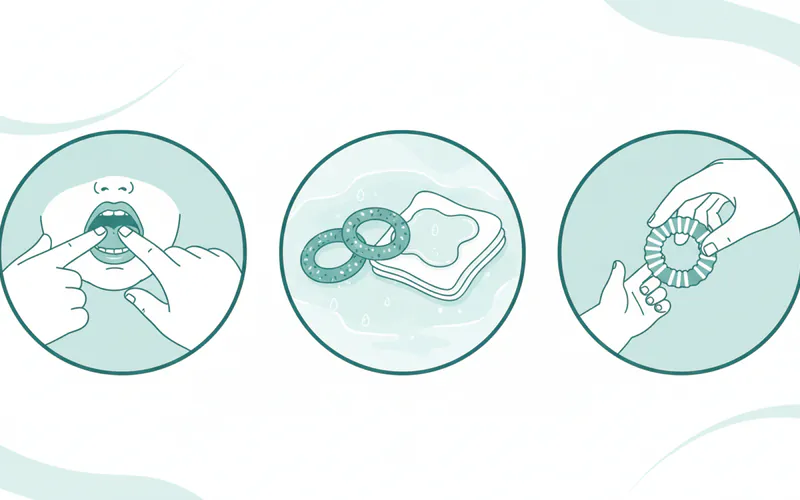
You should start cleaning your baby's gums with a soft, damp cloth twice a day even before the first tooth appears. As soon as the first tooth erupts, begin brushing twice daily with a soft-bristled infant toothbrush and a rice-grain smear of fluoride toothpaste, as recommended by the ADA.
When should my baby have their first dental visit?
The American Dental Association recommends scheduling your baby's first dental visit by their first birthday or within six months of the eruption of their first tooth, whichever comes first. This establishes a "dental home" and allows for early preventive care and parent education.
Are teething necklaces safe?
No, teething necklaces, including those made of amber or silicone beads, are not safe. The FDA and pediatric health organizations strongly advise against their use due to significant risks of choking and strangulation. There is also no scientific evidence to support their purported pain-relief benefits.
What if my baby is an early or late teether?
The timing of teething varies widely among babies. Some may get their first tooth as early as 3 months, while others might not show any teeth until after their first birthday. Both scenarios are generally considered normal. Consult your pediatrician or pediatric dentist if you have concerns about significantly delayed eruption, as very rarely it could indicate an underlying issue.
How much do teething aids and dental visits typically cost in the US?
Over-the-counter teething aids like rings, brushes, and infant pain relievers generally range from $5 to $30 per item. A baby's first dental visit without insurance can cost anywhere from $100 to $400, depending on the services provided and your location. Most dental insurance plans cover preventive pediatric care well.
When do puppies stop teething?
While this article focuses on human infants, it's worth noting that teething is a universal mammalian process. Puppies typically start teething around 3-4 weeks of age and lose their puppy teeth by around 6-7 months, at which point their adult teeth have usually fully emerged. This process can also cause discomfort, similar to human babies, but it's a completely separate developmental timeline and medical concern managed by veterinarians.
When to See a Dentist
While teething is a natural and usually manageable process, there are specific situations when it's prudent to consult a pediatric dentist or your pediatrician. Early intervention can prevent minor issues from becoming more significant problems.
Routine Check-up:
- First Tooth Appears: The ADA recommends scheduling your baby's first dental visit by their first birthday or within six months of the eruption of their first tooth. This initial visit is primarily for education, prevention, and establishing a "dental home."
When to Seek Advice (Scheduled Appointment):
- Significantly Delayed Eruption: If your child has no teeth by 18 months of age, it's worth a dental check-up. While often normal, very rarely it could indicate a developmental concern.
- Unusual Gum Appearance: If you notice persistent severe swelling, unusual discoloration, or what looks like an infection (pus, persistent redness, foul odor) around an erupting tooth that doesn't resolve. (Though often a blue eruption cyst is harmless).
- Concerns about Teething Symptoms: If you're struggling to manage your baby's discomfort despite using safe home remedies, or if you have questions about appropriate pain relief dosages, consult your pediatrician.
- Concerns about Oral Habits: If your child continues thumb-sucking or pacifier use past age 2-3, discuss this with a pediatric dentist.
- Injury to Teeth or Gums: Any fall or blow to the mouth that affects a tooth or the gums should prompt a dental visit, even if the injury seems minor.
When to Seek Immediate Attention (Emergency or Urgent Care):
- High Fever: If your baby has a fever of 100.4°F (38°C) or higher, it is not due to teething and requires evaluation by a pediatrician to rule out an infection or illness.
- Severe Diarrhea or Vomiting: These are not teething symptoms. If severe or persistent, contact your pediatrician immediately to prevent dehydration or treat underlying illness.
- Signs of Infection: If you observe significant redness, warmth, swelling, or pus around the gums, especially if accompanied by fever, this could indicate a localized infection (like an abscess) that needs urgent dental or medical attention.
- Difficulty Breathing or Swallowing: This is a medical emergency. If your baby is struggling to breathe, has blue or pale skin, or is having severe difficulty swallowing, seek emergency medical care immediately. This can be a sign of a severe allergic reaction, choking, or another serious condition, especially if topical gels or new foods were recently introduced.
- Traumatic Injury to Mouth: If your baby falls and knocks out a baby tooth, breaks a tooth, or causes significant lacerations to the gums, seek immediate dental care. Even if it's a baby tooth, early evaluation is important for future dental health.
Remember, you are your child's best advocate. Trust your instincts. If something feels wrong or you are concerned, it's always best to err on the side of caution and consult a healthcare professional.
Frequently Asked Questions
Medically Reviewed Content
This article was written by our dental health editorial team and reviewed for medical accuracy. Our content follows strict editorial guidelines for reliability and trustworthiness.
Medical Disclaimer
This article is for informational purposes only and does not constitute medical advice. Always consult with a qualified dental professional for diagnosis and treatment. Do not delay seeking professional advice because of something you read on this website.
Related Articles
Kitten Teething Toys: Complete Guide
Few milestones in early life bring as much joy – and sometimes, as much discomfort – as teething. Just as a playful kitten explores its new world by mouthing and chewing on everything it can, human babies also embark on a similar developmental journey. In fact, over 80% of infants experience som
February 22, 2026
How Many Teeth Do Children Have
Did you know that a child's smile goes through more dramatic transformations in their first 12 years than an adult's does in a lifetime? Understanding the journey of your child's dental development is fundamental to ensuring their lifelong oral health. For many parents, a common question arises: **h
February 22, 2026
Teething Syndrome: Complete Guide
As a parent, few things are as universally anticipated and often dreaded as the arrival of your baby's first tooth. While a milestone to celebrate, the process of primary tooth eruption, commonly known as teething syndrome, can bring with it a host of challenging symptoms. In fact, studies sugge
February 22, 2026
When Do Kittens Lose Their Baby Teeth
When Do Kittens Lose Their Baby Teeth
February 22, 2026