Adult Orthodontics: Complete Guide
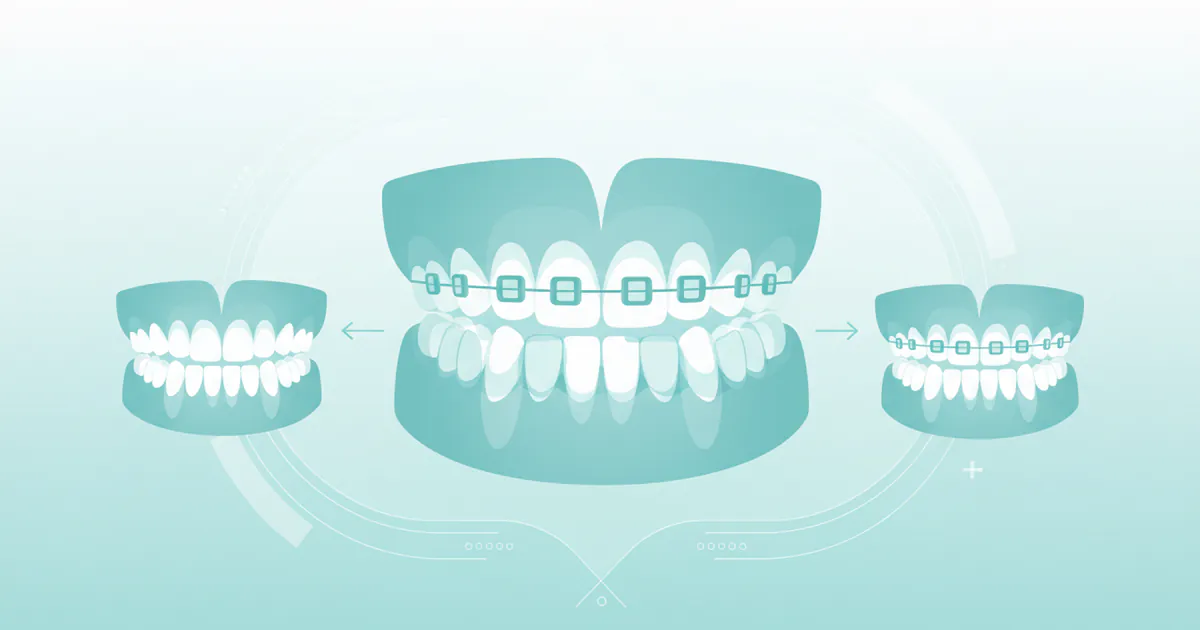
Key Takeaways
- The perception that braces are only for teenagers is a thing of the past. Today, a significant and growing number of adults are choosing to improve their smiles and oral health through adult orthodontics. In fact, according to the American Association of Orthodontists (AAO), one in three orthodo
Adult Orthodontics: Complete Guide
The perception that braces are only for teenagers is a thing of the past. Today, a significant and growing number of adults are choosing to improve their smiles and oral health through adult orthodontics. In fact, according to the American Association of Orthodontists (AAO), one in three orthodontic patients is an adult, a testament to the increasing recognition of its benefits at any age. Whether you're dealing with crowded teeth, an uneven bite, or simply desire a straighter smile, modern orthodontic solutions offer effective, often discreet, pathways to achieving your goals.

Beyond aesthetics, aligning your teeth and correcting bite issues can profoundly impact your overall oral health, preventing problems like gum disease, tooth decay, uneven wear, and even jaw pain. This comprehensive guide will explore everything you need to know about adult orthodontics, from the various treatment options like traditional braces and invisible braces such as Invisalign, to the detailed process, associated costs, potential risks, and crucial aftercare. If you've ever considered straightening your teeth, this article is designed to provide you with all the medically accurate information to make an informed decision.
Key Takeaways:
- Adult orthodontics is increasingly popular, with one in three orthodontic patients being an adult.
- Treatment options include traditional metal braces, ceramic braces, lingual braces, and clear aligners like Invisalign.
- Typical treatment duration for adults ranges from 18 to 36 months, depending on case complexity.
- Costs vary significantly, generally ranging from $3,000 to $7,500 for traditional braces and $3,500 to $8,500 for clear aligners; insurance may cover a portion.
- Good oral hygiene and lifelong retainer use are crucial for successful outcomes and preventing relapse.
- An initial consultation with a qualified orthodontist is essential to determine the best treatment plan for your specific needs.
- Many orthodontists offer patient portals (which may include features like an Invisalign doctor site login for monitoring progress) to enhance patient engagement.
What is Adult Orthodontics? An Overview
Adult orthodontics refers to the process of straightening teeth and correcting bite irregularities in individuals who have reached skeletal maturity, typically meaning those over 18 years old. While the fundamental principles of moving teeth remain the same as in adolescent orthodontics, treatment for adults often involves unique considerations due to fully developed bone structure, potential existing dental work (like fillings, crowns, or missing teeth), and sometimes a history of gum disease or bone loss.
The primary goal of adult orthodontics is not just to create a beautiful smile but also to improve oral function and overall dental health. Misaligned teeth can contribute to a host of problems including difficulty cleaning, leading to plaque buildup, cavities, and gum disease (periodontitis). They can also cause abnormal wear of tooth surfaces, inefficient chewing, speech impediments, and excessive stress on the supporting bone and gum tissues, sometimes even leading to temporomandibular joint (TMJ) disorders, which manifest as jaw pain, headaches, or clicking in the jaw.
Modern advancements have made orthodontic treatment more comfortable, efficient, and discreet than ever before, attracting a growing number of adults seeking to enhance their dental health and confidence.
``
Types of Adult Orthodontic Treatments
Thanks to significant innovations in dental technology, adults today have a diverse range of orthodontic treatment options beyond the traditional metal braces often associated with teenagers. The best choice for you will depend on factors such as the complexity of your case, aesthetic preferences, lifestyle, and budget.
Traditional Metal Braces
These are the classic orthodontic appliances, consisting of metal brackets bonded to the front surface of each tooth, connected by a thin archwire. Small elastic bands (ligatures) or self-ligating mechanisms hold the wire in place.
- Pros: Highly effective for complex cases, durable, often the most cost-effective option. Modern metal braces are smaller and less noticeable than their predecessors.
- Cons: Most visible option, can cause temporary discomfort, requires strict oral hygiene, dietary restrictions (avoiding sticky/hard foods).
- Advancements: Many traditional braces now feature smaller, low-profile brackets and heat-activated archwires that exert consistent, gentle pressure.
Ceramic Braces
Similar in design to traditional metal braces, but the brackets are made from a translucent or tooth-colored ceramic material, making them much less noticeable.
- Pros: Excellent aesthetic appeal due to their discreet appearance, highly effective for various orthodontic issues.
- Cons: Can be more fragile than metal braces, ceramic brackets may stain over time (especially with coffee, tea, or smoking), typically more expensive than metal braces, and treatment might be slightly longer due to increased friction between the wire and brackets.
Lingual Braces
These are truly "invisible" braces, as the brackets and wires are custom-made and bonded to the back (tongue side, or lingual surface) of the teeth.
- Pros: Completely hidden from view, making them an excellent choice for adults who prioritize aesthetics in professional or public-facing roles.
- Cons: Most expensive option due to customization and specialized placement, can initially affect speech and cause tongue irritation, cleaning can be more challenging, and not all orthodontists are trained to place them.
Clear Aligners (e.g., Invisalign)
Clear aligners are custom-made, removable trays made from clear, medical-grade plastic that gradually shift teeth into their desired positions. Popular brands include Invisalign, which is a leading name in invisible braces. Patients typically wear a series of aligners, changing to a new set every one to two weeks.
- Pros: Nearly invisible, removable for eating, brushing, and flossing (which aids in maintaining oral hygiene), generally more comfortable than fixed braces, fewer emergency appointments needed for broken brackets/wires.
- Cons: Requires strong patient compliance (must be worn 20-22 hours per day), not suitable for all complex cases, can be more expensive than traditional braces, potential for aligners to be lost or misplaced. Your orthodontist will likely provide you with access to an online portal, which might include features like an Invisalign doctor site login, where you can track your treatment progress and view simulated outcomes.
Self-Ligating Braces
Both metal and ceramic braces can be self-ligating. This system uses a specialized clip or door mechanism built into the bracket to hold the archwire, eliminating the need for elastic ties.
- Pros: Potentially faster treatment times (though research is mixed), fewer adjustment appointments, easier to clean (no elastic ties to trap food), potentially less friction and discomfort.
- Cons: Can be slightly more expensive than traditional ligated braces.
``
Why Adults Seek Orthodontic Treatment: Causes and Contributing Factors
Adults choose orthodontics for a variety of reasons, often stemming from issues that were either untreated in childhood or have developed later in life. Understanding these causes can help contextualize the treatment need.
Untreated Issues from Childhood
Many adults simply didn't have access to orthodontic care as children due to financial constraints, lack of awareness, or other reasons. They now seek treatment for long-standing problems like:
- Malocclusion: A misaligned bite (e.g., overbite, underbite, crossbite, open bite).
- Crowding: Not enough space in the jaw for all teeth to erupt properly, leading to overlapping or crooked teeth.
- Spacing: Gaps between teeth, often due to missing teeth or genetically small teeth.

Relapse from Previous Orthodontic Treatment
A common reason for adult orthodontics is relapse following orthodontic treatment in adolescence. If retainers were not worn consistently after initial treatment, teeth can gradually shift back to their original positions. This "orthodontic memory" means even years after childhood braces, teeth can move.
Tooth Loss or Dental Trauma
The loss of a permanent tooth (due to decay, gum disease, or injury) can cause adjacent teeth to drift into the empty space, creating new gaps or crowding. Similarly, dental trauma can directly shift teeth out of alignment.
Gum Disease (Periodontal Disease)
Advanced gum disease can lead to bone loss around the teeth. As the bone support diminishes, teeth can become loose, shift, and create spaces or crowding. Orthodontic treatment in these cases must be carefully planned and executed in conjunction with periodontal therapy to ensure healthy supporting tissues.
Jaw Growth Issues or TMJ Disorders
Uneven jaw growth, though typically addressed in adolescence, can sometimes lead to functional issues in adulthood. Orthodontics can help improve the alignment of teeth to compensate for minor jaw discrepancies. In some cases, orthodontics can also play a role in alleviating symptoms of temporomandibular joint (TMJ) disorders by correcting bite problems that contribute to jaw strain.
Excessive Wear of Teeth
Misaligned teeth can lead to an uneven distribution of chewing forces, causing certain teeth to wear down faster than others. Orthodontic correction can help distribute these forces more evenly, protecting teeth from further damage.
Signs and Symptoms Indicating a Need for Adult Orthodontics
Recognizing the signs that you might benefit from orthodontic treatment is the first step toward a healthier smile. It's not just about aesthetics; many symptoms point to functional issues.
- Visibly Crooked or Crowded Teeth: The most obvious sign, where teeth overlap, twist, or are noticeably out of line.
- Gaps or Spaces Between Teeth: While some spaces are aesthetic, large gaps can trap food and affect speech.
- Difficulty Chewing or Biting: If your teeth don't meet properly, it can be hard to chew food effectively, potentially leading to digestive issues or jaw strain.
- Jaw Pain, Headaches, or TMJ Discomfort: A misaligned bite can put stress on your jaw joints and muscles, leading to chronic pain.
- Uneven Wear of Tooth Enamel: Certain teeth bearing more force due to a bad bite can show signs of excessive wear, potentially leading to sensitivity or fractures.
- Receding Gums or Gum Irritation: Crowded or misaligned teeth can be harder to clean, leading to plaque buildup, gum inflammation (gingivitis), and eventually gum recession or periodontal disease.
- Speech Difficulties: Certain bite problems can affect how you form sounds, leading to lisps or other speech impediments.
- Clicking or Popping Sounds in the Jaw: These can be indicators of TMJ dysfunction, which may be exacerbated by a poor bite.
Pro Tip: Even subtle signs should prompt a conversation with your general dentist, who can then refer you to a specialist orthodontist for a thorough evaluation.
The Adult Orthodontic Treatment Process: What to Expect
Embarking on orthodontic treatment as an adult involves a structured, multi-stage process designed to achieve optimal results while prioritizing your comfort and oral health.
1. Initial Consultation and Diagnostic Records
Your journey begins with a comprehensive consultation with an orthodontist. During this appointment, the orthodontist will:
- Discuss your concerns, goals, and medical/dental history.
- Conduct a thorough oral examination.
- Take diagnostic records, which typically include:
- Digital X-rays: Panoramic (showing all teeth and jaws) and cephalometric (showing skull and jaw relationships) images.
- 3D Scans: Intraoral scanners (e.g., iTero, Trios) create highly accurate digital models of your teeth and bite, replacing traditional gooey impressions.
- Photographs: Of your face and teeth from various angles.
2. Treatment Planning
Using the diagnostic records, the orthodontist will develop a customized treatment plan. This plan outlines:
- The specific orthodontic issues to be addressed.
- The recommended type of appliance (metal braces, clear aligners, etc.).
- The estimated duration of treatment.
- Expected outcomes and any potential challenges.
- This is your opportunity to ask questions and fully understand the process. For clear aligner systems like Invisalign, this stage often involves digital simulations that show you a virtual representation of your teeth's movement and the final result. Your orthodontist will have access to a specialized platform, potentially including features similar to an Invisalign doctor site login, to manage your treatment plan digitally.
3. Pre-Treatment Preparations
Before braces or aligners are placed, you may need some preparatory dental work, such as:
- Addressing existing cavities or gum disease.
- Removing problematic wisdom teeth, if necessary.
- Professional dental cleaning to ensure a healthy foundation.

4. Appliance Placement (or Aligner Delivery)
- For Braces: Brackets are carefully bonded to your teeth, and the archwires are threaded through them. This appointment usually takes 1-2 hours and is generally pain-free, though some discomfort may arise later as your teeth begin to move.
- For Clear Aligners: You'll receive your first series of custom-made aligner trays. The orthodontist will instruct you on how to insert and remove them, proper cleaning, and the wearing schedule (typically 20-22 hours per day). Small, tooth-colored attachments (buttons) may be bonded to certain teeth to help the aligners grip and move teeth more effectively.
5. Regular Adjustments / Check-ups
- For Braces: You'll visit the orthodontist every 4-8 weeks for adjustments. This involves tightening wires, changing elastic bands, or making other modifications to continue guiding your teeth.
- For Clear Aligners: You'll typically pick up new sets of aligners every few weeks and have periodic check-ups with your orthodontist to monitor progress and ensure the treatment is on track.
6. Debonding / Removal of Appliances
Once your teeth have reached their ideal positions and your bite is corrected, the braces will be removed (debonded). This is a quick and painless process. Any residual bonding material is gently polished off your teeth.
7. Retention Phase
This is arguably the most critical phase of adult orthodontics. Without proper retention, your teeth will inevitably try to shift back to their original positions. You will be provided with retainers, which must be worn as directed by your orthodontist.
- Removable Retainers: Clear plastic retainers (similar to aligners) or Hawley retainers (acrylic with a wire). Typically worn full-time for a period, then nightly indefinitely.
- Fixed (Permanent) Retainers: A thin wire bonded to the back of your front teeth. These offer continuous retention and are generally worn long-term.
Pro Tip: Consider the retention phase as a lifelong commitment. Consistent retainer wear is the only way to ensure your beautiful, healthy smile lasts indefinitely.
``
Understanding the Cost of Adult Orthodontics
The investment in adult orthodontics is significant, but the long-term benefits to your oral health and confidence can be invaluable. Costs vary widely based on several factors, including the type of treatment, the complexity and duration of your case, your geographic location, and the orthodontist's fees.
Average US Cost Ranges by Treatment Type
Here's a general overview of average costs in the United States, often covering the entire treatment from start to finish, including adjustments and initial retainers:
- Traditional Metal Braces:
- Low: $3,000 - $5,000
- Mid: $5,000 - $7,500
- High: $7,500 - $10,000+ (for very complex cases)
- Ceramic Braces:
- Low: $4,000 - $6,000
- Mid: $6,000 - $8,000
- High: $8,000 - $11,000+
- Clear Aligners (e.g., Invisalign):
- Low: $3,500 - $6,000
- Mid: $6,000 - $8,500
- High: $8,500 - $12,000+ (for extensive treatment, especially using "Invisalign Comprehensive" plans)
- Lingual Braces:
- Low: $8,000 - $10,000
- Mid: $10,000 - $12,000
- High: $12,000 - $15,000+
Regional Variations: Costs can vary by region. Major metropolitan areas (e.g., New York City, Los Angeles) typically have higher costs than suburban or rural areas. For instance, the same clear aligner treatment that costs $6,500 in a mid-sized city might be $8,000 in a high-cost-of-living area.
Insurance Coverage Details
Many dental insurance plans offer some coverage for orthodontic treatment, though the extent varies greatly.
- Coverage for Adults: While most plans cover orthodontics for children under 18, adult orthodontic coverage is less common or more limited. Check your specific plan benefits carefully.
- Lifetime Maxima: If coverage is provided, there's usually a lifetime maximum benefit, often ranging from $1,000 to $3,000. Once this limit is reached, you're responsible for the remaining costs.
- Waiting Periods: Some plans have waiting periods (e.g., 6-12 months) before orthodontic benefits become active.
- PPO vs. HMO:
- PPO (Preferred Provider Organization) plans: Offer more flexibility to choose your orthodontist. You'll typically pay a higher percentage out-of-network, but usually some coverage is still provided.
- HMO (Health Maintenance Organization) plans: May require you to choose an orthodontist from their network, and referrals from your general dentist might be necessary.
- Flexible Spending Accounts (FSAs) and Health Savings Accounts (HSAs): These accounts allow you to set aside pre-tax money for healthcare expenses, including orthodontic treatment, which can lead to significant savings on your total bill.
Payment Plans and Financing Options
Most orthodontists understand the financial commitment and offer various payment solutions:
- In-Office Payment Plans: Many practices provide interest-free payment plans, allowing you to pay the total cost in monthly installments over the course of your treatment (e.g., $150-$300 per month).
- Third-Party Financing: Companies like CareCredit offer healthcare credit cards with various financing options, including deferred interest for a specific period.
- Discount for Upfront Payment: Some orthodontists offer a small discount (e.g., 5-10%) if you pay for the entire treatment in full at the beginning.
Pro Tip: Always get a detailed written estimate from your orthodontist, outlining all costs, payment schedules, and what is included in the total price (e.g., retainers, follow-up appointments). Submit a pre-treatment estimate to your insurance provider to understand your exact benefits before starting.
Comparison Table: Adult Orthodontic Treatment Options
| Treatment Type | Aesthetics | Removability | Average Treatment Time (Adults) | Average Cost Range (US) | Pros faithfully
| Traditional Metal Braces | Low | No | 18-36 months | $3,000 - $7,000 | Highly effective, durable, cost-effective, can treat most complex cases. to | Traditional Metal Braces | Low | Yes | 18-36 months | $3,000 - $7,000 | Highly effective, durable, cost-effective, can treat most complex cases. | Traditional Metal Braces | Low | Yes | 18-36 months | $3,000 - $7,000 | Highly effective, durable, cost-effective, can treat most complex cases. |
| Ceramic Braces | Medium | No | 24-36 months | $4,000 - $8,000 | Less visible than metal, effective. |
| Clear Aligners (Invisalign) | High (nearly invisible) | Yes | 12-24 months (can vary) | $3,500 - $8,500 | Very discreet, removable, comfortable, easier to clean. |
| Lingual Braces | Very High (invisible) | No | 18-36 months | $8,000 - $12,000 | Completely hidden, highly aesthetic. |
``
Recovery and Aftercare: Ensuring Lasting Results
The journey doesn't end when your braces come off or your last aligner tray is used. The recovery and aftercare phase is paramount to maintaining your newly aligned smile and protecting your investment.

Initial Discomfort and Adjustment
Immediately after braces are placed or adjusted, or when you switch to a new set of aligners, you may experience some discomfort or soreness. This is normal and a sign that your teeth are moving.
- Pain Management: Over-the-counter pain relievers like ibuprofen or acetaminophen can help manage discomfort.
- Soft Diet: Stick to soft foods for the first few days after adjustments.
- Oral Sores: Braces can cause temporary irritation to the cheeks, lips, and tongue. Orthodontic wax can be applied to brackets to create a smoother surface.
Oral Hygiene with Appliances
Maintaining meticulous oral hygiene is crucial to prevent common complications like cavities and gum inflammation, which are more likely when food particles get trapped in appliances.
- Brushing: Brush thoroughly after every meal using a soft-bristled toothbrush. Pay special attention around brackets and wires. An electric toothbrush with an orthodontic brush head can be very effective.
- Flossing: This is challenging with fixed braces but essential. Use floss threaders or interdental brushes to clean between teeth and under wires. For clear aligners, simply remove them to brush and floss normally.
- Mouthwash: An antimicrobial or fluoride mouthwash can help reduce plaque and strengthen enamel.
- Regular Dental Cleanings: Continue your routine dental check-ups and cleanings every six months or as recommended by your dentist/orthodontist.
Dietary Considerations
- For Braces: Avoid sticky foods (caramel, gummy candies), hard foods (nuts, popcorn, hard candy, ice), and chewy foods (bagels, crusty bread) that can damage brackets or wires. Cut hard fruits and vegetables into small, bite-sized pieces.
- For Clear Aligners: Enjoy all your favorite foods! Just remember to remove your aligners before eating or drinking anything other than water, and brush your teeth before putting them back in.
Retainer Use: A Lifelong Commitment
This cannot be stressed enough: lifelong retainer wear is essential for adults. Teeth have a natural tendency to shift back to their original positions (orthodontic relapse) even years after treatment.
- Initial Full-Time Wear: Your orthodontist will likely recommend wearing removable retainers full-time for a specific period (e.g., 6-12 months), removing them only for eating and oral hygiene.
- Nightly Wear: After the initial period, you'll transition to wearing them nightly, indefinitely.
- Fixed Retainers: If you have a permanent retainer bonded to the back of your teeth, diligent cleaning around it is necessary, and you should visit your dentist regularly to ensure it remains intact.
- Replacement: If your retainer breaks or is lost, contact your orthodontist immediately for a replacement. Delaying this can allow your teeth to shift.
Prevention of Orthodontic Relapse (and the Need for Future Treatment)
While the need for initial orthodontic treatment might not be fully "preventable" in adults (especially if it stems from genetics or childhood issues), preventing relapse and avoiding the need for re-treatment is largely within your control.
- Consistent Retainer Wear: As mentioned, this is the single most important factor in maintaining your orthodontic results. Follow your orthodontist's instructions precisely, and commit to wearing your retainers for life.
- Regular Dental Check-ups: Routine visits to your general dentist are crucial for overall oral health. They can identify any subtle tooth movements, issues with your retainers, or developing problems like gum disease that could impact tooth stability.
- Address Harmful Oral Habits: Habits like tongue thrusting, mouth breathing, clenching, or grinding (bruxism) can exert forces on your teeth that contribute to misalignment or relapse. Discuss these with your dentist or orthodontist, who may recommend solutions like tongue exercises, breathing therapy, or a nightguard.
- Maintain Excellent Oral Hygiene: Healthy gums and supporting bone are vital for stable teeth. Preventing gum disease through diligent brushing and flossing ensures the structures supporting your teeth remain robust, reducing the likelihood of unwanted shifts.
- Protect Your Teeth from Trauma: Wear a mouthguard during sports activities to prevent injuries that could shift or damage teeth.
Risks and Complications of Adult Orthodontics
While adult orthodontics is generally safe and highly effective, like any medical treatment, it carries potential risks and complications. Being aware of these can help you make informed decisions and manage expectations.
- Root Resorption: This is the shortening of tooth roots, which can occur during orthodontic tooth movement. Mild root resorption is common and usually not problematic, but severe cases can threaten tooth stability. Your orthodontist will monitor this with X-rays.
- Decalcification and Cavities: Fixed braces can make oral hygiene challenging, leading to plaque accumulation around brackets. If not meticulously cleaned, this can result in white spots (decalcification) on the enamel or cavities. Clear aligners have a lower risk as they are removable for cleaning.
- Gum Inflammation (Gingivitis) and Periodontal Disease: Poor oral hygiene with braces can lead to swollen, bleeding gums. In adults with a history of gum disease, orthodontic treatment requires careful management to prevent worsening of the condition. Healthy gums are essential for successful tooth movement.
- Discomfort and Pain: While usually temporary, some level of discomfort, soreness, or tenderness is common after adjustments or when changing aligners.
- Speech Changes: Especially with lingual braces or new clear aligners, some temporary speech impediments (e.g., lisp) can occur as your tongue adjusts to the presence of the appliance.
- Relapse: As discussed, teeth have a "memory" and can shift back if retainers are not worn as prescribed. This is a common complication if post-treatment instructions are not followed.
- Allergic Reactions: Though rare, some individuals may have allergic reactions to materials used in braces (e.g., nickel in metal alloys, latex in elastics). Inform your orthodontist about any known allergies.
- Ankylosis: In rare cases, a tooth can fuse to the bone, preventing orthodontic movement. This is usually identified before or early in treatment.
- Non-Achievement of Ideal Results: While orthodontists strive for perfection, achieving absolutely ideal results can sometimes be limited by individual biology, existing dental work, or patient compliance.
Your orthodontist will discuss these potential risks with you during your consultation and take steps to minimize them. Choosing an experienced, board-certified orthodontist is crucial for managing these risks effectively.
Comparison Table: Common Orthodontic Problems and Their Solutions
| Orthodontic Problem | Description | Common Signs/Symptoms | Typical Adult Orthodontic Solutions |
|---|---|---|---|
| Crowding | Lack of space for teeth, causing them to overlap/twist. | Crooked teeth, difficulty flossing, increased plaque buildup. | Metal Braces, Ceramic Braces, Clear Aligners (Invisalign). |
| Spacing (Diastema) | Gaps between teeth. | Food trapping, aesthetic concerns, speech issues. | Metal Braces, Ceramic Braces, Clear Aligners (Invisalign). |
| Overbite | Upper front teeth excessively overlap lower front teeth. | Jaw pain, lower lip biting, excessive wear on front teeth. | Metal Braces, Ceramic Braces, Clear Aligners (Invisalign). |
| Underbite | Lower front teeth protrude beyond upper front teeth. | Difficulty chewing, jaw pain, aesthetic concerns. | Metal Braces, Ceramic Braces, Clear Aligners (Invisalign), sometimes combined with orthognathic surgery. |
| Crossbite | Upper teeth fit inside lower teeth (front or side). | Uneven tooth wear, jaw shift, facial asymmetry. | Metal Braces, Ceramic Braces, Clear Aligners (Invisalign). |
| Open Bite | Front or side teeth don't meet when jaw is closed. | Difficulty biting, speech issues (lisp), tongue thrusting. | Metal Braces, Clear Aligners (Invisalign), sometimes combined with behavior modification. |
Children / Pediatric Considerations (Brief Mention)
While this article focuses specifically on adult orthodontics, it's worth noting the importance of early orthodontic evaluations for children. The American Association of Orthodontists (AAO) recommends a child's first check-up with an orthodontist by age seven. Early intervention (Phase I treatment) can often address developing issues, guide jaw growth, and prevent more severe problems that might require extensive and complex treatment (or even surgery) in adulthood. For instance, correcting a crossbite early can prevent asymmetric jaw growth. While adults can achieve excellent results, early treatment can sometimes simplify or shorten overall treatment duration for certain conditions.
Frequently Asked Questions
1. Is adult orthodontics painful?
You may experience some discomfort or soreness, especially after initial placement of braces or when switching to a new aligner tray. This pain is typically mild and temporary, lasting a few days, and can be managed with over-the-counter pain relievers. Most patients find the overall process tolerable.

2. How long does adult orthodontic treatment take?
The duration varies greatly depending on the complexity of your case and the chosen treatment method. On average, adult orthodontic treatment can last anywhere from 18 to 36 months. Simpler cases, such as minor tooth movement for aesthetic reasons, might be shorter, while complex bite corrections can take longer.
3. Can I get invisible braces at any age?
Yes, most adults are candidates for invisible braces like clear aligners (e.g., Invisalign) or lingual braces, provided they have healthy teeth and gums. Age itself is not a barrier to orthodontic treatment. Your orthodontist will assess your specific needs and determine the most suitable option.
4. What's the difference between an orthodontist and a general dentist for braces?
An orthodontist is a dental specialist who has completed an additional 2-3 years of specialized training beyond dental school, focusing specifically on tooth movement and bite correction. While some general dentists offer limited orthodontic services, an orthodontist possesses the extensive knowledge and experience to handle all types of orthodontic cases, especially complex adult ones.
5. Will my insurance cover adult braces?
Dental insurance coverage for adult orthodontics varies. Many plans have limitations or exclude adult coverage altogether, or they may offer a lifetime maximum benefit, typically between $1,000 and $3,000. It's crucial to check your specific policy details and submit a pre-treatment estimate to your insurance provider.
6. What are the alternatives to traditional braces for adults?
Alternatives include ceramic braces (tooth-colored, less noticeable), lingual braces (completely hidden on the back of teeth), and clear aligners like Invisalign (removable, nearly invisible trays). For purely aesthetic concerns involving only front teeth, some patients might consider veneers, but these do not correct bite issues or overall tooth alignment.
7. Do I have to wear a retainer forever?
Yes, lifelong retainer wear is essential for adults. Teeth have a natural tendency to shift back to their original positions (relapse) even years after treatment. Consistent use of a removable or fixed retainer is the only way to ensure your orthodontic results last indefinitely.
8. Can I still eat normally with braces?
With traditional braces, you'll need to avoid certain foods that can damage your appliance, such as sticky candies, hard nuts, popcorn, and chewy items. With clear aligners, you can remove them for eating, allowing you to enjoy all foods, but always remember to brush your teeth before reinserting your aligners.
9. What if I need an invisalign doctor site login for my treatment?
If you're undergoing Invisalign treatment, your orthodontist will provide you with all necessary patient access. This may include a patient portal or app where you can view your treatment progress, upcoming appointments, and sometimes even a simulated outcome of your treatment. Your orthodontist manages the specifics of your plan through their specialized Invisalign doctor site login portal.
10. Can adult orthodontics improve my overall oral health?
Absolutely. Straight teeth are easier to clean, which reduces the risk of plaque buildup, cavities, and gum disease. Correcting a misaligned bite can also improve chewing function, reduce abnormal tooth wear, and alleviate symptoms of jaw pain or TMJ disorders, significantly contributing to better long-term oral health.
When to See an Orthodontist
If you've been considering straightening your teeth or if you experience any of the symptoms mentioned above, it's time to schedule a consultation with an orthodontist.
Clear Warning Signs that Need Attention:
- Persistent jaw pain, clicking, or difficulty moving your jaw.
- Teeth that are becoming significantly more crowded or gapped over time.
- Difficulty biting or chewing certain foods effectively.
- Chronic headaches that you suspect might be related to your bite.
- Receding gums or signs of gum inflammation around misaligned teeth.
Red Flags vs. Routine Care Guidance: While minor cosmetic concerns can often wait for a scheduled consultation, sudden severe pain, a broken orthodontic appliance, or a lost retainer that results in immediate tooth shifting should prompt you to contact your orthodontist or general dentist promptly. For routine inquiries or general interest in adult orthodontics, a standard consultation appointment is appropriate.
Don't let age deter you from achieving the healthy, confident smile you deserve. Modern adult orthodontics offers a wealth of options, and a consultation with a qualified orthodontist is the best first step to understanding what's possible for you.
Frequently Asked Questions
Medically Reviewed Content
This article was written by our dental health editorial team and reviewed for medical accuracy. Our content follows strict editorial guidelines for reliability and trustworthiness.
Medical Disclaimer
This article is for informational purposes only and does not constitute medical advice. Always consult with a qualified dental professional for diagnosis and treatment. Do not delay seeking professional advice because of something you read on this website.
Related Articles
Retainer Fee: Complete Guide
The journey to a perfectly aligned smile doesn't end when your braces come off or your last clear aligner tray is discarded. In fact, a crucial phase, often overlooked but absolutely essential for maintaining your results, begins: retention. For many, the idea of a retainer fee can be an unexpec
February 22, 2026
Braces for Adults: Complete Guide
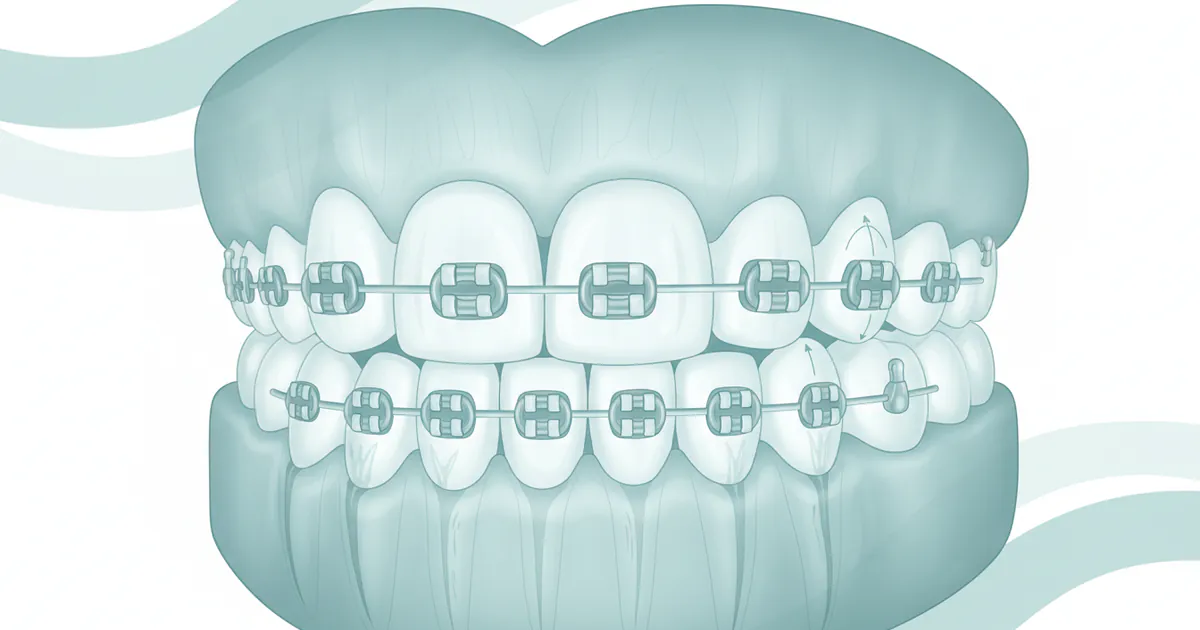
Braces for Adults: Complete Guide Category: Orthodontics
February 22, 2026
Invisalign Braces: Complete Guide
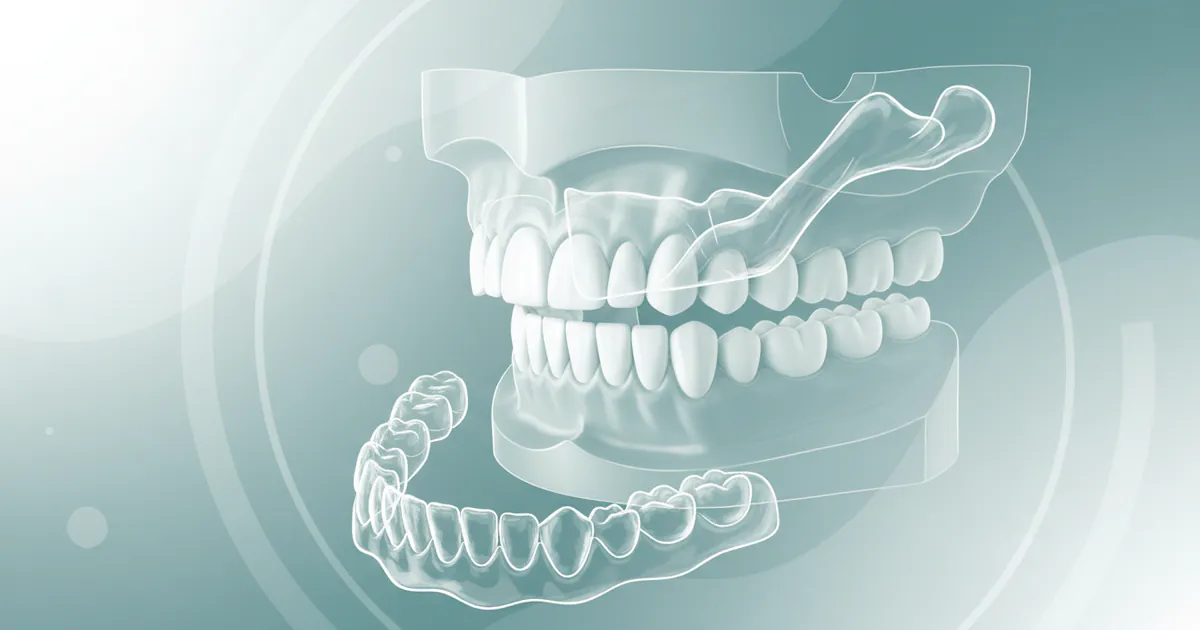
A radiant, perfectly aligned smile is more than just aesthetically pleasing; it's a gateway to improved oral health, enhanced confidence, and even better overall well-being. For millions of Americans seeking to correct misaligned teeth, the thought of traditional metal braces can be daunting, often
February 22, 2026
Adult Braces: Complete Guide
Adult Braces: Complete Guide
February 22, 2026