Hawley Retainer: Complete Guide
Key Takeaways
- More than four million Americans wear braces or aligners to achieve a straighter, healthier smile. After investing significant time, effort, and often considerable financial resources into orthodontic treatment, the journey doesn't end when the braces come off. In fact, a crucial second phase be
More than four million Americans wear braces or aligners to achieve a straighter, healthier smile. After investing significant time, effort, and often considerable financial resources into orthodontic treatment, the journey doesn't end when the braces come off. In fact, a crucial second phase begins: retention. Without proper retention, those beautifully aligned teeth can, and often will, shift back towards their original positions—a phenomenon known as orthodontic relapse. This is where the Hawley retainer steps in, serving as a vital guardian of your new smile.
Named after its inventor, Dr. Charles A. Hawley, this classic orthodontic appliance has been the gold standard for retention for nearly a century. Its distinctive design, combining durable acrylic and sturdy metal wire, is engineered to hold your teeth precisely in their post-braces positions, ensuring the longevity of your orthodontic investment. Understanding the Hawley retainer—its design, function, care, and cost—is essential for anyone nearing the end of their orthodontic journey or considering future treatment. This comprehensive guide from SmilePedia.net will delve into every aspect of the Hawley retainer, equipping you with the knowledge to maintain your perfect smile for years to come.
Key Takeaways:
- A Hawley retainer is a custom-made, removable orthodontic appliance consisting of an acrylic base and a metal wire, designed to hold teeth in their straightened positions after braces.
- It is crucial for preventing orthodontic relapse, as teeth naturally want to shift back to their original alignment.
- Hawley retainers are durable and adjustable, offering excellent long-term retention when worn as prescribed.
- Initial wearing schedules typically involve full-time wear (20-22 hours/day) for several months, transitioning to nighttime wear indefinitely.
- The average cost for a Hawley retainer in the US ranges from $300 to $600 per arch, with potential discounts if included in the overall braces cost. Insurance coverage for retainers varies, often limited.
- Proper cleaning and storage are vital for hygiene and longevity; a lost or broken retainer can cost $150-$500 to replace.
What It Is: Overview of the Hawley Retainer
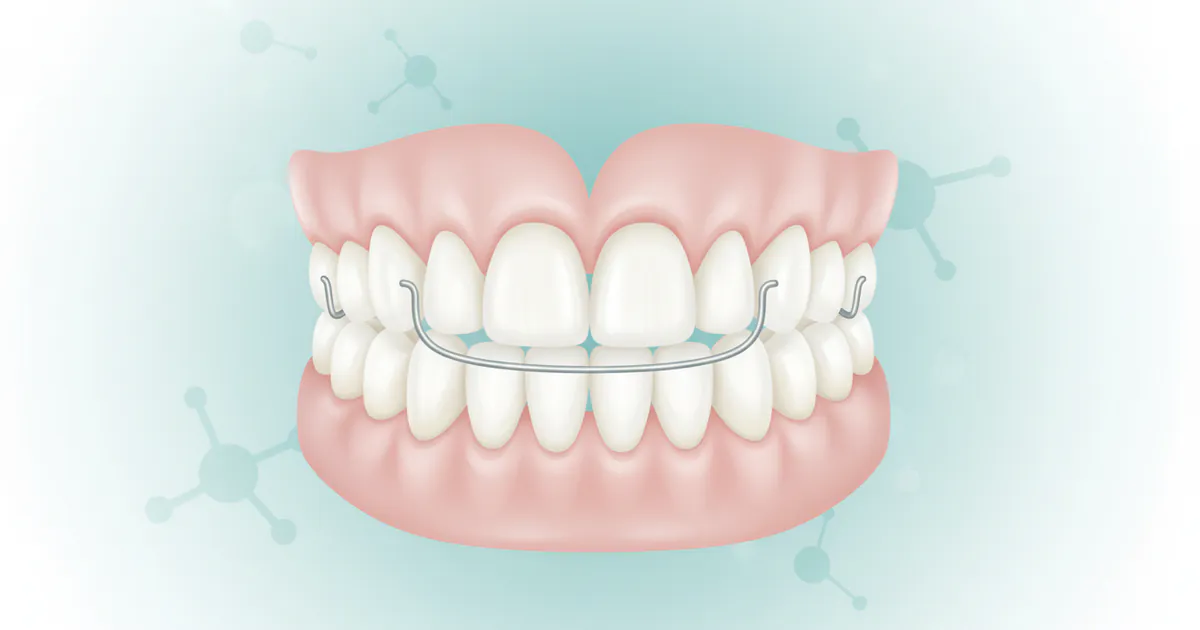
The Hawley retainer is a custom-fabricated, removable orthodontic appliance designed to maintain the alignment of teeth after active orthodontic treatment, such as braces or clear aligners. It is arguably the most recognizable and widely used retainer type due to its effectiveness, durability, and adjustability.
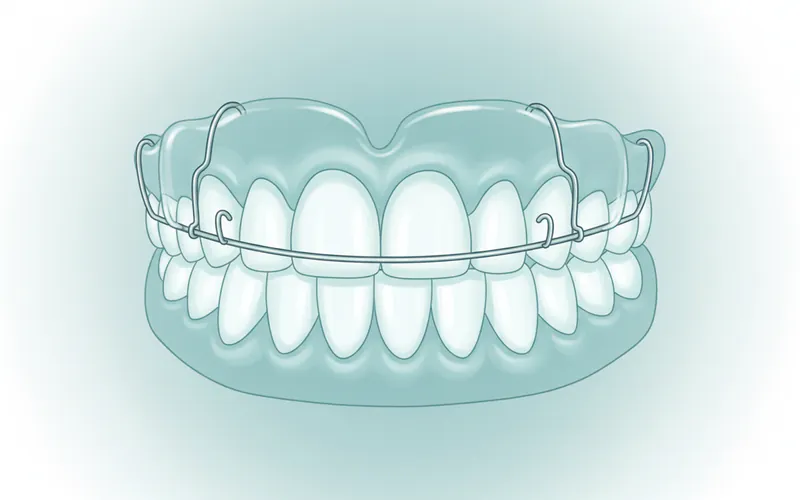
At its core, a Hawley retainer consists of two main components:
- Acrylic Base: This is the colorful, custom-molded portion that rests against the roof of your mouth (for the upper arch) or along the tongue-side of your lower teeth (for the lower arch). It is precisely shaped to fit the contours of your palate or lingual surfaces, providing stability and housing the wire components. The acrylic can come in various colors and patterns, allowing for a degree of personalization.
- Labial Bow (Metal Wire): This thin, U-shaped metal wire, typically made of stainless steel, runs across the front of your teeth, from canine to canine. It is carefully contoured to apply gentle pressure and hold the teeth in their corrected positions. Clasps, often C-clasps or Adam's clasps, extend from the acrylic base to anchor the retainer securely around molars, ensuring it stays in place.
The primary function of the Hawley retainer is to prevent orthodontic relapse, which is the natural tendency of teeth to shift back to their original, pre-treatment positions. This shifting can occur because the bones, ligaments, and gums surrounding the teeth need time to stabilize and adapt to the new alignment. Without a retainer, all the effort and expense of orthodontic treatment could be undone.
Hawley retainers are robust and can withstand daily use for many years with proper care. Their design also allows for minor adjustments by an orthodontist, which can be useful if slight tooth movement occurs or if a fine-tuning of retention is needed. This adjustability is a significant advantage over some other retainer types.
Types and Variations of Retainers
While the Hawley is a specific type of retainer, it's important to understand it within the broader context of orthodontic retention. Retainers primarily fall into two categories: removable and fixed.
Removable Retainers
Removable retainers offer the flexibility to take them out for eating, brushing, and flossing, but require patient compliance.
1. Hawley Retainer (Traditional)
As discussed, this is the classic choice.
- Pros: Highly durable, adjustable, allows teeth to settle naturally, easy to clean teeth, allows full access for oral hygiene, custom colors available. Can be used for minor tooth adjustments if needed by an orthodontist.
- Cons: Visible metal wire, can affect speech initially, requires patient compliance, may feel bulky, can be lost or broken.
2. Clear Plastic Retainers (Essix, Vivera, Zendura)
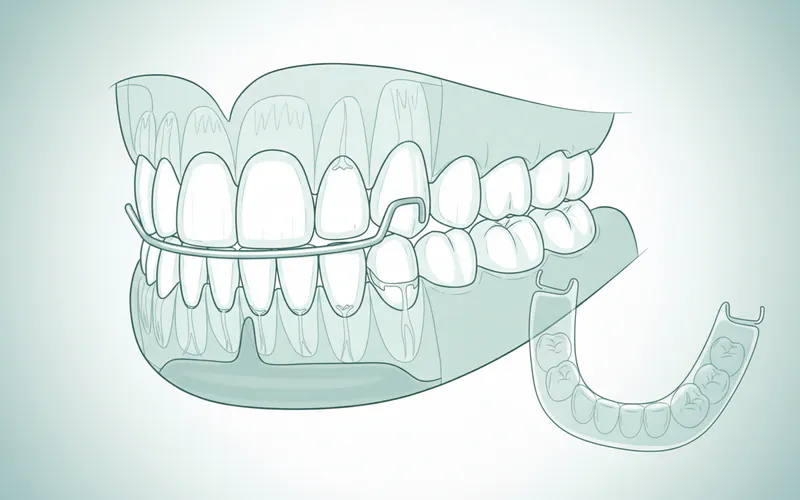
These retainers are made from clear, thin plastic that fits snugly over the entire arch of your teeth, much like a clear aligner. Popular brands include Essix, Vivera (by Invisalign), and Zendura.
- Pros: Nearly invisible, comfortable, less impact on speech, generally less bulky than Hawley. Often preferred for aesthetic reasons.
- Cons: Less durable than Hawley (can crack or warp more easily), not adjustable, can stain over time, can trap liquids against teeth (increasing cavity risk if not properly cleaned), may wear down with grinding, can sometimes feel less "breathable" as they cover the entire chewing surface. Patient compliance is still essential.
Fixed Retainers (Bonded Retainers or Lingual Retainers)
Fixed retainers are permanently bonded to the back (lingual side) of your teeth, typically from canine to canine on the lower arch, and sometimes on the upper arch. They consist of a thin, braided wire.
- Pros: Completely invisible, no patient compliance required (always working), highly effective at preventing relapse in the bonded area, cannot be lost.
- Cons: More difficult to clean around (requires special flossing techniques), can accumulate plaque and tartar if not meticulously cleaned, wire can break or debond from a tooth (requiring repair by an orthodontist), only retains the teeth it's bonded to, cannot be adjusted.
Comparison Table: Hawley vs. Clear Plastic vs. Fixed Retainers
| Feature | Hawley Retainer | Clear Plastic (Essix) Retainer | Fixed (Bonded) Retainer |
|---|---|---|---|
| Visibility | Visible metal wire | Nearly invisible | Invisible (on tongue-side of teeth) |
| Durability | Very good (metal & acrylic) | Moderate (can crack/warp) | Good (metal wire) but can debond |
| Adjustability | Easily adjustable by orthodontist | Not adjustable | Not adjustable (but can be re-bonded) |
| Comfort | Initial bulk/speech impact | Generally comfortable, less bulky | Barely noticeable after adjustment |
| Oral Hygiene | Easy to clean teeth; retainer cleans separately | Retainer can trap liquids; requires thorough cleaning | More difficult to floss around; requires special tools |
| Patient Compliance | Essential for effectiveness | Essential for effectiveness | Not required (always in place) |
| Cost (per arch) | $300 - $600 | $200 - $500 | $250 - $1,000 (installation + follow-up) |
| Typical Lifespan | 5-10+ years with care | 1-3 years (often replaced more frequently) | Many years, but can break/debond |
| Pros | Durable, adjustable, good for settling teeth | Aesthetic, comfortable, less bulky | Always working, no compliance needed, invisible |
| Cons | Visible, speech issues, easily lost | Less durable, can stain, less breathable | Harder to clean, only retains certain teeth, can break |
Why a Hawley Retainer is Essential: Preventing Orthodontic Relapse
Unlike many dental appliances that treat existing issues, the Hawley retainer is primarily a preventative device. Its "cause" isn't a problem it solves directly, but rather the crucial role it plays in counteracting the natural biological forces that lead to orthodontic relapse.
When braces or aligners move teeth, they don't just shift them through bone; they also stretch and compress the periodontal ligaments (which connect teeth to bone) and surrounding gum tissues. These tissues have a "memory" and a strong tendency to pull the teeth back to their original positions once the active forces of braces are removed. This is especially true in the first few months after orthodontic treatment.
Contributing factors to relapse include:
- Periodontal Ligament Memory: These elastic fibers surrounding the tooth roots naturally try to contract and pull the teeth back.
- Growth and Maturation: Jaw growth continues into adulthood, and these subtle changes can affect tooth alignment. Wisdom teeth eruption, even in late teens or early twenties, can also exert pressure.
- Occlusal Forces: Everyday biting and chewing forces, along with clenching or grinding (bruxism), can contribute to gradual tooth movement.
- Tongue Thrusts and Oral Habits: Persistent habits like tongue thrusting, thumb sucking, or even lip biting can exert forces that push teeth out of alignment.
- Lack of Bone Stabilization: It takes time for the bone around the newly positioned teeth to remodel and solidify. Without retention, this bone may not fully support the new position, allowing teeth to drift.
The Hawley retainer's job is to stabilize the teeth during this critical period, giving the surrounding tissues time to reorganize and solidify around the new tooth positions. It's not just about preventing teeth from moving backwards; it's about holding them forward in their ideal positions so that the entire dental-skeletal complex can adapt.
Pro Tip: Think of your retainer as the "maintenance" phase for your smile. Just as you maintain a car after purchasing it, you must maintain your orthodontic results. This commitment is arguably as important as the treatment itself.
Signs Your Teeth Are Shifting (and Why Your Retainer is Crucial)
Since the Hawley retainer is designed to prevent shifting, signs your teeth are moving indicate that your retainer isn't being worn correctly, or perhaps it no longer fits. It's crucial to be vigilant, as early detection can often prevent more significant relapse.
Look for these signs:
- Your Retainer Feels Tight: If your Hawley retainer, which once slipped on easily, now feels tight or requires noticeable force to seat properly, it's a strong indicator that your teeth have shifted slightly. This is often the first and most subtle sign.
- Visible Gaps or Crowding: You might notice new small gaps appearing between teeth, or existing gaps widening. Conversely, teeth that were once perfectly aligned may start to overlap or become crowded again.
- Difficulty Flossing: If flossing between certain teeth becomes more challenging than before, it could mean those teeth have rotated or shifted closer together.
- Changes in Bite: Your upper and lower teeth may not fit together as comfortably or precisely as they did immediately after braces removal. You might feel your bite has become "off."
- Speech Changes: While Hawley retainers can cause temporary speech changes, a new lisp or difficulty articulating certain sounds after a period of comfortable wear could indicate tooth movement.
- Wear and Tear on Retainer: If your retainer itself is damaged, cracked, or the wire is bent, it won't be able to effectively hold your teeth. This isn't a sign of shifting teeth, but a cause.
If you notice any of these signs, it's important to contact your orthodontist promptly. Delaying can lead to more significant relapse, potentially requiring another round of orthodontic treatment. Remember, your retainer is your best defense against your investment in a straight smile from being undermined.
The Hawley Retainer Process: What to Expect
Receiving and adapting to your Hawley retainer is a straightforward process, but it involves several key steps.
1. Impressions or Digital Scan
Once your braces are removed, or your clear aligner treatment is complete, your orthodontist will need to take a precise record of your newly aligned teeth.
- Traditional Impressions: This involves biting into trays filled with a soft, putty-like material that sets to create a mold of your teeth and gums. This process takes a few minutes per arch.
- Digital Scans: Many modern orthodontic practices use intraoral scanners, which take detailed 3D images of your teeth without the need for physical impressions. This is quicker and often more comfortable. These impressions or scans are then sent to a dental lab, where your custom Hawley retainer will be fabricated. This typically takes 1-2 weeks.
2. Retainer Delivery and Fitting
When your Hawley retainer is ready, you'll return to your orthodontist's office for the fitting appointment.
- Initial Check: Your orthodontist will carefully check the fit of the retainer on your teeth, ensuring it seats comfortably and securely. They will look for any pressure points or areas that might cause discomfort.
- Adjustments: It's common for minor adjustments to be needed to the metal wire or acrylic base to ensure a perfect fit. This might involve bending the wire slightly or polishing the acrylic.
- Wearing Instructions: You'll receive detailed instructions on when and how long to wear your retainer. Initially, this is usually full-time (20-22 hours per day), removing it only for eating, brushing, and playing contact sports, for the first 3-6 months.
- Care Instructions: Your orthodontist will also explain how to clean and care for your Hawley retainer, including proper storage.
3. Adapting to Your Retainer
The first few days and weeks with your new Hawley retainer involve an adjustment period:
- Speech Changes: You may notice a slight lisp or difficulty pronouncing certain words, especially "s" and "th" sounds. This is normal and usually resolves within a few days to a week as your tongue adapts. Reading aloud can help speed up this process.
- Increased Saliva: Some people experience an increase in saliva production initially, as your mouth perceives the retainer as a foreign object. This is also temporary.
- Tightness: The retainer should feel snug, not painful. This indicates it's actively holding your teeth. If it's too tight or causes persistent pain, contact your orthodontist.
- Discomfort: Mild discomfort is normal as your mouth adjusts. Over-the-counter pain relievers can help if needed.
4. Transitioning to Nighttime Wear
After the initial full-time wear period (which varies based on individual needs and orthodontist's recommendations), you'll typically transition to nighttime wear only. This phase is crucial and generally lasts indefinitely. Many orthodontists recommend wearing your retainer every night for at least a year, then gradually reducing to 3-5 nights a week, with the understanding that for lifelong retention, consistent nighttime wear is often advised.
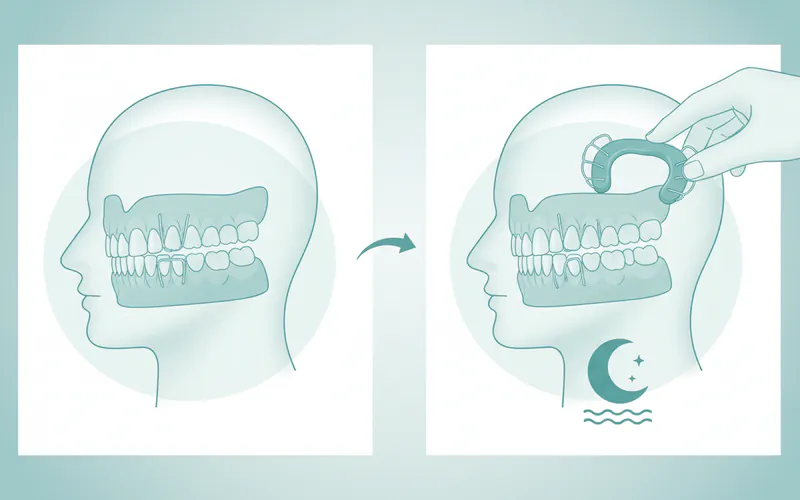
Pro Tip: Always carry your retainer case with you. When you remove your retainer to eat, immediately place it in its case. This simple habit drastically reduces the chances of loss or damage, which are two of the most common retainer mishaps.
Cost and Insurance: Understanding the Financial Aspect
Understanding the cost of a Hawley retainer and potential insurance coverage is a significant concern for many patients. The prices can vary based on several factors, including geographic location, the orthodontist's practice, and whether the retainer is included in the overall cost of braces.
Average US Cost Ranges for Hawley Retainers
- Per Arch: The typical cost for a custom-made Hawley retainer ranges from $300 to $600 per arch (i.e., upper or lower). If you need retainers for both arches, the total could be $600 to $1,200.
- Included in Braces Cost: Many orthodontic treatment plans, especially those for comprehensive braces, include the cost of the first set of retainers (often one for each arch) as part of the total braces cost. In these cases, you might not see a separate charge for the initial Hawley retainers. However, replacement retainers are almost always an out-of-pocket expense.
- Replacement Retainers: If you lose or break your Hawley retainer, the replacement cost typically falls within the $150 to $500 range, depending on the complexity and your orthodontist's fees. This is why proper care and storage are so important.
Factors Influencing Cost:
- Geographic Location: Costs tend to be higher in major metropolitan areas and regions with a higher cost of living (e.g., New York, California) compared to rural areas.
- Orthodontist's Practice: Fees can vary between different orthodontic practices based on their overhead, experience, and the specific materials they use.
- Complexity of Case: While Hawley retainers are standard, extremely complex cases might require slight modifications that could impact the cost.
- Type of Impression: Digital scans might sometimes be slightly more expensive than traditional impressions, but this is usually negligible in the overall cost.
Insurance Coverage for Retainers
Dental insurance coverage for retainers can be complex and often limited.
- Orthodontic Benefits: If your dental insurance plan includes orthodontic benefits, the initial set of retainers is often covered as part of the overall orthodontic treatment. However, many plans have a lifetime maximum for orthodontic coverage, and once that limit is reached, subsequent costs (like replacement retainers) will be out-of-pocket.
- Specific Retainer Coverage: Some plans specifically exclude retainers or only cover a portion of their cost. It's crucial to check your policy details.
- Waiting Periods: Be aware that some orthodontic benefits have waiting periods before they can be utilized.
- Filing Claims: Your orthodontist's office will typically help you file claims. If retainers are part of your initial treatment, they'll be submitted under the orthodontic code. If they're replacements, they may be submitted under a different code.
Pro Tip: Always contact your dental insurance provider directly before starting orthodontic treatment or needing a replacement retainer. Ask specific questions about:
- "Is the cost of the first set of retainers included in my orthodontic benefits?"
- "What is my lifetime maximum for orthodontic coverage, and how much have I used?"
- "Are replacement retainers covered, and if so, what percentage?"
- "Are there any limitations or waiting periods for retainer coverage?"
Understanding these details upfront can prevent unexpected financial surprises related to your braces cost and retention.
Recovery and Aftercare: Maintaining Your Investment
The "recovery" phase for a Hawley retainer primarily refers to adapting to wearing it, as discussed earlier. The real long-term effort lies in consistent aftercare, which is critical for the retainer's longevity and your smile's stability.
Daily Cleaning Routine
Your Hawley retainer needs to be cleaned every time you remove it, especially after eating, to prevent plaque and bacteria buildup.
- Brush and Rinse: After removing your retainer, rinse it thoroughly with cool or lukewarm water. Then, use a soft-bristled toothbrush and a non-abrasive soap (like hand soap) or a specialized retainer cleaner to gently brush all surfaces of the acrylic and wire. Avoid toothpaste, especially abrasive kinds, as it can scratch the acrylic, creating microscopic grooves where bacteria can accumulate and dull the retainer's appearance.
- Soaking (Optional but Recommended): For a deeper clean, soak your retainer daily or a few times a week in a specialized retainer cleaning tablet solution (e.g., Efferdent, Retainer Brite) or a diluted mouthwash (non-alcoholic) for 10-20 minutes. Always follow the product instructions. Rinse thoroughly after soaking.
- Thorough Rinse: Always rinse your retainer thoroughly with water before placing it back in your mouth to remove any cleaning solution residue.
Storage and Handling
Proper storage and handling are paramount to prevent loss or damage.
- Use Your Case: When your retainer is not in your mouth, it must be in its protective hard-shell case. This is the single most important rule. Leaving it on a napkin, in a pocket, or loosely in a bag is a recipe for disaster (loss or breakage).
- Keep Away from Heat: Never expose your Hawley retainer to high heat (e.g., hot water, direct sunlight, car dashboard) as the acrylic can warp, rendering it unusable.
- Handle with Care: Always remove and insert your retainer by pushing or pulling on the acrylic base, not the metal wire. Bending the wire can alter the fit and compromise its effectiveness.
- Keep Away from Pets: Dogs, in particular, are notorious for chewing on retainers. Always keep your case securely closed and out of reach of pets.
Regular Check-ups
Even with diligent care, your retainer may need occasional adjustments or evaluation.
- Orthodontic Follow-ups: Your orthodontist will likely schedule follow-up appointments after you get your retainers to ensure they fit correctly and your teeth are stable. These usually occur every few months initially, then annually.
- Professional Cleaning: During your regular dental check-ups, your dental hygienist can also inspect your retainer for excessive plaque buildup or wear.
Pro Tip: If your retainer ever feels loose, tight, or uncomfortable, or if you notice any visible damage (e.g., bent wire, cracked acrylic), contact your orthodontist immediately. Do not attempt to fix it yourself. Early intervention can often save you the cost of a full replacement.
Prevention: The Lifelong Commitment to a Straight Smile
When we talk about "prevention" in the context of a Hawley retainer, we're primarily referring to the prevention of orthodontic relapse. The retainer itself is the preventative measure. There's no "prevention" of needing a retainer once you've had orthodontic treatment; it's a non-negotiable part of the process.
However, there are ways to ensure your Hawley retainer effectively prevents relapse and serves its purpose for as long as possible:
- Consistent Wear as Prescribed: This is the most critical aspect. Adhere strictly to your orthodontist's wearing schedule—full-time initially, then diligently every night for the long term. Many people underestimate the lifelong commitment required. Teeth can and will shift, even years after braces, if retention is not maintained. The ADA (American Dental Association) emphasizes the importance of long-term retention.
- Maintain Excellent Oral Hygiene: While not directly preventing relapse, good oral hygiene prevents issues that could compromise your retainer's use or your overall dental health. Cavities or gum disease might require treatment that necessitates removing or adjusting the retainer. Clean your teeth and gums thoroughly before putting your retainer in.
- Protect Your Retainer: As detailed in the Aftercare section, preventing damage or loss is key. A broken or lost retainer means a period without retention, during which relapse can quickly occur, potentially leading to additional braces cost or treatment.
- Address Harmful Oral Habits: If you have habits like tongue thrusting, bruxism (teeth grinding), or clenching, discuss these with your orthodontist. While a Hawley retainer helps, addressing the root cause of these habits can further stabilize your bite and prevent undue stress on your teeth and retainer.
- Regular Dental and Orthodontic Check-ups: These appointments allow your dental professional to monitor your retainer's fit, your teeth's stability, and your overall oral health. They can catch minor shifts early and make adjustments as needed.
Remember, your Hawley retainer is an investment in protecting the significant investment you made in your orthodontic treatment. Lifelong retention is often the recommendation for lifelong straight teeth.
Risks and Complications
While Hawley retainers are generally safe and effective, there are a few potential risks and complications:
- Orthodontic Relapse: The most significant risk is that teeth will shift if the retainer is not worn as prescribed or if it is lost/broken and not replaced promptly. This can lead to the need for re-treatment, incurring additional braces cost and time.
- Speech Impediments: As mentioned, a temporary lisp or difficulty with certain sounds is common. For some, it may persist longer, though usually it resolves with practice.
- Discomfort or Soreness: Initially, the retainer might feel tight or cause mild soreness as your mouth adapts. Pressure points can develop if the retainer isn't perfectly fitted or if adjustments are needed. Persistent pain requires an orthodontist visit.
- Allergic Reactions: While rare, some individuals may have an allergic reaction to the acrylic material or the metal wire. Symptoms might include redness, itching, or swelling of the gums or palate. If suspected, consult your orthodontist.
- Breakage or Warping: Dropping the retainer, exposing it to heat, or mishandling it can lead to damage. A bent wire or cracked acrylic compromises its fit and effectiveness.
- Loss: Because they are removable, Hawley retainers can be easily lost, particularly when removed for eating. This is why a retainer case is indispensable.
- Hygiene Issues: Inadequate cleaning of the retainer can lead to plaque buildup on the appliance itself, which can then transfer bacteria to your teeth and contribute to bad breath, gum inflammation (gingivitis), or even an increased risk of cavities.
- Impaction of Third Molars (Wisdom Teeth): While a retainer holds the front teeth, it doesn't always prevent wisdom teeth from erupting and potentially causing crowding in the molar region, which can sometimes exert forward pressure on the rest of the arch. Your orthodontist will monitor wisdom teeth development.
Children and Pediatric Considerations
Hawley retainers are frequently used in pediatric orthodontics, often following traditional braces for adolescents. There are specific considerations when it comes to children and their retainers:
Compliance is Key
- Parental Supervision: Children and teenagers often require consistent reminders and supervision from parents to ensure they wear their Hawley retainers as prescribed. This involves enforcing the full-time wear schedule initially and transitioning to nightly wear without fail.
- Education and Motivation: Explaining why the retainer is so important in simple terms can help motivate children. Emphasize that it protects the beautiful smile they worked so hard to achieve. Show them before-and-after photos of their own teeth to highlight the transformation.
- Incorporating into Routine: Help your child make wearing and cleaning their retainer a part of their daily routine, similar to brushing their teeth. A designated spot for the retainer case (out of reach of pets!) can be helpful.
Common Pediatric Challenges
- Loss: Children are more prone to losing their retainers, especially in school cafeterias or during sports activities. Stress the importance of immediately placing it in its case when removed.
- Damage: Accidental breakage is also more common with children due to rough play or improper handling.
- Speech Adaptation: Younger children may take slightly longer to adapt to speech changes, but with encouragement and practice, they usually overcome this quickly.
- Growth and Development: Orthodontists will consider a child's ongoing growth and development when planning retention. Sometimes, minor adjustments might be needed more frequently if growth spurts affect the fit.
Early Intervention and Phased Treatment
In some cases, a Hawley retainer might even be used as part of "Phase 1" or interceptive orthodontic treatment in younger children (ages 6-10) before all permanent teeth have erupted. This might be to maintain space, correct a bite issue, or influence jaw growth. In these instances, the retainer's role and wearing schedule will be specifically tailored to the child's developmental stage.
Pro Tip for Parents: Make the retainer "cool" or at least acceptable. Allow your child to choose a fun color for the acrylic base, which can increase their sense of ownership and willingness to wear it. Involve them in the cleaning process.
Cost Breakdown
A detailed look at the financial aspects of Hawley retainers is essential, especially considering it's an ongoing commitment after the initial braces cost.
Average US Costs (Ranges)
- Initial Hawley Retainer (per arch):
- Low: $300
- Mid: $450
- High: $600
- Note: This refers to the cost if purchased separately. Often, the first set is included in the total orthodontic treatment fee.
- Replacement Hawley Retainer (per arch):
- Low: $150
- Mid: $300
- High: $500
- Note: Replacements are almost always an out-of-pocket expense.
With vs. Without Insurance
- With Insurance: If your dental insurance includes orthodontic benefits, the initial cost of retainers may be partially or fully covered up to a lifetime maximum. For example, a plan might cover 50% of orthodontic costs up to a $2,000-$3,000 lifetime maximum. If your total braces cost was $5,000 and your plan covered $2,500, the retainer portion would be included in that benefit. However, replacement retainers are less likely to be covered.
- Without Insurance: Without dental insurance that offers orthodontic benefits, all costs related to your Hawley retainers will be entirely out-of-pocket. This includes the initial set (if not bundled with treatment) and any replacements.
Payment Plans and Financing Options
For those without sufficient insurance coverage or who face unexpected replacement costs, several financing options are available:
- In-Office Payment Plans: Many orthodontic practices offer interest-free payment plans, allowing you to pay the cost of your retainers (or the remaining balance of your overall treatment) over several months.
- Dental Credit Cards: Specialized healthcare credit cards, such as CareCredit or LendingClub, offer promotional financing options, often with deferred interest if the balance is paid within a specified period (e.g., 6, 12, or 18 months).
- Flexible Spending Accounts (FSAs) and Health Savings Accounts (HSAs): If you have an FSA or HSA through your employer, you can use these tax-advantaged accounts to pay for orthodontic expenses, including retainers. These accounts allow you to use pre-tax dollars for eligible medical and dental costs.
Cost-Saving Tips
- Bundle with Braces: The most cost-effective way to get your first set of Hawley retainers is often as part of a comprehensive orthodontic treatment package. Discuss this upfront with your orthodontist.
- Prevent Loss/Damage: This is the single biggest cost-saver. Diligent care, proper storage in its case, and keeping it away from pets can save you hundreds of dollars in replacement fees.
- Shop Around (for replacements): While it's best to get a replacement from your original orthodontist who has your records, for significantly higher replacement costs, it might be worth getting a quote from another general dentist or orthodontist, particularly if you have moved. However, consistency of care is often preferred.
- Regular Check-ups: Attending your scheduled follow-up appointments ensures your retainer fits well and is working correctly. Minor adjustments are typically included in your initial treatment fee or are a small office charge, preventing larger issues that could lead to full replacement.
Frequently Asked Questions
What is a Hawley retainer made of?
A Hawley retainer is primarily made of two components: a custom-molded acrylic base that fits against the palate or tongue-side of your teeth, and a thin, sturdy metal wire (usually stainless steel) that runs across the front of your teeth and includes clasps to secure it around the molars.
How long do I need to wear my Hawley retainer?
The wearing schedule typically starts with full-time wear (20-22 hours per day, removed only for eating and brushing) for the first 3-6 months after braces. After this initial period, most orthodontists recommend transitioning to nightly wear, indefinitely. Many people wear their retainers several nights a week for the rest of their lives to ensure lifelong retention.
Does wearing a Hawley retainer hurt?
Initially, you may experience some tightness or mild discomfort as your teeth and mouth adjust to the retainer. This usually subsides within a few days. If the retainer causes persistent pain or creates sore spots, it's crucial to contact your orthodontist for an adjustment. It should feel snug, not painful.
Can I eat or drink with my Hawley retainer in?
It is generally recommended to remove your Hawley retainer when eating or drinking anything other than plain water. Food particles can get trapped under the retainer, and sugary or acidic drinks can stain the acrylic or potentially cause damage to your teeth if trapped against them. Always clean your retainer and mouth before putting it back in.
How do I clean my Hawley retainer?
You should clean your Hawley retainer daily by brushing it gently with a soft-bristled toothbrush and a non-abrasive soap (like hand soap) and rinsing with cool water. Avoid using toothpaste, as it can scratch the acrylic. You can also soak it periodically in a specialized retainer cleaning solution for a deeper clean.
What happens if I stop wearing my Hawley retainer?
If you stop wearing your Hawley retainer, your teeth will almost certainly begin to shift back towards their original positions. This process, known as orthodontic relapse, can happen quickly or gradually over months and years, undoing the results of your orthodontic treatment and potentially requiring a second round of braces.
Can my Hawley retainer be repaired if it breaks?
Minor breaks, such as a slightly bent wire, can often be repaired by your orthodontist. However, if the acrylic base cracks significantly or the wire breaks in multiple places, a full replacement is usually necessary. Always contact your orthodontist if your retainer is damaged; do not attempt to fix it yourself.
How much does it cost to replace a lost Hawley retainer?
The cost to replace a lost Hawley retainer typically ranges from $150 to $500 per arch in the United States, depending on your orthodontist's fees and location. This cost is usually out-of-pocket, as dental insurance rarely covers replacement retainers.
Are there alternatives to a Hawley retainer?
Yes, common alternatives include clear plastic retainers (like Essix or Vivera), which are nearly invisible and fit over the entire tooth surface, and fixed (bonded) retainers, which are thin wires permanently glued to the back of your teeth, typically on the lower front. Each type has its own pros and cons regarding aesthetics, durability, and maintenance.
Will a Hawley retainer affect my speech?
Yes, it is very common for a Hawley retainer to cause a slight lisp or affect your speech initially, especially with "s" and "th" sounds. This is because your tongue needs to adapt to the presence of the acrylic and wire in your mouth. Most people adjust quickly, often within a few days to a week, by practicing speaking and reading aloud.
When to See a Dentist
While Hawley retainers are an essential part of maintaining your smile, knowing when to contact your dental professional is crucial for addressing any issues promptly.
Red Flags (Seek Immediate Attention):
- Severe Pain: If your Hawley retainer causes intense, persistent pain or creates significant pressure sores on your gums or palate, remove it and call your orthodontist immediately. This indicates a fit issue that needs urgent adjustment.
- Retainer is Broken or Damaged: If the wire is significantly bent, broken, or the acrylic base is cracked, contact your orthodontist right away. A damaged retainer cannot effectively hold your teeth, and delay can lead to rapid shifting.
- Lost Retainer: If you lose your retainer, contact your orthodontist as soon as possible. The longer you go without it, the greater the risk of your teeth shifting, potentially necessitating a new set of impressions or even re-treatment.
- Difficulty Breathing or Swallowing: Although rare, if you experience any significant difficulty breathing or swallowing while wearing your retainer, remove it immediately and seek emergency dental or medical attention. This could indicate a severe allergic reaction or an improper fit.
Routine Care & Concerns (Schedule a Regular Appointment):
- Retainer Feels Loose or Too Tight: If your retainer no longer feels snug or becomes noticeably loose, or if it feels consistently tight even after the initial adjustment period, it's a sign that your teeth might be shifting or the retainer needs an adjustment.
- Noticeable Tooth Movement: If you observe any visible gaps appearing, crowding returning, or any teeth appearing to have shifted, contact your orthodontist. Early intervention can prevent minor shifts from becoming major problems.
- Persistent Speech Issues: While initial speech changes are normal, if a lisp or other speech impediment persists for several weeks without improvement, discuss it with your orthodontist.
- Unpleasant Odor or Taste: Despite regular cleaning, if your retainer develops a persistent foul odor or taste, it could indicate severe bacterial buildup or an issue with the acrylic.
- General Wear and Tear: Over time, your retainer may show signs of wear. If you notice significant abrasion, thinning of the acrylic, or concerns about its integrity, mention it during your next scheduled orthodontic or dental check-up.
Always prioritize the health and stability of your smile. Your orthodontist is your partner in lifelong retention, and open communication about any concerns will help you maintain your beautiful, healthy smile for many years to come.
Frequently Asked Questions
Medically Reviewed Content
This article was written by our dental health editorial team and reviewed for medical accuracy. Our content follows strict editorial guidelines for reliability and trustworthiness.
Medical Disclaimer
This article is for informational purposes only and does not constitute medical advice. Always consult with a qualified dental professional for diagnosis and treatment. Do not delay seeking professional advice because of something you read on this website.
Related Articles
Retainer Fee: Complete Guide
The journey to a perfectly aligned smile doesn't end when your braces come off or your last clear aligner tray is discarded. In fact, a crucial phase, often overlooked but absolutely essential for maintaining your results, begins: retention. For many, the idea of a retainer fee can be an unexpec
February 22, 2026
Braces for Adults: Complete Guide
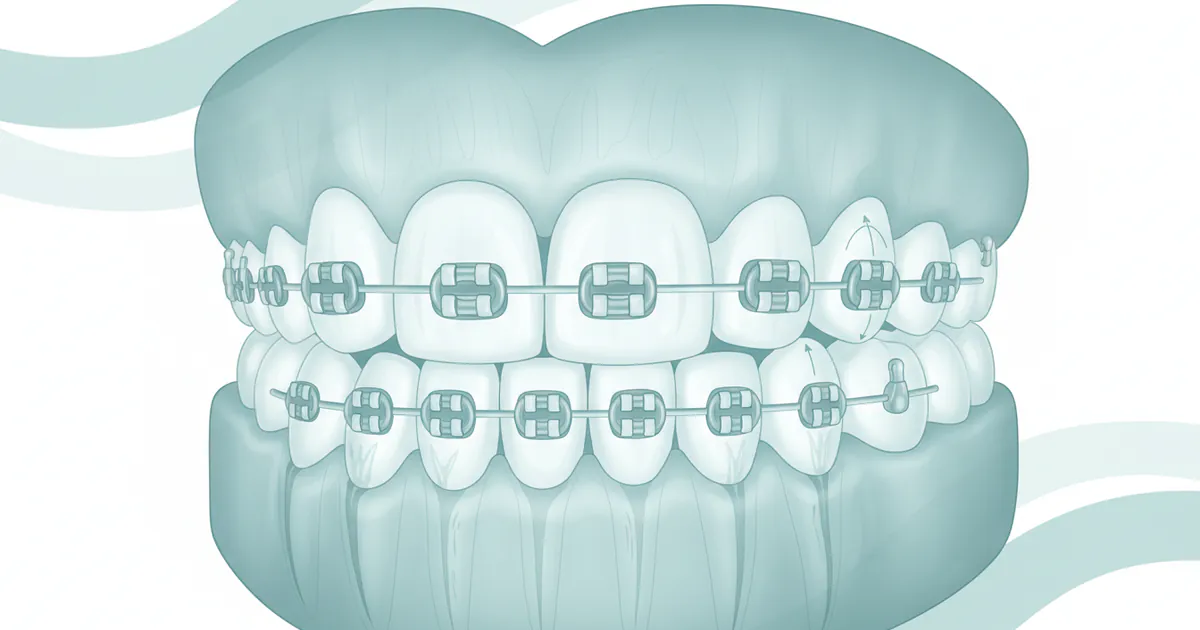
Braces for Adults: Complete Guide Category: Orthodontics
February 22, 2026
Invisalign Braces: Complete Guide
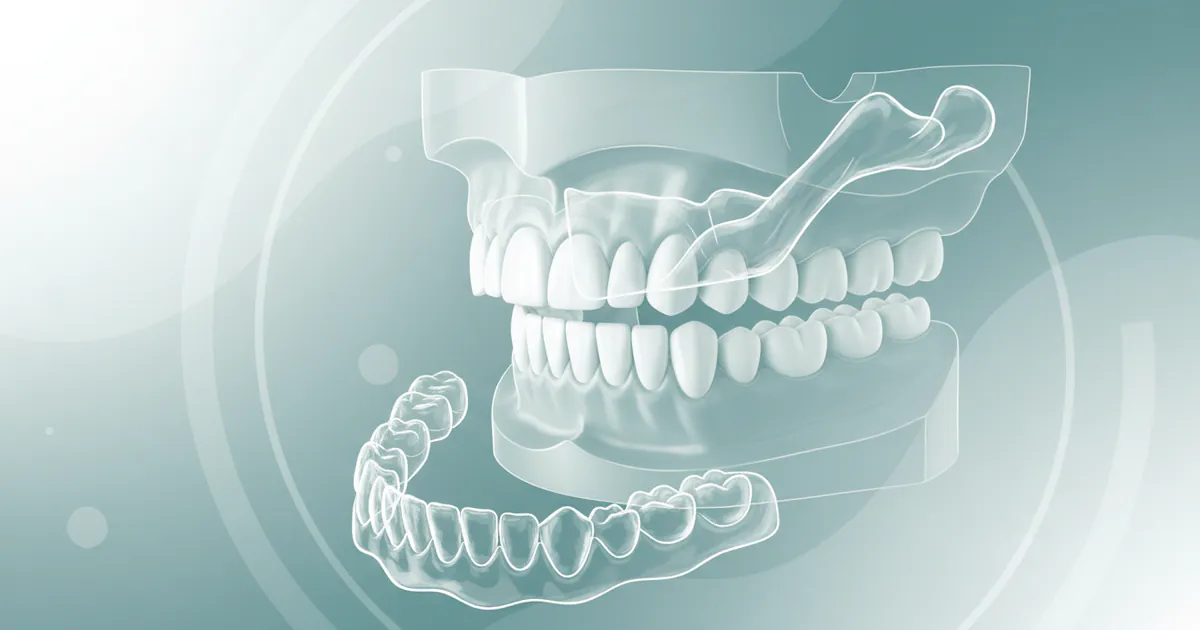
A radiant, perfectly aligned smile is more than just aesthetically pleasing; it's a gateway to improved oral health, enhanced confidence, and even better overall well-being. For millions of Americans seeking to correct misaligned teeth, the thought of traditional metal braces can be daunting, often
February 22, 2026
Adult Braces: Complete Guide
Adult Braces: Complete Guide
February 22, 2026