What Is Jaw Clenching
Key Takeaways
- Do you often wake up with a dull headache, a sore jaw, or unexplained tooth sensitivity? You're not alone. Approximately 1 in 10 adults and up to 3 in 10 children experience some form of bruxism, a condition characterized by grinding, gnashing, or clenching your teeth. At the heart of this wides
What Is Jaw Clenching
Do you often wake up with a dull headache, a sore jaw, or unexplained tooth sensitivity? You're not alone. Approximately 1 in 10 adults and up to 3 in 10 children experience some form of bruxism, a condition characterized by grinding, gnashing, or clenching your teeth. At the heart of this widespread issue is what is jaw clenching – a powerful, often unconscious, tightening of your jaw muscles that can exert immense pressure on your teeth and temporomandibular joints (TMJ). This persistent habit can lead to a cascade of painful symptoms and serious dental complications if left unaddressed.

Understanding jaw clenching is the first step toward managing its impact on your oral health and overall well-being. This comprehensive guide will delve into the different types of jaw clenching, explore its underlying causes, detail the tell-tale signs to look out for—including specific signs of teeth grinding in sleep and signs of teeth grinding molars—and outline the most effective treatment options available today. We'll also cover recovery, prevention strategies, cost considerations, and provide crucial advice on when to seek professional dental help, empowering you to protect your smile and alleviate discomfort.
Key Takeaways:
- What is Jaw Clenching: It's an involuntary tightening of jaw muscles, often part of bruxism, exerting significant pressure on teeth and the jaw joint.
- Common Signs: Look for worn tooth enamel, flattened teeth, increased sensitivity, jaw pain, headaches (especially upon waking), and clicking/popping in the jaw joint.
- Diagnosis & Treatment: A dentist diagnoses clenching through examination and patient history. Treatment often involves custom-fitted oral appliances (mouthguards/splints) ranging from $300 to $800 for OTC and $500 to $2,500+ for custom.
- Beyond Appliances: Other treatments include stress management, physical therapy, dental corrections (e.g., crowns, orthodontics), and sometimes Botox injections (costing $300-$1,000 per session).
- Insurance Coverage: Most dental insurance plans may cover a portion of diagnostic visits and custom oral appliances, typically 50-80%, but specific coverage varies widely.
- Prevention & Management: Stress reduction, good sleep hygiene, avoiding stimulants (caffeine, alcohol) before bed, and regular dental check-ups are key to prevention and long-term management.
- Complications: Untreated jaw clenching can lead to severe tooth wear, fractures, gum recession, chronic TMJ disorders, and persistent headaches, potentially requiring extensive and costly restorative dental work.
What Is Jaw Clenching? An Overview
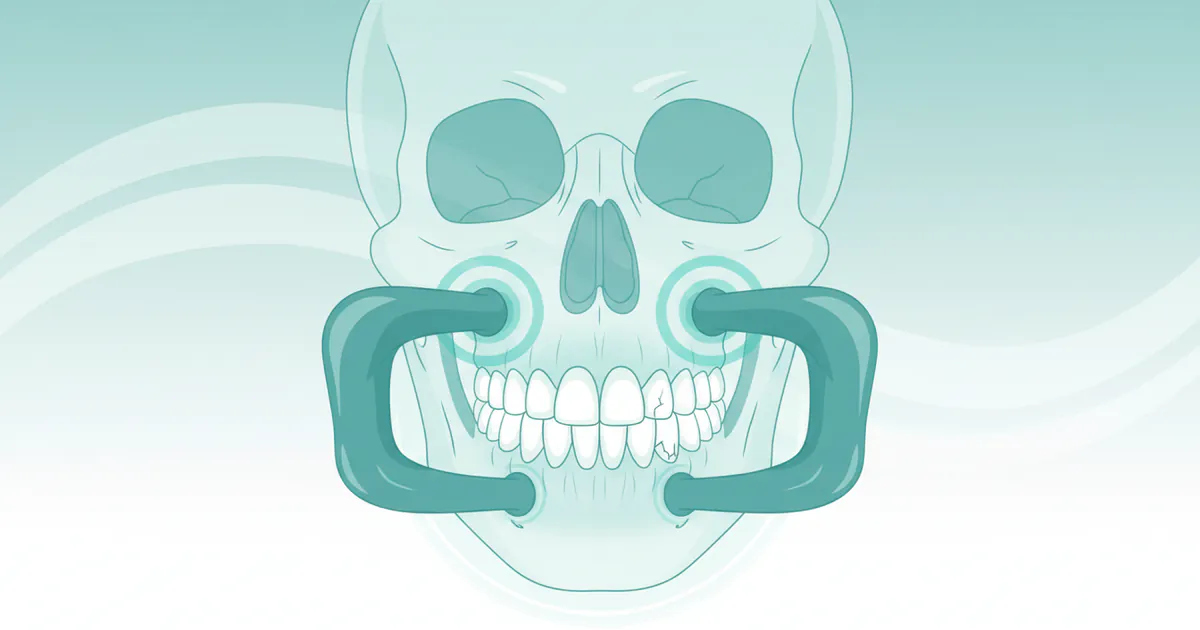
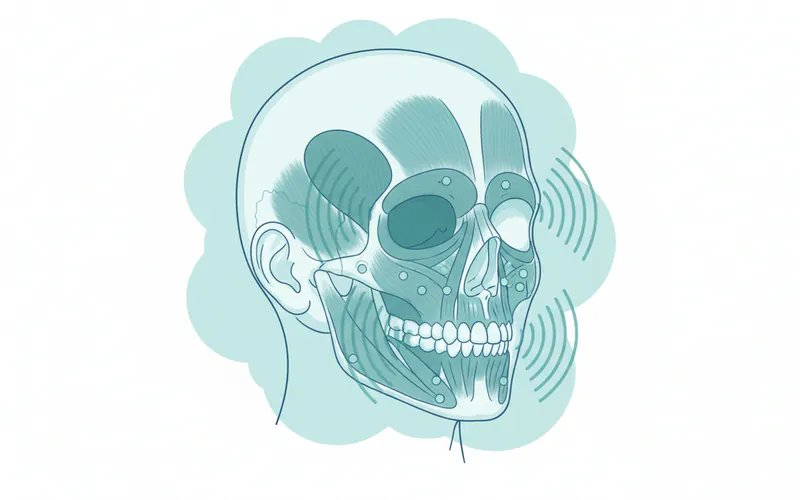
Jaw clenching is the sustained, forceful contraction of the muscles that move your jaw, particularly the masseter and temporalis muscles. Unlike teeth grinding (which involves lateral or horizontal movements that wear down tooth surfaces), clenching primarily involves a vertical, static force. This intense pressure can be sustained for prolonged periods, often unconsciously, and can place immense strain on your teeth, gums, supporting bone, and the temporomandibular joints (TMJs) located just in front of your ears.
Jaw clenching is a major component of a broader condition known as bruxism. While the terms "clenching" and "grinding" are often used interchangeably, it's helpful to distinguish them:
- Clenching: Sustained static pressure, often without movement. Think of biting down hard and holding it.
- Grinding: Rhythmic, non-functional rubbing of the upper and lower teeth against each other.
Both clenching and grinding fall under the umbrella of bruxism and can lead to similar detrimental effects on your oral health and overall well-being. It’s an involuntary parafunctional habit, meaning it’s an oral activity outside of normal functions like chewing, speaking, or swallowing.
Types of Jaw Clenching
Jaw clenching, as a form of bruxism, is categorized primarily by when it occurs:
- Awake Bruxism (AB): This occurs when a person is conscious. While it can be fully conscious, it's often a subconscious habit during periods of concentration, stress, or anxiety. You might find yourself clenching your jaw while working, driving, or even exercising without realizing it. Awake bruxism tends to involve more clenching than grinding.
- Sleep Bruxism (SB): This occurs during sleep and is entirely involuntary and unconscious. It's often considered a sleep-related movement disorder, alongside conditions like restless legs syndrome. Sleep bruxism is generally more intense and damaging than awake bruxism because the normal inhibitory mechanisms that protect teeth during wakefulness are absent. People are typically unaware they are doing it, often learning about it from a sleeping partner or a dentist during an examination. Sleep bruxism can involve both clenching and grinding.
Bruxism can also be classified as:
- Primary (Idiopathic) Bruxism: When there's no identifiable medical cause. It's thought to be related to central nervous system factors.
- Secondary Bruxism: When it's linked to an underlying medical condition, medication, or substance use.
Causes: Why Jaw Clenching Happens
The precise cause of jaw clenching is often multifactorial and can vary significantly from person to person. However, research points to several key contributing factors:
Psychological Factors
- Stress and Anxiety: This is perhaps the most common trigger. Emotional stress, anxiety, frustration, anger, or tension can manifest physically as jaw clenching, particularly during sleep. The jaw muscles tighten as a physiological response to stress.
- Personality Type: Individuals with aggressive, competitive, or hyperactive personality types may be more prone to bruxism.
Sleep-Related Factors
- Sleep Disorders: Conditions like sleep apnea (where breathing repeatedly stops and starts) are strongly associated with sleep bruxism. The body may clench or grind as a subconscious effort to open the airway.
- Sleep Position: Some studies suggest certain sleeping positions might exacerbate clenching, though this link is less definitive.
Physical and Dental Factors
- Malocclusion (Improper Bite): When your upper and lower teeth don't align correctly, it can lead to uneven pressure points. Your jaw muscles might subconsciously try to find a more comfortable or stable bite, leading to clenching or grinding.
- TMJ Disorders (TMD): While bruxism can cause TMD, existing TMD can also contribute to or be exacerbated by clenching, creating a vicious cycle of pain and dysfunction.
- Developmental Factors: In children, developing jaw muscles and erupting teeth can sometimes contribute to transient clenching.
Medications and Substances
- Antidepressants: Certain antidepressant medications, particularly Selective Serotonin Reuptake Inhibitors (SSRIs) like fluoxetine (Prozac), paroxetine (Paxil), and sertraline (Zoloft), are known to cause or worsen bruxism in some individuals.
- Stimulants: Medications for ADHD, like amphetamines, can increase muscle activity, including jaw clenching.
- Caffeine and Alcohol: Excessive intake of caffeine and alcohol, especially before bed, can disrupt sleep patterns and increase muscle tension, contributing to clenching.
- Recreational Drugs: Amphetamines and ecstasy are well-known to cause significant jaw clenching.
- Tobacco: Nicotine is a stimulant that can affect sleep and muscle activity.
Other Medical Conditions
- Neurological Conditions: Certain conditions such as Parkinson's disease, Huntington's disease, and epilepsy can be associated with bruxism.
- Gastroesophageal Reflux Disease (GERD): Some research suggests a link between GERD and sleep bruxism, possibly due to airway reflexes.
Understanding these potential causes is crucial for effective diagnosis and treatment, as addressing the root cause can often alleviate the symptoms.
Signs and Symptoms: What to Look For
Recognizing the signs of teeth grinding in sleep and the signs of teeth grinding molars is vital for early intervention. Jaw clenching can manifest in a variety of ways, ranging from subtle discomfort to severe pain and extensive dental damage. Many people are unaware they clench their jaw until a dentist points out the signs.
Dental Signs and Symptoms
These are often the most direct indicators, particularly the signs of teeth grinding molars:
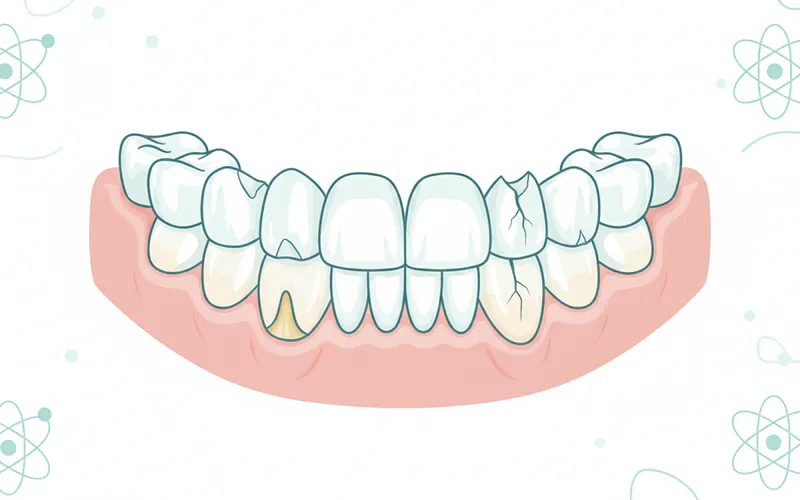
- Worn Tooth Enamel: Your teeth may appear flattened, shortened, or have worn spots, especially on the biting surfaces of your molars. This is a classic sign of grinding and clenching over time.
- Increased Tooth Sensitivity: As enamel wears away, the underlying dentin (which contains microscopic tubules leading to the nerve) becomes exposed, leading to sensitivity to hot, cold, sweet, or acidic foods and drinks.
- Chipped, Fractured, or Cracked Teeth: The extreme force of clenching can cause teeth to chip, especially along the biting edges, or develop small cracks (craze lines). In severe cases, it can lead to tooth fractures, sometimes extending below the gum line, requiring crowns or even extraction.
- Abfraction Lesions: These are wedge-shaped notches that form near the gum line, often on the outer surface of the teeth. They are caused by the flexing of the tooth under immense clenching forces, leading to the breakdown of enamel and dentin at the gum margin.
- Receding Gums: The constant pressure can contribute to gum recession, making teeth appear longer and increasing sensitivity.
- Loose Teeth: In extreme, chronic cases, the forces can damage the periodontal ligament that holds teeth in place, leading to tooth mobility.
- Indentations on the Tongue: Scalloped edges on the sides of your tongue can indicate habitual clenching where your tongue is pressed against your teeth.
- Line on the Inside of the Cheek (Linea Alba): A white line often runs horizontally along the inside of the cheek, at the level where the upper and lower teeth meet. This forms from constant friction or biting of the cheek tissue during clenching.
Facial and Jaw-Related Symptoms
- Jaw Pain or Stiffness: You might feel soreness, tenderness, or a dull ache in your jaw muscles, especially in the morning after sleep clenching.
- Muscle Fatigue: Your jaw muscles may feel tired or overworked, even when you haven't been chewing.
- Limited Jaw Movement: Difficulty opening your mouth wide, or a feeling of "lockjaw" where your jaw gets stuck in a closed or open position.
- Clicking, Popping, or Grating Sounds in the Jaw Joint: These sounds can indicate dysfunction or damage within the temporomandibular joint (TMJ).
- Referred Pain: Pain that originates in the jaw but is felt in other areas, such as the ears (mimicking an earache), neck, or shoulders.
- Enlarged Jaw Muscles: Chronic clenching can lead to hypertrophy (enlargement) of the masseter muscles, sometimes giving the face a squarer appearance.
Head and Neck Symptoms
- Headaches: Frequent tension headaches, especially in the temples or forehead, are a very common symptom, often present upon waking. Some individuals experience migraine-like headaches.
- Neck Pain: Tension in the jaw muscles can extend to the neck and shoulders, causing stiffness and pain.
- Earaches: As mentioned, referred pain from the TMJ can be perceived as an earache, even when there's no ear infection present.
Sleep-Related Symptoms (Specific to Sleep Bruxism)
These are the primary signs of teeth grinding in sleep:
- Disrupted Sleep: The clenching itself might briefly awaken you, or the associated pain could disturb your sleep.
- Partner's Observation: A sleeping partner may report hearing grinding noises during the night. This is often how individuals first become aware they are clenching or grinding.
- Morning Symptoms: Waking up with a headache, jaw soreness, or facial pain is a classic indicator of sleep bruxism.
Pro Tip: If you suspect you might be clenching your jaw, try placing your fingertips gently on your temples and along your jawline near your ears. Clench your teeth, and you should feel these muscles bulge and contract. If they feel constantly tense or sore, it’s a strong indicator.
Treatment Options
Effective management of jaw clenching often requires a multi-faceted approach, combining dental interventions with lifestyle modifications and sometimes medical treatments. The goal is to protect your teeth, alleviate pain, and address the underlying causes.
1. Oral Appliances (Mouthguards/Nightguards/Splints)
These are the most common and often the first line of defense, especially for sleep bruxism.
- Custom-Fitted Nightguards (Occlusal Splints): Fabricated by your dentist from an impression of your teeth, these are made of durable acrylic and fit precisely over your upper or lower teeth. They create a protective barrier, absorb the forces of clenching, and can help to reposition the jaw into a more relaxed position, reducing muscle strain.
- Pros: Highly effective at protecting teeth from wear and fractures, can reduce jaw pain and headaches, custom fit offers superior comfort and retention.
- Cons: Can be expensive, requires regular cleaning, may take some getting used to.
- Boil-and-Bite Mouthguards: Available over-the-counter (OTC) at drugstores, these are softened in hot water and then molded to your teeth by biting down.
- Pros: Inexpensive, readily available.
- Cons: Less durable, poorer fit, can be uncomfortable, may shift during sleep, less effective in repositioning the jaw.
- Soft vs. Hard Splints: Dentists often prefer hard acrylic splints for bruxism as soft splints can sometimes encourage more clenching for some individuals.
2. Dental Corrections and Restorations
For damage already caused by clenching, or when bite issues are a contributing factor:
- Restorative Dentistry:
- Fillings, Crowns, Onlays: To repair severely worn, chipped, or fractured teeth, restoring their shape and function.
- Bonding: Dental resin can be used to repair minor chips and improve the appearance of worn teeth.
- Orthodontics: If malocclusion (an improper bite) is a significant contributing factor, orthodontic treatment (braces or clear aligners) can correct the bite, reducing stress on the TMJ and teeth.
- Occlusal Adjustment: In rare cases, minor reshaping of the biting surfaces of a few teeth (equilibration) may be performed to improve the bite, but this is a complex procedure and not universally recommended for bruxism.
3. Medications
- Muscle Relaxants: Prescribed for short-term use, typically taken before bed, to relax jaw muscles and reduce clenching intensity.
- Pain Relievers and Anti-inflammatories: Over-the-counter NSAIDs (like ibuprofen) or prescription medications can help manage pain and inflammation associated with jaw clenching.
- Botulinum Toxin (Botox) Injections: Botox can be injected directly into the masseter muscles (jaw muscles) to temporarily weaken them, reducing the force of clenching. This can alleviate pain and prevent further tooth damage.
- Pros: Highly effective for severe cases, reduces muscle bulk, typically lasts 3-6 months.
- Cons: Temporary, requires repeat injections, can be expensive, potential for temporary side effects like difficulty chewing or asymmetry.
- Antidepressants/Anti-anxiety Medications: If stress or anxiety is a primary cause, a physician may prescribe these, though careful consideration is needed as some can cause bruxism.
4. Stress Management and Behavioral Therapies
Addressing the psychological root causes is critical for long-term management of awake bruxism and often beneficial for sleep bruxism.
- Stress Reduction Techniques: Meditation, yoga, deep breathing exercises, mindfulness, and regular physical activity can help manage stress levels.
- Cognitive Behavioral Therapy (CBT): A therapist can help identify and change thought patterns and behaviors that contribute to stress and clenching.
- Biofeedback: Electronic devices monitor muscle activity, providing real-time feedback that helps individuals learn to control and relax their jaw muscles.
- Habit Reversal: For awake clenching, being mindful and consciously relaxing the jaw muscles throughout the day can break the habit. Setting reminders on your phone can be helpful.
Pro Tip: Try the "N" technique: Rest your tongue lightly against the roof of your mouth, with your teeth slightly apart, not touching. This helps keep your jaw in a relaxed position. Think of keeping your jaw in an "N" sound position.
5. Physical Therapy and Lifestyle Adjustments
- Jaw Exercises: Specific stretches and exercises can help relax and strengthen jaw muscles, improving mobility and reducing pain. Your dentist or a physical therapist can guide you.
- Heat/Cold Therapy: Applying warm compresses to the jaw can relax muscles, while cold packs can reduce inflammation and pain.
- Dietary Changes: Avoid hard, chewy foods that put extra strain on your jaw. Opt for softer foods, especially during painful flare-ups.
- Avoid Stimulants: Reduce or eliminate caffeine and alcohol, especially in the hours leading up to bedtime, as they can exacerbate clenching.
- Sleep Hygiene: Establish a regular sleep schedule, create a relaxing bedtime routine, and ensure your sleep environment is conducive to restful sleep. Address sleep disorders like sleep apnea if present.
Step-by-Step Process: What to Expect During Treatment
The journey to managing jaw clenching typically involves several steps, starting with diagnosis and leading to a personalized treatment plan.
Step 1: Initial Consultation and Diagnosis
- Dental Examination: Your dentist will visually inspect your teeth for signs of wear, chips, fractures, and abfraction lesions, particularly
signs of teeth grinding molars. They will also examine your gums for recession. - Palpation of Jaw Muscles: Your dentist will feel your jaw muscles (masseter and temporalis) for tenderness, soreness, and hypertrophy (enlargement) while you open, close, and clench your jaw.
- TMJ Assessment: The dentist will listen for clicking, popping, or grating sounds in your temporomandibular joints and assess your jaw's range of motion.
- Patient History: You'll be asked about your symptoms (headaches, jaw pain, sensitivity), lifestyle (stress levels, caffeine/alcohol intake), medications, and sleep habits. If you have a sleeping partner, their observations of
signs of teeth grinding in sleepare very valuable. - Imaging (if necessary): X-rays may be taken to check for bone damage or other dental issues. In more complex TMJ cases, an MRI or CT scan might be recommended.
- Diagnosis: Based on these findings, your dentist will confirm if jaw clenching (bruxism) is the likely cause of your symptoms.
Step 2: Treatment Planning
- Discussion of Options: Your dentist will explain the various treatment options suitable for your specific situation, taking into account the severity of your clenching, the extent of damage, and your lifestyle.
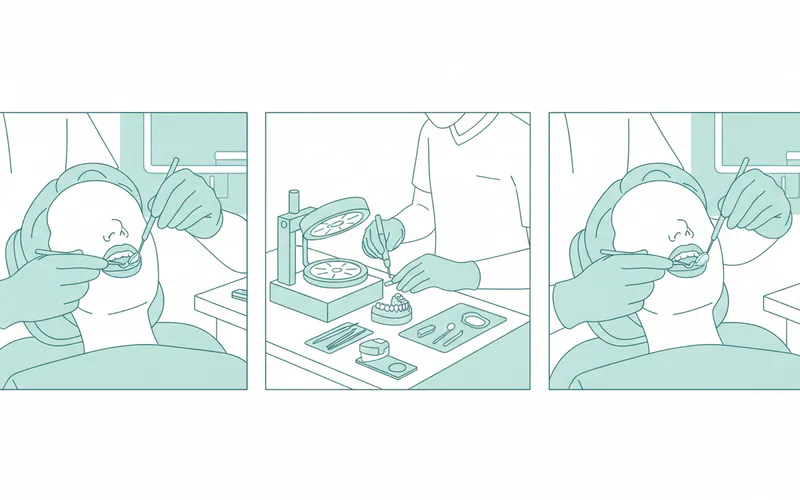
- Custom Nightguard Impression: If an oral appliance is recommended, impressions of your upper and/or lower teeth will be taken. These impressions are sent to a dental lab to fabricate a custom-fitted nightguard.
- Referrals: Depending on the suspected causes, your dentist might refer you to other specialists:
- Sleep Specialist: If sleep apnea or other sleep disorders are suspected.
- Physical Therapist: For jaw exercises and manual therapy.
- Psychologist/Therapist: For stress and anxiety management.
- Physician: To review medications or address underlying medical conditions.
Step 3: Treatment Implementation
- Nightguard Fitting: Once your custom nightguard arrives (typically 1-3 weeks), you'll have an appointment to ensure it fits comfortably and precisely. Your dentist will make any necessary adjustments and provide instructions on how to wear and care for it.
- Restorative Procedures: If tooth damage is significant, planned fillings, crowns, or other restorations will be scheduled.
- Medication Prescriptions: If muscle relaxants or other medications are deemed appropriate, your dentist or physician will provide a prescription and usage instructions.
- Therapy Sessions: You will begin any recommended physical therapy, CBT, or biofeedback sessions as planned.
- Lifestyle Changes: You will start incorporating recommended stress reduction techniques, sleep hygiene practices, and dietary adjustments into your daily routine.
Step 4: Follow-up and Adjustment
- Regular Check-ups: Regular dental check-ups are crucial to monitor the effectiveness of treatment, check for any new damage, and ensure your nightguard is still fitting correctly.
- Appliance Adjustments: Your nightguard may require occasional adjustments over time to maintain optimal comfort and effectiveness.
- Symptom Monitoring: You'll be asked to monitor your symptoms (pain, headaches, sensitivity) and report any changes to your dentist or specialist.
- Treatment Modification: Based on your progress, the treatment plan may be adjusted. For instance, if stress remains a significant factor, more intensive stress management might be recommended. If Botox was used, repeat injections will be scheduled as needed.
Cost and Insurance
The cost of treating jaw clenching can vary significantly based on the severity of the condition, the chosen treatment methods, your geographic location in the US, and your insurance coverage.
Average US Costs (Without Insurance)
| Treatment Type | Average Cost Range (US Dollars) | Details |
|---|---|---|
| Initial Dental Exam & Diagnosis | $50 - $200 | Includes consultation, oral exam, possibly X-rays. |
| Over-the-Counter Mouthguard | $20 - $80 | Boil-and-bite or pre-formed guards from drugstores. Short-term solution, less durable, not custom-fit. |
| Custom-Fitted Nightguard | $500 - $2,500 | Most common and effective. Price varies by material (soft/hard acrylic), lab fees, and dentist's expertise. Higher end for complex cases or specialized splints. |
| Dental Restorations | Varies greatly depending on extent of damage: | |
| Fillings | $100 - $400 (per tooth) | For minor chips/wear. |
| Dental Crowns | $800 - $3,000+ (per tooth) | For severely worn or fractured teeth. |
| Botox Injections for Jaw Muscles | $300 - $1,000 (per session) | Varies by clinic, number of units used, and geographic location. Typically lasts 3-6 months, so repeat injections are needed. Cosmetic vs. therapeutic application can affect pricing. |
| Physical Therapy (Jaw) | $75 - $200 (per session) | May require several sessions. |
| Stress Management/CBT | $100 - $250+ (per session) | Costs vary widely based on therapist's qualifications and location. May require multiple sessions. |
| Medications (e.g., Muscle Relaxants) | $10 - $100 (per prescription) | Varies by specific medication and whether generic is available. |
Regional Price Variations
Costs can be higher in major metropolitan areas (e.g., New York City, Los Angeles, San Francisco) compared to rural areas or cities with a lower cost of living. For example, a custom nightguard in a high-cost urban area might be closer to $1,500-$2,500, whereas in a smaller town, it might be $500-$1,000.
Insurance Coverage Details
Dental insurance coverage for jaw clenching treatments can be complex and varies widely by plan:
- Diagnostic Services: Initial exams, X-rays, and consultations are usually covered by most dental insurance plans, often at 80-100%.
- Custom-Fitted Nightguards (Occlusal Splints): Many dental insurance plans offer coverage for nightguards, often considering them a "major restorative" or "prosthodontic" service. Coverage typically ranges from 50-80% after your deductible is met. However, some plans may have waiting periods, frequency limitations (e.g., one nightguard every 3-5 years), or specific coding requirements. It's crucial to verify with your insurance provider before treatment.
- Dental Restorations: Fillings, crowns, and other restorative work needed due to damage from clenching are usually covered by dental insurance, similar to coverage for cavities or other dental issues. Fillings might be covered at 70-80%, while crowns might be 50%.
- Botox Injections: Coverage for Botox for therapeutic purposes (like TMJ pain or bruxism) is generally not covered by dental insurance. It may sometimes be covered by medical insurance if there is a clear medical diagnosis of chronic migraine or severe TMJ disorder, but this is rare and requires specific pre-authorization and documentation.
- Physical Therapy/CBT/Medications: These are typically covered by your medical insurance, not dental. Coverage depends on your specific medical plan, deductible, and co-pays.
Pro Tip: Always ask your dental office to submit a pre-treatment estimate to your insurance company. This will give you a clear understanding of what your plan will cover and what your out-of-pocket expenses will be before you commit to treatment.
Payment Plans and Financing Options
Many dental practices offer:
- In-house payment plans: Spreading the cost over several months.
- Third-party financing: Companies like CareCredit or LendingClub provide healthcare credit cards with low or no-interest payment options for qualified applicants.
- Discount dental plans: These are not insurance but membership plans where you pay an annual fee for reduced rates on dental services.
Cost-Saving Tips
- Compare Dentists: Get quotes from a few different dental offices for custom nightguards, as prices can vary.
- Utilize Insurance: Maximize your dental and medical insurance benefits by understanding your plan.
- Address Early: Treating clenching early can prevent costly restorative procedures down the line.
- Employer FSA/HSA: Use Flexible Spending Accounts (FSAs) or Health Savings Accounts (HSAs) to pay for treatments with pre-tax dollars.

Recovery and Aftercare
Recovery from the symptoms of jaw clenching and the success of aftercare largely depend on the treatment chosen and your commitment to lifestyle changes.
Immediate Post-Treatment
- Oral Appliance Adjustment Period: If you receive a custom nightguard, there might be an adjustment period of a few days to a couple of weeks. You might experience increased salivation, minor soreness, or a feeling of bulkiness in your mouth initially. This usually subsides as you get used to wearing it.
- Botox Injections: You may experience mild soreness or bruising at the injection sites. Full effects typically take 1-2 weeks to become noticeable.
- Restorative Work: If you've had fillings or crowns, follow post-procedure care instructions regarding eating and pain management.
Ongoing Aftercare
- Consistent Use of Oral Appliances: For nightguards, consistent nightly use is paramount. Skipping nights can negate the protective and therapeutic benefits.
- Appliance Cleaning and Maintenance: Clean your nightguard daily with a toothbrush and mild soap or a denture cleaner. Store it in its case when not in use to prevent damage and bacterial growth. Regular dental check-ups will include inspection of your nightguard for wear and tear.
- Adherence to Exercises and Therapy: If you've been prescribed jaw exercises or are undergoing physical therapy or CBT, consistency is key to muscle retraining and stress reduction.
- Medication Compliance: Follow your dentist's or physician's instructions for any prescribed medications.
- Lifestyle Modifications: Continue to practice stress management techniques, maintain good sleep hygiene, and limit stimulants like caffeine and alcohol, especially before bed. This is a crucial, ongoing aspect of managing awake clenching.
- Regular Dental Check-ups: Continue with your routine dental visits every six months (or as recommended by your dentist) to monitor your oral health, assess the effectiveness of your treatment, and check for new
signs of teeth grinding molarsor other damage.
Expected Recovery Timeline
- Symptom Relief: You may start to feel relief from jaw pain and headaches within a few days to a few weeks of consistently using a custom nightguard or starting other therapies.
- Tooth Protection: A nightguard offers immediate protection from wear and fracture.
- Botox Effects: Peak effect of Botox for muscle relaxation usually occurs around 2-4 weeks post-injection, with results lasting 3-6 months.
- Long-Term Management: Jaw clenching is often a chronic condition. While symptoms can be managed, lifelong commitment to protective measures and addressing root causes may be necessary to prevent recurrence and further damage.
Pro Tip: Keep a symptom diary. Note down when you experience jaw pain, headaches, or sensitivity. This can help you identify triggers (like stress or certain foods) and track the effectiveness of your treatment plan, providing valuable information for your dentist.
Prevention
While not all causes of jaw clenching are preventable, many strategies can significantly reduce the incidence and severity of the condition, minimizing signs of teeth grinding in sleep and damage to your molars.
- Stress Management: This is paramount. Incorporate stress-reducing activities into your daily routine:
- Mindfulness and Meditation: Even 10-15 minutes a day can make a difference.
- Yoga or Tai Chi: Gentle exercises that promote relaxation.
- Deep Breathing Exercises: Focus on slow, deep breaths to calm your nervous system.
- Regular Exercise: Physical activity is a great stress reliever.
- Adequate Sleep: Prioritize 7-9 hours of quality sleep per night.
- Improve Sleep Hygiene:
- Consistent Sleep Schedule: Go to bed and wake up at the same time daily, even on weekends.
- Relaxing Bedtime Routine: Avoid screens (phones, tablets, computers) for at least an hour before bed. Read a book, take a warm bath, or listen to calming music.
- Optimize Sleep Environment: Ensure your bedroom is dark, quiet, and cool.
- Address Sleep Disorders: If you suspect sleep apnea (snoring, gasping during sleep, daytime fatigue), seek evaluation from a medical professional. Treating sleep apnea can significantly reduce sleep bruxism.
- Dietary and Lifestyle Adjustments:
- Reduce Caffeine Intake: Limit coffee, tea, energy drinks, and chocolate, especially in the afternoon and evening.
- Limit Alcohol Consumption: Alcohol can disrupt sleep patterns and exacerbate bruxism. Avoid it before bed.
- Avoid Chewing Gum and Hard Foods: Excessive chewing can overwork jaw muscles.
- Stay Hydrated: Dehydration can contribute to muscle cramps and fatigue.
- Practice Jaw Awareness:
- Check Your Jaw Position: Throughout the day, periodically check if your jaw is clenched. Remind yourself to relax your jaw muscles, keeping your teeth slightly apart and your tongue resting gently on the roof of your mouth behind your front teeth.
- Set Reminders: Use sticky notes or phone alarms to prompt yourself to relax your jaw.
- Regular Dental Check-ups: Your dentist can spot early
signs of teeth grinding molarsorsigns of teeth grinding in sleep(even if you're unaware) during routine exams, allowing for early intervention before significant damage occurs. They can also advise on the best preventive strategies. - Consider a Nightguard: If you have a history of clenching or are under significant stress, your dentist may recommend a custom nightguard as a preventive measure even before severe symptoms develop.
Risks and Complications
Left untreated, chronic jaw clenching can lead to a range of severe and often painful complications, significantly impacting oral health and quality of life.
- Severe Tooth Damage:
- Excessive Tooth Wear: Erosion of tooth enamel and dentin, leading to flattened, shortened, or chipped teeth. This exposes the inner, more sensitive parts of the tooth.
- Tooth Fractures and Cracks: The intense forces can cause teeth to crack, leading to pain, infection, or even tooth loss. Fractures can extend below the gum line, making repair difficult.
- Loss of Tooth Structure: In extreme cases, severe wear can necessitate extensive restorative work like crowns, veneers, or even extractions.
- Gum Recession and Bone Loss: The persistent pressure can damage the supporting structures around the teeth, leading to gum recession and potentially compromising the bone that holds teeth in place.
- Temporomandibular Joint Disorders (TMD/TMJ): Chronic clenching is a leading cause of TMD. This can result in:
- Chronic Jaw Pain: Persistent aching or tenderness in the jaw joint and surrounding muscles.
- Clicking, Popping, or Grating Sounds: Indicative of disc displacement or degenerative changes within the joint.
- Limited Jaw Movement: Difficulty opening or closing the mouth fully, or the jaw getting "locked" open or closed.
- Joint Inflammation and Degeneration: Long-term stress can lead to inflammation and arthritis-like changes in the TMJ.
- Chronic Headaches and Facial Pain: Frequent tension headaches (especially temporal headaches), migraines, and generalized facial pain can become debilitating, severely affecting daily activities and concentration.
- Ear-Related Symptoms: Persistent earaches, ringing in the ears (tinnitus), and a feeling of fullness in the ears (without actual ear infection) can be referred pain from the TMJ.
- Sleep Disturbances: While often occurring during sleep, the pain and discomfort associated with clenching can lead to disrupted sleep patterns, causing daytime fatigue, irritability, and reduced cognitive function.
- Aesthetic Concerns: Severely worn teeth can impact your smile's appearance, making teeth look old, short, or discolored. Enlarged jaw muscles can also alter facial contours.
- Increased Risk of Tooth Sensitivity: As enamel wears away, teeth become more vulnerable to temperature changes and certain foods.
ADA Guidelines: The American Dental Association (ADA) emphasizes early diagnosis and intervention for bruxism to prevent these serious long-term complications. They advocate for conservative and reversible treatments as a first line of defense.
| Complication | Description | Potential Treatment / Outcome |
|---|---|---|
| Severe Tooth Wear | Flattened, shortened, or chipped teeth; loss of enamel and dentin. | Crowns, onlays, veneers, composite bonding. Can be costly ($800-$3,000+ per tooth for crowns). |
| Tooth Fractures/Cracks | Cracks in enamel or dentin, sometimes extending into the root. | Fillings, crowns, root canals, or in severe cases, tooth extraction followed by implant or bridge. Costs vary widely ($100-$3,000+ per tooth). |
| TMJ Disorders (TMD) | Jaw pain, clicking, limited opening, lockjaw, inflammation of the joint. | Oral appliances, physical therapy, pain management, Botox, lifestyle changes. In severe, rare cases, surgery ($5,000-$50,000+) may be considered. |
| Chronic Headaches/Facial Pain | Frequent tension headaches, migraines, muscle soreness in face and neck. | Oral appliances, stress management, medications (muscle relaxants, pain relievers), Botox, physical therapy. Relief timeline can vary from weeks to months. |
| Gum Recession | Gums pull back from teeth, exposing root surfaces. | Improved clenching management, soft tissue grafts ($500-$1,500 per tooth). |
| Sleep Disturbances | Poor quality sleep, daytime fatigue, irritability due to discomfort. | Effective bruxism treatment, improved sleep hygiene, addressing underlying sleep disorders like sleep apnea. Can improve sleep quality within weeks. |
Children / Pediatric Considerations
Jaw clenching and teeth grinding (bruxism) are surprisingly common in children, affecting up to 30% of children at some point, particularly during key developmental stages.
Why Children Clench Their Jaws
- Tooth Eruption: Children often clench or grind as new primary (baby) teeth erupt, or when permanent teeth start to come in, as a way to alleviate discomfort or adjust their bite.
- Misaligned Teeth: Similar to adults, an improper bite or misaligned teeth can sometimes contribute to clenching.
- Stress and Anxiety: School pressure, family changes, new environments, or even excitement can manifest as clenching in children.
- Allergies and Earaches: Some theories suggest a link between grinding and discomfort from allergies or ear infections as children try to ease the pain.
- Medical Conditions: Less commonly, bruxism can be associated with certain medical conditions like cerebral palsy, ADHD, or certain medications.
- Sleep Disturbances: Sleep apnea (though rare in children) or other sleep disruptions can also be a factor.
Signs to Look For in Children
- Audible Grinding Noises: A parent or sibling may hear grinding sounds during the child's sleep. This is one of the clearest
signs of teeth grinding in sleepfor parents. - Worn or Chipped Teeth: Parents might notice their child's teeth appear flattened, shortened, or have small chips, especially on the molars (
signs of teeth grinding molars). - Tooth Sensitivity: The child might complain about discomfort when eating hot, cold, or sweet foods.
- Jaw or Facial Pain: The child may complain of a sore jaw upon waking, or experience pain when chewing.
- Headaches: Children may experience headaches, particularly in the temporal region.
- Difficulty Sleeping: While often the cause, bruxism can also sometimes disrupt a child's sleep.
When to Be Concerned and Seek Dental Help
For most children, grinding and clenching is a self-limiting condition that resolves on its own by age 10 or 12, especially once all permanent teeth have erupted. Intervention is usually not needed unless:
- Significant Tooth Wear: The enamel is severely worn down, exposing the dentin, or teeth are frequently chipping or fracturing.
- Pain: The child experiences persistent jaw pain, headaches, or earaches.
- Difficulty Chewing or Eating: Pain or discomfort affects their ability to eat.
- Sleep Disturbances: Their sleep is regularly disrupted, or the noise is significantly disturbing others.
Treatment for Children
- Monitoring: Often, the first step is simply monitoring the condition through regular dental check-ups.
- Addressing Stress: Help your child manage stress through open communication, relaxation techniques (e.g., bedtime stories, warm baths), and a consistent routine.
- Nightguards (Rarely for Children): Custom nightguards are generally reserved for severe cases in older children, typically after most permanent teeth have erupted, or if there's extensive damage or chronic pain. They are not usually recommended for very young children due to jaw growth.
- Dietary Adjustments: Avoid hard, chewy foods that strain the jaw if the child is experiencing pain.
- Addressing Underlying Issues: If a sleep disorder, allergy, or medical condition is suspected, a referral to a pediatrician or specialist is important.
Pro Tip for Parents: Observe your child's habits. If you notice them clenching during the day (e.g., during concentration), gently remind them to relax their jaw. Create a calm and consistent bedtime routine to help ease them into restful sleep.
Cost Breakdown
A detailed breakdown of costs for jaw clenching treatments in the US, considering various scenarios.
Average US Costs (Low, Mid, High Estimates)
| Category | Low Estimate | Mid Estimate | High Estimate | Notes |
|---|---|---|---|---|
| Initial Consultation | $50 | $100 | $200 | Varies by dentist and whether X-rays are included. |
| Over-the-Counter Nightguard | $20 | $50 | $80 | Temporary, less effective for severe clenching, typically requires frequent replacement. |
| Custom Nightguard | $500 | $1,000 | $2,500 | Most common and effective. Price influenced by material, complexity, and location. Average replacement every 3-5 years. |
| Botox Injections | $300/session | $600/session | $1,000/session | Therapeutic use for masseter muscles. Requires repeat injections every 3-6 months. |
| Dental Crowns (for wear) | $800/tooth | $1,200/tooth | $3,000+/tooth | For significant tooth damage. Cost varies by material (porcelain, zirconia) and tooth position. |
| Physical Therapy | $75/session | $120/session | $200/session | Often requires 5-10 sessions. |
| CBT/Therapy | $100/session | $175/session | $250+/session | Varies by therapist, location, and insurance coverage. Multiple sessions typically needed. |
With vs. Without Insurance
- Without Insurance (Self-Pay): You are responsible for 100% of the costs. This is where the listed average ranges above apply directly. Many dental offices offer discounts for cash payments or payment plans.
- With Dental Insurance:
- Diagnostic (Exam, X-rays): Typically covered at 80-100% after deductible. Your out-of-pocket might be $0-$50.
- Custom Nightguard: Coverage usually 50-80% after deductible. If a nightguard costs $1,000 and your insurance covers 70% after a $100 deductible, you would pay $100 (deductible) + $270 (30% of $900 remaining) = $370.
- Restorative Work (Crowns, Fillings): Coverage typically 50-80% for fillings and 50% for crowns after deductible. A $1,500 crown with 50% coverage after a $100 deductible would cost you $100 + $700 = $800.
- With Medical Insurance:
- Botox: Generally not covered by dental insurance. Medical insurance might cover it for documented TMJ pain or chronic migraines, but it requires pre-authorization, specific diagnostic codes, and is often an uphill battle. If covered, it would fall under your medical deductible and co-pays.
- Physical Therapy, Medications, CBT: These are typically covered under your medical insurance, subject to your plan's deductible, co-pays, and maximums for specialist visits.
Important Note: Review your specific dental and medical insurance plans carefully, paying attention to deductibles, annual maximums, co-pays, and waiting periods. Many plans have limitations on how often certain procedures (like nightguards) are covered.
Payment Plans and Financing Options
To make treatment more accessible, consider these options:
- In-House Payment Plans: Many dental practices offer structured payment plans, allowing you to pay for treatment over several months, often without interest.
- Third-Party Medical Financing: Companies like CareCredit, LendingClub, or Alphaeon Credit offer special credit cards for healthcare expenses. They often feature promotional periods with 0% APR if the balance is paid within a specified timeframe (e.g., 6, 12, or 18 months).
- Health Savings Accounts (HSAs) & Flexible Spending Accounts (FSAs): These tax-advantaged accounts allow you to set aside pre-tax money for eligible medical and dental expenses, including many bruxism treatments.
- Dental Schools: University dental schools often provide services at a reduced cost, performed by students under the supervision of experienced faculty.
Cost-Saving Tips
- Early Intervention: Addressing clenching symptoms early can prevent more extensive and expensive damage to your teeth and jaw joints down the line.
- Preventive Care: Regular dental check-ups can detect
signs of teeth grinding in sleeporsigns of teeth grinding molarsbefore they become severe, guiding you toward less costly interventions like a nightguard. - Get a Pre-Treatment Estimate: Always ask your dental office to submit a pre-treatment estimate to your insurance company. This clarifies your out-of-pocket costs before you commit to the procedure.
- Shop Around (Carefully): While it's wise to get multiple quotes for custom nightguards, prioritize quality and a good fit over the absolute lowest price, as a poorly fitting appliance can be ineffective or even cause issues.
- Utilize Generic Medications: If muscle relaxants are prescribed, ask your doctor if a generic version is available to save money.
Frequently Asked Questions
Is jaw clenching a serious problem?
Yes, chronic jaw clenching can be a serious problem. While occasional clenching may not cause harm, persistent and forceful clenching can lead to severe tooth wear, fractures, increased sensitivity, gum recession, chronic headaches, facial pain, and painful temporomandibular joint (TMJ) disorders. Untreated, it can require extensive and costly restorative dental work.
What are the main signs of teeth grinding in sleep?
The main signs of teeth grinding in sleep include waking up with a sore jaw, headache (especially in the temples), or facial pain. A sleeping partner might hear grinding or gnashing noises during the night. Other indicators are unexplained tooth sensitivity and flattened, chipped, or worn-down teeth visible to your dentist.
How can I tell if I'm clenching my molars?
You can identify signs of teeth grinding molars by checking your back teeth for unusual flatness, chips, or excessive wear on the biting surfaces. Increased sensitivity in your back teeth to hot or cold, or visible cracks (craze lines) on your molars, are also strong indicators. Your dentist can confirm this during an examination.
Can jaw clenching cause ear pain?
Yes, jaw clenching can absolutely cause referred ear pain. The muscles and joints involved in clenching (masseter, temporalis, and TMJ) are very close to the ear canal. Tension or dysfunction in these areas can radiate pain to the ears, often mimicking an earache even when there is no actual ear infection.
How long does it take for a nightguard to work?
Many people experience noticeable relief from jaw pain and headaches within a few days to a few weeks of consistently wearing a custom-fitted nightguard. The nightguard immediately protects your teeth from damage. Full adjustment to wearing the appliance may take up to a few weeks.
What are alternatives to a nightguard for jaw clenching?
Alternatives or complementary treatments to a nightguard include stress management techniques (e.g., meditation, CBT), physical therapy for jaw muscles, Botox injections to relax the jaw muscles, and sometimes muscle relaxant medications. Addressing underlying causes like sleep apnea or certain medications is also crucial.
How much does a custom nightguard typically cost?
In the US, a custom-fitted nightguard typically costs between $500 and $2,500. The price varies based on the materials used, the complexity of the fit, the dental lab fees, and the geographic location of the dental practice. Dental insurance often covers 50-80% of the cost after your deductible.
Is jaw clenching a permanent condition?
Jaw clenching can be a persistent or chronic condition for many adults, especially if underlying factors like stress or sleep disorders are not addressed. While there's no single "cure," it is highly manageable with appropriate treatments and lifestyle adjustments. For children, it often resolves on its own as they grow.
What happens if I can't afford treatment for jaw clenching?
If you can't afford a custom nightguard or other treatments, discuss your financial situation with your dentist. They may offer payment plans, suggest cheaper temporary options (like an OTC nightguard), or refer you to dental schools or clinics with reduced fees. Addressing stress and making lifestyle changes can also help manage symptoms in the interim.
Can diet affect jaw clenching?
Yes, certain dietary habits can influence jaw clenching. Excessive intake of stimulants like caffeine can increase muscle tension and disrupt sleep, potentially exacerbating clenching. Alcohol can also disrupt sleep architecture. Chewing gum or constantly eating hard, chewy foods can overwork the jaw muscles, contributing to fatigue and soreness.
When to See a Dentist
Recognizing the signs and knowing when to seek professional help is crucial for preventing severe damage and managing discomfort associated with jaw clenching.
Clear Warning Signs for Immediate Attention:
- Severe, Persistent Jaw Pain: If you experience continuous, intense pain in your jaw muscles or around your ear that doesn't subside with over-the-counter pain relievers or self-care.
- Difficulty Opening/Closing Jaw: If your jaw locks, gets stuck, or you have significant trouble opening your mouth wide or closing it completely.
- Loud Clicking/Popping/Grating in Jaw: While some jaw sounds can be benign, sudden onset or painful joint noises warrant a dental evaluation.
- Noticeable Tooth Damage: If you see new chips, fractures, or cracks in your teeth, or if your teeth suddenly become very sensitive to hot/cold.
- Severe Headaches/Facial Pain: If you experience frequent, debilitating headaches or facial pain that you suspect is related to your jaw.
- Disrupted Sleep: If your clenching or grinding is significantly affecting your sleep quality, or a sleeping partner consistently reports loud grinding noises that disturb their sleep.
Red Flags vs. Routine Care Guidance:
- Red Flag (Emergency/Urgent): Sudden, severe pain, inability to open/close your mouth, acute swelling, or a broken tooth requiring immediate attention. In these cases, contact your dentist as soon as possible.
- Routine Care (Scheduled Appointment): If you experience mild, consistent jaw soreness, morning headaches, increasing tooth sensitivity, or your existing nightguard feels uncomfortable or worn out, schedule a regular dental appointment. Your dentist can assess the situation during your next visit or schedule an earlier one if needed.
Pro Tip: Don't wait for excruciating pain or extensive tooth damage. If you notice any signs of teeth grinding in sleep or signs of teeth grinding molars, even if mild, mention them to your dentist during your next routine check-up. Early detection and intervention are key to preventing more serious and costly complications. Your dentist is the best resource for diagnosing bruxism and guiding you toward the most appropriate treatment plan.
Frequently Asked Questions
Medically Reviewed Content
This article was written by our dental health editorial team and reviewed for medical accuracy. Our content follows strict editorial guidelines for reliability and trustworthiness.
Medical Disclaimer
This article is for informational purposes only and does not constitute medical advice. Always consult with a qualified dental professional for diagnosis and treatment. Do not delay seeking professional advice because of something you read on this website.
Related Articles
What Causes Teeth Grinding in Sleep
More than one in ten adults—and even more children—clench or grind their teeth during sleep, a condition known medically as sleep bruxism. For many, it's an unconscious habit that goes unnoticed until significant damage or discomfort arises. Waking up with a dull, constant headache, jaw pain, or
February 23, 2026
How to Not Grind Teeth at Night
More than one in ten adults and a significant percentage of children experience teeth grinding, medically known as bruxism, a condition that often goes unnoticed, especially when it occurs during sleep. If you've woken up with a sore jaw, a dull headache, or noticed your teeth becoming unusually
February 23, 2026
Severe Bruxism Molars: Complete Guide
When the quiet of the night is shattered by a grinding, grating sound, or when you wake up with an aching jaw and teeth that feel oddly sensitive, it’s often a sign of bruxism. But what happens when this condition intensifies, leading to significant damage, especially to your back teeth? This is the
February 23, 2026
How to Prevent Teeth Grinding in Sleep
Teeth grinding, medically known as bruxism, is a common condition that affects millions of Americans. Often occurring subconsciously during sleep, it can lead to a host of uncomfortable and potentially serious health issues, ranging from persistent headaches and jaw pain to significant dental damage
February 23, 2026