Clove Oil for Toothache: Complete Guide
Key Takeaways
- Few experiences are as acutely distressing as a throbbing toothache, often striking at the most inconvenient times, like the middle of the night. It's a pain that can disrupt sleep, concentration, and overall well-being. While modern dentistry offers definitive solutions, many individuals seek immed
Clove Oil for Toothache: Complete Guide
Few experiences are as acutely distressing as a throbbing toothache, often striking at the most inconvenient times, like the middle of the night. It's a pain that can disrupt sleep, concentration, and overall well-being. While modern dentistry offers definitive solutions, many individuals seek immediate relief from discomfort, leading them to explore home remedies. Among these, clove oil for toothache stands out as a historically recognized and scientifically studied option. But how effective is it, when should you use it, and what are the crucial precautions?
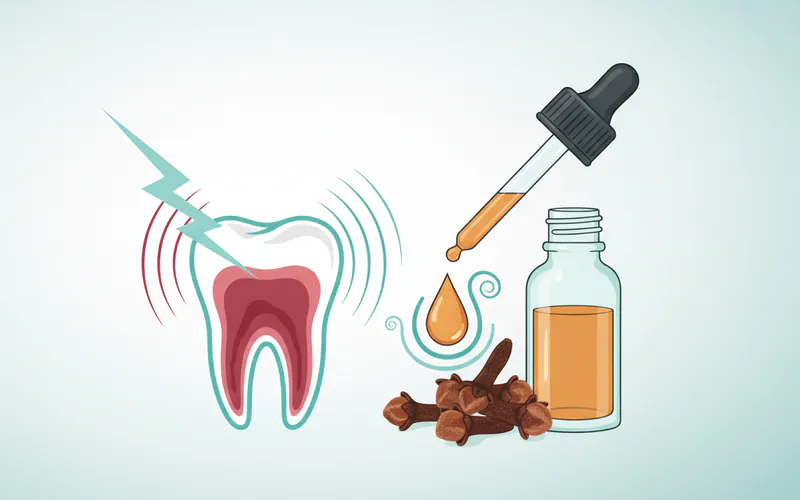
This comprehensive guide from SmilePedia.net aims to provide you with all the medically accurate information you need about using clove oil for dental pain. We’ll delve into the science behind its analgesic properties, outline safe application methods, discuss its limitations, and, critically, emphasize when professional dental intervention is essential. Understanding the nuances of this natural remedy can empower you to manage pain effectively while ensuring you make informed decisions about your oral health.
Key Takeaways:
- Clove Oil's Active Ingredient: Eugenol, a potent natural anesthetic and antiseptic, is responsible for clove oil's pain-relieving properties.
- Temporary Relief Only: Clove oil provides temporary symptomatic relief; it does not treat the underlying cause of a toothache, which requires professional dental care.
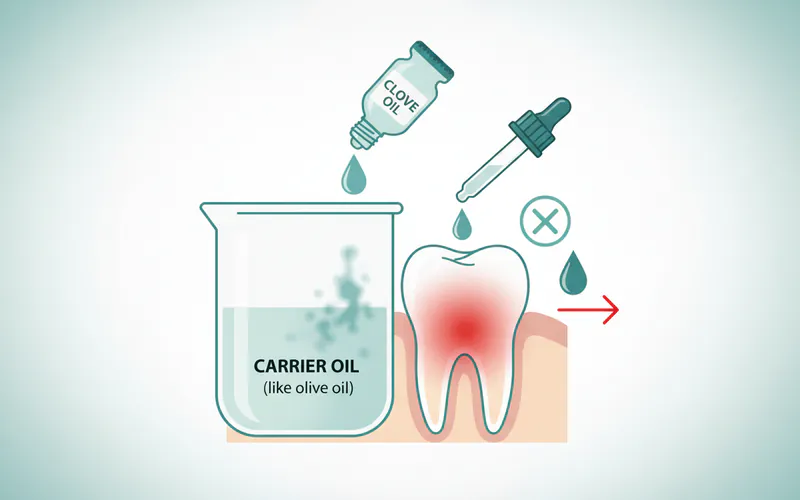
- Safe Application: Always dilute clove oil (e.g., with olive oil) before applying, and use a small amount on a cotton swab directly to the affected tooth. Avoid contact with gums or soft tissues to prevent irritation.
- When to See a Dentist: If tooth pain persists for more than 24-48 hours, is severe, accompanied by fever, swelling, or difficulty swallowing, seek immediate dental attention.
- Cost-Effective Temporary Solution: A small bottle of clove oil typically costs $5-$15, offering a very inexpensive temporary measure compared to dental emergency visits, which can range from $150-$500 just for an exam and X-rays, before any treatment.
- Not for Children: Clove oil is generally not recommended for infants or young children due to potential toxicity if ingested.
- Potential Risks: Undiluted application can cause tissue damage, burning, and irritation. Allergic reactions are also possible.
What It Is / Overview: Understanding Clove Oil and Eugenol
Clove oil is an essential oil extracted from the flower buds of the clove tree (Syzygium aromaticum), native to Indonesia. For centuries, cloves have been valued not only as a spice in cooking but also for their medicinal properties in traditional medicine, particularly for dental pain. The primary active compound responsible for clove oil's analgesic (pain-relieving), anti-inflammatory, and antiseptic qualities is eugenol.
Eugenol is a yellowish, aromatic oil that constitutes between 70% and 90% of clove oil. Its mechanism of action in pain relief is multifaceted. When applied topically to the site of a toothache, eugenol works by numbing the nerves in the affected area. It does this by temporarily blocking nerve signals, similar to how some local anesthetics function. Additionally, eugenol possesses antiseptic properties, meaning it can help kill bacteria, which might be contributing to the dental infection or decay causing the pain. Its anti-inflammatory effects can also help reduce swelling and discomfort around the tooth.
While clove oil is a natural product, its potency is significant. This potency is why proper application and dilution are crucial to prevent adverse reactions. It's important to view clove oil as a palliative measure – a way to temporarily alleviate symptoms – rather than a cure for the underlying dental problem. The relief it offers can be invaluable in managing acute pain, especially when immediate dental care isn't available, but it should never replace a visit to a dental professional.
Types / Variations and Application Methods
Clove oil is primarily available in two forms for consumer use: pure essential clove oil and diluted formulations. Understanding the differences and proper application methods is key to safe and effective use.
Forms of Clove Oil
- Pure Essential Clove Oil: This is the most concentrated form, typically sold in small amber bottles in health food stores, pharmacies, or online. It is potent and must be diluted before topical application to avoid irritation or chemical burns to sensitive oral tissues. The concentration of eugenol is highest in this form.
- Diluted Clove Oil Preparations: Some products are specifically formulated for dental use, often combining clove oil with other soothing ingredients or pre-diluted with a carrier oil. These may come as gels, swabs, or dental first-aid kits. Always check the eugenol concentration and follow the product's specific instructions.
Application Methods
The goal of applying clove oil for toothache is to deliver the eugenol directly to the source of pain (the tooth) while minimizing contact with the surrounding gums and soft tissues, which can be sensitive.
1. Direct Topical Application with a Cotton Swab
This is the most common and recommended method for pure clove oil.
- Materials: Pure clove oil, a carrier oil (such as olive oil, coconut oil, or sesame oil), a cotton swab or a small piece of cotton ball, and a small dish.
- Procedure:
- Prepare: Pour a tiny amount (1-2 drops) of pure clove oil into a small, clean dish. Add an equal amount (1-2 drops) of your chosen carrier oil. Mix gently. This creates a roughly 50% dilution, which is generally safer than undiluted oil. For very sensitive individuals, a greater dilution (e.g., 1 part clove oil to 2-3 parts carrier oil) may be preferable.
- Apply: Dip the tip of a clean cotton swab or a small, pea-sized piece of cotton ball into the diluted clove oil mixture, ensuring it's saturated but not dripping.
- Target: Carefully apply the saturated cotton swab or cotton ball directly to the affected tooth. If there's a cavity, try to place the cotton gently inside the cavity.
- Hold: Hold the cotton in place for 5-10 minutes. You should start to feel a numbing sensation.
- Remove: Carefully remove the cotton. Do not swallow the oil. Rinse your mouth thoroughly with warm water afterwards to remove any residue.
- Frequency: Repeat every few hours as needed for temporary relief, but not more than 3-4 times in a 24-hour period.
2. Clove Oil Rinse (Diluted)
This method is less direct but can be helpful for general oral discomfort or if the exact source of pain is hard to pinpoint, but generally less effective for intense localized pain than direct application.
- Materials: Pure clove oil, warm water.
- Procedure:
- Dilute: Add 2-3 drops of pure clove oil to 8 ounces (about 240 ml) of warm water.
- Rinse: Swish the mixture around your mouth for about 30 seconds to 1 minute, focusing on the painful area.
- Spit: Spit out the rinse completely. Do not swallow.
- Frequency: Use up to 2-3 times a day.
Pro Tip: Always perform a patch test on a small, inconspicuous area of your skin (like your forearm) before applying clove oil to your mouth, especially if you have sensitive skin or a history of allergies. Wait 24 hours to check for any adverse reactions like redness or itching.
Causes / Why It Happens: Understanding Toothache Origins
Clove oil provides symptomatic relief, but it's critical to understand that toothache is a signal of an underlying problem that requires professional diagnosis and treatment. Dental pain can stem from a variety of issues, ranging from minor irritation to serious infection. Understanding these causes helps reinforce why a dentist visit is non-negotiable.
Common causes of toothache include:
- Tooth Decay (Cavities): This is the most frequent cause. When bacteria in plaque produce acids that erode tooth enamel, they create holes (cavities). If decay progresses deep enough to reach the inner pulp (containing nerves and blood vessels), it exposes the sensitive nerves, leading to pain.
- Dental Abscess: An abscess is a pocket of pus caused by a bacterial infection. It can form at the tip of the tooth root (periapical abscess) or in the gums (periodontal abscess). Abscesses often cause severe, throbbing pain, swelling, fever, and can be dangerous if left untreated as the infection can spread.
- Gum Disease (Periodontitis): Inflammation and infection of the gums can lead to sensitivity, pain, and eventual damage to the bone supporting the teeth.
- Cracked or Chipped Tooth: A visible crack or chip, or even a microscopic fracture, can expose the sensitive inner layers of the tooth to temperature changes and pressure, causing pain.
- Lost or Damaged Filling: If a dental filling becomes loose, cracked, or falls out, it can expose the previously protected tooth structure to irritants, leading to pain.
- Sensitive Teeth: Receding gums or worn enamel can expose the dentin (the layer beneath enamel), which contains microscopic tubules leading to the tooth's nerve. This can cause sharp pain when exposed to hot, cold, sweet, or acidic foods.
- Bruxism (Teeth Grinding/Clenching): Chronic grinding or clenching of teeth, often during sleep, can put excessive pressure on teeth and jaw joints, leading to tooth pain, jaw pain, and headaches.
- Impacted Tooth: A tooth that is unable to erupt properly through the gum line (most commonly wisdom teeth) can cause pain, swelling, and infection.
- Sinus Infection: Sometimes, pain felt in the upper teeth can be referred pain from a sinus infection, as the roots of the upper back teeth are close to the maxillary sinuses.
- Temporomandibular Joint (TMJ) Disorders: Problems with the jaw joint can sometimes manifest as tooth pain, along with jaw clicking, popping, and difficulty chewing.
It is crucial to differentiate between these causes because while clove oil may temporarily numb the pain from a cavity or even an abscess, it will not resolve the infection or structural damage. Delaying professional treatment for serious issues like an abscess can lead to significant complications.
Signs and Symptoms of Toothache
Recognizing the signs and symptoms of a toothache can help you understand the severity and determine when it's time to seek dental care, even if you're using temporary relief methods like clove oil.
Common signs and symptoms include:
- Sharp, Shooting, or Throbbing Pain: The most obvious symptom, ranging from mild discomfort to excruciating, persistent pain.
- Pain that Worsens with Pressure: Chewing or biting down often exacerbates the pain, indicating potential issues with the tooth's pulp or a crack.
- Sensitivity to Hot or Cold Temperatures: Lingering pain after exposure to hot or cold substances is a classic sign of dental pulp inflammation or exposed dentin.
- Swelling Around the Tooth or Jaw: This is a red flag, often indicating an infection or abscess in the gums or surrounding tissues.
- Redness or Tenderness in the Gums: Inflammation of the gums around the painful tooth.
- Bad Taste in the Mouth or Foul Breath: Can indicate a dental infection, especially if pus is present (e.g., from an abscess).
- Fever: A systemic sign of infection, often accompanying a severe dental abscess.
- Headache or Earache: Pain can sometimes radiate from the affected tooth to other areas of the head.
- Difficulty Opening Your Mouth or Chewing: Severe swelling or infection can limit jaw movement.
- Pimple-like Bump on the Gums: A "fistula" or "gum boil" near the painful tooth can indicate an underlying abscess draining pus.
If you experience any of the severe symptoms like persistent swelling, fever, or difficulty swallowing, do not rely solely on clove oil. These warrant immediate professional dental attention.
Treatment Options for Toothache
Addressing a toothache involves both immediate pain management and definitive treatment of the underlying cause. Clove oil fits into the former category, but understanding the full spectrum of options is vital.
1. Home Remedies (Temporary Pain Relief)
These aim to alleviate symptoms while you await a dental appointment.
- Clove Oil (Detailed):
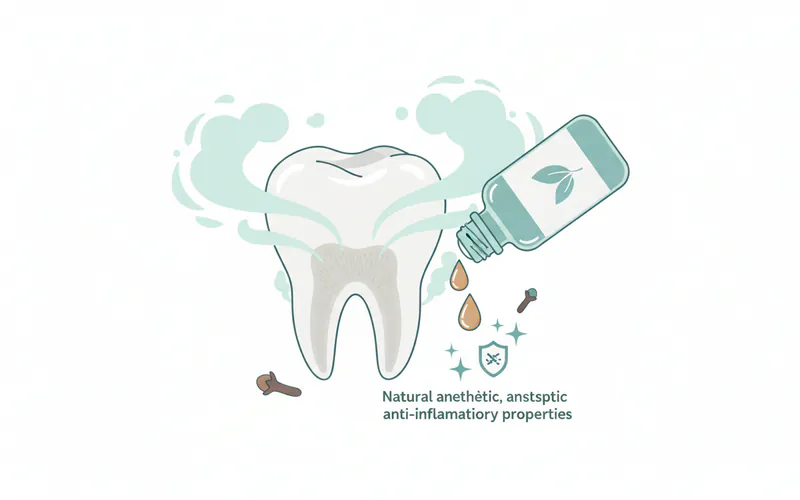
- Pros: Natural anesthetic, antiseptic, anti-inflammatory; readily available, inexpensive; can provide rapid, effective temporary pain relief.
- Cons: Only addresses symptoms, not the cause; potential for irritation/burns if used undiluted or improperly; not suitable for everyone (e.g., children, pregnant women without consulting a doctor); strong taste and smell.
- Efficacy: Studies, including those cited by the ADA, confirm eugenol's efficacy as a topical analgesic. It has been used in dentistry for decades in various preparations.
- Saltwater Rinse: A simple remedy that can help reduce inflammation and clean the area. Mix 1/2 teaspoon of salt in 8 ounces of warm water and rinse for 30 seconds.
- Pros: Antiseptic, reduces swelling, inexpensive.
- Cons: Provides minimal pain relief for severe pain.
- Cold Compress: Applying a cold pack to the outside of your cheek can numb the area and reduce swelling.
- Pros: Reduces swelling and numbs pain externally.
- Cons: No direct effect on the tooth itself, limited to external relief.
- Over-the-Counter Pain Relievers: Ibuprofen (Advil, Motrin) or Acetaminophen (Tylenol) can help manage pain and inflammation.
- Pros: Systemic relief, widely available.
- Cons: Can have side effects, must follow dosage instructions, temporary.
2. Professional Dental Treatments (Definitive Solutions)
These are the essential long-term solutions that treat the root cause of your toothache.
- Dental Filling: For cavities, the decayed part of the tooth is removed, and the tooth is restored with a filling material (e.g., amalgam, composite resin).
- Pros: Restores tooth structure, stops decay, eliminates pain.
- Cons: Requires drilling, local anesthesia, potential for sensitivity post-procedure.
- Root Canal Therapy: If decay or infection has reached the pulp of the tooth, a root canal removes the infected pulp, cleans and shapes the root canals, and then fills and seals them. The tooth is then typically covered with a crown.
- Pros: Saves the natural tooth, eliminates infection and pain.
- Cons: More involved procedure, higher cost, can require multiple visits, risk of complications if not performed properly.
- Tooth Extraction: If a tooth is severely damaged, decayed beyond repair, or infected and cannot be saved with a root canal, extraction may be necessary.
- Pros: Eliminates the source of infection/pain, prevents further complications.
- Cons: Loss of a natural tooth, can lead to shifting of adjacent teeth, requires consideration for replacement (bridge, implant, denture).
- Antibiotics: For dental infections and abscesses, antibiotics may be prescribed to clear the bacterial infection, especially if there's significant swelling or signs of systemic infection (fever).
- Pros: Treats bacterial infection, reduces swelling.
- Cons: Does not remove the source of infection (e.g., decayed tooth), must be used as directed, potential for antibiotic resistance if overused.
- Gum Disease Treatment: For pain related to gum disease, treatments range from deep cleaning (scaling and root planing) to surgical interventions to remove tartar and diseased tissue.
- Pros: Arrests gum disease, reduces inflammation, improves oral health.
- Cons: Can be uncomfortable, may require multiple visits.
- Nightguard for Bruxism: If tooth pain is due to teeth grinding, a custom-fitted nightguard can protect teeth from wear and reduce jaw strain.
- Pros: Prevents tooth damage, reduces pain from grinding.
- Cons: Initial cost, requires consistent use.
Step-by-Step Process: What to Expect
Let's outline what to expect during the process of both home remedy application and professional dental treatment for a toothache.
Applying Clove Oil (Self-Care Steps)
- Identify the Pain: Pinpoint the exact tooth or area causing the pain.
- Gather Materials: Pure clove oil, a carrier oil (e.g., olive oil), cotton swabs or small cotton balls, a small dish, and warm water for rinsing.
- Prepare Dilution: In the dish, mix 1-2 drops of pure clove oil with an equal amount of carrier oil.
- Load Cotton: Dip a cotton swab or a small piece of cotton ball into the diluted mixture, ensuring it's saturated but not dripping excessively.
- Apply to Affected Area: Gently place the saturated cotton directly onto the painful tooth. If there's a visible cavity, try to nestle the cotton into it. Avoid unnecessary contact with gums.
- Hold and Observe: Keep the cotton in place for 5-10 minutes. You should gradually feel a numbing sensation.
- Remove and Rinse: Carefully remove the cotton and dispose of it. Rinse your mouth thoroughly with warm water to remove any residual oil. Do not swallow.
- Monitor: The relief can last for several hours. If pain returns, you may reapply, but do not exceed 3-4 applications within a 24-hour period.
What to Expect During a Dental Visit for Toothache
When you experience persistent toothache, a dental visit is crucial. Here's a general overview of what to expect:
- Initial Examination and History: The dentist will ask about your symptoms (when the pain started, its intensity, what makes it better or worse, associated symptoms like fever or swelling). They will then conduct a thorough oral examination.
- Diagnostic Tests:
- X-rays: Crucial for identifying issues not visible to the naked eye, such as deep cavities, infections at the root tip (abscess), bone loss, or impacted teeth.
- Pulp Vitality Tests: The dentist may use hot, cold, or electric pulp tests to assess the health and vitality of the tooth's nerve.
- Percussion and Palpation: Tapping on the tooth and pressing on the surrounding gums can help pinpoint the source of pain and identify inflammation.
- Diagnosis: Based on the examination and tests, the dentist will diagnose the cause of your toothache.
- Treatment Plan Discussion: The dentist will explain the diagnosis, discuss recommended treatment options (e.g., filling, root canal, extraction), their pros and cons, and the associated costs.
- Anesthesia: For most invasive dental procedures, local anesthetic will be administered to numb the area, ensuring you are comfortable and pain-free during the treatment.
- Procedure: The specific procedure will depend on the diagnosis (e.g., drilling and filling for a cavity, accessing the pulp chamber for a root canal, or carefully extracting a tooth).
- Post-Procedure Instructions: You'll receive detailed instructions on aftercare, pain management, and what to expect during recovery.
- Follow-up: Depending on the treatment, a follow-up appointment may be scheduled to ensure proper healing or complete a multi-stage procedure (like placing a crown after a root canal).
Cost and Insurance: US Price Ranges
The cost of managing a toothache varies dramatically depending on whether you're using temporary home remedies or undergoing professional dental treatment.
Cost of Clove Oil
- Pure Essential Clove Oil: A 15ml bottle typically costs $5-$15. This small bottle will last for many applications due to the tiny amounts used for dilution.
- Pre-diluted Clove Oil Products: Specialized dental pain relief kits or gels containing clove oil may range from $10-$30.
Cost of Professional Dental Treatments (US Averages, without insurance)
These are general ranges, and actual costs can vary significantly by region, specific dental practice, and complexity of the case.
| Treatment Type | Average US Cost Range (Without Insurance) |
|---|---|
| Emergency Exam & X-rays | $150 - $500 |
| Basic Dental Filling (Amalgam/Composite) | $75 - $300 (per tooth, depending on material and size) |
| Root Canal (Front Tooth) | $700 - $1,100 |
| Root Canal (Premolar) | $800 - $1,300 |
| Root Canal (Molar) | $1,000 - $2,000 |
| Dental Crown (after Root Canal) | $800 - $2,500 (material dependent) |
| Simple Tooth Extraction | $150 - $400 |
| Surgical Tooth Extraction (e.g., impacted wisdom tooth) | $300 - $800 (per tooth, can be higher for complex cases) |
| Deep Cleaning (Scaling & Root Planing) | $200 - $400 (per quadrant) |
| Antibiotics | $10 - $50 (prescription cost) |
Insurance Coverage
Most dental insurance plans in the US cover a portion of diagnostic, preventive, and restorative procedures. The coverage levels typically break down as follows:

- Preventive Care (Exams, X-rays, Cleanings): Often covered at 80-100%. This means your emergency exam and X-rays might be largely covered.
- Basic Restorative Procedures (Fillings, Simple Extractions): Typically covered at 50-80%.
- Major Restorative Procedures (Root Canals, Crowns, Bridges, Surgical Extractions): Often covered at 30-50%.
It's crucial to check with your specific dental insurance provider to understand your individual policy's benefits, deductibles, co-pays, and annual maximums. Many dental offices will help you verify your benefits prior to treatment. For uninsured patients, some dentists offer in-house payment plans or discounts for upfront payment. Dental schools also often provide lower-cost treatment options.
Recovery and Aftercare
Recovery and aftercare instructions will vary significantly depending on whether you've just used clove oil or undergone a professional dental procedure.
After Clove Oil Application
- Temporary Relief: Understand that clove oil provides temporary relief, typically lasting a few hours. The pain will likely return as the numbing effect wears off.
- Seek Dental Care: This is the most critical aftercare instruction. Use the temporary relief as a window to schedule an appointment with your dentist promptly.
- Monitor for Irritation: If you experience any persistent burning, redness, or swelling in your mouth after using clove oil, discontinue use immediately and rinse thoroughly. If symptoms persist, contact your dentist.
After Professional Dental Treatment
Recovery varies greatly by the procedure:
- Dental Filling:
- Pain/Sensitivity: Mild sensitivity to hot, cold, or pressure is common for a few days to weeks. Over-the-counter pain relievers can help.
- Eating: Avoid chewing on the treated tooth until the local anesthetic wears off to prevent biting your cheek or tongue. Avoid sticky or hard foods for a day or two.
- Oral Hygiene: Continue regular brushing and flossing, being gentle around the new filling initially.
- Root Canal Therapy:
- Pain/Discomfort: It's normal to experience some mild pain, tenderness, or swelling for a few days, which can be managed with prescribed pain medication or OTC pain relievers.
- Temporary Filling: If a temporary filling was placed, be careful not to dislodge it. Avoid chewing hard foods on that side until the permanent crown is placed.
- Permanent Crown: A permanent crown is almost always necessary after a root canal to protect the weakened tooth. This typically occurs a few weeks after the root canal.
- Oral Hygiene: Maintain excellent oral hygiene to prevent future issues.
- Tooth Extraction:
- Bleeding: Some oozing is normal for 24-48 hours. Bite gently on gauze to control it.
- Swelling & Pain: Swelling and discomfort are common. Apply a cold pack externally for the first 24 hours. Take prescribed or OTC pain relievers as directed.
- Diet: Stick to soft foods for a few days. Gradually reintroduce solid foods as comfort allows.
- Avoid: Do not rinse vigorously, spit forcefully, use straws, smoke, or drink alcohol for at least 24-48 hours, as these can dislodge the blood clot and lead to a painful "dry socket."
- Oral Hygiene: Brush and floss carefully, avoiding the extraction site directly for the first day. After 24 hours, gentle saltwater rinses can help keep the area clean.
- Antibiotics:
- Take the full course of antibiotics exactly as prescribed, even if symptoms improve, to ensure the infection is fully eradicated and to prevent antibiotic resistance.
Pro Tip: Always follow your dentist's specific post-operative instructions meticulously. They are tailored to your individual procedure and can significantly impact your recovery.
Prevention of Toothache
The best "treatment" for a toothache is to prevent it from happening in the first place. Most toothaches are preventable with consistent oral hygiene and regular dental care.
- Brush Twice Daily: Brush your teeth for two minutes, twice a day, using a fluoride toothpaste. Fluoride strengthens enamel and helps prevent cavities.
- Floss Daily: Flossing removes plaque and food particles from between teeth and under the gum line, areas your toothbrush can't reach. This prevents cavities and gum disease.
- Regular Dental Check-ups and Cleanings: Visit your dentist every six months for a professional cleaning and check-up. These appointments allow your dentist to detect and address small issues (like early cavities) before they become painful toothaches.
- Limit Sugary and Acidic Foods/Drinks: Sugars feed bacteria that produce acids, leading to decay. Acidic foods and drinks (like sodas and citrus fruits) can erode enamel.
- Protect Your Teeth: If you play contact sports, wear a custom-fitted mouthguard. If you grind or clench your teeth (bruxism), a nightguard prescribed by your dentist can prevent damage and pain.
- Avoid Using Teeth as Tools: Don't open bottles or packages with your teeth, as this can lead to chips, cracks, or fractures.
- Address Sensitivity Promptly: If you notice new or increased tooth sensitivity, mention it to your dentist. Early intervention can prevent more severe problems.
Adhering to ADA (American Dental Association) guidelines for oral hygiene is your best defense against toothaches and other dental problems.
Risks and Complications
While clove oil can offer temporary relief, it's crucial to be aware of the risks associated with its misuse and, more significantly, the complications of neglecting the underlying cause of a toothache.
Risks and Complications of Clove Oil Use
- Chemical Burns/Irritation: Undiluted clove oil is very potent. Applying it directly to the gums, tongue, or inner cheek can cause significant irritation, burning sensations, redness, and even chemical burns to delicate oral tissues. Always dilute it with a carrier oil.
- Allergic Reactions: Some individuals may be allergic to eugenol or other components of clove oil. Symptoms can range from mild skin rash or itching to more severe reactions like swelling of the face or difficulty breathing (though rare for topical application). Discontinue use if an allergic reaction is suspected.
- Ingestion Toxicity: Swallowing large amounts of clove oil can be toxic. Symptoms of ingestion can include stomach upset, nausea, vomiting, sore throat, and, in severe cases, liver damage or central nervous system depression. This is why it's vital to spit out any excess oil and avoid using it on young children who might accidentally swallow it.
- Masking Serious Conditions: The most significant risk is that clove oil's pain-relieving effects can mask the symptoms of a serious dental problem, leading to a delay in seeking professional treatment. This delay can allow an infection to worsen and spread.
Risks and Complications of Untreated Toothache
Ignoring a persistent toothache is dangerous because the underlying cause, especially infection, can escalate into life-threatening conditions.
- Spread of Infection: A dental abscess, if left untreated, can spread from the tooth root into the jawbone, surrounding soft tissues of the face and neck, and potentially even into the bloodstream (sepsis) or brain.
- Cranial Cavity Involvement: Infections from upper teeth can potentially extend upwards towards the maxillary sinuses and, in very rare but severe cases, affect structures within the cranial cavity (the space inside the skull containing the brain). While uncommon due to natural barriers, a severe, unchecked dental infection poses a theoretical risk of spreading to the brain, leading to conditions like cavernous sinus thrombosis or brain abscess. This underscores the critical need for timely dental intervention.
- Bone Loss: Chronic infections can lead to significant destruction of the jawbone supporting the teeth, potentially leading to tooth loss.
- Systemic Health Problems: Untreated oral infections have been linked to broader systemic health issues, including heart disease, stroke, poorly controlled diabetes, and complications in pregnancy.
- Loss of Tooth: Ultimately, if the infection or decay progresses too far, the tooth may be beyond repair and require extraction, leading to the permanent loss of a natural tooth.
- Increased Treatment Complexity and Cost: Delaying treatment almost always results in more complex, invasive, and expensive procedures down the line (e.g., a filling might become a root canal, or a root canal might become an extraction with subsequent implant costs).
| Feature | Clove Oil for Toothache | Professional Dental Treatment for Toothache |
|---|---|---|
| Purpose | Temporary pain relief | Definitive cure for underlying problem |
| Effectiveness | Good for temporary pain numbing | Highly effective for permanent resolution |
| Cost | $5-$15 (per bottle) | $75 - $2,500+ (depending on procedure) |
| Timeline for Relief | Within minutes to an hour | Immediate (local anesthetic) to days/weeks (full healing) |
| Duration of Relief | Few hours, temporary | Permanent (for the treated issue) |
| Risks | Burns, irritation, allergic reaction, masking serious issues | Procedure-specific (e.g., infection, nerve damage, dry socket), cost, discomfort |
| Recommended Use | Short-term, while awaiting dental appointment | Essential for any persistent toothache |
Children / Pediatric Considerations
Using clove oil for toothache in children requires extreme caution and is generally not recommended without direct guidance from a pediatric dentist or medical doctor.
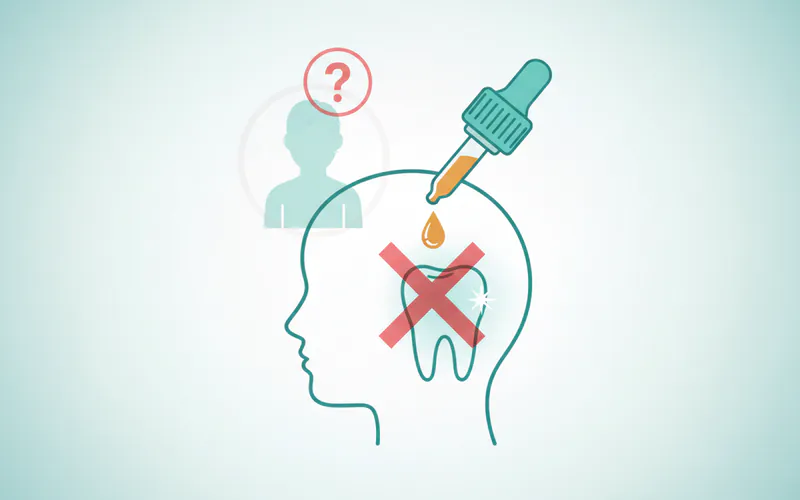
- Risk of Ingestion: Children are much more likely to accidentally swallow clove oil, even in small amounts. As mentioned, ingestion can lead to significant toxicity, including stomach upset, liver damage, and central nervous system effects.
- Sensitivity: Children's oral tissues are more delicate and susceptible to irritation and chemical burns from potent substances like clove oil.
- Dosage Concerns: Determining a safe and effective dilution for children is challenging and best left to medical professionals.
- Masking Serious Issues: Children's dental problems can progress rapidly. Relying on clove oil might delay critical treatment for conditions like severe cavities or abscesses, which can quickly become dangerous for a child.
What to Do for a Child's Toothache
If your child experiences a toothache, the immediate steps should be:
- Clean the Area: Gently rinse your child's mouth with warm water.
- Check for Food Debris: Inspect the area for any food lodged between teeth and gently try to remove it with floss.
- Cold Compress: Apply a cold compress to the outside of the child's cheek to reduce swelling and discomfort.
- Children's Pain Relievers: Administer age-appropriate doses of over-the-counter pain relievers like children's acetaminophen (Tylenol) or ibuprofen (Motrin, Advil), following package instructions carefully.
- Contact a Pediatric Dentist Immediately: A child's toothache is almost always an indicator of a serious underlying issue that requires prompt professional attention. A pediatric dentist can diagnose the cause and provide safe, effective treatment.
- Avoid Clove Oil: Until you've consulted with a medical professional, it's safest to avoid using clove oil on children.
Cost Breakdown: Understanding Your Dental Bill
Beyond the initial cost of clove oil, understanding the financial implications of dental treatment for a toothache is vital for residents of the US.
Average US Costs (Low, Mid, High)
As detailed in the "Cost and Insurance" section, dental costs vary.
- Low-End: A simple filling in a non-visible tooth might be as low as $75 - $150.
- Mid-Range: A standard root canal on a premolar followed by a basic crown could be around $1,600 - $2,400.
- High-End: A complex surgical extraction of an impacted wisdom tooth followed by a high-quality crown and build-up for another tooth after a root canal could easily exceed $3,500 - $5,000+.
With vs. Without Insurance
- Without Insurance: You are responsible for 100% of the cost. This is where dental emergencies can become financially catastrophic.
- With Insurance: Your out-of-pocket costs will be significantly reduced, but you'll still have:
- Deductible: An amount you must pay before your insurance starts covering costs (e.g., $50-$150 per year).
- Co-pay/Co-insurance: A fixed amount or a percentage of the cost you pay for each service after your deductible is met (e.g., $25 co-pay for an exam, 20% co-insurance for a filling).
- Annual Maximum: The maximum amount your insurance will pay in a year (e.g., $1,000 - $2,000). Once this is reached, you pay 100% again.
Payment Plans and Financing Options
Many dental practices recognize the financial burden of unexpected dental work and offer solutions:
- In-House Payment Plans: Some offices offer direct payment plans, allowing you to pay for treatment in installments over several months, often without interest.
- Third-Party Financing (e.g., CareCredit, LendingClub): These are healthcare credit cards that offer promotional financing options, including interest-free periods for a certain number of months if the balance is paid in full. Be mindful of deferred interest clauses.
- Discount Dental Plans: Not insurance, but these plans offer a discount on services from participating dentists for an annual fee. Discounts typically range from 10-60%.
- Dental Schools: University dental schools often provide services at a reduced cost because students perform the work under the close supervision of experienced faculty.
- Community Dental Clinics: Many communities have clinics that offer affordable dental care, often on a sliding scale based on income.
Cost-Saving Tips
- Preventive Care: The absolute best way to save money is through consistent preventive care. Regular check-ups and cleanings catch problems early when they are less expensive to treat.
- Emergency Fund: Having a dental emergency fund can help cover unexpected costs.
- Compare Prices: Don't hesitate to call a few dental offices in your area to inquire about the cost of specific procedures.
- Discuss Options: Always discuss all treatment options and their associated costs with your dentist. Sometimes there are less expensive, though perhaps not ideal, alternatives.
Frequently Asked Questions
Is clove oil safe to put on your tooth?
Yes, clove oil can be safely applied to a painful tooth, but it must be diluted with a carrier oil (like olive oil) and used sparingly. Undiluted clove oil is very potent and can cause irritation or chemical burns to sensitive gum tissues. It should only be applied directly to the affected tooth for temporary relief and not ingested.
How quickly does clove oil stop tooth pain?
Clove oil, specifically its active component eugenol, can start to provide numbing relief within a few minutes of proper application. The numbing sensation can last for several hours, offering significant temporary respite from toothache. However, the duration and intensity of relief can vary among individuals.
How long can you leave clove oil on a tooth?
When applied with a cotton swab, clove oil should be left on the tooth for approximately 5 to 10 minutes to allow the numbing effect to take hold. After this period, the cotton should be removed, and your mouth should be rinsed with warm water. Do not leave the cotton in place indefinitely, and avoid swallowing the oil.
Can clove oil cure a tooth infection?
No, clove oil cannot cure a tooth infection. While it possesses antiseptic properties that can help reduce bacteria locally, it does not eliminate the source of a deep-seated infection, such as a cavity that has reached the tooth's pulp or a dental abscess. A tooth infection requires professional dental treatment, often including antibiotics, fillings, or root canal therapy.
What are the side effects of putting clove oil on your tooth?
The most common side effects of using clove oil are irritation, burning, or mild chemical burns to the gums, tongue, or inner cheek, especially if applied undiluted. Some individuals may also experience an allergic reaction, although this is rare. If ingested in large amounts, it can cause stomach upset, nausea, or more serious toxicity.
What is the best alternative to clove oil for tooth pain?
For temporary home relief, alternatives to clove oil include rinsing with warm salt water, applying a cold compress to the outside of the cheek, and taking over-the-counter pain relievers like ibuprofen or acetaminophen. These can help manage pain and swelling while you wait to see a dentist.
Can pregnant women use clove oil for toothache?
Pregnant women should avoid using clove oil for toothache unless specifically advised and guided by their healthcare provider or dentist. The potential risks of ingestion and systemic absorption are a concern during pregnancy, and safer alternatives for pain management are typically recommended. Always consult a professional.
Why does my toothache get worse at night?
Toothaches often feel worse at night for several reasons. When lying down, blood flow to the head increases, which can heighten pressure and pain in an inflamed tooth. Additionally, the distractions of the day are gone, making you more aware of the pain, and there's no activity to divert your attention.
How much does it cost to get a toothache treated by a dentist?
The cost to treat a toothache varies widely depending on the underlying cause and the required treatment. A simple filling might cost $75-$300, while a root canal can range from $700-$2,000, and an extraction from $150-$800. These costs are without insurance and can vary by region.
Can clove oil help with pain from wisdom teeth?
Clove oil might offer temporary numbing relief for pain associated with wisdom teeth, particularly if there's inflammation or a minor infection around an erupting tooth. However, wisdom tooth pain often indicates more complex issues like impaction or infection, which require a dentist's assessment and potentially extraction. It's a temporary fix, not a solution.
When to See a Dentist
While clove oil can provide valuable temporary relief, it is critical to understand that it is never a substitute for professional dental care. A toothache is a warning sign, and delaying a dental visit can lead to serious complications.
Seek immediate dental attention (within 24 hours) if you experience any of the following "red flag" symptoms:
- Severe, persistent, throbbing pain: Pain that doesn't subside with home remedies or over-the-counter pain relievers.
- Swelling: Any visible swelling in your gums, cheek, jaw, or neck. This indicates a spreading infection.
- Fever: A fever accompanying a toothache is a strong sign of a systemic infection or abscess.
- Difficulty Breathing or Swallowing: This is a medical emergency. Swelling in the face or neck can compromise your airway and requires immediate hospital attention.
- Bad taste in your mouth, pus, or a pimple-like bump on your gums: These are signs of an active infection or abscess that needs to be drained and treated by a dentist.
- Pain that radiates to your ear, jaw, or head: This could indicate a severe infection or nerve involvement.
- Pain following trauma: If your toothache is due to a recent injury, accident, or a cracked tooth, see a dentist as soon as possible.
Schedule a routine dental appointment (within a few days) if you experience:
- Mild to moderate pain that comes and goes: This could indicate a developing cavity or minor gum irritation.
- Sensitivity to hot, cold, or sweet foods/drinks: While common, persistent or worsening sensitivity should be checked.
- A lost or loose filling: This needs to be replaced to protect the tooth.
- Minor discomfort or pressure when chewing: May indicate a small issue that can be easily addressed.
Remember, clove oil is a tool for temporary symptom management, especially when immediate dental access is limited, such as in the middle of the night (how to stop tooth pain fast at home at night). However, for any toothache that persists for more than 24-48 hours, or is accompanied by severe symptoms, prioritizing a visit to your dentist is the only way to safeguard your oral health and prevent potentially life-threatening complications. Don't underestimate the power of a dental infection to spread rapidly and cause significant harm.
Frequently Asked Questions
Medically Reviewed Content
This article was written by our dental health editorial team and reviewed for medical accuracy. Our content follows strict editorial guidelines for reliability and trustworthiness.
Medical Disclaimer
This article is for informational purposes only and does not constitute medical advice. Always consult with a qualified dental professional for diagnosis and treatment. Do not delay seeking professional advice because of something you read on this website.
Related Articles
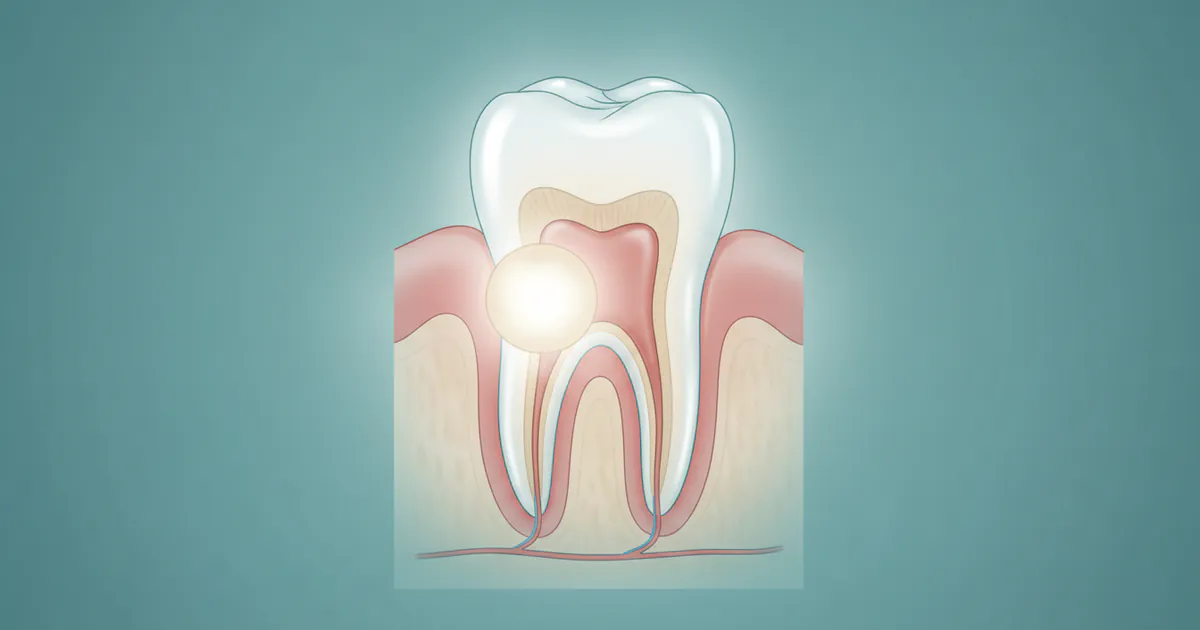
What Is an Abscess
Imagine a throbbing pain deep within your jaw, a persistent ache that keeps you awake at night and makes even the softest foods unbearable. This isn't just a bad toothache; it could be a sign of something much more serious: a dental abscess. Affecting millions of Americans annually, an abscess is an
February 22, 2026
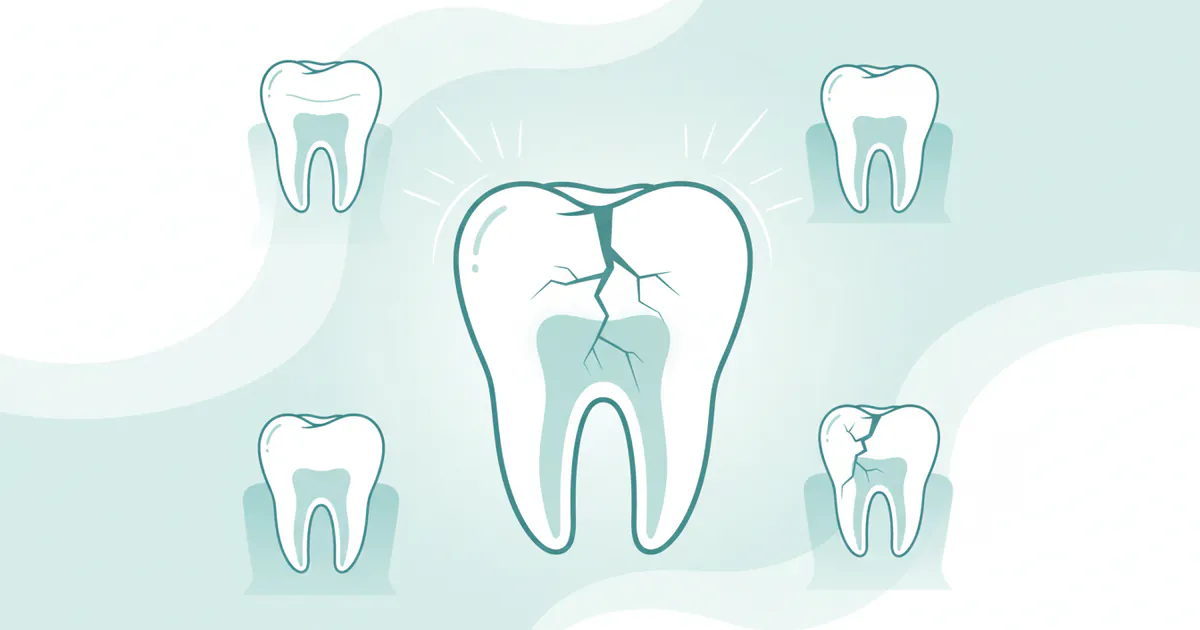
Cracked Tooth Syndrome: Complete Guide
Cracked Tooth Syndrome: Complete Guide Category: Dental Conditions & Diseases
February 22, 2026
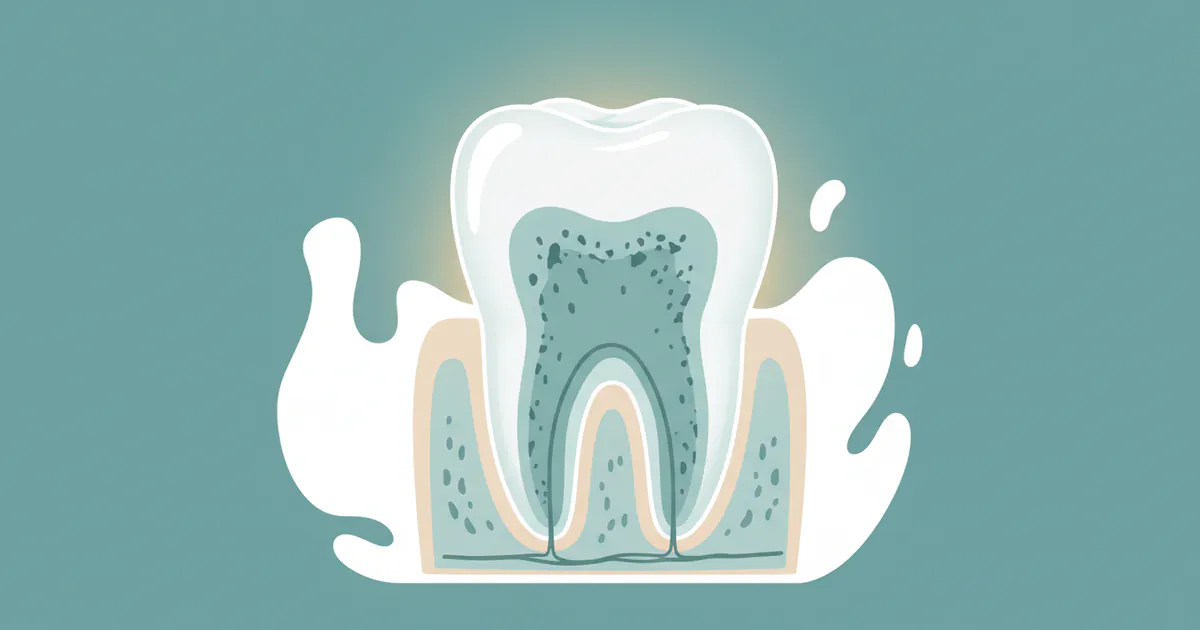
Dentinogenesis Imperfecta: Complete Guide
Imagine a world where your teeth, fundamental to chewing, speaking, and even smiling confidently, are inherently fragile, discolored, and prone to rapid wear from the moment they emerge. For individuals affected by dentinogenesis imperfecta (DI), this is a reality. While relatively rare, affecti
February 22, 2026
Stage 1 Early Cavity: Complete Guide
Did you know that dental cavities are one of the most common chronic diseases globally, affecting both children and adults? In the United States, over 90% of adults have had a cavity, and a significant portion of these begin as a stage 1 early cavity. Often invisible and painless in its nasc
February 22, 2026