Implants Denture: Complete Guide
Key Takeaways
- More than 36 million Americans are missing all their teeth in one or both arches, and the numbers are projected to grow significantly in the coming decades. While traditional dentures have long been a solution for tooth loss, they often come with discomfort, instability, and a diminished quality of
More than 36 million Americans are missing all their teeth in one or both arches, and the numbers are projected to grow significantly in the coming decades. While traditional dentures have long been a solution for tooth loss, they often come with discomfort, instability, and a diminished quality of life. Imagine regaining the confidence to eat your favorite foods, speak clearly, and smile without hesitation. This is where the innovation of implants denture technology steps in, offering a revolutionary approach to restoring a complete smile and functional bite. These advanced dental prostheses combine the stability of dental implants with the comprehensive tooth replacement of a denture, providing a superior alternative to conventional removable solutions.
This complete guide will delve into every aspect of implant-supported and implant-retained dentures, exploring the different types available, the step-by-step process of getting them, what to expect during recovery, and crucially, the costs involved. We'll also address potential risks, including a detailed look at peri implantitis, and provide valuable insights into maintaining your new smile for years to come. Understanding this transformative treatment option can empower you to make informed decisions about your oral health and well-being.
Key Takeaways:
- Implants dentures offer a stable, comfortable, and long-lasting solution for extensive tooth loss, significantly improving quality of life over traditional dentures.
- Two main types exist: Implant-retained dentures (removable, snap-on) and Implant-supported dentures (fixed, non-removable, often referred to as "All-on-4" or "All-on-6").
- The process typically involves surgical implant placement, a healing period (3-6 months), and then denture attachment. Immediate load options are sometimes available.
- Costs for an implants denture range widely, from $12,000 to $25,000 per arch for implant-retained options, and $20,000 to $45,000 per arch for implant-supported (fixed) options, depending on complexity, materials, and location.
- Proper oral hygiene and regular dental check-ups are crucial to prevent complications like peri implantitis, which can lead to implant failure.
- While generally a safe and predictable procedure, risks include infection, nerve damage, and implant failure. Success rates are high, often exceeding 95%.
- Many dental insurance plans may cover a portion of the denture, but rarely the implant surgery itself. Financing options are widely available.
What is an Implants Denture?
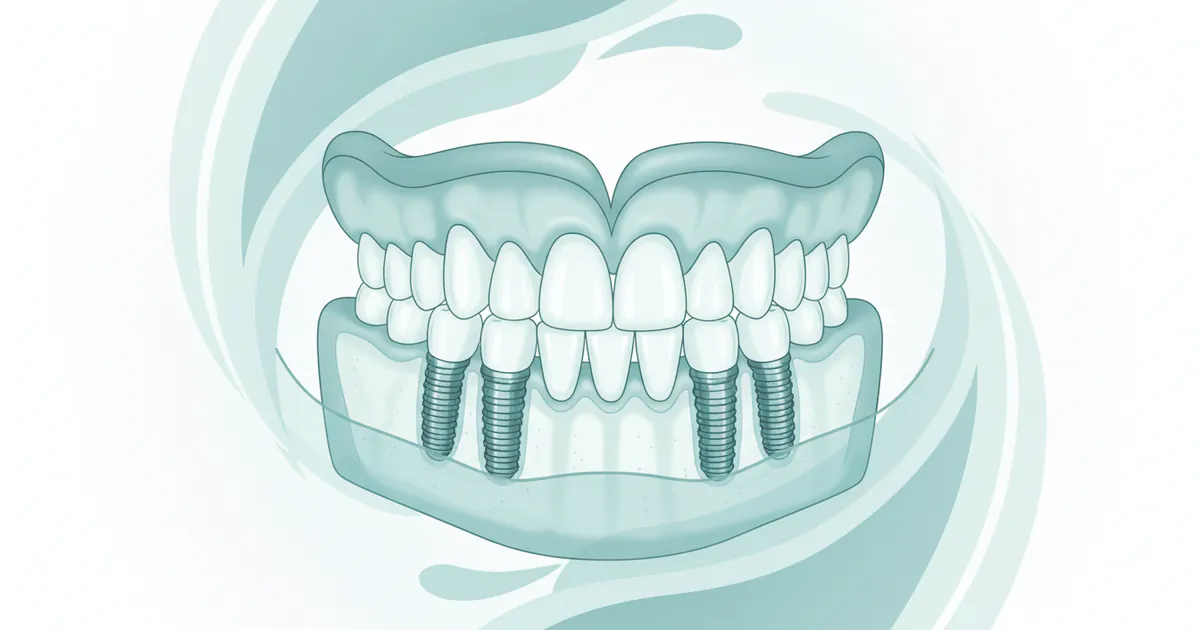
An implants denture is a modern dental prosthesis designed to replace multiple missing teeth or an entire arch of teeth, offering significantly greater stability, comfort, and functionality compared to conventional removable dentures. Unlike traditional dentures that rest on the gums and rely on suction or adhesives, an implants denture is securely anchored by dental implants surgically placed into the jawbone. These implants, typically made of biocompatible titanium, act as artificial tooth roots, providing a sturdy foundation for the denture.

The primary goal of an implants denture is to eliminate the common complaints associated with traditional dentures: slipping, clicking, difficulty chewing certain foods, and gum irritation. By integrating with the jawbone through a process called osseointegration, the dental implants provide a stable base, preventing the denture from shifting. This not only restores chewing efficiency and speech clarity but also helps to preserve jawbone structure, which often deteriorates over time with conventional tooth loss. For individuals seeking a durable, natural-feeling, and confidence-boosting solution to extensive tooth loss, implants dentures represent a significant advancement in restorative dentistry.
Types and Variations of Implants Denture
The world of implants denture offers several sophisticated solutions, each designed to meet different patient needs, anatomical considerations, and budget constraints. Understanding these variations is crucial for making an informed decision with your dental professional. The two primary categories are implant-retained and implant-supported dentures.
Implant-Retained Dentures (Overdentures)
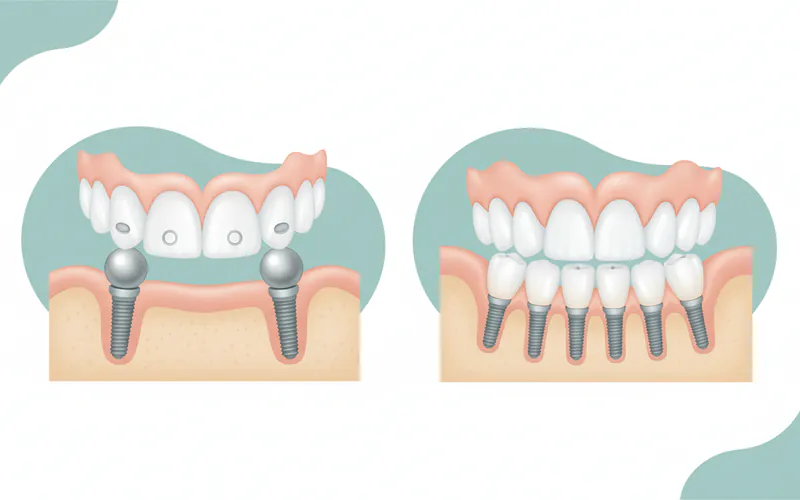
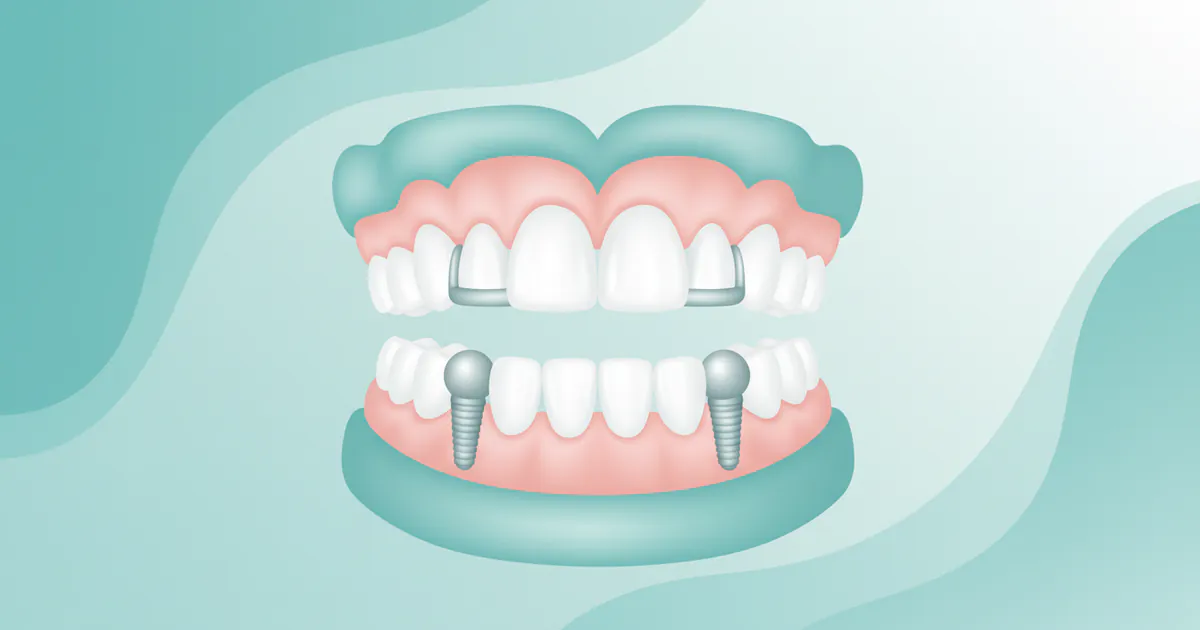
Implant-retained dentures, often called "overdentures," are a popular option for patients who desire more stability than traditional dentures but still want the ability to remove their prosthesis for cleaning. These dentures "snap" onto a small number of dental implants (typically two to four in the lower jaw and four to six in the upper jaw) using special attachments, such as O-rings or locators.
- Mechanism: The implants are surgically placed into the jawbone. After a healing period, small abutments are attached to the implants. The denture itself has corresponding housings that fit over these abutments, creating a secure, snap-on fit.
- Key Features:
- Removable: Patients can easily remove them for daily cleaning and overnight soaking.
- Improved Stability: Significantly more stable than traditional dentures, reducing slipping and improving chewing.
- Gum Support: While implants provide retention, the denture still rests partially on the gums, distributing some chewing forces.
- Cost-Effective: Generally less expensive than implant-supported dentures due to requiring fewer implants.
- Ideal Candidates: Patients looking for enhanced denture stability without the full commitment or cost of a fixed prosthesis.
Bar-Retained Overdentures
A subtype of implant-retained dentures, bar-retained overdentures offer even greater stability. In this method, a thin metal bar is attached to two to five implants that have been surgically placed in the jawbone. The denture then clips onto this bar using clips or other attachments. The bar provides a very rigid and strong connection, distributing forces more evenly across the implants.
- Benefits: Enhanced stability, better chewing function, and often more comfortable than locator-retained options.
Locator-Retained Overdentures
These are the most common type of implant-retained overdenture. Each implant has a small "locator" attachment, and the denture has corresponding housings that snap onto these locators. They are simpler, more compact, and easier to clean.
Implant-Supported Dentures (Fixed Dentures)
Implant-supported dentures are non-removable, meaning they are permanently fixed in the mouth, much like natural teeth. These prostheses rely entirely on the dental implants for support and stability, transmitting all chewing forces directly to the jawbone. This approach eliminates any pressure on the gums, providing the highest level of comfort, function, and natural feel. The most well-known variations of implant-supported dentures are "All-on-4" and "All-on-6."
- Mechanism: A full arch of teeth (usually 10-14 teeth) is custom-fabricated into a single, cohesive bridge-like structure. This restoration is then permanently screwed or cemented onto typically four to eight strategically placed dental implants in the jaw.
- Key Features:
- Non-Removable: Only a dentist can remove them. This offers maximum convenience and simulates natural teeth closely.
- Superior Stability & Function: Provides the highest level of chewing efficiency and speech clarity, often comparable to natural teeth.
- Bone Preservation: Stimulates the jawbone, preventing further bone loss and preserving facial structure.
- No Palate Coverage: For upper arches, the denture does not cover the palate, enhancing taste and sensation.
- Higher Cost: Requires more complex surgery and often more implants, leading to a higher overall cost.
- Ideal Candidates: Patients seeking the most natural-feeling and functional replacement for a full arch of missing teeth, who are committed to excellent oral hygiene and have sufficient bone density (or are candidates for bone grafting).
All-on-4® Dental Implants
The All-on-4® technique is a specific type of implant-supported denture developed by Nobel Biocare. It involves placing four dental implants in the jawbone to support a full arch of fixed teeth. Two implants are placed vertically in the front, and two are angled towards the back, optimizing the use of available bone and often avoiding the need for bone grafting. A temporary prosthesis can frequently be attached on the same day as implant placement (immediate loading), allowing patients to leave with a functional set of teeth.
All-on-6 / All-on-X Dental Implants
Similar to All-on-4, the All-on-6 (or All-on-X, referring to placing X number of implants, typically 4-8) technique uses six or more dental implants to support a full arch fixed denture. Using more implants can provide even greater stability and strength, especially in cases where bone density is excellent or when patients exert significant chewing forces. This approach may also be preferred for the upper jaw, where bone quality can sometimes be less dense.
Molar Teeth Implant Considerations
While the "implants denture" discussion primarily focuses on full-arch restorations, it's worth noting the concept of molar teeth implant when considering partial tooth loss or if a few molars are missing in an arch being restored. If only a few molar teeth are missing, individual dental implants topped with crowns or a small implant-supported bridge might be a more appropriate solution than a full arch denture. However, if the molars are part of a larger pattern of tooth loss that necessitates a partial denture, an implant-retained partial denture can also be an option. Molar implants are crucial for chewing efficiency, as they bear the brunt of grinding food. Restoring these teeth with implants, whether individually or as part of a larger prosthesis like an implant-supported denture, significantly enhances overall masticatory function.
Indications for Implants Denture
The need for an implants denture typically arises from significant tooth loss, which can stem from various underlying causes. These situations are often referred to as "edentulism" (complete tooth loss) or "partial edentulism" (loss of some teeth).
- Extensive Tooth Decay: Chronic and untreated dental caries can lead to severe damage that necessitates extraction of multiple teeth, especially if root canals or other restorative treatments are no longer viable.
- Advanced Gum Disease (Periodontitis): This is the leading cause of tooth loss in adults. Periodontitis destroys the supporting bone and soft tissues around the teeth, leading to loosening and eventual loss.
- Trauma or Injury: Accidents, falls, or sports injuries can result in the sudden loss of several teeth, requiring immediate and comprehensive restorative solutions.
- Congenital Conditions: Some individuals are born with conditions that affect tooth development, leading to congenitally missing teeth or teeth that are prone to early loss.
- Failed Restorations: Repeated failure of bridges, crowns, or traditional dentures over time can lead patients to seek a more stable and permanent solution like an implants denture.
- Ill-Fitting or Uncomfortable Traditional Dentures: Many patients with conventional dentures experience discomfort, poor retention, difficulty eating, and speech issues. An implants denture offers a vastly improved quality of life.
- Preservation of Jawbone: When teeth are lost, the jawbone naturally begins to resorb or shrink. Dental implants stimulate the bone, preventing this loss and maintaining facial structure.
- Difficulty Chewing and Speaking: Compromised chewing ability due to missing teeth or unstable dentures can lead to nutritional deficiencies and digestive issues. Speech can also be severely affected.
Step-by-Step Process for Implants Denture
Obtaining an implants denture is a multi-stage process that typically spans several months, though immediate load options can shorten the time until you have functional teeth. Here's what you can generally expect:
Step 1: Initial Consultation and Treatment Planning
- Comprehensive Examination: Your journey begins with a thorough dental examination. This includes reviewing your medical history, oral health assessment, X-rays (panoramic, periapical), and often a 3D Cone Beam Computed Tomography (CBCT) scan. The CBCT scan is crucial for evaluating bone density, nerve pathways, and sinus locations.
- Discussion of Goals: You'll discuss your aesthetic and functional goals with your dentist or oral surgeon.
- Treatment Options Review: Your dental professional will present the most suitable implants denture options (implant-retained vs. implant-supported, All-on-4, etc.) based on your bone structure, health, and budget.
- Personalized Treatment Plan: A detailed plan outlining the number of implants, surgical procedures (including potential bone grafting or sinus lifts), timelines, and costs will be developed.
Step 2: Pre-Surgical Preparations (If Needed)
- Tooth Extractions: If you have remaining damaged or diseased teeth, they will be extracted. Adequate healing time is often allowed before implant placement.
- Bone Grafting/Sinus Lift: If the CBCT scan reveals insufficient bone density or proximity to the sinus cavity (especially in the upper jaw), a bone grafting procedure or sinus lift may be necessary. This procedure adds bone material to create a stable foundation for the implants. This can add several months to the overall treatment timeline for healing.
Step 3: Dental Implant Placement Surgery
- Anesthesia: The surgery is typically performed under local anesthesia, often combined with oral sedation, IV sedation, or sometimes general anesthesia, depending on the complexity and patient preference.
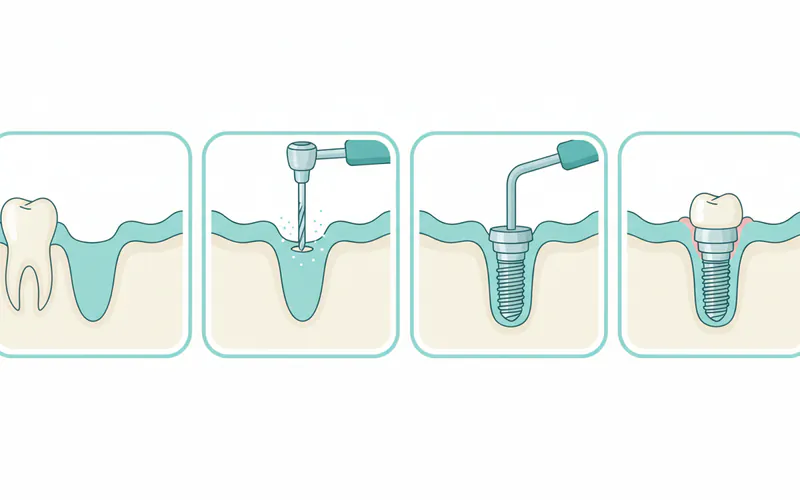
- Incision: The surgeon makes a small incision in the gum tissue to expose the jawbone.
- Drilling: Precision drills are used to create pilot holes in the jawbone at the planned implant sites.
- Implant Insertion: The titanium dental implants are then carefully screwed into these prepared sites.
- Suturing: The gum tissue is sutured closed over the implants (in a two-stage approach) or a healing abutment is attached (in a one-stage approach), which protrudes through the gum.
- Immediate Load (If Applicable): In some cases, particularly with All-on-4 or All-on-6, a temporary denture can be attached to the newly placed implants on the same day. This provides immediate aesthetics and function but requires strict dietary adherence during healing.
Step 4: Osseointegration (Healing Period)
- Bone Fusion: This critical phase involves the dental implants fusing with the surrounding jawbone. This biological process, called osseointegration, typically takes 3 to 6 months.
- Temporary Solutions: During this time, if you didn't receive an immediate load, you might wear a temporary traditional denture or a transitional bridge that does not put pressure on the healing implants.
- Monitoring: Regular follow-up appointments ensure proper healing.
Step 5: Abutment Placement (If Not Done Immediately)
- Exposure: If the implants were covered by gum tissue, a minor surgical procedure is performed to expose the top of the implants.
- Abutment Attachment: Small connecting posts called abutments are then attached to the implants. These will serve as the connection points for your new denture. The gums are allowed to heal around these abutments for a few weeks.
Step 6: Denture Fabrication and Attachment
- Impressions: Once the abutments are in place and the gums have healed, detailed impressions of your mouth are taken. These impressions are used by a dental lab to custom-fabricate your final implants denture.
- Trial Fittings: You'll have several trial fittings to ensure the fit, bite, and aesthetics are perfect. You and your dentist will approve the shade, shape, and alignment of the teeth.
- Final Placement: Once the final denture is ready, it is securely attached to the abutments.
- For implant-retained dentures, it will snap into place.
- For implants-supported dentures, it will be permanently screwed or cemented onto the abutments.
Step 7: Follow-up and Maintenance
- Adjustment Appointments: Initial adjustment appointments may be needed to fine-tune the fit and ensure maximum comfort.
- Ongoing Care: You'll receive detailed instructions on how to care for your new implants denture, including specific hygiene techniques and the importance of regular dental check-ups.
Pro Tip: Be patient with the process. While the timeline may seem long, each step is crucial for the long-term success and stability of your implants denture. Rushing the healing phase can compromise osseointegration and lead to complications.
Cost and Insurance for Implants Denture in the US
The investment in an implants denture can vary significantly, reflecting the complexity of the procedure, the number of implants required, the materials used, geographic location, and the expertise of the dental team. Understanding these factors and insurance coverage is essential for financial planning.
Average US Cost Ranges (Per Arch)
It's important to remember these are broad ranges. A detailed quote will be provided after your initial consultation.

-
Implant-Retained Denture (Overdenture):
- Typically uses 2 to 6 implants per arch.
- Low End: $12,000 - $18,000 (for 2-4 implants, acrylic denture, smaller regional areas)
- Mid-Range: $18,000 - $25,000 (for 4-6 implants, acrylic or composite denture, standard practices)
- High End: $25,000 - $35,000+ (for 6+ implants, premium materials like milled titanium bar with porcelain/zirconia teeth, highly specialized clinics, major metropolitan areas)
-
Implant-Supported Denture (Fixed Denture - e.g., All-on-4, All-on-6):
- Typically uses 4 to 8 implants per arch.
- Low End: $20,000 - $30,000 (for All-on-4 with acrylic/composite prosthesis, in less expensive regions)
- Mid-Range: $30,000 - $45,000 (for All-on-4/All-on-6 with higher quality acrylic/milled composite, standard practices)
- High End: $45,000 - $60,000+ (for All-on-6/All-on-8 with premium materials like zirconia or porcelain, complex cases requiring extensive bone grafting, top specialists, major metropolitan areas like New York or Los Angeles)
Factors Influencing Cost:
- Number of Implants: More implants generally mean higher cost.
- Type of Denture: Fixed (implant-supported) dentures are more expensive than removable (implant-retained) ones due to more implants and complex fabrication.
- Materials: Acrylic or composite materials are less expensive than high-strength zirconia or porcelain for the denture prosthesis.
- Ancillary Procedures: Costs for tooth extractions, bone grafting ($500-$3,000+ per site), or sinus lifts ($1,500-$3,500+ per sinus) will add to the total.
- Geographic Location: Dental costs are often higher in major metropolitan areas and specific regions of the US.
- Dentist's Expertise: Highly experienced specialists (oral surgeons, prosthodontists) may charge more.
- Pre-Operative Scans/Imaging: CBCT scans typically cost $300-$600.
Insurance Coverage Details
Dental insurance coverage for implants denture procedures can be complex and often limited.
- Implants: Most standard dental insurance plans consider dental implants an elective or cosmetic procedure and do not cover the surgical placement of the implants themselves. Some premium plans or employer-specific plans might offer limited coverage (e.g., 10-20% up to a lifetime maximum).
- Denture/Prosthesis: The denture portion (the restorative part that attaches to the implants) is more likely to be covered, as it falls under major restorative dentistry. Coverage typically ranges from 30-50% after deductibles, up to your annual maximum benefit (often $1,000-$2,500 per year).
- Ancillary Procedures: Extractions or bone grafting might have some coverage, especially if medically necessary due to disease or trauma.
- Medical Insurance: In rare cases, if tooth loss is due to a severe medical condition or trauma (e.g., cancer, accident), parts of the implant procedure might be covered by medical insurance. This is highly specific and requires detailed documentation from both your dentist and physician.
Pro Tip: Always submit a pre-treatment estimate to your dental insurance provider before beginning treatment. This will give you a clear understanding of what your plan will cover and your out-of-pocket expenses.
Payment Plans and Financing Options
Because of the significant investment, most dental practices offer various payment solutions:
- In-Office Payment Plans: Many clinics offer interest-free payment plans for a portion of the cost, broken down over the treatment duration.
- Third-Party Financing: Companies like CareCredit, LendingClub, or Alphaeon Credit specialize in healthcare financing, offering low-interest or interest-free plans for qualified applicants over extended periods (e.g., 6, 12, 18 months).
- Healthcare Savings Accounts (HSAs) or Flexible Spending Accounts (FSAs): These tax-advantaged accounts allow you to set aside pre-tax money for healthcare expenses, which can be used for dental implant procedures.
- Dental Schools: University dental schools often provide treatment at a reduced cost, as procedures are performed by students under the close supervision of experienced faculty. This can involve longer appointment times.
Recovery and Aftercare for Implants Denture
Proper recovery and diligent aftercare are paramount to the success and longevity of your implants denture. Adhering to your dentist's instructions will minimize complications and ensure optimal healing and integration.
Immediate Post-Surgery (First 24-72 Hours)
- Bleeding: Minor bleeding is normal. Bite gently on gauze pads and change them every 30-45 minutes until bleeding subsides. Avoid spitting vigorously or rinsing heavily, as this can dislodge blood clots.
- Swelling: Swelling is common. Apply an ice pack to the outside of your face (15 minutes on, 15 minutes off) for the first 24-48 hours to reduce swelling and bruising. Keep your head elevated, even while sleeping.
- Pain Management: Take prescribed pain medication as directed before the local anesthetic wears off. Over-the-counter pain relievers like ibuprofen can also help manage discomfort.
- Diet: Stick to a liquid or very soft diet (soups, yogurt, mashed potatoes, smoothies) for the first few days. Avoid hot liquids, alcohol, and using straws (suction can dislodge blood clots).
- Oral Hygiene: Do NOT rinse or brush near the surgical sites for the first 24 hours. After 24 hours, gently rinse with a prescribed antiseptic mouthwash (like chlorhexidine) or warm salt water (1/2 teaspoon salt in 8 oz warm water) 2-3 times a day. Avoid brushing directly over the surgical sites, but continue brushing other areas gently.
- Rest: Get plenty of rest and avoid strenuous activities or heavy lifting for at least 48-72 hours.
First Few Weeks
- Diet Progression: Gradually introduce softer solid foods as comfort allows, but continue to avoid hard, crunchy, or chewy foods that could damage healing tissues or stress the implants. If you have an immediate-load temporary denture, follow a very strict soft diet for several months.
- Oral Hygiene: Continue gentle brushing and mouth rinses. Your dentist may recommend a soft-bristled toothbrush specifically for the implant sites. Keeping the surgical area clean is crucial to prevent infection.
- Activity: You can gradually resume normal activities, but avoid contact sports or activities that could impact your mouth.
- Follow-up Appointments: Attend all scheduled follow-up appointments to monitor healing and remove sutures if necessary.
Long-Term Aftercare
- Excellent Oral Hygiene: This is the most critical aspect of long-term success.
- Brushing: Brush your implants denture at least twice a day with a soft-bristled brush. For fixed dentures, special implant brushes or electric toothbrushes with soft heads are recommended.
- Flossing/Interdental Cleaners: Use special floss (e.g., Super Floss, implant floss), interdental brushes, or water flossers (e.g., Waterpik) to clean around the implants and under the denture, especially for fixed options. Pro Tip: For implant-supported dentures, cleaning underneath the prosthesis where it meets the gums is vital to prevent bacterial buildup and inflammation. Your dentist will show you specific techniques.
- Mouthwash: An antibacterial mouthwash can be used as recommended by your dentist.
- Regular Dental Check-ups: Visit your dentist every 6 months for professional cleanings and examinations. These appointments are crucial for checking the health of your implants, surrounding tissues, and the integrity of your denture. Specialized tools are used for cleaning around implants to prevent damage.
- Denture Maintenance:
- Removable Dentures: Remove them daily for thorough cleaning and soak them in a denture cleaning solution as directed. Store them in water or cleaning solution overnight to prevent drying.
- Fixed Dentures: While you can't remove them, professional cleaning by your hygienist will access areas you might miss.
- Avoid Harmful Habits: Refrain from biting on hard objects (ice, hard candy), chewing tobacco, or smoking, as these can compromise implant health and longevity.
- Address Issues Promptly: If you notice any discomfort, redness, swelling, bleeding around the implants, or if your denture feels loose, contact your dentist immediately. Early intervention is key to managing potential complications.
By following these recovery and aftercare guidelines, you can significantly enhance the success rate and enjoy your stable, functional, and beautiful implants denture for many years.
Prevention of Complications, Including Peri-Implantitis
While implants denture procedures boast high success rates (often exceeding 95-98% for individual implants), prevention is key to avoiding complications and ensuring the longevity of your investment. The most significant risk to long-term implant success is peri implantitis.
What is Peri-Implantitis?
Peri implantitis is an inflammatory condition affecting the tissues surrounding a dental implant, leading to progressive loss of the supporting bone. It is essentially the implant equivalent of gum disease (periodontitis) that affects natural teeth.
-
Causes: The primary cause is bacterial plaque accumulation around the implant. Other contributing factors include:
- Poor oral hygiene
- Smoking
- Uncontrolled diabetes
- Genetic predisposition
- Excessive occlusal (biting) forces on the implant
- Residual cement around the implant
- Poorly fitting prosthesis
-
Signs and Symptoms:
- Redness and swelling of the gums around the implant
- Bleeding upon probing
- Pus discharge
- Pain or discomfort (though often painless in early stages)
- Increased probing depths around the implant (measured by dentist)
- Visible exposure of the implant threads
- Mobility of the implant (a late and severe sign)
- Radiographic bone loss around the implant
-
Why it Matters: Untreated peri-implantitis can lead to significant bone loss, implant loosening, and ultimately, implant failure and loss.
Strategies for Prevention
-
Impeccable Oral Hygiene:
- Brush Twice Daily: Use a soft-bristled brush or an electric toothbrush with a soft head.
- Clean Around Implants: Utilize interdental brushes, specialized implant floss, or a water flosser daily to remove plaque and food debris from around the abutments and under the denture. Your dentist will demonstrate specific techniques for your particular implants denture design.
- Antiseptic Rinses: Use an antimicrobial mouthwash as recommended by your dental professional, especially if you have a history of gum disease.
- Clean Removable Dentures: If you have an implant-retained overdenture, remove it daily for thorough cleaning of both the denture and the underlying gum and implant sites.
-
Regular Professional Cleanings and Check-ups:
- Every 6 Months: Schedule professional cleanings and examinations with your dental hygienist and dentist at least twice a year.
- Specialized Tools: Hygienists use special non-metal instruments (e.g., plastic or titanium scalers) to clean around implants to avoid scratching the titanium surface.
- Monitoring: Your dentist will monitor the health of your gum tissues, check for signs of inflammation, assess the stability of your implants, and take X-rays periodically to check for bone level changes.
-
Address Risk Factors:
- Smoking Cessation: Smoking dramatically increases the risk of implant failure and peri-implantitis. Quitting smoking is one of the most impactful preventive measures.
- Diabetes Management: If you have diabetes, strict control of your blood sugar levels is essential for overall health and for maintaining healthy gum tissues around implants.
- Manage Clenching/Grinding (Bruxism): If you clench or grind your teeth, your dentist may recommend a nightguard to protect your implants and denture from excessive forces.
-
Proper Denture Fit and Maintenance:
- Regular Assessments: Ensure your denture fits well. An ill-fitting denture can create areas for food trapping and plaque accumulation, or put undue stress on implants.
- Repair Damage Promptly: If your denture is cracked or damaged, have it repaired immediately by your dentist.
-
Follow Post-Surgical Instructions: Adhering strictly to your dentist's instructions after implant surgery is crucial for proper healing and initial osseointegration, laying the foundation for long-term success.
Pro Tip: Think of your implants as natural teeth – they require the same, if not more, diligent care to remain healthy and functional. Early detection and treatment of any inflammation are critical to preventing peri implantitis from progressing to a more severe stage.
Risks and Complications
While highly successful, any surgical procedure carries potential risks and complications. Being aware of these can help you have a realistic expectation and empower you to address issues promptly if they arise.
Surgical Risks
- Infection: Although rare with proper sterile techniques and antibiotics, infection at the implant site can occur. Symptoms include pain, swelling, pus, and fever.
- Nerve Damage: There is a small risk of damage to nerves, particularly in the lower jaw, which can lead to numbness, tingling, or pain in the lips, chin, or tongue. This is often temporary but can be permanent in rare cases. Precision planning with CBCT scans minimizes this risk.
- Sinus Perforation: During upper jaw implant placement, especially if bone density is low, there's a risk of perforating the sinus membrane. This is usually managed immediately, sometimes requiring a sinus lift.
- Damage to Adjacent Structures: Damage to existing teeth, blood vessels, or surrounding bone is possible but rare with careful planning and execution.
- Excessive Bleeding: While some bleeding is normal, prolonged or excessive bleeding is a rare complication.
- Anesthesia Risks: As with any procedure involving anesthesia, there are risks associated with the sedatives, though they are generally very safe.
Implant-Specific Complications
-
Implant Failure: This refers to the implant failing to osseointegrate with the bone or losing integration after a period. Causes can include:
- Poor bone quality or quantity: Insufficient bone or poor healing capacity.
- Infection: Leading to a breakdown of the bone-to-implant interface.
- Early loading: Placing too much force on the implant before it has fully healed.
- Smoking: Significantly reduces success rates.
- Systemic diseases: Uncontrolled diabetes, certain autoimmune diseases.
- Excessive chewing forces: Especially if not managed with a nightguard for bruxism.
- Peri-implantitis: As detailed above, this is a leading cause of late implant failure.
-
Peri-Implantitis: The most common long-term biological complication, as extensively discussed. It requires prompt intervention to prevent implant loss.
-
Mechanical Complications:
- Screw Loosening or Fracture: The small screws connecting the denture to the abutment or the abutment to the implant can loosen or, in rare cases, fracture.
- Denture Fracture: Like any dental prosthesis, the acrylic or porcelain teeth of the implants denture can chip, crack, or fracture, especially under heavy biting forces or trauma.
- Abutment Dislodgement: The abutment can sometimes loosen or become dislodged.
Management of Complications
Many complications, if caught early, can be successfully managed:
- Infection: Treated with antibiotics and, if necessary, surgical cleaning.
- Nerve Damage: Often resolves on its own; medication or further intervention may be considered for persistent issues.
- Peri-Implantitis: Treated with thorough cleaning, debridement, antibiotics, and sometimes surgical procedures to remove infected tissue and even regenerate bone.
- Implant Failure: If an implant fails, it may need to be removed. After a healing period, it may be possible to place another implant in the same site or a different location, sometimes with bone grafting.
- Mechanical Issues: Loose screws can be tightened, fractured dentures can be repaired or replaced.
Your dental professional will discuss these risks with you in detail during your consultation and ensure all precautions are taken to minimize them. Choosing an experienced and qualified dental implant specialist is crucial for minimizing risks and maximizing success.
Comparison Tables
To help visualize the differences between key implants denture options and their implications, here are two comparison tables.
Table 1: Implant-Retained vs. Implant-Supported Dentures
| Feature | Implant-Retained Denture (Overdenture) | Implant-Supported Denture (Fixed) |
|---|---|---|
| Stability | Good (snaps onto implants, significantly better than traditional) | Excellent (permanently fixed, acts like natural teeth) |
| Removability | Removable by patient for cleaning | Non-removable, fixed by dentist |
| Number of Implants | Typically 2-6 per arch | Typically 4-8 per arch (e.g., All-on-4, All-on-6) |
| Chewing Efficiency | Good (improved over traditional, but still some movement) | Excellent (restores close to natural biting force) |
| Jawbone Preservation | Helps prevent bone loss, but some resorption may still occur | Maximally preserves jawbone, stimulating it like natural roots |
| Palate Coverage (Upper Jaw) | Partial or full palate coverage | No palate coverage, enhancing taste and sensation |
| Cost (Per Arch) | $12,000 - $35,000 | $20,000 - $60,000+ |
| Comfort/Feel | Very good (less bulk than traditional, more secure) | Outstanding (feels like natural teeth, no slipping) |
| Cleaning | Easier to clean (can remove for thorough cleaning) | Requires diligent cleaning around and under the fixed prosthesis |
| Ideal For | Patients seeking improved stability/comfort without highest cost | Patients seeking highest function, aesthetics, and permanent solution |
Table 2: Cost and Timeline Comparison for Implants Denture Procedures (Per Arch)
| Procedure | Average Cost Range (US) | Typical Timeline (Excluding Bone Grafts) | Key Considerations |
|---|---|---|---|
| 2-Implant Retained | $12,000 - $18,000 | 4-7 months | Basic stability, most affordable implant denture option. |
| 4-Implant Retained | $18,000 - $25,000 | 4-8 months | Enhanced stability, good balance of cost/function. |
| All-on-4 (Fixed) | $20,000 - $45,000 | 6-12 months (can include immediate load) | Fixed solution, often immediate temporary teeth possible. |
| All-on-6 (Fixed) | $30,000 - $60,000+ | 6-12 months (can include immediate load) | Maximized stability for fixed prosthesis, premium option. |
| Bone Grafting (Add-on) | $500 - $3,000 per site | Additional 3-9 months | Necessary if insufficient bone for implant placement. |
| Sinus Lift (Add-on) | $1,500 - $3,500 per sinus | Additional 4-9 months | Required for upper jaw implants if sinus is too low. |
Cost Breakdown (Summary)
Investing in an implants denture is a significant financial decision, but one that can profoundly improve quality of life. The total cost is a composite of several factors:
- Surgical Placement of Implants: This is often the largest component, encompassing the implants themselves, the surgeon's fee, and anesthesia. For individual implants (not part of a full arch), a molar teeth implant can cost $3,000-$6,000 per tooth including the crown. When part of a denture system, the per-implant cost may be slightly lower due to economies of scale.
- Abutments: These are the connecting pieces between the implant and the denture.
- The Denture/Prosthesis: The custom-fabricated set of teeth, which can range from acrylic to high-end zirconia, significantly impacts the price.
- Ancillary Procedures: Extractions, bone grafts, or sinus lifts are additional costs if required.
- Temporary Restorations: If you receive a temporary denture during the healing phase, this is also factored in.
- Diagnostic Imaging: X-rays and CBCT scans.
- Follow-up Appointments: Post-surgical checks and adjustments.
As noted earlier, average costs for an implant-retained arch range from $12,000 to $35,000, while implant-supported (fixed) options are typically $20,000 to $60,000+ per arch.
With vs. Without Insurance: As discussed in the "Cost and Insurance" section, dental insurance rarely covers the implant surgery itself. The denture portion may receive partial coverage, typically 30-50% up to your annual maximum. This means a substantial portion of the cost will be out-of-pocket without specific, high-end implant coverage. For example, if an implant-retained denture costs $20,000 per arch, and insurance covers $1,500 of the denture component, your out-of-pocket might still be over $18,000.
Payment Plans and Financing Options: To make implants denture treatment more accessible, most dental providers offer flexible payment options. This includes in-house payment schedules, third-party medical financing companies (like CareCredit, LendingClub) that provide low-interest or interest-free plans, and the acceptance of HSA/FSA funds. Discuss these options with your dental office's financial coordinator.
Cost-Saving Tips:
- Shop Around (Carefully): Get multiple consultations from reputable providers. While price is a factor, prioritize experience and quality.
- Utilize Dental Schools: University dental schools often offer reduced costs for treatment performed by residents under supervision.
- Maximize Insurance: Understand your policy's maximum benefits and coordinate benefits if you have multiple plans.
- Timing: If you have an annual maximum, consider splitting treatment over two calendar years to utilize two years' worth of benefits.
- Preventive Care: Maintaining excellent oral hygiene and attending regular check-ups can prevent complications like peri implantitis that could lead to additional costs.
Frequently Asked Questions
What is the difference between an implants denture and regular dentures?
An implants denture is securely anchored to dental implants surgically placed in your jawbone, providing exceptional stability and preventing slipping. Regular dentures rest directly on your gums and rely on suction or adhesives, often leading to discomfort, difficulty chewing, and potential slippage.
Is getting an implants denture painful?
The implant placement surgery is typically performed under local anesthesia, often with sedation, so you shouldn't feel pain during the procedure. Post-operative discomfort is common but usually manageable with prescribed pain medication and over-the-counter pain relievers. Most patients report the recovery is less painful than expected.
How long does the implants denture process take?
The entire process usually takes 4 to 12 months from initial consultation to the placement of your final denture. This includes implant placement surgery, a crucial healing period of 3-6 months for osseointegration, and then the fabrication and fitting of the permanent denture. Bone grafting procedures can extend this timeline.
How do I clean my implants denture?
For removable implant-retained dentures, you remove them daily for thorough brushing and soaking in a denture cleaning solution. For fixed implant-supported dentures, you clean them in your mouth by brushing, flossing with specialized tools (like Super Floss or water flossers) to get under the prosthesis, and using interdental brushes as advised by your dentist. Regular professional cleanings are essential for both types.
Can I get an implants denture if I have bone loss?
Yes, in many cases. If you have insufficient bone density, bone grafting procedures (such as a sinus lift for the upper jaw) can be performed to rebuild the jawbone, creating a stable foundation for the implants. This will add to the overall treatment time and cost.
What are the alternatives to implants denture?
Alternatives include traditional removable full dentures, partial dentures (if some natural teeth remain), or fixed dental bridges (if you only have a few missing teeth with healthy adjacent teeth). However, none of these options offer the same level of stability, bone preservation, and comfort as an implants denture.
How long do implants dentures last?
With proper care, dental implants themselves can last for 20 years or even a lifetime. The denture prosthesis (the set of teeth) typically lasts 10-15 years before needing repair or replacement due to wear and tear. Regular check-ups and excellent oral hygiene are key to longevity.
Can I eat normally with an implants denture?
Yes! One of the biggest advantages of an implants denture is the significant improvement in chewing ability. Implant-supported (fixed) dentures allow you to eat virtually any food, similar to natural teeth. Implant-retained (removable) dentures also offer much-improved chewing comfort compared to traditional dentures.
Is peri implantitis common, and how can I prevent it?
Peri implantitis is a serious complication, but it is largely preventable. It's not common in patients who practice excellent oral hygiene and attend regular dental check-ups. Preventing it involves thorough daily cleaning around your implants and denture, avoiding smoking, and scheduling professional cleanings every six months.
Will my implants denture look natural?
Absolutely. Modern implants dentures are custom-designed to match your facial features, gum line, and desired tooth shade, creating a very natural and aesthetically pleasing smile. Dental professionals work closely with skilled lab technicians to ensure a beautiful and functional outcome.
When to See a Dentist
Recognizing when to seek professional dental care is crucial for the success and longevity of your implants denture and overall oral health.
Immediate Attention (Emergency)
Contact your dentist or oral surgeon immediately if you experience any of the following:
- Severe or worsening pain: Especially if it's not relieved by medication or is accompanied by swelling.
- Excessive bleeding: If bleeding is heavy and doesn't subside after applying pressure with gauze for 30 minutes.
- Significant swelling or pus: Swelling that rapidly increases, spreads, or is accompanied by discharge of pus around an implant or the denture. This can indicate an infection.
- Fever or chills: These are systemic signs of infection.
- Numbness or tingling: Especially if it persists for several hours or days after surgery beyond what was expected.
- Sudden looseness of an implant or the entire denture: A loose implant is a serious concern and needs immediate evaluation. If a fixed denture becomes wobbly, it could be a sign of a loose screw or a problem with the underlying implants.
- Fracture of the denture base or teeth: While not always an emergency, a broken denture can compromise function and potentially irritate soft tissues, requiring prompt repair.
Scheduled Appointment (Routine Care or Non-Emergency Concerns)
Schedule an appointment with your dentist for the following:
- Routine 6-month check-ups and cleanings: Essential for monitoring implant health and professional cleaning to prevent peri implantitis.
- Minor discomfort or irritation: If your denture rubs or causes mild, persistent irritation to your gums that doesn't resolve with gentle cleaning.
- Changes in bite: If your bite feels off or uneven, which can sometimes lead to excessive forces on the implants.
- Minor chips or cracks in the denture teeth: These should be addressed before they worsen.
- Difficulty cleaning effectively: If you are struggling to maintain hygiene around your implants denture, your dentist or hygienist can provide guidance and demonstrate proper techniques.
- Any concerns about the appearance of your implants denture: If you are unhappy with the aesthetics, discuss potential adjustments or refinements.
- If you are a smoker: Discuss cessation strategies and the increased risks for peri implantitis with your dentist.
Regular and proactive dental care is the cornerstone of maintaining a healthy and long-lasting implants denture. Don't hesitate to reach out to your dental professional with any questions or concerns, no matter how minor they may seem.
Frequently Asked Questions
Medically Reviewed Content
This article was written by our dental health editorial team and reviewed for medical accuracy. Our content follows strict editorial guidelines for reliability and trustworthiness.
Medical Disclaimer
This article is for informational purposes only and does not constitute medical advice. Always consult with a qualified dental professional for diagnosis and treatment. Do not delay seeking professional advice because of something you read on this website.
Related Articles
Implantologist: Complete Guide
Losing a tooth can be a significant setback, impacting not only your smile but also your ability to speak, chew, and maintain overall oral health. In fact, over 3 million Americans currently have dental implants, and that number is projected to grow significantly as more people seek a durable, n
March 8, 2026
Dentures Over Implants: Complete Guide
Missing multiple teeth or even an entire arch can profoundly impact your life, affecting everything from your ability to chew and speak to your self-confidence. For millions of Americans, traditional removable dentures have long been a solution, but they often come with compromises: slipping, discom
March 8, 2026
Implants Process: Complete Guide
Missing teeth can impact more than just your smile; they can affect your ability to eat, speak, and even your overall confidence. In fact, over 178 million Americans are missing at least one tooth, and about 40 million are missing all of their teeth. When faced with tooth loss, understanding the
March 8, 2026
Implants Dentaires: Complete Guide
Missing teeth can dramatically impact not just your smile, but your overall health, confidence, and quality of life. In the United States, an estimated 178 million adults are missing at least one tooth, while approximately 40 million are missing all their teeth. These statistics underscore a
March 8, 2026