Wisdom Teeth Removal Cost: Complete Price Guide 2026
Key Takeaways
- For many young adults, the emergence of wisdom teeth – the third molars – is an inevitable rite of passage, often accompanied by discomfort and, eventually, a trip to the oral surgeon. In fact, approximately 85% of people will require wisdom teeth removal at some point in their lives, making it
Wisdom Teeth Removal Cost: Complete Price Guide 2026
For many young adults, the emergence of wisdom teeth – the third molars – is an inevitable rite of passage, often accompanied by discomfort and, eventually, a trip to the oral surgeon. In fact, approximately 85% of people will require wisdom teeth removal at some point in their lives, making it one of the most common oral surgical procedures. While the procedure itself is routine, the financial aspect can be a significant concern for patients and their families. Understanding the wisdom teeth removal cost is crucial for proper planning and avoiding unexpected bills.
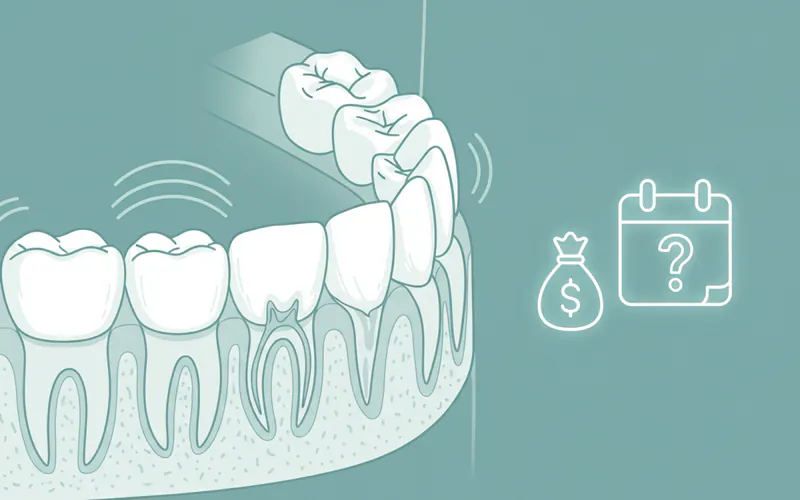
This comprehensive guide from SmilePedia.net aims to demystify the expenses associated with wisdom tooth extraction-complete-guide "Wisdom Tooth Extraction: Complete Guide"). We will explore the various factors influencing the total cost, from the complexity of the extraction to the type of anesthesia used, and delve into how dental insurance can impact your out-of-pocket expenses. By 2026, healthcare costs continue to evolve, and being armed with accurate information allows you to make informed decisions about your oral health. We'll also cover the crucial aspects of preparation, the extraction process, and the all-important recovery phase, including essential aftercare instructions and tips on what to eat after wisdom teeth removal.
Key Takeaways:
- Average Cost: The total cost for wisdom teeth removal in the US typically ranges from $75 to over $1,100 per tooth, depending on the complexity (simple vs. impacted) and type of anesthesia.
- Total Procedure Cost: Removing all four wisdom teeth can range from $600 to $4,000+ without insurance, including consultation, X-rays, extraction, and anesthesia.
- Impacted Teeth Drive Up Cost: Surgically extracting impacted wisdom teeth (especially full bony impactions) is significantly more expensive than simple extractions.
- Anesthesia is a Major Factor: IV sedation or general anesthesia can add $250 to $1,500+ to the total bill, often charged per hour or per procedure.
- Insurance Coverage Varies: Most dental insurance plans cover 50-80% of wisdom tooth removal costs, but deductibles, co-pays, and annual maximums apply. Pre-authorization is often required.
- Recovery: Expect 3-7 days of significant recovery, requiring a soft diet and careful oral hygiene to prevent complications like dry socket.
- Consultation is Key: Always get a detailed quote from your oral surgeon after a thorough examination and X-rays to understand your specific costs.
What It Is / Overview
Wisdom teeth, clinically known as third molars, are the very last teeth to erupt in the mouth, typically making their appearance between the ages of 17 and 25. While some individuals have enough space in their jaws for these molars to erupt without issue and function like any other tooth, for many, there simply isn't enough room. This lack of space can lead to a condition called impaction, where the tooth is unable to fully emerge through the gum line or grows in at an abnormal angle.
When wisdom teeth are impacted or cause other problems, their removal becomes necessary. Wisdom teeth removal is a common oral surgery procedure performed by an oral and maxillofacial surgeon or sometimes a general dentist. The goal is to extract these problematic teeth before they lead to pain, infection, damage to adjacent teeth, or other serious oral health issues. Early assessment, often during the late teenage years, with panoramic X-rays, is crucial to determine if and when removal is advisable.
Types / Variations of Wisdom Teeth & Extractions
The complexity and, therefore, the wisdom teeth removal cost are largely dictated by the type of impaction and the method of extraction required.
Types of Impaction
Wisdom teeth can be impacted in several ways:
- Soft Tissue Impaction: The top of the wisdom tooth has penetrated through the bone, but is still covered by gum tissue. This often causes pericoronitis (inflammation of the gum tissue around the tooth).
- Partial Bony Impaction: The wisdom tooth is partially erupted, but still largely encased within the jawbone, with only a portion of the crown visible. This can be difficult to clean and prone to decay or infection.
- Full Bony Impaction: The entire wisdom tooth is completely encased within the jawbone and gum tissue. These are often the most complex and costly to remove.
Beyond these categories, impactions are also classified by their angle:
- Mesial Impaction: The tooth is angled forward, towards the front of the mouth. This is the most common type.
- Vertical Impaction: The tooth is relatively straight but unable to erupt due to insufficient space.
- Horizontal Impaction: The tooth is lying completely on its side, parallel to the jawline, often pressing against the adjacent second molar. This is one of the most challenging types to remove.
- Distal Impaction: The tooth is angled backward, towards the rear of the mouth. This is less common.
Types of Extraction Procedures
- Simple Extraction: This applies to wisdom teeth that have fully erupted and are visible in the mouth, much like any other tooth. The dentist can grasp the tooth with forceps and rock it gently to loosen it from the socket. This is typically performed by a general dentist under local anesthesia.
- Surgical Extraction: This is required for impacted wisdom teeth, where the tooth is partially or fully beneath the gum line and/or bone. An oral surgeon typically performs this procedure. It involves:
- Making an incision in the gum tissue to expose the tooth and bone.
- Carefully removing a small amount of bone that is covering the tooth.
- Sectioning the tooth into smaller pieces to facilitate easier removal.
- Extracting the pieces.
- Cleaning the site and often placing sutures to close the gum.
The complexity of these surgical extractions directly correlates with the overall wisdom teeth removal cost.
Causes / Why It Happens
The primary reason wisdom teeth often cause problems and require extraction is a mismatch between jaw size and tooth size. Throughout human evolution, jaws have become smaller, while the number and size of teeth have remained relatively consistent. This means that by the time the third molars attempt to erupt, there simply isn't enough room for them to align properly with the rest of the teeth.
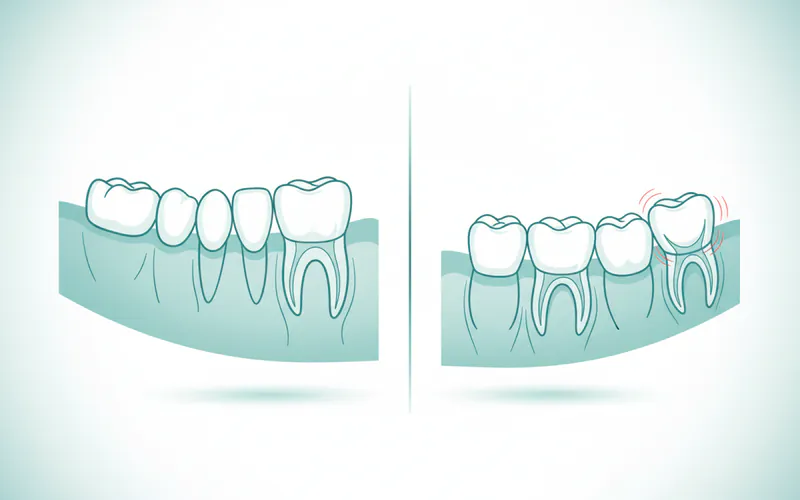
Specific reasons for problematic wisdom teeth include:
- Lack of Space: The most common cause. The jaw is too small to accommodate the wisdom teeth, leading to impaction.
- Impaction: As described above, the tooth gets stuck in the jawbone or gum tissue, unable to fully erupt. This can lead to a host of complications.
- Pericoronitis: When a wisdom tooth partially erupts, a flap of gum tissue can form over it, trapping food particles and bacteria. This leads to inflammation, infection, pain, and swelling.
- Dental Caries (Cavities): Impacted or partially erupted wisdom teeth are often very difficult to clean thoroughly. This makes them highly susceptible to decay, which can spread to adjacent teeth.
- Cysts or Tumors: In rare cases, a fluid-filled sac (cyst) or even a benign tumor can form around an impacted wisdom tooth, leading to bone destruction and damage to surrounding structures.
- Crowding of Other Teeth: Erupting wisdom teeth can exert pressure on existing teeth, potentially causing them to shift, become crooked, or undo previous orthodontic work.
- Damage to Adjacent Teeth: An impacted wisdom tooth can press against the root of the second molar, leading to root resorption (the breakdown of the root structure) or periodontal disease in that area.
Signs and Symptoms
While some impacted wisdom teeth are asymptomatic (meaning they cause no pain or noticeable symptoms), they can still be causing damage beneath the surface. It's why regular dental check-ups and X-rays, especially for young adults, are crucial.
However, when wisdom teeth do cause problems, common signs and symptoms include:
- Pain: Often dull, throbbing, or sharp pain in the back of the jaw, potentially radiating to the ear or head. This is the most common reason people seek tooth extraction near me.
- Swelling: Noticeable swelling in the gum tissue around the erupting or impacted tooth, and sometimes swelling of the cheek or jaw.
- Tenderness or Bleeding Gums: Inflamed gums around the wisdom tooth may be sensitive to touch or bleed easily.
- Difficulty Opening Mouth (Trismus): Inflammation and infection can cause muscle spasms that make it hard to open the jaw fully.
- Bad Breath (Halitosis) or Unpleasant Taste: Trapped food and bacteria under gum flaps can lead to foul odors and tastes.
- Difficulty Chewing: Pain and swelling can make it hard to chew food comfortably.
- Headaches: Referred pain from the jaw or infection can sometimes manifest as headaches.
- Fever: In cases of severe infection, a low-grade fever may develop.
If you experience any of these symptoms, it's essential to see a dentist or oral surgeon promptly. Early intervention can prevent more serious complications and potentially reduce the complexity and wisdom teeth removal cost.
Treatment Options
When wisdom teeth pose a problem, there are typically two main approaches: observation or extraction.
-
Observation (Monitoring):
- Description: If wisdom teeth are asymptomatic, show no signs of pathology (like cysts or decay), and are not impacting adjacent teeth, a dentist might recommend regular monitoring with X-rays. This is less common for impacted wisdom teeth, but a possibility for fully erupted, healthy ones that simply don't have an opposing tooth to bite against.
- Pros: Avoids surgery and associated risks and costs.
- Cons: Potential for future problems (pain, infection, damage) that may require more complex and costly extraction later. Regular monitoring still incurs X-ray and exam costs.
-
Surgical Extraction (The Primary Treatment):
- Description: This involves the actual removal of the wisdom tooth, as detailed in the "Types of Extraction Procedures" section. It's the most common treatment for problematic wisdom teeth.
- Pros: Eliminates current pain and prevents future complications. Improves overall oral health.
- Cons: Involves surgery, with associated risks, recovery time, and costs.
Pro Tip: The American Dental Association (ADA) generally supports the removal of impacted wisdom teeth that are causing or are likely to cause pathology. The decision to remove or observe should always be made in consultation with an experienced oral surgeon after a thorough clinical and radiographic examination.
Step-by-Step Process
Understanding the steps involved can help alleviate anxiety about the procedure and clarify the overall experience.
-
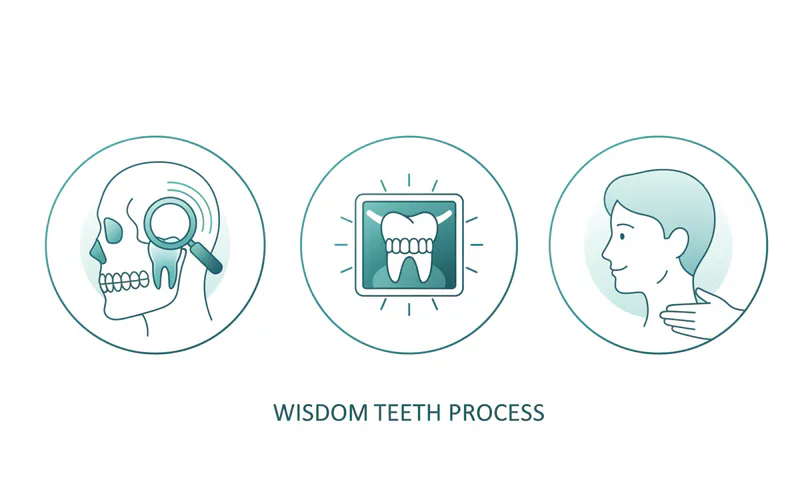
Initial Consultation and Examination:
- Your general dentist may refer you to an oral and maxillofacial surgeon.
- The surgeon will conduct a thorough oral examination and review your dental and medical history.
- Panoramic X-rays will be taken to visualize the position of the wisdom teeth, their roots, proximity to nerves (especially the inferior alveolar nerve in the lower jaw and the maxillary sinus in the upper jaw), and surrounding bone. Sometimes, 3D Cone Beam CT scans are used for very complex cases.
- The surgeon will explain the procedure, discuss anesthesia options, and provide a detailed cost estimate for your specific case.
-
Pre-Procedure Instructions:
- You'll receive instructions regarding fasting (if receiving sedation or general anesthesia), medications to avoid (like blood thinners), and arranging for a ride home.
-
Anesthesia Administration:
- Once you're in the dental chair, the chosen anesthesia will be administered:
- Local Anesthesia: Numbing injections around the extraction site. You'll be awake but won't feel pain.
- Nitrous Oxide ("Laughing Gas"): Administered via a mask, it helps you relax. Often used with local anesthesia.
- Intravenous (IV) Sedation: Medication delivered through a vein to make you drowsy and relaxed, often inducing "twilight sleep." You might remember little or nothing of the procedure. Local anesthesia is still used to numb the area.
- General Anesthesia: You will be completely unconscious. This is typically reserved for very complex cases or patients with severe anxiety and requires an anesthesiologist.
- Once you're in the dental chair, the chosen anesthesia will be administered:
-
The Extraction:
- If the tooth is impacted, the surgeon will make a small incision in the gum tissue to expose the tooth and underlying bone.
- Using a dental drill, a small amount of bone covering the tooth may be carefully removed.
- The tooth may be sectioned into smaller, more manageable pieces to minimize trauma to the surrounding bone and tissue.
- Specialized instruments are used to gently loosen and extract the tooth or its pieces.
- Once the tooth is removed, the socket is thoroughly cleaned to remove any debris or bone fragments.
-
Suturing (Stitches):
- In most surgical extractions, the gum flap is repositioned, and sutures (stitches) are placed to help the wound heal properly and reduce bleeding. These may be dissolvable or require removal at a follow-up appointment.
-
Post-Operative Care Instructions:
- Before you leave, the surgical team will provide detailed written and verbal instructions on managing pain, swelling, bleeding, diet, and oral hygiene during recovery.
Cost and Insurance
The wisdom teeth removal cost is arguably the most significant concern for many patients. It's a complex topic because prices vary widely based on several factors, including the number of teeth extracted, the complexity of the impaction, the type of anesthesia, geographic location, and the oral surgeon's fees.
Average US Costs (Without Insurance)
Here's a breakdown of typical costs for a single wisdom tooth removal:
-
Simple Erupted Wisdom Tooth Extraction:
- Cost: $75 - $200 per tooth
- Description: For a fully emerged wisdom tooth that can be extracted like any other molar. Usually performed by a general dentist.
-
Surgical Extraction (Soft Tissue Impaction):
- Cost: $225 - $600 per tooth
- Description: The tooth has mostly erupted through bone but is still covered by gum tissue. Requires an incision.
-
Surgical Extraction (Partial Bony Impaction):
- Cost: $350 - $850 per tooth
- Description: The tooth is partially encased in bone, requiring bone removal and an incision.
-
Surgical Extraction (Full Bony Impaction):
- Cost: $450 - $1,100+ per tooth
- Description: The tooth is completely embedded in the jawbone, requiring significant bone removal, sectioning of the tooth, and an incision. These are often the most complex and expensive.
Anesthesia Costs (Additional to Extraction Fees)
Anesthesia plays a major role in the overall wisdom teeth removal cost.
-
Local Anesthesia:
- Cost: Often included in the extraction fee.
- Description: Numbing injections to the site.
-
Nitrous Oxide (Laughing Gas):
- Cost: $50 - $200 per procedure (for a session)
- Description: Minimal sedation to relax you, often combined with local anesthesia.
-
Intravenous (IV) Sedation:
- Cost: $250 - $800 for 30-60 minutes, then often $100 - $200 per additional 15-30 minutes.
- Description: Administered by an oral surgeon or anesthesiologist to induce a "twilight sleep." This is very common for wisdom teeth removal.
-
General Anesthesia:
- Cost: $500 - $1,500+ per hour, depending on provider and facility.
- Description: Administered by a board-certified anesthesiologist, resulting in complete unconsciousness. Often used in hospital settings or specialized surgical centers for complex cases or very anxious patients.
Other Potential Costs
- Initial Consultation/Exam: $50 - $150
- Panoramic X-ray: $50 - $200
- 3D CT Scan (if needed): $250 - $600+
- Prescription Medications: (Painkillers, antibiotics, anti-inflammatory drugs) $20 - $100+
- Follow-up Appointments: Often included in the surgical fee, but confirm.
- Sedation Monitoring: May be a separate charge.
Total Estimated Costs for All Four Wisdom Teeth (without insurance)
To give you a broader picture, here are estimated ranges for removing all four wisdom teeth:
| Complexity Level | Local Anesthesia Only | IV Sedation (Standard) | General Anesthesia (Complex) |
|---|---|---|---|
| All 4 Simple Extractions | $300 - $800 | $550 - $1,600 | $800 - $2,500 |
| 2 Simple, 2 Partial Bony | $850 - $1,900 | $1,100 - $2,700 | $1,400 - $3,500 |
| All 4 Partial Bony | $1,400 - $3,400 | $1,650 - $4,200 | $1,900 - $5,000 |
| All 4 Full Bony | $1,800 - $4,400 | $2,050 - $5,200 | $2,300 - $6,000+ |
| Estimates include consultation, X-rays, and average anesthesia costs. |
Regional Variations
Costs can vary significantly based on your geographic location. Major metropolitan areas (e.g., New York, Los Angeles, San Francisco) generally have higher costs compared to rural areas or cities with a lower cost of living. It's always wise to inquire about local averages or compare quotes from different providers in your vicinity by searching for "tooth extraction near me."
Insurance Coverage Details
Dental insurance can substantially reduce your out-of-pocket wisdom teeth removal cost.
- Coverage Percentage: Most dental insurance plans cover between 50% and 80% of surgical extraction costs, depending on your plan's specific benefits. Simple extractions might be covered at a higher percentage (e.g., 80-100%).
- Deductibles: You will likely need to meet your annual deductible (e.g., $50-$150) before your insurance begins to pay.
- Co-pays: You may have a co-payment for specialist visits.
- Annual Maximums: Most dental plans have an annual maximum benefit (e.g., $1,000 - $2,500). If your total cost exceeds this, you'll be responsible for the remainder. For removal of all four impacted wisdom teeth, it's common to hit or exceed the annual maximum.
- Medical vs. Dental Insurance: In some cases, if the impaction is causing severe pathology or the procedure is performed in a hospital setting with general anesthesia, your medical insurance might cover a portion of the anesthesia or facility fees. Always check with both your dental and medical insurance providers.
- Pre-authorization: Many insurance companies require pre-authorization for surgical procedures like wisdom teeth removal. Your oral surgeon's office will typically handle this, but it's important to confirm it's been done to ensure coverage.
- In-Network vs. Out-of-Network: Going to an in-network provider will almost always result in lower out-of-pocket costs because the provider has agreed to discounted rates with your insurance company.
Pro Tip: Before committing to the procedure, ask your oral surgeon's office for a detailed estimate of costs, including all potential fees (X-rays, anesthesia, extraction). Then, contact your insurance provider directly to confirm your benefits, deductible, co-pays, and annual maximums specifically for wisdom teeth removal. This due diligence can save you from significant financial surprises.
| Cost Component | Without Insurance (Typical Range) | With Insurance (Estimated Patient Share) |
|---|---|---|
| Consultation | $50 - $150 | $25 - $75 |
| Panoramic X-ray | $50 - $200 | $25 - $100 |
| Per Tooth (Simple) | $75 - $200 | $15 - $100 |
| Per Tooth (Soft) | $225 - $600 | $45 - $300 |
| Per Tooth (Partial) | $350 - $850 | $70 - $425 |
| Per Tooth (Full) | $450 - $1,100 | $90 - $550 |
| IV Sedation | $250 - $800 (per hour) | $50 - $400 (per hour) |
| General Anesthesia | $500 - $1,500+ (per hour) | $100 - $750+ (per hour) |
| Medications | $20 - $100 | $10 - $50 |
| Note: Patient share with insurance is highly variable based on plan benefits, deductibles, and annual maximums. These are rough estimates assuming 50-80% coverage after deductible. |
Recovery and Aftercare
Proper recovery and aftercare are crucial for preventing complications, reducing discomfort, and ensuring a smooth healing process after wisdom teeth removal. Adhering to your surgeon's instructions will significantly impact your outcome.
Immediate Post-Operative Care (First 24-48 Hours)
-
Bleeding Control: Bite firmly on the gauze pads placed by the surgeon for 30-45 minutes. Replace gauze as needed, typically every 30-45 minutes, until bleeding subsides to a light ooze.
-
Pain Management: Take prescribed pain medication as directed, usually before the local anesthetic wears off. Over-the-counter pain relievers like ibuprofen (Advil, Motrin) or acetaminophen (Tylenol) can also be used, potentially in conjunction with prescribed medications, following your surgeon's advice.
-
Swelling Reduction: Apply an ice pack to the outside of your cheek, near the extraction sites, for 20 minutes on, 20 minutes off, for the first 24-48 hours. This is most effective in minimizing swelling.
-
Rest: Rest is vital. Avoid strenuous activity, bending over, or heavy lifting for at least 48-72 hours, as this can dislodge blood clots and increase bleeding. Keep your head elevated with pillows.
-
Diet - What to Eat After Wisdom Teeth Removal:
- First 24 hours: Stick to soft, cool, or lukewarm liquids and foods. Examples include applesauce, yogurt, pudding, mashed potatoes (cool), broth, and smoothies (without a straw!).
- Next Few Days: Gradually introduce slightly more substantial soft foods like scrambled eggs, soft pasta, well-cooked fish, and oatmeal.
- Avoid: Hot liquids (soups, coffee), spicy foods, crunchy foods (chips, popcorn, nuts), and anything that requires vigorous chewing.
- NO STRAWS! The sucking motion can dislodge the blood clot, leading to a painful dry socket.
- Avoid Alcohol and Smoking: These significantly impede healing and increase the risk of complications.
-
Oral Hygiene:
- First 24 hours: Do NOT rinse your mouth vigorously, spit forcefully, or brush the extraction sites. You can gently brush other teeth, avoiding the surgical area.
- After 24 hours: Gently rinse your mouth with a warm salt water solution (1/2 teaspoon salt in 8 ounces of warm water) 2-3 times a day, especially after meals. Let the water simply flow over the surgical site; do not swish forcefully. You can carefully begin brushing around the surgical sites with a soft toothbrush.
Ongoing Recovery (Day 3 to 1 Week)
- Pain and Swelling: Swelling typically peaks around 48-72 hours and then gradually subsides. Bruising may appear. Continue pain medication as needed, tapering off as discomfort lessens.
- Diet: You should be able to slowly introduce more solid foods, but continue to avoid hard, crunchy, or spicy items.
- Activity: Gradually return to light activities. Avoid strenuous exercise for at least 5-7 days, or longer if advised by your surgeon.
- Sutures: If non-dissolvable sutures were used, you'll have an appointment to have them removed around 7-10 days after surgery. Dissolvable sutures will disappear on their own.
Full Recovery
Complete healing of the gum tissue can take 3-4 weeks, while bone remodeling in the socket can take several months. Continue to practice good oral hygiene and follow any specific instructions from your surgeon.
Prevention
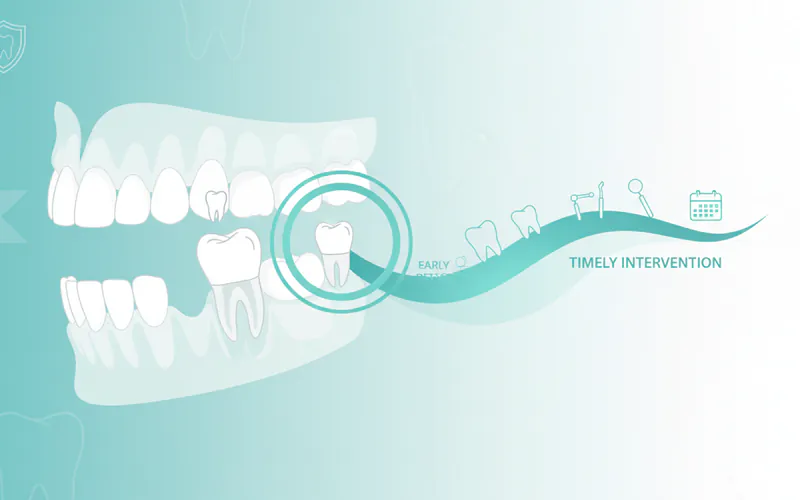
While you cannot truly "prevent" wisdom teeth from developing or becoming impacted due to genetic and developmental factors, early detection and timely intervention can prevent the severe problems associated with them.
- Regular Dental Check-ups: Consistent visits to your dentist, particularly during the teenage years, are crucial. Your dentist will monitor the development of your wisdom teeth through clinical examination.
- Panoramic X-rays: Around ages 16-19, a panoramic X-ray (a single X-ray that shows all teeth in both jaws) is often taken. This allows the dentist or oral surgeon to assess the position of the developing wisdom teeth, detect impactions, and determine their potential to cause problems.
- Early Intervention: If impaction or other issues are identified early, removal can often be performed before severe symptoms or complications arise, potentially making the procedure less complex and reducing the overall wisdom teeth removal cost by avoiding emergency extractions.
Risks and Complications
While wisdom teeth removal is a safe and common procedure, like any surgery, it carries potential risks and complications.
- Dry Socket (Alveolar Osteitis): This is the most common complication, occurring in about 5-10% of cases, especially in lower wisdom teeth. It happens when the blood clot in the empty socket dislodges prematurely, exposing the underlying bone and nerves. It causes intense pain 2-4 days after surgery, often radiating to the ear. Treatment involves rinsing the socket and placing a medicated dressing.
- Infection: Although antibiotics are sometimes prescribed, bacterial infection can still occur in the surgical site. Symptoms include increased pain, swelling, redness, pus, and sometimes fever.
- Nerve Damage (Paresthesia): This is a rare but serious complication, occurring in less than 1% of cases. The inferior alveolar nerve (supplying sensation to the lower lip, chin, and tongue) or the lingual nerve (supplying taste and sensation to the tongue) can be bruised or damaged during extraction. This can result in temporary or, in very rare cases, permanent numbness, tingling, or altered sensation.
- Excessive Bleeding: While some oozing is normal, prolonged heavy bleeding is a risk.
- Damage to Adjacent Teeth: The second molar can be inadvertently damaged during the extraction of an impacted wisdom tooth.
- Sinus Communication: For upper wisdom teeth, the roots can be very close to the maxillary sinus. During extraction, a communication (hole) between the mouth and the sinus can occur. This usually heals on its own but may require further treatment if persistent.
- Fractured Jaw: Extremely rare, but possible, especially in older patients or those with brittle bones, if excessive force is used during extraction.
- TMJ (Temporomandibular Joint) Pain: Keeping the mouth open for an extended period during surgery can sometimes lead to temporary pain or dysfunction of the jaw joint.
Your oral surgeon will discuss these risks with you before the procedure.
Children / Pediatric Considerations
Wisdom teeth typically begin to form in the mid-to-late teenage years, usually between ages 15 and 18, though they don't fully erupt until 17-25. Therefore, "pediatric" considerations for wisdom teeth largely focus on adolescents.
- Early Assessment: It's common for orthodontists and general dentists to monitor wisdom tooth development in teenagers. Panoramic X-rays taken around age 16-19 are crucial for assessing the position of developing wisdom teeth and predicting potential impaction.
- Orthodontic Implications: Sometimes, wisdom teeth can pose a threat to orthodontic treatment by potentially causing crowding or relapse. In such cases, early removal may be recommended even before symptoms arise.
- Optimal Timing: Oral surgeons often recommend removing wisdom teeth in the late teens or early twenties because the roots are not yet fully developed, and the surrounding bone is less dense. This can make the extraction technically easier, reduce recovery time, and potentially lower the risk of complications like nerve damage compared to waiting until an older age when roots are fully formed and embedded in denser bone.
- Anxiety Management: For younger patients, anxiety about surgery can be significant. Oral surgeons are adept at managing this, often utilizing IV sedation to ensure a comfortable experience.
- Parental Role: Parents play a key role in ensuring their teenagers attend regular check-ups, follow through with X-rays, and understand the importance of potential removal for long-term oral health. Discussing the wisdom teeth removal cost and insurance coverage with parents is also a critical part of the process.
Cost Breakdown
To reiterate and provide clarity, let's break down the typical components contributing to the total wisdom teeth removal cost.
-
The Surgical Fee (Per Tooth): This is the core cost, varying significantly based on the complexity of the extraction (simple vs. soft tissue, partial bony, or full bony impaction).
- Simple: $75 - $200
- Soft Tissue Impaction: $225 - $600
- Partial Bony Impaction: $350 - $850
- Full Bony Impaction: $450 - $1,100+
-
Anesthesia Fee: This can be a substantial portion of the bill, particularly for IV sedation or general anesthesia.
- Local: Usually included.
- Nitrous Oxide: $50 - $200
- IV Sedation: $250 - $800 (for first 30-60 min), then incremental charges.
- General Anesthesia: $500 - $1,500+ (per hour).
-
Diagnostic Fees:
- Consultation: $50 - $150
- Panoramic X-ray: $50 - $200
- 3D CT Scan (if required for complex cases): $250 - $600+
-
Prescription Medications:
- Painkillers, antibiotics, anti-inflammatories: $20 - $100+
Payment Plans and Financing Options
Many oral surgery practices understand that the wisdom teeth removal cost can be a significant financial burden, especially without adequate insurance. They often offer various payment solutions:
- In-House Payment Plans: Some offices may allow you to pay in installments over a few months, often without interest, if you have good credit or make a substantial down payment.
- Third-Party Financing (e.g., CareCredit, LendingClub): These are healthcare credit cards or loans that offer special financing options, including interest-free periods if the balance is paid within a certain timeframe (e.g., 6, 12, 18, or 24 months). Be aware of deferred interest if you don't pay off the balance in time.
- Health Savings Accounts (HSAs) or Flexible Spending Accounts (FSAs): If you have one of these employer-sponsored accounts, you can use pre-tax dollars to pay for qualified medical expenses, including wisdom teeth removal.
- Credit Cards: A standard option, but be mindful of high interest rates if you can't pay the balance quickly.
Cost-Saving Tips
- Get Multiple Quotes: Don't hesitate to consult with 2-3 oral surgeons in your area to compare their fee estimates. Ensure the quotes are comprehensive and include all potential costs.
- Inquire About General Dentist Options: For simpler, fully erupted wisdom teeth, a general dentist might perform the extraction at a lower cost than an oral surgeon. Discuss this with your primary dentist.
- Dental Schools: University dental schools often offer procedures at a reduced cost. While the procedures may take longer as students perform them under strict supervision, the quality of care is high, and the savings can be substantial.
- Public Health Clinics: Some community dental clinics offer services on a sliding scale based on income.
- Negotiate: It never hurts to ask the billing department if there's any flexibility in pricing or a discount for upfront cash payment, especially if you're uninsured.
- Schedule Strategically: If you have dental insurance, consider scheduling your procedure to maximize your annual benefits. If the cost is high, you might consider extracting some teeth late in one calendar year and the rest early in the next, allowing you to use two separate annual maximums. Always check with your insurance first.
Frequently Asked Questions
Is wisdom teeth removal painful?
While the procedure itself is not painful due to anesthesia, you will experience discomfort and swelling during recovery. Pain is typically managed effectively with prescribed medications and over-the-counter pain relievers. Most severe pain subsides within 3-5 days.
How long does wisdom teeth removal take?
The actual extraction of one wisdom tooth can take 5-20 minutes, depending on its complexity. Removing all four wisdom teeth typically takes 30-90 minutes, not including the time for anesthesia administration and recovery in the office.
How much does wisdom teeth removal cost without insurance?
Without insurance, the total cost for removing all four wisdom teeth can range from $600 for simple extractions under local anesthesia to over $4,000-5,000 for complex, fully bony impacted teeth under IV or general anesthesia, including all associated fees like X-rays and consultation.
Can I avoid wisdom teeth removal?
In some cases, if wisdom teeth erupt fully and without causing any problems or impaction, removal may not be necessary. However, if they are impacted, causing pain, infection, or threatening adjacent teeth, removal is almost always recommended to prevent more severe complications.
What is a dry socket and how do I prevent it?
A dry socket (alveolar osteitis) is a painful condition that occurs when the blood clot in the extraction site dislodges, exposing the bone and nerves. You can help prevent it by avoiding straws, smoking, spitting forcefully, and vigorous rinsing for at least the first 72 hours after surgery.
When can I eat solid food after wisdom teeth removal?
You should stick to soft, cool liquids and foods for the first 24-48 hours. Gradually introduce soft, chewable foods over the next few days, avoiding anything crunchy, spicy, or very hot for at least a week, or until your surgeon advises.
Can I exercise after wisdom teeth removal?
It's crucial to avoid strenuous physical activity, heavy lifting, or bending over for at least 48-72 hours post-surgery. Strenuous exercise can increase bleeding and swelling, and potentially dislodge the blood clot. Gradually return to light activities as tolerated after 3-5 days.
How long is recovery from wisdom teeth removal?
The initial acute recovery, with significant swelling and discomfort, typically lasts 3-7 days. Most patients can return to normal activities (excluding strenuous exercise) within a week. Full healing of the socket and gum tissue can take several weeks to months.
When should wisdom teeth be removed?
Oral surgeons generally recommend removal in the late teenage years or early twenties when the roots are less developed, and the bone is softer, leading to an easier procedure and quicker recovery. Waiting until later in life can increase surgical complexity and risks.
What's the difference between simple and surgical extraction cost?
A simple extraction, for an erupted tooth, costs significantly less, typically $75-$200 per tooth. A surgical extraction, for an impacted tooth, requires an incision and sometimes bone removal, making it more complex and costly, ranging from $225-$1,100+ per tooth, depending on the impaction severity.
When to See a Dentist
Knowing when to seek professional dental care for wisdom teeth issues is critical for preventing serious complications.
- Routine Assessment: If you are a teenager or young adult (ages 16-25) and have not had a recent panoramic X-ray, schedule a dental check-up. Your dentist can assess the development and position of your wisdom teeth, even if you have no symptoms. This proactive approach can lead to planned, less costly extractions if needed, rather than emergency visits.
- Symptoms Warranting an Appointment: If you experience any pain, swelling, tenderness, bad breath, difficulty opening your mouth, or a persistent unpleasant taste in the back of your jaw, schedule an appointment with your dentist or an oral surgeon promptly. These are clear signs that your wisdom teeth are causing problems.
- Emergency Situations (Seek Immediate Attention):
- Severe, unmanageable pain: Pain that doesn't respond to over-the-counter pain relievers or rapidly worsens.
- Rapidly spreading swelling: Swelling that moves beyond the immediate jaw area, potentially affecting your throat or making it difficult to swallow or breathe.
- Fever and chills: These indicate a systemic infection that needs immediate medical or dental attention.
- Pus or foul discharge: Clear signs of an active infection.
- Prolonged heavy bleeding: If bleeding is profuse and doesn't subside after applying firm pressure with gauze for 30-45 minutes.
If you are experiencing any of these emergency symptoms, don't delay. Search for "tooth extraction near me" immediately for an oral surgeon or emergency dental clinic, or head to the nearest urgent care center or emergency room. Early intervention can prevent minor issues from becoming major health crises.
Frequently Asked Questions
Medically Reviewed Content
This article was written by our dental health editorial team and reviewed for medical accuracy. Our content follows strict editorial guidelines for reliability and trustworthiness.
Medical Disclaimer
This article is for informational purposes only and does not constitute medical advice. Always consult with a qualified dental professional for diagnosis and treatment. Do not delay seeking professional advice because of something you read on this website.
Related Articles
Oral Surgery: Complete Guide
More than 178 million Americans are missing at least one tooth, and millions more experience jaw pain, impacted wisdom teeth, or facial trauma annually. These common issues often lead to a specialized area of dentistry: oral surgery. Far from being a last resort, oral surgery encompasses a wide
February 22, 2026
When Do Wisdom Teeth Come in
When do wisdom teeth come in? It's a question many young adults ponder as they approach their late teens and early twenties, often accompanied by a mix of curiosity and apprehension. These late-arriving molars, officially known as third molars, represent a significant developmental milestone in your
February 22, 2026
Wisdom Tooth Removal: Complete Guide
Wisdom tooth removal is one of the most common oral surgical procedures performed in the United States, affecting millions of individuals annually. For many, the emergence of wisdom teeth, or third molars, can herald a range of uncomfortable and potentially serious dental issues, making their extrac
February 22, 2026
Wisdom Tooth Extraction: Complete Guide
Have you ever experienced a throbbing ache deep in your jaw, or noticed swelling at the very back of your mouth? If so, you're not alone. An estimated 5 million people undergo wisdom tooth extraction in the United States each year, making it one of the most common oral surgical procedures. This
February 22, 2026