Inflammation of the Gum: Complete Guide
Key Takeaways
- Did you know that over 47% of adults aged 30 and older in the United States suffer from some form of gum disease, the primary cause of inflammation of the gum? This widespread condition, ranging from mild irritation to severe infection, isn't just a dental nuisance; it's a silent threat that
Inflammation of the Gum: Complete Guide
Did you know that over 47% of adults aged 30 and older in the United States suffer from some form of gum disease, the primary cause of inflammation of the gum? This widespread condition, ranging from mild irritation to severe infection, isn't just a dental nuisance; it's a silent threat that can significantly impact your overall health, far beyond your mouth. From contributing to chronic diseases like heart disease and diabetes to influencing bone health and even your gut microbiome, understanding and addressing gum inflammation is crucial for your well-being.

At SmilePedia.net, we believe that informed patients are empowered patients. This comprehensive guide will illuminate every facet of gum inflammation, explaining what it is, its diverse causes, the tell-tale signs to watch for, and the most effective treatment strategies available. We'll delve into the vital connections between your oral health and systemic conditions, explore the financial aspects of care, and equip you with practical steps for prevention and recovery. By the end of this article, you'll have a complete roadmap to healthier gums and a healthier you, ensuring your smile remains a vibrant asset to your overall health.
Key Takeaways:
- Gingivitis vs. Periodontitis: The two main types of gum inflammation. Gingivitis is reversible with professional cleaning and good home care (often $75-$200 for a cleaning), while periodontitis requires more intensive treatment and can lead to irreversible bone loss.
- Early Detection is Key: Red, swollen, or bleeding gums are primary indicators. Ignoring these can escalate treatment costs and complexity, potentially leading to tooth loss.
- Treatment Costs Vary Widely: Basic scaling and root planing (deep cleaning) can range from $250-$800 per quadrant (totaling $1,000-$3,200 for a full mouth), while advanced surgical interventions like gum grafts or bone grafts may cost $600-$3,000+ per site.
- Insurance Coverage: Most dental insurance plans cover a significant portion of preventive care (up to 100%) and basic restorative procedures (50-80%), but extensive periodontal surgery may have lower coverage rates (20-50%) or higher out-of-pocket maximums.
- Oral-Systemic Link: Chronic gum inflammation is linked to increased risk for heart disease, diabetes, respiratory issues, adverse pregnancy outcomes, and can exacerbate conditions like osteoporosis, highlighting the importance of holistic health.
- Prevention is Paramount: Daily brushing, flossing, and regular dental check-ups (every 6 months, typically $75-$200 per visit) are the most effective and cost-efficient strategies to prevent gum inflammation.
- Recovery Timeline: Initial gingivitis recovery can be seen within 1-2 weeks with improved hygiene. Periodontitis treatment recovery can take several weeks to months depending on the severity and type of intervention.
What It Is / Overview
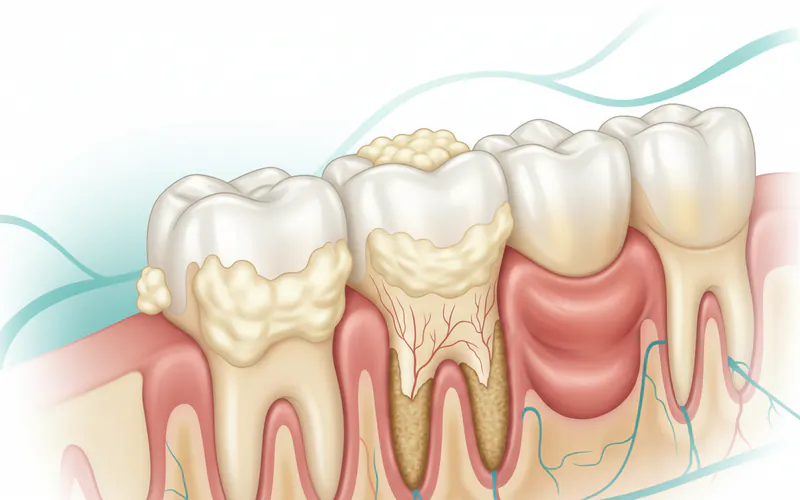
Inflammation of the gum, medically known as gingivitis or periodontitis, refers to the irritation, redness, and swelling of the gum tissue that surrounds your teeth. It is primarily caused by bacterial plaque, a sticky film that constantly forms on your teeth. When plaque isn't removed regularly through brushing and flossing, it hardens into calculus (tartar), which harbors even more bacteria and irritates the gums.
This condition is incredibly prevalent in the United States, with the Centers for Disease Control and Prevention (CDC) reporting that approximately 47.2% of adults aged 30 years or older have periodontitis. This percentage increases to 70.1% for adults 65 years and older. Far from just a cosmetic concern, gum inflammation is a progressive disease that, if left untreated, can lead to serious oral health issues, including tooth loss, and has significant implications for overall systemic health. It’s a silent battle that often progresses without significant pain in its early stages, making regular dental check-ups essential for early detection and intervention.
Types / Variations
Gum inflammation exists on a spectrum, from mild and reversible to severe and destructive. Understanding the different types is crucial for proper diagnosis and effective treatment.
Gingivitis (Reversible Gum Inflammation)
Gingivitis is the mildest form of gum disease and is characterized by inflammation of the gums without bone loss. It's almost always caused by poor oral hygiene, leading to plaque buildup.
- Key Characteristics: Red, swollen, tender gums that may bleed easily during brushing or flossing. There is typically no pain in the early stages, which often leads people to delay seeking treatment.
- Reversibility: With professional cleaning (scaling) and diligent daily oral hygiene, gingivitis can be completely reversed, and your gums can return to a healthy state.
Periodontitis (Irreversible Gum Disease)
If gingivitis is left untreated, it can advance to periodontitis. This is a more serious form of gum disease where the inflammation spreads from the gums to the underlying bone and tissues supporting the teeth. Periodontitis is characterized by the formation of "pockets" between the teeth and gums, where bacteria thrive, leading to bone and tissue destruction. Unlike gingivitis, the damage caused by periodontitis is largely irreversible.
- Mild Periodontitis: Early stages involve slightly deeper pockets and some initial bone loss. Symptoms are more pronounced than gingivitis, including persistent bad breath and occasional pus.
- Moderate Periodontitis: Significant gum recession and deeper pockets are evident. There's noticeable bone loss, and teeth may begin to feel loose.
- Severe Periodontitis: Extensive bone loss, very deep pockets, widespread gum recession, and often significant tooth mobility (loose teeth). This stage can lead to tooth loss if not aggressively treated.
Other Forms of Gum Inflammation
While gingivitis and periodontitis are the most common, other variations of gum inflammation exist:
- Necrotizing Ulcerative Gingivitis (NUG) / Necrotizing Ulcerative Periodontitis (NUP): Also known as "trench mouth," this is a severe, painful, and rapidly destructive form of gum inflammation. It's often associated with stress, poor nutrition, smoking, and weakened immune systems. Symptoms include severe pain, bleeding, ulcers on the gums, and a foul odor.
- Pregnancy Gingivitis: Hormonal changes during pregnancy can make gums more sensitive to plaque, leading to exaggerated inflammatory responses. Gums may become red, swollen, and bleed easily. It typically resolves after childbirth but requires careful management during pregnancy.
- Drug-Induced Gingival Enlargement: Certain medications, such as some anti-seizure drugs (e.g., phenytoin), immunosuppressants (e.g., cyclosporine), and calcium channel blockers (e.g., nifedipine), can cause the gum tissue to overgrow, making oral hygiene more challenging and increasing the risk of inflammation.
- Gingivitis Associated with Systemic Conditions: Conditions like diabetes, leukemia, HIV/AIDS, and nutritional deficiencies (e.g., Vitamin C deficiency, or scurvy) can compromise the body's immune response, making individuals more susceptible to severe gum inflammation.
Causes / Why It Happens
The primary culprit behind inflammation of the gum is the accumulation of bacterial plaque. However, numerous factors contribute to its development and progression.
1. Bacterial Plaque and Calculus (Tartar)
- The Root Cause: The mouth is home to hundreds of types of bacteria. These bacteria, along with food particles and saliva, form a sticky, colorless film called plaque on the teeth, especially along the gum line. If plaque isn't removed daily through brushing and flossing, the bacteria release toxins that irritate the gum tissue, leading to gingivitis.
- Calculus Formation: Within 24-72 hours, soft plaque can mineralize and harden into calculus (tartar). Calculus creates a rough surface that attracts even more plaque, making it much harder to clean your teeth effectively. Only a dental professional can remove calculus.
2. Poor Oral Hygiene
Inadequate or infrequent brushing and flossing allow plaque and calculus to accumulate, directly causing and exacerbating gum inflammation. The ADA recommends brushing twice a day for two minutes and flossing at least once a day.
3. Smoking and Tobacco Use
Smoking is one of the most significant risk factors for developing severe periodontitis. It impairs the immune system, making it harder for the body to fight off gum infections. It also constricts blood vessels, masking the typical signs of gum disease (like bleeding), leading to delayed diagnosis. Smokers are twice as likely to develop gum disease compared to non-smokers.
4. Systemic Diseases
Several general health conditions can increase the risk or severity of gum inflammation:
- Diabetes: People with diabetes are more susceptible to infections, including gum disease. High blood sugar levels impair the immune system and can slow healing. Periodontitis can also make it harder to control blood sugar.
- Autoimmune Diseases: Conditions like rheumatoid arthritis or Crohn's disease can affect the body's inflammatory response.
- HIV/AIDS: Compromised immune systems leave individuals highly vulnerable to aggressive forms of gum disease.
- Osteoporosis: While osteoporosis in teeth isn't a direct term, osteoporosis (a condition causing bones to become weak and brittle) can affect the jawbone. Studies show a significant link between osteoporosis and periodontitis-related bone loss, increasing the risk of tooth loss. The diminished bone density throughout the body, including the jaw, makes it more susceptible to the inflammatory destruction caused by gum disease.
5. Hormonal Changes
Fluctuations in hormones can make gums more sensitive and prone to inflammation:
- Pregnancy: As mentioned, increased hormone levels can lead to "pregnancy gingivitis."
- Puberty: Hormonal surges can increase gum sensitivity.
- Menopause: Estrogen decline can lead to dry mouth and bone density changes, both affecting gum health.
6. Medications
Certain medications can impact oral health:
- Dry Mouth (Xerostomia): Many common medications (antihistamines, decongestants, painkillers, diuretics, antidepressants) reduce saliva flow. Saliva helps wash away food particles and neutralize acids, so a dry mouth increases plaque accumulation and gum inflammation risk.
- Gingival Enlargement: As noted, some drugs can cause gum tissue overgrowth.
7. Genetics
Genetic predisposition can play a role. Some individuals are simply more prone to gum disease, regardless of their oral hygiene habits. If your parents or siblings have severe gum disease, you may be at higher risk.
8. Poor Nutrition
A diet lacking essential vitamins and minerals, particularly Vitamin C, can weaken the immune system and the health of gum tissue, making it more susceptible to inflammation.
9. Stress
Chronic stress can weaken the immune system, making the body less effective at fighting off infections, including those in the gums.
10. Can Gut Health Cause Bad Breath?
Yes, there's a strong link between gut health and oral health, including bad breath (halitosis). While most bad breath originates in the mouth (due to bacteria releasing volatile sulfur compounds, often from gum inflammation), systemic issues originating in the gut can contribute.
- Dysbiosis: An imbalance of bacteria in the gut (dysbiosis) can lead to the production of various compounds that are absorbed into the bloodstream and then exhaled through the lungs, contributing to systemic bad breath.
- Acid Reflux/GERD: Stomach acid refluxing into the esophagus and mouth can cause a sour taste and unpleasant odor.
- Digestive Issues: Conditions like malabsorption or certain intestinal disorders can also lead to foul-smelling gases that can manifest as bad breath.
- Oral Microbiome Connection: The oral and gut microbiomes are interconnected. A healthy gut supports a healthy immune system, which in turn helps manage inflammation throughout the body, including the gums. Conversely, chronic oral inflammation can contribute to systemic inflammation, potentially impacting gut health.
Signs and Symptoms
Recognizing the signs of inflammation of the gum early is vital for effective treatment. Don't wait for pain to seek help, as gum disease often progresses silently.
- Red or Purplish Gums: Healthy gums are typically pink and firm. Inflamed gums appear red, dark red, or purplish due to increased blood flow and swelling.
- Swollen or Puffy Gums: The gum tissue may look bloated and less contoured around the teeth.
- Bleeding Gums: Gums that bleed easily during brushing, flossing, or even when eating hard foods are a classic sign of gingivitis. This is one of the earliest indicators.
- Tender or Painful Gums: While early gingivitis is often painless, as inflammation progresses or in more severe cases, gums can become tender to the touch or painful, especially when chewing.
- Persistent Bad Breath (Halitosis): Bacteria that cause gum inflammation release foul-smelling gases. This can be a persistent problem, even after brushing.
- Receding Gums: The gum tissue pulls away from the teeth, making them look longer. This exposes the tooth roots, which can lead to sensitivity.
- Pus Between Teeth and Gums: A sign of infection, pus may be noticeable when pressing on the gums or in severe cases, spontaneously.
- Loose or Shifting Teeth: As the bone supporting the teeth is destroyed, teeth may become loose, shift their position, or gaps may appear between them. This is a sign of advanced periodontitis.
- Changes in Bite: Your teeth may not fit together comfortably when you bite down.
- New Spaces Between Teeth: As teeth shift, new gaps can emerge.
Pro Tip: If you notice any of these symptoms, especially bleeding gums, schedule an appointment with your dentist promptly. Early intervention can prevent the progression from reversible gingivitis to irreversible periodontitis.
Treatment Options
The treatment for inflammation of the gum depends heavily on its severity and type (gingivitis vs. periodontitis). The goal is always to remove the cause of the inflammation (plaque and calculus), control infection, and prevent further damage.
1. Professional Dental Cleaning (Prophylaxis)
- For Gingivitis: A routine dental cleaning, often called prophylaxis, is usually sufficient to treat gingivitis. A dental hygienist or dentist will remove plaque and calculus from above and just below the gum line.
- Process: Uses hand scalers and ultrasonic instruments to scrape and vibrate away deposits. The teeth are then polished to remove surface stains and smooth the tooth surface, making it harder for plaque to adhere.
- Pros: Non-invasive, relatively quick, effective for early-stage inflammation, good for prevention.
- Cons: Not effective for periodontitis where significant bone loss and deep pockets are present.
- Cost: Typically $75 - $200 without insurance, often fully covered by most dental insurance plans.
2. Scaling and Root Planing (Deep Cleaning)
- For Periodontitis: This is a non-surgical procedure for mild to moderate periodontitis. It's more extensive than a regular cleaning.
- Process:
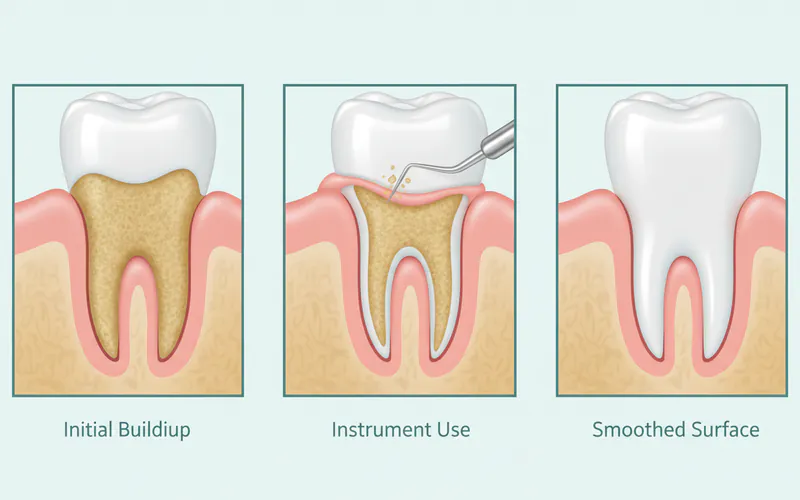
- Scaling: Removes plaque and calculus from above and below the gum line, reaching into the periodontal pockets.
- Root Planing: Involves smoothing the root surfaces of the teeth. This helps remove bacterial toxins and makes it more difficult for new plaque and calculus to attach, allowing the gum tissue to reattach to the tooth roots.
- Anesthesia: Often performed under local anesthesia to numb the gums and ensure patient comfort.
- Pros: Highly effective for stopping the progression of early to moderate periodontitis, less invasive than surgery, can often prevent the need for surgery.
- Cons: Can cause temporary sensitivity, may require multiple appointments (often divided into quadrants), and does not rebuild lost bone or tissue.
- Cost: $250 - $800 per quadrant (a full mouth would be $1,000 - $3,200). Insurance usually covers 50-80% after deductible.
3. Medications
- Antibiotics:
- Oral Antibiotics: Systemic antibiotics (e.g., amoxicillin, doxycycline, metronidazole) may be prescribed for aggressive or persistent infections.
- Topical Antibiotics: Antibiotic gels, chips, or microspheres (e.g., Arestin, PerioChip, Atridox) can be placed directly into deep periodontal pockets after scaling and root planing to target bacteria locally.
- Antiseptic Mouthwashes: Prescription antiseptic mouthwashes containing chlorhexidine gluconate can help control bacteria and reduce inflammation, often used for a short period after deep cleaning or surgery.
- Pros: Can effectively kill bacteria and reduce infection.
- Cons: Oral antibiotics have potential systemic side effects and can contribute to antibiotic resistance. Topical applications are localized but don't address the underlying calculus.
- Cost: Prescription mouthwashes $15-$40. Topical antibiotics $50-$150 per site. Oral antibiotics are typically covered by medical insurance or are relatively inexpensive.
4. Surgical Treatments (For Moderate to Severe Periodontitis)
When non-surgical treatments are insufficient, surgical options may be necessary to reduce pocket depth, regenerate lost tissue, or reshape bone.
-
Flap Surgery (Pocket Reduction Surgery):
- Process: The gums are lifted back to allow the dentist or periodontist to thoroughly remove calculus and diseased tissue from deeper pockets and reshape underlying bone if necessary. The gums are then sutured back into place, often fitting more snugly around the teeth.
- Pros: Effectively reduces pocket depth, making it easier to clean and maintain, and can halt disease progression.
- Cons: More invasive, requires a longer recovery, can lead to increased tooth sensitivity and gum recession (making teeth appear longer).
- Cost: $500 - $1,500 per quadrant or $2,000 - $6,000+ for multiple sites.
-
Bone Grafts:
- Process: Used to regenerate bone destroyed by periodontitis. Fragments of your own bone, synthetic bone, or donated bone are placed in the area of bone loss to stimulate new bone growth.
- Pros: Can restore lost bone support for teeth, improving stability and prognosis.
- Cons: More complex surgery, longer recovery, potential for graft rejection, higher cost.
- Cost: $600 - $3,000+ per site, depending on material and extent.
-
Soft Tissue Grafts (Gum Grafts):
- Process: Addresses gum recession. Tissue is taken from the roof of your mouth (palate) or another donor source and attached to the receding gum line to cover exposed roots, reduce sensitivity, and improve aesthetics.
- Pros: Covers exposed roots, reduces sensitivity, prevents further recession, improves appearance.
- Cons: Can be painful at the donor site, requires meticulous post-operative care.
- Cost: $600 - $2,500+ per tooth or site.
-
Guided Tissue Regeneration (GTR):
- Process: A small piece of mesh-like fabric is inserted between the gum tissue and the bone after flap surgery. This barrier prevents gum tissue from growing into the area where bone should be, allowing bone and connective tissue to regenerate.
- Pros: Encourages the regeneration of lost bone and periodontal ligaments.
- Cons: More complex, higher cost, not always predictable.
- Cost: Often part of bone graft or flap surgery, adding $500 - $1,500+ to the overall procedure.
5. Laser Therapy
- Process: Dental lasers can be used as an adjunct to traditional scaling and root planing or for specific soft tissue procedures. They can remove diseased tissue and kill bacteria with minimal discomfort and bleeding. LANAP (Laser Assisted New Attachment Procedure) is a specific protocol using a Nd:YAG laser to treat periodontitis.
- Pros: Less invasive than traditional surgery, often less bleeding and discomfort, faster healing.
- Cons: Not universally effective for all types of periodontitis, results can vary, often more expensive than conventional methods.
- Cost: $500 - $1,500 per quadrant, potentially adding $2,000 - $6,000+ to deep cleaning costs. Coverage by insurance can be variable.
Step-by-Step Process: What to Expect During Treatment
The journey to healthier gums involves several stages, tailored to the severity of your condition. Here's a general overview of what to expect:
For Gingivitis (Routine Cleaning - Prophylaxis):
- Initial Examination: The dentist or hygienist will perform a visual examination of your gums and teeth, checking for redness, swelling, and bleeding.
- Plaque and Calculus Removal: Using ultrasonic scalers and hand instruments, they will meticulously remove plaque and calculus from all tooth surfaces, above and slightly below the gum line.
- Polishing: Your teeth will be polished with a gritty paste to remove surface stains and create a smooth surface that resists new plaque accumulation.
- Flossing: A final flossing session helps clean between teeth.
- Oral Hygiene Instructions: You'll receive personalized advice on proper brushing, flossing, and potentially mouthwash techniques to maintain gum health at home.
- Follow-up: Usually, a recommendation for a return visit in 6 months for your next routine cleaning.
For Periodontitis (Scaling and Root Planing - Deep Cleaning):
- Comprehensive Exam: A thorough examination, including periodontal probing (measuring pocket depths around each tooth) and X-rays to assess bone loss.
- Local Anesthesia: The area to be treated (often one quadrant of the mouth at a time) will be numbed with local anesthesia to ensure comfort during the procedure.
- Scaling: The hygienist or dentist will use specialized instruments (ultrasonic and hand scalers) to remove plaque and calculus from all tooth surfaces, reaching deep into the periodontal pockets.
- Root Planing: The root surfaces are carefully smoothed to eliminate bacterial toxins and prevent new plaque buildup, encouraging the gums to reattach.
- Medication Placement (Optional): In some cases, a topical antibiotic may be placed directly into the deeper pockets.
- Post-Procedure Instructions: You'll receive specific instructions for care after the procedure, including pain management, diet, and oral hygiene.
- Follow-up: Multiple appointments are common, typically one per quadrant. A follow-up visit, usually 4-6 weeks later, is crucial to assess healing and measure pocket depths again. This determines if further treatment is needed.
For Surgical Procedures (e.g., Flap Surgery):
- Pre-Surgical Consultation: Detailed discussion of the procedure, risks, benefits, and expected outcomes.
- Local Anesthesia: The surgical area will be thoroughly numbed.
- Gum Incision: Small incisions are made in the gum tissue to gently lift it away from the teeth and bone, exposing the root surfaces and underlying bone.
- Cleaning and Reshaping: The periodontist meticulously removes all calculus, diseased tissue, and may reshape irregular bone surfaces to reduce pockets.
- Grafting (if applicable): If bone or soft tissue grafting is needed, the graft material is placed at this stage.
- Suturing: The gum tissue is repositioned and secured with sutures (stitches) to encourage healing.
- Protective Dressing (Optional): A surgical dressing may be applied over the site to protect it during the initial healing phase.
- Post-Operative Care: Detailed instructions on diet, pain management, oral hygiene, and activity restrictions.
- Follow-up Appointments: Several follow-up visits are typically scheduled to remove sutures, monitor healing, and provide ongoing care.
Cost and Insurance
The cost of treating inflammation of the gum varies significantly based on the type and severity of the condition, geographic location, the dentist's or specialist's fees (e.g., general dentist vs. periodontist), and whether additional procedures or medications are needed.
Average US Price Ranges (Without Insurance):
| Procedure Type | Description | Average Cost Range (US$) |
|---|---|---|
| Routine Cleaning (Prophylaxis) | For gingivitis; removes plaque and tartar above gum line. | $75 - $200 |
| Scaling & Root Planing (SRP) | Deep cleaning for periodontitis; per quadrant. | $250 - $800 |
| Full Mouth SRP | Four quadrants of deep cleaning. | $1,000 - $3,200 |
| Antibiotic Placement (Topical) | Per pocket/site (e.g., Arestin, PerioChip). | $50 - $150 |
| Flap Surgery | Per quadrant or site; reduces pocket depth. | $500 - $1,500 |
| Bone Graft | Per site; regenerates lost bone. | $600 - $3,000+ |
| Soft Tissue Graft (Gum Graft) | Per tooth/site; covers exposed roots. | $600 - $2,500+ |
| Guided Tissue Regeneration (GTR) | Often additional to bone graft/flap surgery. | $500 - $1,500+ |
| Laser Therapy (e.g., LANAP) | Adjunct or alternative to traditional surgery, per quadrant. | $500 - $1,500 |
Insurance Coverage Details:
Most dental insurance plans in the US follow a "100-80-50" coverage model:
- Preventive Care (e.g., routine cleanings, X-rays): Typically covered at 80-100%. This means your regular cleanings for gingivitis are often fully covered or have a minimal co-pay.
- Basic Restorative Care (e.g., fillings, simple extractions): Usually covered at 70-80% after your deductible.
- Major Restorative Care (e.g., crowns, bridges, dentures): Often covered at 50% after your deductible.
Periodontal treatments fall into both basic and major categories, depending on the procedure:
- Scaling and Root Planing (SRP): Often considered a basic restorative procedure and may be covered at 50-80%. Many plans limit how frequently SRP can be done (e.g., once every 2-3 years per quadrant).
- Periodontal Surgery (Flap surgery, grafts): Typically falls under major restorative care and is covered at 20-50% after your deductible. These procedures usually count towards your annual maximum benefit (often $1,000 - $2,000 per year), which can quickly be met by surgical costs.
PPO vs. HMO vs. Medicaid/Medicare:
- PPO (Preferred Provider Organization): Offers flexibility to choose any dentist, but going in-network results in lower out-of-pocket costs. Higher monthly premiums.
- HMO (Health Maintenance Organization): Requires you to choose a primary dentist within their network. Less flexibility, but lower premiums and sometimes lower co-pays.
- Medicaid: Varies by state, but generally covers essential dental services for children and, in some states, limited emergency or basic care for adults. Comprehensive periodontal treatment is rarely fully covered for adults.
- Medicare: Original Medicare does NOT cover routine dental care, including most gum disease treatments. Some Medicare Advantage (Part C) plans may offer supplemental dental benefits, but coverage for extensive periodontal procedures can be limited.
Pro Tip: Always contact your dental insurance provider directly before any major treatment to understand your specific benefits, deductibles, co-pays, annual maximums, and waiting periods. Get a pre-treatment estimate from your dental office.
Recovery and Aftercare
Proper recovery and diligent aftercare are essential for successful treatment outcomes and preventing recurrence of inflammation of the gum.
After Routine Cleaning (Gingivitis):
- Mild Sensitivity: You might experience slight tooth sensitivity, especially to hot or cold, for a day or two.
- Bleeding: Gums might bleed a little immediately after flossing, but this should resolve quickly.
- Care: Resume normal brushing and flossing immediately. Use a soft-bristled toothbrush.
After Scaling and Root Planing (Periodontitis):
- Pain/Discomfort: Mild to moderate pain is common for a few days. Over-the-counter pain relievers (e.g., ibuprofen, acetaminophen) are usually sufficient. Prescription pain medication may be given for more severe discomfort.
- Sensitivity: Increased tooth sensitivity to temperature is expected for several days to weeks. Using desensitizing toothpaste can help.
- Gum Soreness/Swelling: Gums will be tender and may appear slightly swollen initially, but this should subside within a week.
- Bleeding: Light bleeding might occur during brushing for a few days.
- Diet: Stick to soft foods for 2-3 days following the procedure. Avoid very hot, cold, spicy, or crunchy foods.
- Oral Hygiene:
- Continue brushing gently with a soft toothbrush.
- Floss gently, but avoid the treated areas initially if advised by your dentist.
- You might be prescribed an antiseptic mouthwash (like chlorhexidine) for a short period to help with healing and bacterial control.
- Follow-up: Adhere strictly to your scheduled follow-up appointments (typically 4-6 weeks after the last SRP appointment) to assess healing and determine next steps.
- Maintenance: Once the initial treatment is complete, a regular maintenance program (periodontal cleanings, often every 3-4 months) is crucial to prevent recurrence.
After Periodontal Surgery (Flap Surgery, Grafts):
- Pain/Swelling: More significant pain and swelling are common. Pain medication (prescription or OTC) and ice packs applied to the outside of the face can help.
- Bleeding: Some oozing or light bleeding from the surgical site is normal for the first 24-48 hours.
- Diet: A soft diet is critical for at least a week, potentially longer depending on the surgery. Avoid chewing on the surgical side.
- Oral Hygiene:
- Avoid brushing or flossing the surgical site directly for the first week or two, as instructed by your periodontist.
- You will likely be given a prescription antiseptic mouthwash to rinse gently, helping to keep the area clean without mechanical disruption.
- Brush and floss other areas of your mouth normally.
- Activity: Avoid strenuous activity for several days to a week.
- Smoking: Absolutely avoid smoking during recovery, as it significantly impairs healing and increases complication risks.
- Sutures: You'll have sutures that may dissolve on their own or need to be removed at a follow-up appointment.
- Follow-up: Multiple follow-up visits are essential to monitor healing, remove sutures, and adjust care instructions. Complete healing can take several weeks to months.
Pro Tip: Diligently follow ALL post-operative instructions from your dental professional. This is paramount for preventing complications and achieving the best possible outcome.
Prevention
Preventing inflammation of the gum is far more cost-effective and comfortable than treating it. Good oral hygiene and regular dental care are your best defense.
1. Meticulous Oral Hygiene
- Brush Twice Daily: Use a soft-bristled toothbrush and fluoride toothpaste. Brush for at least two minutes, covering all tooth surfaces and the gum line. Consider an electric toothbrush for enhanced plaque removal.
- Floss Daily: Floss at least once a day to remove plaque and food particles from between teeth and under the gum line, where your toothbrush can't reach. This is non-negotiable for gum health.
- Mouthwash (Optional): Therapeutic mouthwashes can complement brushing and flossing by reducing bacteria, but they are not a substitute. Look for ADA-accepted antiseptic mouthwashes.
2. Regular Dental Check-ups and Cleanings
- Every 6 Months: Schedule professional dental cleanings and check-ups at least twice a year. Your dentist and hygienist can remove hardened calculus that you cannot remove at home and identify early signs of gum inflammation.
- Periodontal Maintenance: If you have a history of periodontitis, your dentist may recommend more frequent cleanings (e.g., every 3-4 months) to prevent recurrence.
3. Healthy Lifestyle Choices
- Quit Smoking: Smoking is a major risk factor. Quitting smoking is one of the most impactful steps you can take for your gum health and overall well-being.
- Balanced Diet: Eat a diet rich in fruits, vegetables, and whole grains. Limit sugary snacks and drinks, which contribute to plaque formation. Vitamin C is particularly important for gum tissue health.
- Manage Systemic Conditions: If you have conditions like diabetes, ensure they are well-managed. Good blood sugar control is vital for preventing and managing gum disease.
- Stress Reduction: Chronic stress can weaken the immune system. Incorporate stress-reducing activities into your routine.
4. Address Dry Mouth
If you suffer from dry mouth, discuss it with your dentist or doctor. Strategies include:
- Drinking plenty of water.
- Chewing sugar-free gum to stimulate saliva.
- Using over-the-counter saliva substitutes.
- Reviewing medications with your doctor for alternatives if dry mouth is a side effect.
Pro Tip: Invest in quality oral hygiene tools. An electric toothbrush and water flosser can significantly improve plaque removal, especially for those with limited dexterity or orthodontic appliances.
Risks and Complications
Left untreated, inflammation of the gum can lead to severe oral health complications and has profound implications for your overall systemic health.
Oral Health Complications:
- Tooth Loss: This is the most serious oral consequence. As periodontal disease progresses, the bone and supporting tissues around the teeth are destroyed, leading to loose teeth that eventually fall out or need to be extracted.
- Gum Recession: Permanent loss of gum tissue, exposing tooth roots, leading to sensitivity and aesthetic concerns.
- Bone Loss: Irreversible destruction of the jawbone supporting the teeth.
- Abscess Formation: Pockets of pus can form in the gums or bone, causing pain and requiring drainage.
- Increased Sensitivity: Exposed tooth roots are highly sensitive to hot, cold, and sweet stimuli.
- Altered Bite: Shifting teeth can change your bite, leading to jaw pain and difficulty chewing.
Systemic Health Complications (Oral-Systemic Link):
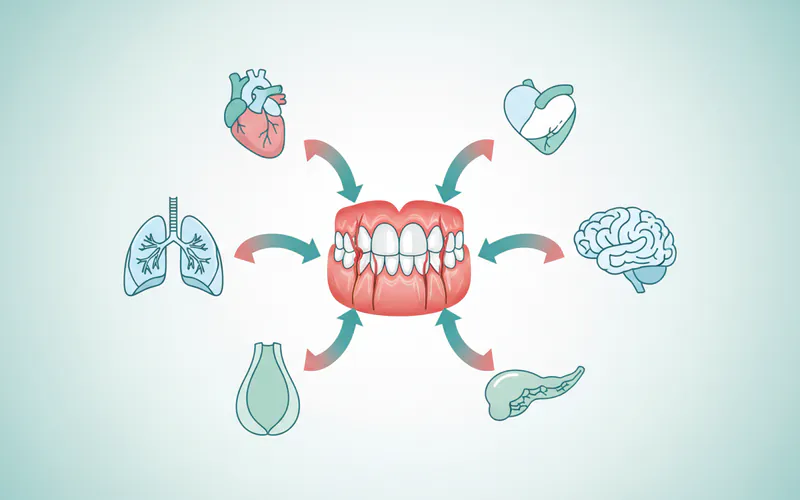
The bacteria and inflammatory mediators associated with periodontitis don't just stay in your mouth; they can enter your bloodstream and affect distant organs and systems. This is why inflammation of the gum is increasingly recognized as a significant public health concern.
- Cardiovascular Disease: People with periodontitis have a 2 to 3 times higher risk of heart attack, stroke, and other serious cardiovascular events. The inflammation in the gums can contribute to systemic inflammation and the buildup of plaque in arteries.
- Diabetes: There's a bidirectional relationship. Diabetes increases the risk and severity of periodontitis, and periodontitis can make blood sugar control more difficult, increasing the risk of diabetic complications. Treating gum disease can improve glycemic control in diabetics.
- Respiratory Diseases: Oral bacteria can be inhaled into the lungs, leading to respiratory infections such as pneumonia, especially in individuals with compromised immune systems or chronic lung conditions.
- Adverse Pregnancy Outcomes: Pregnant women with periodontitis have a higher risk of preterm birth, low birth weight babies, and preeclampsia.
- Osteoporosis: While not osteoporosis in teeth directly, the systemic inflammation from periodontitis can exacerbate bone loss in other parts of the body, and individuals with osteoporosis may have increased bone loss in the jaw, making them more susceptible to severe periodontitis and tooth loss. This link highlights the importance of managing both conditions simultaneously.
- Kidney Disease: Chronic periodontitis has been associated with an increased risk of chronic kidney disease.
- Certain Cancers: Emerging research suggests a potential link between chronic periodontitis and an increased risk of certain cancers, including oral, esophageal, and pancreatic cancers.
- Alzheimer's Disease: Recent studies suggest a possible connection between gum disease pathogens (like Porphyromonas gingivalis) and the development or progression of Alzheimer's disease.
Comparison Tables
To help visualize the differences between key aspects of gum inflammation:
Table 1: Gingivitis vs. Periodontitis
| Feature | Gingivitis | Periodontitis |
|---|---|---|
| Severity | Mildest form, reversible. | More severe, largely irreversible damage. |
| Bone Loss | No bone loss. | Presence of bone loss around teeth. |
| Pocket Depth | Gums may be slightly swollen, but no true periodontal pockets | True periodontal pockets (gum pulls away from tooth). |
| Symptoms | Red, swollen, bleeding gums, bad breath. Typically painless. | All gingivitis symptoms plus: gum recession, loose teeth, pus, persistent bad breath, pain. |
| Treatment | Routine dental cleaning (prophylaxis), improved home care. | Scaling & Root Planing (deep cleaning), antibiotics, surgery. |
| Prognosis | Excellent, full recovery with proper care. | Managed, not cured. Requires ongoing maintenance to prevent progression. |
| Cost (Initial) | $75 - $200 | $1,000 - $3,200 (for SRP) to $2,000 - $6,000+ (for surgery) |
Table 2: Treatment Options: Efficacy, Cost, & Recovery
| Treatment Type | Primary Use | Average Cost Range (US$) | Efficacy (for target condition) | Typical Recovery Time |
|---|---|---|---|---|
| Routine Cleaning | Gingivitis, prevention | $75 - $200 | Very high for gingivitis | 1-2 days (mild sensitivity) |
| Scaling & Root Planing | Mild-Moderate Periodontitis | $250 - $800/quadrant | High, stops progression & infection | 1 week (soreness, sensitivity) |
| Topical Antibiotics | Adjunct to SRP for deep pockets | $50 - $150/site | Good, localized bacterial reduction | Minimal, no additional downtime |
| Flap Surgery | Moderate-Severe Periodontitis | $500 - $1,500/quadrant | High, significantly reduces pockets | 1-2 weeks (soreness, swelling) |
| Bone Graft | Moderate-Severe Periodontitis (bone loss) | $600 - $3,000+/site | Good for bone regeneration | Several weeks to months |
| Soft Tissue Graft | Gum recession | $600 - $2,500+/site | High, covers exposed roots | 1-2 weeks (soreness at donor/recipient site) |
Children / Pediatric Considerations
While periodontitis is more common in adults, children and adolescents can also develop gum inflammation, often in milder forms.
- Gingivitis in Children: The most common form of gum inflammation in children is gingivitis, typically caused by inadequate brushing and flossing.
- Signs: Red, swollen gums that may bleed easily, especially during brushing.
- Causes: Poor oral hygiene, mouth breathing (can dry out gums), hormonal changes during puberty, orthodontic braces (which make cleaning more challenging), and poor nutrition.
- Treatment: Professional cleaning, meticulous home oral hygiene, and guidance from parents.
- Aggressive Periodontitis (Rare): A more severe, rapidly progressing form of periodontitis can occur in adolescents, even those with seemingly good oral hygiene. This is often linked to genetic factors or specific bacterial strains.
- Signs: Rapid bone loss, deep periodontal pockets, and tooth mobility.
- Treatment: Requires aggressive treatment by a pediatric dentist or periodontist, often involving deep cleaning, antibiotics, and sometimes surgical intervention.
- Parental Role: Parents play a crucial role in preventing gum inflammation in children.
- Early Habits: Start brushing children's teeth as soon as they erupt. Teach proper brushing and flossing techniques as they grow.
- Regular Check-ups: Ensure children have regular dental check-ups every six months.
- Diet: Limit sugary foods and drinks.
- Orthodontics: If a child has braces, emphasize the importance of thorough cleaning around the brackets and wires.
Pro Tip for Parents: Make brushing and flossing a fun, consistent routine. Lead by example and supervise your children's oral hygiene until they can demonstrate proficiency themselves, usually around age 7-8.
Cost Breakdown
Understanding the financial landscape of gum inflammation treatment is critical for planning. Here's a deeper dive into costs in the US.

Average US Costs (Low, Mid, High Estimates for a Full Course of Treatment):
For generalized periodontitis requiring advanced care, a full treatment plan could look like this:
| Treatment Component | Low Estimate (US$) | Mid Estimate (US$) | High Estimate (US$) |
|---|---|---|---|
| Initial Exam & X-rays | $100 | $250 | $400 |
| Full Mouth Scaling & Root Planing | $1,000 | $2,000 | $3,200 |
| Antibiotic Therapy (Topical) | $200 | $400 | $800 |
| Flap Surgery (2-4 quadrants) | $1,000 | $3,000 | $6,000 |
| Bone/Gum Graft (1-2 sites) | $600 | $2,000 | $5,000 |
| Periodontal Maintenance (1 year, 4 visits) | $300 | $600 | $1,000 |
| Total Estimated Range | $3,200 | $8,250 | $16,400+ |
This table illustrates that treating moderate to severe gum disease can quickly become a significant financial investment, easily ranging from a few thousand to over ten thousand dollars, depending on the complexity and number of procedures required.
With vs. Without Insurance:
- Without Insurance: You are responsible for 100% of the costs. This is why many uninsured individuals delay treatment, leading to more expensive and invasive procedures down the line.
- With Insurance:
- Deductibles: You'll typically pay an annual deductible (e.g., $50-$150) before your insurance starts covering costs.
- Co-pays: A fixed amount you pay for a service (e.g., $20-$50 for a cleaning).
- Percentage Coverage: As mentioned, 80-100% for preventive, 50-80% for basic, 20-50% for major.
- Annual Maximums: Most dental insurance plans have an annual maximum benefit, typically ranging from $1,000 to $2,000. Once you hit this limit, you pay 100% out-of-pocket for the remainder of the year. For extensive periodontal treatment, you can easily exceed this limit, meaning a substantial portion of the cost will still be your responsibility.
Payment Plans and Financing Options:
- In-Office Payment Plans: Many dental offices offer interest-free payment plans, allowing you to pay for treatment in installments over several months.
- Third-Party Financing (e.g., CareCredit, LendingClub): These companies specialize in healthcare financing, offering low-interest or interest-free (if paid within a promotional period) credit lines for medical and dental expenses.
- Health Savings Accounts (HSAs) & Flexible Spending Accounts (FSAs): If you have a high-deductible health plan, an HSA allows you to save pre-tax money for healthcare expenses. FSAs are similar but typically "use it or lose it" within the plan year. Both can be excellent ways to cover dental costs.
- Dental Schools: University dental schools often provide high-quality care at a reduced cost, as procedures are performed by students under the close supervision of experienced faculty. This can be a good option for complex cases, though it may involve longer appointments.
Cost-Saving Tips:
- Prioritize Prevention: The single best cost-saving strategy is to prevent gum disease in the first place through excellent home care and regular cleanings.
- Early Intervention: Addressing gingivitis immediately saves thousands compared to treating advanced periodontitis.
- Shop Around: Get quotes from multiple dentists or periodontists for major procedures.
- Maximize Insurance Benefits: Understand your plan's maximums and waiting periods. If you need extensive work, your dentist may be able to phase treatment over two calendar years to maximize your annual benefits.
- Ask About Discounts: Some offices offer cash discounts for upfront payment or senior citizen discounts.
Frequently Asked Questions
What is the primary cause of inflammation of the gum?
The primary cause of inflammation of the gum is bacterial plaque, a sticky film that constantly forms on your teeth. If not removed through daily brushing and flossing, it hardens into calculus (tartar), which harbors more bacteria and irritates the gums, leading to gingivitis and potentially periodontitis.
Is gum inflammation painful?
Early-stage gum inflammation (gingivitis) is often painless, which is why many people don't realize they have it until it progresses. As it advances to periodontitis, you may experience tenderness, throbbing pain, or pain when chewing, especially if gum recession or tooth sensitivity occurs.
Can inflammation of the gum lead to tooth loss?
Yes, absolutely. If left untreated, chronic inflammation of the gum (periodontitis) destroys the bone and supporting tissues that hold your teeth in place. This leads to loose teeth, which can eventually fall out or require extraction by a dentist.
How long does it take to treat gum inflammation?
The duration of treatment depends on the severity. Gingivitis can often resolve within 1-2 weeks with a professional cleaning and improved home care. Periodontitis treatment, involving deep cleanings or surgery, can take several weeks to months for initial treatment, followed by ongoing periodontal maintenance every 3-4 months.
What is the connection between osteoporosis and gum inflammation?
While osteoporosis in teeth isn't a direct term, systemic osteoporosis can weaken the jawbone, making it more susceptible to destruction from periodontitis. The chronic inflammation associated with gum disease can also contribute to overall bone loss, exacerbating the effects of osteoporosis throughout the body.
Can gut health really cause bad breath, or is it just my gums?
While most bad breath originates from bacteria in the mouth, especially with gum inflammation, poor gut health can indeed contribute to systemic bad breath. Imbalances in gut bacteria or digestive issues like acid reflux can produce volatile compounds that enter the bloodstream and are exhaled through the lungs, causing an unpleasant odor.
What is the average cost of a deep cleaning for gum inflammation?
A deep cleaning, known as scaling and root planing (SRP), typically costs between $250 and $800 per quadrant. Since it's often done in multiple quadrants, a full mouth deep cleaning can range from $1,000 to $3,200 without insurance, with insurance usually covering 50-80% after deductibles.
Are there home remedies for gum inflammation?
While maintaining excellent home oral hygiene (brushing, flossing) is crucial, there are no true "home remedies" to cure gum inflammation once it has started. Over-the-counter antiseptic mouthwashes can help manage bacteria, but professional dental cleaning is essential to remove hardened plaque and calculus. Always consult a dentist for diagnosis and treatment.
Is laser treatment an option for gum inflammation?
Yes, laser therapy, such as LANAP (Laser Assisted New Attachment Procedure), is an advanced option for treating periodontitis. It can remove diseased tissue and bacteria with less invasiveness than traditional surgery, often resulting in less bleeding and faster healing. However, it's typically more expensive and may not be suitable for all cases.
How often should I get dental cleanings if I have a history of gum inflammation?
If you have a history of periodontitis, your dentist or periodontist will likely recommend more frequent cleanings, known as periodontal maintenance. These are typically scheduled every 3-4 months instead of the standard six months, to closely monitor your gum health and prevent recurrence.
When to See a Dentist
Recognizing when to seek professional dental care for inflammation of the gum can prevent minor issues from becoming major problems.
Schedule a Routine Appointment If You Notice:
- Occasional Bleeding Gums: If your gums bleed sometimes when you brush or floss, especially if it's not severe or consistent.
- Slight Gum Redness or Swelling: If your gums look a little off-color or puffy but aren't causing pain or significant discomfort.
- Persistent Bad Breath: Even after brushing, if you notice an ongoing foul odor.
- Mild Sensitivity: If your teeth are occasionally sensitive to hot or cold.
- Itchy Gums: A subtle sensation of itchiness in the gum tissue.
These are common signs of gingivitis, which is reversible with professional cleaning and improved home care. Early intervention is key.
Seek Prompt Dental Attention (Within a Few Days) If You Experience:
- Consistent and Profuse Bleeding Gums: If your gums bleed heavily every time you brush or floss, or bleed spontaneously.
- Severe Gum Swelling and Tenderness: Gums that are significantly swollen, very red or purplish, and tender to the touch.
- Pain When Chewing: Discomfort or pain when biting down or chewing food.
- Visible Pus: If you notice pus oozing from your gums or between your teeth.
- Receding Gums: If your teeth appear longer, indicating the gums are pulling away.
- Loose or Shifting Teeth: Any noticeable movement of your teeth when you touch them or bite down.
- Persistent Unpleasant Taste in Mouth: A metallic or generally bad taste that doesn't go away.
These symptoms indicate a more advanced stage of gum disease (periodontitis) that requires prompt assessment and treatment by a dentist or periodontist to prevent further damage and tooth loss.
Seek Emergency Dental Care If You Have:
- Sudden, Severe Gum Pain: Excruciating pain that doesn't respond to over-the-counter pain medication.
- Large, Painful Swelling/Abscess: A rapidly developing, painful lump or swelling on your gums or jaw, potentially accompanied by fever.
- Rapidly Worsening Symptoms: A sudden and dramatic escalation of any of the "prompt attention" symptoms, indicating an acute infection.
These could be signs of an acute infection or abscess requiring immediate professional intervention to alleviate pain, drain infection, and prevent serious complications. Never delay if you suspect a dental emergency.
Frequently Asked Questions
Medically Reviewed Content
This article was written by our dental health editorial team and reviewed for medical accuracy. Our content follows strict editorial guidelines for reliability and trustworthiness.
Medical Disclaimer
This article is for informational purposes only and does not constitute medical advice. Always consult with a qualified dental professional for diagnosis and treatment. Do not delay seeking professional advice because of something you read on this website.
Related Articles
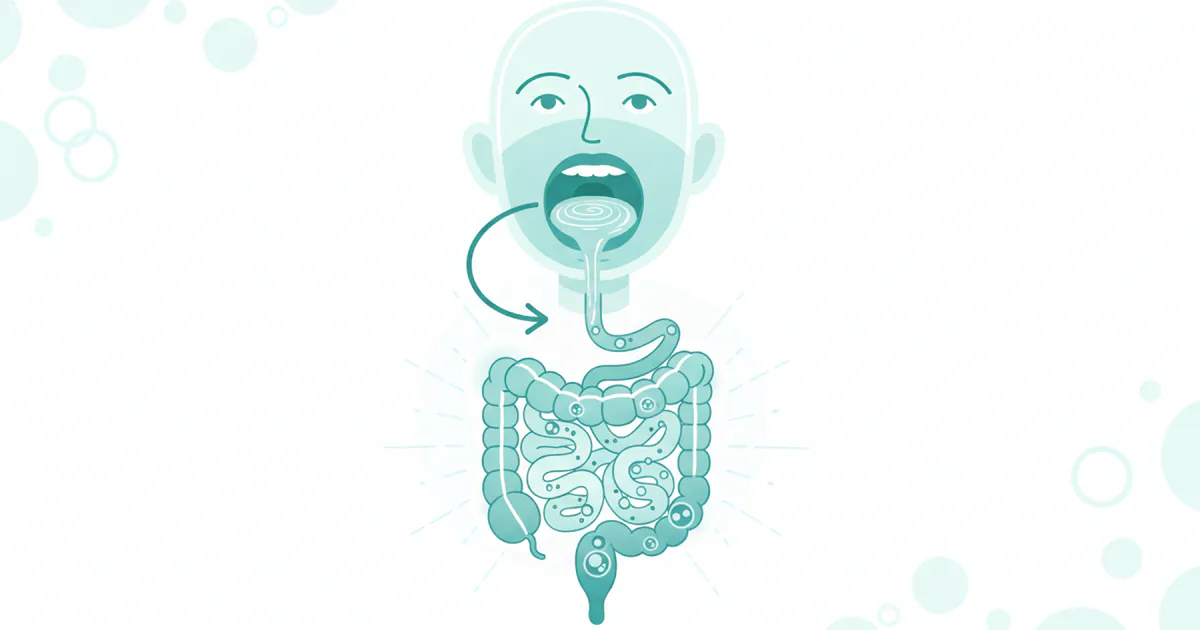
Does Oil Pulling Help Gut Health
The intricate connection between our oral health and overall well-being is a topic of growing fascination and scientific inquiry. Often, when we think of health, we focus on specific organs or systems, overlooking the crucial role of the mouth as a gateway to the rest of the body. One ancient practi
February 23, 2026
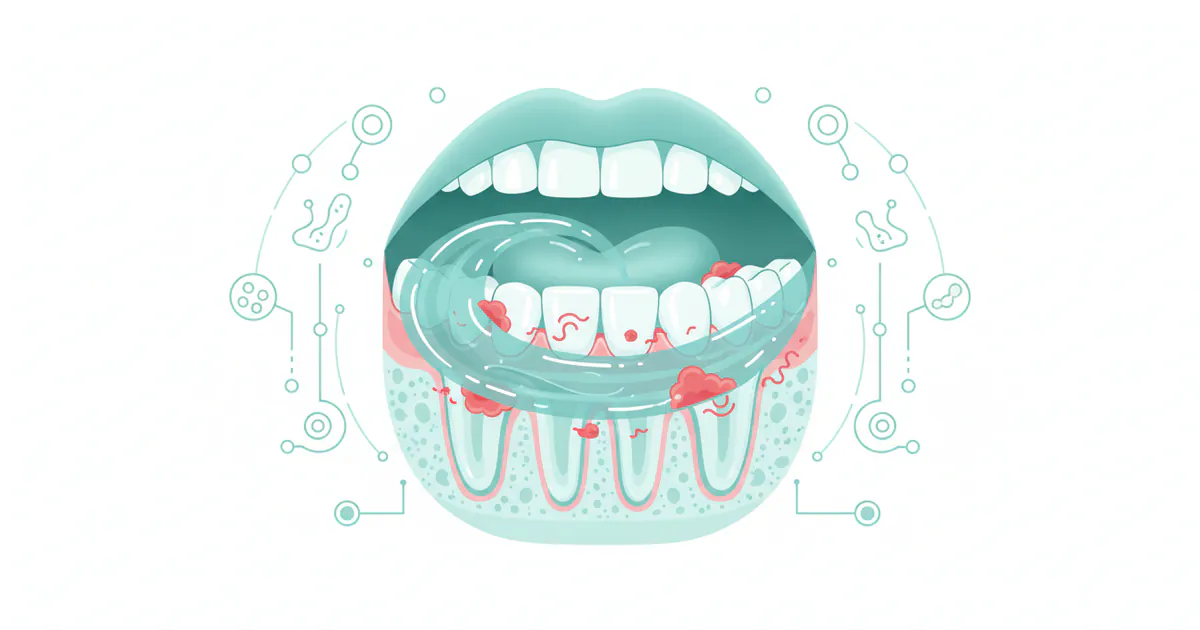
Does Oil Pulling Help With Inflammation
It's a question many health-conscious individuals ask as they explore natural remedies: does oil pulling help with inflammation? In an era where holistic approaches to wellness are gaining traction, the ancient practice of oil pulling has resurfaced, promising benefits that extend beyond oral hy
February 23, 2026
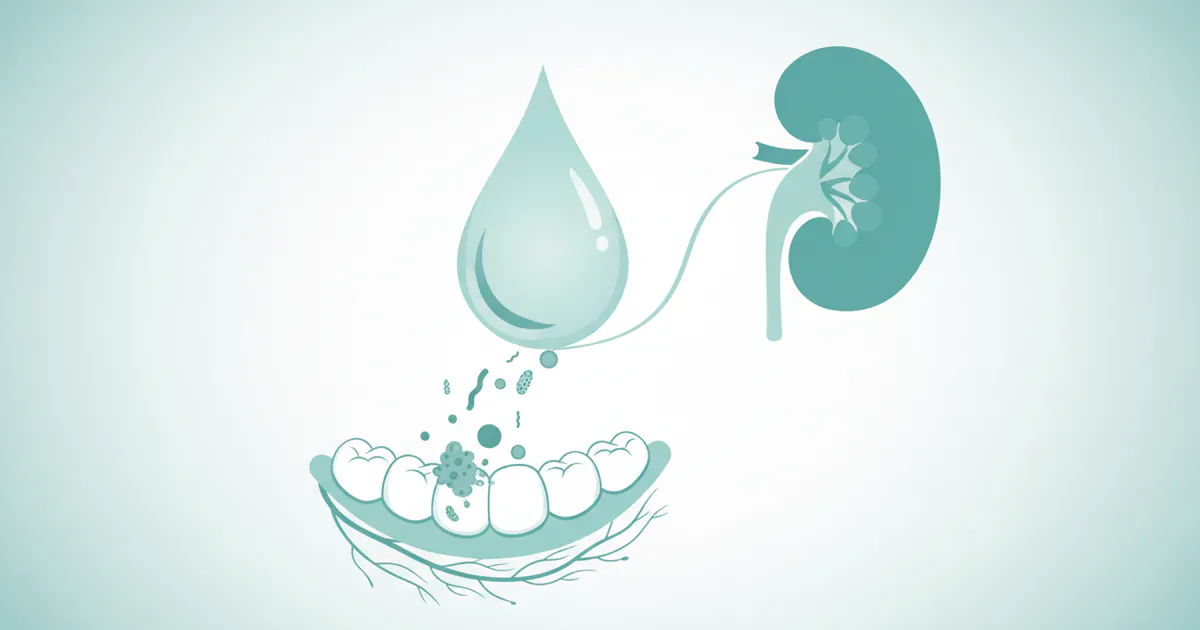
Oil Pulling for Kidney Disease: Complete Guide
Chronic kidney disease (CKD) affects an estimated 37 million adults in the United States, often progressing silently until advanced stages. What many may not realize is the profound connection between the health of their mouth and the health of their kidneys. As a bridge between traditional wisd
February 23, 2026
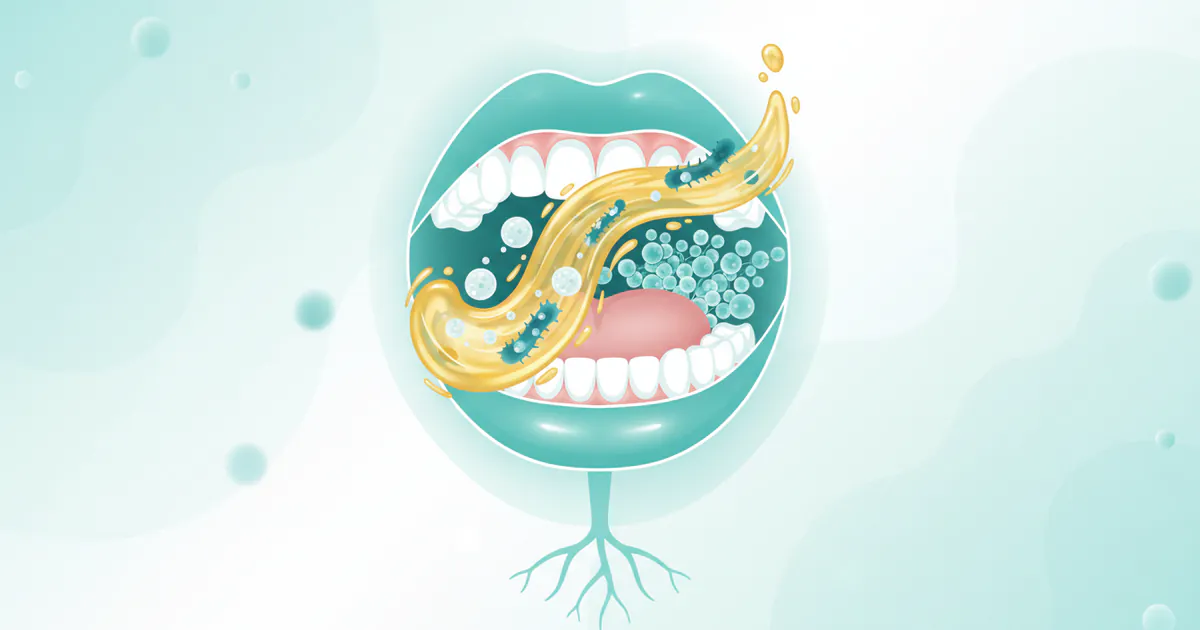
Oil Pulling Oral Microbiome: Complete Guide
Have you ever considered the bustling universe thriving within your mouth? This intricate community, known as the oral microbiome, consists of billions of microorganisms – some beneficial, some harmful – all playing a critical role in your oral and overall systemic health. Maintaining a balanced
February 23, 2026