Oil Pulling for Kidney Disease: Complete Guide
Key Takeaways
- Chronic kidney disease (CKD) affects an estimated 37 million adults in the United States, often progressing silently until advanced stages. What many may not realize is the profound connection between the health of their mouth and the health of their kidneys. As a bridge between traditional wisd
Oil Pulling for Kidney Disease: Complete Guide
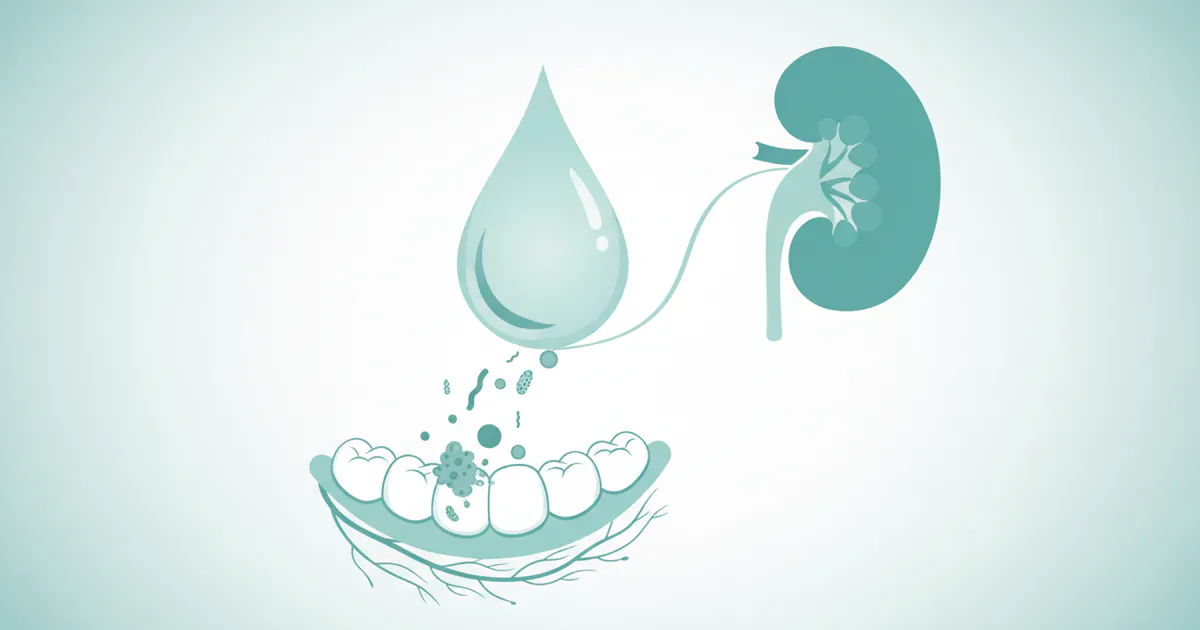
Chronic kidney disease (CKD) affects an estimated 37 million adults in the United States, often progressing silently until advanced stages. What many may not realize is the profound connection between the health of their mouth and the health of their kidneys. As a bridge between traditional wisdom and modern wellness, oil pulling has garnered interest as a complementary oral hygiene practice. But for those navigating the complexities of CKD, questions arise: Is oil pulling for kidney disease a safe or beneficial practice? Does it offer genuine support, or is it merely a distraction from evidence-based care?
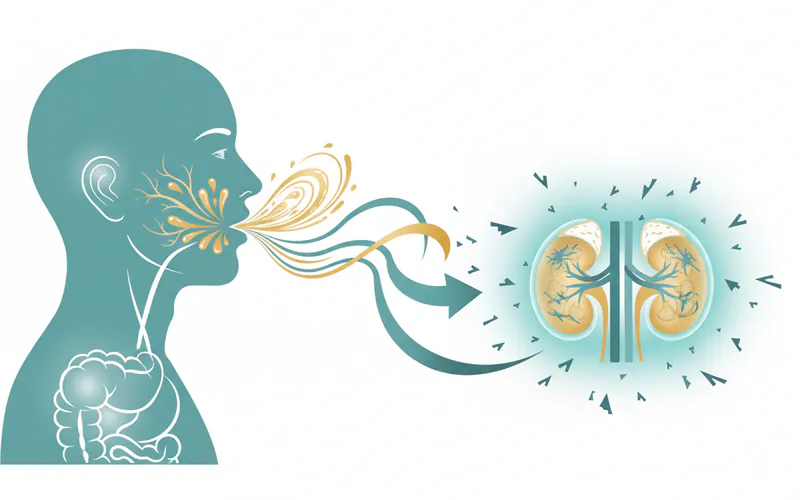
This comprehensive guide from SmilePedia.net will explore the ancient practice of oil pulling, dissect its purported benefits, and critically evaluate its relevance and safety for individuals with kidney disease. We'll delve into the vital oral-systemic link, clarify what oil pulling can and cannot do, and provide medically accurate information to help you make informed decisions about your oral and overall health, always emphasizing the paramount importance of professional medical and dental care.
Key Takeaways:
- No Cure for Kidney Disease: Oil pulling is not a treatment or cure for kidney disease. It is a complementary oral hygiene practice, and its direct impact on kidney function is not scientifically proven.
- Oral Health Link: Poor oral health, especially periodontal disease, is linked to systemic inflammation which can negatively impact kidney function and overall health. Oil pulling may support oral hygiene by reducing harmful bacteria.
- Primary Benefit: The main evidenced benefit of oil pulling is its potential to reduce oral bacteria, plaque, and gingivitis, contributing to better gum health.
- Recommended Oils: Coconut oil is popular due to its antimicrobial properties, but sesame and sunflower oils are also traditionally used. Always choose organic, unrefined varieties.
- Cost-Effective: The cost of oils for oil pulling is low, typically $8-$20 per bottle, lasting 1-2 months. It is not covered by dental insurance.
- Risks: Potential risks include accidental aspiration (especially for children or those with swallowing difficulties), allergic reactions, and delaying necessary professional dental or medical care.
- Complementary, Not Replacement: Oil pulling should always complement a rigorous routine of brushing, flossing, and regular dental check-ups, especially for individuals with CKD.
Understanding the Oral-Systemic Link: Why Oral Health Matters for Kidney Disease
The concept of the "oral-systemic link" underscores the intricate connection between your oral health and your overall bodily health. This isn't just about a healthy smile; it's about understanding how conditions originating in your mouth can influence chronic diseases throughout your body, including kidney disease.
The Silent Burden of Chronic Kidney Disease (CKD)
Chronic kidney disease (CKD) is a progressive condition characterized by the gradual loss of kidney function over time. The kidneys play a vital role in filtering waste products from the blood, maintaining electrolyte balance, and producing hormones. When they fail, waste accumulates, leading to serious health complications, including cardiovascular disease, anemia, and bone problems. In the US, CKD often progresses without obvious symptoms in its early stages, making early detection and management crucial. Patients with CKD often have compromised immune systems, making them more susceptible to infections and inflammation.
Oral Health as a Window to Systemic Health
Your mouth is teeming with bacteria, both beneficial and harmful. When oral hygiene is neglected, harmful bacteria can proliferate, leading to conditions like gingivitis (gum inflammation) and periodontitis (severe gum disease). Periodontitis involves the infection and inflammation of the gums and bone supporting the teeth, and it's far more than just a dental problem.
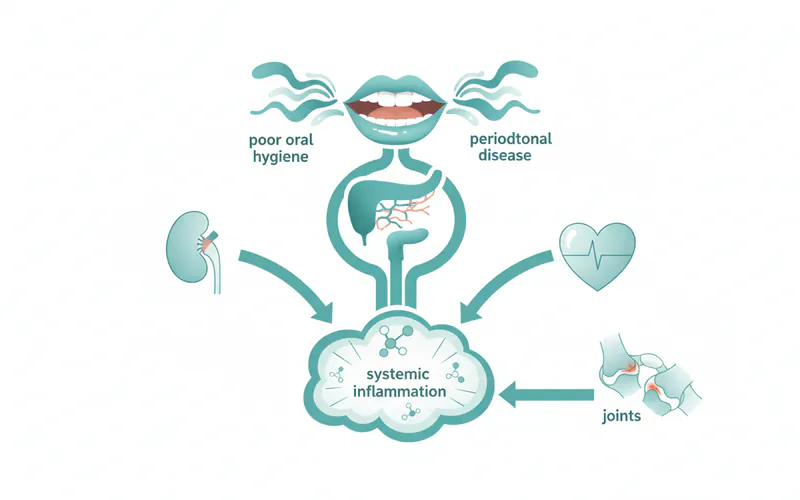
Research has increasingly demonstrated that the inflammation and bacteria associated with periodontal disease do not stay confined to the mouth. They can enter the bloodstream, triggering systemic inflammation throughout the body. This chronic, low-grade inflammation is a significant risk factor for various systemic diseases, including:
- Cardiovascular Disease: The link between periodontitis and heart disease is well-established, with oral bacteria and inflammatory mediators contributing to atherosclerosis (hardening of the arteries).
- Diabetes: There's a bidirectional relationship between diabetes and periodontal disease. Poorly controlled diabetes worsens gum disease, and severe gum disease can make blood sugar control more difficult.
- Rheumatoid Arthritis: Another key inflammatory condition, rheumatoid arthritis (RA), shares common inflammatory pathways with periodontal disease. Individuals with RA often have a higher prevalence and severity of gum disease, and treating gum disease can sometimes reduce RA symptoms and markers of inflammation. This connection highlights how chronic inflammation, regardless of its origin, can impact distant organs and systems.
- Chronic Kidney Disease: The link between periodontitis and CKD is particularly concerning. Patients with CKD often have a higher prevalence and severity of periodontal disease compared to the general population. The systemic inflammation and bacterial load from gum disease can contribute to the progression of kidney damage, increase the risk of cardiovascular events in CKD patients, and worsen overall health outcomes. The constant exposure to inflammatory cytokines from the oral cavity places additional stress on already compromised kidneys.
Oral Manifestations of Kidney Disease
Individuals with CKD often experience specific oral health challenges that can further complicate their condition:
- Dry Mouth (Xerostomia): Reduced salivary flow is common in CKD patients dueating fluid restrictions or medications, leading to discomfort, increased risk of cavities, and difficulty speaking or swallowing.
- Bad Breath (Halitosis): Uremic stomatitis, a condition caused by the accumulation of urea and other waste products in the blood, can lead to a metallic taste and ammonia-like breath.
- Altered Taste Sensation: A metallic or unusual taste in the mouth is frequent.
- Gum Bleeding and Inflammation: Despite often having excellent oral hygiene, CKD patients may still experience gum issues due to their compromised immune system and altered inflammatory responses.
- Increased Risk of Oral Infections: Immunosuppression in CKD makes patients more vulnerable to fungal infections (like candidiasis) and other oral pathogens.
Addressing these oral health issues is crucial for CKD patients, not just for comfort but for managing systemic inflammation and improving overall quality of life.
What is Oil Pulling and Its Traditional Claims?
Oil pulling, an ancient Ayurvedic practice, involves swishing a tablespoon of oil in your mouth for an extended period, typically 10 to 20 minutes, on an empty stomach. Proponents claim it "pulls" toxins and bacteria from the mouth, leading to various health benefits.
Definition and History
Originating in India thousands of years ago, oil pulling (known as "Kavala" or "Gandusha" in Ayurveda) was traditionally used to prevent and treat various health conditions, from bad breath and tooth decay to systemic ailments. It gained renewed popularity in Western cultures as a natural and holistic approach to oral hygiene and general wellness.
How is Oil Pulling Believed to Work?
The proposed mechanisms behind oil pulling's effects are multi-faceted:
- Mechanical Cleansing: The act of swishing the oil creates a physical rinsing action, dislodging food particles and plaque from the teeth and gums.
- Saponification: Some oils, particularly coconut oil, contain fatty acids that react with the alkali in saliva, forming a soap-like substance. This "saponification" process is believed to contribute to the cleansing and antimicrobial action.
- Antimicrobial Properties: Certain oils possess natural antimicrobial properties. Coconut oil, for instance, contains lauric acid, which has been shown to be effective against various bacteria, fungi, and viruses. Studies have indicated that oil pulling, particularly with coconut oil, can significantly reduce levels of Streptococcus mutans, a primary bacterium responsible for tooth decay, and other oral pathogens associated with gingivitis and plaque formation.
- Emulsification and Absorption: The oil is thought to emulsify with saliva, absorbing bacteria and toxins from the oral cavity. As the oil is swished, it becomes thinner and milky as it mixes with saliva, supposedly indicating it's absorbing these impurities.
- Reducing Oral Inflammation: By reducing the bacterial load and potentially directly inhibiting inflammatory responses, oil pulling may contribute to a reduction in oral inflammation, thereby potentially lessening systemic inflammatory triggers.
While traditional claims often extend to "detoxifying" the body and curing various diseases, it's crucial to approach these broader claims with skepticism. From a scientific perspective, the primary and most substantiated benefits relate directly to oral hygiene and the reduction of oral pathogens.
Does Oil Pulling Help with Gut Health?
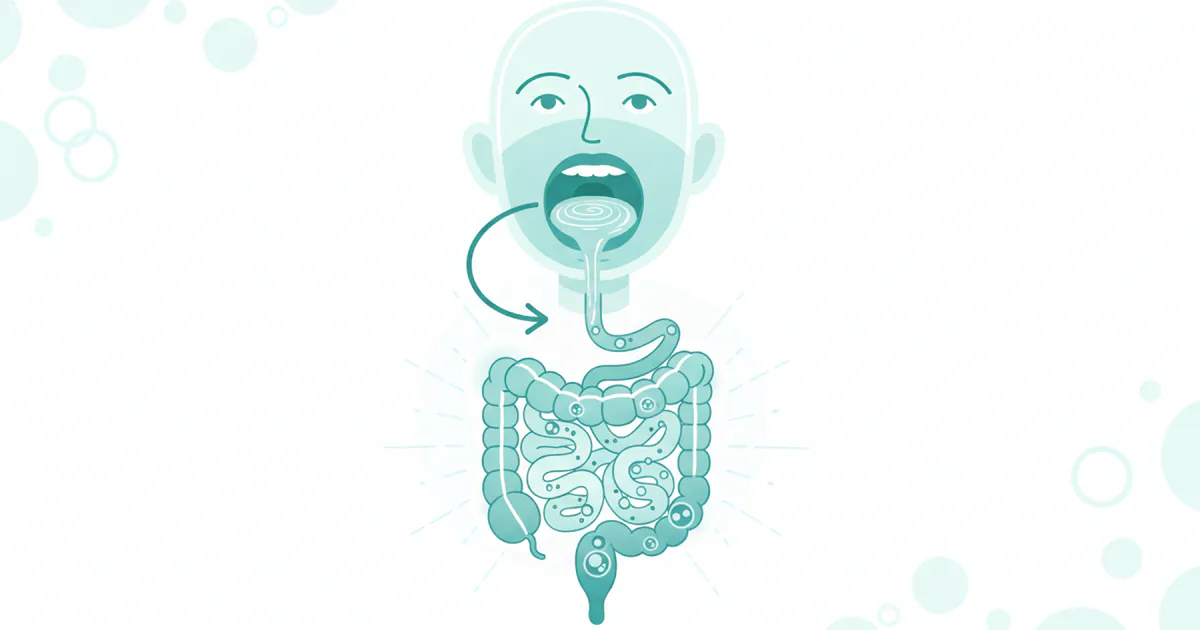
The connection between oral health and gut health is a rapidly evolving area of research. The oral microbiome (the community of microorganisms in your mouth) is intimately linked to the gut microbiome. Oral bacteria can be swallowed, making their way to the digestive tract where they can influence the balance of gut flora. For instance, certain periodontal pathogens have been found in the gut and are associated with inflammatory bowel diseases and other gut dysbiosis.
Given this connection, the question of whether oil pulling can help with gut health is logical. If oil pulling effectively reduces pathogenic bacteria in the mouth, it could theoretically reduce the influx of these harmful microbes into the gut. This might indirectly contribute to a healthier gut microbiome by reducing the burden of unwanted bacteria.
However, direct scientific evidence specifically demonstrating that oil pulling improves gut health or treats gut-related conditions is limited and largely anecdotal. While reducing oral pathogens is a positive step for overall health, the gut microbiome is complex and influenced by many factors, including diet, lifestyle, and other environmental exposures. Therefore, while oil pulling may offer an indirect benefit through improved oral hygiene, it should not be considered a primary strategy for managing gut health issues. A diverse diet, probiotics, and consultation with a healthcare professional are more established approaches for gut health.
Types of Oils and Methods for Oil Pulling
Choosing the right oil and performing oil pulling correctly are essential for maximizing any potential benefits and ensuring safety.
Common Oils Used
While various oils can be used, some are more popular due to their traditional use, taste, or specific properties:
- Coconut Oil:
- Pros: Highly popular, pleasant taste, contains lauric acid which has strong antimicrobial and antifungal properties. Many studies on oil pulling use coconut oil. Readily available.
- Cons: Solid at room temperature (can be slightly inconvenient, but melts quickly in the mouth).
- Sesame Oil:
- Pros: Traditional choice in Ayurveda, rich in antioxidants (sesamol, sesamolin) and anti-inflammatory compounds. May help reduce plaque and gingivitis.
- Cons: Stronger, often nutty taste that some people dislike.
- Sunflower Oil:
- Pros: Also a traditional Ayurvedic choice, believed to have good emulsifying properties. Contains linoleic acid. Some studies show efficacy similar to sesame oil in reducing plaque.
- Cons: Less common for oil pulling in Western practices, taste can be bland.
- Other Oils: Olive oil, avocado oil, and even specific herbal oils are sometimes used, but they are less common and have less specific research regarding oil pulling benefits.
Pro Tip: For optimal benefits and to avoid potential contaminants, always choose organic, unrefined, cold-pressed oils. This ensures the oil retains its natural nutrients and beneficial compounds without added chemicals or excessive processing.
Step-by-Step Oil Pulling Process
Performing oil pulling correctly is simple but requires consistency and adherence to a few key steps:
- Choose Your Oil: Select one of the recommended oils (coconut, sesame, or sunflower).
- Amount: Measure one tablespoon of oil. If using coconut oil, it will melt quickly in your mouth.
- Timing: The best time for oil pulling is in the morning, on an empty stomach, before brushing your teeth or drinking anything. This is when your mouth has accumulated the most bacteria overnight.
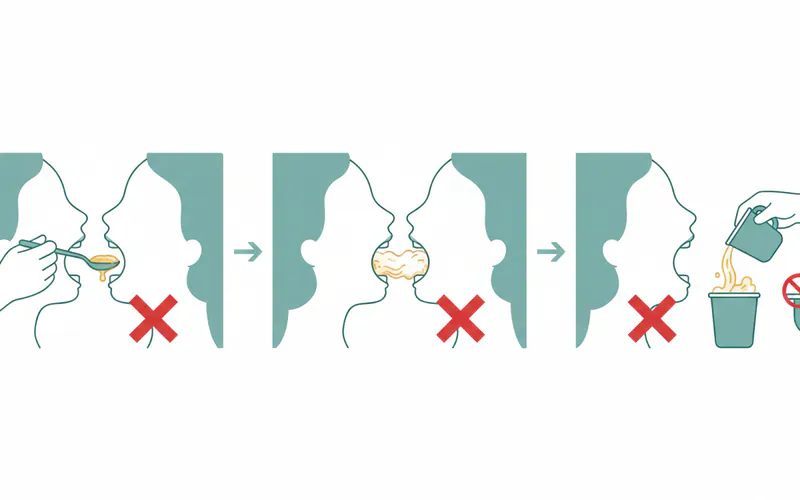
- Swish, Don't Gargle or Swallow: Place the oil in your mouth. Gently swish it around your mouth, pulling it through your teeth. The motion should be relaxed, not vigorous. It is crucial not to swallow the oil, as it will be laden with bacteria and toxins you are trying to remove.
- Duration: Continue swishing for 10 to 20 minutes. If you're new to oil pulling, start with 5 minutes and gradually increase the duration as you get comfortable. The oil will become thinner and milky as it emulsifies with your saliva.
- Disposal: When finished, spit the oil into a trash can. Avoid spitting it into a sink or toilet, as the oil can solidify and clog pipes over time, especially coconut oil.
- Rinse and Brush: Rinse your mouth thoroughly with warm water, then brush your teeth as usual with your toothbrush and toothpaste. This helps remove any residual oil and bacteria.
- Frequency: For optimal results, oil pull daily.
Best Practices for Oil Pulling
- Consistency is Key: Like any oral hygiene practice, regular oil pulling is more effective than sporadic use. Aim for daily practice.
- Complement, Don't Replace: Oil pulling is an adjunctive therapy. It does not replace the fundamental practices of brushing twice daily with fluoride toothpaste, flossing daily, and regular dental check-ups. The American Dental Association (ADA) emphasizes that traditional oral hygiene methods are proven for plaque and gingivitis control.
- Listen to Your Body: If you experience any discomfort, jaw pain, or adverse reactions, discontinue the practice and consult your dentist.
- Professional Dental Care is Paramount: Especially for individuals with kidney disease, professional dental cleanings and examinations are non-negotiable for maintaining oral health and managing systemic inflammation. Oil pulling is a supplement, not a substitute.
 `
`
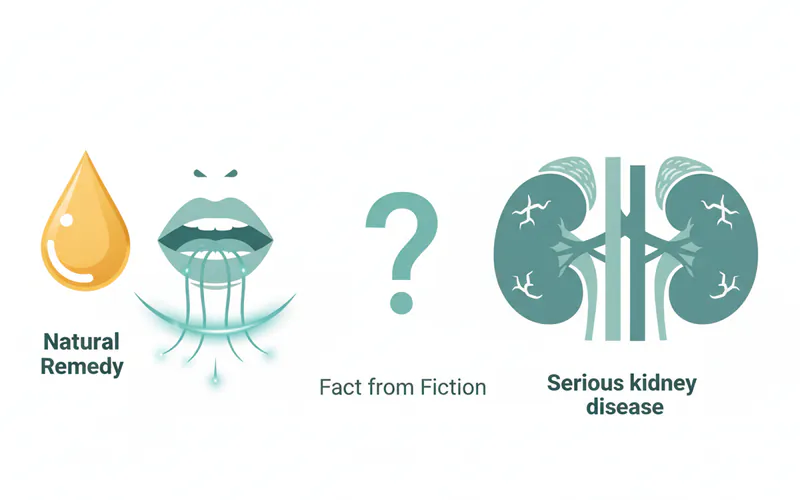
Oil Pulling for Kidney Disease: Separating Fact from Fiction
The appeal of a simple, natural remedy for complex health issues is understandable. However, when it comes to a serious condition like kidney disease, it's paramount to rely on scientific evidence and medical consensus.
Current Scientific Evidence
Let's be unequivocally clear: there is no direct scientific evidence or medical research demonstrating that oil pulling can treat, cure, reverse, or prevent chronic kidney disease. Kidney disease is a complex medical condition requiring diagnosis, treatment, and ongoing management by nephrologists and other medical specialists.
The scientific studies on oil pulling primarily focus on its effects on oral health:
- Plaque and Gingivitis Reduction: Several studies have shown that oil pulling, particularly with coconut or sesame oil, can significantly reduce plaque accumulation and improve gingivitis symptoms, sometimes comparable to the efficacy of chlorhexidine mouthwash (though chlorhexidine has more potent antimicrobial effects).
- Reduction of Oral Microorganisms: Research indicates that oil pulling can reduce the presence of harmful bacteria like Streptococcus mutans and Candida albicans in the mouth.
- Bad Breath Improvement: By reducing oral bacteria, oil pulling can contribute to fresher breath.
While these oral health benefits are positive, and we know that poor oral health contributes to systemic inflammation which can negatively impact kidney disease, this does not mean oil pulling directly benefits the kidneys. The link is indirect and speculative. An improvement in oral hygiene might contribute to a reduction in the overall inflammatory burden on the body, which could theoretically be beneficial for a CKD patient. However, this is a far cry from oil pulling being a treatment for kidney disease itself.
The Importance of a Holistic Approach for CKD Patients
For individuals with CKD, a comprehensive and evidence-based approach is essential. This includes:
- Medical Management: Adherence to medications prescribed by a nephrologist (e.g., blood pressure control, managing diabetes, cholesterol-lowering drugs).
- Dietary Modifications: A kidney-friendly diet, often low in sodium, potassium, and phosphorus, under the guidance of a registered dietitian.
- Lifestyle Changes: Regular exercise, smoking cessation, and limiting alcohol intake.
- Excellent Oral Hygiene: This is where oil pulling, if chosen, might fit in as an adjunctive practice. However, foundational oral hygiene (brushing, flossing, regular dental check-ups) is far more critical and evidence-based.
Oil pulling should be viewed as a potential supplement to an already robust oral hygiene routine, not as a standalone solution or a therapeutic intervention for CKD.
Limitations and Misconceptions
It's vital to dispel common misconceptions surrounding oil pulling, especially for vulnerable populations like CKD patients:
- Not a "Detox" for Kidneys: The human body has highly efficient detoxification systems: the liver and the kidneys. There is no scientific basis to suggest that oil pulling "detoxifies" the kidneys or removes toxins from the bloodstream. That's the kidneys' job.
- Cannot Replace Medical Treatment: Oil pulling cannot, under any circumstances, replace prescribed medications, dialysis, or any other medical treatment for kidney disease. Relying on oil pulling in place of professional medical care for CKD can have severe and life-threatening consequences.
- "Feeling Better" is Subjective: While some individuals report feeling generally better after oil pulling, these effects are often subjective and lack rigorous scientific validation. They might be attributed to improved oral hygiene, a placebo effect, or overall changes in health habits, rather than a direct impact on kidney function.
Risks and Considerations for Patients with Kidney Disease
While generally considered safe for healthy individuals when performed correctly, oil pulling carries specific risks and considerations that patients with chronic kidney disease must be aware of.
Potential Risks of Oil Pulling
- Aspiration Pneumonia: This is perhaps the most significant risk, especially for individuals with swallowing difficulties or compromised gag reflexes. If oil is accidentally inhaled into the lungs, it can lead to a serious lung infection called aspiration pneumonia. This risk is higher in children, the elderly, and those with neurological conditions or severe fatigue, which can be present in advanced CKD.
- Upset Stomach/Diarrhea: Accidentally swallowing the oil, which by the end of the swishing process is laden with bacteria, can lead to an upset stomach, nausea, or diarrhea.
- Allergic Reactions: Though rare, individuals can be allergic to specific oils (e.g., coconut, sesame). Symptoms can range from mild oral irritation to more severe systemic allergic responses.
- Delayed Professional Dental Care: A significant concern is that individuals might rely solely on oil pulling, believing it's a sufficient alternative to professional dental cleanings and treatments. This delay in seeking professional care can allow underlying dental issues like severe periodontitis to worsen, exacerbating systemic inflammation.
- Jaw Pain/TMJ Issues: Prolonged swishing can, for some individuals, lead to jaw fatigue or exacerbate temporomandibular joint (TMJ) disorders.
Specific Concerns for CKD Patients
Patients with chronic kidney disease face additional vulnerabilities that amplify the risks associated with certain practices, including oil pulling:
- Compromised Immune Systems: CKD patients, especially those in advanced stages or on dialysis, often have weakened immune systems. Aspiration pneumonia or other infections stemming from oral issues could be more severe and harder to combat in these individuals.
- Fluid Restrictions: Some CKD patients are on fluid restrictions. While oil pulling itself doesn't involve significant fluid intake, the sensation of using oil might interfere with their fluid management or lead to discomfort.
- Medication Interactions (Low Risk but Consider): While oil pulling is a topical practice and unlikely to have systemic drug interactions, patients with CKD are often on multiple medications. It's always prudent to inform your healthcare team about all complementary therapies you are considering.
- Dry Mouth: As mentioned, dry mouth (xerostomia) is common in CKD. While some find oil pulling soothing, others might find the initial sensation of oil in a dry mouth uncomfortable or might struggle with the prolonged swishing.
When to Exercise Caution
- Immunocompromised Individuals: Due to the increased risk of infection.
- Individuals with Swallowing Difficulties: This includes those who have had strokes, neurological disorders, or severe fatigue.
- Existing Oral Lesions or Infections: Oil pulling could theoretically spread infection or irritate existing sores.
- Children: Not recommended for young children due to the high risk of aspiration.
- Pregnancy/Breastfeeding: While generally considered safe, it's always best to consult with a doctor before starting any new regimen.
Always consult with your nephrologist and dentist before incorporating oil pulling into your routine, especially if you have chronic kidney disease or any other serious health condition. They can assess your individual risk factors and provide personalized guidance.
Integrating Oil Pulling into a Comprehensive Oral Health Routine
For individuals with CKD, maintaining optimal oral health is not merely cosmetic; it's a critical component of managing their overall health and reducing systemic inflammation. If considering oil pulling, it must be integrated responsibly within a comprehensive oral care strategy, not as a replacement for established practices.
The Foundation: Brushing and Flossing
The American Dental Association (ADA) consistently recommends the following as the cornerstone of excellent oral hygiene:
- Brushing: Brush your teeth twice a day for two minutes each time, using a fluoride toothpaste and a soft-bristled toothbrush (manual or electric). Fluoride is essential for strengthening tooth enamel and preventing cavities.
- Flossing: Clean between your teeth daily using dental floss or interdental cleaners to remove plaque and food particles that brushing alone cannot reach.
- Regular Dental Check-ups: Visit your dentist for professional cleanings and examinations at least twice a year, or more frequently if recommended due to your health status (e.g., every 3-4 months for CKD patients).
These practices are scientifically proven to effectively remove plaque, prevent cavities, and reduce the risk of gum disease.
Professional Dental Care for CKD Patients
For patients with chronic kidney disease, professional dental care takes on even greater importance:
- Frequency: Your dentist may recommend more frequent check-ups and cleanings (e.g., every 3 to 4 months) to closely monitor your oral health.
- Disclose Your Condition: It is absolutely crucial to inform your dentist and dental hygienist about your kidney disease diagnosis, its stage, and any medications you are taking. This information allows the dental team to tailor your care, manage potential risks (e.g., medication interactions, bleeding risk, need for prophylactic antibiotics before certain procedures if you have a fistula or graft for dialysis), and coordinate with your nephrologist.
- Periodontal Management: Aggressive management of periodontal disease is vital. This may include deep cleanings (scaling and root planing) to remove plaque and calculus below the gum line.
- Addressing Oral Manifestations: Your dentist can help manage dry mouth with specific rinses, gels, or artificial saliva products, and address other oral symptoms related to CKD.
Comparison: Oil Pulling vs. Traditional Oral Hygiene
| Feature | Oil Pulling | Traditional Brushing & Flossing |
|---|---|---|
| Primary Mechanism | Mechanical cleansing, emulsification, antimicrobial properties of oils. | Mechanical plaque removal, fluoride for enamel protection, physical disruption of bacterial biofilm. |
| Evidence Base | Emerging evidence for oral health benefits (plaque, gingivitis, bacteria). No direct systemic benefits proven. | Extensive, long-standing scientific evidence for preventing cavities, gum disease, and maintaining oral health. |
| ADA Stance | Not an ADA-recommended replacement for brushing/flossing. Considered an "adjunctive" practice by some. | ADA Gold Standard for daily oral hygiene. |
| Cost | Low (cost of oils). | Moderate (toothpaste, brushes, floss). |
| Time Commitment | 10-20 minutes daily. | 2 minutes brushing twice daily, ~2 minutes flossing daily. |
| Systemic Impact | Indirectly via improved oral health reducing inflammation. No direct kidney benefit. | Indirectly via preventing oral infections that contribute to systemic inflammation. |
| Risks | Aspiration, allergic reaction, delaying professional care. | Minimal, mainly related to improper technique (e.g., aggressive brushing). |
Cost and Accessibility
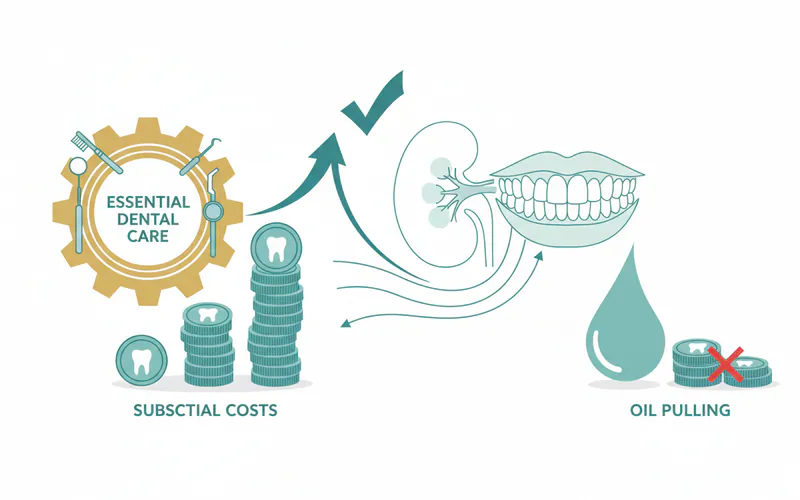
Understanding the costs associated with both oil pulling and essential dental care is important for managing your health budget, especially when dealing with a chronic condition like kidney disease.
Cost of Oil Pulling
Oil pulling is a very low-cost practice. The only expense is the oil itself.
- Average Price of Quality Oils: A large bottle (16-32 oz) of organic, unrefined coconut, sesame, or sunflower oil typically costs anywhere from $8 to $20.
- Duration: One bottle can last for 1 to 2 months, depending on the size and how often you oil pull.
- Monthly Cost: This translates to a monthly cost of approximately $4-$10.
- Insurance Coverage: Oil pulling products or practices are not covered by dental or medical insurance in the US, as they are considered an alternative or complementary health practice without a recognized medical procedure code.
Cost of Essential Dental Care for CKD Patients
The costs associated with standard, evidence-based dental care are more substantial but are critical for managing oral and systemic health, particularly for those with CKD. Prices can vary significantly based on geographic location (e.g., urban vs. rural), the specific dental practice, and the complexity of your needs.
- Routine Dental Exam:
- Without insurance: $50 - $150
- With insurance: Often fully covered or a small co-pay ($0 - $50)
- Routine Dental Cleaning (Prophylaxis):
- Without insurance: $75 - $200
- With insurance: Often fully covered or a small co-pay ($0 - $75)
- Deep Cleaning (Scaling and Root Planing) - per quadrant:
- Without insurance: $200 - $600 per quadrant (a full mouth might require 4 quadrants)
- With insurance: Typically covered at 50-80% after deductible ($100 - $300 per quadrant out-of-pocket)
- Dental X-rays (Full Mouth Series):
- Without insurance: $100 - $250
- With insurance: Often covered at 80-100% ($0 - $50 out-of-pocket)
Impact of Dental Insurance: Dental insurance plans in the US typically categorize services into preventive (exams, cleanings, X-rays), basic (fillings, extractions), and major (crowns, bridges, dentures). Preventive care is usually covered at 80-100%, basic at 50-80%, and major at 20-50%, often after meeting a deductible (e.g., $50-$100) and up to an annual maximum (e.g., $1,000-$2,000).
Payment Plans and Cost-Saving Tips
Even with insurance, costs can accumulate, especially for complex periodontal treatment.
- Payment Plans: Many dental offices offer in-house payment plans or work with third-party financing options like CareCredit, allowing you to pay for treatments over time, often with low or no interest for a promotional period.
- Dental Schools: Dental schools often provide high-quality care at a reduced cost, as procedures are performed by students under the close supervision of experienced faculty.
- Community Dental Clinics: Federally Qualified Health Centers (FQHCs) and other community clinics often offer dental services on a sliding fee scale based on income, making care more accessible.
- Prevention is Key: Investing in consistent daily oral hygiene (brushing, flossing) and regular preventive dental care is the most effective way to prevent costly and extensive treatments down the line.
- Pro Tip: Don't hesitate to discuss your financial concerns with your dental office's administrative staff. They can often provide a detailed treatment plan with associated costs and explore various payment options tailored to your situation.
| Oral Hygiene Option | Monthly Cost Range (US$) | Insurance Coverage | Notes |
|---|---|---|---|
| Oil Pulling | $4 - $10 | None | Cost of oil only. |
| Brushing/Flossing | $5 - $20 | None | Cost of toothbrushes, toothpaste, floss. |
| Dental Cleanings | ~$12 - $33 (avg. of $150 every 4.5 months) | High (80-100%) | Essential for CKD. More frequent may be needed. |
| Deep Cleaning | Variable, high if needed | Moderate (50-80%) | For active gum disease. Costly without good insurance. |
| Dental Exam | ~$4 - $12 (avg. of $75 every 4.5 months) | High (80-100%) | Crucial for early detection. |
Children and Pediatric Considerations
Oil pulling is generally not recommended for young children. The primary concern is the risk of aspiration, where the child might accidentally inhale the oil into their lungs, leading to choking or aspiration pneumonia. Young children may not have the coordination or understanding to properly swish without swallowing or inhaling.
For older children and teenagers, if they express interest and can reliably perform the technique without swallowing, it might be considered with parental supervision. However, the focus for pediatric oral health should always remain on:
- Age-Appropriate Brushing: Starting with soft toothbrushes and a tiny smear of fluoride toothpaste as soon as the first tooth erupts.
- Regular Flossing: Introducing flossing once teeth begin to touch.
- Dietary Guidance: Limiting sugary snacks and drinks.
- Routine Pediatric Dental Check-ups: These are crucial for monitoring tooth development, detecting cavities early, and applying preventive treatments like fluoride varnish and sealants.
For children, especially those with any underlying health conditions, it is imperative to consult with their pediatrician and pediatric dentist before introducing any complementary oral health practices like oil pulling. The proven benefits of basic oral hygiene far outweigh the unproven benefits and potential risks of oil pulling in children.
Prevention and Long-Term Oral-Systemic Health
The proactive prevention of oral diseases is the most effective strategy for safeguarding overall health, particularly for individuals managing chronic conditions like kidney disease.
- Diligent Daily Oral Hygiene: Commit to brushing twice a day with fluoride toothpaste and flossing once a day. This is the bedrock of preventing plaque buildup, cavities, and gum disease.
- Regular Professional Dental Care: Adhere to your dentist's recommended schedule for check-ups and cleanings, especially if you have CKD. Early detection and treatment of oral issues can prevent them from escalating and potentially impacting your systemic health.
- Healthy Diet: Reduce consumption of sugary and acidic foods and drinks, which contribute to tooth decay. Emphasize a balanced diet rich in fruits, vegetables, and whole grains. For CKD patients, this should align with kidney-friendly dietary guidelines provided by a dietitian.
- Hydration: Drink plenty of water throughout the day. Water helps rinse away food particles and maintains salivary flow, which is crucial for neutralizing acids and remineralizing tooth enamel.
- Tobacco Cessation: Smoking and other forms of tobacco use significantly increase the risk of gum disease, oral cancers, and can worsen kidney function. Quitting tobacco is one of the most impactful steps you can take for your oral and systemic health.
- Manage Underlying Health Conditions: For CKD patients, diligent management of diabetes, hypertension, and other comorbidities is paramount. Well-controlled systemic conditions often lead to better oral health outcomes and vice-versa.
- Stress Management: Chronic stress can impact immune function and contribute to inflammation, indirectly affecting both oral and systemic health. Practices like mindfulness, meditation, or regular exercise can help.
By focusing on these evidence-based preventative measures, individuals can significantly reduce their risk of oral diseases and support their overall health, including kidney function, in the long term. Oil pulling, if incorporated, should only be seen as a minor adjunct to these comprehensive strategies.
Frequently Asked Questions
How long does it take to see results from oil pulling?
While some individuals report feeling fresher breath or cleaner teeth immediately, noticeable improvements in gum health or plaque reduction typically take consistent daily oil pulling for at least 1-2 weeks to several months. Scientific studies showing reductions in bacteria or gingivitis usually involve daily use over weeks to a few months.
Can oil pulling cure kidney disease?
Absolutely not. There is no scientific evidence whatsoever to suggest that oil pulling can cure, treat, or reverse kidney disease. Kidney disease is a serious medical condition that requires professional medical diagnosis, treatment, and ongoing management by a nephrologist. Relying on oil pulling in place of medical care for CKD can have severe health consequences.
Is oil pulling safe for everyone, especially those with chronic conditions?
While generally safe for healthy adults, oil pulling carries specific risks for certain groups. Individuals with chronic kidney disease (CKD), compromised immune systems, swallowing difficulties, or existing oral lesions should consult their nephrologist and dentist before trying it. It is not recommended for young children due to the risk of aspiration.
What kind of oil is best for oil pulling?
Coconut oil is a popular choice due to its pleasant taste and antimicrobial properties (specifically lauric acid). Sesame oil and sunflower oil are also traditional Ayurvedic choices with reported benefits for oral health. Always opt for organic, unrefined, cold-pressed oils for the best quality.
Can I oil pull if I have dental fillings or crowns?
Yes, oil pulling is generally safe for individuals with dental fillings, crowns, veneers, or other restorative dental work. The oil will not damage these materials. However, if you experience any discomfort or sensitivity, discontinue use and consult your dentist.
Does oil pulling replace brushing and flossing?
No, oil pulling does not replace brushing and flossing. It is a complementary oral hygiene practice. The American Dental Association (ADA) emphasizes that brushing twice daily with fluoride toothpaste and flossing daily are the most effective, evidence-based methods for plaque removal and preventing cavities and gum disease. Oil pulling should be an addition, not a substitution.
How often should I oil pull?
For those who choose to incorporate it, oil pulling is typically recommended to be performed daily, ideally in the morning on an empty stomach, for 10-20 minutes. Consistency is key for any potential benefits.
Are there any side effects of oil pulling?
Potential side effects include accidental swallowing of bacteria-laden oil leading to an upset stomach, allergic reactions to the oil, jaw soreness from prolonged swishing, or irritation in the mouth. The most serious risk, especially for those with impaired swallowing, is aspiration pneumonia if oil enters the lungs.
Does oil pulling help with bad breath associated with kidney disease?
Oil pulling can help reduce certain oral bacteria that contribute to bad breath (halitosis). However, bad breath in kidney disease patients can also be caused by systemic factors like the buildup of urea (uremic stomatitis). While oil pulling might offer some relief from the oral bacterial component, it will not address the underlying systemic causes related to kidney function.
What is the typical cost of oil pulling supplies per month?
The monthly cost for oil pulling is very low, typically ranging from $4 to $10 in the US. This is based on purchasing a large bottle of organic, unrefined oil (costing $8-$20) that can last for 1-2 months with daily use. This practice is not covered by insurance.
When to See a Dentist
Regular dental care is paramount for everyone, but it takes on critical importance for individuals with chronic kidney disease. Your oral health directly impacts your systemic well-being.
Schedule a routine dental check-up and cleaning:
- Immediately if you have been diagnosed with kidney disease and haven't seen a dentist recently. Inform your dentist about your CKD status.
- At least every six months, or more frequently (e.g., every 3-4 months) as recommended by your dentist, especially if you have CKD, diabetes, or gum disease.
You should see a dentist immediately if you experience any of the following warning signs:
- Persistent oral pain: Any toothache, jaw pain, or persistent discomfort that doesn't resolve.
- Bleeding, swollen, or tender gums: These are classic signs of gingivitis or periodontitis, which are especially concerning for CKD patients due to the inflammatory link.
- Loose teeth or changes in bite: These can indicate advanced gum disease or other underlying issues.
- Chronic bad breath or a persistent metallic taste: While common in CKD, your dentist can help rule out oral causes and offer management strategies.
- Sores, lesions, or white patches in your mouth that don't heal within a week or two: These could be signs of infection, irritation, or in rare cases, oral cancer.
- Difficulty swallowing or changes in your voice: These symptoms require prompt evaluation.
- Any concerns about dryness in your mouth (xerostomia): Your dentist can recommend specific products or strategies to manage dry mouth, a common issue for CKD patients.
Do not delay seeking professional dental care. Early detection and treatment of oral health problems are crucial for maintaining your oral health and can indirectly support your overall health, especially when living with chronic kidney disease.
Frequently Asked Questions
Medically Reviewed Content
This article was written by our dental health editorial team and reviewed for medical accuracy. Our content follows strict editorial guidelines for reliability and trustworthiness.
Medical Disclaimer
This article is for informational purposes only and does not constitute medical advice. Always consult with a qualified dental professional for diagnosis and treatment. Do not delay seeking professional advice because of something you read on this website.
Related Articles
Does Oil Pulling Help Gut Health
The intricate connection between our oral health and overall well-being is a topic of growing fascination and scientific inquiry. Often, when we think of health, we focus on specific organs or systems, overlooking the crucial role of the mouth as a gateway to the rest of the body. One ancient practi
February 23, 2026
Does Oil Pulling Help With Inflammation
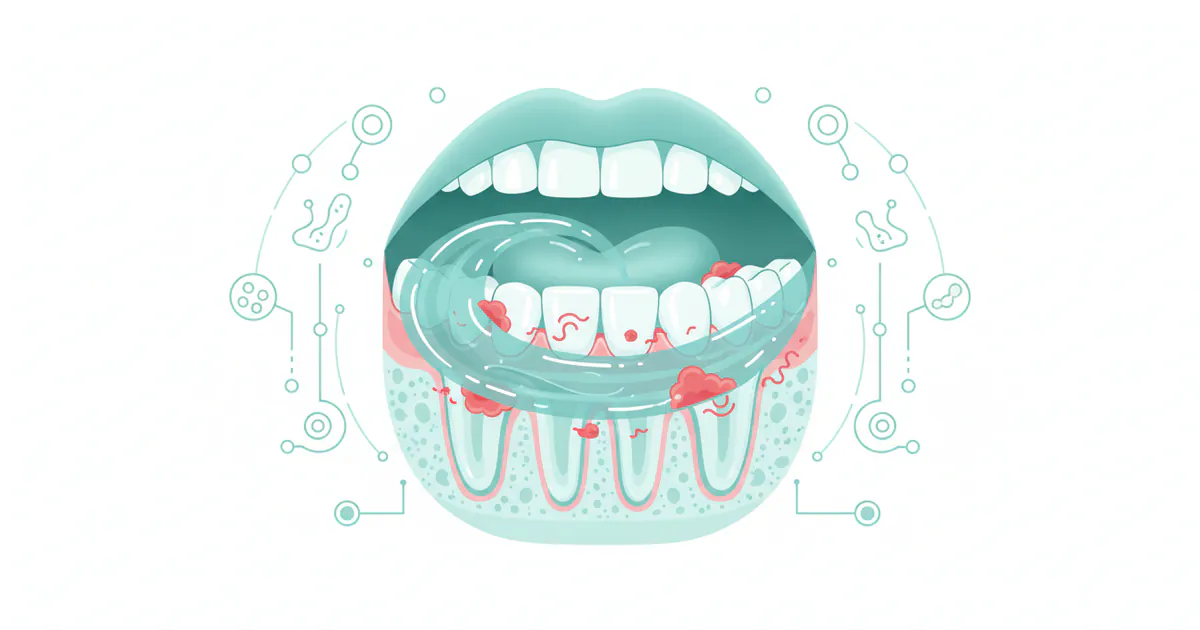
It's a question many health-conscious individuals ask as they explore natural remedies: does oil pulling help with inflammation? In an era where holistic approaches to wellness are gaining traction, the ancient practice of oil pulling has resurfaced, promising benefits that extend beyond oral hy
February 23, 2026
Oil Pulling Oral Microbiome: Complete Guide
Have you ever considered the bustling universe thriving within your mouth? This intricate community, known as the oral microbiome, consists of billions of microorganisms – some beneficial, some harmful – all playing a critical role in your oral and overall systemic health. Maintaining a balanced
February 23, 2026

Diabetes and Canker Sores: Complete Guide
Living with diabetes means managing various aspects of your health, often extending beyond blood sugar levels to encompass areas you might not immediately consider – like your oral health. Did you know that individuals with diabetes are more susceptible to a range of oral issues, including the commo
February 23, 2026