Does Oil Pulling Help With Inflammation
Key Takeaways
- It's a question many health-conscious individuals ask as they explore natural remedies: does oil pulling help with inflammation? In an era where holistic approaches to wellness are gaining traction, the ancient practice of oil pulling has resurfaced, promising benefits that extend beyond oral hy
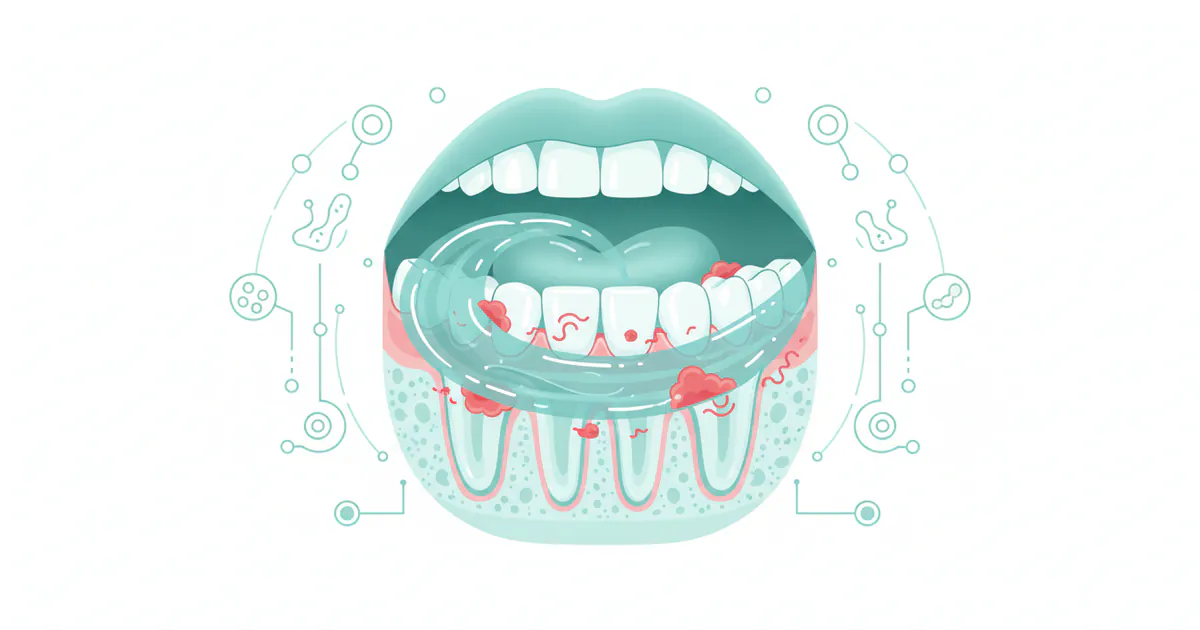
It's a question many health-conscious individuals ask as they explore natural remedies: does oil pulling help with inflammation? In an era where holistic approaches to wellness are gaining traction, the ancient practice of oil pulling has resurfaced, promising benefits that extend beyond oral hygiene. With a staggering 47.2% of American adults aged 30 years and older suffering from some form of periodontal disease, a condition characterized by significant inflammation, understanding effective strategies to combat this widespread issue is paramount. Your oral health is not an isolated system; it's intricately connected to your overall well-being, influencing everything from your cardiovascular system to your gut microbiome. This article delves deep into the science behind oil pulling, exploring its potential to reduce inflammation, the specific types of oral inflammation it may address, and its often-debated impact on gut health. We will examine the evidence, provide a practical guide, and discuss when professional dental care remains indispensable.
Key Takeaways:
- Oil pulling involves swishing oil in the mouth for an extended period, primarily to reduce oral bacteria and plaque.
- Research suggests oil pulling may help reduce oral inflammation, particularly gingivitis, by decreasing harmful bacteria like Streptococcus mutans.
- There is currently no direct scientific evidence that oil pulling significantly improves gut health directly. Any potential gut benefits are indirect, stemming from reduced oral bacteria influencing the oral-gut axis.
- Consistency is key: Daily oil pulling for 15-20 minutes is typically recommended for potential benefits, often seeing results within 1-3 months for oral inflammation.
- Cost-effective: A bottle of coconut or sesame oil costs approximately $5-$20, making it an affordable addition to a dental routine.
- Not a substitute: Oil pulling is a complementary practice and does not replace professional dental care (brushing, flossing, regular dental check-ups, and cleanings) for managing or preventing inflammation.
- Potential risks: Rare side effects include jaw pain, upset stomach if swallowed, and allergic reactions. Always consult a dentist for persistent inflammation.
What Is Oil Pulling? An Ancient Practice Revisited
Oil pulling, known in Ayurvedic medicine as "kavala" or "gandusha," is an ancient holistic dental technique that involves swishing a tablespoon of edible oil (such as coconut, sesame, or sunflower oil) in the mouth for 15 to 20 minutes on an empty stomach. This practice is believed to draw out toxins, bacteria, and other microorganisms from the oral cavity, leading to improved oral hygiene and overall health. Historically, it was a cornerstone of Ayurvedic preventive medicine, used to cleanse and detoxify the body.
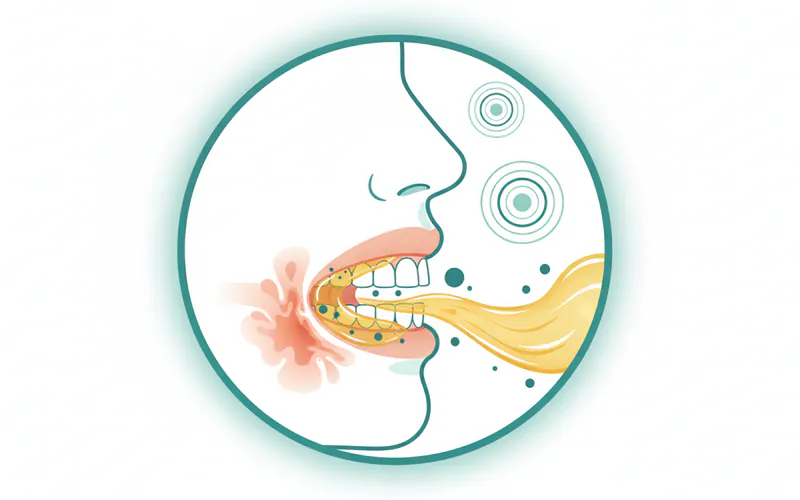
The concept behind oil pulling is straightforward: the oil acts as a solvent, "pulling" fat-soluble toxins, bacteria, and debris from the mouth as you swish. These microorganisms, many of which are responsible for plaque formation and gingivitis, have fatty outer membranes that are attracted to the oil. As the oil is swished, it emulsifies, increasing its surface area and allowing it to effectively absorb and bind to these oral pathogens.
Types of Oils Used in Oil Pulling
While various oils can be used for oil pulling, some are more popular due to their specific properties:
- Coconut Oil: This is by far the most popular choice, largely due to its high concentration of lauric acid, a medium-chain fatty acid known for its potent antimicrobial, antifungal, and antiviral properties. Lauric acid is particularly effective against Streptococcus mutans, a primary bacterium responsible for tooth decay and gum inflammation.
- Sesame Oil: Traditionally used in Ayurveda, sesame oil is rich in antioxidants, including sesamol, sesamin, and sesamolin. It's believed to have anti-inflammatory properties and to help strengthen teeth and gums.
- Sunflower Oil: Another common choice, sunflower oil is high in linoleic acid, which is thought to possess antibacterial properties.
- Olive Oil: While less commonly used for oil pulling, extra virgin olive oil contains oleic acid, which has some antimicrobial effects. However, its taste might be less palatable for some.
Regardless of the oil chosen, it's crucial to select organic, unrefined, and cold-pressed varieties to ensure maximum purity and effectiveness, minimizing exposure to additives or processed chemicals.
Oral Inflammation: Causes, Signs, and How Oil Pulling Aims to Help
Oral inflammation is a common issue affecting millions of Americans, ranging from mild gingivitis to severe periodontitis. Understanding its root causes and how oil pulling might intervene is key to assessing its efficacy.
Causes of Oral Inflammation
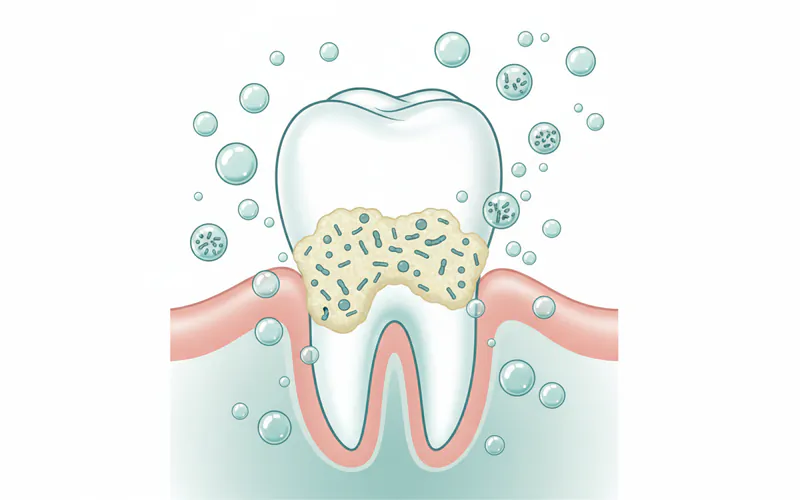
The primary cause of oral inflammation is the accumulation of dental plaque, a sticky film of bacteria that constantly forms on your teeth. If plaque is not removed regularly through proper brushing and flossing, it can harden into tartar (calculus).
- Gingivitis: This is the mildest form of periodontal disease. Plaque and tartar irritate the gums, leading to inflammation. Common causes include poor oral hygiene, hormonal changes (e.g., during pregnancy), certain medications, and systemic diseases like diabetes.
- Periodontitis: If gingivitis is left untreated, it can advance to periodontitis. In this stage, the inflammation spreads below the gum line, causing the gums to pull away from the teeth (forming pockets), and chronic inflammation can lead to the destruction of the bone and tissue supporting the teeth. Risk factors include smoking, genetics, certain medical conditions (like heart disease or rheumatoid arthritis), and chronic stress.
Signs and Symptoms of Oral Inflammation
Recognizing the signs of oral inflammation early can prevent progression to more severe conditions:
- Red, swollen, or tender gums: Healthy gums are typically firm and pink.
- Gums that bleed easily: Especially during brushing or flossing.
- Persistent bad breath (halitosis): Caused by bacteria accumulating in the mouth.
- Receding gums: Gums pulling away from the teeth, making them appear longer.
- Pus between teeth and gums: A sign of infection.
- Loose or shifting teeth: A late-stage symptom of periodontitis.
- Changes in your bite: How your teeth fit together when you chew.
How Oil Pulling Works to Address Oral Inflammation
The premise behind oil pulling's anti-inflammatory potential lies in its ability to reduce the bacterial load in the mouth, particularly those pathogens linked to plaque formation and gingivitis.
- Mechanical Cleansing: The act of swishing the oil creates a mechanical washing effect, dislodging food particles and loose bacteria from the teeth and gum surfaces, similar to a mouthwash, but with a different mechanism of action.
- Saponification and Emulsification: The fats in the oil interact with the alkaline saliva in the mouth. This creates a soap-like substance (saponification) that helps to emulsify (mix fat and water) the oil, making it easier for the oil to penetrate crevices and bind to bacteria and toxins.
- Antimicrobial Properties: Certain oils, especially coconut oil with its lauric acid, possess inherent antimicrobial properties. Lauric acid is known to disrupt the cell walls of various bacteria, including Streptococcus mutans, thereby reducing their numbers and inhibiting their ability to form plaque. By reducing these harmful bacteria, oil pulling aims to decrease the inflammatory response they trigger in the gums.
Does Oil Pulling Help With Inflammation? The Scientific Evidence
When asking, "does oil pulling help with inflammation," it's crucial to look at what scientific studies suggest. While traditional claims are abundant, modern research offers a more nuanced view.
Several studies have investigated oil pulling's effects, primarily focusing on its impact on oral bacteria, plaque, and gingivitis—which is a direct manifestation of oral inflammation.
- Reduction in Streptococcus mutans: A key finding across multiple studies is oil pulling's ability to significantly reduce the count of Streptococcus mutans, a major contributor to tooth decay and plaque formation. By reducing these bacteria, the inflammatory response they induce in the gums is also diminished.
- Plaque and Gingivitis Reduction: Clinical trials comparing oil pulling with traditional chlorhexidine mouthwash or saline rinses have shown promising results. For instance, studies have demonstrated that oil pulling can reduce plaque index and gingival index scores (indicators of plaque accumulation and gum inflammation) comparable to, and in some cases, even better than, standard mouthwashes over a period of 10-30 days. This indicates a direct impact on the signs of inflammation.
- Anti-inflammatory Effects: While most studies focus on bacterial reduction, the subsequent decrease in plaque and gingivitis directly translates to a reduction in the inflammatory processes occurring in the gums. Fewer pathogenic bacteria mean less irritation and a milder immune response, leading to less swelling, redness, and bleeding.
However, it's important to note the limitations:
- Study Size and Duration: Many studies are relatively small and short-term. More extensive, long-term, double-blind placebo-controlled trials are needed to provide definitive conclusions.
- Standardization: There is no universal standard for oil type, duration of swishing, or frequency, making comparisons between studies challenging.
- Mechanism of Action: While bacterial reduction is observed, the exact mechanisms for broader anti-inflammatory effects beyond the immediate oral cavity are not fully elucidated.
Pro Tip: While research supports oil pulling's potential for reducing mild oral inflammation, it is not a cure-all. It should be considered a complementary practice to your established oral hygiene routine, which includes brushing twice daily with fluoride toothpaste, flossing daily, and regular dental check-ups as recommended by the American Dental Association (ADA).
Comparison: Oil Pulling vs. Traditional Mouthwash for Oral Inflammation
Let's compare oil pulling with a common over-the-counter antimicrobial mouthwash like chlorhexidine, often prescribed for gingivitis.
| Feature | Oil Pulling (e.g., Coconut Oil) | Chlorhexidine Mouthwash (e.g., Peridex) |
|---|---|---|
| Mechanism of Action | Mechanical cleansing, saponification, antimicrobial fatty acids | Chemical disruption of bacterial cell walls, broad-spectrum antiseptic |
| Primary Target | Plaque bacteria (S. mutans), gingivitis | Wide range of oral bacteria, plaque, gingivitis |
| Cost (Monthly) | $5-$10 (for a bottle of oil) | $15-$30 (for prescription strength) |
| Usage Frequency | Daily, 15-20 minutes | Typically twice daily, 30 seconds |
| Side Effects | Jaw soreness, mild nausea if swallowed, rare allergic reaction | Taste alteration, tooth staining, dry mouth, temporary numbness |
| Natural/Synthetic | Natural | Synthetic chemical |
| ADA Stance | Not endorsed as a primary treatment; complementary | ADA accepted for specific conditions (e.g., gingivitis treatment) |
| Evidence for Efficacy | Moderate (small to medium studies) | Strong (extensive clinical trials) |
Oil Pulling and Systemic Health: Does Oil Pulling Improve Gut Health?
The question, "does oil pulling improve gut health" or "is oil pulling good for gut health," delves into the complex connection between oral and systemic health, particularly the oral-gut axis.
Understanding the Oral-Gut Axis
The oral cavity is the gateway to the digestive tract. The mouth harbors a diverse microbiome, and its health directly influences the gut microbiome. When there's an imbalance in oral bacteria (dysbiosis), harmful bacteria from the mouth can be swallowed, potentially reaching the gut and altering its delicate microbial balance. Oral pathogens have been linked to various systemic conditions, including inflammatory bowel disease (IBD), rheumatoid arthritis, and even certain cancers.
The Theory: Indirect Gut Health Benefits
Proponents suggest that by reducing pathogenic bacteria in the mouth, oil pulling indirectly benefits gut health. The theory is that fewer harmful bacteria being swallowed means less potential disruption to the gut microbiome. For example, if oil pulling reduces Porphyromonas gingivalis, a bacterium associated with periodontitis and also implicated in certain gut disorders, then it could, in theory, lessen the burden on the gut.
The Scientific Reality: No Direct Evidence
Despite the plausible theoretical link, there is currently no direct scientific evidence or clinical trials demonstrating that oil pulling significantly improves gut health directly. While it may reduce certain oral pathogens, there's no research confirming that this reduction translates into measurable positive changes in the gut microbiome, alleviation of gut symptoms, or prevention of gut-related diseases.
- Complexity of the Gut Microbiome: The gut microbiome is incredibly complex, influenced by diet, lifestyle, medications, genetics, and environmental factors. Any single intervention, especially one acting primarily in the mouth, is unlikely to have a dramatic, measurable impact on the gut unless its effects are extremely potent and sustained.
- Transient Effect: While oil pulling may reduce bacterial counts temporarily, the oral microbiome is dynamic and repopulates quickly. Whether this transient reduction is enough to create lasting changes in the gut is highly speculative without specific studies.
Therefore, to answer the question, "does oil pulling improve gut health?" the scientific answer is: not directly, and there's insufficient evidence to support this claim. While it might contribute to overall oral hygiene, which is a component of systemic health, it should not be relied upon as a primary intervention for gut health issues.
Step-by-Step Process for Oil Pulling
If you decide to incorporate oil pulling into your routine, here's a detailed, medically accurate guide:
- Choose Your Oil: Select a high-quality, organic, unrefined, and cold-pressed oil, preferably coconut, sesame, or sunflower oil. Coconut oil is often recommended for its antimicrobial properties.
- Timing is Key: The best time for oil pulling is in the morning, immediately after waking up, before you eat, drink, or brush your teeth. This is when bacterial load is often highest, and your stomach is empty.
- Measure the Oil: Take approximately one tablespoon (about 15 ml) of oil. For beginners or those with sensitive gag reflexes, start with a smaller amount, like one teaspoon, and gradually increase.
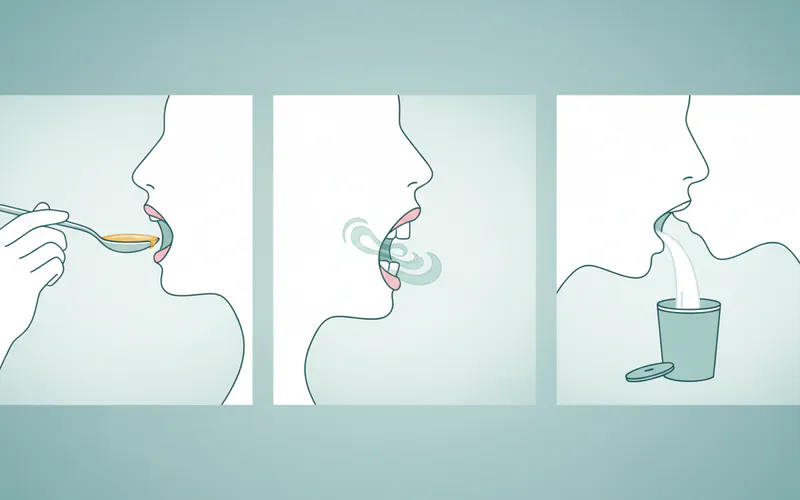
- Swish Gently: Put the oil in your mouth. Begin to gently swish it around your mouth, pushing and pulling it through your teeth and over your gums. Do not gargle or swallow the oil. Swallowing the oil can cause an upset stomach, as it will contain the bacteria and toxins you are trying to remove.
- Duration: Aim to swish for 15 to 20 minutes. If you're new to oil pulling, start with 5 minutes and gradually increase the duration as you become more comfortable. The longer duration allows the oil to emulsify and bind effectively to oral pathogens.
- Discard the Oil: When you're done, spit the oil out into a trash can, not the sink or toilet. The oil may solidify and clog plumbing over time. The oil should appear milky or foamy due to the emulsification and absorbed toxins/bacteria.
- Rinse Thoroughly: Immediately after spitting, rinse your mouth thoroughly with warm water. This helps remove any residual oil and bacteria. You can use plain water or a salt-water rinse (half a teaspoon of salt in 8 ounces of warm water for additional antimicrobial benefits).
- Brush Your Teeth: Follow up by brushing your teeth as you normally would, preferably with a fluoride toothpaste, and floss.
Risks, Complications, and When to Be Cautious
While oil pulling is generally considered safe for most healthy adults, it's not without potential risks or considerations.
- Aspiration Pneumonia: This is a rare but serious risk, particularly if oil is accidentally inhaled into the lungs, which can happen if you gargle or talk during the process. This risk is higher for individuals with impaired gag reflexes, swallowing difficulties, or neurological conditions.
- Upset Stomach/Diarrhea: Swallowing the oil, especially after it has absorbed bacteria, can lead to digestive upset.
- Allergic Reactions: Though uncommon, individuals can be allergic to specific oils (e.g., sesame oil allergy). Symptoms might include rash, itching, or swelling.
- Jaw Soreness: Prolonged swishing, particularly with vigorous motion, can cause temporary jaw fatigue or soreness, especially for individuals with temporomandibular joint (TMJ) disorders.
- Not a Substitute for Dental Care: This is the most critical point. Oil pulling does not replace regular brushing, flossing, or professional dental check-ups and cleanings. It cannot remove hardened plaque (tartar), fill cavities, treat advanced gum disease (periodontitis), or address other complex dental issues. Relying solely on oil pulling can lead to untreated dental problems and worsening inflammation. The ADA emphasizes that there is insufficient scientific evidence to support oil pulling as an effective preventive or therapeutic treatment for oral health.
Who should be cautious?
- Children: Not recommended for young children due to the risk of swallowing the oil or aspiration.
- Pregnant or Breastfeeding Individuals: Consult with a healthcare provider before starting any new health regimen.
- Individuals with Pre-existing Health Conditions: Especially those with impaired swallowing, compromised immune systems, or known allergies to specific oils.
Prevention of Oral Inflammation and Maintaining Oral-Systemic Health
The best approach to oral inflammation is prevention. While oil pulling can be a complementary tool, it's foundational practices that truly safeguard your oral and systemic health.
- Brush Twice Daily: Use a fluoride toothpaste and a soft-bristled brush. Brush for at least two minutes, covering all surfaces of your teeth and gums.
- Floss Daily: Flossing removes plaque and food particles from between your teeth and under the gum line, areas your toothbrush can't reach. This is crucial for preventing gingivitis.
- Regular Dental Check-ups and Cleanings: Visit your dentist every six months (or as recommended) for professional cleanings and examinations. Your dental hygienist can remove plaque and tartar that you can't at home, and your dentist can identify and treat problems early.
- Healthy Diet: Limit sugary and acidic foods and drinks, which contribute to tooth decay and gum inflammation. Emphasize a diet rich in fruits, vegetables, lean proteins, and whole grains.
- Avoid Tobacco Products: Smoking and chewing tobacco are major risk factors for gum disease, oral cancer, and other oral health problems.
- Manage Systemic Health Conditions: Conditions like diabetes, heart disease, and autoimmune disorders can impact oral health. Work with your physician to manage these effectively.
- Hydration: Drink plenty of water throughout the day. Water helps wash away food particles and bacteria and keeps your mouth moist, which is essential for saliva production. Saliva naturally neutralizes acids and helps clean your mouth.
Comparison: Oral Hygiene Practices for Inflammation Prevention
| Practice | Primary Mechanism | Effectiveness for Inflammation Prevention | Cost (Annual) | ADA Endorsement |
|---|---|---|---|---|
| Brushing (2x daily) | Mechanical plaque removal, fluoride for enamel | High | $10-$30 (toothpaste/brush) | Strong |
| Flossing (1x daily) | Interdental plaque & food removal | High | $10-$20 (floss) | Strong |
| Regular Dental Cleanings | Professional plaque/tartar removal, early detection | Very High | $100-$300 (without insurance for 2 cleanings) | Strong |
| Antimicrobial Mouthwash | Chemical reduction of oral bacteria | Moderate to High (adjunctive) | $30-$60 | Strong (for certain conditions) |
| Oil Pulling | Mechanical cleansing, bacterial binding | Moderate (complementary) | $10-$20 (oil) | Not endorsed as primary |
Children and Pediatric Considerations
Oil pulling is not recommended for children, especially those under the age of 10-12. The primary reasons for this recommendation are:
- Risk of Swallowing: Children may accidentally swallow the oil, which can lead to an upset stomach or, if done consistently, potentially introduce absorbed toxins back into their system.
- Risk of Aspiration: There's a risk that young children might accidentally inhale the oil into their lungs, leading to aspiration pneumonia, a serious lung infection.
- Lack of Necessity: Children's oral health is best maintained through consistent brushing with fluoride toothpaste (age-appropriate amount), flossing, and regular dental check-ups. These established practices are proven safe and effective for preventing cavities and gum inflammation in children.
- Jaw Strain: Prolonged swishing can cause jaw strain, which might be uncomfortable or even harmful for developing jaw joints.
Parents should focus on teaching proper brushing and flossing techniques from an early age and ensuring their children visit the dentist regularly. If you are considering oil pulling for an older child or teenager, it is imperative to consult with their pediatric dentist first.
Cost Breakdown of Addressing Oral Inflammation (US Market)
While oil pulling itself is an inexpensive practice, the cost of not effectively managing oral inflammation can be substantial. Here's a look at typical US costs related to preventing and treating oral inflammation.
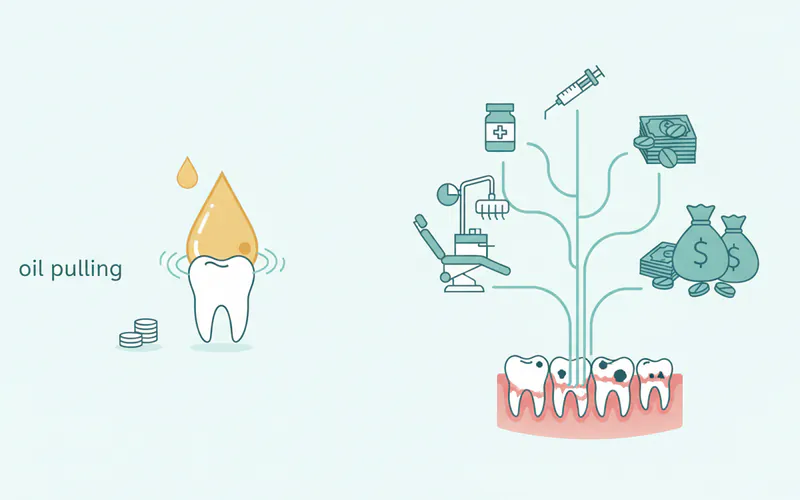
Prevention Costs (Annual Estimates)
- Toothbrushes and Toothpaste: $10-$30
- Dental Floss: $10-$20
- Regular Dental Cleanings (2x per year):
- Without Insurance: $75 - $150 per cleaning, totaling $150 - $300 annually.
- With Insurance: Often covered 100% or with a small co-pay ($0 - $50).
- Antimicrobial Mouthwash (if recommended): $30 - $60
Treatment Costs for Oral Inflammation (without insurance, per procedure)
- Gingivitis Treatment (Deep Cleaning/Scaling & Root Planing): If regular cleanings aren't enough, your dentist might recommend a "deep cleaning" for specific quadrants of your mouth.
- Per Quadrant: $200 - $500, so a full mouth treatment could range from $800 - $2,000.
- Periodontitis Treatment: More advanced procedures are necessary for periodontitis.
- Osseous Surgery (Pocket Reduction Surgery): $1,000 - $4,000 per quadrant.
- Gum Grafts: $600 - $1,500 per tooth.
- Bone Grafts: $400 - $1,200 per tooth (for minor grafts, more for extensive).
- Laser Periodontal Therapy: $1,000 - $4,000 for a full mouth.
- Maintenance (Periodontal Maintenance): After initial treatment, more frequent cleanings are needed, typically every 3 months. $150 - $300 per visit.
Insurance Coverage Details
- Basic Dental Insurance: Most standard dental insurance plans cover preventive care (cleanings, exams, X-rays) at or near 100%.
- Major Procedures: Coverage for treatments like deep cleanings, gum surgery, or grafts typically falls under "major procedures" and may be covered at 50%-80% after a deductible is met. There are often annual maximums (e.g., $1,000 - $2,000 per year) that can quickly be met with extensive periodontal treatment.
- Waiting Periods: Be aware that many plans have waiting periods (e.g., 6-12 months) before major procedures are covered.
Payment Plans and Financing Options
For significant treatment costs, many dental offices offer:
- In-house Payment Plans: Installment plans directly through the dental practice.
- Third-Party Financing: Companies like CareCredit or LendingClub provide specialized healthcare credit cards with deferred interest options.
- Dental Savings Plans: These are not insurance but offer discounts on services from participating dentists for an annual fee.
Cost-Saving Tips:
- Preventive Care is Key: Adhering to daily brushing and flossing and regular dental check-ups is the most cost-effective way to prevent expensive treatments for inflammation.
- Compare Insurance Plans: Choose a plan that suits your potential needs, considering deductibles, co-pays, and annual maximums.
- Negotiate: For extensive out-of-pocket costs, discuss payment options or potential discounts with your dental office.
- Dental Schools: University dental schools often provide services at a reduced cost, performed by supervised students.
Frequently Asked Questions
Is oil pulling safe to do every day?
Yes, oil pulling is generally considered safe for daily use for most healthy adults. However, it's crucial to follow the correct procedure, not swallow the oil, and avoid excessive vigor to prevent jaw strain. Always use organic, unrefined oils.
How long does it take to see results from oil pulling for inflammation?
Many individuals report noticing improvements in gum health, such as reduced bleeding or less sensitivity, within 1 to 3 months of consistent daily oil pulling. Significant changes in plaque or bacterial counts might be observed within a few weeks in some studies.
Can oil pulling whiten teeth?
While some anecdotal reports suggest oil pulling can lead to whiter teeth, there is limited scientific evidence to support this claim directly. Any perceived whitening might be due to the removal of surface stains or a reduction in plaque buildup, making teeth appear brighter. It does not chemically bleach teeth like professional whitening treatments.
Does oil pulling replace brushing and flossing?
Absolutely not. The American Dental Association (ADA) states that oil pulling is not a substitute for standard oral hygiene practices. Brushing with fluoride toothpaste and flossing are essential for removing plaque and food debris and delivering fluoride to strengthen tooth enamel. Oil pulling is a complementary practice, if desired.
What are the side effects of oil pulling?
Common side effects are generally mild and include jaw soreness if swished too vigorously or for too long, and an upset stomach if the oil is accidentally swallowed. Rarely, individuals may experience an allergic reaction to the specific oil used.
Can oil pulling cure cavities?
No, oil pulling cannot cure cavities. Cavities are structural damage to the tooth enamel caused by acid-producing bacteria. Once a cavity forms, it requires professional dental intervention, such as a filling, to prevent further decay. While oil pulling might reduce some cavity-causing bacteria, it cannot repair existing damage.
What kind of oil is best for oil pulling?
Coconut oil is often recommended due to its high content of lauric acid, which has proven antimicrobial properties against common oral pathogens like Streptococcus mutans. Sesame and sunflower oils are also traditional choices and contain beneficial compounds. Choose organic, unrefined, and cold-pressed varieties.
Should I oil pull if I have sensitive teeth or gums?
If you have sensitive teeth or gums due to underlying dental issues, consult your dentist before starting oil pulling. While it may help some, it should not delay professional diagnosis and treatment of the cause of your sensitivity or inflammation.
Does oil pulling detoxify the body?
The claim that oil pulling detoxifies the entire body by drawing out "toxins" is largely unproven by scientific research. Its primary observed effects are localized to the oral cavity, mainly reducing bacterial load. Any broader systemic detoxifying effects are speculative.
How does oil pulling impact bad breath (halitosis)?
Oil pulling can help reduce bad breath, particularly if the halitosis is caused by the accumulation of bacteria and volatile sulfur compounds in the mouth. By reducing these odor-producing bacteria, oil pulling can contribute to fresher breath.
When to See a Dentist
While oil pulling can be a supplementary approach to oral care, it is crucial to recognize when professional dental attention is necessary. Delaying treatment for oral inflammation can lead to severe complications affecting both your mouth and your overall health.
You should see a dentist immediately if you experience any of the following:
- Persistent Bleeding Gums: Gums that bleed regularly, especially when not brushing or flossing, can indicate significant inflammation or gum disease.
- Severe Gum Pain or Swelling: Intense or persistent pain, combined with noticeable swelling, can be a sign of infection (e.g., abscess) or advanced periodontitis.
- Loose or Shifting Teeth: This is a red flag for severe bone loss due to advanced gum disease and requires urgent evaluation.
- Pus Around Gums or Teeth: A clear sign of an active infection.
- Receding Gums with Exposed Roots: This can lead to increased sensitivity and is a sign that gum disease is progressing.
- Persistent Bad Breath that Doesn't Improve: While oil pulling can help with mild bad breath, persistent, severe halitosis needs professional assessment as it can indicate underlying oral or even systemic health issues.
- Difficulty Chewing or Biting: Changes in your bite can be a symptom of various dental problems, including advanced gum disease.
- Any concerns about the effectiveness of oil pulling: If you're using oil pulling and not seeing improvements in your oral health, or if your symptoms worsen, discontinue use and consult your dentist.
Oil pulling is a fascinating ancient practice with some evidence supporting its role in reducing oral bacteria and mild gum inflammation. However, it's vital to view it as a complementary tool, not a replacement for the gold standard of oral hygiene: diligent brushing, daily flossing, and regular visits to your dentist. Your smile, and your overall health, depend on a comprehensive and scientifically-backed approach to care.
Frequently Asked Questions
Medically Reviewed Content
This article was written by our dental health editorial team and reviewed for medical accuracy. Our content follows strict editorial guidelines for reliability and trustworthiness.
Medical Disclaimer
This article is for informational purposes only and does not constitute medical advice. Always consult with a qualified dental professional for diagnosis and treatment. Do not delay seeking professional advice because of something you read on this website.
Related Articles
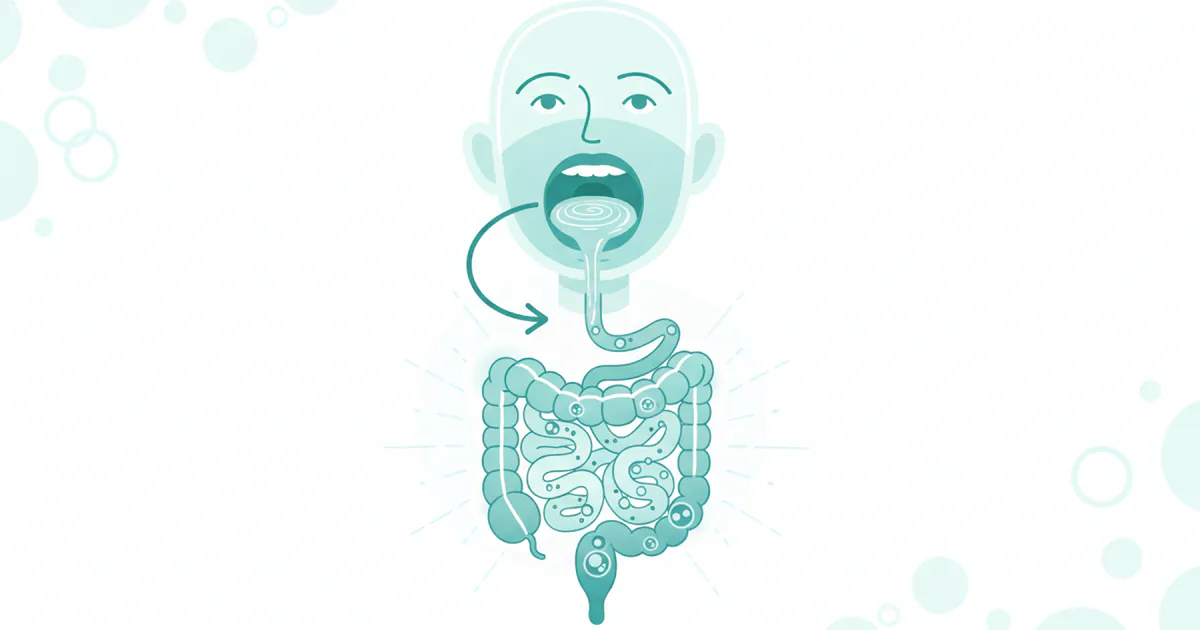
Does Oil Pulling Help Gut Health
The intricate connection between our oral health and overall well-being is a topic of growing fascination and scientific inquiry. Often, when we think of health, we focus on specific organs or systems, overlooking the crucial role of the mouth as a gateway to the rest of the body. One ancient practi
February 23, 2026
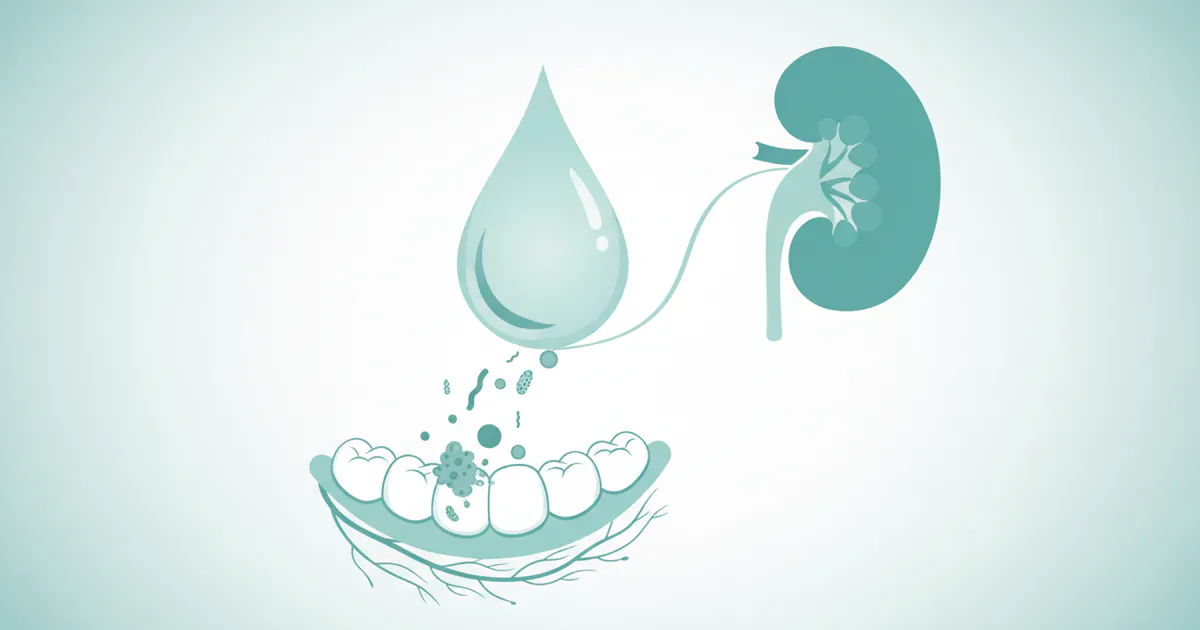
Oil Pulling for Kidney Disease: Complete Guide
Chronic kidney disease (CKD) affects an estimated 37 million adults in the United States, often progressing silently until advanced stages. What many may not realize is the profound connection between the health of their mouth and the health of their kidneys. As a bridge between traditional wisd
February 23, 2026
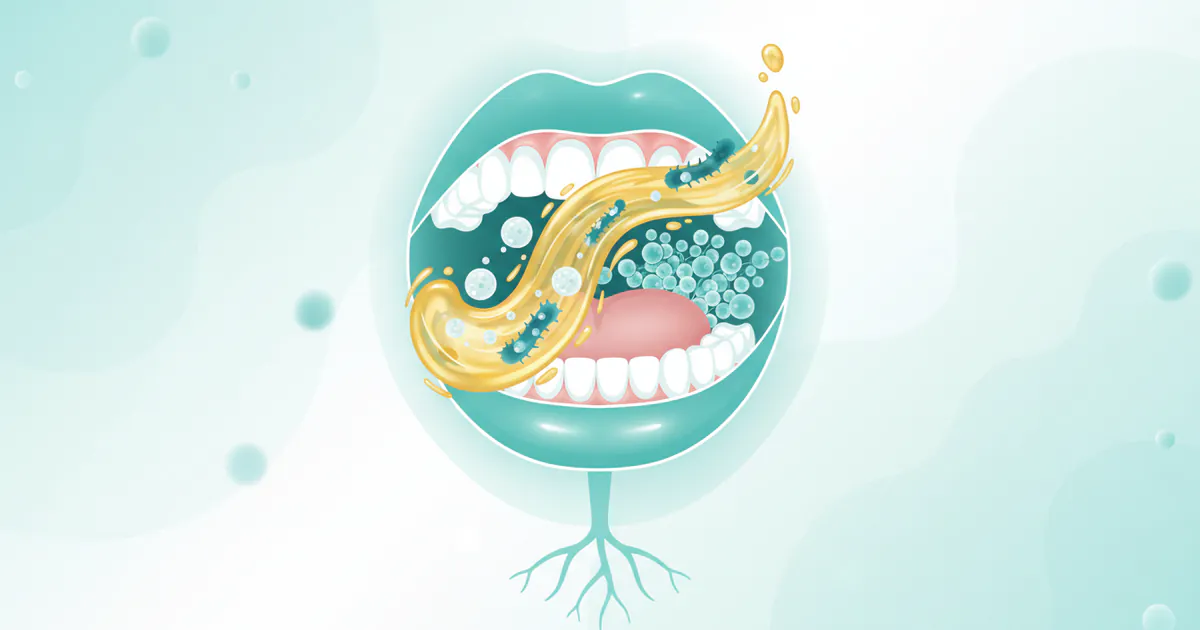
Oil Pulling Oral Microbiome: Complete Guide
Have you ever considered the bustling universe thriving within your mouth? This intricate community, known as the oral microbiome, consists of billions of microorganisms – some beneficial, some harmful – all playing a critical role in your oral and overall systemic health. Maintaining a balanced
February 23, 2026

Diabetes and Canker Sores: Complete Guide
Living with diabetes means managing various aspects of your health, often extending beyond blood sugar levels to encompass areas you might not immediately consider – like your oral health. Did you know that individuals with diabetes are more susceptible to a range of oral issues, including the commo
February 23, 2026