Does Oil Pulling Help Gut Health

Key Takeaways
- The intricate connection between our oral health and overall well-being is a topic of growing fascination and scientific inquiry. Often, when we think of health, we focus on specific organs or systems, overlooking the crucial role of the mouth as a gateway to the rest of the body. One ancient practi
The intricate connection between our oral health and overall well-being is a topic of growing fascination and scientific inquiry. Often, when we think of health, we focus on specific organs or systems, overlooking the crucial role of the mouth as a gateway to the rest of the body. One ancient practice, oil pulling, has resurfaced in modern wellness discussions, with many curious about its potential benefits beyond just oral hygiene. Specifically, the question, "Does oil pulling help gut health?" is increasingly being asked by those seeking holistic approaches to well-being.
Originating from Ayurvedic medicine, a traditional Indian system of healing, oil pulling involves swishing a tablespoon of oil in your mouth for several minutes. Proponents claim it can detoxify the body, whiten teeth, freshen breath, and even improve systemic health. While its direct impact on the gut microbiome is still under scientific investigation, understanding the oral-systemic link provides a framework for how practices like oil pulling might indirectly influence gut health. This comprehensive article will delve into the science, history, and practical application of oil pulling, exploring its known effects on oral health, the theoretical mechanisms connecting it to gut health, and what current research suggests. We'll cover everything from how to perform oil pulling to potential risks, costs, and what to expect, providing you with a complete guide to this intriguing practice.
Key Takeaways:
- Oral-Systemic Link: Oil pulling primarily targets oral health, but the mouth-gut axis suggests potential indirect benefits for gut health by reducing oral pathogens and inflammation.
- Primary Mechanism: Oil pulling works by disrupting bacterial biofilms in the mouth, leading to reduced plaque, gingivitis, and bad breath.
- Scientific Evidence: While anecdotal support is strong, robust clinical trials directly linking oil pulling to significant gut health improvements are limited and require further research.
- Cost-Effectiveness: Oil pulling is a very affordable practice, typically costing $5-$20 per month for high-quality edible oils like coconut or sesame oil.
- Time Commitment: For optimal results, practice oil pulling for 10-20 minutes daily, ideally on an empty stomach.
- Not a Replacement: Oil pulling is a complementary practice and should never replace regular brushing, flossing, or professional dental check-ups.
- Safety Profile: Generally safe, but risks include aspiration (especially for children), allergic reactions, and jaw discomfort. Consult a dentist before starting if you have existing oral conditions.
What is Oil Pulling? An Overview
Oil pulling, known as "Kavala" or "Gandusha" in Ayurveda, is an ancient therapeutic practice that involves swishing edible oil in the mouth for a period, typically 10 to 20 minutes. The basic premise is that the oil "pulls" out toxins, bacteria, and other harmful microorganisms from the oral cavity. Historically, it has been used to purify the body, prevent various diseases, and promote overall health.
The practice gained renewed interest in the Western world primarily due to anecdotal reports and a few preliminary studies suggesting its benefits for oral hygiene. The oils most commonly used are coconut oil, sesame oil, and sunflower oil, each chosen for specific properties believed to contribute to its effectiveness. Coconut oil, for instance, is rich in lauric acid, known for its antimicrobial properties.
How Does Oil Pulling Work? The Proposed Mechanisms
While the exact scientific mechanisms are still being fully elucidated, several theories explain how oil pulling might work:
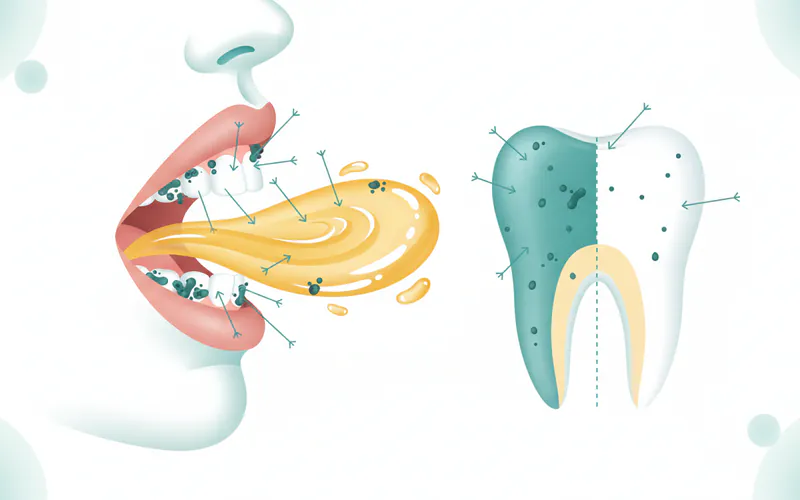
- Saponification: When certain oils (like coconut oil) mix with saliva, the enzymes in saliva can break down the oil. This process, called saponification, creates a soap-like substance that can cleanse the mouth.
- Biofilm Disruption: Bacteria in the mouth form complex communities called biofilms (plaque). Swishing oil creates a mechanical action that can disrupt these biofilms, dislodging bacteria and food particles. The hydrophobic nature of the oil also attracts and dissolves the lipid outer membranes of many bacteria, effectively pulling them away from the tooth surfaces and gums.
- Antimicrobial Properties: Many oils used in oil pulling, especially coconut oil, contain natural antimicrobial compounds. Lauric acid in coconut oil, for example, is known to have antibacterial, antiviral, and antifungal properties against various pathogens, including Streptococcus mutans, a primary bacterium responsible for tooth decay.
- Anti-inflammatory Effects: By reducing the bacterial load in the mouth, oil pulling may also help reduce inflammation in the gums (gingivitis). Since oral inflammation can contribute to systemic inflammation, this reduction could theoretically have broader health benefits.
- Excretion of Toxins: The traditional Ayurvedic belief is that the oil acts as a magnet for toxins (ama) in the mouth, drawing them out from the salivary glands. While "toxin pulling" in a literal sense lacks direct scientific evidence, the reduction of pathogenic bacteria and inflammatory markers aligns with a cleansing effect.
Types and Variations of Oil Pulling
While the core practice remains consistent, there are variations in the type of oil used, duration, and frequency, each with slightly different implications.
1. Choice of Oil
- Coconut Oil: This is by far the most popular choice due to its pleasant taste and high concentration of lauric acid. Lauric acid is converted into monolaurin in the body, which has proven antimicrobial effects. Many studies on oil pulling specifically use coconut oil.
- Sesame Oil: A traditional choice in Ayurveda. Sesame oil is rich in antioxidants like sesamol, sesamin, and sesamolin, which have anti-inflammatory and antibacterial properties. It has a stronger, nuttier taste than coconut oil.
- Sunflower Oil: Another traditional option, sunflower oil is high in linoleic acid, which is believed to have a detoxifying effect. It's generally flavorless and well-tolerated.
- Other Oils: Some people experiment with olive oil or other edible oils, but these are less common and less studied in the context of oil pulling for oral health.
2. Duration and Frequency
- Duration: Most recommendations suggest swishing for 10 to 20 minutes. Shorter durations (5 minutes) may not be as effective in disrupting biofilms, while longer durations (beyond 20 minutes) can potentially lead to reabsorption of "pulled" substances, though this claim lacks strong scientific backing.
- Frequency: For consistent benefits, daily practice is often recommended. Some individuals perform it two or three times a week, but daily use tends to yield more noticeable results for oral hygiene.
Pro Tip: Always choose unrefined, organic, cold-pressed oils for oil pulling to ensure you're using a product free from additives or harmful processing.
The Oral-Gut Axis: How Oral Health Impacts Gut Health
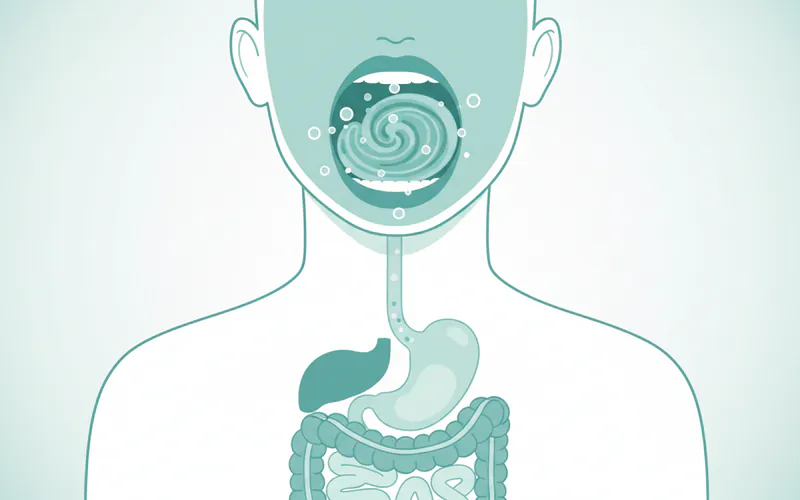
To understand how oil pulling might indirectly help gut health, it's crucial to grasp the concept of the oral-gut axis. Your mouth is the beginning of your digestive tract, and the state of your oral microbiome (the community of microorganisms in your mouth) directly influences your gut microbiome and overall systemic health.
Causes of Oral Imbalance and Its Gut Impact:
- Oral Dysbiosis: An imbalance in the oral microbiome, where harmful bacteria proliferate, can lead to conditions like gingivitis and periodontitis (gum disease).
- Pathogen Migration: Oral pathogens, if not controlled, can easily travel down the digestive tract with saliva and food, colonizing the gut and contributing to gut dysbiosis (an imbalance in the gut microbiome). Studies have shown that specific bacteria associated with periodontal disease, such as Porphyromonas gingivalis, can be found in the guts of individuals with inflammatory bowel diseases (IBD).
- Systemic Inflammation: Chronic inflammation in the mouth, particularly from gum disease, doesn't stay confined to the oral cavity. Inflammatory mediators and bacterial byproducts can enter the bloodstream, contributing to systemic inflammation throughout the body. This systemic inflammation is a known contributing factor to various chronic diseases, including those affecting the gut. For example, the American Dental Association (ADA) emphasizes the link between periodontal disease and systemic conditions like cardiovascular disease and diabetes, highlighting the inflammatory pathway.
- Immune System Overload: A constant battle against oral infections can divert immune resources and contribute to a state of chronic immune activation, which can impact gut immunity and permeability.
Therefore, by potentially improving oral hygiene and reducing oral inflammation and pathogenic bacteria, oil pulling could theoretically have a positive ripple effect on gut health, even without directly altering the gut microbiome.
Signs and Symptoms of Oral/Gut Imbalance Oil Pulling Might Address
While oil pulling isn't a direct "treatment" for gut diseases, its impact on oral health can alleviate symptoms and risk factors associated with oral-gut axis dysfunction.
Oral Signs and Symptoms:
- Bad Breath (Halitosis): Often caused by volatile sulfur compounds produced by bacteria, especially on the tongue and around gum pockets. Oil pulling's antibacterial action can help reduce these bacteria.
- Gingivitis (Early Gum Inflammation): Red, swollen, bleeding gums are a sign of bacterial accumulation and inflammation. Oil pulling reduces bacterial load and may soothe inflamed tissues, aligning with the target keyword "oil pulling tandköttsinflammation" (Swedish for gum inflammation).
- Plaque Buildup: The sticky film of bacteria that forms on teeth. Oil pulling helps dislodge and reduce plaque.
- Dry Mouth (Xerostomia): While not a direct treatment, the act of swishing oil can stimulate salivary glands and provide a temporary moistening effect.
Gut-Related Symptoms (Indirectly Affected by Oral Health):
- Bloating and Indigestion: An imbalanced gut microbiome can contribute to these issues. If oral pathogens contribute to gut dysbiosis, improving oral health might indirectly support a healthier gut.
- Systemic Fatigue: Chronic inflammation, originating orally or systemically, can contribute to fatigue. By reducing oral inflammation, there's a theoretical link to reducing systemic inflammatory burden.
- Immune System Function: A healthier oral microbiome means fewer challenges to the immune system from the mouth, potentially freeing up resources for overall immune balance, which is vital for gut health.
Oil Pulling as a Complementary "Treatment" Option
It's crucial to reiterate that oil pulling is considered a complementary oral hygiene practice, not a standalone treatment for specific oral diseases or gut conditions. It works best when integrated into a comprehensive dental care routine.
Pros of Oil Pulling:
- Natural and Affordable: Uses readily available, natural oils. The cost for a month's supply of organic coconut oil is typically $5-$15.
- Reduces Harmful Bacteria: Studies show it can significantly reduce Streptococcus mutans and other bacteria linked to plaque, cavities, and gingivitis.
- Reduces Inflammation: By reducing bacterial load, it helps reduce gingival inflammation. This directly relates to the keyword "oil pulling reduces inflammation."
- Freshens Breath: Addresses a common cause of halitosis by reducing odor-producing bacteria.
- Easy to Incorporate: Can be done while showering, preparing breakfast, etc.
- Minimal Side Effects: Generally safe when performed correctly.
Cons of Oil Pulling:
- Time-Consuming: Requires a significant time commitment (10-20 minutes daily).
- Lack of Strong Clinical Evidence for Gut Health: While promising for oral health, robust, large-scale clinical trials directly proving its benefits for gut health are still lacking. Most claims are theoretical or anecdotal.
- Not a Substitute for Conventional Care: Cannot replace brushing, flossing, or regular dental check-ups and cleanings. The ADA has stated there is insufficient evidence to support oil pulling as a comprehensive oral hygiene treatment or as a replacement for established oral care practices.
- Potential for Aspiration: Risk of inhaling the oil, especially for children or individuals with swallowing difficulties.
- Taste/Texture Aversion: Some find the taste or texture of oil pulling unpleasant.
- Jaw Strain: Prolonged swishing can sometimes lead to jaw fatigue.
Step-by-Step Process for Effective Oil Pulling
Performing oil pulling correctly is key to maximizing its potential benefits and minimizing risks.
- Choose Your Oil: Select a high-quality, organic, cold-pressed oil like coconut, sesame, or sunflower oil. Coconut oil is often recommended for beginners due to its milder taste and known antimicrobial properties.
- Measure the Amount: Take about 1 tablespoon (15 ml) of oil. For children or those new to the practice, a smaller amount (1 teaspoon) might be more comfortable.
- Timing: The best time to oil pull is in the morning, on an empty stomach, before brushing your teeth or drinking anything. This ensures maximum contact with oral bacteria accumulated overnight.
- Swish Gently: Put the oil in your mouth. Do not gargle or swallow it. Gently swish the oil around your mouth, pushing and pulling it through your teeth and gums. The action should be gentle, not aggressive, to avoid jaw strain.
- Duration: Continue swishing for 10 to 20 minutes. As the oil mixes with saliva, it will become thinner and milky.
- Spit It Out: Once you've completed the duration, spit the oil into a trash can. Do NOT spit it into the sink or toilet, as the oil can solidify and clog pipes over time. Do not swallow the oil, as it is believed to contain bacteria and toxins.
- Rinse Thoroughly: Rinse your mouth several times with warm water, preferably salt water, to further cleanse and remove any remaining oil or bacteria.
- Brush Your Teeth: Follow up with your regular brushing and flossing routine.

Cost and Insurance Considerations
Oil pulling is one of the most cost-effective health practices you can adopt. Since it's a DIY home remedy, there are no professional fees involved, and no insurance coverage applies.
Cost of Oils:
- Coconut Oil: A large jar (14-16 oz) of organic, virgin coconut oil typically costs $8-$15. This amount can last 1-2 months with daily use.
- Sesame Oil: Organic, unrefined sesame oil (16 oz) usually falls in the $7-$12 range and also lasts 1-2 months.
- Sunflower Oil: Organic sunflower oil (16 oz) is similarly priced at $6-$10.
Monthly Cost: Based on these prices, the monthly cost for oil pulling is typically $5-$20, depending on the brand and type of oil. This is significantly less expensive than many over-the-counter mouthwashes or specialized dental products.
Insurance Coverage:
- No Coverage: As a holistic, at-home practice, oil pulling is not covered by dental or medical insurance in the US.
- Cost-Saving Alternative: While not covered, its low cost makes it accessible to nearly everyone, serving as a very affordable complementary practice to support oral health.
Recovery and Aftercare
After each oil pulling session, the "recovery" is minimal and immediate, primarily focusing on ensuring a clean mouth.
- Rinse Thoroughly: As mentioned in the step-by-step guide, rinsing your mouth with warm water, especially salt water, is crucial to remove any residual oil and expelled bacteria.
- Brush and Floss: Always follow up with your regular brushing and flossing routine to mechanically clean your teeth and gums. Oil pulling complements, but does not replace, these essential steps.
- Hydration: Staying well-hydrated throughout the day supports saliva production, which is a natural defense mechanism for your oral cavity.
- Consistency: The true "aftercare" for oil pulling lies in its consistent practice. Like any health routine, benefits are cumulative and realized over time with regular adherence. It might take several weeks to a month of consistent daily use to notice significant improvements in oral health such as reduced gingivitis or fresher breath.
Prevention: Integrating Oil Pulling into a Preventive Oral Health Strategy
Oil pulling is best viewed as a preventive strategy, enhancing overall oral hygiene and potentially mitigating risk factors for systemic inflammation, rather than a "cure."
How Oil Pulling Contributes to Prevention:
- Plaque and Gingivitis Prevention: By regularly reducing the bacterial load and disrupting biofilms, oil pulling can help prevent the accumulation of plaque that leads to gingivitis and cavities. Studies have shown a significant reduction in plaque and gingival indices after consistent oil pulling.
- Bad Breath Control: Regular oil pulling effectively targets the bacteria that produce volatile sulfur compounds, thus preventing chronic bad breath.
- Maintaining Oral Microbiome Balance: While it reduces pathogenic bacteria, the gentle action and natural properties of the oils are generally thought to be less disruptive to the beneficial oral flora than harsh antiseptic mouthwashes. This supports a healthier oral microbiome.
- Reduced Systemic Inflammatory Load: By consistently reducing oral inflammation (e.g., in cases of mild gingivitis), oil pulling indirectly contributes to lowering the body's overall inflammatory burden. This is a key pathway for its potential, albeit indirect, benefits to gut health and other systemic conditions.
Pro Tip: For optimal preventive care, combine daily oil pulling with brushing twice a day for two minutes with fluoride toothpaste, flossing daily, and visiting your dentist for check-ups and cleanings every six months, as recommended by the ADA.
Risks and Complications
While generally safe, oil pulling is not without potential risks, especially if not performed correctly.
- Aspiration: The most significant risk, particularly for children or individuals with compromised swallowing reflexes. Inhaling oil into the lungs can lead to lipoid pneumonia, a serious condition.
- Allergic Reactions: Though rare, individuals can be allergic to specific oils (e.g., coconut, sesame). Symptoms might include rash, itching, or swelling. Discontinue use if any allergic reaction occurs.
- Jaw Pain/TMJ Issues: Prolonged or overly vigorous swishing can strain the temporomandibular joint (TMJ), leading to discomfort or exacerbating existing TMJ disorders. Gentle swishing is key.
- Nausea/Vomiting: Some individuals may experience nausea, especially if they are sensitive to the oil's taste or texture, or if they accidentally swallow some of the oil.
- Digestive Upset: Swallowing the oil, which is now mixed with oral bacteria and debris, could theoretically cause temporary digestive upset in sensitive individuals.
- Not a Substitute for Professional Care: A critical risk is the misconception that oil pulling can replace professional dental care. Delaying necessary dental treatments for cavities, gum disease, or other issues by relying solely on oil pulling can lead to worsened conditions.
Always consult your dentist before incorporating new practices like oil pulling, especially if you have existing oral health conditions, are pregnant, or have compromised health.
Comparison Tables
To help you make informed decisions, here are two comparison tables: one for different types of oils and another comparing oil pulling with conventional oral hygiene practices.
Table 1: Common Oils for Oil Pulling
| Oil Type | Key Benefits | Taste/Texture | Typical Cost (16oz Organic) | Notes |
|---|---|---|---|---|
| Coconut Oil | High in lauric acid (strong antimicrobial), anti-inflammatory, pleasant taste | Mild, slightly sweet, creamy | $8 - $15 | Most popular, widely studied, solidifies at room temperature (melts in mouth). |
| Sesame Oil | Rich in antioxidants (sesamol), anti-inflammatory, antibacterial | Nutty, distinct, thin | $7 - $12 | Traditional Ayurvedic choice, good for overall oral health. |
| Sunflower Oil | High in linoleic acid, cleansing properties, neutral taste | Mild, light, thin | $6 - $10 | Also a traditional Ayurvedic option, well-tolerated if you dislike stronger flavors. |

Table 2: Oil Pulling vs. Conventional Oral Hygiene
| Feature | Oil Pulling | Brushing & Flossing (Conventional) |
|---|---|---|
| Primary Action | Disrupts biofilms, reduces bacteria through oil's properties (saponification, antimicrobial), mechanical swishing. | Mechanically removes plaque and food particles, delivers fluoride to strengthen enamel, physically cleans tooth surfaces and between teeth. |
| Key Benefits | Reduces gingivitis, fights bad breath, reduces Streptococcus mutans, potential indirect systemic/gut benefits by reducing oral inflammation. | Prevents cavities, removes plaque, prevents gum disease, maintains fresh breath, strengthens enamel. Endorsed by ADA. |
| Time Commitment | 10-20 minutes daily | ~2 minutes, twice daily (brushing) + ~1 minute daily (flossing) |
| Cost | $5-$20/month for oil | $5-$10/month (toothpaste, brush, floss) + $100-$300/year (check-ups/cleanings, uninsured) |
| Scientific Backing | Growing but still limited robust clinical trials, especially for systemic/gut benefits. Strong anecdotal support for oral health. | Extensive, long-standing scientific evidence. Universally recommended by dental professionals. |
| Limitations | Does not remove hardened plaque (tartar), does not replace fluoride, cannot treat existing cavities. | Cannot directly target deeply embedded oral pathogens in the same way traditional oil pulling proponents claim. |
| Recommended Use | Complementary practice to enhance oral hygiene and potentially contribute to overall wellness. | Essential foundation of daily oral hygiene; vital for preventing most common dental diseases. |
Children / Pediatric Considerations
Oil pulling is generally not recommended for young children. The primary concern is the risk of aspiration (inhaling the oil into the lungs), which can be severe. Young children may not have the coordination or understanding to swish without swallowing, especially for the recommended duration.
- Age Recommendation: Most dentists and experts advise against oil pulling for children under the age of 5-7 years old, or until they can reliably swish and spit without swallowing.
- Supervision: If considering oil pulling for older children, close adult supervision is essential, and start with a very small amount of oil (e.g., 1 teaspoon) for a shorter duration (e.g., 5 minutes).
- Primary Oral Care: For children, the emphasis should always remain on proper brushing with fluoride toothpaste, flossing, a balanced diet, and regular dental check-ups, as these are the proven methods for pediatric oral health.
Cost Breakdown (for Oils)
While already touched upon, let's consolidate the typical cost breakdown for the main expense associated with oil pulling: the oils themselves.
- Low-End Cost (Budget-Friendly): You can find generic or store-brand organic coconut oil for as low as $5-$7 for a 16 oz jar. This would provide a monthly cost of roughly $3-$5.
- Mid-Range Cost (Standard Quality): Most reputable brands of organic, cold-pressed coconut, sesame, or sunflower oils fall into the $8-$15 range for a 16 oz jar. This translates to a monthly cost of $5-$10.
- High-End Cost (Premium/Specialty): Some specialty or ethically sourced brands might charge $15-$25 for a similar-sized jar. Monthly costs here could be $10-$15.
Payment Plans and Financing Options: Since oil pulling involves purchasing consumer goods (edible oils), payment plans or financing options are not applicable. It's a straightforward cash purchase.
Cost-Saving Tips:
- Buy in Bulk: If you're committed to oil pulling, purchasing larger containers of oil (e.g., 32 oz or more) can significantly reduce the per-ounce cost.
- Look for Sales: Keep an eye out for discounts and promotions at grocery stores or online retailers.
- Consider Store Brands: Many store brands offer organic oils that are just as effective as national brands but at a lower price point.
Frequently Asked Questions
What exactly is oil pulling and how does it relate to oral health?
Oil pulling is an ancient Ayurvedic practice involving swishing edible oil (like coconut or sesame) in the mouth for 10-20 minutes. It's believed to improve oral health by disrupting bacterial biofilms, reducing harmful bacteria that cause plaque, gingivitis (oil pulling tandköttsinflammation), and bad breath, and helping to reduce oral inflammation (oil pulling reduces inflammation).
Is there scientific evidence that oil pulling helps gut health directly?
Currently, direct scientific evidence specifically linking oil pulling to significant improvements in gut health is limited. Most research focuses on its oral benefits. However, by reducing oral inflammation and pathogenic bacteria, oil pulling may indirectly support gut health by reducing the systemic inflammatory burden and preventing oral bacteria from migrating to the gut.
How long does it take to see results from oil pulling?
For oral health benefits like reduced gingivitis, fresher breath, or less plaque, many individuals report noticing changes within 1 to 2 weeks of consistent daily practice. More significant improvements may take up to a month or more. Results can vary widely among individuals.
Can oil pulling replace brushing and flossing?
No, oil pulling is a complementary practice and absolutely should not replace regular brushing, flossing, and professional dental check-ups. The American Dental Association (ADA) emphasizes that traditional oral hygiene practices are essential for preventing cavities and gum disease.
What are the main risks or side effects of oil pulling?
The main risks include aspiration (inhaling the oil, especially for children), allergic reactions to the oil, and jaw discomfort from prolonged swishing. It's also possible to experience nausea or an unpleasant taste. It's crucial not to swallow the oil after swishing.
Which type of oil is best for oil pulling?
Coconut oil is the most popular and often recommended due to its pleasant taste and high content of lauric acid, which has proven antimicrobial properties. Sesame oil and sunflower oil are also traditional choices with their own unique benefits. The "best" oil often comes down to personal preference and tolerance.
How much does it cost to start oil pulling?
Starting oil pulling is very affordable. A 16 oz jar of organic, cold-pressed coconut, sesame, or sunflower oil typically costs between $5 and $15, which can last for 1 to 2 months of daily use. There are no professional fees or insurance costs associated with the practice itself.
Can I oil pull if I have sensitive teeth or gum disease?
If you have sensitive teeth or existing gum disease (beyond mild gingivitis), it's highly recommended to consult your dentist before starting oil pulling. While it may help reduce inflammation (oil pulling reduces inflammation) for mild gingivitis, it's not a treatment for advanced periodontal disease.
What happens if I accidentally swallow the oil during oil pulling?
While it's generally advised not to swallow the oil as it's believed to contain "pulled" bacteria and debris, accidentally swallowing a small amount is usually harmless. It might cause temporary stomach upset in some individuals. If a large amount is swallowed or if you experience significant discomfort, consult a healthcare professional.
Are there any alternatives to oil pulling for natural oral health?
Yes, alternatives include using natural mouthwashes (e.g., diluted essential oils, salt water rinses), tongue scraping, and consuming a diet rich in whole foods and probiotics to support a healthy oral and gut microbiome. However, nothing replaces the mechanical cleaning of brushing and flossing.
When to See a Dentist
While oil pulling can be a beneficial addition to your oral hygiene routine, it is essential to recognize its limitations and know when to seek professional dental care. Your dentist is your primary resource for maintaining optimal oral health.
You should see a dentist immediately if you experience any of the following warning signs:
- Persistent or severe tooth pain: This could indicate a cavity, infection, or other serious dental issue requiring immediate attention.
- Swelling in your gums, face, or jaw: This often points to an infection or abscess that needs prompt professional intervention.
- Loose teeth or significant changes in bite: These are signs of advanced gum disease (periodontitis) or other structural problems.
- Bleeding gums that are frequent, heavy, or spontaneous (not just during brushing/flossing): While mild gingivitis might respond to improved hygiene including oil pulling, persistent or severe bleeding needs evaluation.
- Difficulty swallowing or opening your mouth wide: These can be symptoms of serious infections or TMJ disorders.
- Any adverse reaction to oil pulling: If you experience an allergic reaction, prolonged jaw pain, or respiratory issues (like coughing or choking after aspiration), seek medical or dental attention.
Scheduled Appointments vs. Emergency: Regular dental check-ups and cleanings, typically every six months, are crucial for prevention and early detection of problems. Use oil pulling as a complementary tool, but rely on your dentist for professional guidance, diagnosis, and treatment. Never delay a scheduled appointment or forego professional care in favor of home remedies. If you notice any concerning changes in your oral health, contact your dentist promptly – it's always better to address issues early rather than waiting for them to worsen.
Frequently Asked Questions
Medically Reviewed Content
This article was written by our dental health editorial team and reviewed for medical accuracy. Our content follows strict editorial guidelines for reliability and trustworthiness.
Medical Disclaimer
This article is for informational purposes only and does not constitute medical advice. Always consult with a qualified dental professional for diagnosis and treatment. Do not delay seeking professional advice because of something you read on this website.
Related Articles

Does Oil Pulling Help With Inflammation
It's a question many health-conscious individuals ask as they explore natural remedies: does oil pulling help with inflammation? In an era where holistic approaches to wellness are gaining traction, the ancient practice of oil pulling has resurfaced, promising benefits that extend beyond oral hy
February 23, 2026
Oil Pulling for Kidney Disease: Complete Guide
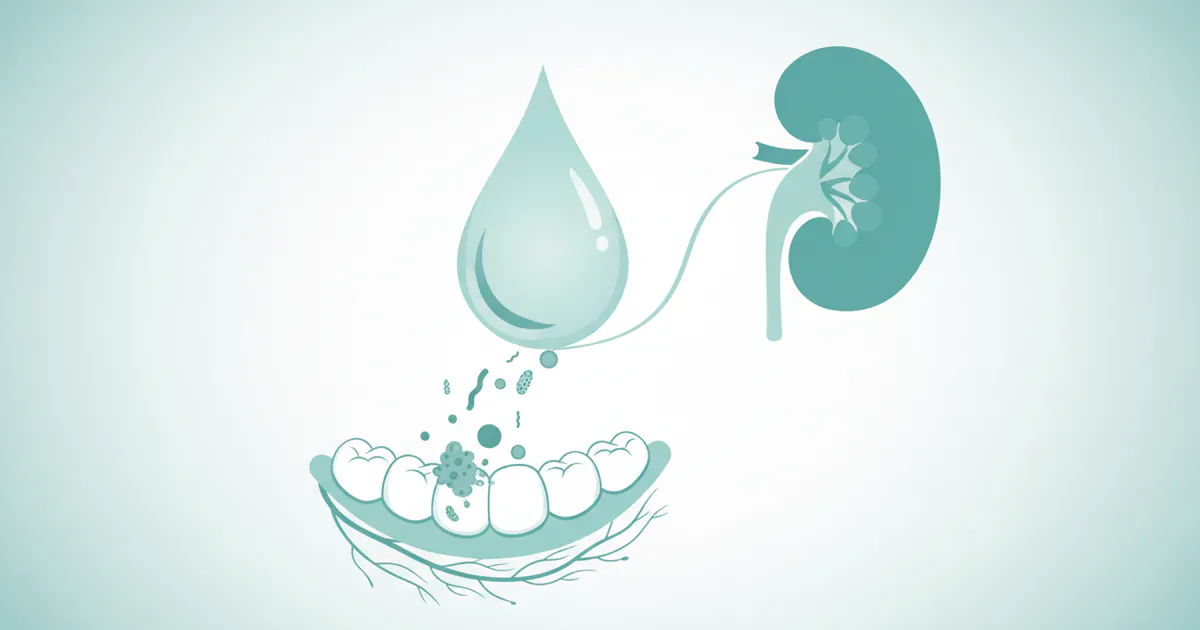
Chronic kidney disease (CKD) affects an estimated 37 million adults in the United States, often progressing silently until advanced stages. What many may not realize is the profound connection between the health of their mouth and the health of their kidneys. As a bridge between traditional wisd
February 23, 2026
Oil Pulling Oral Microbiome: Complete Guide
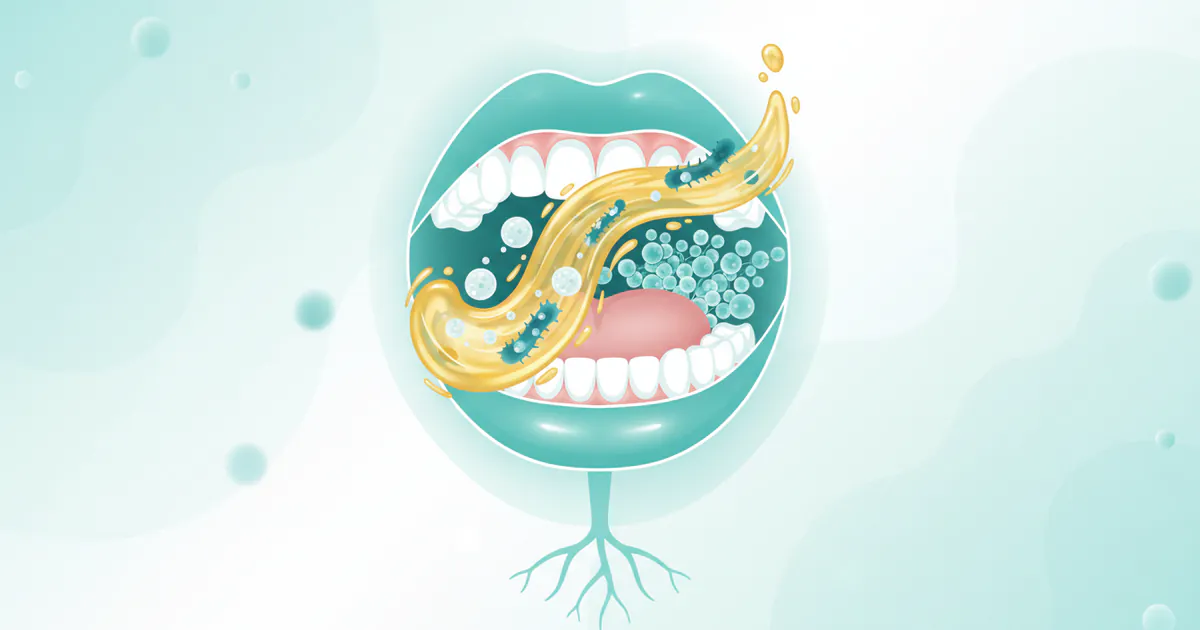
Have you ever considered the bustling universe thriving within your mouth? This intricate community, known as the oral microbiome, consists of billions of microorganisms – some beneficial, some harmful – all playing a critical role in your oral and overall systemic health. Maintaining a balanced
February 23, 2026

Diabetes and Canker Sores: Complete Guide
Living with diabetes means managing various aspects of your health, often extending beyond blood sugar levels to encompass areas you might not immediately consider – like your oral health. Did you know that individuals with diabetes are more susceptible to a range of oral issues, including the commo
February 23, 2026