Oil Pulling Oral Microbiome: Complete Guide
Key Takeaways
- Have you ever considered the bustling universe thriving within your mouth? This intricate community, known as the oral microbiome, consists of billions of microorganisms – some beneficial, some harmful – all playing a critical role in your oral and overall systemic health. Maintaining a balanced
Oil Pulling Oral Microbiome: Complete Guide
Have you ever considered the bustling universe thriving within your mouth? This intricate community, known as the oral microbiome, consists of billions of microorganisms – some beneficial, some harmful – all playing a critical role in your oral and overall systemic health. Maintaining a balanced oral microbiome is paramount, yet many popular wellness practices, like oil pulling, are often adopted without a full understanding of their true impact. For centuries, oil pulling, an ancient Ayurvedic practice, has been lauded for its purported ability to purify the mouth and body. But how does this simple ritual truly interact with the complex ecosystem of your mouth, and what does scientific research say about the oil pulling oral microbiome connection?
In the United States, a significant portion of the population battles oral health issues directly tied to microbial imbalance, such as gum disease, affecting nearly half of adults aged 30 and older, according to the Centers for Disease Control and Prevention (CDC). This article delves deep into the science behind oil pulling, exploring its mechanisms, benefits, and potential drawbacks, particularly concerning its effects on your oral microbiome. We will examine the types of oils used, a step-by-step guide, cost considerations, and critically, how oil pulling might complement (or complicate) traditional dental care. Understanding these facets is crucial for anyone considering incorporating oil pulling into their daily routine, especially given its growing popularity and the increasing awareness of the profound link between oral and systemic health, including conditions like rheumatoid arthritis.
Key Takeaways:
- Oil pulling is an ancient Ayurvedic practice involving swishing oil in the mouth for an extended period.
- It is believed to work by mechanically disrupting bacteria and potentially through saponification (fatty acids reacting with alkali in saliva).
- Coconut oil is a popular choice due to its lauric acid content, which has antimicrobial properties.
- While anecdotal evidence and some preliminary studies suggest benefits like reduced plaque and gingivitis, the American Dental Association (ADA) states there is currently insufficient scientific evidence to recommend oil pulling as a primary oral hygiene method.
- Oil pulling is not a substitute for brushing and flossing, which remain the gold standard for maintaining oral health.
- The cost of oil pulling is minimal, typically $5-$20 per bottle of suitable oil, making it a very affordable adjunct to oral care.
- Direct evidence linking oil pulling to improvements in systemic conditions like rheumatoid arthritis is largely anecdotal and lacks robust scientific backing; it should not be considered a treatment.
What Is Oil Pulling and How Does It Relate to the Oral Microbiome?
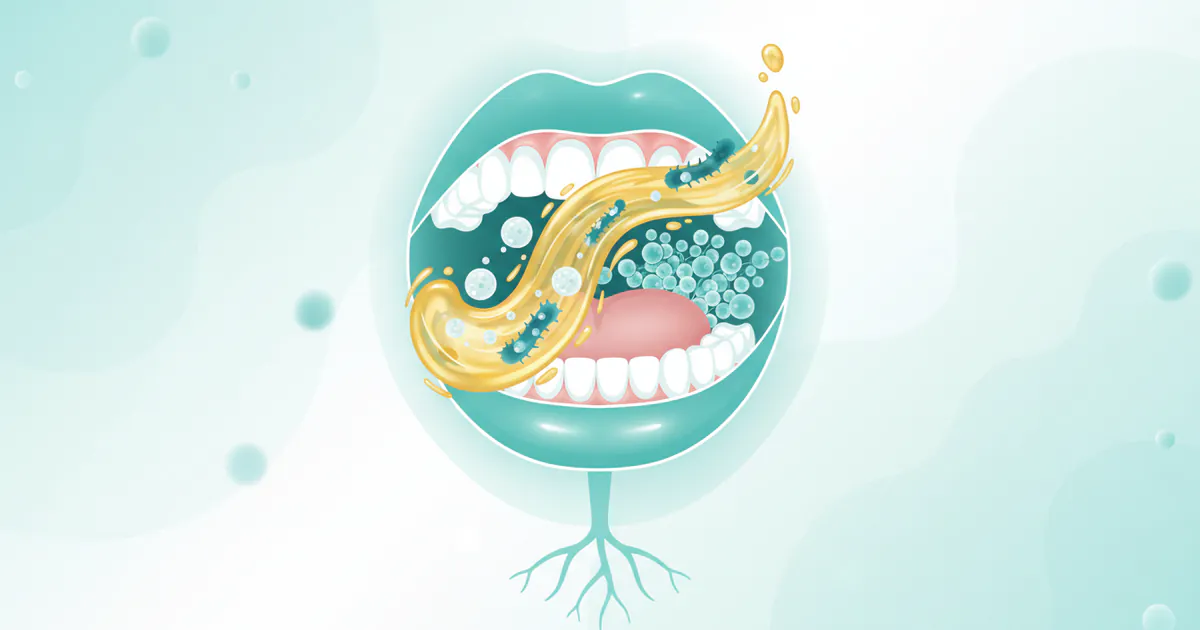
Oil pulling is an ancient therapeutic practice originating from Ayurveda, a traditional Indian system of medicine, dating back thousands of years. The process involves swishing a tablespoon of edible oil, such as coconut, sesame, or sunflower oil, in the mouth for 10 to 20 minutes on an empty stomach, typically in the morning. The oil is then spit out, followed by rinsing the mouth with water. The core theory behind oil pulling is that the oil "pulls" out toxins, bacteria, and other harmful microorganisms from the mouth, thereby cleansing it and promoting overall health.
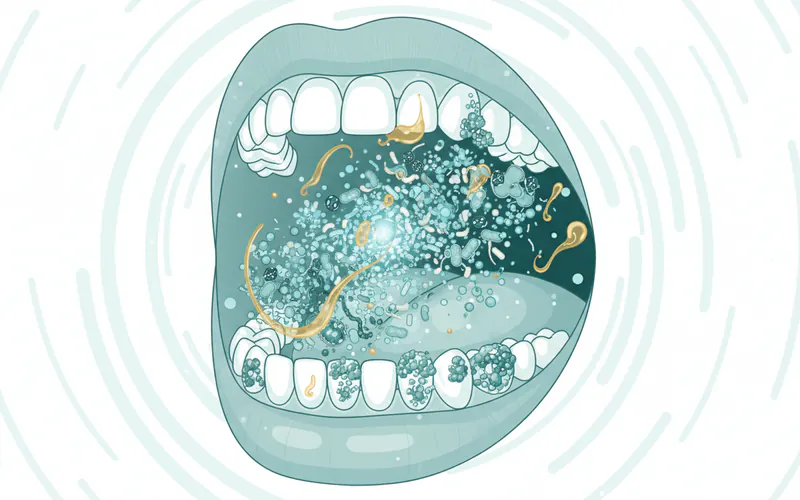
At the heart of this discussion is the oral microbiome, a complex and dynamic community of over 700 species of bacteria, fungi, viruses, and protozoa residing in the mouth. This diverse ecosystem exists in a delicate balance. When this balance is disturbed, a condition known as dysbiosis occurs, leading to an overgrowth of harmful bacteria. Dysbiosis is a primary driver of common oral diseases like dental caries (cavities), gingivitis (gum inflammation), and periodontitis (severe gum disease). Furthermore, research increasingly links oral dysbiosis to systemic health issues, including cardiovascular disease, diabetes, and certain autoimmune conditions.
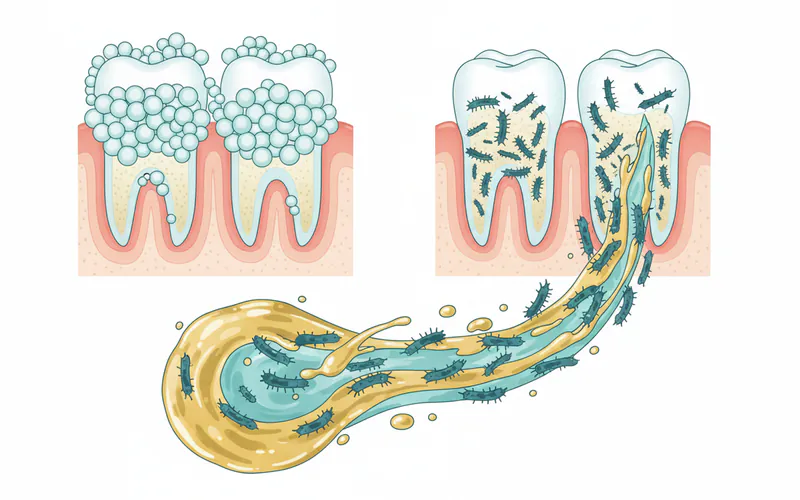
The premise of oil pulling in relation to the oral microbiome is that the oil, being lipid-based, can effectively bind to the lipid outer membranes of bacteria. As the oil is swished around, it mechanically disrupts bacterial biofilms (plaque) and physically draws microorganisms into the oil. When the oil is spit out, these trapped bacteria are expelled from the mouth, theoretically leading to a reduction in harmful pathogens and a more balanced, healthier oral microbiome. Proponents suggest that this reduction in pathogenic bacteria can mitigate inflammation, reduce plaque formation, and improve overall oral hygiene.
Types of Oils and Variations in Practice
While the basic method of oil pulling remains consistent, the choice of oil can vary, each offering slightly different properties based on its composition. The most commonly used oils for this practice include:
Coconut Oil
Coconut oil is arguably the most popular choice for oil pulling, primarily due to its high concentration of lauric acid. Lauric acid is a medium-chain fatty acid known for its potent antimicrobial, antifungal, and antiviral properties. When ingested, lauric acid is converted into monolaurin in the body, which has been shown to effectively kill a range of pathogens. In the context of the mouth, lauric acid is believed to attack the cell walls of bacteria, particularly Streptococcus mutans, a primary bacterium responsible for tooth decay. This makes coconut oil a favored option for those seeking specific antimicrobial benefits.
Sesame Oil
Traditionally, sesame oil was the original oil used for oil pulling in Ayurvedic medicine. It is rich in antioxidants, including sesamol, sesamin, and sesamolin, which are believed to have anti-inflammatory properties. These antioxidants may help to neutralize free radicals and reduce oxidative stress in the oral cavity. Some studies have suggested that sesame oil can reduce plaque and gingivitis, partly due to its ability to inhibit bacterial growth and soothe inflamed gum tissues.
Sunflower Oil
Sunflower oil is another option, though less commonly discussed than coconut or sesame oil. It is high in polyunsaturated fatty acids and Vitamin E, an antioxidant. While not as extensively studied for oil pulling as coconut or sesame oil, it is hypothesized to work through the same mechanical action of bacterial adhesion and removal. Its mild taste can make it a palatable option for some users.
Pro Tip: When selecting an oil, opt for organic, cold-pressed, unrefined varieties to ensure maximum purity and nutrient content. Avoid refined oils, which may contain unwanted additives or have fewer beneficial compounds.
Other oils like olive oil or avocado oil could theoretically be used, but they lack the specific antimicrobial profiles or traditional backing of coconut and sesame oils, making them less common recommendations for oil pulling. The "variation" in practice primarily centers on the type of oil chosen and the duration of swishing, typically ranging from 10 to 20 minutes. Consistency is often highlighted as more important than specific oil type once a suitable option is chosen.
How Does Oil Pulling Affect the Oral Microbiome? Unpacking the Science
The central question for anyone considering this practice is: how does oil pulling affect the oral microbiome? While proponents offer enthusiastic endorsements, a critical look at the scientific literature reveals a more nuanced picture.
Mechanism of Action: More Than Just Swishing
The proposed mechanisms by which oil pulling might influence the oral microbiome are multi-faceted:
- Mechanical Disruption and Adhesion: This is the most widely accepted mechanism. Swishing oil around the mouth creates a physical action that disrupts bacterial biofilms (plaque) on tooth surfaces and in gum pockets. The oil, being a lipid, acts as a solvent and emulsifies. It "saponifies" with the alkali in saliva, forming a soap-like substance that can mechanically dislodge bacteria, food debris, and other soluble toxins. Pathogenic bacteria, with their lipid membranes, are hypothesized to adhere to the oil. As the oil is swished, these bacteria get trapped within the oil and are then expelled when the oil is spit out.
- Antimicrobial Properties: Certain oils, particularly coconut oil, contain fatty acids like lauric acid, which exhibit direct antimicrobial effects. Lauric acid has been shown to be effective against various bacteria, including Streptococcus mutans and Candida albicans, by interfering with their cell membranes and inhibiting their growth.
- Anti-inflammatory Effects: Some oils, like sesame oil, contain antioxidants (e.g., sesamol, sesamin) and anti-inflammatory compounds that may help reduce inflammation in the oral cavity. By potentially reducing inflammation of the gums (gingivitis), oil pulling could indirectly support a healthier environment for beneficial bacteria and discourage the growth of inflammatory pathogens.
- pH Modulation: While less researched, some theories suggest that oil pulling might help neutralize the oral pH. A highly acidic oral environment promotes the growth of acid-producing bacteria that contribute to cavities. By potentially reducing these bacteria and promoting a healthier balance, oil pulling might support a more alkaline oral environment.
Impact on Specific Microbial Species and Oral Health Markers
Several studies, though often small-scale and of varying methodology, have investigated oil pulling's effects:
- Reduction of Streptococcus mutans: Numerous studies have focused on S. mutans, a key bacterium in dental caries. Research often shows a significant reduction in S. mutans counts in saliva and plaque after consistent oil pulling, comparable in some instances to traditional mouthwashes like chlorhexidine, though typically with a longer duration required to achieve similar effects.
- Gingivitis and Plaque Reduction: Clinical trials have observed reductions in plaque index and gingival index scores (indicators of gum inflammation and bleeding) in individuals practicing oil pulling regularly. This suggests an anti-plaque and anti-inflammatory effect, likely due to the mechanical removal of bacteria and the antimicrobial properties of the oil.
- Antifungal Activity: Coconut oil, specifically, has shown inhibitory effects against Candida albicans, a yeast commonly associated with oral thrush and denture stomatitis.
- Halitosis (Bad Breath): By reducing the bacterial load, particularly those responsible for producing volatile sulfur compounds (VSCs), oil pulling can contribute to fresher breath.
Limitations and the Need for More Research
Despite these promising findings, it's crucial to acknowledge the limitations of current research:
- Study Size and Duration: Many studies are small, short-term, and lack robust control groups.
- Methodological Variability: Differences in oil type, swishing duration, and frequency make comparisons challenging.
- Lack of Long-term Data: The long-term effects of oil pulling on the overall diversity and stability of the oral microbiome are not yet fully understood. While it may reduce specific pathogens, it's unclear how it affects the beneficial bacteria that contribute to a healthy microbiome.
- ADA Stance: The American Dental Association (ADA) acknowledges that some studies have shown oil pulling can reduce bacteria and inflammation, but concludes that there is insufficient scientific evidence to recommend it as a primary method for cavity prevention, plaque control, or gum disease treatment. They emphasize that oil pulling should not replace standard oral hygiene practices like brushing twice daily with fluoride toothpaste and daily flossing.
Oil Pulling for Rheumatoid Arthritis: Exploring the Oral-Systemic Link
The relationship between oral health and systemic diseases is a rapidly evolving area of medical science, giving rise to the concept of oral-systemic health. One of the most compelling connections explored is between periodontitis (severe gum disease) and rheumatoid arthritis (RA), a chronic autoimmune inflammatory disease primarily affecting the joints. Given this link, the question naturally arises: can oil pulling, by improving oral health, offer any benefit for conditions like rheumatoid arthritis?
The Oral-Systemic Connection: Periodontitis and RA
The link between periodontitis and RA is well-established. Individuals with RA are two to eight times more likely to develop periodontitis, and conversely, those with periodontitis have a higher risk of developing RA and often experience more severe RA symptoms. Several mechanisms underpin this connection:
- Shared Inflammatory Pathways: Both diseases are characterized by chronic inflammation. The inflammatory mediators produced in the gums (cytokines, prostaglandins) can enter the bloodstream and contribute to systemic inflammation, potentially exacerbating RA.
- Bacterial Translocation: Pathogenic bacteria from the mouth, such as Porphyromonas gingivalis (a key player in periodontitis), can enter the bloodstream and disseminate to other parts of the body, including the joints.
- Citrate Deiminase (PAD) Hypothesis: P. gingivalis produces an enzyme called peptidylarginine deiminase (PAD), which can convert arginine residues in proteins into citrulline. This process, called citrullination, can make proteins appear "foreign" to the immune system, triggering an autoimmune response in genetically susceptible individuals, leading to the production of anti-citrullinated protein antibodies (ACPAs), a hallmark of RA.
Does Oil Pulling Impact RA?
Given that oil pulling may reduce oral inflammation and pathogenic bacteria, it's plausible to hypothesize an indirect benefit for RA by mitigating a potential trigger or exacerbating factor. If oil pulling effectively reduces the burden of periodontitis-causing bacteria and calms oral inflammation, it could theoretically reduce systemic inflammatory load or the production of citrullinated proteins, thereby potentially ameliorating RA symptoms or slowing disease progression.
However, it is crucial to state that direct scientific evidence supporting oil pulling as a treatment or preventative measure for rheumatoid arthritis is currently lacking and largely anecdotal. While it might contribute to better general oral hygiene, which is beneficial for RA patients, there are no robust clinical trials demonstrating a direct positive impact of oil pulling on RA disease activity, pain, or joint function.
Pro Tip: If you have rheumatoid arthritis or any autoimmune condition, maintaining impeccable oral hygiene is critical. This includes regular brushing, daily flossing, and scheduled dental check-ups. Discuss any complementary therapies like oil pulling with your rheumatologist and dentist to ensure it aligns with your overall treatment plan and does not interfere with prescribed medications. Oil pulling should never replace conventional medical treatment for RA.
While the theory holds some logical appeal given the oral-systemic link, patients with RA should view oil pulling, at best, as a complementary practice to support general oral health, not as a direct therapy for their autoimmune condition. More rigorous, long-term studies are needed to determine if oil pulling can indeed have a measurable impact on systemic inflammatory markers or RA disease activity.
Risks and Complications of Oil Pulling
While generally considered safe, oil pulling is not without its potential risks and considerations. Awareness of these is important for anyone considering the practice.
- Aspiration Pneumonia: This is a rare but serious risk, particularly for individuals with compromised swallowing reflexes (e.g., young children, elderly, or those with neurological conditions). If oil is accidentally inhaled into the lungs, it can lead to a type of pneumonia known as lipid pneumonia. It is crucial to be able to control the oil in the mouth without swallowing.
- Upset Stomach/Diarrhea: Swallowing the oil, especially after it has absorbed toxins and bacteria, can lead to an upset stomach, nausea, or diarrhea. This is why it is strongly advised to spit out the oil completely and avoid swallowing.
- Allergic Reactions: While rare, some individuals may have an allergic reaction to specific oils (e.g., coconut allergy, sesame allergy). Symptoms could include rashes, swelling, or digestive upset.
- Jaw Strain/TMJ Issues: Swishing for 10-20 minutes, especially if done vigorously, can lead to jaw fatigue or exacerbate temporomandibular joint (TMJ) disorders for some individuals. It's important to swish gently.
- No Substitute for Traditional Oral Hygiene: Perhaps the most significant "risk" is the misconception that oil pulling can replace brushing, flossing, or regular dental check-ups. The American Dental Association (ADA) explicitly states that oil pulling is not a substitute for proven oral hygiene practices. Relying solely on oil pulling can lead to neglected oral health, potentially resulting in cavities, gum disease, and other issues that require professional intervention.
- Damage to Dental Fillings/Restorations: There is no scientific evidence to suggest that oil pulling directly damages dental fillings, crowns, or other restorations. However, anecdotal concerns sometimes arise. As long as the restorations are sound, oil pulling should not pose a threat.
- Environmental Concerns (Disposal): Spitting oil down the drain regularly can lead to plumbing issues over time as the oil solidifies and accumulates, potentially causing blockages. It is recommended to spit the oil into a trash can or compostable material.
Step-by-Step Process for Effective Oil Pulling
For those who choose to incorporate oil pulling into their routine, following a proper technique is essential to maximize potential benefits and minimize risks.
- Choose Your Oil: Select a high-quality, organic, cold-pressed, unrefined oil. Coconut oil is a popular choice for its antimicrobial properties. Sesame and sunflower oils are also viable options.
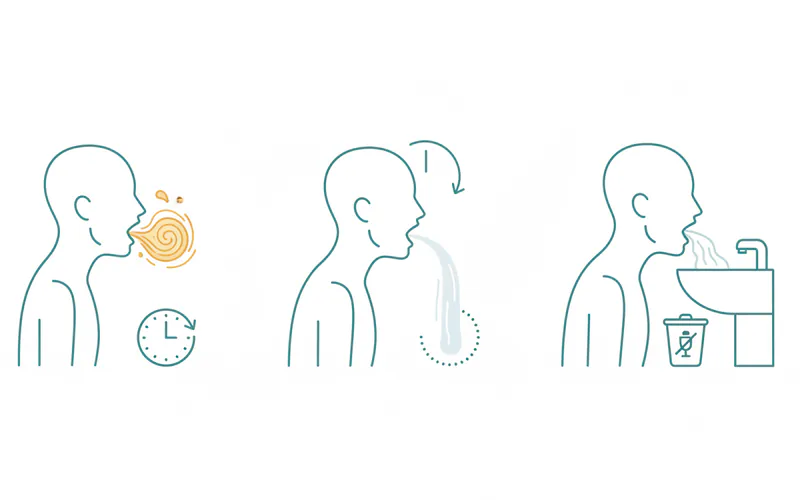
- Timing is Key: The best time for oil pulling is in the morning, right after waking up, on an empty stomach, before eating or drinking anything, and before brushing your teeth. This is when bacterial load is often highest, and you won't have interfered with your mouth's natural state.
- Measure the Oil: Take about one tablespoon (approximately 15 ml) of your chosen oil. For beginners, starting with a smaller amount, like a teaspoon, might be more comfortable until you get used to the sensation.
- Swish, Don't Gargle: Place the oil in your mouth. Gently swish, suck, and pull the oil through your teeth and around your mouth. Do not gargle or swallow the oil. The goal is to allow the oil to mix with your saliva and reach all corners of your mouth, dislodging bacteria and food particles.
- Duration: Aim to swish for 10 to 20 minutes. For beginners, starting with 5 minutes and gradually increasing the duration over a few days or weeks can help build endurance. The oil will thicken and turn milky white as it emulsifies with saliva and absorbs bacteria. If it feels too uncomfortable or you feel the urge to swallow, spit it out and try again with fresh oil.
- Proper Disposal: DO NOT spit the oil into the sink or toilet. The oil can solidify and clog pipes over time. Instead, spit the oil into a trash can, a paper towel, or a compostable bag.
- Rinse Thoroughly: After spitting, rinse your mouth thoroughly several times with warm water (or salt water for added benefit). This helps to remove any remaining oil and trapped bacteria.
- Brush Your Teeth: Follow up by brushing your teeth as usual with your toothbrush and fluoride toothpaste. This ensures complete cleaning and fluoride protection.
Frequency: Most proponents suggest oil pulling daily for optimal results. However, even a few times a week may offer some benefits. Listen to your body and adjust as needed.
Prevention: A Holistic Approach to Oral Health
While oil pulling can be a complementary practice, prevention of oral dysbiosis and associated diseases fundamentally relies on a comprehensive, science-backed approach to oral hygiene and lifestyle.
- Brushing Twice Daily with Fluoride Toothpaste: This remains the cornerstone of oral health. Fluoride strengthens tooth enamel and fights cavities. The mechanical action of brushing removes plaque and food debris.
- Flossing Daily: Flossing (or using interdental brushes) cleans between teeth and below the gumline where toothbrushes can't reach, areas where plaque and bacteria often accumulate.
- Regular Dental Check-ups and Professional Cleanings: Visiting your dentist every six months for an examination and professional cleaning is crucial. Dentists can identify early signs of problems, remove hardened plaque (calculus) that brushing cannot, and provide preventive treatments like fluoride varnishes.
- Balanced Diet: Limiting sugar intake and consuming a diet rich in fruits, vegetables, lean proteins, and whole grains supports not only overall health but also oral health. Sugary and acidic foods fuel harmful bacteria in the mouth.
- Hydration: Drinking plenty of water helps wash away food particles and bacteria, stimulates saliva production (which has natural antimicrobial properties), and helps neutralize acids.
- Avoid Tobacco Products: Smoking and smokeless tobacco significantly increase the risk of gum disease, oral cancer, and other oral health issues.
- Mindful Use of Mouthwash: Therapeutic mouthwashes can be beneficial for specific conditions (e.g., gum disease), but their regular use should be discussed with your dentist. Overuse of antiseptic mouthwashes can sometimes disrupt the natural balance of the oral microbiome.
Oil pulling can be integrated as an adjunct to these established practices, offering an additional layer of oral cleansing, but it should never replace any of these essential steps.
Cost and Insurance Considerations
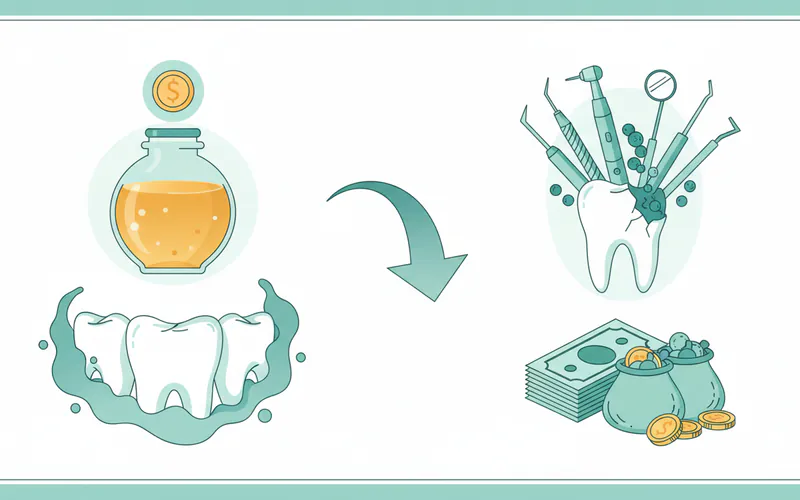
One of the attractive aspects of oil pulling is its minimal cost, especially when compared to professional dental treatments for conditions that poor oral hygiene can lead to.
Cost of Oil Pulling
The only direct cost associated with oil pulling is the oil itself.
- Coconut Oil: A 16-ounce jar of organic, cold-pressed, unrefined coconut oil typically ranges from $8 to $20. This amount can last for several weeks to a few months, depending on daily use.
- Sesame Oil: A similar quantity of organic, unrefined sesame oil generally falls within the $7 to $18 range.
- Sunflower Oil: Organic sunflower oil is often slightly less expensive, usually $6 to $15 for a 16-ounce bottle.
Therefore, the monthly cost of oil pulling is negligible, typically ranging from $3 to $10 depending on the oil chosen and frequency of use.
Insurance Coverage
Dental insurance does not cover oil pulling. It is considered a personal wellness practice and not a recognized, evidence-based medical treatment provided by a dental professional.
Comparative Costs of Dental Treatments
Understanding the minimal cost of oil pulling is often juxtaposed against the potentially high costs of treating oral health issues that could arise from neglected hygiene or an unbalanced microbiome. Here's a brief comparison:
| Dental Procedure (for issues related to dysbiosis) | Average US Cost (Without Insurance) | Average US Cost (With Insurance) |
|---|---|---|
| Regular Dental Cleaning & Exam | $75 - $200 | $0 - $50 (often fully covered) |
| Filling (1-2 surfaces) | $150 - $400 | $50 - $200 |
| Scaling and Root Planing (per quadrant) | $200 - $500 | $75 - $250 |
| Root Canal (Molar) | $700 - $1,500 | $300 - $800 |
| Crown | $800 - $2,500 | $300 - $1,000 |
| Tooth Extraction (Simple) | $75 - $300 | $20 - $100 |
This table vividly illustrates that investing in preventive measures, including basic oral hygiene and potentially complementary practices like oil pulling (if desired), is significantly more cost-effective than addressing the consequences of poor oral health.
Pro Tip: While oil pulling is cheap, remember that regular dental check-ups and cleanings are covered by most dental insurance plans, or are relatively affordable even without insurance, and are essential for long-term oral health. Don't skip them in favor of home remedies.
Children / Pediatric Considerations
The safety and appropriateness of oil pulling for children require careful consideration, primarily due to the risk of aspiration and their developing oral motor skills.
Generally, oil pulling is not recommended for children under the age of five. Young children may not have the coordination or understanding to properly swish oil without swallowing it. Swallowing the oil, especially after it has collected bacteria and toxins, can lead to digestive upset. More critically, there is a risk of aspirating the oil into the lungs, which can cause aspiration pneumonia.
For older children (typically over 8-10 years old) who have developed good oral motor control and can reliably understand and follow instructions not to swallow, oil pulling might be considered. However, this should always be done under strict parental supervision and after consulting with a pediatric dentist. The duration of swishing should be shorter initially (e.g., 5 minutes) and gradually increased.
The American Academy of Pediatric Dentistry (AAPD), like the ADA, does not endorse oil pulling as a primary oral hygiene method for children. Their guidelines emphasize fluoride toothpaste, flossing, and regular dental visits as the cornerstones of pediatric dental care.
Parents considering oil pulling for their children should:
- Consult a pediatric dentist first: Discuss the risks and benefits in the context of your child's specific oral health needs and developmental stage.
- Ensure the child fully understands: Emphasize the importance of spitting out the oil and not swallowing.
- Supervise closely: Never leave a child unsupervised while oil pulling.
- Prioritize established care: Remember that oil pulling is an adjunct, never a replacement for regular brushing, flossing, and professional dental care.
Frequently Asked Questions
H3: Does oil pulling really work to improve oral health?
While many individuals report benefits and some preliminary studies show reductions in specific bacteria (like Streptococcus mutans) and improvements in plaque and gingivitis, the scientific evidence is not yet robust enough for organizations like the American Dental Association (ADA) to recommend it as a primary oral hygiene method. It may offer complementary benefits but is not a substitute for brushing and flossing.
H3: How long does it take to see results from oil pulling?
Anecdotal reports vary widely, with some people claiming to notice fresher breath or cleaner teeth within a few days to a week. For more significant changes in gum health or plaque reduction, consistent daily practice over several weeks to months is typically suggested by proponents. Scientific studies on gingivitis and plaque often span 1-3 months.
H3: Is it safe to do oil pulling every day?
For most healthy adults, daily oil pulling is considered safe, provided the technique is correct (not swallowing the oil) and it does not cause jaw discomfort or other adverse reactions. It's crucial to listen to your body and discontinue if any issues arise. Always consult with your dentist if you have concerns.
H3: What kind of oil is best for oil pulling?
Coconut oil is the most popular choice due to its high lauric acid content, which has recognized antimicrobial properties against certain oral pathogens. Organic, cold-pressed, unrefined sesame oil, the traditional Ayurvedic choice, is also commonly used and valued for its antioxidants. Sunflower oil is another less common but viable option.
H3: Can oil pulling replace brushing and flossing?
Absolutely not. The American Dental Association (ADA) and virtually all dental professionals emphasize that oil pulling cannot replace the mechanical plaque removal and fluoride benefits of brushing with toothpaste, nor the interdental cleaning provided by flossing. It should be considered an optional adjunct, if used at all.
H3: What are the side effects of oil pulling?
The most common reported side effects are jaw fatigue from prolonged swishing, an upset stomach if the oil is accidentally swallowed, or rare allergic reactions to specific oils. A very serious, though rare, risk is aspiration pneumonia if the oil enters the lungs, particularly for individuals with impaired swallowing reflexes.
H3: Can children do oil pulling?
Oil pulling is generally not recommended for young children (under 5-8 years old) due to the risk of swallowing the oil or aspirating it into the lungs. Older children might be able to practice it under strict parental supervision, but a pediatric dentist should always be consulted first.
H3: Does oil pulling whiten teeth?
Some individuals report anecdotal benefits of whiter teeth after consistent oil pulling. The proposed mechanism is that the oil helps remove surface stains and reduce plaque, which can make teeth appear brighter. However, there is no scientific evidence to support oil pulling as an effective teeth whitening treatment comparable to professional or over-the-counter whitening products.
H3: Is there any scientific proof that oil pulling affects the oral microbiome?
Yes, some scientific studies, mainly small-scale clinical trials, have indicated that oil pulling can reduce the counts of certain pathogenic bacteria, such as Streptococcus mutans, and improve markers of gingivitis and plaque. This suggests an impact on the oral microbiome by reducing harmful species, but more extensive research is needed to fully understand its long-term effects on microbial diversity and balance.
H3: Does oil pulling help with rheumatoid arthritis?
While there's a recognized link between oral health (specifically periodontitis) and systemic inflammatory conditions like rheumatoid arthritis, there is no direct scientific evidence or robust clinical trials to support oil pulling as a treatment or preventative measure for rheumatoid arthritis. Any purported benefits for RA are anecdotal, and it should not be considered a substitute for medical treatment. Maintaining excellent oral hygiene, however, is beneficial for RA patients.
When to See a Dentist
While oil pulling can be a part of a personal wellness routine, it's critical to understand its limitations and when professional dental care is absolutely necessary. Do not delay seeing a dentist if you experience any of the following:
- Persistent Toothache or Sensitivity: This could indicate a cavity, gum disease, a crack in a tooth, or an infection that requires professional diagnosis and treatment.
- Bleeding, Swollen, or Tender Gums: While oil pulling might help with mild inflammation, persistent bleeding or pain in your gums are classic signs of gingivitis or periodontitis, which need professional cleaning and possibly further treatment.
- Persistent Bad Breath (Halitosis): If oil pulling or regular brushing/flossing doesn't resolve chronic bad breath, it could be a sign of underlying oral infections, gum disease, or even systemic health issues.
- Changes in Tooth Color or New Spots: These could be signs of decay or other dental problems that require immediate attention.
- Loose Teeth: This is a serious symptom of advanced gum disease and requires urgent dental intervention to prevent tooth loss.
- Sores, Lumps, or Bumps in Your Mouth: Any persistent (lasting more than two weeks) unusual growths, red or white patches, or sores in your mouth, on your tongue, or lips should be evaluated by a dentist to rule out oral cancer or other serious conditions.
- Jaw Pain, Clicking, or Difficulty Chewing: These symptoms could indicate a temporomandibular joint (TMJ) disorder, which a dentist can diagnose and help manage.
- If you have an existing medical condition: If you have diabetes, heart disease, an autoimmune disorder like rheumatoid arthritis, or any other systemic condition, regular dental check-ups are even more crucial due to the established oral-systemic link. Your dentist can help manage your oral health in conjunction with your medical care team.
Always prioritize your scheduled dental check-ups and cleanings, typically every six months. These routine visits are essential for prevention, early detection, and maintaining optimal oral health, which plays a significant role in your overall well-being. If you have any concerns about your oral health, contacting your dentist should be your first step.
Frequently Asked Questions
Medically Reviewed Content
This article was written by our dental health editorial team and reviewed for medical accuracy. Our content follows strict editorial guidelines for reliability and trustworthiness.
Medical Disclaimer
This article is for informational purposes only and does not constitute medical advice. Always consult with a qualified dental professional for diagnosis and treatment. Do not delay seeking professional advice because of something you read on this website.
Related Articles

Does Oil Pulling Help Gut Health
The intricate connection between our oral health and overall well-being is a topic of growing fascination and scientific inquiry. Often, when we think of health, we focus on specific organs or systems, overlooking the crucial role of the mouth as a gateway to the rest of the body. One ancient practi
February 23, 2026
Does Oil Pulling Help With Inflammation
It's a question many health-conscious individuals ask as they explore natural remedies: does oil pulling help with inflammation? In an era where holistic approaches to wellness are gaining traction, the ancient practice of oil pulling has resurfaced, promising benefits that extend beyond oral hy
February 23, 2026
Oil Pulling for Kidney Disease: Complete Guide
Chronic kidney disease (CKD) affects an estimated 37 million adults in the United States, often progressing silently until advanced stages. What many may not realize is the profound connection between the health of their mouth and the health of their kidneys. As a bridge between traditional wisd
February 23, 2026

Diabetes and Canker Sores: Complete Guide
Living with diabetes means managing various aspects of your health, often extending beyond blood sugar levels to encompass areas you might not immediately consider – like your oral health. Did you know that individuals with diabetes are more susceptible to a range of oral issues, including the commo
February 23, 2026