Wisdom Tooth Removal: Complete Guide
Key Takeaways
- Wisdom tooth removal is one of the most common oral surgical procedures performed in the United States, affecting millions of individuals annually. For many, the emergence of wisdom teeth, or third molars, can herald a range of uncomfortable and potentially serious dental issues, making their extrac
Wisdom Tooth Removal: Complete Guide
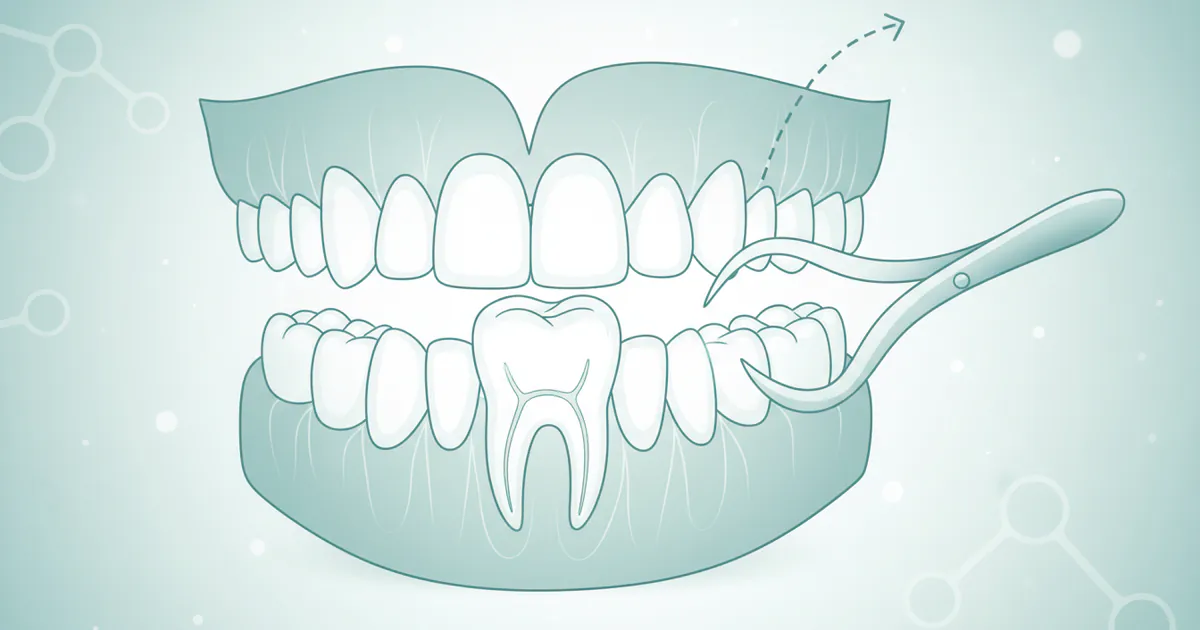
Wisdom tooth removal is one of the most common oral surgical procedures performed in the United States, affecting millions of individuals annually. For many, the emergence of wisdom teeth, or third molars, can herald a range of uncomfortable and potentially serious dental issues, making their extraction a crucial step in maintaining long-term oral health. This comprehensive guide will walk you through everything you need to know about wisdom tooth removal, from understanding why these teeth become problematic to navigating the recovery process and understanding associated costs. We'll delve into the different types of impaction, the step-by-step surgical procedure, critical aftercare instructions (including answers to questions like, how long after wisdom teeth removal can I eat a burger), potential risks, and essential tips for a smooth wisdom teeth removal recovery. Our goal is to equip you with the knowledge needed to approach this common procedure with confidence, ensuring you are well-prepared for every stage of the journey.
Key Takeaways:
- Commonality: Wisdom tooth removal is a very common procedure, often recommended for young adults due to impaction or potential complications.
- Cost Range: The cost for wisdom tooth removal in the US typically ranges from $75 to $250 per tooth for simple extractions, and $200 to $600 per tooth for impacted teeth. Full mouth extraction can range from $600 to $3,200 or more without insurance.
- Recovery Time: Initial recovery from wisdom teeth removal usually takes 3-7 days, with complete healing of the sockets taking several weeks to months. Most patients can return to normal activities within a few days.
- Diet Progression: Soft foods are required for the first 3-5 days. Solid foods, like a burger, can typically be introduced gradually around 1-2 weeks post-surgery, once the extraction sites have sufficiently healed and there's no pain.
- Complications: While generally safe, potential complications include dry socket (most common), infection, nerve damage, and excessive bleeding. Following aftercare instructions diligently is crucial to minimize risks.
- Anesthesia Options: Patients can choose from local anesthesia, sedation (oral, IV), or general anesthesia, depending on the complexity of the extraction and personal preference.
- Consultation is Key: A thorough examination, including X-rays, by an oral surgeon or dentist is essential to determine the necessity and best approach for wisdom tooth removal.
``
What It Is / Overview
Wisdom teeth are the third and final set of molars that typically emerge between the ages of 17 and 25. Positioned at the very back of your mouth, they are remnants from a time when human diets required more chewing power, and our jaws were generally larger. However, modern human jaws have evolved to be smaller, often leaving insufficient space for these late-arriving teeth to erupt properly. This lack of space is the primary reason why wisdom tooth removal is so prevalent.
When wisdom teeth attempt to emerge but cannot fully break through the gum line or are blocked by other teeth or bone, they are considered impacted. Impaction can lead to a cascade of oral health problems, making extraction a necessary intervention for many individuals. The procedure itself involves surgically removing these problematic teeth, performed by a general dentist or, more commonly, an oral and maxillofacial surgeon. The goal is to alleviate current pain or prevent future complications like infection, damage to adjacent teeth, and orthodontic issues.
Types / Variations of Impaction and Extraction Methods
Understanding the different types of impaction is crucial, as it dictates the complexity of the wisdom tooth removal procedure.
Types of Wisdom Tooth Impaction
Wisdom teeth can be impacted in several ways, each presenting unique challenges:
- Soft Tissue Impaction: The tooth has erupted through the bone but is still covered by gum tissue. This can create a flap where food particles and bacteria can accumulate, leading to pericoronitis (gum infection).
- Partial Bony Impaction: The tooth is partially erupted through the bone and gum, but a portion remains embedded in the jawbone. This type is also prone to infection and decay due to difficulty in cleaning.
- Full Bony Impaction: The tooth is completely encased within the jawbone. This is the most complex type of impaction and often requires more extensive surgical removal.
- Angled Impaction: The tooth is growing at an angle, pushing against the adjacent second molar. This can lead to damage to the second molar, root resorption, or misalignment of other teeth.
- Horizontal Impaction: The tooth is lying completely on its side, parallel to the jawbone, and pushing directly into the roots of the second molar. This is often the most challenging type to remove.
- Vertical Impaction: The tooth is growing straight up or down, but there isn't enough space for it to fully erupt.
Comparison Table: Types of Wisdom Tooth Impaction
| Impaction Type | Description | Complexity of Removal | Common Symptoms |
|---|---|---|---|
| Soft Tissue | Tooth through bone, covered by gum only | Moderate | Pericoronitis, mild discomfort |
| Partial Bony | Partially erupted through bone/gum, part still in bone | Moderate to High | Infection, decay, pain, swelling |
| Full Bony | Completely encased within jawbone | High | Often asymptomatic until complications, referred pain |
| Angled/Mesial | Tilted forward, pushing against adjacent molar | High | Damage to adjacent tooth, pain, crowding |
| Horizontal/Distal | Lying sideways, pushing into adjacent molar or back of jaw | Very High | Severe pain, damage to adjacent tooth, cyst formation |
| Vertical | Straight up/down but no space for full eruption | Moderate to High | Pressure, crowding, potential for impaction-related issues later |
Extraction Methods
The method of wisdom tooth removal depends on the degree of impaction:
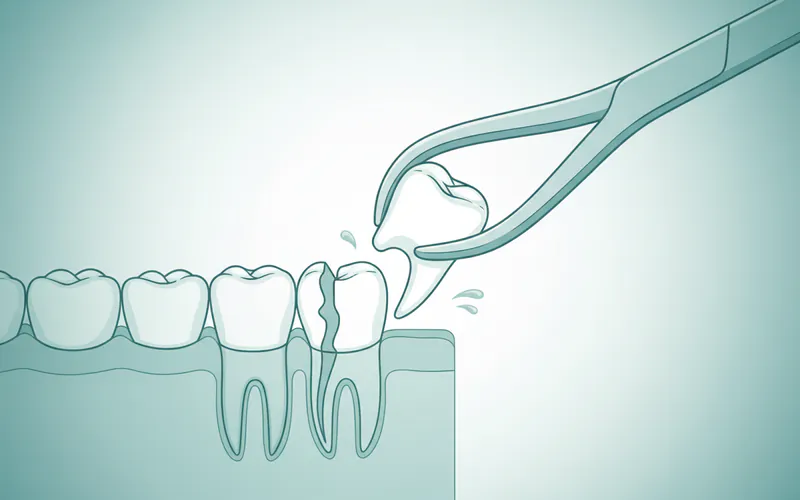
- Simple Extraction: If the wisdom tooth has fully erupted and is accessible, a general dentist may perform a simple extraction. This involves loosening the tooth with an elevator tool and then removing it with forceps.
- Surgical Extraction: For impacted wisdom teeth, an oral surgeon typically performs a surgical extraction. This procedure involves making an incision in the gum tissue to expose the tooth and bone. Bone may need to be removed to access the tooth, and the tooth itself might be cut into smaller sections for easier removal. After the tooth is removed, the incision is usually closed with sutures.
Causes / Why It Happens
The primary reason for problematic wisdom teeth boils down to a fundamental mismatch between our evolutionary past and our modern anatomy.
- Lack of Space: As mentioned, modern human jaws are generally smaller than those of our ancestors. This reduction in jaw size is attributed to dietary changes (softer foods requiring less chewing) and genetic factors over millennia. Consequently, by the time wisdom teeth are ready to erupt, there simply isn't enough room in the dental arch for them to come in straight and fully functional.
- Evolutionary Remnant: Wisdom teeth served a vital purpose when early humans had coarser diets and often lost other molars due to wear and tear. A third set of molars provided a backup. In today's world, with better nutrition and dental care, we often retain our first and second molars, making the third molars superfluous and often problematic.
- Genetic Predisposition: Jaw size and tooth size are largely genetically determined. If your parents or other close relatives had impacted wisdom teeth, you might have a higher likelihood of experiencing the same issue.
- Developmental Anomalies: In some cases, the wisdom tooth itself may develop in an abnormal position or shape, making proper eruption impossible even if there seems to be adequate space.
Signs and Symptoms
While some impacted wisdom teeth cause no immediate symptoms, many will eventually lead to noticeable discomfort or serious oral health problems. Recognizing these signs early can help you seek timely intervention.
- Pain: Persistent throbbing or dull ache in the back of the mouth, near the jaw, or radiating to the ear or temple. This is often the first and most common symptom.
- Swelling: Swelling of the gum tissue around the erupting or impacted tooth, which can sometimes extend to the cheek or jaw.
- Tenderness or Bleeding Gums: Inflamed gums (pericoronitis) around the wisdom tooth, which may be painful to touch or bleed easily, especially during brushing.
- Difficulty Opening Mouth (Trismus): Inflammation and infection can limit the ability to fully open your mouth, making eating and speaking challenging.
- Bad Breath (Halitosis) and Unpleasant Taste: Food particles and bacteria trapped under a gum flap or around an infected wisdom tooth can lead to persistent bad breath and a foul taste in your mouth.
- Cyst Formation: A fluid-filled sac (cyst) can form around the crown of an impacted tooth, potentially damaging the jawbone, adjacent teeth, and nerves. In rare cases, a benign tumor may develop.
- Damage to Adjacent Teeth: An impacted wisdom tooth can push against the second molar, causing cavities, root damage (resorption), or increasing the risk of periodontal disease in that area.
- Crowding or Shifting of Other Teeth: While less common than once believed, an erupting wisdom tooth can exert pressure that leads to minor shifting or crowding of existing teeth, especially if orthodontic treatment has been previously completed.
- Referred Pain: Pain that originates in the wisdom tooth area but is felt elsewhere, such as in the ear, temple, or neck.
Pro Tip: If you experience any of these symptoms, especially persistent pain or swelling, schedule an appointment with your dentist or an oral surgeon immediately. Early detection can prevent more severe complications.
Treatment Options
For problematic wisdom teeth, the primary and most effective treatment option is wisdom tooth removal. Unlike many dental issues with multiple paths to resolution, managing symptomatic or high-risk impacted wisdom teeth almost always leads to extraction. However, there are considerations regarding how the extraction is performed and the pain management during the procedure.
Extraction as the Main Treatment
- Observation/Monitoring: In rare cases where wisdom teeth are asymptomatic, fully erupted, and causing no issues, a dentist might recommend regular monitoring. However, this is less common for impacted teeth due to the high risk of future complications. The American Dental Association (ADA) generally supports prophylactic removal of asymptomatic impacted wisdom teeth to prevent future pathology, especially in younger individuals.
- Antibiotics: If an impacted wisdom tooth becomes acutely infected (pericoronitis), antibiotics may be prescribed to clear the infection before extraction. This is a temporary measure to manage symptoms and prepare for surgery, not a standalone treatment.
- Pain Relievers and Anti-inflammatories: Over-the-counter pain relievers (like ibuprofen or acetaminophen) can help manage mild discomfort, but they do not address the underlying problem of impaction or infection.
Anesthesia Options for Wisdom Tooth Removal
The choice of anesthesia is crucial for patient comfort during the wisdom tooth removal procedure. The oral surgeon will discuss these options based on the complexity of the extraction, your anxiety level, and your medical history.
-
Local Anesthesia:
- Description: Numbing injections are given directly into the gum tissue around the wisdom teeth. You remain fully awake but will not feel pain, only pressure.
- Pros: Minimal recovery time from anesthesia, lowest cost, generally very safe.
- Cons: You remain conscious and aware of the procedure, which can be unsettling for some.
- Best For: Simple extractions, or patients with low anxiety who prefer to be fully awake.
-
Sedation Anesthesia (Conscious Sedation):
- Description:
- Nitrous Oxide (Laughing Gas): Inhaled through a mask, it provides a relaxed, euphoric feeling. You remain conscious but less aware of the procedure. It wears off quickly.
- Oral Sedation: A pill (e.g., Valium, Halcion) is taken before the appointment to induce drowsiness and relaxation. You'll be conscious but groggy and often won't remember the procedure.
- IV Sedation (Intravenous Sedation): Medications are administered directly into a vein, making you deeply relaxed and often in a "twilight sleep" state. You'll be conscious but very drowsy and typically have little to no memory of the surgery.
- Pros: Significantly reduces anxiety, provides a more comfortable experience, still allows for interaction if needed (except deeper IV sedation).
- Cons: Requires an escort to drive you home (for oral and IV sedation), potential for lingering grogginess, higher cost than local anesthesia.
- Best For: Most surgical wisdom tooth removals, patients with moderate anxiety.
- Description:
-
General Anesthesia:
- Description: You are completely unconscious during the procedure, similar to what's used for major surgery. Administered intravenously, requiring specialized monitoring.
- Pros: Complete unconsciousness means no memory, pain, or awareness during the surgery.
- Cons: Highest cost, longer recovery from anesthesia, higher risks associated with general anesthesia, requires specialized equipment and personnel.
- Best For: Extremely anxious patients, very complex wisdom tooth removals, patients with special needs, or when multiple complex procedures are being performed simultaneously.
Comparison Table: Anesthesia Options for Wisdom Tooth Removal
| Anesthesia Type | State of Consciousness | Level of Awareness | Recovery Time from Anesthesia | Cost Implication | Benefits | Drawbacks |
|---|---|---|---|---|---|---|
| Local Anesthesia | Awake | Fully aware of surroundings | Immediate | Lowest | Very safe, allows immediate return to activities | May not be suitable for anxious patients, still feel pressure |
| Nitrous Oxide | Conscious | Reduced awareness | Minutes | Low-Moderate | Relieves anxiety, quick recovery | Mild effect for some, not suitable for severe anxiety |
| Oral Sedation | Conscious (Drowsy) | Minimal awareness | Several hours | Moderate | Reduces anxiety significantly, convenient | Requires escort, prolonged grogginess, variable effect |
| IV Sedation | Conscious (Deep Sleep) | Little to no memory | Several hours | Moderate-High | Excellent anxiety control, comfortable experience | Requires escort, more extensive monitoring, potential for nausea |
| General Anesthesia | Unconscious | No awareness | Several hours | Highest | Complete comfort, no memory of surgery | Highest risk, requires escort, longer recovery, often requires hospital setting |
Step-by-Step Process
Undergoing wisdom tooth removal can feel daunting, but understanding each stage of the process can ease your concerns.
1. Before the Procedure: Consultation and Preparation
- Initial Exam & X-rays: Your dentist will perform an initial examination and take X-rays (panoramic X-ray is common) to assess the position of your wisdom teeth, their roots, proximity to nerves (especially the inferior alveolar nerve), and surrounding bone structure.
- Referral: If the wisdom teeth are impacted or the case is complex, your dentist will likely refer you to an oral and maxillofacial surgeon.
- Surgeon Consultation: The oral surgeon will review your X-rays, discuss your medical history, current medications, and any allergies. They will explain the procedure, potential risks, and recovery expectations.
- Anesthesia Discussion: This is where you'll decide on the appropriate anesthesia option (local, sedation, general) based on your comfort level and the complexity of the extraction.
- Pre-Operative Instructions: You'll receive specific instructions, which may include:
- Fasting for 6-8 hours if receiving IV sedation or general anesthesia.
- Arranging for a responsible adult to drive you home and stay with you for the first 24 hours.
- Avoiding smoking or alcohol.
- Potentially taking prescribed medications before the appointment.
2. During the Procedure: The Extraction
- Anesthesia Administration: Once you're in the dental chair, the chosen anesthesia will be administered. This could be local injections, placement of an IV line, or a mask for nitrous oxide. The surgical team will monitor your vital signs throughout.
- Incision (for impacted teeth): For impacted wisdom teeth, the surgeon will make an incision in the gum tissue to expose the tooth and surrounding bone.
- Bone Removal (if necessary): If bone is covering the tooth, a high-speed handpiece will be used to carefully remove a small amount of bone to access the tooth.
- Tooth Sectioning (if necessary): For severely impacted or very large teeth, the surgeon may cut the tooth into smaller pieces to facilitate easier and less traumatic removal.
- Tooth Extraction: The tooth or its sections are then carefully removed using specialized instruments.
- Site Cleaning: The surgical site is thoroughly cleaned of any remaining tooth fragments, bone, or infected tissue.
- Sutures: The gum incision is usually closed with dissolvable sutures (stitches).
- Gauze Placement: Sterile gauze pads are placed over the extraction sites to help control bleeding and promote clot formation.
``
3. After the Procedure: Immediate Post-Op
- Recovery Room: If you had sedation or general anesthesia, you'll spend some time in a recovery area while the effects of the anesthesia wear off.
- Post-Operative Instructions: The dental team will review detailed aftercare instructions with you and your escort. This will cover pain management, swelling control, diet, oral hygiene, and signs of complications.
- Going Home: You'll be discharged with your escort once you are stable. You should avoid driving, operating machinery, or making important decisions for at least 24 hours.
Cost and Insurance
The cost of wisdom tooth removal can vary significantly depending on several factors, including the type of impaction, the number of teeth being removed, the type of anesthesia used, the oral surgeon's fees, and your geographical location in the US.
Average US Costs (Without Insurance)
- Simple Eruption (Non-impacted):
- Per tooth: $75 - $250
- All four: $300 - $1,000
- Soft Tissue Impaction:
- Per tooth: $200 - $400
- All four: $800 - $1,600
- Partial Bony Impaction:
- Per tooth: $250 - $500
- All four: $1,000 - $2,000
- Full Bony Impaction (Complex):
- Per tooth: $300 - $600+
- All four: $1,200 - $2,400+ (can be up to $3,200 - $4,000 for very complex cases)
Anesthesia Costs (Additional):
- Local Anesthesia: Often included in the extraction fee or a minimal separate charge.
- Nitrous Oxide: $50 - $100 per visit.
- Oral Sedation: $150 - $300 per visit.
- IV Sedation: $400 - $800+ for the first hour, then $150 - $300 for each additional hour. This is often a significant portion of the total bill.
- General Anesthesia: $800 - $1,500+ per hour, typically only for hospital settings or highly specialized clinics.
Insurance Coverage
Navigating insurance for wisdom tooth removal can be complex.
- Dental Insurance: Most dental insurance plans cover a portion of wisdom tooth removal, especially if it's deemed medically necessary due to impaction, pain, or infection.
- Coverage Levels: Basic extractions might be covered at 80-100%, while surgical extractions for impacted teeth are often covered at 50-80% after your deductible is met.
- Annual Maximums: Be aware of your plan's annual maximums, as complex extractions, especially for all four teeth with IV sedation, can quickly exceed this limit (often $1,000 - $2,000 per year).
- Waiting Periods: Some plans have waiting periods (e.g., 6-12 months) before major procedures like wisdom tooth removal are covered.
- Medical Insurance: In some cases, if the wisdom tooth removal is considered a medical procedure (e.g., due to severe infection, nerve involvement, or performed in a hospital setting), your medical insurance might cover a portion of the costs, particularly for the anesthesia. It's crucial to check with both your dental and medical insurance providers.
- Pre-authorization: Always get a pre-authorization or pre-determination of benefits from your insurance company before the procedure to understand your out-of-pocket expenses.
Pro Tip: Don't hesitate to ask your oral surgeon's office for a detailed estimate of costs, including all fees (extraction, anesthesia, X-rays, follow-up visits) and a breakdown of what your insurance is expected to cover versus your estimated out-of-pocket responsibility.
Recovery and Aftercare
The wisdom teeth removal recovery period is crucial for preventing complications and ensuring a smooth return to normal function. Following your oral surgeon's instructions precisely is paramount.
Immediately After Surgery (First 24 Hours)
- Bleeding Control: Bite down gently but firmly on the gauze pads placed over the extraction sites for 30-60 minutes. Change them as needed. Slight oozing is normal; heavy bleeding is not. If bleeding persists, place a fresh gauze pad or a moistened tea bag (black tea contains tannic acid, which helps clot blood) and bite down for another hour.
- Pain Management: Take prescribed pain medication as directed, ideally before the local anesthesia completely wears off. Over-the-counter anti-inflammatories like ibuprofen can also be very effective.
- Swelling Reduction: Apply an ice pack to the outside of your face, over the surgical areas, for 20 minutes on, 20 minutes off, for the first 24-48 hours. This is most effective if started immediately after surgery.
- Rest: Get plenty of rest. Avoid strenuous activity, bending over, or lifting heavy objects, as this can dislodge blood clots and increase bleeding. Keep your head elevated with pillows.
- Diet: Stick to soft, cool foods and liquids. Examples include applesauce, yogurt, mashed potatoes, broth, smoothies (without a straw!). Avoid hot liquids and crunchy or chewy foods.
- Oral Hygiene: Do NOT rinse your mouth, spit, or use a straw for the first 24 hours. This can dislodge the blood clot, leading to a painful condition called dry socket.
- Smoking/Alcohol: Absolutely avoid smoking and alcohol for at least 72 hours, preferably longer, as they significantly impair healing and increase complication risks.
Days 2-7: Healing Progression
- Swelling: Swelling typically peaks around 48-72 hours post-surgery and then gradually subsides. Moist heat (warm compresses) can be used after 48 hours to help reduce swelling and jaw stiffness.
- Pain: Pain should gradually decrease. Continue pain medication as needed.
- Oral Hygiene:
- Rinsing: Starting 24 hours after surgery, gently rinse your mouth with warm salt water (1/2 teaspoon salt in 8 ounces warm water) 5-6 times a day, especially after meals. This helps keep the sites clean.
- Brushing: Continue to brush your teeth carefully, avoiding the surgical sites for a few days. You can gently brush the top surfaces of the extraction sites after 3-4 days if comfortable.
- Diet: Gradually reintroduce soft, non-chewy foods. Avoid anything that requires significant chewing or could get stuck in the sockets (seeds, nuts, popcorn).
- Physical Activity: You can gradually resume light activities, but avoid heavy exertion for at least a week.
- Sutures: If you have dissolvable sutures, they will typically fall out on their own within 7-10 days. If non-dissolvable sutures were used, you'll have an appointment for their removal.
Beyond 1 Week: Continued Healing
- Diet: You can slowly reintroduce more solid foods, chewing carefully and avoiding the extraction sites initially.
- Oral Hygiene: Continue gentle salt water rinses as needed. Maintain regular brushing and flossing, being gentle around the healing areas.
- Socket Healing: The extraction sockets will gradually fill with new bone and tissue over several weeks to months. It's important to keep them clean.
How Long After Wisdom Teeth Removal Can I Eat a Burger?
This is a very common question, and the answer depends on the individual's healing rate and the complexity of the extraction.
- First 3-5 Days: Strictly soft foods only (yogurt, applesauce, soup, mashed potatoes).
- Day 5 - 7: You might be able to introduce slightly more textured soft foods, like very soft pasta, scrambled eggs, or well-cooked fish.
- 1 Week - 2 Weeks: Most people can gradually start to reintroduce more solid foods. A burger, specifically, involves significant chewing and can have small pieces that get stuck.
- Recommendation: Wait at least 7-10 days, and ideally two weeks, before attempting to eat a burger. Even then, start with a smaller, softer burger (e.g., ground beef patty without tough bread), cut into small pieces, and chew carefully on the opposite side of your mouth from the extraction sites. Avoid crunchy toppings like lettuce or raw onion initially.
- Crucial: Listen to your body. If you feel any pain or discomfort, revert to softer foods. Chewing too vigorously or too soon can disrupt the healing clot and lead to complications like dry socket.
Pro Tip: Stock up on recommended soft foods before your surgery. Having a variety of options on hand will make the initial recovery diet much more tolerable.
Prevention
While you can't prevent wisdom teeth from developing, you can prevent the complications associated with them. The primary "prevention" strategy for wisdom tooth issues is proactive evaluation and, often, early removal.
- Early Assessment: The American Association of Oral and Maxillofacial Surgeons (AAOMS) recommends that all young adults have their wisdom teeth evaluated by an oral surgeon between the ages of 16 and 25. At this age, the roots are typically not fully formed, and the bone is less dense, making extraction easier and recovery faster with fewer risks.
- Regular Dental Check-ups: Your general dentist will monitor the development and eruption of your wisdom teeth through regular exams and X-rays. They can identify potential problems before they become severe.
- Prophylactic Removal: In many cases, wisdom tooth removal is recommended even if the teeth are not yet causing symptoms, to prevent future problems like impaction, infection, crowding, or cyst formation. This is especially true for impacted teeth.
Risks and Complications
While wisdom tooth removal is a routine procedure, like any surgery, it carries potential risks and complications. Being aware of these can help you identify issues early and seek appropriate care.
- Dry Socket (Alveolar Osteitis):
- What it is: The most common complication, occurring when the blood clot that forms in the extraction site either dislodges or dissolves prematurely, exposing the underlying bone and nerves.
- Symptoms: Severe, throbbing pain that typically starts 3-5 days after surgery, often radiating to the ear or temple, bad taste in the mouth, and visible empty socket.
- Treatment: Your oral surgeon will clean the socket, pack it with medicated gauze, and prescribe pain relief.
- Prevention: Avoid spitting, rinsing vigorously, smoking, and using straws for at least 72 hours.
- Infection:
- What it is: Bacteria can enter the extraction site, leading to a localized infection.
- Symptoms: Increased pain, swelling, redness, pus drainage, fever.
- Treatment: Antibiotics and possibly drainage of the infection.
- Nerve Damage (Paresthesia):
- What it is: Very rare, but possible if the wisdom tooth roots are in close proximity to the inferior alveolar nerve (which provides sensation to the lower lip, chin, and tongue) or the lingual nerve (which provides sensation to the tongue). Damage can occur during the extraction.
- Symptoms: Numbness, tingling, or altered sensation in the lip, chin, or tongue. This is usually temporary (days to weeks) but can rarely be permanent.
- Treatment: Often resolves on its own; sometimes steroids or further evaluation by a neurologist may be recommended.
- Excessive Bleeding:
- What it is: While some oozing is normal, heavy or prolonged bleeding can occur, especially if blood thinners are taken or the clot is dislodged.
- Treatment: Applying firm, direct pressure with gauze or a tea bag, or in severe cases, returning to the surgeon for further intervention.
- Sinus Communication:
- What it is: If an upper wisdom tooth is very close to the maxillary sinus, its removal can create a small opening between the mouth and the sinus cavity.
- Symptoms: Air or fluid passing between the mouth and nose, nasal discharge, changes in voice.
- Treatment: Small openings often heal on their own; larger ones may require a surgical repair.
- Jaw Fracture:
- What it is: Extremely rare, but possible during a very difficult extraction, especially if the jawbone is weak or compromised.
- Treatment: Surgical repair.
- Damage to Adjacent Teeth:
- What it is: During extraction, there's a small risk of chipping or damaging the adjacent second molar.
- Treatment: Repair of the damaged tooth.
- TMJ Issues:
- What it is: Prolonged opening of the mouth during surgery can sometimes lead to temporary pain or dysfunction of the temporomandibular joint (TMJ).
- Treatment: Rest, soft diet, warm compresses, pain relievers.
Pro Tip: Discuss all potential risks and complications with your oral surgeon during your consultation. They can explain how they minimize these risks based on your specific case.
Children / Pediatric Considerations
While wisdom teeth typically don't cause issues in early childhood, their development begins much earlier. "Pediatric considerations" for wisdom teeth primarily focus on adolescent assessment and early intervention to prevent future problems.
- Early Development: Wisdom tooth buds begin to form around ages 7-10. Your child's pediatric dentist or orthodontist will monitor their development through routine X-rays as they grow.
- Orthodontic Impact: Orthodontists often monitor wisdom teeth closely, especially if a child is undergoing or has completed orthodontic treatment. If wisdom teeth are predicted to erupt in a problematic way (e.g., causing crowding or relapse of orthodontic results), early removal might be recommended.
- Optimal Timing for Removal: The ideal time for wisdom tooth removal is often in the mid-to-late teenage years (typically 16-20 years old). At this stage, the tooth roots are usually about two-thirds formed, the surrounding bone is softer and more elastic, and the healing capacity of young adults is generally excellent. This leads to:
- Easier Extractions: Less bone removal is usually needed.
- Faster Recovery: Young patients often bounce back more quickly.
- Reduced Complications: The risk of nerve damage or other complications is lower compared to removing fully developed wisdom teeth in older adults.
- "Watch and Wait" vs. Proactive Removal: For adolescents with developing wisdom teeth, a discussion will occur between the dentist/oral surgeon and parents about whether to "watch and wait" or proactively schedule removal. Proactive removal, especially for impacted teeth, is often favored to avoid the pain, infection, and potential damage that can occur later.
Pro Tip: If your teenager's wisdom teeth are being monitored, ensure they attend all recommended follow-up appointments and X-rays to track their development. Discuss any concerns with their dentist or orthodontist.
Cost Breakdown
To reiterate and provide a comprehensive overview, understanding the various components that contribute to the total cost of wisdom tooth removal is essential for budgeting.
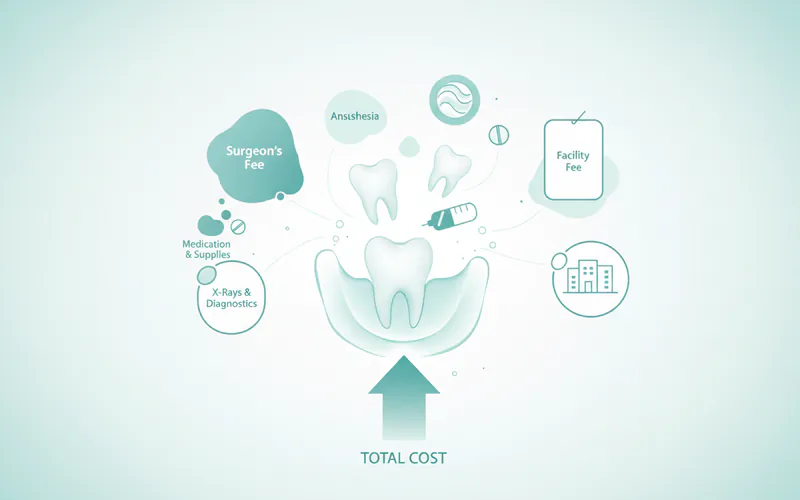
Average US Costs (Low, Mid, High Estimates Per Tooth, Without Insurance)
| Impaction Type | Low Estimate | Mid Estimate | High Estimate |
|---|---|---|---|
| Simple Eruption | $75 | $150 | $250 |
| Soft Tissue Impact | $200 | $300 | $400 |
| Partial Bony Impact | $250 | $375 | $500 |
| Full Bony Impact | $300 | $450 | $600+ |
Additional Cost Factors:
- Anesthesia: As detailed earlier, local is often included, but sedation can add $50 - $1,500+ depending on type and duration.
- Initial Consultation & X-rays: These can be separate fees, ranging from $50 - $200 for the consultation and $50 - $150 for a panoramic X-ray. Often, the X-ray is merged into the overall fee or billed to insurance.
- Post-Operative Visits: Usually included in the surgical fee, but confirm this.
- Medications: Prescribed pain medication and antibiotics will be an additional cost, usually $10 - $50 per prescription.
With vs. Without Insurance
- With Insurance: As discussed, dental insurance typically covers 50-80% of surgical extraction costs after your deductible is met. For example, if you have a $500 deductible and a plan that covers 80% of surgical extraction, a $2,000 procedure might leave you with an out-of-pocket cost of ($500 deductible + 20% of remaining $1,500 = $300) = $800. Remember annual maximums.
- Without Insurance: You will be responsible for the full cost. Many oral surgery offices offer discounts for upfront cash payment.
Payment Plans and Financing Options
- In-Office Payment Plans: Some oral surgery practices offer in-house payment plans, allowing you to pay for the procedure over several months, often without interest.
- Third-Party Financing: Companies like CareCredit are commonly used in dental and medical fields. They offer special financing options, including deferred interest plans for a certain period (e.g., 6, 12, or 18 months), if the balance is paid in full within that time.
- Personal Loans: Banks and credit unions offer personal loans that can cover medical expenses.
- Health Savings Accounts (HSAs) and Flexible Spending Accounts (FSAs): If you have an HSA or FSA through your employer, you can use pre-tax dollars saved in these accounts to pay for wisdom tooth removal, effectively reducing your overall cost.
Cost-Saving Tips
- Shop Around (Carefully): Get quotes from a few oral surgeons in your area. While cost is a factor, don't compromise on the surgeon's experience and reputation.
- Verify Insurance: Always confirm your coverage directly with your insurance provider and the surgeon's office.
- Proactive Removal: If recommended, having wisdom teeth removed in your late teens/early twenties is often less expensive and less complicated than waiting until problems arise later in life.
- Payment in Full Discount: Ask if there's a discount for paying the entire balance upfront in cash.
- Dental Schools: University dental schools often provide services at a reduced cost, as procedures are performed by students under the supervision of experienced faculty.
Frequently Asked Questions
What exactly are wisdom teeth, and why are they usually removed?
Wisdom teeth are your third molars, the last teeth to erupt, typically between ages 17-25. They are often removed because modern jaws often lack sufficient space, leading to impaction. Impaction can cause pain, infection, damage to adjacent teeth, and other oral health complications that are best prevented by removal.
How long does the wisdom tooth removal procedure itself take?
A single simple extraction might take 5-10 minutes. For an impacted wisdom tooth, a single extraction can take 20-30 minutes. If all four impacted wisdom teeth are removed in one sitting, the entire surgical procedure usually lasts between 30 minutes to 1.5 hours, depending on the complexity of the impaction and the type of anesthesia used.
Is wisdom tooth removal painful?
During the procedure, you should not feel pain due to local anesthesia and/or sedation. After the anesthesia wears off, you will experience discomfort, swelling, and pain. This pain is manageable with prescribed pain medication and over-the-counter anti-inflammatories, and it typically subsides significantly within 3-7 days.
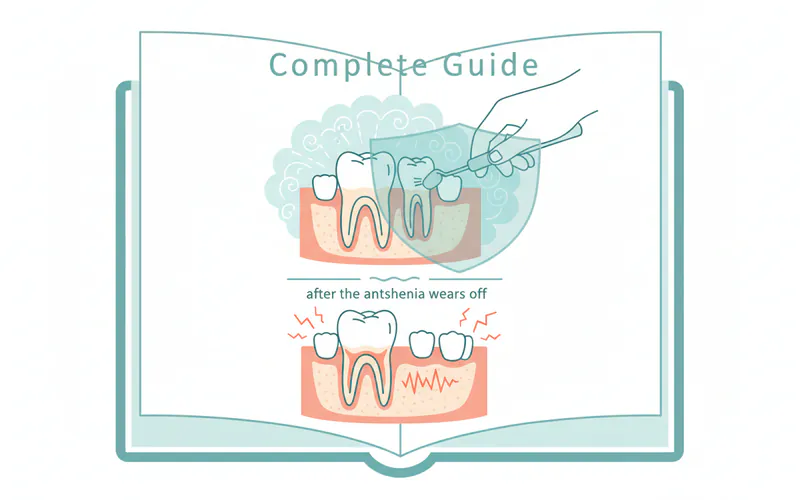
How long after wisdom teeth removal can I eat a burger?
You should wait at least 7-10 days, and ideally two weeks, before attempting to eat a burger. It's crucial for the extraction sites to heal sufficiently and for the blood clots to be stable. Start with soft foods for the first week, then gradually introduce more solid, non-chewy foods, cutting them into small pieces and chewing carefully away from the extraction sites.
What is a dry socket, and how can I prevent it?
A dry socket (alveolar osteitis) occurs when the blood clot in the extraction site dislodges or dissolves prematurely, exposing the bone and nerves. It causes severe pain, typically 3-5 days post-surgery. To prevent it, avoid spitting, rinsing vigorously, smoking, and using straws for at least 72 hours after surgery, as these actions can dislodge the clot.
When can I go back to school or work after wisdom tooth removal?
Most individuals can return to light activities, school, or sedentary work within 2-3 days after the procedure. If you had general anesthesia or IV sedation, you might need a full 24 hours of rest before feeling up to it. Avoid strenuous activities for at least a week to prevent complications and aid healing.
Are there any alternatives to wisdom tooth removal?
For truly problematic or impacted wisdom teeth, extraction is almost always the definitive treatment. Alternatives are usually temporary measures: antibiotics for infection, pain relievers for discomfort, or close monitoring for asymptomatic, non-problematic teeth. However, these do not resolve the underlying issue of impaction or potential future complications.
How much does wisdom tooth removal cost with insurance?
With dental insurance, the out-of-pocket cost can vary significantly. Simple extractions might be covered at 80-100%, while surgical extractions for impacted teeth are often covered at 50-80% after your deductible. Expect to pay anywhere from $100 to $1,500+ per tooth, depending on your plan's coverage, annual maximums, and the complexity of the procedure.
Can I drive myself home after the procedure?
If you receive any form of sedation (oral, IV, or general anesthesia), you absolutely cannot drive yourself home. The effects of these medications impair judgment and reaction time. You must arrange for a responsible adult to drive you home and stay with you for the first 24 hours. If you only receive local anesthesia, driving yourself home is usually permissible.
How long does the swelling last after wisdom tooth removal?
Swelling is a normal part of the healing process. It typically peaks around 48-72 hours after surgery. After this point, it should gradually start to subside, often resolving significantly within a week. Applying ice packs for the first 48 hours and then warm compresses can help manage and reduce swelling.
When to See a Dentist
While some discomfort and swelling are normal after wisdom tooth removal, certain signs warrant immediate attention from your oral surgeon or dentist. Knowing when to seek professional help can prevent minor issues from becoming serious complications.
Red Flags - Seek Immediate Attention (Emergency)
- Excessive or Persistent Bleeding: If bleeding is heavy and does not slow down or stop after biting firmly on gauze for an hour, or if you are frequently changing gauze due to saturation.
- Severe, Unrelenting Pain: Pain that is not relieved by prescribed medication, or pain that suddenly worsens significantly 3-5 days after surgery (a key indicator of dry socket).
- Signs of Infection: Increased swelling (especially after 3-5 days post-op), redness spreading beyond the surgical site, warmth, fever, pus drainage from the extraction site, or a foul taste/smell that wasn't present before.
- Numbness or Tingling That Persists: If numbness in your lip, chin, or tongue does not start to resolve within 24 hours or worsens.
- Difficulty Breathing or Swallowing: This is a rare but serious complication, indicating potentially severe swelling or an allergic reaction.
- Extreme Swelling that Impairs Vision: Any swelling that rapidly increases to an alarming degree or affects your eye should be reported immediately.
Routine Concerns vs. Emergency
- Mild Swelling and Bruising: Normal for the first week. Continue ice/warm compresses.
- Minor Oozing of Blood: Normal for the first 24 hours. Keep gauze in place.
- Mild to Moderate Pain: Normal and usually managed with prescribed medication.
- Difficulty Opening Mouth: Common due to jaw muscle stiffness; warm compresses and gentle jaw exercises can help after 48 hours.
- Foul Breath/Taste (without other infection signs): May indicate trapped food particles; gentle salt water rinses can help.
- Loose Sutures: If they are dissolvable, they are meant to fall out. If non-dissolvable, they will be removed at your follow-up.
Always err on the side of caution. If you are uncertain whether a symptom is normal or problematic, contact your oral surgeon or dentist. They are the best resource to guide you through your wisdom teeth removal recovery.
Frequently Asked Questions
Medically Reviewed Content
This article was written by our dental health editorial team and reviewed for medical accuracy. Our content follows strict editorial guidelines for reliability and trustworthiness.
Medical Disclaimer
This article is for informational purposes only and does not constitute medical advice. Always consult with a qualified dental professional for diagnosis and treatment. Do not delay seeking professional advice because of something you read on this website.
Related Articles
Oral Surgery: Complete Guide
More than 178 million Americans are missing at least one tooth, and millions more experience jaw pain, impacted wisdom teeth, or facial trauma annually. These common issues often lead to a specialized area of dentistry: oral surgery. Far from being a last resort, oral surgery encompasses a wide
February 22, 2026
When Do Wisdom Teeth Come in
When do wisdom teeth come in? It's a question many young adults ponder as they approach their late teens and early twenties, often accompanied by a mix of curiosity and apprehension. These late-arriving molars, officially known as third molars, represent a significant developmental milestone in your
February 22, 2026
Wisdom Teeth Removal Cost: Complete Price Guide 2026
For many young adults, the emergence of wisdom teeth – the third molars – is an inevitable rite of passage, often accompanied by discomfort and, eventually, a trip to the oral surgeon. In fact, approximately 85% of people will require wisdom teeth removal at some point in their lives, making it
February 22, 2026
Wisdom Tooth Extraction: Complete Guide
Have you ever experienced a throbbing ache deep in your jaw, or noticed swelling at the very back of your mouth? If so, you're not alone. An estimated 5 million people undergo wisdom tooth extraction in the United States each year, making it one of the most common oral surgical procedures. This
February 22, 2026