Affordable Dentures & Implants: Complete Guide
Key Takeaways
- Over 120 million Americans are missing at least one tooth, and more than 36 million are completely edentulous, meaning they have lost all their natural teeth. This significant challenge doesn't just impact a person's smile; it profoundly affects their ability to eat, speak, and their overall quality
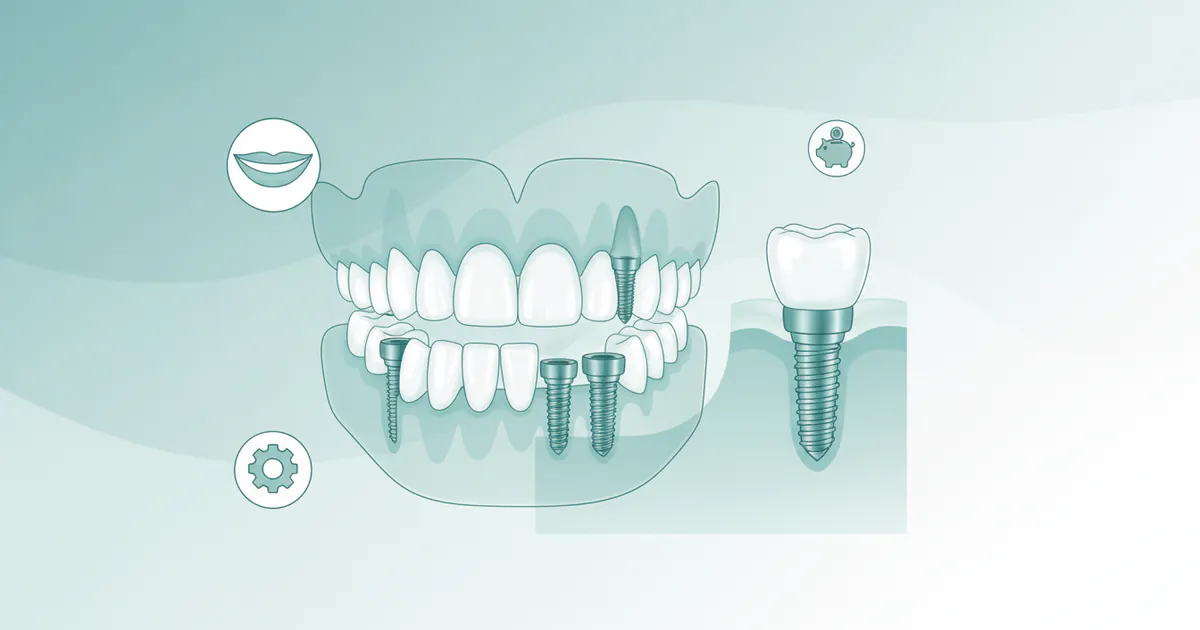
Over 120 million Americans are missing at least one tooth, and more than 36 million are completely edentulous, meaning they have lost all their natural teeth. This significant challenge doesn't just impact a person's smile; it profoundly affects their ability to eat, speak, and their overall quality of life and self-confidence. Facing tooth loss can feel overwhelming, especially when considering the perceived high costs of solutions. However, advancements in modern dentistry have made affordable dentures & implants more accessible than ever, offering durable, functional, and aesthetically pleasing options to restore your smile and health.
This comprehensive guide from SmilePedia.net aims to demystify the process, costs, and benefits of both dentures and dental implants. We'll explore the various types available, break down their associated costs, discuss insurance coverage and financing options, and provide valuable insights into what to expect during treatment and recovery. Our goal is to equip you with the knowledge to make an informed decision, ensuring you can achieve a healthy, confident smile without breaking the bank.
Key Takeaways:
- Dentures are removable prosthetics, generally more affordable upfront (ranging from $300 to $8,000+ per arch), suitable for various levels of tooth loss, and typically covered partially by basic dental insurance.
- Dental Implants are permanent, surgically placed titanium posts, offering superior stability and bone health benefits, but with a higher initial investment (ranging from $3,000 to $6,000+ for a single tooth and $20,000 to $50,000+ for full arch solutions).
- Hybrid Solutions like implant-supported dentures combine the stability of implants with the affordability of dentures, offering excellent value.
- Cost-Saving Strategies include seeking dental schools, exploring payment plans, leveraging dental discount plans, and carefully reviewing insurance policies.
- Timeline for dentures can be weeks, while implants often take 3-9 months, including healing and potential bone grafting.
- Maintenance is crucial for both; dentures require daily cleaning and periodic adjustments, while implants need diligent oral hygiene similar to natural teeth.
What It Is: Restoring Your Smile with Dentures and Implants
When facing tooth loss, restoring your dental function and aesthetics is paramount. Dentures and dental implants are the two primary categories of prosthetic solutions available today. Both aim to replace missing teeth, but they achieve this through fundamentally different mechanisms, offering distinct advantages and considerations.
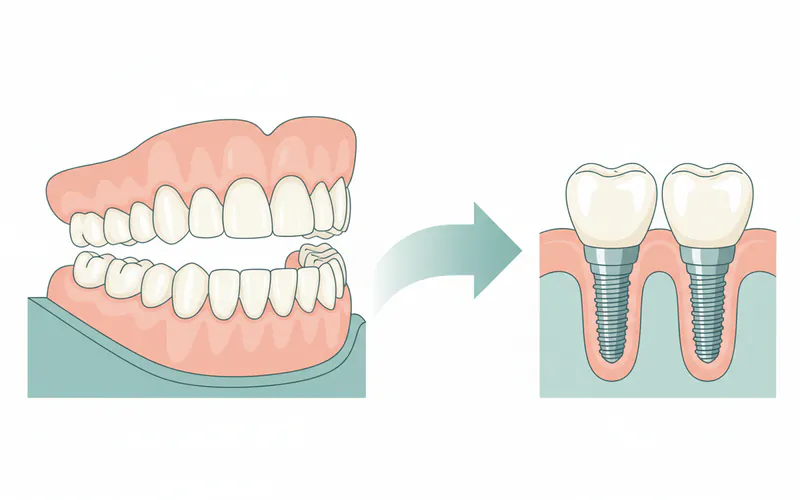
Dentures, also known as false teeth, are removable appliances that replace missing teeth and surrounding gum tissue. They are custom-made to fit comfortably in your mouth and are typically made from acrylic resin, sometimes with metal frameworks. They are a time-tested solution, offering a relatively quick and non-invasive way to restore a full smile.
Dental implants represent a more advanced, permanent solution. An implant consists of a small, screw-shaped post, usually made of titanium, that is surgically placed into the jawbone beneath the gum line. This post acts as an artificial tooth root, providing a stable foundation for a replacement tooth (crown), bridge, or even a full arch of teeth. Implants fuse with the jawbone over time through a process called osseointegration, offering unparalleled stability and preventing further bone loss.
The Importance of Addressing Tooth Loss
Beyond aesthetics, missing teeth can lead to a cascade of oral and systemic health issues:
- Difficulty Chewing: Impaired ability to chew food properly can lead to digestive issues and nutritional deficiencies.
- Speech Impairment: Missing teeth can affect pronunciation and clarity of speech.
- Shifting Teeth: Adjacent teeth can drift into the gap left by a missing tooth, leading to bite problems and alignment issues.
- Bone Loss: Without the stimulation of a tooth root, the jawbone in the area of the missing tooth will begin to resorb or shrink, leading to a sunken facial appearance over time. This is a critical factor that dental implants address directly.
- Decreased Self-Confidence: A compromised smile can significantly impact social interactions and overall quality of life.
Addressing tooth loss with appropriate prosthetics like dentures or implant teeth is crucial for maintaining oral health, facial structure, and overall well-being.
Types of Dentures and Implants
Understanding the variations within both dentures and implants is key to choosing the right solution for your specific needs and budget.
Types of Dentures
Dentures come in several forms, each designed for different situations of tooth loss.
1. Complete (Full) Dentures
These are used when all teeth in either the upper or lower arch (or both) are missing.
- Conventional Full Dentures: Made after all remaining teeth are removed and tissues have healed, which can take several months. During this healing period, you would be without teeth.
- Immediate Full Dentures: Fabricated in advance and placed immediately after tooth removal. This means you don't have to go without teeth. However, as your jawbone and gums heal and shrink, immediate dentures will require relines or refitting to maintain comfort and fit.
- Pros: Cost-effective initial solution, non-invasive (no surgery for placement), relatively quick fabrication.
- Cons: Can be unstable, may require adhesives, do not prevent bone loss, often need periodic relining/adjustments. Can affect taste and speech.
2. Partial Dentures (Removable Partial Dentures)
Used when some natural teeth remain. A partial denture consists of replacement teeth attached to a gum-colored plastic base, which connects to a metal framework that clasps onto your existing natural teeth for retention.
- Pros: Fills gaps, prevents remaining teeth from shifting, less expensive than implants for multiple missing teeth.
- Cons: Can put stress on natural teeth, not as stable as implants, requires daily removal for cleaning.
3. Flexible Partial Dentures
Made from a thermoplastic material, these dentures are more flexible and often more comfortable than traditional acrylic partials. They blend in well with existing gums.
- Pros: Comfortable, aesthetic, metal-clasp-free.
- Cons: Can be difficult to repair or reline, may absorb stains over time.
4. Implant-Supported/Retained Dentures (Overdentures)
These dentures are still removable but clip onto a small number of dental implants (typically 2-4) placed in the jawbone. This provides significantly enhanced stability and retention compared to conventional dentures.
- Pros: Much more stable than conventional dentures, reduces rubbing and sores, helps preserve jawbone, improves chewing efficiency.
- Cons: Higher cost than conventional dentures due to implants, requires surgery, still removable.
- Pro Tip: For patients seeking an upgrade from traditional dentures, implant-retained overdentures offer a fantastic balance of enhanced stability and relative affordability compared to fixed implant bridges.
``
Types of Dental Implants
Dental implants are versatile and can replace a single tooth, multiple teeth, or even a full arch.
1. Single Tooth Implants
This is the most common type, where one implant replaces one missing tooth. An implant post is placed, a connector (abutment) is attached, and a custom crown is placed on top.
- Pros: Acts and looks like a natural tooth, prevents bone loss, doesn't affect adjacent healthy teeth (unlike a bridge).
- Cons: Higher initial cost than a bridge, requires surgery, longer treatment time.
2. Multiple Tooth Implants (Implant-Supported Bridges)
If you have several missing teeth in a row, an implant-supported bridge can be used. Instead of needing an implant for every missing tooth, two or more implants can support a bridge of several crowns.
- Pros: More stable than traditional bridges, preserves jawbone, eliminates the need to grind down healthy adjacent teeth.
- Cons: Still requires surgery, higher cost than traditional bridges.
3. Full Arch Implants (Implant-Supported Full Bridges or All-on-4®/All-on-6®)
For those missing all teeth in an arch, full arch implant solutions provide a permanent, non-removable set of teeth.
- All-on-4®: A technique where a full arch of teeth is supported by just four strategically placed dental implants, often allowing for immediate provisional teeth.
- All-on-6®: Similar to All-on-4® but uses six implants for even greater stability, especially in the upper jaw where bone density might be lower.
- Pros: Most stable and natural-feeling replacement for full tooth loss, prevents bone loss, permanent (non-removable).
- Cons: Highest initial cost, requires significant surgical planning and execution.
4. Mini Dental Implants (MDIs)
Smaller in diameter than traditional implants, MDIs are sometimes used to stabilize lower dentures, especially when bone volume is limited or for patients seeking a less invasive procedure. They can sometimes be placed with immediate loading.
- Pros: Less invasive surgery, quicker placement, lower cost than traditional implants, good for stabilizing dentures.
- Cons: May not be as strong or durable as traditional implants in all situations, limited use cases.
Causes of Tooth Loss
Understanding why teeth are lost can help in prevention and in selecting the most appropriate replacement solution.
- Periodontal Disease (Gum Disease): This is the leading cause of tooth loss in adults. It's a bacterial infection that damages the soft tissue and bone supporting your teeth. If left untreated, the bone can erode to the point where teeth become loose and fall out or need extraction.
- Tooth Decay (Cavities): Extensive, untreated tooth decay can destroy enough tooth structure that the tooth cannot be restored with a filling or crown and must be extracted.
- Trauma or Injury: Accidents, sports injuries, or falls can lead to teeth being knocked out or fractured beyond repair.
- Bruxism (Teeth Grinding): Chronic grinding or clenching can wear down teeth, leading to cracks, fractures, and eventually tooth loss if not managed.
- Congenital Conditions: Some individuals are born with missing teeth (hypodontia) or genetic conditions that predispose them to tooth loss.
- Medical Conditions: Certain systemic diseases, such as uncontrolled diabetes, can increase the risk of gum disease and tooth loss. Treatments like radiation therapy to the head and neck can also damage teeth and supporting bone.
- Poor Oral Hygiene: Inadequate brushing and flossing allow plaque and tartar buildup, leading to decay and gum disease.
Treatment Options: A Detailed Look
Choosing between dentures and implants involves considering your current oral health, budget, lifestyle, and long-term goals.
Denture Treatment Process
The process for getting conventional dentures typically involves several appointments over a few weeks or months.
- Initial Consultation and Examination: Your dentist will examine your mouth, take X-rays, and discuss your options. Any remaining damaged teeth needing extraction will be identified.
- Extractions (if needed): If you have remaining teeth that need to be removed, this step occurs first. For immediate dentures, impressions are taken before extractions.
- Impressions and Molds: Detailed impressions of your mouth are taken to create accurate models of your jaw and gums.
- Wax Try-Ins: The dental lab creates a wax model of your dentures. You'll try these on to check the fit, bite, and appearance, making adjustments as needed. This ensures the final dentures look natural and feel comfortable.
- Final Denture Placement: Once you and your dentist are satisfied, the final dentures are fabricated. You'll receive them during a placement appointment, and your dentist will provide instructions on care and use.
- Adjustments: Initial discomfort and sore spots are common. You'll need follow-up appointments for adjustments to ensure a proper, comfortable fit.
Dental Implant Treatment Process
The implant process is more involved and takes longer, typically spanning 3 to 9 months, depending on individual healing and whether bone grafting is required.
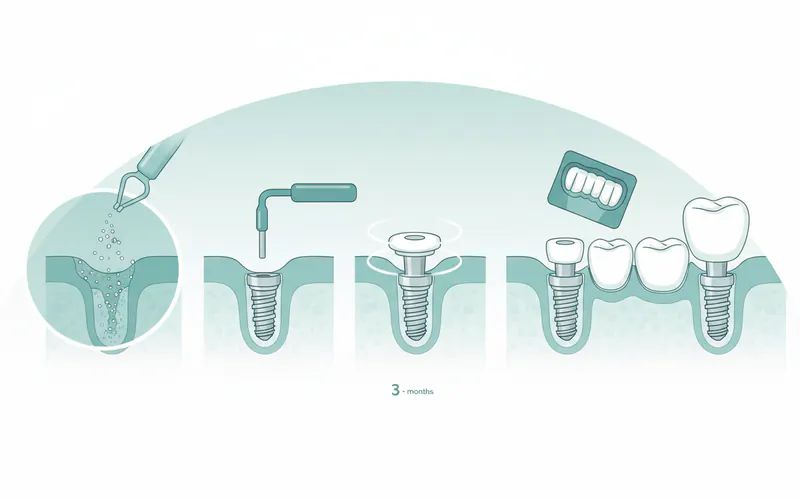
- Comprehensive Examination and Planning: This crucial first step involves detailed X-rays (including 3D cone-beam CT scans), models of your teeth, and a thorough assessment of your bone density and overall health. Your dentist or oral surgeon will create a precise surgical plan.
- Tooth Extraction (if needed) & Bone Grafting (if needed): If the tooth to be replaced is still present, it will be extracted. If there's insufficient jawbone to support an implant (common in areas where teeth have been missing for a long time), a bone grafting procedure will be performed. This adds bone material to the site, which then needs several months to heal and integrate before implant placement.
- Implant Placement Surgery: During this outpatient procedure, the titanium implant post is surgically placed into the jawbone. Local anesthesia is typically used, and sometimes sedation. After placement, the implant is often covered by gum tissue, allowing it to heal undisturbed. ``
- Osseointegration (Healing Period): This is the critical period where the implant fuses with your jawbone. It typically takes 3 to 6 months. During this time, you may wear a temporary crown or denture.
- Abutment Placement (if not already attached): Once osseointegration is complete, a small connector piece called an abutment is attached to the implant. This might require a minor second surgery to expose the implant.
- Crown/Prosthesis Placement: Impressions are taken of the abutment, and a custom crown, bridge, or full arch prosthetic is fabricated to precisely match your natural teeth. This final restoration is then securely attached to the abutment.
- Follow-Up Care: Regular dental check-ups are essential to monitor the implant's health and ensure proper hygiene.
Cost and Insurance: Making Affordable Choices
The cost of dentures and implants varies significantly based on the type of prosthetic, materials used, the complexity of your case, the need for additional procedures (like extractions or bone grafts), the geographic location of the dental practice, and the dentist's experience.
Average US Costs (Without Insurance)
These are general ranges, and actual prices can be higher or lower.
| Type of Prosthesis | Average Cost Range (Per Arch/Tooth) | Additional Notes |
|---|---|---|
| Complete Conventional Denture | $1,000 - $3,500 | For a basic, acrylic set. Premium sets can be $4,000 - $8,000+. |
| Immediate Full Denture | $1,200 - $4,000 | Often includes extractions; requires relines post-healing. |
| Partial Denture | $600 - $2,500 | Price varies by material (acrylic vs. metal framework) and number of teeth. |
| Flexible Partial Denture | $1,000 - $3,000 | Generally more comfortable and aesthetic. |
| Single Dental Implant | $3,000 - $6,000 | This is for the implant post, abutment, and crown. Doesn't include extractions/grafts. |
| Implant-Supported Bridge | $6,000 - $15,000+ | For 2-3 implants supporting a bridge of 3-4 teeth. |
| Implant-Retained Overdenture | $8,000 - $20,000+ | For one arch, typically 2-4 implants to stabilize a removable denture. |
| Full Arch Implants (All-on-4®) | $20,000 - $50,000+ | Per arch, can go higher for premium materials or complex cases. |
| Bone Grafting | $200 - $3,000+ | Varies by type and extent of graft (minor socket preservation vs. major sinus lift). |
| Tooth Extraction | $75 - $400 | Simple extraction; surgical extractions (e.g., impacted wisdom teeth) can be $200 - $600+. |
Understanding "Single Tooth Implant Cost Without Insurance"
This is a frequently searched term, highlighting the concern about dental implant costs. As shown above, the single tooth implant cost without insurance typically ranges from $3,000 to $6,000. This figure usually covers the implant fixture, the abutment (connector), and the custom-made crown. What it often doesn't include are any preparatory procedures, such as:
- Initial consultation and X-rays ($50 - $250)
- Tooth extraction ($75 - $400)
- Bone grafting if needed ($200 - $3,000+)
- Temporary crown or denture during healing ($300 - $1,000)
Therefore, when budgeting for a single tooth implant, it's wise to consider the potential for these additional costs. Always ask for a detailed, itemized treatment plan from your dentist.
Insurance Coverage
Dental insurance coverage for dentures and implants varies widely.
- Dentures: Most standard dental insurance plans offer some coverage for dentures, often classifying them as a "major procedure." Coverage typically ranges from 30% to 50% of the cost, after you've met your deductible. However, plans usually have annual maximums (often around $1,000 - $2,000), which may not fully cover premium dentures.
- Dental Implants: Coverage for implants is more complex. Many traditional insurance plans historically considered implants cosmetic and did not cover them. However, as implants are increasingly recognized as the standard of care for tooth replacement, more plans are beginning to offer partial coverage.
- Some plans may cover the surgical placement of the implant post but not the crown, or vice versa.
- Look for plans that specifically list "dental implants" under their benefits.
- Coverage, when available, is often similar to dentures, around 30% to 50%, subject to deductibles and annual maximums.
- Medical insurance may cover a portion of implant costs if tooth loss is due to an accident, injury, or a specific medical condition, so it's worth checking with your medical insurer.
Pro Tip: Always contact your insurance provider directly and request a detailed breakdown of your benefits. Ask for pre-authorization from your dentist's office for the proposed treatment to get an accurate estimate of what your insurance will cover.
Cost-Saving Tips and Financing Options
Even without comprehensive insurance, there are ways to make affordable dentures & implants a reality.
- Dental Schools: Universities with dental programs often offer reduced fees for treatments performed by students under the supervision of experienced faculty. The quality of care is high, though appointments may take longer.
- Payment Plans and In-House Financing: Many dental practices offer interest-free payment plans or partner with third-party financing companies (like CareCredit, Alphaeon Credit) that allow you to pay for treatment over several months or years.
- Dental Discount Plans: These are not insurance but membership programs where you pay an annual fee and receive discounts (typically 10-60%) on dental services from participating dentists.
- Community Dental Clinics & Federally Qualified Health Centers (FQHCs): These clinics often provide care on a sliding scale based on income, making dental services more accessible.
- Look for Promotional Offers: Some dental offices offer specials or discounts for new patients or specific procedures.
- Health Savings Accounts (HSAs) & Flexible Spending Accounts (FSAs): If you have access to these, you can use pre-tax dollars to pay for dental treatments, effectively saving you money.
- Phased Treatment: Discuss with your dentist if your treatment plan can be spread out over a longer period, allowing you to budget for each step separately. For example, completing extractions and bone grafting in one year and implant placement and restorations in the next, spreading the cost across two annual insurance maximums if applicable.
Recovery and Aftercare
Proper recovery and diligent aftercare are essential for the success and longevity of both dentures and implants.
Denture Recovery and Aftercare
- Initial Adjustment: Expect an adjustment period of several weeks. New dentures may feel bulky, and you might experience increased saliva flow, minor irritation, and difficulty speaking or eating initially.
- Eating: Start with soft foods cut into small pieces. Chew slowly using both sides of your mouth to prevent the dentures from tipping. Gradually introduce firmer foods. Avoid sticky or hard foods that can dislodge or damage dentures.
- Speaking: Practice reading aloud to adapt to speaking with dentures. Your tongue and cheek muscles will learn to keep them in place.
- Sore Spots: It's common to develop sore spots as your gums adjust. Contact your dentist for adjustments; do not try to adjust them yourself.
- Cleaning: Remove dentures daily for thorough cleaning. Brush them with a soft-bristled denture brush and a non-abrasive denture cleanser. Rinse well. Do NOT use regular toothpaste, which can be too abrasive.
- Overnight Care: Most dentists recommend removing dentures overnight to allow your gums to rest. Store them in water or a denture cleaning solution to prevent them from drying out and losing shape.
- Regular Check-ups: Schedule regular dental appointments (usually annually) for denture adjustments, relines, or rebasing as your jawbone naturally changes over time.
Dental Implant Recovery and Aftercare
- Immediate Post-Surgery: Expect some swelling, bruising, minor bleeding, and discomfort for a few days after implant surgery. Pain can usually be managed with over-the-counter pain relievers or prescribed medication.
- Diet: Stick to soft foods for the first few days to weeks after surgery to avoid disturbing the surgical site. Gradually return to your normal diet as comfort allows.
- Oral Hygiene: Maintain excellent oral hygiene, but be gentle around the surgical site. Your dentist will provide specific instructions, which may include using an antimicrobial mouthwash. Avoid brushing the surgical site directly for the first few days.
- Smoking: Avoid smoking during the entire healing process and beyond. Smoking significantly increases the risk of implant failure.
- Healing Time (Osseointegration): The most critical part of recovery is the 3-6 month period for osseointegration. It's vital not to put pressure on the implant during this time.
- Long-Term Care: Once your implant crown is placed, care is similar to natural teeth. Brush twice daily, floss daily, and use mouthwash. Regular dental check-ups and professional cleanings (typically every six months) are crucial to monitor the health of your implant and surrounding tissues. Special instruments are used to clean around implants to avoid scratching the titanium.
- Pro Tip: Even though implants can't get cavities, they can still be affected by peri-implantitis, a form of gum disease around implants, if not properly cleaned. Diligent home care and professional cleanings are non-negotiable for their longevity.
Prevention of Tooth Loss
While this article focuses on solutions for missing teeth, prevention is always the best approach.
- Maintain Excellent Oral Hygiene: Brush your teeth twice a day with fluoride toothpaste and floss daily. This is the foundation for preventing decay and gum disease, the two main culprits of tooth loss.
- Regular Dental Check-ups: Visit your dentist every six months for professional cleanings and examinations. Early detection of issues like cavities or gum disease can prevent them from escalating to tooth loss.
- Healthy Diet: Limit sugary foods and drinks that contribute to tooth decay. Consume a balanced diet rich in vitamins and minerals, especially calcium and vitamin D for strong bones and teeth.
- Protect Your Teeth: Wear a mouthguard during sports activities to prevent traumatic injuries. If you grind or clench your teeth (bruxism), wear a nightguard prescribed by your dentist.
- Avoid Tobacco Products: Smoking and chewing tobacco are major risk factors for gum disease and oral cancers, both of which can lead to tooth loss.
- Manage Systemic Diseases: If you have conditions like diabetes, control them effectively, as they can impact your oral health.
Risks and Complications
While both dentures and implants are generally safe and effective, potential risks and complications exist.
Denture Risks
- Poor Fit: Can lead to discomfort, sores, difficulty eating/speaking, and instability.
- Bone Resorption: Dentures do not stimulate the jawbone, leading to continued bone loss over time, which necessitates frequent relines or new dentures.
- Infections: Poor hygiene can lead to fungal infections (like thrush) or bacterial infections of the gums.
- Breakage: Dentures can crack or break if dropped or handled improperly.
- Speech and Eating Difficulties: Can persist for some individuals despite adjustments.
Dental Implant Risks
- Infection at the Implant Site: While rare, bacterial infection can occur after surgery.
- Nerve Damage: Though uncommon, especially with proper planning, implant placement can potentially damage nerves, leading to numbness, tingling, or pain in the lips, gums, or chin.
- Sinus Issues: For upper jaw implants, if the implant protrudes into the sinus cavity, it can cause sinusitis. This is usually mitigated with a sinus lift procedure beforehand.
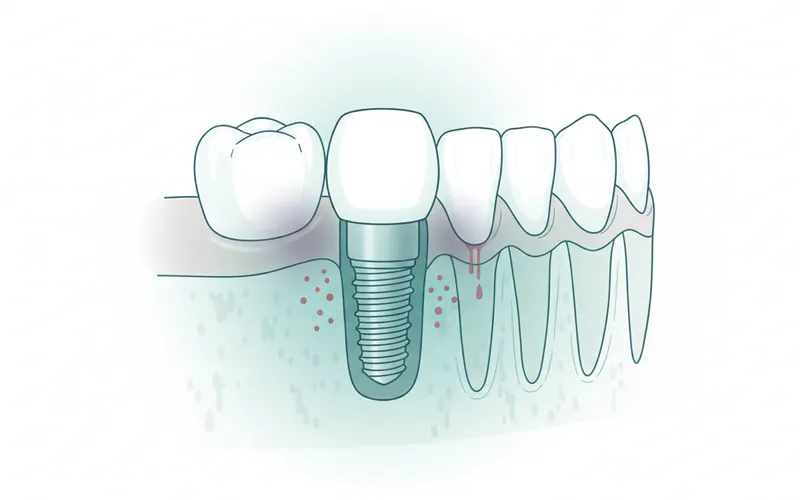
- Implant Failure: The implant may not properly fuse with the bone (osseointegration failure), or it can fail later due to poor oral hygiene (peri-implantitis) or excessive force. Smoking, uncontrolled diabetes, and certain medications increase the risk of failure.
- Swelling and Bruising: Normal post-surgical side effects, usually temporary.
- Peri-implantitis: A destructive inflammatory process affecting the soft and hard tissues surrounding dental implants, leading to bone loss around the implant. This is often caused by poor oral hygiene and can lead to implant loss. The ADA emphasizes the importance of diligent home care and regular professional maintenance to prevent this.
Comparison Table: Dentures vs. Dental Implants
This table provides a concise comparison to help you weigh your options for affordable dentures & implants.
| Feature | Conventional Dentures | Dental Implants (Single or Multiple) | Implant-Retained Overdentures |
|---|---|---|---|
| Cost (per arch/tooth) | $1,000 - $8,000+ | $3,000 - $6,000 per tooth (implant, abutment, crown); Full arch: $20,000 - $50,000+ | $8,000 - $20,000+ per arch (2-4 implants + denture) |
| Longevity | 5-10 years (requires relines/replacement) | 20+ years, often lifetime with proper care | 10-15+ years (denture may need replacement, implants last longer) |
| Stability/Security | Removable, can slip, may require adhesive | Fixed, very stable, functions like natural teeth | Removable, but snaps onto implants for much greater stability |
| Impact on Jawbone | Does NOT prevent bone loss; bone continues to resorb | PREVENTS bone loss by stimulating the jawbone | Significantly reduces bone loss compared to conventional dentures |
| Chewing Efficiency | ~20-30% of natural teeth | ~90-100% of natural teeth | ~60-80% of natural teeth |
| Comfort | Can cause sore spots, bulky, may affect taste | Very comfortable, feels natural | Comfortable, less bulk than conventional, no palate coverage for upper |
| Maintenance | Daily removal and cleaning; periodic relines/adjustments | Brush and floss like natural teeth; regular dental check-ups | Daily removal and cleaning of denture; brush implants; regular check-ups |
| Treatment Time | Weeks to a few months | 3-9 months (including healing), longer with bone grafting | 3-9 months |
| Invasiveness | Non-surgical | Surgical procedure required | Surgical procedure for implants |
Children / Pediatric Considerations
Dental implants and traditional dentures are generally not suitable for children or adolescents whose jawbones are still growing. Placing implants in a developing jaw can interfere with growth and lead to complications. For similar reasons, permanent complete dentures are not typically considered.
However, if a child loses a primary (baby) tooth prematurely or an adolescent loses a permanent tooth due to trauma or congenital reasons, temporary solutions are often used:
- Space Maintainers: For missing primary teeth, a space maintainer can be used to hold the space open for the permanent tooth to erupt correctly.
- Removable Partial Dentures (Flippers): For aesthetic purposes and to prevent adjacent teeth from shifting, a temporary removable partial denture can be fabricated for an adolescent with a missing permanent tooth. These are typically lightweight and designed to be replaced as the jaw develops.
- Orthodontic Solutions: Orthodontics may be used to close spaces or create optimal spacing for future implant placement once growth is complete (typically in late teens to early twenties).
The primary goal in pediatric cases is to preserve space, maintain proper chewing function, and manage aesthetics until the child's jaw has fully developed, at which point permanent solutions like dental implants can be considered.
Cost Breakdown: Detailed Financial Planning
Understanding the full financial picture for affordable dentures & implants requires breaking down potential costs and exploring all payment avenues.
Average US Costs: A Deeper Dive
As mentioned, costs vary. Here's a look at factors that influence price:
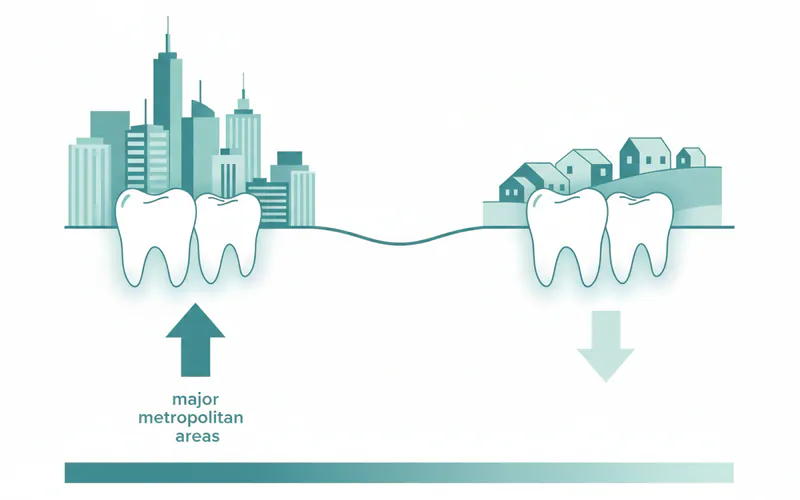
- Location: Major metropolitan areas often have higher dental costs than rural areas.
- Dentist's Experience/Specialty: A highly experienced prosthodontist or oral surgeon may charge more than a general dentist.
- Materials: Premium materials (e.g., zirconia crowns for implants, specialized acrylic for dentures) will increase costs.
- Additional Procedures: The need for extractions, bone grafts, sinus lifts, or periodontal treatment will add significantly to the overall price.
Let's consider a scenario for a single tooth implant cost without insurance:
- Low End: A general dentist in a lower cost-of-living area, simple case, no extractions or bone graft needed: $3,000 - $3,500.
- Mid-Range: An experienced general dentist or specialist, standard case, perhaps a simple extraction but no graft: $3,500 - $5,000.
- High End: A specialist (periodontist/oral surgeon for placement, prosthodontist for restoration) in a high cost-of-living area, complex case, premium materials, requiring an extraction and possibly a minor bone graft: $5,000 - $8,000+.
For full arch solutions like All-on-4®, the $20,000 - $50,000+ range usually includes all surgical fees, implants, and the provisional and final prostheses for one arch. If both upper and lower arches are done, the cost would effectively double.
Payment Plans and Financing Options
Many dental offices understand the significant investment required for comprehensive dental work and offer flexible payment solutions:
- In-Office Payment Plans: Some practices allow patients to make incremental payments over time, often interest-free for shorter periods.
- Third-Party Medical Financing: Companies like CareCredit, LendingClub, or Alphaeon Credit specialize in healthcare financing. They offer various plans, including interest-free options for a set period (e.g., 6, 12, 18, or 24 months) or extended plans with fixed interest rates. Approval is based on credit history.
- Credit Cards: While convenient, be cautious of high interest rates if you can't pay off the balance quickly.
- Personal Loans: Banks and credit unions offer personal loans that can be used for any purpose, including dental work. These typically have lower interest rates than credit cards.
Pro Tip: Don't let upfront costs deter you from exploring treatment. Always discuss financing options with your dental office's financial coordinator. They are experienced in navigating these discussions and can help you find a manageable payment solution.
Cost-Saving Tips Revisited
- Comparative Shopping: Get quotes from 2-3 different dentists. Ensure they provide an itemized breakdown of costs so you can compare "apples to apples."
- Negotiate: Some practices may be willing to offer a slight discount, especially if paying in full with cash. It never hurts to ask politely.
- Travel for Treatment: In some cases, patients may travel to areas with lower living costs or even across state borders to find more affordable dentures & implants. Research clinics thoroughly if considering this option.
- Utilize Your Existing Benefits: If you have an FSA or HSA, maximize its use. Plan ahead to contribute enough to cover anticipated dental expenses.
Frequently Asked Questions
What's the main difference between dentures and implants in terms of function?
The main difference is stability and permanence. Dentures are removable and rest on the gums, providing limited chewing efficiency and potentially slipping. Implants are surgically fused with the jawbone, acting as natural tooth roots, offering superior stability, chewing power, and a permanent, natural feel. Implant-retained dentures offer a middle ground, being removable but much more stable than traditional dentures.
How long do dentures and implants typically last?
Conventional full and partial dentures typically last 5-10 years before needing replacement, relining, or rebasing due to changes in jawbone structure. Dental implants, with proper care and oral hygiene, can last 20 years to a lifetime. The crowns on implants might need replacement after 10-15 years, but the implant post itself is very durable.
Is getting dental implants painful?
During the implant placement surgery, you will be under local anesthesia, so you shouldn't feel pain. Post-surgery, some discomfort, swelling, and minor pain are normal, usually manageable with over-the-counter pain relievers or prescribed medication. Most patients report that the discomfort is less than expected.
Can I get a single tooth implant if I'm missing more than one tooth?
Yes, you can opt for multiple single tooth implants if you're missing several teeth, provided there's sufficient bone. Alternatively, an implant-supported bridge can replace several missing teeth with fewer implants (e.g., two implants supporting three or four crowns).
Are there any age restrictions for dental implants?
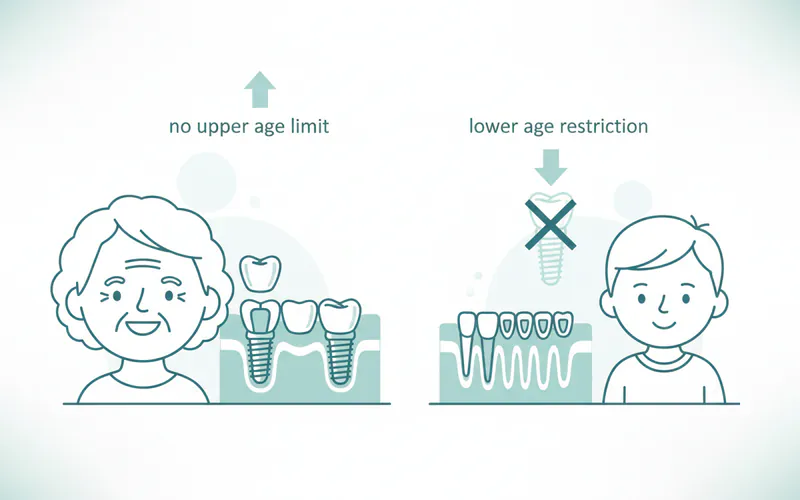
There are no upper age restrictions for dental implants; many elderly patients are excellent candidates. However, there is a lower age restriction. Implants are not placed until the jawbone has fully developed, typically in the late teens to early twenties, to avoid interfering with natural growth.
What are the alternatives to dentures and implants?
For single or multiple missing teeth, a traditional dental bridge is an alternative. It uses adjacent healthy teeth as anchors to support a prosthetic tooth. However, this requires modifying (grinding down) healthy teeth. For full tooth loss, there are no direct alternatives to dentures or implants that restore function and aesthetics as effectively.
How do I know if I'm a good candidate for dental implants?
Good candidates generally have healthy gums, sufficient jawbone density to support the implants, and are committed to excellent oral hygiene. Conditions like uncontrolled diabetes, heavy smoking, or certain medical treatments can affect candidacy. A thorough dental examination, including X-rays and scans, by a dentist or oral surgeon is necessary to determine if implants are right for you.
What is the recovery time for dentures versus implants?
For dentures, the recovery is an adjustment period to wearing them, which can take several weeks for speech and eating. For dental implants, initial surgical recovery is a few days to a week. The critical healing period for osseointegration (when the implant fuses with the bone) is 3-6 months before the final crown is placed.
Can I get affordable dentures & implants even with bone loss?
Yes, even with some bone loss, many patients can still get implants. Procedures like bone grafting (adding bone material) or a sinus lift (for the upper jaw) can augment the jawbone to make implant placement possible. These procedures add to the overall cost and treatment time but make implants a viable option for many who initially lacked sufficient bone.
Does insurance cover the cost of bone grafting or extractions for implants?
Coverage for ancillary procedures like bone grafting or extractions often depends on your specific dental insurance plan. Some plans may cover these as necessary preliminary procedures, while others may not. It's crucial to check with your insurance provider for detailed information on what aspects of implant treatment are covered.
When to See a Dentist
Regular dental check-ups are essential for maintaining oral health and preventing issues that could lead to tooth loss. However, there are specific signs that indicate you should see a dentist promptly, whether it's for routine care or a potential emergency.
Immediate Attention (Emergency/Urgent)
- Sudden Tooth Loss: If a tooth is knocked out due to trauma, seek immediate dental care. The tooth might be reimplanted within a short time frame (ideally within 30-60 minutes).
- Severe Toothache: Intense, persistent tooth pain, especially if accompanied by swelling, fever, or difficulty swallowing, could indicate a serious infection or abscess.
- Broken or Fractured Tooth: A significant tooth fracture, especially if it's painful or exposes the inner pulp, needs urgent attention.
- Lost Filling or Crown with Pain: While not always an emergency, if a lost filling or crown causes severe pain or sensitivity, see your dentist quickly.
- Loose or Unstable Denture Causing Sores: If your denture is suddenly very loose and causing severe pain, bleeding, or open sores in your mouth, it needs immediate adjustment to prevent infection and further damage.
- Signs of Implant Failure: If you have an existing implant and experience sudden pain, swelling, mobility, or discharge around it, contact your dentist or oral surgeon immediately.
Scheduled Appointment (Routine/Non-Urgent)
- Missing Teeth: If you have one or more missing teeth and are considering replacement options like dentures or implants, schedule a consultation to discuss your specific needs and a treatment plan.
- Loose or Ill-Fitting Dentures (without severe pain): If your dentures are feeling progressively loose or causing minor discomfort, it's time for a check-up to see if they need relining, rebasing, or replacement. This prevents future severe issues.
- Difficulty Chewing or Speaking: If you notice a gradual decline in your ability to chew certain foods or speak clearly, it could be a sign of underlying dental issues or poorly fitting prosthetics.
- Changes in Your Bite: Any noticeable shifts in how your upper and lower teeth meet could indicate issues requiring dental assessment.
- Routine Check-ups and Cleanings: These should be scheduled every six months, even if you wear dentures or have implants, to monitor oral health, clean remaining teeth, and assess the condition of your prosthetics.
Taking proactive steps and seeking professional dental advice when needed are crucial for maintaining a healthy and functional smile, whether through your natural teeth, dentures, or implant teeth.
Frequently Asked Questions
Medically Reviewed Content
This article was written by our dental health editorial team and reviewed for medical accuracy. Our content follows strict editorial guidelines for reliability and trustworthiness.
Medical Disclaimer
This article is for informational purposes only and does not constitute medical advice. Always consult with a qualified dental professional for diagnosis and treatment. Do not delay seeking professional advice because of something you read on this website.
Related Articles
Implantologist: Complete Guide
Losing a tooth can be a significant setback, impacting not only your smile but also your ability to speak, chew, and maintain overall oral health. In fact, over 3 million Americans currently have dental implants, and that number is projected to grow significantly as more people seek a durable, n
March 8, 2026
Dentures Over Implants: Complete Guide
Missing multiple teeth or even an entire arch can profoundly impact your life, affecting everything from your ability to chew and speak to your self-confidence. For millions of Americans, traditional removable dentures have long been a solution, but they often come with compromises: slipping, discom
March 8, 2026
Implants Process: Complete Guide
Missing teeth can impact more than just your smile; they can affect your ability to eat, speak, and even your overall confidence. In fact, over 178 million Americans are missing at least one tooth, and about 40 million are missing all of their teeth. When faced with tooth loss, understanding the
March 8, 2026
Implants Dentaires: Complete Guide
Missing teeth can dramatically impact not just your smile, but your overall health, confidence, and quality of life. In the United States, an estimated 178 million adults are missing at least one tooth, while approximately 40 million are missing all their teeth. These statistics underscore a
March 8, 2026