Implants With Dentures: Complete Guide
Key Takeaways
- When significant tooth loss impacts your daily life, the journey to restoring a functional, confident smile can feel overwhelming. Many Americans grapple with the challenges of missing teeth; in fact, an estimated 36 million Americans are completely edentulous (have no teeth), and this number is
When significant tooth loss impacts your daily life, the journey to restoring a functional, confident smile can feel overwhelming. Many Americans grapple with the challenges of missing teeth; in fact, an estimated 36 million Americans are completely edentulous (have no teeth), and this number is projected to grow. For decades, traditional dentures offered a solution, but often came with drawbacks like instability, discomfort, and difficulty eating. Thankfully, modern dentistry offers a revolutionary advancement: implants with dentures. This innovative approach combines the stability and health benefits of dental implants with the convenience and aesthetics of dentures, providing a superior solution for those seeking enhanced quality of life.
This comprehensive guide from SmilePedia.net will explore everything you need to know about dentures and implants, from understanding the different types and the step-by-step treatment process to costs, recovery, and long-term care. You'll discover how this treatment can transform your oral health, chewing ability, and overall confidence.
Key Takeaways:
- Implants with dentures combine the stability of dental implants with the aesthetics of a full arch prosthetic, offering a superior alternative to traditional dentures.
- Two main types exist: removable implant-supported overdentures (often called "snap-in" dentures) and fixed implant-supported hybrid dentures (e.g., All-on-4).
- Cost ranges significantly: from $8,000 to $25,000 per arch for removable options and $15,000 to $30,000+ per arch for fixed options, influenced by location, materials, and complexity.
- Treatment timeline typically spans 4 to 9 months, including initial consultations, implant placement, healing (osseointegration), and final denture fabrication.
- Benefits include vastly improved chewing efficiency (up to 90% of natural teeth), enhanced speech, preserved jawbone health, and a significant boost in self-confidence.
- Maintenance is crucial: Daily cleaning, regular dental check-ups, and professional cleanings are essential for the longevity of your implants and dentures.
- Insurance coverage is limited: While dental insurance may cover portions of the denture or pre-surgical procedures, implant components are often considered cosmetic or major restorative and typically receive minimal or no coverage.
What It Is: Overview of Implants With Dentures
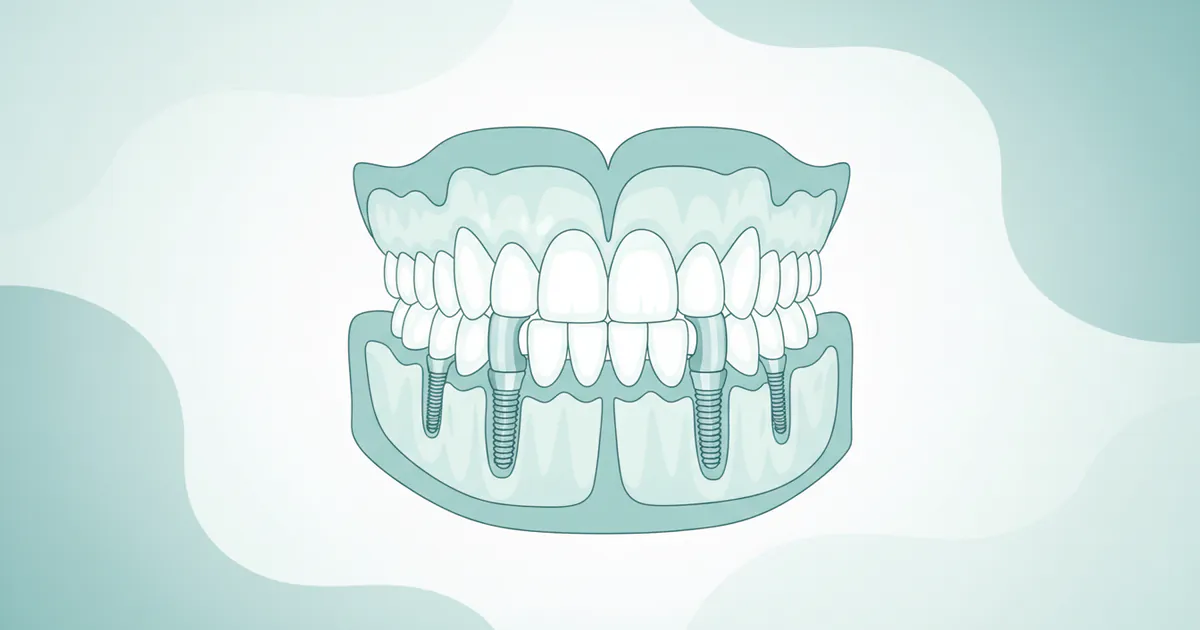
Implants with dentures, often referred to as implant-supported dentures or implant overdentures, represent a significant leap forward in restorative dentistry for individuals missing most or all of their teeth in an arch. At its core, this treatment involves using a small number of dental implants (typically two to eight per arch) surgically placed into the jawbone to securely anchor a custom-fabricated denture. Unlike traditional dentures that rely solely on suction and adhesive, implant-supported dentures "snap" or screw into place, providing unparalleled stability, comfort, and function.
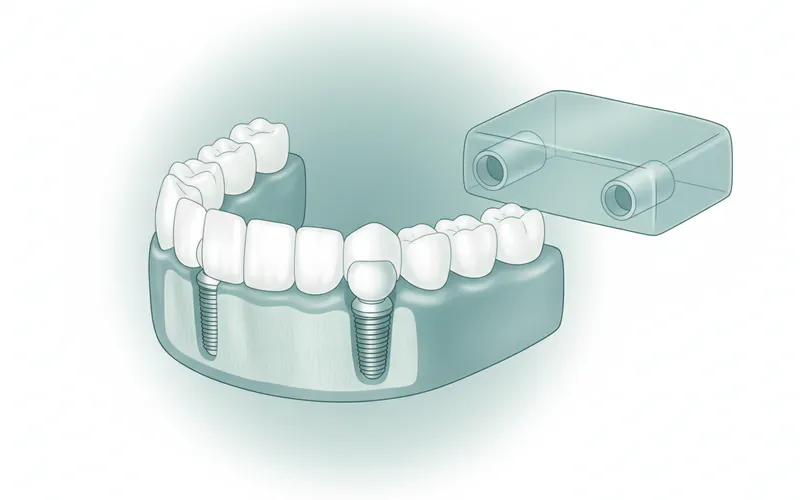
The fundamental components are:
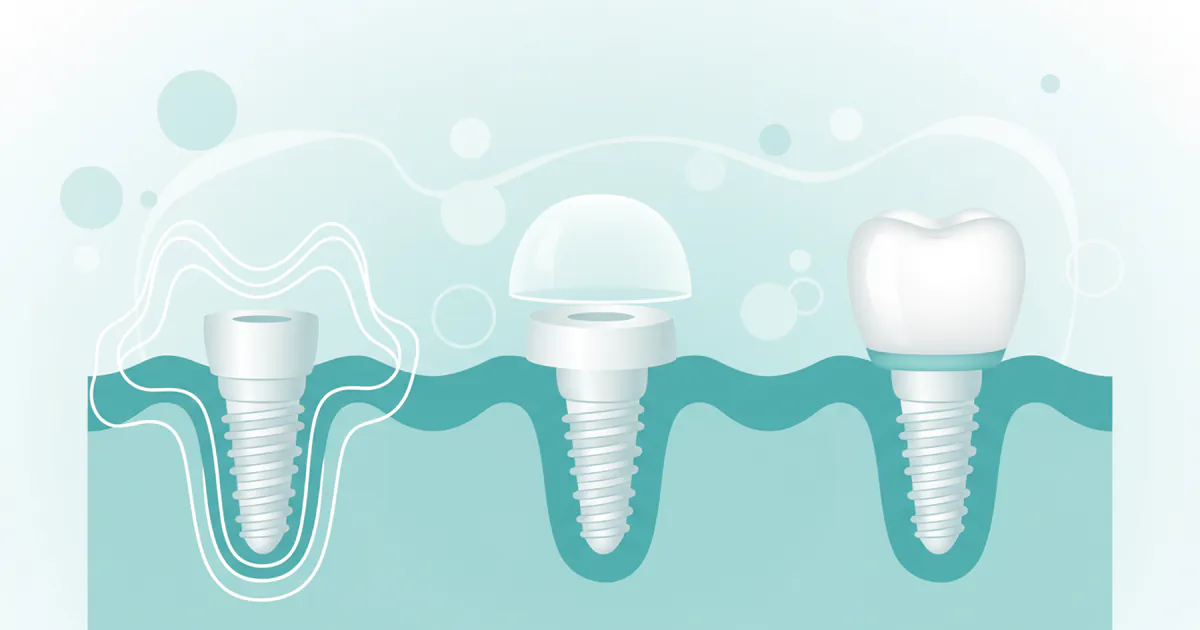
- Dental Implants: These are small, biocompatible (usually titanium) screw-shaped posts that are surgically placed into the jawbone. They act as artificial tooth roots, providing a stable foundation.
- Abutments: These are connectors that attach to the top of the implants and protrude through the gum line, serving as the attachment points for the denture.
- Denture: A custom-made prosthetic arch of artificial teeth and gum material, designed to look and feel natural.
The synergy between these components means the denture is firmly held in place, eliminating the common problems associated with conventional dentures, such as slipping, clicking, and reduced chewing ability. This stability not only restores the ability to eat a wider variety of foods but also helps prevent further bone loss in the jaw, a crucial health benefit that traditional dentures cannot offer. By preserving the jawbone, implant-supported dentures help maintain facial structure and prevent the "sunken" appearance often seen in long-term denture wearers.
Types of Implants With Dentures
The world of implant-supported dentures offers several variations, each designed to meet different patient needs, anatomical considerations, and budget constraints. The primary distinction lies in whether the denture is removable by the patient or permanently fixed in place.
Removable Implant-Supported Dentures (Overdentures)
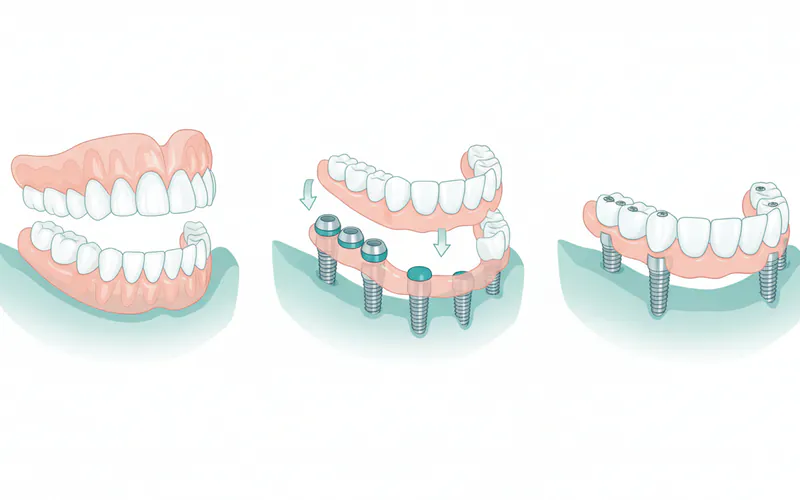
Removable implant-supported dentures, often called "snap-in" dentures, provide enhanced stability while still allowing the patient to remove them for cleaning. This is a popular choice for those transitioning from traditional dentures, as it offers a significant upgrade in security without the higher cost or permanence of fixed options.
Locator-Retained Overdentures
This is the most common type of removable implant-supported denture.
- Mechanism: The denture contains special attachments (typically nylon or metal caps, often called "locators") that snap onto corresponding ball or bar-shaped abutments placed on the dental implants.
- Number of Implants: Usually requires two to four implants in the lower jaw and four to six implants in the upper jaw due to differing bone density.
- Pros:
- Significantly more stable than traditional dentures.
- Improved chewing and speech.
- Easier to clean both the denture and the implant sites.
- Generally less expensive than fixed options.
- Can often be adapted from existing dentures if they are in good condition.
- Cons:
- Still removable, which some patients dislike.
- May require replacement of the locator attachments every 6-12 months due to wear, adding a minor recurring cost.
- Some palatal coverage may still be necessary for the upper denture.
Bar-Retained Overdentures
- Mechanism: A thin metal bar is fabricated to custom-fit and connect two to five implants. The denture then clips or snaps onto this bar using clips or other attachments embedded in the denture's underside.
- Number of Implants: Typically two to five implants per arch.
- Pros:
- Offers even greater stability than locator-retained overdentures.
- Distributes chewing forces more evenly across the implants.
- Can be an excellent option for patients with moderate bone loss.
- Cons:
- More complex fabrication than locator-retained, potentially increasing cost.
- Cleaning underneath the bar can be more challenging, requiring specialized tools.
- Still a removable appliance.
Fixed Implant-Supported Dentures (Hybrid Dentures / All-on-X)
Fixed implant-supported dentures are permanently secured to the implants and can only be removed by a dentist. These offer the highest level of stability, function, and aesthetics, most closely mimicking natural teeth. The "All-on-X" concept refers to supporting a full arch of teeth on a minimal number of implants (e.g., All-on-4, All-on-6).
All-on-4® / All-on-6®
- Mechanism: A full arch of prosthetic teeth is securely screwed onto four or six strategically placed dental implants, often angled to maximize contact with existing bone and avoid anatomical structures like the sinus cavity. This often allows patients to avoid bone grafting.
- Number of Implants: Typically four to six implants per arch.
- Pros:
- Highest stability and chewing efficiency: Restores up to 90% of natural chewing power.
- Permanent solution: Functions like natural teeth, no need to remove.
- Eliminates palatal coverage: For the upper arch, this means improved taste and sensation.
- Bone preservation: Prevents jawbone deterioration.
- Immediate function (in some cases): A temporary set of teeth can often be placed on the same day as implant surgery ("Teeth-in-a-Day"), allowing you to leave with a functional smile.
- Cons:
- Higher cost: Generally the most expensive option.
- More complex hygiene: Requires specialized cleaning techniques (water flossers, interdental brushes) as the denture is fixed.
- Cannot be removed by the patient for cleaning.
- Repairing a fixed denture can be more involved if it gets damaged.
Treatment Options: Choosing Your Path to a Stable Smile
When considering implants with dentures, understanding the different treatment paths and their respective advantages and disadvantages is crucial. Your dentist will help you determine the best option based on your oral health, bone density, aesthetic goals, and budget.
Traditional Dentures (for context)
- Pros: Lowest initial cost, non-invasive (no surgery).
- Cons: Least stable (rely on suction/adhesives), can slip and cause sores, significantly reduced chewing ability (only 10-20% of natural teeth), do not prevent bone loss, often require frequent relines, can affect speech and taste (upper denture covers palate).
Removable Implant-Supported Overdentures
- Pros: Enhanced stability over traditional dentures, improved chewing (up to 50% of natural teeth) and speech, easier cleaning by patient, lower cost than fixed options, preserves some jawbone, can often be converted from existing dentures.
- Cons: Still removable, may have some bulk in the mouth, locator attachments need periodic replacement, some minor movement possible.
Fixed Implant-Supported Dentures (Hybrid Dentures / All-on-X)
- Pros: Maximum stability, highest chewing efficiency (up to 90% of natural teeth), most natural feel and appearance, no palatal coverage for upper arch (improving taste), excellent bone preservation, can often provide temporary teeth on the same day.
- Cons: Highest initial cost, more complex daily hygiene (cannot be removed by patient), more invasive procedure, requires sufficient bone density (though All-on-4 mitigates this).
Here’s a comparison table summarizing these options:
| Feature | Traditional Dentures | Removable Implant Overdentures | Fixed Hybrid Dentures (All-on-X) |
|---|---|---|---|
| Stability | Poor (suction/adhesives) | Good (snaps onto implants) | Excellent (screwed onto implants) |
| Chewing Efficiency | ~10-20% of natural teeth | ~50% of natural teeth | ~70-90% of natural teeth |
| Bone Preservation | None (accelerates bone loss) | Good (implants stimulate bone) | Excellent (implants stimulate bone) |
| Removability by Patient | Yes | Yes (for cleaning) | No (only by dentist) |
| Palatal Coverage (Upper) | Yes (can affect taste/sensation) | Often some, but less than traditional | No (open palate) |
| Cost per Arch (Est. US) | $1,500 - $4,000 | $8,000 - $25,000 | $15,000 - $30,000+ |
| Typical Implants Needed | 0 | 2-6 | 4-6 |
| Ease of Cleaning | Easy (remove and brush) | Easy (remove and brush) | Moderate (requires special tools) |
| Feel / Naturalness | Least natural | Much more natural than traditional | Most natural, like natural teeth |
Materials Used in Implant-Supported Dentures
The materials chosen for your denture and its supporting framework significantly impact its durability, aesthetics, and cost.
- Denture Teeth:
- Acrylic Resin: Most common, affordable, and easily repaired. Can wear down over time.
- Porcelain: More durable and aesthetic than acrylic but also more expensive and can be brittle or cause wear on opposing natural teeth. Less common for full dentures now.
- Zirconia: Extremely durable and aesthetic, often used for fixed hybrid dentures. Highest cost.
- Denture Base/Frame:
- Acrylic: Used for the pink gum portion.
- Metal Frame (Titanium or Chrome Cobalt): Often integrated into fixed hybrid dentures or bar-retained overdentures for superior strength and stability. This sub-structure adds significant durability.
Step-by-Step Process: What to Expect During Treatment
Embarking on the journey to implants with dentures involves several distinct phases, ensuring meticulous planning and successful integration. While specific timelines can vary, here's a general overview of the process:
1. Initial Consultation and Diagnostic Phase
- Comprehensive Examination: Your dentist will conduct a thorough oral examination, review your medical and dental history, and discuss your goals.
- Imaging: X-rays, 3D Cone Beam Computed Tomography (CBCT) scans, and digital impressions will be taken. These images are crucial for assessing bone quantity and quality, identifying vital structures (like nerves and sinuses), and planning precise implant placement.
- Treatment Plan: Based on the diagnostics, your dentist will develop a customized treatment plan, outlining the number of implants, the type of implant-supported denture, materials, timeline, and estimated costs. This is your opportunity to ask questions.
2. Pre-Treatment Procedures (If Needed)
- Tooth Extractions: Any remaining compromised teeth in the arch will be extracted.
- Bone Grafting: If you have insufficient jawbone density to support implants, a bone grafting procedure may be necessary. This involves adding bone material (from your own body, a donor, or synthetic sources) to augment the jaw. This procedure can add 3-9 months to the overall treatment timeline for healing.
- Gum Disease Treatment: Any active gum disease must be treated and resolved before implant surgery.
3. Dental Implant Placement Surgery
- Anesthesia: The procedure is typically performed under local anesthesia, often combined with oral or IV sedation to ensure your comfort.
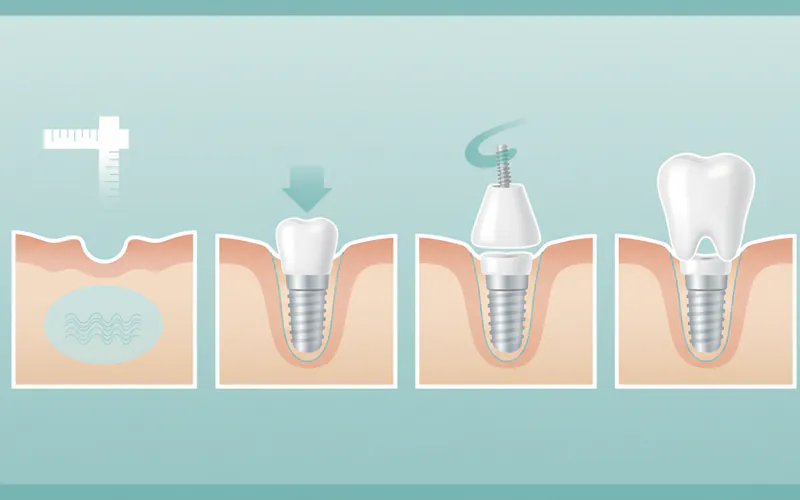
- Surgical Placement: The dentist or oral surgeon will make small incisions in your gum tissue to expose the jawbone. Pilot holes are precisely drilled, and the dental implants are then carefully screwed into place.
- Healing Caps/Temporary Denture: Depending on the treatment plan, temporary healing caps might be placed over the implants, or in some cases (e.g., All-on-4 "Teeth-in-a-Day"), a temporary set of dentures can be attached immediately.
- Duration: Implant placement for a full arch can take 1-3 hours.
4. Osseointegration (Healing Period)
- Bone Fusion: This critical phase involves the implants fusing directly with the surrounding jawbone, a process called osseointegration. This creates a strong, stable foundation for your new teeth.
- Duration: Osseointegration typically takes 3 to 6 months, depending on individual healing capabilities and bone quality. During this time, you may wear a temporary denture (if one wasn't placed immediately) that does not put pressure on the healing implants.
5. Abutment Placement (Second Stage Surgery, if necessary)
- For some implant systems, after osseointegration, a minor follow-up procedure is needed to uncover the implants and attach the abutments (the connectors that will link the implants to the denture). This is usually a quick procedure under local anesthesia. For other systems, the abutment is placed at the time of implant surgery.
6. Denture Fabrication and Attachment
- Impressions: Once the implants are fully integrated and abutments are in place, precise impressions of your mouth and the implant locations are taken.
- Denture Design and Try-in: These impressions are sent to a dental lab where your custom denture is fabricated. You'll have "try-in" appointments to ensure the fit, bite, and aesthetics are perfect before the final denture is made.
- Final Attachment:
- Removable Overdentures: The denture with its locator attachments is gently snapped onto the implant abutments. Your dentist will ensure a secure fit and proper function.
- Fixed Hybrid Dentures: The final prosthetic is screwed securely into the abutments, making it a permanent fixture.
7. Follow-up and Maintenance
- Adjustments: Initial adjustments may be needed as you get used to your new teeth.
- Regular Check-ups: Routine dental visits are essential to monitor the health of your implants and tissues, and for professional cleaning of your fixed dentures or assessment of your removable ones.
Pro Tip: Be patient with the healing process. Rushing through osseointegration can compromise the long-term success of your implants. Follow all post-operative instructions diligently.
Cost and Insurance: Understanding the Financial Aspect
Investing in implants with dentures is an investment in your long-term health, comfort, and quality of life. The cost can vary significantly based on several factors, and understanding these will help you plan.
Factors Influencing Cost
- Type of Implant-Supported Denture: Fixed hybrid dentures (e.g., All-on-4) are generally more expensive than removable overdentures.
- Number of Implants: More implants mean higher costs.
- Materials: Premium materials (e.g., zirconia for fixed dentures) will increase the price.
- Geographic Location: Costs vary significantly across different regions of the US. Major metropolitan areas (e.g., New York, Los Angeles) tend to have higher prices than rural areas.
- Complexity of Case:
- Bone Grafting: If you require bone augmentation, this adds substantially to the cost. A single site bone graft can range from $200 to $1,200, while a more extensive sinus lift or block graft can be $1,500 to $5,000+.
- Extractions: The cost of extracting remaining teeth will also factor in, typically $75 - $300 per tooth for simple extractions, and $200 - $600+ per tooth for surgical extractions.
- Sedation: Anesthesia costs (oral sedation: $150-$500, IV sedation: $500-$1,500+) add to the overall bill.
- Provider's Experience: Highly experienced periodontists or oral surgeons may charge more for their expertise.
Estimated US Price Ranges (Per Arch)
| Type of Treatment | Estimated Cost Range (USD) per Arch | Key Factors |
|---|---|---|
| Removable Overdenture | $8,000 - $25,000 | 2-4 implants, locator attachments, acrylic denture, extractions, bone grafting (if needed), geographic location |
| Fixed Hybrid Denture | $15,000 - $30,000+ | 4-6 implants (All-on-4/6), metal-reinforced acrylic or zirconia prosthetic, extractions, bone grafting (if needed), geographic location |
Average Cost Examples:
- A lower arch, 2-implant supported overdenture might be around $8,000 - $15,000.
- A full upper arch All-on-4 might range from $20,000 - $30,000+.
- These costs are often per arch, so replacing both upper and lower arches would roughly double these figures.
Insurance Coverage
Dental insurance typically offers limited coverage for dental implants.
- Dental Insurance: Most dental plans classify implants as a "major restorative" procedure and may cover anywhere from 0% to 50%, with annual maximums often capping at $1,000 - $2,000. They may cover portions of the preliminary work (extractions, bone grafting) or the denture itself, but rarely the implant placement. Always check your specific policy.
- Medical Insurance: In rare cases, if tooth loss is due to a traumatic injury or a serious medical condition (e.g., oral cancer), your medical insurance might cover a portion of the implant surgery. This is uncommon and requires specific justification from your dentist.
- HSA/FSA: Health Savings Accounts (HSAs) and Flexible Spending Accounts (FSAs) are excellent ways to pay for implant-supported dentures with pre-tax dollars.
Payment Plans and Financing Options
Given the significant investment, many dental practices offer various financial solutions:
- In-house Payment Plans: Many offices provide flexible payment schedules spread over several months.
- Third-Party Financing: Companies like CareCredit®, LendingClub®, or Alphaeon Credit offer specialized healthcare financing with various interest rates and payment terms, including 0% interest for an introductory period.
- Dental Schools: University dental schools often provide services at a reduced cost, as procedures are performed by students under the supervision of experienced faculty. This can significantly lower costs but may involve longer appointment times.
Pro Tip: Always get a detailed, written treatment plan with an itemized cost breakdown before committing to treatment. Discuss all financial options with your dental office's financial coordinator.
Recovery and Aftercare
Successful recovery and long-term maintenance are paramount for the longevity and health of your implants and dentures.
Immediate Post-Operative Care (First 7-14 Days)
- Pain Management: You'll likely experience some discomfort. Over-the-counter pain relievers (like ibuprofen) or prescription medication (if needed) will manage this.
- Swelling and Bruising: Expect some swelling and bruising around the surgical sites. Apply ice packs to the outside of your face for 20 minutes on, 20 minutes off, for the first 24-48 hours.
- Bleeding: Minor bleeding is normal. Gauze pads can be used to apply pressure to the surgical area.
- Diet: Stick to soft foods and liquids for the first few days or weeks. Avoid hot liquids, crunchy, or sticky foods. Gradually reintroduce more solid foods as comfort allows.
- Oral Hygiene:
- Avoid brushing directly on surgical sites for a few days.
- Rinse gently with a prescribed antimicrobial mouthwash (like chlorhexidine) or warm salt water (1/2 teaspoon salt in 8 ounces of warm water) to keep the area clean. Avoid vigorous rinsing.
- Activity: Avoid strenuous physical activity for at least 48-72 hours post-surgery to prevent increased bleeding and swelling.
- Smoking: Absolutely avoid smoking, as it severely impedes healing and increases the risk of implant failure.
Long-Term Aftercare and Maintenance
Once your implants have integrated and your permanent dentures are in place, consistent long-term care is vital.
For Removable Implant Overdentures:
- Daily Removal and Cleaning: Remove your denture daily. Brush all surfaces of the denture with a soft-bristled brush and non-abrasive denture cleaner. Soak it overnight in a denture cleaning solution.
- Implant Site Cleaning: Use a soft toothbrush and/or specialized implant brush to gently clean around the abutments and implants in your mouth. You may use a water flosser on a low setting.
- Locator Maintenance: The nylon inserts (retentive caps) in your overdenture will wear down over time and typically need to be replaced every 6-12 months by your dentist. This is a quick and inexpensive procedure, usually costing $50-$150 per set of caps.
- Denture Relines: Over time, your jawbone will naturally resorb slightly even with implants, and your denture may become less snug. Regular relines (every 3-7 years) will ensure a proper fit and stability.
For Fixed Implant Hybrid Dentures (All-on-X):
- Meticulous Daily Hygiene: Because these dentures are not removable by you, diligent cleaning is crucial to prevent food and plaque buildup underneath and around the implants.
- Use a soft-bristled toothbrush to brush all accessible surfaces.
- Water Flosser: An essential tool for fixed dentures. Use it daily to flush out food particles and plaque from under the denture and around the implants.
- Interdental Brushes/Proxabrushes: These tiny brushes can help clean around the implant posts and under the arch.
- Super Floss® or Implant Floss: Designed to thread under the bridge and clean around the implants.
- Regular Dental Check-ups and Professional Cleanings: Schedule visits every six months to your dentist. These appointments are critical for:
- Monitoring the health of your implants and surrounding tissues.
- Professional cleaning, which may involve removing the fixed denture to thoroughly clean underneath and tighten any screws.
- Checking for any signs of peri-implantitis or mechanical issues.
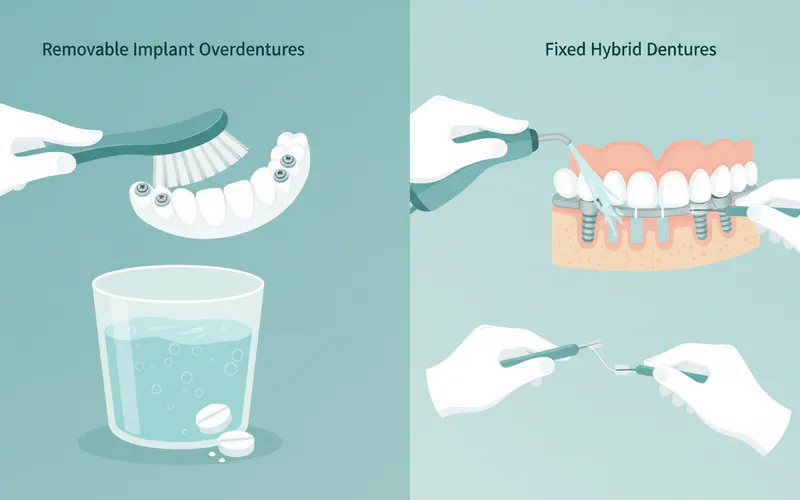
Pro Tip: Treat your implant-supported dentures like natural teeth. Regular brushing, flossing (or specialized cleaning), and dental visits are non-negotiable for their long-term success.
Prevention of Complications
While implants with dentures offer a robust solution, certain measures can prevent potential complications and ensure their longevity. This isn't about preventing the need for them, but rather preventing issues once they are in place.
- Maintain Excellent Oral Hygiene: This is the most critical preventative measure. Plaque and bacteria can lead to peri-implantitis, a gum disease specific to implants that can cause bone loss and implant failure. Follow the specific cleaning instructions for your type of implant-supported denture.
- Regular Dental Check-ups: Adhere to a schedule of professional cleanings and examinations, typically every six months. Your dentist and hygienist can spot early signs of trouble and address them before they escalate.
- Avoid Damaging Habits:
- Smoking: Smoking significantly increases the risk of implant failure and peri-implantitis. Quitting is highly recommended.
- Grinding or Clenching (Bruxism): If you grind or clench your teeth, your dentist may recommend a nightguard to protect your implants and prosthetic from excessive forces.
- Using Teeth as Tools: Avoid using your teeth to open packages, bite nails, or chew on ice.
- Follow Dietary Recommendations: While implant-supported dentures allow for a much wider diet, be cautious with extremely hard or sticky foods, especially initially, to avoid damage to the prosthetic.
- Promptly Address Issues: Don't ignore discomfort, looseness, or pain. Contact your dentist immediately if you notice any changes with your implants or dentures.
Risks and Complications
While dental implant procedures have a high success rate (often above 95%), like any surgical procedure, there are potential risks and complications.
Surgical Risks (Short-term)
- Infection: Though rare, infection at the implant site can occur. This is often managed with antibiotics.
- Nerve Damage: Implants placed near major nerves (especially in the lower jaw) can, in rare instances, cause numbness, tingling, or pain in the lip, chin, or tongue. Careful planning with 3D imaging minimizes this risk.
- Sinus Perforation: For upper jaw implants, there's a slight risk of perforating the sinus cavity. This is usually managed during surgery or may require a sinus lift.
- Excessive Bleeding: While some bleeding is normal, prolonged or heavy bleeding needs attention.
- Anesthesia Complications: Risks associated with local or general anesthesia are rare but exist.
Implant-Specific Complications (Long-term)
- Osseointegration Failure: The implant may fail to fuse with the jawbone. This can be due to poor bone quality, infection, smoking, or excessive force during the healing period. A failed implant typically needs to be removed, and another attempt can be made after the site heals.
- Peri-Implantitis: This is a bacterial infection and inflammatory response around the implant, similar to gum disease (periodontitis) around natural teeth. If left untreated, it can lead to bone loss around the implant and eventually implant failure. Poor oral hygiene and smoking are significant risk factors.
- Implant Fracture: Extremely rare, but an implant itself can fracture under immense, prolonged stress.
- Loss of Bone around Implants: Without proper care, or due to certain medical conditions, bone loss can still occur around the implants, compromising their stability.
Denture-Specific Complications
- Denture Breakage or Chipping: While implant-supported dentures are strong, they can still chip or break, especially if made of acrylic.
- Attachment Wear (for removable overdentures): Locator caps or clips will wear out over time and need periodic replacement.
- Screw Loosening/Fracture (for fixed dentures): The screws holding the fixed denture to the implants can loosen or, rarely, fracture. This requires professional tightening or replacement.
- Denture Relining Needs: Even with implants, the underlying gum tissue can change slightly over many years, necessitating relines for removable overdentures to ensure optimal fit.
- Speech and Eating Adjustment: While greatly improved, there's still an adjustment period to new dentures, and minor speech impediments or difficulty with certain foods can occur initially.
Pro Tip: Adhere to all post-operative instructions, maintain excellent oral hygiene, attend all follow-up appointments, and report any concerns immediately to your dental professional to minimize risks.
Children / Pediatric Considerations
Dental implants, including those used to support dentures, are generally not recommended for children or adolescents. This is because their jawbones are still growing and developing. Placing implants before the jaw has fully matured (typically in the late teens or early twenties) could interfere with growth, potentially leading to implant failure or misalignment as the facial structure continues to change.
In cases of significant tooth loss in children due to trauma or congenital conditions, temporary solutions like removable partial dentures or orthodontic space maintainers are usually employed until the child reaches skeletal maturity, at which point dental implants can be considered. The focus in pediatric dentistry for tooth replacement is always on maintaining proper bite and function while accommodating ongoing growth.
Frequently Asked Questions
How long do implants with dentures last?
With proper care and regular maintenance, dental implants themselves can last a lifetime. The dentures attached to them, whether removable or fixed, may need replacement or significant refurbishment every 10-15 years due to wear and tear on the prosthetic material, though the underlying implants should remain stable.
Is the procedure painful?
During the implant placement surgery, you will be comfortably numb with local anesthesia, and sedation options are often available to enhance your comfort. Most patients report only mild to moderate discomfort in the days following the surgery, which is manageable with over-the-counter pain relievers or prescribed medication.
What are the alternatives to implants with dentures?
The primary alternative is traditional full dentures, which are removable and rely on suction or adhesive for retention. While less expensive, they offer significantly less stability, chewing power, and do not prevent jawbone loss. Partial dentures are an option if you only have some missing teeth, but not for complete tooth loss.
Can I get implants with dentures if I have bone loss?
Yes, often. While significant bone loss can complicate treatment, many patients with moderate bone loss are still candidates. Techniques like bone grafting can augment insufficient bone, and specialized implant systems like All-on-4 are designed to work with less existing bone by using angled implants in denser bone areas. A thorough 3D scan will determine your suitability.
How long does the entire process take?
The entire process, from initial consultation to final denture placement, typically spans 4 to 9 months. This includes time for extractions (if needed), implant placement, a crucial 3-6 month healing period (osseointegration), and then the fabrication and fitting of your custom denture. If bone grafting is required, the timeline can extend further.
How do I clean implants with dentures?
For removable overdentures, you'll remove and brush them daily like traditional dentures, while also cleaning around the exposed implant abutments in your mouth. For fixed hybrid dentures, diligent daily cleaning involves brushing, using a water flosser, and specialized interdental brushes to clean under and around the fixed prosthetic. Regular professional cleanings are essential for both types.
Can I eat normally with them?
One of the biggest benefits of implants with dentures is greatly improved chewing ability. With removable overdentures, you can eat a much wider range of foods than with traditional dentures. Fixed hybrid dentures (like All-on-4) offer chewing power comparable to natural teeth, allowing you to enjoy virtually any food with confidence.
Are they covered by insurance?
Dental insurance coverage for implants is often limited, typically classifying them as a "major restorative" procedure with partial coverage (e.g., 50%) up to an annual maximum, which is often insufficient to cover the full cost. Some plans may cover portions of the denture or pre-surgical procedures. It's crucial to check your specific policy and discuss coverage with your dental office.
What is the difference between All-on-4 and traditional implants with dentures?
"Traditional" implants with dentures usually refer to removable overdentures (snap-in dentures) supported by 2-6 implants. All-on-4 is a specific type of fixed implant-supported denture where a full arch prosthetic is permanently screwed onto four strategically placed implants, offering maximum stability and convenience, without being removable by the patient.
How often do they need to be replaced or adjusted?
Dental implants are designed to be a permanent solution. However, the prosthetic denture itself may need adjustments, relines (for removable overdentures), or replacement every 10-15 years due to normal wear and tear. Locator attachments on removable overdentures typically need replacement every 6-12 months.
When to See a Dentist
Maintaining optimal oral health with implants and dentures requires vigilance and timely professional intervention. Knowing when to contact your dentist is crucial to prevent minor issues from becoming major complications.
Red Flags Requiring Immediate Attention (Emergency):
- Severe or Persistent Pain: Any intense pain that doesn't subside with over-the-counter medication, especially if it's new or worsening around an implant site.
- Significant Swelling or Pus: Signs of infection, such as pronounced swelling, redness, warmth, or the presence of pus around an implant or under your denture, demand immediate evaluation.
- Loose or Mobile Implant: If an implant itself feels loose or wobbly, this is a critical issue that needs immediate attention from your dentist or oral surgeon. This could indicate implant failure.
- Trauma or Damage: If your denture breaks significantly, or you experience trauma to your mouth that affects your implants, seek prompt professional care.
- Difficulty Breathing or Swallowing: Although rare, any post-operative swelling or reaction that impedes your breathing or swallowing is an emergency.
Signs Warranting a Scheduled Appointment (Non-Emergency):
- Loose Denture (Removable): If your snap-in denture feels less secure or starts to move more than usual, it may be time to replace the locator attachments or consider a reline.
- Discomfort or Sore Spots: Persistent rubbing or discomfort from your denture, even if minor, should be addressed. It could indicate a need for adjustment.
- Difficulty Cleaning: If you find it increasingly challenging to clean around your implants or under your fixed denture, consult your hygienist or dentist for advice or special cleaning tools.
- Changes in Bite: If your bite feels "off" or uncomfortable, it might indicate wear on the denture or shifting of components.
- Visible Damage: Minor cracks, chips, or signs of wear on your denture should be checked to prevent further damage.
- Routine Follow-ups: Even without specific concerns, adhere to your recommended schedule of regular dental check-ups and professional cleanings (typically every six months to a year). These visits are essential for preventing issues and ensuring the long-term success of your implants and dentures.
Pro Tip: Do not attempt to fix or adjust your implants or dentures yourself. Always consult your dental professional for any concerns or issues. Early detection and intervention are key to preserving your oral health and investment.
Frequently Asked Questions
Medically Reviewed Content
This article was written by our dental health editorial team and reviewed for medical accuracy. Our content follows strict editorial guidelines for reliability and trustworthiness.
Medical Disclaimer
This article is for informational purposes only and does not constitute medical advice. Always consult with a qualified dental professional for diagnosis and treatment. Do not delay seeking professional advice because of something you read on this website.
Related Articles
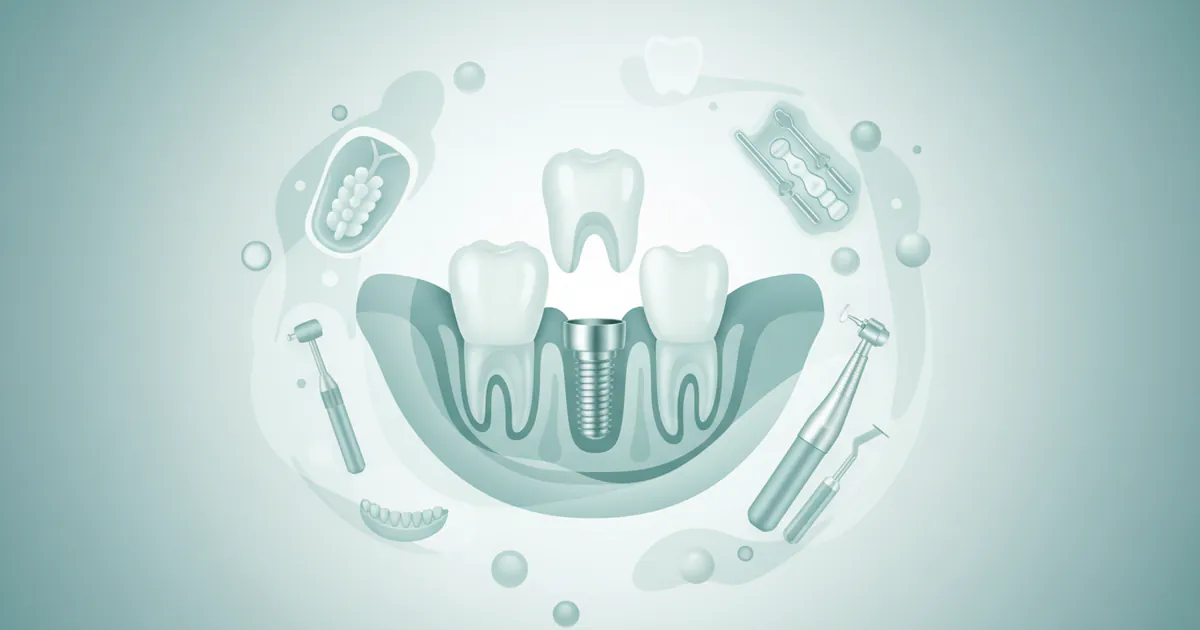
Implantologist: Complete Guide
Losing a tooth can be a significant setback, impacting not only your smile but also your ability to speak, chew, and maintain overall oral health. In fact, over 3 million Americans currently have dental implants, and that number is projected to grow significantly as more people seek a durable, n
March 8, 2026
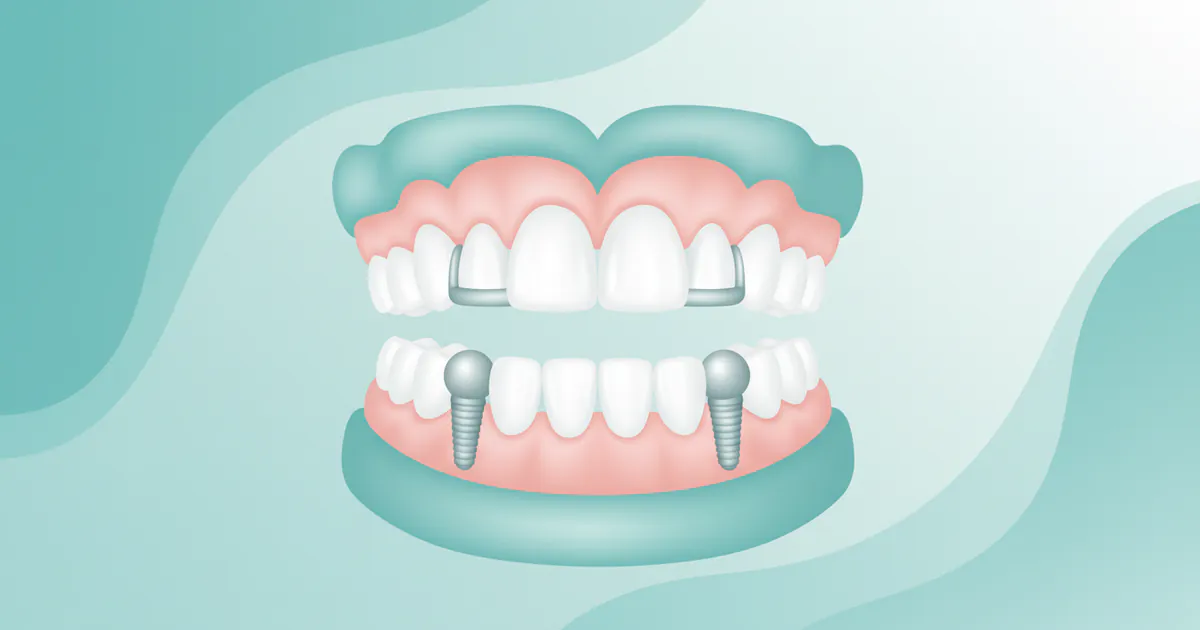
Dentures Over Implants: Complete Guide
Missing multiple teeth or even an entire arch can profoundly impact your life, affecting everything from your ability to chew and speak to your self-confidence. For millions of Americans, traditional removable dentures have long been a solution, but they often come with compromises: slipping, discom
March 8, 2026
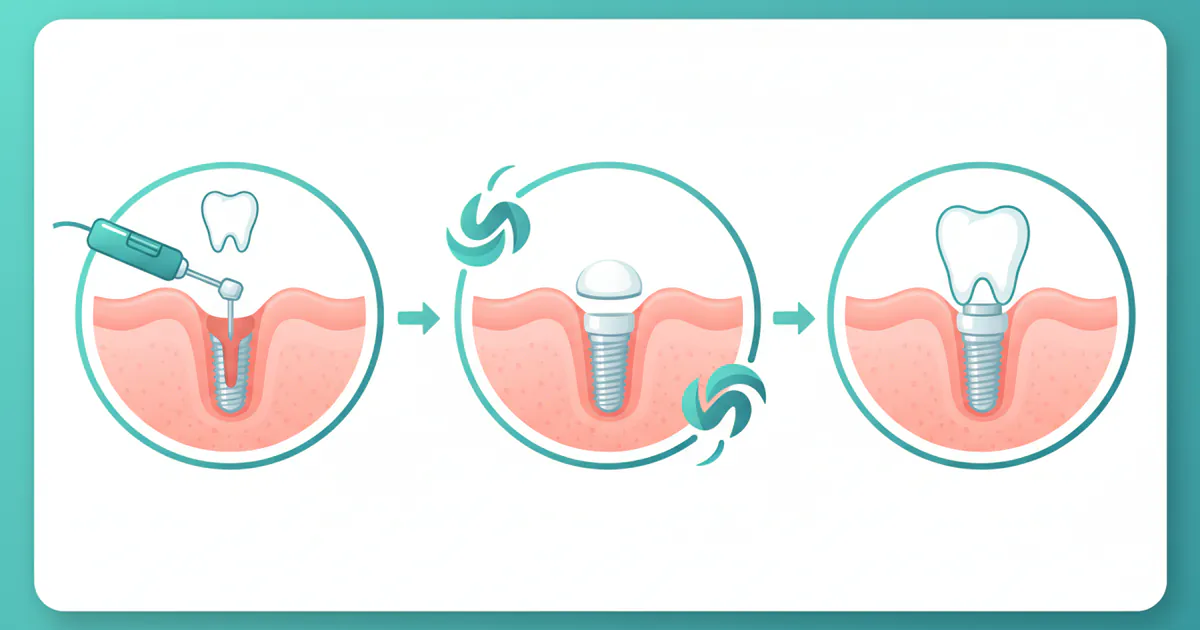
Implants Process: Complete Guide
Missing teeth can impact more than just your smile; they can affect your ability to eat, speak, and even your overall confidence. In fact, over 178 million Americans are missing at least one tooth, and about 40 million are missing all of their teeth. When faced with tooth loss, understanding the
March 8, 2026
Implants Dentaires: Complete Guide
Missing teeth can dramatically impact not just your smile, but your overall health, confidence, and quality of life. In the United States, an estimated 178 million adults are missing at least one tooth, while approximately 40 million are missing all their teeth. These statistics underscore a
March 8, 2026