All on 4 Teeth: Complete Guide
Key Takeaways
- Imagine a life free from the frustrations of traditional dentures – no more slipping, no more messy adhesives, and no more dietary restrictions. For millions of Americans facing significant tooth loss, this dream is becoming a reality. The American College of Prosthodontists estimates that 120 milli
All on 4 Teeth: Complete Guide
Imagine a life free from the frustrations of traditional dentures – no more slipping, no more messy adhesives, and no more dietary restrictions. For millions of Americans facing significant tooth loss, this dream is becoming a reality. The American College of Prosthodontists estimates that 120 million Americans are missing at least one tooth, and more than 36 million are missing all their teeth in one or both jaws. While conventional dentures offer a solution, they often come with compromises to comfort, confidence, and oral health. This is where all on 4 teeth technology steps in, revolutionizing full-arch tooth replacement.

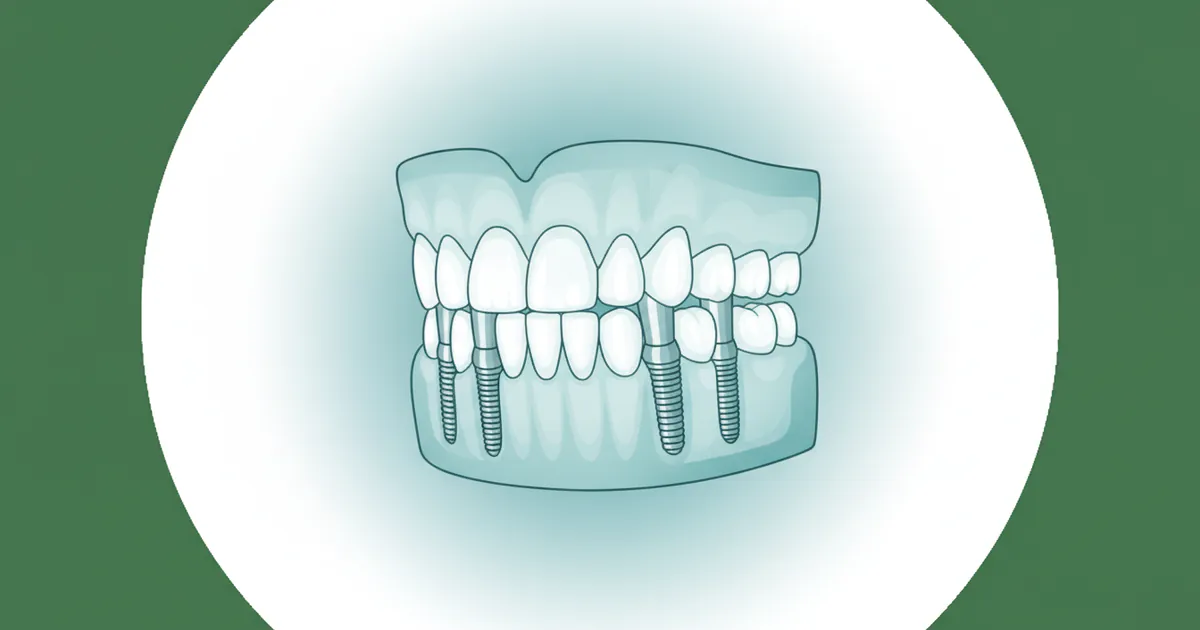
The All-on-4® treatment concept offers a sophisticated and highly effective solution for individuals looking to restore an entire arch of teeth (either upper, lower, or both) with a fixed, permanent prosthesis. Unlike traditional dentures that rest on the gums, or conventional full-mouth implants that might require numerous individual implants, the All-on-4 method uses precisely four strategically placed dental implants to support a full set of new, non-removable teeth. This innovative approach provides stability, comfort, and a significantly improved quality of life, often allowing patients to receive a temporary set of teeth on the same day as their implant surgery.
In this comprehensive guide, we will delve into every aspect of All-on-4 teeth, from what they are and who is an ideal candidate, to the step-by-step treatment process, detailed cost breakdowns, recovery, and long-term care. Our goal is to provide you with all the information you need to understand this transformative dental solution and empower you to make informed decisions about your oral health.
Key Takeaways:
- All-on-4® Concept: Uses four precisely placed dental implants to support a full arch of permanent, non-removable teeth.
- Ideal Candidates: Individuals with significant tooth loss, good general health, and moderate jawbone density (even with some bone loss).
- Cost Range: A single arch of All-on-4 teeth typically costs $15,000 to $30,000 in the US, with full mouth (both arches) ranging from $30,000 to $60,000+. Costs vary by region, materials, and provider expertise.
- Treatment Timeline: Often allows for "Teeth-in-a-Day" with a temporary prosthesis, followed by a 3-6 month healing period before the final, permanent bridge is placed.
- Benefits: Offers superior stability, preserves jawbone, restores chewing function up to 90% of natural teeth, improves aesthetics and speech, and eliminates the need for removable dentures.
- Success Rate: Over 95% success rate when performed by experienced professionals, with proper maintenance.
- Maintenance: Requires diligent oral hygiene, including brushing, flossing, and regular dental check-ups, similar to natural teeth.
What It Is: The All-on-4® Dental Implant Concept
The All-on-4® treatment concept is a groundbreaking solution for individuals missing most or all of their teeth in an arch. It is a specific protocol developed by Nobel Biocare in collaboration with Dr. Paulo Malo, and it refers to supporting a full arch (upper or lower jaw) of fixed prosthetic teeth on just four dental implants.
At its core, a dental implant is a small, screw-shaped post, typically made of biocompatible titanium, surgically placed into the jawbone. These implants act as artificial tooth roots, providing a sturdy foundation for replacement teeth. What makes the All-on-4 concept unique is the strategic angulation of the two posterior implants. Instead of being placed vertically, these implants are tilted at up to a 45-degree angle. This angulation serves several critical purposes:
- Maximizing Bone Contact: It allows the implants to engage with denser, higher-quality bone in the anterior jaw, even in cases where significant bone loss has occurred in the posterior. This often eliminates the need for extensive and costly bone grafting procedures.
- Increased Stability: The angled placement provides a broader base of support for the prosthetic bridge, enhancing its stability and strength.
- Avoidance of Anatomical Structures: Tilting the implants helps to avoid vital anatomical structures, such as the maxillary sinuses in the upper jaw and the inferior alveolar nerve in the lower jaw, which simplifies the surgical procedure and reduces potential complications.
Once these four implants are securely integrated into the jawbone – a process called osseointegration – they can support a custom-fabricated dental prosthesis. This prosthesis, often referred to as an "implant bridge" or "implant denture," is a full arch of new teeth that is permanently fixed in place, meaning you cannot remove it yourself. This contrasts sharply with traditional removable dentures, providing significantly greater stability, comfort, and chewing efficiency. The term "all on 4 teeth" has become synonymous with this innovative method of full-arch restoration, offering a durable and aesthetic alternative to conventional tooth replacement options.
Types and Variations of All-on-4 Treatment
While the core concept of using four implants remains consistent, there are several variations and considerations that can influence the specific approach to All-on-4 treatment. These primarily relate to the timing of prosthesis placement and the materials used for the final prosthetic bridge.
Immediate Load vs. Delayed Load Protocol ("Teeth-in-a-Day")
- Immediate Load (Teeth-in-a-Day): This is perhaps the most appealing aspect of the All-on-4 concept for many patients. In suitable cases, a temporary, non-removable prosthesis can be attached to the newly placed implants on the very same day as the surgery. This means you walk into the dental office with failing teeth or no teeth and leave with a functional set of temporary teeth. This immediate loading is possible due to the excellent primary stability provided by the strategically placed implants. While these temporary teeth are functional, they require a soft diet during the initial healing period to allow the implants to fully integrate with the bone without undue stress. This temporary bridge serves both aesthetic and functional purposes, giving patients confidence and allowing them to begin adapting to their new teeth.
- Delayed Load: In some situations, often due to insufficient bone quality, patient health considerations, or specific surgical complexities, the dentist may recommend a delayed loading protocol. In this scenario, the implants are placed, and then left to heal and osseointegrate for 3 to 6 months before any prosthetic teeth are attached. During this healing period, the patient might wear a traditional removable denture or go without teeth in that arch. While it requires more patience, delayed loading ensures optimal integration before any biting forces are applied, which can be crucial for long-term success in certain cases.
Materials for the All-on-4 Prosthesis
The final, permanent prosthetic bridge is custom-made after the implants have fully healed. The choice of material significantly impacts aesthetics, durability, and cost.
- Acrylic with Titanium Frame (Hybrid Denture): This is a very common and cost-effective option. It consists of high-quality acrylic teeth and gums securely bonded to a lightweight, yet strong, titanium frame.
- Pros: Natural appearance, lighter weight, shock-absorbing properties, easier to repair if chipped or fractured.
- Cons: Can stain over time, acrylic may wear down over many years, potentially less resistant to chipping than zirconia.
- Zirconia: Zirconia is a highly durable ceramic material known for its strength and natural translucency, mimicking the look of natural teeth and gums more closely.
- Pros: Exceptional strength and durability, highly aesthetic (closely mimics natural teeth), resistant to staining and chipping, bio-compatible.
- Cons: Higher cost, heavier than acrylic, can be more challenging to repair if fractured.
- Porcelain Fused to Metal (PFM): Less common for full arches due to weight, but still an option. Porcelain is fused to a metal framework.
- Pros: Good aesthetics, strong.
- Cons: Can be heavy, porcelain can chip.
The choice of material will be discussed with you by your dental professional, taking into account your budget, aesthetic preferences, and bite forces.
Why Consider All-on-4 Teeth? Addressing Significant Tooth Loss
The decision to pursue all on 4 teeth often stems from a combination of significant tooth loss, the desire for a fixed solution, and the limitations experienced with traditional removable dentures. Understanding the root causes of tooth loss and the challenges of conventional replacements highlights why All-on-4 has become such a compelling option.
Causes of Significant Tooth Loss
- Periodontal Disease (Gum Disease): This is the leading cause of adult tooth loss. Chronic bacterial infection gradually destroys the gums, ligaments, and bone supporting the teeth. As the bone deteriorates, teeth loosen and eventually fall out or require extraction.
- Extensive Tooth Decay: Untreated cavities can lead to severe structural damage, infections, and ultimately, tooth loss. When multiple teeth are affected beyond repair, a full arch solution may be necessary.
- Trauma: Accidents, sports injuries, or falls can result in the loss of several teeth, impacting both aesthetics and function.
- Genetic Factors: Some individuals are predisposed to weaker tooth structure or more aggressive forms of gum disease.
- Medical Conditions and Medications: Certain systemic diseases (e.g., diabetes, osteoporosis) and medications can contribute to oral health issues and accelerate tooth loss.
- Aging: While not a direct cause, the cumulative effect of wear and tear, coupled with declining oral hygiene over decades, can lead to widespread tooth failure.
Limitations of Traditional Removable Dentures
For decades, removable dentures have been the go-to solution for full-arch tooth replacement. However, they come with significant drawbacks:
- Instability and Discomfort: Dentures can slip, click, or fall out while speaking or eating, leading to embarrassment and restricted diet. They often cause sore spots and irritation.
- Bone Loss: Without tooth roots to stimulate the jawbone, the bone gradually resorbs (shrinks). This leads to a sunken facial appearance and requires frequent denture relines or replacements.
- Reduced Chewing Efficiency: Traditional dentures typically provide only 10-20% of the chewing power of natural teeth, making it difficult to eat many favorite foods.
- Taste and Sensation: Upper dentures cover the palate, which can diminish the sense of taste and hot/cold sensations.
- Maintenance: While not complex, removable dentures require daily removal for cleaning and can be cumbersome.
Why All-on-4 is a Superior Solution
All-on-4 teeth directly address these limitations by providing a fixed, stable, and long-lasting replacement:
- Superior Stability and Comfort: Because the prosthesis is securely anchored to dental implants, it eliminates slipping, clicking, and discomfort. It feels and functions much more like natural teeth.
- Preserves Jawbone: The dental implants stimulate the jawbone, preventing the bone loss that is inevitable with removable dentures. This helps maintain facial structure and prevents a "collapsed" appearance.
- Restored Chewing Function: Patients can typically regain up to 90% of their natural chewing ability, allowing them to enjoy a wider variety of foods with confidence.
- Improved Aesthetics and Speech: A custom-designed All-on-4 bridge looks incredibly natural and provides proper support for lips and cheeks, improving facial aesthetics. With a stable foundation, speech is clearer and more natural.
- Convenience and Confidence: Being a fixed solution, it eliminates the need for adhesives and daily removal. Patients report a significant boost in self-confidence and quality of life.
Signs You Might Be a Candidate for All-on-4 Teeth
Determining if the All-on-4 concept is the right solution for you requires a comprehensive evaluation by an experienced dental implant specialist. However, there are general indicators that suggest you might be an excellent candidate for this transformative procedure.
Primary Indicators:
- Extensive Tooth Loss or Failing Teeth: You are missing most or all of your teeth in an arch, or your remaining teeth are severely decayed, fractured, or compromised by advanced periodontal disease and are beyond repair. This is the most direct reason to consider All-on-4.
- Unsatisfactory Experience with Traditional Dentures: You currently wear removable dentures and find them unstable, uncomfortable, painful, or you are experiencing significant bone loss that makes them ill-fitting.
- Desire for a Fixed, Permanent Solution: You are looking for a long-term, non-removable solution that functions and feels much more like natural teeth, rather than a removable appliance.
- Moderate Jawbone Loss: Crucially, All-on-4 is often suitable even for patients with moderate jawbone density loss in the posterior regions, as the angled implants can utilize denser bone in the front of the jaw, potentially avoiding the need for bone grafting.
- Good General Health: While certain medical conditions (like uncontrolled diabetes or severe autoimmune disorders) can affect healing, most healthy individuals are good candidates. Your dentist will review your medical history thoroughly.
What Your Dentist Will Evaluate:
During your initial consultation, the dental implant specialist will conduct a thorough examination and utilize advanced diagnostic tools to assess your candidacy:
- Comprehensive Oral Exam: Assessment of your remaining teeth, gums, and existing restorations.
- Detailed Medical History Review: To identify any systemic conditions or medications that might impact surgery or healing.
- Advanced Imaging:
- 3D Cone Beam Computed Tomography (CBCT) Scan: This crucial scan provides detailed, three-dimensional images of your jawbone, nerves, and sinuses. It allows the dentist to accurately assess bone volume and density, locate vital structures, and plan the precise placement and angulation of the implants.
- Panoramic X-rays: Provide a broader view of the entire mouth.
- Digital Impressions: To create accurate models of your existing bite and for planning the final prosthesis.
- Bite Analysis: To ensure proper occlusion and prevent future issues with the implant bridge.
Pro Tip: Be completely transparent with your dental professional about your full medical history, including all medications, supplements, and any lifestyle habits like smoking. This information is vital for determining the safest and most effective treatment plan.
Factors That Might Affect Candidacy (but not necessarily rule it out):
- Smoking: While not an absolute contraindication, smoking significantly increases the risk of implant failure and complications. Many surgeons require patients to quit smoking several weeks or months before and after the procedure.
- Severe Bone Loss: In cases of extreme jawbone atrophy, even All-on-4 may not be sufficient, and some bone grafting might be required, or alternative solutions like zygomatic implants might be considered.
- Uncontrolled Chronic Diseases: Conditions like uncontrolled diabetes, certain autoimmune disorders, or ongoing cancer treatment can impact healing and increase infection risk. Careful management of these conditions is essential.
- Poor Oral Hygiene: A commitment to excellent oral hygiene is paramount for the long-term success of dental implants.
Ultimately, the best way to determine your candidacy for all on 4 teeth is to schedule a consultation with an experienced dental implant specialist.
Treatment Options: All-on-4 vs. Other Full Arch Solutions
When facing significant tooth loss, patients have several options for restoring an entire arch of teeth. Understanding the differences between these treatments, including their pros and cons, is crucial for making an informed decision. The All-on-4 concept stands out as a unique blend of efficiency, stability, and aesthetic appeal, but it's important to see how it compares to traditional approaches.
1. All-on-4® Dental Implants (Fixed Hybrid Prosthesis)
What it is: A full arch of non-removable prosthetic teeth supported by four strategically placed dental implants.

- Pros:
- Highly Stable: Fixed, no slipping or clicking.
- Preserves Bone: Implants stimulate the jawbone, preventing atrophy.
- Restored Chewing Power: Near-natural chewing efficiency (up to 90%).
- Aesthetic & Comfortable: Feels and looks very natural.
- Avoids Bone Grafting: Often possible even with moderate bone loss due to angled implant placement.
- "Teeth-in-a-Day" Potential: Immediate temporary prosthesis possible.
- Easy Maintenance: Cleaned like natural teeth.
- Cons:
- Surgical Procedure: Requires oral surgery.
- Cost: Higher upfront investment than removable dentures.
- Healing Period: Requires a period for osseointegration before final prosthesis.
- Irreversible: Permanent solution.
2. Traditional Full-Arch Dental Implants (Individual Implants or More than 4)
What it is: Using 6, 8, or more individual dental implants to support a full arch of crowns or a bridge.
- Pros:
- Maximum Bone Preservation: More implants provide broader stimulation.
- Strongest Stability: Even greater distribution of biting forces.
- Highly Natural Feel: Each tooth or small bridge segment is supported by an implant.
- Good for Ample Bone: Ideal for patients with excellent bone density.
- Cons:
- Higher Cost: Significantly more expensive due to more implants and components.
- More Invasive: Requires more surgical sites.
- Longer Treatment Time: Often involves more complex planning and staggered placement.
- Potential for More Grafting: May require more extensive bone grafting if bone density is uneven.
3. Implant-Supported Overdentures (Removable)
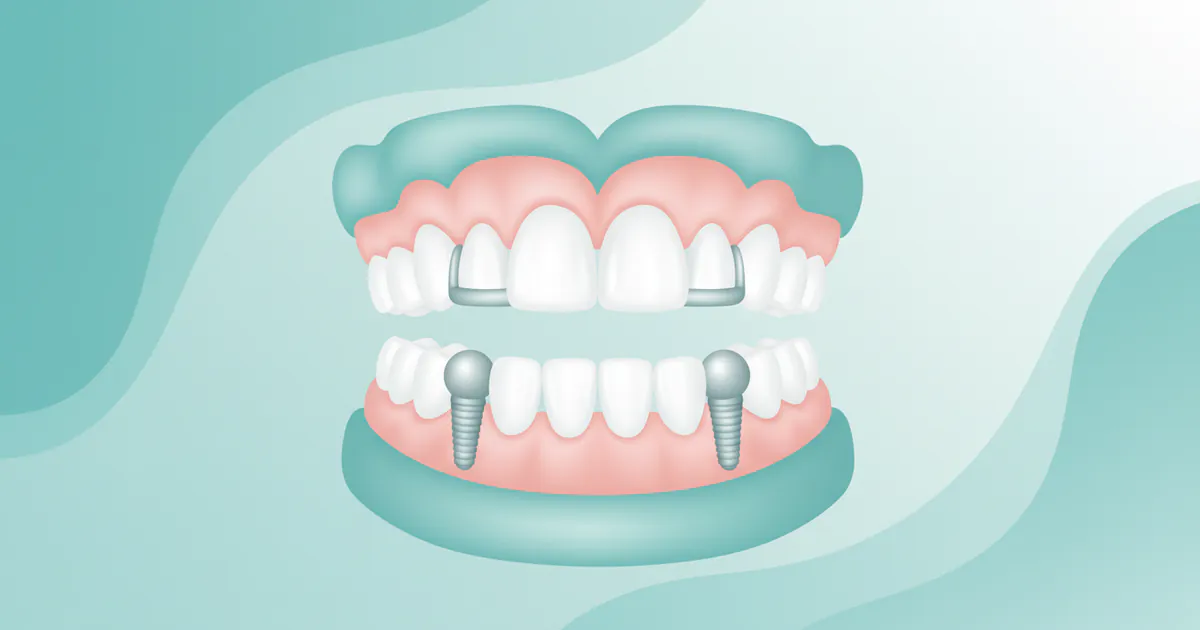
What it is: A removable denture that "snaps" onto 2-4 dental implants, providing more stability than traditional dentures but still removable.
- Pros:
- Improved Stability over Traditional Dentures: Doesn't slip as much, better chewing.
- Less Costly than Fixed Options: Fewer implants, simpler prosthesis.
- Easier to Clean: Can be removed for thorough cleaning.
- Some Bone Preservation: Implants provide limited bone stimulation.
- Cons:
- Still Removable: Not a fully fixed solution, can still feel less natural.
- Less Chewing Power: Still less efficient than fixed implant solutions.
- Requires Removal for Cleaning: Daily removal is necessary.
- Less Bone Preservation: Fewer implants mean less comprehensive bone stimulation compared to All-on-4 or traditional implants.
4. Traditional Removable Complete Dentures
What it is: A full set of artificial teeth and gums that rests on the gum tissue and is held in place by suction and sometimes adhesives.
- Pros:
- Least Invasive: No surgery required.
- Lowest Upfront Cost: Most affordable initial option.
- Quickest Solution: Fabrication can be relatively fast.
- Cons:
- Poor Stability: Prone to slipping, clicking, and falling out.
- Causes Bone Loss: Does not stimulate jawbone, leading to accelerated bone resorption.
- Reduced Chewing Efficiency: Severely limits diet (10-20% chewing power).
- Discomfort & Sore Spots: Can rub and irritate gums.
- Affects Speech & Taste: Can impede natural speech and cover the palate.
- Requires Adhesives: Often needs denture glues for retention.
- Regular Relines/Replacements: Due to bone loss, they become ill-fitting and need frequent adjustments.
Comparison Table 1: Full Arch Tooth Replacement Options
| Feature | All-on-4® Dental Implants | Traditional Full Arch Implants | Implant-Supported Overdenture | Traditional Removable Denture |
|---|---|---|---|---|
| Type of Solution | Fixed (Non-Removable) | Fixed (Non-Removable) | Removable | Removable |
| Number of Implants | 4 per arch | 6-10+ per arch | 2-4 per arch | 0 |
| Bone Preservation | Excellent | Excellent (Highest) | Good | None (Causes bone loss) |
| Stability | Excellent (Feels like natural teeth) | Excellent (Most like natural teeth) | Good (Snap-in stability) | Poor (Relies on suction/adhesives) |
| Chewing Efficiency | ~80-90% of natural teeth | ~90% of natural teeth | ~40-60% of natural teeth | ~10-20% of natural teeth |
| Cost (per arch, US) | $15,000 - $30,000 | $25,000 - $50,000+ | $8,000 - $20,000 | $2,000 - $6,000 |
| Treatment Time | 3-6 months (with "Teeth-in-a-Day" option) | 6-12+ months (can be staged) | 3-6 months | Weeks (after extractions) |
| Aesthetics | Highly natural | Highly natural | Good | Variable |
| Bone Grafting Req. | Often avoided | Possible, potentially extensive | Less likely | Not applicable |
Choosing the right option depends on your specific oral health needs, budget, aesthetic goals, and desire for a fixed vs. removable solution. Many patients find the all on 4 teeth concept offers the ideal balance of stability, function, and cost-effectiveness for full arch rehabilitation.
The All-on-4 Step-by-Step Process: What to Expect
Embarking on the journey to restore your smile with all on 4 teeth involves a carefully planned and executed multi-stage process. While the exact timeline can vary for each patient, the general steps remain consistent, ensuring a predictable and successful outcome.
Step 1: Initial Consultation and Comprehensive Planning
This foundational stage is critical for the success of your All-on-4 treatment.
- Detailed Examination: Your dental implant specialist will conduct a thorough oral examination, review your complete medical history, and discuss your aesthetic and functional goals.
- Advanced Diagnostics: State-of-the-art imaging, particularly a 3D Cone Beam Computed Tomography (CBCT) scan, will be performed. This provides high-resolution images of your jawbone, nerves, and sinus cavities, allowing the dentist to precisely assess bone quality and quantity. Digital impressions or traditional molds of your mouth will also be taken.
- Treatment Plan Development: Using the diagnostic data, the dental team will create a customized treatment plan. This includes determining the exact placement and angulation of the four implants, deciding if any remaining teeth need to be extracted, and planning the design of your temporary and final prostheses. Many practices use virtual surgical planning software for optimal precision.
Step 2: Surgical Placement of Dental Implants
This is the phase where the dental implants are surgically placed into your jawbone.
- Anesthesia: The procedure is performed under local anesthesia, often supplemented with intravenous (IV) sedation or general anesthesia, depending on your comfort level and the complexity of the case. This ensures you are comfortable and relaxed throughout.
- Tooth Extractions (if necessary): Any remaining failing teeth in the arch are carefully extracted. Bone smoothing and shaping may also occur.
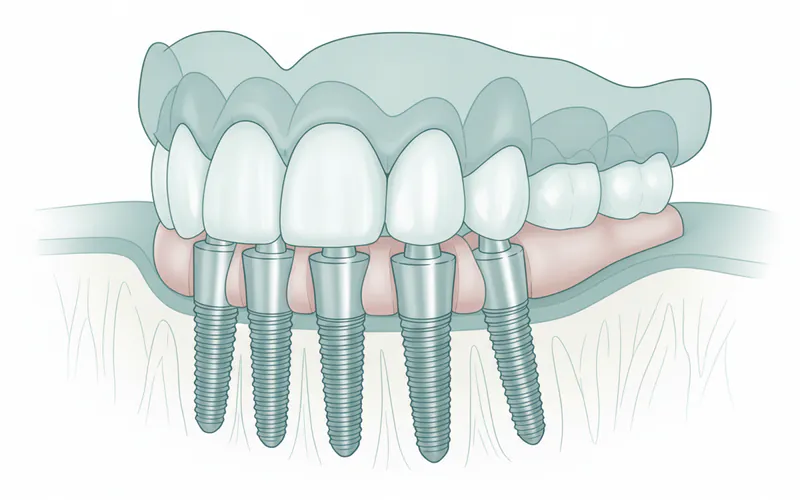
- Implant Placement: Four titanium dental implants are precisely positioned in your jawbone according to the pre-planned virtual design. The two anterior implants are placed vertically, while the two posterior implants are placed at an angle (typically up to 45 degrees) to maximize bone engagement and avoid anatomical structures.
- Immediate Loading (Optional - "Teeth-in-a-Day"): If you are a candidate for immediate loading, abutments (connectors) are attached to the newly placed implants, and your temporary prosthesis is secured to them. This means you leave the office with a fixed set of temporary teeth, ready for the healing phase.
Step 3: Osseointegration and Healing Period
Following implant placement, a crucial healing period begins.
- Osseointegration: This is the biological process where the jawbone naturally fuses with the titanium surface of the implants. This typically takes 3 to 6 months. During this time, the implants become firmly anchored in your jaw, providing a stable foundation for your final teeth.
- Temporary Prosthesis Care: If you received immediate temporary teeth, you will need to follow a modified, soft-food diet during this period to avoid putting excessive force on the healing implants.
- Regular Check-ups: Your dentist will schedule follow-up appointments to monitor the healing progress and ensure that osseointegration is occurring successfully.
Step 4: Final Prosthesis Design and Placement
Once osseointegration is complete, you are ready for your permanent, custom-made bridge.
- Impressions and Design: New impressions (digital or traditional) are taken of your healed gums and the integrated implants. These impressions, along with detailed measurements and aesthetic preferences, are sent to a dental laboratory.
- Fabrication of Final Prosthesis: Highly skilled dental technicians meticulously craft your final prosthetic bridge from materials like acrylic and titanium, or zirconia. This bridge is designed to perfectly match your facial features, provide optimal bite function, and create a beautiful, natural-looking smile. Multiple try-in appointments may be necessary to ensure perfect fit and aesthetics.
- Final Placement: Once the permanent bridge is ready, it is securely attached to the implants. Your dentist will ensure the fit is precise and comfortable, and that your bite is correctly aligned. Unlike the temporary bridge, this final prosthesis is exceptionally durable and designed for long-term use.
After the final placement, your dental team will provide detailed instructions on how to care for your new all on 4 teeth to ensure their longevity. This multi-stage process, though it requires patience, culminates in a life-changing restoration of your oral health and confidence.
Cost of All-on-4 Teeth and Insurance Coverage
Understanding the financial investment for all on 4 teeth is a critical step for many patients. The cost can vary significantly based on several factors, including the geographic location, the complexity of your case, the materials chosen for the prosthesis, the experience of the dental team, and whether you need one or both arches treated. This section will provide typical US price ranges and discuss insurance considerations and financing options.
Average US Costs for All-on-4 Teeth
Generally, the cost for a single arch (either upper or lower) of All-on-4 dental implants in the United States ranges from $15,000 to $30,000. If you require a full mouth restoration (both upper and lower arches), the cost can range from $30,000 to $60,000 or even higher.
It's important to understand that this fee typically includes:
- Consultation and Diagnostic Imaging: Initial exams, X-rays, and 3D CBCT scans.
- Surgical Placement of 4 Implants: The actual surgical procedure, including anesthesia.
- Tooth Extractions: If necessary (often included if done at the same time).
- Temporary Prosthesis: The immediate load temporary bridge.
- Abutments: The connecting pieces between the implants and the prosthesis.
- Final Prosthesis: The custom-fabricated permanent bridge (cost varies significantly by material).
- Follow-up Appointments: Post-operative checks and adjustments.
Factors Influencing Cost:
- Geographic Location: Costs tend to be higher in major metropolitan areas and coastal regions (e.g., Northeast, California) compared to the Midwest or Southern states.
- Material of the Final Prosthesis:
- Acrylic with Titanium Frame: Generally the most economical option, ranging from $15,000 - $25,000 per arch.
- Zirconia: A premium, highly durable, and aesthetic option, typically costing $20,000 - $30,000+ per arch.
- Additional Procedures: While All-on-4 aims to avoid extensive bone grafting, some minor grafting or other preparatory procedures might occasionally be necessary, adding to the cost.
- Experience of the Clinician: Highly experienced oral surgeons or prosthodontists specializing in All-on-4 may charge more due to their expertise and success rates.
- Sedation/Anesthesia Type: The type and duration of sedation (local, IV sedation, general anesthesia) will impact the overall price.
Comparison Table 2: All-on-4 Cost Factors & Material Options (Per Arch, US Average)
| Cost Component | Acrylic/Titanium Hybrid (Lower Range) | Zirconia (Higher Range) |
|---|---|---|
| Diagnostic/Planning | $500 - $1,500 | $500 - $1,500 |
| Implant Surgery (4 implants) | $5,000 - $10,000 | $5,000 - $10,000 |
| Anesthesia/Sedation | $500 - $2,000 | $500 - $2,000 |
| Temporary Prosthesis | $2,000 - $4,000 | $2,000 - $4,000 |
| Final Prosthesis (Material) | $7,000 - $12,000 | $12,000 - $20,000+ |
| Follow-up Appointments | Included / Minor fees | Included / Minor fees |
| TOTAL (Per Arch) | $15,000 - $25,000 | $20,000 - $35,000+ |
| Full Mouth (Both Arches) | $30,000 - $50,000 | $40,000 - $70,000+ |
Note: These are average ranges. Exact costs will be provided by your specific dental provider after a comprehensive examination. The terms "implant dentures cost" and "implant teeth cost" generally refer to this type of comprehensive solution.
Insurance Coverage for All-on-4 Teeth
Dental insurance coverage for all on 4 teeth or full-arch dental implants can be complex and often limited.
- Limited Coverage: Many standard dental insurance plans consider dental implants a major procedure and may only cover a small percentage (e.g., 10-50%) of the surgical component, if at all, up to an annual maximum (often $1,500 - $2,500). They typically do not cover the full cost of the prosthesis.
- Medical Insurance: In some cases, if the tooth loss is due to a medical condition (e.g., trauma, tumor removal) rather than routine decay or gum disease, a portion of the surgical procedure might be covered by your medical insurance. This is rare and requires specific medical coding and pre-authorization.
- Appeals: It's often worth appealing a denied claim, especially if your dentist can demonstrate the medical necessity of the implants for your overall health and quality of life.
- HSA/FSA: Health Savings Accounts (HSAs) and Flexible Spending Accounts (FSAs) are excellent ways to pay for dental implant procedures with pre-tax dollars, significantly reducing your out-of-pocket costs.

Pro Tip: Always clarify with your dental office about what's included in their quoted price. Ask for a detailed, itemized breakdown. Many practices offer "all-inclusive" packages for All-on-4, which can simplify cost estimation and avoid hidden fees.
Payment Plans and Financing Options
Because the cost of implant teeth can be substantial, most dental practices offer various financing solutions:
- In-House Payment Plans: Many offices provide flexible payment schedules, allowing you to pay a portion upfront and the rest in installments over several months.
- Third-Party Financing: Companies like CareCredit, Alphaeon Credit, or LendingClub offer specialized healthcare credit cards or loans with varying interest rates, including options for 0% interest for an introductory period.
- Dental Schools: University dental schools often provide implant procedures at a reduced cost, as they are teaching institutions. However, treatment may take longer and involve multiple appointments.
- Personal Loans: Banks and credit unions offer personal loans that can be used for dental expenses.
Don't let the initial cost deter you from exploring this life-changing solution. Discuss all financial options with your dental team to find a plan that works for your budget. The investment in all on 4 teeth is an investment in your long-term health, comfort, and confidence.
Recovery and Aftercare for All-on-4 Teeth
The recovery process after receiving all on 4 teeth is crucial for ensuring the long-term success of your implants and the health of your new smile. While the "Teeth-in-a-Day" aspect means you walk out with temporary teeth, proper aftercare is essential for healing and osseointegration.
Immediate Post-Operative Period (First 24-72 Hours):
- Bleeding: It's normal to experience some minor bleeding or oozing for the first 24 hours. Bite gently on gauze pads and change them as needed. Avoid spitting forcefully or rinsing vigorously, as this can dislodge blood clots.
- Swelling: Swelling is a common response to oral surgery. Apply ice packs to the outside of your face (15-20 minutes on, 15-20 minutes off) for the first 24-48 hours to minimize swelling.
- Pain Management: Your dentist will prescribe pain medication or recommend over-the-counter options (like ibuprofen or acetaminophen). Take medication as directed before discomfort becomes severe.
- Diet: Stick to a strict liquid or very soft diet for the first few days. This includes broths, smoothies, yogurt, mashed potatoes, and soft pureed foods. Avoid hot liquids, alcohol, and using straws (suction can dislodge blood clots).
- Oral Hygiene: Do NOT rinse your mouth for the first 24 hours. After 24 hours, gently rinse with a prescribed antiseptic mouthwash or warm salt water (1/2 teaspoon salt in 8 ounces of warm water) 2-3 times a day, especially after eating. Be very careful around the surgical sites. Do not brush the surgical areas directly.
- Rest: Get plenty of rest. Elevate your head with pillows while sleeping to help reduce swelling.
- Avoid Strenuous Activity: Refrain from heavy lifting, bending over, or strenuous exercise for at least 3-5 days, or as advised by your surgeon.
- Smoking/Alcohol: Absolutely avoid smoking and alcohol during the healing period, as they can severely compromise healing and lead to implant failure.
First Few Weeks:
- Continued Soft Diet: If you received immediate temporary teeth, it is absolutely vital to maintain a soft food diet for 3-6 months until your final prosthesis is placed and osseointegration is complete. Avoid crunchy, chewy, hard, or sticky foods that could put undue stress on the healing implants. Adhering to this is critical to the long-term success of the implants.
- Oral Hygiene: Continue gentle oral hygiene as instructed. Your dentist may provide a soft-bristled brush for cleaning around the temporary prosthesis and surgical sites.
- Follow-up Appointments: Attend all scheduled follow-up appointments so your dental team can monitor your healing progress and ensure everything is on track.
Long-Term Aftercare for Your Permanent All-on-4 Teeth:
Once your final implant teeth are placed and fully integrated, their maintenance is similar to caring for natural teeth, but with a few important distinctions.
- Brushing: Brush at least twice a day with a soft-bristled toothbrush. Pay special attention to the area where the bridge meets the gums, ensuring you clean all surfaces thoroughly. An electric toothbrush can be very effective.
- Cleaning Under the Bridge: This is critical. Since your All-on-4 bridge is fixed, there will be a small space between the base of the prosthesis and your gums. Food particles and plaque can accumulate here. Use specialized tools:
- Water Flosser (Waterpik®): Highly recommended for cleaning under the bridge and around the implants. Use daily.
- Super Floss or Implant Floss: Designed to thread under the bridge.
- Interdental Brushes: Small brushes that can fit into the space under the bridge.
- Regular Dental Check-ups: Schedule professional cleanings and examinations every six months, or as recommended by your dentist or hygienist. These appointments are crucial for monitoring the health of your implants, detecting any early signs of peri-implantitis (gum disease around implants), and professionally cleaning areas you might miss.
- Avoid Hard Foods: While All-on-4 provides excellent chewing function, it's wise to avoid excessively hard foods like cracking nuts with your teeth, chewing ice, or biting on non-food items, as these can damage your prosthesis or put undue stress on the implants.
- Nightguard (if recommended): If you grind or clench your teeth (bruxism), your dentist may recommend a custom nightguard to protect your All-on-4 prosthesis from excessive forces, particularly at night.
- Quit Smoking: Smoking dramatically increases the risk of implant failure and peri-implantitis. If you smoke, quitting is the single most important thing you can do for the longevity of your implant teeth.
Following these recovery and aftercare instructions diligently will help ensure your all on 4 teeth remain healthy, functional, and beautiful for many years to come.
Maintaining Your All-on-4 Implants: Long-Term Prevention
Unlike natural teeth, dental implants are not susceptible to cavities. However, they are still vulnerable to peri-implantitis, a condition similar to gum disease that can affect the tissues and bone surrounding the implants. Therefore, long-term prevention and diligent maintenance are paramount to ensure the longevity of your all on 4 teeth. Adhering to recommended oral hygiene practices and regular professional care is an investment in the hundreds of thousands of dollars people spend on implant teeth over a lifetime.
Daily Home Care: The Foundation of Prevention
Maintaining excellent oral hygiene at home is the most critical factor for preventing complications and ensuring the success of your All-on-4 implants.
- Brush Regularly and Effectively:
- Brush at least twice a day for two minutes each time, ideally after every meal.
- Use a soft-bristled toothbrush. An electric toothbrush with a small, round head is often highly effective for cleaning around the bridge and implants.
- Pay special attention to the areas where the prosthesis meets the gum line, angling the brush to clean both the implant bridge and the gum tissue.
- Clean Under the Bridge: Since your All-on-4 prosthesis is fixed, there is a small space between the underside of the bridge and your gums. This area is prone to plaque and food accumulation and requires special attention.
- Water Flosser (Oral Irrigator): This is highly recommended by the American Dental Association (ADA) and dental professionals for implant care. A water flosser effectively flushes out food debris and plaque from under the bridge and around the implants. Use it daily, following the manufacturer's instructions.
- Super Floss® or Implant Floss: These specialized types of floss have a stiff end for threading under the bridge and a thicker, spongy section to clean the larger surface area.
- Interdental Brushes: These tiny brushes can be used to clean the small gaps between the prosthesis and the gum tissue, if accessible.
- Rinse with Antiseptic Mouthwash (Optional but Recommended): A non-alcoholic, antimicrobial mouthwash can help reduce bacterial load in the mouth, but it should not replace mechanical cleaning (brushing and flossing/water flossing).
Professional Maintenance: Your Dental Team's Role
Regular visits to your dental implant specialist and hygienist are just as important as your daily home care.
- Routine Check-ups (Every 6 Months):
- Comprehensive Examination: The dentist will assess the health of your gums, the stability of your implants, and the integrity of your prosthesis. They will look for any signs of peri-implantitis, wear, or damage.
- X-rays: Periodic X-rays (usually once a year or every few years) will be taken to monitor the bone levels around your implants and detect any issues that aren't visible clinically.
- Professional Cleanings:
- Dental hygienists are specially trained to clean around dental implants. They use non-abrasive tools made of plastic or titanium to avoid scratching the implant surfaces or the prosthesis.
- They will meticulously clean under your bridge, removing any plaque or calculus buildup that you might miss at home.
Lifestyle Factors for Long-Term Success:
- Nutrition: A balanced, healthy diet supports overall oral and systemic health, which is crucial for implant longevity.
- Quit Smoking: Smoking is a major risk factor for implant failure and peri-implantitis. It compromises blood flow to the gums and bone, impairing healing and increasing susceptibility to infection. Quitting smoking significantly improves the prognosis for your implant teeth.
- Manage Systemic Health Conditions: Conditions like diabetes can affect gum health and healing. Work with your physician to keep any systemic health issues well-controlled.
- Protect Against Bruxism (Teeth Grinding): If you clench or grind your teeth, especially at night, the excessive force can put stress on your implants and prosthesis. Your dentist may recommend a custom-fitted nightguard to protect your All-on-4 bridge.
- Avoid Hard or Sticky Foods: While your All-on-4 teeth are strong, avoid habits like chewing on ice, pens, or overly hard candies, as well as sticky foods that could potentially damage the prosthesis.
By diligently adhering to these prevention and maintenance guidelines, you can maximize the lifespan of your all on 4 teeth and continue to enjoy a confident, functional, and beautiful smile for decades.
Potential Risks and Complications of All-on-4 Teeth
While the all on 4 teeth procedure boasts a high success rate (often exceeding 95% over 10 years when performed by experienced professionals), like any surgical procedure, it carries potential risks and complications. Understanding these can help you make an informed decision and prepare for potential scenarios.
1. Surgical Risks:
- Infection: As with any surgery, there's a risk of bacterial infection at the implant sites. This can be mitigated with sterile techniques, antibiotics, and proper post-operative care.
- Nerve Damage: Though rare, there's a slight risk of damaging nerves during implant placement, particularly in the lower jaw, which could lead to numbness, tingling, or pain in the lips, chin, or tongue. Careful planning with 3D imaging significantly reduces this risk.
- Sinus Perforation: During upper jaw implant placement, there's a risk of perforating the maxillary sinus membrane. This is usually managed during surgery, but can sometimes lead to sinus issues or require a sinus lift procedure.
- Excessive Bleeding: Some bleeding is normal, but excessive or prolonged bleeding can occur.
- Swelling and Bruising: Common post-operative effects that typically resolve within a week or two.
2. Implant-Related Complications:
- Lack of Osseointegration (Implant Failure): The most significant complication is when one or more implants fail to fuse properly with the jawbone. This can be due to poor bone quality, infection, excessive force on the implant during healing (e.g., from chewing hard foods with temporary teeth), smoking, or certain systemic health conditions. A failed implant may need to be removed, and another attempt at placement or an alternative solution explored.
- Peri-Implantitis: This is an inflammatory condition affecting the gum tissues and bone around a dental implant, similar to periodontal disease around natural teeth. It's often caused by poor oral hygiene and bacterial plaque accumulation, leading to bone loss around the implant and potentially implant failure if left untreated. Symptoms include swelling, redness, bleeding, and pus around the implant, and possibly a loose implant.
- Implant Fracture: Extremely rare, but an implant itself could fracture due to excessive force.
3. Prosthesis-Related Complications:
- Chipping or Fracture of the Prosthesis: The permanent bridge, especially if made of acrylic, can chip or fracture, particularly with heavy biting forces or trauma. Zirconia is more resistant but not indestructible.
- Wear of Prosthetic Teeth: Over many years, the acrylic teeth can wear down, requiring adjustments or eventual replacement of the prosthesis.
- Loose Screws: The screws attaching the prosthesis to the implants can occasionally loosen. This is usually a simple fix by your dentist.
- Gaps or Food Trapping: While designed for a close fit, minor gaps can exist, requiring diligent cleaning to prevent food trapping.
- Hygiene Challenges: For some, effectively cleaning under the fixed bridge can be a challenge, requiring commitment to specialized tools like water flossers and interdental brushes to prevent peri-implantitis.
4. Other Potential Issues:
- Discomfort or Pain: While the final prosthesis should be comfortable, some patients may experience ongoing minor discomfort, requiring adjustments.
- Speech Changes: Initially, speech might be affected due to the change in oral anatomy, but most patients adapt quickly.
- Aesthetic Concerns: While rare with experienced practitioners, sometimes the final aesthetic outcome may not perfectly meet expectations, requiring adjustments or revisions.

Minimizing Risks:
- Choose an Experienced Specialist: The most crucial step is selecting a highly qualified and experienced oral surgeon or prosthodontist with specific training and a proven track record in all on 4 teeth procedures.
- Thorough Planning: Comprehensive diagnostics, including 3D CBCT scans, and meticulous treatment planning are essential.
- Follow Post-Operative Instructions: Adhering strictly to your dentist's instructions regarding diet, oral hygiene, and medication during the healing phase is paramount.
- Maintain Excellent Oral Hygiene: Diligent daily cleaning and regular professional check-ups are key to preventing peri-implantitis and ensuring long-term success.
- Quit Smoking: This is a non-negotiable step for optimal outcomes.
While risks exist, the vast majority of patients experience successful outcomes with their implant teeth, leading to a significant improvement in their quality of life. Open communication with your dental team about any concerns is always encouraged.
Frequently Asked Questions About All-on-4 Teeth
Here are answers to common questions about all on 4 teeth, providing clarity on the procedure, costs, and lifestyle implications.
How painful is the All-on-4 procedure?
The All-on-4 procedure is performed under local anesthesia, often supplemented with IV sedation or general anesthesia, so you should not feel any pain during the surgery itself. After the anesthesia wears off, you can expect some discomfort, swelling, and bruising, which is manageable with prescribed pain medication. Most patients report that the post-operative discomfort is well-controlled and subsides within a few days to a week.
How long does the All-on-4 procedure take?
The surgical placement of the four implants and the attachment of the temporary prosthesis (if you're a candidate for "Teeth-in-a-Day") typically takes about 2-4 hours per arch. The entire treatment process, from initial consultation to the placement of the final permanent bridge, usually spans 3 to 6 months, allowing sufficient time for osseointegration.
How long do All-on-4 implants last?
With proper oral hygiene and regular dental check-ups, dental implants themselves have an excellent long-term prognosis, often lasting 20 years or even a lifetime. The prosthetic bridge (the teeth) may need replacement or refurbishment after 10 to 15 years due to normal wear and tear, especially if it's made of acrylic.
Can I eat normally with All-on-4 teeth?
Yes, eventually you can. With your temporary prosthesis, you must follow a strict soft-food diet for 3-6 months to allow the implants to heal and integrate. Once your final, permanent All-on-4 bridge is placed and fully integrated, you can typically eat virtually all foods, including crunchy fruits and vegetables, with up to 90% of the chewing power of natural teeth. However, it's always wise to avoid extremely hard items like ice or nuts in shells to prevent damage.
What are the alternatives to All-on-4?
Alternatives include traditional removable complete dentures, implant-supported overdentures (removable dentures that snap onto 2-4 implants), and traditional full-arch dental implants (using 6-10+ individual implants for a fixed bridge). Each option has different levels of stability, cost, and invasiveness, as detailed in our comparison tables.
Is All-on-4 worth the cost?
For many patients, the investment in all on 4 teeth is absolutely worth it. It provides a fixed, comfortable, and highly aesthetic solution that restores chewing function, preserves jawbone, and eliminates the many frustrations of traditional removable dentures. The significant improvement in quality of life, confidence, and oral health often outweighs the initial cost.
How do I clean All-on-4 teeth?
Cleaning your All-on-4 teeth is similar to natural teeth but requires special attention to the area under the fixed bridge. You should brush twice daily with a soft toothbrush (an electric toothbrush is often recommended) and use a water flosser or specialized floss (like Super Floss) to clean thoroughly under the bridge where plaque and food can accumulate. Regular professional cleanings are also essential.
Am I too old for All-on-4?
Age is generally not a barrier for All-on-4 treatment. If you are in good general health and your jawbone quality is adequate, you can be a candidate at any age. The focus is on your overall health status and bone density, not your chronological age.
What is the success rate of All-on-4?
The All-on-4 treatment concept has a very high success rate, often cited at over 95% for implant survival rates over 10 years, and a high prosthetic survival rate. This success is largely attributed to meticulous planning, skilled surgical execution, careful prosthetic design, and diligent patient aftercare.
What's the difference between All-on-4 and All-on-6?
The core difference lies in the number of implants used. All-on-4 uses four implants to support a full arch, strategically angled to maximize bone use. All-on-6 uses six implants to support a full arch. All-on-6 might be recommended for patients with excellent bone density who desire even greater stability, especially in the upper jaw where bone is generally softer. While All-on-6 can distribute forces more widely, All-on-4 is often sufficient and preferred for its efficiency and ability to avoid bone grafting.
When to See a Dentist
Maintaining the health and longevity of your all on 4 teeth requires both diligent home care and proactive professional monitoring. While regular check-ups are standard, there are specific signs and symptoms that warrant immediate attention from your dental implant specialist. Recognizing these "red flags" can prevent minor issues from escalating into major complications, potentially saving your implants and your investment.
Immediate Attention (Emergency or Urgent Care):
If you experience any of the following, contact your dental office immediately:
- Acute or Worsening Pain: While some discomfort is normal immediately after surgery, severe or worsening pain that isn't relieved by medication, especially weeks or months after implant placement, could indicate an infection or other complication.
- Significant Swelling or Redness: Beyond the initial post-operative period, new or increasing swelling, redness, or warmth around the implant sites or under the bridge could signal an infection (peri-implantitis).
- Pus or Discharge: Any yellow, white, or greenish discharge coming from around your implants or under your bridge is a clear sign of infection and requires immediate evaluation.
- Bleeding that Doesn't Stop: While minor oozing after surgery is normal, prolonged or heavy bleeding that doesn't subside after applying pressure for 30 minutes needs immediate professional attention.
- Loose Prosthesis: If your temporary or permanent All-on-4 bridge feels loose, wobbly, or detached from the implants, contact your dentist right away. This could indicate a loose screw, a problem with an implant, or damage to the prosthesis.
- Fractured or Chipped Prosthesis: If a portion of your implant bridge chips, cracks, or breaks, it needs to be assessed. Depending on the severity, it might affect your bite, comfort, or expose underlying structures.
- Difficulty Chewing or Biting: If chewing becomes suddenly painful, difficult, or uneven, it's important to have your bite checked.
Routine Care and Scheduled Appointments:
Beyond emergency situations, regular dental visits are non-negotiable for the long-term success of your implant teeth.
- Six-Month Check-ups and Professional Cleanings: Adhere to the schedule recommended by your dental specialist, typically every six months. These appointments are crucial for:
- Monitoring the health of your implants and surrounding tissues.
- Detecting early signs of peri-implantitis or other issues before they become serious.
- Professionally cleaning areas under and around your bridge that are difficult to reach with home care.
- Checking the integrity of your prosthesis and addressing any minor wear or looseness of components.
- Annual X-rays (or as Recommended): Periodic X-rays help your dentist monitor the bone levels around your implants and ensure their stability.
Your all on 4 teeth are a significant investment in your health and quality of life. Being attentive to your oral health and knowing when to seek professional help are key components in preserving that investment for decades to come. Don't hesitate to reach out to your dental team with any questions or concerns you may have.
Frequently Asked Questions
Medically Reviewed Content
This article was written by our dental health editorial team and reviewed for medical accuracy. Our content follows strict editorial guidelines for reliability and trustworthiness.
Medical Disclaimer
This article is for informational purposes only and does not constitute medical advice. Always consult with a qualified dental professional for diagnosis and treatment. Do not delay seeking professional advice because of something you read on this website.
Related Articles
Implantologist: Complete Guide
Losing a tooth can be a significant setback, impacting not only your smile but also your ability to speak, chew, and maintain overall oral health. In fact, over 3 million Americans currently have dental implants, and that number is projected to grow significantly as more people seek a durable, n
March 8, 2026
Dentures Over Implants: Complete Guide
Missing multiple teeth or even an entire arch can profoundly impact your life, affecting everything from your ability to chew and speak to your self-confidence. For millions of Americans, traditional removable dentures have long been a solution, but they often come with compromises: slipping, discom
March 8, 2026
Implants Process: Complete Guide
Missing teeth can impact more than just your smile; they can affect your ability to eat, speak, and even your overall confidence. In fact, over 178 million Americans are missing at least one tooth, and about 40 million are missing all of their teeth. When faced with tooth loss, understanding the
March 8, 2026
Implants Dentaires: Complete Guide
Missing teeth can dramatically impact not just your smile, but your overall health, confidence, and quality of life. In the United States, an estimated 178 million adults are missing at least one tooth, while approximately 40 million are missing all their teeth. These statistics underscore a
March 8, 2026