Bone Graft for Tooth Implant: Complete Guide
Key Takeaways
- When considering tooth replacement options, dental implants often stand out as the gold standard for their durability, natural look, and long-term success. However, for a dental implant to thrive, it requires a robust and healthy foundation of bone. Unfortunately, **more than half of adults in the U
When considering tooth replacement options, dental implants often stand out as the gold standard for their durability, natural look, and long-term success. However, for a dental implant to thrive, it requires a robust and healthy foundation of bone. Unfortunately, more than half of adults in the U.S. aged 20-64 have lost at least one permanent tooth, a condition that can lead to significant jawbone deterioration over time. This is where a bone graft for tooth implant becomes a crucial procedure, addressing the challenge of insufficient bone volume or density that might otherwise prevent successful implant placement. If you've been told you lack the necessary bone for an implant, this guide will explain everything you need to know, from the types of grafts available to the cost implications and recovery process, ensuring you have the comprehensive information needed to make informed decisions about your dental health.
Key Takeaways:
- A bone graft for a tooth implant is often necessary when there isn't enough jawbone to support the implant, commonly due to tooth loss, gum disease, or trauma.
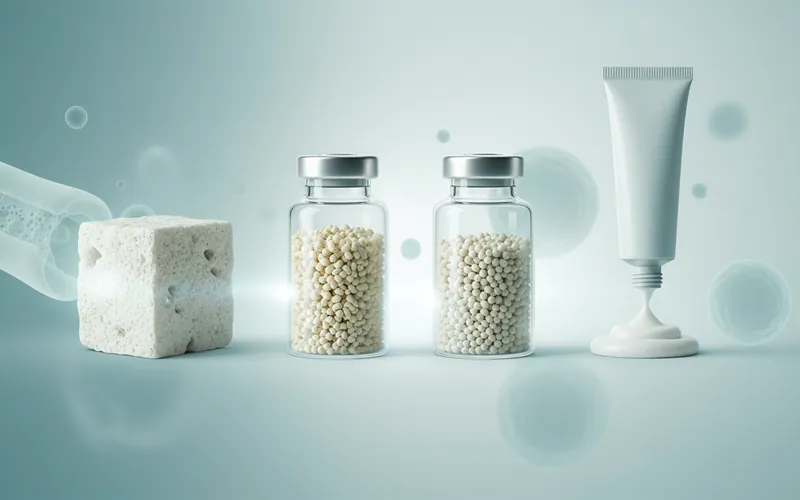
- Several types of bone graft materials exist, including autografts (your own bone), allografts (cadaver bone), xenografts (animal bone), and alloplastic grafts (synthetic materials), each with distinct advantages and costs.
- Common grafting procedures include socket preservation, sinus lifts, and ridge augmentation, each tailored to specific bone deficiency locations and severities.
- The healing period for a bone graft can range from 3 to 9 months, during which time the graft integrates with your natural bone, creating a stable foundation for the eventual implant.
- The cost of a bone graft for a single implant can vary significantly, typically ranging from $400 to $4,000, while complex procedures like sinus lifts or extensive ridge augmentations might cost $2,000 to $10,000 or more.
- Dental insurance often provides limited coverage for bone grafts, sometimes classifying them as a major procedure, but policies vary widely.
- Recovery involves managing discomfort, adhering to a soft diet, and practicing gentle oral hygiene to ensure successful graft integration and minimize complications.
What It Is: Bone Graft for Tooth Implant Explained
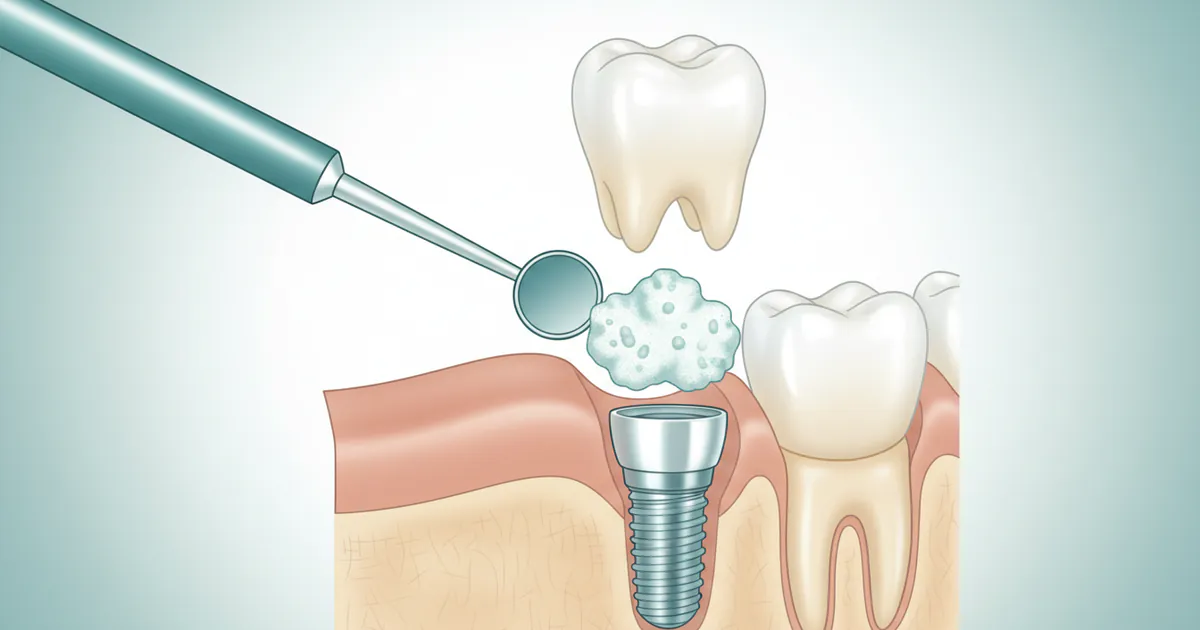
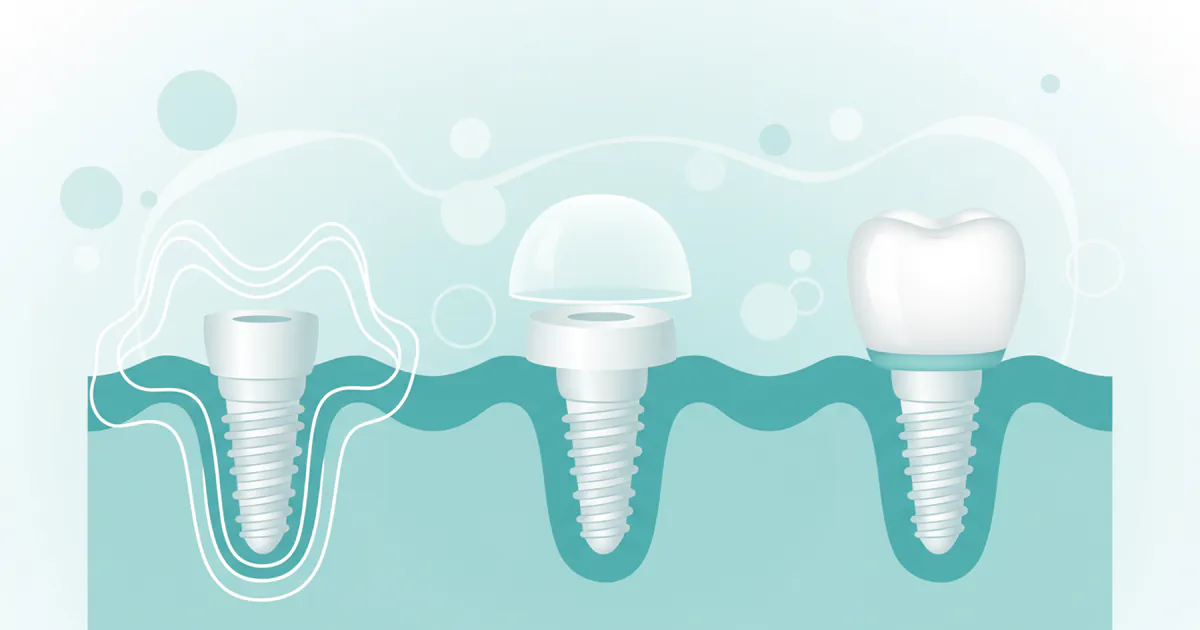
A bone graft for a tooth implant is a surgical procedure designed to augment or rebuild bone in your jaw. Its primary purpose is to create a sufficient volume and density of bone to firmly anchor a dental implant. Dental implants are titanium posts that are surgically placed into the jawbone, acting as artificial tooth roots. For these implants to be successful and last for decades, they require a strong, stable foundation.

When a tooth is lost, the jawbone beneath it no longer receives the stimulation it once did from chewing. This lack of stimulation signals to the body that the bone is no longer needed, leading to a process called resorption, where the bone gradually deteriorates and shrinks. Over time, this can result in insufficient bone height or width to support an implant. A bone graft addresses this by transplanting bone material to the deficient area, stimulating the body's natural healing processes to grow new bone. This new, stronger bone then integrates with the existing jawbone, providing the necessary support for the dental implant.
Types of Bone Grafts and Procedures
The field of dental bone grafting offers several approaches, each tailored to the specific needs of the patient and the extent of bone loss. Understanding these variations is key to appreciating the complexity and efficacy of the procedures.
Types of Graft Materials
The source of the bone material used for the graft is a primary differentiator:
-
Autogenous Grafts (Autografts): Your Own Bone
- Description: This is considered the "gold standard" because it uses bone harvested directly from the patient's own body. Common donor sites include the chin, ramus (back part of the lower jaw), hip, or tibia (shin bone).
- Pros: It contains living bone cells (osteocytes), bone-forming cells (osteoblasts), and growth factors, making it highly biocompatible and promoting faster and more predictable new bone formation. There's no risk of disease transmission or allergic reaction.
- Cons: Requires a second surgical site for bone harvesting, which can lead to additional pain, swelling, and a longer recovery period at the donor site. The amount of available donor bone may also be limited.
- Cost Range: Generally higher due to the need for a second surgical site, potentially $1,500 - $4,000 for the graft material and harvesting.
-
Allogeneic Grafts (Allografts): Deceased Human Donor Bone
- Description: This material comes from deceased human donors, processed and sterilized to remove all organic material and disease-causing agents. It acts as a scaffold for your own bone to grow into.
- Pros: Eliminates the need for a second surgical site on the patient, reducing surgical time and discomfort. Widely available.
- Cons: Carries a minuscule theoretical risk of disease transmission (though rigorously screened). It doesn't contain living cells, so bone regeneration is slower and relies solely on your body's ability to remodel the scaffold.
- Cost Range: Typically less expensive than autografts, ranging from $700 - $1,500.
-
Xenogeneic Grafts (Xenografts): Animal Bone
- Description: Sourced from animal bone, most commonly bovine (cow) bone. Like allografts, it's processed and sterilized to be biocompatible and acts as a scaffold.
- Pros: Abundant supply, no second surgical site required. High success rate as a scaffold for new bone growth.
- Cons: Slower integration compared to autografts, and some patients may have ethical or religious concerns about animal-derived materials.
- Cost Range: Similar to allografts, usually $600 - $1,200.
-
Alloplastic Grafts (Synthetic Materials): Man-Made
- Description: These are synthetic bone graft materials, often made from calcium phosphate compounds like hydroxyapatite (a naturally occurring mineral form of calcium apatite) or tricalcium phosphate.
- Pros: No donor site needed, readily available, no risk of disease transmission from human or animal sources.
- Cons: Slower to integrate and remodel compared to autografts. Primarily acts as a scaffold; may not possess osteoinductive (bone-forming) properties as strongly as autografts.
- Cost Range: Often the least expensive option, from $400 - $800.
Specific Bone Grafting Procedures
Beyond the material, the technique used depends on the location and extent of bone loss:
-
Socket Preservation (Ridge Preservation):
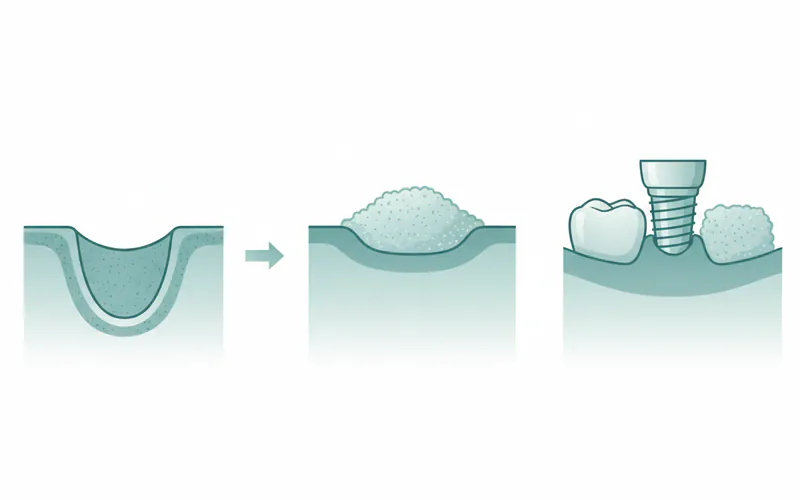
- What it is: This procedure is performed immediately after a tooth extraction. The empty tooth socket is filled with bone graft material and often covered with a protective membrane.
- Why it's needed: To prevent the natural collapse of the jawbone that occurs after a tooth is removed, thus maintaining the bone's width and height for a future implant.
- When it's done: Most commonly when a tooth is extracted, and an implant is planned for that site within a few months or years.
- Pro Tip: Opting for socket preservation at the time of extraction can significantly reduce the need for more extensive (and costly) bone grafting later on.
-
Sinus Lift (Sinus Augmentation):
- What it is: The maxillary sinuses are air-filled cavities located behind your cheeks, above your upper back teeth. When upper molars are lost, the sinus floor can drop, and the bone in that area can resorb, leaving insufficient bone height for implants. A sinus lift involves carefully lifting the sinus membrane and packing bone graft material into the space created beneath it.
- Types:
- Lateral Window Technique: A small window is created in the side of the jawbone, and the sinus membrane is lifted through this opening. This is used for significant bone deficiency.
- Crestal Approach (Osteotome Technique): If only a small amount of bone height is needed, the graft material is placed through the implant site itself, without a separate window.
- Why it's needed: To increase the bone height in the upper jaw, especially for molar implants.
- Cost Range: Typically $2,000 - $5,000 per side, and sometimes more if extensive grafting is required.
-
Ridge Augmentation (Ridge Expansion/Alveoloplasty):
- What it is: This procedure is used to increase the width and/or height of the jawbone ridge that once supported teeth. If the ridge has become too narrow or too short due to resorption, an implant cannot be properly placed.
- Why it's needed: To provide sufficient bone dimensions for implant placement.
- Methods: Can involve placing graft material and covering it with a membrane, or in more severe cases, splitting the existing narrow bone ridge and inserting graft material into the gap.
- Cost Range: Varies widely based on extent, from $800 - $4,000 for localized grafts, up to $8,000 - $10,000+ for complex, full-arch ridge augmentations.
-
Block Graft:
- What it is: For more substantial bone deficiencies, a solid block of bone (typically autogenous from the chin or ramus, or sometimes allogeneic) is harvested and precisely shaped to fit the defect. It's then secured with small titanium screws to the recipient site.
- Why it's needed: To rebuild large defects in the jawbone, offering strong structural support.
- Cost Range: Given its complexity and often autogenous nature, these can be at the higher end, typically $2,500 - $6,000 or more.
Causes: Why Bone Loss Happens
Understanding the reasons behind bone loss is crucial for prevention and for appreciating why a bone graft might be necessary for your dental implant journey. Bone loss in the jaw is a common issue with several contributing factors:
- Tooth Loss: This is the most prevalent cause. When a tooth is extracted or falls out, the jawbone that once supported it no longer receives the functional stimulation from chewing forces. Without this stimulation, the body naturally resorbs the bone, leading to a significant decrease in bone volume and density over time. This process can begin immediately and continue for months and years.
- Periodontal (Gum) Disease: Chronic gum disease, particularly advanced periodontitis, is a bacterial infection that attacks the soft tissues and bone supporting your teeth. If left untreated, the infection progressively destroys the alveolar bone (the part of the jawbone that holds the tooth sockets), leading to tooth mobility and eventual tooth loss, along with significant bone degradation.
- Trauma or Injury: Fractures, blows to the face, or other traumatic injuries to the jaw can result in direct bone loss or damage that compromises the bone's ability to support an implant.
- Infections and Abscesses: Untreated dental infections, such as those caused by deep cavities or failed root canals, can lead to abscesses at the tooth root. These infections can aggressively destroy the surrounding bone tissue.
- Long-Term Denture Wear: While dentures replace missing teeth, they do not provide the necessary stimulation to the underlying jawbone. Over time, the pressure from dentures can accelerate bone resorption, leading to poorly fitting dentures and an even more significant loss of bone height and width. This is why many long-term denture wearers eventually struggle with instability and discomfort.
- Systemic Conditions: Certain medical conditions can affect bone density throughout the body, including the jaw. Examples include osteoporosis, Paget's disease of bone, and some endocrine disorders.
- Congenital Defects: In some rare cases, individuals may be born with naturally deficient jawbone structure.
- Tumors: Benign or malignant tumors in the jaw can necessitate surgical removal, which might include portions of the jawbone, requiring subsequent reconstruction.
Signs and Symptoms of Insufficient Bone
Unlike gum inflammation or a painful cavity, insufficient jawbone often presents no overt symptoms to the patient until it's assessed by a dental professional. You might not "feel" bone loss directly. However, if you are considering dental implants, your dentist will conduct thorough evaluations to determine your bone health.
Key indicators and diagnostic methods include:
- Changes in Facial Structure: Over time, significant bone loss in the jaw, especially after multiple tooth extractions, can lead to a "sunken" or aged appearance, particularly around the mouth and lower face. The lips may appear thinner, and the chin may seem closer to the nose.
- Difficulty with Dentures: If you wear dentures and notice they are becoming increasingly loose, slipping, or causing sores, it's often a sign that the underlying jawbone has resorbed, changing the fit.
- Loose or Shifting Teeth: While primarily a symptom of advanced periodontal disease, loose teeth indicate that the supporting bone structure has weakened.
- Pain or Discomfort (Indirect): While bone loss itself isn't typically painful, the issues it causes (like ill-fitting dentures or advanced gum disease) certainly can be.
- Receding Gums: Gums pulling away from the teeth can indicate bone loss, as the gum tissue often follows the contours of the underlying bone.
- Diagnostic Imaging: The most definitive way to diagnose insufficient bone is through advanced dental imaging.
- Dental X-rays: Standard X-rays can show some degree of bone loss, especially around tooth roots.
- CBCT Scans (Cone Beam Computed Tomography): This is the gold standard for implant planning. A CBCT scan provides detailed 3D images of your jawbone, allowing your dentist or oral surgeon to precisely measure bone height, width, and density, identify vital structures (like nerves and sinuses), and determine the exact location and extent of any bone deficiency. This allows for meticulous planning of a bone graft for a tooth implant.
Treatment Options for Insufficient Bone
When considering dental implants, if diagnostic imaging reveals insufficient bone, the primary treatment option is almost always a bone graft. However, it's worth briefly mentioning alternatives, though they generally come with significant compromises compared to an implant-supported restoration.
Bone Graft (Primary Treatment)
As detailed in the "Types of Bone Grafts" section, this is the most effective and common method to restore adequate bone volume for dental implants. The goal is to rebuild the jawbone so that it can securely integrate with and support the implant.
- Pros: Creates a strong, natural foundation for implants; allows patients who would otherwise be ineligible to receive implants; provides the most stable and long-lasting tooth replacement option.
- Cons: Involves additional surgery and recovery time; adds to the overall cost and treatment duration; potential for minor risks and complications.
Alternative Implant Types (Less Common Alternatives for Severe Cases)
In very rare and specific cases of extreme bone loss, some specialized implant solutions might be considered, though these are not applicable to the majority of patients and often require highly specialized surgeons:
- Zygomatic Implants: These are much longer implants that anchor into the zygoma (cheekbone) instead of the jawbone. They are reserved for patients with severe maxillary (upper jaw) bone loss where conventional grafts are not feasible or have failed.
- Pros: Can avoid extensive sinus lift procedures; immediate loading often possible.
- Cons: Highly complex surgery, significantly more invasive, higher cost, fewer practitioners trained to perform them.
- Mini-Implants (MDIs): These are smaller in diameter than traditional implants. They are primarily used for stabilizing dentures, not typically for single-tooth replacement in areas of significant bone deficiency.
- Pros: Less invasive, lower cost, quicker placement.
- Cons: Less stable and durable than conventional implants, not designed for heavy biting forces, not suitable for areas requiring significant bone augmentation.
Non-Implant Alternatives (When Implants Are Not an Option or Desired)
If bone grafting is not an option or the patient prefers not to undergo the procedure, traditional tooth replacement methods remain:
- Removable Partial or Full Dentures:
- Pros: Non-invasive, most affordable upfront cost, can replace multiple missing teeth.
- Cons: Less stable (especially with severe bone loss), can slip or click, chewing efficiency is significantly reduced, do not stimulate the jawbone (leading to continued bone loss), require nightly removal and cleaning.
- Fixed Bridges:
- Pros: More stable than dentures, natural appearance, relatively quick to place.
- Cons: Requires grinding down healthy adjacent teeth to support the bridge, does not stimulate the bone beneath the missing tooth (leading to bone loss), can be difficult to clean, higher failure rate over long term compared to implants.
For patients seeking the best long-term solution that preserves jawbone and mimics natural teeth, undergoing a bone graft to enable dental implant placement remains the superior treatment option.
Step-by-Step Process of Bone Grafting for a Tooth Implant
The journey from initial assessment to final implant crown involves multiple stages, often spanning several months. Here’s what you can generally expect:
1. Initial Consultation and Diagnosis
- Evaluation: Your dentist or oral surgeon will perform a thorough examination, review your medical history, and discuss your dental goals.
- Imaging: Crucially, a Cone Beam Computed Tomography (CBCT) scan will be taken. This 3D imaging allows the clinician to precisely measure the available bone height and width, assess bone density, identify vital anatomical structures (like nerves and sinuses), and determine the extent of bone deficiency.
- Treatment Planning: Based on the diagnosis, the best type of bone graft material and specific procedure (e.g., socket preservation, sinus lift, ridge augmentation) will be determined.
2. The Bone Graft Procedure
- Anesthesia: Local anesthesia will be administered to numb the surgical area. For anxious patients or more extensive procedures, sedation options (oral, IV, or general anesthesia) may be offered to ensure comfort.
- Incision and Exposure: The surgeon will make a small incision in your gum tissue to expose the underlying jawbone where the graft is needed.
- Preparation of the Site: Depending on the procedure, the bone may be roughened, or a space may be created (e.g., lifting the sinus membrane in a sinus lift).
- Graft Material Placement: The chosen bone graft material (autograft, allograft, xenograft, or alloplast) is carefully placed into the deficient area. If an autograft is used, a separate incision will be made at the donor site (e.g., chin, ramus) to harvest the bone before placement.
- Membrane Placement (Optional but Common): Often, a barrier membrane (resorbable or non-resorbable) is placed over the graft material. This membrane helps to stabilize the graft, protects it from being disturbed by soft tissue growth, and ensures that only bone cells can populate the area, preventing faster-growing gum cells from interfering with bone regeneration.
- Suturing: The gum tissue is carefully repositioned and sutured closed.
3. Healing and Osseointegration of the Graft
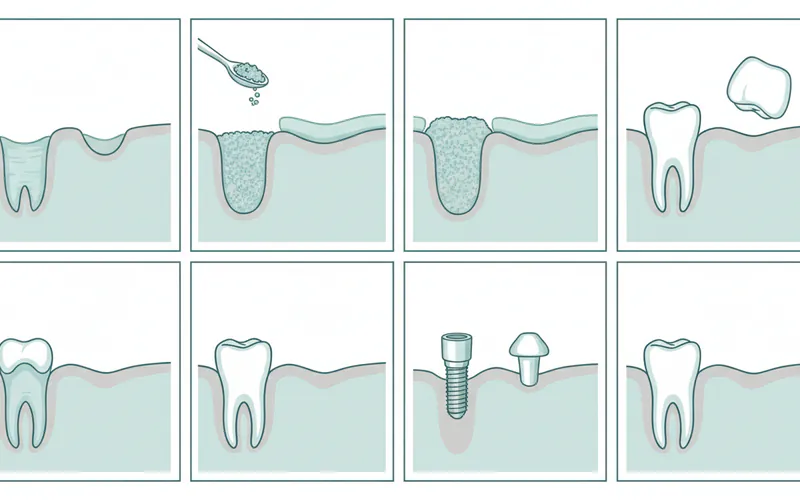
- Crucial Phase: This is the most critical and time-consuming part of the process. The bone graft material acts as a scaffold, encouraging your body to grow new, healthy bone cells into and around it. Over several months, the graft material will be naturally replaced by your own regenerated bone.
- Timeline: The healing period for a bone graft typically ranges from 3 to 9 months, depending on the size and type of the graft, as well as individual healing capabilities. Sinus lifts and block grafts usually require longer healing times. Your surgeon will monitor your progress during follow-up appointments.
4. Dental Implant Placement (Separate Surgery)
- Re-evaluation: Once sufficient bone regeneration has occurred, verified through X-rays or another CBCT scan, you'll be ready for implant placement.
- Procedure: Similar to the graft surgery, local anesthesia is administered. An incision is made, and a pilot hole is precisely drilled into the newly formed bone. The titanium implant post is then gently threaded into place.
- Suturing: The gum tissue is closed over the implant, or a healing abutment (a small metal collar) is attached, protruding slightly through the gum, to guide gum healing.
5. Osseointegration of the Implant
- Integration: After implant placement, another healing period is required, usually 3 to 6 months. During this time, the titanium implant fuses directly with the surrounding jawbone in a process called osseointegration. This creates an incredibly strong and stable anchor for your new tooth.
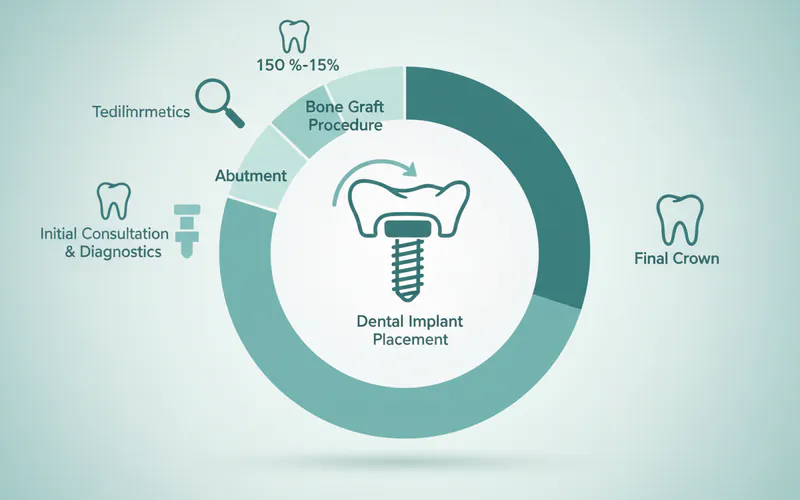
6. Abutment and Crown Placement
- Abutment: Once osseointegration is complete, an abutment (a small connector post) is attached to the top of the implant. If a healing abutment was already in place, it might be replaced with the final abutment.
- Impression: Impressions (molds) of your mouth are taken to custom-fabricate your permanent dental crown, bridge, or denture.
- Crown Attachment: Once fabricated, the custom-made crown (which will match your natural teeth in color, shape, and size) is securely attached to the abutment, completing your new tooth.
This multi-stage process, while requiring patience, ensures the long-term success and stability of your dental implant.
Cost and Insurance
Understanding the financial aspects of a bone graft for a tooth implant is crucial for planning your treatment. Costs can vary significantly based on the type and extent of the graft, the materials used, the complexity of the procedure, geographic location, and the surgeon's fees.
Average US Price Ranges
The figures below represent typical ranges for various bone grafting procedures in the United States. It's important to remember these are estimates, and a personalized quote from your dental professional is always necessary.
| Bone Graft Type | Typical US Cost Range (per site) | Key Factors Influencing Cost |
|---|---|---|
| Socket Preservation | $400 - $1,000 | Material (allograft/xenograft vs. synthetic), membrane use, region |
| Localized Bone Graft | $700 - $2,500 | Material, size of defect, complexity of placement |
| Autogenous Block Graft | $1,500 - $4,000 | Donor site (chin/ramus vs. hip/tibia), complexity of harvesting |
| Sinus Lift (Crestal) | $1,500 - $3,000 | Material, extent of lift, use of membrane |
| Sinus Lift (Lateral Window) | $2,500 - $5,000+ | Material, extent of lift, complexity, specialist fees |
| Ridge Augmentation (Extensive) | $2,000 - $8,000+ | Size of area, type of material, use of screws/membranes |
Note: These costs typically include the graft material and the surgical procedure for placing the graft. They generally do not include the cost of the dental implant itself, the abutment, or the final crown.
Regional Variations: Costs can be higher in major metropolitan areas (e.g., New York City, Los Angeles) compared to rural areas or smaller cities. For example, a bone graft that costs $800 in a mid-western state might cost $1,500 in a coastal city.
Impact on Overall Teeth Implants Cost
A bone graft is an additional procedure that adds to the total teeth implants cost. When patients ask how much does a full set of teeth implants cost, it's critical to understand that the need for bone grafting significantly inflates this figure.
- Single Implant with Graft: A single implant typically ranges from $3,000 to $6,000 (implant, abutment, crown). If a bone graft (e.g., $500-$2,000) is needed, the total cost for that single tooth could easily be $3,500 to $8,000 or more.
- Full Arch (e.g., All-on-4) with Grafts: A full set of teeth implants, like an "All-on-4" procedure, generally costs $15,000 to $30,000 per arch (upper or lower). If extensive bone grafting, such as multiple sinus lifts or full ridge augmentations, is required for an entire arch, this can add anywhere from $5,000 to $20,000+ to the total cost, pushing a full arch into the $20,000 - $50,000+ per arch range.
Dental Insurance Coverage Details
Dental insurance coverage for bone grafts can be quite complex and varies significantly between providers and plans.
- Limited Coverage: Many dental insurance plans classify bone grafts as a "major procedure" and may cover only a small percentage (e.g., 20-50%) of the cost, often after a deductible is met.
- Medical vs. Dental: Sometimes, if the bone loss is due to a medical condition (e.g., trauma, tumor removal) rather than just tooth loss, a portion of the cost might be covered by medical insurance. This is rare for routine implant preparation but worth exploring with your provider if applicable.
- Specific Codes: Insurers look for specific CPT (Current Procedural Terminology) codes. Your dental office will submit these codes, and you'll receive an Explanation of Benefits (EOB) detailing what's covered. Common codes for bone grafts include D7953 (bone graft for ridge preservation), D7950 (sinus augmentation), etc.
- Pre-authorization: It's highly recommended to get a pre-authorization from your insurance company before starting any bone graft procedure. This will provide a clear understanding of what your plan will cover.
- No Coverage: Some basic dental plans may not cover bone grafts at all, especially if they are deemed "cosmetic" or solely for "implant preparation" rather than medically necessary.
Pro Tip: Always contact your dental and medical insurance providers directly to inquire about your specific plan's coverage for "bone augmentation" or "ridge modification" procedures, emphasizing that it's often a prerequisite for restorative work.
Recovery and Aftercare
Proper recovery and diligent aftercare are paramount for the success of your bone graft. Following your surgeon's instructions precisely will minimize complications and promote optimal healing.
Immediate Post-Operative Period (First 24-72 hours)
- Bleeding: Light bleeding or oozing is normal for the first day. Bite gently on a gauze pad for 30-60 minutes, changing it as needed. Avoid spitting vigorously or using straws, as this can dislodge the blood clot and cause dry socket.
- Swelling: Swelling is common and typically peaks 2-3 days after surgery. Apply ice packs to the outside of your face (15-20 minutes on, 15-20 minutes off) for the first 24-48 hours to help reduce swelling.
- Pain Management: Your surgeon will prescribe pain medication (e.g., ibuprofen, acetaminophen, or stronger opioids if necessary). Take it as directed before the anesthesia wears off.
- Diet: Stick to soft, cool foods and liquids immediately after surgery. Avoid hot, spicy, crunchy, or chewy foods that could irritate the surgical site or dislodge the graft. Examples include yogurt, smoothies, mashed potatoes, lukewarm soups.
- Rest: Get plenty of rest. Avoid strenuous activities for at least 48-72 hours, as this can increase bleeding and swelling.
- Oral Hygiene: Do NOT rinse your mouth for the first 24 hours. After that, your surgeon may recommend a gentle salt water rinse (1/2 teaspoon salt in 8 ounces warm water) or a prescribed antimicrobial mouthwash, used gently, 2-3 times a day. Avoid brushing directly on the surgical site for several days; brush other teeth normally.
Ongoing Recovery (Weeks to Months)
- Diet Progression: Gradually reintroduce semi-soft foods, avoiding hard, sticky, or crunchy items for several weeks or as advised. Chewing on the side opposite the graft is recommended.
- Oral Hygiene: Continue gentle oral hygiene. Your surgeon will advise when you can resume normal brushing and flossing around the surgical area.
- Avoid Smoking and Alcohol: Smoking severely impairs healing and significantly increases the risk of graft failure and infection. Alcohol can interfere with medications and also hinder healing. Avoid both completely during the healing phase.
- Avoid Disturbing the Site: Do not poke or prod the surgical area with your tongue or fingers. If a membrane was placed, ensure it remains undisturbed.
- Follow-Up Appointments: Attend all scheduled follow-up appointments. Your surgeon will monitor your healing, remove sutures if necessary (many are dissolvable), and ensure the graft is integrating properly.
- Sinus Lift Specifics: If you had a sinus lift, avoid blowing your nose, sneezing forcefully, or playing wind instruments for several weeks, as this can put pressure on the sinus and dislodge the graft. Your surgeon may prescribe decongestants or nasal sprays.
Pro Tip: Maintain excellent nutrition during recovery. A diet rich in vitamins (especially C and D) and minerals (like calcium and phosphorus) can support your body's natural bone regeneration process.
Timeline for Healing
- Initial Soft Tissue Healing: 1-2 weeks for the gums to close and initial discomfort to subside.
- Bone Graft Integration: This is the longest phase, typically 3 to 9 months. For some extensive grafts, it can be up to a year. This time is crucial for the graft to mature and become strong enough to support an implant. Your surgeon will make the final determination based on radiographic evidence.
- Implant Placement: Only after the bone graft has fully healed and integrated can the dental implant be placed.
Patience is key during the recovery process. Rushing to the next stage or neglecting aftercare instructions can compromise the success of the bone graft and ultimately the dental implant.
Prevention of Bone Loss
Preventing jawbone loss is always preferable to treating it. Proactive measures can significantly reduce your risk and potentially avoid the need for a bone graft for a tooth implant in the future.
- Prompt Tooth Replacement: This is arguably the most critical preventive measure. As soon as a tooth is lost or extracted, the clock starts ticking on bone resorption. Replacing a missing tooth with a dental implant as soon as possible (often with immediate implant placement or socket preservation) is the best way to preserve the bone. If implants aren't immediately feasible, other temporary solutions can help maintain space.
- Maintain Excellent Oral Hygiene: Brushing twice a day with fluoride toothpaste, flossing daily, and using an antimicrobial mouthwash helps prevent periodontal disease, the second leading cause of bone loss. Removing plaque and tartar buildup is vital.
- Regular Dental Check-ups and Cleanings: Visiting your dentist every six months for professional cleanings and examinations allows for early detection and treatment of gum disease, cavities, and other issues that can lead to bone loss.
- Treat Periodontal Disease Promptly: If you develop gum disease, follow your dentist's recommendations for treatment, which may include deep cleaning (scaling and root planing), antibiotics, or periodontal surgery. Controlling the infection is paramount to stopping bone destruction.
- Address Systemic Health Conditions: Manage any underlying medical conditions that affect bone health, such as osteoporosis or diabetes, in consultation with your physician.
- Quit Smoking: Smoking is a major risk factor for periodontal disease and significantly hinders bone healing and overall oral health. Quitting smoking is one of the most impactful steps you can take for prevention.
- Healthy Diet and Lifestyle: A balanced diet rich in calcium, vitamin D, and other essential nutrients supports overall bone health.
- Avoid Trauma: Wear a mouthguard during sports activities to protect your teeth and jaw from injury.
Risks and Complications
While bone grafting for dental implants is a routine and generally safe procedure with a high success rate, as with any surgery, there are potential risks and complications. Being aware of these can help you understand what to watch for and when to contact your dental professional.
- Infection: This is a primary concern. Despite sterile techniques, bacteria can sometimes enter the surgical site, leading to pain, swelling, pus, fever, and delayed healing. Antibiotics are often prescribed to prevent or treat infection.
- Pain and Swelling: Expected after surgery, but severe or worsening pain and swelling that don't respond to medication could indicate a problem.
- Bleeding: Minor bleeding or oozing is normal, but excessive or prolonged bleeding should be reported to your surgeon.
- Nerve Damage: Rare, but possible, particularly in the lower jaw where the inferior alveolar nerve runs. This can lead to temporary or, in very rare cases, permanent numbness, tingling, or altered sensation in the lip, chin, or tongue.
- Graft Failure/Rejection: The bone graft material may not integrate properly with your existing bone, or in rare cases, your body may "reject" the graft. This can happen due to infection, poor healing, or insufficient blood supply. If a graft fails, it typically means the procedure needs to be repeated or an alternative treatment pursued.
- Sinus Perforation (during Sinus Lifts): The thin membrane lining the sinus can sometimes be accidentally perforated during a sinus lift. Small perforations can often be repaired during the surgery, but larger ones may require a delay in the procedure to allow the membrane to heal.
- Donor Site Complications (Autografts): If your own bone is harvested, the donor site can experience pain, swelling, bruising, and a risk of infection or nerve injury, often more significant than the graft site itself.
- Allergic Reaction: Extremely rare, but possible with certain graft materials or medications.
- Delayed Healing: Some individuals heal more slowly than others, potentially extending the overall treatment timeline.
- Smoking-Related Complications: Smokers have a significantly higher risk of graft failure, infection, and delayed healing due to reduced blood flow and compromised immune response.
Your dental professional will discuss these risks with you thoroughly before the procedure and take all necessary precautions to minimize their occurrence. Following all pre- and post-operative instructions is the best way to mitigate these risks.
Children / Pediatric Considerations
Bone grafting for dental implants is generally not applicable to children or adolescents. The primary reason is that a child's jawbone is still growing and developing. Placing a dental implant, which is a fixed restoration, into a still-growing jawbone can lead to complications such as the implant becoming submerged as the surrounding bone continues to develop, or causing orthodontic issues.
Dental implants are typically only considered for individuals once facial and jawbone growth is complete, which is usually in the late teens to early twenties (around 18-20 years old for females and 20-22 years old for males), though this can vary by individual.
However, there are specific, rare circumstances where bone grafting procedures might be performed on children or adolescents, but usually not for implant preparation:
- Trauma: If a child experiences a severe facial injury that results in significant jawbone loss, a bone graft might be necessary to reconstruct the jaw for functional or aesthetic reasons, or to prepare for future tooth eruption.
- Congenital Defects: Children born with conditions like cleft lip and palate often require bone grafting (e.g., alveolar bone grafting) to close the gap in the jawbone and provide support for erupting permanent teeth or future orthodontic treatment.
- Tumor Removal: If a benign or malignant tumor necessitates the removal of jawbone tissue, grafting may be part of the reconstructive surgery.
In these cases, the type of graft and the surgical approach are carefully chosen by a pediatric oral surgeon, taking into account the child's growth potential. For the purpose of dental implant placement, children are almost always advised to wait until adulthood.
Cost Breakdown
To fully grasp the teeth implants cost, especially how much does a full set of teeth implants cost, it's essential to break down the expenses involved, particularly when a bone graft is part of the treatment plan.
Average US Costs: A Detailed Look
The costs are highly variable but can be categorized to give you a clearer picture:
-
Bone Graft: As discussed, this ranges from $400 for a minor, synthetic graft to $5,000 or more for a complex sinus lift or extensive ridge augmentation. This is an additional cost to the implant itself.
- Low End (e.g., Socket Preservation with synthetic material): $400 - $800
- Mid-Range (e.g., Localized allograft or xenograft): $800 - $2,500
- High End (e.g., Lateral window sinus lift, autogenous block graft, extensive ridge augmentation): $2,500 - $10,000+
-
Single Dental Implant (Post, Abutment, Crown):
- Implant Post: $1,500 - $3,000 (titanium screw placed into the bone)
- Abutment: $300 - $600 (connector between implant and crown)
- Crown: $1,000 - $2,500 (the visible "tooth" portion)
- Total for a single implant (without graft): $2,800 - $6,100
-
Total for a Single Implant with Bone Graft: Combining the above, a single tooth implant requiring a bone graft could cost anywhere from $3,200 to $12,100+.
-
Full Arch of Implants (e.g., All-on-4, All-on-6):
- This procedure involves placing 4-6 implants per arch to support a full bridge of prosthetic teeth.
- Cost per arch (without significant grafts): $15,000 - $30,000
- Cost per arch (with extensive grafts): If multiple bone grafting procedures (like bilateral sinus lifts or full ridge augmentation) are needed to prepare an entire arch, this can easily add $5,000 to $20,000+ to the total.
- Total for a full arch with grafts: $20,000 - $50,000+ per arch. A full mouth (both upper and lower arches) could therefore range from $40,000 to $100,000+.
With vs. Without Insurance
As mentioned, dental insurance coverage for bone grafts is often limited.
- Without Insurance: You are responsible for 100% of the cost.
- With Insurance:
- Bone Graft: Many plans cover 0% to 50% of the bone graft cost, often after a deductible is met. For example, if your plan covers 50% of a $1,000 bone graft and you have a $100 deductible, you'd pay $100 + ($1,000 - $100) * 0.50 = $550.
- Implants: Similarly, implant components are often covered at 0% to 50%.
- Annual Maximums: Most dental insurance plans have annual maximums (e.g., $1,000 - $2,000). For extensive procedures like implants with grafts, you will quickly hit this maximum, leaving you to pay the majority out-of-pocket.
This means that even with insurance, you should expect to pay a substantial portion of the cost, especially for a full set of teeth implants that includes bone grafting.
Payment Plans and Financing Options
Due to the significant investment, most dental practices offer or work with third-party financing options:
- In-Office Payment Plans: Some practices allow you to make interest-free payments over a few months, especially for segments of the treatment.
- Third-Party Medical/Dental Credit Cards: Companies like CareCredit or LendingClub offer specialized healthcare credit cards with various financing terms, including interest-free periods if paid in full within a certain timeframe (e.g., 6-24 months).
- Personal Loans: Banks and credit unions offer personal loans that can be used for dental work. These typically have fixed interest rates and repayment schedules.
- Health Savings Accounts (HSAs) and Flexible Spending Accounts (FSAs): If you have an HSA or FSA, you can use these tax-advantaged accounts to pay for dental procedures, including bone grafts and implants, saving you money on taxes.
Cost-Saving Tips
- Shop Around (Carefully): While expertise is paramount, comparing quotes from multiple qualified implantologists or oral surgeons can sometimes reveal differences. Ensure you're comparing apples to apples (same graft material, procedure, etc.).
- Dental Schools: University dental schools often provide high-quality care at reduced costs, as procedures are performed by students under the direct supervision of experienced faculty. This can involve longer appointment times.
- Phased Treatment: Discuss with your dentist if the treatment can be broken into phases over several years, allowing you to use subsequent years' insurance benefits or spread out payments.
- Preventive Care: The best cost-saving tip is prevention. Regular dental care, good oral hygiene, and prompt treatment of issues like gum disease can prevent the need for costly procedures like bone grafts and implants down the line.
Frequently Asked Questions
Is a bone graft for a tooth implant painful?
While the procedure itself is performed under anesthesia, you will likely experience some discomfort, swelling, and bruising during the recovery period. This can usually be managed effectively with prescribed pain medication, over-the-counter pain relievers, and ice packs. Most patients report the recovery as manageable.
How long does a bone graft take to heal?
The initial soft tissue healing typically takes 1-2 weeks. However, the critical process of new bone integration and maturation can take much longer, usually 3 to 9 months, and in some complex cases, up to a year. Your surgeon will monitor your healing through follow-up appointments and X-rays.
What are the alternatives to a bone graft for implants?
In cases of insufficient bone, the primary alternative to a bone graft for traditional implants is to consider non-implant tooth replacement options such as removable dentures or fixed dental bridges. In very specific and severe cases, specialized implants like zygomatic implants or mini-implants might be considered, but these have limitations and are not suitable for everyone.
Can I get an implant without a bone graft if I have bone loss?
Generally, no. If your dental professional determines you have insufficient bone height or width, a bone graft is almost always a necessary prerequisite for a successful and long-lasting dental implant. Without adequate bone, the implant lacks the stable foundation needed for osseointegration and can fail.
How successful are bone grafts for dental implants?
Bone grafts for dental implants have a very high success rate, typically 90-95% or more, when performed by an experienced surgeon and proper aftercare is followed. The success depends on factors like the type of graft, the patient's overall health, and adherence to post-operative instructions.
What is the recovery like after a bone graft?
Recovery involves managing swelling, bruising, and discomfort with medication and ice. You'll need to adhere to a soft diet, practice gentle oral hygiene, and avoid strenuous activities for a period. Smoking and alcohol should be avoided entirely to promote optimal healing. Most patients can return to light activities within a few days.
How much does a bone graft add to teeth implants cost?
A bone graft can add anywhere from $400 to over $5,000 to the total cost of a single dental implant, depending on the type and complexity of the graft. For extensive full-arch grafting, it can add $5,000 to $20,000+ to the overall full set of teeth implants cost.
What's the difference between a sinus lift and a bone graft?
A sinus lift is a specific type of bone grafting procedure performed in the upper jaw, typically when there isn't enough bone height beneath the maxillary sinuses for implant placement. A bone graft is the general term for adding bone material, while a sinus lift refers to the specific surgical technique used to create space for that graft in the sinus area.
Can my body reject a bone graft?
While true immunological "rejection" (as with organ transplants) is extremely rare, especially with processed allografts or xenografts, a bone graft can "fail" to integrate or heal properly. This can be due to infection, insufficient blood supply, or premature disturbance of the graft. Your body's ability to heal and grow new bone into the graft is crucial.
How much does a full set of teeth implants cost with bone grafts?
A full set of teeth implants (e.g., for an entire upper or lower arch) typically costs $15,000 to $30,000 per arch without significant bone grafts. If extensive bone grafting is required for a full arch, the total cost can increase to $20,000 to $50,000+ per arch, making a full mouth rehabilitation (both arches) potentially $40,000 to $100,000 or more.
When to See a Dentist
Knowing when to consult a dental professional about bone health and dental implants is key to proactive oral care.
When to Seek Routine Guidance:
- If you have a missing tooth or anticipate an extraction: The sooner you address a missing tooth, the better the chances of preserving your jawbone. Discuss socket preservation options immediately.
- If you are considering dental implants: Even if you think you have sufficient bone, a consultation is necessary to assess your bone health through imaging.
- If you wear dentures and they are becoming loose: This is a common sign of underlying bone resorption, and discussing implant-supported dentures could be beneficial.
- If you have persistent gum recession or loose teeth: These could be indicators of periodontal disease and associated bone loss, requiring evaluation.
- For any general questions about your oral health or tooth replacement options: Your dentist can provide tailored advice and direct you to specialists if needed.
Red Flags That Need Immediate Attention:
Contact your oral surgeon or dentist immediately if you experience any of the following after a bone graft procedure:
- Severe or worsening pain: Pain that is not controlled by prescribed medication or gets worse over time.
- Excessive bleeding: Bleeding that is profuse, doesn't stop after applying pressure, or continues for more than 24-48 hours.
- Significant and worsening swelling: Swelling that is increasing dramatically after the first 2-3 days, or is accompanied by difficulty swallowing or breathing.
- Signs of infection: Fever, chills, pus or foul-smelling discharge from the surgical site, red streaks spreading from the area.
- Numbness: New or persistent numbness that was not present or expected after the initial anesthesia.
- Dislodged graft material or membrane: If you notice particles of bone material or if the protective membrane comes loose.
- Allergic reaction signs: Rash, hives, difficulty breathing.
These symptoms could indicate a complication requiring prompt professional intervention to ensure the success of your bone graft and overall health.
Frequently Asked Questions
Medically Reviewed Content
This article was written by our dental health editorial team and reviewed for medical accuracy. Our content follows strict editorial guidelines for reliability and trustworthiness.
Medical Disclaimer
This article is for informational purposes only and does not constitute medical advice. Always consult with a qualified dental professional for diagnosis and treatment. Do not delay seeking professional advice because of something you read on this website.
Related Articles
Implantologist: Complete Guide
Losing a tooth can be a significant setback, impacting not only your smile but also your ability to speak, chew, and maintain overall oral health. In fact, over 3 million Americans currently have dental implants, and that number is projected to grow significantly as more people seek a durable, n
March 8, 2026
Dentures Over Implants: Complete Guide
Missing multiple teeth or even an entire arch can profoundly impact your life, affecting everything from your ability to chew and speak to your self-confidence. For millions of Americans, traditional removable dentures have long been a solution, but they often come with compromises: slipping, discom
March 8, 2026
Implants Process: Complete Guide
Missing teeth can impact more than just your smile; they can affect your ability to eat, speak, and even your overall confidence. In fact, over 178 million Americans are missing at least one tooth, and about 40 million are missing all of their teeth. When faced with tooth loss, understanding the
March 8, 2026
Implants Dentaires: Complete Guide
Missing teeth can dramatically impact not just your smile, but your overall health, confidence, and quality of life. In the United States, an estimated 178 million adults are missing at least one tooth, while approximately 40 million are missing all their teeth. These statistics underscore a
March 8, 2026