Tooth Implants: Complete Guide
Key Takeaways
- Missing teeth can impact more than just your smile; they can affect your ability to eat, speak, and even your overall health and self-confidence. In the United States, about 178 million adults are missing at least one tooth, and roughly 40 million are missing all of their teeth. While tradit
Missing teeth can impact more than just your smile; they can affect your ability to eat, speak, and even your overall health and self-confidence. In the United States, about 178 million adults are missing at least one tooth, and roughly 40 million are missing all of their teeth. While traditional solutions like dentures and bridges have served many, modern dentistry offers a revolutionary, long-lasting alternative: tooth implants. These remarkable dental devices have transformed the field of restorative dentistry, providing a solution that looks, feels, and functions almost exactly like natural teeth. But what exactly are tooth implants, how do they work, and are they the right choice for you?
This comprehensive guide from SmilePedia.net will demystify dental implants, exploring everything from their fundamental structure and various types to the intricate step-by-step process of getting them. We'll delve into the factors that make you a suitable candidate, discuss the costs involved and insurance considerations, and offer practical advice on recovery and aftercare. We’ll also compare them to traditional alternatives like dentures, helping you understand why many consider tooth implants the gold standard for tooth replacement. Prepare to gain an in-depth understanding that empowers you to make informed decisions about restoring your smile and oral health.
Key Takeaways:
- Tooth implants are titanium posts surgically placed into the jawbone to replace missing tooth roots, providing a strong foundation for artificial teeth.
- The typical process for a single implant involves multiple stages, often spanning 3 to 9 months, including healing periods.
- Cost for a single tooth implant in the US generally ranges from $3,000 to $6,000, including the implant, abutment, and crown, but can reach up to $8,000 in complex cases or high-cost regions. This does not include potential ancillary procedures like bone grafting ($200-$3,000) or sinus lifts ($1,500-$5,000).
- All-on-4® or full-arch implants can range from $15,000 to $30,000 per arch or more, depending on materials and complexity.
- While initial costs can be higher than dentures, tooth implants offer superior stability, longevity (often lasting a lifetime with proper care), and preserve jawbone health.
- Dental insurance often provides limited coverage for implants, typically 0-50%, often classifying them as major restorative work. Financing options and payment plans are widely available.
- Proper oral hygiene and regular dental check-ups are crucial for the long-term success and health of your dental implants, helping prevent complications like peri-implantitis.
What Are Tooth Implants? An Overview
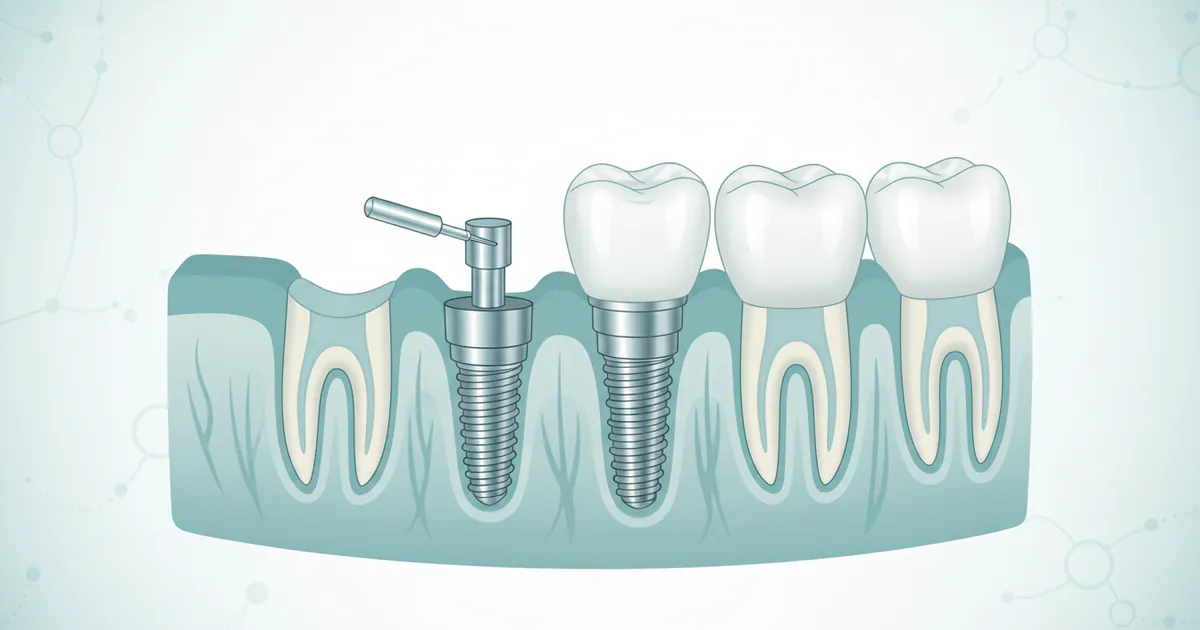
At its core, a tooth implant is a sophisticated dental prosthesis designed to replace a missing tooth from root to crown. Unlike dentures that rest on the gums or bridges that rely on adjacent teeth for support, a dental implant is surgically anchored directly into your jawbone. This unique integration process, known as osseointegration, is what makes implants incredibly stable and durable.

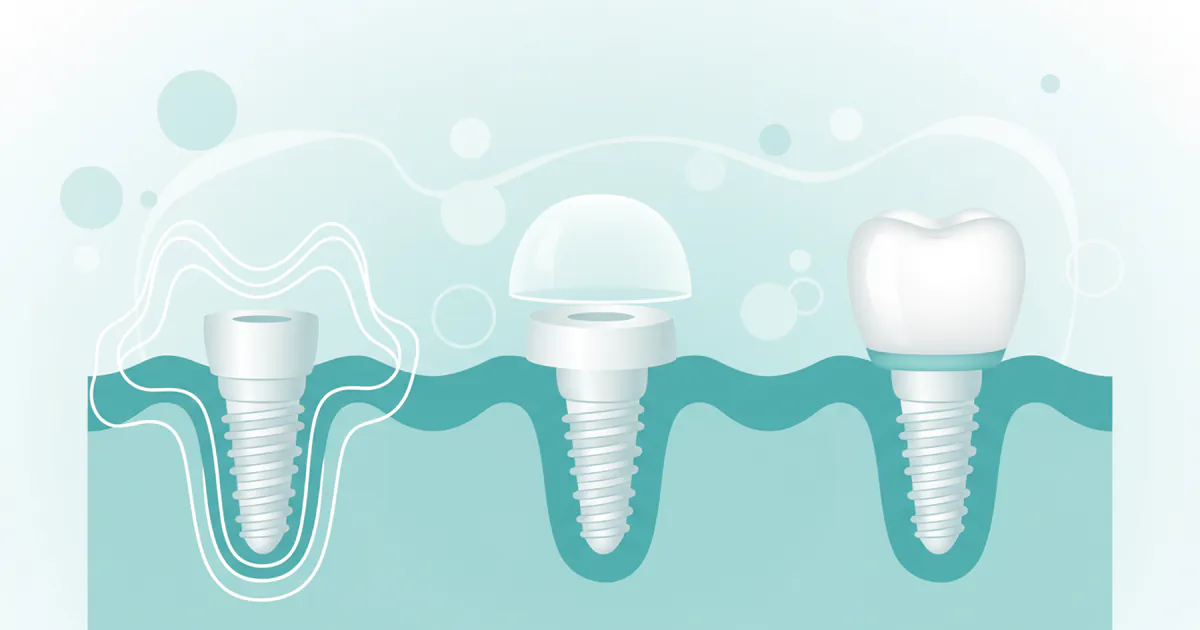
Each implant typically consists of three main components:
- The Implant Post (Fixture): This is a small, screw-shaped post, usually made of biocompatible titanium, which is surgically placed into the jawbone beneath the gum line. Titanium is chosen for its ability to fuse with bone tissue without being rejected by the body. This post acts as the artificial tooth root.
- The Abutment: Once the implant post has successfully integrated with the jawbone (a process that can take several months), an abutment is attached to the top of the implant. This small connector piece extends through the gum line and serves as the anchor for the final crown, bridge, or denture.
- The Prosthesis (Crown, Bridge, or Denture): This is the visible part of the tooth replacement.
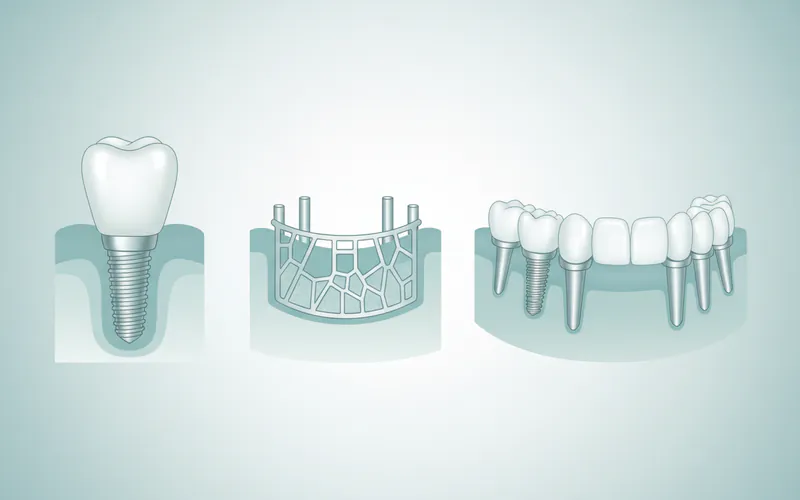
- Crown: For a single missing tooth, a custom-made crown (often porcelain or ceramic) is cemented or screwed onto the abutment. It is designed to match the color, shape, and size of your natural teeth.
- Bridge: If you're missing several teeth in a row, two or more implants can support a dental bridge.
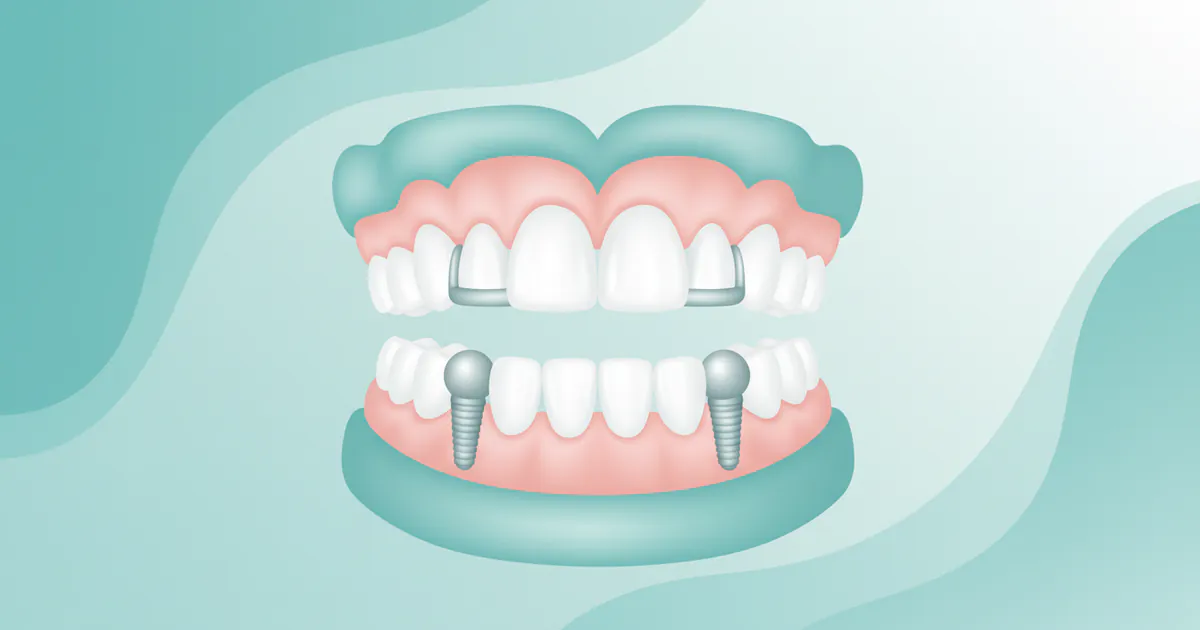
- Denture: For patients missing an entire arch of teeth, several implants can be used to securely hold a full arch denture (overdenture) in place, preventing slippage and improving chewing efficiency.
The goal of tooth implants is to restore both the aesthetics and functionality of your smile, allowing you to eat, speak, and smile with confidence, much like you would with your natural teeth. They also play a critical role in preserving jawbone health, preventing the bone loss that often occurs after tooth extraction.
Types of Tooth Implants
The world of dental implants offers several variations, each designed to address specific needs and anatomical considerations. Understanding the different types can help you discuss the best option with your dentist.
Endosteal Implants (In-Bone Implants)
These are by far the most common type of dental implant. "Endosteal" means "in the bone," referring to how these implants are surgically placed directly into the jawbone.
- Description: Typically made of titanium, they are shaped like small screws, cylinders, or blades. The titanium post acts as an artificial root.
- Placement: Requires sufficient healthy jawbone for successful integration.
- Pros: High success rate, excellent stability, long-lasting, versatile for single crowns, bridges, or supporting dentures.
- Cons: Requires sufficient bone density, can involve a longer healing period for osseointegration.
- Ideal for: Most patients with adequate jawbone who are seeking a durable, natural-feeling tooth replacement.
Subperiosteal Implants (On-Bone Implants)
These implants are rarely used today but were once a primary alternative to endosteal implants, especially for patients with insufficient jawbone height.
- Description: Instead of being placed into the bone, subperiosteal implants consist of a metal framework that fits on top of the jawbone, just under the gum tissue. Posts attached to the framework protrude through the gums to hold the prosthetic teeth.
- Placement: Molded to fit the contours of the patient's specific jawbone.
- Pros: May be an option for patients unable to undergo bone grafting, less invasive surgery for bone.
- Cons: Lower long-term success rates compared to endosteal implants, potential for gum irritation, less stable.
- Ideal for: Patients who cannot wear conventional dentures and are unable or unwilling to undergo bone grafting, though this approach is becoming obsolete with advances in bone augmentation.
Mini Dental Implants (MDIs)
As the name suggests, MDIs are smaller in diameter than traditional endosteal implants.
- Description: These are narrower, often less than 3.0mm in diameter, compared to traditional implants which are 3.5-5.0mm. They typically consist of a single piece with a ball-shaped head, which a rubber O-ring in the denture snaps onto.
- Placement: Less invasive surgery, often placed in one appointment.
- Pros: Quicker placement, lower cost, less bone required, can be used to stabilize lower dentures immediately.
- Cons: Less durable and stable than traditional implants, generally not recommended for single tooth replacement in areas of high biting force.
- Ideal for: Stabilizing lower full dentures, provisional restorations, or for patients with limited bone who cannot undergo extensive bone grafting.
All-on-4® and Full-Arch Implants
This is a specific technique for replacing an entire arch of teeth (upper or lower) using a minimal number of implants.
- Description: Typically involves placing four (sometimes 5 or 6, known as All-on-X) dental implants strategically in the jawbone. The two posterior implants are often angled to maximize contact with existing bone and avoid anatomical structures like the sinus cavity. A full arch of prosthetic teeth is then permanently attached to these implants.
- Placement: Can often provide a "Teeth in a Day" solution, where a temporary set of teeth is placed on the same day as implant surgery.
- Pros: Replaces an entire arch with fewer implants, often avoids bone grafting, immediate function with temporary teeth, highly stable and aesthetically pleasing.
- Cons: Higher initial cost, requires specialized surgical expertise.
- Ideal for: Patients missing most or all of their teeth in an arch, or those with failing teeth who desire a fixed, non-removable solution that avoids traditional dentures.
Why Consider Tooth Implants? (Causes and Benefits)
People consider tooth implants for a variety of reasons, primarily stemming from tooth loss or the desire for a more stable and permanent tooth replacement solution. Understanding the causes of tooth loss highlights why implants are often the superior choice.
Common Causes of Tooth Loss:
- Severe Tooth Decay: Uncontrolled cavities can destroy tooth structure to the point where extraction is the only option.
- Gum Disease (Periodontitis): Advanced gum disease is the leading cause of tooth loss in adults. It destroys the bone and tissues supporting the teeth.
- Injury or Trauma: Accidents, sports injuries, or falls can knock out teeth.
- Failed Root Canal: Sometimes, a root canal treatment may fail, leading to reinfection or structural compromise that necessitates extraction.
- Cracked Tooth Syndrome: Severe cracks can extend below the gum line, making the tooth unrestorable.
- Congenital Conditions: Some individuals are born missing one or more permanent teeth (hypodontia).
- Wear and Tear: Years of grinding (bruxism) or acidic erosion can lead to significant tooth damage.
The Benefits of Choosing Tooth Implants:
When compared to alternatives like dentures or bridges, tooth implants offer a host of significant advantages:
- Improved Appearance: Implants look and feel like your natural teeth because they are designed to fuse with bone. They become permanent.
- Enhanced Speech: Unlike dentures that can slip within the mouth, causing mumbling or slurred speech, implants allow you to speak without the worry that teeth might shift.
- Greater Comfort: Because they become part of you, implants eliminate the discomfort of removable dentures.
- Easier Eating: Sliding dentures can make chewing difficult. Tooth implants function like your own teeth, allowing you to eat your favorite foods with confidence and without pain.
- Improved Self-Esteem: A complete, healthy smile can significantly boost your confidence and quality of life.
- Better Oral Health: Unlike dental bridges, implants don't require reducing other teeth. Because nearby teeth are not altered to support the implant, more of your own natural teeth are left intact, improving long-term oral health. Individual implants also allow easier access between teeth for cleaning, improving hygiene.
- Durability and Longevity: With proper care, implants can last a lifetime, far surpassing the lifespan of bridges (typically 10-15 years) or dentures (5-7 years).
- Preservation of Jawbone: Perhaps one of the most crucial benefits. When a tooth is lost, the jawbone beneath it begins to resorb (deteriorate) due to lack of stimulation. Implants act like natural tooth roots, stimulating the jawbone and preventing bone loss, thus preserving facial structure.
- Convenience: Implants eliminate the embarrassing inconvenience of removing dentures, as well as the need for messy adhesives to keep them in place.
Dentures vs. Implants: A Comprehensive Comparison
When considering options for replacing missing teeth, the choice often comes down to traditional dentures or modern tooth implants. Both have their merits, but they cater to different needs and offer distinct benefits. Understanding the differences is crucial for making an informed decision.
Dentures:
- What they are: Removable appliances that sit on the gums, typically made of acrylic resin and sometimes metal. They can replace a few missing teeth (partial dentures) or an entire arch (complete dentures).
- Pros:
- Lower initial cost: Generally the most affordable immediate solution.
- Non-invasive: No surgery required.
- Quick fabrication: Can be made relatively quickly.
- Cons:
- Less stable: Can slip, shift, or even fall out, especially lower dentures.
- Chewing limitations: Reduces chewing efficiency, making certain foods difficult to eat.
- Bone loss: Do not stimulate the jawbone, leading to continued bone resorption over time and changes in facial structure.
- Discomfort/Sore spots: Can cause gum irritation and require frequent adjustments or relines.
- Requires adhesives: Often needs messy dental glues to stay in place.
- Maintenance: Must be removed nightly for cleaning.
- Speech issues: Can affect speech initially.
Dental Implants:
- What they are: Titanium posts surgically placed into the jawbone, acting as artificial tooth roots to support crowns, bridges, or specialized dentures.
- Pros:
- Superior stability: Fused with the jawbone, offering unparalleled stability and strength.
- Natural look and feel: Look, feel, and function almost identically to natural teeth.
- Preserves jawbone: Prevents bone loss and maintains facial structure.
- Improved chewing: Restores full chewing power, allowing you to eat any food.
- Long-lasting: Can last a lifetime with proper care, making them a cost-effective solution in the long run.
- Convenience: No adhesives, no removal for cleaning (unless implant-supported overdentures).
- Cons:
- Higher initial cost: Significantly more expensive upfront.
- Surgical procedure: Requires surgery and a healing period.
- Time commitment: The entire process can take several months.
- Not suitable for everyone: Requires sufficient bone and good general health.
Comparison Table: Dentures vs. Tooth Implants
| Feature | Conventional Dentures | Dental Implants (Single) | All-on-4® Implants (Full Arch) |
|---|---|---|---|
| Stability | Low (can slip/shift) | Excellent (fixed in bone) | Excellent (fixed in bone) |
| Chewing Efficiency | ~20-30% of natural teeth | ~90-100% of natural teeth | ~80-90% of natural teeth |
| Bone Preservation | No (bone loss continues) | Yes (prevents bone loss) | Yes (prevents bone loss) |
| Comfort | Can cause sore spots, bulky | Very comfortable, feels natural | Very comfortable, feels natural |
| Appearance | Can look natural, but may show clasps (partials) | Very natural, indistinguishable from natural teeth | Very natural, custom-designed to fit your face |
| Maintenance | Remove daily for cleaning, adhesives often needed | Brush and floss like natural teeth | Brush and floss like natural teeth, professional cleanings |
| Longevity | 5-7 years (may need relines/replacements) | 20+ years, often lifetime with proper care | 15-20+ years, often lifetime with proper care |
| Process Time | Weeks | 3-9 months (including healing) | Often 1-3 days for temporary, 4-6 months for permanent |
| Cost (US est.) | $300-$8,000 (per arch, varies) | $3,000-$6,000 (per implant, incl. crown) | $15,000-$30,000+ (per arch) |
| Invasiveness | Non-invasive | Surgical procedure | Surgical procedure |
| Insurance Coverage | Often better coverage (basic service) | Limited (often 0-50%, major restorative) | Limited (often 0-50%, major restorative) |
Pro Tip:
While affordable implants for teeth may seem like a significant upfront investment, consider their long-term benefits. The need for fewer replacements, better oral health, and improved quality of life often make them more cost-effective over a lifetime compared to repeated denture adjustments, relines, and replacements.
The Step-by-Step Tooth Implant Process
Getting a tooth implant is a multi-stage process that typically spans several months, allowing for proper healing and integration. While individual cases may vary, here's a general outline of what you can expect:
Step 1: Initial Consultation and Planning
- Comprehensive Examination: Your journey begins with a thorough dental examination. This includes reviewing your medical and dental history, taking X-rays, 3D CT scans, and creating impressions of your teeth and jaw.
- Bone Assessment: The dentist or oral surgeon will assess the quality and quantity of your jawbone to determine if it's sufficient to support an implant.
- Treatment Plan: Based on the examination, a personalized treatment plan is developed, outlining the number of implants needed, the type of prosthesis, and any preliminary procedures (like bone grafting or extractions).
- Discussion: All your questions will be answered, and the risks, benefits, and costs will be thoroughly explained.
Step 2: Preliminary Procedures (If Needed)
Some patients may require preparatory procedures before implant placement can occur.
- Tooth Extraction: If the damaged tooth is still present, it must be extracted first.
- Bone Grafting: If you don't have enough jawbone, a bone graft may be performed to build up the bone. This involves transplanting bone material (from your own body, a donor, or synthetic material) to the implant site. This can add several months to the overall timeline, as the graft needs time to heal and integrate before the implant can be placed.
- Sinus Lift: If implants are needed in the upper jaw and the sinus floor is too close to the jawbone, a sinus lift procedure may be necessary to add bone to the upper jaw, providing enough height for the implants.
Step 3: Implant Placement Surgery
- Anesthesia: Local anesthesia is typically used, sometimes supplemented with sedation (oral, IV, or nitrous oxide) to ensure your comfort.
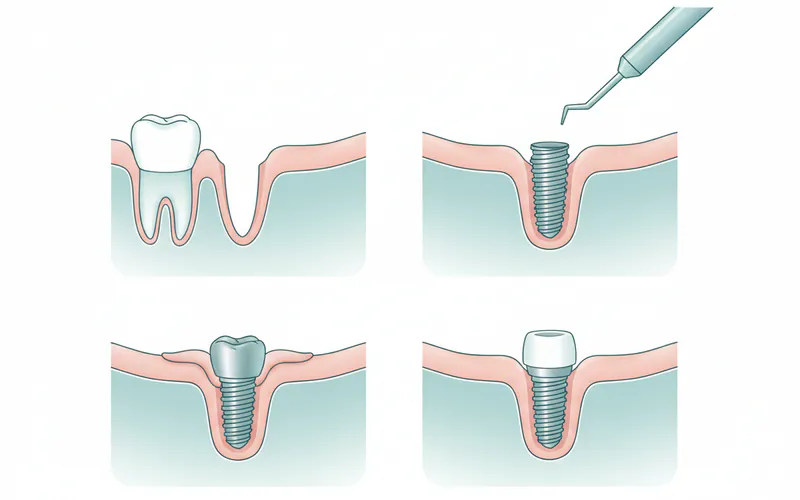
- Incision: A small incision is made in the gum to expose the jawbone.
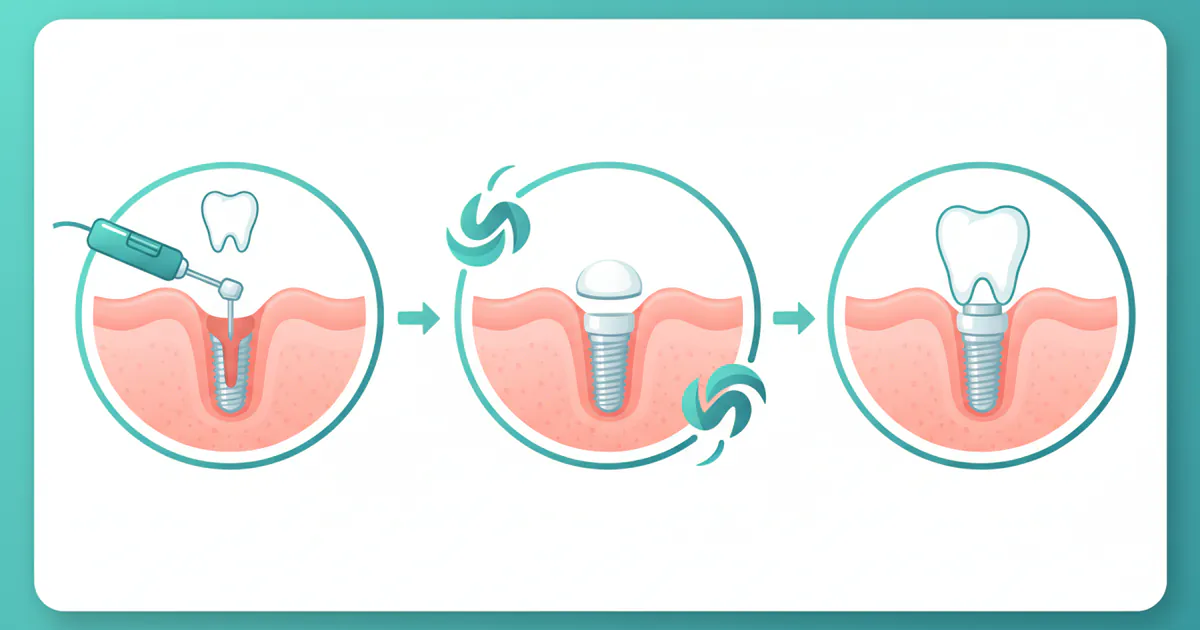
- Pilot Hole: A small pilot hole is carefully drilled into the bone at the precise location of the missing tooth.
- Implant Insertion: The titanium implant post is then carefully screwed or tapped into the prepared bone.
- Gum Closure: The gum tissue is typically closed over the implant, or sometimes a healing abutment is placed, allowing it to protrude through the gum.

Step 4: Osseointegration (Healing Period)
- Fusion with Bone: This is the critical stage where the implant post fuses with the surrounding jawbone. This biological process, called osseointegration, creates a strong and stable foundation for the new tooth.
- Duration: Osseointegration typically takes 3 to 6 months, but can be longer depending on individual healing capacity and whether bone grafting was performed. During this time, you may wear a temporary denture or bridge to cover the gap.
Step 5: Abutment Placement
- Exposure of Implant: Once osseointegration is complete, a second minor surgical procedure may be required if the implant was fully covered by gum tissue. A small incision is made to expose the top of the implant.
- Abutment Attachment: The abutment, a small connector post, is then attached to the implant. This piece will eventually hold the crown. The gum tissue is allowed to heal around the abutment for a few weeks.
Step 6: Crown Placement
- Impressions: After the gums have healed around the abutment, your dentist will take new impressions of your mouth and the abutment.
- Custom Crown Fabrication: These impressions are sent to a dental lab where a custom-made crown, bridge, or denture is fabricated to match the color, shape, and size of your natural teeth.
- Final Attachment: Once the custom prosthesis is ready, it is either cemented or screwed onto the abutment, completing your tooth restoration. Your new implant-supported tooth is now fully functional!
Cost of Tooth Implants and Insurance Coverage in the US
The cost of tooth implants is a significant consideration for many patients. While they represent a substantial investment, understanding the breakdown of expenses and potential financing options can make them more accessible. Costs can vary widely based on several factors, including the number of implants, the type of implant, additional procedures needed, geographic location, and the experience of the dental professional.
Average US Cost Ranges (Out-of-Pocket)
Here's a general breakdown of typical costs in the United States:
- Single Tooth Implant:
- Low Range: $3,000 (Implant post only, typically at dental schools or less complex cases)
- Mid-Range: $3,000 - $6,000 (This usually includes the implant post, abutment, and the crown.)
- High Range: $6,000 - $8,000+ (More complex cases, premium materials, specialists in high-cost-of-living areas.)
- Mini Dental Implants (MDIs):
- Per implant: $500 - $1,500 (often used in sets for denture stabilization, so total cost can be $2,000 - $6,000 for a set of 4).
- Implant-Supported Bridge:
- For 2-4 implants supporting 3-4 teeth: $6,000 - $20,000+
- Full Arch Implants (e.g., All-on-4® or All-on-X):
- Per arch (upper or lower): $15,000 - $30,000+
- This typically includes the implants, abutments, and a fixed, full-arch prosthetic (either acrylic-titanium hybrid or zirconia). The higher end represents more premium materials and highly experienced specialists.
- It's not uncommon for both upper and lower arches to cost $30,000 - $60,000+.
Additional Procedures and Their Costs:
Many patients require supplementary procedures that add to the overall cost:
- Tooth Extraction: $75 - $600 per tooth (depending on complexity).
- Bone Grafting: $200 - $3,000 per site (varies greatly by material and extent).
- Sinus Lift: $1,500 - $5,000 per sinus (a more complex bone grafting procedure).
- Gum Grafting: $600 - $3,000 per site.
- Temporary Restoration: $300 - $1,000 (a temporary crown, bridge, or partial denture to wear during healing).
Geographic Variations:
Costs can significantly differ across the US. Major metropolitan areas (e.g., New York, Los Angeles, San Francisco) and states with a higher cost of living tend to have higher dental fees than rural areas or states with a lower cost of living. For instance, a single implant might be $4,500 in the Midwest but $6,500 in California.
Dental Insurance Coverage for Tooth Implants:
This is where things can get complex.
- Limited Coverage: Most standard dental insurance plans offer limited or no coverage for dental implants. They often classify implants as a "major restorative" procedure, or sometimes even "cosmetic," despite their functional benefits.
- Coverage Levels:
- If covered, you might see 0% to 50% coverage for the implant itself.
- Often, insurance may cover parts of the procedure, like the crown or bridge that sits on top of the implant, but not the implant post or surgical placement.
- Some plans may cover the extraction or bone grafting as separate procedures, even if they deny the implant itself.
- Annual Maximums: Most dental insurance plans have an annual maximum (e.g., $1,000 - $2,500). If your implant costs $5,000, your insurance might only pay a fraction of that, and it will quickly exhaust your annual benefit.
- Medical Insurance: In rare cases, if tooth loss is due to a traumatic injury or a medical condition (like oral cancer), medical insurance might cover a portion of the implant cost. This is highly specific and requires detailed documentation.
- Pre-authorization: Always get a pre-authorization from your insurance company before starting treatment. This will give you a clear understanding of what they will and won't cover.
Payment Plans and Financing Options:
Given the investment, many dental practices offer various payment solutions to make affordable implants for teeth a reality:
- In-Office Payment Plans: Many dentists allow patients to pay for their treatment in installments over several months, often without interest.
- Third-Party Financing: Companies like CareCredit, LendingClub, or GreenSky offer specialized healthcare credit cards or loans with various interest rates and payment terms, including 0% APR for a promotional period.
- Dental Savings Plans: These are not insurance but membership plans where you pay an annual fee (e.g., $100-$200) and get a discounted rate (e.g., 10-50%) on all dental services, including implants, from participating dentists.
- Health Savings Accounts (HSAs) or Flexible Spending Accounts (FSAs): If you have an HSA or FSA through your employer, you can use these tax-advantaged accounts to pay for dental implant procedures.
Cost-Saving Tips:
- Shop Around: Get consultations from several reputable implant dentists or oral surgeons. Compare their treatment plans and cost estimates.
- Consider Dental Schools: University dental schools often offer procedures at a lower cost, as they are teaching institutions. The work is supervised by experienced faculty.
- Negotiate: Some dentists may be willing to offer a small discount for upfront payment or for doing multiple implants.
- Travel for Treatment: In some cases, people travel to areas with lower dental costs, though this needs to be weighed against travel expenses and convenience for follow-up appointments.
Recovery and Aftercare for Tooth Implants
The success and longevity of your tooth implants heavily depend on proper recovery and diligent aftercare. The healing process is critical, especially during the initial weeks and months following surgery.
Immediate Post-Surgery (First 24-72 Hours):
- Bleeding: Some light bleeding or oozing is normal. Bite gently on gauze pads and change them every 30-45 minutes until bleeding subsides. Avoid spitting, rinsing vigorously, or using straws for the first 24 hours, as this can dislodge the blood clot and cause a dry socket.
- Swelling: Swelling is common and may increase for 2-3 days post-surgery before gradually subsiding. Apply an ice pack to the outside of your cheek (15 minutes on, 15 minutes off) for the first 24-48 hours.
- Pain: You will likely experience some discomfort. Take prescribed pain medication as directed. Over-the-counter pain relievers like ibuprofen can also help.
- Diet: Stick to soft, cool foods and liquids for the first few days. Avoid hot foods, spicy foods, crunchy items, and anything that requires vigorous chewing. Examples include yogurt, smoothies, mashed potatoes, and soups (lukewarm).
- Oral Hygiene:
- Do NOT brush the surgical site for the first 24 hours.
- After 24 hours, you can gently rinse with warm salt water (1/2 teaspoon salt in 8 ounces of warm water) 2-3 times a day, especially after meals. Your dentist may also prescribe an antiseptic mouthwash (e.g., chlorhexidine) for a week or two.
- Brush other teeth normally, being careful around the surgical area.
- Activity: Rest and avoid strenuous physical activity for the first few days. Keep your head elevated when lying down.
- Smoking/Alcohol: Absolutely avoid smoking and alcohol for at least the first week, ideally longer. Smoking significantly impairs healing and can lead to implant failure.
First Week to Several Weeks:
- Continue Soft Diet: Gradually reintroduce soft, non-chewy foods as comfort allows. Avoid sticky, hard, or overly chewy foods for several weeks.
- Oral Hygiene: Continue gentle brushing and mouth rinses as directed. Your dentist will provide specific instructions for cleaning around the surgical site and any temporary restorations.
- Medications: Finish any prescribed antibiotics to prevent infection. Continue pain medication as needed.
- Follow-up Appointments: Attend all scheduled follow-up appointments. Your dentist will monitor healing, remove sutures if necessary, and ensure proper osseointegration.
Long-Term Aftercare (After Crown/Prosthesis Placement):
Once your final crown, bridge, or denture is placed, it's crucial to treat your tooth implant like a natural tooth.
- Excellent Oral Hygiene:
- Brush: Brush twice a day with a soft-bristled toothbrush and fluoride toothpaste. Pay special attention to the areas around your implants, just like you would with natural teeth.
- Floss: Floss daily, using traditional dental floss or specialized implant floss designed to clean around the abutment. Interdental brushes or water flossers can also be very effective.
- Mouthwash: An antiseptic or fluoride mouthwash can provide additional protection.
- Regular Dental Check-ups: Visit your dentist every six months, or as recommended, for professional cleanings and examinations. Your dentist will check the health of your implants, gums, and surrounding bone.
- Avoid Bad Habits:
- Don't smoke: Smoking is a major risk factor for peri-implantitis (gum disease around implants) and implant failure.
- Avoid chewing hard objects: Do not chew ice, hard candies, or use your teeth to open packages, as this can damage the crown or even the implant itself.
- Address Bruxism (Teeth Grinding): If you grind or clench your teeth, your dentist may recommend a nightguard to protect your implants and natural teeth from excessive force.
- Healthy Diet: A balanced diet supports overall oral and systemic health, which is beneficial for implant longevity.
Pro Tip:
Just like natural teeth, implants are susceptible to gum disease (known as peri-implantitis). This infection can lead to bone loss around the implant and potentially implant failure. Diligent oral hygiene is your best defense. The ADA strongly advocates for regular brushing, flossing, and dental check-ups to maintain implant health.
Prevention of Tooth Loss (and the Need for Implants)
While tooth implants are an excellent solution for replacing missing teeth, the best approach is always prevention. By adopting good oral hygiene practices and making healthy lifestyle choices, you can significantly reduce your risk of tooth loss and the need for future implants.
Key Preventative Measures:
- Maintain Excellent Oral Hygiene:
- Brush Twice Daily: Brush your teeth for two minutes, twice a day, using a soft-bristled toothbrush and fluoride toothpaste. Focus on all surfaces of your teeth and gently brush your gum line. The ADA recommends brushing for two minutes.
- Floss Daily: Flossing removes plaque and food particles from between your teeth and under the gum line, areas your toothbrush can't reach. This is crucial for preventing gum disease and cavities.
- Use Mouthwash: An antiseptic or fluoride mouthwash can provide an extra layer of protection against plaque and cavities.
- Regular Dental Check-ups and Cleanings:
- Every Six Months: Visit your dentist for professional cleanings and comprehensive exams every six months, or more frequently if recommended. These visits allow your dentist to detect and address problems like cavities or gum disease early, often before they become severe enough to cause tooth loss.
- Early Detection: Regular X-rays can reveal issues like bone loss or developing cavities that are not yet visible to the naked eye.
- Healthy Diet:
- Limit Sugary and Acidic Foods/Drinks: Sugars feed bacteria that produce acids, leading to tooth decay. Acidic foods and drinks (soda, fruit juices, citrus) can erode tooth enamel.
- Eat Nutrient-Rich Foods: A diet rich in fruits, vegetables, lean proteins, and dairy products (for calcium) supports strong teeth and healthy gums.
- Stay Hydrated: Drink plenty of water throughout the day. Water helps wash away food particles and bacteria and promotes saliva production, which neutralizes acids.
- Avoid Harmful Habits:
- Quit Smoking/Tobacco Use: Smoking and tobacco use are major risk factors for gum disease, oral cancer, and overall tooth loss. They impair healing and reduce blood flow to the gums.
- Avoid Teeth Grinding (Bruxism): If you clench or grind your teeth, especially at night, talk to your dentist. They can recommend a nightguard to protect your teeth from excessive wear and potential fractures.
- Don't Use Teeth as Tools: Avoid using your teeth to open bottles, tear packages, or chew on non-food items like pens or ice. This can chip, crack, or fracture teeth.
- Wear a Mouthguard: If you play contact sports, always wear a custom-fitted mouthguard to protect your teeth from trauma and potential avulsion (knocked-out teeth).
- Address Dental Issues Promptly:
- Treat Cavities Early: Don't delay treatment for cavities. Small fillings are much easier and less expensive than root canals or extractions.
- Manage Gum Disease: If you notice signs of gum disease (bleeding gums, redness, swelling), seek treatment immediately. Early gum disease (gingivitis) is reversible; advanced periodontitis is not and can lead to tooth loss.

By following these preventative guidelines, you can significantly improve your chances of maintaining a full, healthy smile for a lifetime, minimizing the potential need for tooth implants or other restorative procedures.
Risks and Complications of Tooth Implants
While tooth implants boast a high success rate (generally over 95%), like any surgical procedure, they carry potential risks and complications. Being aware of these can help you discuss concerns with your dentist and understand what to watch for.
Common and Minor Complications:
- Infection at the Implant Site: This is the most common complication. It can be caused by bacteria during or after surgery. Symptoms include pain, swelling, pus, and fever. It's usually treatable with antibiotics, but severe cases may require implant removal.
- Nerve Damage: Though rare, the implant could be placed too close to a nerve, leading to numbness, tingling, or pain in the lips, gums, tongue, or chin. This can be temporary or, in very rare cases, permanent. Careful pre-surgical planning with 3D imaging helps minimize this risk.
- Sinus Problems: If implants are placed in the upper jaw, they can sometimes protrude into the sinus cavity, leading to sinusitis (sinus infection) or chronic pain. This is usually preventable with proper planning and, if necessary, a sinus lift procedure.
- Implant Loosening or Failure to Osseointegrate: The implant may not properly fuse with the jawbone. This can be due to insufficient bone density, poor healing, infection, or excessive early pressure on the implant. If an implant doesn't integrate, it will loosen and eventually fall out or need to be removed.
- Swelling, Bruising, and Pain: These are normal post-operative symptoms and usually subside within a few days to a week. Persistent or worsening pain could indicate a problem.
- Allergic Reaction: Extremely rare, but some individuals might have a reaction to titanium (though titanium is highly biocompatible).
- Damage to Surrounding Structures: Injury to adjacent teeth, blood vessels, or bone during the drilling process is possible, though uncommon with experienced practitioners and precise planning.
Less Common and Serious Complications:
- Peri-Implantitis: This is a serious inflammatory condition affecting the tissues surrounding an osseointegrated dental implant, leading to progressive loss of supporting bone. It's similar to periodontitis (gum disease) around natural teeth and is often caused by poor oral hygiene or smoking. If left untreated, it can lead to implant failure.
- Implant Fracture: While titanium implants are very strong, fractures can occur due to excessive biting forces (e.g., severe bruxism), poor implant positioning, or trauma. This usually necessitates implant removal.
- Prosthetic Complications: Issues with the crown, bridge, or denture itself, such as loosening of the screw, fracture of the porcelain, or incorrect fit. These are usually repairable or replaceable.
- Soft Tissue Necrosis: Tissue death around the implant, often due to insufficient blood supply, can occur, especially in patients with certain medical conditions or those who smoke.
- Excessive Bleeding: While some bleeding is normal, prolonged or heavy bleeding should be reported to your dentist immediately.
Factors Increasing Risk of Complications:
- Smoking: Significantly increases the risk of implant failure and peri-implantitis.
- Poor Oral Hygiene: Leads to plaque buildup and increased risk of infection and gum disease.
- Certain Medical Conditions: Uncontrolled diabetes, autoimmune diseases, cancer (especially those treated with radiation to the head and neck), and osteoporosis (especially when taking bisphosphonates) can impair healing and increase risk.
- Medications: Certain medications (e.g., immunosuppressants, some antidepressants) can affect bone metabolism and healing.
- Insufficient Bone: Lack of adequate bone volume or quality can lead to implant instability and failure.
- Clenching/Grinding (Bruxism): Can place excessive force on implants, potentially leading to fracture or loosening.
- Inexperienced Surgeon: The skill and experience of the implant surgeon play a crucial role in minimizing risks.
Always discuss your full medical history and any concerns with your dental professional during the consultation. They can assess your individual risk factors and take appropriate precautions to ensure the safest possible procedure.
Frequently Asked Questions About Tooth Implants
Are tooth implants painful to get?
During the implant placement surgery, you will receive local anesthesia, so you should not feel any pain. Many patients report feeling pressure or vibration but no sharp pain. After the surgery, some discomfort, swelling, and bruising are common for a few days, which can be managed effectively with prescribed pain medication and over-the-counter pain relievers.
How long do tooth implants last?
With proper oral hygiene and regular dental check-ups, the titanium implant post itself can last a lifetime. The crown or prosthetic tooth attached to the implant typically lasts 10 to 15 years, but with good care, it can last much longer before needing replacement due to wear and tear.
Am I a good candidate for tooth implants?
Most adults who are missing one or more teeth are good candidates. The primary requirements are sufficient healthy jawbone to support the implant and good general oral health. You should also be in reasonably good overall health, without uncontrolled chronic diseases that could impair healing (like uncontrolled diabetes). Your dentist will conduct a thorough examination to determine your suitability.
Can I get affordable implants for teeth?
The term "affordable" is relative, as implants are an investment. While initial costs are higher than dentures, their longevity and benefits often make them more cost-effective over time. To make implants more affordable, consider payment plans, third-party financing (like CareCredit), dental savings plans, and sometimes choosing dental schools for treatment. Compare costs from different providers.
What are the alternatives to tooth implants?
The main alternatives for replacing missing teeth are traditional removable dentures (partial or full) and fixed dental bridges. Dentures are less stable and require daily removal, while bridges rely on altering adjacent natural teeth for support. Both are generally less expensive upfront but do not offer the same longevity or bone preservation benefits as implants.
How do I clean my tooth implants?
You clean your tooth implants much like natural teeth. Brush twice a day with a soft-bristled toothbrush and fluoride toothpaste. Floss daily, paying special attention to the areas around the implant, using traditional floss, interdental brushes, or a water flosser. Regular professional cleanings by your dentist are also crucial.
Is the tooth implant procedure safe?
Yes, dental implant surgery is considered a very safe and routine procedure when performed by an experienced and qualified dental professional. The success rate is extremely high, over 95%. As with any surgery, there are minor risks like infection or swelling, but these are typically manageable and rare.
Can I get "teeth in a day" with implants?
Yes, some patients are candidates for "Teeth in a Day" procedures, often associated with All-on-4® or All-on-X full-arch solutions. This technique allows for the placement of temporary prosthetic teeth immediately after implant surgery, so you don't have to go without teeth during the healing period. The permanent restoration is placed after osseointegration.
Will my insurance cover tooth implants?
Dental insurance coverage for implants varies greatly. Many standard plans offer limited or no coverage, often classifying them as major restorative work or sometimes cosmetic. It's common for insurance to cover 0-50% of the cost, often excluding the surgical placement itself. Always obtain a pre-authorization from your insurance provider for a clear understanding of your benefits.
What happens if I don't replace a missing tooth?
Not replacing a missing tooth can lead to several problems. Adjacent teeth can shift into the gap, affecting your bite and making them harder to clean, which increases the risk of decay and gum disease. The opposing tooth in the other jaw can also super-erupt. Most significantly, the jawbone beneath the missing tooth will begin to resorb (deteriorate) due to lack of stimulation, leading to bone loss and potential changes in facial structure.
When to See a Dentist
Understanding when to seek professional dental care for potential tooth loss or to discuss replacement options is crucial for your long-term oral health.
Routine Care and Consultation:
- Missing Tooth: If you have lost a tooth due to injury, decay, or extraction, schedule an appointment to discuss replacement options like tooth implants, bridges, or dentures.
- Loose Teeth: Any sign of a loose tooth warrants a dental visit, as it could indicate advanced gum disease or other underlying issues that might lead to tooth loss.
- Difficulty Chewing or Speaking: If missing teeth are impacting your ability to eat comfortably or speak clearly, a consultation is in order.
- Denture Discomfort: If you wear dentures and experience chronic discomfort, slipping, or are dissatisfied with their function or appearance, discuss implant-supported options with your dentist.
- Concern for Bone Loss: If you've been missing teeth for a while, you might be concerned about jawbone deterioration. A dentist can assess your bone health and discuss solutions.
Red Flags and Urgent Attention (Post-Implant Surgery):
While some discomfort is normal after implant surgery, certain symptoms require immediate attention:
- Severe or Worsening Pain: If your pain is severe, not relieved by medication, or worsens significantly several days after surgery, contact your dentist or oral surgeon.
- Excessive Bleeding: Some oozing is normal, but heavy, uncontrolled bleeding that saturates gauze quickly for an extended period needs immediate medical advice.
- Persistent Swelling or Bruising: While normal for a few days, swelling that increases dramatically after 72 hours, or bruising accompanied by severe pain, should be reported.
- Fever or Chills: These are signs of a potential infection and require immediate attention.
- Pus or Discharge: Any yellow, green, or foul-smelling discharge from the surgical site is a clear sign of infection.
- Numbness: Prolonged or worsening numbness in your lip, tongue, or chin beyond the expected duration of local anesthesia could indicate nerve irritation or damage.
- Implant Movement: If you feel the implant post itself move or feel loose, contact your dentist immediately. This is a serious concern that could indicate implant failure.
- Broken or Damaged Provisional Restoration: If a temporary crown or denture breaks or comes loose, contact your dentist to prevent harm to the surgical site.
In summary, for any persistent, severe, or unusual symptoms following tooth implant surgery, or if you are considering dental implants and want to explore your options, don't hesitate to contact a qualified dental professional. Early intervention and informed decisions are key to successful outcomes and a healthy, confident smile.
Frequently Asked Questions
Medically Reviewed Content
This article was written by our dental health editorial team and reviewed for medical accuracy. Our content follows strict editorial guidelines for reliability and trustworthiness.
Medical Disclaimer
This article is for informational purposes only and does not constitute medical advice. Always consult with a qualified dental professional for diagnosis and treatment. Do not delay seeking professional advice because of something you read on this website.
Related Articles
Implantologist: Complete Guide
Losing a tooth can be a significant setback, impacting not only your smile but also your ability to speak, chew, and maintain overall oral health. In fact, over 3 million Americans currently have dental implants, and that number is projected to grow significantly as more people seek a durable, n
March 8, 2026
Dentures Over Implants: Complete Guide
Missing multiple teeth or even an entire arch can profoundly impact your life, affecting everything from your ability to chew and speak to your self-confidence. For millions of Americans, traditional removable dentures have long been a solution, but they often come with compromises: slipping, discom
March 8, 2026
Implants Process: Complete Guide
Missing teeth can impact more than just your smile; they can affect your ability to eat, speak, and even your overall confidence. In fact, over 178 million Americans are missing at least one tooth, and about 40 million are missing all of their teeth. When faced with tooth loss, understanding the
March 8, 2026
Implants Dentaires: Complete Guide
Missing teeth can dramatically impact not just your smile, but your overall health, confidence, and quality of life. In the United States, an estimated 178 million adults are missing at least one tooth, while approximately 40 million are missing all their teeth. These statistics underscore a
March 8, 2026