How to Treat Gingivitis
Key Takeaways
- Nearly 50% of adults aged 30 and older in the United States suffer from some form of gum disease, with gingivitis being the earliest and most common stage. If you've noticed your gums bleeding when you brush, appear redder than usual, or feel tender, you're likely experiencing gingivitis – a rev
Nearly 50% of adults aged 30 and older in the United States suffer from some form of gum disease, with gingivitis being the earliest and most common stage. If you've noticed your gums bleeding when you brush, appear redder than usual, or feel tender, you're likely experiencing gingivitis – a reversible condition that, if left untreated, can escalate into more severe periodontal disease, leading to tooth loss. Understanding how to treat gingivitis is not just about oral health; it's a critical step in safeguarding your overall well-being, as mounting evidence links gum inflammation to systemic health issues like heart disease and diabetes.
This comprehensive guide from SmilePedia.net will empower you with the knowledge and tools needed to effectively combat gingivitis. We'll delve into what gingivitis is, its underlying causes, how it's diagnosed, and crucially, explore the full spectrum of treatment options available, from at-home remedies to professional interventions. We'll also cover expected costs, recovery, prevention strategies, and address common questions, ensuring you have a clear roadmap to healthier gums and a brighter smile.
Key Takeaways:
- Gingivitis is reversible: Early intervention with consistent oral hygiene and professional cleanings can fully resolve it.
- Professional cleaning (scaling and root planing) is key: This procedure typically costs $150-$400 per quadrant without insurance, but can range significantly based on severity and location.
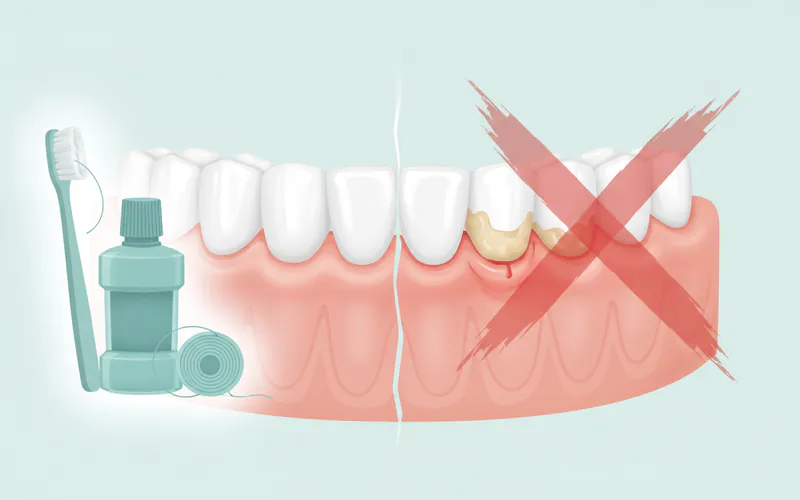
- At-home care is crucial: Daily brushing (twice), flossing (once), and using an ADA-approved antimicrobial mouthwash are essential for treatment and prevention.
- Medications can help: Prescription antimicrobial mouthwashes or topical antibiotics might be recommended, costing $10-$60 per prescription.
- Treatment timeline: Significant improvement can often be seen within 1-2 weeks with diligent home care and professional treatment, with full resolution in 1-3 months.
- Insurance coverage: Most dental insurance plans cover a significant portion of diagnostic, preventive, and basic restorative procedures like deep cleanings, typically 50-80% after deductible.
- Untreated risks: Gingivitis can progress to periodontitis, leading to irreversible bone loss and potential tooth loss, costing significantly more to treat (e.g., $500-$4,000+ for periodontal surgery).
What It Is: An Overview of Gingivitis
Gingivitis is the initial, mildest form of periodontal disease, characterized by inflammation of the gingiva – the part of the gum around the base of your teeth. Unlike more advanced forms of gum disease (periodontitis), gingivitis typically does not involve loss of bone or irreversible damage to the tissues supporting the teeth. It's a non-destructive periodontal disease that, when identified and treated promptly, can be completely reversed.
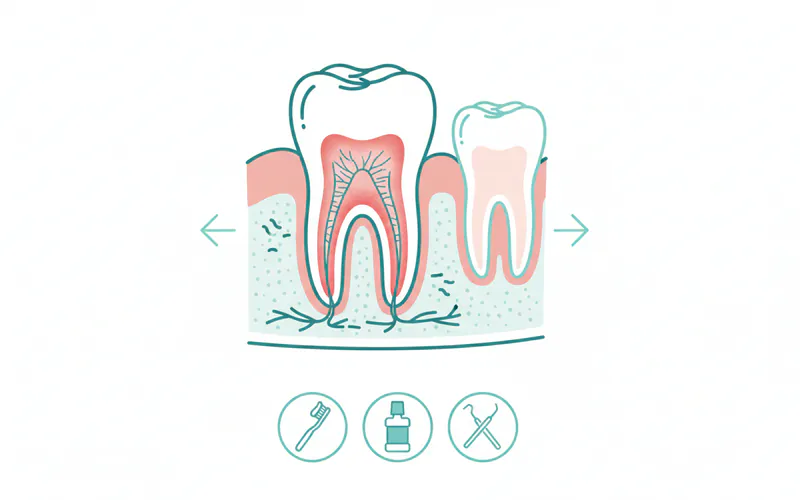
The primary culprit behind gingivitis is plaque, a sticky film of bacteria that constantly forms on your teeth. When plaque isn't removed by regular brushing and flossing, it hardens into calculus, or tartar. Both plaque and tartar contain bacteria that produce toxins, irritating the gum tissue and leading to inflammation. This inflammation manifests as red, swollen, and easily bleeding gums – the classic signs of gingivitis.
Understanding gingivitis is the first step in effective gum disease treatment near me. Since it's reversible, early recognition and intervention are paramount to preventing its progression to more severe and destructive forms of periodontal disease.
Causes: Why Gingivitis Happens
The overwhelming majority of gingivitis cases are caused by poor oral hygiene. However, several other factors can contribute to its development or worsen existing symptoms:
Primary Cause: Dental Plaque and Tartar
- Plaque Accumulation: When you eat, bacteria in your mouth combine with food particles and saliva to form a sticky, colorless film called plaque. If plaque isn't removed daily through brushing and flossing, it continues to build up along the gum line.
- Tartar Formation: Within 24-72 hours, soft plaque can mineralize and harden into calculus, or tartar. Tartar is rough and porous, providing an ideal surface for more plaque to adhere to, and it cannot be removed by brushing or flossing alone – requiring professional dental cleaning. The bacteria within plaque and tartar release toxins that irritate the gum tissue, triggering the inflammatory response known as gingivitis.
Contributing Factors and Risk Enhancers
Beyond poor oral hygiene, several other factors can increase your susceptibility to gingivitis:
- Smoking or Chewing Tobacco: Tobacco use is one of the most significant risk factors for gum disease. It impairs the immune system, reduces blood flow to the gums, and hinders their ability to heal, making smokers more prone to gingivitis and periodontitis.
- Hormonal Changes: Fluctuations in hormones, particularly during puberty, pregnancy, menstruation, and menopause, can make gums more sensitive and prone to inflammation. Pregnancy gingivitis is a common condition due to increased hormone levels.
- Certain Medications: Some drugs, such as anticonvulsants (e.g., phenytoin), calcium channel blockers (e.g., nifedipine), and immunosuppressants (e.g., cyclosporine), can cause gum overgrowth (gingival hyperplasia), making it harder to clean teeth and increasing the risk of gingivitis. Others can cause dry mouth (xerostomia), reducing saliva's protective effects.
- Systemic Diseases: Conditions like diabetes, compromised immune systems (e.g., HIV/AIDS, cancer treatment), and vitamin deficiencies (especially Vitamin C) can weaken the body's ability to fight infection, making gums more vulnerable.
- Genetics: A family history of gum disease can increase your predisposition to developing it.
- Poor Nutrition: A diet lacking essential nutrients, particularly vitamins and minerals, can impair gum health and the body's immune response.
- Crooked Teeth or Poorly Fitting Dental Restorations: Misaligned teeth, crowded teeth, or dental fillings and crowns that don't fit properly can create areas that are difficult to clean, leading to plaque accumulation.
- Stress: Chronic stress can weaken the immune system, making the body less effective at fighting off infections, including those in the gums.
Signs and Symptoms: What to Look For
Recognizing the early signs of gingivitis is crucial for timely intervention. Many people experience gingivitis without significant pain, which can lead to delayed treatment. Look for the following indicators:
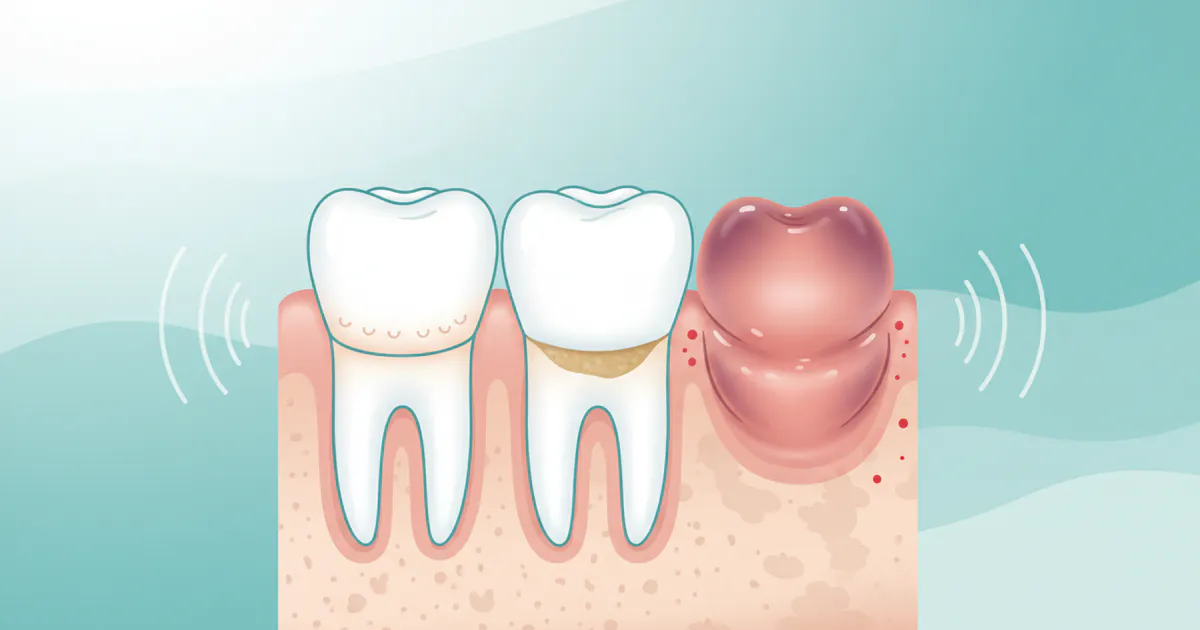
- Red, Swollen, or Puffy Gums: Healthy gums are typically pink and firm. Gums affected by gingivitis often appear bright red, dark red, or purplish, and may look noticeably swollen or puffy.
- Bleeding Gums: This is one of the most common and clear signs. Your gums might bleed easily when you brush your teeth, floss, or even when you eat hard foods. Don't dismiss this as normal; healthy gums should not bleed.
- Tender Gums: Gums may feel sore or tender to the touch, or when chewing.
- Receding Gums: While more common in advanced periodontitis, gingivitis can sometimes lead to minor gum recession, making your teeth appear longer.
- Bad Breath (Halitosis): The bacteria accumulating in plaque and tartar produce foul-smelling gases, leading to persistent bad breath that doesn't go away even after brushing.
- Loose Teeth: This is typically a sign of more advanced periodontal disease, but in severe, prolonged gingivitis, the inflammation can sometimes compromise the surrounding tissues enough to cause a slight feeling of looseness. If you notice this, it's critical to see a dentist immediately.
If you observe any of these symptoms, especially bleeding gums, it's a strong indicator that you need to seek dental care. Early diagnosis allows for simpler and more effective gingivitis medication and treatment protocols.
Treatment Options for Gingivitis
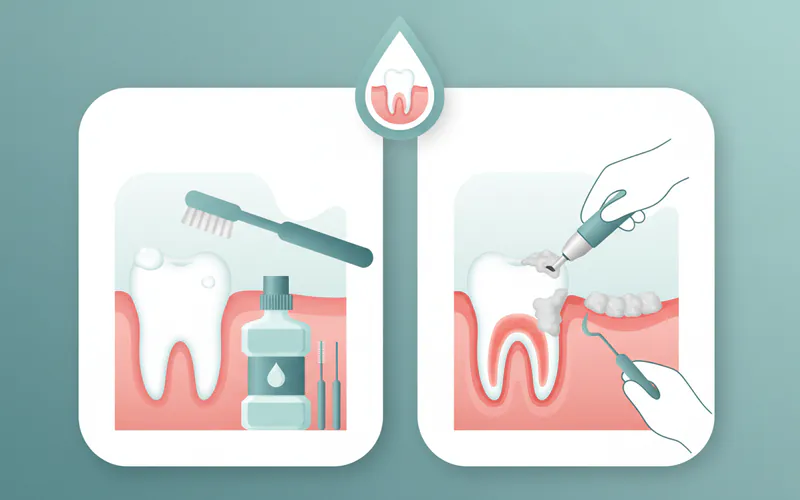
Effectively knowing how to treat gingivitis involves a combination of professional dental care and diligent at-home oral hygiene. The goal is to remove plaque and tartar, reduce inflammation, and prevent recurrence.
Professional Dental Treatments
The cornerstone of gingivitis treatment is professional cleaning.
-
Professional Dental Cleaning (Prophylaxis):
- What it is: A dental hygienist or dentist uses specialized instruments to remove plaque and tartar from above and slightly below the gum line.
- Process: This involves scaling, where hardened plaque (tartar) is scraped away from the tooth surfaces. Polishing then smooths the tooth surfaces, making it harder for plaque to adhere.
- Pros: Essential for removing tartar that cannot be removed at home; immediate reduction in bacterial load; allows for assessment of gum health.
- Cons: Some discomfort, especially if gums are very sensitive; typically requires one or more appointments.
- Cost: A routine cleaning usually costs $75-$200 without insurance. If significant tartar buildup requires more time, it might be on the higher end.
-
Scaling and Root Planing (Deep Cleaning):
- What it is: If gingivitis is more advanced or bordering on early periodontitis, a "deep cleaning" might be recommended. This is a non-surgical procedure that goes beyond a routine cleaning.
- Process:
- Scaling: Removes plaque and tartar from the tooth surfaces and below the gum line.
- Root Planing: Smooths the root surfaces of your teeth to help prevent plaque and tartar from reattaching and to remove bacterial toxins. This promotes reattachment of the gum to the tooth.
- Pros: Highly effective for removing deep-seated bacteria and calcified deposits; creates a healthier environment for gum healing.
- Cons: Can be more invasive than a routine cleaning, often requiring local anesthesia; multiple appointments may be needed (typically one quadrant per visit); potential for temporary post-procedure sensitivity.
- Cost: Often costs $150-$400 per quadrant without insurance. A full mouth deep cleaning (four quadrants) could range from $600-$1,600+.
At-Home Treatments and Oral Hygiene Practices
Your daily routine is arguably the most critical component of how to treat gingivitis and prevent its return.
-
Brushing:
- Method: Brush your teeth twice a day for at least two minutes each time. Use a soft-bristled toothbrush (manual or electric) and angle the bristles at 45 degrees towards the gum line, using gentle, circular motions. Don't scrub aggressively, as this can damage gums.
- Toothpaste: Use an ADA-approved fluoride toothpaste. Some toothpastes are specifically formulated for gum health and contain ingredients like stannous fluoride, which can help reduce gingivitis.
- Frequency: Twice daily.
- Pros: Removes plaque and food particles; essential for daily maintenance.
- Cons: Ineffective against hardened tartar; can be abrasive if done incorrectly.
-
Flossing:
- Method: Floss at least once a day to remove plaque and food particles from between your teeth and under the gum line, areas your toothbrush can't reach. Use about 18 inches of floss, winding most of it around your middle fingers, and use your index fingers and thumbs to guide it. Gently slide the floss between your teeth, curving it around each tooth in a "C" shape, moving it up and down.
- Frequency: At least once daily.
- Pros: Cleans interdental spaces; prevents plaque buildup where gingivitis often starts.
- Cons: Can be challenging to master initially; some discomfort if gums are very inflamed.
-
Antimicrobial Mouthwash:
- Method: Over-the-counter (OTC) antiseptic mouthwashes containing ingredients like chlorhexidine (prescription-strength), cetylpyridinium chloride, or essential oils can help reduce bacteria and control plaque.
- Frequency: Follow product instructions, usually once or twice daily after brushing.
- Pros: Reaches areas brushing and flossing might miss; reduces bacterial load; freshens breath.
- Cons: Some OTC rinses contain alcohol, which can be drying; prescription rinses like chlorhexidine can temporarily stain teeth and alter taste.
- Cost: OTC mouthwash: $5-$15. Prescription chlorhexidine: $10-$30.
Gingivitis Medications
While good oral hygiene is paramount, a dentist might prescribe specific gingivitis medication to supplement professional cleanings and home care.
-
Prescription Antimicrobial Mouthwash:
- Examples: Chlorhexidine gluconate (e.g., Peridex, PerioGard).
- Purpose: Highly effective at killing bacteria associated with gum disease. Used for a limited time (usually 2-4 weeks) post-deep cleaning or during acute flare-ups.
- Pros: Strong antibacterial action; helps gums heal.
- Cons: Can cause temporary tooth staining (reversible with professional cleaning), altered taste, and dry mouth. Not for long-term use.
- Cost: Approximately $10-$30 per bottle.
-
Topical Antibiotics:
- Examples: Minocycline microspheres (Arestin) or doxycycline hyclate gel (Atridox).
- Purpose: These are placed directly into periodontal pockets after deep cleaning to deliver antibiotics directly to the site of infection. More commonly used for periodontitis, but can be used for persistent localized gingivitis.
- Pros: Targets bacteria directly in the gum pockets; slow-release formulation.
- Cons: Requires professional application; potential for side effects like mild discomfort.
- Cost: Can range from $50-$150 per site treated.
-
Oral Antibiotics:
- Purpose: Rarely prescribed for gingivitis alone, but may be used in cases of severe acute infection or if there's a risk of systemic spread. More common for advanced periodontitis.
- Pros: Systemic action against bacteria.
- Cons: Potential for side effects (e.g., gastrointestinal upset, yeast infections); risk of antibiotic resistance.
- Cost: Varies greatly by antibiotic, typically $10-$50 for a course.
Pro Tip: Always follow your dentist's specific instructions regarding medication use. Overuse or misuse of antibiotics can lead to resistance and other complications.
Comparison Table: Gingivitis Treatment Options
| Treatment Option | Description | Pros | Cons | Typical Cost (US, without insurance) |
|---|---|---|---|---|
| Routine Professional Cleaning (Prophylaxis) | Removal of plaque & tartar above/slightly below gum line. | Removes hardened deposits; quick; preventive. | Doesn't address deep pockets; some discomfort. | $75 - $200 |
| Scaling & Root Planing (Deep Cleaning) | Thorough cleaning of root surfaces below the gum line. | Highly effective for moderate gingivitis/early periodontitis. | Requires local anesthesia; multiple visits; post-op sensitivity. | $150 - $400 per quadrant |
| Daily Brushing & Flossing | Manual removal of plaque and food debris. | Essential for prevention & ongoing maintenance; low cost. | Requires consistent effort; ineffective against tartar. | Minimal (cost of supplies) |
| Antimicrobial Mouthwash (OTC) | Reduces bacteria, freshens breath. | Easy to use; supplemental cleaning. | Can contain alcohol; limited penetration. | $5 - $15 |
| Antimicrobial Mouthwash (Prescription) | Strong antibacterial action (e.g., chlorhexidine). | Very effective for acute gingivitis. | Temporary staining; taste alteration; not for long-term use. | $10 - $30 |
| Topical Antibiotics (e.g., Arestin) | Antibiotics applied directly to gum pockets. | Targeted bacterial reduction. | Requires professional application; specific indications. | $50 - $150 per site |
Step-by-Step Process: What to Expect During Treatment
Understanding the typical journey of gingivitis treatment can help alleviate concerns and set realistic expectations.
-
Initial Examination and Diagnosis:
- Your dentist will perform a thorough oral exam, checking for signs of inflammation, bleeding, and plaque/tartar buildup.
- They will use a periodontal probe to measure the depth of your gum pockets (the space between the tooth and gum). Healthy gums have pocket depths of 1-3 mm. Depths greater than 3 mm, especially with bleeding, indicate gingivitis or periodontitis.
- X-rays may be taken to check for any underlying bone loss, which would indicate periodontitis rather than just gingivitis.
- Based on this assessment, your dentist will confirm the diagnosis and recommend the appropriate course of action.
-
Professional Cleaning (Prophylaxis or Scaling and Root Planing):
- For most gingivitis cases, a standard professional cleaning (prophylaxis) will be recommended.
- If pockets are deeper or there's significant tartar below the gum line, scaling and root planing (deep cleaning) will be performed. This may be done over one to four appointments, often with local anesthesia to ensure comfort.
- During these procedures, your hygienist will use ultrasonic tools and hand scalers to meticulously remove all plaque and tartar deposits from your teeth and root surfaces.
-
Instruction on Oral Hygiene Techniques:
- A critical part of your treatment will be personalized instruction on proper brushing and flossing techniques. Your hygienist will demonstrate the correct methods, recommend suitable toothbrushes (e.g., soft-bristled, electric), and possibly suggest interdental brushes or water flossers.
- They might also recommend an ADA-approved antimicrobial mouthwash.
-
Prescription Medications (If Necessary):
- If your gingivitis is severe or persistent, your dentist might prescribe an antimicrobial mouthwash like chlorhexidine or, less commonly for gingivitis, a localized antibiotic placed directly into problematic gum pockets.
-
Follow-up and Maintenance:
- Your dentist will schedule a follow-up appointment, typically a few weeks to a few months after your initial treatment, to assess how your gums are healing and ensure the inflammation has subsided.
- Once gingivitis is resolved, regular dental check-ups and cleanings (usually every six months) are vital for maintenance and prevention of recurrence. Some individuals, particularly those with a history of gum disease or risk factors, may benefit from more frequent cleanings (e.g., every 3-4 months).
Cost and Insurance: Understanding the Financial Aspect
The cost of how to treat gingivitis can vary significantly depending on the severity of the condition, the type of treatment needed, your geographic location, and whether you have dental insurance. All prices listed below are typical ranges for the US market without insurance.
Average US Costs for Gingivitis Treatment
| Service | Low End (USD) | Mid Range (USD) | High End (USD) | Notes |
|---|---|---|---|---|
| Initial Exam & X-rays | $50 | $150 | $250 | Varies based on type of X-rays (bitewings, panoramic) |
| Routine Cleaning (Prophylaxis) | $75 | $125 | $200 | Basic cleaning for healthy gums or mild gingivitis |
| Scaling & Root Planing (Per Quadrant) | $150 | $275 | $400 | Often done over 2-4 visits; local anesthesia included |
| Full Mouth Scaling & Root Planing | $600 | $1,100 | $1,600+ | Based on 4 quadrants; can exceed this for very severe cases |
| Antimicrobial Mouthwash (Prescription) | $10 | $20 | $30 | Per bottle (e.g., chlorhexidine) |
| Topical Antibiotic Placement (Per Site) | $50 | $100 | $150 | For targeted treatment of specific deep pockets (e.g., Arestin) |
| Oral Hygiene Aids | $10 | $30 | $50 | Toothbrush, floss, interdental brushes, specialized toothpaste |
These are general ranges. Costs can be higher in metropolitan areas or with specialist periodontists.
Dental Insurance Coverage
Most standard dental insurance plans offer good coverage for preventive and basic restorative procedures, which gingivitis treatments typically fall under.
- Preventive Care (Routine Exams, Cleanings, X-rays): Often covered at 80-100% after any deductible is met. This is why regular check-ups are so important – they can catch gingivitis early.
- Basic Restorative Care (Scaling and Root Planing): Often covered at 50-80%. Many plans classify scaling and root planing as "major" or "basic" care, meaning you'll pay a higher co-pay or coinsurance percentage. Some plans may require a waiting period for these procedures.
- Medications: Prescription medications may be covered by your medical insurance, or require out-of-pocket payment, depending on your specific plan.
It is crucial to contact your dental insurance provider directly or have your dental office submit a pre-treatment estimate to understand your specific coverage, deductibles, annual maximums, and any waiting periods.
Pro Tip: Maximize your insurance benefits by attending all recommended cleaning appointments. Many plans cover two routine cleanings per year at 100%, which is your best defense against gingivitis progression.
Recovery and Aftercare: Maintaining Gum Health
The recovery from gingivitis treatment is generally straightforward, especially if it was caught early. Your active participation in aftercare is paramount for successful healing and long-term prevention.
Immediate Post-Treatment Expectations (After Deep Cleaning)
- Sensitivity: You may experience temporary tooth sensitivity to hot and cold temperatures, especially after scaling and root planing. This usually subsides within a few days to a few weeks. Your dentist might recommend a desensitizing toothpaste.
- Soreness: Your gums may feel sore, tender, or slightly swollen for a few days. Over-the-counter pain relievers (like ibuprofen or acetaminophen) can help manage discomfort.
- Bleeding: Minor bleeding, especially when brushing, can occur for a short period as your gums heal.
- Diet: Stick to soft foods for the first 24-48 hours if sensitivity or soreness is significant. Avoid very hot, cold, spicy, or acidic foods.
Long-Term Aftercare and Prevention
The key to preventing gingivitis recurrence is consistent and meticulous home oral hygiene, coupled with regular professional dental care.
-
Maintain Excellent Oral Hygiene:
- Brush twice daily: Use a soft-bristled toothbrush and ADA-approved fluoride toothpaste. Focus on proper technique, ensuring you clean along the gum line. Replace your toothbrush every 3-4 months, or sooner if the bristles are frayed.
- Floss daily: Clean between your teeth at least once a day. This is non-negotiable for gum health.
- Use an ADA-approved mouthwash: Your dentist might recommend an antimicrobial mouthwash to supplement brushing and flossing.
-
Regular Dental Check-ups and Cleanings:
- Schedule professional cleanings and examinations every six months, or more frequently (e.g., every 3-4 months) if recommended by your dentist due to a history of gum disease or specific risk factors. These appointments are crucial for removing any newly formed plaque and tartar that you cannot remove at home.
-
Healthy Lifestyle Choices:
- Quit Smoking: If you smoke, quitting is one of the most impactful steps you can take for your gum health and overall well-being.
- Balanced Diet: Eat a nutritious diet rich in vitamins and minerals. Limit sugary snacks and drinks that contribute to plaque formation.
- Manage Systemic Conditions: If you have conditions like diabetes, ensure they are well-managed, as they can significantly impact gum health.
- Reduce Stress: Chronic stress can weaken the immune system, making you more susceptible to gum inflammation.
By diligently following these aftercare instructions, you can reverse gingivitis and enjoy healthy, vibrant gums for years to come.
Prevention: How to Prevent Gingivitis
Preventing gingivitis is largely about consistency and diligence in your daily oral care routine and lifestyle choices. It's far easier and less costly to prevent gingivitis than to treat it once it develops.
-
Commit to a Consistent Oral Hygiene Routine:
- Brush Twice Daily: Use a soft-bristled toothbrush and fluoride toothpaste. Angle the brush at 45 degrees towards the gum line and use gentle, short strokes. Pay attention to all surfaces of your teeth. Electric toothbrushes can be particularly effective.
- Floss Once Daily: This is crucial for removing plaque and food particles from between teeth and under the gum line, areas your toothbrush can't reach.
- Use Mouthwash: Consider an ADA-approved antiseptic mouthwash to reduce bacterial load. It's a supplemental step, not a replacement for brushing and flossing.
- Change Your Toothbrush Regularly: Replace your toothbrush every 3-4 months, or sooner if the bristles are frayed. Worn bristles are less effective at cleaning.
-
Regular Dental Check-ups and Professional Cleanings:
- Visit your dentist for check-ups and cleanings every six months, or as often as your dentist recommends. These appointments allow for the removal of hardened plaque (tartar) and early detection of any issues.
-
Adopt a Healthy Lifestyle:
- Avoid Tobacco Products: Smoking and chewing tobacco are major risk factors for gingivitis and more severe gum disease. Quitting dramatically improves your gum health.
- Eat a Balanced Diet: Limit sugary and starchy foods, which fuel plaque-producing bacteria. Opt for fresh fruits, vegetables, and whole grains. Vitamin C is particularly important for gum health.
- Stay Hydrated: Drinking plenty of water helps wash away food particles and bacteria.
- Manage Stress: Stress can compromise your immune system, making you more susceptible to infections, including gum disease.
-
Address Other Risk Factors:
- If you have crooked teeth or poorly fitting dental restorations, discuss options with your dentist. These can create plaque traps.
- Ensure any systemic conditions like diabetes are well-controlled, as they directly impact oral health.
- If you take medications that cause dry mouth or gum overgrowth, talk to your dentist or physician about potential solutions or increased oral hygiene measures.
By making these habits a regular part of your life, you can effectively prevent gingivitis and maintain excellent oral health.
Risks and Complications of Untreated Gingivitis
While gingivitis is reversible, ignoring its symptoms can lead to severe and irreversible health consequences, both oral and systemic.
Progression to Periodontitis
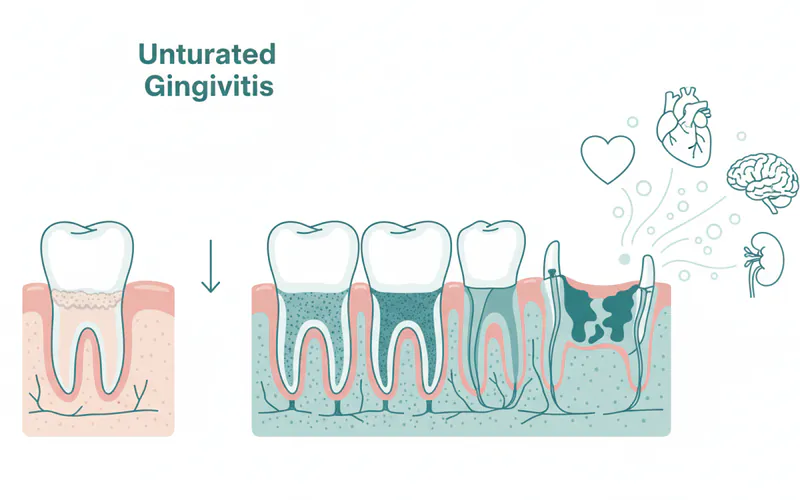
The most significant risk of untreated gingivitis is its progression to periodontitis, a more severe form of gum disease.
- Irreversible Damage: Unlike gingivitis, periodontitis involves the destruction of the bone and tissues that support your teeth. The inflammation spreads deeper, causing the gum tissue to pull away from the teeth, forming "pockets."
- Bone Loss: These pockets become breeding grounds for bacteria, and as the infection progresses, the bone supporting the teeth is gradually destroyed. This bone loss is irreversible.
- Tooth Loosening and Loss: As bone support diminishes, teeth can become loose, shift, and eventually fall out or require extraction.
- Abscess Formation: Pockets can fill with pus, leading to painful dental abscesses.
Systemic Health Complications
The link between oral health and overall systemic health is well-established. Untreated gingivitis and its progression to periodontitis can increase the risk or worsen several serious health conditions:
- Cardiovascular Disease: The inflammation and bacteria from periodontitis can enter the bloodstream, contributing to the development of atherosclerosis (hardening of the arteries), increasing the risk of heart attacks and strokes.
- Diabetes: There's a bidirectional relationship. Diabetes increases the risk of gum disease, and severe gum disease can make blood sugar control more difficult.
- Respiratory Diseases: Oral bacteria can be aspirated into the lungs, potentially leading to respiratory infections like pneumonia, especially in individuals with compromised immune systems.
- Pregnancy Complications: Pregnant women with periodontitis may have an increased risk of premature birth and low birth weight babies.
- Rheumatoid Arthritis: Research suggests a link between gum disease and an increased risk or severity of rheumatoid arthritis.
- Certain Cancers: Some studies indicate a potential association between chronic gum disease and certain types of cancer.
- Dementia/Alzheimer's: Emerging research suggests that chronic inflammation from gum disease might be a factor in cognitive decline.
Pro Tip: Don't wait for pain to seek treatment. Gingivitis is often painless in its early stages, but its potential to escalate into serious health problems makes early intervention critical. If you have bleeding gums, consider it a red flag for a dental check-up.
Children / Pediatric Considerations for Gingivitis
Gingivitis is not exclusive to adults; children and adolescents can also develop it, although severe periodontitis is rare in younger populations. Understanding gingivitis in children is crucial for parents and caregivers.
Causes in Children
The primary cause of gingivitis in children is the same as in adults: plaque buildup due to inadequate oral hygiene. However, certain factors can make children more susceptible:
- Inconsistent Brushing and Flossing: Children may not have the dexterity or discipline to brush and floss effectively on their own.
- Orthodontic Appliances: Braces and retainers create additional surfaces and traps for food particles and plaque, making cleaning more challenging.
- Diet: High consumption of sugary snacks and drinks can contribute to plaque formation.
- Mouth Breathing: Chronic mouth breathing can dry out gum tissues, making them more prone to inflammation.
- Hormonal Changes: Puberty can lead to increased gum sensitivity and a heightened inflammatory response, making teenagers particularly susceptible to "puberty gingivitis."
- Eruption Gingivitis: As permanent teeth erupt, the surrounding gum tissue can become temporarily inflamed, a common and usually self-limiting form of gingivitis.
Signs and Symptoms in Children
Parents should look for similar signs as in adults:
- Red, swollen, or puffy gums.
- Gums that bleed easily during brushing or flossing.
- Bad breath.
- Tenderness or discomfort in the gums.
Treatment for Children
Treatment for gingivitis in children focuses heavily on improving oral hygiene and professional care:
- Parental Guidance and Assistance: Parents should supervise and assist younger children with brushing and flossing until they develop the motor skills (usually around age 7-8) to do it effectively themselves. Teaching proper technique is vital.
- Regular Professional Cleanings: Routine dental check-ups and cleanings (every six months) are essential. The pediatric dentist or hygienist will remove plaque and tartar and provide tailored oral hygiene instructions for the child and parent.
- Focus on Diet: Reducing sugary snacks and drinks and promoting a balanced diet can significantly help.
- Address Orthodontic Challenges: If the child has braces, the orthodontist or dentist will provide specific instructions and tools (e.g., floss threaders, interdental brushes) to clean around the appliances effectively. More frequent cleanings might be recommended.
- Mouthwash (with caution): For older children who can rinse and spit reliably, a non-alcohol, ADA-approved fluoride or antiseptic mouthwash may be recommended by the dentist as an adjunct to brushing and flossing.
Pro Tip for Parents: Make oral hygiene fun! Use colorful toothbrushes, flavored toothpaste, and involve children in choosing their dental products. Lead by example by demonstrating good brushing and flossing habits yourself. Early intervention for gingivitis in children can prevent more serious problems later in life.
Cost Breakdown for Gingivitis Treatment
While we touched upon costs earlier, let's consolidate a clear breakdown, focusing on average US costs, insurance, and financing.
Average US Costs (without insurance)
- Basic Examination (D0120/D0150): $50 - $150
- Full Mouth X-rays (D0210) or Bitewings (D0274): $25 - $150 (depending on type and number)
- Routine Dental Cleaning (Prophylaxis - D1110): $75 - $200
- Often sufficient for very mild gingivitis if plaque is easily removed.
- Scaling and Root Planing (Deep Cleaning - D4341 per quadrant): $150 - $400 per quadrant.
- Total for full mouth (4 quadrants): $600 - $1,600+.
- This is the most common and effective treatment for moderate gingivitis.
- Oral Hygiene Instruction (D1330): Often included with cleaning, or $20 - $50 as a separate fee.
- Prescription Antimicrobial Mouthwash (e.g., Chlorhexidine): $10 - $30
- Topical Antibiotic Application (e.g., Arestin - D4381 per site): $50 - $150 per site.
Total Estimated Costs:
- Mild Gingivitis (Exam + X-rays + Routine Cleaning): $150 - $500
- Moderate Gingivitis (Exam + X-rays + Deep Cleaning): $700 - $2,000+ (depending on number of quadrants treated and clinic fees).
With vs. Without Insurance
- Without Insurance: You are responsible for 100% of the costs. Many dentists offer a discount for cash payments or have in-house membership plans.
- With Insurance:
- Preventive Care (Exams, X-rays, Routine Cleanings): Typically covered at 80-100%. If you pay a $50 deductible, a $100 cleaning might cost you $0-$20.
- Basic Procedures (Scaling and Root Planing): Typically covered at 50-80%. If a deep cleaning costs $1,000, your insurance might pay $500-$800, leaving you responsible for $200-$500 (plus deductible).
- Annual Maximums: Most dental insurance plans have an annual maximum benefit (e.g., $1,000 - $2,000). Once this limit is reached, you pay 100% of subsequent costs for that year.

Payment Plans and Financing Options
If the cost of how to treat gingivitis is a concern, several options can help:
- In-Office Payment Plans: Many dental practices offer interest-free payment plans, allowing you to pay for treatment over several months.
- Third-Party Financing (e.g., CareCredit, LendingClub): These are healthcare credit cards that offer low or no-interest financing for a specific period, making larger treatment costs more manageable.
- Dental Schools: Dental schools often provide treatment at a reduced cost, as procedures are performed by students under the supervision of experienced faculty.
- Community Dental Clinics: Some non-profit or public health clinics offer services on a sliding scale based on income.
Cost-Saving Tips
- Preventive Care is Key: Regular check-ups and cleanings can prevent gingivitis from progressing, saving you significant money down the road.
- Maximize Insurance Benefits: Understand your plan, schedule appointments before your annual maximum resets, and use your covered cleanings.
- Ask About Discounts: Inquire about cash payment discounts or membership plans if you don't have insurance.
- Compare Costs: Don't hesitate to call multiple dental offices to compare pricing for specific procedures like scaling and root planing.
Frequently Asked Questions
What is the fastest way to get rid of gingivitis?
The fastest way to resolve gingivitis is through a combination of professional dental cleaning to remove hardened plaque and tartar, immediately followed by diligent at-home oral hygiene (brushing twice daily, flossing once daily, and using an ADA-approved mouthwash). Significant improvement can often be seen within 1-2 weeks with this approach.
Can gingivitis go away on its own?
No, gingivitis cannot go away on its own. While improving oral hygiene can help reduce some inflammation, the hardened plaque (tartar) that contributes significantly to gingivitis cannot be removed by brushing and flossing alone. Professional dental cleaning is essential to fully eliminate the irritants and allow the gums to heal.
Is gingivitis treatment painful?
Professional dental cleaning for gingivitis typically involves minimal discomfort. If scaling and root planing (deep cleaning) is needed, local anesthesia is usually administered to numb the gums and ensure a comfortable experience. Some temporary soreness or sensitivity after treatment is common but manageable with over-the-counter pain relievers.
How long does it take for gums to heal from gingivitis?
With proper professional treatment and consistent at-home oral hygiene, gums can show significant improvement within 1-2 weeks. Complete healing and resolution of inflammation usually take 1-3 months, provided the causative factors (plaque and tartar) are effectively managed and you maintain excellent daily care.
What is the best gingivitis medication?
The "best" gingivitis medication depends on the severity and specific needs. For most cases, excellent oral hygiene is the primary "medication." Your dentist might prescribe an antimicrobial mouthwash (like chlorhexidine) for short-term use to reduce bacteria and inflammation, or in rare, localized cases, a topical antibiotic placed directly into gum pockets. Oral antibiotics are generally not used for gingivitis alone.
Can I treat gingivitis at home without seeing a dentist?
While excellent oral hygiene (brushing, flossing, mouthwash) is crucial for managing and preventing gingivitis, you cannot treat existing gingivitis solely at home. Once plaque hardens into tartar, it requires professional dental instruments to remove. A dentist's diagnosis and professional cleaning are essential for effective treatment.
Does dental insurance cover gingivitis treatment?
Yes, most dental insurance plans cover gingivitis treatment. Preventive procedures like routine exams, X-rays, and cleanings are often covered at 80-100%. Basic procedures like scaling and root planing (deep cleaning) are typically covered at 50-80%, though you may need to meet a deductible first. It's always best to check with your specific insurance provider.
What happens if gingivitis is left untreated?
If left untreated, gingivitis can progress to periodontitis, a more severe form of gum disease characterized by irreversible damage to the bone and tissues supporting your teeth. This can lead to gum recession, loose teeth, eventual tooth loss, and has been linked to increased risks for systemic health issues like heart disease and diabetes.
Are there natural remedies for gingivitis?
While some natural remedies like rinsing with salt water or essential oils (e.g., tea tree oil, peppermint oil) may offer temporary soothing or antibacterial effects, they are not substitutes for professional dental care and established oral hygiene practices. Always consult your dentist before relying on natural remedies, as they cannot remove plaque or tartar.
How often should I get dental cleanings if I have gingivitis?
Initially, your dentist might recommend more frequent cleanings, perhaps every 3-4 months, to thoroughly address the inflammation and help gums heal. Once the gingivitis is resolved, maintaining good oral health typically involves professional cleanings every six months, or as advised by your dental professional based on your individual risk factors.
When to See a Dentist
Recognizing when to seek professional dental care is crucial for preventing gingivitis from escalating into more serious problems.
Clear Warning Signs That Need Immediate Attention:
- Persistent Bleeding Gums: If your gums consistently bleed when you brush, floss, or even spontaneously, it's a strong indicator of inflammation and requires a dental evaluation. Do not ignore bleeding gums.
- Noticeable Swelling or Redness: If your gums appear bright red, purplish, or significantly swollen and puffy, this suggests active inflammation beyond what normal healthy gums exhibit.
- Pain or Tenderness: While gingivitis often starts painlessly, any persistent pain, tenderness, or discomfort in your gums warrants a dental visit.
- Persistent Bad Breath: If you have chronic bad breath that doesn't improve with brushing and flossing, it could be a sign of bacterial buildup associated with gingivitis or other oral health issues.
- Gum Recession: If you notice your gums pulling away from your teeth, making your teeth appear longer, this could indicate a more advanced stage of gum disease.
- Loose or Shifting Teeth: This is a red flag for periodontitis, which is the progression of untreated gingivitis, and requires immediate dental attention to prevent tooth loss.
- Pus Between Teeth and Gums: Any sign of pus is indicative of an active infection and necessitates urgent professional care.
Red Flags vs. Routine Care Guidance:
- Red Flag: You've been diligently brushing and flossing for weeks, but your symptoms (bleeding, swelling) haven't improved. This means you likely have hardened tartar that needs professional removal.
- Routine Care: You experience occasional, very minor gum bleeding only when you floss aggressively, and otherwise your gums look healthy. This might just require a slight adjustment to your flossing technique, but a mention at your next routine cleaning is still wise.
Emergency vs. Scheduled Appointment Guidance:
- Emergency: Severe pain, a rapidly spreading infection, a dental abscess (swelling with pus), or a suddenly loose tooth would constitute an emergency and warrant seeking the earliest possible appointment, potentially even an urgent care visit if your regular dentist is unavailable.
- Scheduled Appointment: Most cases of gingivitis fall under scheduled appointments. If you're noticing initial signs like mild bleeding, redness, or puffiness, schedule a routine check-up and cleaning as soon as possible. Don't delay, as early intervention makes treatment much simpler and more effective.
Remember, your gums are the foundation of your smile and a window to your overall health. Any concerning changes should always be evaluated by a dental professional.
Frequently Asked Questions
Medically Reviewed Content
This article was written by our dental health editorial team and reviewed for medical accuracy. Our content follows strict editorial guidelines for reliability and trustworthiness.
Medical Disclaimer
This article is for informational purposes only and does not constitute medical advice. Always consult with a qualified dental professional for diagnosis and treatment. Do not delay seeking professional advice because of something you read on this website.
Related Articles
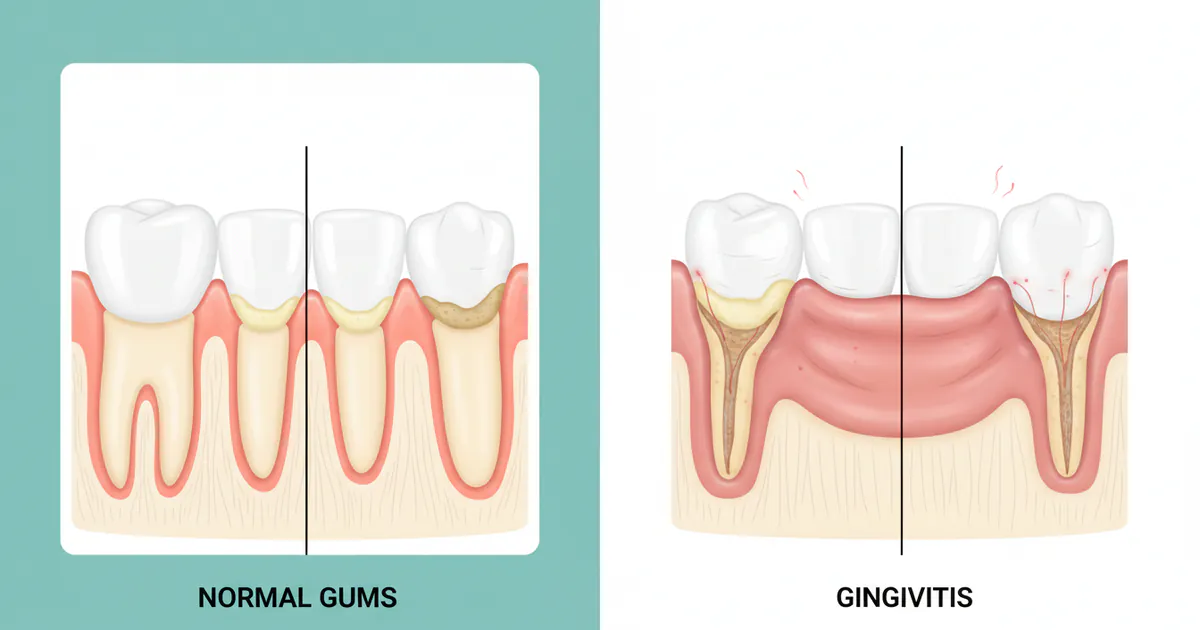
Normal Gums vs Gingivitis: Complete Comparison Guide
Did you know that nearly half of American adults over 30 show signs of gum disease, a condition that can range from mild inflammation to severe infection leading to tooth loss? Understanding the difference between healthy gums and those affected by early gum disease, known as gingivitis, is cruc
February 22, 2026
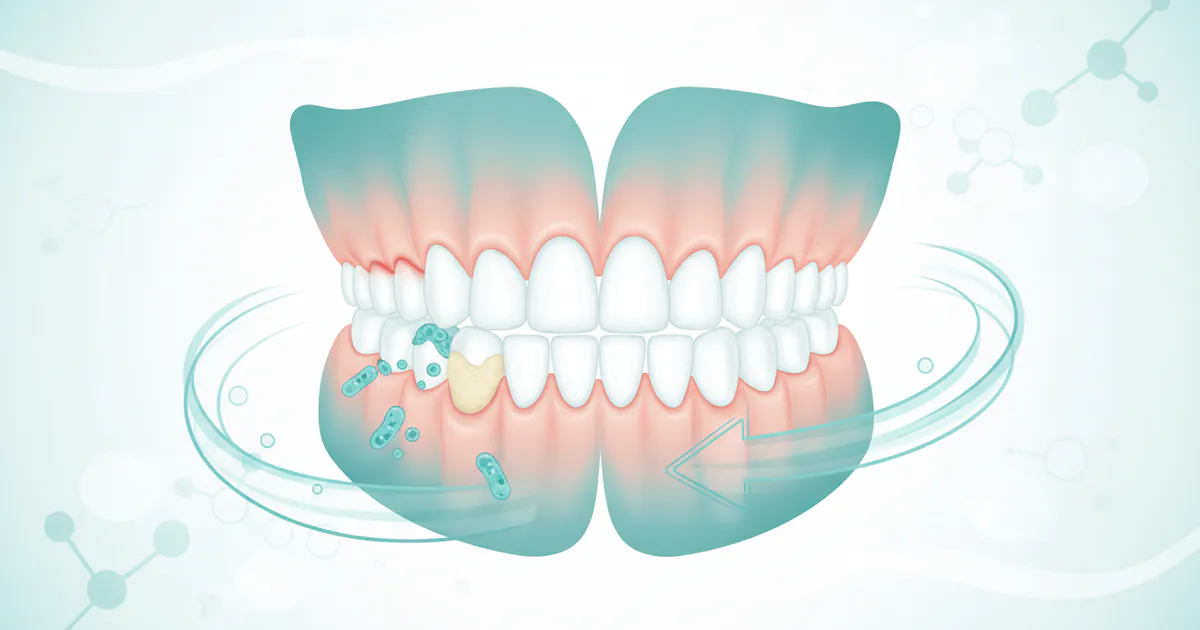
Can You Get Rid of Gingivitis
More than 50% of American adults aged 30 or older suffer from some form of gum disease, with gingivitis being the earliest and most common stage. This often silent condition, marked by inflammation of the gums, can seem daunting, leading many to wonder: can you get rid of gingivitis? The good ne
February 22, 2026
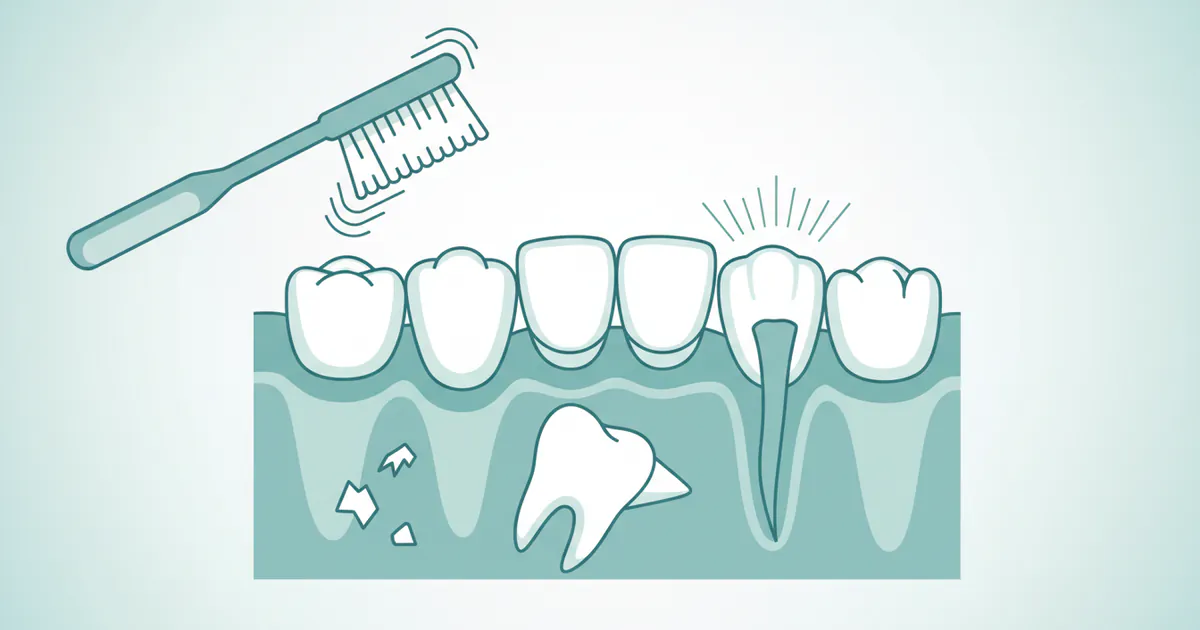
What Causes Receding Gums
Receding gums, a condition where the gum tissue surrounding the teeth pulls back or wears away, exposing more of the tooth or the tooth's root, affects a significant portion of the adult population in the United States. In fact, estimates suggest that **up to 88% of people over the age of 65 have on
February 22, 2026
Signs of Gingivitis: Complete Guide
Did you know that nearly half of American adults aged 30 and older suffer from some form of gum disease? While that statistic might sound alarming, the good news is that the earliest and most common stage, gingivitis, is entirely reversible. Recognizing the signs of gingivitis early is your
February 22, 2026