Periodontal Disease Treatment: Complete Guide
Key Takeaways
- Periodontal Disease Treatment: Complete Guide
Periodontal Disease Treatment: Complete Guide
Did you know that nearly half of all adults aged 30 and older in the United States suffer from some form of gum disease? This staggering statistic, reported by the Centers for Disease Control and Prevention (CDC), highlights just how widespread this condition is. Often starting subtly, what begins as simple gingivitis can silently progress into advanced periodontal disease, a serious infection that can lead to tooth loss and even impact your overall health. Understanding periodontal disease treatment is not just about saving your teeth; it's about safeguarding your entire well-being.
This comprehensive guide from SmilePedia.net aims to demystify periodontal disease, explaining its various forms, causes, and—most importantly—the wide array of effective treatments available today. Whether you're experiencing mild gingivitis, noticing swollen gums in back of mouth, or dealing with more advanced symptoms, this article will walk you through everything from non-surgical interventions like scaling and root planing to surgical procedures, medication options, and crucial aftercare. We’ll also delve into the associated costs, insurance considerations, and offer practical advice on how to prevent this condition from taking hold. Prepare to arm yourself with the knowledge needed to restore your gum health and protect your smile for years to come.
Key Takeaways:
- Early Detection is Key: The sooner periodontal disease is identified, the simpler and more effective treatments like scaling and root planing are.
- Treatment Options Vary: Options range from non-surgical deep cleanings (scaling and root planing) for gingivitis and mild periodontitis, to surgical procedures for advanced cases, and adjunctive therapies like antibiotics.
- Cost Ranges Widely: A single deep cleaning (scaling and root planing) can cost $200-$500 per quadrant without insurance, while advanced surgical treatments might range from $500-$5,000 per tooth or quadrant, potentially reaching $10,000-$20,000 for full mouth reconstruction.
- Insurance Coverage: Most dental insurance plans cover a significant portion (50-80%) of non-surgical treatments, but coverage for advanced surgeries can vary, often requiring pre-authorization.
- Recovery Time: Non-surgical treatments typically involve minor discomfort for a few days. Surgical recovery can take 1-2 weeks with managed pain and dietary restrictions.
- Lifelong Maintenance: Periodontal disease requires ongoing care, often involving more frequent professional cleanings (periodontal maintenance) every 3-4 months to prevent recurrence.
- Prevention is Paramount: Excellent daily oral hygiene, regular dental check-ups, and addressing risk factors like smoking are crucial for preventing and managing periodontal disease.
What Is Periodontal Disease? An Overview
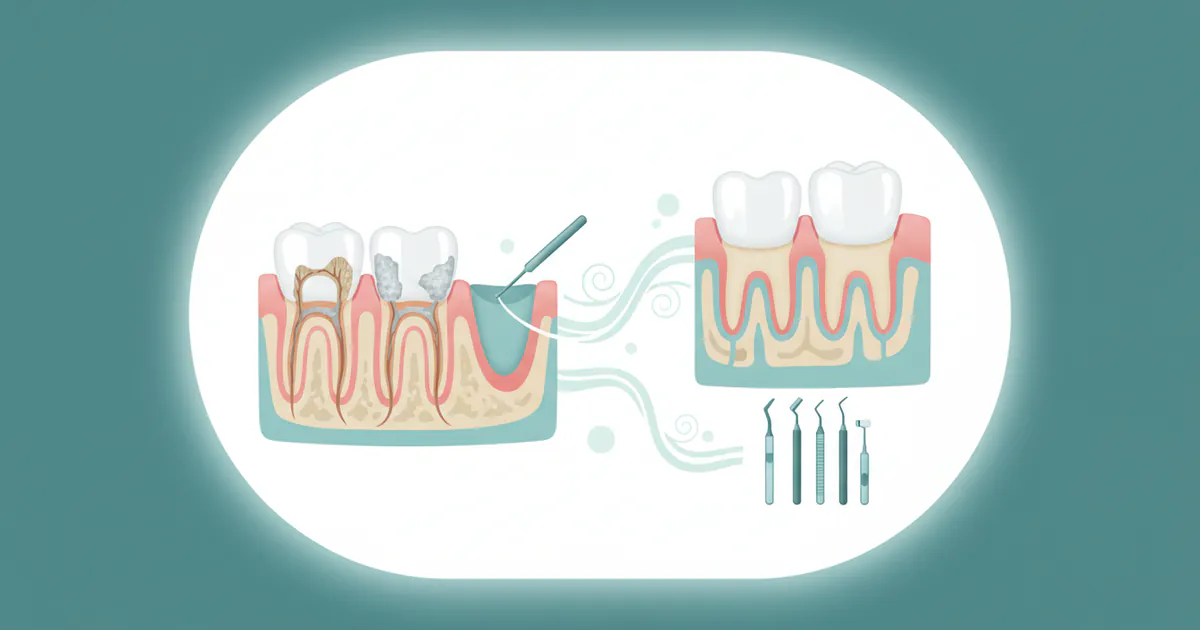
Periodontal disease, commonly known as gum disease, is a progressive inflammatory condition affecting the tissues surrounding and supporting your teeth. It begins with plaque, a sticky film of bacteria that constantly forms on your teeth. If plaque isn't removed daily through brushing and flossing, it hardens into calculus (tartar), which can only be removed by a dental professional.

Calculus buildup provides a rough surface where more plaque can accumulate, irritating the gums and leading to inflammation. This initial stage is called gingivitis. If left untreated, the inflammation can spread below the gum line, causing the gums to pull away from the teeth, forming pockets. These pockets become breeding grounds for bacteria, deepening over time and destroying the bone and connective tissue that hold your teeth in place. This advanced stage is what dentists refer to as periodontitis. Without intervention, periodontitis can lead to loosening of teeth, pain, and eventually, tooth loss. The American Dental Association (ADA) emphasizes that timely diagnosis and treatment are critical to prevent irreversible damage.
Types of Periodontal Disease
Periodontal disease isn't a single condition but rather a spectrum, categorized by its severity and specific characteristics. Understanding these distinctions helps tailor the most effective periodontal disease treatment plan.
1. Gingivitis
Gingivitis is the mildest form of gum disease and is often reversible with proper treatment and improved oral hygiene.
- Characteristics: Inflammation of the gum tissue (gingiva) only. No bone loss has occurred.
- Symptoms: Red, swollen, tender gums that may bleed easily during brushing or flossing.
- Treatment Focus: Gingivitis treatments primarily involve professional dental cleaning (prophylaxis) to remove plaque and calculus, followed by diligent at-home oral care (brushing twice daily, flossing daily).
2. Chronic Periodontitis
This is the most common form of periodontal disease, characterized by inflammation within the supporting tissues of the teeth, progressive attachment loss, and bone loss.
- Characteristics: Pockets form between teeth and gums, which deepen over time. The gums recede, exposing more of the tooth root.
- Progression: Typically progresses slowly but can have periods of rapid deterioration.
- Symptoms: Persistent bad breath, bleeding gums, pus between teeth and gums, receding gums, and eventually loose teeth.
- Treatment Focus: Requires more intensive periodontal disease treatment such as scaling and root planing, and sometimes surgical interventions, to halt progression and regenerate lost tissue where possible.
3. Aggressive Periodontitis
This type is less common and usually affects otherwise healthy individuals. It's characterized by rapid attachment loss and bone destruction, often with a genetic predisposition.
- Characteristics: Rapid destruction of periodontal ligament and alveolar bone. Can be localized (affecting a few teeth) or generalized (affecting most teeth).
- Progression: Very fast, often occurring in younger individuals.
- Treatment Focus: Early and aggressive treatment is crucial, often involving antibiotics in conjunction with scaling and root planing or surgery.
4. Necrotizing Periodontal Diseases
These are severe forms characterized by tissue death (necrosis) of the gingival tissues, periodontal ligament, and alveolar bone. They are most commonly seen in individuals with compromised immune systems, such as those with HIV, malnutrition, or severe stress.
- Characteristics: Painful, bleeding gums, ulcers, "punched-out" papillae (gum tissue between teeth), and a foul odor.
- Types: Necrotizing ulcerative gingivitis (NUG) and necrotizing ulcerative periodontitis (NUP).
- Treatment Focus: Immediate and aggressive periodontal disease treatment involving debridement, antibiotics, and addressing underlying systemic issues.
5. Periodontitis as a Manifestation of Systemic Diseases
In some cases, periodontal disease is a secondary symptom or exacerbated by an underlying systemic condition, such as diabetes, certain blood disorders, or genetic syndromes.
- Treatment Focus: Managing the underlying systemic disease is paramount in addition to traditional periodontal therapies.
Causes and Why It Happens
The primary cause of periodontal disease is bacterial plaque accumulation. However, several factors contribute to its development and progression.
1. Plaque and Tartar (Calculus)
- Plaque: A sticky, colorless film of bacteria that constantly forms on your teeth. If not removed daily, these bacteria produce toxins that irritate gum tissue.
- Tartar (Calculus): When plaque remains on teeth, it hardens into tartar, which cannot be removed by brushing and flossing. Tartar creates a rough surface that attracts more plaque and makes it harder to clean your teeth effectively.
2. Poor Oral Hygiene
Inadequate brushing and flossing allow plaque to accumulate and lead to gingivitis, the precursor to periodontitis. Many cases of swollen gums in back of mouth can be traced back to areas that are difficult to reach and clean properly.
3. Smoking and Tobacco Use
Smoking is one of the most significant risk factors for developing severe periodontal disease. It impairs the immune system's ability to fight off bacterial infections and interferes with healing processes. Smokers are also more likely to have deeper pockets and greater bone loss.
4. Hormonal Changes
Fluctuations in hormones, such as those occurring during pregnancy, puberty, menopause, or menstruation, can make gums more sensitive and susceptible to gingivitis.
5. Certain Medications
Some medications, including certain antidepressants, diuretics, and oral contraceptives, can reduce saliva flow, leading to dry mouth. Saliva plays a crucial role in washing away food particles and neutralizing acids, so reduced flow can increase the risk of gum disease. Other medications, like certain anti-seizure drugs or calcium channel blockers, can cause gingival overgrowth, making cleaning difficult.

6. Genetics
Some people are genetically predisposed to periodontal disease, making them more susceptible even with good oral hygiene.
7. Systemic Diseases
Conditions like diabetes, heart disease, autoimmune diseases (e.g., rheumatoid arthritis), and AIDS can weaken the immune system, making individuals more vulnerable to gum infections. Uncontrolled diabetes, in particular, significantly increases the risk and severity of periodontitis.
8. Poor Nutrition
A diet lacking essential nutrients can compromise the body's immune system, making it harder to fight off infections, including gum disease. Vitamin C deficiency, for example, has long been associated with gum health issues.
9. Stress
Chronic stress can weaken the immune system, potentially making you more susceptible to infections, including periodontal disease.
10. Misaligned Teeth, Fillings, or Dental Work
Crowded or crooked teeth can create areas that are difficult to clean, leading to plaque accumulation. Poorly fitting crowns, bridges, or fillings can also trap plaque and irritate gums.
``
Signs and Symptoms
Recognizing the signs of periodontal disease early is crucial for effective periodontal disease treatment. Symptoms can be subtle at first, often mistaken for minor irritations.
Early Warning Signs (Gingivitis)
- Red or purplish gums: Healthy gums are typically pink.
- Swollen or puffy gums: Gums may appear enlarged.
- Tender gums: Gums may be sensitive to touch.
- Bleeding gums: Gums bleed easily when brushing, flossing, or even sometimes spontaneously. This is often the first noticeable sign.
- Bad breath (halitosis): Caused by the bacteria in plaque.
Advanced Symptoms (Periodontitis)
As the disease progresses, you might notice:
- Persistent bad breath or a bad taste in your mouth: More pronounced than with gingivitis.
- Receding gums: Gums pull away from the teeth, making teeth appear longer.
- Formation of deep pockets between teeth and gums: These pockets are indicative of attachment loss.
- Loose or shifting teeth: As the bone and supporting structures are destroyed, teeth may become unstable.
- Pus between your teeth and gums: A sign of active infection.
- Changes in the way your teeth fit together when you bite: Due to shifting teeth.
- Pain while chewing: Caused by infection or loose teeth.
- New spaces developing between your teeth: Due to shifting.
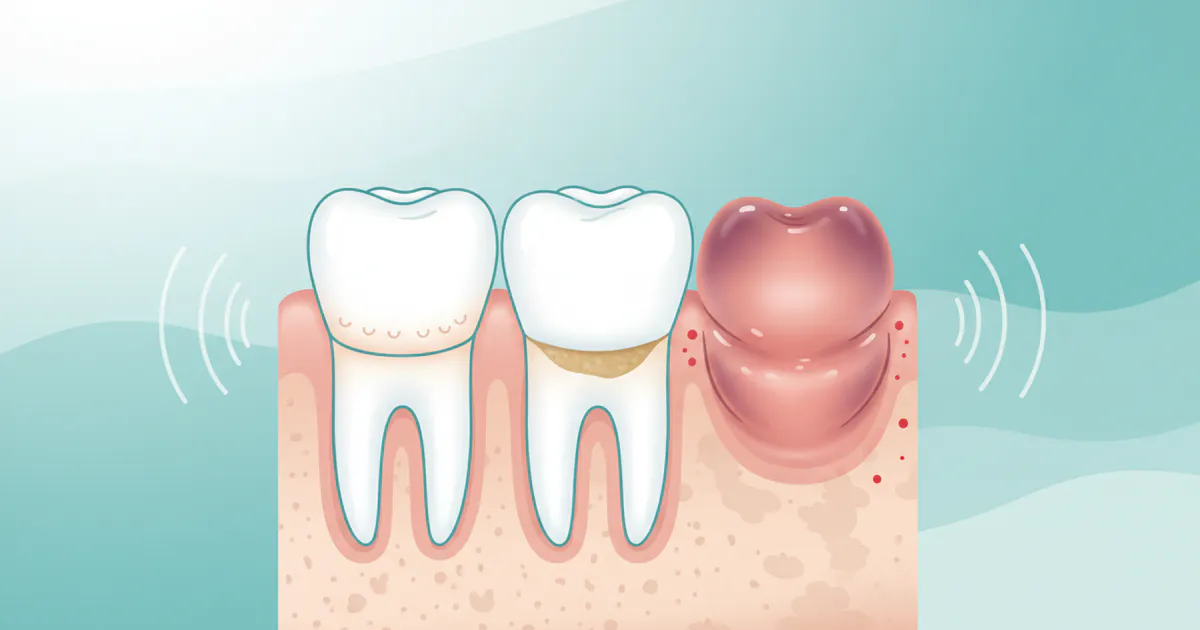
- Swollen gums in back of mouth: This is a common complaint, especially in areas that are harder to clean effectively, indicating localized inflammation or infection that could be gingivitis or early periodontitis.
Pro Tip: Don't ignore bleeding gums. Many people mistakenly think it's normal if they brush too hard. However, healthy gums do not bleed. Any bleeding is a sign of inflammation and warrants a dental check-up.
Treatment Options
The goal of periodontal disease treatment is to remove bacteria, stop the progression of the disease, and, where possible, regenerate lost tissue. Treatment options vary significantly depending on the type and severity of the disease.
A. Non-Surgical Treatments
These are typically used for gingivitis and mild to moderate periodontitis.
1. Professional Dental Cleaning (Prophylaxis)
- What it is: A routine cleaning where a dental hygienist or dentist removes plaque and tartar from above the gum line.
- Purpose: Primarily for preventing gingivitis or reversing early gingivitis. Not suitable for established periodontitis with bone loss.
- Pros: Non-invasive, quick, effective for prevention and early stage.
- Cons: Does not address subgingival calculus or bone loss.
- Cost: Typically $75-$200 per visit, often covered by insurance.
2. Scaling and Root Planing (Deep Cleaning)
- What it is: The cornerstone of gingivitis treatments and early periodontal disease treatment. This procedure involves meticulously removing plaque and tartar from above and below the gum line (scaling) and then smoothing the tooth root surfaces (root planing). Smoothing helps remove bacterial toxins and makes it harder for plaque to reattach.
- Process: Usually done under local anesthesia, often divided into multiple appointments (e.g., one quadrant per visit).
- Pros: Highly effective for removing disease-causing bacteria, can reverse early periodontitis, less invasive than surgery, reduces gum inflammation and pocket depth.
- Cons: Can cause temporary sensitivity and discomfort, requires multiple visits, not effective for very deep pockets or significant bone loss.
- Cost: $200-$500 per quadrant (one-quarter of the mouth) without insurance, or $800-$2,000 for a full mouth deep cleaning. Insurance often covers 50-80%.
- Pro Tip: After scaling and root planing, many dentists recommend more frequent follow-up cleanings, known as periodontal maintenance, typically every 3-4 months, instead of standard biannual cleanings.
3. Antibiotics (Topical or Oral)
- What it is: Can be used as an adjunct to scaling and root planing to target specific bacteria.
- Topical: Antibiotic gels, chips (e.g., Arestin), or mouth rinses (e.g., chlorhexidine) placed directly into periodontal pockets.
- Oral: Systemic antibiotics (e.g., doxycycline, amoxicillin) to reduce bacterial load throughout the body, often for aggressive or severe infections.
- Pros: Directly targets infection, enhances healing, can reduce pocket depth.
- Cons: Potential for antibiotic resistance, side effects (digestive upset with oral antibiotics), temporary solution without mechanical cleaning.
- Cost: $50-$200 for a course of oral antibiotics, $50-$150 per pocket for localized antibiotic chips.
B. Surgical Treatments
Surgical interventions are typically reserved for moderate to advanced periodontitis where non-surgical methods have not been sufficient or when significant bone loss has occurred.
1. Flap Surgery (Pocket Reduction Surgery)
- What it is: The periodontist lifts back sections of gum tissue to gain direct access to the roots and underlying bone. This allows for thorough removal of tartar and diseased tissue, and reshaping of bone irregularities. The gums are then re-positioned snugly around the teeth.
- Purpose: To reduce pocket depth, making it easier for patients to clean and maintain the area, and to stop disease progression.
- Pros: Highly effective for deep pockets, allows for direct visualization and thorough cleaning.
- Cons: More invasive, requires local anesthesia, longer recovery time, potential for increased tooth sensitivity and gum recession.
- Cost: $400-$1,000 per tooth or quadrant, depending on complexity and location.
2. Bone Grafting
- What it is: Used when periodontal disease has destroyed the bone supporting the teeth. Fragments of your own bone, synthetic bone, or donated bone are used to replace the lost bone, helping to regenerate bone and provide a stable foundation for teeth.
- Purpose: To reverse bone loss, stabilize loose teeth, and prevent further tooth loss.
- Pros: Can regenerate lost bone, significantly improve tooth support.
- Cons: Invasive, longer healing time, potential for graft rejection, high cost.
- Cost: $400-$3,000 per site, depending on material and extent.
3. Soft Tissue Grafts (Gum Grafts)
- What it is: Used to treat gum recession, often a consequence of periodontal disease, which can expose tooth roots and lead to sensitivity and further bone loss. A small piece of tissue is taken from the roof of your mouth or another donor source and attached to the receding gum area.
- Purpose: To cover exposed tooth roots, reduce sensitivity, stop further recession, and improve aesthetics.
- Pros: Covers exposed roots, reduces sensitivity, improves gum contour.
- Cons: Invasive, potential discomfort at donor site, specific healing instructions.
- Cost: $600-$2,000 per tooth or site.
4. Guided Tissue Regeneration (GTR)
- What it is: A surgical procedure that uses barrier membranes (e.g., synthetic materials or resorbable membranes) to guide the growth of new gum tissue and bone into areas where they have been lost due to periodontitis. The membrane prevents epithelial cells (which grow faster) from populating the area, allowing slower-growing bone and ligament cells to regenerate.
- Purpose: To encourage the natural regeneration of lost bone and connective tissue.
- Pros: Can regenerate new tissue structures, improving tooth support.
- Cons: More complex surgical procedure, longer healing time, higher cost.
- Cost: $800-$3,000 per tooth or site, often combined with bone grafting.
5. Gingivectomy / Gingivoplasty
- What it is:
- Gingivectomy: Surgical removal of excess gum tissue. Traditionally done with a scalpel, now often performed with lasers.
- Gingivoplasty: Reshaping of gum tissue to create a more aesthetic and functional gum line.
- Purpose: To remove overgrown, diseased gum tissue (gingivectomy) or to reshape healthy gum tissue for cosmetic reasons or to facilitate cleaning (gingivoplasty). Can reduce shallow pockets.
- Pros: Reduces shallow pockets, improves gum contour, can remove diseased tissue.
- Cons: Can increase sensitivity, may not address underlying bone issues, potential for recurrence if underlying cause isn't addressed.
- Cost: $200-$600 per tooth or quadrant, depending on technique (scalpel vs. laser).
C. Laser Periodontal Therapy
- What it is: Lasers (e.g., LANAP - Laser Assisted New Attachment Procedure) are increasingly used as an alternative or adjunct to traditional surgical methods. The laser selectively removes diseased tissue and bacteria from periodontal pockets, often stimulating regeneration.
- Pros: Less invasive, minimal bleeding, faster healing, reduced post-operative pain and swelling compared to traditional surgery for some patients. Can preserve more healthy tissue.
- Cons: Can be more expensive, not suitable for all cases, long-term efficacy comparable to traditional surgery is still a subject of ongoing research, requires specialized training for the dentist.
- Cost: $1,000-$4,000 per quadrant, potentially $4,000-$10,000+ for full mouth.

``
Step-by-Step Treatment Process (General Outline)
While specific treatments vary, here's a general process you can expect when undergoing periodontal disease treatment:
-
Comprehensive Dental Examination:
- Your dentist or periodontist will review your medical history, perform a visual examination of your gums, and measure the depth of your periodontal pockets using a specialized probe.
- Dental X-rays will be taken to assess bone loss.
- This initial assessment helps determine the severity of your disease and the most appropriate treatment plan.
-
Initial Therapy (Non-Surgical):
- If you have gingivitis or mild to moderate periodontitis, the first step is typically scaling and root planing. This deep cleaning may be performed over one to four appointments, often with local anesthesia to ensure comfort.
- Your dental team will provide detailed instructions on proper brushing, flossing, and potentially recommend antiseptic mouthwashes.
- This phase aims to remove the bacterial cause of the inflammation and allow your gums to heal.
-
Re-evaluation:
- Approximately 4-8 weeks after scaling and root planing, you'll have a follow-up appointment. The dentist will re-measure your pocket depths and assess how well your gums have responded to treatment.
- If pockets have significantly reduced and inflammation is under control, you may transition to a maintenance phase.
-
Surgical Intervention (If Necessary):
- If deep pockets persist, or if there's significant bone loss, surgical options like flap surgery, bone grafting, or gum grafting may be recommended. These procedures are typically performed by a periodontist (a gum specialist).
- Surgery usually involves local anesthesia, and sometimes sedation, to ensure you are comfortable. The procedure might take several hours, depending on its complexity.
-
Post-Operative Care and Healing:
- Following any procedure, you'll receive detailed instructions for pain management, diet restrictions, oral hygiene, and antibiotic use.
- Follow-up appointments are scheduled to remove sutures (if applicable) and monitor healing.
-
Periodontal Maintenance:
- Regardless of whether you had non-surgical or surgical treatment, ongoing periodontal maintenance is crucial. This involves more frequent professional cleanings (typically every 3-4 months) to prevent the disease from recurring.
- Your periodontist or hygienist will monitor your gum health, remove new plaque and calculus, and reinforce oral hygiene techniques. This is a lifelong commitment for individuals with a history of periodontal disease.
Cost and Insurance
Understanding the financial aspect of periodontal disease treatment is essential for patients in the US. Costs can vary significantly based on the severity of the disease, the type of treatment, the practitioner's fees, and your geographic location.
Average US Price Ranges (Without Insurance):
- Routine Dental Cleaning (Prophylaxis): $75 - $200
- Scaling and Root Planing (Deep Cleaning):
- Per quadrant: $200 - $500
- Full mouth (4 quadrants): $800 - $2,000
- Localized Antibiotic Application (e.g., Arestin): $50 - $150 per pocket
- Oral Antibiotics: $30 - $200 (for a typical course)
- Flap Surgery (Pocket Reduction Surgery): $400 - $1,000 per tooth or quadrant
- Bone Grafting: $400 - $3,000 per site
- Soft Tissue Graft (Gum Graft): $600 - $2,000 per tooth or site
- Guided Tissue Regeneration: $800 - $3,000 per tooth or site
- Gingivectomy / Gingivoplasty: $200 - $600 per tooth or quadrant
- Laser Periodontal Therapy (e.g., LANAP): $1,000 - $4,000 per quadrant, or $4,000 - $10,000+ for full mouth treatment.
- Periodontal Maintenance: $100 - $300 per visit (typically every 3-4 months)
Insurance Coverage Details:
Most dental insurance plans generally categorize periodontal treatments as follows:
- Preventive Care (Type A): Routine cleanings, X-rays. Often covered at 80-100%.
- Basic Procedures (Type B): Scaling and root planing, simple extractions, fillings. Typically covered at 50-80%.
- Major Procedures (Type C): Flap surgery, bone grafts, gum grafts, crowns, bridges. Usually covered at 20-50%, if at all.
Important Considerations:
- Deductibles and Annual Maximums: Most plans have a deductible (an amount you pay out-of-pocket before insurance starts covering) and an annual maximum (the total amount your insurance will pay in a year, often $1,000 - $2,000).
- Waiting Periods: Some plans have waiting periods (e.g., 6-12 months) before covering major procedures.
- Pre-authorization: For surgical procedures, your dentist will likely need to submit a pre-treatment estimate to your insurance company. This confirms coverage before the procedure.
- HSA/FSA: Health Savings Accounts (HSAs) and Flexible Spending Accounts (FSAs) are excellent ways to pay for out-of-pocket dental expenses with tax-advantaged dollars.
Recovery and Aftercare
Proper recovery and diligent aftercare are critical for the success of any periodontal disease treatment.
After Non-Surgical Treatment (Scaling and Root Planing):
- Sensitivity: You may experience mild to moderate tooth sensitivity to hot and cold for a few days to a few weeks. Your dentist may recommend sensitive toothpaste.
- Soreness: Gums may be sore, red, and swollen for a few days. Over-the-counter pain relievers like ibuprofen can help.
- Bleeding: Minor bleeding is possible for 24-48 hours.
- Diet: Stick to soft foods for the first 24-48 hours. Avoid crunchy, sticky, or very hot/cold foods.
- Oral Hygiene: Continue gentle brushing and flossing. Your dentist might recommend an antiseptic mouthwash. Avoid aggressive rinsing initially.
- Timeline: Most discomfort subsides within a few days. Complete gum healing takes a few weeks.
After Surgical Treatment:
- Pain Management: Expect more discomfort than non-surgical treatments. Your dentist will prescribe pain medication or recommend strong over-the-counter options. Follow instructions carefully.
- Swelling: Swelling is common. Apply an ice pack to the outside of your face for the first 24-48 hours to help reduce it.
- Bleeding: Some oozing or minor bleeding is normal for the first day. Bite on a gauze pad if needed.
- Diet: A soft diet is crucial for at least 1-2 weeks. Avoid chewing on the treated side. Foods like yogurt, soup, mashed potatoes, and scrambled eggs are good choices.
- Oral Hygiene: You'll receive specific instructions. Often, you'll need to avoid brushing or flossing the surgical site for several days, using a prescribed antiseptic mouthwash instead. Gentle brushing may resume after a week, avoiding the surgical area.
- Activity: Avoid strenuous exercise for at least 24-48 hours to prevent increased bleeding and swelling.
- Follow-up: Keep all follow-up appointments for suture removal and healing assessment.
- Timeline: Initial recovery typically takes 1-2 weeks. Full healing of tissues and bone can take several months. Sensitivity may persist longer.
Pro Tip: Avoid smoking entirely during recovery, as it significantly impairs healing and increases the risk of complications.
Prevention
Preventing periodontal disease is far easier and less costly than treating it. Good habits can stop gingivitis from developing and prevent the progression of periodontitis.
1. Maintain Excellent Oral Hygiene
- Brush twice a day: Use a soft-bristled toothbrush and fluoride toothpaste. Brush for at least two minutes, ensuring you reach all surfaces, including the back teeth where swollen gums in back of mouth often occur.
- Floss daily: Flossing removes plaque and food particles from between teeth and under the gum line, areas your toothbrush can't reach.
- Use an antimicrobial mouthwash: A therapeutic mouthwash can help reduce plaque and kill bacteria, but it should not replace brushing and flossing.
- Consider an electric toothbrush: Many electric toothbrushes are more effective at removing plaque than manual ones.
2. Regular Dental Check-ups and Professional Cleanings
- Visit your dentist for check-ups and cleanings every six months (or more frequently if recommended by your dentist, especially if you're prone to gum disease). These visits allow your dentist to remove hardened plaque (tartar) and detect early signs of gum disease.
- For individuals with a history of periodontal disease, periodontal maintenance appointments (every 3-4 months) are crucial for ongoing management and prevention of recurrence.
3. Quit Smoking and Avoid Tobacco Products
This is arguably the most impactful step you can take to prevent and manage periodontal disease. Smoking severely impairs your immune system and interferes with healing.
4. Manage Systemic Health Conditions
If you have conditions like diabetes, ensure it is well-controlled. Work with your doctor to manage any other systemic diseases that might affect your gum health.

5. Eat a Balanced Diet
A nutritious diet supports overall health, including your immune system, helping your body fight off infections. Limit sugary foods and drinks that promote bacterial growth.
6. Address Dental Issues Promptly
Get crowded or crooked teeth straightened, and replace old, poorly fitting fillings or crowns, as these can create plaque traps.
Risks and Complications
Left untreated, periodontal disease poses significant risks, not just to your oral health but to your overall systemic well-being.
Oral Health Complications:
- Tooth Loss: This is the most common and devastating outcome of untreated periodontitis. As bone and supporting structures are destroyed, teeth loosen and eventually fall out or require extraction.
- Gum Recession: Gums pull away from the teeth, exposing sensitive roots and making them vulnerable to decay and further damage.
- Tooth Sensitivity: Exposed tooth roots due to gum recession are highly sensitive to hot, cold, and sweets.
- Abscesses: Pockets of pus can form in the gums and bone, causing pain and requiring drainage and antibiotics.
- Pain and Discomfort: Chronic pain, especially during chewing, can significantly impact quality of life.
- Shifting Teeth and Bite Changes: Bone loss can cause teeth to shift, creating gaps and altering your bite.
Systemic Health Complications:
Growing research indicates a strong link between periodontal disease and various systemic health conditions. The inflammation and bacteria from your mouth can enter your bloodstream and affect other parts of your body.
- Cardiovascular Disease: Periodontal disease is linked to an increased risk of heart attack, stroke, and other cardiovascular problems.
- Diabetes: There's a bidirectional relationship. Diabetes increases the risk and severity of periodontitis, and periodontitis can make blood sugar control more difficult for diabetics.
- Respiratory Diseases: Oral bacteria can be aspirated into the lungs, potentially contributing to pneumonia and other respiratory infections.
- Pregnancy Complications: Pregnant women with periodontal disease may have an increased risk of preterm birth and low birth weight babies.
- Rheumatoid Arthritis: Some studies suggest a link between periodontal disease and rheumatoid arthritis.
- Dementia/Alzheimer's: Emerging research indicates a possible association between chronic gum inflammation and cognitive decline.
``
Comparison of Periodontal Treatment Options
| Treatment Type | Description | Ideal For | Pros | Cons | Average Cost (US) | Recovery Time |
|---|---|---|---|---|---|---|
| Prophylaxis | Routine cleaning above gum line. | Prevention, reversing gingivitis. | Non-invasive, quick. | Does not treat periodontitis. | $75 - $200 | None |
| Scaling & Root Planing | Deep cleaning below gum line, smoothing roots. | Gingivitis, mild-moderate periodontitis. | Highly effective, less invasive than surgery. | Temporary sensitivity/discomfort, not for deep pockets. | $200 - $500/quadrant | 1-3 days |
| Local Antibiotics | Gel/chip placed in pockets. | Adjunct to SRP for persistent pockets. | Targets specific bacteria, localized. | Temporary, potential for resistance. | $50 - $150/pocket | None (minor) |
| Flap Surgery | Gums lifted for deep cleaning, bone reshaping. | Moderate-severe periodontitis, deep pockets. | Direct access, effective for pocket reduction. | Invasive, increased sensitivity, gum recession, longer recovery. | $400 - $1,000/tooth | 1-2 weeks |
| Bone Grafting | Adds bone material to regenerate lost bone. | Significant bone loss. | Rebuilds lost bone, stabilizes teeth. | Invasive, longer healing, potential graft rejection, high cost. | $400 - $3,000/site | Weeks to months |
| Soft Tissue Graft | Tissue taken from palate/donor to cover exposed roots. | Gum recession, root sensitivity. | Covers roots, reduces sensitivity, improves aesthetics. | Invasive, discomfort at donor site. | $600 - $2,000/tooth | 1-2 weeks |
| Laser Therapy (LANAP) | Uses laser to remove diseased tissue, stimulate regeneration. | Moderate-severe periodontitis, alternative to traditional surgery. | Less invasive, less pain/bleeding, faster healing for some. | More expensive, requires specialized dentist, long-term data evolving. | $1,000 - $4,000/quad | Few days to 1 week |
Children / Pediatric Considerations
Periodontal disease is less common in children and adolescents compared to adults, but it can occur. It's often linked to specific risk factors or underlying conditions.
- Gingivitis: This is the most common form of gum disease in children, typically caused by poor oral hygiene. Red, swollen, bleeding gums are the main signs. Gingivitis treatments for children focus on teaching and reinforcing proper brushing and flossing techniques and professional cleanings.
- Aggressive Periodontitis: Though rare, aggressive forms can affect adolescents, especially around puberty. It often has a strong genetic component and can lead to rapid bone loss around permanent teeth. Early diagnosis and aggressive treatment are crucial.
- Periodontitis Associated with Systemic Conditions: Children with certain medical conditions (e.g., Down syndrome, diabetes, Papillon-Lefèvre syndrome, severe immunodeficiency) are at a higher risk for developing severe forms of periodontal disease.
- Signs to Watch For: Parents should look for red, swollen, or bleeding gums, persistent bad breath, or any signs of swollen gums in back of mouth in their child. Receding gums or loose primary (baby) teeth before their expected exfoliation time are also red flags.
- Parental Guidance: Emphasize the importance of early and consistent oral hygiene from infancy. Schedule regular dental check-ups for your child from a young age (around their first birthday). Pediatric dentists are specially trained to address children's unique dental needs and can provide tailored advice for prevention and treatment.
Detailed Cost Breakdown
Delving deeper into the financial aspects of periodontal disease treatment provides a clearer picture for planning.
Average US Costs:
| Procedure/Service | Low End (USD) | Mid Range (USD) | High End (USD) | Notes |
|---|---|---|---|---|
| Initial Exam & X-rays | $100 | $250 | $400 | Varies by dentist/periodontist, includes comprehensive periodontal charting. |
| Scaling & Root Planing (per quadrant) | $200 | $350 | $500 | Most common initial treatment for periodontitis. Often done in 2-4 appointments. |
| Arestin (per pocket) | $50 | $100 | $150 | Adjunct antibiotic, adds to SRP cost. |
| Oral Antibiotics (course) | $30 | $100 | $200 | If prescribed for systemic infection. |
| Flap Surgery (per tooth/site) | $400 | $700 | $1,000 | Cost increases with number of teeth involved or complexity. |
| Bone Grafting (per site) | $400 | $1,500 | $3,000 | Varies greatly based on material (patient's own bone, cadaver, synthetic) and amount needed. |
| Gum Graft (per tooth/site) | $600 | $1,200 | $2,000 | Varies based on technique (free gingival, connective tissue) and size of recession. |
| LANAP (Laser Therapy, per quadrant) | $1,000 | $2,500 | $4,000 | May be quoted as a full mouth fee ($4,000-$10,000+). Often not fully covered by traditional insurance. |
| Periodontal Maintenance (per visit) | $100 | $200 | $300 | Necessary every 3-4 months after active treatment; often classified differently than routine cleanings. |
With vs. Without Insurance:
- Without Insurance: You will be responsible for 100% of the costs. This is why the ranges above reflect the full out-of-pocket expense.
- With Insurance: As mentioned, coverage varies.
- Scaling & Root Planing: With 50-80% coverage, a $350 quadrant might cost you $70-$175.
- Major Surgery (e.g., Flap Surgery): With 20-50% coverage, a $700 tooth might still cost you $350-$560 out-of-pocket, plus any deductibles.
- Annual Maximums: Crucially, if your annual maximum is $1,500, and your full periodontal disease treatment plan totals $5,000, you will pay the remaining $3,500 out-of-pocket, even with insurance. This is common for comprehensive surgical treatments.
Payment Plans and Financing Options:
Many dental practices understand the financial burden of extensive treatment and offer options:
- In-Office Payment Plans: Some offices allow you to pay in installments over several months, often without interest.
- Third-Party Financing (e.g., CareCredit, LendingClub): These are healthcare credit cards or personal loans specifically for medical and dental expenses. They often offer low-interest or interest-free periods if paid off within a certain timeframe (e.g., 6, 12, 18 months).
- Dental Schools: University dental schools often provide services at a reduced cost because they are teaching facilities. The treatment may take longer but is supervised by experienced faculty.
- Community Dental Clinics: Some non-profit or government-subsidized clinics offer reduced-cost dental care.
Cost-Saving Tips:
- Early Intervention: Addressing gingivitis or early periodontitis immediately saves significant money in the long run by preventing more extensive and costly treatments.
- Preventive Care: Stick to your regular cleaning schedule. Prevention is always cheaper than cure.
- Inquire About Discounts: Ask your dentist if they offer any cash discounts for upfront payment or senior discounts.
- Compare Prices: If considering extensive work, it's acceptable to get a second opinion and compare treatment plans and costs from different periodontists.

Frequently Asked Questions
Is periodontal disease curable?
While the damage caused by advanced periodontal disease (like bone loss) is often irreversible, the disease itself can be effectively managed and arrested. With appropriate periodontal disease treatment and consistent home care, the infection can be brought under control, preventing further progression and preserving your remaining teeth and bone. Ongoing "periodontal maintenance" cleanings are crucial for long-term success.
How painful is periodontal disease treatment?
Most non-surgical treatments like scaling and root planing are performed with local anesthesia, so you should experience minimal to no pain during the procedure itself. Afterward, you might feel some soreness and sensitivity for a few days, which can be managed with over-the-counter pain relievers. Surgical treatments are more invasive and can result in greater post-operative discomfort, but prescribed pain medication effectively manages this.
How long does periodontal disease treatment take?
The duration varies significantly based on the severity of the disease and the type of treatment. Initial non-surgical treatment (scaling and root planing) usually involves 2-4 appointments over 1-2 weeks. Surgical treatments might require a single longer appointment, followed by weeks or months of healing. The most important aspect is the ongoing periodontal maintenance phase, which is a lifelong commitment to prevent recurrence, involving cleanings every 3-4 months.
Can periodontitis spread to other parts of the body?
Yes, the bacteria and inflammation associated with periodontal disease can enter your bloodstream through the infected gum tissue. This can potentially contribute to systemic health issues such as cardiovascular disease, diabetes complications, respiratory problems, and adverse pregnancy outcomes. This is why treating periodontal disease is vital for overall health.
What are the alternatives to traditional periodontal surgery?
Alternatives include less invasive options like laser periodontal therapy (e.g., LANAP), which uses targeted lasers to remove diseased tissue and bacteria with less bleeding and faster healing for some patients. For less severe cases, aggressive scaling and root planing with adjunctive antibiotics can sometimes delay or prevent the need for surgery. However, the best alternative always depends on the specific diagnosis and severity.
How often do I need follow-up appointments after treatment?
After active periodontal disease treatment, you will typically need more frequent follow-up appointments, known as periodontal maintenance. These are usually scheduled every 3-4 months, rather than the standard 6-month check-ups. These frequent visits are crucial to monitor your gum health, remove any new plaque and tartar buildup, and prevent the disease from recurring.
Is it possible to reverse gum recession caused by periodontal disease?
Gum recession caused by periodontal disease typically does not reverse on its own. However, surgical procedures like soft tissue grafting (gum grafting) can effectively cover exposed tooth roots, reduce sensitivity, and improve the aesthetics of your gum line. While the gum tissue itself can be regenerated, the underlying bone loss is more challenging to fully reverse.
Can I treat periodontal disease at home?
No, you cannot treat established periodontal disease at home. While excellent daily oral hygiene (brushing and flossing) is crucial for prevention and supporting professional treatment, it cannot remove hardened plaque (tartar) below the gum line or address bone loss. Professional intervention, such as scaling and root planing or surgery, is required to effectively manage the infection and halt its progression.
When to See a Dentist
Recognizing when to seek professional help for your gums is crucial for preventing serious complications.
Red Flags That Need Immediate Attention:
- Persistent pain or throbbing in your gums or teeth.
- Significant bleeding from your gums that doesn't stop, especially outside of brushing/flossing.
- Pus oozing from your gums around your teeth.
- Severe swelling, redness, or tenderness that spreads or makes it difficult to eat.
- A suddenly loose tooth or teeth that feel like they are shifting rapidly.
- A foul taste or very bad breath that persists despite good hygiene, especially if accompanied by other symptoms.
These symptoms could indicate an acute infection, abscess, or advanced stage of periodontal disease that requires urgent evaluation by a dentist or periodontist.
When to Schedule a Prompt Appointment (Non-Emergency):
- Any bleeding gums during brushing or flossing – even if it's minor. Healthy gums do not bleed.
- Red, swollen, or tender gums.
- Persistent bad breath.
- Receding gums where teeth appear longer than before.
- Swollen gums in back of mouth or other hard-to-reach areas.
- Gums pulling away from your teeth.
- Changes in your bite or the way your teeth fit together.
- If you have risk factors like smoking, diabetes, or a family history of gum disease, and haven't had a recent dental check-up.
These are common signs of gingivitis or early periodontitis. While not an emergency, early diagnosis and gingivitis treatments are critical to prevent the disease from progressing to more severe, irreversible stages. Don't wait until the pain becomes unbearable or teeth become loose – proactive care can save your smile.
Frequently Asked Questions
Medically Reviewed Content
This article was written by our dental health editorial team and reviewed for medical accuracy. Our content follows strict editorial guidelines for reliability and trustworthiness.
Medical Disclaimer
This article is for informational purposes only and does not constitute medical advice. Always consult with a qualified dental professional for diagnosis and treatment. Do not delay seeking professional advice because of something you read on this website.
Related Articles
Normal Gums vs Gingivitis: Complete Comparison Guide
Did you know that nearly half of American adults over 30 show signs of gum disease, a condition that can range from mild inflammation to severe infection leading to tooth loss? Understanding the difference between healthy gums and those affected by early gum disease, known as gingivitis, is cruc
February 22, 2026
Can You Get Rid of Gingivitis
More than 50% of American adults aged 30 or older suffer from some form of gum disease, with gingivitis being the earliest and most common stage. This often silent condition, marked by inflammation of the gums, can seem daunting, leading many to wonder: can you get rid of gingivitis? The good ne
February 22, 2026
What Causes Receding Gums
Receding gums, a condition where the gum tissue surrounding the teeth pulls back or wears away, exposing more of the tooth or the tooth's root, affects a significant portion of the adult population in the United States. In fact, estimates suggest that **up to 88% of people over the age of 65 have on
February 22, 2026
Signs of Gingivitis: Complete Guide
Did you know that nearly half of American adults aged 30 and older suffer from some form of gum disease? While that statistic might sound alarming, the good news is that the earliest and most common stage, gingivitis, is entirely reversible. Recognizing the signs of gingivitis early is your
February 22, 2026