Best Teeth Whitening Strips: Complete Guide
Key Takeaways
- A radiant smile can significantly boost confidence and positively impact social interactions. It’s no wonder that a bright, white set of teeth is often seen as a hallmark of good health and youth. In fact, a recent survey indicated that over 80% of Americans desire whiter teeth, making cosmetic
A radiant smile can significantly boost confidence and positively impact social interactions. It’s no wonder that a bright, white set of teeth is often seen as a hallmark of good health and youth. In fact, a recent survey indicated that over 80% of Americans desire whiter teeth, making cosmetic dentistry solutions, particularly at-home options like the best teeth whitening strips, more popular than ever. But with so many products on the market, how do you choose the right one for your unique needs and ensure safety and effectiveness?
This comprehensive guide from SmilePedia.net aims to demystify the world of teeth whitening strips. We'll delve into what these popular at-home treatments are, how they work to combat discoloration, and what factors you should consider when selecting the best teeth whitening strips for your smile. From understanding the active ingredients to navigating potential side effects and exploring alternatives like the teeth whitening pen, we’ll equip you with the knowledge to make informed decisions for a noticeably brighter, healthier-looking smile.
Key Takeaways:
- Effective Whitening: Most teeth whitening strips use hydrogen peroxide or carbamide peroxide to break down stains on tooth enamel.
- Cost-Effective: At-home whitening strips are a budget-friendly option, typically ranging from $20 to $70 per kit, compared to professional treatments that can cost hundreds.
- Visible Results: Users can often see noticeable whitening within 7-14 days of consistent use, with results lasting several months depending on lifestyle.
- Sensitivity & Irritation: Temporary tooth sensitivity and gum irritation are common side effects, usually manageable by choosing sensitive formulas or reducing application time.
- ADA Seal: Look for products with the American Dental Association (ADA) Seal of Acceptance, indicating they meet safety and efficacy standards.
- Not for All Stains: Strips primarily address extrinsic (surface) stains; intrinsic (deep) stains may require professional treatment.
- Consult Your Dentist: Always consult your dentist before starting a whitening regimen, especially if you have existing dental work, gum disease, or severe sensitivity.
What Teeth Whitening Strips Are
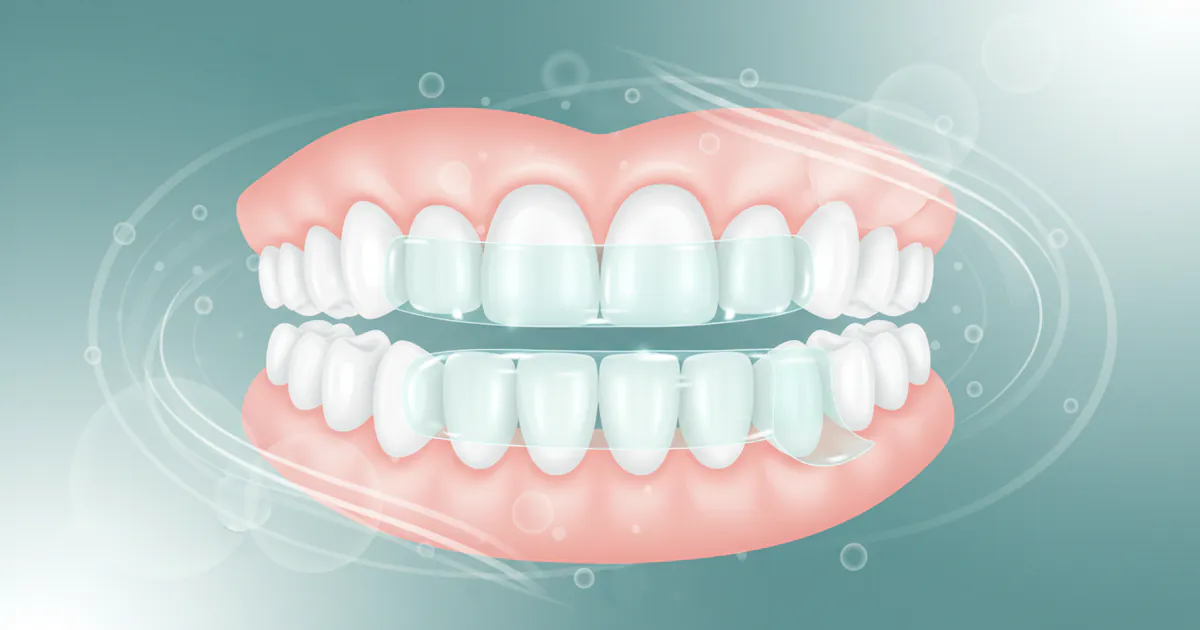
Teeth whitening strips are thin, flexible pieces of polyethylene plastic coated on one side with a whitening gel. This gel typically contains a peroxide-based bleaching agent, most commonly hydrogen peroxide or carbamide peroxide. Designed for convenience and ease of use, these strips adhere to the front surfaces of your teeth, allowing the active ingredients to remain in contact with the enamel for a specified period, usually 30 minutes to an hour, once or twice a day.
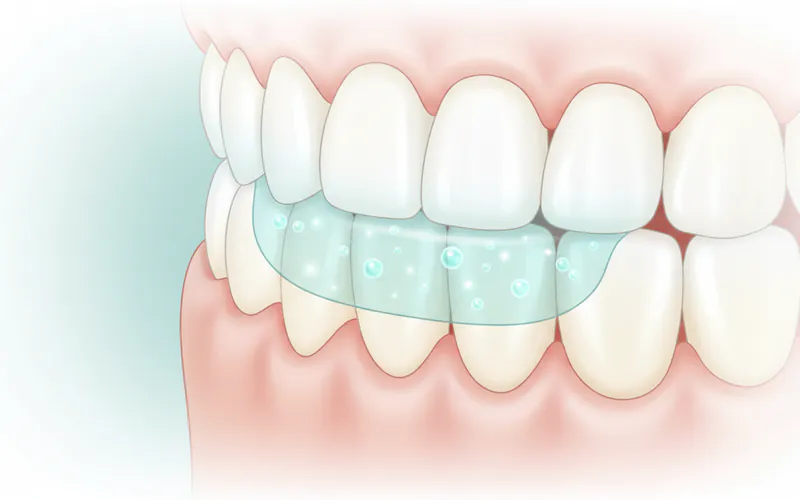
The goal of teeth whitening strips is to lighten the shade of your natural teeth by removing extrinsic (surface) stains caused by food, drinks, and tobacco, and even some intrinsic (within the tooth structure) discoloration. They offer a non-invasive, over-the-counter solution for individuals seeking a brighter smile without the higher cost or time commitment of professional dental treatments.
The Science Behind Brighter Smiles: How Whitening Strips Work
Understanding how teeth whitening strips work requires a basic grasp of tooth discoloration and the chemistry of the whitening process.
Understanding Tooth Discoloration
Tooth discoloration can broadly be categorized into two types:
-
Extrinsic Stains: These are surface stains that accumulate on the enamel, the outermost layer of your teeth. They are primarily caused by:
- Chromogenic Foods and Drinks: Coffee, tea, red wine, dark sodas, berries, and certain spices (e.g., turmeric) contain pigments that adhere to the enamel.
- Tobacco Use: Nicotine and tar in cigarettes and other tobacco products cause stubborn yellowish-brown stains.
- Poor Oral Hygiene: Inadequate brushing and flossing allow plaque and tartar to build up, which can absorb stains.
-
Intrinsic Stains: These stains are deeper, occurring within the tooth structure (dentin) or resulting from changes to the enamel itself. Causes include:
- Aging: As we age, the enamel thins, revealing more of the yellowish dentin underneath.
- Trauma: Injuries to a tooth can cause internal bleeding and discoloration.
- Medications: Certain antibiotics (like tetracycline) taken during tooth development can cause permanent staining. Antihistamines, antipsychotics, and high blood pressure medications can also contribute.
- Excessive Fluoride: Fluorosis, caused by too much fluoride intake during tooth formation, can result in white spots or brown discoloration.
- Genetics: Some individuals naturally have brighter or darker tooth shades.
- Dental Restorations: Old amalgam fillings can leach metallic ions into the tooth, causing a grayish tint.
Teeth whitening strips are most effective at tackling extrinsic stains and can offer some improvement for milder intrinsic discoloration. They will not whiten existing dental work such as crowns, veneers, or fillings, which will remain their original color, potentially leading to an uneven appearance.
Active Ingredients: Hydrogen Peroxide vs. Carbamide Peroxide
The effectiveness of teeth whitening strips hinges on their active bleaching agents:
-
Hydrogen Peroxide: This is the direct bleaching agent. When it comes into contact with the teeth, it breaks down into water and oxygen molecules. These oxygen molecules penetrate the enamel and dentin, reaching the stained molecules. The oxygen then breaks the chemical bonds of the chromogens (stain-causing molecules), effectively bleaching them into smaller, colorless compounds. Hydrogen peroxide acts faster but can be more potent, leading to increased sensitivity if concentrations are too high or contact time is too long. Strips typically contain 6% to 10% hydrogen peroxide.
-
Carbamide Peroxide: This is a more stable compound that breaks down into hydrogen peroxide and urea when it comes into contact with water. Typically, a 10% carbamide peroxide solution is roughly equivalent to 3.5% hydrogen peroxide. Carbamide peroxide releases its active ingredient more slowly, making it generally gentler on the teeth and gums, which can be beneficial for individuals prone to sensitivity. Concentrations in strips often range from 10% to 20% carbamide peroxide.
Both agents are recognized by the American Dental Association (ADA) as safe and effective for teeth whitening when used as directed. The choice between them often comes down to individual sensitivity and desired speed of results.
Pro Tip: For optimal balance between efficacy and minimized sensitivity, many dental professionals recommend starting with strips containing 6-10% hydrogen peroxide or its carbamide peroxide equivalent, especially if you're new to whitening.
Types of Teeth Whitening Strips
The market offers a variety of teeth whitening strips, each with slightly different formulations and features designed to cater to diverse needs and preferences.
-
Standard Strips: These are the most common type, typically featuring a simple design with a whitening gel applied to flexible plastic strips. They offer a straightforward approach to at-home whitening.
-
No-Slip/Advanced Seal Strips: Brands like Crest have pioneered "Advanced Seal" technology. These strips are designed with a stronger adhesive that helps them conform better to your teeth and stay in place during the treatment time. This prevents slipping and ensures more consistent coverage, which can lead to more even whitening.
-
Sensitive Formula Strips: Formulated for individuals who experience tooth sensitivity or gum irritation during whitening. These strips typically contain lower concentrations of hydrogen or carbamide peroxide. Additionally, they often include desensitizing agents like potassium nitrate or strontium chloride to help block nerve pain signals, making the whitening experience more comfortable. Lumineux Teeth Whitening Strips are a popular example of a brand focused on gentler, sensitivity-reducing formulas, often using naturally derived ingredients.
-
Dissolving Strips: These strips are designed to dissolve in your mouth after a certain period, eliminating the need to remove them. While convenient, they often have lower peroxide concentrations and shorter contact times, which might translate to less dramatic whitening results compared to traditional strips. They are best suited for subtle enhancements or maintenance.
-
LED Light-Enhanced Strips: Some kits include an LED (light-emitting diode) light device, claiming it accelerates or enhances the whitening process. The scientific consensus on the efficacy of LED lights in accelerating peroxide-based whitening for at-home strips is still debated among dental professionals. While light may enhance in-office treatments using higher concentration gels, its benefit for lower-concentration at-home strips is often considered minimal or primarily psychological.
-
Natural/Charcoal Strips: You might encounter strips marketed as "natural" or containing activated charcoal. While activated charcoal can absorb surface stains, there is no scientific evidence that it effectively whitens teeth by breaking down intrinsic stains like peroxide does. Moreover, abrasive charcoal can potentially damage enamel with prolonged or aggressive use. It's crucial to exercise caution with these products, as they often lack ADA approval and may not deliver true whitening results.
Choosing the right type depends on your budget, sensitivity levels, and desired results. For maximum efficacy and safety, peroxide-based strips with the ADA Seal of Acceptance are generally the most reliable choice.
Choosing the Best Teeth Whitening Strips for You
Selecting the right whitening strips involves evaluating several factors to ensure effectiveness, safety, and a comfortable experience.
Factors to Consider
- Your Sensitivity Level: If you have a history of tooth sensitivity, prioritize sensitive formulas or those with lower peroxide concentrations (e.g., 6% hydrogen peroxide or 10-15% carbamide peroxide).
- Desired Speed of Results: Higher peroxide concentrations generally yield faster and more dramatic results, but come with a higher risk of sensitivity. Milder formulas will take longer.
- Budget: Prices for whitening strips vary. While effectiveness often correlates with price, there are many effective options across different price points. Expect to spend anywhere from $20 to $70 for a full course of treatment.
- Brand Reputation and Reviews: Research reputable brands with a long history of safe and effective products. Reading user reviews can offer insights into real-world performance and side effects.
- ADA Seal of Acceptance: This is a critical indicator. The American Dental Association's Seal of Acceptance means the product has been scientifically evaluated for safety and effectiveness, and its claims are supported by clinical evidence. Always look for this seal on the packaging.
- Ingredients List: Understand the active ingredients (hydrogen peroxide, carbamide peroxide) and look for desensitizing agents if needed. Be wary of "natural" products that lack peroxide, as they may not offer true whitening.
- Application Method and Comfort: Some strips are designed to be more comfortable, stay in place better (e.g., "Advanced Seal"), or even dissolve. Consider what works best for your lifestyle.
Top Brands and Their Features
When searching for the best teeth whitening strips, certain brands consistently rise to the top due to their proven efficacy and widespread availability.
-
Crest 3D Whitestrips: This is arguably the most recognized and widely recommended brand, often touted as the benchmark for over-the-counter whitening. Crest offers several lines, each with varying strengths and benefits:
- Crest 3D Whitestrips Professional Effects: Considered their strongest retail offering, containing 10% hydrogen peroxide. Designed for noticeable results comparable to professional treatments, typically used for 30 minutes once a day for 18-20 days. Average cost: $45-$65.
- Crest 3D Whitestrips Glamorous White: A popular mid-range option with 6% hydrogen peroxide, offering good results with less treatment time (30 minutes once a day for 14 days). Average cost: $30-$50.
- Crest 3D Whitestrips Vivid White: A basic, more affordable option with 6% hydrogen peroxide, usually used for shorter durations (5 minutes once a day for 10-14 days). Average cost: $25-$40.
- Crest 3D Whitestrips Gentle Routine/Sensitive: Specifically formulated with lower peroxide concentrations (often around 5.5% hydrogen peroxide) and sometimes containing desensitizing agents, ideal for users prone to sensitivity. Average cost: $30-$50.
- Key Features: All Crest 3D Whitestrips use their "Advanced Seal Technology" for better adhesion, ensuring consistent contact with teeth. They have the ADA Seal of Acceptance.
-
Lumineux Teeth Whitening Strips: This brand has gained significant traction by offering a "naturally derived," non-toxic approach to whitening, making it a strong contender for those seeking an alternative to high-concentration peroxides.
- Unique Selling Proposition: Lumineux strips utilize a patented blend of essential oils (coconut oil, lemon peel oil, sage oil), dead sea salt, and hydrogen peroxide at a much lower concentration (typically less than 1% as part of a proprietary formula) or sometimes sodium bicarbonate. They claim to neutralize toxins, freshen breath, and whiten without causing sensitivity.
- Efficacy: While effective for surface stains and providing a brighter smile, the whitening effect may be less dramatic or slower than higher-concentration peroxide strips for very deep stains. They are an excellent choice for individuals with extreme sensitivity or those who prefer a "cleaner" ingredient list.
- Average Cost: $35-$50.
- Key Features: Non-toxic, enamel-safe, clinically proven to whiten without sensitivity, often vegan and cruelty-free. They also hold the ADA Seal for some of their products.
-
Other Notable Brands:
- Plus White 5-Minute Whitening System: Known for its affordability and rapid results, often using higher carbamide peroxide concentrations. May cause more sensitivity for some. Average cost: $15-$25.
- Zimba Whitening Strips: Offers a variety of flavors and formulations, including sensitivity-friendly options and charcoal-infused strips (use with caution). Average cost: $20-$40.
- ARC Whitening Strips: A newer player, often found at major retailers, provides peroxide-based strips with a focus on ease of use and good adherence. Average cost: $30-$50.
- Snow Whitening Strips: Often paired with their LED light system, these strips are peroxide-based and designed for sensitive teeth. Average cost: $40-$60 for strips alone.
``
Comparison Table: Popular Teeth Whitening Strips
| Brand/Product | Active Ingredient | Concentration (Approx.) | Treatment Time/Day | Course Duration | Key Feature | Average Cost (USD) | ADA Seal |
|---|---|---|---|---|---|---|---|
| Crest 3D Whitestrips Professional Effects | Hydrogen Peroxide | 10% | 30 min | 18-20 days | Strongest OTC, Advanced Seal | $45 - $65 | Yes |
| Crest 3D Whitestrips Sensitive | Hydrogen Peroxide | 5.5% | 30 min | 14 days | Formulated for sensitivity | $30 - $50 | Yes |
| Lumineux Teeth Whitening Strips | Hydrogen Peroxide (trace) + Essential Oils | <1% (proprietary blend) | 30 min | 7-14 days | Non-toxic, gentle, naturally derived | $35 - $50 | Yes |
| Plus White 5 Minute Whitening Strips | Carbamide Peroxide | 16% | 5 min | 7 days | Rapid results, very affordable | $15 - $25 | No |
| ARC Whitening Strips | Hydrogen Peroxide | 6% | 30 min | 14 days | Good adhesion, brightens in 7 days (some) | $30 - $50 | No |
Note: Concentrations and treatment durations can vary slightly between product variations and may change. Always refer to the specific product packaging.
Step-by-Step Guide to Using Whitening Strips Safely and Effectively
Proper application is key to achieving optimal results and minimizing side effects. While instructions may vary slightly by brand, here’s a general step-by-step guide:
- Read the Instructions: Always start by carefully reading the specific instructions provided with your chosen whitening strip kit. Pay attention to application time, frequency, and total treatment duration.
- Brush Your Teeth (or Not?): Some manufacturers recommend brushing your teeth gently about 30 minutes before applying strips, while others suggest not brushing immediately before to avoid irritating gums. A common recommendation is to brush your teeth an hour before or simply rinse your mouth thoroughly with water. The goal is to have clean teeth but not freshly abraded gums.
- Dry Your Teeth: For better adhesion, gently pat your teeth dry with a clean cloth or tissue before applying the strips. Saliva can interfere with the strip's ability to stick properly.
- Open and Apply:
- Open the foil pouch and peel the longer strip from its backing (this is typically for the upper teeth).
- Position the strip with the gel side against the front surface of your upper teeth.
- Align the strip with your gumline and gently press to ensure good contact.
- Fold the excess strip material behind your teeth to hold it in place.
- Repeat the process for the shorter strip on your lower teeth.
- Wait the Recommended Time: Leave the strips on for the duration specified in the instructions (typically 30 minutes to an hour). Avoid eating, drinking, or smoking during this time. Try to limit excessive talking, as it can dislodge the strips.
- Remove and Rinse: After the recommended time, carefully peel off both strips and discard them. Rinse your mouth thoroughly with water to remove any residual gel. Do not swallow the gel.
- Maintain Consistency: For optimal results, use the strips consistently as directed for the full course of treatment (e.g., 7, 10, or 14 days). Skipping applications can delay or diminish results.
Pro Tip: If you experience significant sensitivity, consider reducing the application time by 5-10 minutes, using the strips every other day instead of daily, or switching to a sensitive formula. You can also use a desensitizing toothpaste containing potassium nitrate.
``
Potential Risks and Side Effects
While generally safe when used as directed, teeth whitening strips can have some potential side effects. Being aware of these can help you manage them or know when to consult a dental professional.
- Tooth Sensitivity: This is the most common side effect. The peroxide agents can temporarily dehydrate the tooth and irritate the pulp (the nerve inside the tooth), leading to sharp, fleeting pain or general discomfort. Sensitivity typically subsides within a few days after stopping treatment. Using desensitizing toothpaste, shorter application times, or taking breaks can help.
- Gum Irritation: If the whitening gel comes into prolonged contact with your gums, it can cause temporary inflammation, redness, or burning sensations. This is often due to improper strip placement where the strip overlaps the gumline.
- Uneven Whitening: Teeth whitening strips will only whiten natural tooth enamel. Any existing dental work, such as crowns, veneers, fillings, or bonding, will not change color. This can result in an uneven color match between your natural teeth and restorations.
- Temporary Bluish Tint: Sometimes, after removing the strips, teeth may appear slightly bluish or translucent. This is usually due to temporary dehydration of the enamel and resolves within a few hours as your teeth rehydrate.
- Damage to Enamel (Rare with proper use): While rare with ADA-approved products used correctly, overuse or extremely high concentrations of peroxide over extended periods could potentially lead to enamel erosion or damage. This is why following instructions and consulting a dentist is crucial.
- Allergic Reactions: Though uncommon, some individuals may experience an allergic reaction to ingredients in the whitening gel or the strip material itself.
Who Should Avoid Whitening Strips?
Not everyone is an ideal candidate for teeth whitening strips. Certain conditions and situations warrant caution or outright avoidance:
- Pregnant or Nursing Women: The effects of whitening agents on developing fetuses or infants are not fully understood. It's generally recommended to postpone whitening until after pregnancy and breastfeeding.
- Children and Adolescents: Teeth whitening strips are not recommended for individuals under the age of 16. Children's teeth have larger pulp chambers and thinner enamel, making them more susceptible to sensitivity and potential damage. Their teeth are still developing, and the results might be unpredictable. We will discuss pediatric considerations in more detail later.
- Individuals with Active Dental Issues: If you have untreated cavities, gum disease (gingivitis or periodontitis), exposed tooth roots, cracked teeth, or oral sores, whitening agents can cause severe pain, irritation, or exacerbate existing conditions. Address these issues with your dentist first.
- People with Extensive Dental Work: As mentioned, strips won't whiten crowns, veneers, bridges, or fillings. If your front teeth have these restorations, whitening strips will create a noticeable color mismatch.
- Allergies to Ingredients: If you know you're allergic to any component of the whitening gel or strip material, avoid using them.
- Intrinsic Stains: For deep, intrinsic stains caused by medication or trauma, whitening strips may offer minimal improvement. Professional in-office whitening or other cosmetic treatments like veneers might be more effective.
Maximizing Your Whitening Results and Maintaining a Bright Smile
Achieving a brighter smile is one thing; keeping it that way is another. Here's how to maximize and prolong the effects of your whitening strip treatment:
- Practice Excellent Oral Hygiene: Brush twice a day with fluoride toothpaste, floss daily, and use an antiseptic mouthwash. This prevents new surface stains from accumulating and maintains overall dental health.
- Limit Stain-Causing Foods and Drinks: Reduce consumption of coffee, tea, red wine, dark sodas, berries, and highly pigmented sauces. If you do consume them, try to rinse your mouth with water immediately afterward or use a straw for beverages.
- Quit Tobacco Use: Smoking and chewing tobacco are significant contributors to stubborn tooth discoloration. Quitting is the single most effective step you can take for a brighter smile and overall health.
- Regular Dental Cleanings: Schedule professional dental cleanings every six months (or as recommended by your dentist). Your dental hygienist can remove plaque, tartar, and surface stains that at-home whitening products cannot address.
- Touch-Up Treatments: Most whitening strip kits are designed for a specific course of treatment. To maintain your results, you may need to use touch-up strips every 3-6 months, or as advised by the product instructions, for a shorter duration (e.g., 2-3 days).
- Consider Whitening Toothpaste: While not as effective as strips, whitening toothpastes can help remove new surface stains and maintain brightness between strip treatments. Look for those with mild abrasives or peroxide.
Teeth Whitening Pens: An Alternative or Complement?
Beyond whitening strips, the teeth whitening pen offers another popular over-the-counter option, often seen as a convenient alternative or a complementary tool.
- What They Are: A teeth whitening pen is a portable, pen-shaped device that contains a brush at one end and a whitening gel inside. You twist the pen to dispense the gel onto the brush, then paint it directly onto your tooth surfaces.
- Pros:
- Portability: Extremely convenient for on-the-go touch-ups.
- Precision: Allows you to target specific teeth or areas that need whitening, especially useful for minor inconsistencies or hard-to-reach spots.
- Ease of Use: Simple brush-on application.
- Cons:
- Lower Concentration: Whitening pens typically contain lower concentrations of hydrogen peroxide or carbamide peroxide compared to strips or professional treatments.
- Less Contact Time: The gel applied by a pen often doesn't stay on the teeth as consistently or for as long as strips, or it can be easily washed away by saliva. This can lead to less dramatic or slower results for overall whitening.
- Potential for Uneven Application: Achieving an even, consistent coating across all tooth surfaces can be challenging with a brush, leading to patchy results if not applied carefully.
- When to Use: Teeth whitening pens are best suited for:
- Touch-ups: To extend the results of a strip treatment or professional whitening.
- Targeted Whitening: For individual teeth that appear darker than others.
- Convenience: When you need a quick boost before an event.
- They are generally less effective than strips for achieving significant, full-mouth whitening from scratch.
Average cost for a teeth whitening pen typically ranges from $15-$40.
Professional Whitening vs. At-Home Strips
While teeth whitening strips are effective for many, it's important to understand how they compare to professional whitening options offered by a dentist.
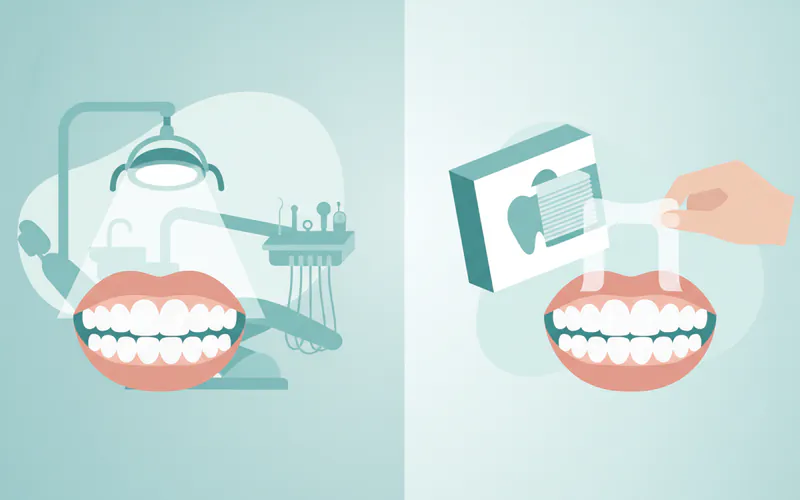
Comparison Table: Whitening Methods
| Feature | At-Home Whitening Strips | At-Home Custom Trays (Dentist-Prescribed) | In-Office Whitening (e.g., Zoom!) |
|---|---|---|---|
| Active Agent | Hydrogen peroxide (6-10%), Carbamide peroxide (10-20%) | Carbamide peroxide (10-35%), Hydrogen peroxide (6-15%) | Hydrogen peroxide (15-40%) |
| Concentration | Low to Moderate | Moderate to High | Very High |
| Efficacy | Good for extrinsic stains, some intrinsic; 1-3 shades lighter | Very good, more uniform; 2-5 shades lighter | Excellent, fastest, most dramatic; 5-10+ shades lighter |
| Speed of Results | 7-14 days for noticeable results, full course 1-3 weeks | 1-2 weeks of daily use | 1-2 hours (single visit) |
| Control/Supervision | Self-administered, no professional oversight | Dentist provides custom trays and gel, monitors progress | Administered by dental professional |
| Cost (US) | $20 - $70 per kit | $300 - $600 | $400 - $1,000+ |
| Side Effects | Mild to moderate sensitivity/gum irritation | Moderate sensitivity/gum irritation, well-managed | Moderate to severe sensitivity/gum irritation (temporary) |
| Duration of Results | 3-6 months (with maintenance) | 6-12 months (with maintenance) | 12-18 months (with maintenance) |
| Best For | Mild to moderate staining, budget-conscious, convenient | Moderate staining, better for irregular teeth, dentist guidance | Severe staining, quick dramatic results, medically supervised |
``
Children / Pediatric Considerations
Teeth whitening, including the use of whitening strips, is generally not recommended for children and adolescents under the age of 16. There are several important reasons for this guideline:
- Developing Teeth: Children's teeth (both primary/baby teeth and newly erupted permanent teeth) have larger pulp chambers (the innermost part of the tooth containing nerves and blood vessels) and thinner enamel compared to adult teeth. This makes them significantly more susceptible to sensitivity and potential damage from whitening agents.
- Unpredictable Results: Young permanent teeth often appear naturally whiter than the primary teeth they are replacing. This temporary color difference can lead to unrealistic expectations for parents and children regarding whitening.
- Potential for Misuse: Children may not understand or follow the instructions for whitening strips precisely, increasing the risk of overexposure, gum irritation, or accidental ingestion of the gel.
- Fluorosis: If a child has fluorosis (white or brown spots due to excessive fluoride intake during tooth development), whitening strips can make these areas appear even whiter, thus more noticeable.
- Overall Oral Health: The primary focus for pediatric dental care is on preventing cavities, promoting good oral hygiene habits, and ensuring proper dental development. Cosmetic procedures like whitening are secondary and generally deferred until full dental maturity.
If a child or teenager expresses concern about the color of their teeth, the first step should always be a consultation with a pediatric dentist or general dentist. The dentist can determine the cause of discoloration (e.g., diet, poor hygiene, intrinsic staining) and recommend appropriate, safe solutions, which may include professional cleaning, dietary changes, or, in rare cases, extremely mild, dentist-supervised treatments once the teeth are fully developed.
Cost Breakdown of Whitening Options
Understanding the financial investment for a brighter smile is crucial. Here's a breakdown of average costs in the US for various whitening options, along with insurance and financing considerations.
Average US Costs
-
At-Home Teeth Whitening Strips:
- Low Range: $20 - $35 (e.g., store-brand strips, smaller kits, some basic Crest lines)
- Mid Range: $35 - $55 (e.g., Crest Glamorous White, Lumineux, ARC)
- High Range: $55 - $70 (e.g., Crest Professional Effects, larger kits, premium sensitive formulas)
-
Teeth Whitening Pens:
- Low Range: $15 - $25
- Mid Range: $25 - $40
- High Range: $40 - $50+ (often part of a larger kit)
-
Dentist-Prescribed At-Home Whitening Kits (Custom Trays):
- Average: $300 - $600
- Includes impressions for custom-fitted trays and professional-strength whitening gel.
-
In-Office Professional Whitening (e.g., Zoom!, Philips Zoom WhiteSpeed):
- Average: $400 - $1,000+ per visit
- This is the most expensive but also the fastest and most dramatic option, often including follow-up trays for maintenance. Prices can vary significantly by region and dental practice.
With vs. Without Insurance
Dental insurance typically does NOT cover cosmetic procedures, and teeth whitening falls under this category. Whether you're using at-home strips, pens, or professional treatments, you will almost always pay out-of-pocket for the full cost. Some dental plans might offer a very small discount on professional whitening if deemed medically necessary (e.g., severe staining impacting mental health), but this is exceedingly rare.
Payment Plans and Financing Options
For more expensive professional whitening treatments, many dental offices offer:
- In-House Payment Plans: Spreading the cost over several months with no or low-interest rates.
- Third-Party Financing: Services like CareCredit or LendingClub allow you to finance healthcare costs with various repayment terms and interest rates, often including interest-free periods if paid within a certain timeframe.
Cost-Saving Tips
- Shop Around: Prices for strips and pens can vary greatly between retailers. Check online, at pharmacies, and at big-box stores.
- Look for Sales and Coupons: Many brands offer promotions, especially around holidays.
- Consider Multi-Packs: Buying larger kits or multi-packs can sometimes offer a better per-treatment value.
- Maintain Results: Excellent oral hygiene and avoiding stain-causing foods will prolong your whitening results, reducing the frequency and cost of touch-up treatments.
- Discuss with Your Dentist: For professional options, inquire if your dentist offers any package deals or discounts for combined services.

Cost Comparison of Whitening Methods (Table)
| Whitening Method | Average Cost Range (USD) | Insurance Coverage | Ideal For |
|---|---|---|---|
| At-Home Whitening Strips | $20 - $70 | No | Mild to moderate stains, budget-friendly |
| Teeth Whitening Pens | $15 - $50 | No | Touch-ups, targeted areas, portability |
| Dentist-Prescribed Trays | $300 - $600 | No | Moderate stains, sensitive teeth, uniform results |
| In-Office Professional Whitening | $400 - $1,000+ | No | Severe stains, quick dramatic results, maximum safety |
Frequently Asked Questions
Are teeth whitening strips safe for my enamel?
Yes, when used as directed, ADA-accepted teeth whitening strips are considered safe for tooth enamel. The active ingredients, hydrogen peroxide or carbamide peroxide, penetrate the enamel to break down stains without damaging the tooth structure. Overuse or improper application, however, could lead to temporary sensitivity or gum irritation.
How long do the results from teeth whitening strips last?
Results typically last anywhere from 3 to 6 months, depending on your diet, oral hygiene habits, and whether you smoke. Consuming stain-causing foods and drinks (like coffee, tea, and red wine) will cause stains to re-accumulate faster. Regular touch-up treatments can help maintain your bright smile.
Can I whiten crowns, veneers, or fillings with strips?
No, teeth whitening strips will not whiten existing dental restorations such as crowns, veneers, bonding, or fillings. These materials are not porous like natural tooth enamel and will remain their original color. Attempting to whiten them can result in a noticeable color mismatch between your natural teeth and your dental work.
What should I do if my teeth become sensitive after using strips?
Tooth sensitivity is a common, usually temporary, side effect. If it occurs, try reducing the application time, using the strips less frequently (e.g., every other day), or switching to a sensitive formula. Using a desensitizing toothpaste containing potassium nitrate can also provide relief. If sensitivity is severe or persists, stop use and consult your dentist.
How often can I use teeth whitening strips?
Follow the specific instructions on your product's packaging. Most kits are designed for a daily application over 7 to 20 days. After completing a full course, you typically shouldn't use them again for several months. Overusing strips can increase sensitivity and gum irritation without providing additional benefits.
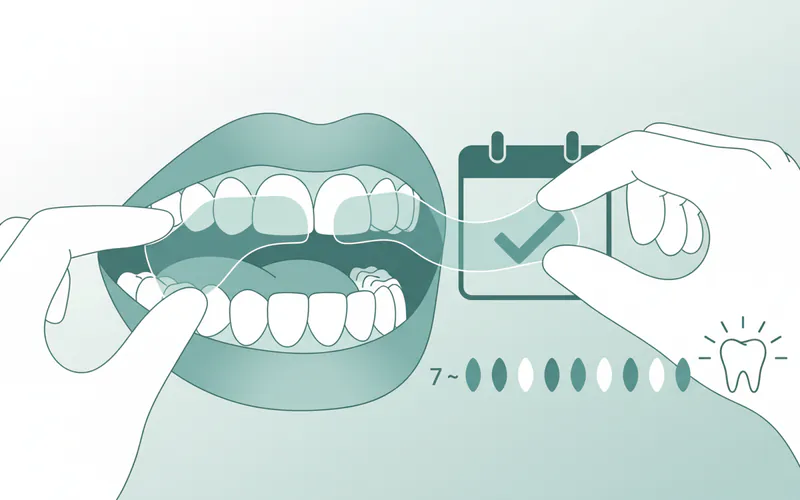
Are "natural" teeth whitening strips as effective as peroxide-based ones?
Strips marketed as "natural" (e.g., charcoal-based) often lack the peroxide bleaching agents necessary to break down intrinsic stains. While they might help remove some surface stains through mild abrasion, they generally do not offer the same level of true whitening as peroxide-based strips. Always look for the ADA Seal of Acceptance for scientifically proven efficacy.
Can I drink coffee or tea while using whitening strips?
It's generally recommended to avoid consuming stain-causing foods and drinks, especially coffee, tea, red wine, and dark sodas, during and immediately after your whitening treatment. Your teeth are more porous right after whitening, making them more susceptible to re-staining. If you must, consider using a straw or rinsing your mouth with water afterward.
What's the difference between Crest 3D Whitestrips and Lumineux Teeth Whitening Strips?
Crest 3D Whitestrips use higher concentrations of hydrogen peroxide for powerful, often faster, whitening results. Lumineux, on the other hand, utilizes a lower concentration of peroxide combined with essential oils and other naturally derived ingredients, focusing on gentler whitening with minimal to no sensitivity, ideal for those with very sensitive teeth or a preference for "cleaner" ingredients. Both have ADA acceptance for some product lines.
Is a teeth whitening pen effective for full mouth whitening?
A teeth whitening pen is more suited for touch-ups, maintaining results, or targeting specific stained teeth rather than comprehensive full-mouth whitening from scratch. Due to lower peroxide concentrations and less consistent contact time compared to strips, they generally offer less dramatic results for significant initial whitening.
Should I brush my teeth before or after using whitening strips?
Most dental professionals recommend brushing your teeth gently about 30 minutes before applying the strips. This ensures your teeth are clean for optimal strip adhesion. However, avoid brushing immediately before, as freshly brushed gums can be more susceptible to irritation from the whitening gel. Always rinse thoroughly after removing the strips.
When to See a Dentist
While teeth whitening strips offer a convenient at-home solution, there are specific situations where professional dental consultation or intervention is necessary:
- Before Starting Any Whitening Regimen: It's always a good idea to consult your dentist before beginning any teeth whitening treatment, especially if it's your first time. Your dentist can assess the cause of your discoloration, check for any underlying dental issues (like cavities or gum disease), and determine if whitening strips are a suitable and safe option for you.
- Severe or Persistent Sensitivity: If you experience severe tooth sensitivity or gum pain that doesn't subside after adjusting your usage or trying desensitizing products, stop using the strips and see your dentist.
- Existing Dental Work: If you have crowns, veneers, fillings, or bonding on your front teeth, your dentist can advise you on how whitening might affect the overall appearance and discuss alternatives if an uneven color match is a concern.
- Stubborn or Intrinsic Stains: If your teeth have deep intrinsic stains (e.g., from medication like tetracycline or trauma), whitening strips may not be effective. A dentist can offer stronger in-office treatments or suggest other cosmetic solutions like bonding or veneers.
- Uneven Whitening Results: If you notice significant unevenness in your whitening results that cannot be corrected with careful strip application, a dentist can help identify the cause and suggest remedies.
- Concern About Overall Oral Health: Any time you have concerns about your oral health, such as unexplained pain, bleeding gums, or new spots on your teeth, your dentist is the best resource for accurate diagnosis and treatment.
Choosing the best teeth whitening strips can be a great step towards a brighter smile, but responsible use and professional guidance are paramount to ensure both safety and satisfaction.
Frequently Asked Questions
Medically Reviewed Content
This article was written by our dental health editorial team and reviewed for medical accuracy. Our content follows strict editorial guidelines for reliability and trustworthiness.
Medical Disclaimer
This article is for informational purposes only and does not constitute medical advice. Always consult with a qualified dental professional for diagnosis and treatment. Do not delay seeking professional advice because of something you read on this website.
Related Articles
Before and After Dentures: Complete Guide
For many Americans, a vibrant smile isn't just about aesthetics; it's fundamental to speaking clearly, enjoying favorite foods, and maintaining self-confidence. Yet, over 36 million Americans are completely edentulous (have no natural teeth), and millions more suffer from significant tooth loss,
February 22, 2026
Teeth Whitening Cost: Complete Price Guide 2026
Brighter smiles are more than just a fleeting trend; they're a significant confidence booster and a common aesthetic goal for many Americans. In fact, a recent survey indicated that over 80% of adults aged 18-49 believe a beautiful smile is important for success, and teeth whitening remains one
February 22, 2026
Braces Before and After: Complete Guide
For many, the journey to a confident, healthy smile begins with orthodontics. The transformation seen in braces before and after photos isn't just cosmetic; it represents improved oral health, function, and self-esteem. Crooked teeth, misaligned bites, and gaps can lead to a host of problems, fr
February 22, 2026
Natural Teeth Whitening: Complete Guide
A radiant smile is often considered a sign of health and confidence, which is why teeth whitening has become one of the most popular cosmetic dental procedures in the United States. In fact, surveys suggest that a significant majority of Americans, around 80%, desire whiter teeth, and the teeth
February 22, 2026