How Much Is Teeth Cleaning
Key Takeaways
- A dazzling smile isn't just about aesthetics; it's a window into your overall health. Regular professional teeth cleaning is one of the most fundamental and vital practices for maintaining optimal oral hygiene, yet many wonder: how much is teeth cleaning? It's a question with a nuanced answer, a
A dazzling smile isn't just about aesthetics; it's a window into your overall health. Regular professional teeth cleaning is one of the most fundamental and vital practices for maintaining optimal oral hygiene, yet many wonder: how much is teeth cleaning? It's a question with a nuanced answer, as the cost can vary significantly based on the type of cleaning, your location, and your insurance coverage. Neglecting professional cleanings can lead to serious oral health issues like gum disease, tooth decay, and even systemic health problems, making this a crucial investment in your well-being. This comprehensive guide from SmilePedia.net will delve deep into the costs associated with teeth cleaning, explore the different types of cleanings, explain what to expect during a dental visit, and provide valuable insights into managing dental expenses. Understanding these factors will empower you to make informed decisions about your dental health.
Key Takeaways:
- Routine Dental Cleaning (Prophylaxis): Typically costs $75 to $200 without insurance, varying by region and dentist. With insurance, you might pay a copay of $0 to $50, as many plans cover 100% of preventive care.
- Deep Cleaning (Scaling and Root Planing): A more intensive procedure for gum disease, costing $200 to $600 per quadrant (a quarter of your mouth), or $800 to $2,400 for a full mouth without insurance. Insurance may cover 50-80% after deductible.
- Frequency: The American Dental Association (ADA) recommends professional cleanings every six months for most individuals.
- Factors Affecting Cost: Location, dentist's fees, type of cleaning, presence of gum disease, and insurance coverage are primary cost drivers.
- Children's Cleanings: Often similar in cost to adult prophylaxis, frequently covered by pediatric dental plans or CHIP.
- Preventive Benefits: Regular cleanings prevent more expensive treatments like fillings, root canals, or extractions, saving you money and discomfort in the long run.
- Payment Options: Dental insurance, payment plans (e.g., CareCredit), dental discount plans, and dental schools can help manage costs.
What Professional Teeth Cleaning Is and Why It's Essential
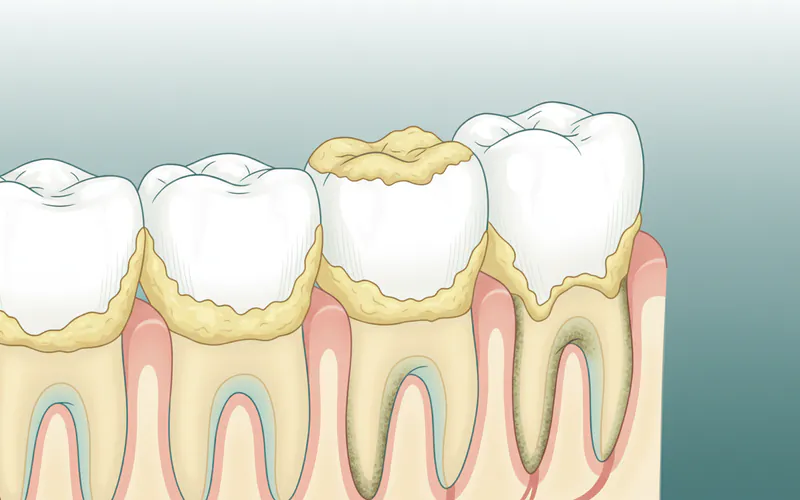
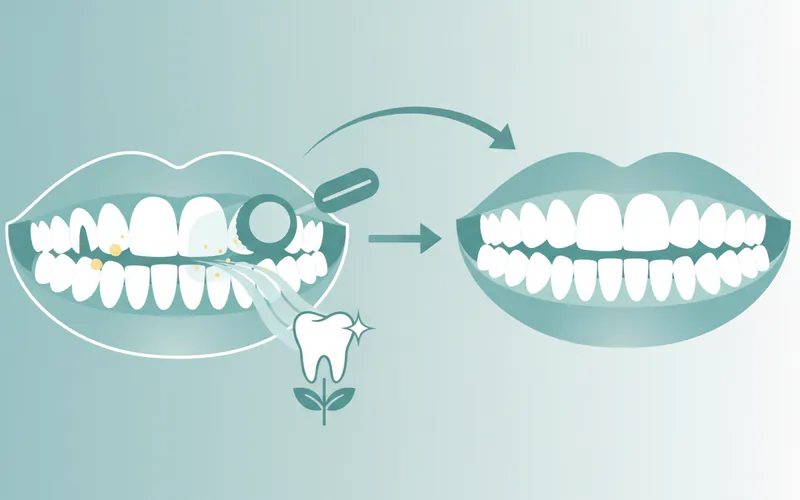
Professional teeth cleaning, medically known as dental prophylaxis (pronounced pro-fuh-LAK-sis), is a preventive dental procedure performed by a dental hygienist or dentist to remove plaque, tartar (calculus), and stains from your teeth. While daily brushing and flossing are crucial, they can't always reach every nook and cranny, nor can they remove hardened tartar. Over time, bacteria in your mouth form a sticky film called plaque. If plaque isn't removed regularly, it hardens into tartar, which brushing alone cannot eliminate.
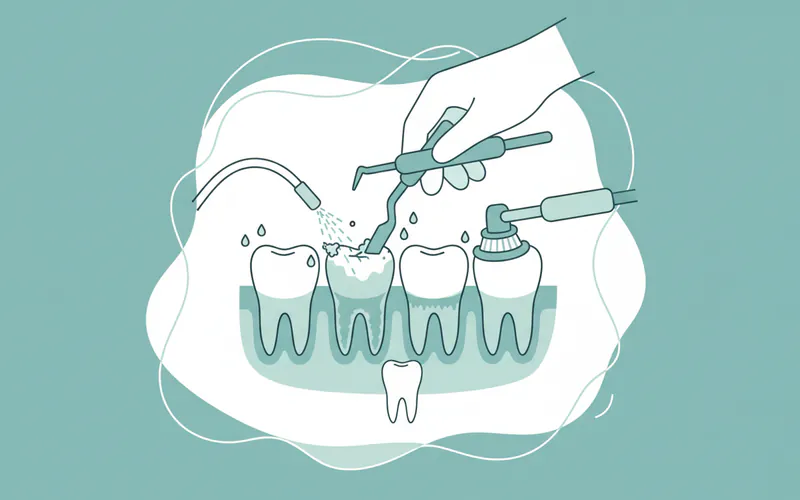
Regular professional cleanings are essential for several reasons:
- Prevents Cavities: By removing plaque and tartar, cleanings significantly reduce the risk of tooth decay and cavities.
- Combats Gum Disease: Plaque and tartar accumulation along the gumline can lead to gingivitis (gum inflammation) and, if left untreated, progress to periodontitis (severe gum disease), which can cause tooth loss. Cleanings are vital for preventing and managing these conditions.
- Freshens Breath: A major cause of bad breath (halitosis) is bacteria accumulating in plaque and tartar. Removing these deposits helps keep your breath fresh.
- Removes Stains: Professional cleaning polishes away surface stains caused by coffee, tea, tobacco, and certain foods, leaving your teeth looking brighter.
- Early Detection of Issues: During your cleaning appointment, the hygienist and dentist also conduct a thorough examination, often including X-rays. This helps in the early detection of cavities, gum disease, fractured teeth, and even oral cancer, allowing for prompt and less invasive treatment.
- Overall Health: Research shows a strong link between oral health and systemic health. Poor oral hygiene can contribute to conditions like heart disease, stroke, diabetes complications, and respiratory infections. Maintaining a clean mouth is a proactive step for your entire body.
![A close-up illustration of teeth with visible plaque(/glossary/glossary-plaque) and tartar build-up along the gumline, with an arrow pointing to a dental scaler removing the deposits.]
Types of Professional Teeth Cleanings
Not all teeth cleanings are the same. The type of cleaning you need depends on the health of your gums and teeth.
1. Prophylaxis (Routine Cleaning)
This is the standard, preventive cleaning recommended for individuals with healthy gums or mild gingivitis. It's designed to maintain oral health and prevent problems from developing.
- What it is: A thorough cleaning of the tooth surfaces above the gumline, removing plaque, tartar, and surface stains.
- Who needs it: Individuals with good oral hygiene, no bone loss, and minimal gum inflammation.
- Frequency: Typically recommended every six months by the ADA.
2. Scaling and Root Planing (Deep Cleaning)
Often referred to as a "deep cleaning," scaling and root planing is a non-surgical procedure for treating moderate to severe chronic periodontitis (gum disease).
- What it is: This two-part procedure involves:
- Scaling: Removing plaque and tartar from both above and below the gumline, all the way down to the bottom of the periodontal pockets.
- Root Planing: Smoothing out the root surfaces of your teeth to remove bacterial toxins and rough spots. This helps the gums reattach to the teeth and reduces the depth of periodontal pockets, making it harder for bacteria to accumulate again.
- Who needs it: Patients diagnosed with periodontitis, characterized by significant plaque and tartar buildup below the gumline, gum inflammation, bleeding, bone loss, and periodontal pockets typically 4mm or deeper.
- Frequency: Usually performed in one or two visits, often divided by quadrants of the mouth (e.g., upper right, lower right). After the initial deep cleaning, patients often transition to periodontal maintenance cleanings.
3. Periodontal Maintenance
After a deep cleaning, regular periodontal maintenance appointments are crucial to prevent the recurrence of gum disease.
- What it is: More extensive than a standard prophylaxis, these cleanings focus on regularly cleaning below the gumline in areas previously affected by periodontitis. The hygienist will monitor pocket depths and inflammation.
- Who needs it: Patients who have undergone scaling and root planing for periodontitis.
- Frequency: Typically recommended every 3-4 months, depending on the severity of the original gum disease and the patient's oral hygiene habits.
4. Other Specialized Cleanings
- Gross Debridement: For individuals with excessive plaque and tartar buildup that obstructs the dentist's ability to perform a comprehensive oral exam. This is a preliminary cleaning before a full prophylaxis can be performed.
- Orthodontic Cleaning: For patients with braces, requiring specialized tools and techniques to clean around brackets and wires.
- Denture/Removable Appliance Cleaning: While not a "teeth" cleaning, this involves professionally cleaning removable dental appliances to prevent bacterial buildup and maintain oral hygiene.
Signs You Might Need More Than a Routine Cleaning
While a routine cleaning is preventive, certain signs indicate you might need a more extensive procedure like scaling and root planing:
- Bleeding Gums: Gums that bleed easily during brushing, flossing, or even when eating.
- Red, Swollen, or Tender Gums: Gums that appear inflamed or feel sore.
- Persistent Bad Breath: Unpleasant breath that doesn't improve with brushing and flossing.
- Receding Gums: Gums pulling away from your teeth, making your teeth appear longer.
- Loose Teeth: A sign of significant bone loss due to advanced gum disease.
- Pus Between Teeth and Gums: A clear sign of infection.
- Changes in Bite: How your teeth fit together when you bite.
- Visible Tartar Buildup: Especially below the gumline.
If you experience any of these symptoms, it's crucial to schedule a dental examination promptly. Early intervention is key to preventing the progression of gum disease.
The Step-by-Step Process of a Professional Teeth Cleaning
Understanding what to expect can help ease any anxiety about your dental visit.
For a Routine Prophylaxis:
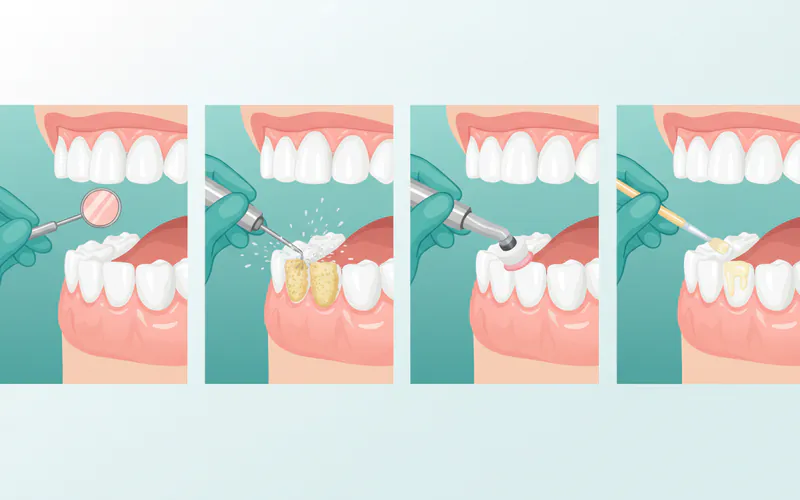
- Dental Examination: The dentist or hygienist will first examine your mouth for any signs of cavities, gum disease, or other oral health issues. They might use a small mirror to check all surfaces of your teeth and gums. X-rays are often taken once a year or every few years as part of this examination.
- Plaque and Tartar Removal (Scaling): Using a small mirror and a dental scaler (either a manual hand instrument or an ultrasonic scaler), the hygienist will meticulously remove plaque and tartar from your tooth surfaces, both above and slightly below the gumline. Ultrasonic scalers use vibrations and water to loosen and wash away deposits.
- Tooth Polishing: After scaling, a high-powered electric toothbrush with a gritty, professional-grade toothpaste is used to polish your teeth. This removes any remaining plaque and surface stains, leaving your teeth smooth.
- Flossing: The hygienist will then floss your teeth thoroughly to remove any remaining debris between your teeth and check for any tight spots that might indicate potential issues.
- Rinsing: You'll be asked to rinse your mouth to wash away any loosened debris.
- Fluoride Treatment: Often, a fluoride treatment is applied as a gel, foam, or varnish. Fluoride helps strengthen tooth enamel and makes it more resistant to decay. This is usually left on for a minute or two.
- Final Check and Recommendations: The dentist may perform a final check and discuss any findings or recommendations for your oral hygiene routine.
For Scaling and Root Planing (Deep Cleaning):
This process is more involved and may require local anesthesia.
- Numbing: Before starting, the dentist or hygienist will typically apply a local anesthetic to numb the specific area of your mouth being treated. This ensures you are comfortable during the procedure.
- Detailed Examination: The hygienist will meticulously measure the depth of your periodontal pockets and assess the extent of plaque and tartar buildup.
- Scaling: Using specialized instruments (manual scalers and/or ultrasonic devices), the hygienist will carefully remove all plaque and tartar from above and below the gumline, reaching deep into the periodontal pockets. This is often done quadrant by quadrant (one quarter of your mouth at a time) over multiple appointments to ensure thoroughness and minimize discomfort.
- Root Planing: After scaling, the root surfaces are carefully smoothed to remove bacterial toxins and rough spots. This step helps prevent bacteria from reattaching and encourages the gums to heal and reattach to the teeth.
- Antibiotic Application (Optional): In some cases, localized antibiotics (such as antibiotic gels or chips) may be placed into deep pockets to further reduce bacteria and promote healing.
- Rinsing: You'll rinse your mouth thoroughly.
- Post-Procedure Instructions: Detailed instructions on aftercare, including pain management, oral hygiene, and follow-up appointments, will be provided.
Pro Tip: Don't hesitate to communicate any discomfort you feel during your cleaning. Dental professionals are trained to make the experience as comfortable as possible.
Cost and Insurance: How Much Is Teeth Cleaning?
The cost of teeth cleaning in the US can fluctuate widely. Understanding the factors that influence these prices is key to budgeting for your dental health.
Factors Influencing Cost:
- Type of Cleaning: As discussed, prophylaxis is less expensive than deep cleaning or periodontal maintenance.
- Geographic Location: Dental costs are generally higher in major metropolitan areas and on the coasts compared to rural areas or the Midwest.
- Dentist's Fees: Fees vary between practices based on overhead, experience, and the technology they use.
- Severity of Condition: If extensive plaque, tartar, or gum disease is present, the procedure will take longer and require more resources, increasing the cost.
- Anesthesia: Deep cleanings often require local anesthetic, which adds to the cost.
- X-rays: Routine X-rays are often part of a comprehensive exam and add to the overall bill, though they may be covered separately by insurance.
Average US Costs Without Insurance:
- Routine Dental Cleaning (Prophylaxis):
- Low Range: $75 - $125
- Mid-Range: $125 - $200
- High Range: $200 - $250+
- This typically includes the cleaning and a basic exam but may exclude X-rays or fluoride, which can add $25-$75 each.
- Deep Cleaning (Scaling and Root Planing): This is usually charged per quadrant (one-quarter of the mouth).
- Low Range (per quadrant): $200 - $350
- Mid-Range (per quadrant): $350 - $500
- High Range (per quadrant): $500 - $600+
- For a full mouth (4 quadrants), this can range from $800 to $2,400+. This often includes anesthesia.
- Periodontal Maintenance:
- Low Range: $100 - $175
- Mid-Range: $175 - $250
- High Range: $250 - $300+
- Often slightly more expensive than a routine cleaning due to the increased focus on subgingival cleaning.
- Gross Debridement:
- Low Range: $100 - $200
- Mid-Range: $200 - $300
- High Range: $300 - $400+
Insurance Coverage:
Dental insurance can significantly reduce your out-of-pocket costs for teeth cleanings. Most dental plans categorize procedures into preventive, basic, and major.
- Preventive Care: Routine cleanings (prophylaxis), exams, and X-rays are typically classified as preventive care. Many dental insurance plans, especially PPO (Preferred Provider Organization) plans, cover 100% of preventive care with no deductible or copay, or a very small copay (e.g., $0-$50). This encourages patients to get regular check-ups.
- Basic Services: Deep cleanings (scaling and root planing) and periodontal maintenance are usually considered basic services. For these, insurance plans typically cover 50% to 80% of the cost after you've met your annual deductible.
- Deductible: The amount you must pay out-of-pocket before your insurance begins to cover costs. Common deductibles range from $50 to $150 per year.
- Annual Maximum: Most dental plans have an annual maximum, which is the total amount your insurance will pay in a given year (e.g., $1,000 - $2,000).
- HMO (Health Maintenance Organization) Plans: These plans typically require you to choose a primary care dentist within their network and often have fixed copays for procedures rather than percentages.
- Medicaid/CHIP: State-funded programs like Medicaid and the Children's Health Insurance Program (CHIP) often provide comprehensive dental benefits, including cleanings, for eligible children and sometimes adults. Coverage varies by state.
Pro Tip: Always contact your dental insurance provider directly or check your plan's benefits booklet to understand your specific coverage before scheduling any dental procedure. Confirm the procedure codes (D codes) the dentist plans to use to ensure accurate coverage estimates. For example, a routine cleaning is typically D1110, while scaling and root planing might be D4341 (per quadrant) or D4342 (1-3 teeth).
Comparison of Cleaning Costs (Without Insurance)
| Type of Cleaning | Common ADA Code | Average Cost Range (without insurance) | What It Includes | When It's Needed |
|---|---|---|---|---|
| Routine Prophylaxis | D1110 | $75 - $200 | Removal of plaque/tartar above gumline, polishing, exam. (X-rays/fluoride often separate) | Healthy gums, mild gingivitis, preventive care (every 6 months) |
| Deep Cleaning (per quadrant) | D4341 | $200 - $600 | Scaling above & below gumline, root planing to smooth roots, local anesthesia. (Usually 1-2 quadrants per visit) | Moderate to severe periodontitis (gum disease) with bone loss and deep pockets |
| Periodontal Maintenance | D4910 | $100 - $300 | Thorough cleaning above & below gumline in areas affected by gum disease, pocket depth monitoring. (More extensive than prophylaxis) | Post-deep cleaning, ongoing management of periodontitis (every 3-4 months) |
| Gross Debridement | D4355 | $100 - $400 | Preliminary removal of heavy plaque/tartar when buildup prevents comprehensive exam. (Often followed by a full prophylaxis) | Extremely heavy buildup making a full exam impossible |
Recovery and Aftercare
Recovery from teeth cleaning is usually straightforward, but it varies slightly depending on the type of cleaning.
After a Routine Prophylaxis:
- Immediate: You can typically eat and drink normally right away. Your teeth might feel exceptionally smooth and clean.
- Sensitivity: Some mild, temporary sensitivity to hot or cold may occur, especially if you have exposed root surfaces. This usually resolves within a day or two.
- Gum Irritation: Your gums might be slightly tender, but significant pain is uncommon.
- Home Care: Resume your normal brushing and flossing routine immediately.
After a Deep Cleaning (Scaling and Root Planing):
- Numbness: The local anesthetic will wear off in a few hours. Be careful not to bite your lip or cheek while numb.
- Discomfort and Soreness: It's common to experience some gum soreness, tenderness, and mild aching for a few days. Over-the-counter pain relievers (like ibuprofen or acetaminophen) can help manage this.
- Sensitivity: Increased sensitivity to hot, cold, or even sweet foods is common after deep cleaning, as more of the tooth root may be exposed temporarily. This usually subsides within a few weeks as your gums heal. Using a desensitizing toothpaste can help.
- Bleeding: You might notice slight bleeding when brushing or flossing for a few days.
- Swelling: Minor gum swelling can occur.
- Diet: Stick to soft foods for the first 24-48 hours, and avoid extremely hot, cold, spicy, or crunchy foods.
- Oral Hygiene: Gently brush and floss as directed by your hygienist or dentist. They might recommend a prescription antimicrobial mouthwash for a short period to aid healing. Avoid vigorous rinsing or spitting immediately after the procedure.
- Follow-up: Adhere to all scheduled follow-up appointments, including your first periodontal maintenance cleaning, which is crucial for long-term success.
Pro Tip: For sensitivity after any cleaning, consider switching to a toothpaste specifically designed for sensitive teeth. It contains compounds that help block pain signals from the tooth surface.
Prevention: The Best "Treatment" for Your Wallet and Health
Preventing serious dental issues through consistent oral hygiene is the most cost-effective and comfortable approach to dental health.
- Brush Twice Daily: Use a fluoride toothpaste and a soft-bristled toothbrush. Brush for at least two minutes each time, covering all tooth surfaces and along the gumline.
- Floss Daily: Flossing removes plaque and food particles from between your teeth and under the gumline, areas your toothbrush can't reach. This is critical for preventing gum disease.
- Use Mouthwash (Optional but Beneficial): An antimicrobial or fluoride mouthwash can provide an extra layer of protection, reducing bacteria and strengthening enamel.
- Eat a Balanced Diet: Limit sugary snacks and drinks, which fuel bacteria that cause cavities. Opt for nutrient-rich foods, including plenty of fruits, vegetables, and dairy products.
- Avoid Tobacco Products: Smoking and chewing tobacco significantly increase the risk of gum disease, oral cancer, and other oral health problems.
- Regular Dental Check-ups and Cleanings: Follow the ADA recommendation of visiting your dentist every six months for a comprehensive exam and professional cleaning. These appointments allow for early detection and intervention, preventing minor issues from becoming major, expensive problems.
Risks and Complications
Teeth cleanings are generally very safe procedures. However, as with any medical intervention, there are minimal risks and potential complications:
- Temporary Sensitivity: As mentioned, this is the most common side effect, especially after deep cleaning.
- Gum Irritation/Bleeding: Minor irritation or bleeding is normal, particularly if you have inflamed gums.
- Discomfort: Some people experience mild discomfort during or after the cleaning, usually manageable with over-the-counter pain relievers.
- Infection (Rare): In individuals with compromised immune systems or certain heart conditions, there's a very small risk of bacteria entering the bloodstream during cleaning and causing an infection elsewhere in the body (e.g., endocarditis). Your dentist may prescribe prophylactic antibiotics if you have such conditions (e.g., artificial heart valves).
- Damage to Restorations (Extremely Rare): While unlikely with proper technique, there's a theoretical risk of damage to existing dental restorations (fillings, crowns) if an aggressive scaler is used incorrectly.
- Allergic Reaction (Rare): To materials used (e.g., fluoride, polishing paste) or local anesthetic.
Always inform your dentist about your full medical history, including any medications, allergies, or underlying health conditions, to ensure your cleaning is performed safely.
Children / Pediatric Considerations
Children's dental cleanings are just as crucial as adult cleanings for establishing good oral hygiene habits and preventing early decay.
- First Dental Visit: The ADA recommends a child's first dental visit by their first birthday or within six months of their first tooth erupting. This initial visit is often a "happy visit" to acclimate the child and for the dentist to check development.
- Routine Pediatric Cleanings: Once a child has several teeth, routine cleanings typically begin. These are similar to adult prophylaxis but adapted for smaller mouths and potentially less cooperative patients.
- Frequency: Like adults, children usually benefit from cleanings every six months.
- Fluoride Treatments: These are a cornerstone of pediatric preventive care, strengthening developing enamel and preventing cavities in both baby and permanent teeth.
- Dental Sealants: Often recommended for children once their permanent molars erupt (around ages 6 and 12). Sealants are thin, protective coatings applied to the chewing surfaces of back teeth to prevent food particles and bacteria from getting into the deep grooves and causing cavities.
- Cost of Sealants: Generally range from $30 to $60 per tooth without insurance. Many insurance plans cover sealants for children.
- Cost of Pediatric Cleanings: Usually falls within the same range as adult prophylaxis ($75-$200). Many pediatric dental plans or programs like CHIP cover cleanings at 100%.
Pro Tip for Parents: Make dental visits a positive experience. Avoid using words like "shot," "drill," or "pain." Instead, explain that the dentist will "count" and "clean" their teeth to make them strong and shiny.
Cost Breakdown: Navigating Your Dental Expenses
Average US Costs for Common Procedures (without insurance):
To put the cost of cleaning into perspective, here's how it compares to other common dental procedures:
| Procedure | Average US Cost Range (without insurance) |
|---|---|
| Routine Dental Cleaning (Prophylaxis) | $75 - $200 |
| Deep Cleaning (Scaling & Root Planing per quadrant) | $200 - $600 |
| Basic Exam & X-rays | $70 - $150 |
| Simple Filling (Amalgam) | $100 - $250 |
| Simple Filling (Composite/Tooth-colored) | $150 - $400 |
| Simple Extraction | $150 - $400 |
| Root Canal (Front Tooth) | $700 - $1,000 |
| Root Canal (Molar) | $1,000 - $1,500+ |
| Dental Crown | $800 - $2,500+ |
| Dental Implant (single tooth, complete procedure) | $3,000 - $6,000+ |
| Orthodontic Treatment (Braces) | $3,000 - $7,000+ |
| Veneers (per tooth) | $800 - $2,500+ |
| How much is a fake tooth? (e.g., single implant + crown) | $3,000 - $6,000+ |
| How much are grillz for teeth? (custom, temporary) | $50 - $1,000+ |
Note on "fake tooth" and "grillz": A "fake tooth" most commonly refers to a dental implant with a crown, a bridge, or a partial denture. The cost of a full single implant with a crown is generally in the $3,000-$6,000+ range. Dental "grillz" are removable, decorative covers often made of precious metals and sometimes adorned with jewels. Their cost varies enormously based on material, design complexity, and whether they are custom-fitted, ranging from $50 for novelty grillz to $1,000s for custom gold or diamond sets. Neither of these is a cleaning service, but they represent other potential dental expenses.
Payment Plans and Financing Options:
If you don't have insurance or need help covering out-of-pocket expenses, several options are available:
- In-Office Payment Plans: Many dental offices offer flexible payment plans, allowing you to pay for treatment in installments.
- Dental Discount Plans: These are not insurance but membership programs where you pay an annual fee (e.g., $100-$200) and receive discounted rates (typically 10-60%) on dental services from participating dentists.
- Healthcare Credit Cards (e.g., CareCredit): These specialized credit cards offer promotional financing options, often with 0% interest for a set period, if paid in full within that time frame.
- Personal Loans: Banks and credit unions offer personal loans that can be used for dental expenses.
- Flexible Spending Accounts (FSAs) and Health Savings Accounts (HSAs): If you have access to these through your employer or health plan, you can use pre-tax dollars to pay for qualified dental expenses.
- Dental Schools: University dental schools often provide services at a reduced cost because patients are treated by supervised students. The quality of care is high, but appointments may take longer.
- Community Dental Clinics: Many communities have non-profit or public dental clinics that offer services on a sliding scale based on income.
Cost-Saving Tips:
- Prioritize Prevention: The best way to save money on dental care is to prevent problems. Regular cleanings and good home care minimize the need for expensive restorative treatments.
- Shop Around: Get quotes from a few different dental offices in your area. Prices can vary.
- Ask About Cash Discounts: Many dentists offer a discount (e.g., 5-10%) for patients who pay in full at the time of service, especially if they don't have insurance.
- Maximize Insurance Benefits: Understand your plan's annual maximums, deductibles, and waiting periods. Schedule preventive appointments early in the year or before your annual maximum resets.
- Attend Free Dental Clinics: Occasionally, dental charities or events offer free cleanings and exams.
- Consider Dental Tourism: For very expensive procedures, some people travel to other countries where dental work is significantly cheaper, but this comes with its own set of risks and logistics.
Frequently Asked Questions
How often should I get my teeth cleaned?
The American Dental Association (ADA) generally recommends professional dental cleanings and check-ups every six months for most individuals. However, if you have specific risk factors like a history of gum disease, smoking, or certain medical conditions, your dentist may recommend more frequent visits (e.g., every three or four months).
Is teeth cleaning painful?
For most people, a routine cleaning is not painful, though you might experience some mild pressure or scraping sensations. If you have sensitive teeth or gum inflammation, you might feel some temporary discomfort. Deep cleanings (scaling and root planing) for gum disease often involve local anesthesia to numb the gums and ensure a comfortable procedure.
How long does a teeth cleaning take?
A routine dental cleaning (prophylaxis) typically takes 30 to 60 minutes, depending on the amount of plaque and tartar buildup and the thoroughness of the exam. Deep cleanings (scaling and root planing) are more extensive and may take 60 to 90 minutes per quadrant or even longer if the whole mouth is done in one extended appointment.
Can I skip flossing if I get regular cleanings?
Absolutely not. Professional cleanings are a crucial supplement to your home care, not a replacement. Daily flossing (or using interdental brushes) is essential to remove plaque and food particles from between your teeth and under your gumline, areas that your toothbrush can't reach effectively. Neglecting daily flossing will allow plaque and tartar to build up quickly between cleanings.
Are there alternatives to professional teeth cleaning?
While no at-home method can fully replace a professional cleaning, maintaining excellent daily oral hygiene (brushing twice a day, flossing daily) is the best alternative for preventing the need for more extensive cleanings. Some over-the-counter products like anti-tartar toothpastes and mouthwashes can help slow plaque buildup, but they cannot remove existing tartar. Herbal remedies or DIY solutions are generally ineffective and can sometimes be harmful.
How does the cost of teeth cleaning compare to other dental procedures like a fake tooth or dental enhancements (grillz)?
Teeth cleaning is one of the most affordable dental procedures, especially routine prophylaxis, which is often fully covered by insurance. More complex procedures like getting a "fake tooth" (e.g., a dental implant and crown) can cost $3,000 to $6,000+ per tooth, while cosmetic enhancements like custom "grillz for teeth" can range from $50 to several thousands of dollars depending on materials and customization. Investing in regular cleanings is a small cost that helps prevent the need for these far more expensive treatments.
Does dental insurance cover all types of cleanings?
Most dental insurance plans cover routine preventive cleanings (prophylaxis) at 100% or close to it. However, deep cleanings (scaling and root planing) and periodontal maintenance are usually categorized as basic services, which means insurance typically covers 50% to 80% of the cost after your deductible has been met. Always verify your specific plan details.
What happens if I don't get my teeth cleaned regularly?
Skipping regular cleanings allows plaque and tartar to accumulate, leading to gingivitis (gum inflammation) and eventually periodontitis (gum disease). This can result in bleeding gums, persistent bad breath, gum recession, bone loss, loose teeth, and ultimately, tooth loss. Untreated oral infections can also impact your overall systemic health.
Can teeth cleaning whiten my teeth?
Professional cleaning removes surface stains caused by food, drinks, and tobacco, which can make your teeth appear naturally brighter and whiter. However, it does not change the intrinsic color of your teeth. For significant whitening, you would need a professional teeth whitening treatment (bleaching).
My gums bleed when I brush. Does this mean I need a deep cleaning?
Bleeding gums are a common sign of gingivitis, an early stage of gum disease, which a routine cleaning can often help resolve. However, if the bleeding is persistent, accompanied by swelling, tenderness, or bad breath, and especially if you haven't had a cleaning in a long time, it could indicate more advanced gum disease requiring a deep cleaning. A dentist or hygienist will perform an examination and recommend the appropriate treatment.
When to See a Dentist
Knowing when to schedule a dental visit, beyond your routine cleanings, is crucial for maintaining optimal oral health.
Routine Care Guidance:
- Every Six Months for Check-ups and Cleanings: This is the standard recommendation from the ADA for most adults and children. These visits are preventive and allow for early detection of issues.
- Every Three to Four Months for Periodontal Maintenance: If you have a history of gum disease, your dentist or periodontist will likely recommend more frequent cleanings to manage your condition and prevent recurrence.
Warning Signs That Need Prompt Attention:
While routine cleanings are preventive, certain symptoms signal that you should schedule an appointment sooner rather than later:
- Persistent Toothache or Pain: Any tooth pain that lasts more than a day or two, especially if it's severe, throbbing, or sensitive to hot/cold, could indicate a cavity, infection, or cracked tooth.
- Bleeding, Swollen, or Tender Gums: While some mild bleeding after flossing can be normal, consistent or excessive bleeding, accompanied by redness and swelling, is a strong indicator of gum disease.
- Persistent Bad Breath or Bad Taste: If daily brushing and flossing don't resolve bad breath, it could be a sign of gum disease, tooth decay, or an underlying infection.
- Loose Teeth or Changes in Bite: These are serious signs of advanced gum disease and require immediate evaluation.
- Sores, Lumps, or Bumps in Your Mouth: Any unusual or persistent sores, white or red patches, lumps, or growths on your gums, tongue, lips, or cheeks should be examined by a dentist to rule out oral cancer.
- Sensitivity to Hot or Cold: While mild sensitivity can be normal, sudden or severe sensitivity could point to a cavity, gum recession, or exposed tooth roots.
- Clicking or Pain in Your Jaw: This can indicate issues with your temporomandibular joint (TMJ).
- Chipped, Cracked, or Broken Tooth: Even if not painful, a damaged tooth needs to be assessed to prevent further breakage, infection, or sensitivity.
Emergency vs. Scheduled Appointment Guidance:
- Emergency (Seek immediate dental care):
- Severe, uncontrolled pain
- Knocked-out tooth
- Facial swelling (indicating a possible infection)
- Trauma to the jaw or teeth (e.g., from an accident)
- Uncontrollable bleeding
- Scheduled Appointment (Seek care within a few days to a week):
- Persistent dull toothache
- Bleeding gums that have been ongoing
- Lost filling or crown
- Sensitivity to temperature or sweets
- Signs of an emerging wisdom tooth causing discomfort
Regular professional teeth cleanings are the foundation of a healthy smile and a vital component of your overall health. By understanding the costs, processes, and preventive measures, you can confidently invest in your oral well-being and enjoy the benefits of a healthy, radiant smile for years to come.
Frequently Asked Questions
Medically Reviewed Content
This article was written by our dental health editorial team and reviewed for medical accuracy. Our content follows strict editorial guidelines for reliability and trustworthiness.
Medical Disclaimer
This article is for informational purposes only and does not constitute medical advice. Always consult with a qualified dental professional for diagnosis and treatment. Do not delay seeking professional advice because of something you read on this website.
Related Articles
How Much Does Tooth Bonding Cost
Imagine looking in the mirror and seeing a smile that doesn't quite reflect your inner confidence – maybe a small chip from an unexpected accident, an annoying gap between your front teeth, or a stain that just won't budge. For many Americans, these minor imperfections can significantly impact self-
February 22, 2026
How Much Are Gold Grillz for Teeth
When considering a unique blend of personal style and dental aesthetics, many individuals find themselves drawn to the allure of gold grillz. But beyond the flashy appearance and cultural significance, a practical question often arises: how much are gold grillz for teeth? This isn't just a simpl
February 22, 2026
How Much Are Tooth Gems
In an age where personal expression extends to every facet of our lives, it's no surprise that cosmetic dentistry has evolved beyond mere functionality to embrace aesthetic adornment. From subtle enhancements to bold statements, teeth have become a new canvas for individuality. One increasingly popu
February 22, 2026

How Much Does a Dog Xray Cost
As a premier dental health portal, SmilePedia.net is dedicated to illuminating all facets of oral health and related medical costs for our valued readers across the US. While our primary focus remains squarely on human dentistry – from routine cleanings to complex restorative procedures – we underst
February 22, 2026