How Much Are Tooth Gems
Key Takeaways
- In an age where personal expression extends to every facet of our lives, it's no surprise that cosmetic dentistry has evolved beyond mere functionality to embrace aesthetic adornment. From subtle enhancements to bold statements, teeth have become a new canvas for individuality. One increasingly popu
In an age where personal expression extends to every facet of our lives, it's no surprise that cosmetic dentistry has evolved beyond mere functionality to embrace aesthetic adornment. From subtle enhancements to bold statements, teeth have become a new canvas for individuality. One increasingly popular trend capturing the attention of those looking to add a sparkle to their smile is the tooth gem. But beyond the glitz and glamour, a fundamental question often arises: how much are tooth gems?
Understanding the cost, process, and implications of getting a tooth gem is crucial for anyone considering this unique form of dental artistry. This isn't just about a price tag; it's about ensuring safety, longevity, and maintaining optimal oral health. While seemingly a simple procedure, tooth gems involve the application of foreign objects to tooth surfaces, necessitating professional expertise and careful consideration. This comprehensive guide from SmilePedia.net will delve into every aspect of tooth gems, from their types and application methods to costs, aftercare, potential risks, and what to expect during your journey to a more dazzling smile. We'll equip you with the knowledge to make informed decisions, ensuring your aesthetic choices align with the highest standards of dental care.
Key Takeaways:
- Cost Variation: Tooth gem costs typically range from $50 to $500, depending on the gem material (crystal vs. precious metal/diamond), complexity, and dental professional's fees.
- Bonding Method: Professional tooth gem application primarily uses dental bonding agents, which are safe and non-invasive, preserving tooth enamel. Avoid drilling or DIY kits.
- Durability: Professionally applied tooth gems can last from 6 months to 2 years, though longevity varies based on oral hygiene, diet, and gem type.
- Insurance Coverage: Dental insurance does not typically cover cosmetic procedures like tooth gems, meaning they are usually an out-of-pocket expense.
- Removal: Tooth gems should always be removed by a dental professional to prevent enamel damage, with removal costs typically ranging from $25 to $100.
- Risks: Improper application can lead to enamel damage, irritation, plaque buildup, and potential ingestion. Always seek a licensed dentist.
- Aftercare is Key: Diligent oral hygiene, careful eating habits, and regular dental check-ups are essential for maintaining the gem and your oral health.
What Are Tooth Gems? An Overview
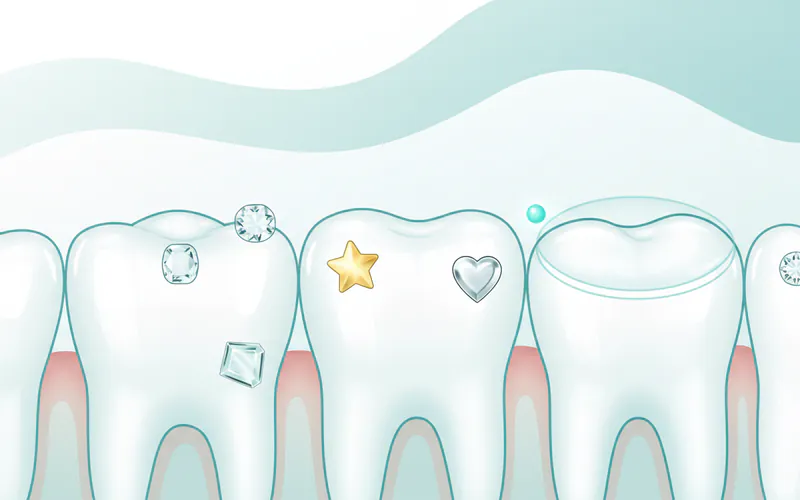
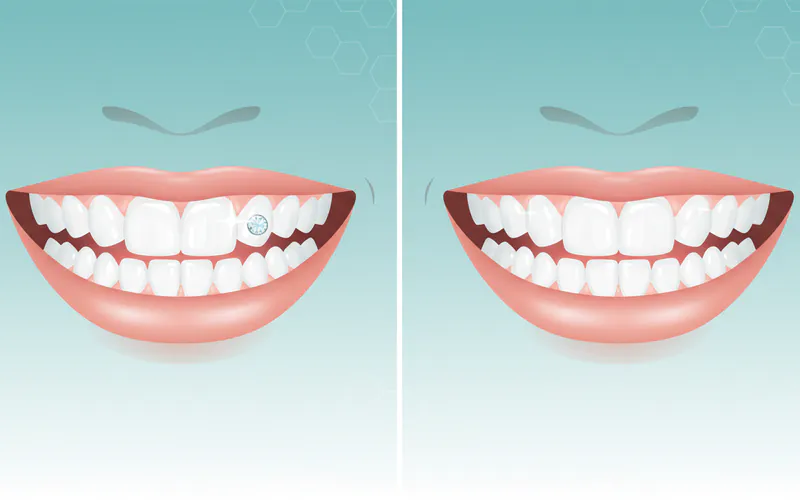
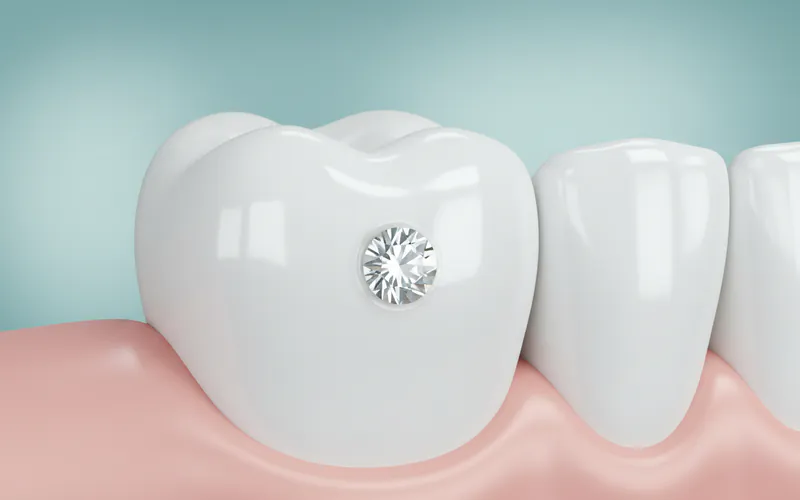
Tooth gems are small decorative accessories, often made of crystals, glass, precious metals (like gold or silver), or even tiny diamonds, that are temporarily attached to the surface of a tooth. They are a form of cosmetic dental adornment designed to enhance a smile with a subtle sparkle or a bold statement. Unlike dental jewelry that might involve piercing or permanent alteration, modern tooth gems are typically affixed using a safe, non-invasive dental bonding technique, similar to how orthodontic brackets or dental fillings are applied.
The trend of decorating teeth is not new; ancient civilizations adorned their teeth with jewels or carvings as symbols of status, wealth, or tribal identity. Today, tooth gems are a fashionable way to express personal style without permanent commitment, making them popular among a wide demographic looking for a distinctive aesthetic touch. When applied correctly by a dental professional, tooth gems are designed to be reversible, meaning they can be removed without causing damage to the tooth's enamel.
Types of Tooth Gems and Adornments
The world of tooth gems offers a surprising variety, catering to different tastes, budgets, and desired levels of sparkle. Understanding the various types is key to choosing the right adornment for you.
Materials and Designs
- Crystals (Swarovski, Cubic Zirconia): These are the most common and affordable type of tooth gem. They come in various colors, shapes (round, star, heart), and sizes, offering a vibrant sparkle. Swarovski crystals are particularly popular for their brilliant facets and relatively modest cost.
- Precious Metals (Gold, Silver, Platinum): For a more luxurious and often subtle look, tiny charms or flat designs made from 18k or 24k gold, silver, or platinum are available. These can be simple shapes, initials, or intricate patterns.
- Diamonds and Other Gemstones: At the higher end of the spectrum, small, ethically sourced diamonds or other genuine gemstones like sapphires or rubies can be professionally bonded to teeth. These offer unparalleled brilliance and significant longevity but come with a much higher price tag.
- Custom Designs: Some dental artists offer custom-designed tooth gems, which could involve unique shapes, multiple gems, or even small symbols, providing a truly personalized touch.
Application Methods: The Crucial Distinction
While the term "tooth gem" is broad, the application method is critically important for oral health.
- Dental Bonding (Non-Invasive): This is the gold standard for professional tooth gem application and the only method recommended by dental experts. It involves using a dental-grade adhesive, similar to those used in orthodontics, to bond the gem to the enamel surface. The tooth is not drilled or permanently altered. This method ensures the procedure is reversible and minimizes risk to the tooth structure.
- Permanent Implants (Highly Discouraged): In some extreme cases, individuals might seek to have gems permanently implanted into the tooth structure, requiring drilling into the enamel and dentin. This invasive procedure is highly discouraged by the American Dental Association (ADA) due to significant risks of irreversible tooth damage, sensitivity, decay, and potential infection. SmilePedia.net strongly advises against any procedure that involves drilling into a healthy tooth for cosmetic adornment.
- DIY Kits (Not Recommended): Numerous at-home tooth gem kits are available online. These typically use non-dental grade adhesives and lack the precision and sterile environment of a professional setting. Using these kits significantly increases the risk of improper bonding (leading to premature detachment or damage upon removal), enamel erosion, allergic reactions, and even ingestion of chemicals or the gem itself.
When considering a tooth gem, always confirm that your chosen provider is a licensed dental professional who uses the dental bonding method.
The Tooth Gem Application Process: Step-by-Step
Getting a tooth gem is a straightforward procedure when performed by a qualified dental professional. Here’s what you can expect during your appointment:
1. Initial Consultation and Selection
Your journey begins with a consultation with your dentist or a dental hygienist specializing in cosmetic adornments. During this visit, you'll discuss your desired aesthetic, choose the type and size of the gem, and identify the ideal tooth for placement. The dental professional will assess your oral health to ensure your teeth and gums are healthy enough for the procedure, as any existing cavities, gum disease, or severe teeth grinding might be contraindications.
2. Oral Hygiene Assessment and Cleaning
Before application, the tooth receiving the gem must be meticulously clean and dry. The dental professional will thoroughly clean and polish the specific tooth surface to remove any plaque, food debris, or stains. This step is critical for ensuring proper adhesion of the gem.
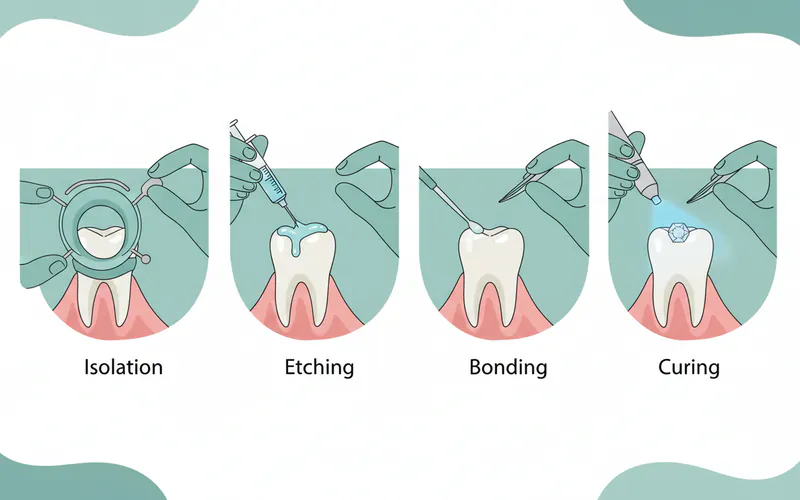
3. Isolation and Etching
To prepare the tooth for bonding, a small area around the application site will be isolated, often with cotton rolls, to keep it dry and free from saliva. A mild dental etching solution (usually phosphoric acid) is then carefully applied to the enamel surface where the gem will be placed. This etching creates microscopic pores in the enamel, which allows the bonding agent to form a stronger, more durable bond. The etchant is typically left on for 15-30 seconds and then thoroughly rinsed off, leaving a slightly frosted appearance on the enamel.
4. Application of Bonding Agent
After etching and drying, a thin layer of dental bonding agent is applied to the conditioned enamel. This resin-based material acts as the adhesive layer between your tooth and the gem.
5. Gem Placement
The chosen tooth gem is carefully picked up using a specialized dental tool and precisely placed onto the bonding agent on your tooth. The dental professional will ensure it is centered and properly oriented according to your preference.
6. Curing
Once the gem is in position, a special curing light (often a blue LED light, similar to what's used for dental fillings) is directed at the gem for about 20-60 seconds. This light hardens the bonding agent, securely affixing the gem to your tooth.
7. Finishing Touches and Inspection
After the curing process, the dental professional will gently check the gem's stability and ensure there are no excess bonding materials that could irritate your lip or cheek. They may buff any rough edges for comfort. You'll also receive specific aftercare instructions. The entire application process typically takes between 15 to 30 minutes.
How Much Are Tooth Gems? A Detailed Cost Breakdown
The cost of a tooth gem can vary significantly based on several factors, including the material of the gem, the complexity of its design, the geographical location of the dental practice, and the experience level of the dental professional performing the procedure. It's important to remember that this is a cosmetic procedure, and pricing models reflect that.
Factors Influencing Cost
-
Gem Material:
- Crystal (Swarovski, Cubic Zirconia): These are the most affordable, ranging from $50 to $150 per gem.
- Precious Metals (Gold, Silver): Small gold or silver charms typically cost between $100 to $300 per gem.
- Genuine Diamonds/Gemstones: These are the most expensive, often starting from $300 and can go upwards of $1,000+ for larger or higher-quality stones, excluding the application fee.
-
Number of Gems: Most prices are quoted per gem. If you want multiple gems, the cost will multiply accordingly, though some practices might offer a slight discount for multiple applications.
-
Dental Professional's Expertise and Location:
- Geographic Location: Practices in major metropolitan areas (e.g., New York City, Los Angeles, Miami) or affluent neighborhoods tend to have higher overheads, leading to higher prices. Rural or suburban areas might offer more competitive rates.
- Experience Level: Highly experienced cosmetic dentists or practices with a strong reputation for aesthetic procedures may charge more for their services.
-
Included Services: Some clinics might bundle the initial consultation, gem selection, and application into one price, while others may charge separately for the consultation or for the gem itself. Post-application check-ups or removal fees may or may not be included.
Average US Costs (Ranges)
Here's a general breakdown of how much tooth gems typically cost across the United States:
- Low-End (Basic Crystal Gem, Smaller Cities): $50 - $100
- Mid-Range (Quality Crystal Gem, Standard Gold/Silver Charm, Mid-Sized Cities): $100 - $300
- High-End (Premium Crystal, Custom Gold Design, Small Diamond/Gemstone, Major Metro Areas): $300 - $500+ (excluding the cost of a large, genuine diamond which could be significantly more)
Cost of Removal: While often overlooked, the cost of professionally removing a tooth gem is also a factor. This typically ranges from $25 to $100, depending on the complexity of removal and the clinic's fee structure. It's crucial to have gems removed by a dentist to prevent enamel damage.
Table 1: Estimated Tooth Gem Costs by Material and Complexity
| Gem Material/Type | Estimated Cost Range (Per Gem, US Dollars) | Factors Influencing Cost |
|---|---|---|
| Basic Crystal (Swarovski) | $50 - $150 | Size, color, clinic location, professional's fee |
| Premium Crystal (Larger/Special Cut) | $100 - $250 | Increased brilliance, unique shapes, brand reputation |
| Gold/Silver Charm (18k/24k) | $100 - $300 | Metal purity, size, intricacy of design, clinic location |
| Small Genuine Diamond | $300 - $1,000+ | Carat weight, clarity, cut, color, source, jeweler's markup |
| Custom Design/Multiple Gems | $250 - $800+ | Design complexity, number of gems, custom fabrication |
| Professional Removal | $25 - $100 | Clinic policy, time required, number of gems |
Insurance Coverage and Payment Options
Since tooth gems are purely cosmetic and offer no therapeutic benefit to oral health, dental insurance typically does NOT cover their cost. This means the full expense of the tooth gem, including the application fee and the gem itself, will most likely be an out-of-pocket payment for you.
Payment Plans and Financing Options
For individuals who wish to spread out the cost, several payment options may be available:
- Self-Pay: Most dental offices accept cash, credit cards, or debit cards for immediate payment.
- In-House Payment Plans: Some dental practices, especially those offering a range of cosmetic services, might have their own interest-free payment plans for larger procedures. It's worth inquiring if they extend this to tooth gems.
- Dental Financing Companies: Companies like CareCredit or LendingClub provide healthcare financing options that allow you to pay for treatments over time, often with low or no-interest periods if paid within a certain timeframe. You would apply directly with these companies, and if approved, they would pay the dental office, and you would make monthly payments to the financing company.
Cost-Saving Tips
While tooth gems are a discretionary expense, you can still be a smart consumer:
- Shop Around: Get quotes from a few different reputable dental practices in your area. Prices for similar services can vary.
- Inquire About Packages: If you plan to get multiple gems, ask if the clinic offers a discounted rate for a package deal.
- Consider Material: Opting for high-quality crystals over precious metals or diamonds can significantly reduce the initial cost while still providing a beautiful sparkle.
- Check for Promotions: Sometimes, dental offices run promotions or special offers on cosmetic procedures, so keep an eye out for these.
It's important to remember that while cost is a factor, prioritizing professional, safe application by a licensed dentist should always take precedence over seeking the absolute lowest price. The adage "you get what you pay for" holds true, especially when it comes to procedures affecting your oral health.
Recovery and Aftercare for Tooth Gems
Proper aftercare is crucial for the longevity of your tooth gem and, more importantly, for maintaining optimal oral health. While there’s no significant "recovery" period in the traditional sense, diligent attention to hygiene and habits is necessary.
Immediate Post-Application Care
- Avoid Eating/Drinking for 1-2 Hours: Allow the bonding agent to fully set. Your dentist will provide specific instructions on this.
- Avoid Hard or Sticky Foods for 24 Hours: This includes gum, hard candies, crunchy snacks, and anything that could dislodge the newly placed gem.
- Be Gentle: For the first day, avoid touching the gem with your fingers or tongue excessively.
Long-Term Oral Hygiene
- Regular Brushing: Continue to brush your teeth twice daily with a soft-bristled toothbrush. Be gentle around the gem, brushing as you normally would without scrubbing vigorously on the gem itself.
- Flossing: Floss daily, but be careful when flossing the tooth with the gem. You may need to slide the floss from above the gem rather than "snapping" it up from between the teeth, to avoid catching or dislodging it.
- Mouthwash: Using an antiseptic mouthwash can help keep the area around the gem clean and free from bacteria.
- Routine Dental Check-ups: Continue your regular dental check-ups and cleanings every six months. Your dentist can inspect the gem's integrity and ensure no plaque buildup is occurring around it.
Dietary Considerations
- Avoid Biting Hard Objects: Never bite directly into hard foods (ice, nuts, hard candies) with the tooth adorned with the gem. This can chip the gem, damage the bonding, or even crack your tooth.
- Minimize Acidic/Sugary Foods: While not directly affecting the gem, these foods contribute to enamel erosion and decay around the bonding, which could compromise the gem's adherence over time.
- Staining Foods/Drinks: Be mindful that very dark beverages (coffee, red wine) or foods (berries) can potentially stain the bonding material around the gem, though the gem itself is generally stain-resistant.
**Pro Tip:** If your tooth gem feels loose, uncomfortable, or falls off, contact your dental professional immediately. Do not attempt to reattach it yourself, as this can lead to improper bonding and potential damage.
Longevity Expectations
The lifespan of a professionally applied tooth gem varies:
- Crystals: Typically last 6 months to 1 year, though some can endure longer with excellent care.
- Precious Metals/Diamonds: Generally more durable, lasting 1 to 2 years or even longer.
Factors like oral hygiene, diet, individual biting habits, and the initial strength of the bond all play a role in how long your tooth gem will sparkle.
Risks, Complications, and Safety Considerations
While tooth gems applied by a professional using dental bonding are generally safe, it's crucial to be aware of potential risks and complications, especially if proper procedures aren't followed.
Enamel Damage
This is the primary concern with improper application or removal.
- Drilling: If a non-professional or an unscrupulous practitioner drills into your tooth to embed a gem, it causes irreversible enamel loss and opens the door to sensitivity, decay, and infection. The ADA strongly advises against drilling for cosmetic adornments.
- Improper Bonding: If the bonding material is too harsh or applied incorrectly, it could etch the enamel excessively or leave residue that stains or damages the tooth upon removal.
- DIY Kits: These often contain weak or corrosive adhesives that can damage enamel, cause discoloration, or lead to an uneven surface when the gem detaches.
Irritation to Soft Tissues
The edges of a tooth gem, particularly larger or more prominently shaped ones, can rub against the inside of your lip or cheek, causing irritation, sores, or even chronic ulceration over time. This is why proper placement and smooth edges are important.
Chipping or Breaking the Gem or Tooth
Tooth gems can chip or break if you bite down on something hard, experience trauma, or if the gem is poorly placed in an area of high occlusal (biting) force. In rare cases, a strong impact could even chip the tooth itself.
Allergic Reactions
While rare with dental-grade materials, some individuals might experience an allergic reaction to the bonding agent or the metal content of certain gems. Symptoms might include localized redness, swelling, or itching.
Difficulty with Oral Hygiene and Plaque Accumulation
The presence of a foreign object on the tooth surface can create new areas where plaque and food debris can accumulate, making proper brushing and flossing more challenging. If not meticulously cleaned, this can lead to:
- Tooth Decay: Plaque buildup around the gem can increase the risk of cavities forming on the tooth surface beneath or adjacent to the gem.
- Gum Inflammation (Gingivitis): Accumulation of plaque along the gumline near the gem can irritate the gums, leading to redness, swelling, and bleeding.
Ingestion Risk
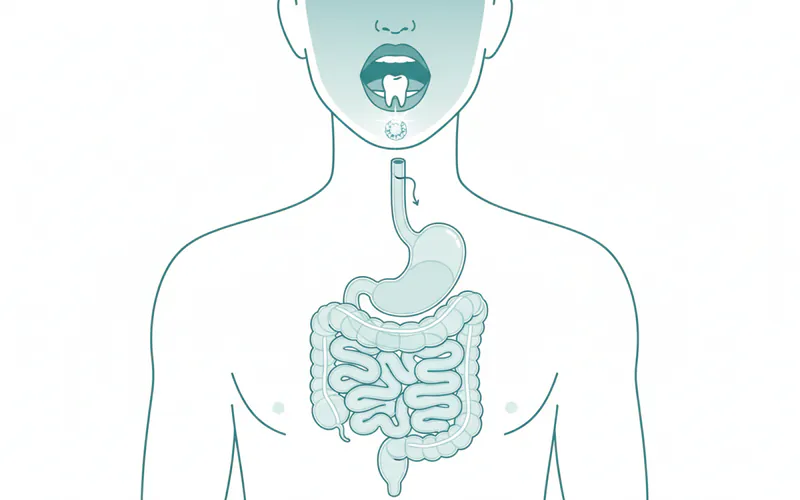
If a tooth gem becomes loose and detaches, there's a risk of accidentally swallowing it. While most small gems would pass harmlessly through the digestive system, it's still a concern, particularly for children. Larger or pointed gems could theoretically pose a choking hazard or cause internal injury, though this is extremely rare.
The Importance of Professional Application
To mitigate these risks, it is paramount to:
- Choose a Licensed Dental Professional: Only dentists or dental hygienists working under a dentist's supervision have the training, sterile environment, and appropriate dental-grade materials to safely apply a tooth gem using the non-invasive bonding technique.
- Ensure Proper Technique: The professional should thoroughly clean the tooth, use a mild etchant, apply a quality bonding agent, and correctly cure the gem.
- Follow Aftercare Instructions: Adhering to the dentist's guidance on oral hygiene and diet is crucial for preventing complications.
The American Dental Association (ADA) emphasizes that any cosmetic procedure that alters tooth structure should be performed by a qualified dentist. For adornments like tooth gems, they specifically caution against methods that involve drilling into healthy teeth and highlight the importance of proper bonding to preserve enamel integrity.
When to Remove a Tooth Gem
While tooth gems are designed for semi-permanent wear, there may come a time when removal is desired or necessary. Understanding these scenarios and the proper removal process is important.
Reasons for Removal
- Change of Mind: The most common reason is simply a change in aesthetic preference. What was once fashionable may no longer appeal to you.
- Damage or Loosening: If the gem becomes chipped, cracked, or starts to feel loose, it's best to have it removed to prevent ingestion or further damage to the tooth.
- Irritation: Persistent irritation to your lip or cheek from the gem's edges is a strong indicator for removal.
- Oral Health Concerns: If your dentist identifies excessive plaque buildup, early signs of decay, or gum inflammation directly caused or exacerbated by the presence of the gem, removal will be recommended.
- Desire for a New Gem: Sometimes, individuals remove an old gem to replace it with a new design, material, or size.
Professional Removal Process
Tooth gem removal should always be performed by a dental professional to ensure it's done safely and without damaging the tooth's enamel.
- Gentle Detachment: The dentist will use specialized dental instruments to carefully and gently pry the gem away from the tooth surface. The bonding material is designed to release without force, protecting the enamel.
- Removal of Bonding Residue: After the gem is off, there will likely be some residual bonding material left on the tooth. The dentist will use a dental handpiece with a fine-grit bur or polishing disc to carefully buff away this residue.
- Polishing: The tooth surface will then be polished to restore its natural smoothness and shine, ensuring there are no rough spots that could attract plaque or irritate the mouth.
The removal process is usually quick and painless, typically taking 5-15 minutes per gem. As mentioned earlier, the cost for professional removal generally ranges from $25 to $100. Do not attempt to remove a tooth gem yourself with household tools, as this can easily scratch, chip, or permanently damage your enamel.
Alternatives to Traditional Tooth Gems
If you're intrigued by the idea of tooth adornment but prefer something different from a semi-permanent gem, or perhaps a more temporary option, there are alternatives worth exploring.
Temporary Tooth Decals/Stickers
These are adhesive-backed designs or small metallic stickers that are applied to the dry tooth surface, often with a little water or pressure.
- Pros: Extremely affordable, completely non-invasive, zero commitment, easy to apply and remove at home, wide variety of designs.
- Cons: Very short-lived (usually hours to a day), can come off easily while eating or drinking, not as sparkling or realistic as real gems.
- Cost: $5 - $20 for a pack.
Dental Tattoos (Surface Etching)
These are not traditional tattoos with ink, but rather a cosmetic procedure where a skilled dentist or ceramist etches a very shallow design onto the enamel surface, sometimes using specialized dental lasers or burs.
- Pros: Non-invasive (if done by surface etching), can be quite intricate, more durable than stickers.
- Cons: Less common, requires a highly specialized professional, can be permanent or semi-permanent depending on depth, difficult to reverse completely, can still potentially weaken enamel if not done extremely superficially.
- Cost: $100 - $500+, depending on complexity and professional.
Cosmetic Dental Bonding (Aesthetic Enhancements)
While often used for restorative purposes, dental bonding can also be used purely cosmetically to reshape teeth, close small gaps, or cover stains, creating a more uniform or aesthetically pleasing smile. This relates to how much does teeth bonding cost in a broader sense.
- Pros: Addresses multiple aesthetic concerns, preserves natural tooth structure, relatively affordable compared to veneers.
- Cons: Not as durable as veneers, can stain over time, requires maintenance.
- Cost: $300 - $600 per tooth, depending on the extent of work.
Porcelain Veneers
For a more dramatic and permanent smile transformation, porcelain veneers are thin shells custom-made to cover the front surface of teeth. They can correct color, shape, and alignment issues.
- Pros: Highly durable, stain-resistant, natural-looking, completely transforms a smile.
- Cons: Invasive (requires removal of some enamel), costly, permanent.
- Cost: $1,000 - $2,500+ per tooth.
**Pro Tip:** If you're unsure about committing to a tooth gem, starting with temporary decals is a low-risk way to experiment with the look before investing in a professional application.
Table 2: Tooth Gem Alternatives: Cost, Durability, and Impact
| Alternative | Estimated Cost Range (Per Tooth) | Durability / Lifespan | Impact on Tooth (Reversibility) | Primary Purpose |
|---|---|---|---|---|
| Temporary Decals/Stickers | $5 - $20 (pack) | Hours to 1 day | None (Fully Reversible) | Fleeting fun, testing a look |
| Dental Tattoos (Surface Etching) | $100 - $500+ | 1-5 years (or permanent) | Minimal if superficial, difficult to reverse completely | Artistic expression, unique statement |
| Cosmetic Dental Bonding | $300 - $600 | 5-10 years | Minimal enamel alteration, reversible (bonding removal) | Reshape, repair, enhance overall tooth aesthetics |
| Porcelain Veneers | $1,000 - $2,500+ | 10-15+ years | Irreversible (requires enamel removal) | Major smile transformation, permanent aesthetic fix |
Comparing Tooth Gem Application with Dental Bonding
It's common to hear the term "dental bonding" in discussions about tooth gems, but it's important to understand the relationship and distinctions between them.
Dental bonding is a versatile cosmetic and restorative dental procedure that uses a tooth-colored resin material (the same type of composite used for fillings) to repair decayed, chipped, fractured, or discolored teeth. The resin is applied, molded, and then hardened with a light, bonding it to the tooth. Its primary purpose is to restore the tooth's structure, function, or improve its overall aesthetic appearance by blending seamlessly with natural teeth.
When we talk about tooth gems, dental bonding is the method used to attach the gem. The gem itself is a foreign object, and the bonding material acts as the adhesive to secure it to the tooth's surface. So, while tooth gem application involves dental bonding, the overall procedure is specific to adornment, not restoration or significant tooth repair.
How Much Does Teeth Bonding Cost (for restorative/cosmetic purposes)?
The cost of dental bonding when used for its primary purposes (repairing chips, closing gaps, reshaping teeth) typically ranges from $300 to $600 per tooth. This cost can vary based on:
- Extent of Repair: A small chip requires less material and time than reshaping an entire tooth.
- Tooth Location: Front teeth might cost slightly more due to the precision required for aesthetics.
- Dentist's Fees: As with any dental procedure, geographic location and the dentist's expertise play a role.
- Insurance Coverage: Unlike tooth gems, dental bonding for restorative purposes (e.g., repairing a chipped tooth from an accident) may be partially or fully covered by dental insurance, depending on your plan. If it's purely cosmetic (e.g., closing a tiny gap that doesn't affect function), insurance is less likely to cover it.
Key Difference:
- Tooth Gem Application: Uses bonding primarily as an adhesive to attach an ornament. The tooth's structure is ideally unchanged.
- Dental Bonding (Restorative/Cosmetic): Uses bonding material to become part of the tooth, repairing or reshaping it. The tooth's structure is altered and enhanced by the bonding material itself.
Understanding this distinction helps clarify why the costs might differ and how insurance coverage applies.
Professional Credentials and Provider Selection
Choosing the right professional for your tooth gem application is paramount for both safety and aesthetic success. This is not a procedure to trust to just anyone.
Why Choose a Licensed Dentist or Dental Hygienist?
- Medical Expertise: Dentists and hygienists have a deep understanding of oral anatomy, tooth structure, and materials science. They know how to prepare the tooth surface safely without damaging enamel.
- Sterile Environment: Dental offices adhere to strict sterilization protocols, minimizing the risk of infection.
- Dental-Grade Materials: They use professional, biocompatible dental bonding agents and etching solutions that are safe for oral use and designed for strong, yet reversible, adhesion.
- Proper Placement: A professional will ensure the gem is placed correctly, avoiding areas of high bite force or those that might irritate soft tissues.
- Safe Removal: They are equipped to remove the gem safely without causing harm to your tooth.
Questions to Ask Before Your Appointment
When selecting a provider, don't hesitate to ask these questions:
- "Are you a licensed dentist or a dental hygienist working under a dentist's supervision?" (Crucial for safety and legality.)
- "What type of bonding material do you use, and is it dental-grade?" (Ensures safety and efficacy.)
- "What is your process for application and removal?" (Confirm they use non-invasive bonding, not drilling.)
- "What is the total cost, and what does it include (gem, application, follow-up)?" (Clarifies pricing structure.)
- "Do you have a portfolio of previous tooth gem applications I can see?" (Helps assess their aesthetic skill.)
- "What are the aftercare instructions, and what if the gem falls off?" (Ensures clear guidance.)
Red Flags to Avoid
- Non-Dental Professionals: Anyone offering tooth gem services in a non-dental setting (e.g., tattoo parlors, beauty salons, or home-based businesses) is a major red flag. They lack the necessary training, sterile environment, and appropriate materials.
- Drilling Claims: If a provider suggests drilling into your tooth to embed a gem, run, don't walk, in the opposite direction. This is highly destructive and unprofessional.
- Extremely Low Prices: While competitive pricing is good, suspiciously low prices might indicate the use of substandard materials or an unqualified practitioner, which can lead to costly complications down the line.
- Lack of Sterilization: Any setting that doesn't appear clean, or if the practitioner doesn't use gloves and sterile instruments, poses a significant health risk.
Choosing a qualified dental professional ensures that your aesthetic enhancement is carried out safely and effectively. The general operational costs of running a comprehensive dental practice, including the compensation for various skilled team members such as dental hygienists, front office staff, and even the x-ray tech, contribute to the overall professionalism and quality of care you receive for any procedure, including cosmetic additions like tooth gems.
Children / Pediatric Considerations
Tooth gems are generally not recommended for children or adolescents. While the bonding process itself is non-invasive, several factors make them unsuitable for younger individuals:
- Developing Dentition: Children's teeth, especially deciduous (baby) teeth, have thinner enamel and different anatomical considerations than adult teeth. Applying a gem could potentially interfere with natural tooth development or lead to premature damage.
- Oral Hygiene Challenges: Children often struggle with consistent and thorough oral hygiene. A tooth gem can create additional surfaces for plaque accumulation, significantly increasing the risk of cavities and gum inflammation around the gem.
- Risk of Ingestion: Younger children are more prone to dislodging the gem through rough play or chewing on inappropriate objects. The risk of accidentally swallowing the gem, or in rare cases, choking, is higher.
- Irritation: The edges of the gem could be more irritating to a child's sensitive oral tissues.
- Lack of Commitment: A child's preferences can change rapidly, and committing to even a semi-permanent adornment might not be a wise decision.
Parents considering tooth gems for their older teenagers should engage in a thorough discussion with a trusted pediatric or general dentist. The dentist can assess the teen's oral maturity, hygiene habits, and commitment level before making any recommendations. In most cases, dentists will advise against tooth gems for anyone under the age of 18.
Frequently Asked Questions
Is getting a tooth gem painful?
No, the application of a tooth gem by a professional using dental bonding is typically not painful. It's a non-invasive procedure that doesn't involve drilling or injections. You might feel a slight pressure or sensation from the curing light, but it should be comfortable.
How long do tooth gems typically last?
Professionally applied tooth gems can last anywhere from 6 months to 2 years, depending on the gem material, the strength of the bonding, your oral hygiene habits, and your diet. Crystals usually last less time than precious metals or genuine diamonds.
Can I remove a tooth gem myself?
No, you should never attempt to remove a tooth gem yourself. Doing so can severely damage your tooth enamel, leading to chips, scratches, or sensitivity. Always have a tooth gem removed by a licensed dental professional to ensure safe and effective removal.
Do tooth gems damage your teeth?
When applied correctly by a licensed dental professional using the non-invasive bonding technique, tooth gems should not damage your teeth. The process preserves the enamel. However, improper application (e.g., drilling), poor aftercare, or rough handling can lead to enamel erosion, plaque buildup, or even tooth decay around the gem.
What's the difference between a tooth gem and a dental tattoo?
A tooth gem is a small, decorative accessory bonded onto the surface of a tooth. A dental tattoo, on the other hand, usually involves etching a design into the enamel surface, making it a more integrated and potentially permanent alteration.
Are tooth gems permanent?
No, tooth gems applied with dental bonding are considered semi-permanent. They are designed to last for a period (months to years) but can be professionally removed without permanent alteration to the tooth.
Can I eat normally with a tooth gem?
Yes, for the most part, you can eat normally. However, for the first 24 hours, it's advised to avoid hard or sticky foods. Long-term, you should exercise caution when biting into extremely hard items (like nuts, ice, or hard candies) with the adorned tooth to prevent dislodging or damaging the gem or your tooth.
How much does teeth bonding cost compared to a tooth gem?
The cost of dental bonding for restorative or cosmetic purposes (e.g., fixing a chip, reshaping a tooth) typically ranges from $300-$600 per tooth. A single tooth gem application, using the bonding method, generally costs less, usually $50-$500, depending on the gem material and professional fees.
What if my tooth gem falls off?
If your tooth gem falls off, collect the gem if possible and contact your dental professional. They can clean the tooth surface, check for any residue or damage, and reapply the gem if it's intact, or apply a new one. Do not attempt to reattach it yourself.
Can I get a tooth gem on any tooth?
While theoretically possible, tooth gems are most commonly applied to the front teeth (incisors or canines) or premolars, as these are most visible when smiling and experience less direct biting force than molars. Your dentist will help you choose the most suitable and safest placement.
When to See a Dentist
While tooth gems are generally a low-risk cosmetic procedure when performed correctly, it's crucial to know when to seek professional dental attention. Your oral health is paramount.
You should see a dentist immediately if you experience any of the following with your tooth gem:
- Pain or Discomfort: Any persistent pain, throbbing, or unusual sensitivity in the tooth with the gem, or in your gums around it.
- Irritation or Sores: If the gem is rubbing against your lip, cheek, or tongue and causing persistent irritation, redness, or developing sores.
- Loosening or Falling Off: If the gem feels loose, wiggles, or has fallen off. Even if it seems harmless, a loose gem can be a choking hazard or indicate an issue with the bonding.
- Chipping or Damage to the Gem: A chipped or sharp-edged gem can cut your soft tissues.
- Signs of Infection: Red, swollen, or bleeding gums around the gem, or any discharge (pus).
- Bad Odor or Taste: Persistent bad breath or a foul taste emanating from the area around the gem could indicate plaque buildup or infection.
- Visible Plaque or Decay: If you notice significant plaque buildup around the gem that you can't clean, or suspect any signs of tooth decay developing beneath or adjacent to the gem.
- Allergic Reaction: Swelling, itching, or redness around the area that might indicate an allergic reaction to the gem material or bonding agent.
Routine Care Guidance: Even without issues, regular dental check-ups every six months are essential. Your dentist will not only clean your teeth but also inspect your tooth gem, ensuring its integrity and verifying that it's not contributing to any oral health problems. This proactive approach helps in early detection and prevention of potential complications, ensuring your smile remains both sparkling and healthy.
Frequently Asked Questions
Medically Reviewed Content
This article was written by our dental health editorial team and reviewed for medical accuracy. Our content follows strict editorial guidelines for reliability and trustworthiness.
Medical Disclaimer
This article is for informational purposes only and does not constitute medical advice. Always consult with a qualified dental professional for diagnosis and treatment. Do not delay seeking professional advice because of something you read on this website.
Related Articles
How Much Does Tooth Bonding Cost
Imagine looking in the mirror and seeing a smile that doesn't quite reflect your inner confidence – maybe a small chip from an unexpected accident, an annoying gap between your front teeth, or a stain that just won't budge. For many Americans, these minor imperfections can significantly impact self-
February 22, 2026
How Much Are Gold Grillz for Teeth
When considering a unique blend of personal style and dental aesthetics, many individuals find themselves drawn to the allure of gold grillz. But beyond the flashy appearance and cultural significance, a practical question often arises: how much are gold grillz for teeth? This isn't just a simpl
February 22, 2026

How Much Does a Dog Xray Cost
As a premier dental health portal, SmilePedia.net is dedicated to illuminating all facets of oral health and related medical costs for our valued readers across the US. While our primary focus remains squarely on human dentistry – from routine cleanings to complex restorative procedures – we underst
February 22, 2026
How Much Does an X-ray Technician Make
When you visit your dental office, a crucial part of your diagnostic process often involves imaging – specifically, dental X-rays. Behind the scenes, skilled professionals operate sophisticated equipment to capture these vital images, aiding your dentist in identifying issues that aren't visible dur
February 22, 2026