How Much Does a Dog Xray Cost

Key Takeaways
- As a premier dental health portal, SmilePedia.net is dedicated to illuminating all facets of oral health and related medical costs for our valued readers across the US. While our primary focus remains squarely on human dentistry – from routine cleanings to complex restorative procedures – we underst
As a premier dental health portal, SmilePedia.net is dedicated to illuminating all facets of oral health and related medical costs for our valued readers across the US. While our primary focus remains squarely on human dentistry – from routine cleanings to complex restorative procedures – we understand that your overall family well-being often includes the health of your beloved canine companions. Just as you prioritize your own dental check-ups, ensuring your pet receives necessary diagnostic care is a crucial part of responsible pet ownership.
It's natural to wonder about the financial implications of such care, and a common question we encounter, even within the context of health budgeting, is how much does a dog xray cost? Understanding these costs, and how they compare to human dental diagnostics, can provide a clearer picture for family financial planning. This comprehensive guide will delve into the intricacies of veterinary X-rays for dogs, covering everything from why they're needed and what the process entails, to the typical cost ranges across the United States. We'll also draw parallels and make comparisons to human dental diagnostic costs, like how much does a teeth cleaning cost without insurance, to give you a holistic view of health expenses.
This article aims to be your definitive resource, offering medically accurate information to help you navigate diagnostic imaging for your furry friend, while also subtly connecting these insights back to the broader landscape of health costs, including what you might expect for your own dental care.
Key Takeaways:
- Dog X-ray Costs: A single standard X-ray for a dog can range from $50 to $250, while a full series of X-rays (e.g., for orthopedic issues or full mouth dental X-rays) can cost between $200 and $600. Emergency or specialized imaging can exceed $1,000.
- Factors Influencing Cost: Prices vary significantly based on location (urban vs. rural), veterinary clinic type (general practice vs. specialty/emergency hospital), the number of views, the need for sedation or anesthesia, and whether it's an emergency visit.
- Sedation/Anesthesia: Most dog X-rays, especially dental ones, require sedation or full anesthesia for patient safety and optimal image quality, adding $100-$500+ to the overall cost.
- Dental X-rays for Dogs: A full-mouth series of dental X-rays for dogs (often done during a professional dental cleaning under anesthesia) typically costs $150-$400, revealing issues hidden beneath the gum line.
- Human Dental Comparison: For context, a standard human dental X-ray series might cost $25-$200 without insurance, while a comprehensive dental cleaning without insurance could range from $75-$200.
- Insurance & Payment Options: Pet insurance can cover a portion of X-ray costs, often with deductibles and co-pays. Many vet clinics, like human dentists, offer payment plans or financing through third-party providers.
- Prevention: Routine veterinary check-ups and proactive care can help detect issues early, potentially reducing the need for emergency, more costly X-rays.
What is a Dog X-ray (Veterinary Radiography)?
At its core, a dog X-ray, or veterinary radiography, is a non-invasive diagnostic imaging technique that uses small doses of radiation to produce images of the internal structures of a dog's body. Similar to human X-rays, these images help veterinarians visualize bones, soft tissues, and internal organs, providing critical information that can't be obtained through a physical examination alone. The images are typically black and white, with denser structures like bone appearing white, while less dense tissues and air appear darker.
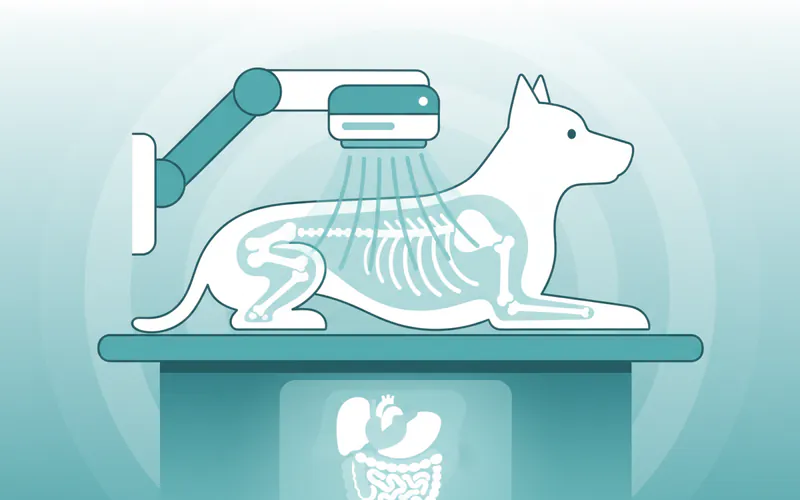
This technology is indispensable in veterinary medicine, allowing for the accurate diagnosis of a wide array of conditions, from broken bones and foreign objects swallowed by curious pups to signs of organ disease and even detailed insights into a dog's oral health.
Types of Dog X-rays and Their Applications
Just as human medicine utilizes various imaging techniques, veterinary practices employ different types of X-rays depending on the diagnostic need.
Standard (2D) Radiography
This is the most common type of X-ray, capturing two-dimensional images.
- Skeletal X-rays: Used to diagnose fractures, dislocations, arthritis, bone tumors, and developmental orthopedic diseases like hip or elbow dysplasia.
- Thoracic (Chest) X-rays: Crucial for evaluating the heart, lungs, and surrounding structures. They can detect pneumonia, heart enlargement, fluid in the lungs, masses, or foreign objects in the airway.
- Abdominal X-rays: Help veterinarians visualize organs like the stomach, intestines, liver, kidneys, and bladder. They are invaluable for detecting ingested foreign bodies, bladder stones, tumors, or assessing organ size and position.
- Spinal X-rays: Used to identify issues such as spinal trauma, disc disease (e.g., intervertebral disc disease or IVDD), and spinal tumors.
Dental X-rays (Intraoral Radiography)
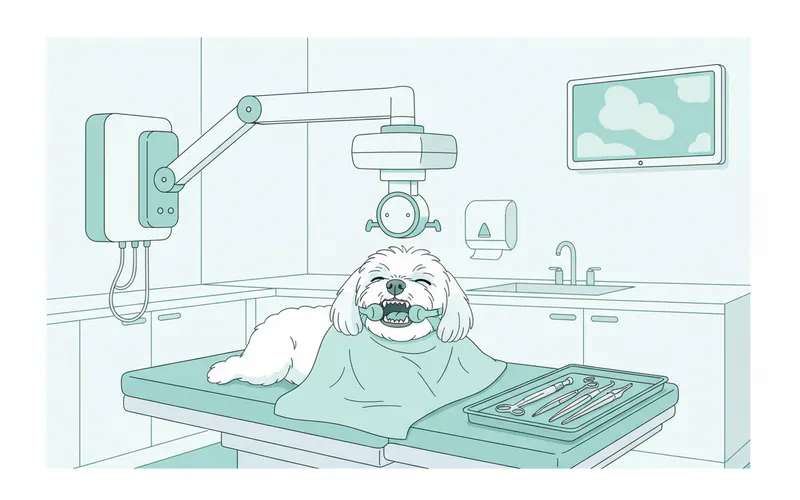
Dental X-rays for dogs are specifically designed to image the teeth, roots, and surrounding bone structures within the oral cavity. They are arguably the most critical diagnostic tool in veterinary dentistry, revealing conditions that are impossible to see with the naked eye during a routine oral exam.
- Subgingival Disease: Over 80% of dental disease in dogs occurs below the gum line, hidden from view. Dental X-rays can detect bone loss, root resorption, periodontal pockets, abscesses, unerupted teeth, and fractures that extend into the tooth root.
- Pre-extraction Planning: Essential for safe and effective tooth extractions, showing root morphology and any complications.
- Monitoring: Used to monitor the success of dental treatments or the progression of dental disease.
Digital vs. Film Radiography
Most modern veterinary clinics, like human dental offices, have transitioned to digital radiography.
- Digital X-rays: Offer instant image viewing, enhanced image quality, ability to manipulate images (zoom, adjust contrast), easier archiving, and significantly reduced radiation exposure compared to traditional film. This efficiency also means less time under anesthesia for the pet.
- Film X-rays: Older technology requiring chemical processing, which is slower, produces less consistent images, and uses more radiation. While still found in some older practices, digital is now the gold standard.
Why a Dog Might Need an X-ray (Causes/Indications)
X-rays are a vital diagnostic tool when a veterinarian needs to look beyond what's visible externally. Here are common reasons why your dog might need an X-ray:
- Trauma or Injury: If your dog has been hit by a car, fallen, or suffered any physical trauma, X-rays are crucial to check for fractures, dislocations, or internal injuries.
- Lameness or Limping: Persistent limping without an obvious external wound often indicates an underlying skeletal or joint issue.
- Gastrointestinal Issues: Persistent vomiting, diarrhea, abdominal pain, or suspected ingestion of a foreign object (e.g., a toy, sock, or bone fragment) warrants abdominal X-rays.
- Respiratory Problems: Chronic coughing, wheezing, or difficulty breathing can indicate lung disease, heart conditions, or tracheal issues requiring chest X-rays.
- Urinary Problems: Difficulty urinating, blood in urine, or frequent urination may point to bladder stones, kidney issues, or tumors, which can often be identified with X-rays.
- Pre-Surgical Assessment: Before certain surgeries, X-rays help the vet plan the procedure and assess overall health. For example, before orthopedic surgery, X-rays confirm the exact location and nature of a fracture.
- Dental Disease: As mentioned, routine oral exams often miss the majority of dental pathology. If your dog has bad breath, difficulty chewing, pawing at their mouth, or visible calculus, dental X-rays are essential for a complete diagnosis.
- Cancer Screening: X-rays can detect tumors in bones, lungs, or other organs.
- Monitoring Chronic Conditions: For conditions like arthritis or heart disease, periodic X-rays might be used to monitor progression and treatment effectiveness.
Signs and Symptoms That May Lead to an X-ray
As a pet owner, recognizing the signs that warrant a veterinary visit, potentially leading to X-rays, is crucial for your dog's health.
- Pain: Whining, crying, reluctance to be touched, aggression when handled, or unusual posture.
- Limping or Difficulty Moving: Favoring a limb, stiffness, inability to jump, or unusual gait.
- Swelling: Any unexplained swelling in limbs, joints, or abdomen.
- Lethargy or Weakness: Unusual tiredness, reduced activity levels, or general weakness.
- Loss of Appetite or Weight Loss: While these can be signs of many ailments, X-rays can help rule out underlying physical causes.
- Vomiting, Diarrhea, or Constipation: Especially if persistent or accompanied by other signs of discomfort.
- Coughing, Sneezing, or Difficulty Breathing: These respiratory symptoms can be indicative of underlying issues in the chest.
- Changes in Urination/Defecation: Straining, accidents, or blood in urine/stool.
- Oral Issues: Foul breath (halitosis), discolored teeth, bleeding gums, pawing at the mouth, dropping food, or reduced appetite (all strong indicators for dental X-rays during an anesthetic dental procedure).
- Behavioral Changes: Sudden aggression, reclusiveness, or unusual anxiety can sometimes stem from underlying pain or illness.
The Step-by-Step Process: What to Expect During a Dog X-ray
Understanding the process can help ease any anxiety you might have about your dog undergoing X-rays.
- Veterinary Examination & Consultation: Your vet will first perform a thorough physical exam and discuss your dog's symptoms and medical history. They will explain why X-rays are recommended and what they hope to learn from them.
- Preparation for Imaging:
- Sedation/Anesthesia: In most cases, dogs require sedation or light anesthesia for X-rays. Unlike humans who can hold still on command, dogs often move, and even slight movements can blur X-ray images, rendering them useless. Sedation ensures the dog is relaxed, still, and comfortable, allowing for precise positioning and clear, diagnostic images. For dental X-rays, full anesthesia is always required as these are performed while the dog is unconscious for a thorough dental cleaning.
- Fasting: If sedation or anesthesia is planned, you will typically be instructed to fast your dog for 8-12 hours prior to the appointment (no food, sometimes water is allowed in small amounts). This reduces the risk of vomiting and aspiration during sedation.
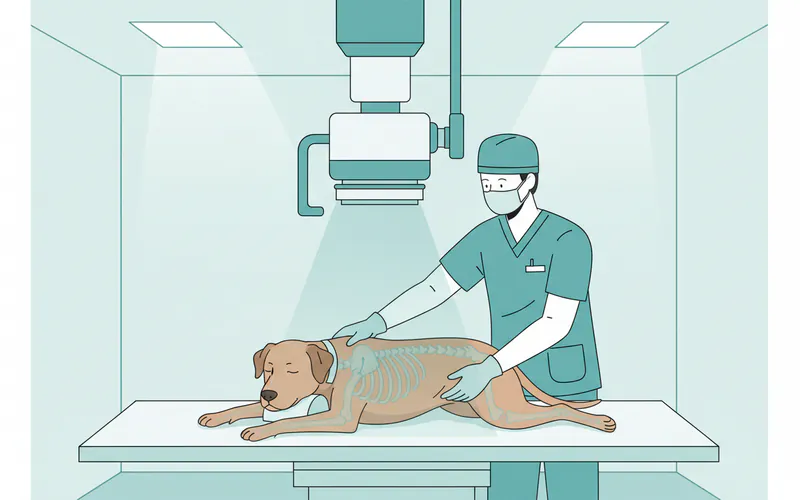
- Positioning: Once sedated, your dog will be carefully positioned on the X-ray table. The veterinary technician or assistant will use specialized positioning aids (like foam wedges) to ensure the target area is correctly aligned for the best possible image. They may take multiple views (e.g., side view, front view) to get a comprehensive look at the structure from different angles.
- Image Acquisition: The X-ray machine is positioned over the target area, and a quick burst of radiation is emitted to capture the image. Modern digital X-ray systems are very fast, and the process for each image takes only seconds. Veterinary staff wear protective lead aprons and gloves, and often step behind a protective barrier during image capture.
- Image Review & Interpretation: The digital images appear almost instantly on a computer screen. The veterinarian will review them, often taking additional views if necessary, to get a complete diagnostic picture. They will then interpret the findings, looking for abnormalities like fractures, foreign objects, organ changes, or dental pathology.
- Recovery & Discharge: After the X-rays are completed, your dog will be carefully monitored as they recover from sedation or anesthesia. Once they are awake and stable, the vet will discuss the X-ray findings with you, explain the diagnosis, and outline potential treatment options. You'll receive post-sedation care instructions, which typically include keeping your dog in a quiet, warm place and offering food and water slowly.
Pro Tip: Always ask your veterinarian questions about the procedure. Understanding what to expect can make the experience less stressful for both you and your pet.
Cost and Insurance: Breaking Down Dog X-ray Expenses
The question, "how much does a dog xray cost?" doesn't have a single, simple answer, much like asking about the cost of human dental care. Several variables influence the final bill.
Factors Influencing Dog X-ray Costs:
- Geographic Location: Veterinary costs, like human medical and dental costs, vary significantly by region. Major metropolitan areas (e.g., New York, Los Angeles) generally have higher prices than rural areas.
- Type of Clinic:
- General Practice: Typically the most affordable option for routine X-rays.
- Emergency Veterinary Hospitals: Prices are often higher due to after-hours care, specialized equipment, and immediate availability of staff. An emergency X-ray can cost 20-50% more than a scheduled one.
- Specialty Clinics: If your dog needs advanced imaging or a specialist's interpretation (e.g., a veterinary radiologist), costs will be higher.
- Number of Views: A single X-ray view is less expensive than multiple views (e.g., lateral and ventral-dorsal views for an injured limb, or a full series of dental X-rays).
- Sedation or Anesthesia: This is a major cost driver. Most dogs, especially for abdominal, chest, or dental X-rays, require some form of sedation or general anesthesia to ensure clear images and minimize stress. This includes pre-anesthetic blood work (often recommended), the anesthetic drugs, monitoring during the procedure, and recovery care.
- Emergency vs. Scheduled: Emergency X-rays will almost always incur higher fees due to immediate staff availability and resource allocation.
- Veterinarian's Interpretation & Consultation: The cost usually includes the veterinarian's time to interpret the images and discuss the findings with you.
Typical Cost Ranges for Dog X-rays in the US:
| Type of X-ray/Service | Average Cost Range (USD) | Notes |
|---|---|---|
| Single X-ray View (e.g., 1 limb) | $50 - $250 | Varies by clinic and location. This is for a single image capture, often not sufficient for a complete diagnosis. |
| 2-3 X-ray Views (e.g., limb series) | $150 - $400 | More common for assessing injuries or orthopedic issues. This is often the baseline for many diagnostic X-ray requests. |
| Full Abdomen/Chest Series | $200 - $600 | Involves multiple views to adequately visualize organs. This is usually the cost for X-rays without sedation or anesthesia. |
| Dental X-rays (Full Mouth) | $150 - $400 | Typically done under general anesthesia during a dental cleaning. This cost is in addition to the cleaning and anesthesia fees, but is essential for comprehensive dental care. |
| Sedation / Anesthesia | $100 - $500+ | This is a separate charge. The range depends on the type of sedation, duration, monitoring, and pre-anesthetic blood work. Often includes IV fluids for anesthesia. |
| Emergency X-rays | $300 - $800+ | Reflects higher costs for immediate availability. This is often the total for X-rays with initial interpretation, excluding other emergency care. |
| Radiologist Interpretation | $50 - $150 (additional) | Some clinics send complex X-rays to a board-certified veterinary radiologist for a second opinion or detailed report, adding an extra fee. |
How Pet Insurance Works for X-rays
Pet insurance functions much like human health insurance, with varying plans, deductibles, and reimbursement rates.
- Accident & Illness Plans: Most comprehensive pet insurance plans will cover diagnostic X-rays if they are deemed medically necessary for an accident (e.g., broken bone) or an illness (e.g., pneumonia, foreign body).
- Deductibles: You'll typically need to meet an annual deductible (e.g., $250-$1,000) before your coverage kicks in.
- Reimbursement Rates: After the deductible, most plans reimburse 70-90% of eligible veterinary costs. So, if your X-ray costs $400 and your plan reimburses 80% after a $250 deductible, you'd pay the first $250, and then 20% of the remaining $150 ($30), for a total out-of-pocket of $280.
- Waiting Periods: Be aware that most pet insurance policies have waiting periods (e.g., 14 days for illness, shorter for accidents) before coverage begins. Pre-existing conditions are generally not covered.
- Wellness Plans: Some pet insurance companies offer "wellness add-ons" that might cover routine diagnostics, but X-rays are typically considered diagnostic for illness/injury. Dental X-rays, when part of an anesthetic dental cleaning, may be covered under wellness plans if they include dental care.
Pro Tip: Always check your specific pet insurance policy details or call your provider before your dog's appointment to understand what is covered and what your out-of-pocket expenses might be.
Comparing Dog X-ray Costs to Human Dental Costs
To provide context within SmilePedia.net's focus on human dental health, let's briefly compare the costs of dog X-rays to common human dental procedures. This helps illustrate how diagnostic and treatment expenses can vary across species and medical fields, especially considering the keyword "how much does a teeth cleaning cost without insurance" and "how much are fake teeth".
| Service Type | Dog Cost Range (USD) | Human Dental Cost Range (USD) (Without Insurance) | Notes/Comparison |
|---|---|---|---|
| Diagnostic X-rays | $50 - $600 (for various types, often with sedation) | $25 - $200 (for individual X-rays or full-mouth series) | Dog X-rays often involve higher costs due to the need for sedation/anesthesia and typically more complex positioning, sometimes requiring multiple views. Human dental X-rays are simpler and don't require sedation. |
| Professional Cleaning | $500 - $1,000+ (includes anesthesia, scaling, polishing) | $75 - $200 (for routine prophylaxis) | Dog teeth cleaning requires general anesthesia, blood work, and advanced monitoring, making it significantly more expensive than a routine human dental cleaning, which is done awake. (Internal link: for more on human cleaning costs, visit our guide on how much does a teeth cleaning cost without insurance.) |
| Complex Restorations (e.g., "fake teeth") | $1,000 - $3,000+ (for crowns, advanced dental surgery) | $1,500 - $6,000+ per tooth (for dental implants, bridges, dentures) | While dogs can receive advanced dental care, "fake teeth" (implants, crowns) are less common than in humans. Human costs for prosthetics like implants or dentures (how much are fake teeth) reflect complex surgical procedures, materials, and lab fees. |
This comparison highlights that while some diagnostic principles are similar, the practicalities of veterinary care (especially the need for anesthesia) often drive up costs compared to routine human dental procedures performed on conscious patients.
Recovery and Aftercare After a Dog X-ray
The recovery process after your dog's X-ray mostly depends on whether sedation or anesthesia was used.
- Sedation Recovery: If your dog was mildly sedated, they might be groggy, unsteady, or a bit disoriented for a few hours. Keep them in a quiet, warm, and safe environment. Offer small amounts of water a few hours after they are fully awake, and then a small, light meal if they hold the water down. Monitor them closely and prevent them from activities like jumping or going up stairs until they are fully alert.
- Anesthesia Recovery (Common for Dental X-rays): If your dog underwent general anesthesia, recovery will be more involved.
- Post-Anesthetic Monitoring: Your vet team will monitor their vital signs closely as they wake up.
- At Home: Your dog will likely be very sleepy and disoriented for the rest of the day. They may have a slight cough (if an intubation tube was used), or a decreased appetite.
- Food and Water: Offer small amounts of water and then a small, bland meal (e.g., boiled chicken and rice) several hours after returning home, once they are more awake.
- Activity Restriction: Keep activity to a minimum for 24-48 hours. No strenuous exercise, jumping, or rough play.
- Medication: If pain medication or antibiotics were prescribed (common after dental procedures), administer them as directed.
- Monitor for Complications: Watch for persistent vomiting, extreme lethargy, difficulty breathing, or unusual pain. Contact your vet immediately if you observe any concerning signs.
Pro Tip: Always follow your veterinarian's specific post-care instructions meticulously. They know your dog's individual situation best.
Prevention: Minimizing the Need for Emergency X-rays
While some X-rays are unavoidable (e.g., accidental trauma), proactive care can significantly reduce the likelihood of unexpected diagnostic needs.
- Routine Veterinary Check-ups: Annual or bi-annual wellness exams allow your vet to catch potential issues early before they escalate and require extensive diagnostics. This includes checking for lumps, listening to the heart and lungs, and performing an oral exam.
- Optimal Nutrition: Feeding a high-quality, balanced diet supports overall health, bone strength, and organ function.
- Weight Management: Keeping your dog at a healthy weight reduces stress on joints, which can prevent conditions like arthritis that might require X-rays.
- Exercise and Injury Prevention: Provide appropriate exercise for your dog's breed and age. Use leashes in unsafe areas to prevent run-ins with vehicles or other animals. Secure your home to prevent ingestion of foreign objects (e.g., picking up small toys, socks, dangerous foods).
- Dental Hygiene: Regular at-home dental care (brushing) combined with professional veterinary dental cleanings (which include dental X-rays) can prevent severe periodontal disease, abscesses, and other painful oral conditions that would otherwise necessitate emergency X-rays and extractions.
- Vaccinations and Parasite Control: Staying up-to-date on vaccinations and flea/tick/heartworm prevention reduces the risk of many illnesses that could lead to diagnostic workups.
Risks and Complications Associated with Dog X-rays
While X-rays are generally safe, there are minor risks, primarily associated with radiation exposure and the need for sedation/anesthesia.
- Radiation Exposure: The amount of radiation used in veterinary X-rays is minimal, especially with modern digital systems. The risk of adverse effects from diagnostic X-rays is considered extremely low, far outweighed by the diagnostic benefits. Veterinary staff take precautions by wearing protective gear and minimizing their own exposure.
- Sedation/Anesthesia Risks: This is the most significant risk, particularly for older dogs or those with underlying health conditions.
- Adverse Drug Reactions: Though rare, some dogs may have an unexpected reaction to anesthetic agents.
- Respiratory/Cardiac Complications: Anesthesia always carries a small risk of breathing problems or heart issues. Pre-anesthetic blood work and thorough physical exams help identify at-risk patients, and modern anesthetic protocols include continuous monitoring of heart rate, oxygen saturation, and blood pressure to minimize these risks.
- Aspiration Pneumonia: If a dog vomits during sedation and inhales stomach contents, it can lead to severe lung infection. Fasting before sedation helps prevent this.
- Ineffective Images: If the dog moves during the X-ray, the image may be blurry and non-diagnostic, meaning the procedure might need to be repeated, prolonging sedation and increasing costs. This is why proper sedation is so crucial.
- Misdiagnosis: While veterinarians are highly trained, X-rays are just one piece of the diagnostic puzzle. In some complex cases, other imaging (like ultrasound, CT scan, or MRI) or further tests may be needed for a definitive diagnosis.
Children / Pediatric Considerations (Human Dental Context)
While "dog X-rays" aren't directly applicable to human pediatric considerations, it's worth noting the parallel importance of diagnostics and cost transparency in children's dental health, a core focus of SmilePedia.net.
For human children, dental X-rays are a safe and routine part of preventive care, used to detect cavities between teeth, monitor erupting permanent teeth, assess bone development, and identify any congenital abnormalities. The American Dental Association (ADA) guidelines emphasize minimizing radiation exposure through modern digital X-rays, lead aprons, and appropriate selection criteria.
- Pediatric Dental X-ray Costs: A single bitewing X-ray for a child might cost $20-$50 without insurance, while a full series could be $100-$150.
- Pediatric Cleanings: Routine cleanings for children are essential for preventing cavities. A pediatric dental cleaning without insurance might range from $75-$150, often including a fluoride treatment.
- Preventive Focus: Just as with pets, early detection and prevention are key in pediatric dentistry. Regular check-ups and X-rays can help avoid more costly and invasive treatments later on, fostering a lifetime of good oral health for your child.
Cost Breakdown: Understanding Your Dog X-ray Bill
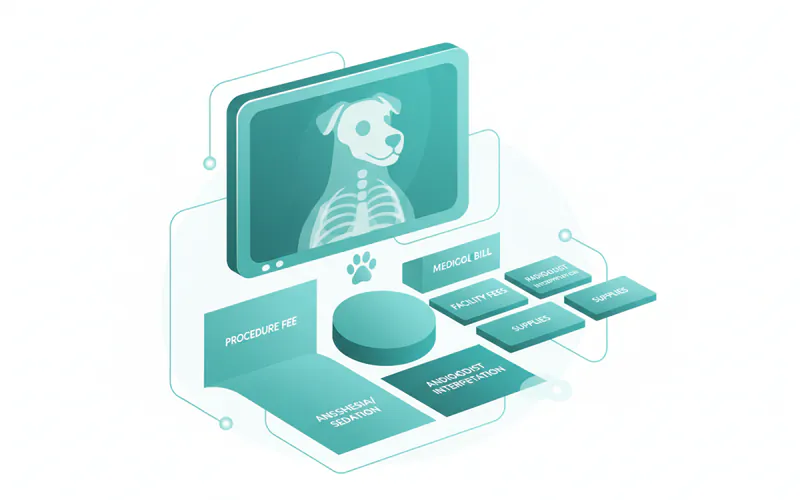
When you receive a bill for your dog's X-rays, it's helpful to understand the various components.
Average US Costs (Low, Mid, High) for a Diagnostic X-ray Visit:
| Component | Low End (USD) | Mid Range (USD) | High End (USD) | What it Covers |
|---|---|---|---|---|
| Veterinary Exam Fee | $45 | $75 | $120+ | Initial consultation, physical examination, and discussion of symptoms. (Often waived for direct emergencies if X-rays are the immediate priority, but usually part of a full workup). |
| X-ray Procedure (3-4 views) | $150 | $300 | $500 | The technical cost of taking multiple X-ray images, including use of equipment and technician time. Does NOT include interpretation or sedation. |
| Sedation/Anesthesia | $100 | $250 | $500+ | Cost for sedative drugs, any pre-anesthetic blood work, IV fluids, and monitoring during the procedure. Varies significantly based on the dog's size, health status, and duration of sedation. |
| Radiograph Interpretation | $25 | $50 | $100 | The veterinarian's time and expertise to read and diagnose from the X-ray images. Sometimes included in the "procedure" fee, but often itemized. If a specialist radiologist reviews them, it's usually an additional cost. |
| Emergency Surcharge | N/A | $75 | $200+ | If the X-rays are performed during an emergency visit outside of regular business hours, an additional fee often applies for immediate care and extended staff availability. |
| TOTAL ESTIMATED COST (Scheduled Visit with Sedation) | $320 | $675 | $1,420+ | This represents a typical range for a non-emergency diagnostic X-ray series for an average-sized dog, including sedation. Emergency situations or very large dogs with complex needs could push these figures higher. Dental X-rays would fall within or slightly above this range, depending on whether the cleaning itself is factored in. |
With vs. Without Insurance
- Without Insurance: You are responsible for 100% of the total cost out-of-pocket at the time of service, unless payment arrangements are made.
- With Insurance: After paying the vet clinic upfront, you submit a claim to your pet insurance provider for reimbursement. Your reimbursement will be the total cost minus your deductible and your co-pay (e.g., 10-30% of the remaining bill).
Payment Plans and Financing Options
Many veterinary clinics understand that unexpected vet bills can be a financial strain.
- In-house Payment Plans: Some clinics offer flexible payment plans, especially for established clients. These typically involve an initial deposit and then monthly installments.
- Third-Party Financing: Companies like CareCredit or Scratchpay offer healthcare credit cards or installment loans specifically designed for veterinary and medical expenses. These often have promotional periods with 0% interest if the balance is paid within a certain timeframe.
- Pet Savings Accounts: Consider setting up a dedicated savings account for pet emergencies, similar to how you might save for unexpected home repairs or human medical deductibles.
- Veterinary Charities/Assistance Programs: For owners facing extreme financial hardship, some national and local organizations offer grants or assistance for veterinary care.
Cost-Saving Tips
- Preventive Care: As mentioned, routine check-ups and preventative measures often save money in the long run by avoiding expensive emergency treatments.
- Pet Insurance: Enroll your pet in an insurance plan early in life, before any pre-existing conditions develop. This can provide significant financial relief for unexpected X-rays and other treatments.
- Research Clinics: Prices can vary, so if you're not in an emergency, call different general practice clinics in your area for estimated costs for specific X-ray procedures.
- Discuss Options with Your Vet: Always have an open conversation with your veterinarian about diagnostic options and costs. They can often prioritize tests or suggest alternatives if budget is a major concern.
- Look for Wellness Plans: Some clinics offer wellness plans that bundle routine care (exams, vaccinations, basic diagnostics) into monthly payments, which can offer savings.
Frequently Asked Questions
How much does a full body X-ray for a dog cost?
A full-body X-ray series for a dog can range from $250 to $800+, depending on the number of views, the need for sedation, clinic location, and whether it's an emergency. This cost typically covers multiple chest and abdominal views to get a comprehensive internal picture.
Is pet insurance worth it for X-rays?
Yes, pet insurance can be very worthwhile for X-rays, especially if your dog experiences an unexpected injury or illness requiring diagnostic imaging. A single X-ray series with sedation can easily cost hundreds of dollars, and insurance can significantly reduce your out-of-pocket expenses after your deductible is met.
Do dog dental X-rays require anesthesia?
Yes, dog dental X-rays always require general anesthesia. This is because dogs cannot remain perfectly still and cooperate during the detailed positioning needed for a full-mouth series of intraoral X-rays, and the process is uncomfortable without it.
What's the difference between an X-ray and an ultrasound for dogs?
X-rays are excellent for visualizing bones, dense tissues, and gas patterns, and for detecting foreign bodies. Ultrasound, conversely, uses sound waves to create real-time images of soft tissues and fluid, allowing vets to assess organ motion, blood flow, and internal structures with greater detail than X-rays for certain conditions.
Can I get my dog's X-rays done at home?
No, it is not possible to get professional, diagnostic X-rays for your dog at home. X-ray equipment is specialized, requires careful calibration, and emits radiation that must be managed in a controlled veterinary setting by trained professionals to ensure safety and accuracy.
How much do teeth cleanings cost for dogs without insurance?
A professional anesthetic dental cleaning for a dog can cost anywhere from $500 to $1,000+ without insurance, often not including extractions or dental X-rays which are separate fees. This cost covers anesthesia, monitoring, scaling, polishing, and a basic oral exam, making it a significant investment.
Are dog X-rays painful?
The X-ray procedure itself is not painful. However, if your dog is in pain due to an injury or condition, the manipulation required for positioning during the X-ray might cause discomfort. This is another reason why sedation or anesthesia is often used, ensuring the dog's comfort and stillness.
How long does a dog X-ray take?
The actual image acquisition for a series of X-rays is very quick, often just a few minutes. However, the entire process, including preparing your dog, administering sedation, positioning, taking multiple views, and initial recovery, can take 30 minutes to a couple of hours depending on the complexity and the clinic's workflow.
Are there alternatives to X-rays for dogs?
Depending on the suspected condition, alternatives or complementary diagnostics include ultrasound (for soft tissues and fluid), CT scans or MRI (for very detailed imaging of complex structures like the brain, spinal cord, or specific joints), or blood/urine tests. Your vet will recommend the most appropriate diagnostic tool.
How much are fake teeth for humans (e.g., dental implants, dentures)?
For human dentistry, the cost of "fake teeth" varies widely. A single dental implant can cost $3,000-$6,000+ (including abutment and crown) without insurance. Full or partial dentures can range from $1,000-$5,000+, depending on materials and customization. These are complex restorative procedures designed for long-term oral health and function.
When to See a Veterinarian (or a Human Dentist)
Knowing when to seek professional help is paramount for both your pet's health and your own.
When to See a Veterinarian for Your Dog:
You should make an appointment or seek emergency veterinary care if your dog exhibits any of the following symptoms, as they may indicate a need for X-rays or other diagnostics:
- Sudden onset lameness or inability to bear weight on a limb.
- Visible swelling, especially if painful to the touch.
- Persistent vomiting, diarrhea, or straining to urinate/defecate.
- Any signs of trauma (e.g., after an accident, fall).
- Difficulty breathing, persistent coughing, or severe lethargy.
- Any suspected ingestion of a foreign object or toxic substance.
- Oral pain, difficulty eating, very bad breath, or bleeding from the mouth.
Red Flags vs. Routine Care: While routine wellness exams are for general health maintenance and preventive care (like vaccinations and parasite control), the symptoms above are red flags that warrant a prompt veterinary visit, potentially leading to diagnostic X-rays.
Emergency vs. Scheduled Appointment:
- Emergency Care (Call your vet or go to an emergency clinic immediately): Severe trauma, profuse bleeding, extreme difficulty breathing, collapse, persistent seizures, inability to urinate, ingestion of known toxins, severe or continuous vomiting/diarrhea.
- Scheduled Appointment (Call your vet for an earliest available appointment): Persistent mild limping, chronic cough, gradual weight loss, changes in appetite, bad breath or signs of dental disease (like visible tartar), or any other concerning but non-life-threatening changes in behavior or health.
When to See a Human Dentist (for your own dental health):
For our SmilePedia.net readers, remember to prioritize your own oral health.
- Routine Check-ups: Visit your dentist every six months for preventive cleanings and exams, even if you feel no pain. This is crucial for preventing costly issues.
- Pain or Discomfort: Any persistent toothache, sensitivity, jaw pain, or gum bleeding warrants a prompt dental visit.
- Oral Changes: If you notice any unusual sores, lumps, changes in taste, or loose teeth.
- Cosmetic Concerns: If you are considering options for how much are fake teeth (implants, veneers, dentures) or other cosmetic enhancements.
Taking proactive steps for both your dog's health and your own ensures a happier, healthier life for the entire family, with clearer understanding of potential health costs.
Frequently Asked Questions
Medically Reviewed Content
This article was written by our dental health editorial team and reviewed for medical accuracy. Our content follows strict editorial guidelines for reliability and trustworthiness.
Medical Disclaimer
This article is for informational purposes only and does not constitute medical advice. Always consult with a qualified dental professional for diagnosis and treatment. Do not delay seeking professional advice because of something you read on this website.
Related Articles

How Much Does Tooth Bonding Cost
Imagine looking in the mirror and seeing a smile that doesn't quite reflect your inner confidence – maybe a small chip from an unexpected accident, an annoying gap between your front teeth, or a stain that just won't budge. For many Americans, these minor imperfections can significantly impact self-
February 22, 2026
How Much Are Gold Grillz for Teeth
When considering a unique blend of personal style and dental aesthetics, many individuals find themselves drawn to the allure of gold grillz. But beyond the flashy appearance and cultural significance, a practical question often arises: how much are gold grillz for teeth? This isn't just a simpl
February 22, 2026

How Much Are Tooth Gems
In an age where personal expression extends to every facet of our lives, it's no surprise that cosmetic dentistry has evolved beyond mere functionality to embrace aesthetic adornment. From subtle enhancements to bold statements, teeth have become a new canvas for individuality. One increasingly popu
February 22, 2026
How Much Does an X-ray Technician Make
When you visit your dental office, a crucial part of your diagnostic process often involves imaging – specifically, dental X-rays. Behind the scenes, skilled professionals operate sophisticated equipment to capture these vital images, aiding your dentist in identifying issues that aren't visible dur
February 22, 2026