How Much Does an X-ray Technician Make
Key Takeaways
- When you visit your dental office, a crucial part of your diagnostic process often involves imaging – specifically, dental X-rays. Behind the scenes, skilled professionals operate sophisticated equipment to capture these vital images, aiding your dentist in identifying issues that aren't visible dur
When you visit your dental office, a crucial part of your diagnostic process often involves imaging – specifically, dental X-rays. Behind the scenes, skilled professionals operate sophisticated equipment to capture these vital images, aiding your dentist in identifying issues that aren't visible during a routine oral exam. These professionals are often referred to as X-ray technicians, or more formally, radiologic technologists. For many considering a career in healthcare, especially within the dental field, understanding the earning potential is a significant factor. So, how much does an X-ray technician make? This question is central for prospective students, seasoned professionals, and even dental practice owners looking to staff their teams effectively.
The salary of an X-ray technician can vary widely based on several factors, including education, experience, geographic location, and specialization within radiology or dentistry. While the role demands precision, technical expertise, and a commitment to patient safety, it offers a stable and rewarding career path in a constantly evolving healthcare landscape. This comprehensive guide will delve into the intricacies of an X-ray technician's compensation, exploring the factors that influence their earnings, the pathways to becoming one, and the diverse environments in which they practice, including specialized dental settings. We'll provide detailed salary breakdowns, discuss educational requirements, and offer insights into career progression, all while connecting this vital role back to the broader context of dental health and the costs associated with quality patient care.
Key Takeaways:
- Average Salary Range: The national average salary for an X-ray technician (Radiologic Technologist) in the US typically falls between $59,000 and $72,000 annually, but can range from $45,000 to over $90,000 depending on factors like location and experience.
- Dental Specialization: X-ray technicians focusing specifically on dental radiography, often certified dental assistants with expanded functions, may earn slightly less than general radiologic technologists, with averages often between $40,000 and $60,000.
- Geographic Variation: High cost-of-living areas, particularly in states like California, New York, and Massachusetts, often offer higher salaries, though purchasing power might differ.
- Education & Certification Impact: An Associate's Degree (the most common entry-level requirement) combined with ARRT certification significantly boosts earning potential. Bachelor's degrees or specialized certifications (e.g., CT, MRI) can lead to higher-paying roles.
- Experience Matters: Entry-level positions typically start at the lower end of the salary scale, while technicians with 5+ years of experience can expect to earn considerably more, potentially 15-30% above the national average.
- Employment Setting: Hospitals are often the highest payers, followed by outpatient clinics and physician's/dental offices.
- Job Growth: The U.S. Bureau of Labor Statistics projects a steady job outlook for radiologic technologists, indicating a consistent demand for these skilled professionals.
What is an X-ray Technician (Radiologic Technologist)?
An X-ray technician, more accurately referred to as a Radiologic Technologist (RT), is a highly skilled healthcare professional who performs diagnostic imaging examinations. These examinations use various forms of radiation, such as X-rays, to create images of the inside of the human body. These images are then used by physicians, including dentists, to diagnose and monitor a wide range of medical conditions, from broken bones and tumors to dental caries and impacted teeth.
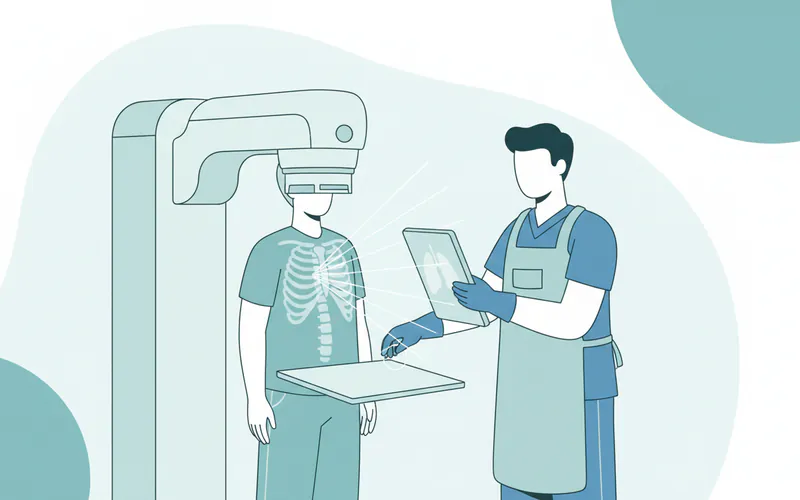
The role of an RT is multifaceted, involving patient preparation, operating complex imaging equipment, ensuring patient safety through proper radiation protection, and maintaining detailed patient records. They must possess a strong understanding of human anatomy, physiology, and physics, as well as excellent communication and interpersonal skills to reassure patients and explain procedures clearly.
In the context of SmilePedia.net, it's important to highlight the specific role of X-ray technicians in dental health. While general RTs primarily work in hospitals and clinics, there are also dental professionals, often Expanded Functions Dental Assistants (EFDAs) or Certified Dental Assistants (CDAs), who are specifically trained and certified to take dental X-rays. These individuals focus solely on oral and maxillofacial imaging, capturing everything from small periapical and bitewing X-rays to large panoramic and cephalometric images that provide a comprehensive view of the jaw, teeth, and surrounding structures. Their expertise is invaluable in helping dentists diagnose periodontal disease, cavities, bone loss, impacted wisdom teeth, and prepare for orthodontic treatments or oral surgeries.
Types of X-ray Technicians and Specializations
The field of radiologic technology is diverse, offering various specializations that can influence an X-ray technician's earning potential and career path. While "X-ray technician" is often used broadly, specific roles require additional training and certification.
General Radiologic Technologist (RT)
These professionals are trained in general radiography, primarily performing standard X-ray imaging of bones, chest, and abdomen. They often work in hospitals, urgent care centers, and outpatient clinics. Their foundational training provides a broad skill set, making them versatile.
Dental X-ray Technician / Radiographer
Within the dental field, these roles are often filled by:
- Certified Dental Assistants (CDAs) with Radiography Certification: Many dental assistants receive specialized training and state certification to operate dental X-ray equipment. They perform common intraoral (inside the mouth) X-rays like bitewings, periapicals, and occlusal films, as well as extraoral (outside the mouth) X-rays such as panoramic and cephalometric images. Their scope is focused purely on oral and maxillofacial imaging.
- Dedicated Dental Radiographers: In larger dental practices or oral surgery centers, there might be specific roles for individuals whose primary duty is imaging, potentially holding a general RT certification but specializing in dental procedures.
Other Radiologic Specializations (Often Higher Earning Potential)
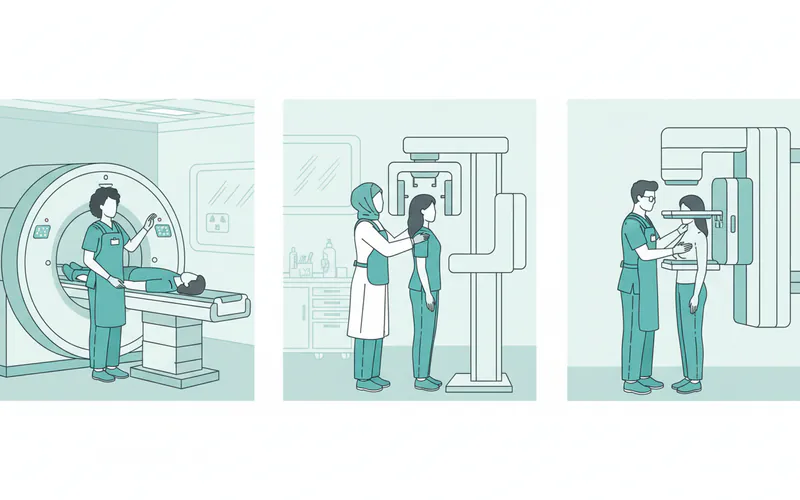
- Computed Tomography (CT) Technologist: Operates CT scanners, which use X-rays and computer processing to create detailed cross-sectional images of the body. Requires advanced certification.
- Magnetic Resonance Imaging (MRI) Technologist: Uses strong magnetic fields and radio waves (not X-rays) to generate detailed images of organs and soft tissues. Requires separate certification.
- Mammography Technologist: Specializes in imaging breast tissue to screen for and diagnose breast cancer. Requires advanced certification.
- Cardiovascular-Interventional Radiography (CVIR) Technologist: Assists physicians during minimally invasive procedures using X-ray guidance.
- Bone Densitometry (BD) Technologist: Measures bone mineral density to diagnose osteoporosis.
These advanced specializations typically command higher salaries due to the additional education, complexity of equipment, and specialized patient care required. For dental professionals, while there isn't a direct "dental CT tech" certification in the same vein, specialized training in Cone Beam Computed Tomography (CBCT) for dentistry is becoming increasingly common, allowing dental professionals to capture 3D images for advanced diagnosis and treatment planning in orthodontics, implantology, and oral surgery.
Step-by-Step Process to Become an X-ray Technician
Becoming a qualified X-ray technician, or radiologic technologist, involves a structured educational and certification pathway. The exact steps can vary slightly by state and specialization, but generally follow this progression:
1. High School Diploma or GED
A foundational requirement for any post-secondary education program. Strong performance in science (biology, chemistry, physics) and math can be beneficial.
2. Choose an Accredited Radiography Program
The most common and direct path is earning an Associate of Science (AS) or Associate of Applied Science (AAS) degree in Radiologic Technology. These programs typically take 2 years to complete and are offered by community colleges and vocational schools.
- Curriculum: Programs combine classroom instruction with extensive clinical experience. Coursework includes anatomy and physiology, medical terminology, radiation physics, radiation protection, patient care, radiographic procedures, and image evaluation.
- Accreditation: Crucially, ensure the program is accredited by the Joint Review Committee on Education in Radiologic Technology (JRCERT). Graduation from a JRCERT-accredited program is a prerequisite for national certification.
- Bachelor's Degree: While less common for entry-level positions, some universities offer Bachelor of Science (BS) degrees in Radiologic Technology. These 4-year programs can open doors to supervisory, administrative, or teaching roles and often lead to higher starting salaries.
3. Complete Clinical Training
Hands-on experience is a critical component of any radiography program. Students rotate through various hospital departments or outpatient clinics, working under the supervision of licensed radiologic technologists. This allows them to apply classroom knowledge in real-world scenarios, learn patient positioning, operate equipment, and practice radiation safety protocols.
4. Obtain National Certification
After graduating from a JRCERT-accredited program, candidates must pass the certification exam administered by the American Registry of Radiologic Technologists (ARRT). This is the gold standard for certification in the US.
- The ARRT exam tests knowledge across various domains, including patient care, safety, image production, and equipment operation.
- Upon passing, individuals earn the credential R.T.(R), signifying they are a Registered Technologist in Radiography.
5. Secure State Licensure (If Required)
Most states require X-ray technicians to be licensed in addition to national certification. Licensing requirements vary, but typically involve:
- ARRT certification
- Graduation from an accredited program
- Background check
- Continuing education requirements for renewal
6. Pursue Specialization (Optional, but Recommended for Higher Earnings)
Once certified and licensed, many RTs choose to pursue advanced certifications in areas like CT, MRI, Mammography, or Cardiovascular-Interventional Radiography. This involves additional training, clinical hours, and passing another ARRT certification exam for the specific modality. For those focused on dentistry, pursuing Expanded Functions Dental Assistant (EFDA) or Certified Dental Assistant (CDA) with specific radiography certification is the pathway to dental X-ray specialization.
7. Continuing Education
To maintain ARRT certification and state licensure, X-ray technicians must complete continuing education credits (CEs) on an ongoing basis. This ensures professionals stay updated with the latest technologies, best practices, and safety protocols in the field.
Pro Tip: For individuals interested primarily in dental X-rays, consider becoming a Certified Dental Assistant (CDA) through the Dental Assisting National Board (DANB). Many states allow CDAs to take dental X-rays after specific training and passing a state-specific radiography exam, or DANB's Radiation Health and Safety (RHS) exam. This path is generally shorter and more specialized than becoming a general RT.
Cost of Education and Certification
The financial investment in becoming an X-ray technician is an important consideration for prospective students. These costs primarily encompass tuition, fees, books, and examination fees.
Education Costs
- Associate's Degree (2 years):
- Community Colleges (in-state): Generally the most affordable option, ranging from $6,000 to $15,000 for the entire program.
- Community Colleges (out-of-state): Can be significantly higher, from $12,000 to $30,000.
- Private/Vocational Schools: Often more expensive, ranging from $20,000 to $50,000 or more for a 2-year program.
- Bachelor's Degree (4 years):
- Public Universities (in-state): $20,000 to $50,000.
- Public Universities (out-of-state) / Private Universities: $40,000 to $100,000+.
These figures typically include tuition and general fees but may not cover all expenses like textbooks, uniforms, personal living costs, or health insurance. Financial aid, scholarships, and grants are often available to help offset these costs.
Certification and Licensure Costs
- ARRT Certification Exam Fee: Approximately $225-$250. This fee is paid to the ARRT to take the national certification exam.
- State Licensure Fee: Varies widely by state, typically ranging from $50 to $200 for initial application.
- Continuing Education: Costs for CE courses vary depending on the provider and format (online, in-person workshops). Expect to budget $100-$300 annually to meet CE requirements.
- Advanced Certification Exams (e.g., CT, MRI): Each additional ARRT certification exam typically costs $225-$250.
Total Estimated Cost
For an Associate's Degree and initial certification, expect a total investment ranging from $6,500 (in-state community college, minimal fees) to $50,000+ (private school). While this is a notable investment, the relatively short duration of the Associate's program and the strong job market for RTs mean a favorable return on investment for many.

Pro Tip: Before committing to a program, inquire about all-inclusive costs, including clinical fees and estimated textbook expenses. Also, investigate any potential partnerships between educational institutions and local healthcare providers, which might offer tuition assistance or guaranteed employment upon graduation.
Risks and Complications in the Profession
While rewarding, the profession of an X-ray technician is not without its unique risks and challenges. Understanding these can help individuals make informed career decisions and equip practicing technologists with strategies for mitigation.
1. Radiation Exposure
This is the most significant occupational hazard. Although modern equipment and strict protocols have dramatically reduced the risk, continuous exposure to ionizing radiation, even at low doses, carries a potential long-term risk of developing certain cancers or genetic mutations.
- Mitigation: Technologists are rigorously trained in radiation safety principles, including ALARA (As Low As Reasonably Achievable), which emphasizes minimizing dose through time, distance, and shielding. They use lead aprons, thyroid shields, and leaded glasses, and often stand behind lead-lined barriers during exposures. Dosimeters are worn to monitor cumulative radiation exposure.
2. Ergonomic Injuries
X-ray technicians often perform physically demanding tasks, including lifting and positioning patients, repetitive movements, and prolonged standing. This can lead to musculoskeletal injuries, particularly to the back, shoulders, and wrists.
- Mitigation: Proper body mechanics, using patient-lifting aids, and taking regular breaks are essential. Employers should provide ergonomic equipment and training.
3. Exposure to Infectious Diseases
Working in healthcare settings, X-ray technicians come into contact with patients who may have contagious diseases (e.g., influenza, tuberculosis, COVID-19).
- Mitigation: Adherence to universal precautions, proper hand hygiene, and the use of personal protective equipment (PPE) like masks, gloves, and gowns are critical for preventing transmission. Regular vaccinations are also important.
4. Emotional and Psychological Stress
Dealing with critically ill or injured patients, working in fast-paced emergency environments, and facing the emotional impact of diagnosing serious conditions can lead to stress, burnout, and compassion fatigue.
- Mitigation: Seeking support from colleagues, supervisors, or mental health professionals, maintaining a healthy work-life balance, and practicing stress-reduction techniques are important for mental well-being.
5. Legal and Ethical Considerations
Technologists must adhere to strict legal and ethical guidelines regarding patient privacy (HIPAA), informed consent, and professional conduct. Errors in imaging or patient care can have serious consequences.
- Mitigation: Ongoing education, adherence to professional codes of conduct, and maintaining strong ethical judgment are paramount.
6. Keeping Up with Technology
Radiologic technology is constantly evolving with new equipment and imaging techniques. Technicians must commit to continuous learning and professional development to remain competent and certified.
- Mitigation: Active participation in continuing education courses, professional conferences, and internal training programs provided by employers.
For dental X-ray technicians, the primary risks are similar, albeit scaled to the specific dental environment. Radiation safety remains paramount, with specialized training for intraoral and extraoral techniques to minimize patient and operator dose. Ergonomics for positioning patients and equipment, as well as infection control, are also significant considerations in a busy dental practice.
How Much Does an X-ray Technician Make? A Comprehensive Breakdown
The salary of an X-ray technician (Radiologic Technologist) is influenced by a confluence of factors, making it challenging to pinpoint a single figure. However, by examining various data points and influential variables, we can provide a robust understanding of their earning potential.
National Averages
According to data from the U.S. Bureau of Labor Statistics (BLS) as of May 2022, the median annual wage for radiologic technologists and technicians was $67,130. The median represents the point at which half of all workers earned more and half earned less.
- The lowest 10% earned less than $49,110.
- The highest 10% earned more than $97,090.
Other reputable sources, like Salary.com and Indeed.com, report similar ranges, with national averages typically falling between $59,000 and $72,000.
Factors Influencing Salary
1. Geographic Location
This is often the most significant factor. States and metropolitan areas with a higher cost of living or higher demand for healthcare professionals generally offer more competitive salaries.
- Highest Paying States: California, Hawaii, Massachusetts, New York, Washington, and Alaska often report the highest average salaries for RTs. For example, California averages can exceed $85,000-$90,000.
- Lowest Paying States: States in the Southeast and Midwest tend to have lower average salaries, often in the $45,000-$55,000 range.
- Metropolitan vs. Rural: Large metropolitan areas typically pay more than rural areas due to higher demand and cost of living.
2. Experience Level
Like most professions, experience directly correlates with increased earning potential.
- Entry-Level (0-2 years): Typically start at the lower end of the range, often $45,000-$55,000.
- Mid-Career (3-9 years): Can expect to earn closer to the national median, $60,000-$75,000.
- Experienced (10+ years): May earn well above the median, potentially $75,000-$90,000+, especially with specialized skills.
3. Education and Certification
- Associate's Degree + ARRT (R): This is the standard entry-level qualification and forms the basis for the national averages.
- Bachelor's Degree: RTs with a Bachelor's degree often command slightly higher salaries, especially for leadership roles, potentially an additional $5,000-$10,000 annually.
- Advanced Certifications (CT, MRI, Mammography): Specializing in these areas significantly boosts earning potential. An RT with advanced certifications can expect to earn $5,000-$15,000 more annually than a general RT. For instance, a CT Technologist might average $70,000-$85,000, and an MRI Technologist even higher, $75,000-$95,000.
4. Employment Setting
The type of facility an X-ray technician works in also impacts their pay.
- Hospitals: Often offer the highest salaries, especially larger academic or trauma centers. They also tend to provide better benefits packages. Average range: $65,000-$80,000+.
- Outpatient Care Centers: Slightly lower than hospitals but still competitive. Average range: $60,000-$75,000.
- Physicians' Offices / Dental Offices: Generally offer the lowest salaries compared to hospitals, particularly for dental assistants with X-ray certification whose primary role isn't solely X-ray. Average range: $40,000-$65,000.
- Government Facilities: Can offer competitive salaries and excellent benefits.
5. Shift Differentials and Overtime
Many X-ray technicians work outside of standard 9-5 hours. Evening, night, weekend, and holiday shifts often come with shift differentials, which are additional hourly payments (e.g., 10-20% higher hourly rate). Overtime pay for hours worked beyond 40 in a week can also significantly increase annual earnings.
Salary for Dental X-ray Technicians / Radiographers
For professionals specifically focused on dental radiography, the salary structure can be slightly different. Often, the role is integrated into a Dental Assistant position.
- Certified Dental Assistant (CDA) with X-ray Certification: Averages for CDAs generally fall between $38,000 and $55,000 nationally. Those with X-ray certification, especially expanded functions, might earn at the higher end of this range, potentially $40,000-$60,000.
- Specialized Dental Imaging Centers / Oral Surgery Practices: In these settings, where advanced imaging like CBCT is common, a dental professional with specific expertise might command a higher salary, closer to the general RT range, especially if their primary role is imaging. This could be $55,000-$75,000, depending on the practice size and location.
Salary Comparison Table (National Averages)
| Factor | Average Annual Salary Range | Notes |
|---|---|---|
| All Radiologic Techs | $59,000 - $72,000 | National Median: $67,130 (BLS May 2022) |
| Entry-Level (0-2 yrs) | $45,000 - $55,000 | Often without advanced certifications or extensive experience. |
| Mid-Career (3-9 yrs) | $60,000 - $75,000 | With solid experience, possibly some specialization. |
| Experienced (10+ yrs) | $75,000 - $90,000+ | Highly experienced, often with multiple certifications or leadership roles. |
| Dental X-ray Tech (CDA) | $40,000 - $60,000 | For dental assistants with X-ray duties, may vary by state and additional skills. |
| CT Technologist | $70,000 - $85,000 | Requires advanced ARRT certification in CT. |
| MRI Technologist | $75,000 - $95,000+ | Requires advanced ARRT certification in MRI, often highest paying specialization. |
| Mammography Tech | $65,000 - $80,000 | Requires advanced ARRT certification in Mammography. |
Geographic Salary Comparison (Example States)
| State | Average Radiologic Tech Salary | Notes |
|---|---|---|
| California | $85,000 - $95,000+ | High cost of living, high demand. Major metro areas even higher. |
| New York | $75,000 - $85,000 | High cost of living, strong healthcare infrastructure. |
| Texas | $60,000 - $70,000 | Varies by metro area (Houston, Dallas vs. rural). |
| Florida | $55,000 - $65,000 | Competitive, but generally lower than Northeast/West Coast. |
| Illinois | $65,000 - $75,000 | Strong job market in Chicago metro area. |
| Ohio | $58,000 - $68,000 | Consistent demand, mid-range cost of living. |
| Massachusetts | $78,000 - $88,000 | Strong healthcare and research hub, high demand. |
Cost-Saving Tips (for aspiring X-ray technicians)
- Community College First: Start with an Associate's Degree at an in-state community college to minimize tuition costs.
- Financial Aid: Apply for federal student aid (FAFSA), scholarships specific to radiologic technology, and grants.
- Work while Studying: If possible, work part-time in a healthcare setting (e.g., as a patient transporter or medical assistant) to gain experience and potentially tuition reimbursement.
- Utilize Free Resources: Take advantage of library resources, open-source textbooks, and study groups to reduce textbook costs.
- Employer Sponsorships: Some hospitals or large dental groups may offer tuition assistance or sign-on bonuses if you commit to working for them for a certain period after graduation and certification.
With vs. Without Advanced Certification/Specialization
While becoming a general Radiologic Technologist (R.T.(R)) provides a solid foundation, acquiring advanced certifications, such as those in Computed Tomography (CT), Magnetic Resonance Imaging (MRI), or Mammography, is a clear pathway to higher earnings. These specializations require additional training and passing a separate ARRT certification exam.
- Without Specialization: The median salary for a general R.T.(R) is around $67,130.
- With Specialization:
- An R.T.(R)(CT) (CT Technologist) can see average salaries increase to $70,000 - $85,000.
- An R.T.(R)(MR) (MRI Technologist) typically earns even more, ranging from $75,000 - $95,000+.
- An R.T.(R)(M) (Mammography Technologist) often earns $65,000 - $80,000.
This significant difference in pay highlights the value placed on specialized skills and knowledge within the diagnostic imaging field. For those in dental radiography, obtaining specific certifications in Cone Beam CT (CBCT) operation and interpretation (if allowed by state regulations and scope of practice) can likewise enhance their value and earning potential in specialized dental practices.
Children / Pediatric Considerations for X-ray Technicians
Working with pediatric patients presents unique challenges and requires specialized approaches for X-ray technicians, whether in a general hospital setting or a pediatric dental practice.

1. Radiation Protection
Children are more radiosensitive than adults due to their rapidly developing cells and longer life expectancy, increasing their lifetime risk from radiation exposure.
- Techniques: Pediatric radiography focuses on using the ALARA (As Low As Reasonably Achievable) principle more stringently. This means using lower radiation doses (reduced mAs and kVp settings), optimized collimation (to limit the beam to the area of interest), and minimizing the number of images taken.
- Shielding: More extensive use of lead shielding is employed, protecting sensitive organs like the gonads, thyroid, and breasts, even for images not directly involving these areas.
2. Patient Communication and Management
Children can be anxious, uncooperative, or unable to follow complex instructions.
- Communication: Technicians must employ age-appropriate language, offer reassurance, and build trust quickly. Explaining the procedure in simple terms, using analogies (e.g., "taking a picture of your bones"), and showing them the equipment can help.
- Distraction Techniques: Toys, cartoons, music, or parental presence (with proper shielding) can help distract and calm children during the procedure.
- Immobilization: In some cases, gentle immobilization techniques (e.g., child-friendly immobilization devices, parental assistance) may be necessary to prevent movement and avoid repeat exposures, which increases radiation dose.
3. Equipment Adaptation
- Smaller Equipment: Pediatric-specific equipment or adapters for standard machines might be used to accommodate smaller body sizes.
- Specialized Protocols: Imaging protocols are adjusted for pediatric anatomy and pathology, which can differ significantly from adults.
4. Collaboration with Parents/Guardians
Parents are vital partners in pediatric imaging. Technicians must communicate clearly with them about the procedure, safety measures, and their role in comforting the child. Obtaining informed consent from parents/guardians is also crucial.
5. Pediatric Dental X-rays
In pediatric dentistry, X-ray technicians (often dental assistants) are adept at:
- Behavior Management: Using "tell-show-do" techniques, positive reinforcement, and sometimes nitrous oxide sedation to help children cooperate.
- Smaller Films/Sensors: Using smaller intraoral film or digital sensors that are more comfortable for a child's mouth.
- Reduced Exposure Times: Dental X-ray units for children are calibrated to deliver minimal necessary radiation.
- Lead Aprons: Always using lead aprons with thyroid collars for pediatric dental patients.
Pro Tip: For X-ray technicians considering specializing in pediatric imaging (general or dental), additional training in child development, psychology, and specific pediatric imaging protocols can be highly beneficial for both patient care and career advancement.
Frequently Asked Questions
1. What's the difference between an X-ray technician and a Radiologic Technologist?
"X-ray technician" is often a common, informal term. "Radiologic Technologist" (RT) is the official title for a certified professional who performs diagnostic imaging examinations using X-rays. RTs have completed accredited education programs and passed national certification exams from the ARRT.
2. Is being an X-ray technician a good career choice?
Yes, it is generally considered a good career choice. The U.S. Bureau of Labor Statistics projects a steady job outlook, with about 6,900 new jobs expected each year over the next decade. It offers a stable career, competitive salary, comprehensive benefits, and the opportunity to help patients directly.
3. How long does it take to become an X-ray technician?
Most X-ray technicians earn an Associate's Degree, which typically takes two years to complete. After graduation, passing the ARRT certification exam and obtaining state licensure (if required) can add a few more weeks to months to the overall process.
4. Do X-ray technicians get paid well?
Yes, they generally earn a competitive salary. The median annual wage is over $67,000 nationally, with experienced or specialized technologists earning significantly more, often over $80,000 to $90,000, depending on location and type of facility.
5. What are the typical work hours for an X-ray technician?
Work hours can vary. Many positions are full-time, 40 hours a week, often on rotating shifts (days, evenings, nights, weekends, holidays) in hospitals or urgent care centers. Outpatient clinics and dental offices may offer more standard weekday hours.
6. Are there opportunities for career advancement?
Absolutely. Experienced X-ray technicians can specialize in other imaging modalities (CT, MRI, Mammography), which leads to higher pay. They can also advance into supervisory, management, educational, or sales roles within the medical imaging industry.
7. Is radiation exposure a major concern for X-ray technicians?
While radiation exposure is an occupational hazard, it is highly mitigated by strict safety protocols, modern equipment, and personal protective equipment. Technologists are trained to follow the ALARA principle, and their exposure is closely monitored to ensure it stays within safe limits.
8. What kind of continuing education is required for X-ray technicians?
To maintain their ARRT certification and state licensure, X-ray technicians must complete a certain number of continuing education (CE) credits every two years. This ensures they stay current with technological advancements and best practices in the field.
9. Can an X-ray technician work in a dental office?
Yes, but typically, this role is filled by a Certified Dental Assistant (CDA) who has specific training and state certification to perform dental X-rays. General Radiologic Technologists can also work in dental settings, especially in larger oral surgery or specialty practices utilizing advanced imaging like CBCT.
10. What soft skills are important for an X-ray technician?
Beyond technical skills, critical soft skills include excellent communication, empathy, attention to detail, problem-solving, teamwork, and the ability to remain calm and reassuring under pressure. These skills are essential for effective patient care and successful teamwork.
Frequently Asked Questions
Medically Reviewed Content
This article was written by our dental health editorial team and reviewed for medical accuracy. Our content follows strict editorial guidelines for reliability and trustworthiness.
Medical Disclaimer
This article is for informational purposes only and does not constitute medical advice. Always consult with a qualified dental professional for diagnosis and treatment. Do not delay seeking professional advice because of something you read on this website.
Related Articles
How Much Does Tooth Bonding Cost
Imagine looking in the mirror and seeing a smile that doesn't quite reflect your inner confidence – maybe a small chip from an unexpected accident, an annoying gap between your front teeth, or a stain that just won't budge. For many Americans, these minor imperfections can significantly impact self-
February 22, 2026
How Much Are Gold Grillz for Teeth
When considering a unique blend of personal style and dental aesthetics, many individuals find themselves drawn to the allure of gold grillz. But beyond the flashy appearance and cultural significance, a practical question often arises: how much are gold grillz for teeth? This isn't just a simpl
February 22, 2026

How Much Are Tooth Gems
In an age where personal expression extends to every facet of our lives, it's no surprise that cosmetic dentistry has evolved beyond mere functionality to embrace aesthetic adornment. From subtle enhancements to bold statements, teeth have become a new canvas for individuality. One increasingly popu
February 22, 2026

How Much Does a Dog Xray Cost
As a premier dental health portal, SmilePedia.net is dedicated to illuminating all facets of oral health and related medical costs for our valued readers across the US. While our primary focus remains squarely on human dentistry – from routine cleanings to complex restorative procedures – we underst
February 22, 2026