How Much Are Gold Grillz for Teeth
Key Takeaways
- When considering a unique blend of personal style and dental aesthetics, many individuals find themselves drawn to the allure of gold grillz. But beyond the flashy appearance and cultural significance, a practical question often arises: how much are gold grillz for teeth? This isn't just a simpl
When considering a unique blend of personal style and dental aesthetics, many individuals find themselves drawn to the allure of gold grillz. But beyond the flashy appearance and cultural significance, a practical question often arises: how much are gold grillz for teeth? This isn't just a simple query about price; it delves into the complexities of materials, craftsmanship, dental health implications, and the crucial distinction between a fashion statement and a medically sound oral appliance.
Understanding the true cost of gold grillz goes far beyond the initial purchase price. It encompasses the value of custom fitting, the potential long-term impact on your oral health, and the ongoing commitment to meticulous dental hygiene. In the United States, prices can fluctuate dramatically based on factors like the number of teeth covered, the gold's karat and purity, intricate designs, and whether you opt for removable pieces or more permanent fixtures. While grillz are primarily a cosmetic enhancement, they interact directly with your teeth and gums, making their proper design, fit, and maintenance paramount to your overall dental well-being. This comprehensive guide will explore the various types of gold grillz, their associated costs, the process of acquiring them, and critically, the potential oral health considerations you must keep in mind to ensure your smile remains both stylish and healthy.
Key Takeaways:
- Gold grillz costs vary widely: Expect to pay anywhere from $100 to over $20,000, depending on material, number of teeth, customization, and dental involvement.
- Custom-fitted is crucial for health: Cheap, ill-fitting grillz from non-dental sources pose significant risks to your teeth and gums, leading to issues like cavities, gum disease, and enamel wear.
- Materials drive price: Higher gold karats (14K, 18K, 22K) and the addition of diamonds or other precious stones dramatically increase the cost.
- Dental insurance does NOT cover grillz: As a purely cosmetic item, grillz are not considered medically necessary by insurance providers; expect to pay out-of-pocket.
- Oral hygiene is paramount: Daily meticulous cleaning of both grillz and natural teeth is essential to prevent plaque buildup, decay, and gum inflammation.
- Consult a dentist first: Before getting grillz, a dental check-up is vital to ensure your oral health is suitable and to discuss proper fitting and maintenance.
- Permanent grillz are more complex: While less common, permanent grillz (gold crowns) involve irreversible tooth alteration and significantly higher costs.
What Are Gold Grillz for Teeth? An Overview
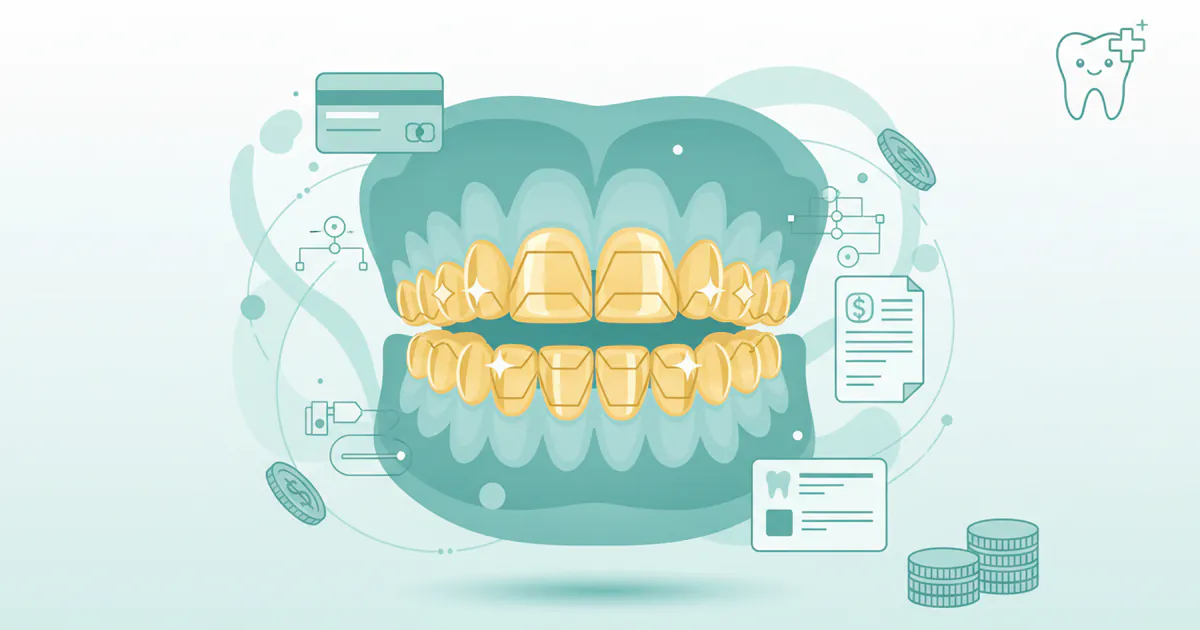
Gold grillz, also known as "grills" or "fronts," are decorative covers made of metal, often gold, that are custom-fitted over one or more teeth. They are a form of dental jewelry, worn primarily for aesthetic reasons to enhance a person's smile with a distinctive, often luxurious, appearance. While they have historical roots in ancient cultures, modern grillz gained widespread popularity through hip-hop culture in the late 20th and early 21st centuries, evolving into a significant fashion statement.

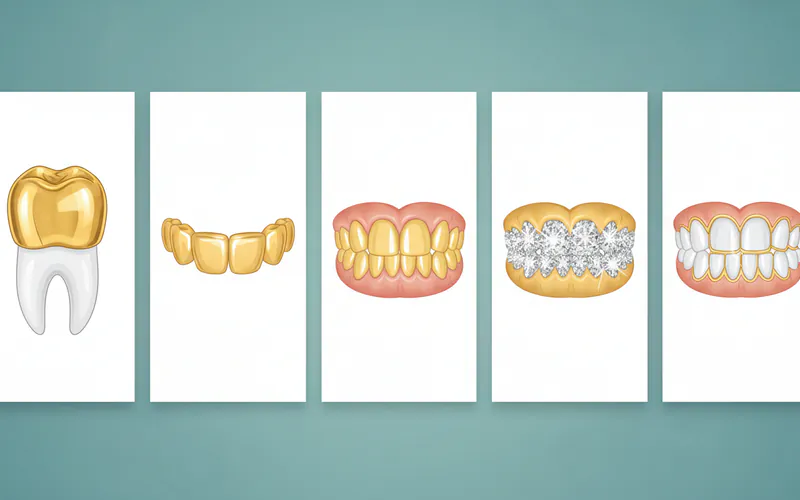
Grillz can range from simple gold caps covering a single tooth to elaborate, full-mouth pieces adorned with diamonds or other precious gems. They are typically removable, designed to snap securely over the teeth without permanent alteration to the underlying tooth structure. However, some individuals opt for permanent gold crowns or veneers, which involve dental professionals preparing the natural teeth to bond the gold directly.
The allure of grillz lies in their ability to convey status, individuality, and cultural affiliation. For many, they represent a bold expression of personal style and an homage to cultural trends. However, despite their fashion appeal, it's crucial to remember that grillz are worn in the mouth, an environment where proper hygiene and fit are paramount to maintaining oral health. The interaction between the grillz, teeth, gums, and saliva creates a unique environment that, if not properly managed, can lead to various dental complications.
Types and Variations of Gold Grillz
The world of gold grillz is diverse, offering a wide array of choices in terms of materials, coverage, and design. Understanding these variations is key to comprehending their differing costs and implications for your oral health.
Removable Grillz vs. Permanent Grillz
The most fundamental distinction in grillz lies in their permanence:
- Removable Grillz: These are the most common type. They are designed to fit snugly over your natural teeth and can be taken in and out at will.
- Pros: Non-invasive (no permanent alteration to teeth), flexibility to wear them only for specific occasions, easier to clean teeth underneath.
- Cons: Can be lost or damaged, may affect speech temporarily, require consistent cleaning, potential for food trapping.
- Permanent Grillz (Gold Crowns/Veneers): Less common, these involve a dental professional preparing the natural tooth structure, much like a traditional crown or veneer. The gold piece is then permanently cemented onto the tooth.
- Pros: Permanent aesthetic, no need to remove for eating or cleaning (the gold is the tooth surface), can correct minor tooth imperfections.
- Cons: Irreversible alteration of natural teeth, higher cost, potential for discomfort if not properly fitted, complications if underlying tooth decays. This option is generally considered a dental restoration for damaged teeth rather than purely cosmetic grillz by most dentists.
Material Choices: Gold Karat and Purity
The type of gold used is a primary determinant of cost and appearance. Gold's purity is measured in karats (K), with 24K being pure gold.
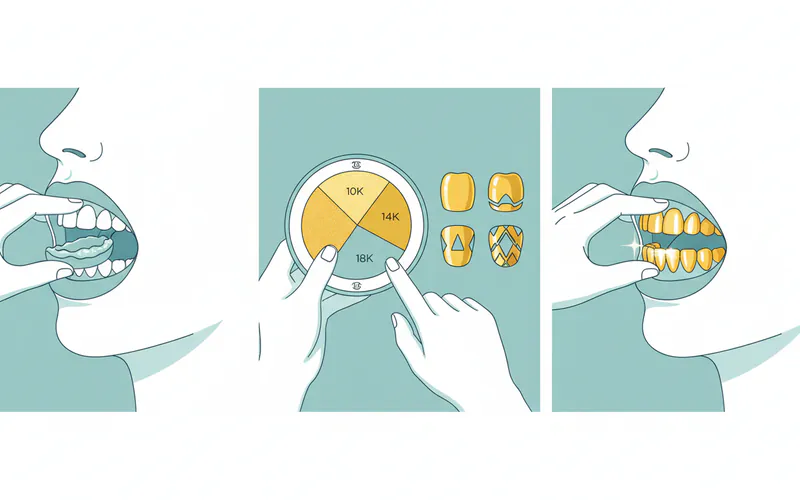
- 10K Gold: Contains 41.7% pure gold. It's the least expensive option and is harder and more durable due due to higher alloy content, but its color is a lighter yellow.
- 14K Gold: Contains 58.3% pure gold. A popular choice, offering a good balance of durability, color, and cost. It has a richer yellow hue than 10K.
- 18K Gold: Contains 75% pure gold. Offers a deeper, richer gold color and is more valuable. It's softer than 10K or 14K, making it more prone to scratching or bending.
- 22K Gold: Contains 91.7% pure gold. Very close to pure gold in color and value. It's quite soft and generally not recommended for grillz due to its susceptibility to wear and deformation, especially for daily use.
- 24K Gold: 100% pure gold. While the most valuable, 24K gold is extremely soft and easily scratched or bent. It's rarely used for grillz that will be worn regularly, often reserved for display pieces or very temporary wear.
- Other Metals: While "gold grillz" is the common term, some may opt for silver, platinum, or even rhodium-plated versions for different aesthetics or budget points.
- Precious Stones: Diamonds (often VVS, VS, or SI clarity for "iced out" looks), rubies, emeralds, and sapphires can be encrusted into the grillz, significantly increasing the cost.
Coverage and Design Options
Grillz can cover a single tooth or an entire arch, with various design elements:
- Single Cap: A simple cover for one tooth, often a canine or incisor.
- Double Caps/Triples: Covering two or three adjacent teeth.
- Top/Bottom Sets: Covering the upper or lower front teeth, typically 4-8 teeth.
- Full Sets: Covering all visible teeth on both upper and lower arches.
- "Gaps" or "Open Face": Designs that reveal a portion of the natural tooth, often in the shape of a window or outline.
- "Fangs": Pointed caps for canine teeth.
- "Sluts" (Slits): Designs featuring horizontal or vertical slits cut into the gold.
- Custom Engravings/Logos: Personalized designs etched into the gold.
Why People Choose Gold Grillz (and What Can Go Wrong)
Unlike medical treatments that address a specific "cause" or "symptom," gold grillz are chosen for aesthetic and cultural reasons. People opt for grillz to express individuality, signify status, align with cultural trends, or simply for fashion. However, while the reasons for getting grillz are personal, the consequences of poorly made or improperly maintained grillz can lead to significant dental problems.
Potential Dental Issues from Grillz: Signs and Symptoms
Improperly fitted or poorly maintained grillz can create an environment ripe for oral health complications. Here's what to look for:
- Tooth Decay (Cavities): Grillz can trap food particles and plaque against the tooth surface, creating an ideal breeding ground for bacteria that produce acid, leading to enamel erosion and cavities.
- Signs: Tooth sensitivity (especially to hot, cold, or sweet), visible holes or pits in teeth, toothache.
- Gum Disease (Gingivitis and Periodontitis): Ill-fitting grillz can irritate gum tissue, leading to inflammation (gingivitis). If left untreated, this can progress to periodontitis, which can damage the bone supporting the teeth.
- Signs: Red, swollen, tender, or bleeding gums; persistent bad breath; receding gums; loose teeth.
- Enamel Wear: Constant friction from poorly fitting metal can rub away the protective enamel layer of your teeth. The metal itself can also contain abrasive materials.
- Signs: Increased tooth sensitivity, yellowing of teeth (dentine exposed), teeth appearing shorter or flatter.
- Allergic Reactions: Some individuals may be allergic to metals or alloys used in grillz (e.g., nickel in white gold).
- Signs: Itching, redness, swelling, or rash in the mouth or around the lips.
- Tooth Misalignment/Shifting: Pressure from ill-fitting grillz, especially if worn frequently, can subtly shift teeth over time.
- Signs: Teeth feeling "off," difficulty biting down properly, new gaps or crowding.
- Impact on Bite (Occlusion): Grillz can interfere with the way your upper and lower teeth meet, leading to jaw discomfort or problems with chewing.
- Signs: Jaw pain, clicking or popping in the jaw, headaches, difficulty chewing.
- Halitosis (Bad Breath): Food and bacteria trapped under grillz can lead to persistent bad breath.
- Signs: Noticeable unpleasant odor from the mouth, often worse after wearing grillz for prolonged periods.
- Discomfort or Pain: Any persistent pain, pressure, or discomfort from wearing grillz is a clear warning sign.
- Signs: Soreness in teeth or gums, pressure points, difficulty speaking or eating.
If you experience any of these signs or symptoms, it's crucial to remove your grillz immediately and consult a dentist.
The Process of Getting Custom Gold Grillz
Acquiring custom-fitted gold grillz involves several steps, emphasizing the need for precision to ensure both a proper fit and minimize oral health risks.
Step 1: Dental Consultation and Oral Health Check-up
This is arguably the most critical first step, and one often overlooked by those who go directly to jewelers without dental oversight.
- Why it's essential: A qualified dentist will perform a thorough examination of your teeth, gums, and overall oral health. They will check for existing cavities, gum disease, chipped teeth, or any other conditions that could be exacerbated by wearing grillz.
- Discussion: The dentist can discuss the pros and cons, potential risks, and proper maintenance. They may also advise against grillz if your oral health isn't optimal or if you're prone to certain conditions.
- ADA Guidelines: The American Dental Association (ADA) generally advises against the use of grillz due to potential risks, but if chosen, emphasizes the importance of custom fitting by a dental professional to reduce harm. They also stress excellent oral hygiene.
Step 2: Impressions and Molds
Once your oral health is confirmed suitable, precise impressions of your teeth are taken.
- Process: A soft, putty-like material is placed in a tray and pressed against your teeth for a few minutes until it sets, creating an exact replica of your dental arch. This process is similar to getting retainers or aligners.
- Accuracy is paramount: These molds are the foundation for your custom grillz. Any inaccuracy can lead to ill-fitting grillz that cause discomfort, trap food, or damage teeth and gums.
- Professional vs. DIY Kits: While "at-home impression kits" are available, they often lack the precision of a professional dental impression. Using these can result in poorly fitting grillz, significantly increasing health risks.
Step 3: Design and Material Selection
This is where your vision for the grillz comes to life.
- Collaboration: You'll work with the jeweler or dental technician to choose the specific design, number of teeth to be covered, gold karat (10K, 14K, 18K, etc.), color (yellow, white, rose gold), and any embellishments like diamonds or engravings.
- Digital Design: For complex designs, digital imaging and CAD/CAM technology may be used to create a precise virtual model.
Step 4: Fabrication
The impressions and design specifications are sent to a dental lab or a specialized jeweler for fabrication.
- Craftsmanship: Skilled artisans use the molds to create the grillz, often using wax models for initial fitting before casting in gold. Precision tools are used to shape and polish the metal.
- Quality Control: High-quality grillz undergo rigorous checks to ensure smooth edges, proper contouring, and a precise fit.
Step 5: Fitting and Adjustments
Once fabricated, you'll return for a fitting appointment.
- Initial Fit: The grillz are placed over your teeth to ensure they snap on securely but comfortably, without causing undue pressure or irritation.
- Adjustments: Minor adjustments may be necessary to perfect the fit, ensure they don't interfere with your bite, and prevent sharp edges from irritating your gums or tongue.
- Instructions: You'll receive detailed instructions on how to insert, remove, clean, and care for your new grillz.
Cost and Insurance for Gold Grillz
The question, "How much are gold grillz for teeth?" is complex, with costs varying dramatically based on numerous factors. It's crucial to understand that grillz are a luxury cosmetic item, and as such, dental insurance typically offers no coverage.
Factors Influencing the Cost of Gold Grillz
-
Number of Teeth Covered:
- Single Tooth: Least expensive.
- 2-6 Teeth (Caps/Fronts): Common options covering the visible front teeth.
- Full Arch (e.g., Top 8): More extensive coverage.
- Full Set (Top & Bottom): Most expensive in terms of coverage.
-
Gold Karat and Purity:
- 10K Gold: Most affordable gold option due to lower gold content.
- 14K Gold: Mid-range, popular for its balance of durability and richness.
- 18K Gold: Higher cost, deeper gold color, less durable.
- 22K/24K Gold: Very expensive and soft, rarely used for functional grillz.
-
Weight of Gold: More gold used (thicker grillz, larger coverage) means higher cost.
-
Design Complexity:
- Plain Gold: Simple, polished surface.
- Open Face/Gaps: Requires precision cutting and shaping.
- Engravings/Logos: Custom artistry adds to the price.
- Textured Finishes: Sandblasted, brushed, or diamond-cut textures.
-
Precious Stone Embellishments:
- Diamonds: The most significant cost driver. Quality (cut, clarity, color, carat weight) determines price. A fully "iced out" grill can cost thousands more.
- Other Gems: Rubies, sapphires, emeralds, etc.
-
Provider:
- Specialized Jeweler: Can range from independent artisans to larger jewelry companies. Costs can vary widely based on reputation and clientele.
- Dental Professional/Dental Lab: Often involves higher precision and adherence to dental standards, typically resulting in higher costs but better fit and reduced health risks. This is the recommended route.
- Online Retailers/DIY Kits: Cheapest but carry the highest risks due to lack of custom fitting and questionable material quality.
-
Region: Prices for gold and labor can vary by geographic location within the US. Major metropolitan areas like New York, Los Angeles, or Miami often have higher prices.
Average US Costs for Gold Grillz (Estimated Ranges)
| Grillz Type (Removable) | Gold Karat (Typical) | Estimated Cost Range (USD) | Notes |
|---|---|---|---|
| Single Cap | 10K - 14K | $100 - $500 | Basic, simple design; prices increase significantly with higher karat. |
| Double Caps | 10K - 14K | $200 - $800 | Two adjacent teeth. |
| Top 4-6 Caps | 10K - 14K | $500 - $2,500 | Covering the front incisors/canines. |
| Bottom 4-6 Caps | 10K - 14K | $500 - $2,500 | Similar to top sets. |
| Full Set (Top 8) | 10K - 14K | $1,500 - $5,000+ | More extensive coverage, design complexity increases price. |
| Full Set (Top & Bottom 8-10) | 10K - 14K | $3,000 - $10,000+ | Complete visible smile, custom impressions crucial. |
| Single Cap w/ Diamonds | 14K - 18K | $500 - $3,000+ | Price depends heavily on diamond size, quality, and number. |
| Full Set w/ Diamonds ("Iced Out") | 14K - 18K | $5,000 - $20,000+ | Can reach much higher with rare stones or extensive coverage. |
| Permanent Gold Crown | 14K - 18K | $1,500 - $3,500 per tooth | This is a dental restoration, not typical "grillz," involves tooth prep. |
Note: These are estimated ranges. Always obtain a detailed quote based on your specific design and material choices.
The "How Much Is a Deep Teeth Cleaning" Connection
It's important to consider the potential secondary costs associated with grillz. If poorly fitted or maintained, grillz can significantly contribute to plaque and tartar buildup, leading to gingivitis or even periodontitis. Should this occur, you might require a professional deep teeth cleaning, also known as scaling and root planing.
- Cost of Deep Teeth Cleaning: A deep teeth cleaning can cost anywhere from $150 to $400 per quadrant (a fourth of your mouth), potentially totaling $600 to $1,600 for a full mouth. This is significantly more expensive than a routine cleaning, and while some dental insurance plans cover a portion of deep cleanings, it's a cost you wouldn't incur if your oral health wasn't compromised. This highlights the importance of prevention and proper hygiene with grillz.

The "How Much Do New Teeth Cost" Connection
In extreme cases, persistent decay or gum disease caused by ill-fitting or unhygienic grillz could lead to irreversible tooth damage or even tooth loss. Replacing a lost tooth can be incredibly expensive:
- Dental Implants: A single dental implant, including the implant, abutment, and crown, can cost between $3,000 and $6,000+ per tooth.
- Dental Bridges: A dental bridge can cost $2,000 to $5,000 for a three-unit bridge. These costs underscore the potential long-term financial burden if you neglect oral health while wearing grillz. Investing in proper custom fitting and diligent hygiene is a much more economical choice in the long run.
Insurance Coverage and Payment Plans
- Dental Insurance: As a general rule, dental insurance does NOT cover gold grillz. This is because grillz are considered a purely cosmetic elective procedure and are not medically necessary for oral health. You should expect to pay 100% out-of-pocket.
- Flexible Spending Accounts (FSAs) / Health Savings Accounts (HSAs): These accounts typically cover eligible medical expenses. Since grillz are cosmetic, they are generally not eligible for reimbursement through FSA or HSA funds unless they are prescribed by a dentist to treat a specific medical condition (which is rare for gold grillz). Always check with your plan administrator.
- Payment Plans and Financing: Many jewelers or dental offices (if they offer the service) may provide payment plans or work with third-party financing companies (e.g., CareCredit) to help manage the cost over time. Be sure to understand interest rates and terms.
Pro Tip: Always get a written quote that details the type of gold, number of teeth, design, and any added stones before committing. Ensure the quote specifies whether dental impressions are included and if they are performed by a qualified dental professional.
Recovery and Aftercare for Gold Grillz
Proper recovery and aftercare are non-negotiable for anyone wearing gold grillz, especially removable ones. Neglecting these steps significantly increases the risk of dental complications.
Immediate Aftercare (Post-Fitting)
- Initial Discomfort: You might experience slight initial discomfort or a feeling of bulkiness in your mouth. This should subside as you adjust.
- Speech Adaptation: Speech may be temporarily affected until your tongue and mouth muscles adapt to the presence of the grillz. Practice speaking to help accelerate this adjustment.
- Eating: Most dental professionals and grillz manufacturers recommend removing removable grillz before eating to prevent food trapping, damage to the grillz, and potential choking hazards. If you must eat with them in, stick to soft foods and clean immediately afterward.
- Pro Tip: If you experience sharp pain, persistent soreness, or difficulty speaking/eating beyond the first few days, your grillz may be ill-fitting. Remove them and contact your provider and/or dentist immediately.
Daily Maintenance and Hygiene
This is the most critical aspect of grillz ownership.
- Remove Regularly: Removable grillz should be removed daily, preferably multiple times a day, especially before eating and sleeping.
- Clean Grillz Thoroughly:
- Rinse: Immediately after removal, rinse your grillz under warm water to remove loose food particles and saliva.
- Brush Gently: Use a soft-bristle toothbrush and non-abrasive soap (not toothpaste, as it can be abrasive to gold) to gently scrub all surfaces of the grillz. Pay attention to crevices where plaque can hide.
- Soak (Optional): For a deeper clean, you can soak your grillz in an antibacterial mouthwash or a mild denture cleaning solution for a short period (follow product instructions carefully).
- Dry: Dry your grillz completely before storing them to prevent bacterial growth.
- Clean Your Natural Teeth: This is paramount. Every time you remove your grillz, brush and floss your natural teeth meticulously, as if you hadn't worn anything. Pay extra attention to the surfaces that were covered by the grillz.
- Brush twice daily: Use fluoride toothpaste and a soft-bristle brush.
- Floss once daily: Remove plaque and food particles from between teeth.
- Mouthwash: Use an antiseptic mouthwash to reduce bacteria.
- Storage: Store your clean, dry grillz in a protective case when not in use to prevent damage and contamination.
Long-Term Care and Dental Check-ups
- Regular Dental Visits: Continue with your routine dental check-ups and cleanings every six months, or more frequently if recommended by your dentist. Inform your dentist that you wear grillz. They can assess the health of your teeth and gums underneath and around the grillz.
- Inspect Regularly: Periodically inspect your grillz for any signs of wear, damage, or rough edges. Also, check your teeth and gums for any changes, irritation, or discoloration.
- Avoid Harsh Chemicals: Never use harsh chemicals, abrasive cleaners, or ultrasonic jewelry cleaners not specifically designed for dental appliances, as they can damage the gold or any embedded stones.
Prevention: Minimizing Risks Associated with Gold Grillz
While gold grillz are a personal choice, you can take proactive steps to minimize the potential risks to your oral health. Prevention is about making informed decisions and maintaining diligent care.
-
Prioritize Professional Custom Fitting: This is the single most important preventive measure.
- Avoid "One-Size-Fits-All": Generic or poorly fitted grillz create spaces where food particles and bacteria can easily accumulate, leading to decay and gum disease. They can also exert uneven pressure, causing tooth shifting or enamel wear.
- Seek Dental Involvement: Ideally, your impressions should be taken by a licensed dentist or under their direct supervision. This ensures accuracy and considers your specific dental anatomy.
-
Maintain Excellent Oral Hygiene: This is non-negotiable for grillz wearers.
- Brush and Floss Religiously: As detailed in the aftercare section, thorough brushing and flossing of your natural teeth and the grillz themselves after every meal and before bed is essential.
- Use Fluoride: Ensure your toothpaste contains fluoride to strengthen enamel and fight decay.
- Antiseptic Mouthwash: Incorporate an ADA-approved antiseptic mouthwash to reduce bacterial load.
-
Limit Wear Time:
- Occasional Use: Removable grillz are best worn occasionally, not continuously. The longer they are in your mouth, the greater the risk of trapping food and bacteria.
- Remove for Eating and Sleeping: Always remove removable grillz before eating to prevent food from getting stuck and before sleeping to reduce the risk of aspiration and prolonged exposure to bacteria.
-
Choose High-Quality Materials:
- Hypoallergenic Metals: Ensure the gold alloy used is hypoallergenic, especially if you have known metal sensitivities. Avoid grillz containing nickel, which is a common allergen.
- Smooth Surfaces: High-quality grillz should have perfectly smooth surfaces and edges to prevent irritation to gum tissue and the inside of your cheeks and lips.
-
Regular Dental Check-ups:
- Early Detection: Routine visits to your dentist allow for early detection of any issues (cavities, gum inflammation, enamel wear) that might be developing due to grillz use. Your dentist can provide professional cleanings and advice tailored to your situation.
-
Educate Yourself: Understand the potential risks before getting grillz. Don't rely solely on the jeweler for dental advice. Your dentist is your primary resource for oral health information.
Risks and Complications of Gold Grillz
While gold grillz can be a stunning fashion statement, their presence in the oral cavity introduces several potential health risks and complications, especially if they are not custom-fitted by a professional or if oral hygiene is neglected.
Oral Health Risks:
-
Increased Risk of Tooth Decay (Cavities):
- Mechanism: Grillz can create tight spaces between the metal and the tooth surface, making it difficult for saliva to clean away food particles and plaque. This creates an acidic environment that rapidly demineralizes enamel, leading to cavities.
- Severity: Cavities under grillz can go unnoticed until they are quite large, potentially requiring extensive dental work or even root canals.
-
Gum Disease (Gingivitis and Periodontitis):
- Mechanism: Ill-fitting grillz can constantly irritate the gum tissue, leading to inflammation (gingivitis). The trapped plaque and bacteria around the gum line exacerbate this. If untreated, gingivitis can progress to periodontitis, causing gum recession, bone loss, and eventually tooth loss.
- Signs: Red, swollen, bleeding, or tender gums; persistent bad breath; gums pulling away from teeth.
-
Enamel Erosion and Abrasions:
- Mechanism: The constant friction of metal against tooth enamel, particularly with ill-fitting or frequently manipulated grillz, can wear away the protective outer layer of the tooth. Some cheaper alloys might also be abrasive.
- Consequences: Loss of enamel can lead to increased tooth sensitivity, discoloration, and a higher risk of decay.
-
Allergic Reactions:
- Mechanism: Alloys used in gold grillz, especially white gold which often contains nickel, can trigger allergic reactions in susceptible individuals.
- Symptoms: Swelling, redness, itching, burning sensation in the mouth or around the lips, or contact dermatitis.
-
Tooth Sensitivity:
- Mechanism: Enamel wear, gum recession, or pressure from ill-fitting grillz can expose the sensitive dentin layer of the tooth, leading to discomfort when consuming hot, cold, or sweet foods and beverages.
-
Impact on Bite (Occlusion) and TMJ Issues:
- Mechanism: Grillz, especially thick or poorly designed ones, can alter your natural bite pattern. This can lead to uneven pressure on teeth, jaw joint (temporomandibular joint, TMJ) strain, and muscle fatigue.
- Symptoms: Jaw pain, headaches, difficulty chewing, clicking or popping in the jaw joint.
-
Speech Impairment:
- Mechanism: The bulkiness of grillz can interfere with tongue movement and airflow, leading to temporary or persistent speech impediments, such as lisping.
-
Trauma to Adjacent Oral Tissues:
- Mechanism: Sharp edges, rough spots, or improper contours on grillz can irritate and abrade the cheeks, lips, and tongue, potentially leading to sores or ulcers.
Systemic Risks (Less Common but Possible):
- Bacterial Infections: If open sores or cuts are present due to irritation, bacteria from the mouth can enter the bloodstream, potentially leading to more serious infections, especially in individuals with compromised immune systems.
- Toxic Metal Exposure: While rare with high-karat gold, cheaper, unregulated grillz might contain alloys with toxic metals that could leach into the mouth over time.
Given these significant risks, the ADA and most dental professionals advise caution and strongly recommend thorough dental evaluations and meticulous oral hygiene for anyone considering or wearing gold grillz.
Children / Pediatric Considerations for Gold Grillz
When it comes to gold grillz, there are significant considerations and strong recommendations against their use for children and adolescents. The unique developmental stages of a child's mouth and the potential long-term health implications make grillz particularly unsuitable for this age group.
Why Grillz Are NOT Recommended for Children and Adolescents:
-
Developing Dentition:
- Mixed Dentition: Children's mouths are often in a state of "mixed dentition," meaning they have a combination of baby teeth (primary teeth) and adult teeth (permanent teeth). Placing grillz over this unstable environment can interfere with natural tooth eruption and alignment.
- Jaw Growth: The jaws of children and adolescents are still growing and developing. Ill-fitting grillz can impede normal growth patterns or contribute to misalignment issues that require extensive orthodontic treatment later.
-
Higher Risk of Decay and Gum Disease:
- Developing Habits: Children and adolescents may not have the same level of discipline or skill in maintaining rigorous oral hygiene. Grillz exacerbate the challenge of cleaning, making them highly susceptible to rapid tooth decay and gum inflammation.
- Risk for Permanent Teeth: Cavities in newly erupted permanent teeth can have severe long-term consequences, as these teeth are meant to last a lifetime.
-
Enamel Susceptibility:
- New Enamel: Newly erupted permanent teeth have less mature enamel that is more vulnerable to acid attacks and wear. Grillz can contribute to enamel erosion.
-
Orthodontic Treatment:
- Many adolescents undergo orthodontic treatment (braces, aligners). Grillz are incompatible with orthodontic appliances and can interfere with treatment progress. Wearing grillz after braces could compromise the stability of straightened teeth.
-
Choking Hazard:
- For very young children, small, removable oral appliances can pose a choking hazard.
-
Allergic Reactions:
- Children may be more susceptible to allergic reactions to metals, and identifying the cause of an allergic reaction in the mouth can be challenging.
ADA Stance: The American Dental Association strongly advises against any non-therapeutic dental ornamentation, especially for children and adolescents, due to the myriad of oral health risks and the potential for long-term damage during critical developmental stages.
In summary, parents should strongly discourage their children and adolescents from getting gold grillz. The risks to their developing oral health far outweigh any perceived aesthetic benefits. If a child expresses interest, it's an opportunity for a comprehensive discussion about oral health, the value of natural teeth, and the long-term consequences of such cosmetic choices.
Cost Breakdown: Understanding the Investment in Gold Grillz
As established, the cost of gold grillz is highly variable. Here, we'll delve deeper into the specific elements that contribute to the overall price, helping you understand where your money goes.
Average US Costs (Recap and Detail)
| Item/Service | Low-End (USD) | Mid-Range (USD) | High-End (USD) |
|---|---|---|---|
| Dental Consultation | $50 - $150 | $150 - $250 | $250 - $400+ |
| (Often includes exam/X-rays) | |||
| Professional Impressions | $100 - $300 | $300 - $600 | $600 - $1,000+ |
| (Can be included by some grillz makers) | |||
| Single Tooth Grillz | $100 (10K) | $300 (14K) | $800 (18K/Diamonds) |
| Top 6 Grillz | $500 (10K) | $1,500 (14K) | $5,000 (18K/Diamonds) |
| Full Set (Top & Bottom) | $2,000 (10K) | $6,000 (14K) | $20,000+ (18K/Diamonds) |
| "Iced Out" Grillz | $1,000 (few small diamonds) | $5,000 (moderate diamonds) | $30,000+ (VVS/full coverage) |
| Permanent Gold Crown (per tooth) | $1,500 | $2,500 | $3,500+ |
Note: These ranges are illustrative. Actual costs will vary based on geographical location, specific jeweler/dentist, and market fluctuations in gold and gem prices.
With vs. Without Insurance
As mentioned, dental insurance does NOT cover gold grillz. This means that 100% of the cost, from initial dental consultation to the final product, will be an out-of-pocket expense for you. This is a critical point to understand when budgeting.
However, your dental insurance will cover preventive care like routine cleanings and exams. Maintaining these is even more vital if you wear grillz, as they help mitigate the risks and potentially prevent more expensive treatments down the line (like deep cleanings or fillings) that your insurance might cover.
Payment Plans and Financing Options
Because grillz can represent a significant financial investment, many providers offer payment solutions:

- In-House Payment Plans: Some jewelers or dental practices may offer interest-free installment plans directly. These usually require an initial down payment, with the remaining balance spread over several months.
- Third-Party Financing (e.g., CareCredit, LendingClub): These companies specialize in financing health and beauty procedures. They offer various plans, including deferred interest options for a promotional period or low-interest fixed-rate loans.
- Credit Cards: Standard credit cards can be used, but be mindful of high interest rates if you cannot pay off the balance quickly.
Always read the terms and conditions carefully for any financing option, paying close attention to interest rates, fees, and repayment schedules.
Cost-Saving Tips for Gold Grillz
If you're determined to get gold grillz but are looking to manage the cost:
- Lower Gold Karat: Opting for 10K or 14K gold instead of 18K or higher will significantly reduce the price without completely sacrificing the gold aesthetic.
- Fewer Teeth: Start with a single cap or a smaller set (e.g., top 2 or 4) rather than a full set. You can always add more later.
- Simpler Design: Plain polished gold is much less expensive than intricate designs, engravings, or cut-outs.
- No Diamonds or Gems: This is the biggest cost-saving measure. "Iced out" grillz dramatically increase the price. Consider high-quality cubic zirconia (CZ) as a temporary, less expensive alternative if you desire sparkle, but understand they are not real diamonds.
- Shop Around (Carefully): Obtain quotes from several reputable jewelers or dental labs. However, prioritize quality and proper fitting over the absolute lowest price, especially when it comes to custom dental work. A cheaper, ill-fitting grill could cost you much more in dental bills later.
- Maintain Oral Hygiene Rigorously: Preventative care (regular brushing, flossing, dental check-ups) is the ultimate cost-saver. Avoiding cavities, gum disease, and the need for deep cleanings or tooth replacements saves you significant money in the long run.
- Consider Removable Over Permanent: Removable grillz are generally less expensive than permanent gold crowns, which involve irreversible tooth alteration.
Frequently Asked Questions
### Are gold grillz bad for your teeth?
Gold grillz can potentially be bad for your teeth if they are not custom-fitted, if made from low-quality materials, or if proper oral hygiene is neglected. Ill-fitting grillz can trap food particles and plaque, leading to cavities, gum inflammation (gingivitis), and even gum disease. They can also cause enamel wear, tooth sensitivity, or allergic reactions to the metal alloys. Professional fitting and diligent cleaning are essential to minimize risks.
### How long do gold grillz last?
The lifespan of gold grillz varies based on their material, craftsmanship, and how well they are cared for. High-quality, custom-fitted gold grillz made from durable karats (like 14K) can last for many years, even decades, with proper cleaning and storage. Cheaper, poorly made grillz may tarnish, break, or lose their fit much faster, potentially within months.
### Do gold grillz hurt?
Custom-fitted gold grillz should not cause pain when worn. You might experience a slight initial feeling of pressure or bulkiness, and temporary speech changes, but persistent pain or discomfort indicates an ill-fitting grill or an underlying dental issue. If you experience pain, remove the grillz immediately and consult your dentist.
### Can you eat with gold grillz in?
It is generally recommended to remove removable gold grillz before eating. Eating with them in increases the risk of trapping food particles underneath, damaging the grillz themselves, and potentially dislodging them. If you must eat with them in, stick to soft foods and clean both your teeth and grillz meticulously immediately afterward. Permanent gold crowns, which function as gold teeth, are designed for eating.
### What is the difference between 10K, 14K, and 18K gold grillz?
The difference lies in the gold's purity, measured in karats (K). 10K gold contains 41.7% pure gold, making it the hardest, most durable, and least expensive, with a lighter yellow hue. 14K gold has 58.3% pure gold, offering a good balance of durability, cost, and a richer yellow color. 18K gold is 75% pure gold, providing a deep, rich gold color and higher value, but it is softer and more prone to scratching.
### Will insurance cover gold grillz?
No, dental insurance typically does not cover gold grillz. Grillz are considered a purely cosmetic elective procedure and are not medically necessary for oral health. Therefore, you should expect to pay 100% of the cost out-of-pocket.
### Can I get grillz if I have fillings or crowns?
It depends on the location and condition of your existing fillings or crowns. A dentist must evaluate your oral health to determine if grillz can be safely fitted without compromising existing dental work. In some cases, grillz might not be recommended over teeth with extensive restorations, especially if they are already weakened.
### What are alternatives to gold grillz for cosmetic dentistry?
If you're looking for cosmetic enhancements to your smile without the potential risks of grillz, alternatives include dental veneers (thin shells bonded to the front of teeth), dental crowns (caps covering the entire tooth), dental bonding (composite resin applied to correct imperfections), or professional teeth whitening. These options are often more durable and integrate better with overall oral health.
### How often should I clean my gold grillz?
You should clean your removable gold grillz every time you remove them, especially after eating and before going to sleep. This involves rinsing them under warm water, gently brushing them with a soft-bristle toothbrush and non-abrasive soap, and then drying them before storage. Meticulous cleaning of your natural teeth after removing the grillz is also crucial.
### Is it safe to buy grillz online or use DIY impression kits?
It is generally not recommended to buy grillz online from unverified sources or use DIY impression kits. These often lead to ill-fitting grillz made from questionable materials, which significantly increase the risk of oral health problems like tooth decay, gum disease, and enamel damage. For optimal safety and fit, professional dental impressions and custom fabrication by a reputable jeweler or dental lab are essential.
When to See a Dentist
Wearing gold grillz, while a matter of personal style, requires an increased vigilance regarding your oral health. Knowing when to consult a dental professional is crucial to prevent minor issues from escalating into serious complications.
Red Flags: Seek Immediate Dental Attention If You Experience:
- Persistent Pain or Soreness: Any ongoing pain in your teeth, gums, or jaw while wearing or after removing your grillz is a clear sign that something is wrong. This could indicate an ill-fitting grill, developing cavity, or gum inflammation.
- Significant Gum Bleeding or Swelling: While slight gum irritation might occur, excessive bleeding, swelling, or redness of the gums is a symptom of advanced gingivitis or periodontitis.
- Increased Tooth Sensitivity: Sensitivity to hot, cold, or sweet foods and beverages could signal enamel wear or the onset of a cavity under the grillz.
- Loose or Shifting Teeth: If you notice any of your teeth feeling loose or shifting position, this is a serious concern that requires immediate dental evaluation, as it could indicate advanced gum disease or damage from ill-fitting grillz.
- Visible Cavities or Dark Spots: Any new dark spots or visible holes on your teeth, especially in areas covered by the grillz, indicate tooth decay.
- Persistent Bad Breath (Halitosis): While occasional bad breath can happen, persistent, foul-smelling breath despite regular brushing and flossing could be a sign of infection, trapped food, or advanced gum disease.
- Allergic Reaction Symptoms: Swelling, itching, redness, or a rash in your mouth or around your lips could indicate an allergic reaction to the metal in your grillz.
- Difficulty Chewing or Biting: If your grillz interfere with your bite or make it difficult to chew, it can lead to jaw problems and should be addressed promptly.
- Damage to Grillz: If your grillz become chipped, broken, or develop rough edges, they can cause trauma to your soft tissues and should not be worn until repaired or replaced.
Routine Care and Scheduled Appointments:
Even without immediate red flags, regular dental check-ups are paramount for anyone wearing gold grillz:
- Before Getting Grillz: Always consult your dentist for a comprehensive oral health assessment before getting grillz. This ensures your mouth is healthy enough and helps you understand potential risks.
- Routine Check-ups and Cleanings: Maintain your scheduled dental appointments every six months (or as recommended by your dentist). Inform your dentist that you wear grillz. They can thoroughly examine the areas covered by the grillz, monitor for early signs of decay or gum disease, and provide professional cleanings that are even more critical for grillz wearers.
- Grillz Fitting Verification: If you obtained your grillz from a non-dental source, consider having your dentist verify the fit and address any immediate concerns about its potential impact on your oral health.
Your oral health is a lifelong investment. While gold grillz can be a fun and expressive accessory, they demand an elevated commitment to dental care and professional oversight. Prioritizing your dentist's advice and maintaining meticulous hygiene will ensure your smile remains healthy, regardless of its golden adornments.
Frequently Asked Questions
Medically Reviewed Content
This article was written by our dental health editorial team and reviewed for medical accuracy. Our content follows strict editorial guidelines for reliability and trustworthiness.
Medical Disclaimer
This article is for informational purposes only and does not constitute medical advice. Always consult with a qualified dental professional for diagnosis and treatment. Do not delay seeking professional advice because of something you read on this website.
Related Articles
How Much Does Tooth Bonding Cost
Imagine looking in the mirror and seeing a smile that doesn't quite reflect your inner confidence – maybe a small chip from an unexpected accident, an annoying gap between your front teeth, or a stain that just won't budge. For many Americans, these minor imperfections can significantly impact self-
February 22, 2026
How Much Are Tooth Gems
In an age where personal expression extends to every facet of our lives, it's no surprise that cosmetic dentistry has evolved beyond mere functionality to embrace aesthetic adornment. From subtle enhancements to bold statements, teeth have become a new canvas for individuality. One increasingly popu
February 22, 2026

How Much Does a Dog Xray Cost
As a premier dental health portal, SmilePedia.net is dedicated to illuminating all facets of oral health and related medical costs for our valued readers across the US. While our primary focus remains squarely on human dentistry – from routine cleanings to complex restorative procedures – we underst
February 22, 2026
How Much Does an X-ray Technician Make
When you visit your dental office, a crucial part of your diagnostic process often involves imaging – specifically, dental X-rays. Behind the scenes, skilled professionals operate sophisticated equipment to capture these vital images, aiding your dentist in identifying issues that aren't visible dur
February 22, 2026