Incisor
4,056 words · 14 min read
Quick Definition
The flat, chisel-shaped front teeth used for cutting food. Adults have eight incisors: four upper and four lower, consisting of central and lateral incisors.
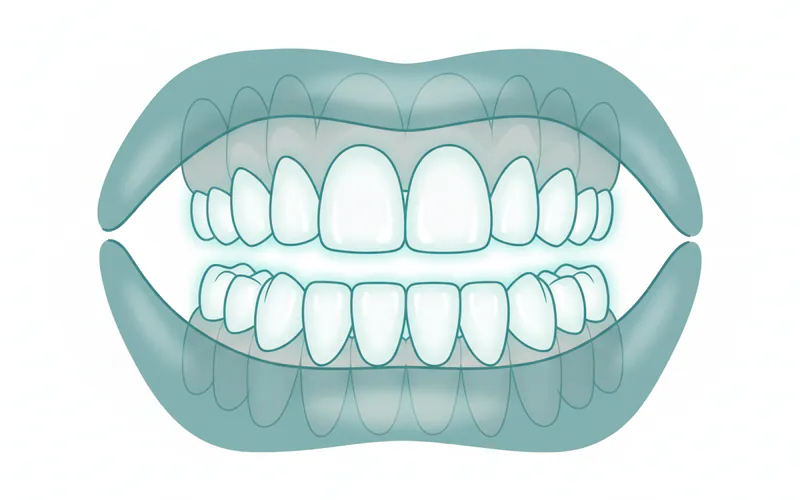
The incisor teeth are the unsung heroes of your smile, playing a pivotal role in everything from eating and speaking to the aesthetic appeal of your face. Often overlooked until an issue arises, these flat, chisel-shaped front teeth are your primary tools for biting into and cutting food. Adults typically possess eight incisors: four in the upper jaw and four in the lower jaw. These are further categorized into central incisors, which are the two prominent front teeth, and lateral incisors, located immediately next to the central incisors.
Understanding the function and common issues affecting your incisors is fundamental to maintaining optimal dental health. They are the first line of defense in the digestive process, initiating the mechanical breakdown of food. Beyond mastication, incisors are crucial for proper pronunciation, helping to form various speech sounds. They also provide essential support for your lips, contributing significantly to your facial profile and the overall appearance of your smile.
Due to their prominent position, incisors are also the most visible teeth and, unfortunately, often the most susceptible to trauma, wear, and aesthetic concerns. Statistics show that dental trauma, particularly involving the incisors, is common, affecting an estimated 15-20% of school-aged children and adolescents in the US, with boys being twice as likely to experience it as girls. Furthermore, common issues like tooth decay, chips, fractures, and sensitivity frequently impact these anterior teeth. Recognizing the signs of incisor problems early can prevent more severe complications, making routine dental check-ups and proactive care indispensable for preserving the health and beauty of these essential teeth.
Key Takeaways:
- Incisors are the eight flat, chisel-shaped front teeth (four upper, four lower) used for biting and cutting food.
- They are divided into central incisors and lateral incisors.
- Beyond eating, incisors are critical for speech, facial aesthetics, and supporting the lips.
- Their prominent position makes them vulnerable to trauma, chips, fractures, and decay.
- Early detection and proper care are vital for maintaining incisor health and your overall smile.
- Good oral hygiene and protective measures are crucial for preventing incisor damage.
Detailed Explanation
The incisor teeth represent the cornerstone of your dental arcade, essential for numerous daily functions and your overall quality of life. Delving deeper into their structure, common problems, and treatment options can empower you to protect these vital teeth.
Types and Classifications of Incisors
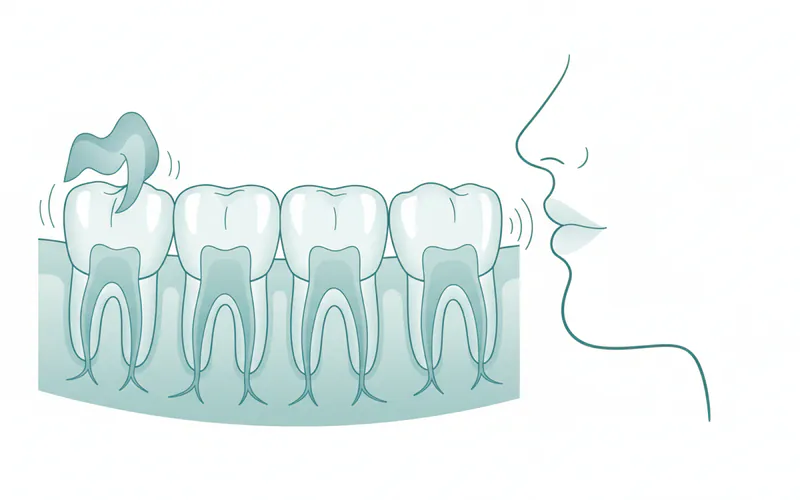
Incisors are classified primarily by their position and whether they are primary (baby) or permanent teeth.
- Central Incisors: These are the two most prominent teeth at the very front of your mouth, both on the upper and lower jaws. They are typically the first teeth to erupt, both as primary teeth (around 6-10 months) and as permanent teeth (around 6-8 years). Their broad, flat surfaces are perfectly designed for initial biting.
- Lateral Incisors: Located immediately adjacent to the central incisors, one on each side in both the upper and lower jaws. They assist the central incisors in cutting food and often have a slightly narrower form. Lateral incisors usually erupt after the central incisors, with primary lateral incisors appearing around 9-16 months and permanent lateral incisors around 7-9 years.
All incisors are classified as anterior teeth, meaning they are located at the front of the mouth, distinguishing them from posterior teeth like premolars and molars. Each incisor consists of a crown (the visible part) and a root (anchored in the jawbone). The crown is covered by enamel, the hardest substance in the human body, providing a protective layer against wear and acid attacks. Beneath the enamel lies the dentin, and at the core is the pulp, containing nerves and blood vessels.
Common Problems Affecting Incisors
While incisors are robust, their exposed position makes them susceptible to a range of issues. Understanding these incisor dental problems is crucial for timely intervention.
- Dental Caries (Cavities): Despite being strong, enamel can demineralize due to acid produced by bacteria feeding on sugars. Caries on incisors often appear as small white or brown spots, which can progress to larger cavities if untreated. Risk factors include poor oral hygiene, high sugar intake, and infrequent dental visits.
- Chips and Fractures: As the front teeth, incisors are highly vulnerable to physical trauma. Accidents, falls, sports injuries, or biting down on hard objects can lead to chips (minor loss of enamel) or more severe fractures that extend into the dentin or even the pulp.
- Wear and Erosion:
- Attrition: Tooth-to-tooth contact from habits like bruxism (teeth grinding) can wear down the incisal edges over time, flattening them.
- Abrasion: Mechanical wear from aggressive brushing, using hard-bristled toothbrushes, or abrasive toothpastes can erode enamel near the gumline.
- Erosion: Chemical wear, often from acidic foods, drinks (sodas, citrus), or gastric reflux, can dissolve enamel on the front surfaces.
- Malocclusion (Misalignment): Incisors can be crowded, spaced apart, or misaligned with the opposing jaw (e.g., overbite, underbite, crossbite). This affects aesthetics, chewing efficiency, and can contribute to uneven wear or difficulty cleaning.
- Periodontal Disease: While more common in molars, gum disease can affect the tissues supporting incisors. Gingivitis (gum inflammation) can progress to periodontitis, leading to gum recession, bone loss, and even tooth mobility or loss if untreated.
- Avulsion: This is the complete displacement of a tooth from its socket, a severe form of trauma often affecting incisors. It requires immediate emergency dental care for successful replantation.
- Sensitivity: Exposed dentin (due to receding gums, cracks, or wear) can cause sharp pain when incisors are exposed to cold, hot, sweet, or acidic stimuli.
- Discoloration/Staining: Incisors are highly visible, so intrinsic (internal, e.g., trauma, medication) or extrinsic (external, e.g., coffee, tea, tobacco) staining significantly impacts aesthetics.
Signs and Symptoms to Watch For
Vigilance for these indicators can prompt early dental intervention, preserving your incisor dental health.
- Pain or Sensitivity: A sharp pang when biting, sensitivity to hot/cold, or a dull ache can indicate decay, cracks, exposed root surfaces, or pulp inflammation.
- Visible Chips or Fractures: Any visible damage to the tooth's edge or surface, no matter how small, warrants evaluation.
- Discoloration: White spots (early decay), brown/black spots (cavities), or gray/darkening (trauma, pulpal necrosis) are concerning.
- Gum Recession: Gums pulling away from the incisors, exposing more of the root, can indicate aggressive brushing or periodontal disease.
- Bleeding Gums: Gums that bleed easily during brushing or flossing around the incisors are a sign of gingivitis.
- Mobility: Any noticeable looseness of an incisor, especially after trauma, is a serious sign.
- Changes in Bite: If your incisors don't meet correctly or feel "off" when you bite, it could be due to shifting, wear, or trauma.
- Halitosis (Bad Breath): Persistent bad breath, particularly if accompanied by other symptoms, can be a sign of decay or gum disease affecting the incisors.
Diagnosis Process — What Your Dentist Does
When you visit your dentist with concerns about your incisors, they will perform a thorough examination to accurately diagnose the problem.
- Comprehensive Visual Examination: The dentist will meticulously inspect your incisors for visible signs of decay, chips, fractures, wear, discoloration, and gum health. They will check the alignment of your teeth and your bite.
- Dental Probing: A small instrument called a probe is used to check for soft spots in the enamel (indicating decay) and to measure gum pockets around the incisors, assessing for periodontal disease.
- X-rays (Radiographs): Digital X-rays provide detailed images of the tooth roots, supporting bone, and areas between teeth not visible during a clinical exam. They can reveal hidden decay, root fractures, bone loss, or abscesses.
- Transillumination: A bright light shone through the tooth can help reveal fine cracks or fractures not easily seen with the naked eye.
- Pulp Vitality Testing: If trauma or deep decay is suspected, vitality tests (e.g., cold test, electric pulp test) determine if the tooth's pulp is healthy or damaged.
- Occlusal Analysis: Using articulating paper, the dentist can assess your bite patterns to identify areas of excessive force or premature contact that might be contributing to wear or fractures.
Treatment Options with Pros, Cons, and Costs
Treatment for incisor problems varies widely depending on the specific issue, its severity, and the patient's individual needs. Here are common options:
For Chips, Fractures, and Minor Aesthetic Issues:
- Dental Bonding (Composite Resin):
- Pros: Minimally invasive, cost-effective, tooth-colored, often completed in one visit.
- Cons: Less durable than veneers/crowns, can stain over time, may need periodic repair or replacement.
- Cost (US): $150 - $600 per tooth (without insurance).
- Porcelain Veneers:
- Pros: Highly aesthetic, durable, stain-resistant, covers minor chips, gaps, and discoloration, requires minimal tooth preparation.
- Cons: More expensive, irreversible (some enamel removal needed), not suitable for severe damage, can chip or debond.
- Cost (US): $1,000 - $2,500 per tooth (without insurance).
- Dental Crowns (Caps):
- Pros: Restores severely damaged incisors, provides strength and protection, excellent aesthetics (porcelain/zirconia), durable.
- Cons: Requires significant tooth preparation (irreversible), higher cost, multiple appointments.
- Cost (US): $800 - $3,000 per tooth (without insurance).
For Cavities:
- Tooth-Colored Fillings (Composite Resin):
- Pros: Blends with natural tooth color, preserves more tooth structure, suitable for small to moderate cavities.
- Cons: Can be less durable than amalgam for very large cavities (though rare on incisors), can stain over time.
- Cost (US): $100 - $450 per tooth (without insurance).
For Sensitivity:
- Fluoride Varnish/Gels:
- Pros: Non-invasive, quick application, strengthens enamel, blocks dentinal tubules.
- Cons: Temporary relief, requires reapplication.
- Cost (US): $25 - $75 per application (often included in check-up).
- Bonding or Gum Grafts:
- Pros: Permanent solution for sensitivity caused by exposed roots or receding gums.
- Cons: More invasive, higher cost.
- Cost (US): Bonding $150 - $600, Gum Graft $600 - $1,200 per tooth.
For Misalignment (Malocclusion):
- Orthodontics (Braces/Clear Aligners):
- Pros: Corrects underlying bite issues, improves aesthetics, function, and oral hygiene, permanent results.
- Cons: Long treatment duration (months to years), cost, requires compliance, some discomfort.
- Cost (US): $3,000 - $8,000+ (without insurance, varies by complexity and type).
For Avulsed Teeth:
- Replantation:
- Pros: Saves the natural tooth, best outcome for dental function and aesthetics.
- Cons: Time-sensitive (within 30-60 minutes for best prognosis), requires follow-up care (root canal often needed), not always successful.
- Cost (US): Emergency visit $100 - $500, Root Canal $800 - $1,500+, Splinting $100 - $300.
Step-by-Step: What to Expect During Treatment
Let's detail two common procedures for incisors: Dental Bonding and Porcelain Veneer application.
Dental Bonding for a Chipped Incisor:
- Preparation: The dentist will choose a composite resin shade that matches your natural tooth color. They may lightly abrade the tooth surface or apply a mild etching solution to help the bonding material adhere. No anesthesia is usually needed for minor chips.
- Application: A conditioning liquid or adhesive gel is applied to the tooth. The tooth-colored resin, which has a putty-like consistency, is then carefully applied, molded, and sculpted to restore the tooth's original shape.
- Curing: A special high-intensity light is used to harden the resin, bonding it to the tooth.
- Finishing: Once hardened, the dentist further trims, shapes, and polishes the bonded material to a smooth finish that matches the luster of your natural teeth. The entire process typically takes 30-60 minutes per tooth.
Porcelain Veneer Application:
- Consultation & Planning (1st Appointment): Discussion of desired outcomes, smile design, and taking impressions for a diagnostic wax-up (a model of your potential new smile).
- Preparation (2nd Appointment): A minimal amount of enamel (usually about 0.5 mm) is gently removed from the front surface of the incisor to create space for the veneer. Local anesthesia is often used for comfort. Impressions of the prepared teeth are taken and sent to a dental lab. Temporary veneers may be placed to protect the teeth.
- Bonding (3rd Appointment): Once the custom-made porcelain veneers arrive from the lab (typically 1-2 weeks later), the temporary veneers are removed. The dentist will temporarily place the permanent veneers to check fit, color, and shape. Once both you and the dentist are satisfied, the tooth surface is cleaned, polished, and etched. A special cement is applied to the veneer, which is then carefully bonded to the tooth using a curing light. Excess cement is removed, and final adjustments are made to your bite.
Recovery Timeline and Aftercare
Recovery varies greatly by treatment type.
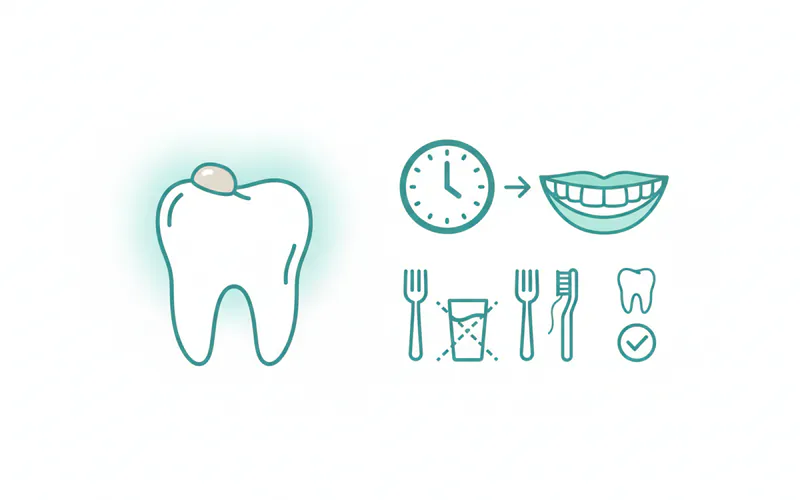
- Dental Bonding: No specific recovery time. You can eat and drink normally immediately, though avoiding very hard foods for the first 24-48 hours is wise. Avoid staining foods/drinks initially.
- Fillings: Minor sensitivity to hot/cold for a few days is common. Avoid chewing on the treated side until the numbness wears off.
- Veneers/Crowns: Minimal discomfort after the anesthetic wears off, usually managed with over-the-counter pain relievers. Avoid sticky or hard foods for a few days. It takes a few days to adjust to the new feel of your teeth. Gums may be slightly tender.
- Orthodontics: Initial discomfort after adjustments (usually 1-3 days). Requires a soft diet during this period.
- Avulsion (Replantation): Crucial immediate aftercare. The tooth will be splinted. A root canal is often required 1-2 weeks later. Soft diet for several weeks, strict oral hygiene. Regular follow-ups are essential to monitor healing.
General Aftercare for all Incisor Treatments:
- Maintain excellent oral hygiene: Brush gently twice daily with a soft-bristled toothbrush, floss daily.
- Avoid biting on hard objects (ice, pens, hard candy) with treated incisors.
- If you grind your teeth, wear a nightguard.
- Attend regular dental check-ups and cleanings (every 6 months) to ensure the longevity of treatments and overall incisor dental health.
Prevention Strategies
Preventing incisor problems is far more desirable and cost-effective than treating them.
- Excellent Oral Hygiene: Brush your teeth for two minutes, twice daily using a fluoride toothpaste and a soft-bristled brush. Floss daily to remove plaque and food particles from between your incisors and under the gumline.
- Regular Dental Check-ups: Visit your dentist every six months for professional cleanings and examinations. Early detection of issues like decay or gum disease can prevent them from becoming severe.
- Balanced Diet: Limit sugary and acidic foods and drinks, which erode enamel and contribute to decay. Opt for water over sugary beverages.
- Wear a Mouthguard: If you participate in contact sports or grind your teeth at night (bruxism), a custom-fitted mouthguard is essential to protect your incisors from trauma and excessive wear. Studies show sports mouthguards can reduce the risk of dental injuries by up to 60%.
- Avoid Destructive Habits: Do not use your teeth as tools to open bottles, tear packages, or bite nails. This can lead to chips and fractures.
- Fluoride Use: Inquire about professional fluoride treatments or prescription-strength fluoride toothpaste if you are at high risk for decay or sensitivity.
Cost Ranges in the US (with/without insurance)
Dental costs can vary significantly based on location, dentist's fees, and complexity. Below are typical ranges in the US:
| Treatment Type | Without Insurance (Avg. Range) | With Insurance (Avg. Patient Out-of-Pocket) |
|---|---|---|
| Dental Bonding | $150 - $600 per tooth | $50 - $250 per tooth |
| Tooth-Colored Filling | $100 - $450 per tooth | $25 - $150 per tooth |
| Porcelain Veneer | $1,000 - $2,500 per tooth | $500 - $1,500 per tooth |
| Dental Crown | $800 - $3,000 per tooth | $300 - $1,200 per tooth |
| Orthodontics (Braces/Aligners) | $3,000 - $8,000+ total | $1,000 - $4,000+ total |
| Emergency Visit (Trauma) | $100 - $500 initial fee | $50 - $200 initial fee |
| Root Canal (Anterior) | $800 - $1,500 per tooth | $300 - $800 per tooth |
Note: Dental insurance plans vary greatly in their coverage (e.g., 50-80% coverage for basic procedures, 25-50% for major procedures, often with annual maximums of $1,000 - $2,000).
Comparison Table: Aesthetic Restorations for Incisors
When an incisor has a chip, minor fracture, or aesthetic imperfection, several options exist.
| Feature | Dental Bonding (Composite Resin) | Porcelain Veneer (Custom Ceramic) | Dental Crown (Full Coverage) |
|---|---|---|---|
| Ideal For | Small chips, gaps, minor discoloration, temporary fixes | Moderate chips, discoloration, minor misalignment, spacing, shape correction | Extensive damage, large fractures, severe decay, root canal treated teeth, full coverage restoration |
| Tooth Prep. | Minimal or none | Minimal enamel removal (~0.5 mm) | Significant tooth reduction (all sides) |
| Durability | 5-10 years | 10-15+ years | 10-20+ years |
| Aesthetics | Good, can stain over time | Excellent, highly stain-resistant | Excellent, highly stain-resistant |
| Cost (US) | $150 - $600 per tooth | $1,000 - $2,500 per tooth | $800 - $3,000 per tooth |
| Appointments | Usually 1 | 2-3 | 2-3 |
| Reversibility | Partially reversible (can be removed/re-bonded) | Irreversible (tooth reduction) | Irreversible (tooth reduction) |
| Strength | Moderate | High | Very High |
| Maintenance | Avoid staining foods, proper hygiene | Proper hygiene, avoid biting hard objects | Proper hygiene, avoid biting hard objects |
For Parents / Pediatric Considerations
Incisors are particularly important in childhood, as primary incisors are the first teeth to erupt, and permanent incisors are among the first permanent teeth to appear.
- Primary Incisors: These baby teeth are crucial for a child's early speech development, ability to bite and chew solid foods, and maintaining space for the future permanent teeth. Early childhood caries (ECC), often called "baby bottle decay," commonly affects the upper primary incisors due to prolonged exposure to sugary liquids. It's vital to begin oral hygiene as soon as the first tooth erupts and schedule the first dental visit by age one.
- Teething: The eruption of primary incisors can cause discomfort, redness, and drooling. Soothing measures include chilled teething rings or gentle gum massage.
- Dental Trauma: Due to their active lifestyles, children are highly prone to incisor trauma. Falls, sports injuries, or playground accidents can lead to chips, fractures, luxation (displacement), or avulsion (knocked-out tooth) of primary or permanent incisors.
- If a permanent incisor is knocked out (avulsed): It's a dental emergency. Handle the tooth by the crown (not the root), rinse gently with milk or saline, and attempt to reinsert it into the socket. If not possible, keep it in milk, saline, or saliva and get to a dentist immediately (ideally within 30 minutes).
- If a primary incisor is knocked out: Do NOT reinsert it, as it could damage the developing permanent tooth underneath. Seek dental evaluation to ensure no fragments remain and to check for damage to adjacent teeth.
- Thumb Sucking/Pacifier Use: Prolonged habits (beyond age 4-5) can lead to misalignment of the incisors, affecting bite development. Early intervention can prevent significant orthodontic issues.
- Space Maintainers: If a primary incisor is lost prematurely due to decay or trauma, the dentist might recommend a space maintainer to prevent adjacent teeth from shifting and blocking the eruption path of the permanent incisor.
Frequently Asked Questions
What is the primary function of an incisor?
The primary function of an incisor is to bite into and cut food. Their flat, chisel-shaped design makes them highly efficient for this initial stage of chewing. They also play a crucial role in speech articulation, supporting the lips, and contributing to facial aesthetics.
How many incisors does an adult typically have?
An adult typically has eight incisors: four in the upper jaw and four in the lower jaw. These consist of two central incisors and two lateral incisors in each arch.
Is it painful to have an incisor treated?
The pain level during incisor dental treatment largely depends on the specific procedure. For simple treatments like fillings or bonding for minor chips, local anesthesia is often used, making the procedure pain-free. For more invasive procedures like root canals or crown preparations, local anesthesia will be administered to ensure you don't feel pain. Post-treatment discomfort is usually manageable with over-the-counter pain relievers.
How long does an incisor treatment last?
The duration of treatment varies:
- Dental Bonding/Fillings: Typically 30-60 minutes per tooth.
- Veneers/Crowns: Requires 2-3 appointments over 1-3 weeks.
- Root Canal: Usually 1-2 appointments, each lasting 60-90 minutes.
- Orthodontics: Can range from 6 months to 2 years or more, depending on the complexity. The longevity of the restoration itself also varies, with bonding lasting 5-10 years, veneers 10-15+ years, and crowns 10-20+ years.
What are the alternatives to bonding or veneers for a chipped incisor?
Alternatives include:
- Dental Crowns: For more significant damage, providing full coverage and strength.
- No Treatment: For very minor, non-symptomatic chips (though can worsen over time).
- Enamel Contouring/Shaping: For minimal aesthetic adjustments without adding material.
- Orthodontics: If the chip is due to a bite problem that needs correction before restoration. The choice depends on the extent of damage, aesthetic goals, and budget.
Does dental insurance cover incisor treatments?
Most dental insurance plans in the US offer some level of coverage for incisor treatments.
- Preventive care (check-ups, cleanings) is often covered at 80-100%.
- Basic restorative procedures (fillings, minor bonding) typically have 50-80% coverage.
- Major procedures (crowns, veneers, root canals) often have 25-50% coverage.
- Orthodontics may be covered for children up to age 18 or in specific adult plans. However, specific coverage varies greatly by plan, deductible, and annual maximums. It's always best to contact your insurance provider directly or have your dental office submit a pre-treatment estimate.
Can incisors be sensitive to hot and cold after treatment?
Yes, it is common to experience some temporary sensitivity to hot and cold after treatments like fillings, bonding, crowns, or veneers. This is usually mild and resolves within a few days to a few weeks as the tooth settles. If sensitivity persists or is severe, contact your dentist, as it could indicate a deeper issue or a need for adjustment.
What's the difference between an incisor and a canine?
While both are anterior teeth, incisors are the flat, chisel-shaped front teeth designed for biting and cutting. Canines (also known as cuspids) are the pointy, fang-like teeth located on either side of the lateral incisors. Their sharp, conical shape makes them ideal for tearing food. Adults have eight incisors and four canines.
When to See a Dentist
Regular dental check-ups every six months are essential for maintaining the health of your incisors and catching potential problems early. However, certain situations warrant an immediate visit.
See a Dentist Urgently/Immediately if you experience:
- Knocked-out tooth (avulsion): This is a true dental emergency, especially for a permanent incisor. Time is critical for successful replantation.
- Severe pain: Unmanageable pain that persists, especially if it wakes you up at night.
- Major chip or fracture: If a significant portion of the incisor breaks off, exposing the inner layers or causing sharp edges that cut your tongue or cheek.
- Loose incisor: Any tooth mobility, especially after trauma.
- Abscess or severe infection: Swelling in the gums or face near an incisor, accompanied by pain, fever, or pus.
- Impacted object: Something lodged between your incisors that you cannot remove with flossing.
Schedule a routine appointment if you notice:
- Persistent sensitivity to hot, cold, or sweets.
- Minor chips or cracks that are not painful but concern you aesthetically.
- Discoloration or new spots on your incisors.
- Bleeding or swollen gums around your incisors.
- Chronic bad breath.
- A filling or crown that feels loose or has fallen out.
Your incisors are invaluable assets to your oral health and overall well-being. Proactive care and swift action when problems arise will ensure your smile remains healthy, functional, and radiant for years to come.
Medical Disclaimer
This article is for informational purposes only and does not constitute medical advice. Always consult with a qualified dental professional for diagnosis and treatment. Do not delay seeking professional advice because of something you read on this website.