Anterior Teeth
4,695 words · 16 min read
Quick Definition
The six front teeth in each jaw (upper and lower), comprising the central incisors, lateral incisors, and canines. These teeth are primarily used for cutting and tearing food.
Anterior Teeth: Your Definitive Guide to the Front of Your Smile
When you flash a smile, the first teeth people see are your anterior teeth. These crucial components of your oral anatomy are not just about aesthetics; they play a vital role in how you bite, speak, and even breathe. Often referred to simply as your "front teeth," understanding their structure, function, and common issues is key to maintaining a healthy and beautiful smile for life.
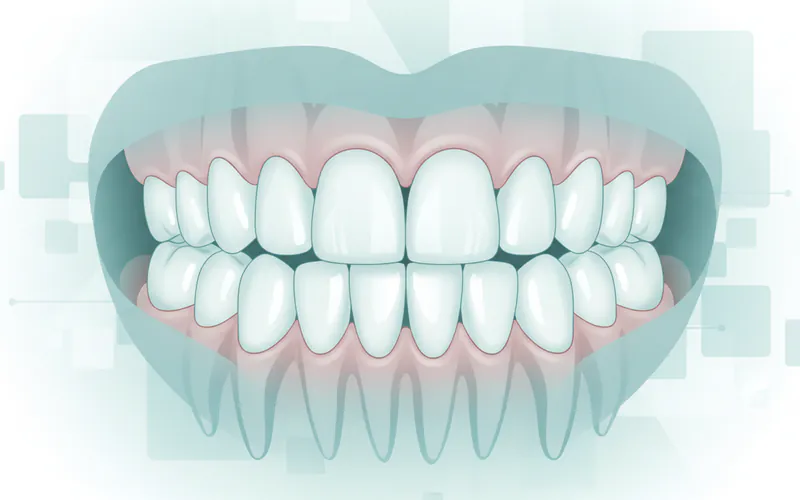
This in-depth guide, brought to you by SmilePedia.net, will be your go-to resource for everything related to anterior teeth. Whether you're searching for "what is anterior teeth" or "anterior teeth dental," we'll cover their types, functions, potential problems, and the latest in diagnosis and treatment options available in the US today. We'll equip you with the knowledge to partner effectively with your dental professional, ensuring your anterior teeth remain strong, healthy, and radiant.
Anterior teeth are the six front teeth in each jaw, making a total of 12 anterior teeth in an adult's mouth. These include the central incisors, lateral incisors, and canines. Their primary functions are cutting and tearing food, facilitating clear speech, and significantly contributing to your facial aesthetics – the very foundation of your "smile zone." Due to their prominent position, anterior teeth are particularly vulnerable to trauma, wear, and aesthetic concerns, making their care a priority for overall dental health. In fact, dental trauma affecting anterior teeth is incredibly common, with studies indicating that 20-30% of children and adolescents experience some form of dental injury, most frequently involving their front teeth. Understanding their importance and how to protect them is essential for everyone, from young children to adults.
Key Takeaways:
- Definition: Anterior teeth are the six front teeth in both the upper and lower jaws (central incisors, lateral incisors, canines).
- Function: Primarily used for cutting and tearing food, aiding in speech, and defining facial aesthetics.
- Vulnerability: Due to their prominent position, they are highly susceptible to trauma, wear, and aesthetic issues.
- Types: Comprise incisors (central and lateral) and canines (cuspids).
- Importance: Crucial for both oral function and the visual appeal of your smile.
- Contrast: Distinguished from posterior teeth (premolars and molars), which are located further back and are designed for grinding food.
Detailed Explanation
Types and Classifications of Anterior Teeth
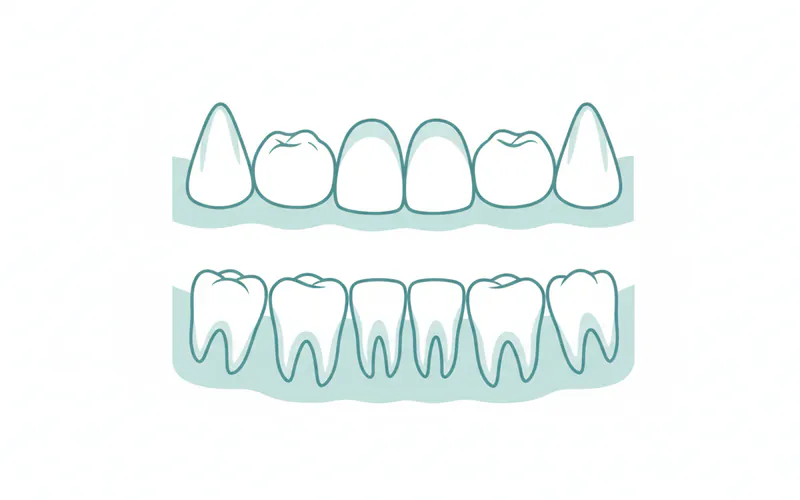
The 12 anterior teeth in an adult's permanent dentition are systematically categorized based on their position and unique shape, each serving a distinct purpose:
-
Incisors:
- Central Incisors: These are the four frontmost teeth, two in the upper jaw (maxilla) and two in the lower jaw (mandible). They are typically the first permanent teeth to erupt (around age 6-8 for mandibular, 7-9 for maxillary). Central incisors have a broad, flat, chisel-like biting edge (incisal edge) perfectly adapted for cutting or incising food. They are also critical for speech articulation (especially 's' and 'th' sounds) and providing lip support.
- Lateral Incisors: Located immediately adjacent to the central incisors, there are four lateral incisors in total (two upper, two lower). They are generally smaller than the central incisors but share a similar function of cutting food. Maxillary lateral incisors are particularly prone to developmental variations, such as being smaller than average ("peg laterals") or even congenitally missing. Eruption typically occurs around age 7-9 for mandibular and 8-10 for maxillary.
-
Canines (Cuspids):
- Positioned at the "corners" of the mouth, flanking the lateral incisors, there are four canines in total (two upper, two lower). Canines are the longest teeth in the human mouth, characterized by a single, pointed cusp. This robust structure makes them ideal for tearing food. They also play a crucial role in guiding the bite and protecting the posterior teeth (premolars and molars) during chewing movements, preventing excessive forces on them. Their strong roots make them exceptionally stable teeth. Canines are usually the last anterior teeth to erupt, typically between ages 9-12 for mandibular and 11-12 for maxillary, filling the space left by their primary predecessors.
Primary (Baby) Anterior Teeth: Children also have 12 primary anterior teeth (central incisors, lateral incisors, and canines), which erupt earlier and are eventually replaced by their permanent counterparts. These primary teeth are vital for proper chewing, speech development, and maintaining space for the permanent teeth to erupt correctly.
Causes and Risk Factors Affecting Anterior Teeth
Given their exposed position, anterior teeth face a unique set of challenges and are susceptible to various issues:
- Trauma: This is perhaps the most significant risk factor. Falls, sports injuries (especially without mouthguards), car accidents, and even biting into hard objects can lead to chips, fractures, displacements (luxations), or even complete avulsion (knocked-out tooth). Approximately one-third of all dental injuries involve the upper central incisors.
- Malocclusion (Bad Bite): Misalignment of the jaws or individual teeth can put undue stress on anterior teeth, leading to uneven wear, chipping, or mobility. An overjet (protruding upper front teeth) increases the risk of trauma by making them more exposed.
- Bruxism (Teeth Grinding/Clenching): Chronic grinding or clenching, often stress-related or occurring during sleep, can cause significant wear and tear on the incisal edges of anterior teeth, leading to flattening, sensitivity, and even cracks.
- Dental Caries (Cavities): While less common on the smooth surfaces of anterior teeth compared to molars, cavities can still develop, particularly between teeth (interproximal) due to inadequate flossing, or along the gumline. A diet high in sugar and poor oral hygiene are primary contributors.
- Periodontal Disease (Gum Disease): Inflammation and infection of the gums and supporting bone can lead to gum recession, root exposure, and eventually tooth mobility or loss, particularly affecting anterior teeth where bone support may be less robust.
- Discoloration: Stains from food, beverages (coffee, tea, red wine), tobacco, certain medications, or intrinsic factors (like trauma to the tooth pulp, excessive fluoride, or developmental anomalies) can affect the aesthetics of anterior teeth.
- Developmental Anomalies: Conditions like peg lateral incisors (congenitally small, pointed lateral incisors), anodontia (missing teeth), or supernumerary teeth (extra teeth) can affect the appearance and function of anterior teeth.
- Acid Erosion: Frequent consumption of acidic foods and drinks (soda, citrus fruits, energy drinks) or conditions like acid reflux and bulimia can erode tooth enamel, making anterior teeth more vulnerable to sensitivity and wear.
Signs and Symptoms to Watch For
Recognizing issues with your anterior teeth early can significantly improve treatment outcomes. Be vigilant for the following signs:
- Pain or Sensitivity: Sharp pain when biting, or sensitivity to hot, cold, or sweet stimuli.
- Visible Damage: Chips, cracks, fractures, or a knocked-out tooth.
- Discoloration: Darkening of a tooth, yellowing, or white spots.
- Loose Teeth: Any noticeable movement or wobbling.
- Gum Swelling or Bleeding: Around the front teeth, indicative of gum disease or infection.
- Changes in Bite: Feeling like your teeth don't fit together correctly.
- Gaps or Spacing: New or widening spaces between teeth.
- Uneven Wear: Flat or shortened incisal edges.
- Speech Changes: Difficulty pronouncing certain words, especially 's' and 'th' sounds.
- Aesthetic Dissatisfaction: Feeling self-conscious about your smile due to the appearance of your front teeth.
Diagnosis Process — What Your Dentist Does
When you visit your dentist with concerns about your anterior teeth, they will conduct a thorough examination to determine the underlying cause and the best course of action.
- Clinical Examination: Your dentist will visually inspect your anterior teeth, gums, and surrounding oral tissues. They will check for chips, cracks, discoloration, signs of wear, gum recession, and any signs of infection or swelling. They may use a dental probe to check for cavities or gum pocket depths.
- Bite Analysis: Your dentist will assess how your upper and lower teeth come together (occlusion) to identify any malocclusion that might be contributing to wear or trauma risk.
- Palpation: Gently feeling the bone and soft tissues around the anterior teeth to check for tenderness or swelling.
- Pulp Vitality Tests: If trauma or deep decay is suspected, your dentist may perform tests to assess the health of the tooth's pulp (nerve). This can include:
- Cold Test: Applying a cold stimulus (like an ice stick or cotton pellet sprayed with refrigerant) to the tooth to gauge its response.
- Electric Pulp Test: Using a device that delivers a mild electrical current to the tooth to stimulate the nerve.
- Dental X-rays:
- Periapical X-rays: Provide detailed images of individual teeth, including their roots and the surrounding bone, helping to detect fractures, abscesses, root damage, or bone loss.
- Bitewing X-rays: Primarily used to detect interproximal cavities (between teeth), which can occur in anterior regions.
- Panoramic X-rays: Offer a broad view of the entire mouth and jaw structures, useful for identifying developmental anomalies, impacted teeth, or widespread bone issues.
- Photography: Clinical photographs are often taken to document the initial condition and track progress, especially for aesthetic treatments.
- Consultation: Based on the findings, your dentist will discuss the diagnosis, explain treatment options, and answer any questions you may have.
Treatment Options with Pros, Cons, and Costs
Treatment for anterior teeth issues is diverse, ranging from simple cosmetic enhancements to complex restorative or surgical procedures. The choice depends on the specific problem, its severity, and your individual needs and budget.
-
Dental Bonding (Composite Resin Bonding)
- Description: A tooth-colored resin material is applied to the tooth, sculpted into shape, hardened with a special light, and polished.
- Used for: Chipped teeth, minor gaps, discoloration, reshaping small teeth.
- Pros:
- Minimally Invasive: Little to no tooth reduction required.
- Quick: Often completed in a single dental visit.
- Inexpensive: One of the most affordable cosmetic solutions.
- Reversible: Can often be removed if desired.
- Cons:
- Less Durable: Not as strong as porcelain, prone to chipping or staining over time.
- Staining: Resin can stain, especially with coffee, tea, and tobacco.
- Lifespan: Typically lasts 5-10 years.
- Cost Range (US): $300 - $600 per tooth (without insurance).
-
Porcelain Veneers
- Description: Thin, custom-made shells of porcelain that are bonded to the front surface of the anterior teeth.
- Used for: Significant discoloration, minor misalignment, chips, gaps, misshapen teeth, enhancing smile aesthetics.
- Pros:
- Highly Aesthetic: Mimic natural tooth translucency and color exceptionally well.
- Durable: Very strong and resistant to chipping once bonded.
- Stain-Resistant: Porcelain is less porous than enamel or composite resin.
- Lifespan: Can last 10-15 years or more with proper care.
- Cons:
- Irreversible: Requires removal of a small amount of enamel.
- Costly: Significant investment.
- Time-Consuming: Typically requires two or more appointments.
- Cost Range (US): $800 - $2,500 per tooth (without insurance).
-
Dental Crowns (Caps)
- Description: A tooth-shaped "cap" placed over the entire visible portion of a tooth, restoring its shape, size, strength, and appearance.
- Used for: Severely damaged, fractured, or weakened anterior teeth (e.g., after a root canal), large cavities, aesthetic enhancement of badly discolored or misshapen teeth.
- Pros:
- Strong and Protective: Encapsulates and protects the entire tooth structure.
- Durable: Can last 10-15 years or more.
- Aesthetic: Modern crowns (porcelain, zirconia) can be highly natural-looking.
- Cons:
- Significant Tooth Reduction: Requires substantial removal of natural tooth structure.
- Costly: Similar to veneers, a significant investment.
- Time-Consuming: Two appointments typically needed.
- Cost Range (US): $800 - $3,000 per tooth (without insurance, depending on material).
-
Orthodontic Treatment
- Description: Braces or clear aligners (e.g., Invisalign) used to gradually move teeth into proper alignment.
- Used for: Correcting crooked anterior teeth, closing gaps, fixing overbites, underbites, or crossbites that affect front teeth.
- Pros:
- Comprehensive Correction: Addresses underlying bite issues and improves overall dental health.
- Long-lasting Results: Provides stable and functional alignment.
- Aesthetic Improvement: Dramatically enhances smile appearance.
- Cons:
- Time-Consuming: Treatment can last from 6 months to 2+ years.
- Costly: One of the more expensive options.
- Maintenance: Requires retainers post-treatment.
- Cost Range (US): $3,000 - $8,000 (without insurance, depending on case complexity and duration).
-
Dental Implants
- Description: A surgical procedure to replace a missing tooth root with a titanium post, which then supports a custom-made crown.
- Used for: Replacing missing anterior teeth, offering a permanent, natural-looking solution.
- Pros:
- Permanent Solution: Fuses with the bone, providing excellent stability.
- Natural Look and Feel: Functions like a natural tooth.
- Preserves Bone: Prevents bone loss that occurs when a tooth is missing.
- Does Not Affect Adjacent Teeth: Unlike bridges, no modification of neighboring teeth is needed.
- Cons:
- Invasive Surgery: Requires a surgical procedure.
- Time-Consuming: Healing and integration can take several months.
- High Cost: Most expensive option for tooth replacement.
- Not Suitable for All: Requires adequate bone density.
- Cost Range (US): $3,000 - $6,000 per implant (crown extra, total $4,000 - $8,000 per tooth replacement without insurance).
-
Root Canal Therapy (Endodontic Treatment)
- Description: Removal of infected or damaged pulp from inside the tooth, cleaning and shaping the root canals, and then filling and sealing them. A crown is usually placed afterward.
- Used for: Saving anterior teeth whose pulp has been severely infected or damaged due to deep decay, trauma, or cracks.
- Pros:
- Saves Natural Tooth: Prevents extraction and preserves natural tooth structure.
- Relieves Pain: Eliminates the source of infection and pain.
- Cons:
- Requires Subsequent Crown: A crown is typically necessary to protect the weakened tooth.
- Multiple Appointments: Can sometimes require two or more visits.
- Cost Range (US): $700 - $1,500 for anterior teeth (excluding the cost of a crown, which is another $800 - $3,000). Post and core for extra support: $300 - $500.
-
Tooth Whitening (Bleaching)
- Description: Professional application of a bleaching agent to lighten the color of anterior teeth.
- Used for: Addressing extrinsic (surface) stains and general yellowing of anterior teeth.
- Pros:
- Non-Invasive: No tooth structure is removed.
- Dramatic Results: Can significantly brighten a smile.
- Quick: In-office treatments can show results in one hour.
- Cons:
- Temporary Sensitivity: Common side effect.
- Not Permanent: Results fade over time, requiring touch-ups.
- Not Effective for All Stains: Intrinsic stains or very dark teeth may not respond well.
- Cost Range (US): $300 - $1,000 for in-office professional whitening.
Step-by-Step: What to Expect During Treatment (Example: Veneer Placement)
Let's walk through a common aesthetic treatment for anterior teeth: porcelain veneers.
- Initial Consultation and Smile Design: Your dentist will discuss your aesthetic goals, examine your teeth, take X-rays, and possibly create digital simulations or wax-ups (models) of your proposed new smile.
- Tooth Preparation (First Appointment):
- A local anesthetic is administered to numb the teeth and gums.
- A small amount of enamel (usually 0.3 to 0.5 millimeters) is carefully removed from the front and sides of the teeth to create space for the veneers.
- Impressions (molds) of your prepared teeth are taken. These will be sent to a dental lab where your custom veneers are fabricated.
- Temporary veneers may be placed to protect your prepared teeth and allow you to test drive the aesthetics.
- Veneer Bonding (Second Appointment, 1-2 weeks later):
- The temporary veneers are removed, and your teeth are cleaned.
- Your dentist will first "try on" the permanent veneers to check for fit, color, and shape. You'll have an opportunity to approve them.
- The teeth are then etched with an acidic gel to create microscopic pores, allowing for a stronger bond.
- A dental cement (resin) is applied to the back of each veneer, and the veneer is carefully placed onto the tooth.
- A special curing light is used to harden the cement, creating a strong bond.
- Any excess cement is removed, and the veneers are polished.
- Follow-up (Optional): A follow-up appointment may be scheduled a few weeks later to check your bite and ensure everything is comfortable.
Recovery Timeline and Aftercare
Recovery and aftercare vary significantly depending on the treatment.
- Bonding/Whitening: Minimal recovery. Avoid staining foods/drinks for 24-48 hours after whitening. Bonding may require avoiding hard foods initially.
- Veneers/Crowns: Mild sensitivity to hot/cold for a few days to weeks is common. Avoid chewing hard or sticky foods directly after placement until the cement fully sets.
- Orthodontics: Initial discomfort after adjustments is normal. Strict oral hygiene is essential to prevent cavities.
- Implants: Surgical recovery can take several days with swelling and discomfort. Osseointegration (bone fusing with implant) takes 3-6 months.
- Root Canal: The tooth may be sensitive for a few days. The final crown placement is crucial for long-term protection.
General Aftercare for Anterior Teeth:
- Excellent Oral Hygiene: Brush twice daily with a soft-bristled toothbrush and fluoride toothpaste. Floss at least once daily to clean between teeth and around restorations.
- Regular Dental Check-ups: Visit your dentist every six months for cleanings and examinations.
- Avoid Hard/Sticky Foods: Be cautious with nuts, hard candies, and sticky caramels, especially with bonding or veneers, to prevent chipping or dislodging.
- Wear a Mouthguard: If you grind your teeth (bruxism) or play contact sports, a custom-fitted mouthguard is essential to protect your anterior teeth.
- Avoid Using Teeth as Tools: Never open bottles, tear packages, or bite fingernails with your front teeth.
Prevention Strategies
Protecting your anterior teeth from damage and disease is paramount:
- Daily Oral Hygiene: Brush twice a day, floss once a day. This is the bedrock of prevention against cavities and gum disease.
- Balanced Diet: Limit sugary and acidic foods and drinks. Opt for nutrient-rich foods that strengthen teeth.
- Mouthguards for Sports: If you or your child participate in contact sports (basketball, soccer, hockey, martial arts), a custom-fitted athletic mouthguard is non-negotiable. This can reduce the risk of dental trauma by over 60%.
- Nightguards for Bruxism: If you grind or clench your teeth at night, a custom-fabricated nightguard (occlusal splint) will protect your anterior teeth from excessive wear.
- Regular Dental Visits: Professional cleanings and examinations allow your dentist to catch and address problems early.
- Avoid Oral Habits: Refrain from biting nails, chewing ice, or using your teeth to open packages.
- Fluoride: Ensure adequate fluoride intake through fluoridated toothpaste, mouthwash, or professional fluoride treatments to strengthen enamel.
Cost Ranges in the US (with/without insurance)
Dental costs in the US can vary significantly based on location, the dentist's fees, the complexity of the case, and materials used.
- Dental Bonding: $300 - $600 per tooth. Insurance may cover a portion if considered restorative.
- Porcelain Veneers: $800 - $2,500 per tooth. Generally considered cosmetic, so insurance coverage is rare.
- Dental Crowns: $800 - $3,000 per tooth. Insurance typically covers 50-80% if medically necessary (e.g., fractured tooth, post-root canal).
- Orthodontic Treatment: $3,000 - $8,000. Some insurance plans offer orthodontic benefits, often covering 25-50% up to a lifetime maximum.
- Dental Implants: $4,000 - $8,000 per tooth (including crown). Insurance coverage varies widely; some plans cover a small portion of the surgical component or the crown.
- Root Canal Therapy (Anterior): $700 - $1,500. Insurance usually covers 50-80%.
- Professional Whitening: $300 - $1,000. Almost never covered by insurance as it's purely cosmetic.
It's crucial to discuss costs and insurance coverage with your dental office before starting any treatment. Many offices offer payment plans or financing options.
Comparison Table: Aesthetic Treatments for Anterior Teeth
| Feature | Dental Bonding | Porcelain Veneers | Dental Crowns |
|---|---|---|---|
| Purpose | Minor chips, gaps, reshaping, discoloration | Significant aesthetic overhaul, minor alignment, color, shape | Severe damage, large fillings, post-root canal, significant aesthetic issues |
| Material | Composite Resin | Porcelain | Porcelain, Zirconia, PFM |
| Tooth Prep | Minimal to none | Moderate (enamel removal) | Significant (entire tooth reduction) |
| Durability | Good, but prone to wear/stain | Excellent, highly durable | Excellent, very strong |
| Stain Resist. | Moderate, can stain over time | High, very stain-resistant | High, very stain-resistant |
| Cost (per tooth) | $300 - $600 | $800 - $2,500 | $800 - $3,000 |
| Lifespan | 5-10 years | 10-15+ years | 10-15+ years |
| Reversibility | Often reversible | Irreversible | Irreversible |
| Insurance | Limited coverage (restorative) | Rarely covered (cosmetic) | Good coverage (restorative) |
For Parents / Pediatric Considerations
Anterior teeth are particularly significant during childhood.
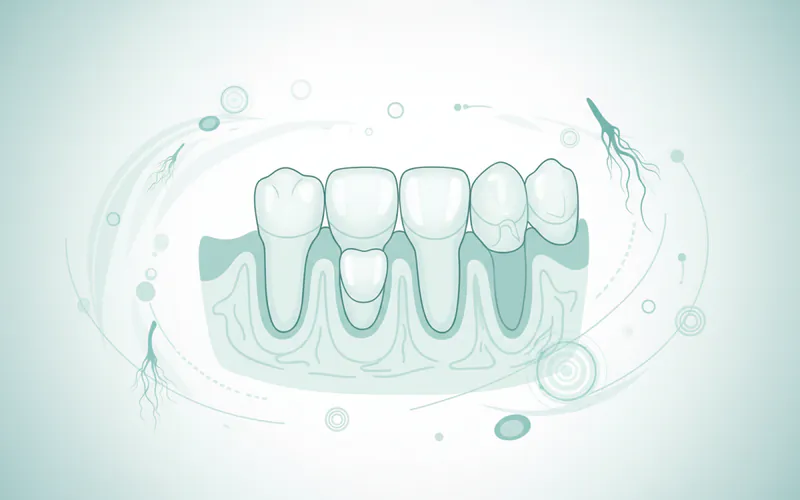
- Primary Anterior Teeth Eruption: The lower central incisors are typically the first teeth to erupt, around 6-10 months of age, followed by the upper central incisors. These primary anterior teeth are essential for a child's early speech development, ability to bite and chew foods, and maintaining space for the permanent teeth to come in correctly. Losing them prematurely can impact speech and potentially lead to crowding issues later.
- High Risk of Trauma: Children's anterior teeth are highly susceptible to trauma due to falls, playground accidents, and sports activities. Up to 30% of preschool children and 50% of school-aged children experience dental trauma, with anterior teeth being the most commonly affected.
- Management of Trauma: If a primary anterior tooth is knocked out, it is generally NOT reimplanted to avoid damage to the developing permanent tooth. If a permanent anterior tooth is knocked out (avulsed), immediate action is critical: gently rinse the tooth (don't scrub), place it back in the socket if possible, or store it in milk or saliva, and get to a dentist within 30-60 minutes.
- Fractures/Chips: Even minor chips should be evaluated by a dentist to assess for nerve involvement and prevent infection.
- Thumb Sucking/Pacifier Use: Prolonged thumb sucking or pacifier use beyond age 3-4 can lead to significant changes in the alignment of anterior teeth and jaw development, often causing an "open bite" (where front teeth don't touch) or protrusion of the upper incisors. Early intervention can prevent these issues from becoming more severe.
- Dental Caries: While often associated with molars, "baby bottle tooth decay" or early childhood caries can severely affect primary anterior teeth, especially the upper incisors, if children fall asleep with bottles containing milk, juice, or sweetened liquids.
Parents should ensure children wear mouthguards during sports, discourage harmful oral habits, and maintain regular dental check-ups starting with the eruption of their first tooth.
Frequently Asked Questions
How much does it cost to fix a chipped front tooth?
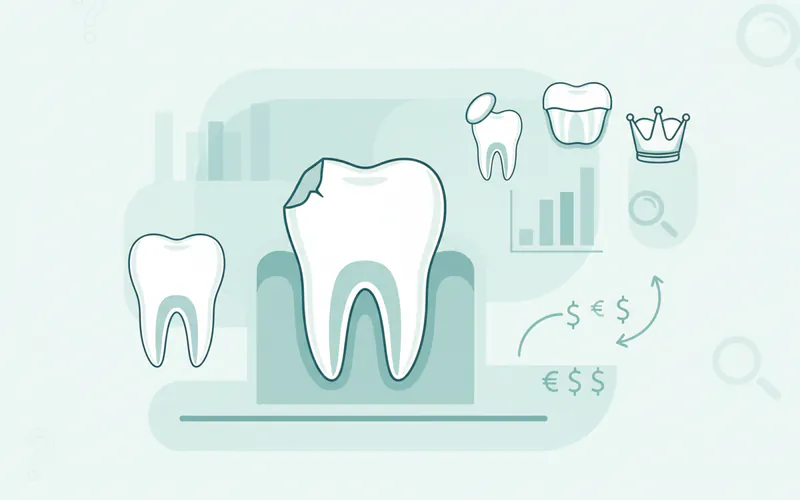
The cost to fix a chipped front tooth in the US can range from $300 to $2,500 or more, depending on the severity of the chip and the chosen treatment. For minor chips, dental bonding is the most affordable option, typically costing $300-$600. For larger chips or more significant aesthetic concerns, a porcelain veneer might be recommended, costing $800-$2,500. If the chip is very deep and affects the tooth's structure significantly, a dental crown might be necessary, costing $800-$3,000. Insurance coverage varies based on whether the treatment is considered restorative or cosmetic.
Are treatments for front teeth painful?
Most treatments for anterior teeth are performed with local anesthesia"), so you should not feel pain during the procedure. You might experience some pressure or vibration. After the anesthesia wears off, it's common to have mild to moderate discomfort, sensitivity, or soreness, depending on the invasiveness of the treatment. Over-the-counter pain relievers (like ibuprofen) are usually sufficient to manage this. Procedures like root canals or implant surgery may involve a few days of more significant discomfort, which your dentist will manage with prescribed medication if needed.
How long do anterior teeth treatments last?
The lifespan of treatments varies:
- Dental Bonding: 5-10 years.
- Porcelain Veneers: 10-15 years or more.
- Dental Crowns: 10-15 years or more.
- Orthodontic Results: Potentially lifelong with proper retainer wear.
- Dental Implants: Can last a lifetime with good oral hygiene.
- Root Canal Treated Teeth: Can last a lifetime if properly restored with a crown.
- Tooth Whitening: Results typically last 6 months to 2 years, requiring touch-ups. Longevity largely depends on your oral hygiene, diet, habits (like bruxism), and regular dental check-ups.
Can I use insurance for anterior teeth problems?
Yes, dental insurance can often be used for anterior teeth problems, especially if the treatment is deemed restorative or medically necessary. For example, procedures like fillings, root canals, and crowns to repair damaged teeth are typically covered at 50-80%. Orthodontic treatment may have specific coverage, often with a lifetime maximum. However, purely cosmetic procedures like porcelain veneers (unless used to repair significant trauma) or professional tooth whitening are generally not covered by insurance. Always check your specific policy and discuss coverage with your dental office's billing specialist.
What are alternatives to braces for crooked front teeth?
For minor crookedness or gaps in anterior teeth, alternatives to traditional braces include:
- Clear Aligners (e.g., Invisalign): A series of clear, removable trays that gradually straighten teeth.
- Dental Bonding: Can mask minor alignment issues or close small gaps.
- Porcelain Veneers: Can create the appearance of straight teeth by covering misaligned or gapped anterior teeth. This is often called "instant orthodontics."
- Inman Aligner or Similar Appliances: Specifically designed to move only the front teeth, offering quicker results for limited cases. The best alternative depends on the extent of the misalignment and your aesthetic goals.
Why are my front teeth sensitive?
Sensitivity in anterior teeth can stem from several causes:
- Enamel Erosion: Loss of enamel due to acidic foods/drinks, aggressive brushing, or bruxism.
- Gum Recession: Exposes the softer root surface (dentin), which is more sensitive.
- Cavities: Decay reaching the dentin or pulp.
- Cracked or Chipped Tooth: Exposing inner layers of the tooth.
- Recent Dental Work: Temporary sensitivity after fillings, bonding, or whitening.
- Pulpitis: Inflammation of the tooth's pulp, sometimes due to deep decay or trauma. If you experience persistent sensitivity, consult your dentist to identify the cause and recommend appropriate treatment.
Is it possible to replace a missing front tooth?
Absolutely. There are several effective options for replacing a missing anterior tooth:
- Dental Implant: Considered the gold standard, an implant replaces both the root and crown, offering a natural look, feel, and long-term stability without affecting adjacent teeth.
- Fixed Dental Bridge: Involves crowning the adjacent teeth and suspending an artificial tooth (pontic) in between.
- Removable Partial Denture: A less permanent and often less comfortable option, but more affordable. Your dentist will help you determine the best solution based on your oral health, budget, and preferences.
When to See a Dentist
Your anterior teeth are vital for both function and confidence. Knowing when to seek professional dental care is crucial.
Emergency Dental Care (See a Dentist Immediately):
- Knocked-Out Tooth (Avulsed Tooth): Time is critical for successful re-implantation.
- Severe Tooth Fracture: Especially if accompanied by pain, visible pulp, or bleeding.
- Extreme Pain: Sudden, severe, or throbbing pain that doesn't subside.
- Abscess or Swelling: Swelling around a front tooth or in your face/jaw, possibly with a visible pimple on the gums, indicates a serious infection.
- Loose Tooth from Trauma: If an anterior tooth becomes very loose or displaced after an injury.
Routine or Urgent Dental Care (Schedule an Appointment Soon):
- Chipped Tooth (Minor): Even if not painful, it can compromise the tooth's structure and aesthetics.
- Persistent Sensitivity: To hot, cold, or sweets.
- Discoloration: A single darkening tooth (could indicate nerve damage) or general yellowing you wish to address.
- Gaps or Misalignment: If you're concerned about your smile's appearance or bite function.
- Signs of Gum Disease: Bleeding gums, redness, or tenderness around your anterior teeth.
- Tooth Wear: Flattened incisal edges or signs of grinding.
- Routine Check-ups: Every six months for cleaning and preventative care, even if you feel no symptoms. Your dentist can detect issues before they become emergencies.
anterior teethfront teethincisors and caninesfront teeth problemssmile zone teeth
Medical Disclaimer
This article is for informational purposes only and does not constitute medical advice. Always consult with a qualified dental professional for diagnosis and treatment. Do not delay seeking professional advice because of something you read on this website.