Local Anesthesia
3,631 words · 12 min read
Quick Definition
Medication injected near the treatment site to numb a specific area of the mouth, preventing pain during dental procedures while the patient remains fully conscious.
Local Anesthesia: Your Definitive Guide to Pain-Free Dental Care
Welcome to SmilePedia.net, your trusted resource for comprehensive dental health information. This in-depth article will serve as the definitive guide to local anesthesia, a cornerstone of modern dentistry that allows millions of patients to receive necessary care comfortably and without pain. If you've ever wondered "what is local anesthesia" or searched for information on "local anesthesia dental," you're in the right place.
Introduction
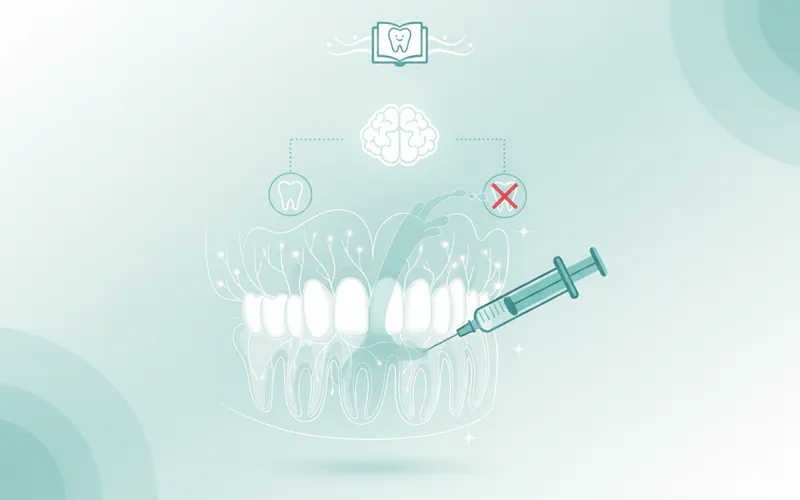
Local anesthesia refers to medication injected near a specific treatment site in the mouth to temporarily numb that area. Its primary purpose is to block nerve signals, effectively preventing pain during various dental procedures while the patient remains fully conscious and aware. This targeted approach ensures that you feel no discomfort during your dental visit, making procedures like fillings, extractions, and root canals entirely manageable.
The ability to provide pain-free dentistry has revolutionized patient experience, transforming what was once a source of anxiety into a routine and often relaxed process. Local anesthesia is incredibly common; it's an essential component of virtually every restorative or surgical dental procedure performed today. In the United States, it's estimated that tens of millions of dental procedures requiring local anesthesia are performed annually, making it one of the most frequently administered medications in healthcare. Its widespread use underscores its safety, effectiveness, and crucial role in promoting overall dental health by enabling timely and effective treatment.
Key Takeaways:
- Local anesthesia is a medication used to numb a specific area of the mouth, preventing pain during dental procedures.
- It allows patients to remain fully conscious and aware throughout their treatment.
- It is crucial for a wide range of common procedures, including fillings, extractions, and root canals.
- Administered via a small injection, often preceded by a topical numbing gel, to minimize discomfort.
- Side effects are generally mild and temporary, with serious reactions being rare.
- It is a safe and highly effective method for ensuring a comfortable dental experience.
Detailed Explanation
Local anesthesia is more than just a shot; it's a sophisticated method designed to precisely manage pain. Understanding its various aspects can help demystify the process and alleviate any apprehension.
Types and Classifications of Local Anesthesia
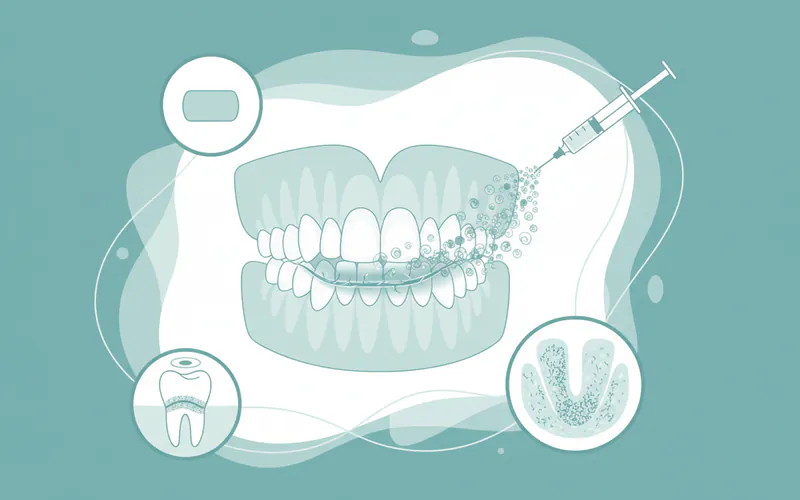
Dental local anesthetics fall into two main chemical classes: amides and esters. While esters (like procaine) were historically common, they are now rarely used in dentistry due to a higher risk of allergic reactions. Today, virtually all dental local anesthetics are amides, known for their safety and efficacy.
Common amide-type local anesthetics used in dentistry include:
- Lidocaine (Xylocaine®): Perhaps the most widely used local anesthetic, Lidocaine provides rapid onset and a moderate duration of action (typically 1-2 hours of soft tissue numbness when used with epinephrine). It's a versatile choice for most routine dental procedures.
- Articaine (Septocaine®): Known for its excellent bone penetration, Articaine is particularly effective for procedures involving maxillary (upper jaw) teeth and often for mandibular (lower jaw) infiltration. It has a slightly shorter duration than Lidocaine but a faster onset.
- Mepivacaine (Carbocaine®): Available with or without a vasoconstrictor, Mepivacaine offers a duration similar to Lidocaine. The plain version (without vasoconstrictor) is useful for shorter procedures or for patients where vasoconstrictors are contraindicated.
- Bupivacaine (Marcaine®): Bupivacaine provides a much longer duration of action (up to 4-6 hours of soft tissue numbness), making it ideal for lengthy or surgically intensive procedures like complex extractions or when prolonged post-operative pain control is desired.
Vasoconstrictors: Many local anesthetics are combined with a vasoconstrictor, most commonly epinephrine (also known as adrenaline). Vasoconstrictors narrow blood vessels in the area, offering several key benefits:
- Prolonged Numbness: By reducing blood flow, the anesthetic remains concentrated at the injection site for a longer period, extending its numbing effect.
- Reduced Bleeding: The constricted blood vessels lead to less bleeding at the treatment site, which improves visibility for the dentist, particularly during surgical procedures.
- Decreased Systemic Absorption: Less anesthetic enters the bloodstream, reducing the risk of systemic side effects and allowing for a higher total dose to be administered safely.
Topical Anesthetics: Before the injection, your dentist will often apply a topical anesthetic gel or spray to the gum tissue. This numbs the surface layer, significantly reducing or even eliminating the sensation of the needle insertion itself, making the entire process more comfortable.
Methods of Administration:
- Infiltration: The anesthetic is injected directly into the soft tissue near the apex (tip) of the tooth's root. This method is primarily used for maxillary teeth and often for individual mandibular incisors, numbing a localized area.
- Nerve Block: For procedures involving multiple teeth in a quadrant, especially in the mandibular arch (lower jaw), a nerve block is often used. The anesthetic is injected near a main nerve trunk, numbing a broader area, including teeth, gums, and often the lip and tongue on that side. The inferior alveolar nerve block is a common example.
Indications for Use and Factors Influencing Choice
Local anesthesia is not a "cause" in the traditional sense, but rather a necessary treatment modality. It is indicated for virtually any dental procedure that could cause pain or discomfort.
Common procedures requiring local anesthesia include:
- Fillings (especially for cavities extending into the dentin layer)
- Extractions (simple and surgical)
- Root canal therapy
- Crown and bridge preparations
- Deep dental cleanings (scaling and root planing)
- Gum surgeries
- Implant placement
- Biopsies
Factors influencing the dentist's choice of anesthetic:
- Patient medical history: Allergies to specific anesthetics, heart conditions (e.g., severe uncontrolled hypertension, recent heart attack) that may contraindicate vasoconstrictors, liver or kidney disease affecting metabolism.
- Type and duration of procedure: Longer procedures may require anesthetics with longer durations (e.g., Bupivacaine).
- Area of treatment: Maxillary teeth often respond well to infiltration, while mandibular molars typically require a nerve block.
- Patient anxiety level: While local anesthesia controls pain, some anxious patients may benefit from additional sedation options (e.g., nitrous oxide) in conjunction with local anesthesia.
- Dentist's preference and experience: Dentists often have preferred anesthetics based on their experience and the specific clinical situation.
Signs and Symptoms to Watch For
Upon administration of local anesthesia, you should expect certain sensations:
- Initial pinch/pressure: This is often brief and quickly subsides as the topical anesthetic and injected solution take effect.
- Numbness and tingling: A characteristic feeling of pins and needles, followed by a heavy, numb sensation in the gums, teeth, lips, and sometimes the tongue and cheek.
- Loss of sensation: You should not feel sharp pain during the procedure, though you may still feel pressure or vibrations.
While local anesthesia is very safe, it's important to be aware of potential, though rare, adverse reactions:
- Prolonged Numbness (Paresthesia): Numbness that lasts significantly longer than the expected duration (days or weeks), often due to nerve irritation or trauma from the injection. While usually temporary, it can rarely be permanent.
- Hematoma: A bruise or swelling caused by the needle nicking a blood vessel during injection. This is usually self-limiting but can cause temporary discoloration and discomfort.
- Allergic Reaction: Extremely rare with amide-type anesthetics. Symptoms can range from mild (rash, itching, hives) to severe (swelling of the face/throat, difficulty breathing, anaphylaxis). Seek immediate medical attention if these severe symptoms occur.
- Systemic Toxicity: Very rare and usually due to accidental intravascular injection or administration of too high a dose. Symptoms can include dizziness, lightheadedness, confusion, blurred vision, muscle twitching, or seizures.
- Reaction to Vasoconstrictor (Epinephrine): Some individuals may experience transient heart palpitations, anxiety, or a jittery feeling due to epinephrine, especially if accidentally injected into a blood vessel or if they are particularly sensitive. These symptoms are usually mild and short-lived.
- Trismus: Difficulty opening the mouth, usually due to muscle soreness or spasm following an injection, often resolving within a few days.
If you experience any unexpected or severe symptoms during or after the administration of local anesthesia, inform your dentist immediately.
Diagnosis Process — What Your Dentist Does
The "diagnosis" for local anesthesia isn't about identifying a condition, but rather determining the appropriate type and amount of anesthetic for your specific needs. This process typically involves:
- Comprehensive Medical History Review: Before any procedure, your dentist will thoroughly review your medical history. This is critical for identifying allergies, current medications, existing health conditions (especially cardiovascular diseases, liver or kidney issues, and neurological disorders), and any previous adverse reactions to anesthesia. Be completely honest and detailed.
- Procedure Assessment: The dentist will evaluate the type, complexity, and anticipated duration of the dental procedure. This dictates the required depth and duration of anesthesia.
- Patient-Specific Considerations: Factors like age (pediatric patients require lower doses), anxiety levels, and specific anatomical features are taken into account.
- Anesthetic Selection: Based on all the above, your dentist will choose the most appropriate local anesthetic agent, whether a vasoconstrictor is needed, and the optimal administration technique (infiltration or nerve block).
- Discussion and Consent: Your dentist should explain what to expect, potential sensations, and answer any questions you may have.
Treatment Options (Anesthetic Choices) with Pros, Cons
While local anesthesia itself is the "treatment" for pain, the choice among various anesthetic agents and their formulations represents different "options."
| Anesthetic Type (Amide) | Vasoconstrictor | Onset (minutes) | Duration (Soft Tissue) | Pros | Cons | Typical Use Cases |
|---|---|---|---|---|---|---|
| Lidocaine | With Epinephrine | 2-5 | 1-2 hours | Versatile, rapid onset, effective for most procedures | Can cause transient palpitations/anxiety in sensitive individuals | Routine restorative, simple extractions, root canals, crown prep, deep cleanings |
| Articaine | With Epinephrine | 1-3 | 1-1.5 hours | Fast onset, excellent bone penetration, potent | Slight increase in paresthesia risk for nerve blocks (rare) | Maxillary infiltration, mandibular infiltration, surgical extractions |
| Mepivacaine | With Epinephrine | 2-5 | 1-1.5 hours | Good for patients sensitive to Lidocaine | Similar to Lidocaine with epinephrine | Routine restorative, simple extractions |
| Mepivacaine (Plain) | Without Epinephrine | 2-5 | 45-60 minutes | Good for patients with vasoconstrictor contraindications (e.g., severe heart conditions) | Shorter duration, more bleeding at site, less profound | Short procedures, patients with certain medical conditions |
| Bupivacaine | With Epinephrine | 5-10 | 4-6 hours | Longest duration, excellent for post-operative pain control | Slower onset, higher risk of cardiotoxicity if accidentally intravascular | Long surgical procedures, complex extractions, where extended pain relief is needed |
Note: Costs for local anesthesia are typically bundled into the overall cost of the dental procedure. Rarely is it billed as a separate item, but if so, it might range from $20 to $100 per injection without insurance. With insurance, it's usually covered as part of the procedure's benefits.
Step-by-Step: What to Expect During Treatment
Understanding the process can significantly reduce anxiety. Here’s what generally happens when you receive local anesthesia:
- Medical History Confirmation: The dental team will once again review your medical history and confirm any allergies or health conditions.
- Topical Anesthetic Application: A cotton swab with a numbing gel (often flavored) is applied to the gum tissue where the injection will be given. This typically sits for 30-60 seconds to pre-numb the surface.
- The Injection: Your dentist will slowly and carefully administer the local anesthetic. They may gently pull the cheek or lip to create tension in the tissue, which can help guide the needle and minimize sensation. You might feel a slight "pinch" or "pressure" as the solution is injected. Many dentists use distraction techniques or talk you through the process.
- Onset of Numbness: Within a few minutes (the exact time depends on the anesthetic and injection site), you will begin to feel the characteristic numbness and tingling spreading through the area.
- Confirmation of Numbness: Your dentist will typically test the area to ensure it's adequately numb before starting the procedure, often by gently prodding the gum or tooth.
- Procedure Commencement: Once assured you are comfortable and numb, the dental procedure will begin. You should not feel pain, though you may feel pressure, vibration, or movement.
- Post-Procedure Care: After the procedure, your dentist or hygienist will provide specific aftercare instructions, especially regarding the lingering numbness.
``
Recovery Timeline and Aftercare
The effects of local anesthesia are temporary and wear off gradually.
- Duration: Numbness typically lasts for 1 to 4 hours, depending on the type and amount of anesthetic used, and the individual's metabolism. Bupivacaine can last much longer, up to 6-8 hours for soft tissue numbness.
- Sensation Return: You will first notice a tingling or "pins and needles" sensation as the numbness begins to fade. Full sensation will slowly return to your lips, tongue, gums, and teeth.
- Post-Operative Discomfort: Once the anesthesia wears off, you may experience some soreness or mild pain at the injection site or from the dental procedure itself. This is normal and can usually be managed with over-the-counter pain relievers like ibuprofen or acetaminophen.
- Eating and Drinking Precautions: While numb, be very careful when eating or drinking. It's easy to accidentally bite your cheek, lip, or tongue without realizing it, which can cause painful sores. Avoid very hot foods or liquids, as you won't be able to gauge their temperature. It's generally best to wait until the numbness has completely worn off before consuming food, especially solid foods.
- Swelling/Bruising: Mild swelling or bruising at the injection site is uncommon but can occur. Applying a cold compress can help reduce this.
- Contact Your Dentist If:
- Numbness persists for an unusually long time (e.g., more than 24 hours).
- You develop severe pain, swelling, or signs of infection at the injection site.
- You experience an allergic reaction (rash, difficulty breathing).
- You have any concerns about your recovery.
Minimizing Discomfort and Risks Associated with Local Anesthesia
While local anesthesia is generally safe, proactive steps can enhance your experience and minimize potential issues.
- Be Honest with Your Dentist: Provide a complete and accurate medical history, including all medications (prescription and over-the-counter), supplements, allergies, and any previous reactions to anesthesia. This is the most crucial prevention strategy.
- Communicate During the Procedure: If you feel any pain, discomfort, or anxiety during the injection or procedure, tell your dentist immediately. They can adjust the technique or administer more anesthetic.
- Choose an Experienced Dentist: A skilled and gentle dentist will administer injections slowly and precisely, reducing discomfort and the risk of complications.
- Relaxation Techniques: Deep breathing exercises or listening to music can help manage anxiety before and during the injection.
- Avoid Eating/Drinking While Numb: This prevents accidental biting of soft tissues.
- Stay Hydrated: Drink plenty of water before and after your appointment.
``
Cost Ranges in the US
As mentioned, local anesthesia is almost always included in the cost of the dental procedure itself. It is considered an integral part of providing comfortable and effective dental care. Therefore, you typically won't see a separate line item charge for local anesthesia on your bill. The fee for the filling, extraction, or root canal incorporates the cost of materials, the dentist's time, and the necessary anesthesia.
- With Insurance: Most dental insurance plans cover local anesthesia as part of the overall procedure coverage. The percentage of coverage (e.g., 80% for basic procedures, 50% for major procedures) will apply to the total cost, including the anesthesia.
- Without Insurance: If you are paying out-of-pocket, the full cost of the procedure will include the anesthesia. For example, a simple filling might range from $100 to $300, and a local anesthetic is part of that cost. A simple extraction could be $150 to $400.
If, in a rare scenario, a dentist were to charge for a standalone anesthetic injection (e.g., for diagnostic purposes), it might cost between $20 and $100. This is highly unusual for standard treatment.
For Parents / Pediatric Considerations
Administering local anesthesia to children requires special care and consideration.
- Lower Doses: Children receive smaller, carefully calculated doses based on their weight to ensure safety.
- Special Anesthetics: Some anesthetics (like Articaine) are often favored for their rapid onset and effectiveness in children.
- Communication is Key: Dentists and parents should explain the process to children in simple, reassuring terms, avoiding frightening words like "shot" or "pain." Using phrases like "sleepy juice" or "wiggle jiggle" can help.
- Risk of Self-Inflicted Injury: Children are particularly prone to accidentally biting or chewing on their numb lips, cheeks, or tongue. Parents must be vigilant and remind children not to do so until the numbness has completely worn off. This is a common concern and can lead to significant tissue trauma.
- Nitrous Oxide: Often, nitrous oxide (laughing gas) is used in conjunction with local anesthesia for pediatric patients to help them relax and cooperate, making the injection process easier.
- Topical Anesthetics are Essential: Using flavored topical anesthetics is particularly helpful for children to minimize the initial pinch.
``
Frequently Asked Questions
Here are some of the most common questions patients have about local anesthesia.
How much does local anesthesia cost?
Local anesthesia is almost always included in the total cost of the dental procedure (e.g., for a filling, extraction, or root canal). You typically won't see a separate charge for it. If, in a rare instance, it were billed separately, it might range from $20 to $100.
Is local anesthesia painful?
The initial administration of local anesthesia may involve a brief "pinch" or "pressure" sensation, which is often minimized by topical numbing gel. Once the anesthetic takes effect, you should not feel any sharp pain during the dental procedure itself, only pressure or vibration.
How long does local anesthesia last?
The effects of local anesthesia typically last for 1 to 4 hours, depending on the specific anesthetic used, the dose, and the individual's metabolism. Some longer-acting anesthetics like Bupivacaine can keep the area numb for 4-8 hours.
Are there alternatives to local anesthesia?
For managing pain during a dental procedure, local anesthesia is the gold standard. However, for patients with severe anxiety or for very extensive procedures, alternatives or supplements exist:
- Sedation Dentistry: Nitrous oxide (laughing gas), oral sedatives (pills), or intravenous (IV) sedation can help you relax or even drift into a sleep-like state, but local anesthesia is still used for pain control.
- General Anesthesia: In very rare cases, typically for extremely complex surgeries, uncooperative children, or patients with severe medical conditions, general anesthesia might be administered in a hospital setting, putting you completely to sleep.
Does dental insurance cover local anesthesia?
Yes, most dental insurance plans cover local anesthesia as part of the overall cost of the dental procedure it accompanies. The coverage percentage (e.g., 80% for basic restorative procedures) will apply to the combined fee.
Can I eat or drink after local anesthesia?
It is strongly recommended to wait until the numbness has completely worn off before eating or drinking, especially hot liquids or solid foods. While numb, you can easily bite your cheek, lip, or tongue without realizing it, leading to painful injuries. It also makes it difficult to chew properly and gauge the temperature of food/drinks.
What if I'm allergic to local anesthesia?
True allergic reactions to amide-type local anesthetics (Lidocaine, Articaine, etc.) are extremely rare. Most reported "allergies" are actually reactions to epinephrine (e.g., jitters, rapid heart rate) or anxiety attacks. If you have a confirmed allergy, your dentist will have alternative options, such as using a different class of anesthetic (if available and safe), or referring you to an oral surgeon or allergist for specialized care. Always inform your dentist of any past reactions.
Is it safe to get local anesthesia while pregnant?
Yes, generally it is considered safe to receive local anesthesia during pregnancy, especially Lidocaine (which is classified as Category B by the FDA, meaning no evidence of risk in humans). Your dentist will use the lowest effective dose and may avoid or limit vasoconstrictors like epinephrine. Always inform your dentist that you are pregnant, and ideally, consult with your obstetrician.
When to See a Dentist
Routine Care: You will need local anesthesia whenever you undergo a dental procedure that has the potential to cause pain or discomfort, such as getting a filling for a cavity, having a tooth extracted, undergoing a root canal, or preparing a tooth for a crown. Your dentist will determine if local anesthesia is needed during your treatment planning.
Emergency Signs: While rare, certain symptoms after local anesthesia warrant immediate contact with your dentist or emergency medical services:
- Signs of a severe allergic reaction: Difficulty breathing, swelling of the face, throat, or tongue, widespread rash, or hives.
- Severe, unmanageable pain: Pain that doesn't subside or worsens significantly after the numbness wears off, especially at the injection site.
- Prolonged numbness or weakness: Numbness, tingling, or muscle weakness that persists for several days or weeks beyond the expected duration.
- Signs of infection: Redness, heat, pus, or severe swelling at the injection site.
- Any unusual or concerning systemic reactions: Severe dizziness, confusion, vision changes, or irregular heartbeats.
Local anesthesia is a gift of modern dentistry, allowing for effective, pain-free dental care. By understanding how it works and what to expect, you can approach your next dental appointment with confidence and peace of mind.
Medical Disclaimer
This article is for informational purposes only and does not constitute medical advice. Always consult with a qualified dental professional for diagnosis and treatment. Do not delay seeking professional advice because of something you read on this website.