Filling
4,072 words · 14 min read
Quick Definition
A dental restoration used to repair a tooth damaged by decay. The decayed portion is removed and filled with a material such as composite resin, amalgam, gold, or ceramic.
Filling: An In-Depth Guide to Dental Restorations
A dental filling is a common and essential restoration procedure used to repair a tooth damaged by decay, cracks, or fractures. When a tooth develops a cavity – a hole formed by bacterial acid eroding tooth enamel – a dental filling becomes necessary to prevent further damage, alleviate pain, and restore the tooth's function and integrity. This process involves carefully removing the decayed or damaged portion of the tooth and then "filling" the space with a durable material designed to protect the tooth from future harm and allow it to function normally. From the classic silver amalgam to tooth-colored composite resin, fillings are a cornerstone of modern dentistry, safeguarding smiles across the United States.
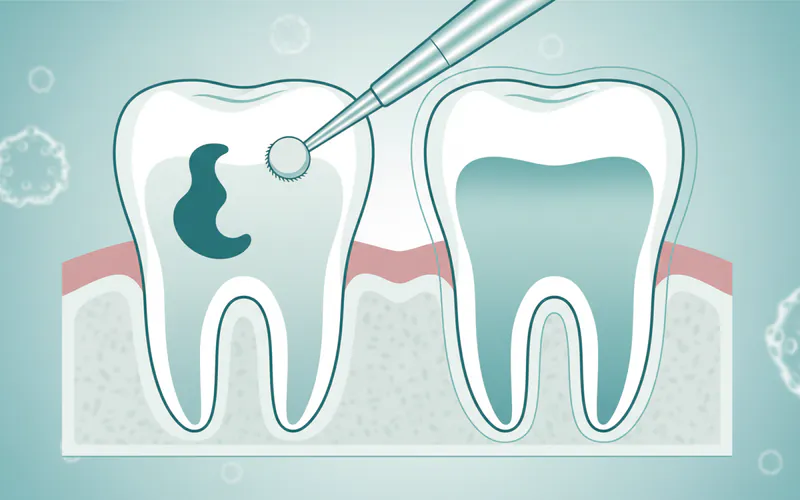
Understanding what a dental filling is, why it's needed, and the various options available is crucial for maintaining optimal oral health. Dental caries, the disease that leads to cavities, remains one of the most prevalent chronic diseases worldwide, affecting people of all ages. In the U.S., a staggering 92% of adults aged 20-64 have had dental caries in their permanent teeth, and 26% of adults have untreated tooth decay, according to the CDC. This high prevalence underscores the importance of fillings as a frontline defense against progressive tooth decay and the potential for more severe dental issues. For millions, a filling is the difference between a minor dental issue and a painful, complex problem requiring root canals or tooth extraction.
Key Takeaways:
- A dental filling repairs teeth damaged by decay (cavities), cracks, or fractures.
- It involves removing the damaged tooth structure and placing a restorative material.
- Common filling materials include amalgam (silver), composite resin (tooth-colored), gold, and ceramic.
- Fillings prevent further decay, restore tooth function, and alleviate pain.
- Regular dental check-ups and good oral hygiene are crucial for early detection and prevention.
- The choice of filling material depends on factors like location, cost, aesthetics, and durability.
Types and Classifications of Dental Fillings
Dental fillings are classified primarily by the material used. Each material offers a unique set of advantages and disadvantages, making the choice dependent on the specific tooth, location, patient preferences, and budget.
-
Amalgam Fillings (Silver Fillings):
- Description: A mixture of metals, primarily silver, tin, copper, and mercury. Amalgam has been used for over 150 years.
- Pros: Highly durable, very strong, relatively inexpensive, lasts a long time (10-15+ years), and is resistant to wear. Easy to place.
- Cons: Silver color is not aesthetic (highly visible), requires more tooth structure removal compared to composite, can expand and contract with temperature changes (potentially leading to cracks over time), and some patients have concerns about mercury content (though major health organizations deem it safe).
- Best For: Back teeth (molars) where chewing forces are strongest and aesthetics are less of a concern.
-
Composite Resin Fillings (Tooth-Colored Fillings):
- Description: A blend of plastic and fine glass particles. These are the most popular choice for their natural appearance.
- Pros: Esthetically pleasing as they can be matched to the natural tooth color, bond directly to the tooth structure (requiring less tooth removal than amalgam), versatile for small to medium-sized restorations.
- Cons: Generally less durable than amalgam or gold (typically last 5-7 years, but can be 10+), may chip or wear down more easily, can stain over time from coffee, tea, or tobacco, and are generally more expensive than amalgam.
- Best For: Front teeth where aesthetics are paramount, visible chewing surfaces, and smaller cavities.
-
Gold Fillings (Cast Gold Fillings):
- Description: Gold inlays or onlays are custom-made in a dental lab and then cemented into place.
- Pros: Extremely durable and long-lasting (15-20+ years, often outliving the tooth itself), very strong, non-corrosive, well-tolerated by gum tissue.
- Cons: Very expensive (often the most expensive option), requires at least two dental visits, highly visible gold color is not aesthetic, and galvanic shock can occur if placed next to an amalgam filling.
- Best For: Patients seeking the ultimate in durability and willing to invest significantly; often used for molars or specific situations.
-
Ceramic Fillings (Porcelain Fillings/Inlays/Onlays):
- Description: Made of porcelain material, custom-fabricated in a lab or chairside with CAD/CAM technology, then bonded to the tooth.
- Pros: Highly aesthetic as they can perfectly match tooth color, very durable and resistant to staining, biocompatible, and generally last a long time (10-15 years).
- Cons: Expensive (comparable to gold), more brittle than composite or amalgam (can fracture under extreme pressure), and requires at least two visits if lab-fabricated.
- Best For: Patients desiring high aesthetics and durability, often for larger restorations on visible teeth where strength is needed.
-
Glass Ionomer Cement (GIC) Fillings:
- Description: A tooth-colored material made from acrylic and a component of glass.
- Pros: Releases fluoride, which can help prevent further decay, bonds well to the tooth, and is biocompatible.
- Cons: Weaker than composite or amalgam, less resistant to wear and fracture, and typically has a shorter lifespan (around 5 years or less).
- Best For: Small, non-load-bearing cavities, temporary fillings, and for children's primary (baby) teeth.
Causes and Risk Factors for Cavities Requiring Fillings
The primary reason for needing a filling dental procedure is tooth decay, which leads to cavities. However, other factors can also necessitate a filling.
- Tooth Decay (Dental Caries): This is the leading cause. It occurs when bacteria in plaque, a sticky film that constantly forms on teeth, produce acids after consuming sugars and starches from food. These acids erode the enamel, creating tiny holes that grow into larger cavities if untreated.
- Cracked or Fractured Teeth: Trauma, teeth grinding (bruxism), or biting down on hard objects can crack or fracture a tooth. These cracks can expose the sensitive inner layers of the tooth, requiring a filling to seal and protect it.
- Worn Teeth: Excessive teeth grinding, aggressive brushing, or acidic erosion can wear down tooth structure, creating sensitivity or vulnerability to decay, necessitating a filling.
- Failed Existing Restoration: Old fillings can crack, wear down, or develop gaps, allowing bacteria to seep underneath and cause "secondary decay," requiring replacement.
Risk Factors:
- Poor Oral Hygiene: Infrequent or ineffective brushing and flossing allow plaque to build up.
- Sugary and Acidic Diet: Frequent consumption of sugary drinks, candies, and acidic foods fuels the bacteria that cause decay.
- Dry Mouth (Xerostomia): Saliva helps wash away food particles and neutralize acids. Reduced saliva flow (due to medications, medical conditions, or aging) increases decay risk.
- Deep Pits and Grooves: Naturally occurring deep fissures on the chewing surfaces of molars can trap food and bacteria, making them harder to clean and more susceptible to decay.
- Inadequate Fluoride Exposure: Fluoride strengthens enamel and makes it more resistant to acid attacks.
- Certain Medical Conditions/Medications: Some conditions (e.g., acid reflux) and medications can increase decay risk.
- Genetics: Some individuals may be genetically more prone to tooth decay.
Signs and Symptoms to Watch For
Recognizing the signs and symptoms that might indicate the need for a dental filling is crucial for early intervention.
- Tooth Sensitivity: Pain or discomfort when consuming hot, cold, sweet, or acidic foods and drinks. This can be a sign that decay has reached the dentin (the layer beneath enamel).
- Persistent Toothache: A constant, dull ache or sharp pain in a tooth.
- Visible Holes or Pits: You might notice a small hole, pit, or dark spot on the surface of a tooth.
- Food Trapping: Food consistently getting stuck in a particular area of your teeth, indicating a possible gap or cavity.
- Dark Spots or Stains: Discoloration on the tooth surface, which could be an early sign of decay.
- Pain When Biting or Chewing: This can indicate a crack, fracture, or deep decay.
- Rough Edges: Feeling a rough edge with your tongue or seeing a chipped area on a tooth or an existing filling.
- Lost or Damaged Filling: If an old filling falls out or becomes visibly broken, the tooth is exposed and needs immediate attention.
Diagnosis Process — What Your Dentist Does
When you visit your dentist with concerns or for a routine check-up, they employ several methods to determine if you need a filling.
- Visual Examination: The dentist will carefully examine your teeth for visible signs of decay, such as dark spots, holes, or discoloration. They also look for cracks, chips, and signs of wear.
- Dental Explorer: A small, specialized instrument called an explorer is used to gently probe the tooth surface. If it catches in a soft spot, it can indicate a cavity.
- Dental X-rays (Radiographs): Bitewing X-rays are particularly useful for detecting decay between teeth (interproximal decay) and beneath existing fillings, areas not visible during a visual exam. X-rays can also show the extent of decay and involvement of the inner tooth structures. ``
- Transillumination: Shining a bright light through the tooth can reveal shadows or inconsistencies that indicate cracks or decay.
- Laser Fluorescence Devices: Some dentists use devices that measure changes in laser light reflected from the tooth surface to detect early decay, often before it's visible to the naked eye.
Based on these diagnostic tools, your dentist will explain their findings, discuss the severity of the decay or damage, and recommend the most appropriate filling dental treatment plan.
Treatment Options with Pros, Cons, and Costs
As detailed in the "Types and Classifications" section, the "treatment options" for a cavity largely refer to the choice of filling material. Here's a summary table focusing on the practical aspects of treatment choice:
| Filling Material | Pros | Cons | Typical Cost Range (US$) | Lifespan (Years) |
|---|---|---|---|---|
| Amalgam | Durable, strong, inexpensive, long-lasting | Not aesthetic (silver), requires more tooth removal | $50 - $150 | 10-15+ |
| Composite | Aesthetic (tooth-colored), bonds to tooth | Less durable than amalgam/gold, can stain, more expensive | $100 - $250 | 5-10+ |
| Gold | Extremely durable, very long-lasting, strong | Very expensive, two visits, not aesthetic (gold) | $300 - $1,000+ | 15-20+ |
| Ceramic | Highly aesthetic, durable, stain-resistant | Expensive, more brittle than metal, two visits | $250 - $800+ | 10-15 |
| Glass Ionomer | Fluoride release, bonds well, biocompatible | Weaker, less durable, shorter lifespan | $75 - $200 | 3-5 |
Note: Costs are general ranges and can vary significantly based on location, dentist's fees, size of the filling, and insurance coverage.
Step-by-Step: What to Expect During Treatment
Getting a dental filling is a routine procedure, typically completed in a single visit, lasting anywhere from 20 minutes to an hour, depending on the size and location of the cavity.
- Anesthesia (Numbing): The dentist will usually apply a topical numbing gel to the gum, followed by an injection of local anesthetic (e.g., lidocaine) near the affected tooth. This will numb the tooth and surrounding tissues, ensuring a pain-free procedure. You might feel a slight pinch, but the area will quickly become numb.
- Decay Removal: Once the tooth is numb, the dentist will use a high-speed dental drill to carefully remove all decayed or damaged tooth material. The goal is to clean out the cavity thoroughly while preserving as much healthy tooth structure as possible. Water spray is used to keep the area cool and clear debris.
- Cavity Preparation: After removing the decay, the dentist will shape the remaining tooth structure to create a clean, stable surface for the filling material. For amalgam fillings, the cavity might be shaped to hold the material mechanically. For composite fillings, a mild acid gel (etchant) is applied to create microscopic pores for the bonding agent to adhere to, followed by a bonding agent that acts as an adhesive.
- Material Placement:
- Amalgam: The freshly mixed amalgam is packed into the prepared cavity, condensed to eliminate voids, and then sculpted to match the tooth's natural contours.
- Composite: The composite resin is applied in thin layers, each layer hardened with a special blue light (curing light). This light activates a chemical process that hardens the resin.
- Gold/Ceramic (Inlays/Onlays): If an indirect filling (like gold or ceramic inlay/onlay) is chosen, the dentist will take an impression of the prepared tooth. A temporary filling is placed, and you'll return for a second visit once the custom-made restoration is ready to be cemented.
- Shaping and Polishing: Once the filling material is in place and hardened, the dentist will meticulously shape and contour it to restore the tooth's natural form and ensure it fits properly with your bite. They will check your bite with articulating paper (a thin colored paper) and make any necessary adjustments. Finally, the filling is polished for a smooth finish. ``
Recovery Timeline and Aftercare
After receiving a dental filling, proper aftercare ensures comfort and longevity of the restoration.
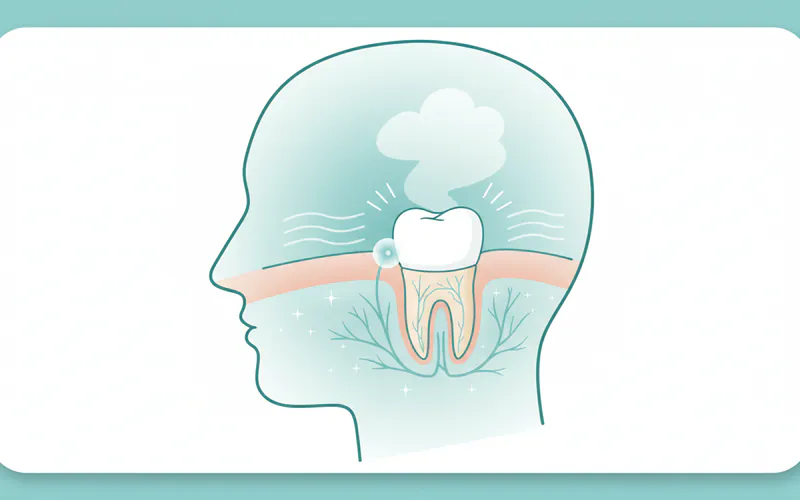
- Initial Numbness: The local anesthetic typically wears off within 1-3 hours. Avoid eating or chewing until the numbness subsides to prevent accidentally biting your cheek or tongue.
- Sensitivity: It's common to experience some sensitivity to hot, cold, or pressure for a few days to a few weeks after a filling. This is usually mild and resolves on its own. Composite fillings might be more prone to post-operative sensitivity initially.
- Pain Management: Over-the-counter pain relievers (like ibuprofen or acetaminophen) can help manage any discomfort.
- Eating: Once the numbness wears off, you can generally eat normally. However, avoid very hard, sticky, or chewy foods on the filled tooth for the first 24 hours, especially with amalgam fillings, which need time to fully set.
- Oral Hygiene: Continue your regular oral hygiene routine: brush twice daily and floss once daily. Be gentle around the new filling initially.
- Follow-up: If sensitivity persists, or if you experience sharp pain, a feeling that your bite is "off," or any other unusual symptoms, contact your dentist. Sometimes, a minor adjustment to the filling is needed.
- Longevity: With good oral hygiene and regular dental check-ups, a filling can last for many years. Amalgam and gold typically last longer than composite or glass ionomer.
Prevention Strategies
Preventing cavities is the best way to avoid needing a dental filling.
- Excellent Oral Hygiene:
- Brush twice a day for at least two minutes with a fluoride toothpaste.
- Floss daily to remove plaque and food particles from between teeth and under the gumline.
- Consider using an antiseptic mouthwash to reduce bacteria.
- Healthy Diet:
- Limit sugary snacks and drinks (sodas, candies, pastries).
- Reduce consumption of acidic foods and beverages (citrus fruits, sports drinks).
- Eat a balanced diet rich in fruits, vegetables, and whole grains.
- Drink plenty of water, especially fluoridated tap water.
- Regular Dental Check-ups and Cleanings:
- Visit your dentist every six months for professional cleanings and examinations. Early detection of decay allows for smaller, less invasive fillings.
- Fluoride Treatments: Your dentist might recommend professional fluoride applications, especially if you're prone to cavities.
- Dental Sealants: For children and sometimes adults, sealants can be applied to the chewing surfaces of molars and premolars. These thin, protective plastic coatings fill in the deep grooves, preventing food and bacteria from getting trapped and causing decay.
- Avoid Tobacco: Smoking and chewing tobacco significantly increase the risk of gum disease and tooth decay.
Cost Ranges in the US (with/without Insurance)
The cost of a dental filling in the US can vary widely based on several factors, including:
- Type of material: Amalgam is generally the least expensive, while gold and ceramic are the most expensive.
- Size of the filling: Larger fillings requiring more material and time will cost more.
- Location of the tooth: Front teeth may be more expensive due to aesthetic demands.
- Location of the dental practice: Costs can differ significantly between urban and rural areas, and between states.
- Dentist's fees: Experienced specialists or practices with advanced technology may charge more.
Here are approximate cost ranges for a single filling without dental insurance:
- Amalgam (Silver) Fillings:
- Small (1-surface): $50 - $120
- Medium (2-surface): $80 - $180
- Large (3+ surface): $100 - $250
- Composite (Tooth-Colored) Fillings:
- Small (1-surface): $100 - $200
- Medium (2-surface): $150 - $300
- Large (3+ surface): $200 - $450
- Glass Ionomer Fillings:
- Typically similar to smaller composite fillings: $75 - $250
- Gold Inlays/Onlays:
- $300 - $1,000+ per tooth
- Ceramic (Porcelain) Inlays/Onlays:
- $250 - $800+ per tooth
With Dental Insurance: Most standard dental insurance plans typically cover a significant portion of the cost of fillings, especially for amalgam. For composite fillings, coverage may vary, with some plans covering them at the same rate as amalgam, while others cover a lower percentage or only cover them for visible front teeth.
- Amalgam: Often covered at 70-80%. Your out-of-pocket might be $15 - $50.
- Composite: Coverage varies, often at 50-70%. Your out-of-pocket might be $30 - $150.
- Gold/Ceramic: Often considered "major restorative" and might be covered at 30-50%, with higher out-of-pocket costs still ranging from $150 - $700+.
It's always best to check with your specific insurance provider for exact coverage details and to get an estimate from your dentist before treatment.
For Parents / Pediatric Considerations
Children are particularly susceptible to cavities, especially in their primary (baby) teeth. The considerations for filling dental procedures in pediatric dentistry include:
- Prevalence: According to the CDC, 45.8% of children aged 2-19 have had dental caries in their primary or permanent teeth.
- Primary Teeth: Even though baby teeth eventually fall out, treating cavities in them is crucial. Untreated decay can cause pain, infection, difficulty eating, and can affect the proper development and eruption of permanent teeth.
- Material Choice:
- Composite resin is a popular choice for children due to its aesthetic appeal and the ability to bond directly to tooth structure, making it a conservative option.
- Glass ionomer cement is also used, particularly for very young children or those at high risk for decay, because it releases fluoride and is less sensitive to moisture during placement.
- Amalgam fillings are still used for larger cavities in molars due to their durability and cost-effectiveness, though composite is often preferred by parents for aesthetic reasons.
- Stainless Steel Crowns: For very large cavities in baby molars, a stainless steel crown might be placed instead of a filling, offering full coverage and protection until the tooth naturally exfoliates.
- Dental Sealants: A highly recommended preventive measure for children. Sealants are thin plastic coatings painted onto the chewing surfaces of molars and premolars to prevent decay in the deep grooves where brushing can't always reach. They can significantly reduce the risk of needing fillings.
- Sedation: For very anxious children or those requiring extensive work, pediatric dentists may offer various sedation options (e.g., nitrous oxide "laughing gas," oral sedation) to ensure a comfortable and safe experience.
- Early Education: Teaching children good oral hygiene habits early on, along with limiting sugary snacks, is vital in preventing the need for fillings.
Frequently Asked Questions
How much does a dental filling cost?
The cost of a dental filling varies significantly based on the material, size, and location, typically ranging from $50 for a small amalgam filling to over $1,000 for a large gold or ceramic inlay. Composite (tooth-colored) fillings usually fall in the $100-$450 range. Dental insurance can cover a portion of these costs, often between 50-80%.
Does getting a filling hurt?
Modern dental filling procedures are generally painless. Your dentist will use a local anesthetic to numb the tooth and surrounding area before beginning any work. You might feel a slight pressure or vibration during the procedure, but you should not experience sharp pain. Some mild sensitivity or discomfort after the anesthetic wears off is common but temporary.
How long does a dental filling last?
The lifespan of a dental filling depends on the material, your oral hygiene habits, and the forces exerted on the tooth.
- Amalgam: 10-15+ years
- Composite: 5-10+ years
- Gold: 15-20+ years
- Ceramic: 10-15 years
- Glass Ionomer: 3-5 years Regular check-ups help monitor the condition of your fillings.

Are there alternatives to dental fillings?
For small cavities or very early decay, alternatives can include fluoride treatments or dental sealants to remineralize enamel or protect the tooth surface. However, once a cavity has formed and penetrated the enamel, a filling dental procedure is generally the most conservative and effective restoration. For very large cavities or extensive tooth damage, alternatives might include crowns (caps), which cover the entire tooth, or in severe cases, root canal therapy followed by a crown, or even tooth extraction if the tooth cannot be saved.
Does dental insurance cover fillings?
Most dental insurance plans cover a significant portion of the cost of dental fillings. Amalgam fillings are usually covered at a higher percentage (e.g., 70-80%) as they are considered a basic restorative procedure. Composite (tooth-colored) fillings are often covered, but sometimes at a slightly lower percentage or only up to the cost of an amalgam filling. Gold and ceramic fillings might be covered as "major restorative" procedures, often at 30-50%. It's crucial to check your specific plan's benefits.
Can a filling be replaced?
Yes, dental fillings can and often need to be replaced over time. Reasons for replacement include:
- Wear and tear: Fillings can wear down, chip, or crack.
- Secondary decay: New decay can form around or underneath an old filling.
- Leaking: Gaps can form between the filling and the tooth, allowing bacteria to enter.
- Cosmetic reasons: Patients may choose to replace old amalgam fillings with tooth-colored composite for aesthetic improvement. The replacement process is similar to getting a new filling.
What are the risks of a dental filling?
While generally safe, some risks associated with dental fillings include:
- Sensitivity: Temporary sensitivity to hot/cold/pressure is common.
- Allergic reaction: Rare, but possible, especially to mercury in amalgam (though typically a skin rash).
- Nerve damage: Very rare, especially with deep cavities, potentially leading to the need for a root canal.
- Fracture: The tooth or filling can fracture, especially with large fillings.
- Galvanic shock: A rare, sharp pain when two different metal fillings (e.g., amalgam and gold) touch in the mouth.
How long after a filling can I eat?
If you received a composite (tooth-colored) filling, you can typically eat as soon as the numbness wears off, as these fillings are hardened immediately by a curing light. For amalgam (silver) fillings, it's generally recommended to wait at least 1 hour, and ideally avoid chewing on the filled tooth for 24 hours, as the material takes time to fully set and achieve maximum strength. Always follow your dentist's specific post-procedure instructions.
When to See a Dentist
It's important to know when to seek professional dental care, both for routine maintenance and in case of an emergency.
- Routine Care: Schedule regular dental check-ups and cleanings every six months. These visits are crucial for early detection of cavities before they become large and problematic, potentially avoiding the need for extensive filling dental procedures or more complex restorations.
- Emergency Signs:
- Persistent or severe tooth pain: Pain that doesn't go away or worsens, especially when biting.
- Extreme sensitivity: Sensitivity to hot or cold that lingers for more than a few seconds.
- Visible hole or crack: If you notice a new hole, crack, or chip in your tooth.
- Lost or loose filling: If an existing filling falls out, feels loose, or you notice a gap around it.
- Swelling: Swelling around a tooth or in your jaw can indicate an infection.
- Bad taste or odor: Persistent bad taste or breath might signal an infection or decay.
Don't wait for pain to become unbearable. Addressing dental issues promptly can prevent them from escalating into more serious and costly problems. Your dentist can accurately diagnose the problem and recommend the most appropriate filling or other restoration to preserve your oral health.
Medical Disclaimer
This article is for informational purposes only and does not constitute medical advice. Always consult with a qualified dental professional for diagnosis and treatment. Do not delay seeking professional advice because of something you read on this website.