Composite
5,276 words · 18 min read
Quick Definition
A tooth-colored filling material made of a mixture of plastic resin and fine glass particles, used for fillings, bonding, and other restorations that blend with natural teeth.
Composite
Introduction
Welcome to SmilePedia.net, your definitive resource for understanding dental health. In the realm of modern dentistry, composite stands out as a revolutionary material that has transformed how we restore and enhance smiles. At its core, a composite dental material is a tooth-colored mixture of plastic resin and fine glass particles, expertly blended to match the natural shade of your teeth. This remarkable versatility makes it the cornerstone for a variety of dental procedures, from filling cavities to cosmetic enhancements like bonding.
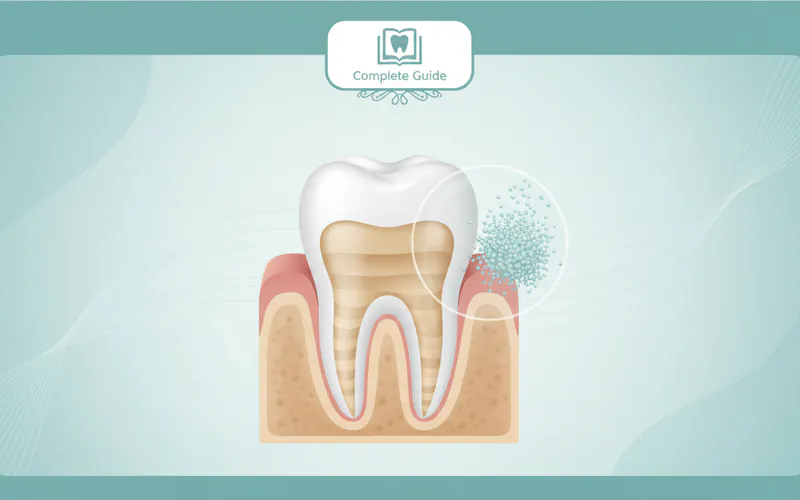
Understanding "what is composite" is crucial for anyone seeking dental treatment today, as it represents a significant advancement over older materials like amalgam. Composite materials are primarily used for fillings to repair teeth affected by decay, cracks, or fractures, and for cosmetic procedures to improve the appearance of discolored or misshapen teeth. Its importance in dental health cannot be overstated; it allows dentists to preserve more natural tooth structure while providing aesthetically pleasing and functional restorations.
Composite fillings are incredibly common. Statistics show that the vast majority of dental restorations performed annually in the United States now utilize composite resin. For instance, according to the American Dental Association, over 90% of adults will experience some form of tooth decay in their lifetime, and composite is overwhelmingly the material of choice for addressing these issues due to its blend of durability and natural appearance. This widespread adoption affects millions of individuals annually, offering a superior alternative for maintaining oral health and the beauty of their smiles.
Key Takeaways:
- Composite is a tooth-colored material made from plastic resin and glass, used to restore and enhance teeth.
- It is primarily used for fillings, bonding, and other cosmetic and restorative procedures.
- Composite offers excellent aesthetics, blending seamlessly with natural teeth.
- Its application is conservative, often requiring less removal of healthy tooth structure compared to amalgam.
- It's a versatile material, used for repairing decay, chips, cracks, and improving tooth shape and color.
- Modern dentistry heavily favors composite due to its durability, biocompatibility, and aesthetic benefits.
Detailed Explanation
Types and Classifications of Composite Materials
The world of composite dental materials is more diverse than many realize, with different formulations designed for specific applications and performance needs. The primary differentiating factor is the size and composition of the filler particles embedded within the resin matrix. These particles are typically made of glass, quartz, or silica, and they are crucial for providing strength, wear resistance, and polishability.
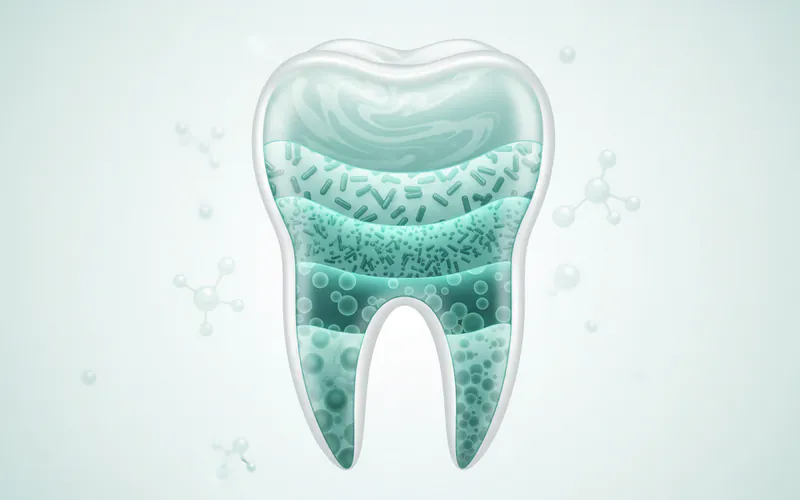
- Macrofilled Composites: These were among the earliest composite materials, characterized by large filler particles (10-100 microns). While strong and durable, their rough surface often led to rapid wear of opposing teeth and made them difficult to polish to a high shine. They are rarely used today.
- Microfilled Composites: Developed to improve aesthetics, microfilled composites contain much smaller filler particles (0.01-0.05 microns). This allows for a very smooth, high-gloss polish, making them ideal for anterior (front) teeth where aesthetics are paramount. However, they tend to be less strong and less wear-resistant than other types, making them less suitable for high-stress areas like molars.
- Hybrid Composites: Combining the best features of macrofilled and microfilled composites, hybrids incorporate a range of particle sizes (macro- and micro-sized, typically 0.6-1.0 microns). This provides a good balance of strength, wear resistance, and polishability, making them suitable for both anterior and posterior fillings. They became the "workhorse" of restorative dentistry for many years.
- Nanofilled Composites: Representing the latest generation, nanofilled composites utilize incredibly tiny nanoparticles (0.005-0.020 microns) and nanoclusters. This unique structure significantly improves strength, wear resistance, and polish retention, often surpassing even hybrid composites. They offer outstanding aesthetics and are suitable for all types of restorations, from small anterior bonding to large posterior fillings.
- Flowable Composites: These are less viscous (thinner) than traditional composites, meaning they can flow easily into small and irregular preparations. They contain a lower percentage of filler particles and are typically used as liners in larger cavities, for small fillings in non-stress-bearing areas, or as sealants. Their flowability makes them easy to manipulate.
- Bulk-Fill Composites: Designed to address the time-consuming layering technique of traditional composites, bulk-fill composites can be placed in thicker increments (up to 4mm or 5mm) and cured in a single step. They often incorporate special photoinitiators or stress-relieving monomers to ensure complete curing and minimize shrinkage. They are increasingly popular for posterior fillings to streamline the procedure.
The choice of composite type depends on the specific clinical situation, including the location of the tooth, the size of the filling, the bite forces, and aesthetic considerations. Your dentist will select the most appropriate material to ensure optimal results.
Causes and Risk Factors for Needing a Composite Restoration
The need for a composite dental restoration often stems from a variety of factors that compromise tooth integrity. Understanding these causes can help in prevention.
- Dental Caries (Cavities): This is the most common reason. Bacteria in plaque produce acids that erode tooth enamel and dentin, creating a hole or cavity. Composite is then used to fill this void after the decayed tissue is removed.
- Tooth Fractures or Chips: Trauma, biting on hard objects, or grinding teeth (bruxism) can lead to chips or fractures in tooth enamel. Composite can effectively repair these, restoring the tooth's form and function.
- Cracked Teeth: Hairline cracks, often invisible to the naked eye, can lead to sensitivity and pain. Composite can be used to seal and reinforce these cracks, preventing further progression.
- Worn Teeth: Excessive wear from bruxism or acidic erosion can lead to flattened or shortened teeth. Composite can be used to rebuild the lost tooth structure.
- Gaps Between Teeth (Diastema): Cosmetic bonding with composite can effectively close small to moderate gaps, improving smile aesthetics without orthodontics.
- Discolored or Misshapen Teeth: For teeth that are stained, discolored, or have minor irregularities in shape, composite bonding offers a quick and effective way to enhance their appearance.
- Replacement of Old Restorations: Many patients opt to replace old, unsightly amalgam fillings with tooth-colored composite for aesthetic reasons, or if the amalgam filling is failing, leaking, or cracked.
Risk factors that increase the likelihood of needing composite restorations primarily revolve around those that contribute to tooth decay and damage: poor oral hygiene, a diet high in sugar and refined carbohydrates, infrequent dental check-ups, acid reflux, dry mouth, and habits like teeth grinding.
Signs and Symptoms to Watch For
Recognizing the signs and symptoms that might indicate the need for a composite dental restoration or a problem with an existing one is vital for timely intervention.
- Tooth Sensitivity: This is one of the most common indicators. You might experience a sharp, fleeting pain when consuming hot, cold, sweet, or acidic foods and drinks. This could signal a new cavity, a leaky existing filling, or exposed dentin.
- Persistent Toothache: A dull ache or sharp pain, especially when biting down or chewing, can indicate a deeper cavity, a cracked tooth, or a problem with an existing filling.
- Visible Holes or Pits: While not always visible, sometimes a cavity can appear as a dark spot, pit, or even a noticeable hole on the tooth surface.
- Roughness or Catching with the Tongue: If you feel a rough spot, a sharp edge, or your tongue catches on a tooth, it could be a chipped tooth, a fractured filling, or a new cavity.
- Food Trapping: Food consistently getting caught in a specific area could indicate a space created by decay or a failing filling.
- Discoloration: Dark spots on the tooth surface, particularly in grooves or between teeth, can be a sign of early decay.
- Lost Filling: If an existing filling falls out, it will create a noticeable void and often sensitivity.
- Cracks or Fractures: Visible lines or cracks on the tooth surface, especially after trauma or if accompanied by pain, warrant dental examination.
If you experience any of these symptoms, it's important to schedule an appointment with your dentist promptly. Early detection and treatment can prevent more extensive damage and more complex procedures down the line.
Diagnosis Process — What Your Dentist Does
When you visit your dentist with concerns, they will employ a systematic approach to diagnose the problem and determine if a composite dental restoration is the appropriate solution.
- Patient History and Symptom Review: Your dentist will begin by asking about your symptoms, including when they started, their severity, and what triggers them. This initial conversation provides crucial clues.
- Visual Examination: Using a small mirror and a bright light, the dentist will carefully inspect your teeth for visible signs of decay (discoloration, holes), cracks, chips, or problems with existing fillings. They'll also check for any signs of gum inflammation around the tooth.
- Dental Explorer: A sharp, pointed instrument called a dental explorer is used to gently probe the surfaces of your teeth, particularly in grooves and pits. If the explorer "catches" on a soft spot, it can indicate a cavity.
- X-rays (Radiographs): Bitewing X-rays are an essential diagnostic tool. They allow the dentist to see between teeth and under existing fillings, areas that are not visible during a visual exam. Decay often appears as a dark shadow on an X-ray. Periapical X-rays may be taken to assess the roots and surrounding bone if infection is suspected.
- Transillumination: A focused beam of light can be shone through the tooth. Cracks and fractures will block or scatter the light, making them more visible.
- Cavity Detection Aids: Some modern dental practices use laser fluorescence devices (e.g., DIAGNOdent) or other electronic cavity detectors. These tools can help identify very small or early cavities that might not be visible on X-rays or to the naked eye, particularly in the deep grooves of molars.
- Bite Test: If you report pain when biting, your dentist might have you bite on a special stick or device to isolate the tooth causing the pain, which can help pinpoint cracks or filling issues.
Based on these findings, your dentist will explain their diagnosis and recommend the most appropriate treatment, including whether a composite filling or bonding is the best course of action.
Treatment Options with Pros, Cons, and Costs
While the focus of this article is "what is composite," it's important to understand where composite dental materials fit within the broader spectrum of restorative dentistry. Composite is often the preferred choice for directly restoring teeth, but alternatives exist, each with their own advantages and disadvantages.
Composite Fillings/Bonding (Direct Restorations):
- Pros:
- Aesthetics: Matches natural tooth color seamlessly, making it virtually invisible.
- Conservative: Requires less removal of healthy tooth structure compared to amalgam or crowns.
- Bonding: Chemically bonds to the tooth structure, adding support and strength.
- Versatility: Used for fillings, repairing chips/cracks, closing gaps, and reshaping teeth.
- No Mercury: A mercury-free alternative to amalgam.
- Cons:
- Durability: May not last as long as amalgam (though modern composites are very durable) or gold restorations, especially in high-stress areas. Typically lasts 5-10 years.
- Technique Sensitive: Requires a dry field and precise layering, which can make the procedure longer.
- Staining: Can stain over time from coffee, tea, red wine, and tobacco, similar to natural teeth.
- Cost: Generally more expensive than amalgam fillings.
- Cost (US, without insurance):
- Single-surface filling: $150 - $250
- Multi-surface filling: $200 - $400
- Cosmetic bonding (per tooth): $300 - $600
Amalgam Fillings (Silver Fillings):
- Pros: Very durable and long-lasting (up to 10-15 years or more), relatively inexpensive, less technique sensitive.
- Cons: Metallic appearance (not aesthetic), does not bond to tooth structure (requires more tooth removal), potential for temperature sensitivity, mercury content (though considered safe by major dental organizations, some patients prefer mercury-free options).
- Cost (US, without insurance):
- Single-surface filling: $100 - $200
- Multi-surface filling: $150 - $300
Ceramic/Porcelain Inlays/Onlays (Indirect Restorations):
- Pros: Highly aesthetic, very durable (often longer-lasting than composite, 10-15+ years), custom-made in a lab for precise fit.
- Cons: More expensive than composite fillings, requires two dental appointments, more tooth reduction than composite fillings.
- Cost (US, without insurance): $700 - $1,500 per tooth.
Crowns (Caps):
- Pros: Provides full coverage and strength for severely damaged or weakened teeth, very durable (10-15+ years).
- Cons: Most expensive option, requires significant tooth reduction, typically two appointments.
- Cost (US, without insurance): $800 - $2,500 per tooth.
Your dentist will discuss these options with you, considering the extent of damage, location of the tooth, your budget, and aesthetic preferences. For most moderate cavities and cosmetic issues, composite dental restorations are an excellent, balanced choice.
Step-by-Step: What to Expect During Composite Treatment
Receiving a composite dental restoration, whether a filling or bonding, is a routine procedure in modern dentistry. Here's a general outline of what you can expect:
- Anesthesia (Numbing): The dentist will first administer a local anesthetic to numb the tooth and surrounding gum tissue. This ensures you are comfortable and feel no pain during the procedure. The numbing sensation typically lasts for a few hours.
- Isolation: To ensure the composite bonds properly, the tooth needs to be kept completely dry and free of saliva. Your dentist will use a rubber dam (a thin sheet of latex or non-latex material) or cotton rolls and a suction device to isolate the tooth from the rest of your mouth.
- Decay Removal (for Fillings): If you're getting a filling, the dentist will use a high-speed dental drill to carefully remove all decayed or damaged tooth structure. The goal is to be as conservative as possible, preserving healthy tooth tissue. Old fillings being replaced will also be removed at this stage.
- Preparation (for Bonding/Shaping): For cosmetic bonding where there is no decay, the tooth surface may be lightly etched or roughened to create a better bonding surface.
- Etching: A mild acidic gel (etchant) is applied to the tooth surface for about 15-30 seconds. This creates microscopic pores in the enamel and dentin, which allows the bonding agent to penetrate and form a strong mechanical and chemical bond. The etchant is then thoroughly rinsed off, and the tooth is gently dried.
- Bonding Agent Application: A thin layer of bonding agent (a liquid plastic resin) is applied to the etched tooth surface. This agent penetrates the microscopic pores and acts as a primer, forming a strong adhesive layer between the tooth and the composite material.
- Curing the Bonding Agent: A special blue curing light (LED or halogen) is used to harden or "cure" the bonding agent, typically for 10-20 seconds.
- Composite Placement: The tooth-colored composite resin material is applied to the tooth in small, incremental layers. This layering technique helps to minimize shrinkage as the material hardens and ensures thorough curing.
- Shaping and Contouring: After each layer of composite is applied, the dentist will use the curing light to harden it. As the layers are built up, the dentist meticulously shapes and sculpts the composite to match the natural contours and anatomy of your tooth, ensuring a proper bite.
- Final Curing: Once the desired shape is achieved, a final, longer cure with the light is performed to ensure the entire restoration is thoroughly hardened.
- Adjustments and Polishing: The dentist will check your bite and make any necessary adjustments to the shape of the composite. They will then use various rotary instruments and polishing pastes to smooth and polish the restoration to a natural, high-gloss finish, preventing plaque accumulation and ensuring comfort.
The entire process for a single composite filling or bonding procedure typically takes between 30 minutes to an hour, depending on the size and complexity of the restoration.
Recovery Timeline and Aftercare
After receiving a composite dental restoration, recovery is generally straightforward, and discomfort is minimal.
Immediately After:
- Numbness: Your mouth will likely remain numb for 1-3 hours. Avoid chewing on the treated side until the anesthetic wears off completely to prevent accidentally biting your lip, tongue, or cheek.
- Sensitivity: It's common to experience some temporary sensitivity to hot, cold, or pressure for a few days, or sometimes up to a couple of weeks, especially if the filling was deep. This usually subsides on its own.
- Slight Soreness: The tooth and surrounding gum tissue might feel a little tender for a day or two, particularly after extensive work. Over-the-counter pain relievers like ibuprofen or acetaminophen can help manage any discomfort.
First Few Days/Weeks:
- Bite Adjustment: If your bite feels "off" or high, contact your dentist. Even a slight discrepancy can cause discomfort or lead to problems. Your dentist can easily adjust the filling for a comfortable bite.
- Oral Hygiene: Continue your regular excellent oral hygiene routine: brush twice a day with a fluoride toothpaste, floss daily, and consider an antiseptic mouthwash. These practices are crucial for the longevity of your composite dental restoration and preventing new decay.
- Diet: While you can generally eat normally once the numbness wears off, avoid extremely hard or sticky foods directly on the newly restored tooth initially. Be mindful of foods and drinks that cause staining (coffee, tea, red wine, berries) as composite can stain over time, similar to natural teeth.
Long-Term Aftercare:
- Regular Check-ups: Maintain your routine dental check-ups and cleanings (usually every six months). Your dentist will monitor the condition of your composite restorations and detect any issues early.
- Avoid Habits: Try to avoid habits like chewing ice, biting on pens, or using your teeth as tools, as these can chip or fracture your fillings. If you grind or clench your teeth (bruxism), discuss a nightguard with your dentist.
With proper care, a composite filling or bonding can last for 5 to 10 years or even longer. The lifespan depends on its size, location, your bite forces, and your oral hygiene habits.
Prevention Strategies
Preventing the need for composite dental restorations primarily involves preventing tooth decay and trauma. Here are key strategies:
- Maintain Excellent Oral Hygiene:
- Brush Twice Daily: Brush your teeth for two minutes, twice a day, using a fluoride toothpaste. Fluoride strengthens enamel and makes it more resistant to acid attacks.
- Floss Daily: Floss or use interdental cleaners once a day to remove food particles and plaque from between teeth and under the gum line, where toothbrushes can't reach.
- Healthy Diet:
- Limit Sugar and Processed Foods: Reduce your intake of sugary snacks, drinks (sodas, juices), and refined carbohydrates, as these fuel the bacteria that cause decay.
- Eat Nutrient-Rich Foods: Incorporate plenty of fruits, vegetables, lean proteins, and dairy into your diet.
- Drink Water: Water helps rinse away food particles and acids. Fluoridated water also helps strengthen teeth.
- Regular Dental Check-ups and Cleanings:
- Professional Cleanings: Visit your dentist every six months (or as recommended) for professional cleanings to remove plaque and tartar buildup.
- Early Detection: Regular check-ups allow your dentist to detect and treat small cavities before they become larger, more complex problems.
- Fluoride Treatments:
- Your dentist may recommend in-office fluoride treatments or prescription fluoride toothpaste/rinses if you are at high risk for decay.
- Dental Sealants:
- For children and sometimes adults, dental sealants can be applied to the chewing surfaces of back teeth (molars and premolars). These thin, protective plastic coatings fill in the deep grooves and pits, preventing food and bacteria from getting trapped and causing decay. Many sealants are made of resin-based composite material.
- Protect Your Teeth:
- Wear a Mouthguard: If you play contact sports, wear a custom-fitted mouthguard to protect your teeth from trauma.
- Treat Bruxism: If you grind or clench your teeth, discuss a nightguard with your dentist to prevent wear, cracks, and fractures.
By diligently following these prevention strategies, you can significantly reduce your risk of developing cavities and needing composite dental fillings or other restorations.
Cost Ranges in the US (with/without Insurance)
The cost of composite dental restorations in the United States can vary widely based on several factors, including:
- Size and Location of the Filling: Larger fillings and those on posterior teeth (molars), which require more complex shaping and access, generally cost more.
- Number of Tooth Surfaces: Fillings are often priced by the number of tooth surfaces they cover (e.g., one-surface, two-surface, three-surface).
- Dentist's Fees: Fees vary by geographic location, the dentist's experience, and the overhead of the practice. Urban areas tend to have higher costs.
- Type of Composite Used: While most practices use high-quality composites, some specialized materials may have slightly different cost structures.
Average Cost Ranges (without dental insurance) in the US:
- Single-surface composite filling: $150 - $250
- Two-surface composite filling: $200 - $350
- Three or more surface composite filling: $250 - $450
- Cosmetic Bonding (per tooth): $300 - $600 (This often involves more artistry and time than a standard filling.)
With Dental Insurance:
Most dental insurance plans cover a portion of the cost of composite dental fillings, particularly for basic restorative procedures. The coverage percentage depends on your specific plan:
- Preventive Care (cleanings, X-rays): Often covered at 80-100%.
- Basic Restorative Care (fillings, simple extractions): Typically covered at 50-80%.
- Major Restorative Care (crowns, bridges, dentures): Usually covered at 20-50%.
Important Considerations for Insurance:
- Deductible: Most plans require you to pay an annual deductible (e.g., $50-$100) before the insurance company starts paying.
- Annual Maximum: Insurance plans have an annual maximum benefit (e.g., $1,000-$2,000), which is the total amount the insurance will pay in a year.
- "Least Expensive Alternative" Clause: Some older insurance policies may have a clause that only covers composite fillings at the rate of an amalgam filling, requiring you to pay the difference if you choose composite. However, this is becoming less common as composite becomes the standard.
- Pre-authorization: For larger or more expensive procedures, your dentist may submit a pre-authorization to your insurance company to get an estimate of your coverage before treatment begins.
It's always recommended to discuss the estimated costs and your insurance coverage with your dental office before proceeding with any treatment. They can help you understand your out-of-pocket expenses.
Comparison Table: Composite vs. Amalgam vs. Ceramic (for Fillings)
| Feature | Composite (Resin) Fillings | Amalgam (Silver) Fillings | Ceramic (Porcelain) Inlays/Onlays |
|---|---|---|---|
| Appearance | Tooth-colored, blends with natural teeth | Metallic silver/gray | Tooth-colored, highly aesthetic |
| Material | Plastic resin and glass/quartz particles | Mixture of mercury, silver, tin, copper | Feldspathic porcelain or lithium disilicate |
| Placement | Direct (one visit) for most fillings and bonding | Direct (one visit) | Indirect (two visits, lab fabricated) |
| Tooth Prep | More conservative, minimal tooth removal | Less conservative, requires specific "undercuts" | Moderately conservative, requires precise shaping |
| Bonding | Chemically bonds to tooth structure, adds strength | Does not bond, held by mechanical retention | Bonds to tooth structure |
| Durability | Good (5-10 years), can stain over time | Excellent (10-15+ years), very strong | Excellent (10-15+ years), highly resistant to stain |
| Cost (US) | $150 - $450 per filling | $100 - $300 per filling | $700 - $1,500 per restoration |
| Sensitivity | Can cause temporary post-op sensitivity | Can cause temporary temperature sensitivity | Low post-op sensitivity |
| Mercury | None | Contains mercury (considered safe by ADA) | None |
| Best Use For | Small to moderate cavities, anterior teeth, cosmetic bonding | Moderate to large cavities, posterior teeth (less common now) | Moderate to large cavities, when significant strength and aesthetics are needed, but not a full crown |
For Parents / Pediatric Considerations
When it comes to children's dental health, composite dental materials offer significant advantages, making them the preferred choice for pediatric dentists.
- Aesthetics for Developing Smiles: Children are often self-conscious, and a tooth-colored filling blends seamlessly with their natural teeth, avoiding the metallic look of amalgam. This is especially important for front teeth where cavities can occur due to early childhood caries.
- Conservative Treatment: Composite requires less removal of healthy tooth structure compared to amalgam, which is beneficial for smaller primary (baby) teeth. Preserving more of the natural tooth is always the goal.
- Safety: Parents are often concerned about the materials used in their children's mouths. Composite is a mercury-free option, which provides peace of mind for many families.
- Dental Sealants: Composite resin is the primary material used for dental sealants. These thin, protective coatings are painted onto the chewing surfaces of back teeth, where deep grooves and pits are prone to trapping food and bacteria, leading to cavities. Sealants are a highly effective preventive measure, reducing the risk of decay in molars by up to 80%. They are typically applied to permanent molars as soon as they erupt, around ages 6 and 12.
- Repairing Chips and Fractures: Children are active and prone to accidents. Composite bonding is an excellent solution for repairing chipped or fractured front teeth quickly and aesthetically, restoring their smile after an injury.
- Replacing Amalgam: If a child has old amalgam fillings, parents might opt to replace them with composite for cosmetic reasons or to switch to a mercury-free material.
Pediatric dentists are highly skilled in working with composite materials to provide effective and child-friendly restorations that ensure both oral health and a confident smile for your little ones.
Frequently Asked Questions
How long do composite fillings last?
The lifespan of a composite dental filling can vary, but generally, you can expect it to last between 5 to 10 years. Factors influencing its longevity include the size and location of the filling, the forces of your bite, your oral hygiene habits, and whether you grind your teeth. With diligent care and regular dental check-ups, many composite fillings can last well beyond 10 years. Your dentist will monitor your fillings at each visit and advise you if a replacement is needed.
Is getting a composite filling painful?
No, getting a composite filling should not be painful. Your dentist will administer a local anesthetic to thoroughly numb the tooth and surrounding area before beginning the procedure. You might feel some pressure or vibration during the treatment, but you should not experience any sharp pain. After the anesthetic wears off, some temporary sensitivity to hot, cold, or pressure is common for a few days, but this typically subsides quickly and can be managed with over-the-counter pain relievers.
What are the alternatives to composite fillings?
The primary alternatives to composite dental fillings are amalgam (silver) fillings, ceramic (porcelain) inlays/onlays, and sometimes gold fillings. Amalgam fillings are durable and less expensive but are metallic in appearance. Ceramic inlays/onlays are very aesthetic and durable but are more expensive and require two appointments. Gold fillings are also very durable but are costly and not tooth-colored. For extensive decay or damage, a dental crown (cap) might be necessary to fully cover and protect the tooth, rather than just a filling.
Will my insurance cover composite fillings?
Most dental insurance plans in the US do cover a significant portion of composite dental fillings, as they are considered a basic restorative procedure. Typically, plans will cover 50% to 80% of the cost after any deductible is met. However, it's crucial to check your specific policy. Some older or more basic plans may only cover composite at the rate of an amalgam filling, meaning you would pay the difference. Your dental office can help you verify your benefits and provide an estimate of your out-of-pocket costs.
Can composite fillings be whitened?
No, composite fillings cannot be whitened through professional teeth whitening treatments. The whitening agents used in bleaching gels are designed to work on natural tooth enamel and do not affect the color of composite resin. If you plan to whiten your teeth, it's generally recommended to do so before getting a new composite filling or bonding. That way, your dentist can match the composite to your newly whitened tooth shade. If you have existing composite restorations and whiten your teeth, the fillings may appear darker in comparison and might need to be replaced to match your brighter smile.
How do I care for my composite filling?
Caring for your composite dental filling is similar to caring for your natural teeth. Maintain excellent oral hygiene by brushing twice daily with fluoride toothpaste and flossing once a day to prevent new decay around the filling. Avoid habits like chewing ice, biting on hard objects, or using your teeth as tools, as these can chip or fracture the composite. Limit your intake of staining foods and drinks like coffee, tea, and red wine, as composite can stain over time. Regular dental check-ups and cleanings are essential for your dentist to monitor the condition of your filling and your overall oral health.
Is composite material safe?
Yes, composite dental materials are considered safe and biocompatible. They are made from a mixture of acrylic resin and finely ground glass-like particles. Extensive research and clinical use over several decades have confirmed their safety. Unlike amalgam fillings, composites are mercury-free, which is a significant advantage for patients concerned about mercury exposure. Major dental organizations worldwide, including the American Dental Association, endorse the safety and effectiveness of composite resins for dental restorations.
When to See a Dentist
Knowing when to seek dental care is crucial for maintaining your oral health and preventing small problems from escalating.
See a Dentist for Routine Care (every 6 months):
- Regular Check-ups and Cleanings: These appointments are vital for preventing issues, catching early signs of decay or gum disease, and ensuring your existing composite dental restorations are in good condition.
See a Dentist Promptly (within a few days):
- Tooth Sensitivity: If you experience new or increased sensitivity to hot, cold, or sweets that persists for more than a few days. This could indicate a new cavity, a leaky filling, or gum recession.
- Minor Toothache: A dull, persistent ache that doesn't resolve.
- Visible Dark Spots or Pits: Any new discoloration or changes on your tooth surface.
- Rough Spots or Catches: If your tongue catches on a tooth, or you feel a sharp edge from a chipped tooth or filling.
- Food Trapping: If food consistently gets stuck in one area.
See a Dentist Immediately (Emergency - within 24 hours):
- Severe, Constant Toothache: Intense, throbbing pain that doesn't go away, especially if accompanied by swelling, fever, or an unpleasant taste.
- Lost Filling: If a composite filling or any other filling falls out, leaving a noticeable hole and often acute sensitivity. The tooth is now exposed to bacteria and trauma.
- Fractured or Broken Tooth: If a large piece of your tooth has broken off, or you have a visible crack that causes pain, especially when biting.
- Abscess or Swelling: Swelling in your gums, face, or jaw, often accompanied by pain, indicates a serious infection that requires immediate attention.
- Trauma: Any injury to your mouth or teeth resulting from an accident, fall, or sports injury.
Don't hesitate to contact your dental office if you have any concerns about your teeth or existing composite dental restorations. Early intervention can save your tooth and prevent more complex and costly treatments.
Medical Disclaimer
This article is for informational purposes only and does not constitute medical advice. Always consult with a qualified dental professional for diagnosis and treatment. Do not delay seeking professional advice because of something you read on this website.