Amalgam
4,167 words · 14 min read
Quick Definition
A durable silver-colored filling material made from a mixture of metals including silver, tin, copper, and mercury. Amalgam has been used in dentistry for over 150 years and is known for its strength and longevity, particularly in posterior teeth.
Amalgam: The Definitive Guide to Silver Dental Fillings
Amalgam is a durable, silver-colored filling material that has been a cornerstone of restorative dentistry for over 150 years. It is a unique mixture of several powdered metals—primarily silver, tin, and copper—that are combined with liquid mercury to create a strong, stable material. Once mixed, amalgam quickly hardens into a solid, robust restoration, making it exceptionally well-suited for repairing cavities, especially in the posterior (back) teeth where chewing forces are strongest. Its longevity and effectiveness have made it a widely recognized and utilized dental material throughout history.
For decades, amalgam was the most common material used to fill cavities in the United States and globally. While its use has seen a decline with the advent of tooth-colored composite resins, amalgam still holds a significant place in dental practice due to its unique properties. It is estimated that tens of millions of Americans currently have at least one amalgam filling. Understanding amalgam is crucial for making informed decisions about your dental health, whether you have existing silver fillings or are considering options for a new restoration.
Key Takeaways:
- Amalgam is a "silver filling" made of silver, tin, copper, and mercury.
- It has been used in dentistry for over 150 years due to its strength and durability.
- Amalgam fillings can last 10-15 years or more, particularly in high-stress areas.
- While safe for most people according to major health organizations, concerns exist regarding its mercury content.
- It is a cost-effective option, often more affordable than tooth-colored composite fillings.
- Its use is declining but remains a viable restoration option, especially for posterior teeth.
Detailed Explanation
Amalgam, often referred to as a "silver filling" or "mercury filling," is a direct restoration material used to repair teeth damaged by decay. Its unique composition allows dentists to pack it into prepared cavities, where it then hardens, restoring the tooth's form, function, and integrity.
Types and Classifications of Amalgam
While "amalgam" itself is a specific type of material, its composition has evolved over time, primarily in the percentage of copper used. The two main historical classifications are:
- Low-Copper Amalgam: Older formulations, used for many decades, typically contained less than 6% copper. These fillings were effective but were more prone to corrosion and expansion over time, which could lead to marginal breakdown and recurrent decay.
- High-Copper Amalgam: Introduced in the late 1960s, these are the predominant type of amalgam used today. High-copper amalgam contains 10% to 30% copper, which significantly improves its properties. The increased copper content enhances strength, reduces corrosion, minimizes marginal breakdown, and improves resistance to creep (gradual deformation under chewing forces). This results in a more durable and longer-lasting restoration. Modern dental amalgam almost exclusively refers to high-copper amalgam.
Amalgam is supplied to the dentist in pre-dosed capsules containing the powdered alloy and a precise amount of liquid mercury, ensuring proper proportions and minimizing mercury exposure during handling.
Reasons for Using Amalgam and Important Considerations
Amalgam does not have "causes and risk factors" in the way a disease does, but rather reasons for its selection as a restoration material and specific factors to consider when choosing it.
Reasons for Use (Advantages):
- Durability and Longevity: Amalgam is incredibly strong and resistant to wear, making it ideal for large cavities and areas of heavy chewing force, particularly in the posterior teeth. Amalgam fillings can often last 10 to 15 years or even longer with proper care.
- Cost-Effectiveness: It is generally a more affordable option compared to composite resins, gold, or ceramic restorations. This can be a significant factor for patients with budget constraints or limited insurance coverage.
- Strength: Amalgam can withstand the intense biting and grinding forces exerted in the back of the mouth without fracturing.
- Moisture Tolerance: Amalgam can be placed in areas where moisture control is challenging, such as deep cavities or those extending below the gum line. While good isolation is always preferred, amalgam is less sensitive to moisture contamination than composite resins, which are very technique-sensitive to moisture.
- Ease of Placement: For dentists, placing an amalgam filling can sometimes be less technique-sensitive than a composite filling, especially in challenging clinical situations.
Important Considerations (Disadvantages/Factors to Weigh):
- Aesthetics: Amalgam fillings are silver-colored and stand out against natural tooth structure. This makes them less desirable for highly visible areas in the front of the mouth.
- Mercury Content: Amalgam contains approximately 50% mercury. While dental organizations like the American Dental Association (ADA), U.S. Food and Drug Administration (FDA), and World Health Organization (WHO) affirm its safety for most people, concerns about mercury release remain. Extremely small amounts of mercury vapor are released from amalgam fillings, particularly during chewing or brushing.
- The FDA has concluded that dental amalgam is safe for adults and children aged six and above. However, in 2020, they updated recommendations to advise against amalgam use in pregnant women, nursing mothers, children under six, and individuals with neurological disease, kidney impairment, or known mercury allergies due to potential, though unproven, health risks.
- Tooth Structure Removal: Placing an amalgam filling requires the removal of more healthy tooth structure compared to a composite filling. This is because the cavity must be shaped to mechanically retain the amalgam, often requiring undercuts.
- Thermal Conductivity: Amalgam is a metal alloy and conducts temperature changes more readily than natural tooth structure or composite. This can sometimes lead to temporary sensitivity to hot or cold foods and beverages after placement.
- Potential for Cracks: Over many years, the metal in amalgam can expand and contract slightly with temperature changes. This slight movement can, in some cases, contribute to microscopic cracks in the surrounding tooth structure, potentially leading to tooth fracture over a very long period.
- Environmental Concerns: The disposal of amalgam waste has environmental implications due to its mercury content. Dental offices are required to follow strict regulations regarding amalgam waste management.
Signs and Symptoms to Watch For with Existing Amalgam Fillings
While amalgam fillings are very durable, they are not immortal. Over time, an amalgam restoration can develop issues that require attention. Watch for the following signs and symptoms:
- Sensitivity: Increased sensitivity to hot, cold, or pressure (biting). This could indicate recurrent decay underneath the filling, a crack in the tooth, or a high spot on the filling.
- Pain When Chewing: Persistent or sharp pain when biting down can signal a crack in the filling or the tooth, or possibly decay.
- Visible Cracks: Small cracks may appear in the amalgam itself or, more critically, in the surrounding tooth enamel.
- Dark Discoloration Around the Filling: This can be a sign of leakage, meaning bacteria and food debris are getting under the filling, leading to recurrent decay.
- Rough Edges or Catching Floss: If the edge of the filling feels rough to your tongue or if floss repeatedly tears or catches on the filling, it might be fractured or have an open margin.
- Filling Feels Loose or Has Fallen Out: This is an obvious sign that the filling needs immediate attention.
- Aesthetic Concerns: While not a symptom of pathology, some individuals may wish to replace old amalgam fillings for aesthetic reasons, particularly if they are visible when smiling or speaking.
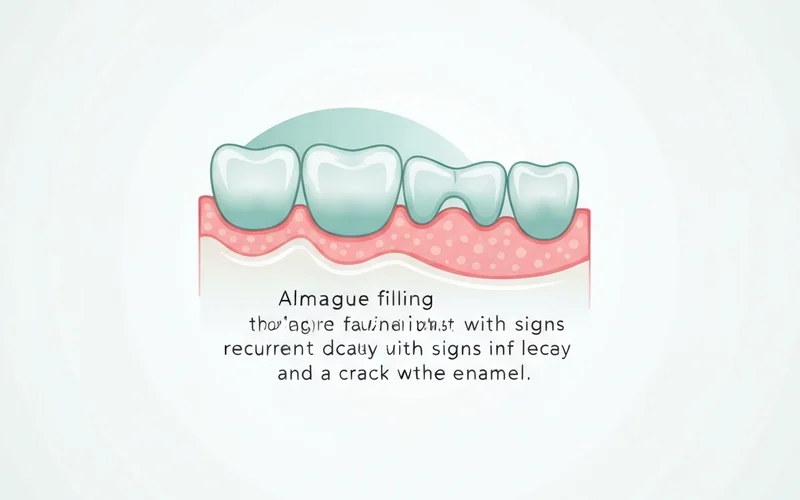
!Diagram showing an amalgam filling with signs of recurrent decay underneath it and a crack in the adjacent enamel.
Diagnosis Process: What Your Dentist Does
When you visit your dentist with concerns about an existing amalgam filling or a new cavity that might require one, they will follow a comprehensive diagnostic process:
- Patient History: Your dentist will ask about any symptoms you're experiencing, such as sensitivity, pain, or discomfort.
- Visual Examination: The dentist will carefully inspect your teeth, looking for visible signs of decay, cracks, discoloration around existing fillings, or any wear and tear.
- Dental Explorer: A small, sharp instrument called a dental explorer is used to gently probe the tooth surface and the margins of any existing restorations. Soft spots or areas where the explorer "catches" can indicate decay or compromised filling margins.
- X-rays (Radiographs): Dental X-rays are crucial for detecting decay that is not visible to the naked eye, especially between teeth or underneath existing fillings. Amalgam appears bright white on an X-ray, and any dark areas around or beneath it can indicate recurrent decay.
- Transillumination: A strong light is shone through the tooth to help reveal cracks, which may appear as dark lines.
- Bite Test: If you report pain on biting, your dentist may use a bite stick or cotton roll to isolate which tooth is causing the pain, helping to identify cracks or high spots on fillings.
- Diagnostic Photography: Intraoral cameras can capture magnified images of your teeth, allowing both you and your dentist to clearly see any issues.
Based on this thorough examination, your dentist will recommend the most appropriate treatment option, which may include placing a new amalgam filling, replacing an old one, or considering alternative materials like composite.
Treatment Options with Pros, Cons, and Costs
When a tooth requires a filling, or an existing amalgam restoration needs replacement, your dentist will discuss various options. The most common alternatives to amalgam are composite resin fillings. For larger restorations, inlays, onlays, or crowns might also be considered.
1. Amalgam Fillings (Placement or Replacement)
- Pros:
- Highly Durable: Excellent for posterior teeth that endure heavy chewing forces.
- Long-Lasting: Can last 10-15 years or more.
- Cost-Effective: Generally the least expensive filling option.
- Strong and Reliable: Resists fracture well.
- Less Sensitive to Moisture: Easier to place in areas with challenging moisture control.
- Cons:
- Poor Aesthetics: Silver color is not tooth-colored.
- Mercury Content: While deemed safe by major health organizations for most, concerns persist for some patients and specific populations.
- More Tooth Structure Removal: Requires a specific cavity shape for mechanical retention, meaning more healthy tooth must be removed than for composite.
- Potential for Cracks: Over time, expansion/contraction can contribute to tooth fractures.
- Thermal Sensitivity: Can conduct hot/cold, leading to temporary sensitivity.
- Cost Range (US, per filling): $50 - $250 (Varies based on size, location, and dentist's fees).
2. Composite Resin Fillings (Tooth-Colored Fillings)
- Pros:
- Excellent Aesthetics: Matched to your natural tooth color, making them virtually invisible.
- Bonding: Chemically bonds to the tooth structure, requiring less removal of healthy tooth.
- Versatile: Can be used for small to moderate fillings in both front and back teeth, and to repair chipped teeth.
- Cons:
- Less Durable for Large Posterior Fillings: May not withstand extreme chewing forces as well as amalgam in very large restorations, potentially having a shorter lifespan (5-10 years typical).
- Higher Cost: Generally more expensive than amalgam.
- Technique Sensitive: Requires strict moisture control during placement for optimal bonding and longevity.
- Can Stain Over Time: May discolor with heavy consumption of coffee, tea, or red wine.
- Cost Range (US, per filling): $100 - $450 (More expensive for larger or more complex placements).
3. Inlays/Onlays (Indirect Restorations)
- Pros: Very strong and durable, excellent aesthetics (especially porcelain), precisely made in a lab, conserve more tooth structure than a full crown.
- Cons: Higher cost than direct fillings, requires two dental visits.
- Materials: Gold, porcelain, or composite.
- Cost Range (US, per tooth): $600 - $1,500+
4. Crowns (Caps)
- Pros: Encapsulate the entire tooth, providing maximum strength and protection for severely damaged or weak teeth. Excellent aesthetics (porcelain).
- Cons: Most expensive restoration, requires significant tooth reduction, typically two visits.
- Materials: Porcelain, porcelain-fused-to-metal, gold, zirconia.
- Cost Range (US, per tooth): $800 - $2,500+
Choosing the right restoration depends on the size and location of the cavity, the patient's aesthetic preferences, budget, and overall dental health goals. Your dentist will help you weigh these factors.
Comparison Table: Amalgam vs. Composite Fillings
| Feature | Dental Amalgam (Silver Filling) | Composite Resin (Tooth-Colored Filling) |
|---|---|---|
| Material Composition | Silver, Tin, Copper, Mercury | Acrylic resin and finely ground glass-like particles |
| Appearance | Silver/Metallic | Tooth-colored, matches natural enamel |
| Durability | Very high, especially for posterior teeth | Good, but may be less durable than amalgam for large posterior fillings |
| Longevity | 10-15+ years | 5-10 years (can be more with good care/small fillings) |
| Cost (Average US) | $50 - $250 per filling | $100 - $450 per filling |
| Aesthetics | Poor (visible) | Excellent (virtually invisible) |
| Tooth Structure Removal | Requires more healthy tooth removal for mechanical retention | Requires less tooth removal, bonds directly |
| Moisture Sensitivity | Less sensitive during placement | Highly sensitive, requires strict moisture control |
| Mercury Content | Contains mercury | Mercury-free |
| Indications | Large cavities, posterior teeth, budget-conscious patients | Small to moderate cavities, visible areas, patients seeking aesthetics |
Step-by-Step: What to Expect During Amalgam Treatment
Whether you are receiving a new amalgam filling or replacing an old one, the process is largely similar:
- Anesthesia: The dentist will administer a local anesthetic to numb the tooth and surrounding tissues. This ensures you feel no pain during the procedure, only pressure.
- Tooth Preparation: The dentist uses a high-speed handpiece (drill) to remove all decayed or compromised tooth structure. If an old filling is being replaced, it will be carefully removed. The cavity is then shaped to ensure the amalgam can be securely retained. This often involves creating slight undercuts.
- Isolation: A cotton roll or rubber dam may be placed around the tooth to keep it dry and free from saliva, though amalgam is more forgiving of moisture than composite.
- Matrix Band (if applicable): If the cavity is large or involves a side of the tooth, a thin metal band (matrix band) is placed around the tooth to create a temporary wall. This helps contain the amalgam during placement and ensures proper contour.
- Amalgam Mixing and Placement: The amalgam capsule is activated in a triturator (a special mixing device). The freshly mixed, soft amalgam is then immediately carried into the prepared cavity using a small instrument and packed down firmly with a "condenser." This packing process ensures no voids and good adaptation to the tooth walls.
- Carving and Shaping: As the amalgam begins to harden, the dentist uses specialized instruments to carve and sculpt the filling to match the natural contours of your tooth, replicating the chewing surfaces and ensuring proper bite alignment.
- Bite Check: The dentist will have you bite down on articulating paper (a special colored paper) to check your bite. Any high spots on the filling will be identified and adjusted to prevent discomfort or damage to the opposing teeth.
- Initial Polish: The filling is given a light polish. A final polish may be performed at a subsequent appointment, once the amalgam has completely hardened (which can take up to 24 hours).
The entire procedure for a single amalgam filling typically takes between 20 and 60 minutes, depending on the size and complexity of the cavity.
Recovery Timeline and Aftercare
After receiving an amalgam filling, recovery is generally straightforward:
- Numbness: The local anesthetic will wear off within 2-4 hours. Be careful not to bite your cheek or tongue while numb.
- Eating: Avoid chewing on the treated side until the numbness wears off to prevent accidental biting. It's also advisable to avoid hard or sticky foods for the first 24 hours to allow the amalgam to fully set and achieve maximum strength.
- Sensitivity: It's normal to experience some temporary sensitivity to hot, cold, or pressure for a few days or even a couple of weeks after the procedure. This should gradually subside. If sensitivity is severe or persists, contact your dentist.
- Oral Hygiene: Continue your regular oral hygiene routine, including brushing and flossing, being gentle around the new filling.
- Longevity: With proper care, an amalgam filling can last for 10-15 years or more. Regular dental check-ups and cleanings are essential to monitor the condition of the filling and surrounding tooth structure.
Prevention Strategies
The best way to avoid needing an amalgam filling—or any filling—is to prevent cavities in the first place. For those with existing amalgam, preventing new decay or issues with the existing restoration is key:
- Excellent Oral Hygiene:
- Brush twice daily with fluoride toothpaste for two minutes each time.
- Floss daily to remove plaque and food debris from between teeth and under the gum line, where brushes can't reach.
- Balanced Diet: Limit sugary foods and drinks, which fuel decay-causing bacteria. Choose water over sugary beverages.
- Regular Dental Check-ups and Cleanings: Visit your dentist at least twice a year for professional cleanings and examinations. This allows your dentist to detect and address any problems (like small cavities or issues with existing fillings) early, before they become more extensive.
- Fluoride: Use fluoride toothpaste and consider a fluoride mouthrinse if recommended by your dentist. Fluoride strengthens tooth enamel, making it more resistant to acid attacks.
- Dental Sealants: For children and sometimes adults, dental sealants can be applied to the chewing surfaces of posterior teeth. These thin, protective coatings fill the grooves and pits where food and bacteria often get trapped, preventing cavities.
- Avoid Habits That Damage Teeth: Do not use your teeth as tools (e.g., opening bottles). Avoid chewing on hard objects like ice or hard candies, as this can crack teeth or damage existing fillings.
Cost Ranges in the US (with/without Insurance)
The cost of an amalgam filling in the US can vary significantly based on factors such as:
- Size of the Filling: Smaller fillings are less expensive than larger ones.
- Location of the Tooth: Back teeth (molars) may be slightly more expensive due to accessibility.
- Dentist's Fees: These vary by practice location, expertise, and overhead.
- Geographic Location: Costs tend to be higher in urban areas and certain regions.
Average Cost Ranges for Amalgam Fillings (US):
- Small (1 surface): $50 - $100
- Medium (2 surfaces): $75 - $150
- Large (3+ surfaces): $120 - $250
With Dental Insurance:
Most standard dental insurance plans typically cover a significant portion of the cost of amalgam fillings, as they are considered a basic restorative procedure.
- Coverage: Depending on your plan, insurance may cover 50% to 80% of the cost after your deductible is met.
- Out-of-Pocket: You would be responsible for the remaining percentage (co-insurance) and any applicable deductible. For example, with an 80% coverage plan for a $150 filling, you might pay $30 (after deductible).
It's always best to check with your specific dental insurance provider to understand your coverage details and any limitations before undergoing treatment. Many plans may also cover amalgam at a higher percentage than composite for posterior teeth, reflecting its classification as a necessary restoration.
For Parents / Pediatric Considerations
Amalgam has historically been a common filling material for children, especially in their primary (baby) teeth and newly erupted permanent molars. Its durability, strength, and cost-effectiveness make it a practical choice for pediatric dentistry, particularly in areas where aesthetics are not the primary concern.
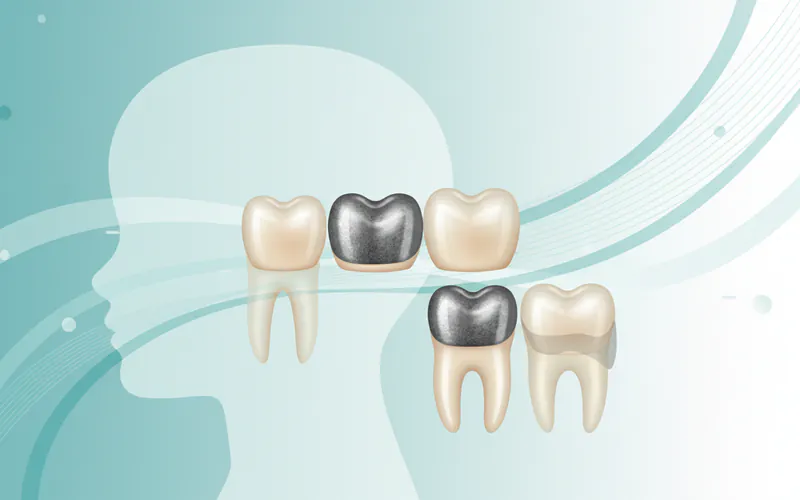
However, recent guidelines from the FDA, updated in 2020, advise against the use of dental amalgam in children under age six. This recommendation is a precautionary measure, as there is limited clinical data on the effects of mercury vapor release in this very young population. The FDA emphasizes that the best course of action is to prevent cavities in children through good oral hygiene, fluoride, and dental sealants.
If a child does develop cavities and a filling is necessary, composite resins or glass ionomer cements are often preferred for children, particularly in younger age groups or for those with specific health considerations. Parents should discuss all available filling options with their pediatric dentist, weighing the pros, cons, and specific needs of their child. The decision for a child's restoration should always be made in consultation with a qualified dental professional.
Frequently Asked Questions
How much does an amalgam filling cost in the US?
The cost of an amalgam filling in the US typically ranges from $50 to $250 per tooth, depending on the size and complexity of the filling and the dentist's fees. Small, one-surface fillings are on the lower end of this range, while larger, multi-surface fillings are on the higher end. Dental insurance often covers 50-80% of the cost for basic restorative procedures like amalgam fillings.
Is getting an amalgam filling painful?
No, getting an amalgam filling should not be painful. Your dentist will administer a local anesthetic to thoroughly numb the tooth and surrounding area before beginning the procedure. You may feel some pressure or vibration during the process, but you should not experience any sharp pain. Afterward, some temporary sensitivity to hot or cold is common for a few days to weeks.
How long does an amalgam filling last?
Amalgam fillings are renowned for their longevity and durability. With proper oral hygiene and regular dental check-ups, an amalgam filling can typically last anywhere from 10 to 15 years, and often much longer. Their strength makes them particularly well-suited for enduring the heavy chewing forces in the back teeth.
What are the alternatives to amalgam fillings?
The most common alternative to an amalgam filling is a composite resin filling, which is tooth-colored and bonds directly to the tooth. Other alternatives, especially for larger restorations or replacements, include gold fillings, porcelain or composite inlays/onlays, or full dental crowns. Each option has its own advantages, disadvantages, and cost implications.
Does dental insurance cover amalgam fillings?
Yes, most standard dental insurance plans in the US do cover amalgam fillings. They are generally considered a basic or essential restorative treatment. Depending on your plan, insurance coverage typically ranges from 50% to 80% of the procedure's cost after your annual deductible has been met. It's always advisable to verify your specific coverage with your insurance provider.
Are amalgam fillings safe, given they contain mercury?
Major health organizations, including the American Dental Association (ADA), the U.S. Food and Drug Administration (FDA), and the World Health Organization (WHO), affirm that dental amalgam is a safe and effective filling material for most individuals aged six and above. While amalgam does contain mercury, the amount of mercury vapor released is extremely low and generally considered safe. However, the FDA updated its recommendations in 2020 to advise against amalgam use in pregnant women, nursing mothers, children under six, and individuals with neurological disease, kidney impairment, or known mercury allergies as a precautionary measure.
Can an amalgam filling be replaced with a composite filling?
Yes, an amalgam filling can be replaced with a composite filling. Many people choose to do this for aesthetic reasons (to achieve a tooth-colored restoration) or due to concerns about mercury. The process involves carefully removing the old amalgam filling and then preparing the tooth for the new composite material. This procedure should be performed by a qualified dentist who follows proper protocols for amalgam removal.
How do I care for my amalgam fillings?
Caring for amalgam fillings is the same as caring for your natural teeth. Maintain excellent oral hygiene by brushing twice daily with fluoride toothpaste and flossing once a day. Regular dental check-ups and cleanings (every six months) are crucial for your dentist to monitor the condition of your fillings and detect any potential issues early. Avoid chewing on extremely hard objects like ice or hard candies, as this can potentially chip the filling or the surrounding tooth.
When to See a Dentist
While amalgam fillings are incredibly durable, it's important to know when to seek professional dental attention.
Emergency Signs (See a Dentist Immediately):
- Severe, persistent pain: Especially pain that is sharp, throbbing, or wakes you up at night.
- Visible crack in the filling or tooth: This could expose the inner tooth layers to bacteria.
- Filling feels loose or has fallen out: This leaves the cavity vulnerable to further decay and sensitivity.
- Swelling or pus around the tooth: May indicate an infection requiring urgent care.
Routine Care (Schedule an Appointment Soon):
- New or increased sensitivity to hot, cold, or biting pressure around an existing filling.
- Dark discoloration or "staining" around the edges of an amalgam filling, which could indicate recurrent decay.
- A rough or chipped edge on your filling that irritates your tongue or catches floss.
- Any concerns about the aesthetics of your silver fillings.
Regular dental check-ups every six months are paramount. Your dentist can monitor the condition of your amalgam restorations, detect potential issues early, and help you maintain optimal oral health.
amalgam fillingsilver fillingdental amalgam safetyamalgam vs compositemercury filling
Medical Disclaimer
This article is for informational purposes only and does not constitute medical advice. Always consult with a qualified dental professional for diagnosis and treatment. Do not delay seeking professional advice because of something you read on this website.