Resin
4,421 words · 15 min read
Quick Definition
A tooth-colored synthetic material used in fillings, bonding, veneers, and sealants. Dental resin (composite resin) combines plastic polymers with glass or ceramic filler particles.
Resin: The Tooth-Colored Revolution in Modern Dentistry
In the realm of modern dental health, few materials have had as transformative an impact as resin. Often referred to as composite resin or simply "white fillings," this versatile synthetic material has become a cornerstone of restorative and cosmetic dentistry. At SmilePedia.net, our mission is to provide you with the most comprehensive and understandable information about your dental health, and when it comes to resin, this article aims to be your definitive guide.
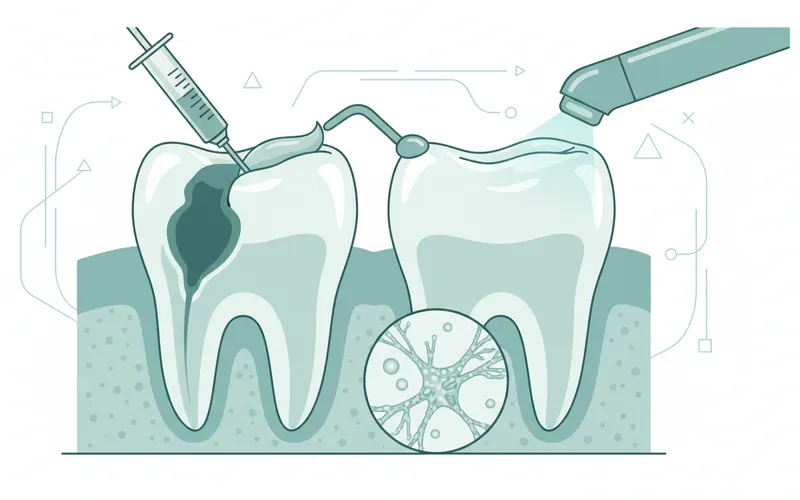
Dental resin is a tooth-colored synthetic material primarily composed of a plastic polymer matrix (typically Bis-GMA, UDMA, or TEGDMA) blended with microscopic glass, ceramic, or quartz filler particles. These particles provide strength and wear resistance, while the resin matrix binds them together and allows for sculptability. The combination results in a material that can be precisely matched to your natural tooth shade, offering an aesthetically superior alternative to traditional silver amalgam fillings.
Why does resin matter for your dental health? Because it's at the heart of many common procedures designed to repair, restore, and enhance your smile. From discreetly filling a cavity to expertly reshaping a chipped tooth, resin plays a vital role in maintaining oral function and aesthetics. It's the go-to material for procedures like fillings, bonding, veneers, and sealants, directly impacting millions of Americans every year.
According to the American Dental Association, composite resin fillings are among the most frequently performed restorative procedures, with dentists placing millions of these fillings annually. Its increasing popularity is driven by a desire for metal-free restorations, its ability to bond directly to tooth structure, and its chameleon-like ability to blend seamlessly with natural teeth. Whether you're dealing with a new cavity, looking to improve the appearance of your smile, or seeking preventive care, understanding dental resin is key to making informed decisions about your oral health.
Key Takeaways:
- Resin (specifically composite resin) is a tooth-colored material made from plastic polymers and filler particles, widely used in dentistry.
- It offers an aesthetic and mercury-free alternative to traditional silver (amalgam) fillings.
- Resin is incredibly versatile, used for fillings, bonding (to repair chips or gaps), direct veneers, and preventive sealants.
- Unlike amalgam, composite resin chemically bonds to the tooth structure, often requiring less removal of healthy tooth material.
- Proper oral hygiene and regular dental check-ups are crucial for the longevity of resin restorations.
- While generally durable, resin can be susceptible to staining and wear over time, especially with poor care.
Detailed Explanation
Types and Classifications of Dental Resin
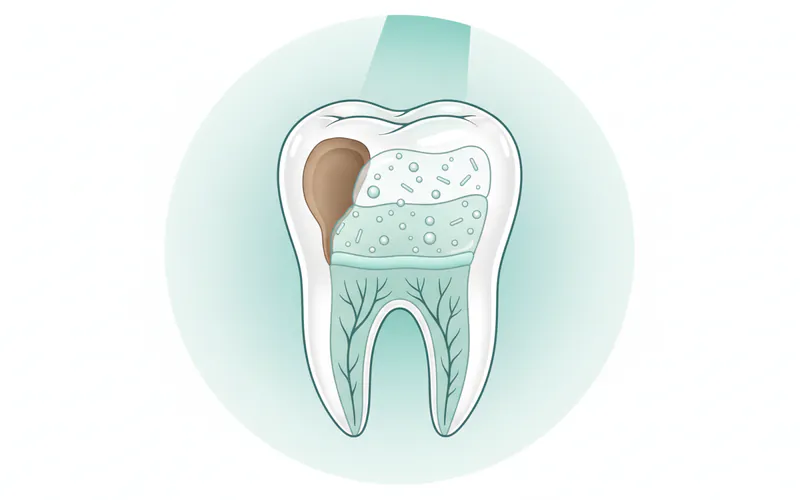
While "resin" is a broad term, in dentistry, we primarily refer to composite resin. This material's composition, particularly the size and type of its filler particles, dictates its classification and best use:
-
Macrofilled Composites: These were among the earliest composite resins, featuring large filler particles (10-100 microns). While strong and resistant to fracture, their rough surface made them prone to plaque accumulation and discoloration. They are rarely used today.
-
Microfilled Composites: Developed for improved aesthetics, these composites have very small filler particles (0.01-0.1 microns). This results in a highly polishable, smooth surface that mimics natural tooth enamel, making them ideal for anterior (front) teeth where aesthetics are paramount. However, they are generally weaker and less resistant to wear than other types.
-
Hybrid Composites: These combine both large and small filler particles to achieve a balance of strength, wear resistance, and polishability. Particle sizes typically range from 0.5 to 3 microns. Hybrid composites are versatile and widely used for both anterior and posterior (back) teeth.
-
Nanofilled Composites: Representing the latest advancement, nanofilled composites contain filler particles as small as 5-20 nanometers. These tiny particles allow for a very dense packing, leading to exceptional strength, wear resistance, and excellent polish retention, often surpassing hybrid composites in both aesthetics and durability. They are considered universal composites suitable for all tooth locations.
Beyond these primary classifications, other specialized resin-based materials include:
- Flowable Composites: These have a lower filler content and a more liquid consistency, allowing them to flow easily into small preparations or serve as a liner. They are often used for small, non-stress-bearing restorations, pit and fissure sealants, or as the first layer in a larger filling.
- Bulk-Fill Composites: Designed to be placed in thicker layers (up to 4-5mm) without compromising polymerization, speeding up the filling process for posterior teeth.
- Resin Cements: Used for bonding indirect restorations like crowns, bridges, inlays, onlays, and veneers to prepared teeth. They are essentially specialized composites with lower viscosity.
- Pit and Fissure Sealants: Thin, protective resin coatings applied to the chewing surfaces of back teeth to prevent decay.
Why Dental Resin is Used: Applications and Benefits
The versatility of dental resin makes it indispensable across various dental procedures:
-
Direct Restorations (Placed directly in the mouth):
- Composite Fillings: The most common application, used to restore teeth affected by decay (cavities). The decayed portion of the tooth is removed, and the composite resin is bonded directly into the prepared space.
- Dental Bonding: A cosmetic procedure where resin is applied to a tooth to repair chips, cracks, close small gaps (diastema), mask discoloration, or alter the shape and size of a tooth. It's a conservative and often less expensive alternative to veneers or crowns.
- Direct Resin Veneers: In some cases, resin can be directly sculpted and bonded to the front surface of teeth to create a new, improved aesthetic appearance without the need for laboratory fabrication.
-
Indirect Restorations (Fabricated outside the mouth, then bonded):
- While porcelain is often preferred, resin-based materials can be used for indirect inlays and onlays (partial crowns) or even temporary crowns. These are typically fabricated in a dental lab or chairside with CAD/CAM technology, then bonded to the tooth.
- Resin-Reinforced Ceramics: Hybrid materials that combine the strength of ceramic with the bonding properties of resin, used for some indirect restorations.
-
Preventive Dentistry:
- Pit and Fissure Sealants: A thin, liquid resin material painted onto the chewing surfaces of molars and premolars, primarily in children and adolescents, to seal off the deep grooves where food particles and bacteria can accumulate and cause decay.
-
Other Uses:
- Core Build-ups: Used to restore a tooth's structure before placing a crown, especially when significant tooth material has been lost due to decay or fracture.
- Orthodontic Brackets: Resin-based adhesives are used to bond orthodontic brackets to tooth surfaces.
Benefits of Dental Resin:
- Aesthetics: The primary advantage, as resin can be shade-matched to blend seamlessly with natural teeth, making restorations virtually invisible.
- Conservative: Because resin bonds directly to the tooth, dentists often need to remove less healthy tooth structure compared to amalgam fillings, which require mechanical retention features.
- Mercury-Free: Resin fillings are an excellent option for patients concerned about mercury exposure from amalgam.
- Versatility: Applicable to a wide range of restorative and cosmetic needs.
- Strengthens Tooth Structure: The bonding process can actually help strengthen the remaining tooth structure.
Signs and Symptoms Indicating the Need for Resin (or Issues with Existing Resin)
Recognizing these signs can help you seek timely dental care:
- Visible Tooth Decay (Cavities): Dark spots, pitting, or holes on the tooth surface.
- Chipped or Fractured Teeth: Trauma or biting on something hard can cause a tooth to chip or crack, often repairable with bonding.
- Gaps Between Teeth (Diastema): Small spaces can be cosmetically closed with dental bonding.
- Discoloration Not Responding to Whitening: Stubborn stains or intrinsic discoloration can be masked with bonding or veneers.
- Sensitivity to Hot, Cold, or Sweet: Can indicate new decay, a failing existing filling, or exposed dentin.
- Rough or Stained Old Fillings: Old resin fillings can lose their polish, accumulate stains, or wear down over time, indicating a need for replacement.
- Pain When Biting or Chewing: May suggest a fractured tooth, a loose filling, or decay reaching the pulp.
- Fractured or Missing Old Amalgam Fillings: Resin is a common material for replacing these.
- Visible Wear: Over time, chewing forces can cause resin to wear down, especially in posterior teeth, leading to a need for repair or replacement.
Diagnosis Process: What Your Dentist Does
When you visit your dentist with concerns, or during a routine check-up, here's how they diagnose issues requiring resin or problems with existing resin:
- Patient History and Symptoms: Your dentist will ask about any pain, sensitivity, or aesthetic concerns you're experiencing.
- Visual Examination: Using a small mirror, a dental explorer (a pointed instrument), and often magnification loupes, the dentist will carefully inspect your teeth for visible signs of decay, cracks, chips, or failing restorations. Decay often appears as a dark spot or a soft area.
- Dental X-rays: Bitewing X-rays are particularly useful for detecting interproximal decay (cavities between teeth) that isn't visible during a visual exam. Periapical X-rays may be used if there's suspicion of decay extending towards the tooth's root or pulp.
- Transillumination: A bright light is shone through the tooth. Healthy tooth structure transmits light uniformly, while decay or cracks can appear as dark shadows.
- Dye Application: In some cases, a special dental dye might be applied to highlight decay or cracks that are hard to spot.
- Tactile Examination: The dental explorer can "stick" in soft, decayed areas.
- Clinical Judgment: Combining all this information, your dentist will formulate a diagnosis and recommend the most appropriate treatment.
Treatment Options Utilizing Dental Resin: Pros, Cons, and Costs
Dental resin is a core material in several treatment options:
| Treatment Option | Description | Pros | Cons | Estimated Cost Range (US, without insurance) |
|---|---|---|---|---|
| Composite Filling | Direct placement of resin to fill a cavity after decay removal. | - Aesthetics (tooth-colored) - Bonds to tooth, often requiring less tooth removal - Mercury-free - Can strengthen weakened tooth structure |
- Less durable than amalgam or gold for very large posterior fillings - Can stain over time - More technique-sensitive for placement |
$150 - $450 per tooth (varies by size) |
| Dental Bonding | Resin sculpted and bonded to the tooth surface to repair chips, close gaps, or improve shape/color. | - Highly aesthetic - Conservative (little to no tooth reduction) - Quick (often one visit) - Less expensive than veneers/crowns |
- Less durable than porcelain veneers - Can chip or stain over time - Best for small to moderate cosmetic corrections |
$300 - $800 per tooth |
| Direct Resin Veneers | Resin applied directly to the front surface of teeth to change color, shape, and size. | - More affordable than porcelain veneers - No lab time - Less tooth reduction - Can be repaired chairside |
- Less durable and stain-resistant than porcelain - May require more frequent maintenance/polishing - Not ideal for significant bite corrections |
$300 - $1000 per tooth |
| Pit and Fissure Sealant | Thin resin coating applied to chewing surfaces of molars to prevent decay. | - Highly effective at preventing cavities - Quick and painless application - No drilling required |
- Can chip or wear off over time (needs monitoring) - Not a treatment for existing decay |
$40 - $80 per tooth |
Step-by-Step: What to Expect During Treatment (Focus on a Composite Filling)
Understanding the process can help alleviate anxiety. Here's what typically happens during a composite filling or bonding procedure:
- Anesthesia: If the decay is deep or the procedure involves a sensitive area, your dentist will administer a local anesthetic to numb the tooth and surrounding tissues. This ensures you feel no pain during the preparation.
- Isolation: A rubber dam, cotton rolls, or other isolation methods are used to keep the tooth dry and free from saliva contamination. This is crucial for the bonding process to be successful.
- Tooth Preparation: The dentist uses a high-speed dental handpiece (drill) to remove all decayed or damaged tooth structure. For bonding, minimal to no tooth preparation is usually needed, sometimes just a slight roughening of the surface.
- Etching: A mild acidic gel (etchant) is applied to the tooth surface for a few seconds. This creates microscopic pores on the enamel and dentin, allowing the bonding agent to penetrate and create a strong mechanical and chemical bond.
- Bonding Agent Application: After rinsing and drying the etchant, a liquid dental adhesive (the bonding agent) is applied to the etched tooth surface. This agent acts as a primer, enhancing the bond between the tooth and the resin. It's often light-cured for a few seconds.
- Layering of Composite Resin: The tooth-colored composite resin is then applied in small, incremental layers. Each layer is carefully sculpted and adapted to the tooth's anatomy.
- Light Curing: After each layer is placed, a special high-intensity blue curing light is used to harden (polymerize) the resin. This process takes only a few seconds per layer.
- Shaping and Polishing: Once all layers are placed and cured, the dentist will meticulously shape the filling or bonding to match the natural contours of your tooth and ensure proper bite alignment. Fine burs and polishing tools are used to achieve a smooth, natural-looking finish.
- Bite Check: You'll be asked to bite down on articulating paper, which leaves marks on the restoration. The dentist will then adjust any high spots to ensure your bite is comfortable and even, preventing unnecessary pressure on the new restoration.
Recovery Timeline and Aftercare
Recovery from a dental resin procedure is generally quick and straightforward:
- Immediate Post-Procedure (first few hours): The numbness from local anesthetic will gradually wear off. Avoid chewing on the treated side until the numbness has completely subsided to prevent accidental biting of your lip or cheek.
- First Few Days: It's common to experience some mild sensitivity to hot, cold, or pressure, especially with fillings. This should diminish within a few days to a week. If sensitivity persists or worsens, contact your dentist. Avoid excessively hard or sticky foods initially, and be mindful of very hot or cold foods.
- Long-Term Care:
- Excellent Oral Hygiene: Brush twice a day with fluoride toothpaste and floss daily. Pay extra attention around the margins of your resin restorations to prevent new decay or staining.
- Regular Dental Check-ups and Cleanings: These are vital for monitoring the integrity of your resin restorations, checking for chips, cracks, or marginal breakdown, and ensuring professional cleaning.
- Dietary Habits: While durable, resin is not as hard as natural enamel. Avoid chewing on ice, hard candies, or non-food items (like pen caps) that can chip or fracture the resin. Be aware that heavily pigmented foods and drinks (coffee, tea, red wine, berries) can stain resin over time, especially bonding or direct veneers; rinsing with water or brushing soon after consumption can help.
- Mouthguards: If you grind your teeth (bruxism) or play contact sports, a custom-fitted mouthguard is essential to protect your teeth and resin restorations from damage.
Prevention Strategies
Prevention is always better than cure, and this holds true for protecting your teeth and the longevity of your resin restorations:
- Consistent Oral Hygiene: Brush thoroughly twice daily for two minutes with a fluoride toothpaste and floss at least once a day. This removes plaque and food particles that lead to decay and can stain resin.
- Regular Dental Visits: Schedule check-ups and professional cleanings every six months (or as recommended by your dentist). Your dentist can identify early signs of decay or issues with existing restorations.
- Balanced Diet: Limit sugary and acidic foods and drinks, which contribute to tooth decay and can erode enamel and resin. Opt for a diet rich in fruits, vegetables, lean proteins, and dairy.
- Fluoride: Ensure adequate fluoride intake through fluoridated water, toothpaste, and possibly mouthwash or professional fluoride treatments, which strengthen enamel.
- Dental Sealants: For children and adolescents, pit and fissure sealants offer excellent protection against decay on the chewing surfaces of molars.
- Protect Against Trauma: Wear a mouthguard during sports activities and if you grind your teeth at night.
- Avoid Staining Habits: While resin fillings are more stain-resistant than older bonding materials, heavy consumption of coffee, tea, red wine, and tobacco can still cause discoloration over time.
Cost Ranges in the US (with/without insurance)
The cost of dental procedures involving resin can vary significantly based on several factors:
- Type of Procedure: A small filling will cost less than extensive bonding or multiple veneers.
- Size and Complexity: Larger fillings or more intricate bonding/veneer work requires more material and chair time, increasing cost.
- Location of the Tooth: Front teeth (anterior) often cost more for cosmetic procedures due to the precision required for aesthetics.
- Dentist's Fees: Costs can vary between general dentists and specialists (though resin procedures are primarily done by general dentists), and geographic location (urban vs. rural).
- Insurance Coverage: Most dental insurance plans cover a portion of restorative procedures like composite fillings and sealants. Cosmetic procedures like bonding or veneers may have limited or no coverage.
Here are typical cost ranges in the US without insurance:
- Composite Fillings:
- Small, one-surface filling: $150 - $250
- Medium, two-surface filling: $200 - $350
- Large, three or more surface filling: $275 - $450+
- Dental Bonding (per tooth): $300 - $800 (depending on extent)
- Direct Resin Veneers (per tooth): $300 - $1000
- Pit and Fissure Sealants (per tooth): $40 - $80
With Insurance: Most dental insurance plans classify composite fillings as a "basic" or "major" restorative procedure and typically cover 50% to 80% of the cost after your deductible is met. Sealants are often covered at 80% to 100% for children. For dental bonding and veneers, coverage can be more limited, sometimes only if the procedure is deemed medically necessary (e.g., repairing a severely chipped tooth that impacts function) rather than purely cosmetic. Always check with your insurance provider for specific details on your plan's coverage.
Comparison Table: Composite Fillings vs. Amalgam Fillings
Since composite fillings are the most common use of dental resin and a direct alternative to amalgam, this comparison is highly relevant:
| Feature | Composite (Resin) Fillings | Amalgam (Silver) Fillings |
|---|---|---|
| Appearance | Tooth-colored, blends with natural teeth, highly aesthetic. | Silver/dark gray, noticeable in the mouth. |
| Composition | Plastic matrix with glass/ceramic filler particles. | Mixture of mercury, silver, tin, copper, and zinc. |
| Bonding | Chemically bonds to tooth structure, requiring less removal of healthy tooth. | Does not bond; requires mechanical retention (undercuts) which means more tooth structure removal. |
| Durability | Good durability for small to moderate fillings; newer composites are very strong. Can stain over time. | Very durable and long-lasting, especially for large posterior fillings. Can corrode over time. |
| Mercury | Mercury-free. | Contains elemental mercury (about 50% by weight). |
| Placement Time | Typically longer, as it's a technique-sensitive, multi-step bonding process. | Generally faster, especially for larger fillings. |
| Thermal Expansion | Expands and contracts similar to tooth structure, reducing risk of cracks. | Expands and contracts more than tooth structure, can lead to cracks in natural tooth over time. |
| Cost | Generally higher per filling due to materials and technique. | Generally lower per filling. |
| Staining | Can stain from foods/drinks over time. | Does not stain, but can cause a "graying" effect on the surrounding tooth. |
| Safety Concerns | Considered very safe. | Debates around mercury safety, though extensive research confirms its safety for dental use by major organizations. |
For Parents / Pediatric Considerations
Resin plays a significant role in pediatric dentistry, offering aesthetically pleasing and effective solutions for children's oral health:
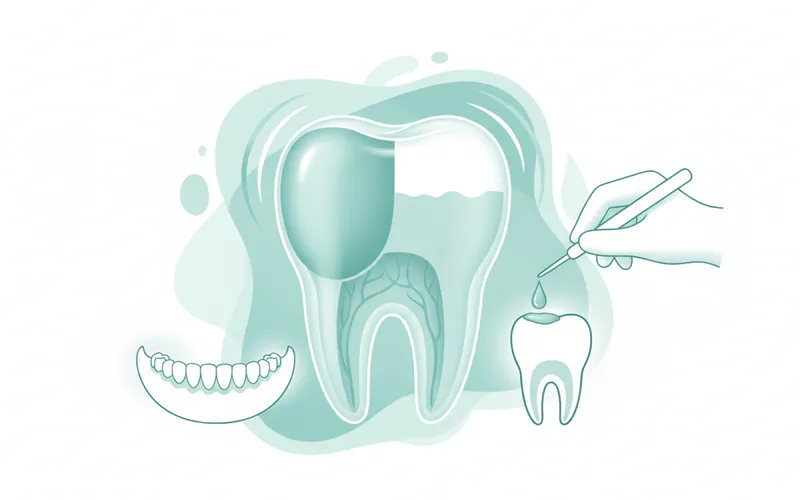
- Pit and Fissure Sealants: This is perhaps the most important preventive use of resin in children. Applied to the chewing surfaces of primary (baby) and permanent molars, sealants effectively prevent food and bacteria from settling in the deep grooves, drastically reducing the risk of cavities. They are quick, painless, and highly recommended once molars erupt.
- Composite Fillings for Baby Teeth: When decay occurs in primary teeth, composite resin is often the preferred choice. It's tooth-colored, allowing children to maintain a natural-looking smile, and it requires less drilling than amalgam. This can make the dental experience less intimidating for young patients.
- Early Detection of Decay: Regular dental check-ups for children are crucial. Dentists can identify early signs of decay, allowing for smaller, less invasive resin fillings.
- Trauma Repair: Children are prone to accidents. Chipped or fractured front teeth in children can often be beautifully restored using dental bonding with composite resin.
- Avoiding Baby Bottle Tooth Decay: While not a direct resin application, preventing early childhood caries through proper feeding habits and oral hygiene dramatically reduces the need for extensive resin fillings in young children.
Frequently Asked Questions
How long do resin fillings/bondings last?
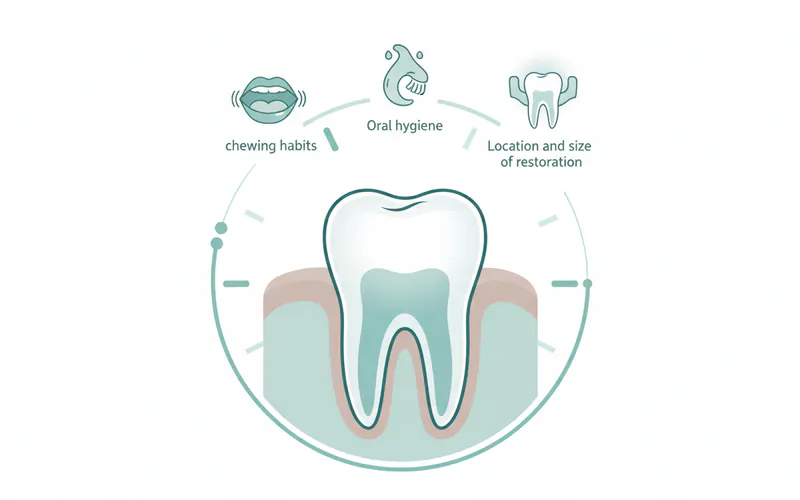
The lifespan of a resin restoration varies depending on several factors, including the location and size of the restoration, your chewing habits, oral hygiene, and diet. Generally, composite fillings can last anywhere from 5 to 10 years, with many lasting longer. Dental bonding and direct resin veneers on front teeth may last 3 to 7 years before needing repair or replacement, as they are subjected to less biting force but more aesthetic wear. Regular check-ups allow your dentist to monitor their condition.
Is getting a resin filling painful?
No, getting a resin filling should not be painful. Your dentist will almost always use a local anesthetic to numb the tooth and surrounding area before beginning the procedure. You might feel some pressure or vibration during the preparation, but no sharp pain. After the anesthetic wears off, it's normal to experience some mild sensitivity to hot, cold, or biting pressure for a few days, but this typically subsides quickly.
Can resin fillings/bonding stain?
Yes, dental resin can stain over time. While modern composite resins are much more stain-resistant than earlier versions, they are still porous to some degree. Heavily pigmented foods and drinks like coffee, tea, red wine, dark berries, and tobacco products can cause discoloration. Maintaining excellent oral hygiene, rinsing your mouth after consuming staining foods, and regular professional cleanings can help minimize staining and keep your resin restorations looking their best. Unlike natural tooth enamel, resin cannot be whitened with traditional tooth whitening treatments.
What are the alternatives to resin fillings?
For tooth decay, alternatives to composite (resin) fillings include:
- Amalgam (silver) fillings: Durable and cost-effective, but not tooth-colored and contain mercury.
- Gold fillings (inlays/onlays): Extremely durable and biocompatible, but very expensive and noticeable.
- Ceramic (porcelain) inlays/onlays: Highly aesthetic and very durable, but more expensive and usually require two appointments. For cosmetic improvements like chipped teeth or gaps, alternatives to dental bonding include porcelain veneers or orthodontic treatment.
Does dental insurance cover resin procedures?
Most dental insurance plans provide coverage for composite fillings and pit and fissure sealants. Fillings are usually covered as a "basic" or "major" restorative procedure, typically at 50% to 80% after your deductible. Sealants are often covered at a higher percentage, sometimes 100%, especially for children. For dental bonding or direct resin veneers, coverage is often limited or denied if the procedure is considered purely cosmetic. It's always best to contact your specific insurance provider to understand your plan's benefits and limitations.
Can resin be used on front teeth?
Absolutely! Resin is an excellent material for front teeth due to its superior aesthetic qualities. Dental bonding with composite resin is a very common and effective way to repair chips, cracks, close gaps, or improve the shape and color of front teeth, providing a natural-looking result. Direct resin veneers are also an option for more extensive cosmetic changes on front teeth.
Is dental resin safe?
Yes, dental resin (composite resin) is widely considered safe for dental use. Decades of research and widespread clinical use have affirmed its safety and effectiveness. While some individuals may have sensitivities to certain components (like monomers), such reactions are rare. The materials used in modern dental resins are rigorously tested and approved by regulatory bodies like the FDA and American Dental Association for their biocompatibility and safety.
When to See a Dentist
Regular dental check-ups are essential for maintaining your oral health and the longevity of any resin restorations. However, there are specific instances when you should not delay seeing your dentist:
Routine Care:
- Every 6 months: For a comprehensive examination and professional cleaning. This allows your dentist to monitor your existing resin fillings, bonding, or sealants and identify any potential issues early.
When to See Your Dentist Promptly (Non-Emergency):
- Persistent Sensitivity: If you experience ongoing sensitivity to hot, cold, or sweet after a new resin filling, or if an old filling becomes sensitive.
- Visible Wear or Staining: If your resin restorations appear discolored, rough, or show signs of wear.
- Chipped or Cracked Resin: If a part of your filling or bonding has broken off.
- Loose or Missing Filling: If an old filling feels loose or falls out completely.
- Cosmetic Concerns: If you are unhappy with the appearance of your teeth and wish to explore bonding or veneers.
When to Seek Emergency Dental Care:
- Severe, Unrelenting Pain: If you experience sharp, throbbing, or constant pain that doesn't subside.
- Acute Swelling: Swelling in your gums, face, or jaw can indicate an infection.
- Trauma: If you've suffered an injury to your mouth or teeth (e.g., a tooth knocked out, severely fractured tooth).
- Abscess: A painful, pus-filled pocket around the tooth or gum line.
Understanding dental resin empowers you to make informed decisions about your smile. Its aesthetic appeal, conservative nature, and versatility have cemented its place as a cornerstone of modern dentistry, helping millions achieve and maintain healthy, beautiful smiles.
Medical Disclaimer
This article is for informational purposes only and does not constitute medical advice. Always consult with a qualified dental professional for diagnosis and treatment. Do not delay seeking professional advice because of something you read on this website.