Bonding
4,335 words · 14 min read
Quick Definition
A cosmetic procedure in which tooth-colored composite resin is applied to a tooth to repair chips, close gaps, change shape, or improve color. It is a quick and affordable alternative to veneers.
Bonding
Dental bonding is a versatile and widely utilized cosmetic dental procedure where a tooth-colored composite resin material is meticulously applied to a tooth, sculpted into shape, hardened, and then polished. It serves as an effective solution for repairing chipped or cracked teeth, closing small gaps between teeth, masking discoloration, or altering the shape and size of teeth for an improved aesthetic. Often seen as a more affordable and less invasive alternative to veneers or crowns, bonding offers a relatively quick way to enhance your smile, often in a single dental visit.
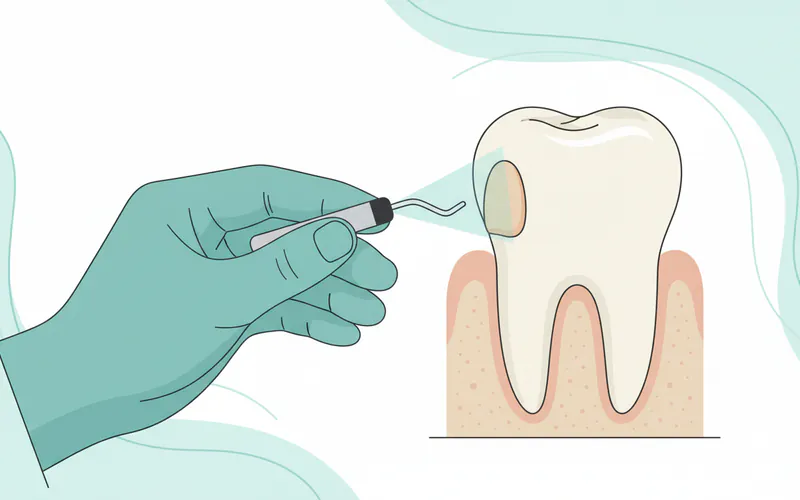
For anyone searching "what is bonding" or "bonding dental," understanding this procedure is crucial for making informed decisions about their dental health and cosmetic goals. It’s a foundational technique in modern dentistry, allowing dentists to address a wide array of minor to moderate aesthetic and functional concerns, helping millions of Americans achieve more confident smiles. In the US, cosmetic dental procedures, including bonding, are increasingly popular, with a significant percentage of adults seeking treatments to improve their smile's appearance. The American Academy of Cosmetic Dentistry-complete-guide "Pediatric Dentist: Complete Guide") (AACD) consistently reports high patient satisfaction rates for various cosmetic procedures, highlighting the transformative impact of treatments like bonding.
Key Takeaways:
- Dental bonding uses a tooth-colored composite resin to repair and enhance teeth.
- It is a minimally invasive procedure, often requiring little to no removal of natural tooth structure.
- Bonding is a quick and affordable solution for chips, cracks, gaps, and discoloration.
- The procedure typically takes 30-60 minutes per tooth and is usually completed in one visit.
- With proper care, bonded teeth can last for 5 to 10 years.
- It's crucial to maintain good oral hygiene and avoid hard or staining foods to prolong the life of your bonding.
Detailed Explanation
Dental bonding stands out as a highly adaptable and conservative treatment option in cosmetic dentistry. Its ability to subtly yet significantly transform a smile makes it a favored choice for many seeking aesthetic improvements without the commitment of more extensive procedures.
Applications of Dental Bonding
While "types" of bonding aren't typically classified in the same way as, say, dental crowns, bonding is distinguished by its applications—the various ways it can be used to address specific dental concerns. The most common form is direct composite bonding, where the resin is applied directly to the tooth.
- Repairing Chipped or Cracked Teeth: This is perhaps the most frequent use of dental bonding. Minor chips and cracks on the front teeth, which can be highly noticeable, can be seamlessly restored with composite resin, matching the natural tooth shade.
- Closing Gaps Between Teeth (Diastemas): Small to moderate spaces between teeth, particularly the front ones, can be effectively closed using bonding. The resin is added to the sides of the teeth, extending their width to eliminate the gap, creating a more uniform smile.
- Improving Discolored Teeth: While professional teeth whitening is the go-to for overall tooth lightening, bonding can be used to cover stubborn, intrinsic stains that don't respond to whitening or to mask discoloration on a single tooth, achieving a more uniform color.
- Changing the Shape of Teeth: Bonding can subtly alter the shape of teeth that are too short, uneven, or oddly shaped, creating a more harmonious and symmetrical smile. For instance, it can lengthen a tooth or round off a sharp corner.
- Protecting Exposed Tooth Roots: Gum recession can expose tooth roots, leading to sensitivity and an unaesthetic appearance. Bonding can be applied to cover these exposed roots, reducing sensitivity and improving gum line aesthetics.
- As a Cosmetic Alternative to Amalgam Fillings: For patients who prefer tooth-colored restorations, composite resin is routinely used to fill cavities, especially in visible areas. This technique is a form of direct bonding, providing both restorative and aesthetic benefits.
- Lengthening Teeth: If teeth have worn down over time due to grinding or age, bonding can add length to restore their original appearance and improve bite function.
Conditions Bonding Can Treat
Instead of "causes and risk factors," it's more appropriate to discuss the conditions that bonding is designed to treat. These are typically cosmetic imperfections or minor structural issues that patients wish to correct:
- Minor Chips and Fractures: Resulting from trauma, biting on hard objects, or everyday wear and tear.
- Small to Moderate Gaps (Diastemas): Naturally occurring spaces between teeth.
- Surface Discoloration or Stains: Especially those resistant to whitening or affecting only a few teeth.
- Irregular Tooth Shapes or Sizes: Teeth that are too small, pointed, or unevenly sized.
- Root Sensitivity due to Gum Recession: Where the protective enamel has worn away at the gum line.
- Cavities (as a filling): Decayed areas that require a restorative material.
Diagnosis Process — What Your Dentist Does
The journey to a bonded smile begins with a thorough consultation and diagnosis. Your dentist will follow a systematic approach to determine if bonding is the right solution for you:
- Initial Consultation and Oral Exam: Your dentist will discuss your aesthetic concerns and smile goals. They will then perform a comprehensive visual examination of your teeth, gums, and overall oral health.
- Health History Review: This includes asking about any underlying medical conditions, medications, or habits (like teeth grinding or nail-biting) that could affect the longevity of the bonding.
- X-rays (Radiographs): Dental X-rays may be taken to assess the health of the tooth roots, bone structure, and to rule out any underlying issues like decay or infection that might preclude bonding.
- Smile Analysis: The dentist will evaluate your bite, the alignment of your teeth, and how they relate to your lips and face to ensure bonding will achieve a harmonious result.
- Shade Matching: A crucial step for aesthetic success. Your dentist will use a shade guide to select the composite resin color that perfectly matches your natural tooth enamel, ensuring the bonded area blends seamlessly.
- Discussion of Alternatives: If bonding isn't the ideal solution, or if there are other viable options, your dentist will discuss alternatives like veneers, crowns, orthodontics, or teeth whitening, explaining the pros and cons of each.
- Treatment Planning: Once bonding is confirmed as the appropriate treatment, your dentist will outline the procedure, expected outcomes, and associated costs.
Treatment Options: Pros, Cons, and Costs
While bonding itself is a treatment option, its benefits and drawbacks are weighed against other cosmetic and restorative procedures.
Pros of Dental Bonding:
- Minimally Invasive: Unlike veneers or crowns, bonding typically requires little to no removal of your natural tooth structure. This preservation of healthy tooth material is a significant advantage.
- Cost-Effective: It is generally one of the most affordable cosmetic dental treatments available, making smile enhancement accessible to a broader range of patients.
- Quick Procedure: Most bonding treatments can be completed in a single dental visit, usually lasting between 30 minutes to an hour per tooth.
- Natural Appearance: When performed by a skilled dentist, the composite resin can be meticulously matched to your tooth color and sculpted to blend indistinguishably with your natural teeth.
- Repairable: If the bonded material chips or cracks, it can often be easily repaired or re-bonded without needing to replace the entire restoration.
- No Anesthesia Often Needed: For purely cosmetic bonding, anesthesia is frequently not required, especially if the tooth is healthy and the procedure doesn't involve shaping near the nerve.
Cons of Dental Bonding:
- Less Durable Than Alternatives: Composite resin is not as strong or as stain-resistant as porcelain veneers or crowns. It is more prone to chipping, cracking, or wearing down over time.
- Limited Lifespan: While durable, bonding typically lasts between 5 to 10 years, whereas veneers can last 10-15 years and crowns 15 years or more. Regular touch-ups or replacement may be necessary.
- Can Stain: The composite resin can absorb pigments over time, particularly from dark-colored foods and beverages (coffee, tea, red wine) and tobacco. Unlike natural teeth, bonded material cannot be whitened.
- Not Suitable for Extensive Damage: For teeth with significant decay, large chips, or structural weaknesses, a crown or veneer might be a more appropriate and long-lasting solution.
- Requires Skill: Achieving an aesthetically pleasing and durable bond requires significant artistic skill and technical precision from the dentist.
Step-by-Step: What to Expect During Treatment
The dental bonding procedure is straightforward and relatively comfortable. Here's what you can expect:
- Shade Selection: Your dentist will use a shade guide to select a composite resin color that closely matches your natural tooth enamel. This is a critical step for a seamless blend.
- Tooth Preparation: Unlike veneers or crowns, minimal tooth preparation is typically needed. The tooth surface will be gently roughened, and a conditioning liquid (etching gel) will be applied. This etching creates microscopic pores on the tooth enamel, which helps the bonding agent adhere securely to the tooth.
- Application of Bonding Agent: A liquid bonding agent (a primer and adhesive) is then painted onto the etched tooth surface. This agent helps create a strong bond between the tooth and the resin.
- Application of Composite Resin: The tooth-colored composite resin, which has a putty-like consistency, is applied over the bonding agent.
- Molding and Shaping: Your dentist will carefully mold and sculpt the resin to the desired shape, filling gaps, repairing chips, or reshaping the tooth to achieve the aesthetic goals. This step requires artistic skill to ensure the tooth looks natural and harmonious with your other teeth.
- Curing: A special high-intensity blue light (a curing light) is used to harden the resin quickly, usually within a few seconds. This light polymerizes the resin, making it strong and durable.
- Final Shaping and Polishing: Once hardened, your dentist will make any final adjustments to the shape and trim any excess material. The bonded tooth is then meticulously polished to a smooth, natural-looking finish that matches the luster of your surrounding teeth.
``
Recovery Timeline and Aftercare
One of the significant advantages of dental bonding is that there is virtually no recovery time. You can typically resume your normal activities immediately after the procedure.
Immediate Aftercare (First 24-48 hours):
- Avoid Staining Foods and Drinks: For the first 24 to 48 hours after bonding, the composite resin is still slightly porous and most susceptible to staining. Avoid coffee, tea, red wine, dark sodas, berries, soy sauce, and tobacco products.
- Avoid Hard or Sticky Foods: Refrain from biting directly into very hard foods (like apples or crusty bread) or sticky candies, which could potentially dislodge or chip the newly bonded material.
- Watch for Sensitivity: Some mild sensitivity to hot or cold may occur, but this is usually temporary and resolves quickly. If sensitivity persists or is severe, contact your dentist.
Long-Term Aftercare:
- Maintain Excellent Oral Hygiene: Brush your teeth at least twice a day with a non-abrasive toothpaste and floss daily. Good oral hygiene is paramount to prevent plaque buildup and maintain the health of your bonded teeth and surrounding natural teeth.
- Regular Dental Check-ups and Cleanings: Schedule routine dental visits every six months. Your dentist will check the integrity of your bonding and polish it to remove any surface stains.
- Avoid Biting Hard Objects: Never bite on ice, hard candies, pens, or fingernails, as these can chip or break the bonded material.
- Wear a Nightguard (If Applicable): If you grind or clench your teeth (bruxism) at night, your dentist may recommend a custom-made nightguard. This protects your bonded teeth (and natural teeth) from excessive forces that could lead to damage.
- Address Staining Habits: While bonded teeth can stain, reducing consumption of highly pigmented foods and drinks and quitting tobacco use can significantly extend the aesthetic life of your bonding.
Prevention Strategies (Maintaining Your Bonding)
While bonding itself is a treatment, preventing damage to the bonded material and maintaining its aesthetic appeal is crucial.
- Practice Diligent Oral Hygiene: As mentioned, regular brushing and flossing are your best defense against plaque and gum disease, which can compromise the health of the surrounding tooth structure and potentially affect the bond.
- Avoid Stain-Causing Agents: Be mindful of foods and beverages known to stain. If you consume them, try to rinse your mouth with water afterward. Consider using a straw for dark liquids.
- Protect Against Trauma: If you participate in contact sports, always wear a mouthguard to protect your teeth, including any bonded areas, from impact.
- Break Bad Habits: Biting nails, chewing on pens, or using your teeth as tools can easily chip or crack bonding. These habits should be avoided.
- Regular Professional Care: Your six-month dental check-ups allow your dentist to inspect the bonding for any signs of wear, chips, or staining and address them promptly. Professional cleanings can also help polish away superficial stains.
- Consider Whitening Before Bonding: If you plan to whiten your teeth, do so before getting bonding. The composite resin cannot be whitened, so matching it to an already whitened smile ensures a consistent color.
Cost Ranges in the US (with/without insurance)
The cost of dental bonding in the US can vary significantly based on several factors, including the dentist's location, their experience, the number of teeth being treated, and the complexity of the case.
-
Per Tooth Cost:
- For cosmetic dental bonding (e.g., closing gaps, repairing chips, reshaping): You can typically expect to pay between $100 to $600 per tooth.
- For composite resin fillings (when bonding is used to fill a cavity): The cost often ranges from $150 to $400 per tooth, depending on the size and location of the filling.
-
Factors Influencing Cost:
- Geographic Location: Dentists in major metropolitan areas or regions with a higher cost of living may charge more.
- Dentist's Expertise: Highly experienced cosmetic dentists may charge premium rates.
- Number of Teeth: The more teeth that require bonding, the higher the total cost will be.
- Extent of Work: Larger chips, more extensive reshaping, or complex gap closures will generally cost more.
- Anesthesia: While often not needed, if local anesthesia is administered, it might add a small amount to the cost.
-
Insurance Coverage:
- Restorative Purposes: If dental bonding is performed for a restorative purpose, such as filling a cavity or repairing a chipped tooth caused by trauma (e.g., an accident), it is often at least partially covered by dental insurance. Many plans cover 50% to 80% of the cost for such procedures.
- Cosmetic Purposes: When bonding is performed purely for aesthetic reasons (e.g., closing a gap for cosmetic improvement with no functional impairment), insurance plans typically do not cover the cost.
- Check Your Plan: It is always essential to contact your specific dental insurance provider beforehand to understand your policy's coverage for dental bonding. Your dentist's office staff can often assist with this verification.
``
Comparison Table: Bonding vs. Veneers vs. Crowns
Understanding how bonding stacks up against its common alternatives, veneers and crowns, is crucial for choosing the right treatment. All three can improve the appearance and function of teeth, but they differ significantly in material, invasiveness, durability, and cost.
| Feature | Dental Bonding | Dental Veneers (Porcelain) | Dental Crowns (Porcelain/Zirconia) |
|---|---|---|---|
| Material | Composite Resin (plastic-based) | Thin shells of porcelain | Cap covering entire tooth (porcelain, metal, etc.) |
| Invasiveness | Minimally invasive; little to no tooth reduction. | Moderately invasive; small amount of enamel removed. | Significantly invasive; substantial tooth reduction. |
| Durability | Good; prone to chipping/staining over time. | Excellent; very strong and stain-resistant. | Excellent; very strong and durable. |
| Lifespan | 5 to 10 years | 10 to 15 years | 15+ years |
| Cost (per tooth) | $100 - $600 | $900 - $2,500 | $800 - $3,000+ |
| Stain Resistance | Moderate; can stain over time. | High; highly resistant to stains. | High; highly resistant to stains. |
| Procedure Time | One visit (30-60 mins/tooth) | Two visits (prep, then placement) | Two or more visits (prep, temporary, placement) |
| Best Use Case | Small chips, cracks, gaps, minor shape/color issues. | Moderate aesthetic concerns, significant discoloration, minor shape changes. | Severe decay, large fractures, protecting weak teeth, after root canal. |
| Repairability | Easily repairable if chipped. | Can be repaired if minor, often needs full replacement. | May be repaired if minor; often needs full replacement. |
| Anesthesia | Often not needed. | Usually required. | Always required. |
This table highlights that while bonding is a quick, affordable, and conservative option for minor cosmetic flaws, veneers offer superior aesthetics and durability for more significant cosmetic enhancements, and crowns are the choice for protecting and restoring severely damaged or weakened teeth.
For Parents / Pediatric Considerations
Dental bonding is a safe and highly effective treatment for children and adolescents, addressing a range of issues common in younger patients.
- Repairing Chipped Front Teeth: Children are often prone to accidents during play or sports, leading to chipped front teeth. Composite resin bonding is an ideal solution for restoring the natural appearance of these teeth quickly and non-invasively. It helps prevent psychological distress associated with visible dental damage.
- Closing Gaps: For some children, persistent gaps between front teeth can be a concern. Bonding can cosmetically close these gaps, providing an immediate aesthetic improvement without the need for orthodontics (though orthodontics may be necessary for significant alignment issues).
- Pit and Fissure Sealants: A common preventive measure in pediatric dentistry, dental sealants are essentially a type of bonding. A thin layer of dental resin is bonded to the chewing surfaces of the back teeth (molars and premolars) to seal off grooves and pits where food particles and bacteria can easily get trapped, preventing cavities.
- Replacing Amalgam Fillings: If a child has old silver (amalgam) fillings, or if new cavities are detected, tooth-colored composite fillings are often preferred for their aesthetic appeal and ability to blend with natural teeth. This is a direct bonding procedure.
- Temporary vs. Permanent Solutions: Bonding can be a durable solution for permanent teeth. For baby (primary) teeth, bonding can be used as a temporary or semi-permanent fix, knowing that the tooth will eventually be replaced by a permanent one.
- Minimally Invasive: The minimally invasive nature of bonding is particularly beneficial for children, as it often requires little to no drilling and can be completed quickly, making the dental experience less intimidating.
Parents should ensure their children maintain excellent oral hygiene after bonding and avoid habits like chewing on ice or hard candies, which could damage the bonded material. Regular pediatric dental check-ups are essential to monitor the bonding and overall oral health.
Frequently Asked Questions
Is dental bonding painful?
Generally, dental bonding is not painful. For most cosmetic bonding procedures, especially when only the tooth's surface enamel is being reshaped or filled, no anesthesia is required. The procedure involves minimal to no drilling. If the bonding is used to fill a cavity or involves deeper tooth structure near the nerve, a local anesthetic might be administered to ensure your comfort, but you should not feel any pain during the procedure itself. Some patients may experience mild, temporary sensitivity to hot or cold after the procedure, which typically subsides within a few days.
How long does dental bonding last?
With proper care and maintenance, dental bonding typically lasts between 5 to 10 years. The lifespan can vary significantly depending on several factors: the location of the bonding (front teeth bonding may be more susceptible to wear than less visible areas), your biting habits (e.g., teeth grinding), your diet (avoiding very hard or sticky foods), and your oral hygiene routine. Regular dental check-ups and avoiding habits like chewing on ice or pen caps can help prolong the life of your bonded restoration.
Can bonded teeth be whitened?
No, bonded teeth cannot be whitened. The composite resin material used for bonding does not respond to traditional teeth whitening treatments. If you plan to whiten your teeth, it is highly recommended to do so before getting dental bonding. This way, your dentist can match the composite resin to your newly whitened tooth shade, ensuring a consistent and natural-looking result. If you bond your teeth and then whiten your natural teeth later, the bonded areas will likely appear darker and discolored in comparison.
What are the alternatives to dental bonding?
Several alternatives exist, depending on your specific dental concerns and aesthetic goals:
- Dental Veneers: For more significant cosmetic improvements, severe discoloration, or larger chips/gaps, porcelain veneers offer superior durability, stain resistance, and a longer lifespan. However, they are more invasive and costly.
- Dental Crowns: If a tooth has extensive damage, decay, or is structurally weak (e.g., after a root canal), a dental crown (a cap that covers the entire tooth) is often the best solution. Crowns provide maximum protection and strength but are the most invasive and expensive option.
- Orthodontics (Braces or Clear Aligners): For correcting significant gaps, misalignment, or bite issues, orthodontic treatment like traditional braces or clear aligners (e.g., Invisalign) is the definitive solution, though it takes longer.
- Teeth Whitening: For general tooth discoloration, professional teeth whitening is a less invasive and more affordable option if the primary concern is overall tooth shade rather than specific imperfections.
- Tooth Reshaping (Enameloplasty): For minor aesthetic adjustments to tooth shape, your dentist might simply reshape the natural tooth enamel without adding any material, a procedure called enameloplasty. This is only suitable for very minor issues and cannot add structure.
Does dental insurance cover bonding?
Insurance coverage for dental bonding depends on the reason for the procedure. If the bonding is considered restorative (e.g., filling a cavity, repairing a chipped tooth due to an accident), most dental insurance plans will cover a significant portion, typically 50% to 80% of the cost. However, if the bonding is performed solely for cosmetic reasons (e.g., to close a gap that doesn't affect function), insurance companies generally consider it an elective procedure and will not provide coverage. It is crucial to check with your specific insurance provider or have your dentist's office verify your benefits before proceeding with treatment.
How long does the bonding procedure take?
The dental bonding procedure is relatively quick. On average, it takes about 30 minutes to an hour per tooth to complete. This includes the preparation, application of the composite resin, molding, hardening with the curing light, and final polishing. The exact time will depend on the extent of the work needed and the number of teeth being treated. Multiple teeth can sometimes be bonded in a single extended appointment.
Can bonding fix large gaps between teeth?
Dental bonding is most effective for small to moderate gaps (diastemas) between teeth. For very large gaps, bonding might result in teeth that look unnaturally wide or bulky. In such cases, orthodontic treatment (like braces or clear aligners) to physically move the teeth closer together, or dental veneers for a more uniform and proportional appearance, might be more appropriate and yield better long-term aesthetic results. Your dentist will assess the size of your gap and recommend the most suitable treatment option.
Are there any foods I should avoid after bonding?
Immediately after the bonding procedure, for the first 24 to 48 hours, it is crucial to avoid highly pigmented foods and beverages such as coffee, tea, red wine, dark sodas, dark berries, and soy sauce, as the composite resin is more susceptible to staining during this initial period. Also, avoid very hard or sticky foods (like hard candies, ice, caramels, or biting into very crunchy apples) that could potentially chip or dislodge the newly bonded material. Long-term, continuing to minimize these items and practicing good oral hygiene will help maintain the color and integrity of your bonding.
When to See a Dentist
Regular dental check-ups are always advisable for maintaining overall oral health. However, there are specific situations regarding dental bonding when you should definitely consult your dentist:
- For Cosmetic Concerns: If you are unhappy with the appearance of your teeth due to chips, cracks, gaps, discoloration, or irregular shapes, and you are considering aesthetic improvements, a consultation is warranted to determine if bonding is the right solution for you.
- If Your Bonding Chips, Cracks, or Breaks: While durable, composite resin bonding can chip or crack, especially if you bite on hard objects or grind your teeth. If this occurs, it's important to see your dentist promptly for repair, as exposed tooth structure can become sensitive or prone to further damage.
- If Your Bonding Discolors Significantly: Although bonding is polished, it can absorb stains over time. If your bonded tooth has become noticeably discolored and no longer matches your natural teeth, your dentist can assess if polishing, repair, or replacement is needed.
- Increased Sensitivity or Pain: If you experience new or increased sensitivity to hot, cold, or pressure around a bonded tooth, or if you feel any persistent pain, it could indicate an underlying issue with the tooth itself or the integrity of the bonding.
- Rough Spots or Irregular Edges: If your bonding feels rough or catches on your tongue, it might need to be re-polished or adjusted to prevent irritation or plaque accumulation.
- Changes in Your Bite: If the bonded tooth feels "high" or affects your bite after the procedure, it may need to be adjusted to prevent discomfort and potential damage to the tooth or the bonding.
Prompt attention to these signs can help preserve the longevity and effectiveness of your dental bonding and maintain your oral health.
Medical Disclaimer
This article is for informational purposes only and does not constitute medical advice. Always consult with a qualified dental professional for diagnosis and treatment. Do not delay seeking professional advice because of something you read on this website.