Crown
3,597 words · 12 min read
Quick Definition
A tooth-shaped cap placed over a damaged or weakened tooth to restore its shape, size, strength, and appearance. Crowns can be made from porcelain, ceramic, metal, or a combination.
Unveiling the Dental Crown: Your Comprehensive Guide to Restoring Your Smile
A dental crown-complete-guide "Emergency Dentist: Complete Guide") is a cornerstone of restorative dentistry, often referred to simply as a "cap." It's a custom-made, tooth-shaped covering that is permanently cemented over a damaged or weakened tooth. Its primary purpose is to restore the tooth's original shape, size, strength, and appearance, effectively encasing the entire visible portion of the tooth that lies above the gum line. For millions of Americans, a crown means the difference between losing a tooth and preserving their natural smile and chewing function.
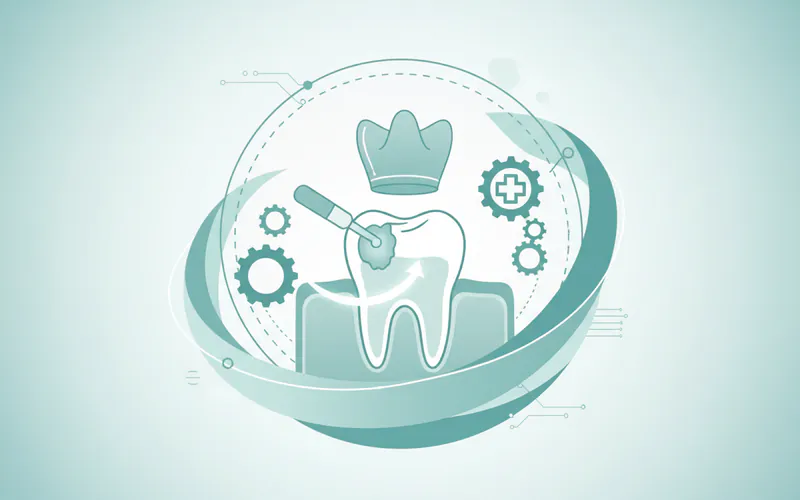
Dental crowns play a vital role in maintaining overall oral health. They protect compromised teeth from further damage, improve chewing efficiency, correct aesthetic imperfections, and can even anchor dental bridges. They are a common and highly effective restoration, essential for extending the life of teeth that might otherwise need extraction. According to the American Dental Association, roughly 15 million people in the US have crown and bridge restorations, highlighting their widespread use and importance in modern dentistry. Whether you're dealing with extensive decay, a fractured tooth, or have just undergone a root canal, understanding dental crowns is key to making informed decisions about your oral health.
Key Takeaways:
- A dental crown is a custom-fitted cap that covers a damaged tooth, restoring its function and appearance.
- Crowns are used for extensively decayed, fractured, or root canal-treated teeth.
- They come in various materials, including porcelain, ceramic, metal, and zirconia, each with unique benefits and costs.
- The process typically involves two appointments: tooth preparation and crown placement.
- With proper care, dental crowns can last 10-15 years or even longer.
- Costs vary significantly based on material, location, and insurance coverage, ranging from $800 to over $3,000 per tooth.
Detailed Explanation
Types and Classifications of Dental Crowns
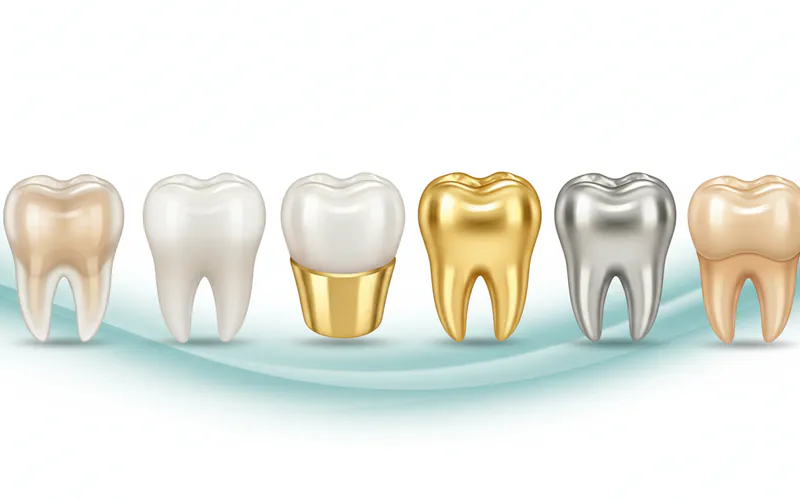
Dental crowns are not a one-size-fits-all solution; they come in various materials, each offering different aesthetics, durability, and cost. Your dentist will help you choose the best option based on the tooth's location, your bite, aesthetic preferences, and budget.
-
All-Porcelain or All-Ceramic Crowns:
- Pros: Offer the most natural appearance, blending seamlessly with surrounding teeth. Ideal for front teeth where aesthetics are paramount. Excellent for patients with metal allergies.
- Cons: Can be less durable than metal or zirconia, especially in high-stress areas. More prone to chipping or cracking, though modern ceramics are highly robust.
- Examples: E-max (lithium disilicate ceramic) is a popular, strong, and highly aesthetic option.
-
Zirconia Crowns:
- Pros: Extremely strong and durable, rivaling metal crowns. Offers a good balance of aesthetics (tooth-colored) and strength, suitable for both front and back teeth. Biocompatible.
- Cons: Can be more opaque than traditional porcelain, sometimes making them less natural-looking in very specific lighting conditions. Can be hard on opposing natural teeth if not polished properly.
- Applications: Increasingly popular due to their strength and improved aesthetics, especially for posterior teeth.
-
Porcelain-Fused-to-Metal (PFM) Crowns:
- Pros: Provide a strong bond to the underlying metal structure, offering excellent durability. The porcelain layer provides a natural tooth appearance. A popular choice for decades due to their strength and acceptable aesthetics.
- Cons: The metal substructure can sometimes show through as a dark line at the gum line, especially as gums recede. Requires more tooth reduction than some all-ceramic options.
- Applications: Versatile, used for both anterior and posterior teeth.
-
Metal Crowns (Gold Alloys, Nickel-Chromium, Palladium Alloys):
- Pros: Exceptionally strong, durable, and resistant to fracture. Requires minimal tooth reduction compared to other types. Excellent for back molars where chewing forces are highest and aesthetics are less of a concern. Longest-lasting.
- Cons: Unnatural metallic color, making them unsuitable for visible teeth. Can sometimes cause allergic reactions in sensitive individuals (though rare with gold alloys).
- Applications: Best for posterior teeth (molars).
-
Resin Crowns:
- Pros: The least expensive option.
- Cons: Less durable and more prone to fracture and wear than other types. Tend to stain over time. Usually used as temporary crowns.
Causes and Risk Factors for Needing a Dental Crown
Several factors can lead to the need for a dental crown:
- Extensive Tooth Decay: When a cavity is too large for a standard filling (restoration) to effectively repair, a crown provides the necessary structural integrity.
- Fractured or Broken Tooth: Trauma, grinding (bruxism), or a weakened tooth structure can lead to cracks or fractures that require a crown for protection. A crown acts as a protective shield, preventing the fracture from worsening.
- Weakened Tooth Structure: Teeth that have undergone a root canal treatment become brittle over time because their blood supply has been removed. A crown is almost always recommended to protect these teeth from fracturing.
- Large Fillings: Over time, large fillings can weaken the surrounding tooth structure. If a significant portion of the tooth is a filling, a crown may be necessary to support the remaining tooth.
- Cosmetic Enhancement: Crowns can improve the appearance of severely discolored, misshapen, or poorly aligned teeth, offering a more comprehensive change than a veneer in some cases.
- Anchoring a Dental Bridge: Crowns are used on the teeth adjacent to a gap to support a dental bridge, which replaces one or more missing teeth.
- Dental Implants: A crown is the final prosthetic step placed on top of a dental implant to replace a missing tooth.
Signs and Symptoms to Watch For
It's crucial to be aware of potential signs that your tooth may need a crown:
- Severe Toothache or Sensitivity: Persistent pain, especially when biting down or when exposed to hot or cold temperatures, could indicate significant decay or a crack.
- Visible Cracks or Chips: Any visible damage to the tooth's surface, particularly if it extends into the dentin.
- Dark Spots or Discoloration: While not always indicative of a crown, severe discoloration can sometimes point to extensive decay or a dying nerve, warranting an evaluation.
- Pain When Chewing or Biting: This could be a sign of a cracked tooth or an underlying issue with a filling.
- Loss of an Old, Large Filling: If a large filling falls out, a crown is often the best solution to restore the tooth.
- Post-Root Canal Treatment: If you've had a root canal, your dentist will likely recommend a crown soon after to protect the treated tooth.
Diagnosis Process — What Your Dentist Does
When you visit your dentist with concerns, they will undertake a thorough diagnostic process:
- Comprehensive Oral Examination: Your dentist will visually inspect your teeth, looking for signs of decay, fractures, large fillings, or other damage.
- Dental X-rays: X-rays are critical for revealing issues not visible to the naked eye, such as decay between teeth, infections in the tooth root (which might necessitate a root canal before crowning), or issues with existing fillings.
- Probing and Tapping: Your dentist may gently probe the tooth with an instrument or tap it to check for sensitivity or pain, which can indicate nerve damage or a fracture.
- Bite Test: They might ask you to bite down on a special stick to pinpoint areas of pain, which can help locate a subtle crack.
- Patient History: Discussion about your symptoms, medical history, and oral hygiene habits provides valuable context.
Treatment Options with Pros, Cons, and Costs
As discussed in "Types and Classifications," the "treatment options" primarily refer to the material chosen for the crown. Here's a summary table comparing the most common crown types:
| Crown Type | Pros | Cons | Average Cost Range (US) (without insurance) |
|---|---|---|---|
| All-Porcelain/Ceramic | Most natural appearance, metal-free, good for front teeth. | Can be more brittle than metal, potential for chipping (though less common with newer ceramics). | $1,000 - $2,500+ |
| Zirconia | Very strong, good aesthetics, biocompatible, suitable for front & back. | Can be more opaque than porcelain; requires specific polishing to prevent wear on opposing teeth. | $1,200 - $3,000+ |
| PFM (Porcelain-Fused-to-Metal) | Good strength, acceptable aesthetics, durable. | Dark line at gum line (metal show-through) possible; more tooth reduction needed. | $800 - $2,000 |
| Metal (Gold Alloy) | Superior strength and durability, minimal tooth reduction, long-lasting. | Unnatural appearance (gold color), not aesthetic for visible teeth. | $900 - $2,800+ |
| Resin | Most affordable. | Least durable, prone to wear and fracture, stains easily; generally used for temporary solutions. | $600 - $1,500 |
Note: These are average costs and can vary significantly based on geographic location, the dentist's fees, and the complexity of the case.
Step-by-Step: What to Expect During Treatment
Getting a dental crown usually involves two visits to your dentist, unless a same-day (CEREC) crown is used.
First Appointment: Preparation and Impression
- Anesthesia: The dentist will numb the tooth and surrounding gum tissue using local anesthetic to ensure you are comfortable.
- Tooth Preparation: The tooth needing the crown is carefully reshaped. This involves filing down the outer surface to make room for the crown to fit over it. The amount of tooth removed depends on the type of crown material. If there's extensive decay, the dentist might first build up the tooth structure using a filling material (a restoration called a "core buildup").
- Impression: Once the tooth is prepared, an impression (mold) is taken of the prepared tooth and often the opposing jaw. This impression is sent to a dental lab where your custom crown will be fabricated to perfectly match your bite and the surrounding teeth. For same-day crowns, a digital scanner is used, and the crown is milled in-office.
- Temporary Crown Placement: While your permanent crown is being made (which can take 1-3 weeks), your dentist will place a temporary crown over the prepared tooth. This protects the tooth, prevents sensitivity, and maintains your bite and appearance. You'll receive instructions on how to care for your temporary crown.
Second Appointment: Permanent Crown Placement
- Removal of Temporary Crown: The temporary crown is carefully removed, and the underlying tooth is cleaned.
- Fit and Aesthetics Check: Your dentist will check the fit, bite, and color of the permanent crown. They'll ensure it blends naturally with your other teeth and that your bite feels comfortable. Minor adjustments may be made at this stage.
- Permanent Cementation: Once you and your dentist are satisfied with the crown, it will be permanently cemented onto your prepared tooth using a strong dental adhesive.
- Final Adjustments: Any final adjustments to your bite are made, and the crown is polished.
Recovery Timeline and Aftercare
- Initial Recovery (First Few Days): It's normal to experience some mild sensitivity to hot or cold temperatures, or slight discomfort when chewing, especially if significant tooth preparation was needed. This usually subsides within a few days. The numbness from the local anesthetic will wear off within a few hours.
- Managing Discomfort: Over-the-counter pain relievers like ibuprofen or acetaminophen can help manage any discomfort.
- Diet: Avoid chewing hard or sticky foods directly on the crowned tooth for the first 24 hours while the cement fully cures.
- Oral Hygiene: Maintain excellent oral hygiene. Brush and floss around your new crown just as you would your natural teeth. Pay close attention to the gum line around the crown to prevent gum inflammation and decay.
- Regular Dental Check-ups: Continue with your regular dental check-ups and cleanings (typically every six months). Your dentist will monitor the health of your crown and the surrounding tissues.
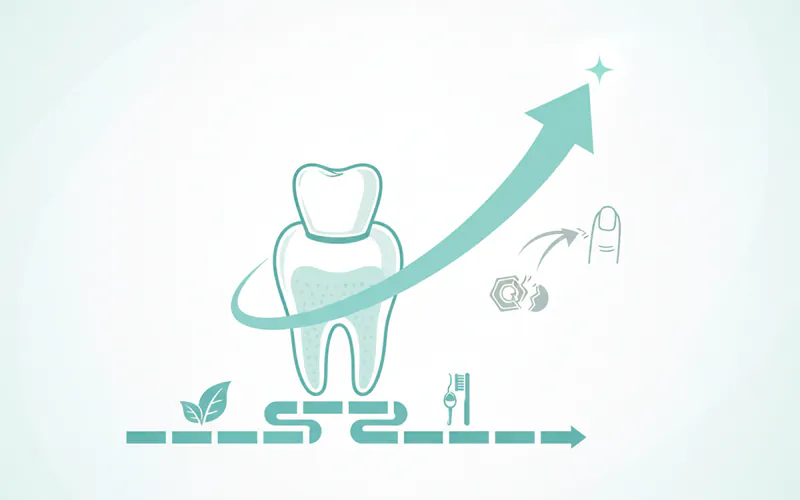
- Avoid Habits: If you grind or clench your teeth (bruxism), talk to your dentist about a nightguard to protect your crown and other teeth. Avoid chewing on ice, pens, or other hard objects, which can damage crowns.
With proper care, a dental crown can last 10-15 years, and sometimes even 20 years or more. The longevity depends on the material, your oral hygiene, and your bite forces.
Prevention Strategies
While some situations necessitating a crown are unavoidable (like a fractured tooth from trauma), many can be prevented:
- Maintain Excellent Oral Hygiene: Brush your teeth at least twice a day with fluoride toothpaste and floss daily to prevent decay, which is the leading cause for needing a crown.
- Regular Dental Check-ups and Cleanings: Visiting your dentist every six months allows for early detection and treatment of small cavities before they become large enough to require a crown.
- Protective Mouthguards: If you play contact sports, wear a custom-fitted mouthguard. If you suffer from bruxism (teeth grinding), a nightguard can protect your teeth from excessive wear and fracture.
- Healthy Diet: Limit sugary and acidic foods and drinks, which contribute to tooth decay.
- Address Dental Problems Promptly: Don't ignore persistent tooth sensitivity or pain. Early intervention can often save a tooth from needing more extensive restorations like a crown.
Cost Ranges in the US (with/without insurance)
The cost of a dental crown in the United States can vary widely, influenced by several factors:
- Material: As seen in the table above, different materials have different price points. Zirconia and all-ceramic crowns tend to be at the higher end.
- Geographic Location: Costs are generally higher in major metropolitan areas compared to rural areas.
- Dentist's Fees: The experience and specialization of the dentist can also influence the cost.
- Complexity of the Case: Additional procedures like a root canal (often $700-$1,800), a core buildup (an additional $200-$400), or gum recontouring will add to the overall expense.
Average Cost Ranges (without insurance) in the US:
- PFM Crown: $800 - $2,000
- All-Ceramic/Porcelain Crown: $1,000 - $2,500
- Zirconia Crown: $1,200 - $3,000+
- Gold Crown: $900 - $2,800+
With Insurance: Most dental insurance plans typically cover a portion of the cost of dental crowns, often 50% to 80% of the procedure, after deductibles are met. It's crucial to check with your specific insurance provider for details on your coverage limits, annual maximums, and any waiting periods. For example, if a crown costs $1,500 and your insurance covers 50% after a $50 deductible, you might pay $750 + $50 = $800. Many providers consider crowns a major restorative procedure.
For Parents / Pediatric Considerations
Children can also need dental crowns, particularly on their primary (baby) teeth. The most common type of crown for primary teeth is a stainless steel crown.
- Stainless Steel Crowns: These are prefabricated metal crowns that are durable, cost-effective, and provide full coverage protection for severely decayed or fractured primary teeth. They are often used after a pulpotomy (a partial root canal) to prevent further decay or tooth loss, ensuring the primary tooth remains until it's naturally lost, preserving space for the permanent tooth. They are generally placed in a single visit.
- When are they used? For primary molars with extensive decay that can't be fixed with a simple filling, or when a tooth needs protection after nerve treatment.
- Pediatric Esthetics: While stainless steel crowns are visible, their priority is function and protecting the tooth until exfoliation. For front baby teeth, aesthetic tooth-colored crowns (strip crowns or zirconia) can be used, though they might be more expensive and less durable than stainless steel options.
- Dental Trauma: Children are prone to dental injuries. A severe fracture to a permanent tooth in a child might also necessitate a crown once the tooth fully develops, often after initial temporary restorations or root canal therapy.
Frequently Asked Questions
How long do dental crowns last?
On average, dental crowns last between 10 to 15 years. However, with meticulous oral hygiene, regular dental check-ups, and avoiding habits like teeth grinding or chewing on hard objects, many crowns can last 20 years or even longer. The material of the crown, the quality of the cementation, and the health of the underlying tooth and gums all play a role in its longevity.
Is getting a dental crown painful?
The procedure for getting a dental crown is typically performed under local anesthesia, meaning the tooth and surrounding area will be completely numb, so you shouldn't feel any pain during the treatment itself. You may feel some pressure or vibration. After the anesthetic wears off, it's normal to experience some mild sensitivity or discomfort for a few days, which can usually be managed with over-the-counter pain relievers.
How long does the dental crown procedure take?
If you're getting a traditional lab-fabricated crown, the process usually takes two appointments. The first appointment for tooth preparation and temporary crown placement typically lasts 1 to 2 hours. The second appointment for permanent crown placement is usually shorter, around 30 minutes to 1 hour. If your dentist offers same-day crowns (CEREC), the entire process, including preparation, milling, and placement, can be completed in a single extended visit, often taking 2 to 3 hours.
What are the alternatives to a dental crown?
The best alternative depends on the extent of the tooth damage:
- Large Fillings (Amalgam or Composite): For less extensive decay or smaller fractures, a dental filling might suffice. However, if more than two-thirds of the tooth structure is compromised, a crown offers better protection.
- Onlays or Inlays (Partial Crowns): These are sometimes called "partial crowns" and are used when the damage is too extensive for a filling but not severe enough to require a full crown. Inlays fit within the cusps (the bumps) of the tooth, while onlays cover one or more cusps. They are fabricated in a lab and cemented onto the tooth.
- Veneers: If the concern is primarily aesthetic (discoloration, minor chips, or gaps) and the tooth is structurally sound, a veneer (a thin shell covering only the front surface of the tooth) might be an option. Veneers do not provide the same structural protection as a crown.
- Extraction and Replacement: If a tooth is too severely damaged to be saved by a crown, extraction might be necessary. The missing tooth can then be replaced with a dental bridge (which often uses crowns on adjacent teeth for support) or a dental implant (which has a crown placed on top of it).
Will my dental insurance cover the cost of a crown?
Most dental insurance plans provide coverage for dental crowns, as they are considered a major restorative procedure. Coverage typically ranges from 50% to 80% of the cost, after you've met your deductible. However, it's crucial to verify the specifics of your plan, including annual maximums, any waiting periods for major procedures, and specific material limitations, by contacting your insurance provider directly. Your dental office can often help you with a pre-treatment estimate to understand your out-of-pocket costs.
Can a crowned tooth still get a cavity?
Yes, a crowned tooth can still get a cavity. While the crown itself is an inert material and cannot decay, the natural tooth structure underneath the crown and around its margins (where the crown meets the tooth at the gum line) is still susceptible to decay. Excellent oral hygiene, including regular brushing and flossing, is critical to prevent new cavities from forming at the crown margins. If a cavity develops under a crown, it can compromise the crown's fit and potentially lead to tooth sensitivity, infection, or even the loss of the tooth and crown.
Are dental crowns noticeable?
Modern dental crowns, especially those made from all-porcelain, all-ceramic, or zirconia, are designed to blend seamlessly with your natural teeth. Dentists meticulously match the color, shape, and size of the crown to your existing teeth. For front teeth, highly aesthetic materials are chosen to ensure the crown is virtually indistinguishable from your natural smile. While metal crowns are noticeable due to their color, they are generally reserved for back molars where aesthetics are less of a concern.
When to See a Dentist
It's important to know when to seek professional dental attention regarding a crown:
Emergency Signs (See a dentist immediately):
- Severe Pain: Intense, persistent pain, especially when biting or with temperature changes, could indicate an infection, fracture under the crown, or a loose crown.
- Dislodged or Lost Crown: If your temporary or permanent crown falls off, collect it if possible and contact your dentist right away. Leaving the prepared tooth exposed can lead to sensitivity, decay, and shifting of adjacent teeth.
- Significant Swelling or Abscess: Swelling around the crown or gum line, often accompanied by pain or a foul taste, may indicate an infection requiring urgent treatment, possibly a root canal.
- Broken or Severely Chipped Crown: If your crown fractures significantly, leaving a sharp edge or exposing the underlying tooth.
Routine Care (Schedule an appointment soon):
- Mild Sensitivity: If sensitivity persists for more than a few days after crown placement or develops months later.
- Loose-Feeling Crown: If your crown feels wobbly or loose, even without pain.
- Dark Line at Gum Line: For PFM crowns, a dark line can sometimes appear at the gum line as gums recede, which might be a cosmetic concern.
- Cosmetic Concerns: If you are unhappy with the appearance, color, or shape of an existing crown.
- Regular Check-ups: Ensure you attend your routine dental check-ups and cleanings every six months to monitor the health of your crown and entire mouth.
Medical Disclaimer
This article is for informational purposes only and does not constitute medical advice. Always consult with a qualified dental professional for diagnosis and treatment. Do not delay seeking professional advice because of something you read on this website.