Bridge
3,896 words · 13 min read
Quick Definition
A fixed dental prosthesis that replaces one or more missing teeth by anchoring artificial teeth to adjacent natural teeth or dental implants.
Bridge: Your Definitive Guide to Restoring Your Smile
Losing a tooth can significantly impact not just your smile's appearance, but also your ability to chew, speak clearly, and maintain overall oral health. In the United States, tooth loss is a widespread concern, affecting millions of adults. According to the CDC, approximately 1 in 4 adults aged 65 or older have lost all of their teeth, and over 178 million Americans are missing at least one tooth. While dental implants have emerged as a leading solution, another highly effective and long-standing restorative option is the dental bridge.
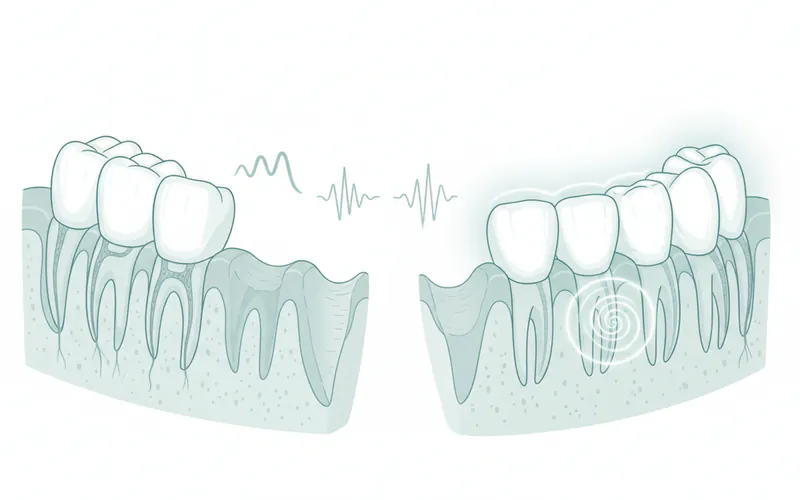
A dental bridge, often simply called a "bridge," is a fixed dental prosthesis designed to replace one or more missing teeth. It literally "bridges" the gap created by missing teeth by anchoring artificial teeth (called pontics) to adjacent natural teeth or dental implants. This innovative solution not only restores the aesthetics of your smile but also helps maintain the integrity of your bite, prevents remaining teeth from shifting, and supports the structure of your face. Understanding the role and function of a dental bridge is crucial for anyone considering options to replace missing teeth, making it a cornerstone of comprehensive dental care.
Key Takeaways:
Key Takeaways:
- A dental bridge is a fixed dental appliance that replaces one or more missing teeth.
- It works by anchoring artificial teeth (called pontics) to adjacent natural teeth or dental implants (abutments).
- Bridges restore chewing function, speech, and the aesthetics of your smile, while preventing other teeth from shifting.
- There are several types of bridges, including traditional, Maryland, cantilever, and implant-supported, each with distinct advantages and applications.
- The typical lifespan of a well-maintained dental bridge is 5 to 15 years, though many last longer.
- Costs in the US can range significantly, typically between $2,000 and $15,000 per bridge, depending on type, materials, and complexity, with insurance often covering a portion.
Detailed Explanation of Dental Bridges
A dental bridge serves as a durable, non-removable solution for tooth replacement. It is carefully crafted to seamlessly blend with your natural teeth, offering both functional restoration and aesthetic enhancement. The fundamental components of any bridge are the pontic (the artificial tooth or teeth) and the abutments (the supporting structures). Abutments can be natural teeth that have been prepared with crowns, or they can be dental implants.
Types and Classifications of Dental Bridges
The type of dental bridge recommended for you will depend on several factors, including the number of missing teeth, the health of your adjacent teeth, and your specific needs and budget.
-
Traditional Bridges:
- Description: This is the most common type of bridge. It consists of one or more pontics (artificial teeth) held in place by dental crowns that have been cemented onto two abutment teeth – the natural teeth on either side of the gap. The natural abutment teeth must be strong and healthy enough to support the bridge.
- Pros: Highly durable, provides excellent chewing function, natural-looking, relatively quicker treatment time compared to implants.
- Cons: Requires significant reshaping (reduction) of healthy adjacent teeth, making them permanently altered and reliant on the bridge. If an abutment tooth fails, the entire bridge may need replacement.
- ``
-
Cantilever Bridges:
- Description: Similar to a traditional bridge, but the pontic is supported by a dental crown on only one adjacent abutment tooth, rather than two. This option is typically used when there is only one natural tooth adjacent to the missing tooth space.
- Pros: Can be used when only one adjacent tooth is available for support.
- Cons: Less stable and durable than traditional bridges, as all chewing forces are concentrated on a single abutment tooth. This can put excessive stress on the abutment tooth, potentially leading to complications like loosening or fracture over time. Generally not recommended for molars where chewing forces are strongest.
-
Maryland (Resin-Bonded) Bridges:
- Description: This conservative bridge type uses a metal or porcelain framework that is bonded to the back (lingual) surfaces of the adjacent natural teeth with a special resin cement. Unlike traditional bridges, the adjacent teeth are not extensively reshaped; only minimal preparation may be needed.
- Pros: Preserves more natural tooth structure of the abutment teeth, less invasive procedure, generally lower cost.
- Cons: Less strong than traditional bridges, typically used only for front teeth (incisors and canines) where chewing forces are lighter. The wings can sometimes debond or fracture, requiring re-cementation or replacement.
- ``
-
Implant-Supported Bridges:
- Description: Instead of relying on natural teeth for support, this bridge type is anchored by dental implants. If you have more than one missing tooth, you might not need an implant for every missing tooth. For example, two implants can support a bridge of three or four artificial teeth.
- Pros: Does not require altering adjacent natural teeth, provides superior stability and long-term durability, helps preserve jawbone density, very natural look and feel. Considered the most robust and bone-friendly option for replacing multiple missing teeth.
- Cons: More expensive and involves a surgical procedure for implant placement, longer treatment timeline due to the healing period required for implants to integrate with the bone.
Causes and Risk Factors for Tooth Loss
Understanding why teeth are lost can help in preventing the need for a bridge in the first place. The primary reasons for tooth loss include:
- Severe Tooth Decay (Cavities): Untreated cavities can progress, destroying tooth structure and eventually leading to infection and the need for extraction.
- Gum Disease (Periodontal Disease): This is a leading cause of tooth loss in adults. Chronic inflammation and infection of the gums and supporting bone can loosen teeth and cause them to fall out.
- Trauma or Injury: Accidents, falls, or sports injuries can lead to teeth being knocked out or fractured beyond repair.
- Failed Root Canal Treatment: While root canals save teeth, some can fail over time, necessitating extraction.
- Congenital Missing Teeth: Some individuals are born without certain permanent teeth.
- Impacted Teeth: Teeth that fail to erupt properly (e.g., wisdom teeth) may need extraction, and sometimes other teeth need to be removed to accommodate orthodontics, or if they are damaged due to the impaction.
- Age: While not a direct cause, the cumulative effect of wear and tear, and increased susceptibility to gum disease, can heighten the risk of tooth loss in older adults.
- Poor Oral Hygiene: Inadequate brushing and flossing allow plaque and tartar to build up, accelerating decay and gum disease.
- Smoking/Tobacco Use: Tobacco products significantly increase the risk of gum disease and hinder healing, making tooth loss more likely.
Signs and Symptoms to Watch For (Indicating Missing Teeth or Bridge Issues)
If you have missing teeth, or if you have an existing bridge, it's important to be aware of signs that might indicate a problem:
- A Visible Gap in Your Smile: The most obvious sign of a missing tooth.
- Difficulty Chewing: Missing teeth can make it challenging to properly chew food, leading to digestive issues or avoidance of certain foods.
- Difficulty Speaking: Missing front teeth, in particular, can affect pronunciation and cause lisps.
- Shifting of Remaining Teeth: Adjacent teeth may drift into the empty space, altering your bite and potentially creating new gaps.
- Changes in Bite: Misalignment of teeth can put undue stress on your jaw joints (TMJ) and lead to pain.
- Jaw Pain or Discomfort: Often related to a misaligned bite or increased stress on remaining teeth.
- Food Getting Trapped: Gaps can become traps for food particles, increasing the risk of decay in adjacent teeth.
- Aesthetic Concerns: Many people feel self-conscious about gaps in their smile.
- Sensitivity or Pain Around Abutment Teeth: If you have an existing bridge, pain or sensitivity in the supporting teeth could indicate decay underneath the crowns or an issue with the nerve.
- Loose Bridge: A wobbly or shifting bridge suggests the cement has failed or there's an issue with the abutment teeth.
- Gum Swelling or Redness: Around an existing bridge, this could indicate inflammation or infection.
Diagnosis Process: What Your Dentist Does
Diagnosing the need for a bridge and planning the appropriate treatment involves a thorough evaluation by your dentist:
- Comprehensive Oral Examination: Your dentist will visually inspect your mouth, assessing the health of your remaining teeth, gums, and overall oral structures.
- Dental X-rays: Periapical, bitewing, and panoramic X-rays are crucial. They provide detailed images of your teeth roots, jawbone, and any underlying issues like decay, bone loss, or abscesses. If implants are being considered, a CBCT (Cone Beam Computed Tomography) scan may be necessary for 3D imaging of bone density and nerve locations.
- Taking Impressions/Digital Scans: Molds of your teeth or digital scans are taken to create an accurate model of your bite. This helps in designing a bridge that fits perfectly and ensures proper occlusion (how your upper and lower teeth meet).
- Discussion of Medical and Dental History: Your dentist will review your health history to identify any conditions or medications that might affect treatment (e.g., diabetes, heart conditions, blood thinners).
- Treatment Planning and Options Discussion: Based on the diagnosis, your dentist will discuss the various bridge types, alternatives like dental implants or partial dentures, and their respective pros, cons, costs, and expected outcomes. Your aesthetic goals and functional needs will be a key part of this conversation.
Treatment Options with Pros, Cons, and Costs
While this article focuses on bridges, it's essential to understand their place among other tooth replacement options.
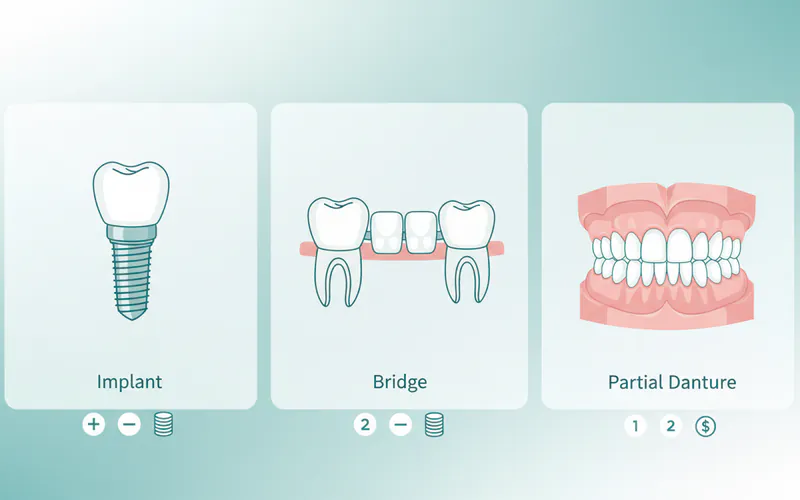
| Treatment Option | Pros | Cons | Estimated Cost (US, without insurance) |
|---|---|---|---|
| Traditional Bridge | Fixed, strong, natural appearance, restores function, quicker treatment than implants. | Requires significant reduction of healthy adjacent teeth, abutment teeth are susceptible to decay/nerve issues, does not prevent bone loss. | $2,000 - $5,000 per unit (e.g., a 3-unit bridge replacing 1 tooth: $6,000 - $15,000) |
| Maryland Bridge | More conservative (less tooth preparation), lower cost, quicker procedure. | Less strong, can debond, typically only for front teeth, doesn't prevent bone loss. | $1,500 - $2,500 per tooth |
| Cantilever Bridge | Can be used when only one adjacent tooth available. | Puts excessive stress on single abutment tooth, higher risk of complications (loosening, fracture), less stable. | Similar to traditional bridge, often $2,000 - $5,000 per unit. |
| Implant-Supported Bridge | Most durable, highly aesthetic, preserves jawbone, does not involve adjacent teeth, long-lasting. | Higher initial cost, involves surgery, longer treatment timeline (healing period), not suitable for all patients (bone density, health). | $5,000 - $15,000 per implant; a bridge supported by 2 implants could be $10,000 - $30,000+ (includes implants, abutments, and bridge itself). |
| Dental Implant | Gold standard for single tooth replacement: preserves bone, highly durable, looks/feels natural. | Higher cost (per tooth), surgical procedure, longer treatment time (healing), not always suitable. | $3,000 - $6,000+ per implant (including crown, abutment, and surgery). |
| Removable Partial Denture | Least expensive, non-invasive, can replace multiple teeth. | Removable (less stable), can feel bulky, may impact speech/taste, requires daily removal/cleaning, does not prevent bone loss, can irritate gums. | $600 - $2,500 (for acrylic or metal framework). |
Step-by-Step: What to Expect During Treatment
The process for getting a dental bridge typically involves two or more dental appointments.
For a Traditional Bridge:
-
Appointment 1: Preparation of Abutment Teeth and Impressions
- Anesthesia: The dentist will numb the area with local anesthetic.
- Tooth Preparation: The abutment teeth (the natural teeth on either side of the gap) will be carefully reshaped. This involves removing a small amount of enamel from the sides and top to create space for the crowns that will anchor the bridge.
- Impressions/Scans: After preparation, precise impressions (molds) or digital scans of your prepared teeth and the surrounding area are taken. These impressions are sent to a dental lab, where skilled technicians will custom-fabricate your bridge from materials like porcelain, ceramic, metal alloys, or a combination.
- Temporary Bridge Placement: A temporary bridge made of acrylic will be placed over your prepared teeth. This protects them from sensitivity, helps maintain your bite, and preserves aesthetics while your permanent bridge is being made.
-
Appointment 2 (and potentially 3): Placement of the Permanent Bridge
- Temporary Removal: The temporary bridge is carefully removed.
- Fit and Adjustment: Your dentist will meticulously check the fit, bite, and aesthetics of the permanent bridge. Adjustments may be made to ensure it aligns perfectly with your opposing teeth and feels comfortable.
- Cementation: Once the fit is ideal, the permanent bridge is cemented onto your prepared abutment teeth using a strong, durable dental cement. The cement bonds the crowns of the bridge securely to your natural teeth.
- Final Checks: Your dentist will check your bite one last time and provide instructions on how to care for your new bridge.
For an Implant-Supported Bridge:
This process is more involved and typically requires a longer timeline due to the surgical placement and healing time for the dental implants:
- Implant Placement Surgery: Dental implants (small, screw-shaped posts, usually made of titanium) are surgically placed into the jawbone where the missing teeth were. This usually requires a healing period of 3 to 6 months for osseointegration – where the implants fuse with the bone.
- Abutment Placement (Optional Stage): Sometimes, a separate appointment is needed to attach an abutment (a connector post) to the implant after it has healed.
- Impressions/Scans: Once the implants are stable and healed, impressions or digital scans are taken to design the custom bridge.
- Bridge Placement: The custom-fabricated bridge is then attached to the abutments on the implants, restoring your smile.
Recovery Timeline and Aftercare
Immediately after bridge placement, you might experience some mild soreness or sensitivity in your teeth and gums, especially with traditional bridges where natural teeth were prepared. This usually subsides within a few days.
Aftercare is paramount for the longevity of your bridge:
- Oral Hygiene: Brush your teeth and bridge at least twice a day with fluoride toothpaste. Crucially, you'll need special tools to clean underneath the pontic(s), as a regular toothbrush cannot reach this area. Floss threaders, superfloss, or interdental brushes are essential for removing plaque and food debris from under the artificial tooth and around the abutment teeth. An oral irrigator (water flosser) can also be a helpful addition.
- Dietary Considerations: Avoid extremely hard or sticky foods (e.g., hard candies, caramels) that could potentially damage the bridge or dislodge it. Chew evenly on both sides of your mouth.
- Regular Dental Check-ups: Continue with routine dental examinations and professional cleanings every six months, or as recommended by your dentist. Your dentist will check the integrity of your bridge, the health of your abutment teeth, and your gums.
- Nightguards: If you clench or grind your teeth (bruxism), your dentist might recommend a custom-made nightguard to protect your bridge and natural teeth from excessive forces.
With diligent care, a dental bridge can last an average of 5 to 15 years, though many patients enjoy their bridges for 20 years or more.
Prevention Strategies (for Avoiding Tooth Loss)
The best bridge is often the one you never need. Preventing tooth loss is crucial:
- Maintain Excellent Oral Hygiene: Brush thoroughly twice a day for two minutes with fluoride toothpaste and floss daily to remove plaque and food particles.
- Regular Dental Check-ups and Cleanings: Visit your dentist every six months for professional cleanings and examinations. Early detection and treatment of decay and gum disease can prevent tooth loss.
- Healthy Diet: Limit sugary and acidic foods and drinks, which contribute to tooth decay.
- Use a Mouthguard: If you play contact sports or suffer from bruxism (teeth grinding), a custom-fitted mouthguard can protect your teeth from trauma.
- Avoid Tobacco Products: Smoking and chewing tobacco are significant risk factors for gum disease and oral cancer, both of which can lead to tooth loss.
Cost Ranges in the US
The cost of a dental bridge in the United States can vary significantly based on the type of bridge, the materials used (e.g., porcelain, zirconia, metal alloy), the number of units (pontics and crowns), the complexity of the case, the geographic location of the dental practice, and the dentist's fees.
- Traditional Bridge: Typically ranges from $2,000 to $5,000 per unit (a unit is a crown or a pontic). A common 3-unit bridge (replacing one missing tooth with two supporting crowns) would therefore cost between $6,000 and $15,000.
- Maryland Bridge: Generally less expensive, ranging from $1,500 to $2,500 per tooth.
- Cantilever Bridge: Similar in cost to a traditional bridge, often $2,000 - $5,000 per unit.
- Implant-Supported Bridge: This is usually the most expensive option due to the surgical component. The cost can be $5,000 to $15,000 per implant, and a bridge may require multiple implants. For a multi-unit bridge supported by two implants, the total cost could range from $10,000 to $30,000 or more.
With/Without Insurance: Dental insurance typically covers a portion of the cost of traditional bridges, often categorized as a "major restorative" procedure. Coverage can range from 25% to 50%, but it's crucial to check your specific plan's benefits. Most dental insurance plans have an annual maximum (e.g., $1,000 to $2,000), which means you might still have a substantial out-of-pocket expense, especially for more complex or expensive bridges. Implant-supported bridges may have limited or no coverage, depending on your plan, as some insurers still classify implants as a cosmetic or experimental procedure. Many dental offices offer payment plans or financing options to help manage costs.
For Parents / Pediatric Considerations
While traditional dental bridges are primarily an adult restorative solution, parents should be aware of factors that might lead to a child needing tooth replacement in the future.
- Early Loss of Permanent Teeth: If a permanent tooth is lost due to trauma (e.g., a sports injury) or severe decay in childhood, space maintainers or other temporary solutions may be used until the child's jaw has fully developed (typically late teens/early twenties). A bridge or implant would then be considered as a permanent solution.
- Congenitally Missing Teeth: Some children are born missing certain permanent teeth. Orthodontic treatment might be used to close gaps, or space can be preserved for future restorative options like a bridge or implant once growth is complete.
- Prevention: Emphasize excellent oral hygiene and regular dental visits from an early age. Mouthguards for sports are critical to prevent traumatic tooth loss in children and teenagers. Early intervention for cavities and proper management of primary tooth loss are essential to guide the eruption of permanent teeth and prevent future complications.
Frequently Asked Questions
How much does a dental bridge cost?
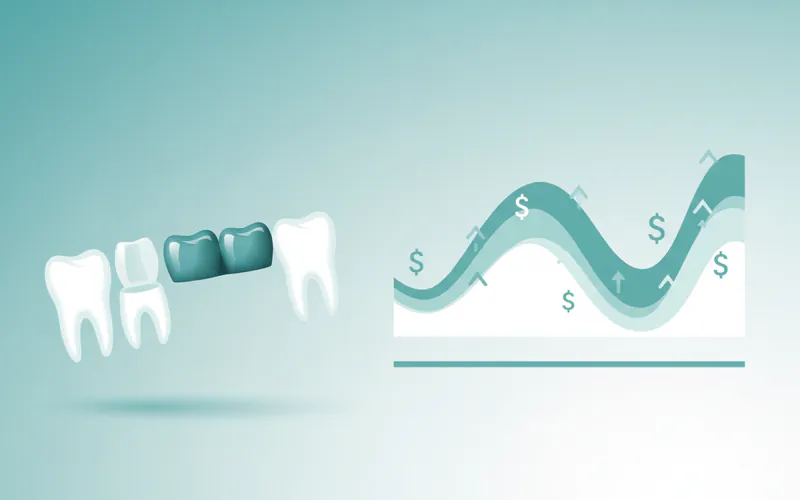
The cost of a dental bridge in the US varies significantly. A traditional bridge can range from $6,000 to $15,000 for a typical 3-unit bridge. Maryland bridges are generally $1,500 to $2,500 per tooth, while implant-supported bridges are the most expensive, often ranging from $10,000 to $30,000+ depending on the number of implants and teeth. These figures are generally before insurance coverage.
Is getting a dental bridge painful?
The procedure itself is typically not painful, as local anesthetic is used to numb the area during tooth preparation and cementation. You might experience some mild discomfort, soreness, or sensitivity in the gums and abutment teeth for a few days after the procedure, which can usually be managed with over-the-counter pain relievers.
How long does a dental bridge last?
With proper oral hygiene, regular dental check-ups, and a healthy lifestyle, a dental bridge can last an average of 5 to 15 years. Many bridges last much longer, with some patients enjoying their restorations for 20 years or more. Factors like the health of the abutment teeth, oral habits (e.g., grinding), and material quality can influence longevity.
What are the alternatives to a dental bridge?
The primary alternatives to a dental bridge are dental implants and removable partial dentures. Dental implants are widely considered the gold standard for tooth replacement, as they are fixed, preserve jawbone, and do not involve adjacent teeth. Partial dentures are a more economical, removable option, but they can be less stable and may not offer the same level of comfort or aesthetics as fixed solutions.
Does dental insurance cover bridges?
Most dental insurance plans do cover a portion of the cost of traditional dental bridges, often around 25% to 50%, as they are considered a major restorative procedure. However, coverage limits, annual maximums (typically $1,000-$2,000), and waiting periods apply. Implant-supported bridges may have more limited or no coverage, depending on your specific plan's terms. It's always best to check with your insurance provider directly.
Can I get a bridge if I have gum disease?
No. Active gum disease must be treated and brought under control before a dental bridge can be placed. Healthy gums and strong abutment teeth are crucial for the success and longevity of any bridge. Your dentist will ensure your oral health is optimal before proceeding with restorative treatment.
How do I clean under a dental bridge?
Cleaning under a dental bridge is essential to prevent plaque buildup, decay in abutment teeth, and gum disease. A regular toothbrush cannot reach this area. You should use specialized tools such as floss threaders, Superfloss, or interdental brushes to meticulously clean the space between the pontic (artificial tooth) and your gums, as well as around the abutment teeth. An oral irrigator (water flosser) can also be a helpful supplementary tool.
What are the potential complications of a bridge?
Potential complications can include decay forming under the crowns of the abutment teeth (especially if oral hygiene is poor), sensitivity or nerve damage in the abutment teeth, cement wash-out (leading to a loose bridge), fracture of the bridge or abutment teeth, or gum irritation. Implant-supported bridges carry risks associated with surgery, such as infection or implant failure, though these are rare.
When to See a Dentist
It's crucial to consult with your dentist if you experience any of the following:
- You have a missing tooth or teeth and are looking for replacement options.
- Your existing dental bridge feels loose, cracked, or broken.
- You experience pain, sensitivity, or swelling around your bridge or the supporting teeth.
- You notice food getting consistently trapped under your bridge.
- Your gums around the bridge are red, swollen, or bleeding.
- You have difficulty chewing or speaking that you suspect is related to missing teeth or an existing bridge.
- You are due for your routine dental check-up and cleaning, as regular visits are key to monitoring the health of your bridge and overall oral health.
Don't wait for a problem to worsen. Early intervention can often save you discomfort, time, and expense. Your dentist can assess your situation and recommend the most appropriate course of action to maintain your oral health and smile.
Medical Disclaimer
This article is for informational purposes only and does not constitute medical advice. Always consult with a qualified dental professional for diagnosis and treatment. Do not delay seeking professional advice because of something you read on this website.