Pontic
5,267 words · 18 min read
Quick Definition
The artificial tooth in a dental bridge that spans the gap left by a missing tooth. The pontic is suspended between and supported by crowns on the adjacent abutment teeth.
Pontic: The Essential Link in Your Dental Bridge
The loss of a natural tooth, whether due to decay, trauma, or gum disease, can have a profound impact on your oral health, chewing ability, and even your self-confidence. Fortunately, modern dentistry offers highly effective solutions to restore your smile and function. One of the most common and reliable methods for replacing a missing tooth is a dental bridge, and at the heart of every traditional dental bridge lies a crucial component: the pontic.
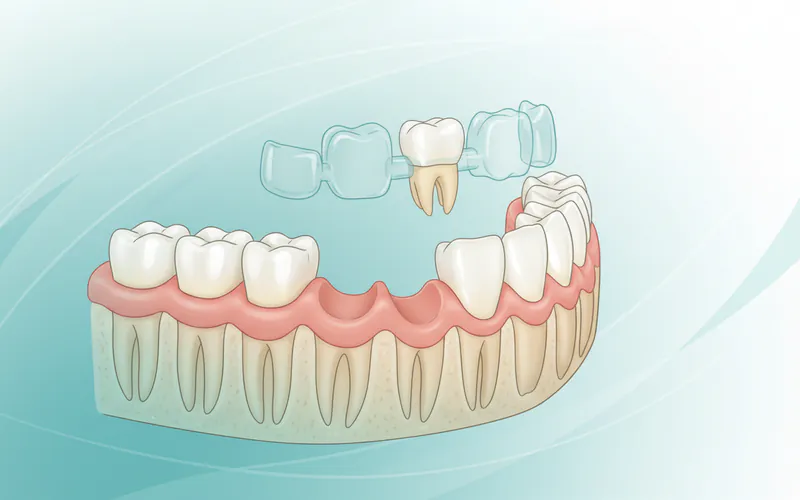
A pontic is, simply put, the artificial tooth in a dental bridge that spans the gap left by a missing tooth. Unlike a dental implant that is anchored directly into the jawbone, or a denture that is removable, the pontic is meticulously crafted to fit precisely into the empty space. It is seamlessly suspended between and supported by crowns placed on the adjacent natural teeth, known as abutment teeth. These abutment teeth act as anchors, providing the stable foundation necessary for the pontic to function as a natural tooth, restoring both aesthetics and chewing capability.
Understanding the pontic is key to appreciating how a dental bridge works. It's not just a placeholder; it's a carefully designed prosthetic that needs to withstand the forces of biting and chewing, integrate aesthetically with your existing teeth, and be easy to clean. This article will serve as your definitive guide to the pontic, explaining its various types, the process of getting one, its benefits, and how to maintain it for a long-lasting, healthy smile. The importance of the pontic extends beyond mere appearance; it prevents adjacent teeth from shifting into the gap, maintains proper bite alignment, and supports facial structure, all vital aspects of overall dental health.
Tooth loss is surprisingly common in the United States. According to the American College of Prosthodontists, approximately 178 million Americans are missing at least one tooth, and about 40 million are missing all of their teeth. While dental implants have gained significant popularity, dental bridges, incorporating a pontic, remain a highly sought-after and effective treatment option for many individuals looking to replace one or more missing teeth.
Key Takeaways:
- A pontic is the artificial tooth that replaces a missing tooth within a dental bridge.
- It is suspended between and supported by crowns on adjacent abutment teeth.
- Pontics restore chewing function, speech, and the aesthetic appearance of a natural tooth.
- They prevent adjacent teeth from shifting and maintain the integrity of your bite.
- Pontics can be made from various materials, including porcelain, ceramic, or metal, often chosen for strength and aesthetic match.
- Proper hygiene, including specialized cleaning techniques, is crucial for the longevity of a pontic and the entire bridge.
Detailed Explanation
Types and Classifications of Pontics
Pontics are not one-size-fits-all. They vary significantly in terms of materials, design, and how they interact with the gum tissue. These variations are crucial for aesthetics, durability, and ease of cleaning.
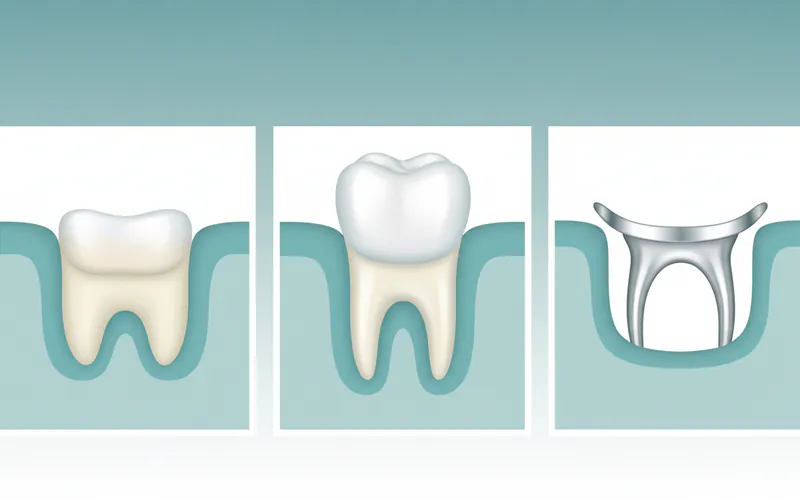
1. Based on Material:
- Porcelain-Fused-to-Metal (PFM) Pontics: These are a very common choice, combining the strength of a metal substructure (often a noble metal alloy) with the aesthetic appeal of a porcelain outer layer.
- Pros: Excellent strength and durability, good aesthetics (though metal margin can sometimes show over time), cost-effective compared to all-ceramic.
- Cons: Can sometimes show a dark line at the gumline if the gum recedes, less translucent than all-ceramic, may cause sensitivity in some individuals.
- All-Ceramic (Porcelain) Pontics: Made entirely of dental ceramics like zirconia, Emax (lithium disilicate), or traditional porcelain.
- Pros: Superior aesthetics and translucency, mimicking natural tooth enamel perfectly. Ideal for highly visible areas. Biocompatible. No dark lines at the gumline.
- Cons: Can be more brittle than PFM (especially traditional porcelain), may be more expensive, requires precise laboratory work. Zirconia offers excellent strength.
- All-Metal (Gold or Other Alloys) Pontics: Typically made from gold alloys, these are exceptionally strong and highly biocompatible.
- Pros: Unmatched strength and longevity, minimal wear on opposing teeth, highly resistant to corrosion and fracture.
- Cons: Poor aesthetics (metallic appearance), usually reserved for posterior (back) teeth where visibility is not a primary concern. Less common today due to aesthetic demands.
- Composite Pontics: Made from a tooth-colored resin material.
- Pros: Less expensive, can be repaired directly in the mouth, good immediate aesthetic results.
- Cons: Less durable and more prone to staining and wear than porcelain or metal, typically used for temporary bridges or very small, low-stress applications.
2. Based on Design (Relationship to Gum Tissue):
The design of the pontic's underside (the part that sits over the gum where the tooth was extracted) is critical for both aesthetics and hygiene.
- Modified Ridge-Lap Pontic: This is the most widely used design because it offers a good balance of aesthetics and cleansability. The pontic touches the gum tissue only on the facial (cheek/lip) side, mimicking the contour of a natural tooth emerging from the gum. The lingual (tongue) side is slightly concave and clear of the gum, allowing for easy cleaning with floss threaders.
- Pros: Good aesthetics, relatively easy to clean.
- Cons: Requires careful hygiene to prevent plaque buildup.
- Ovate Pontic: Considered the most aesthetic design, especially for the front teeth. The ovate pontic gently presses into a concave gum tissue, creating the illusion that the tooth is naturally emerging from the gum. This often requires minor surgical reshaping of the gum tissue at the time of extraction or prior to bridge placement.
- Pros: Excellent aesthetics, creates a very natural appearance.
- Cons: Requires precise gum contouring, more challenging to clean thoroughly due to the intimate gum contact, though dedicated effort yields great results.
- Hygienic (Sanitary) Pontic: This design leaves a significant space (at least 2-3 mm) between the pontic and the underlying gum tissue. It is designed to be easily cleaned from both the facial and lingual sides, as food and plaque cannot get trapped against the gum.
- Pros: Easiest to clean, ideal for patients with poor dexterity or in areas where aesthetics are not paramount (e.g., far back molars).
- Cons: Poorer aesthetics due to the visible gap beneath the pontic, can lead to food impaction in the gap.
- Conical Pontic: A variation often used for mandibular (lower) posterior teeth, where aesthetics are less of a concern. It has a rounded, tapered surface that touches the gum at a single point, making it relatively easy to clean.
- Pros: Good hygiene.
- Cons: Less aesthetic than ridge-lap or ovate, may not be suitable for wider gaps.
- Ridge-Lap Pontic (Historically): This design fully overlaps the gum ridge on both the facial and lingual sides. While it provides a good aesthetic initially, it is extremely difficult to clean effectively, leading to plaque accumulation and gum inflammation. Due to hygiene concerns, it is generally not recommended by modern dentists.
Causes and Risk Factors for Needing a Pontic
A pontic is needed when one or more teeth are missing, and a dental bridge is chosen as the replacement method. The underlying causes of tooth loss are varied:
- Severe Tooth Decay (Cavities): Untreated decay can destroy so much tooth structure that the tooth cannot be saved and must be extracted.
- Periodontal Disease (Gum Disease): Advanced gum disease, or periodontitis, is the leading cause of tooth loss in adults. It destroys the bone and tissues supporting the teeth, causing them to loosen and eventually fall out.
- Trauma or Injury: Accidents, sports injuries, or falls can lead to fractured or knocked-out teeth.
- Failed Root Canal Treatment: Sometimes, a root canal procedure may not be successful, leading to persistent infection or pain that necessitates extraction.
- Congenital Absence: In some rare cases, individuals are born without certain permanent teeth (a condition called anodontia or hypodontia).
- Failed Previous Restorations: Old, large fillings or crowns can fail, leading to tooth fracture or recurrent decay, ultimately requiring extraction.
- Orthodontic Reasons: Occasionally, a tooth may be extracted to facilitate orthodontic treatment and create space.
Risk factors for tooth loss include:
- Poor Oral Hygiene: Inadequate brushing and flossing allow plaque and tartar buildup, leading to decay and gum disease.
- Smoking and Tobacco Use: Significantly increases the risk and severity of periodontal disease.
- Diabetes: Poorly controlled diabetes is a major risk factor for gum disease and impaired healing.
- Age: The risk of tooth loss increases with age, though it is not an inevitable part of aging.
- Genetics: Some individuals may be genetically predisposed to certain dental conditions.
- Poor Diet: Diets high in sugar and acidic foods contribute to tooth decay.
- Lack of Regular Dental Check-ups: Skipping professional cleanings and examinations allows problems to escalate undetected.
Signs and Symptoms Indicating a Need for a Pontic or Issues with an Existing Bridge
The most obvious sign for needing a pontic is a visible gap from a missing tooth. However, other less direct symptoms might indicate the need for tooth replacement or a problem with an existing bridge:
- Difficulty Chewing: Reduced ability to chew food efficiently, especially hard or fibrous foods.
- Speech Changes: A missing front tooth can affect pronunciation and clarity of speech.
- Shifting Teeth: Adjacent teeth may start to drift into the empty space, altering your bite and potentially creating new gaps.
- Super-eruption: The opposing tooth (in the jaw opposite the gap) may start to supra-erupt (grow longer) into the empty space, further complicating bite issues.
- Pain or Sensitivity in Abutment Teeth: If an existing bridge's abutment teeth are experiencing pain, sensitivity to hot/cold, or tenderness, it could indicate decay under the crowns or a loose bridge.
- Visible Damage to the Bridge: A cracked or fractured pontic or crown.
- Bad Breath or Unpleasant Taste: Could signal food impaction or bacterial buildup under a poorly fitting pontic or bridge.
- Loose Bridge: If the entire bridge feels wobbly or loose, the cement may have failed, or there's an issue with the abutment teeth.
- Receding Gums Around Abutments: Can expose the margins of crowns, leading to sensitivity or an unsightly appearance.
Diagnosis Process — What Your Dentist Does
If you have a missing tooth or concerns about an existing bridge, your dentist will conduct a thorough examination to determine the best course of action.
- Comprehensive Oral Examination: The dentist will visually inspect your mouth, assessing the gap, the condition of the surrounding teeth, and your gum health.
- Medical and Dental History Review: Discussing your overall health, medications, and past dental treatments is crucial.
- Radiographs (X-rays):
- Periapical X-rays: Provide detailed views of individual teeth, their roots, and the surrounding bone.
- Bitewing X-rays: Show the crowns of upper and lower teeth in a specific area, useful for detecting decay between teeth.
- Panoramic X-ray: Offers a broad view of the entire mouth, including all teeth, jaws, and surrounding structures, helping assess overall bone health and identify any hidden issues.
- Cone Beam CT (CBCT) Scan: In some complex cases, a 3D scan might be used to get a more detailed view of bone volume and density, though typically less common for standard bridge planning compared to implant planning.
- Impressions/Digital Scans: Molds of your teeth (or digital scans) are taken to create a precise model of your mouth. This helps the dentist and lab technician plan the bridge design and ensure a perfect fit.
- Bite Analysis: The dentist will assess your occlusion (how your upper and lower teeth come together) to ensure the pontic will integrate correctly and not interfere with your natural bite.
- Assessment of Abutment Teeth: Crucially, the natural teeth adjacent to the gap must be strong, healthy, and have adequate bone support to serve as abutments. Any decay or gum disease on these teeth must be treated before bridge placement.
Treatment Options with Pros, Cons, and Costs
While this article focuses on the pontic as part of a dental bridge, it's important to understand the context of alternative tooth replacement options.
| Treatment Option | Description | Pros | Cons | Typical US Cost Range (per tooth) | Insurance Coverage |
|---|---|---|---|---|---|
| Fixed Dental Bridge | A prosthetic device that "bridges" the gap of a missing tooth, consisting of one or more pontics (artificial teeth) fused to crowns placed on adjacent natural abutment teeth. Once cemented, it's non-removable. | Restores chewing and aesthetics effectively. Fixed (non-removable) and stable. Prevents shifting of adjacent teeth. Can be less costly initially than an implant for a single missing tooth. Faster treatment completion than implants. | Requires preparation (shaping) of healthy adjacent abutment teeth, making them more susceptible to decay or nerve issues later. Does not stimulate jawbone, potentially leading to bone loss beneath the pontic. Can be challenging to clean under the pontic, requiring special tools. If an abutment tooth fails, the entire bridge may need replacement. | $2,000 - $5,000 (for a 3-unit bridge, including pontic) | Often covered 50-70% after deductible, considered a "major procedure." |
| Dental Implant | A titanium post surgically placed into the jawbone to act as an artificial tooth root, which then supports a custom-made crown. | Preserves natural tooth structure (no need to grind adjacent teeth). Stimulates jawbone, preventing bone loss. High success rate and long-term durability. Easy to clean like a natural tooth. Functions and feels like a natural tooth. | More invasive surgical procedure. Longer treatment time (healing period of 3-6 months). Higher initial cost. Not suitable for all patients (requires adequate bone density and good health). | $3,000 - $6,000 (for implant + crown) | Often limited; some plans cover a portion, others treat as cosmetic. Varies widely. |
| Removable Partial Denture | A removable appliance with artificial teeth (pontics) attached to a gum-colored base, often with metal clasps that attach to remaining natural teeth. | Less expensive initial cost. Non-invasive to natural teeth (no grinding required). Can replace multiple missing teeth. | Less stable than a bridge or implant. Can feel bulky and uncomfortable. Needs to be removed daily for cleaning. May affect speech and taste. Can accelerate bone loss in areas where teeth are missing and not replaced by implants. Less aesthetic than fixed options. | $600 - $2,500 | Often covered 50-80% after deductible, considered a "major procedure." |
Step-by-Step: What to Expect During Bridge Treatment (Including Pontic Fabrication)
Getting a dental bridge with a pontic typically involves two to three appointments:
Appointment 1: Preparation of Abutment Teeth and Impressions
- Anesthesia: Your dentist will numb the abutment teeth and surrounding gum tissue using a local anesthetic to ensure comfort.
- Tooth Preparation: The dentist carefully shapes and reduces the size of the abutment teeth. This creates space for the crowns that will fit over them, ensuring the entire bridge, including the pontic, will have the correct fit and appearance. The amount of tooth structure removed depends on the material of the crowns (e.g., all-ceramic requires less removal than PFM).
- Impressions/Digital Scan: Once the teeth are prepared, precise impressions (using a putty-like material or a digital scanner) are taken. These impressions capture the exact shape of your prepared teeth and the gap, along with your bite. This information is sent to a dental laboratory, where skilled technicians will custom-fabricate your bridge and pontic.
- Temporary Bridge Placement: To protect the prepared teeth, prevent shifting, and maintain aesthetics and chewing function while your permanent bridge is being made, the dentist will place a temporary bridge. This is usually made of acrylic and is cemented with temporary cement. You'll receive instructions on how to care for your temporary bridge.
Between Appointments: Laboratory Fabrication (1-3 weeks)
- The dental lab uses the impressions to create a model of your mouth.
- They then meticulously craft the pontic and its connecting crowns, often layering porcelain by hand to achieve a natural look and precise fit.
- The shade of the pontic will be carefully matched to your existing natural teeth for seamless integration.
Appointment 2 (and potentially 3): Final Bridge Seating
- Removal of Temporary Bridge: The temporary bridge is carefully removed.
- Trial Placement: Your dentist will try in the permanent bridge (with the pontic) to check its fit, bite, and aesthetics. This is a critical step, and minor adjustments may be made in the office to ensure comfort and proper occlusion. You'll be asked about how it feels and looks.
- Final Cementation: Once you and your dentist are satisfied, the bridge is permanently bonded to your abutment teeth using strong dental cement. A curing light may be used to set the cement quickly.
- Final Adjustments: After cementation, your dentist will check your bite one last time and make any final, subtle adjustments to ensure optimal comfort and function.
Recovery Timeline and Aftercare
The initial recovery from getting a pontic/bridge is usually straightforward, with full adaptation taking a few weeks.
- Immediately After: It's normal to experience some mild soreness, sensitivity to hot or cold, or a sensation of tightness or pressure around the abutment teeth. Over-the-counter pain relievers (like ibuprofen) can help manage discomfort. Avoid chewing on the bridge for a few hours after permanent cementation.
- First Few Days/Weeks: Your mouth will need to adapt to the new restoration. You might initially notice changes in your bite or speech, but this usually resolves as you get used to the bridge. If any discomfort persists or worsens, or if your bite feels "off," contact your dentist.
- Long-Term Aftercare: Proper hygiene is paramount for the longevity of your pontic and the entire bridge.
- Brushing: Brush at least twice a day with a soft-bristled toothbrush and fluoride toothpaste.
- Flossing (Crucial): Regular floss cannot be used between the pontic and the abutment teeth, as they are fused. You will need special tools to clean under the pontic:
- Bridge Threaders: These are small, flexible loops that help guide regular dental floss under the pontic and between the abutment teeth.
- Super Floss: A specialized floss with a stiff end (for threading), a spongy section (for cleaning), and regular floss (for interdental spaces).
- Interdental Brushes: Tiny brushes designed to clean between teeth and under bridges.
- Water Flossers (Oral Irrigators): Can effectively flush out food particles and plaque from under the pontic and around the abutment teeth, supplementing traditional flossing.
- Dietary Considerations: Avoid extremely hard, sticky, or chewy foods that could potentially damage the bridge or dislodge the temporary. After permanent cementation, be mindful but less restrictive.
- Regular Dental Check-ups: Continue with your routine dental examinations and professional cleanings every 6-12 months. Your dentist will check the integrity of your bridge, pontic, abutment teeth, and overall oral health.
Prevention Strategies
The best way to avoid needing a pontic is to prevent tooth loss in the first place:
- Maintain Excellent Oral Hygiene: Brush twice a day, floss daily, and use an antiseptic mouthwash to prevent decay and gum disease.
- Regular Dental Check-ups and Cleanings: Professional cleanings remove plaque and tartar that brushing misses, and check-ups allow dentists to catch and treat problems early.
- Protective Gear: Wear a mouthguard during contact sports to prevent traumatic tooth injuries.
- Healthy Diet: Limit sugary and acidic foods and drinks, which contribute to tooth decay.
- Avoid Tobacco Products: Smoking and chewing tobacco are major risk factors for gum disease and oral cancer.
- Manage Systemic Diseases: If you have conditions like diabetes, ensure they are well-managed, as they can impact oral health.
If you already have a pontic and bridge, prevention shifts to maintaining its health:
- Diligent Cleaning: Master the use of bridge threaders, Super Floss, or water flossers to clean thoroughly under the pontic.
- Avoid Excessive Force: Don't chew on ice, hard candies, or use your teeth as tools, as this can damage the bridge.
- Address Issues Promptly: If you notice any pain, looseness, or damage to your bridge, contact your dentist immediately.
Cost Ranges in the US (with/without insurance)
The cost of a pontic is integrated into the cost of a dental bridge. A traditional 3-unit bridge (one pontic and two crowns on abutment teeth) is a common restoration. The price varies significantly based on:
- Material: All-ceramic (zirconia, Emax) bridges are generally more expensive than PFM, which are more expensive than all-metal.
- Location of the Dental Practice: Urban areas typically have higher costs than rural areas.
- Dentist's Experience: Highly experienced or specialist dentists may charge more.
- Additional Procedures: If abutment teeth require fillings, root canals, or gum therapy before the bridge, these will add to the total cost.
Typical Cost Ranges for a 3-Unit Dental Bridge (including one pontic) in the US:
- Without Dental Insurance: Expect to pay between $2,000 and $5,000.
- Lower end: Often for PFM bridges in less expensive areas.
- Higher end: For all-ceramic (e.g., zirconia) bridges, especially in high-cost regions.
- With Dental Insurance: Most dental insurance plans classify dental bridges as a "major restorative procedure."
- Coverage typically ranges from 50% to 70% of the cost, after your annual deductible has been met.
- This means your out-of-pocket expense could be anywhere from $600 to $2,500+, depending on the total cost, your plan's specific coverage, and your deductible/annual maximums.
- It's crucial to check with your specific insurance provider for exact coverage details.
Some dental offices offer payment plans or financing options (e.g., CareCredit) to help manage the cost.
Comparison Table: Tooth Replacement Options
| Feature | Fixed Dental Bridge (with Pontic) | Dental Implant with Crown | Removable Partial Denture |
|---|---|---|---|
| Invasiveness | Moderate (requires shaping of adjacent healthy teeth) | Surgical procedure (bone drilling, gum incision) | Minimal (no tooth alteration required, except for clasps) |
| Cost (per tooth) | $2,000 - $5,000 (for a 3-unit bridge) | $3,000 - $6,000 (implant + crown) | $600 - $2,500 |
| Longevity | 5-15 years (can be longer with excellent care) | 20+ years, often lifetime (with proper care) | 5-10 years (can require repairs/relines) |
| Aesthetics | Very good, especially with all-ceramic materials | Excellent, most natural-looking | Fair to good (metal clasps can be visible) |
| Maintainability | Requires special cleaning tools (floss threaders, water flosser) | Easy to clean, like a natural tooth | Must be removed daily for cleaning |
| Bone Preservation | Does not prevent bone loss under the pontic | Preserves jawbone by stimulating it | Does not prevent bone loss |
| Impact on Adjacent Teeth | Requires reduction of healthy adjacent teeth | No impact on adjacent teeth | Clasps can put stress on adjacent teeth over time |
| Feel/Stability | Fixed, feels very stable | Fixed, feels most like a natural tooth | Removable, can feel less stable or bulky |
| Treatment Time | 2-3 weeks (2 appointments) | 3-9 months (multiple appointments, healing time) | 2-4 weeks (multiple appointments for impressions/fitting) |
For Parents / Pediatric Considerations
While pontics are primarily used in adult dentistry, there are specific situations where missing permanent teeth in children or adolescents might necessitate their use, or a related temporary solution:
- Trauma: A child or teenager might lose a permanent tooth due to an accident or sports injury.
- Congenital Absence: Some children are born without certain permanent teeth (e.g., lateral incisors).
- Early Loss of Permanent Teeth: Rarely, a permanent tooth might be lost prematurely due to severe decay or infection.
In these cases, a pontic as part of a traditional bridge might be considered, but often not until jaw growth is complete (typically late teens to early twenties). Until then, temporary solutions are common:
- Space Maintainers: If a primary (baby) tooth is lost too early, a space maintainer can hold the space open for the eruption of the permanent tooth. However, if a permanent tooth is lost, a space maintainer won't replace the tooth, but maintain space for future options.
- Removable Partial Dentures ("Flippers"): These are temporary, aesthetic replacements for missing front teeth in children or adolescents. They are inexpensive and can be easily replaced as the child grows.
- Bonded Bridges (Maryland Bridge): These are less invasive as they don't require aggressive preparation of abutment teeth. A pontic is attached to metal or ceramic "wings" that are bonded to the back surfaces of the adjacent teeth. These are often used as temporary or semi-permanent solutions for younger patients, as they can sometimes debond.
- Orthodontic Space Management: An orthodontist might close the space or prepare it for a future implant or bridge once growth is complete.
The decision for a pontic in a younger patient is highly individualized and involves careful consideration of the child's age, growth potential, oral hygiene habits, and the long-term treatment plan.
Frequently Asked Questions
How much does a pontic/bridge cost?
The cost of a pontic is integrated into the cost of a dental bridge. A standard 3-unit dental bridge (which includes one pontic and two crowns for abutment teeth) in the US typically ranges from $2,000 to $5,000 without insurance. With dental insurance, which often covers 50-70% of major restorative procedures, your out-of-pocket cost could be significantly less, depending on your specific plan and deductible. Factors like the materials used (e.g., all-ceramic is more expensive than PFM) and the complexity of your case will influence the final price.
Is getting a pontic painful?
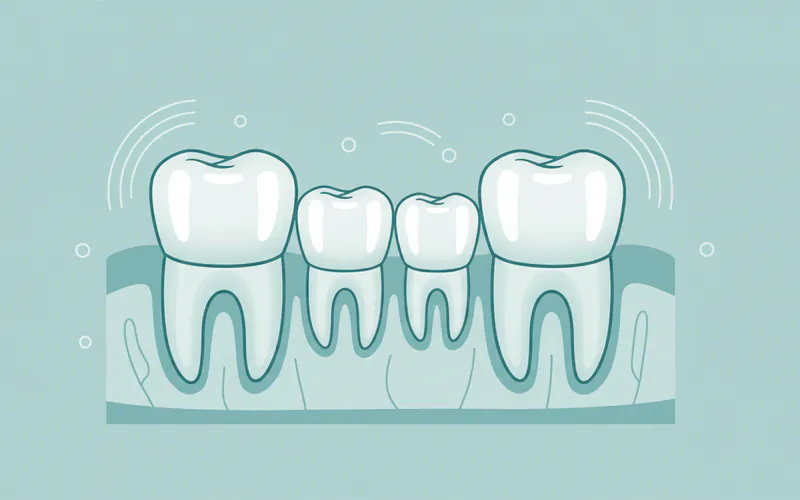
The process of getting a pontic as part of a dental bridge is generally not painful because your dentist will use a local anesthetic to thoroughly numb the area. You might feel some pressure or vibration during the tooth preparation, but no sharp pain. After the anesthetic wears off, it's common to experience some mild soreness, sensitivity, or a dull ache in the abutment teeth and gums for a few days. This can usually be managed with over-the-counter pain relievers. If you experience severe or persistent pain, contact your dentist.
How long do pontics last?
With excellent oral hygiene, regular dental check-ups, and proper care, a pontic within a dental bridge can last anywhere from 5 to 15 years, and sometimes even longer. The longevity depends on factors such as the material of the bridge, the health of the abutment teeth, the patient's oral hygiene habits, their bite forces, and dietary choices. Neglecting cleaning under the pontic or on the abutment teeth can lead to decay or gum disease, which can shorten the lifespan of the entire bridge.
What are the alternatives to a pontic/bridge?
The main alternatives to replacing a missing tooth with a pontic in a dental bridge are:
- Dental Implants: A titanium post is surgically placed into the jawbone, acting as a new tooth root, which then supports a custom crown. This is often considered the gold standard as it preserves bone and doesn't affect adjacent teeth.
- Removable Partial Dentures: A removable appliance that replaces missing teeth, typically held in place by clasps attached to existing natural teeth. They are less stable and often less comfortable than fixed options.
- Leaving the Gap: While an option, it's generally not recommended as it can lead to shifting of adjacent teeth, super-eruption of opposing teeth, bite problems, and jawbone loss.
Does dental insurance cover pontics?
Yes, most dental insurance plans typically cover a portion of the cost for a dental bridge, which includes the pontic. Dental bridges are usually classified as "major restorative procedures." Coverage generally ranges from 50% to 70% after your annual deductible is met. It's essential to consult your specific insurance provider or your dental office's billing specialist to understand your exact benefits, annual maximums, and any waiting periods.
Can a pontic be replaced if damaged?
If a pontic itself is chipped or fractured, or if the entire bridge becomes damaged or an abutment tooth fails, it often means the entire bridge needs to be replaced. While minor chips on porcelain can sometimes be repaired in the mouth, significant damage typically necessitates the fabrication of a new bridge. This is because the pontic is fused to the crowns on the abutment teeth, forming a single, inseparable unit.
How do I clean under a pontic?
Cleaning under a pontic is crucial for preventing plaque buildup, gum inflammation, and decay in the abutment teeth. Regular floss cannot pass between the pontic and the gum. You will need specialized tools:
- Floss Threaders: These stiff plastic loops help you guide regular dental floss under the pontic and through the interdental spaces.
- Super Floss: A specialized floss with a stiff end (to act as a threader), a spongy middle section for cleaning, and a regular floss end.
- Interdental Brushes: Small, tapered brushes designed to fit into tight spaces and clean around bridge components.
- Water Flossers (Oral Irrigators): These devices use a stream of pulsating water to flush out food particles and plaque from under the pontic and around the abutment teeth.
Your dentist or dental hygienist will demonstrate the correct cleaning techniques during your appointments.
What materials are pontics made of?
Pontics can be made from a variety of materials, chosen for their strength, aesthetics, and biocompatibility. Common materials include:
- Porcelain-Fused-to-Metal (PFM): A metal substructure covered with tooth-colored porcelain, offering a good balance of strength and aesthetics.
- All-Ceramic (Porcelain): Made entirely of materials like zirconia, Emax (lithium disilicate), or traditional porcelain, providing superior aesthetics and translucency, especially for front teeth.
- All-Metal (Gold or Other Alloys): Highly durable and biocompatible, but used primarily for back teeth due to their metallic appearance.
- Composite: A tooth-colored resin used more commonly for temporary bridges or minor repairs due to its lower durability compared to ceramic or metal.
When to See a Dentist
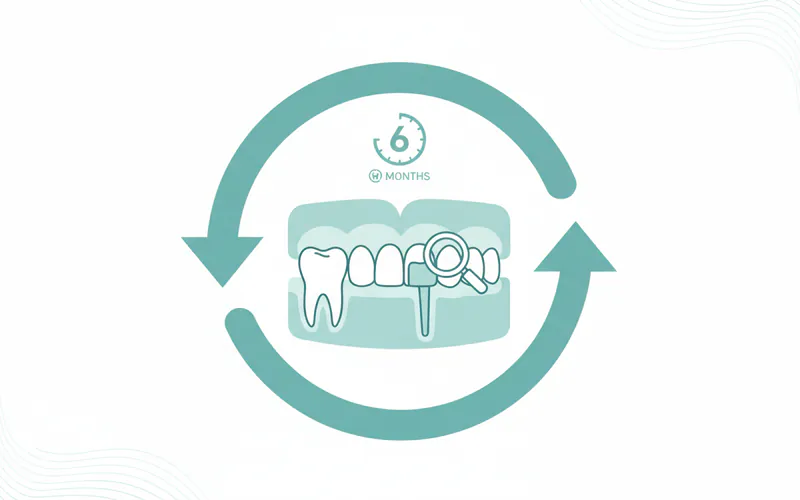
Regular dental check-ups every six months are essential for maintaining your overall oral health and checking the condition of any existing dental work, including pontics and bridges. However, there are specific signs that warrant an immediate visit to your dentist:
- Pain or Persistent Sensitivity: If you experience ongoing pain or heightened sensitivity to hot, cold, or pressure in or around your bridge.
- Loose or Wobbly Bridge: If your bridge feels loose, shifts when you chew, or you notice movement.
- Visible Damage: A chipped, cracked, or fractured pontic or abutment crown.
- Bad Breath or Unpleasant Taste: These could be signs of trapped food, plaque buildup, or infection under the bridge or around the abutment teeth.
- Swelling or Redness in Gums: Inflammation or swelling around the abutment teeth or under the pontic could indicate gum disease or an infection.
- Food Trapping: If food consistently gets stuck under the pontic in a way that feels new or difficult to clean.
- Changes in Your Bite: If your bite feels "off" or uncomfortable after initial adjustment, or if it changes over time.
Do not ignore these signs. Prompt dental attention can prevent minor issues from becoming major, more costly problems and help ensure the long-term success of your pontic and dental bridge.
Medical Disclaimer
This article is for informational purposes only and does not constitute medical advice. Always consult with a qualified dental professional for diagnosis and treatment. Do not delay seeking professional advice because of something you read on this website.