Early Stage Gum Disease Pictures: Complete Guide
Key Takeaways
- An estimated 47.2% of American adults aged 30 years and older have some form of periodontal disease, and a significant portion of these cases begin as early-stage gum disease, or gingivitis. Left unaddressed, this common condition can silently progress, leading to serious health complications, inclu
An estimated 47.2% of American adults aged 30 years and older have some form of periodontal disease, and a significant portion of these cases begin as early-stage gum disease, or gingivitis. Left unaddressed, this common condition can silently progress, leading to serious health complications, including tooth loss and systemic issues. Understanding what early stage gum disease pictures reveal is crucial for timely intervention and maintaining optimal oral health. This comprehensive guide will walk you through everything you need to know about early stage gum disease, from identifying its subtle signs to effective treatment and vital prevention strategies, ensuring you have the knowledge to protect your smile and overall well-being. We'll explore the distinctions between gingivitis and its more severe counterpart, periodontitis, delve into effective gingivitis self-care practices, and provide detailed insights into professional treatment options, costs, and what to expect on your journey to healthier gums.
Key Takeaways:
- Gingivitis is Reversible: Early stage gum disease (gingivitis) can be completely reversed with proper oral hygiene and professional dental care, typically within 1-2 weeks for mild cases.
- Key Visual Cues: Look for red, swollen, tender gums that bleed easily during brushing or flossing. These are primary indicators of gingivitis.
- Gingivitis vs. Periodontitis: Gingivitis affects only the gums and does not involve bone loss, making it reversible. Periodontitis involves irreversible damage to the bone and supporting structures of the teeth.
- Self-Care is Crucial: Effective gingivitis self-care includes brushing twice daily for two minutes, flossing daily, and using an antiseptic mouthwash.
- Professional Cleanings: Regular professional dental cleanings (prophylaxis) every 6 months are vital for removing plaque and tartar, preventing and treating gingivitis. Costs typically range from $75 to $200 per cleaning in the US, often covered 80-100% by dental insurance.
- Untreated Risks: Ignoring gingivitis can lead to periodontitis, which can result in tooth loss and has been linked to systemic health issues like heart disease and diabetes.
- Initial Improvement Timeline: With consistent oral hygiene and a professional cleaning, most symptoms of gingivitis can significantly improve within 7-14 days.
What It Is: Understanding Early Stage Gum Disease (Gingivitis)
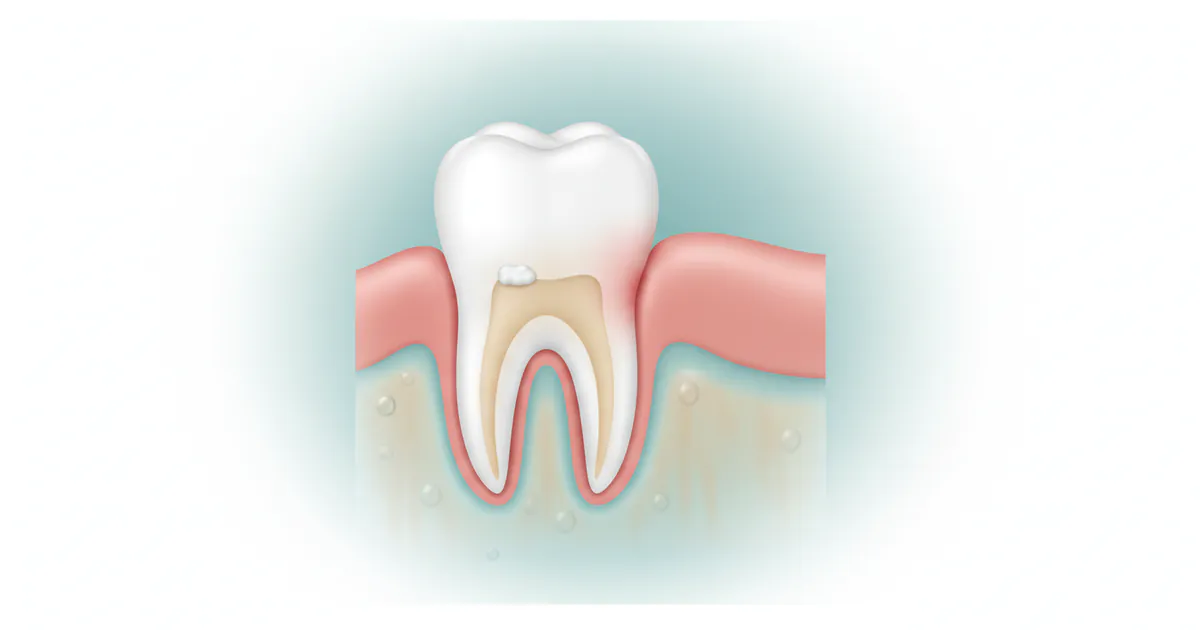
Early stage gum disease, medically known as gingivitis, is a common and mild form of periodontal disease. It's characterized by inflammation of the gums (gingiva) and is almost exclusively caused by the accumulation of plaque—a sticky, colorless film of bacteria—on the teeth. When plaque isn't removed effectively through daily brushing and flossing, it irritates the gum tissue, leading to the tell-tale signs of gingivitis.
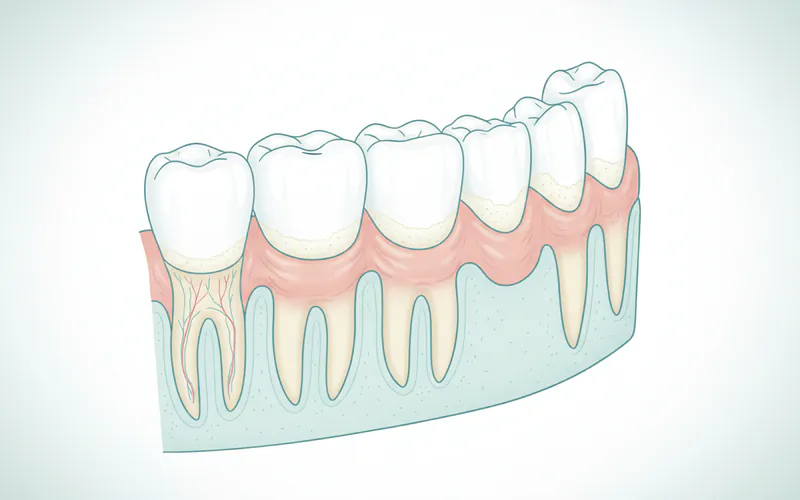
Unlike more advanced forms of gum disease, gingivitis affects only the soft tissues of the gums and has not yet spread to the underlying bone that supports your teeth. This is a critical distinction because, at this early stage, the damage is reversible. If caught and treated promptly, the gums can return to a healthy state, and the progression to more serious, irreversible periodontal disease can be prevented. According to the Centers for Disease Control and Prevention (CDC), nearly half of American adults have some form of gum disease, with gingivitis being the most prevalent initial presentation. Recognizing this early stage is your first line of defense against potentially devastating oral and systemic health problems.
Early Stage Gum Disease Pictures: What to Look For (Signs and Symptoms)
Identifying early stage gum disease often involves a keen eye for subtle changes in your gums. While a dental professional can provide a definitive diagnosis, knowing what to look for can prompt you to seek care sooner. The visual cues associated with gingivitis are distinct from healthy gums.
Healthy Gums vs. Gingivitis:
- Healthy Gums: Typically firm, pale pink, and fit snugly around your teeth. They do not bleed when you brush or floss.
- Gingivitis Gums:
- Redness or Darkening: One of the earliest and most noticeable signs. Healthy gums are pink; inflamed gums become bright red or purplish. This is due to increased blood flow to the area as your body sends immune cells to fight the bacterial infection.
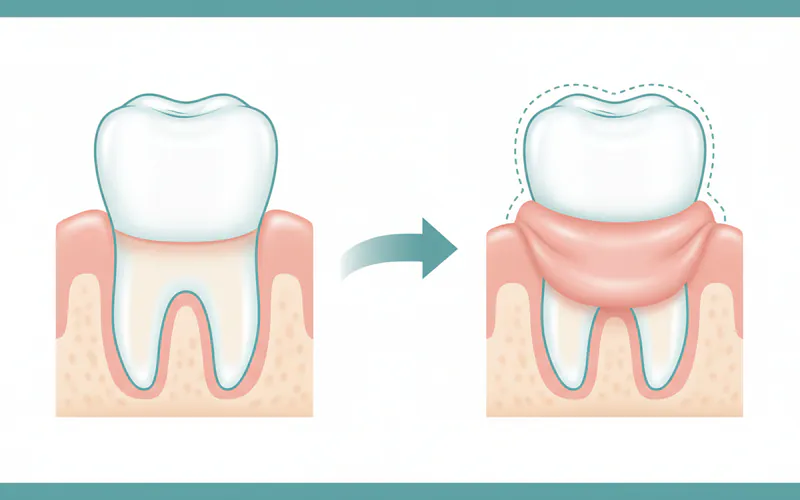
- Swollen or Puffy Gums: The gums may appear engorged and less firm than usual. This swelling can make them look slightly rounded or bulbous, particularly around the edges of the teeth.
- Tender or Sore Gums: You might experience sensitivity or mild pain when touching your gums or during brushing.
- Bleeding Gums: This is a classic symptom and a significant red flag. Healthy gums should not bleed during normal brushing, flossing, or even when eating certain foods. If you see blood in the sink after brushing or on your floss, it's a strong indicator of inflammation. The amount of bleeding can vary from a faint streak to a more significant flow.
- Receding Gums (Mild): While more pronounced in advanced periodontitis, some mild gum recession can occur even in early gingivitis, making your teeth appear slightly longer.
- Bad Breath (Halitosis): The bacteria responsible for plaque buildup produce foul-smelling gases, leading to persistent bad breath that isn't resolved by brushing alone. This is often an overlooked symptom of gum inflammation.
- Metallic Taste in Mouth: Some individuals report a persistent metallic taste, especially if there's minor bleeding.
It's important to note that gingivitis can sometimes be painless, leading many people to ignore the visual signs until the condition progresses. Therefore, being vigilant about these visual and sensory cues is paramount.
``
Gingivitis vs. Periodontitis: Understanding the Progression
Understanding the critical differences between gingivitis and periodontitis is essential, as it dictates the severity of the disease and its potential for reversal. While both are forms of gum disease, gingivitis is the precursor to periodontitis.
Gingivitis (Early Stage Gum Disease):
- Definition: Inflammation of the gum tissue (gingiva) without attachment loss or bone destruction.
- Cause: Primarily plaque and tartar buildup.
- Key Characteristic: The inflammation is confined to the soft gum tissue. The ligaments and bone that support the teeth are not yet affected.
- Reversibility: Completely reversible with proper oral hygiene and professional dental care.
- Symptoms: Red, swollen, bleeding, tender gums; bad breath.
Periodontitis (Advanced Gum Disease):
- Definition: A more severe form of gum disease characterized by chronic inflammation that has spread beyond the gums to infect the underlying bone and supporting structures (periodontal ligaments) of the teeth.
- Cause: Untreated gingivitis allows bacteria to proliferate and spread below the gum line, leading to deeper pockets and destructive inflammatory responses.
- Key Characteristic: Irreversible damage to the bone and supporting tissues around the teeth. As the bone deteriorates, teeth can become loose, shift, and eventually fall out.
- Reversibility: The damage to bone and attachment loss is irreversible. While progression can be halted and managed, the lost bone cannot naturally regenerate.
- Symptoms: All gingivitis symptoms, plus:
- Persistent bad breath and metallic taste.
- Formation of periodontal pockets (spaces between teeth and gums).
- Gum recession (gums pulling away from teeth, exposing roots).
- Loose or shifting teeth.
- Changes in bite.
- Pus between teeth and gums.
- Painful chewing.
Comparison Table: Gingivitis vs. Periodontitis
| Feature | Gingivitis (Early Stage Gum Disease) | Periodontitis (Advanced Gum Disease) |
|---|---|---|
| Affected Tissues | Gums (gingiva) only | Gums, periodontal ligaments, alveolar bone |
| Bone Loss | No bone loss | Irreversible bone loss |
| Attachment Loss | No loss of connective tissue attachment | Loss of connective tissue attachment |
| Reversibility | Completely reversible | Irreversible damage (can be managed, but not cured) |
| Primary Cause | Plaque and tartar buildup | Untreated gingivitis, bacterial infection, host immune response |
| Symptoms | Red, swollen, bleeding gums; bad breath; mild tenderness | All gingivitis symptoms + gum recession, loose teeth, deep pockets, pus, changes in bite, severe bad breath |
| Long-Term Outcome | Can be resolved, gums return to health | Tooth loss, systemic health complications |
| Treatment Focus | Oral hygiene, professional cleanings | Deep cleaning (scaling & root planing), antibiotics, surgery, ongoing maintenance |
This distinction is why early detection and intervention for gingivitis are so crucial. It's the point at which you can completely reverse the condition and prevent permanent damage.
Causes of Early Stage Gum Disease (Gingivitis)
The primary cause of early stage gum disease is the accumulation of bacterial plaque. However, several contributing factors and risk elements can accelerate its development or make an individual more susceptible.
1. Plaque and Tartar Accumulation
- Plaque: This sticky, colorless film of bacteria constantly forms on your teeth. If not removed daily through proper brushing and flossing, the bacteria in plaque produce toxins that irritate the gum tissue, leading to inflammation—the hallmark of gingivitis.
- Tartar (Calculus): When plaque is left on your teeth for an extended period (typically 24-72 hours), it hardens into tartar, or calculus. Tartar is much tougher than plaque and cannot be removed by brushing or flossing alone; it requires professional dental cleaning. Tartar provides a rough, porous surface for more plaque to accumulate, further irritating the gums and exacerbating gingivitis.
2. Poor Oral Hygiene
This is the most direct contributing factor. Inadequate or inconsistent brushing and flossing allow plaque to accumulate unchecked.
- Infrequent Brushing: Not brushing at least twice a day.
- Ineffective Brushing: Using incorrect brushing techniques, not brushing for two minutes, or using a worn-out toothbrush that can't effectively remove plaque.
- Lack of Flossing: Flossing is essential to remove plaque and food particles from between teeth and under the gum line, areas a toothbrush cannot reach.
3. Risk Factors and Contributing Conditions
While plaque is the direct cause, several other factors can increase your susceptibility to gingivitis or worsen its severity:
- Smoking and Tobacco Use: Tobacco is one of the most significant risk factors for gum disease. It impairs blood flow to the gums, reduces the immune system's ability to fight infection, and interferes with the healing process. Smokers are far more likely to develop gum disease and respond less effectively to treatment.
- Diabetes: People with uncontrolled diabetes are more susceptible to infections, including gum infections. High blood sugar levels can make it harder for the body to fight off bacteria, leading to more severe gingivitis and periodontitis.
- Hormonal Changes:
- Pregnancy: "Pregnancy gingivitis" is common due to increased hormone levels that make gums more sensitive to plaque bacteria.
- Puberty, Menstruation, Menopause: Similar hormonal fluctuations can increase gum sensitivity and inflammation.
- Certain Medications: Some drugs can affect oral health:
- Anticonvulsants (e.g., phenytoin): Can cause gum overgrowth (gingival hyperplasia).
- Immunosuppressants: Can increase susceptibility to infection.
- Calcium channel blockers (e.g., nifedipine): Also linked to gingival overgrowth.
- Oral Contraceptives: Can sometimes lead to gum inflammation due to hormonal effects.
- Dry Mouth (Xerostomia): Saliva helps wash away food particles and neutralize acids produced by bacteria. Reduced saliva flow (due to medications, certain medical conditions, or aging) can lead to increased plaque accumulation and higher risk of gingivitis.
- Genetics: Some individuals are genetically predisposed to gum disease, meaning they may be more susceptible even with good oral hygiene.
- Poor Nutrition: A diet lacking essential vitamins and minerals, especially Vitamin C, can compromise gum health and the body's ability to fight infection.
- Crooked Teeth or Poorly Fitting Dental Restorations: Misaligned teeth or old, ill-fitting crowns, bridges, or fillings can create areas where plaque is difficult to remove, fostering bacterial growth.
- Compromised Immune System: Conditions that weaken the immune system (e.g., HIV/AIDS, cancer treatment) can make individuals more vulnerable to gum infections.
Pro Tip: If you notice consistent bleeding gums, even with diligent brushing and flossing, do not assume it's normal. It's almost always a sign of inflammation and warrants a dental visit.
Diagnosis of Early Stage Gum Disease
Diagnosing gingivitis is typically straightforward and part of a routine dental examination. Your dentist or dental hygienist will assess your oral health through several methods:
- Visual Examination: The dentist will visually inspect your gums for signs of redness, swelling, and puffiness. They will also look for any signs of recession or other abnormalities.
- Periodontal Probing: A small, thin instrument called a periodontal probe is gently used to measure the depth of the sulcus (the space between the gum and the tooth). Healthy sulcus depths are typically 1-3 millimeters. Depths greater than 3 mm, especially with bleeding upon probing, are indicative of inflammation and potential gum disease. In early gingivitis, pocket depths might still be relatively shallow, but bleeding on probing will be a common finding.
- Bleeding Assessment: The dentist will observe whether your gums bleed easily during probing or light pressure. This is a key diagnostic indicator for gingivitis.
- Dental X-rays: While gingivitis itself doesn't involve bone loss, X-rays (radiographs) are often taken to rule out underlying bone damage indicative of periodontitis. They help the dentist assess the health of the bone supporting your teeth and identify any other dental issues.
- Review of Medical History: Your dentist will ask about your general health, medications, and lifestyle habits (like smoking), as these can all influence gum health.
Based on these assessments, your dental professional can accurately diagnose gingivitis and recommend the appropriate course of action.
Treatment Options for Early Stage Gum Disease
The good news is that early stage gum disease is entirely treatable and reversible. The primary goals of treatment are to remove the irritants (plaque and tartar) and establish excellent daily oral hygiene habits.
1. Professional Dental Cleaning (Prophylaxis)
This is the cornerstone of gingivitis treatment.
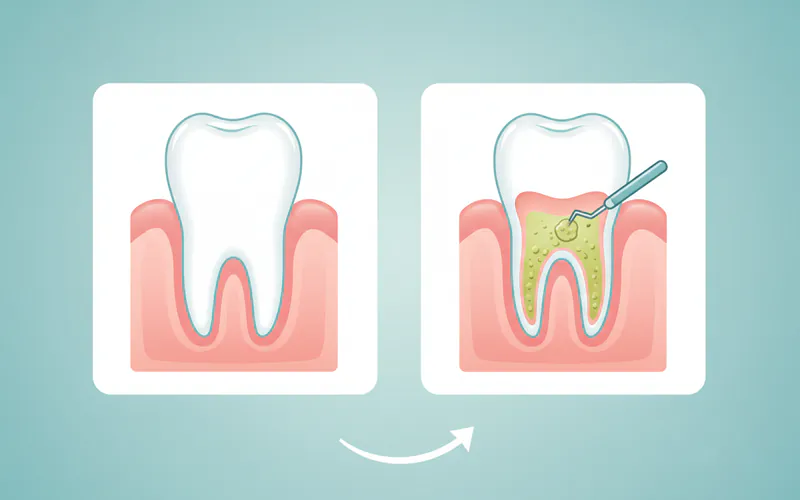
- What it is: A standard dental cleaning performed by a dentist or dental hygienist. It involves scaling and polishing.
- The Process:
- Scaling: Using specialized instruments (manual scalers or ultrasonic devices), the hygienist carefully removes plaque and tartar from above and slightly below the gum line. This process is crucial because tartar cannot be removed by at-home brushing and flossing.
- Polishing: After scaling, the teeth are polished using a gritty paste and a rotating brush. This removes surface stains and smooths the tooth surface, making it harder for plaque to adhere.
- Benefits: Removes the bacterial irritants, allowing the gums to heal. It also provides an opportunity for your dental professional to reinforce proper home care techniques.
- Frequency: For most individuals, regular professional cleanings every six months are recommended to prevent gingivitis from recurring and to maintain gum health. For those prone to plaque buildup, more frequent cleanings (e.g., every 3-4 months) may be advised.
``
2. Improved Oral Hygiene (Gingivitis Self-Care)
This is where your daily commitment becomes paramount. Your dental professional will likely provide detailed instructions on how to effectively clean your teeth and gums at home.
- Brushing:
- Technique: Use a soft-bristled toothbrush (manual or electric) and hold it at a 45-degree angle to the gum line. Gently brush in short, circular motions, ensuring you clean all tooth surfaces (outer, inner, and chewing surfaces). Don't forget to brush your tongue.
- Duration: Brush for at least two minutes, twice a day (morning and night).
- Toothbrush Replacement: Replace your toothbrush or brush head every 3-4 months, or sooner if the bristles are frayed, as worn bristles are less effective.
- Flossing:
- Technique: Floss daily, preferably before brushing. Use about 18 inches of floss, wrapping it around your middle fingers. Guide the floss between your teeth, gently curving it into a C-shape against each tooth. Slide it carefully under the gum line, then move it up and down against the tooth surface, cleaning both sides of each tooth. Use a clean section of floss for each tooth.
- Purpose: Flossing removes plaque and food particles from areas your toothbrush can't reach, significantly reducing gum inflammation.
- Antiseptic Mouthwash:
- Use: Your dentist may recommend an over-the-counter or prescription antiseptic mouthwash containing ingredients like chlorhexidine or cetylpyridinium chloride (CPC).
- Benefits: These rinses help reduce bacteria in the mouth and can be a valuable adjunct to brushing and flossing, especially during the initial healing phase of gingivitis.
- Caution: Always follow product instructions and your dentist's recommendations, as some mouthwashes can cause temporary staining or alter taste perception with prolonged use.
3. Other Potential Treatments (Less common for early stage)
For straightforward gingivitis, professional cleaning and improved home care are usually sufficient. However, in some cases, your dentist might consider:
- Antimicrobial Gels or Chips: In very localized areas of persistent inflammation, a dentist might apply an antimicrobial gel or tiny chip under the gum line to deliver medication directly to the affected tissue. This is rare for pure gingivitis and more common in early periodontitis.
- Antibiotics: Oral antibiotics are almost never used for gingivitis alone, as the condition is primarily a localized bacterial infection that responds well to mechanical removal of plaque and tartar. Antibiotics are generally reserved for more severe infections or aggressive forms of periodontitis.
Pro Tip: An electric toothbrush, especially one with a rotating-oscillating or sonic action, can be significantly more effective at plaque removal than a manual toothbrush for many individuals. Consider investing in one for enhanced gingivitis self-care.
Step-by-Step Recovery Process & What to Expect
Once you've received a diagnosis of gingivitis, your recovery journey is a collaborative effort between you and your dental team. Here's a general step-by-step process and what you can expect:
-
Initial Dental Cleaning (Prophylaxis):
- What happens: Your first step is typically a thorough professional cleaning. The dental hygienist will meticulously remove all plaque and tartar from your teeth and just below your gum line. This might take 45-60 minutes, depending on the extent of buildup.
- What to expect: You might experience some mild discomfort or sensitivity during the cleaning, especially if your gums are inflamed and tender. This is usually manageable.
- Initial Cost: As mentioned, a standard cleaning (prophylaxis) can range from $75 to $200 without insurance, often covered by dental plans.
-
Home Care Instructions and Education:
- What happens: After your cleaning, your dental hygienist will provide detailed, personalized instructions on proper brushing, flossing, and potentially mouthwash use. They may demonstrate techniques and offer tips for improving your oral hygiene routine.
- What to expect: This is a crucial education phase. Pay close attention and ask any questions you have. Your success largely depends on your commitment to these daily habits.
-
Implementation of Improved Oral Hygiene:
- What happens: Immediately begin consistently applying the recommended brushing and flossing techniques twice daily. If a mouthwash was prescribed, start using it as directed.
- What to expect: In the first few days, your gums might still be slightly tender or bleed a little as they begin to heal. This is normal.
- Timeline for Improvement: You should start noticing a significant reduction in gum bleeding and tenderness within 3-7 days of consistent, effective home care. The redness and swelling will also begin to subside.
-
Follow-Up and Maintenance:
- What happens: Your dentist may recommend a follow-up visit, especially if your gingivitis was more pronounced, to check on your progress and reinforce home care. For most, regular 6-month check-ups and cleanings are sufficient.
- What to expect: During these maintenance appointments, your gums will be re-evaluated, and any new plaque or tartar will be removed. This ongoing vigilance is key to preventing gingivitis recurrence.
- Long-term goal: The ultimate goal is for your gums to return to a healthy, firm, pale pink state, with no bleeding upon brushing, flossing, or probing. This reversal typically takes 1-2 weeks for mild gingivitis once the irritants are removed and good home care is established.
Cost and Insurance for Early Stage Gum Disease Treatment (US Market)
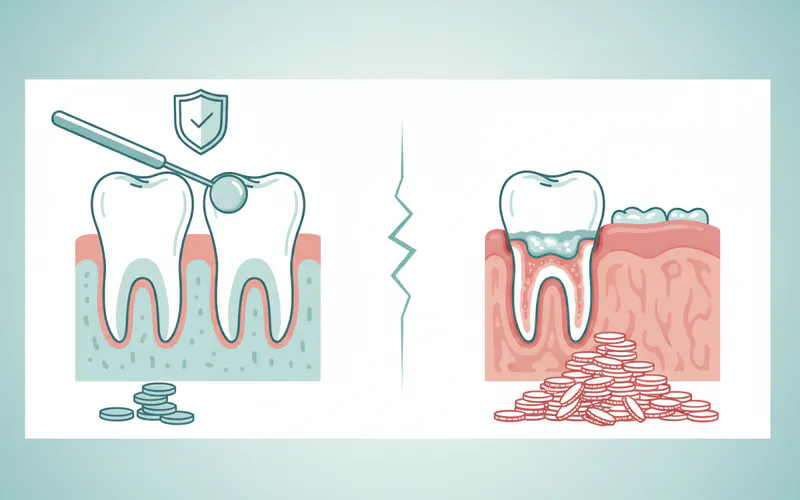
Understanding the financial aspect of dental care is crucial. Fortunately, treating early stage gum disease (gingivitis) is generally much less expensive than treating advanced periodontitis, and it's often well-covered by dental insurance.
Average US Costs Without Insurance
The costs for treating gingivitis primarily revolve around diagnostic services and professional cleanings. These are national average ranges and can vary significantly by region, specific dental office, and the complexity of your case.
- Comprehensive Dental Exam (D0150):
- Low: $50
- Mid: $80 - $120
- High: $150 - $200
- Bitewing X-rays (D0274/D0277): (Typically 4 films)
- Low: $40
- Mid: $60 - $100
- High: $120 - $150
- Prophylaxis (Routine Dental Cleaning) (D1110):
- Low: $75
- Mid: $100 - $150
- High: $200 (for more extensive buildup requiring a longer appointment)
- Topical Fluoride Treatment (D1206): (Often included or optional add-on)
- Low: $20
- Mid: $30 - $50
- High: $70
- Antimicrobial Mouthrinse Prescription: (If recommended)
- Over-the-counter: $10 - $25
- Prescription (e.g., Chlorhexidine): $20 - $60
Total estimated initial cost for gingivitis diagnosis and treatment (without insurance): A typical initial visit for a cleaning, exam, and X-rays could range from approximately $165 to $570. This is a one-time cost for the initial treatment, followed by routine cleanings every 6 months.
Insurance Coverage Details
Dental insurance typically categorizes services into three tiers: preventive, basic, and major. Gingivitis treatment usually falls under preventive or basic care.
- Preventive Care: Most dental insurance plans prioritize preventive care to reduce future, more expensive problems.
- Coverage: Routine dental exams, X-rays, and professional cleanings (prophylaxis) are almost always covered. Many plans cover these at 80-100%, often with no deductible, if you use an in-network provider.
- Frequency Limits: Most plans cover two preventive cleanings per year (every six months). If your dentist recommends more frequent cleanings due to persistent gingivitis (e.g., every 3-4 months), your insurance might not cover the additional cleaning at 100% or might not cover it at all within the same year without specific medical justification.
- Basic Procedures: If more extensive debridement is needed to remove heavy plaque and tartar before a standard cleaning, it might be classified as a basic procedure.
- Coverage: Basic procedures are typically covered at 70-80% after you meet your deductible.
Example with Insurance (assuming 100% preventive coverage after deductible):
- You pay $0 out of pocket for your exam, X-rays, and standard cleaning if your plan covers 100% of preventive services and you've met your deductible (or if no deductible applies to preventive care).
- If your plan covers 80%, you would pay 20% of the cost (e.g., $30 out of $150 for a cleaning).
Payment Plans and Financing Options
For those without insurance or with high out-of-pocket costs, several options can make dental care more accessible:
- Dental Savings Plans: These are not insurance but offer discounted rates (10-60%) at participating dentists for an annual membership fee (e.g., $100-$200 per year).
- In-Office Payment Plans: Many dental offices offer their own payment plans, allowing you to pay in installments.
- Third-Party Financing: Companies like CareCredit offer low-interest or interest-free financing for healthcare expenses, allowing you to pay for treatments over several months.
- Community Dental Clinics/Dental Schools: These often provide services at a reduced cost compared to private practices, as care is delivered by students under the supervision of experienced faculty.
Cost-Saving Tips
- Utilize Preventive Benefits: If you have insurance, make sure to get your two covered cleanings per year. Prevention is always cheaper than treatment.
- Ask About Bundled Services: Some dental offices may offer a slightly reduced rate if you're getting an exam, X-rays, and cleaning all at once.
- Shop Around: Prices can vary. Call different dental offices in your area to inquire about their fees for basic services.
- Maintain Excellent Oral Hygiene: The absolute best way to save money is to prevent gingivitis or treat it quickly at home, reducing the need for extensive professional intervention.
Comparison Table: Estimated Costs for Gingivitis Treatment
| Service | Average Cost (Without Insurance) | Average Cost (With Insurance, 80-100% coverage) |
|---|---|---|
| Comprehensive Exam | $80 - $120 | $0 - $24 |
| Bitewing X-rays | $60 - $100 | $0 - $20 |
| Professional Cleaning (Prophylaxis) | $100 - $150 | $0 - $30 |
| Total Estimated Initial Visit | $240 - $370 | $0 - $74 |
| Annual Maintenance (2 Cleanings) | $200 - $300 | $0 - $60 |
Note: These are estimates. Actual costs and coverage depend on your specific plan, provider, and region.
Recovery and Aftercare (Prevention)
Recovering from gingivitis is primarily about commitment to long-term prevention. Once your gums have healed, maintaining that healthy state requires consistent effort.
1. Consistent and Excellent Oral Hygiene
This is the cornerstone of prevention.
- Brush Twice Daily: Use a soft-bristled toothbrush and fluoride toothpaste. Brush for a full two minutes, ensuring you reach all surfaces of your teeth and gums. Replace your toothbrush every 3-4 months.
- Floss Daily: Flossing removes plaque and food particles from between your teeth and under the gum line, areas your toothbrush can't access. Make it a non-negotiable part of your routine.
- Consider a Therapeutic Mouthwash: If recommended by your dentist, continue using an antiseptic mouthwash to further reduce bacterial load.
2. Regular Dental Check-ups and Professional Cleanings
- Frequency: Continue with regular dental check-ups and professional cleanings, typically every six months. Your dentist or hygienist can spot early signs of recurrence and remove any plaque or tartar buildup before it causes significant problems.
- Early Intervention: These visits allow for early intervention if any inflammation starts to return, preventing it from progressing to periodontitis.
3. Healthy Lifestyle Choices
- Balanced Diet: Eat a diet rich in fruits, vegetables, and whole grains. Limit sugary snacks and drinks, which contribute to plaque formation. Vitamin C is particularly important for gum health.
- Stay Hydrated: Drinking plenty of water helps wash away food particles and maintains saliva flow, which is crucial for neutralizing acids and protecting gums.
- Quit Smoking/Tobacco Use: If you smoke or use other tobacco products, quitting is one of the most impactful things you can do for your gum health. Tobacco is a major risk factor for all forms of gum disease.
- Manage Systemic Conditions: If you have conditions like diabetes, ensure they are well-managed. Good control of systemic diseases can significantly improve your body's ability to fight off gum infections.
4. Address Contributing Factors
- Medication Review: If medications are causing dry mouth or gum overgrowth, discuss alternatives or management strategies with your doctor and dentist.
- Straighten Crooked Teeth: If misaligned teeth contribute to plaque traps, discuss orthodontic options with your dentist.
- Replace Worn Restorations: Ensure old fillings or crowns are in good condition and don't create areas for plaque retention.
By diligently following these aftercare and prevention strategies, you can maintain healthy gums and protect your overall oral health for years to come.
Risks and Complications if Untreated
While gingivitis is reversible, ignoring its warning signs can lead to severe and irreversible consequences for your oral health and even your general well-being.
1. Progression to Periodontitis
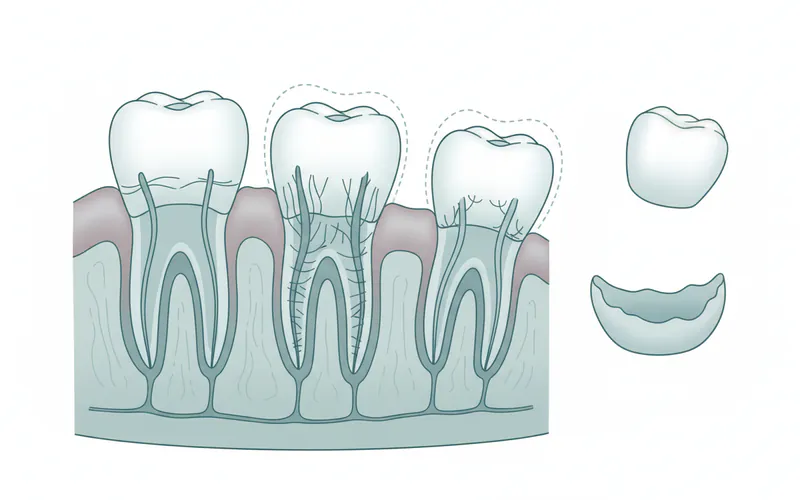
- Irreversible Damage: This is the most significant and common complication. Untreated gingivitis allows bacteria to spread and multiply below the gum line, infecting the deeper tissues and bone that support your teeth. This leads to the formation of periodontal pockets, bone loss, and eventually, the loosening and loss of teeth. This damage, particularly bone loss, is irreversible.
2. Tooth Loss
- Lack of Support: As periodontitis progresses, the supporting bone and ligaments are destroyed. Without adequate support, teeth become mobile and may eventually need to be extracted or fall out on their own. This can lead to significant aesthetic and functional problems, requiring expensive restorative treatments like implants or dentures.
3. Dental Abscesses
- Infection: Deep periodontal pockets can become breeding grounds for bacteria, leading to localized infections and pus formation, known as a periodontal abscess. These are painful and require immediate dental attention.
4. Systemic Health Complications
The link between oral health and overall health is well-established. Untreated gum disease has been associated with:
- Cardiovascular Disease: The inflammation and bacteria from periodontitis can enter the bloodstream, potentially contributing to the development of atherosclerosis (hardening of the arteries), increasing the risk of heart attack and stroke.
- Diabetes: There's a bidirectional relationship. Diabetes increases the risk of severe gum disease, and severe gum disease can make it harder to control blood sugar levels, creating a vicious cycle.
- Respiratory Diseases: Bacteria from infected gums can be aspirated into the lungs, potentially leading to respiratory infections like pneumonia.
- Pregnancy Complications: Pregnant women with periodontitis may have an increased risk of premature birth and low birth weight babies.
- Rheumatoid Arthritis: Some research suggests a link between gum disease and inflammatory conditions like rheumatoid arthritis.
- Dementia/Alzheimer's: Emerging research is exploring potential connections between chronic gum inflammation and neurological conditions, though more studies are needed.
5. Persistent Bad Breath and Aesthetic Concerns
- Chronic Halitosis: The ongoing bacterial activity and tissue breakdown will cause persistent, often severe, bad breath that cannot be masked by regular oral hygiene products.
- Gum Recession and Aesthetic Changes: As gums recede, teeth can appear longer, and root surfaces may become exposed, leading to sensitivity and an unappealing appearance.
By taking gingivitis seriously and addressing it promptly, you effectively prevent a cascade of potentially devastating health problems and safeguard your smile for life.
Children / Pediatric Considerations
Gingivitis is not exclusive to adults; it can affect children and adolescents too. While typically less severe in younger individuals, it's important for parents to be aware of the signs and encourage good oral hygiene from an early age.
Common Causes of Gingivitis in Children
- Poor Oral Hygiene: Just like in adults, the primary cause is inadequate brushing and flossing, leading to plaque buildup. Children may not have developed the motor skills or discipline to brush effectively on their own.
- Diet: Frequent consumption of sugary snacks and drinks contributes to plaque formation.
- Eruption Gingivitis: As permanent teeth erupt, the gums around them can become temporarily inflamed. This usually resolves on its own with good cleaning but needs monitoring.
- Orthodontic Appliances: Braces, retainers, and other orthodontic devices create more areas where food and plaque can get trapped, making cleaning more challenging and increasing the risk of gingivitis.
- Mouth Breathing: Chronic mouth breathing can dry out the gums, especially the front teeth, making them more susceptible to inflammation.
- Systemic Factors: Less commonly, conditions like diabetes, certain medications, or compromised immune systems can contribute to gingivitis in children.
Signs of Gingivitis in Children
The signs are similar to adults:
- Red, swollen, or puffy gums.
- Bleeding gums during brushing or flossing.
- Bad breath.
- Gums that are tender to the touch.
Treatment and Prevention for Children
- Parental Involvement: Parents play a crucial role. For toddlers and young children, parents should brush their teeth. As children grow, supervise and assist them until they demonstrate proficiency (usually around age 7-8).
- Proper Brushing and Flossing: Teach and reinforce proper techniques. Make brushing fun! Consider a colorful toothbrush or a timer.
- Regular Dental Check-ups: Children should see a dentist every six months, starting with their first tooth or by their first birthday (as recommended by the ADA). These visits include professional cleanings and allow the dentist to catch gingivitis early.
- Fluoride: Ensure children are using fluoride toothpaste and receive topical fluoride treatments if recommended by the dentist.
- Healthy Diet: Limit sugary foods and drinks. Encourage water consumption.
- Orthodontic Care: If a child has braces, special attention to oral hygiene is needed. Orthodontists and hygienists can provide specific tools and techniques for cleaning around brackets and wires.
- Address Mouth Breathing: If you suspect your child is a chronic mouth breather, consult with their pediatrician or an ENT specialist.
By instilling good oral hygiene habits early, parents can significantly reduce a child's risk of developing gingivitis and lay the foundation for a lifetime of healthy smiles.
Frequently Asked Questions
H3: Is gingivitis reversible?
Yes, absolutely. Gingivitis, the early stage of gum disease, is fully reversible. Because it only affects the gum tissue and has not yet caused bone loss, consistent and effective oral hygiene combined with professional dental cleaning can restore the gums to a completely healthy state. Timely intervention is key to achieving full reversal.
H3: How long does it take to treat gingivitis?
With a professional dental cleaning to remove tartar and diligent at-home oral hygiene (brushing twice daily, flossing daily), you can typically see significant improvement in gingivitis symptoms within 7-14 days. Complete resolution, with gums returning to a firm, pale pink, non-bleeding state, usually occurs within 2-4 weeks.
H3: Does gingivitis cause bad breath?
Yes, gingivitis is a common cause of persistent bad breath (halitosis). The bacteria that accumulate in plaque and tartar, which are responsible for the gum inflammation, release volatile sulfur compounds that produce an unpleasant odor. As the gum tissue becomes inflamed and potentially bleeds, it can further contribute to bad breath.
H3: What is the best mouthwash for gingivitis?
For gingivitis, an antiseptic mouthwash is generally recommended. Over-the-counter options often contain ingredients like cetylpyridinium chloride (CPC) or essential oils. For more severe cases, your dentist might prescribe a stronger antimicrobial rinse containing chlorhexidine, which effectively reduces bacteria. Always consult your dentist for a personalized recommendation.
H3: Can I treat gingivitis at home without seeing a dentist?
While excellent at-home oral hygiene (brushing and flossing) is essential for reversing gingivitis, you cannot effectively treat it at home without a professional dental cleaning. Tartar, which is hardened plaque, cannot be removed by brushing or flossing alone and requires specialized dental instruments. A dentist or hygienist must remove all existing tartar for the gums to fully heal.
H3: How often should I get dental cleanings if I have gingivitis?
Initially, your dentist will recommend a thorough cleaning to remove all plaque and tartar. After that, for most individuals, regular professional dental cleanings every six months are sufficient to prevent gingivitis from recurring. If your gingivitis was more severe or you have other risk factors, your dentist might suggest cleanings every 3-4 months until your gum health stabilizes.
H3: Is gingivitis painful?
Gingivitis can range from being completely painless, which is often why it goes unnoticed, to causing mild tenderness or discomfort. You might notice your gums feel sore or sensitive when brushing, flossing, or eating. If gingivitis progresses to periodontitis or leads to an abscess, the pain can become more significant.
H3: What happens if gingivitis is left untreated?
If left untreated, gingivitis will almost always progress to periodontitis. This more advanced form of gum disease involves irreversible damage to the bone and supporting structures of your teeth, leading to gum recession, loose teeth, and eventually tooth loss. Untreated gum disease is also linked to serious systemic health issues, including heart disease and diabetes.
H3: Can gingivitis spread to other teeth?
Yes, gingivitis is a localized inflammatory response to plaque and tartar, and it can affect one tooth, several teeth, or be generalized throughout the mouth. If good oral hygiene is not practiced consistently, the conditions that cause gingivitis around one tooth (i.e., plaque buildup) will likely also exist around other teeth, leading to widespread inflammation.
When to See a Dentist
Recognizing when to seek professional dental care is critical for managing early stage gum disease and preventing its progression.
Routine Care Guidance:
- Regular Check-ups: The American Dental Association (ADA) recommends regular dental check-ups and professional cleanings at least once every six months for most adults and children. These routine visits are designed to catch gingivitis and other oral health issues in their earliest stages, often before you even notice symptoms.
- Annual X-rays: Regular dental X-rays, typically once a year, are important for assessing bone health and detecting problems not visible during a clinical exam.
Warning Signs That Need Attention:
While routine care is for prevention, certain signs indicate that you should schedule a dental appointment sooner rather than later:
- Bleeding Gums: If your gums bleed consistently during brushing, flossing, or even when you eat, this is the most common sign of gingivitis and warrants a dental visit. Do not dismiss it as normal.
- Red, Swollen, or Puffy Gums: Any noticeable change in the color or texture of your gums from their usual pale pink and firm appearance.
- Persistent Bad Breath: If you have chronic bad breath that doesn't improve with regular brushing and mouthwash, it could be a sign of underlying gum disease.
- Tender or Sore Gums: If your gums are sensitive or painful to the touch.
- Receding Gums: If you notice your gums pulling away from your teeth, making your teeth appear longer. While more common in periodontitis, it can begin in later stages of gingivitis.
- Loose or Shifting Teeth: This is a more advanced sign, indicating potential periodontitis, and requires immediate attention.
- Pus Between Teeth and Gums: A clear sign of infection, requiring urgent dental care.
Emergency vs. Scheduled Appointment Guidance:
- Scheduled Appointment (for most gingivitis symptoms): For typical signs of gingivitis like bleeding, redness, or swelling without severe pain, a regular scheduled appointment is appropriate. Call your dentist's office as soon as you notice these symptoms to get on their schedule.
- Emergency Appointment (Red Flags):
- Severe, throbbing pain in your gums or teeth.
- Significant swelling in your gums, face, or jaw.
- Visible pus oozing from your gums.
- A tooth that suddenly becomes very loose. These symptoms could indicate a rapidly progressing infection or an abscess, which requires immediate attention to prevent further complications.
Don't wait for pain to be your only indicator. Many dental problems, including early stage gum disease, can be painless in their initial stages. Regular dental visits and vigilance for any changes in your gum health are your best defense.
Frequently Asked Questions
Medically Reviewed Content
This article was written by our dental health editorial team and reviewed for medical accuracy. Our content follows strict editorial guidelines for reliability and trustworthiness.
Medical Disclaimer
This article is for informational purposes only and does not constitute medical advice. Always consult with a qualified dental professional for diagnosis and treatment. Do not delay seeking professional advice because of something you read on this website.
Related Articles
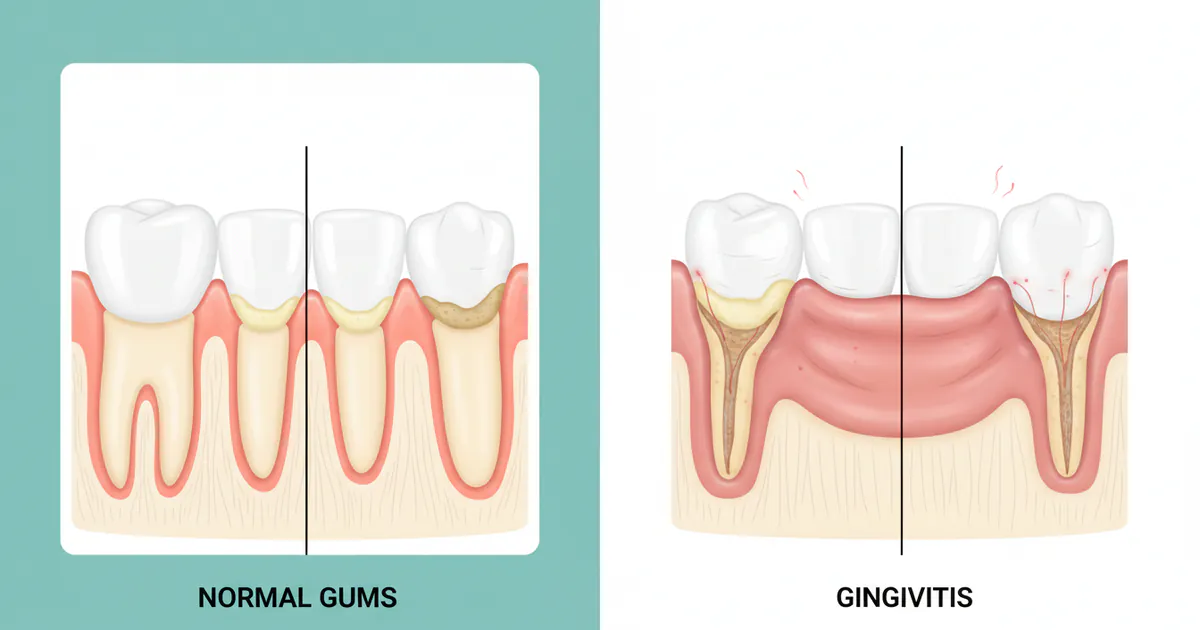
Normal Gums vs Gingivitis: Complete Comparison Guide
Did you know that nearly half of American adults over 30 show signs of gum disease, a condition that can range from mild inflammation to severe infection leading to tooth loss? Understanding the difference between healthy gums and those affected by early gum disease, known as gingivitis, is cruc
February 22, 2026
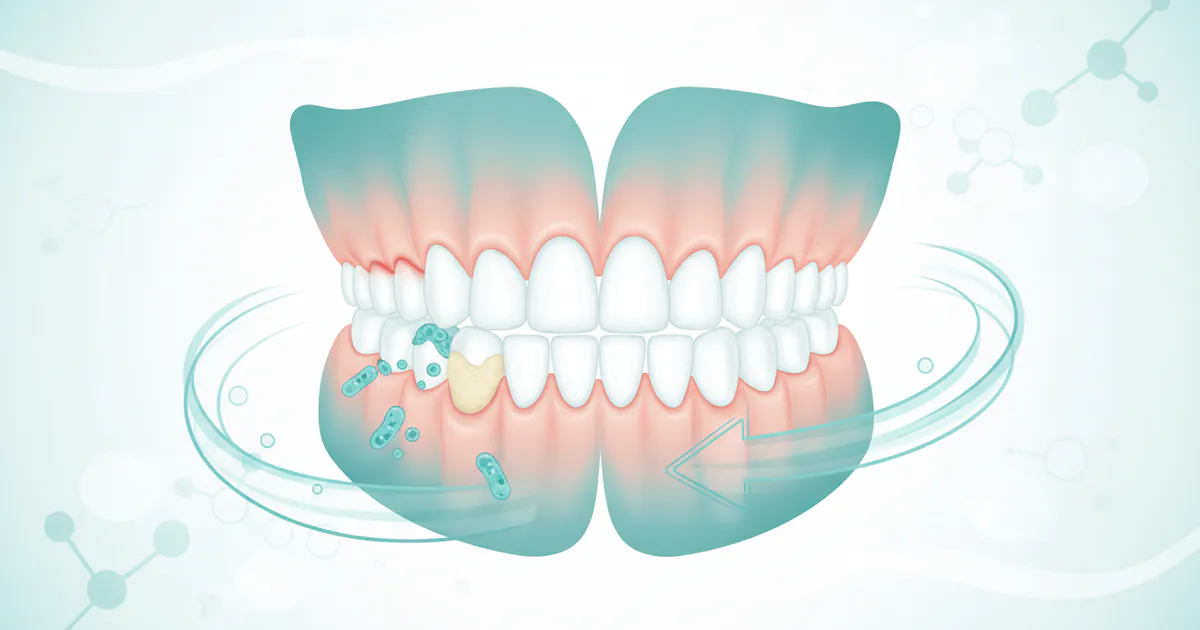
Can You Get Rid of Gingivitis
More than 50% of American adults aged 30 or older suffer from some form of gum disease, with gingivitis being the earliest and most common stage. This often silent condition, marked by inflammation of the gums, can seem daunting, leading many to wonder: can you get rid of gingivitis? The good ne
February 22, 2026
What Causes Receding Gums
Receding gums, a condition where the gum tissue surrounding the teeth pulls back or wears away, exposing more of the tooth or the tooth's root, affects a significant portion of the adult population in the United States. In fact, estimates suggest that **up to 88% of people over the age of 65 have on
February 22, 2026
Signs of Gingivitis: Complete Guide
Did you know that nearly half of American adults aged 30 and older suffer from some form of gum disease? While that statistic might sound alarming, the good news is that the earliest and most common stage, gingivitis, is entirely reversible. Recognizing the signs of gingivitis early is your
February 22, 2026