Is Gingivitis Curable
Key Takeaways
- A staggering 47.2% of American adults aged 30 years and older have some form of periodontal disease, according to the Centers for Disease Control and Prevention (CDC). Among these, the most common and earliest stage is gingivitis, a condition characterized by inflammation of the gums. Perhaps yo
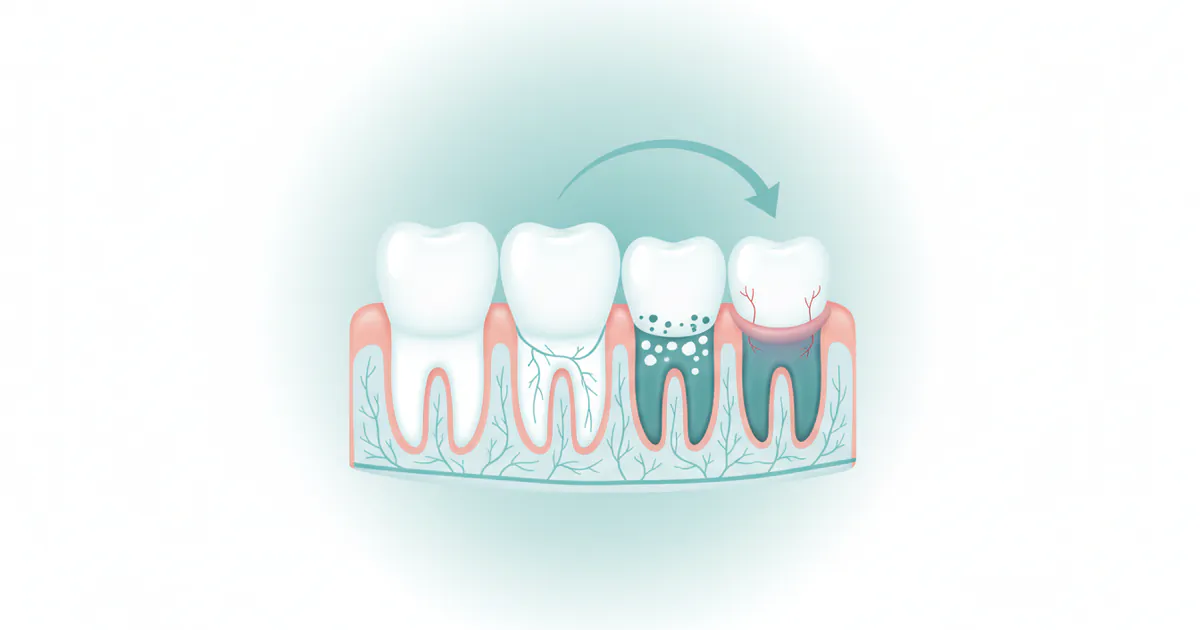
A staggering 47.2% of American adults aged 30 years and older have some form of periodontal disease, according to the Centers for Disease Control and Prevention (CDC). Among these, the most common and earliest stage is gingivitis, a condition characterized by inflammation of the gums. Perhaps you've noticed a tell-tale sign like a hint of blood on your toothbrush, swollen gums, or persistent bad breath. These subtle indicators often lead to a critical question: is gingivitis curable? The answer, unequivocally, is yes – but understanding the condition, its treatment, and the necessary preventive measures is paramount to restoring your oral health.
This comprehensive guide from SmilePedia.net will delve deep into gingivitis, exploring its causes, symptoms, and the range of effective treatments available. We'll clarify the role of professional dental care, the importance of your daily oral hygiene routine, and what to expect regarding costs, recovery, and prevention. By the end, you'll have a clear roadmap to not only cure gingivitis but also maintain a healthy, vibrant smile for years to come.
Key Takeaways:
- Gingivitis is fully curable: Unlike advanced gum disease, gingivitis is entirely reversible with proper professional and home care.
- Early intervention is crucial: The sooner gingivitis is diagnosed and treated, the higher the chances of complete reversal without lasting damage.
- Treatment centers on professional cleaning: The primary treatment involves scaling and root planing (deep cleaning) to remove plaque and tartar.
- Typical treatment costs: Professional cleanings (prophylaxis) range from $75-$200. Scaling and Root Planing (SRP) typically cost $150-$600 per quadrant, totaling $600-$2,400 for a full mouth.
- Recovery is swift: With diligent home care, signs of gingivitis can resolve within 1-2 weeks post-treatment, with full tissue recovery in a few weeks.
- Gum surgery is not for gingivitis: Procedures like gum surgery are generally reserved for more advanced periodontal disease or specific receding gums treatment, not for the curable inflammation of gingivitis.
- Prevention is ongoing: Consistent daily brushing, flossing, and regular dental check-ups are essential to prevent recurrence.
What Is Gingivitis? An Overview
Gingivitis is the earliest and mildest form of periodontal (gum) disease. It's an inflammatory condition that affects the gingiva, which is the part of the gum around the base of your teeth. The term "gingivitis" itself is derived from "gingiva" (gums) and "-itis" (inflammation).
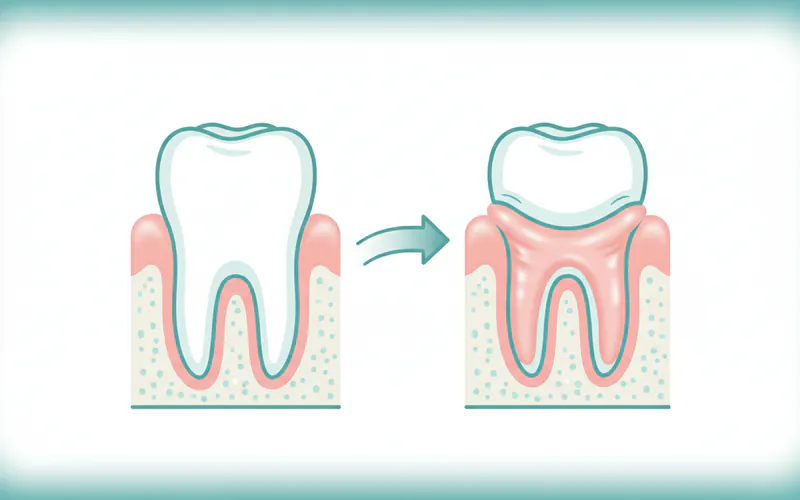
The hallmark of gingivitis is that the inflammation is confined to the gum tissue and has not yet spread to the deeper supporting structures of the teeth, such as the bone and periodontal ligaments. This distinction is critical because it means that gingivitis is reversible. Unlike more advanced forms of gum disease, it does not involve irreversible damage like bone loss or permanent tissue destruction. If left untreated, however, gingivitis can progress to periodontitis, which is a more severe and irreversible condition.
Essentially, gingivitis is your body's early warning sign that something isn't right with your gum health. Recognizing and addressing it promptly is the key to preventing more serious oral health problems.
Causes: Why Gingivitis Happens
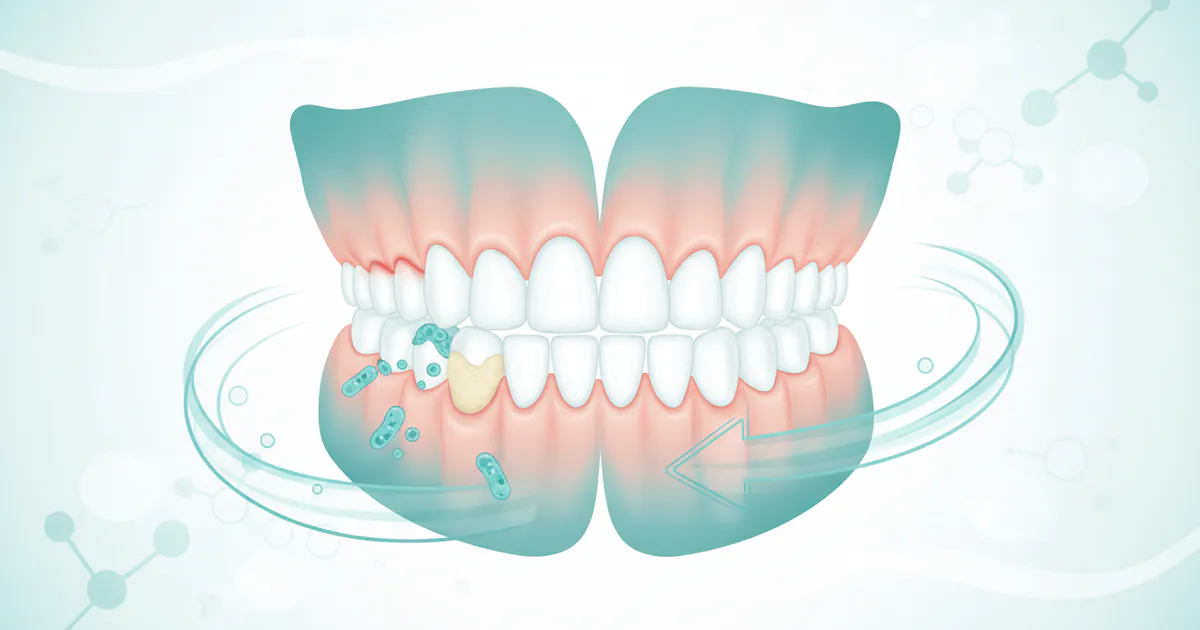
The overwhelming primary cause of gingivitis is the accumulation of bacterial plaque on your teeth. Plaque is a sticky, colorless film composed of bacteria, food particles, and saliva, which constantly forms on your teeth.
Here's how plaque leads to gingivitis:
- Plaque Formation: After you eat, bacteria in your mouth feed on sugars and starches, producing acids and forming plaque.
- Irritation and Inflammation: If plaque isn't removed daily through brushing and flossing, the bacteria in it release toxins that irritate the gum tissue. This irritation triggers an inflammatory response, leading to the characteristic signs of gingivitis: redness, swelling, and tenderness.
- Tartar (Calculus) Buildup: Over time, if plaque is not removed, it hardens into a substance called tartar, or calculus. Tartar is rough and porous, providing an ideal surface for more plaque to accumulate, further irritating the gums and making it even more difficult to clean your teeth effectively. Unlike plaque, tartar cannot be removed by brushing or flossing alone; it requires professional dental cleaning.
While bacterial plaque is the direct cause, several contributing factors can increase your risk or worsen the condition:
- Poor Oral Hygiene: Inconsistent or ineffective brushing and flossing allow plaque to accumulate unchecked.
- Smoking or Chewing Tobacco: Tobacco use significantly impairs the immune system, making it harder for gums to fight infection and heal. It also reduces blood flow to the gums, masking symptoms like bleeding.
- Hormonal Changes: Fluctuations during puberty, pregnancy, menstruation, or menopause can make gums more sensitive and susceptible to inflammation. "Pregnancy gingivitis" is a common example.
- Certain Medications: Some drugs, such as those for seizures, blood pressure, or immunosuppressants, can cause gum overgrowth (gingival hyperplasia) or dry mouth, increasing plaque retention and gum vulnerability.
- Systemic Diseases: Conditions like diabetes (uncontrolled blood sugar makes individuals more prone to infections), HIV/AIDS, and certain autoimmune diseases can compromise the immune system and increase susceptibility to gum disease.
- Poor Nutrition: A diet lacking essential vitamins, especially Vitamin C, can impair tissue health and resistance to infection.
- Genetics: Some individuals may be genetically predisposed to developing gum disease.
- Ill-fitting Dental Restorations: Crowns, bridges, or fillings that don't fit properly can create areas where plaque easily accumulates and is difficult to remove.
- Dry Mouth (Xerostomia): Saliva plays a crucial role in washing away food particles and neutralizing acids. Reduced saliva flow (due to medications, medical conditions, or aging) can lead to increased plaque buildup.
Understanding these causes is the first step in effective prevention and treatment, reinforcing why addressing the root cause – plaque control – is so vital.
Signs and Symptoms of Gingivitis: What to Look For
Gingivitis can be insidious because, in its early stages, it often causes minimal discomfort. Many people might not even realize they have it until a dentist points it out. However, your gums typically provide clear visual cues if you know what to look for.
Here are the most common signs and symptoms:
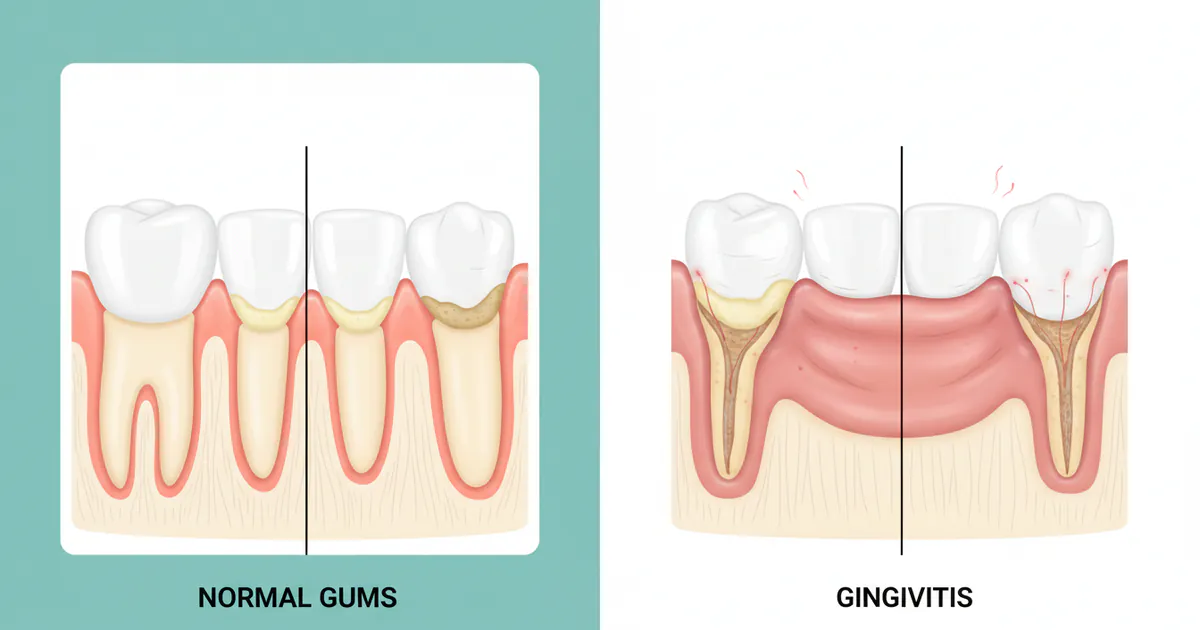
- Red, Swollen, or Puffy Gums: Healthy gums are usually pink and firm. Gums affected by gingivitis often appear darker red, purplish, or noticeably swollen and puffy.
- Bleeding Gums: This is one of the most common and early indicators. Your gums might bleed easily when you brush your teeth, floss, or even eat hard foods. Don't ignore bleeding gums; it's a sign of inflammation, not just brushing too hard.
- Tender or Sore Gums: While gingivitis often isn't painful, your gums might feel tender to the touch.
- Receding Gums: Although more pronounced in periodontitis, early stages of gum recession can begin with gingivitis, making teeth appear longer as the gum tissue pulls away. We will discuss receding gums treatment in more detail for advanced cases.
- Bad Breath (Halitosis): The accumulation of bacteria and decaying food particles in plaque can produce an unpleasant odor, leading to persistent bad breath that doesn't go away with brushing alone.
- Changes in Gum Contour: Healthy gums have a scalloped appearance, fitting snugly around the teeth. Inflamed gums may appear blunted or flattened.
Important Note: The absence of pain does not mean the absence of disease. Many individuals with gingivitis experience no pain, which can lead to delayed diagnosis and treatment, increasing the risk of progression to periodontitis. If you notice any of these signs, it's crucial to schedule a dental check-up promptly.
Treatment Options: The Path to Curability
The good news is that because gingivitis is primarily caused by plaque and tartar buildup, its treatment focuses directly on removing these irritants and establishing good oral hygiene practices. As a result, the question, "is gingivitis curable?" can be confidently answered with a resounding yes.
Here are the key treatment options:
1. Professional Dental Cleaning (Prophylaxis)
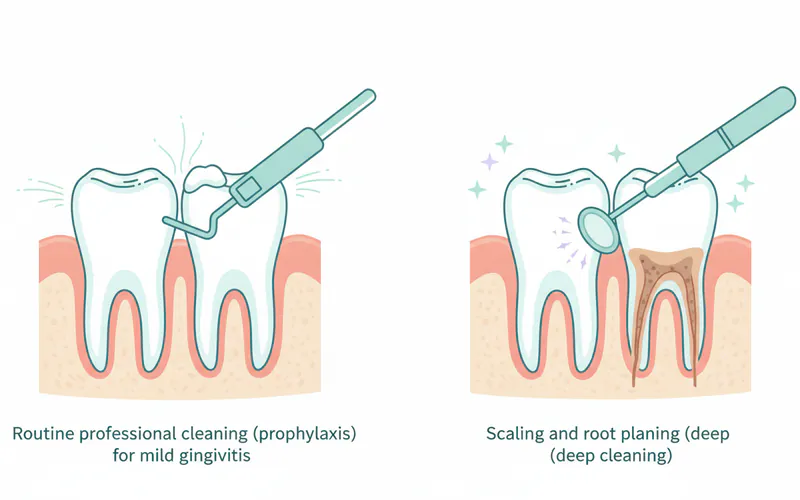
This is the foundational treatment for mild gingivitis. A dental hygienist or dentist uses specialized tools to remove plaque and tartar from above and slightly below the gum line.
- Pros: Non-invasive, relatively quick, prevents gingivitis from developing or worsening.
- Cons: Only effective for mild plaque/tartar, not sufficient for deeper accumulations.
- Cost: Typically ranges from $75 - $200 for an uninsured visit, often covered 80-100% by dental insurance.
2. Scaling and Root Planing (Deep Cleaning)
For more established gingivitis where plaque and tartar have accumulated below the gum line, a deeper cleaning procedure known as scaling and root planing (SRP) is often recommended.
- Description:
- Scaling: Involves using ultrasonic instruments and manual scalers to meticulously remove plaque, tartar, and bacterial toxins from the tooth surfaces, both above and below the gum line.
- Root Planing: After scaling, the root surfaces of the teeth are smoothed. This helps to remove any remaining bacterial toxins and rough spots, making it more difficult for plaque to adhere in the future and promoting reattachment of the gum tissue to the cleaner tooth surface.
- Pros: Highly effective in reversing gingivitis, non-surgical, prevents progression to periodontitis.
- Cons: Can cause discomfort (often requires local anesthetic), may take multiple appointments (usually 2-4 quadrants treated separately), temporary post-procedure sensitivity.
- Cost: Typically ranges from $150 - $600 per quadrant. A full mouth deep cleaning (4 quadrants) can cost anywhere from $600 - $2,400. Insurance often covers 50-80% after deductible.
3. Adjunctive Therapies
In some cases, your dentist might recommend additional treatments to complement scaling and root planing:
- Antimicrobial Mouthwashes: Prescription-strength mouthwashes containing chlorhexidine gluconate can help control bacteria after deep cleaning and for home use. They are typically used for a limited time due to potential side effects like temporary tooth staining or taste alteration. Over-the-counter therapeutic mouthwashes can also be recommended for daily maintenance.
- Antibiotics: In specific situations, a dentist might prescribe localized antibiotic gels or chips placed directly into gum pockets, or systemic oral antibiotics, to combat persistent infection. This is less common for simple gingivitis but may be considered for more stubborn cases or when periodontitis is suspected.
4. Home Care Improvements
Regardless of professional treatment, improved daily oral hygiene is non-negotiable for curing gingivitis and preventing its return. This includes:
- Brushing thoroughly twice a day for two minutes with a soft-bristled toothbrush.
- Flossing daily to remove plaque and food particles from between teeth and under the gum line.
- Using an antimicrobial mouthwash as recommended by your dentist.
5. When is Gum Surgery Required? (And Why Not for Gingivitis)
It is crucial to understand that gum surgery is typically not a treatment for gingivitis. Gingivitis, being reversible, responds very well to non-surgical methods like professional cleanings and improved home care.
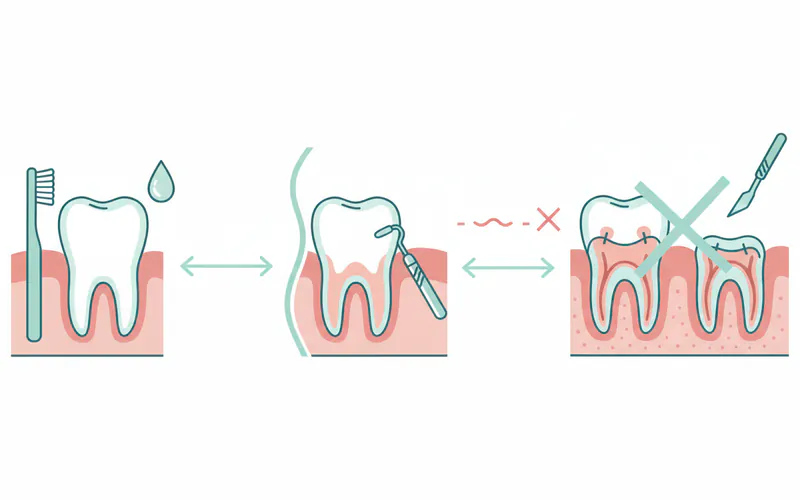
Gum surgery becomes necessary when gingivitis has progressed to periodontitis, leading to irreversible damage, deep periodontal pockets, and bone loss. In such advanced cases, surgical interventions may include:
- Flap Surgery (Pocket Reduction Surgery): Gums are lifted back, tartar is removed from deep pockets, and damaged bone may be reshaped before the gums are sutured back in place.
- Soft Tissue Grafts: Used for significant receding gums treatment, where gum tissue has pulled away from the teeth exposing the roots. Tissue is taken from another area of your mouth (like the palate) or a donor source and attached to the affected site.
- Bone Grafting: If periodontitis has caused severe bone loss, bone grafts can be used to regenerate lost bone, often using fragments of your own bone, synthetic bone, or donated bone.
- Guided Tissue Regeneration: A small piece of mesh-like fabric is inserted between the bone and gum tissue to prevent gum tissue from growing into the area where bone regeneration is desired.
While these surgical options are vital for managing advanced periodontal disease and receding gums treatment, they are entirely different from the simple, non-surgical approaches that effectively cure gingivitis.
Comparison of Gingivitis Treatment Options
| Treatment Option | Description | Typical Cost (US, uninsured) | Pros | Cons | Timeline |
|---|---|---|---|---|---|
| Professional Prophylaxis | Routine cleaning to remove plaque & tartar above gum line. | $75 - $200 | Quick, non-invasive, excellent for mild cases/prevention. | Not sufficient for subgingival calculus/deeper infection. | 30-60 minutes, 1 appointment |
| Scaling & Root Planing | Deep cleaning to remove plaque & tartar from above and below gum line, smooth root surfaces. | $150 - $600/quadrant | Highly effective for established gingivitis, prevents progression to periodontitis. | Can cause discomfort, may require local anesthetic, multiple visits. | 1-2 hours per quadrant, 1-4 appointments |
| Antimicrobial Mouthwash | Prescription or OTC rinse to reduce bacterial load. | $10 - $25 | Adjunctive therapy, enhances plaque control, freshens breath. | Not a standalone treatment, temporary staining (chlorhexidine), taste alteration. | Daily use for specified period |
| Improved Home Care | Diligent brushing (2x/day), flossing (1x/day). | Minimal (cost of supplies) | Essential for all treatments, prevents recurrence, empowers patient. | Requires consistent effort, not enough on its own for established gingivitis/tartar. | Daily, ongoing |
Step-by-Step Process for Scaling and Root Planing (Deep Cleaning)
If your dentist determines that scaling and root planing (SRP) is the appropriate treatment for your gingivitis, here's what you can generally expect during the procedure:
- Initial Examination and Diagnosis: Before any treatment, your dentist or dental hygienist will conduct a thorough examination. This involves visually inspecting your gums, probing pocket depths around your teeth with a special instrument (healthy pockets are typically 1-3mm), and possibly taking X-rays to assess bone health. This helps confirm the diagnosis of gingivitis and rule out periodontitis.
- Local Anesthetic: To ensure your comfort, especially for cleaning below the gum line, a local anesthetic will be administered to numb the specific area(s) being treated. This is usually applied via injection to the gums around the teeth in one or more quadrants of your mouth.
- Scaling: Using a combination of ultrasonic instruments and specialized manual scalers (curettes and sickles), the hygienist will meticulously remove plaque, tartar (calculus), and bacterial toxins from the tooth surfaces. This includes cleaning above the gum line and extending into the gum pockets, carefully dislodging buildup from the root surfaces. You might feel some pressure and hear scraping sounds, but the numbing agent should prevent pain.
- Root Planing: After scaling, the root surfaces are smoothed. This is a critical step that helps to remove any remaining rough spots where bacteria can easily accumulate. A smooth root surface makes it harder for plaque to reattach and allows the gum tissue to reattach more firmly to the tooth, reducing pocket depths.
- Irrigation (Optional): Some practitioners may use an antimicrobial rinse (like chlorhexidine) to flush out the pockets and further reduce bacterial load.
- Post-Procedure Instructions: Once the procedure is complete, you'll receive specific instructions on aftercare, including managing discomfort, what to eat, and how to maintain oral hygiene during the healing period.
- Follow-up Appointment: A follow-up appointment is typically scheduled a few weeks after the deep cleaning to evaluate the healing of your gums, re-measure pocket depths, and reinforce home care instructions. This also allows the hygienist to perform a light polish and address any remaining issues.
``
Cost and Insurance Considerations
The cost of gingivitis treatment in the US can vary significantly based on the severity of the condition, the type of treatment needed, the dental practice's location, and whether you have dental insurance.
Average US Cost Ranges for Gingivitis Treatment (Uninsured)
- Routine Professional Cleaning (Prophylaxis):
- Low: $75
- Mid: $125
- High: $200
- This is for preventive care or very mild gingivitis where deep cleaning isn't required.
- Scaling and Root Planing (SRP) per quadrant:
- Low: $150
- Mid: $350
- High: $600
- Most patients require 2-4 quadrants treated. If all four quadrants are treated, the total cost could range from $600 - $2,400.
- Antimicrobial Mouthwash (Prescription):
- $10 - $25
- Localized Antibiotic Application (if needed):
- $50 - $150 per tooth/site
Dental Insurance Coverage
Most dental insurance plans in the US categorize gingivitis treatments as "basic" or "preventive" care, offering significant coverage:
- Preventive Care (Routine Cleanings & Exams): Often covered at 80-100% by most plans, usually up to two times per year, with no deductible or a very low one.
- Basic Procedures (Scaling and Root Planing): Typically covered at 50-80% after you meet your annual deductible. This means you would be responsible for the remaining 20-50% of the cost.
- For example, if an SRP costs $300 per quadrant and your plan covers 80% after a $50 deductible: For a single quadrant, you'd pay the $50 deductible, then 20% of the remaining $250 ($50), for a total out-of-pocket of $100. If you had 4 quadrants, you'd pay the deductible once, and then 20% of the total $1200, which is $240, for a total of $290. (This is a simplified example; actual costs vary.)
Pro Tip: Always contact your dental insurance provider before treatment to understand your specific benefits, coverage percentages, deductibles, annual maximums, and any waiting periods for procedures like deep cleanings. Many offices will also help you estimate your out-of-pocket costs.
Recovery and Aftercare: Maintaining Your Cured Gums
Once your gingivitis has been treated, either through professional cleaning or scaling and root planing, the recovery phase is crucial for ensuring the gums heal properly and that the condition doesn't recur. The goal is to solidify the "curable" aspect of gingivitis into a long-term reality.
Immediate Post-Treatment (First Few Days):
- Discomfort and Sensitivity: It's normal to experience some mild soreness, tenderness, or sensitivity in your gums and teeth for a few days following scaling and root planing. This is particularly true if local anesthetic was used.
- Bleeding: You might notice slight bleeding when brushing or flossing during the initial healing period. This should subside quickly.
- Swelling: Any initial gum swelling should begin to diminish within 24-48 hours.
- Pain Management: Over-the-counter pain relievers like ibuprofen (Advil, Motrin) or acetaminophen (Tylenol) can effectively manage any discomfort.
- Diet: Stick to soft, non-spicy, non-acidic foods for the first 24-48 hours to avoid irritating your gums. Avoid extremely hot or cold foods if you experience sensitivity.
- Smoking/Alcohol: Avoid smoking and alcohol consumption, as these can impede healing and increase the risk of complications.
Ongoing Aftercare (Weeks and Months):
- Meticulous Oral Hygiene: This is the cornerstone of preventing recurrence.
- Brushing: Brush your teeth twice a day for two minutes each time, using a soft-bristled toothbrush. Pay close attention to the gum line, using gentle circular motions. Consider an electric toothbrush for enhanced plaque removal.
- Flossing: Floss daily, ensuring you gently slide the floss between teeth and slightly below the gum line to remove trapped food and plaque.
- Mouthwash: Use an antimicrobial mouthwash as recommended by your dentist. If a prescription mouthwash like chlorhexidine was prescribed, follow the instructions precisely, as overuse can have side effects.
- Regular Dental Check-ups and Cleanings: Adhere to your dentist's recommended schedule for follow-up appointments and routine cleanings. For many, this means every six months. If you had significant gingivitis or are prone to plaque buildup, your dentist might recommend more frequent "periodontal maintenance" cleanings (e.g., every 3-4 months).
- Healthy Lifestyle:
- Balanced Diet: Eat a nutritious diet rich in fruits, vegetables, and whole grains. Limit sugary snacks and drinks, which feed plaque-forming bacteria.
- Hydration: Drink plenty of water throughout the day, as it helps wash away food particles and maintains saliva flow.
- Avoid Tobacco: If you smoke or use tobacco, quitting is one of the most impactful steps you can take for your gum health and overall well-being.
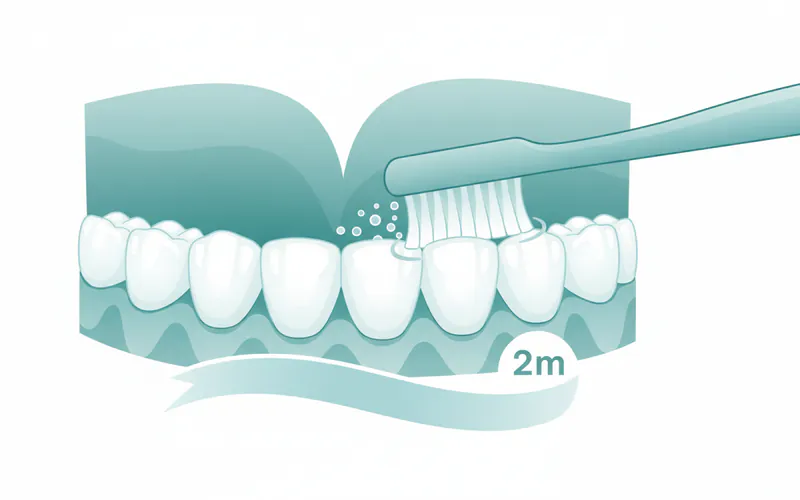
By diligently following these aftercare instructions, you can ensure that your gingivitis remains cured and your gums stay healthy.
Prevention: Keeping Gingivitis Away for Good
The best cure for gingivitis is to prevent it from happening in the first place, or to prevent its recurrence. Prevention largely boils down to consistent, effective oral hygiene and regular professional dental care.
Here’s a comprehensive guide to preventing gingivitis:
- Brush Your Teeth Twice Daily:
- Use a soft-bristled toothbrush and fluoride toothpaste.
- Brush for at least two minutes each time, covering all surfaces of your teeth and gently along the gum line.
- Consider an electric toothbrush, which often offers superior plaque removal.
- Replace your toothbrush every 3-4 months, or sooner if the bristles are frayed.
- Floss Daily:
- Flossing removes plaque and food particles from between your teeth and under the gum line, where your toothbrush can't reach. This is a critical step that many people overlook or perform incorrectly.
- Use about 18 inches of floss, winding most of it around your middle fingers. Guide the floss between your teeth, curving it into a "C" shape against one tooth, and gently slide it under the gum line. Repeat for each tooth.
- Use Mouthwash (Optional, but beneficial):
- Over-the-counter therapeutic mouthwashes (containing ingredients like cetylpyridinium chloride or essential oils) can help reduce plaque and gingivitis.
- Always choose an ADA-approved product.
- Follow product instructions, and don't use it as a substitute for brushing and flossing.
- Regular Dental Check-ups and Professional Cleanings:
- Visit your dentist and dental hygienist every six months for a comprehensive check-up and professional cleaning. These appointments allow for the removal of hardened tartar (calculus) that you cannot remove at home. They also enable early detection of any emerging issues.
- Pro Tip: The American Dental Association (ADA) strongly endorses regular professional cleanings as a cornerstone of preventive oral health.
- ``
- Maintain a Healthy Diet:
- Limit sugary and starchy foods and drinks, which contribute to plaque formation.
- Eat a balanced diet rich in vitamins and minerals, especially Vitamin C and calcium, which are vital for gum and bone health.
- Stay hydrated by drinking plenty of water.
- Avoid Tobacco Products:
- Smoking and chewing tobacco are major risk factors for gum disease. Quitting dramatically improves your gum health and the effectiveness of any dental treatments.
- Manage Underlying Health Conditions:
- If you have conditions like diabetes, manage them effectively with your doctor, as systemic health directly impacts oral health.
- Be Aware of Medications:
- Inform your dentist about all medications you are taking, as some can cause dry mouth or gum overgrowth, necessitating specialized care.
By incorporating these practices into your daily routine, you can effectively prevent gingivitis and safeguard your smile.
Risks and Complications of Untreated Gingivitis
While gingivitis is completely curable, the biggest risk is inaction. If left untreated, gingivitis will inevitably progress to more severe forms of periodontal disease, leading to irreversible damage and potentially systemic health issues.
Here are the primary risks and complications:
- Progression to Periodontitis: This is the most significant and common complication. Periodontitis is an advanced, chronic inflammatory condition where the infection spreads beyond the gums to destroy the underlying bone and connective tissues that support your teeth.
- Unlike gingivitis, periodontitis is not curable; it can only be managed to prevent further progression.
- It leads to the formation of deep "pockets" between the teeth and gums, where more bacteria accumulate, further exacerbating the disease.
- Tooth Loosening and Loss: As periodontitis progresses, the destruction of bone and ligaments weakens the support structure for your teeth. Teeth may become loose, shift, and eventually fall out or require extraction.
- Bone Loss: The inflammatory response in periodontitis actively breaks down the alveolar bone that anchors your teeth in place. This bone loss is irreversible and can significantly impact your oral health and facial structure.
- Gum Recession: While some minor gum recession can occur with gingivitis, it becomes much more pronounced in periodontitis. This exposes the sensitive tooth roots, leading to increased sensitivity to hot and cold, and makes teeth appear longer. Advanced receding gums treatment typically involves surgical gum grafting procedures.
- Abscesses: Deep pockets can become infected, leading to painful gum abscesses.
- Impact on Systemic Health: Research has established strong links between severe gum disease (periodontitis, originating from untreated gingivitis) and various systemic health conditions:
- Cardiovascular Disease: The inflammation and bacteria from periodontitis can enter the bloodstream, potentially contributing to heart disease, stroke, and other cardiovascular issues.
- Diabetes: There's a bidirectional relationship. Periodontitis makes it harder for individuals with diabetes to control their blood sugar, and uncontrolled diabetes worsens gum disease.
- Respiratory Diseases: Oral bacteria can be aspirated into the lungs, potentially leading to pneumonia or exacerbating existing respiratory conditions.
- Pregnancy Complications: Periodontitis in pregnant women has been linked to increased risks of preterm birth and low birth weight.
- Other Conditions: Links have also been suggested with rheumatoid arthritis, certain cancers, and cognitive decline.
Given these serious potential outcomes, addressing gingivitis promptly is not just about saving your teeth; it's about protecting your overall health.
Gingivitis vs. Periodontitis: Key Differences
Understanding the distinction between these two conditions is fundamental to appreciating why gingivitis is curable and periodontitis is not.
| Feature | Gingivitis | Periodontitis |
|---|---|---|
| Reversibility | Fully Curable | Not Curable, only manageable to prevent further progression and maintain oral health. |
| Tissue Damage | Inflammation of gum tissue only. No loss of bone or connective tissue. | Inflammation extends to deeper supporting structures: bone, periodontal ligaments, cementum. Irreversible damage. |
| Gum Pockets | Shallow pockets (less than 3mm). | Deep pockets (4mm or more) due to detachment of gum from tooth. |
| Bone Loss | No bone loss. | Irreversible bone loss around the teeth. |
| Tooth Mobility | Teeth are firm. | Teeth may become loose, shift, or even fall out. |
| Pain Level | Often painless in early stages. | May involve pain, discomfort, especially during chewing, or when brushing. |
| Symptoms | Red, swollen, bleeding gums; bad breath. | All gingivitis symptoms, plus pus between teeth and gums, persistent bad breath/taste, severe recession, visible bone loss, loose teeth. |
| Treatment | Professional cleaning (prophylaxis or SRP) and improved home care. | Deep cleaning (SRP), antibiotics, sometimes gum surgery (flap surgery, grafts) to manage and regenerate. |
Children / Pediatric Considerations
Gingivitis is not exclusive to adults; it can affect children and adolescents too. In fact, studies show that a significant percentage of children and teenagers exhibit some signs of gingivitis, especially during puberty when hormonal changes can make gums more reactive.
Causes in Children:
- Poor Oral Hygiene: Just like in adults, the primary culprit is inadequate brushing and flossing, leading to plaque buildup.
- Erupting Teeth: Gums around newly erupting permanent teeth can be more susceptible to inflammation.
- Orthodontic Appliances: Braces, retainers, and other orthodontic devices can create additional surfaces for plaque to accumulate and make thorough cleaning more challenging.
- Mouth Breathing: Chronic mouth breathing can dry out gum tissues, making them more prone to inflammation.
- Hormonal Changes: Puberty, in particular, can lead to increased gum sensitivity and a heightened inflammatory response to plaque.
- Poor Diet: Frequent consumption of sugary snacks and drinks.
- Certain Medical Conditions: Similar to adults, systemic conditions or medications can contribute to gum inflammation.
Signs and Symptoms in Children:
The signs of gingivitis in children are similar to those in adults:
- Red, swollen gums
- Bleeding gums during brushing or flossing
- Bad breath
- Tenderness in the gums
Parents might notice that their child's gums look "puffy" or that they complain of slight discomfort.
Treatment and Prevention for Children:
- Education and Motivation: The cornerstone of treatment and prevention in children is education. Parents play a vital role in teaching and supervising proper brushing and flossing techniques. Fun, colorful toothbrushes and flavored toothpaste can help make oral hygiene more appealing.
- Professional Cleanings: Regular dental check-ups and cleanings (every six months) are just as important for children as they are for adults. The dental hygienist can remove plaque and tartar and provide tailored oral hygiene instructions.
- Addressing Contributing Factors: If orthodontic appliances are an issue, the orthodontist can provide specific cleaning tools and advice. If mouth breathing is present, addressing its cause with a pediatrician or ENT specialist might be necessary.
- Dietary Guidance: Limiting sugary snacks and drinks and encouraging a balanced diet.
Early detection and intervention in childhood can prevent gingivitis from becoming a recurring issue or progressing to more serious gum disease later in life.
Cost Breakdown: Detailed Pricing & Payment Options
Understanding the full financial picture of gingivitis treatment is crucial for planning your oral health journey. While we've touched on costs, let's break it down further.
Average US Costs for Gingivitis Treatment
| Service | Description | Average Low (Uninsured) | Average Mid (Uninsured) | Average High (Uninsured) |
|---|---|---|---|---|
| Dental Exam (New Patient) | Initial assessment, charting | $50 | $80 | $150 |
| X-rays (Full Mouth/Panoramic) | Diagnostic imaging to assess bone/tooth health | $100 | $150 | $250 |
| Prophylaxis (Routine Cleaning) | Standard cleaning for healthy gums or mild gingivitis | $75 | $125 | $200 |
| Scaling & Root Planing (per quadrant) | Deep cleaning for moderate gingivitis/early periodontitis | $150 | $350 | $600 |
| Localized Antibiotic (per site) | Applied into gum pocket after SRP (if needed) | $50 | $90 | $150 |
| Antimicrobial Mouthwash (Rx) | Prescription-strength rinse | $10 | $15 | $25 |
Note: These are average ranges for uninsured patients. Costs can vary significantly by region (e.g., urban vs. rural), specific dental practice, and the dentist's experience.
With vs. Without Insurance
As highlighted earlier, dental insurance typically covers:
- Preventive Care (Exams, X-rays, Prophylaxis): Often covered at 80-100%, sometimes without a deductible. This makes routine cleanings very affordable, if not free, for insured individuals.
- Basic Procedures (Scaling & Root Planing): Usually covered at 50-80% after your deductible is met.
- Example for SRP (4 quadrants total cost $1,400, 80% coverage after $50 deductible):
- Total Bill: $1,400
- Deductible: -$50 (Your out-of-pocket)
- Remaining Amount: $1,350
- Insurance Pays (80%): $1,080
- Your Out-of-Pocket (20%): $270
- Total you pay = $50 (deductible) + $270 (20% co-insurance) = $320.
- Without insurance, this would have been $1,400.
- Example for SRP (4 quadrants total cost $1,400, 80% coverage after $50 deductible):
Payment Plans and Financing Options
Even with insurance, or especially without it, a full mouth scaling and root planing can be a significant expense. Many dental offices offer solutions to help manage these costs:
- In-house Payment Plans: Many practices offer flexible payment options, allowing you to pay in installments over several months, often interest-free.
- Third-Party Financing: Companies like CareCredit are specifically designed for healthcare expenses. They offer various plans, including interest-free options for a set period (e.g., 6, 12, or 18 months), which can be very beneficial for larger treatments.
- Dental Discount Plans: These are not insurance but membership programs where you pay an annual fee for discounted rates on dental services from participating providers. Discounts can range from 10-60%.
- Health Savings Accounts (HSAs) and Flexible Spending Accounts (FSAs): If you have one of these through your employer, you can use pre-tax dollars to pay for dental treatments, effectively saving you money.
Cost-Saving Tips
- Prioritize Prevention: The single best way to save money on gingivitis treatment is to prevent it. Regular brushing, flossing, and biennial routine cleanings are far less expensive than treating established gum disease.
- Shop Around: Get quotes from a few different dental offices. Prices can vary.
- Ask About Package Deals: Some offices might offer a slight discount if you commit to a full mouth deep cleaning (4 quadrants) upfront.
- Go Out-of-Network (if cheaper): Sometimes, an out-of-network dentist might have lower fees, and even with lower insurance reimbursement, your total out-of-pocket could be less. Always compare.
- Dental Schools: Dental schools often offer treatments at a reduced cost, as procedures are performed by students under the supervision of experienced faculty.
Frequently Asked Questions
Is gingivitis truly curable, or just manageable?
Yes, gingivitis is truly and fully curable. Because it only involves inflammation of the gum tissues without permanent damage to the bone or supporting structures of the teeth, early intervention with professional cleaning and diligent home care can completely reverse the condition.
How long does it take to cure gingivitis?
With professional treatment, such as a scaling and root planing, and immediate, consistent improvement in home oral hygiene, the visible signs of gingivitis (like bleeding and swelling) can begin to resolve within 1-2 weeks. Full tissue recovery and strengthening might take a few weeks longer, emphasizing the importance of ongoing care.
Is gingivitis treatment painful?
Routine professional cleaning (prophylaxis) for mild gingivitis is generally not painful. Scaling and root planing (deep cleaning) might cause some discomfort, but local anesthetic is typically used to numb the area, ensuring you remain comfortable during the procedure. Post-treatment sensitivity and mild soreness are common but manageable with over-the-counter pain relievers.
What happens if gingivitis is left untreated?
Untreated gingivitis will almost certainly progress to periodontitis, a more severe and irreversible form of gum disease. Periodontitis leads to the destruction of the bone and ligaments supporting your teeth, creating deep pockets, potentially causing tooth loosening, shifting, and eventual tooth loss. It can also impact your overall systemic health.
Can home remedies cure gingivitis?
While excellent home oral hygiene (brushing, flossing) is absolutely crucial for preventing and managing gingivitis, true "cures" often require professional intervention to remove hardened plaque (tartar) below the gum line. Home remedies alone are typically insufficient to reverse established gingivitis where tartar has formed.
What is the difference between gingivitis and periodontitis?
Gingivitis is the initial, reversible stage of gum inflammation, affecting only the gum tissue. Periodontitis is an advanced, irreversible stage where the infection has spread to destroy the bone and tissues supporting the teeth, leading to bone loss, deep pockets, and potential tooth loss.
Will my gums grow back after gingivitis treatment if they've receded?
For gingivitis, significant receding gums treatment is generally not necessary, as severe recession is more common in periodontitis. While gums will become less inflamed and swollen, causing them to appear healthier and tighter around the teeth, gum tissue that has truly receded from the tooth root due to permanent damage does not typically "grow back" on its own. Surgical gum grafting may be needed for severe, permanent recession.
How often should I get dental cleanings to prevent gingivitis?
The American Dental Association (ADA) generally recommends professional dental cleanings every six months for most adults. However, if you are particularly prone to plaque buildup or have a history of gum issues, your dentist might recommend more frequent visits, such as every 3-4 months, for optimal prevention.
Does smoking affect gingivitis treatment and prognosis?
Yes, smoking significantly impairs the body's immune response and blood flow to the gums, making it harder to fight gum infections and heal after treatment. Smokers often experience more severe gum disease, respond less effectively to treatment, and have a higher risk of recurrence. Quitting smoking is one of the most beneficial steps for gum health.
Is gum surgery a common treatment for gingivitis?
No, gum surgery is not a common or typical treatment for gingivitis. Gingivitis is successfully treated with non-surgical methods like professional dental cleanings (scaling and root planing) and improved home care. Gum surgery is reserved for advanced periodontitis or specific cosmetic issues, such as significant receding gums treatment, that are beyond the scope of simple gum inflammation.
When to See a Dentist
Knowing when to seek professional dental care is crucial for preventing gingivitis from escalating and for maintaining your overall oral health.
Clear Warning Signs for Immediate Attention:
If you experience any of the following, schedule an appointment with your dentist as soon as possible, as these could indicate advanced gum disease or other serious issues:
- Persistent Bleeding Gums: If your gums bleed consistently every time you brush, floss, or even spontaneously, it's a significant red flag.
- Severe or Constant Pain: While gingivitis is often painless, pain in your gums or teeth can signal a deeper infection, abscess, or progression to periodontitis.
- Visible Pus: Pus emanating from between your teeth and gums is a definite sign of an active infection.
- Loose or Shifting Teeth: This is a hallmark symptom of severe periodontitis and indicates significant bone loss.
- Significant Receding Gums: If you notice your teeth appear longer or roots are exposed, this points to advanced gum recession.
- Persistent Bad Breath or Taste: While some bad breath can be normal, a constant foul odor or metallic taste that doesn't improve with brushing and flossing can be a sign of active gum disease.
- Changes in Your Bite: If your teeth feel different when you bite down, it could be due to bone loss or shifting teeth.
Red Flags vs. Routine Care Guidance:
- Red Flags (Schedule Soon): Any of the symptoms listed above. Don't wait for your routine check-up; call your dentist's office immediately for an earlier appointment. Explain your symptoms so they can triage appropriately.
- Routine Care (Schedule Every 6 Months): Even if you have no obvious symptoms, regular dental check-ups and professional cleanings every six months are essential. These preventive visits allow your dentist and hygienist to:
- Identify subtle signs of gingivitis before they become noticeable to you.
- Remove plaque and tartar buildup that your home care can't address.
- Provide personalized oral hygiene advice.
- Catch other potential oral health issues early.
Ignoring the warning signs of gum inflammation can have serious and lasting consequences for your oral and systemic health. Being proactive about dental care is the best way to ensure your smile remains healthy and vibrant.
Frequently Asked Questions
Medically Reviewed Content
This article was written by our dental health editorial team and reviewed for medical accuracy. Our content follows strict editorial guidelines for reliability and trustworthiness.
Medical Disclaimer
This article is for informational purposes only and does not constitute medical advice. Always consult with a qualified dental professional for diagnosis and treatment. Do not delay seeking professional advice because of something you read on this website.
Related Articles
Normal Gums vs Gingivitis: Complete Comparison Guide
Did you know that nearly half of American adults over 30 show signs of gum disease, a condition that can range from mild inflammation to severe infection leading to tooth loss? Understanding the difference between healthy gums and those affected by early gum disease, known as gingivitis, is cruc
February 22, 2026
Can You Get Rid of Gingivitis
More than 50% of American adults aged 30 or older suffer from some form of gum disease, with gingivitis being the earliest and most common stage. This often silent condition, marked by inflammation of the gums, can seem daunting, leading many to wonder: can you get rid of gingivitis? The good ne
February 22, 2026
What Causes Receding Gums
Receding gums, a condition where the gum tissue surrounding the teeth pulls back or wears away, exposing more of the tooth or the tooth's root, affects a significant portion of the adult population in the United States. In fact, estimates suggest that **up to 88% of people over the age of 65 have on
February 22, 2026
Signs of Gingivitis: Complete Guide
Did you know that nearly half of American adults aged 30 and older suffer from some form of gum disease? While that statistic might sound alarming, the good news is that the earliest and most common stage, gingivitis, is entirely reversible. Recognizing the signs of gingivitis early is your
February 22, 2026