Oral Cancer Stages Pictures: Complete Guide
Key Takeaways
- Oral cancer, a serious and potentially life-threatening disease, affects thousands of Americans each year. According to the American Cancer Society, approximately 54,000 new cases of oral cavity or oropharyngeal cancer are diagnosed annually in the United States. While these numbers can be daunt
Oral Cancer Stages Pictures: Complete Guide
Oral cancer, a serious and potentially life-threatening disease, affects thousands of Americans each year. According to the American Cancer Society, approximately 54,000 new cases of oral cavity or oropharyngeal cancer are diagnosed annually in the United States. While these numbers can be daunting, understanding the disease, particularly its staging, is paramount for early detection, effective treatment, and improved outcomes. This comprehensive guide will delve into the intricacies of oral cancer stages, helping you visualize the progression of the disease and understand the critical diagnostic and treatment pathways. From the earliest signs to the complexities of advanced stages, we will explore everything you need to know about oral cancer stages pictures, treatment options, prevention strategies, and vital insights into safeguarding your oral health.
This article aims to be your definitive resource, covering definitions, causes, symptoms (including oral cancer last stage symptoms), treatment options, costs, and crucial prevention methods. We will also address common concerns, such as "can Zyns cause mouth cancer," to provide a holistic view of this important health topic.
Key Takeaways:
- Early Detection is Crucial: Detecting oral cancer in its early stages (Stage I or II) significantly increases the five-year survival rate, often exceeding 80%.
- TNM Staging System: Oral cancer is staged using the TNM system, which assesses Tumor size (T), lymph Node involvement (N), and Metastasis (M).
- Risk Factors: Tobacco use (including smokeless tobacco products like Zyns), heavy alcohol consumption, and HPV infection are primary risk factors.
- Treatment Costs: Diagnosis and treatment can range from a few hundred dollars for a biopsy to $50,000 - $150,000+ for complex surgeries, radiation, and chemotherapy, often covered partially by insurance.
- Symptoms to Watch For: Persistent mouth sores, red or white patches, lumps, difficulty swallowing, or unexplained numbness are red flags requiring immediate dental or medical evaluation.
- Prevention is Key: Eliminating tobacco and reducing alcohol intake, getting the HPV vaccine, and undergoing regular dental screenings are essential preventive measures.
- Zyns and Oral Health: While Zyns are marketed as a tobacco-free nicotine product, research on their long-term oral cancer risk is ongoing. Nicotine itself can impair oral health and cellular function, and chronic irritation from pouches is a concern.
What It Is: Oral Cancer and the Staging System
Oral cancer refers to any cancerous growth that occurs in the mouth (oral cavity) or the back of the throat (oropharynx). This includes cancers of the lips, tongue, cheeks, floor of the mouth, hard and soft palates, sinuses, and pharynx. These cancers develop when cells in the oral cavity or oropharynx grow out of control, forming tumors that can spread to other parts of the body if not treated promptly.
Staging is a standardized system used by doctors to describe the extent of cancer in a patient's body. It helps healthcare professionals determine the best course of treatment and predict a patient's prognosis. For oral cancer, the most widely accepted staging system is the TNM Classification, developed by the American Joint Committee on Cancer (AJCC). TNM stands for:
- T (Tumor): Describes the size and extent of the primary tumor.
- N (Nodes): Indicates whether the cancer has spread to nearby lymph nodes.
- M (Metastasis): Denotes whether the cancer has spread to distant parts of the body (e.g., lungs, liver).
Understanding the TNM components allows doctors to assign a stage, typically from Stage 0 (carcinoma in situ) to Stage IV (advanced cancer). The stage is a critical determinant of treatment strategy and the likelihood of successful recovery.
Types of Oral Cancer
While oral cancer can manifest in various forms, the vast majority fall under a few primary classifications:
- Squamous Cell Carcinoma (SCC): This is by far the most common type of oral cancer, accounting for over 90% of all cases. It originates in the squamous cells that line the mouth and throat. SCC can appear as a persistent sore, a red or white patch, or a lump.
- Verrucous Carcinoma: A rare subtype of squamous cell carcinoma, verrucous carcinoma grows slowly and rarely spreads to other parts of the body. It often appears as a warty, cauliflower-like growth, particularly in people who use smokeless tobacco.
- Minor Salivary Gland Cancers: These cancers develop in the small salivary glands located throughout the mouth and throat. Types include adenoid cystic carcinoma, mucoepidermoid carcinoma, and polymorphous adenocarcinoma.
- Lymphoma: While primarily a cancer of the lymphatic system, lymphomas can sometimes develop in the tonsils or base of the tongue, which are part of the oral cavity and oropharynx.
- Melanoma: Oral melanoma is an extremely rare but aggressive form of cancer that originates in the pigment-producing cells (melanocytes) in the mouth.

Causes and Why It Happens: Unpacking the Risk Factors
Oral cancer doesn't have a single cause, but rather a combination of risk factors that significantly increase a person's likelihood of developing the disease. Understanding these factors is crucial for prevention.
Primary Risk Factors:
- Tobacco Use: This is the most significant risk factor. All forms of tobacco, including cigarettes, cigars, pipes, chewing tobacco, and snuff, dramatically increase the risk. The chemicals in tobacco damage the DNA of cells in the mouth, leading to uncontrolled growth.
- Alcohol Consumption: Heavy and prolonged alcohol use is another major risk factor. Alcohol acts as an irritant and can enhance the penetration of carcinogens into oral tissues. The risk is significantly higher when alcohol and tobacco are used together.
- Human Papillomavirus (HPV) Infection: Certain high-risk strains of HPV, particularly HPV-16, are a growing cause of oropharyngeal cancers (cancers of the tonsils and base of the tongue). This often affects younger, non-smoking individuals.
- Sun Exposure: Prolonged and unprotected exposure to sunlight is a primary cause of lip cancer, particularly on the lower lip.
- Age: The risk of oral cancer increases with age, with most cases diagnosed in individuals over 55. However, HPV-related oral cancers can occur at younger ages.
- Gender: Men are about twice as likely to develop oral cancer as women, possibly due to historical differences in tobacco and alcohol consumption patterns.
Other Contributing Factors:
- Poor Nutrition: Diets low in fruits and vegetables, and high in processed foods, may increase risk.
- Weakened Immune System: Individuals with compromised immune systems (e.g., organ transplant recipients, HIV-positive individuals) may have a higher risk.
- Genetic Syndromes: Rare genetic conditions, such as Fanconi anemia or dyskeratosis congenita, can increase the risk of oral cancer.
- Chronic Irritation: While not a direct cause, chronic irritation from ill-fitting dentures, rough teeth, or sharp fillings can sometimes contribute to precancerous changes, although this is less common than other factors.
Can Zyns Cause Mouth Cancer? Addressing the Concern
The rise of nicotine pouches, like Zyn, has raised questions about their potential impact on oral health and cancer risk. Zyn products are marketed as tobacco-free nicotine pouches that users place between their gum and lip.
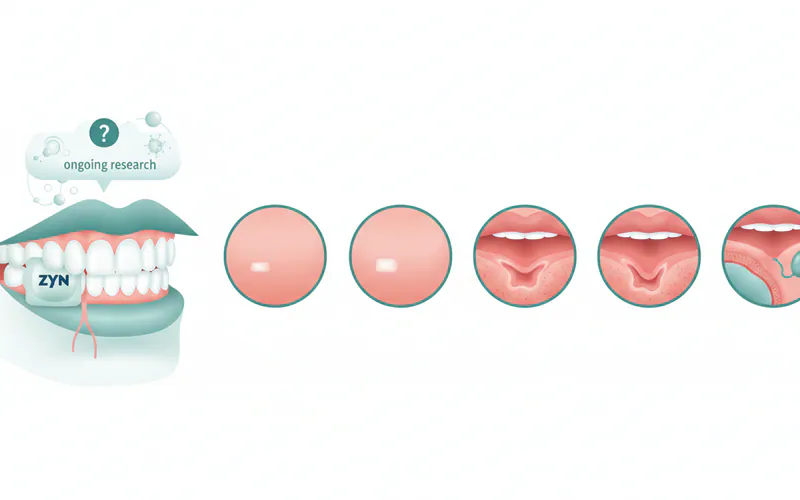
- Current Research: It's important to note that research specifically on the long-term oral cancer risk of Zyn and similar nicotine pouches is still emerging and not as extensive as studies on traditional tobacco products.
- Nicotine's Role: While nicotine itself is highly addictive, it is not considered a primary carcinogen like the many other chemicals found in tobacco. However, nicotine can cause vasoconstriction (narrowing of blood vessels), impair wound healing, and may promote tumor growth in existing cancers. It also affects cellular processes that could potentially contribute to precancerous changes.
- Chronic Irritation: The continuous placement of any foreign object, even a "soft" pouch, against the delicate oral mucosa can lead to localized irritation. Chronic irritation, though not a direct cause of cancer, can sometimes create an environment conducive to cellular changes.
- Other Ingredients: Beyond nicotine, these pouches contain other ingredients like binders, pH adjusters, and flavorings. The long-term effects of these compounds on oral tissues are not fully understood.
Conclusion on Zyns: While Zyn pouches do not contain tobacco, which is the primary source of many carcinogens in traditional smokeless tobacco, the long-term health implications, particularly regarding oral cancer, are not yet fully established. Nicotine's systemic effects and the potential for chronic local irritation are ongoing concerns. The safest approach for oral health is to avoid all nicotine and tobacco products.
Signs and Symptoms: What to Look For
Early detection is the single most important factor in improving the survival rate for oral cancer. Knowing what to look for can be life-saving.
Early Warning Signs:
- Persistent Mouth Sore: A sore, irritation, lump, or thick patch in your mouth, lip, or throat that does not heal within two weeks. This is often the most common early symptom.
- Red or White Patches:
- Leukoplakia: White or grayish patches that cannot be scraped off. While often benign, they can be precancerous.
- Erythroplakia: Velvety red patches. These are more likely to be cancerous or precancerous than leukoplakia.
- Lump or Thickening: A new lump, thickening, rough spot, crust, or eroded area on the lip, gum, or other areas inside the mouth.
- Unexplained Numbness: Numbness, pain, or tenderness in any area of the face, mouth, or neck.
- Difficulty Chewing or Swallowing: Persistent difficulty, discomfort, or pain when chewing, swallowing (dysphagia), or moving your tongue or jaw.
- Chronic Sore Throat or Hoarseness: A persistent sore throat, feeling like something is caught in your throat, or changes in your voice (hoarseness) that don't go away.
``
Oral Cancer Last Stage Symptoms (Stage IV):
When oral cancer reaches its last stages, it indicates that the disease has progressed significantly, often involving widespread metastasis. Symptoms at this stage are typically more severe and debilitating:
- Significant Pain: Severe and constant pain in the mouth, jaw, throat, or ear, often requiring strong pain medication.
- Large, Ulcerated Lesions: The primary tumor is large (over 4 cm) and often deeply invasive, causing significant tissue destruction. Ulcerations can be painful, bleeding, and prone to infection.
- Palpable Neck Lumps: Multiple or large lymph nodes in the neck are often affected, forming noticeable lumps that may be fixed and painful.
- Difficulty Eating and Speaking: Advanced tumors can severely impair the ability to chew, swallow, and speak, leading to significant weight loss, malnutrition, and communication difficulties.
- Jaw and Facial Swelling: Swelling of the jaw, face, or neck due to tumor invasion or lymph node involvement.
- Bone Invasion: The cancer may have spread into the jawbone, causing pain, weakening of the bone, and potentially pathological fractures.
- Distant Metastasis: Symptoms related to the spread of cancer to other organs, such as persistent cough and shortness of breath (lung metastasis), bone pain (bone metastasis), or jaundice (liver metastasis).
- Fatigue and Weakness: Profound fatigue and general weakness due to the body's battle with advanced cancer and potential malnutrition.
- Trismus: Difficulty opening the mouth fully due to tumor involvement of the jaw muscles or joints.
- Bleeding: Spontaneous or easily provoked bleeding from the tumor site.
Oral Cancer Stages: A Detailed Look
Understanding the specific stages helps clarify the severity and guides treatment.
Stage 0 (Carcinoma in Situ)
- Description: Abnormal cells are found in the lining of the oral cavity or oropharynx, but they have not invaded deeper tissues. This is the earliest form of cancer, highly treatable.
- TNM: Tis (carcinoma in situ), N0, M0.
- Prognosis: Excellent, nearly 100% five-year survival rate with appropriate treatment.
Stage I
- Description: The tumor is small (2 cm or less) and has not spread to lymph nodes or distant sites.
- TNM: T1, N0, M0.
- Prognosis: Good, with five-year survival rates often between 75-80%.
Stage II
- Description: The tumor has grown larger (more than 2 cm but not more than 4 cm) but has not spread to lymph nodes or distant sites.
- TNM: T2, N0, M0.
- Prognosis: Favorable, with five-year survival rates typically around 60-70%.
Stage III
- Description: Either the tumor is larger than 4 cm without lymph node involvement (T3, N0, M0), OR the tumor is any size with spread to one lymph node on the same side as the tumor, but the node is not larger than 3 cm (T1, T2, or T3 with N1, M0).
- TNM: T3, N0, M0 OR T1-3, N1, M0.
- Prognosis: Moderate, with five-year survival rates ranging from 30-50%, depending on specific factors.
Stage IV
Stage IV is further subdivided based on the extent of local spread and metastasis. This stage indicates advanced cancer.
- Stage IVA:
- Description: The tumor has invaded nearby structures (e.g., bone, deep muscle of the tongue, maxillary sinus, skin of the face). It may or may not have spread to one or more lymph nodes that are not very large. No distant metastasis.
- TNM: T4a, N0-2, M0 OR T1-4a, N2, M0 (N2 meaning multiple or larger lymph nodes, but still regional).
- Prognosis: Challenging, with five-year survival rates varying greatly, often in the 15-30% range. Treatment is aggressive and aimed at controlling the disease and improving quality of life.
- Stage IVB:
- Description: The tumor has invaded specific advanced local sites (e.g., skull base, internal carotid artery) OR it has spread to very large lymph nodes (N3), regardless of tumor size. No distant metastasis.
- TNM: Any T, N3, M0 OR T4b, Any N, M0.
- Prognosis: Very poor, with five-year survival rates often below 10%.
- Stage IVC:
- Description: The cancer has spread to distant parts of the body (e.g., lungs, liver, bones).
- TNM: Any T, Any N, M1.
- Prognosis: Extremely poor, with five-year survival rates often less than 5%. Treatment focuses on palliation and symptom management.
Treatment Options: A Multidisciplinary Approach
Treatment for oral cancer is highly individualized, depending on the stage, location, type of cancer, and the patient's overall health. It often involves a team of specialists including oral surgeons, oncologists, radiation oncologists, dentists, nutritionists, and speech therapists.
Primary Treatment Modalities:
-
Surgery:
- Description: The primary treatment for most oral cancers. It involves removing the tumor and a margin of healthy tissue around it (wide excision).
- Neck Dissection: If cancer has spread or is suspected to have spread to lymph nodes in the neck, these nodes are surgically removed.
- Reconstructive Surgery: For larger resections, reconstructive surgery (using tissue from other parts of the body) may be necessary to restore function and appearance.
- Pros: Can completely remove localized tumors. Offers immediate tumor removal.
- Cons: Can be disfiguring, may affect speech, chewing, and swallowing. Recovery can be extensive.
-
Radiation Therapy:
- Description: Uses high-energy X-rays or other particles to kill cancer cells or shrink tumors.
- External Beam Radiation Therapy (EBRT): Most common, delivered from a machine outside the body.
- Brachytherapy: Radioactive seeds or wires are placed directly into or near the tumor.
- Pros: Non-invasive (EBRT), preserves organs and function in some cases. Effective for early-stage or as adjuvant therapy.
- Cons: Can cause significant side effects (mucositis, dry mouth, difficulty swallowing, osteoradionecrosis), long treatment duration.
-
Chemotherapy:
- Description: Uses powerful drugs to kill cancer cells throughout the body.
- Uses: Often used in combination with radiation for advanced stages (chemoradiation) or to treat metastatic cancer.
- Pros: Can kill cancer cells that have spread beyond the primary site.
- Cons: Significant systemic side effects (nausea, fatigue, hair loss, weakened immune system).
-
Targeted Therapy:
- Description: Drugs designed to specifically target certain molecules or pathways involved in cancer growth, with less harm to healthy cells.
- Example: Cetuximab (Erbitux) targets EGFR, a protein found on many cancer cells.
- Pros: Fewer side effects than traditional chemotherapy, tailored to specific cancer biology.
- Cons: Not effective for all cancers; resistance can develop.
-
Immunotherapy:
- Description: Uses the body's own immune system to fight cancer.
- Example: Checkpoint inhibitors like pembrolizumab (Keytruda) or nivolumab (Opdivo) release the brakes on the immune system, allowing it to attack cancer cells.
- Uses: Increasingly used for recurrent or metastatic oral cancers, especially those that have not responded to other treatments.
- Pros: Can achieve durable responses in some patients, potentially fewer systemic side effects than chemo.
- Cons: Can cause immune-related side effects, not effective for all patients, can be very expensive.
Step-by-Step Process: The Oral Cancer Journey
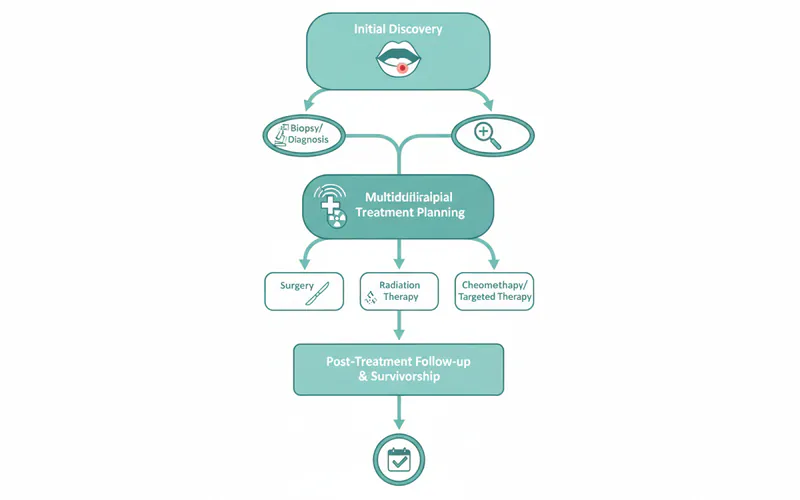
The journey from suspecting oral cancer to post-treatment recovery involves several critical steps:
- Initial Dental/Medical Examination: Your dentist or doctor will perform a visual and tactile examination of your mouth, looking for any suspicious lesions, lumps, or discolorations. This often includes palpating the neck for enlarged lymph nodes.
- Referral to Specialist: If suspicious findings are present, you'll be referred to an oral surgeon, head and neck surgeon, or oncologist.
- Biopsy: This is the definitive diagnostic test. A small tissue sample is removed from the suspicious area and examined under a microscope by a pathologist. This determines if cancer cells are present and, if so, the type of cancer.
- Pro Tip: Don't delay a biopsy. It's the only way to confirm or rule out cancer.
- Imaging Tests: Once cancer is confirmed, imaging scans are performed to determine the stage:
- CT Scan (Computed Tomography): Provides detailed cross-sectional images to show tumor size and spread to lymph nodes.
- MRI (Magnetic Resonance Imaging): Excellent for visualizing soft tissues, particularly useful for assessing tumor invasion into muscle or nerves.
- PET Scan (Positron Emission Tomography): Used to detect cancer cells throughout the body, especially to check for distant metastasis (M stage).
- Staging Determination: Based on biopsy results and imaging, the medical team will determine the precise TNM stage of the cancer.
- Multidisciplinary Treatment Planning: A team of specialists (surgeon, radiation oncologist, medical oncologist) will collaborate to develop a personalized treatment plan. This may involve a single modality or a combination of surgery, radiation, and chemotherapy.
- Treatment Execution: The planned treatments are carried out, which can span weeks to months depending on the complexity.
- Follow-up and Surveillance: Regular follow-up appointments are crucial post-treatment to monitor for recurrence, manage side effects, and support recovery. This includes ongoing dental care.
Cost and Insurance: Navigating Financial Aspects
The cost of oral cancer diagnosis and treatment in the US can be substantial, varying widely based on the stage of cancer, types of treatment, and geographic location.
Average US Cost Ranges:
- Initial Biopsy:
- With insurance (co-pay/deductible): $100 - $500
- Without insurance: $500 - $2,500 (includes pathologist fees)
- Imaging (CT, MRI, PET scans):
- Each scan with insurance (co-pay/deductible): $200 - $1,000
- Each scan without insurance: $1,500 - $10,000+
- Surgery (Primary Tumor Excision):
- Minor (early stage) with insurance: $5,000 - $20,000 (out-of-pocket maximums apply)
- Major (advanced, with neck dissection & reconstruction) with insurance: $15,000 - $70,000+ (after deductibles/co-insurance)
- Without insurance (cash price): $20,000 - $100,000+
- Radiation Therapy (Full Course):
- With insurance (out-of-pocket maximums apply): $5,000 - $30,000
- Without insurance: $30,000 - $80,000+
- Chemotherapy / Targeted Therapy / Immunotherapy:
- Highly variable. A single cycle can be thousands, and a full course can range from $20,000 to $150,000+ per year, depending on the drugs.
- Insurance coverage is crucial here, typically falling under your annual out-of-pocket maximum.
- Reconstructive Surgery: Can add $10,000 - $50,000+ to overall costs, depending on complexity.
Insurance Coverage:
- Most major medical insurance plans (PPO, HMO, EPO) and government programs like Medicare and Medicaid cover a significant portion of oral cancer diagnosis and treatment.
- Deductibles, Co-pays, and Co-insurance: Patients are typically responsible for meeting their deductible first, then paying co-pays for visits and a percentage (co-insurance) of the treatment costs until their annual out-of-pocket maximum is reached.
- Network Providers: Staying within your insurance network is vital to minimize costs.
- Pre-authorization: Many treatments, especially high-cost ones like chemotherapy or complex surgeries, require pre-authorization from your insurance company.
Recovery and Aftercare: Life After Treatment
Recovery from oral cancer treatment is a multifaceted process that can involve physical, emotional, and social adjustments.

- Pain Management: Post-surgical pain, and pain from radiation or mucositis, will be managed with medication.
- Nutrition and Diet: Difficulty swallowing (dysphagia) is common. A soft diet, liquid diet, or even a feeding tube (nasogastric or gastrostomy) may be necessary temporarily or long-term. Nutritional counseling is essential.
- Speech and Swallowing Therapy: Rehabilitation with a speech-language pathologist (SLP) is critical to regain the ability to speak clearly and swallow safely.
- Oral Hygiene: Meticulous oral hygiene is paramount, especially after radiation (which can cause dry mouth and increase cavity risk). Regular dental check-ups, fluoride treatments, and salivary substitutes are often recommended.
- Psychological Support: Dealing with cancer, its treatment, and potential changes in appearance can take a toll. Support groups, counseling, and mental health professionals can provide invaluable assistance.
- Physical Therapy: May be needed to improve jaw mobility (e.g., for trismus) or neck movement after surgery or radiation.
- Follow-Up Care: Lifelong follow-up is necessary to monitor for recurrence and manage long-term side effects. This typically involves regular clinical exams, imaging, and dental checks.
Pro Tip: Maintain open communication with your entire healthcare team. Don't hesitate to report any new symptoms or concerns.
Prevention: Taking Control of Your Oral Health
Preventing oral cancer largely involves modifying lifestyle choices and engaging in regular screenings.
- Eliminate Tobacco Use: This is the single most impactful preventive step. Quitting all forms of tobacco, including cigarettes, cigars, chewing tobacco, and nicotine pouches like Zyn, drastically reduces your risk.
- Moderate Alcohol Consumption: If you drink alcohol, do so in moderation. The ADA recommends limiting intake to no more than one drink per day for women and two for men.
- HPV Vaccination: The HPV vaccine (Gardasil 9) is highly effective in preventing infections with high-risk HPV strains that cause oropharyngeal cancers, as well as cervical and other cancers. It is recommended for adolescents and young adults. Discuss this with your doctor.
- Sun Protection: Protect your lips from excessive sun exposure by using lip balm with SPF and wearing hats with wide brims.
- Healthy Diet: Eat a balanced diet rich in fruits, vegetables, and whole grains. These foods provide antioxidants that can protect cells from damage.
- Regular Dental Check-ups and Screenings:
- Visit your dentist at least twice a year for routine examinations.
- Ask for an oral cancer screening during your check-up. Many dentists perform a visual and tactile screening as part of their routine exam, looking for suspicious lesions.
- Pro Tip: Early detection through regular screenings dramatically improves treatment outcomes. Don't skip your dental appointments!
Risks and Complications
Beyond the cancer itself, treatment can lead to various risks and complications:
- Treatment Side Effects:
- Mucositis: Painful inflammation and ulceration of the mouth lining (especially with radiation/chemo).
- Xerostomia (Dry Mouth): Permanent damage to salivary glands from radiation, leading to chronic dry mouth, increased risk of cavities, and difficulty eating/speaking.
- Dysphagia (Difficulty Swallowing): Due to structural changes or nerve damage.
- Dysarthria (Difficulty Speaking): Due to changes in tongue or jaw function.
- Osteoradionecrosis (ORN): Bone death due to radiation, particularly in the jaw. Can be severely painful and difficult to treat.
- Trismus: Restricted jaw opening.
- Loss of Taste: Often temporary, but can be permanent.
- Lymphedema: Swelling, usually in the neck or face, due to lymph node removal.
- Recurrence: Cancer can return in the original site or a different location. Regular follow-ups are vital for early detection of recurrence.
- Metastasis: The spread of cancer to distant organs.
- Psychological Impact: Depression, anxiety, and body image issues are common after oral cancer treatment.
Comparison Tables
Here are two tables to help summarize key information:
Table 1: Oral Cancer Stages, Characteristics, and 5-Year Survival Rates
| Oral Cancer Stage | Tumor Size (T) / Lymph Nodes (N) / Metastasis (M) | Key Characteristics | Approximate 5-Year Survival Rate* |
|---|---|---|---|
| Stage 0 | Tis, N0, M0 | Carcinoma in situ; abnormal cells in the superficial lining, no invasion. | Nearly 100% |
| Stage I | T1, N0, M0 | Tumor ≤ 2 cm, no lymph node involvement, no distant spread. | 75-80% |
| Stage II | T2, N0, M0 | Tumor > 2 cm but ≤ 4 cm, no lymph node involvement, no distant spread. | 60-70% |
| Stage III | T3, N0, M0 OR T1-3, N1, M0 | Tumor > 4 cm OR any size with spread to one lymph node (≤ 3 cm, same side). | 30-50% |
| Stage IVA | T4a, N0-2, M0 OR T1-4a, N2, M0 | Tumor invades adjacent structures (e.g., bone), may or may not involve regional lymph nodes. | 15-30% |
| Stage IVB | Any T, N3, M0 OR T4b, Any N, M0 | Tumor invades highly advanced local sites OR involves very large/multiple lymph nodes. | < 10% |
| Stage IVC | Any T, Any N, M1 | Cancer has spread to distant organs (e.g., lungs, liver, bones). | < 5% |
Note: Survival rates are averages and can vary significantly based on individual factors, treatment response, and specific cancer characteristics. Data based on general cancer statistics and ADA guidelines.
Table 2: Common Oral Cancer Treatment Options and Considerations
| Treatment Option | Description | Pros | Cons | Typical Cost Range (USD, without insurance) |
|---|---|---|---|---|
| Surgery | Removal of tumor and affected tissues; may include neck dissection. | Immediate tumor removal; often curative for early stages. | Potential for disfigurement, functional impairment; long recovery. | $20,000 - $100,000+ |
| Radiation Therapy | Uses high-energy rays to kill cancer cells (EBRT or brachytherapy). | Organ preservation; effective for early stages. | Significant side effects (mucositis, dry mouth, ORN); long treatment course. | $30,000 - $80,000+ |
| Chemotherapy | Systemic drugs to kill cancer cells; often combined with radiation. | Effective for widespread cancer; adjuvant to other therapies. | Systemic side effects (nausea, fatigue, hair loss, weakened immune system). | $20,000 - $150,000+ (per course) |
| Targeted Therapy | Drugs that target specific molecules involved in cancer growth. | Fewer side effects than chemo; personalized approach. | Not universally effective; resistance can develop; high cost. | $50,000 - $200,000+ (per year) |
| Immunotherapy | Boosts the body's immune system to fight cancer. | Durable responses in some patients; potential for long-term control. | Immune-related side effects; not effective for all; very high cost. | $100,000 - $300,000+ (per year) |
Children / Pediatric Considerations
Oral cancer is exceedingly rare in children. When it does occur, it is typically not the squamous cell carcinoma seen in adults and is often linked to different underlying conditions or specific tumor types (e.g., rhabdomyosarcoma, lymphomas, or sarcomas). Pediatric oral cancers require highly specialized care from pediatric oncologists and multidisciplinary teams experienced in treating childhood cancers. The risk factors commonly associated with adult oral cancer (tobacco, alcohol, sun exposure, HPV) are generally not relevant in pediatric cases. Parents should still be vigilant for any persistent or unusual lumps, sores, or changes in their child's mouth that do not resolve, and seek prompt medical evaluation.
Cost Breakdown
Understanding the financial burden is a significant concern for oral cancer patients. Here's a summary of average US costs:
- Low End (Early Stage, localized, with good insurance): With insurance, out-of-pocket expenses for initial diagnosis and early-stage surgery might be around $5,000 - $15,000, assuming deductibles and co-pays are met and an annual out-of-pocket maximum applies.
- Mid-Range (Stage II/III, combination therapy, with insurance): Patients could face $20,000 - $50,000+ in out-of-pocket costs, even with insurance, especially if multiple therapies (surgery, radiation, chemo) are involved over an extended period. This factors in multiple deductibles, co-insurance, and prescription costs.
- High End (Advanced Stage IV, complex treatment, no/poor insurance): Without robust insurance, the total cost of diagnosis, multiple surgeries, extensive radiation, chemotherapy, targeted/immunotherapy, and reconstructive surgery could easily exceed $200,000 - $500,000 or more.
Payment Plans and Financing Options:
- Hospital Payment Plans: Many hospitals offer interest-free payment plans for balances after insurance.
- Patient Assistance Programs: Pharmaceutical companies often have programs to help with the cost of expensive cancer drugs.
- Non-Profit Organizations: Organizations like the American Cancer Society or local cancer support groups can provide financial aid, transportation assistance, and resources.
- Medical Credit Cards: Cards like CareCredit offer financing options, but beware of high-interest rates if balances aren't paid within promotional periods.
- Government Programs: Medicaid can provide significant coverage for low-income individuals.
Cost-Saving Tips:
- Verify Insurance Coverage: Understand your plan's deductibles, co-pays, out-of-pocket maximums, and network restrictions before treatment.
- Seek In-Network Providers: Always confirm that all doctors, hospitals, and labs are within your insurance network.
- Generic Medications: Ask your doctor if generic alternatives are available for any prescribed medications.
- Utilize Social Workers: Hospital social workers specialize in helping patients navigate financial and logistical challenges related to cancer care.
- Review Bills: Scrutinize all medical bills for errors or duplicated charges.
Frequently Asked Questions
What do oral cancer stages pictures look like in the early stages?
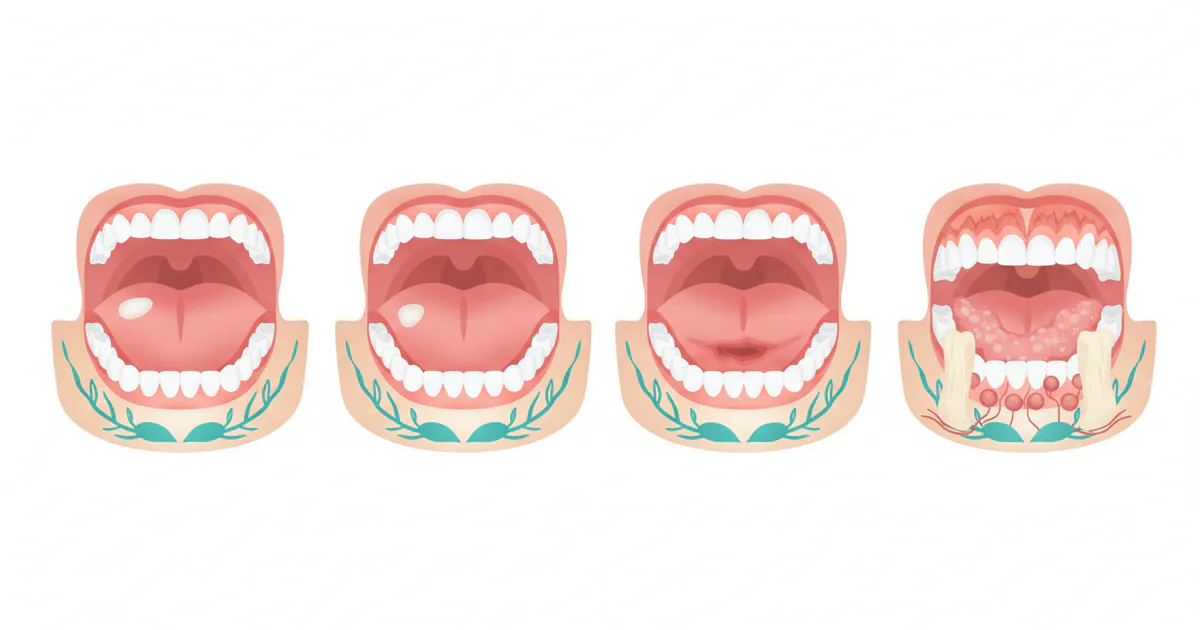
In early stages (Stage 0, I, II), oral cancer can appear as a persistent white patch (leukoplakia), a velvety red patch (erythroplakia), a small, non-healing sore or ulcer, or a small, firm lump. These lesions might be painless initially, making regular self-exams and professional screenings crucial for detection.
What are oral cancer last stage symptoms?
Last stage (Stage IV) oral cancer symptoms typically include severe, constant pain, large and deeply invasive ulcerated lesions, palpable and often fixed neck lumps, significant difficulty eating, swallowing, and speaking, jaw or facial swelling, and symptoms related to distant metastasis like persistent cough or bone pain.
Can Zyns cause mouth cancer?
While Zyns are tobacco-free, meaning they lack many traditional tobacco carcinogens, research on their long-term oral cancer risk is still ongoing. Nicotine itself can impair oral health and cellular function, and chronic irritation from the pouch placement could potentially contribute to changes in oral tissues. The safest approach is to avoid all nicotine products.
How is oral cancer diagnosed?
Diagnosis typically begins with a visual and tactile examination by a dentist or doctor, followed by a biopsy of any suspicious lesion. If cancer is confirmed, imaging tests like CT, MRI, or PET scans are performed to determine the stage and extent of the disease.
Is oral cancer painful?
Early-stage oral cancer may be painless, which is why it can go unnoticed. As the cancer progresses, it often causes significant pain in the mouth, jaw, throat, and sometimes the ear, especially in advanced stages.
What is the survival rate for oral cancer?
The 5-year survival rate for oral cancer varies significantly by stage. For localized cancer (Stage I/II), it can be over 60-80%. If it has spread to regional lymph nodes, the rate drops to 30-50%. For distant metastasis (Stage IVC), the rate is typically less than 5%. Early detection dramatically improves these statistics.
What are the main treatments for oral cancer?
The main treatments for oral cancer include surgery (to remove the tumor), radiation therapy (to kill cancer cells), and chemotherapy (systemic drugs). Targeted therapy and immunotherapy are also used, especially for advanced or recurrent cases. Treatment is often a combination of these modalities.
How long does oral cancer treatment take?
The duration of oral cancer treatment varies widely. Surgery can be a single event followed by recovery, but radiation therapy typically lasts 5-7 weeks, and chemotherapy cycles can extend over several months. The entire treatment and recovery process can span many months to over a year.
What are the long-term side effects of oral cancer treatment?
Long-term side effects can include chronic dry mouth (xerostomia), difficulty swallowing (dysphagia) or speaking (dysarthria), taste changes, jaw stiffness (trismus), changes in facial appearance, and increased risk of dental problems. Lifelong follow-up and rehabilitation are often required.
Can oral cancer be prevented?
Yes, a significant portion of oral cancers can be prevented by avoiding tobacco and limiting alcohol consumption, getting the HPV vaccine, protecting lips from sun exposure, maintaining a healthy diet, and regularly visiting your dentist for oral cancer screenings.
When to See a Dentist
Recognizing the signs and symptoms of oral cancer and seeking prompt professional evaluation is critical for early detection and improved treatment outcomes.
See your dentist immediately if you experience any of the following red flags:
- A mouth sore, lesion, or irritation that does not heal within two weeks. This is the most important warning sign.
- Any persistent red or white patch in your mouth that doesn't go away.
- A lump, thickening, or rough spot in your mouth, on your lip, or in your neck.
- Unexplained numbness, pain, or tenderness in your mouth, face, or neck.
- Difficulty chewing, swallowing, speaking, or moving your jaw or tongue.
- A persistent sore throat or hoarseness that lasts longer than two weeks.
- Any noticeable change in how your teeth fit together or how your dentures feel.
These signs could indicate oral cancer or another serious condition requiring immediate attention. Do not wait for symptoms to become painful or more pronounced.
For routine care and prevention:
- Schedule regular dental check-ups and cleanings, typically every six months. During these visits, your dentist will perform a routine oral cancer screening as part of your comprehensive exam.
- Discuss any concerns you have about risk factors (like tobacco or alcohol use) with your dental professional. They can offer guidance and resources for prevention.
Early detection is your best defense against oral cancer. Be proactive about your oral health and never hesitate to seek professional advice for any suspicious changes in your mouth.
Frequently Asked Questions
Medically Reviewed Content
This article was written by our dental health editorial team and reviewed for medical accuracy. Our content follows strict editorial guidelines for reliability and trustworthiness.
Medical Disclaimer
This article is for informational purposes only and does not constitute medical advice. Always consult with a qualified dental professional for diagnosis and treatment. Do not delay seeking professional advice because of something you read on this website.
Related Articles
Floor of Mouth Cancer: Complete Guide
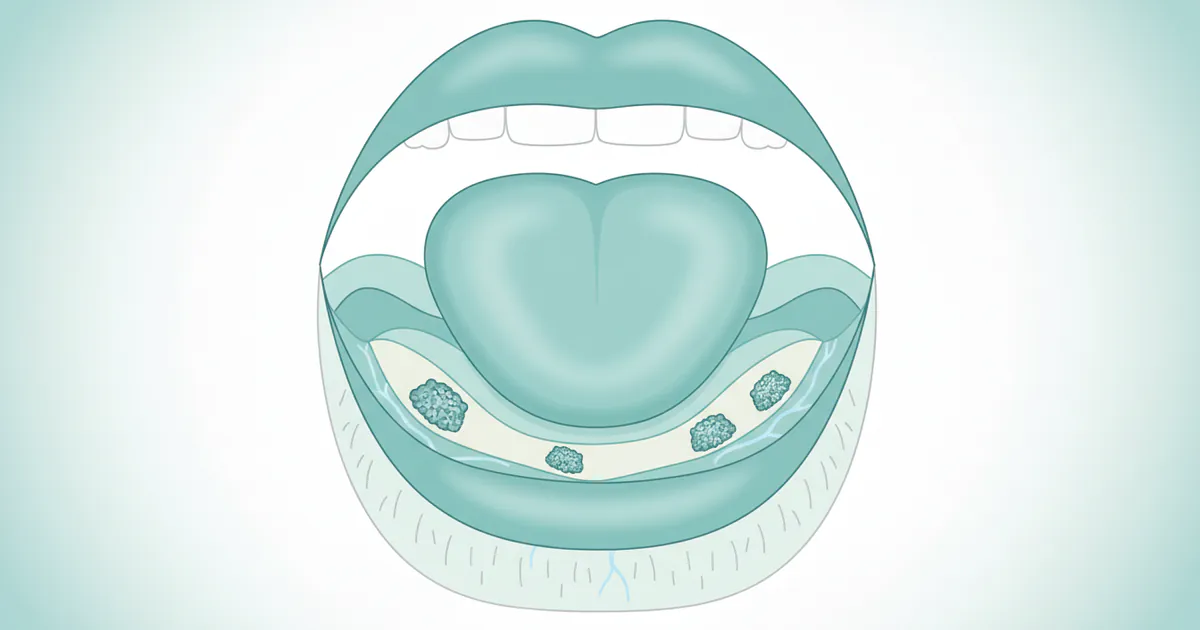
Each year, over 54,000 Americans are diagnosed with oral cavity or oropharyngeal cancer, making it a significant public health concern. While often overlooked, floor of mouth cancer is a particularly aggressive and common form of oral cancer, accounting for a substantial percentage of all oral c
February 23, 2026
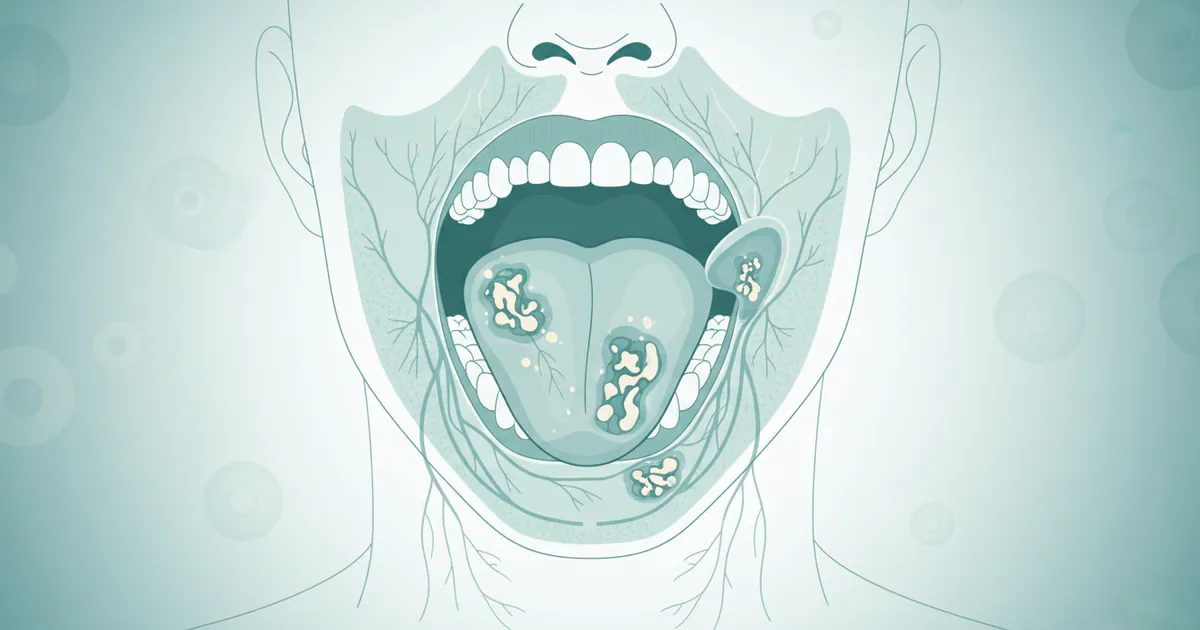
Can You Die From Mouth Cancer
Oral cancer is a formidable disease, often striking with insidious subtlety before revealing its devastating potential. It's a question that weighs heavily on the minds of those who receive a diagnosis or even those simply concerned about unusual oral symptoms: can you die from mouth cancer? The
February 23, 2026
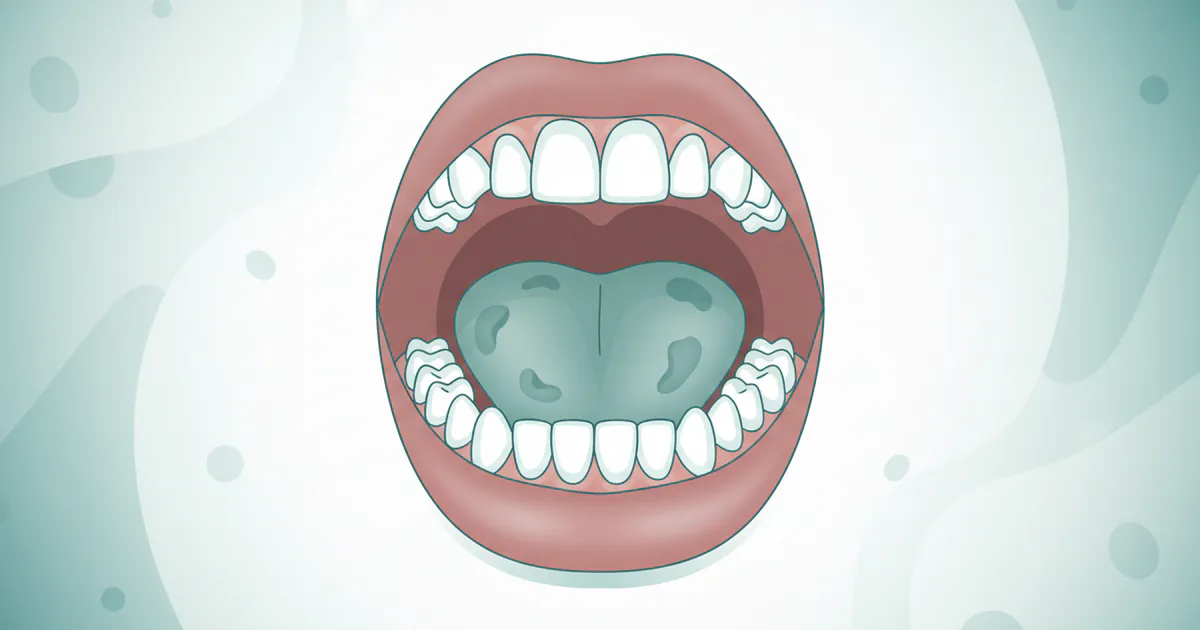
Mouth Cancer Photos: Complete Guide
Oral cancer is a formidable disease that affects tens of thousands of Americans each year, often with devastating consequences if not detected early. According to the Oral Cancer Foundation, approximately 54,000 Americans are diagnosed with oral or oropharyngeal cancer annually, and nearly 11,23
February 23, 2026
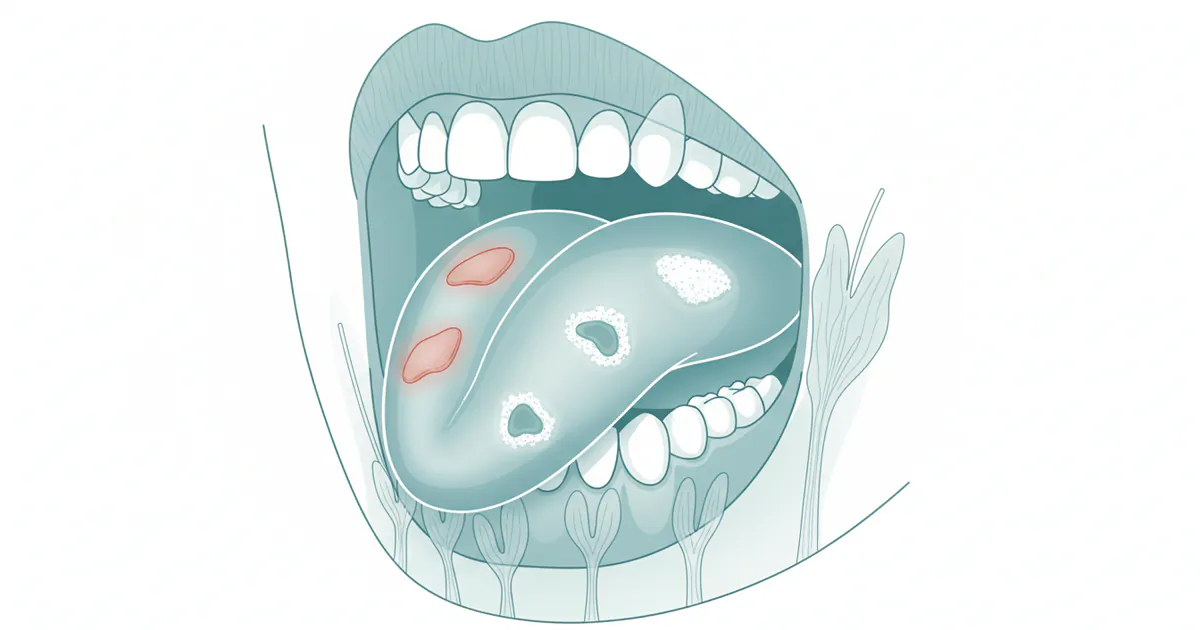
Mouth Cancer Pictures Early Stages: Complete Guide
Few diagnoses can be as unsettling as cancer, and when it affects a part of your body as central to daily life as your mouth, the concern is profound. Oral cancer, often referred to simply as mouth cancer, is a serious condition that, if detected early, has a significantly higher chance of s
February 23, 2026