Complete Guide to Dental Anxiety & Sedation: Everything You Need to Know
Key Takeaways
- Complete Guide to Dental Anxiety & Sedation: Everything You Need to Know
Complete Guide to Dental Anxiety & Sedation: Everything You Need to Know
Introduction
Do you dread going to the dentist? You're not alone. An estimated 36% of adults in the US experience some form of dental anxiety, with 12% suffering from extreme dental phobia. This apprehension can range from mild nervousness to a debilitating fear that prevents individuals from seeking essential dental care, leading to neglected oral health, pain, and more complex problems down the road. Understanding dental anxiety and the various sedation options available can be the first step toward overcoming this pervasive issue. Whether you're worried about a routine cleaning or a more involved procedure, learning about solutions like what is oral sedation and how it works can transform your dental experience from one of dread to one of calm and comfort.
This comprehensive guide from SmilePedia.net will explore the multifaceted nature of dental anxiety, delve into its causes and symptoms, and provide an in-depth look at the full spectrum of modern sedation techniques. We'll cover everything from the calming effects of nitrous oxide, often used for routine procedures like teeth cleaning, to the more profound relaxation offered by oral sedation medication and IV sedation. You'll gain crucial insights into what to expect during a sedated dental visit, understand the associated costs and insurance considerations, and learn practical tips for a smooth recovery. Our aim is to equip you with all the knowledge you need to approach your next dental appointment with confidence, ensuring your oral health doesn't suffer due to fear.
Key Takeaways:
- Dental anxiety affects over one-third of US adults, often leading to avoided dental care and worsened oral health.
- Oral sedation typically involves taking a pill (e.g., Halcion, Valium) about an hour before your appointment, inducing a state of deep relaxation while you remain conscious. It's ideal for moderate anxiety.
- Nitrous oxide (laughing gas) is a mild sedative inhaled through a mask, providing quick relaxation and reversal, making it excellent for children and adults with mild anxiety or for procedures like nitrous oxide for teeth cleaning.
- Costs for sedation vary widely: Nitrous oxide usually ranges from $50 to $150 per visit, while oral sedation can be $150 to $500. IV sedation may cost $500 to $1,500+ per hour, often with limited insurance coverage.
- Recovery time depends on the sedation type: Nitrous oxide wears off almost immediately, allowing you to drive yourself home. Oral and IV sedation require a responsible adult to drive you home, and effects can linger for several hours.
- Always disclose your full medical history and all medications to your dentist before sedation to prevent complications.
- Children's sedation requires specialized protocols and often involves nitrous oxide or light oral sedatives, administered by a pediatric dentist.
What It Is / Overview
Dental anxiety and phobia are distinct, though often intertwined, conditions. Dental anxiety is a feeling of unease or apprehension before or during a dental appointment. It's a common response, often characterized by nervousness, sweating, or a racing heart. Dental phobia, or odontophobia, is a more severe, irrational, and intense fear that can be debilitating. Individuals with dental phobia may avoid dental visits entirely, even in the face of pain or infection, leading to significant deterioration of their oral health. Both conditions are serious because they create a barrier to necessary care.
Modern dentistry offers various solutions to help patients overcome these fears, primarily through sedation dentistry. Sedation dentistry, sometimes referred to as "sleep dentistry" (though most patients remain conscious), uses medication to help you relax during dental procedures. The goal is to make your visit as comfortable and stress-free as possible, ensuring you receive the care you need without the overwhelming anxiety. The levels of sedation can vary, from minimal, where you are awake but relaxed, to deep, where you are nearly unconscious but can still be roused.
Understanding the Spectrum of Sedation
Sedation can be categorized by its level of effect:
- Minimal Sedation: You are awake but relaxed. You can respond to verbal commands.
- Moderate Sedation (Conscious Sedation): You are awake but may slur your words and not remember much of the procedure. This is the most common level used in general dentistry and includes oral sedation and certain IV sedation methods.
- Deep Sedation: You are on the edge of consciousness but can still be awakened.
- General Anesthesia: You are completely unconscious and cannot be easily awakened. This is typically administered by an anesthesiologist in a hospital setting or a specialized dental office.
Types / Variations of Dental Sedation
Several methods are used to achieve these different levels of sedation, each with its own advantages and applications.
1. Inhaled Sedation (Nitrous Oxide)
Nitrous oxide, commonly known as "laughing gas," is a mild sedative that helps you relax during dental procedures. It's often mixed with oxygen and inhaled through a small mask placed over your nose.
- How it works: Nitrous oxide works quickly, usually within minutes of inhalation, by temporarily altering neurotransmitter activity in the brain, inducing a sense of well-being and dulling pain perception.
- Effects: You'll feel relaxed, perhaps light-headed or tingly. Some people describe a pleasant floating sensation. You remain fully conscious and can communicate with your dentist.
- Reversal: The effects wear off rapidly once the mask is removed and you breathe normal oxygen. You can typically drive yourself home and resume normal activities immediately.
- Best for: Mild dental anxiety, short procedures, or nitrous oxide for teeth cleaning. It's very safe for both adults and children.
2. Oral Sedation
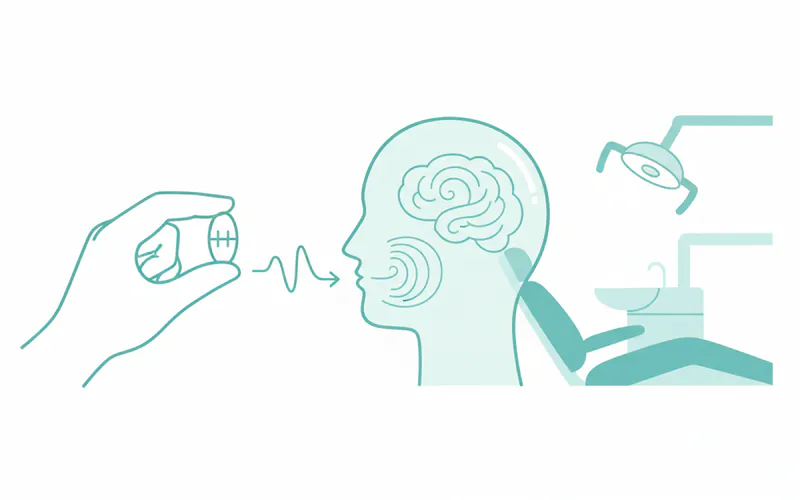
Oral sedation is a popular choice for moderate dental anxiety. It involves taking a pill about an hour before your dental appointment. This method is often what people refer to when they ask "what is oral sedation."
- Oral Sedation Medication: The most common oral sedation drugs belong to the benzodiazepine class, such as:
- Triazolam (Halcion): A short-acting benzodiazepine often used for its rapid onset and short duration. It helps you feel drowsy and relaxed.
- Diazepam (Valium): A longer-acting benzodiazepine that can provide relaxation for several hours, suitable for longer procedures.
- Lorazepam (Ativan): Another benzodiazepine, offering intermediate duration.
- Hydroxyzine (Vistaril/Atarax): An antihistamine with sedative properties, sometimes used for mild anxiety, especially in children.
- How it works: These oral sedation pills depress the central nervous system, reducing anxiety and promoting relaxation. You'll feel drowsy, groggy, and very relaxed, but you'll still be awake and able to respond to commands. You might not remember much of the procedure afterward.
- Effects: You'll be conscious but deeply relaxed, sometimes drifting in and out of sleep. Time may seem to pass quickly.
- Reversal: The effects of oral sedation medication can last for several hours, so you will need a responsible adult to drive you home and monitor you for the rest of the day.
- Best for: Moderate to severe dental anxiety, longer procedures, or patients who prefer to avoid needles.
3. IV Sedation (Intravenous Sedation)
IV sedation delivers a sedative drug directly into your bloodstream through an intravenous line, allowing the dentist or anesthesiologist to precisely control the level of sedation.
- How it works: Medications like midazolam (Versed) are administered, producing a rapid and controllable sedative effect.
- Effects: You'll enter a state of deep relaxation, often feeling like you've slept through the procedure, even though you remain conscious and able to respond. Amnesia for the procedure is common.
- Reversal: The effects wear off gradually. You will require a responsible adult to drive you home and stay with you.
- Best for: Moderate to severe dental anxiety, extensive procedures, or patients who need a deeper level of relaxation than oral sedation provides. It requires specialized training and monitoring by the dental team.
4. General Anesthesia
General anesthesia induces a state of complete unconsciousness, similar to what's used for major surgery.
- How it works: A combination of intravenous drugs and inhaled gases are administered by an anesthesiologist.
- Effects: You are completely asleep and will have no memory of the procedure. Your vital signs are continuously monitored.
- Reversal: Recovery takes longer, and you'll wake up gradually in a recovery area. You'll need someone to drive you home.
- Best for: Very complex or lengthy dental surgeries, patients with extreme phobia who cannot be treated otherwise, or individuals with certain special needs. Typically performed in a hospital or an accredited outpatient surgical center.
Causes / Why Dental Anxiety Happens
Dental anxiety is a complex issue, often stemming from a combination of factors. Understanding these root causes can help both patients and dental professionals address the fear more effectively.
- Fear of Pain: This is perhaps the most common reason. Past painful experiences, even from childhood, can create a strong association between dental work and discomfort. The thought of injections (needles) is a significant trigger for many.
- Loss of Control: Lying back in a dental chair with your mouth open, unable to see what's happening or speak freely, can lead to feelings of helplessness and vulnerability.
- Embarrassment: Some individuals feel self-conscious about their oral health, bad breath-everything-you-need-to-know "Complete Guide to Bad Breath (Halitosis): Everything You Need to Know"), or the appearance of their teeth, leading to a fear of judgment from the dental team.
- Past Traumatic Experiences: A negative past experience, such as a painful procedure, an unsympathetic dentist, or a procedure that went wrong, can instill a lasting fear.
- Sounds and Smells: The distinctive whirring of the drill, the smell of antiseptic, or other clinic-specific sensory inputs can trigger anxiety in some individuals.
- Generalized Anxiety Disorders: People who suffer from generalized anxiety, panic disorder, or post-traumatic stress disorder (PTSD) are more likely to experience dental anxiety.
- Second-Hand Anxiety: Children can sometimes pick up on their parents' dental fears.
- Cost Concerns: Worry about the financial burden of dental treatments can also contribute to anxiety, even before the procedure begins.
Signs and Symptoms of Dental Anxiety
Recognizing the signs of dental anxiety in yourself or a loved one is crucial for seeking appropriate support. Symptoms can manifest both physically and psychologically:
- Physical Symptoms:
- Sweating, especially on the palms.
- Rapid heartbeat or palpitations.
- Hyperventilation or difficulty breathing.
- Feeling faint or dizzy.
- Upset stomach or nausea.
- Muscle tension, particularly in the neck, jaw, and shoulders.
- Trouble sleeping the night before an appointment.
- Clenching hands or feeling restless in the dental chair.
- Psychological Symptoms:
- Intense worry or panic at the thought of a dental visit.
- Difficulty concentrating on anything other than the upcoming appointment.
- Feeling tearful or emotionally distressed.
- Using humor or aggression to mask fear.
- Having trouble sleeping before an appointment.
- Avoiding making or keeping dental appointments, sometimes for years.
- Feeling embarrassed or ashamed of your fear.
Pro Tip: If you experience any of these symptoms, communicate them honestly with your dental team. They are trained to help and can offer solutions tailored to your needs.
Treatment Options (Non-Pharmacological & Pharmacological)
Addressing dental anxiety often involves a combination of strategies, ranging from simple behavioral techniques to advanced pharmacological sedation.
Non-Pharmacological Approaches
These methods focus on managing anxiety without medication. They are often beneficial for mild to moderate anxiety and can complement pharmacological approaches.
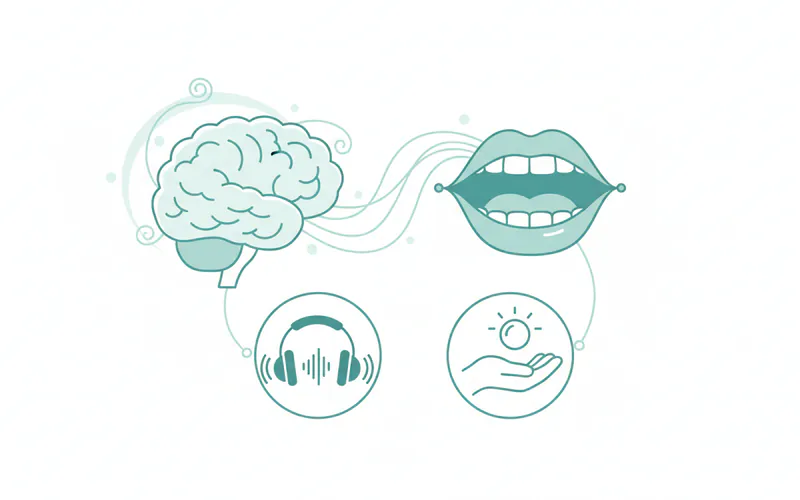
- Cognitive Behavioral Therapy (CBT): A type of talk therapy that helps individuals identify and change negative thought patterns and behaviors associated with dental visits. A psychologist or therapist can guide you through techniques to reframe your fears.
- Relaxation Techniques:
- Deep Breathing Exercises: Slow, controlled breathing can calm the nervous system. Inhale slowly through your nose, hold, and exhale slowly through your mouth.
- Progressive Muscle Relaxation: Tensing and then relaxing different muscle groups can release physical tension.
- Guided Imagery/Meditation: Focusing on peaceful mental images or guided meditations can distract from anxious thoughts.
- Distraction Techniques:
- Music/Podcasts: Wearing headphones to listen to your favorite audio can drown out dental sounds and provide a distraction.
- Stress Balls: Squeezing a stress ball can help release nervous energy.
- Visual Distraction: Some dental offices offer televisions on the ceiling or virtual reality headsets.
- Communication with the Dental Team:
- Discuss Your Fears: Be open with your dentist and their staff about your anxiety. They can explain procedures, answer questions, and adjust their approach.
- Hand Signals: Establish a hand signal (e.g., raising your hand) to let your dentist know if you need a break, are feeling pain, or are uncomfortable.
- "Tell-Show-Do" Method: Especially effective for children, where the dentist explains what they're going to do, shows them the instruments, and then performs the procedure.
Pharmacological Approaches (Sedation Dentistry)
As detailed above, these methods use medication to induce relaxation.
- Nitrous Oxide (Laughing Gas): (Reviewed above) Ideal for mild anxiety, quick onset and recovery.
- Oral Sedation (Pill): (Reviewed above) Good for moderate anxiety, pill taken before the appointment, requires a driver.
- IV Sedation (Intravenous): (Reviewed above) For moderate to severe anxiety, deeper relaxation, precise control, requires a driver.
- General Anesthesia: (Reviewed above) For extreme phobia or complex cases, complete unconsciousness, administered by an anesthesiologist, requires a driver.
Comparison of Common Sedation Methods
| Sedation Type | Level of Sedation | Method of Administration | Onset Time | Recovery Time | Patient Awareness | Cost Range (US) |
|---|---|---|---|---|---|---|
| Nitrous Oxide | Minimal | Inhaled via mask | 1-3 minutes | 5-10 minutes | Awake, relaxed, responsive | $50 - $150 per session |
| Oral Sedation | Moderate | Pill (e.g., Halcion) | 30-60 minutes | 4-6 hours | Awake but very drowsy, may drift, limited memory | $150 - $500 per session |
| IV Sedation | Moderate to Deep | IV line in arm | 1-3 minutes | 2-4 hours | Deeply relaxed, often unaware, limited memory | $500 - $1,500+ per hour |
| General Anesthesia | Deep to Full | IV and/or inhaled | Immediate | Several hours | Completely unconscious, no memory | $1,500 - $5,000+ (complex cases) |
Step-by-Step Process: What to Expect During Sedation
The process varies depending on the type of sedation, but here’s a general overview, with specific details for oral and nitrous oxide sedation.
Before Your Appointment (for Oral & IV Sedation)
- Consultation: Discuss your anxiety and medical history with your dentist. They will assess if you're a suitable candidate for sedation, recommend the best type, and explain the procedure.
- Pre-Sedation Instructions: You'll receive specific instructions, which may include:
- Fasting: No food or drink for a certain period (e.g., 6-8 hours) before IV or deep oral sedation.
- Medications: Which regular medications to take or avoid.
- Arranging a Driver: For oral sedation drugs or IV sedation, you must arrange for a responsible adult to drive you to and from the appointment and stay with you for several hours afterward.
- Wearing comfortable clothing.
- Avoiding alcohol or recreational drugs.
Day of Appointment
For Nitrous Oxide:
- Arrival: You'll be escorted to the treatment room.
- Mask Placement: A small, comfortable mask will be placed over your nose.
- Administration: The dentist or hygienist will start the flow of nitrous oxide mixed with oxygen.
- Relaxation: Within a few minutes, you'll feel the effects – usually a sense of calm, light-headedness, or tingling. You remain fully conscious and can communicate.
- Procedure: Your dental work is performed while you are relaxed.
- Reversal: Once the procedure is complete, the nitrous oxide is turned off, and you'll breathe pure oxygen for a few minutes to clear the gas from your system.
- Departure: The effects wear off almost immediately, and you can typically drive yourself home.
For Oral Sedation:
- Arrival (with your driver): You will arrive with your designated driver.
- Pill Administration: Approximately one hour before your scheduled procedure, you will take the prescribed oral sedation pill (e.g., Halcion, Valium) in the dental office. Sometimes, you may be instructed to take it at home.
- Waiting Period: You'll wait in a comfortable area as the medication takes effect. You'll gradually feel more drowsy and relaxed.
- Monitoring: Once the medication has taken full effect, you'll be moved to the treatment room. The dental team will monitor your vital signs (heart rate, blood pressure, oxygen levels) throughout the procedure.
- Procedure: The dental work is performed while you are in a deeply relaxed state. You may drift in and out of sleep but will still be able to respond to gentle prompts.
- Recovery: After the procedure, you'll rest in a recovery area until the initial strong effects of the medication have subsided.
- Departure (with your driver): Your driver will take you home. You will likely feel groggy and need to rest for the remainder of the day.
Cost and Insurance
The cost of dental sedation in the US can vary significantly based on the type of sedation, the duration of the procedure, the geographical location (urban vs. rural, different states), and the dental practice's fees.
Average US Price Ranges:
- Nitrous Oxide: Typically costs $50 - $150 per visit. This is generally the most affordable option.
- Oral Sedation: Ranges from $150 - $500 per appointment. The cost can depend on the specific oral sedation medication used and the length of the procedure.
- IV Sedation: This is the most expensive in-office option, ranging from $500 - $1,500+ per hour. The total cost will depend directly on how long the sedation is needed. For complex, multi-hour procedures, costs can easily reach $2,000 - $5,000.
- General Anesthesia: When performed in a hospital or by a specialized dental anesthesiologist, costs can be $1,500 - $5,000+ for the anesthesia alone, not including the dental work.
Factors Influencing Cost:
- Geographic Location: Costs are typically higher in major metropolitan areas (e.g., New York City, Los Angeles) compared to rural regions.
- Dentist's Experience/Specialty: A highly experienced oral surgeon or a dental anesthesiologist may charge more.
- Procedure Length: Longer procedures require more medication and monitoring, increasing costs.
- Type of Sedative Used: Some oral sedation drugs may be more expensive than others.
Insurance Coverage:
Dental insurance coverage for sedation is often limited.
- Nitrous Oxide: Some basic dental plans may cover a portion if deemed "medically necessary" (e.g., for patients with severe gag reflex or extreme anxiety during essential procedures). However, it's often considered an out-of-pocket expense.
- Oral Sedation: Coverage is rare. Most dental insurance plans classify oral sedation medication as an elective service.
- IV Sedation & General Anesthesia: These have the highest likelihood of being covered, but only if they are deemed medically necessary for a complex surgical procedure, or for patients with specific medical conditions or extreme phobias that prevent safe treatment without it. Pre-authorization is almost always required.
- Medical Necessity: Insurance companies typically require documentation that sedation is essential for the safe and effective delivery of dental care, not just for patient comfort.
- Coordination of Benefits: Sometimes, if IV sedation or general anesthesia is performed in a hospital or by a medical anesthesiologist, it may be covered under your medical insurance plan rather than your dental plan. This is rare for routine dental office visits.
Pro Tip: Always contact your dental insurance provider before your appointment to inquire about coverage for specific sedation types. Ask for procedure codes (CPT codes) that your dentist plans to use and provide them to your insurer for an accurate estimate.
Recovery and Aftercare
Proper recovery and aftercare are crucial for a safe and comfortable experience, especially with stronger sedatives.
After Nitrous Oxide:
- Immediate Recovery: The effects wear off within minutes after breathing oxygen.
- Driving: You can usually drive yourself home and return to normal activities.
- Side Effects: Mild nausea or headache are rare but possible.
After Oral Sedation:
- Monitoring: You'll be monitored in the office until you are stable.
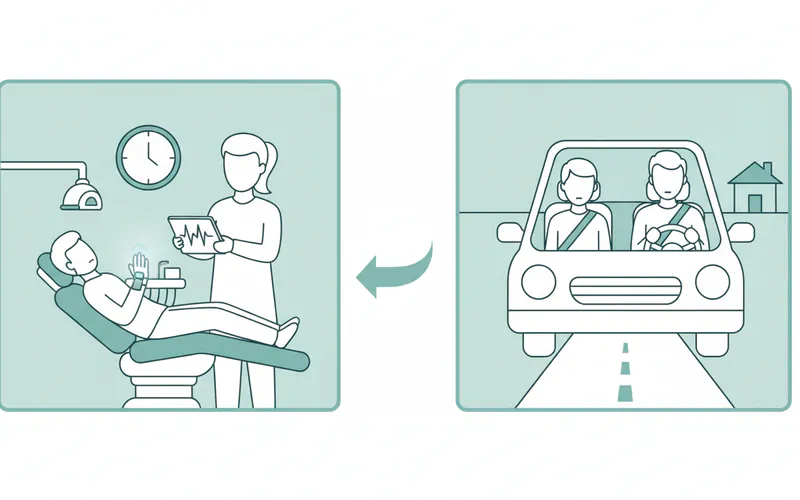
- Transportation: Your responsible adult driver must take you home. Do NOT attempt to drive, operate machinery, or make important decisions for at least 12-24 hours.
- Rest: Plan to rest for the remainder of the day. Avoid strenuous activity.
- Food and Drink: Start with clear liquids, then soft, bland foods. Avoid alcohol for at least 24 hours.
- Medications: Follow your dentist's instructions regarding any pain medication or antibiotics. Continue your regular medications as advised.
- Side Effects: Common side effects include drowsiness, dizziness, lingering grogginess, dry mouth, or mild nausea. These should subside within a few hours.
- Communication: Have your driver or a family member stay with you to observe for any unusual symptoms.
After IV Sedation and General Anesthesia:
- Extended Recovery: You'll spend more time in a recovery area in the office or hospital until you are fully awake and stable.
- Transportation: A responsible adult must drive you home and stay with you for the next 24 hours.
- Rest: Absolute rest is recommended for the entire day. Avoid driving, operating machinery, signing legal documents, or making critical decisions for 24 hours.
- Food and Drink: Follow specific instructions, typically starting with clear liquids and light foods.
- Pain Management: You may be prescribed pain medication. Take it as directed.
- Side Effects: Drowsiness, nausea, dizziness, a sore throat (from breathing tube for general anesthesia), and general fogginess are common.
- Hydration: Drink plenty of fluids.
Pro Tip: Keep the dental office's emergency contact number handy, especially after oral or IV sedation. Do not hesitate to call if you experience unusual or concerning symptoms like severe pain, persistent nausea, or difficulty breathing.
Prevention of Dental Anxiety
While some anxiety is natural, proactive steps can help prevent it from escalating into a phobia.
- Choose the Right Dentist: Look for a dentist who specializes in anxious patients, offers sedation options, and has a compassionate, understanding approach. Ask about their communication style.
- Regular Check-ups: Consistent, routine visits prevent small problems from becoming large, painful, and anxiety-inducing issues. Early detection means simpler, less invasive, and often less expensive treatments.
- Open Communication: From your first visit, openly discuss any fears or anxieties with your dental team. A good dentist will listen and adjust their approach.
- Start Small: If you have severe anxiety, begin with a simple procedure like a cleaning or consultation to build trust and familiarity with the office environment.
- Bring a Support Person: If allowed, bring a friend or family member for moral support, especially for your initial visits.
- Education: Understanding the procedures and what to expect can demystify the dental visit and reduce fear of the unknown. Ask questions!
Risks and Complications of Sedation
While dental sedation is generally very safe when administered by a qualified professional, like an American Dental Association (ADA) recognized specialist, there are potential risks and complications.
General Risks for All Sedation Types:
- Allergic Reactions: To the sedative medication.
- Nausea and Vomiting: More common with stronger sedatives.
- Headache or Dizziness:
- Prolonged Drowsiness:
- Difficulty Breathing (Respiratory Depression): This is the most serious risk, especially with deeper levels of sedation. It's why vital signs are continuously monitored.
- Interaction with Other Medications: Sedatives can interact with prescription drugs, over-the-counter medications, and herbal supplements. It's crucial to provide a complete and accurate medical history.
- Pre-existing Conditions: Patients with certain medical conditions (e.g., severe heart disease, lung disease, uncontrolled diabetes, sleep apnea) may be at higher risk for complications and may require deeper sedation to be administered in a hospital setting.
Specific Risks:
- Nitrous Oxide: Generally very safe. Rare side effects include temporary nausea or dizziness if too much is administered or if the patient hyperventilates.
- Oral Sedation: Can lead to over-sedation if not properly dosed or if combined with other depressants (like alcohol). Effects can linger longer than expected.
- IV Sedation & General Anesthesia: These carry higher risks due to deeper levels of sedation and require more intensive monitoring. Potential complications include blood pressure changes, irregular heartbeats, and issues with the IV site. General anesthesia requires the expertise of an anesthesiologist due to the risk of respiratory and cardiovascular depression.
Pro Tip: Always be completely honest about your medical history, current medications (including supplements and recreational drugs), and any allergies with your dental team. This information is vital for ensuring your safety and choosing the appropriate sedation method and dosage.
Children / Pediatric Considerations
Children can experience dental anxiety just like adults, and sometimes even more intensely due to their developing understanding and limited coping mechanisms. Pediatric dentists are specially trained to work with children and often employ specific strategies to ensure a positive dental experience.
- Behavioral Management: This is always the first line of approach. Techniques like "tell-show-do," positive reinforcement, distraction, and voice modulation are highly effective.
- Nitrous Oxide for Children: Nitrous oxide for teeth cleaning and other procedures is very common and safe in pediatric dentistry. It helps children relax and cooperate, and its quick reversal is ideal. The mask is typically fruit-scented to make it more appealing.
- Oral Sedation for Children: For children with moderate anxiety, longer procedures, or those who can't tolerate nitrous oxide, oral sedatives (like midazolam, hydroxyzine, or chloral hydrate) may be prescribed.
- Careful Dosing: Dosing is weight-based and extremely precise to ensure safety.
- Monitoring: Vital signs are closely monitored throughout the procedure.
- Post-Sedation Care: Similar to adults, children will be drowsy and require supervision and transportation home.
- IV Sedation / General Anesthesia for Children: For very young children needing extensive work, children with special needs, or those with severe dental phobia, IV sedation or general anesthesia may be recommended. These are typically administered by a pediatric anesthesiologist or oral surgeon in a hospital or specialized facility, with strict safety protocols.
Pro Tip for Parents: Start dental visits early (by age one) to establish a "dental home." Model positive attitudes towards dental care. Avoid using the dentist as a threat. Let the pediatric dentist handle explaining procedures in an age-appropriate way.
Cost Breakdown
To reiterate and provide a clearer cost breakdown, understanding the financials is a key part of planning for dental sedation.
| Sedation Type | Low End (US$) | Mid Range (US$) | High End (US$) | Without Insurance | With Insurance (if covered) |
|---|---|---|---|---|---|
| Nitrous Oxide | $50 | $100 | $150 | Yes | Partial (rare) |
| Oral Sedation | $150 | $300 | $500 | Yes | Very rare |
| IV Sedation | $500/hr | $1,000/hr | $1,500+/hr | Yes | Partial (only if medically necessary) |
| General Anesthesia | $1,500 | $3,000 | $5,000+ | Yes | Partial (only if medically necessary, often via medical insurance) |
Payment Plans and Financing Options
If sedation costs are a barrier, consider these options:
- Payment Plans: Many dental offices offer in-house payment plans, allowing you to pay in installments.
- Dental Discount Plans: These are not insurance but offer a percentage off services from participating dentists for an annual fee. Sedation may or may not be included.
- Healthcare Credit Cards: Companies like CareCredit offer special financing options with low or no interest for a promotional period.
- Flexible Spending Accounts (FSAs) / Health Savings Accounts (HSAs): These tax-advantaged accounts can be used to pay for qualified medical and dental expenses, including sedation.
Cost-Saving Tips
- Preventive Care: The best way to save on dental costs is to maintain excellent oral hygiene and attend regular check-ups to avoid major procedures that might require sedation.
- Shop Around: Get quotes from several dental practices. Prices can vary significantly.
- Pre-authorization: Always get a pre-authorization from your insurance company for expensive sedation procedures to understand your exact out-of-pocket costs.
- Ask About Package Deals: For extensive work, some dentists might offer a bundled price for the procedure and sedation.
Frequently Asked Questions
What is oral sedation exactly, and how does it make you feel?
Oral sedation involves taking an oral sedation pill, typically a benzodiazepine like Halcion or Valium, about an hour before your dental procedure. It induces a state of deep relaxation, making you feel drowsy, groggy, and very calm. You'll remain conscious and able to respond, but you may have little to no memory of the procedure afterward.
How long does oral sedation medication last, and can I drive myself home?
The effects of oral sedation medication typically last for 4 to 6 hours, depending on the specific drug and dosage. Due to the lingering effects, you absolutely cannot drive yourself home or operate any machinery for at least 12-24 hours after the appointment. You will need a responsible adult to transport you and monitor you for the rest of the day.
Is nitrous oxide safe for teeth cleaning, and how quickly does it wear off?
Yes, nitrous oxide for teeth cleaning is very safe and commonly used for adults and children. It helps patients relax during routine procedures. The effects wear off almost immediately once the mask is removed and you breathe normal oxygen, typically within 5-10 minutes, allowing you to drive yourself home and resume normal activities.
What are the main differences between oral sedation drugs and IV sedation?
Oral sedation drugs are taken as a pill, offering a moderate level of relaxation that can last several hours. IV sedation involves drugs delivered directly into your bloodstream, allowing for a deeper, more precisely controlled level of sedation with a faster onset and offset, making it suitable for more complex or longer procedures. Both require a driver afterward.
How much does dental sedation typically cost without insurance?
Without insurance, nitrous oxide usually costs $50-$150 per session. Oral sedation typically ranges from $150-$500 per session. IV sedation is significantly more expensive, costing $500-$1,500 or more per hour, depending on the duration and location. General anesthesia can range from $1,500 to $5,000+.
Does dental insurance cover the cost of sedation?
Dental insurance coverage for sedation is often limited. Nitrous oxide might be partially covered if deemed medically necessary, but oral sedation is rarely covered. IV sedation and general anesthesia have a higher chance of coverage, but only if they are considered medically necessary for a specific procedure and often require pre-authorization. Your medical insurance might cover general anesthesia in some specific cases.
Can I eat or drink before my dental sedation appointment?
For oral sedation and especially for IV sedation or general anesthesia, you will likely be instructed to fast (no food or drink) for a specific period (e.g., 6-8 hours) before your appointment. This is crucial to prevent complications like aspiration. For nitrous oxide, usually, no fasting is required, but a light meal is often recommended to avoid nausea. Always follow your dentist's specific instructions.
What alternatives are there to medication for dental anxiety?
Alternatives include non-pharmacological methods like cognitive behavioral therapy (CBT), relaxation techniques (deep breathing, meditation), distraction methods (music, TV), and open communication with your dental team to establish trust and create a comfortable environment. These can be very effective for mild to moderate anxiety.
Is it normal to not remember much of my procedure after sedation?
Yes, it is very common and often a desired effect of moderate to deep sedation, especially with oral sedation medication and IV sedation. While you are technically conscious and able to respond during the procedure, the sedative drugs often induce a state of amnesia, making you forget most or all of what happened during the dental work.
Are there any reasons I might not be a candidate for dental sedation?
Yes, certain medical conditions or medications can make sedation risky. These include severe lung conditions (e.g., uncontrolled asthma, COPD), severe heart conditions, sleep apnea, pregnancy, or taking certain interacting medications. Your dentist will conduct a thorough medical history review to determine if sedation is safe and appropriate for you.
When to See a Dentist
Regular dental check-ups and cleanings are crucial for maintaining optimal oral health and preventing severe problems. However, certain signs indicate that you should see a dentist sooner rather than later, especially if dental anxiety has been holding you back.
Red Flags (Seek prompt attention):
- Persistent Toothache: Any tooth pain that doesn't go away, especially if it's severe or throbbing, could indicate an infection or decay that needs immediate treatment.
- Swelling in Your Gums or Face: Swelling can be a sign of a serious infection or abscess, which can spread if left untreated.
- Bleeding Gums with Pain: While some bleeding during brushing might be gum disease, painful, spontaneous bleeding warrants immediate attention.
- Loose Tooth (in adults): A loose permanent tooth can indicate severe gum disease or trauma and should be evaluated promptly.
- Sensitivity to Hot/Cold That Lingers: Lingering sensitivity might suggest exposed dentin, a crack in the tooth, or deep decay.
- Broken or Chipped Tooth: Even if it doesn't hurt, a broken tooth can expose the inner pulp to bacteria, leading to infection.
- Difficulty Chewing or Swallowing: This can be a symptom of a wide range of dental or medical issues.
Routine Care Guidance:
- Annual Check-ups and Cleanings: The American Dental Association (ADA) recommends at least one dental check-up and cleaning per year, and often twice a year, for most adults and children. These visits are vital for preventive care, early detection of issues, and maintaining good oral hygiene.
- Addressing Mild Anxiety Early: If you experience even mild dental anxiety, don't wait for it to become a severe phobia. Discuss your concerns with your dentist during routine visits. They can introduce you to non-pharmacological techniques or mild sedation options like nitrous oxide for teeth cleaning to help you stay comfortable.
Don't let dental anxiety prevent you from getting the care you deserve. Modern dentistry, with its comprehensive range of sedation options and compassionate approaches, makes it possible for everyone to achieve and maintain a healthy, beautiful smile.
Frequently Asked Questions
Medically Reviewed Content
This article was written by our dental health editorial team and reviewed for medical accuracy. Our content follows strict editorial guidelines for reliability and trustworthiness.
Medical Disclaimer
This article is for informational purposes only and does not constitute medical advice. Always consult with a qualified dental professional for diagnosis and treatment. Do not delay seeking professional advice because of something you read on this website.