What Is a Cavity
Key Takeaways
- It's estimated that 92% of adults aged 20-64 in the United States have had at least one cavity, making it one of the most widespread chronic diseases globally, second only to the common cold. While a tiny cavity might start unnoticed, left untreated, it can lead to excruciating pain, infection,
It's estimated that 92% of adults aged 20-64 in the United States have had at least one cavity, making it one of the most widespread chronic diseases globally, second only to the common cold. While a tiny cavity might start unnoticed, left untreated, it can lead to excruciating pain, infection, and even tooth loss, significantly impacting your overall health and quality of life. Understanding what is a cavity, its causes, symptoms, and how to prevent it, is crucial for maintaining a healthy smile and avoiding serious dental complications.
This comprehensive guide from SmilePedia.net will delve deep into the world of dental cavities, also known as dental caries. We'll explore everything from the microscopic processes that lead to tooth decay to the various treatment options available, including detailed cost breakdowns and recovery tips. You'll learn to recognize the early signs, understand what does a cavity feel like as it progresses, and gain practical advice on how to stop sensitive teeth pain immediately—even if temporarily—before you can see a dentist. Our goal is to empower you with the knowledge to protect your teeth, make informed decisions about your oral health, and ensure your smile remains bright and pain-free.
Key Takeaways:
- Definition: A cavity is a permanently damaged area on the hard surface of your teeth, forming tiny holes or openings caused by tooth decay.
- Causes: Primarily sugar-eating bacteria in plaque that produce acid, eroding enamel and dentin.
- Symptoms: Range from no symptoms in early stages to sensitivity, mild to sharp pain (especially with sweet, hot, or cold foods), visible pits, and dark spots as it progresses.
- Treatment Costs: Fillings typically range from $150 to $400 per tooth, inlays/onlays from $650 to $1,200, crowns from $800 to $2,500, and root canals plus crowns from $1,500 to $4,000+ without insurance.
- Prevention: Excellent oral hygiene (brushing twice daily, flossing daily), a balanced diet low in sugar, regular dental check-ups, and professional fluoride treatments or dental sealants.
- Time Sensitive: Untreated cavities worsen over time, potentially leading to severe infection, abscess, and tooth loss. Early detection and treatment are vital.
- Pain Management: For immediate sensitive teeth pain, rinse with saltwater, use desensitizing toothpaste, or take over-the-counter pain relievers, but these are temporary measures; a dentist visit is necessary.
What It Is / Overview
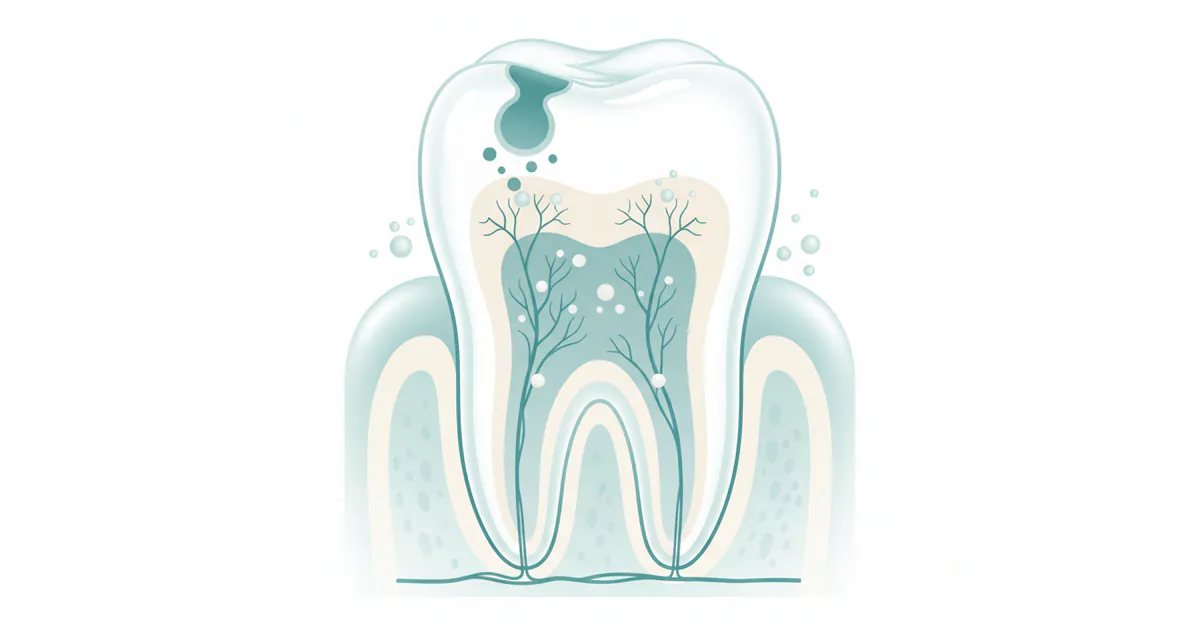
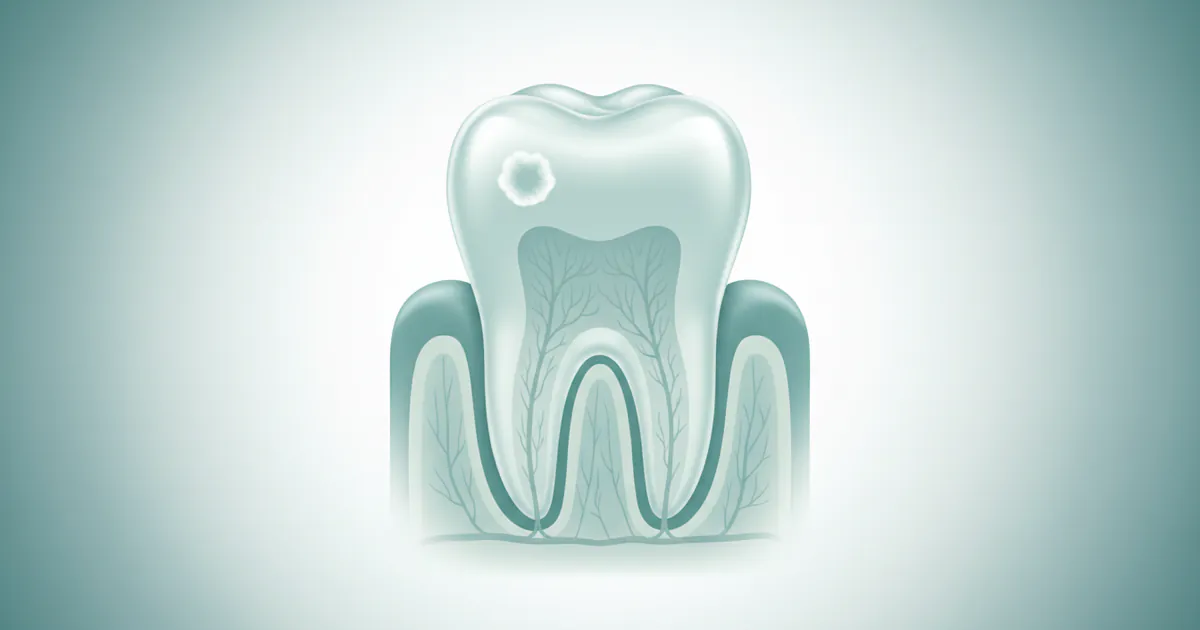
A cavity, scientifically known as dental caries, is a hole or structural damage that forms on a tooth. It's the result of tooth decay, a process where acids produced by bacteria gradually erode the tooth's hard outer layer (enamel) and eventually the softer inner layer (dentin). If left untreated, this decay can progress to the tooth's innermost core (pulp), which contains nerves and blood vessels, leading to severe pain and infection.

The human mouth is home to hundreds of types of bacteria, many of which are harmless. However, certain types, particularly Streptococcus mutans, thrive on the sugars and starches we consume. When these bacteria feast on sugar, they produce acids. This acidic environment then begins to attack the tooth enamel, a process called demineralization. Enamel is the hardest substance in the human body, but it's not invincible.
Your saliva plays a protective role, helping to wash away food particles and neutralize acids, and it contains minerals like calcium and phosphate that can help repair (or remineralize) enamel damage. This constant battle between demineralization and remineralization is happening in your mouth all the time. When demineralization outpaces remineralization, a cavity forms.
Initially, a cavity might appear as a tiny white spot on the tooth surface, indicating early enamel erosion. At this stage, it might still be reversible with proper fluoride exposure and oral hygiene. However, as the process continues, the enamel weakens, and a small hole begins to form. Once the decay breaches the enamel and reaches the dentin, the process accelerates because dentin is softer and less resistant to acid. The dentin also contains microscopic tubules that lead directly to the tooth's pulp, which is why cavities often start to cause sensitivity and pain once they reach this layer.
Understanding what is a cavity means recognizing it as a progressive disease that starts subtly but can have significant consequences if ignored.
Types / Variations
Cavities don't all form in the same way or in the same location. Dentists classify cavities based on where they appear on the tooth surface. This classification helps in determining the most effective treatment approach.
Pit and Fissure Cavities
These are the most common type of cavities, forming on the chewing surfaces of your back teeth (molars and premolars). The natural grooves and depressions (pits and fissures) in these teeth can easily trap food particles and plaque, making them difficult to clean thoroughly with a toothbrush. This creates an ideal breeding ground for bacteria and acid production. Pro Tip: Dental sealants are highly effective in preventing pit and fissure cavities, especially in children and teenagers, by creating a protective barrier over these vulnerable surfaces.
Smooth-Surface Cavities
These cavities occur on the flat, smooth surfaces of your teeth, typically on the sides where they touch adjacent teeth (interproximal cavities) or along the gum line (cervical cavities). These areas are often difficult to clean adequately with just brushing, making flossing essential for interproximal cavities. Poor brushing technique can also contribute to smooth-surface decay.
Root Cavities
As we age, or due to gum disease, your gums may recede, exposing the root surfaces of your teeth. Unlike enamel, which protects the crown of your tooth, the roots are covered by a softer material called cementum. Cementum is much more susceptible to decay than enamel, making root cavities particularly aggressive and prone to rapid progression. This type of cavity is more common in older adults and individuals with periodontal disease.
Recurrent (Secondary) Cavities
These cavities form around existing fillings or dental restorations (like crowns). Even with a filling, bacteria and food particles can accumulate in tiny gaps or margins between the restoration and the tooth structure, leading to new decay. This often happens if an old filling is compromised, cracked, or has an imperfect seal, or if oral hygiene around the restoration is inadequate. Regular dental check-ups are crucial to monitor the integrity of existing restorations.
Causes / Why It Happens
The development of a cavity is a multi-factor process, but it essentially boils down to an imbalance between protective and destructive factors in your mouth.
Bacteria and Plaque
Your mouth is a complex ecosystem. Certain bacteria, primarily Streptococcus mutans and Lactobacillus, form a sticky film called plaque on your teeth. Plaque is a biofilm that adheres to tooth surfaces, especially if not regularly removed by brushing and flossing. Within this plaque, bacteria metabolize sugars and starches from your diet, producing acids as a byproduct.
Sugary and Starchy Foods and Drinks
This is the primary fuel source for acid-producing bacteria. Foods and drinks high in fermentable carbohydrates—such as candies, soda, fruit juices, pastries, bread, pasta, and even some fruits—provide the necessary sustenance for these bacteria. The longer these foods and drinks stay in contact with your teeth, and the more frequently you consume them, the greater the opportunity for acid production and enamel erosion. Snacking frequently throughout the day, especially on sugary items, prolongs the acid attack on your teeth.
Poor Oral Hygiene
Inadequate brushing and flossing allow plaque to accumulate and harden into tartar (calculus). Once tartar forms, it provides an even more stubborn surface for plaque to adhere to, making it nearly impossible to remove with home care alone. This persistent plaque and tartar harbor acid-producing bacteria, which continuously attack the enamel. Not cleaning effectively means the acid isn't neutralized and food particles aren't removed, giving bacteria a constant supply of food.
Dry Mouth (Xerostomia)
Saliva is your mouth's natural defense against cavities. It helps wash away food particles, neutralizes acids, and contains minerals that remineralize enamel. Conditions that cause dry mouth—such as certain medications (antihistamines, antidepressants), medical conditions (Sjögren's syndrome), radiation therapy, or even mouth breathing—significantly reduce saliva flow. Without adequate saliva, teeth become much more vulnerable to decay.
Lack of Fluoride
Fluoride is a natural mineral that strengthens tooth enamel, making it more resistant to acid attacks. It also aids in the remineralization process. Insufficient exposure to fluoride, whether through fluoridated water, toothpaste, or professional treatments, can make teeth more susceptible to decay.
Other Contributing Factors
- Age: Gum recession exposes roots, which are more vulnerable.
- Genetics: Some people naturally have softer enamel or teeth with deeper pits and fissures, making them more predisposed to cavities.
- Eating Disorders: Conditions like bulimia, with frequent vomiting, expose teeth to strong stomach acids, leading to rapid enamel erosion.
- Acid Reflux: Similar to eating disorders, chronic acid reflux can bring stomach acids into the mouth, causing enamel wear.
- Infrequent Dental Visits: Regular check-ups allow dentists to detect and treat early signs of decay before they become major problems. Professional cleanings also remove plaque and tartar buildup that you can't remove at home.

Signs and Symptoms
The early stages of a cavity are often asymptomatic, meaning you might not experience any pain or discomfort. This is why regular dental check-ups are so important. As the decay progresses and breaches the enamel into the dentin, symptoms typically begin to emerge. Understanding what does a cavity feel like can help you seek timely treatment.
Early Stage Cavity (Enamel Only)
- White Spots: A chalky white or brownish spot on the tooth surface might be the first visible sign of demineralization. At this stage, there's usually no pain.
- No Symptoms: Most small cavities are entirely asymptomatic. Your dentist might be the first to spot them during a routine exam using X-rays or a dental probe.
Moderate Stage Cavity (Reaching Dentin)
Once the decay reaches the dentin, the symptoms become more noticeable due to the presence of microscopic tubules that connect to the pulp. This is often when people start to wonder how to stop sensitive teeth pain immediately.
- Tooth Sensitivity: You might experience a sharp or mild ache when consuming hot, cold, sweet, or acidic foods and drinks. This sensitivity can be fleeting or linger for a short period.
- Mild to Moderate Pain: Discomfort or pain in the affected tooth, especially when biting down. This pain might be intermittent.
- Visible Pits or Holes: You might notice a small pit or hole in the tooth surface.
- Staining: The cavity might appear as a dark spot (brown or black) on the tooth.
- Food Trapping: Food may frequently get caught in a specific area of the tooth.
Advanced Stage Cavity (Reaching Pulp/Infection)
If the decay reaches the pulp chamber, where the nerves and blood vessels are located, the symptoms become more severe and can indicate a serious infection.
- Severe, Persistent Toothache: The pain can be constant, throbbing, or sharp, and may radiate to your jaw, ear, or temple. It might worsen when lying down.
- Pain When Biting or Chewing: Extreme tenderness when pressure is applied to the tooth.
- Visible Swelling: Swelling around the affected tooth, in the gums, or even in the face.
- Pus Around the Tooth: A sign of an abscess, which is a pocket of pus caused by bacterial infection.
- Fever: In cases of severe infection or abscess.
- Bad Breath or Unpleasant Taste: Caused by the bacterial infection.
Pro Tip: If you experience any persistent tooth sensitivity or pain, even if it's mild, do not wait for it to become severe. Schedule an appointment with your dentist immediately. Early intervention is key to preventing further damage and more extensive, costly treatments.
Treatment Options
The treatment for a cavity depends entirely on its size, location, and the extent of the decay. The earlier a cavity is detected, the simpler and less invasive the treatment tends to be.
1. Fluoride Treatments (Early Enamel Demineralization)
- Description: If a cavity is caught in its very earliest stage, where only the enamel is demineralized but no actual hole has formed (often appearing as a white spot lesion), a dentist might recommend professional fluoride treatments. These are highly concentrated fluoride gels, foams, or varnishes applied to the tooth surface.
- Pros: Non-invasive, can reverse early decay, strengthens enamel.
- Cons: Only effective for very early-stage decay, requires multiple applications.
- Cost (US): Typically $20-$60 per application, often covered by insurance during routine cleanings.
2. Fillings (Most Common Treatment for Established Cavities)
- Description: For cavities that have progressed through the enamel but haven't yet reached the pulp, fillings are the most common solution. The dentist removes the decayed portion of the tooth, cleans the area, and then fills the prepared space with a restorative material.
- Types of Filling Materials:
- Amalgam (Silver) Fillings: Made from a mixture of metals, including silver, tin, copper, and mercury. They are strong, durable, and less expensive.
- Composite (Tooth-Colored) Fillings: Made from a resin and glass mixture, these fillings can be matched to your natural tooth color, making them aesthetically pleasing. They bond directly to the tooth, providing support.
- Glass Ionomer Fillings: A tooth-colored material often used for smaller cavities, especially on root surfaces or in children's teeth. They release fluoride, which can help prevent further decay.
- Gold Fillings: Very durable and long-lasting, but also the most expensive and require multiple visits. Not common today.
- Pros: Restores tooth function and aesthetics, prevents further decay.
- Cons: Material choice can impact cost and appearance. Some sensitivity after placement is common. Amalgam contains mercury (though deemed safe by ADA, some prefer alternatives).
- Cost (US):
- Amalgam: $150-$250 per filling.
- Composite: $200-$400 per filling (varies by size and location).
- Glass Ionomer: $150-$300 per filling.
3. Inlays and Onlays (Indirect Fillings)
- Description: When a cavity is too large for a traditional filling but not extensive enough to require a full crown, an inlay or onlay might be used. These are custom-made restorations (typically from porcelain, composite resin, or gold) fabricated in a dental lab and then bonded to the tooth. An inlay fits within the cusps (bumps) of the chewing surface, while an onlay covers one or more cusps.
- Pros: Stronger and more durable than traditional fillings, conserve more natural tooth structure than crowns, excellent fit.
- Cons: More expensive than fillings, require at least two dental visits.
- Cost (US): $650-$1,200 per tooth.
4. Crowns (Caps)
- Description: A dental crown is a custom-made cap that completely covers the entire visible portion of a damaged tooth. Crowns are necessary when a cavity has caused significant structural damage, weakening the tooth to the point where a filling or inlay/onlay wouldn't provide sufficient support. They restore the tooth's shape, size, strength, and appearance.
- Types: Porcelain, porcelain-fused-to-metal, ceramic, zirconia, gold.
- Pros: Provides maximum protection and strength, restores aesthetics, durable.
- Cons: More expensive, requires significant tooth reduction, typically two visits (or same-day with CEREC technology).
- Cost (US): $800-$2,500 per tooth (varies by material and location).
5. Root Canal Therapy (Endodontic Treatment)
- Description: If the decay has reached the tooth's pulp, causing infection or inflammation, a root canal is usually recommended. During this procedure, the inflamed or infected pulp (nerves, blood vessels, connective tissue) is removed, the inside of the tooth is cleaned and disinfected, and then filled with a rubber-like material called gutta-percha. The tooth is then sealed. A crown is almost always placed afterward to protect the now-brittle tooth from fracture.
- Pros: Saves the natural tooth, prevents extraction, eliminates pain and infection.
- Cons: Requires multiple visits, can be expensive, tooth may become brittle and require a crown.
- Cost (US): $700-$1,500 for a front tooth, $1,000-$2,000 for a molar (this is for the root canal only, without the crown). A crown adds another $800-$2,500.
6. Tooth Extraction
- Description: If a tooth is so severely damaged by a cavity that it cannot be saved with a filling, crown, or root canal (e.g., extensive decay below the gum line, severe infection), extraction may be the only option. The tooth is completely removed from its socket.
- Pros: Eliminates the source of infection and pain.
- Cons: Leaves a gap, can lead to shifting of adjacent teeth, bone loss, and issues with chewing. Requires replacement options (bridge, implant) which incur additional costs.
- Cost (US): $75-$200 for a simple extraction, $150-$650 for a surgical extraction (more complex, impacted tooth).
Step-by-Step Process: What to Expect During a Filling
Let's walk through the typical process for getting a dental filling, the most common cavity treatment.

- Diagnosis: Your dentist will examine your teeth, possibly using a small mirror, probe, and X-rays to locate the cavity. You might be asked about any sensitivity or pain you've been experiencing.
- Anesthesia: To ensure you're comfortable and feel no pain during the procedure, the dentist will numb the area around the affected tooth. This is usually done with a local anesthetic, injected into the gum tissue. You might feel a slight pinch, followed by numbness in your lip, tongue, and cheek.
- Decay Removal: Once the area is numb, the dentist will use a dental drill or laser to carefully remove the decayed enamel and dentin. This step is crucial to eliminate all infected tooth structure and prepare the tooth for the filling material. You might hear the drill, but you shouldn't feel pain.
- Cleaning and Preparation: After removing the decay, the dentist will thoroughly clean the cavity to remove any remaining bacteria or debris. For composite fillings, an etching gel is applied to the tooth surface to create microscopic pores, which helps the filling material bond securely. A bonding agent is then applied.
- Filling Placement:
- Composite Fillings: The tooth-colored resin material is applied in layers. Each layer is "cured" or hardened with a special blue light. This process creates a strong bond with the tooth.
- Amalgam Fillings: The silver material is packed into the prepared cavity and then shaped.
- Shaping and Polishing: Once the filling material is in place, the dentist will carefully shape it to match the natural contours of your tooth and ensure it fits properly with your bite. You might be asked to bite down on a piece of articulating paper to check your bite. Any excess material is removed, and the filling is polished smooth.
- Post-Procedure Instructions: The dentist or hygienist will provide instructions on what to expect, such as temporary sensitivity, and how to care for your new filling. You'll be advised on when you can eat and drink, and what to avoid initially.
The entire process for a single, straightforward filling typically takes 30-60 minutes. More complex fillings or multiple fillings will take longer.
Cost and Insurance
Understanding the cost of cavity treatment in the US can be complex, as prices vary significantly based on factors like location (urban vs. rural), the dentist's experience, the material used, the size of the cavity, and whether you have dental insurance.
Average US Price Ranges (Without Insurance)
| Treatment Type | Average Cost Range (US$) | Details |
|---|---|---|
| Fluoride Treatment | $20 - $60 | Per application, often part of cleaning. |
| Fillings | ||
| Amalgam (Silver) | $150 - $250 | 1-2 surfaces. More surfaces increase cost. |
| Composite (Tooth-Colored) | $200 - $400 | 1-2 surfaces. More surfaces increase cost. Higher for molars. |
| Glass Ionomer | $150 - $300 | Often used for smaller cavities, especially root/children. |
| Inlay/Onlay | $650 - $1,200 | Custom-made indirect restoration. |
| Crowns | $800 - $2,500 | Varies greatly by material (porcelain, zirconia, gold, PFM). |
| Root Canal Therapy | (Does NOT include crown cost) | |
| Front Tooth (Anterior) | $700 - $1,500 | Simpler procedure. |
| Molar (Posterior) | $1,000 - $2,000 | More complex due to multiple canals. |
| Tooth Extraction | ||
| Simple Extraction | $75 - $200 | Visible tooth, no surgery required. |
| Surgical Extraction | $150 - $650 | Impacted tooth, broken tooth, or requires gum/bone removal. |
Insurance Coverage Details
Most dental insurance plans in the US categorize treatments into different tiers of coverage:
- Preventive Care (e.g., check-ups, cleanings, X-rays): Typically covered at 80-100%. This highlights the importance of regular visits to catch cavities early.
- Basic Restorative Care (e.g., fillings, simple extractions): Often covered at 70-80%. Many plans differentiate coverage for amalgam vs. composite, sometimes covering composite at the amalgam rate and requiring you to pay the difference.
- Major Restorative Care (e.g., crowns, inlays/onlays, root canals, dentures, bridges): Usually covered at 50%. There's often a waiting period (e.g., 6-12 months) before major procedures are covered.
Annual Maximums: Most dental insurance plans have an annual maximum benefit, typically ranging from $1,000 to $2,000. Once you reach this limit, you are responsible for 100% of additional costs for that year. Deductibles: You may also have a deductible (e.g., $50-$100) that you need to pay out-of-pocket before your insurance starts covering costs.
Pro Tip: Always call your dental insurance provider directly or check their online portal to understand your specific plan's coverage, deductibles, annual maximums, and any waiting periods before starting treatment. Obtain a pre-treatment estimate from your dentist for larger procedures.
Recovery and Aftercare
After a cavity treatment, especially a filling, your tooth and surrounding area might be sensitive. The recovery process is generally straightforward, but proper aftercare is crucial for comfort and the longevity of your restoration.
Immediately After Treatment
- Numbness: The local anesthetic will wear off within a few hours. Avoid chewing hard foods or biting your cheek/tongue while numb.
- Sensitivity: It's common to experience some sensitivity to hot, cold, or pressure for a few days to a few weeks after a filling or crown placement. This is usually mild and temporary as the tooth adjusts.
- Soreness: Your jaw and gums might feel a bit sore from being open during the procedure or from the injection site. Over-the-counter pain relievers (like ibuprofen or acetaminophen) can help manage this discomfort.
- Bite Adjustment: If your bite feels "off" or high after a filling or crown, contact your dentist. A slight adjustment might be needed to prevent uneven pressure and potential tooth damage.
Ongoing Aftercare
- Oral Hygiene: Continue with your excellent oral hygiene routine: brush twice a day with fluoride toothpaste and floss daily. Be gentle around the treated tooth initially.
- Diet:
- Avoid sticky, chewy, or very hard foods immediately after a filling, especially if using an amalgam filling (which takes longer to fully set).
- Minimize sugary and acidic foods and drinks to prevent new cavities.
- If you experience sensitivity, temporarily avoid extremely hot or cold items.
- Managing Persistent Sensitivity (How to Stop Sensitive Teeth Pain Immediately - Temporary Relief):
- Desensitizing Toothpaste: Use a toothpaste specifically designed for sensitive teeth (e.g., containing potassium nitrate or stannous fluoride). Apply a small amount directly to the sensitive area before bed.
- Saltwater Rinse: Dissolve half a teaspoon of salt in warm water and rinse your mouth for 30 seconds several times a day. This can help reduce inflammation and clean the area.
- Over-the-Counter Pain Relievers: Ibuprofen or acetaminophen can help manage post-treatment discomfort or temporary cavity pain.
- Avoid Triggers: Identify what triggers your sensitivity (e.g., ice cream, hot coffee) and avoid them until the tooth settles.
- Dental Wax/Clove Oil: For exposed sharp edges or temporary relief, a small amount of dental wax or a cotton swab with clove oil (eugenol) applied to the affected tooth can provide temporary comfort. Remember, these are temporary fixes, not solutions for the underlying problem.
- Follow-Up: Attend any recommended follow-up appointments, especially for crowns or inlays/onlays, to ensure proper fit and function.
Prevention
Preventing cavities is far easier, less painful, and less expensive than treating them. Most cavities are preventable with consistent effort.
1. Excellent Oral Hygiene
- Brush Twice Daily: Brush your teeth for two minutes, twice a day, with a fluoride toothpaste. Use a soft-bristled brush and proper technique, ensuring you reach all surfaces.
- Floss Daily: Floss between your teeth and under the gum line once a day to remove plaque and food particles that your toothbrush can't reach. This is especially crucial for preventing smooth-surface and interproximal cavities.
- Mouthwash: Consider using an antimicrobial or fluoride mouthwash, particularly if you're at high risk for cavities or dry mouth. Discuss this with your dentist.
2. Healthy Diet
- Limit Sugary and Starchy Foods/Drinks: Reduce your intake of soda, candy, cookies, pastries, fruit juices, and refined carbohydrates. These provide fuel for acid-producing bacteria.
- Snack Smart: If you must snack, choose tooth-friendly options like fresh fruits, vegetables, cheese, or nuts.
- Drink Water: Drink plenty of water throughout the day, especially fluoridated tap water. Water helps rinse away food particles and acids.
3. Regular Dental Check-ups and Professional Cleanings
- Schedule Bi-Annual Visits: Visit your dentist every six months for routine check-ups and professional cleanings. These appointments allow your dental team to:
- Remove plaque and tartar buildup that you can't remove at home.
- Detect early signs of decay using visual examination and X-rays.
- Identify potential problems before they become severe.
4. Fluoride
- Fluoridated Water: If available in your community, drinking fluoridated tap water is an easy and effective way to strengthen enamel.
- Fluoride Toothpaste: Always use a toothpaste containing fluoride.
- Professional Fluoride Treatments: Your dentist can apply highly concentrated fluoride varnish or gel during your check-up, especially if you're at high risk for cavities.
5. Dental Sealants
- Protective Barriers: Dental sealants are thin, plastic coatings painted onto the chewing surfaces of the back teeth (molars and premolars). They effectively seal off the deep grooves and fissures where food particles and bacteria often hide, preventing pit and fissure cavities. They are particularly beneficial for children and teenagers but can be applied to adults as well.
- Cost (US): Typically $30-$60 per tooth and often covered by dental insurance for children.

6. Xylitol
- Sugar Substitute: Chewing gum or consuming candies sweetened with xylitol (a natural sugar alcohol) can help prevent cavities. Xylitol inhibits the growth of Streptococcus mutans, the primary bacteria responsible for tooth decay, and can help neutralize acids.
Risks and Complications
While a small cavity might seem minor, neglecting it can lead to a cascade of serious and painful complications.
- Persistent Toothache: As the cavity deepens into the pulp, the pain can become severe, constant, and debilitating, significantly affecting your daily life.
- Tooth Sensitivity: Ongoing and worsening sensitivity to hot, cold, sweet, and acidic stimuli.
- Dental Abscess: When bacteria reach the pulp and infect it, pus can form at the tip of the tooth root, creating a painful abscess. An abscess is a serious infection that can spread to other parts of your body.
- Swelling of Gums, Jaw, or Face: A dental abscess can cause noticeable swelling, indicating a spreading infection.
- Spread of Infection: Untreated dental infections can spread to the jawbone, sinuses, brain, or bloodstream (sepsis), posing a life-threatening risk. This is a medical emergency.
- Tooth Fracture or Breakage: A tooth weakened by a large cavity can become brittle and fracture or break, especially when biting down.
- Difficulty Chewing: Pain and structural damage can make it difficult or impossible to chew comfortably, affecting nutrition.
- Tooth Loss: If the decay is too extensive or the infection too severe, the tooth may need to be extracted. Losing a tooth can lead to shifting of adjacent teeth, bone loss in the jaw, and issues with chewing and speech, requiring further restorative procedures like bridges or dental implants.
- Systemic Health Issues: Chronic oral infections, including those stemming from untreated cavities, have been linked to systemic health problems such as cardiovascular disease, diabetes complications, and adverse pregnancy outcomes.
- Financial Burden: Delaying treatment almost always leads to more extensive, painful, and significantly more expensive procedures (e.g., root canal + crown vs. simple filling, or extraction + implant vs. crown).
Comparison Table: Cavity Treatment Options & Outcomes
| Treatment Option | Cavity Stage | Durability (Years) | Esthetic Impact | Average Cost (US$) | Pros | Cons |
|---|---|---|---|---|---|---|
| Fluoride Treatment | Very Early | N/A (Preventative) | High (Reverses) | $20 - $60 | Non-invasive, can reverse early decay. | Only for earliest stages. |
| Amalgam Filling | Moderate | 10-15+ | Low (Silver) | $150 - $250 | Durable, strong, less expensive. | Visible, contains mercury (ADA deems safe). |
| Composite Filling | Moderate | 5-10+ | High (Tooth-matched) | $200 - $400 | Aesthetically pleasing, bonds to tooth. | Less durable than amalgam/gold for large fillings, can stain. |
| Inlay/Onlay | Moderate/Large | 10-20+ | High | $650 - $1,200 | Stronger than fillings, preserves more tooth than crown. | More expensive, requires 2 visits. |
| Crown | Extensive/Weakened | 10-15+ | High | $800 - $2,500 | Restores full strength & appearance, protects tooth. | Most expensive, requires significant tooth reduction. |
| Root Canal + Crown | Pulp Infection | 10-15+ | High | $1,500 - $4,000+ | Saves tooth, eliminates infection/pain. | Multiple visits, high cost, tooth may become brittle. |
| Extraction | Irreparable | N/A | Low (Missing tooth) | $75 - $650 | Eliminates severe infection/pain. | Tooth loss, requires further restorative work, bone loss. |
Children / Pediatric Considerations
Cavities are a significant concern in pediatric dental health. The Centers for Disease Control and Prevention (CDC) reports that over 45% of children aged 2-19 have had cavities in their primary (baby) or permanent teeth.
Unique Challenges in Children
- Primary Teeth Vulnerability: Baby teeth have thinner enamel than permanent teeth, making them more susceptible to decay and faster progression of cavities.
- "Nursing Bottle Caries" or Early Childhood Caries (ECC): This severe form of decay affects infants and toddlers, often due to prolonged exposure to sugary liquids (milk, formula, juice) in bottles, especially at bedtime.
- Developing Habits: Children are still developing their oral hygiene skills and dietary habits, which can contribute to higher cavity risk.
Key Pediatric Prevention and Treatment
- Early Dental Visits: The American Academy of Pediatric Dentistry (AAPD) recommends a child's first dental visit by their first birthday or within six months of the first tooth erupting. This allows dentists to identify risks, educate parents, and provide preventive care.
- Fluoride: Ensure children receive adequate fluoride. This includes fluoridated water, fluoride toothpaste (a tiny smear for children under 3, a pea-sized amount for 3-6 year olds), and professional fluoride varnishes.
- Dental Sealants: Sealants are highly effective for children as soon as their permanent molars erupt (around ages 6 and 12). They protect the vulnerable chewing surfaces from pit and fissure cavities.
- Dietary Guidance: Limit sugary drinks and snacks. Avoid putting babies to bed with bottles containing anything other than water.
- Brushing and Flossing Assistance: Parents should brush their child's teeth until they develop the manual dexterity for effective cleaning (around age 7-8) and assist with flossing.
- Cavity Treatment in Children:
- Fillings: Similar to adults, composite or glass ionomer fillings are common.
- Stainless Steel Crowns: For larger cavities in baby teeth that can't hold a filling, or after a pulpotomy (a partial root canal for baby teeth), stainless steel crowns are often used. They are durable, inexpensive, and full-coverage, protecting the tooth until it naturally falls out.
- Space Maintainers: If a baby tooth is lost prematurely due to severe decay and extraction, a space maintainer may be needed to prevent adjacent teeth from shifting and blocking the eruption of the permanent tooth.
Pro Tip: Make brushing and flossing a fun routine with your child. Use colorful toothbrushes, flavored toothpaste, and brush alongside them to set a good example.
Cost Breakdown
While we've discussed costs within the treatment options, let's consolidate the financial aspect with practical considerations for managing expenses.
Average US Costs (Low, Mid, High Estimates)
| Treatment Level | Without Insurance | With Insurance (50-80% coverage) |
|---|---|---|
| Small Cavity (Filling) | $150 - $400 | $30 - $160 |
| Medium Cavity (Inlay/Onlay) | $650 - $1,200 | $325 - $600 |
| Large Cavity (Crown) | $800 - $2,500 | $400 - $1,250 |
| Deep Cavity (Root Canal + Crown) | $1,500 - $4,000+ | $750 - $2,000+ |
| Extraction (Simple) | $75 - $200 | $15 - $80 |
- Note: These are average patient out-of-pocket costs after deductible for insured patients, assuming 50-80% coverage.
With vs. Without Insurance
- With Insurance: Dental insurance significantly reduces out-of-pocket costs. However, be aware of annual maximums ($1,000-$2,000 is common), deductibles, and waiting periods, especially for major procedures.
- Without Insurance: If you don't have insurance, costs can be substantial. Many dentists offer a discount for cash payments, or you might consider a dental savings plan (a membership program where you pay an annual fee for discounted services).
Payment Plans and Financing Options
- In-Office Payment Plans: Many dental offices offer interest-free payment plans for larger treatments, allowing you to pay in installments over several months.
- Third-Party Financing (e.g., CareCredit): These are healthcare credit cards that offer special financing options, often with deferred interest for a set period, making large treatments more affordable over time.
- Dental Schools: Dental schools often offer treatments at a reduced cost, as procedures are performed by students under the supervision of experienced faculty.
- Community Health Centers: Federally Qualified Health Centers (FQHCs) and other community clinics often provide dental care on a sliding fee scale based on income.
Cost-Saving Tips
- Preventive Care is Key: Regular check-ups and cleanings are the most effective way to save money by preventing cavities or catching them when they are small and inexpensive to treat.
- Early Detection: Don't wait for pain to see a dentist. A small filling is much cheaper than a root canal or crown.
- Shop Around: If you're uninsured or facing a large procedure, get quotes from a few different dental offices. Prices can vary.
- Maximize Insurance Benefits: Understand your plan's annual maximum and deductible. Try to schedule major treatments strategically to utilize your benefits fully, perhaps splitting procedures across two calendar years if your annual maximum is an issue.
- Ask for Cash Discounts: Many dentists offer a discount (e.g., 5-10%) if you pay in full at the time of service, especially for larger treatments.
Frequently Asked Questions
### What does a small cavity feel like?
A small cavity, especially one confined to the enamel, often feels like nothing at all. You might not experience any pain or sensitivity. As it progresses slightly into the dentin, you might notice fleeting sensitivity to very cold or sweet foods, but it's typically mild and intermittent.

### Can a cavity heal on its own?
No, once a physical hole or opening has formed due to decay, a cavity cannot heal on its own. While very early enamel demineralization (a "white spot lesion") can sometimes remineralize with fluoride, an actual cavity requires professional dental intervention to remove the decay and fill the tooth.
### How long does it take for a cavity to form?
The rate at which a cavity forms varies widely depending on diet, oral hygiene, and individual factors. It can take months to years for a cavity to progress from early demineralization to a noticeable hole. In some cases, especially with aggressive decay in vulnerable areas, it can happen more quickly.
### How do dentists find cavities?
Dentists use a combination of methods: visual examination with a dental mirror and probe to detect soft spots or discoloration, and dental X-rays (bitewings) which can reveal decay between teeth or under existing fillings that aren't visible to the naked eye.
### Does getting a cavity filled hurt?
With modern local anesthetics, getting a cavity filled typically does not hurt during the procedure itself. You might feel a pinch from the injection and some pressure during the drilling, but no sharp pain. Some sensitivity after the anesthetic wears off is common but usually manageable with over-the-counter pain relievers.
### How can I stop sensitive teeth pain immediately if I think I have a cavity?
For temporary relief, you can try rinsing with warm salt water, using a desensitizing toothpaste, or taking an over-the-counter pain reliever like ibuprofen. Avoiding extreme temperatures (hot/cold) and sugary foods can also help. However, these are temporary measures; you must see a dentist to address the underlying cavity.
### Are all cavities painful?
No, not all cavities are painful. Many small cavities, especially in their early stages, are completely asymptomatic. Pain usually develops once the decay has reached the dentin or, more severely, the pulp of the tooth. This is why regular dental check-ups are essential even without pain.
### How much does it cost to get a cavity filled without insurance?
Without insurance, a single amalgam (silver) filling typically costs between $150-$250, while a composite (tooth-colored) filling usually ranges from $200-$400. Prices vary based on the size of the cavity and your geographic location.
### Can I just leave a cavity alone?
No, leaving a cavity untreated is highly ill-advised. Cavities are progressive and will only get larger and more painful over time. This can lead to severe infection, tooth abscess, excruciating pain, and eventually tooth loss, requiring more extensive and expensive treatments.
### What's the difference between a small and a large cavity in terms of treatment?
A small cavity usually requires a simple filling to remove the decay and restore the tooth. A large cavity, where significant tooth structure is lost or the pulp is infected, might require a more extensive restoration like an inlay, onlay, or a crown. If the infection reaches the pulp, a root canal may be necessary.
When to See a Dentist
Knowing when to seek professional dental care is crucial for managing cavities and preventing serious complications.
Red Flags Requiring Immediate Attention (Emergency)
- Severe, Constant Toothache: If you experience intense, throbbing, or sharp pain that doesn't subside, especially if it keeps you awake at night or is unresponsive to over-the-counter pain relievers.
- Swelling in the Gums, Jaw, or Face: This is a strong indicator of a serious infection or abscess that needs immediate attention.
- Pus or Foul Taste: If you notice pus draining from around a tooth or experience a persistent bad taste in your mouth, it suggests an active infection.
- Difficulty Breathing or Swallowing: If an oral infection spreads, it can impact your airway or ability to swallow. This is a medical emergency requiring urgent care.
- Tooth Knocked Out or Severely Fractured: While not always cavity-related, any severe dental trauma requires immediate professional care.
When to Schedule a Prompt Appointment (Non-Emergency, but Don't Delay)
- Persistent Sensitivity: If you're experiencing ongoing sensitivity to hot, cold, sweet, or acidic foods and drinks, even if it's mild, it's a sign that decay may have reached your dentin.
- Mild Pain When Biting: If a specific tooth hurts when you chew or bite down, it could indicate a cavity or a cracked tooth.
- Visible Hole or Dark Spot: If you can see a pit, hole, or dark brown/black spot on your tooth, it's a clear sign of decay.
- Food Trapping: If food consistently gets caught in one specific area between your teeth or in a groove, it could be an early sign of a developing cavity.
- Rough Edges on a Filling: If an old filling feels rough, chipped, or has fallen out, it needs to be addressed to prevent recurrent decay.
Routine Care Guidance
- Regular Check-ups: Even if you have no symptoms, attend your routine dental check-ups every six months. Your dentist can detect cavities early (often before they cause pain) using visual exams and X-rays, preventing them from becoming larger and more problematic.
- Preventive Cleanings: Professional cleanings remove plaque and tartar buildup, reducing your risk of developing new cavities.
Remember, early detection and intervention are key to preserving your oral health, minimizing pain, and avoiding more complex and costly dental procedures. If you're concerned about what a cavity feels like or experiencing any dental discomfort, don't hesitate to contact your dentist.
Frequently Asked Questions
Medically Reviewed Content
This article was written by our dental health editorial team and reviewed for medical accuracy. Our content follows strict editorial guidelines for reliability and trustworthiness.
Medical Disclaimer
This article is for informational purposes only and does not constitute medical advice. Always consult with a qualified dental professional for diagnosis and treatment. Do not delay seeking professional advice because of something you read on this website.
Related Articles
What Is an Abscess
Imagine a throbbing pain deep within your jaw, a persistent ache that keeps you awake at night and makes even the softest foods unbearable. This isn't just a bad toothache; it could be a sign of something much more serious: a dental abscess. Affecting millions of Americans annually, an abscess is an
February 22, 2026
Cracked Tooth Syndrome: Complete Guide
Cracked Tooth Syndrome: Complete Guide Category: Dental Conditions & Diseases
February 22, 2026
Dentinogenesis Imperfecta: Complete Guide
Imagine a world where your teeth, fundamental to chewing, speaking, and even smiling confidently, are inherently fragile, discolored, and prone to rapid wear from the moment they emerge. For individuals affected by dentinogenesis imperfecta (DI), this is a reality. While relatively rare, affecti
February 22, 2026
Stage 1 Early Cavity: Complete Guide
Did you know that dental cavities are one of the most common chronic diseases globally, affecting both children and adults? In the United States, over 90% of adults have had a cavity, and a significant portion of these begin as a stage 1 early cavity. Often invisible and painless in its nasc
February 22, 2026