How Much Is a Teeth Cleaning Without Insurance
Key Takeaways
- Oral health is a cornerstone of overall well-being, yet for many Americans, the cost of dental care, particularly without insurance, can be a significant barrier. Regular professional teeth cleanings are not just about a bright smile; they are crucial for preventing serious oral health issues like c
Oral health is a cornerstone of overall well-being, yet for many Americans, the cost of dental care, particularly without insurance, can be a significant barrier. Regular professional teeth cleanings are not just about a bright smile; they are crucial for preventing serious oral health issues like cavities, gum disease, and even systemic infections that can impact your heart and other organs. If you've ever found yourself wondering how much is a teeth cleaning without insurance, you're far from alone. An estimated 68.5 million adults in the U.S. don't have dental insurance, making out-of-pocket expenses a primary concern when considering essential preventive care. This comprehensive guide from SmilePedia.net aims to demystify the costs associated with dental cleanings, explain the different types of cleanings, and provide practical strategies for managing dental expenses, even without insurance. We'll delve into average costs, explore various financing options, and highlight how regular cleanings can ultimately save you money and protect your health in the long run.
Key Takeaways:
- Routine teeth cleaning (prophylaxis) without insurance typically costs between $75 and $200. This price often excludes X-rays and comprehensive exams, which can add $75-$250.
- Deep cleaning (scaling and root planing) is significantly more expensive, ranging from $200-$600 per quadrant, potentially totaling $800-$2400+ for the full mouth.
- Costs are influenced by geographic location, the complexity of the cleaning, the type of dental facility, and any additional services like fluoride treatment or X-rays.
- Consistent preventive care, even without insurance, is crucial to avoid more costly treatments like fillings, extractions, or root canals later on.
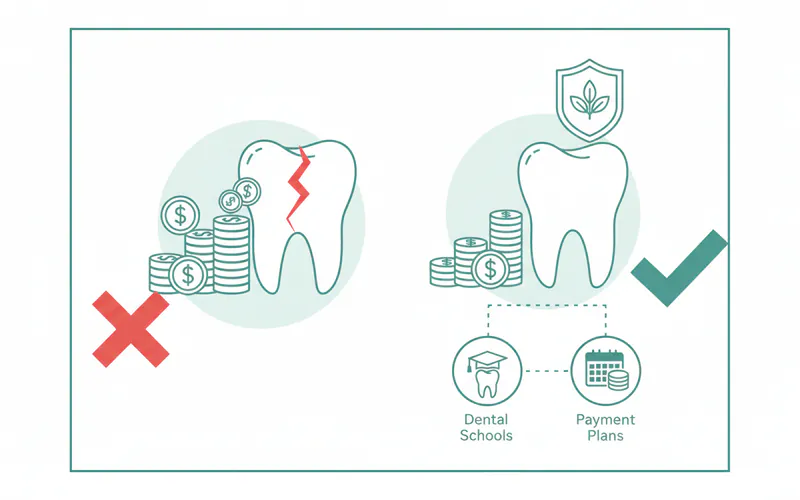
- Cost-saving options include dental schools, community clinics, dental savings plans, and negotiating payment plans directly with providers.
- Simple tooth extractions can range from $75-$450, while professional teeth whitening typically costs $300-$1000.
Understanding Professional Teeth Cleaning: What It Is
A professional teeth cleaning, medically known as dental prophylaxis, is a preventive procedure performed by a dental hygienist or dentist to remove plaque, tartar (calculus), and stains from your teeth. While daily brushing and flossing are vital, they cannot remove hardened plaque (tartar) or reach every crevice, making professional cleanings essential for maintaining optimal oral hygiene.
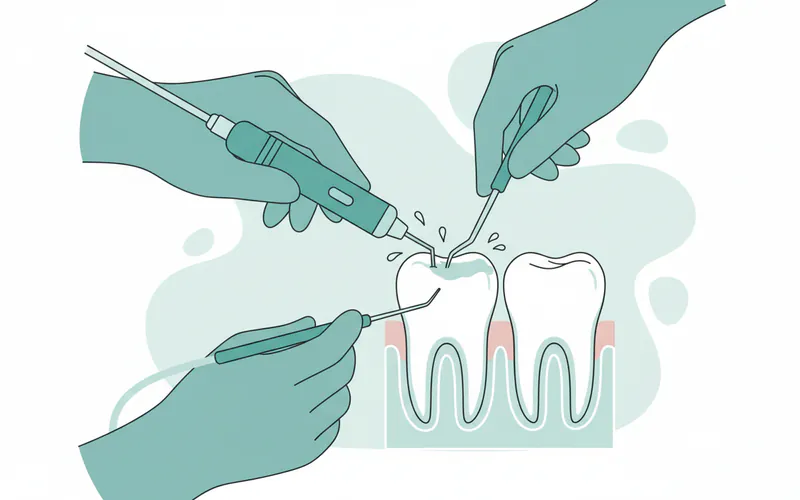
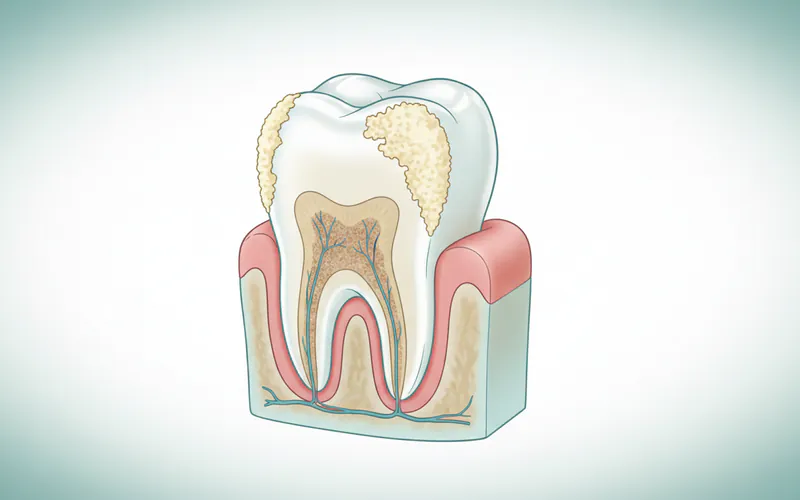
Plaque is a sticky, colorless film of bacteria that constantly forms on your teeth. If not removed daily through brushing and flossing, it can harden into tartar. Tartar, also called calculus, is a calcified deposit that clings firmly to tooth enamel and below the gumline. It creates a rough surface that makes it easier for more plaque to accumulate, leading to a vicious cycle of bacterial buildup.
The primary goals of a professional cleaning are:
- Remove plaque and tartar: This prevents cavities (tooth decay) and gum disease (gingivitis and periodontitis).
- Polish teeth: Smooth tooth surfaces make it harder for plaque to adhere.
- Identify potential problems: The dental professional can spot early signs of decay, gum disease, or other oral health issues that may require further attention.
Neglecting regular cleanings allows plaque and tartar to accumulate, irritating the gums and causing inflammation. This initial stage is called gingivitis, characterized by red, swollen, and bleeding gums. If left untreated, gingivitis can progress to periodontitis, a more severe form of gum disease where the gums pull away from the teeth, forming "pockets" that become infected. Periodontitis can lead to bone loss, tooth mobility, and eventually tooth loss.
Types of Dental Cleanings and Their Costs Without Insurance
Not all dental cleanings are created equal. The type of cleaning you need depends on the current state of your oral health. Understanding these distinctions is crucial, as they directly impact the cost, especially without insurance.
1. Prophylaxis (Routine Cleaning)
This is the standard preventive cleaning for individuals with generally healthy gums and no signs of gum disease. It's typically recommended every six months.
- What it involves: Removal of plaque, tartar, and surface stains from above the gumline, followed by polishing and flossing.
- Why it's needed: To prevent the buildup of harmful bacteria, maintain gum health, and keep teeth clean.
- Typical Cost Without Insurance: $75 - $200. This often does not include the initial dental exam or X-rays. With an exam and bitewing X-rays, the total cost could range from $150 - $350.
2. Full Mouth Debridement
Debridement is a preliminary procedure for patients with significant plaque and tartar buildup that makes a thorough examination or routine cleaning difficult. It's often performed when the calculus is so extensive it obscures the view of the teeth and gums.
- What it involves: A more intensive initial removal of heavy deposits of plaque and tartar, often requiring specialized instruments. This is usually done before a comprehensive exam or a more standard cleaning can be performed. It's not a substitute for a routine or deep cleaning but a prerequisite.
- Why it's needed: To clear the way for proper diagnosis and subsequent treatment.
- Typical Cost Without Insurance: $150 - $350.
3. Scaling and Root Planing (Deep Cleaning)
Often referred to as a "deep cleaning," scaling and root planing is a non-surgical procedure specifically for treating early to moderate stages of gum disease (periodontitis).
- What it involves:
- Scaling: The removal of plaque and tartar from above and below the gumline, extending down to the root surfaces. This often requires local anesthesia to ensure patient comfort.
- Root Planing: Smoothing the root surfaces of the teeth to remove bacterial toxins and make it harder for plaque to reattach. This helps the gums reattach to the teeth.
- Why it's needed: To halt the progression of gum disease, reduce inflammation, shrink periodontal pockets, and prevent further bone and tooth loss.
- Typical Cost Without Insurance: This procedure is billed by quadrant (one-fourth of your mouth). Each quadrant can cost $200 - $600. For a full mouth, this could range from $800 - $2400+. This cost often includes local anesthesia and follow-up visits.
4. Periodontal Maintenance
After a deep cleaning (scaling and root planing), patients often require more frequent cleanings, typically every 3-4 months, to prevent the return of gum disease. This ongoing care is called periodontal maintenance.
- What it involves: Similar to a routine cleaning but more focused on areas previously affected by gum disease, with careful attention to cleaning below the gumline in periodontal pockets.
- Why it's needed: To manage and control periodontitis, which is a chronic condition, and prevent recurrence.
- Typical Cost Without Insurance: $100 - $300 per visit.
5. Cosmetic Cleaning / Stain Removal
While routine cleanings remove surface stains, some patients may seek additional services primarily for aesthetic purposes, or if they have particularly stubborn stains. This is usually combined with or considered part of a prophylaxis.
- What it involves: Advanced polishing techniques, air abrasion, or specialized stain removal pastes to tackle deeper or more pervasive extrinsic stains (stains on the surface of the tooth).
- Why it's needed: For improved aesthetics and a brighter smile.
- Typical Cost Without Insurance: Often included in prophylaxis, but if additional time or specialized techniques are required, it may incur a small extra fee, usually $25 - $75, or be bundled with a whitening service.
Why Do You Need a Professional Cleaning? Causes of Plaque and Tartar Buildup
The need for professional teeth cleaning primarily stems from the accumulation of plaque and tartar. While some factors are within your control, others are not.
Controllable Factors:
- Ineffective Oral Hygiene: The most common reason. Brushing less than twice a day, not flossing daily, or using improper techniques allows plaque to mature and harden into tartar.
- Diet: Frequent consumption of sugary and starchy foods and drinks (sodas, candies, pastries) feeds the bacteria in your mouth, leading to increased acid production and plaque formation.
- Tobacco Use: Smoking and chewing tobacco significantly increase the risk of plaque and tartar buildup, gum disease, and other oral health problems. Nicotine also restricts blood flow to the gums, making them more susceptible to infection.
- Poor Tooth Alignment: Crooked or crowded teeth can create hard-to-reach areas where plaque and food particles easily accumulate and are difficult to clean with standard brushing and flossing.
Uncontrollable/Less Controllable Factors:
- Genetics: Some individuals are genetically predisposed to producing more plaque or developing gum disease, despite good oral hygiene.
- Dry Mouth (Xerostomia): Saliva plays a crucial role in washing away food particles and neutralizing acids. Medications, certain medical conditions (e.g., Sjögren's syndrome), or aging can reduce saliva flow, leading to increased plaque accumulation.
- Medical Conditions: Systemic diseases like diabetes can compromise the immune system, making individuals more vulnerable to gum infections and increasing plaque buildup.
- Medications: Some medications can cause dry mouth or gum overgrowth, contributing to plaque retention.
- Age: As we age, our gums may recede, exposing root surfaces that are more susceptible to decay and plaque buildup.
Signs and Symptoms You Need a Cleaning (or More)
Your mouth often sends signals when it's time for a professional cleaning or a more intensive dental intervention. Don't ignore these warning signs:
- Visible Plaque and Tartar: You might notice a yellowish or brownish buildup on your teeth, especially near the gumline or between teeth. This is tartar.
- Bad Breath (Halitosis): Persistent bad breath that doesn't improve with brushing and mouthwash can be a sign of bacterial accumulation and gum disease.
- Bleeding Gums: Gums that bleed easily when you brush, floss, or even eat hard foods are a classic sign of gingivitis. Healthy gums should not bleed.
- Red, Swollen, or Tender Gums: Inflammation is a hallmark of gum disease. Your gums may look puffy, feel sore to the touch, or appear brighter red than healthy pink gums.
- Tooth Sensitivity: While sensitivity can have various causes, exposed root surfaces due to receding gums (a sign of gum disease) can lead to increased sensitivity to hot, cold, or sweet foods.
- Loose Teeth: This is a severe symptom of advanced periodontitis, indicating significant bone loss around the teeth.
- Persistent Bad Taste in Your Mouth: A metallic or generally unpleasant taste that lingers can be due to bacterial infections.
- Gums Pulling Away from Your Teeth (Receding Gums): This exposes more of the tooth root and is a clear indicator of gum disease progression.
- Changes in Your Bite or How Your Dentures Fit: Shifting teeth due to bone loss can alter your bite or the fit of existing dental appliances.
If you experience any of these symptoms, it's crucial to schedule a dental appointment promptly, even without insurance. Delaying treatment will almost certainly lead to more extensive and expensive procedures down the road.
Step-by-Step Process: What to Expect During a Teeth Cleaning
Knowing what happens during a professional cleaning can ease any anxiety and help you prepare. The process is generally straightforward and follows a predictable sequence.
-
Initial Examination and Assessment:
- The dentist or dental hygienist will start by reviewing your medical history and any recent dental concerns.
- They'll perform a visual examination of your teeth and gums, looking for signs of decay, gum disease, or other issues.
- They may use a small mirror to get a clear view of all surfaces of your teeth.
- If overdue, X-rays might be taken to check for cavities between teeth, bone loss, or other underlying problems not visible during a surface examination.
-
Plaque and Tartar Removal (Scaling):
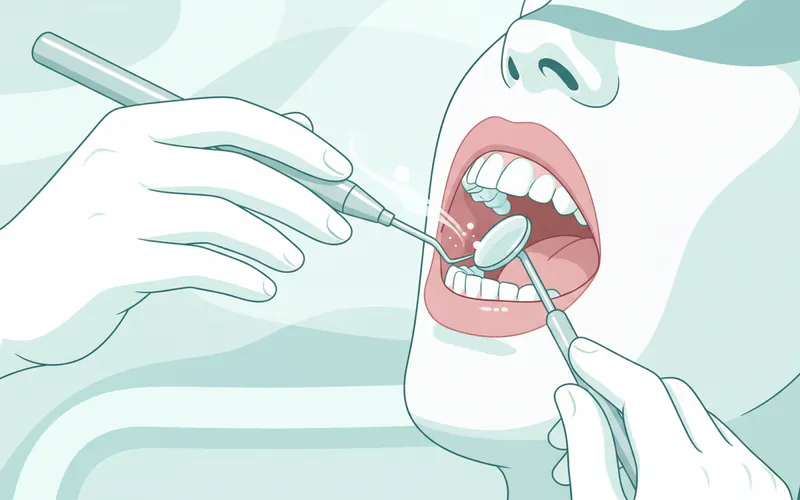
- Using a small, hooked instrument called a scaler (either manual or an ultrasonic scaler), the hygienist will carefully remove plaque and tartar deposits from your tooth surfaces and just beneath the gumline.
- An ultrasonic scaler uses high-frequency vibrations and a fine mist of water to break down and wash away tartar. Manual scalers are then used for more precise removal and to ensure all deposits are gone.
- You might hear scraping sounds or feel some pressure, but it should not be painful. If you experience discomfort, alert your hygienist.
-
Tooth Polishing:
- After scaling, a high-powered electric toothbrush with a gritty, abrasive paste (prophy paste) is used to polish your teeth. This removes any remaining surface stains and leaves your teeth feeling incredibly smooth.
- The smooth surface makes it harder for plaque to adhere to your teeth in the immediate future.
-
Flossing:
- The hygienist will thoroughly floss between your teeth, removing any residual plaque or polishing paste and checking for any areas where gum tissue is particularly tight or inflamed.
-
Rinsing and Fluoride Treatment (Optional but Recommended):
- You'll be asked to rinse your mouth thoroughly to remove any debris.
- Often, a fluoride treatment is applied to strengthen tooth enamel and make teeth more resistant to decay. This can be in the form of a gel, foam, or varnish that is applied for a few minutes. While usually an extra cost without insurance ($25-$75), it's highly beneficial for cavity prevention, especially for children or those prone to decay.
-
Final Check-up (by Dentist):
- After the cleaning, the dentist will typically perform a final, more thorough examination. They will review the hygienist's findings, check for any areas of concern, and discuss any necessary follow-up treatments (like fillings, extractions, or further gum therapy).
- This is your opportunity to ask any questions you have about your oral health.
Duration: A routine prophylaxis typically takes 30 to 60 minutes. A deeper cleaning (scaling and root planing) can take longer, potentially 60-90 minutes per quadrant, and may require multiple appointments.
Cost and Insurance: Breaking Down the Expenses Without Coverage
Understanding the costs associated with dental cleanings when you don't have insurance is critical for planning and budgeting. Prices vary significantly based on several factors.
General US Price Ranges for Dental Cleanings (Without Insurance)
These ranges represent typical out-of-pocket costs. Remember, these are estimates, and actual prices may differ.
-
Routine Prophylaxis (D1110):
- Low End: $75 (often at dental schools or community clinics)
- Average: $125 - $150
- High End: $200 (in high cost-of-living areas or specialized practices)
-
Full Mouth Debridement (D4355):
- Low End: $150
- Average: $200 - $250
- High End: $350
-
Scaling and Root Planing (D4341 for 4+ teeth per quadrant, D4342 for 1-3 teeth per quadrant):
- Per Quadrant: $200 - $600
- Full Mouth (4 quadrants): $800 - $2400+ (This often includes local anesthesia and follow-up visits.)
-
Periodontal Maintenance (D4910):
- Low End: $100
- Average: $150 - $200
- High End: $300
Additional Services Often Billed Separately (Without Insurance)
Even for a routine cleaning, you might incur other charges:
- Comprehensive Dental Exam (D0150): $50 - $150
- Periodic Oral Evaluation (D0120): $30 - $100 (for follow-up exams)
- Bitewing X-rays (D0274 - 4 films): $30 - $80
- Full Mouth Series X-rays (D0210): $100 - $250
- Fluoride Treatment (D1206): $25 - $75
Pro Tip: Always ask for an itemized estimate of all expected costs before your appointment. This transparency helps avoid surprises and allows you to compare prices.
Factors Affecting the Cost of Dental Cleanings
- Geographic Location: Dental costs are significantly higher in major metropolitan areas and states with a high cost of living (e.g., California, New York, New England) compared to rural areas or states with lower living expenses.
- Type of Dental Practice:
- Private Practice: Generally higher costs due to overhead, technology, and specialized services.
- Dental Chains/Corporate Dentistry: May offer competitive pricing, sometimes with promotional rates.
- Community Health Centers/Dental Schools: Often provide significantly reduced costs as they operate on a mission to serve underserved populations or train students.
- Dentist's Experience and Specialization: Highly experienced dentists or periodontists (gum specialists) may charge more, especially for complex deep cleanings.
- Complexity of the Cleaning: Patients with heavier plaque and tartar buildup, or those requiring special considerations (e.g., severe gag reflex, medical conditions), might incur slightly higher fees due to the extended time or specialized approach needed.
- Additional Services: As noted, X-rays, fluoride treatments, and comprehensive exams are usually separate charges.
The Role of Dental Insurance
Dental insurance plans typically categorize services into preventive, basic, and major.
- Preventive Care (Prophylaxis, Exams, X-rays): Most insurance plans cover 80-100% of these services, often with no deductible, highlighting the importance insurers place on prevention.
- Basic Services (Fillings, Simple Extractions): Usually covered at 50-80% after a deductible.
- Major Services (Crowns, Bridges, Dentures, Deep Cleanings): Often covered at 20-50% after a deductible, and sometimes with a waiting period.
For deep cleanings (scaling and root planing), insurance often covers 50-80% of the cost because it's considered a "basic" or sometimes even "major" service for treating gum disease, rather than purely preventive.
Comparison Tables
To help visualize the difference in costs for various dental services, here are two tables:
Table 1: Types of Dental Cleanings and Their Typical Costs (Without Insurance)
| Cleaning Type | Description | Typical Cost Range (USD) |
|---|---|---|
| Prophylaxis | Routine preventive cleaning for healthy gums, removes plaque, tartar, and stains above the gumline. | $75 - $200 |
| Full Mouth Debridement | Initial intensive removal of heavy plaque/tartar buildup, often before a full exam or further cleaning. | $150 - $350 |
| Scaling & Root Planing | Deep cleaning for gum disease, removes plaque/tartar from above and below the gumline, smooths root surfaces. | $200 - $600 per quadrant (Total $800 - $2400+ for full mouth) |
| Periodontal Maintenance | Ongoing cleanings (every 3-4 months) after deep cleaning to manage chronic gum disease. | $100 - $300 per visit |
Table 2: Related Dental Procedures and Their Costs (Without Insurance)
| Procedure | Description | Typical Cost Range (Without Insurance) |
|---|---|---|
| Basic Dental Exam (D0120/D0150) | Initial or periodic check-up by the dentist. | $50 - $150 |
| Bitewing X-rays (set of 4) | Detects cavities between teeth and checks bone levels. | $30 - $80 |
| Full Mouth X-rays (FMX) | Comprehensive series of X-rays for a complete view of all teeth and surrounding bone. | $100 - $250 |
| Fluoride Treatment (D1206) | Application of fluoride varnish or gel to strengthen enamel and prevent cavities. | $25 - $75 |
| Simple Tooth Extraction (D7140) | How much to pull a tooth that is fully erupted and requires minimal effort (non-surgical). | $75 - $450 |
| Surgical Tooth Extraction (D7210) | More complex removal of a tooth that is impacted, fractured, or requires bone removal/sectioning. | $150 - $650 (per tooth, higher for complex wisdom teeth) |
| Professional Teeth Whitening (In-office) | How much does it cost to get your teeth whitened by a dentist in a single visit with professional-grade solutions. | $300 - $1000 |
Recovery and Aftercare After a Dental Cleaning
The recovery experience largely depends on the type of cleaning you receive.
For Routine Prophylaxis:
- Immediate: You'll likely feel a fresh, clean sensation. Your teeth might feel slightly sensitive or "different" due to the removal of plaque and tartar, but this usually subsides quickly.
- Aftercare: Resume normal oral hygiene practices immediately. There are typically no dietary restrictions. You may notice minor gum bleeding for a very short period after flossing, especially if you had some gingivitis, but this should resolve quickly with continued good hygiene.
For Scaling and Root Planing (Deep Cleaning):
Deep cleanings are more intensive and can involve more significant aftercare.
- Sensitivity: It's common to experience increased tooth and gum sensitivity to hot, cold, or pressure for a few days to a week. Your dentist might recommend a desensitizing toothpaste.
- Soreness: Your gums may be sore, tender, or slightly swollen. Over-the-counter pain relievers like ibuprofen or acetaminophen can help manage discomfort.
- Bleeding: Minor bleeding from the gums is normal for a day or two.
- Diet: Stick to soft, bland foods for the first 24-48 hours to avoid irritating sensitive gums. Avoid extremely hot, cold, spicy, or acidic foods.
- Oral Hygiene: Continue gentle brushing and flossing, but be extra careful around sensitive areas. Your hygienist may recommend a special antimicrobial mouthwash or a warm saltwater rinse to aid healing.
- Medication: If antibiotics were prescribed (to combat infection in severe periodontitis), be sure to complete the full course.
- Follow-up: You will usually have a follow-up appointment a few weeks later to check the healing of your gums and measure pocket depths to assess the effectiveness of the treatment. Periodontal maintenance appointments will then be scheduled every 3-4 months.
Pro Tip: Always follow your dentist or hygienist's specific aftercare instructions. If you experience severe pain, excessive bleeding, or signs of infection (fever, pus), contact your dental office immediately.
Prevention: The Best Strategy for Oral Health and Cost Savings
Preventive care is the cornerstone of good oral health and the most effective way to minimize your dental expenses over time.
- Brush Twice Daily: Use a soft-bristled toothbrush and fluoride toothpaste. Brush for at least two minutes, covering all surfaces of your teeth and gently brushing your tongue.
- Floss Daily: Flossing removes plaque and food particles from between your teeth and under the gumline, areas your toothbrush can't reach. This is critical for preventing tartar buildup and gum disease.
- Use Mouthwash: An antiseptic or fluoride mouthwash can provide additional protection against plaque, gingivitis, and bad breath.
- Limit Sugary and Acidic Foods/Drinks: Reduce your intake of soda, candies, juices, and other processed foods. These contribute significantly to plaque formation and enamel erosion.
- Quit Smoking/Tobacco Use: Tobacco is a major risk factor for gum disease, oral cancer, and other dental problems.
- Regular Dental Check-ups and Cleanings: The American Dental Association (ADA) recommends professional cleanings and exams every six months for most people. For those prone to gum disease, more frequent visits may be necessary. These routine visits allow your dental team to remove buildup and catch problems early.
- Consider Dental Sealants: For children and sometimes adults, sealants can be applied to the chewing surfaces of molars to protect against cavities.
- Stay Hydrated: Drinking plenty of water helps wash away food particles and maintains saliva flow.
Risks and Complications of Neglecting Dental Cleanings
Skipping regular dental cleanings has far-reaching consequences, not just for your mouth but for your entire body.
- Cavities (Tooth Decay): Plaque produces acids that erode tooth enamel, leading to holes in your teeth that require fillings. If left untreated, decay can reach the pulp, leading to root canals or extractions.
- Gingivitis: The initial stage of gum disease, characterized by red, swollen, bleeding gums. Reversible with good oral hygiene and professional cleaning.
- Periodontitis: Untreated gingivitis progresses to periodontitis, a chronic infection that damages the bone and tissues supporting your teeth. This is irreversible and can lead to:
- Tooth Mobility and Loss: As bone is destroyed, teeth become loose and may eventually fall out or need to be extracted.
- Gum Recession: Gums pull away from teeth, exposing sensitive roots.
- Dental Abscesses: Pockets of pus can form in the gums or bone due to infection.
- Bad Breath (Halitosis): Persistent bad breath is a common side effect of plaque and tartar buildup and bacterial overgrowth.
- Systemic Health Issues: Oral infections are linked to various serious health conditions:
- Heart Disease and Stroke: Oral bacteria can enter the bloodstream, contributing to inflammation and hardening of the arteries.
- Diabetes: Gum disease can make it harder to control blood sugar levels, and diabetes can worsen gum disease.
- Respiratory Infections: Inhaling bacteria from infected gums can lead to pneumonia and other lung problems.
- Pregnancy Complications: Periodontitis has been associated with premature birth and low birth weight.
- Dementia: Research suggests a link between poor oral health and cognitive decline.
Children / Pediatric Considerations
Oral hygiene and professional cleanings are just as crucial for children as they are for adults, if not more so, to establish lifelong healthy habits and prevent early decay.
- First Dental Visit: The American Academy of Pediatric Dentistry (AAPD) recommends a child's first dental visit by their first birthday or within six months of their first tooth erupting. These initial visits are primarily for education, screening, and gentle cleaning.
- Pediatric Prophylaxis: Routine cleanings for children are similar to adults but are often shorter and focus on age-appropriate instruction. The cost without insurance is generally comparable to adult prophylaxis, possibly slightly lower, ranging from $70 - $180.
- Fluoride Treatments: Fluoride varnish is frequently applied to children's teeth to strengthen enamel and prevent cavities. This is typically an additional cost of $25 - $70 without insurance.
- Dental Sealants: These protective coatings are applied to the chewing surfaces of permanent molars to prevent cavities. They are highly effective. Without insurance, sealants usually cost $30 - $60 per tooth.
- Addressing Dental Anxiety: Pediatric dentists specialize in making dental visits comfortable and positive for children, using child-friendly language and techniques.
- Early Intervention: Regular cleanings help identify and address issues like thumb-sucking, bottle decay, or developing orthodontic problems early, potentially saving significant costs and complications later.
Cost Breakdown: Navigating Dental Expenses Without Insurance
When you're uninsured, understanding the full cost picture and exploring payment options becomes paramount.
Average US Costs (Recap for emphasis)
- Routine Prophylaxis (cleaning only): $75 - $200
- Routine Prophylaxis with Exam & Bitewing X-rays: $150 - $350
- Deep Cleaning (Scaling & Root Planing): $800 - $2400+ (for full mouth)
With vs. Without Insurance: The Stark Difference
With dental insurance, routine cleanings, exams, and basic X-rays are often covered at 80-100%, meaning your out-of-pocket cost is minimal or zero. For deep cleanings, insurance might cover 50-80% after your deductible. Without insurance, you are responsible for 100% of these costs. This difference underscores why preventive care is so essential; it reduces the chances of needing more expensive treatments.
Payment Plans and Financing Options
Even without traditional insurance, you have options to make dental care more affordable:
- In-House Payment Plans: Many dental offices understand financial constraints and offer flexible payment plans directly to patients. This often involves paying a portion upfront and then making interest-free monthly payments. Don't hesitate to ask if this is an option.
- Third-Party Medical Financing: Services like CareCredit or LendingClub offer credit cards specifically for health and wellness expenses. They often have deferred interest options if the balance is paid within a certain promotional period (e.g., 6, 12, or 18 months). Be sure to understand the terms and interest rates if you don't pay off the balance on time.
- Dental Savings Plans (Discount Plans): These are not insurance but membership programs where you pay an annual fee (e.g., $100-$200) and in return receive 10-60% discounts on dental services from participating dentists. They typically have no deductibles, annual maximums, or waiting periods.
- Flexible Spending Accounts (FSAs) / Health Savings Accounts (HSAs): If you have an FSA or HSA through your employer or individually, you can use these tax-advantaged accounts to pay for qualified dental expenses, including cleanings, with pre-tax dollars.
- Community Dental Clinics and Health Centers: These facilities often receive government funding and offer services on a sliding scale based on income, making them a very affordable option for those with limited means.
- Dental Schools: University dental schools provide high-quality care at significantly reduced prices. Treatment is performed by dental students under the close supervision of experienced faculty. The trade-off can be longer appointment times, but the savings are substantial.
Cost-Saving Tips
- Shop Around: Call multiple dental offices in your area and inquire about their fees for prophylaxis, exams, and X-rays without insurance. Prices can vary significantly.
- Negotiate: Don't be afraid to ask if the office offers a cash discount for uninsured patients, especially if you pay in full at the time of service. Many practices offer a 5-15% discount.
- Preventive is Always Cheaper: Prioritize regular cleanings. Paying $100-$200 twice a year is far less expensive than a $1,000 root canal or a $3,000 crown due to neglected decay.
- Maintain Excellent Home Care: Diligent brushing and flossing can reduce the amount of plaque and tartar buildup, potentially leading to quicker, less complex, and thus sometimes cheaper, professional cleanings.
- Look for New Patient Specials: Many dental offices offer introductory deals for new patients, which might include a cleaning, exam, and X-rays at a reduced, bundled price.
Frequently Asked Questions
How often should I get my teeth cleaned?
The American Dental Association generally recommends professional teeth cleanings and check-ups every six months for most individuals. However, if you have specific risk factors like gum disease, a history of frequent cavities, or certain medical conditions, your dentist may recommend more frequent visits (e.g., every three or four months).
Is a deep cleaning more painful than a regular cleaning?
A deep cleaning (scaling and root planing) is more invasive than a routine cleaning and can be uncomfortable. Local anesthesia is typically used to numb the gums and tooth roots, minimizing pain during the procedure. Afterward, you might experience some soreness and sensitivity for a few days, which can be managed with over-the-counter pain relievers.
Can I whiten my teeth immediately after a cleaning?
Yes, in-office professional teeth whitening is often recommended immediately after a cleaning. The cleaning removes surface stains and tartar, allowing the whitening agents to make better contact with the enamel, leading to more effective and even results.
What happens if I skip my regular cleanings?
Skipping regular cleanings allows plaque and tartar to accumulate, leading to an increased risk of cavities, gingivitis (gum inflammation), and eventually periodontitis (severe gum disease). Neglect can result in tooth loss, necessitate more invasive and costly procedures, and potentially impact your overall systemic health.
Are dental cleanings covered by medical insurance?
Generally, no. Medical insurance typically does not cover routine dental care, including cleanings. There are rare exceptions, such as dental procedures required due to an accident or severe medical conditions, but for standard preventive care, you'll need dental insurance or pay out of pocket.
How long does a typical dental cleaning take?
A routine prophylaxis (standard cleaning) usually takes between 30 and 60 minutes. If X-rays and a comprehensive exam are included, the total appointment time might be closer to 60-90 minutes. Deep cleanings can take longer, potentially requiring multiple appointments.
Can I get a cleaning if I have braces?
Yes, it's even more crucial to get regular cleanings if you have braces. The brackets and wires create more surfaces for food particles and plaque to accumulate, making thorough home care challenging. Your dental hygienist has specialized tools and techniques to clean around orthodontic appliances effectively.
Why do dentists recommend X-rays so often?
Dental X-rays allow dentists to see what's invisible to the naked eye. They help detect cavities between teeth, bone loss due to gum disease, abscesses, impacted teeth, and other underlying issues early on. Early detection prevents minor problems from becoming major ones. The frequency depends on your individual risk factors but is typically once a year for bitewings and every 3-5 years for full mouth series.
What's the difference between plaque and tartar?
Plaque is a soft, sticky, colorless film of bacteria that constantly forms on your teeth. It can be removed with daily brushing and flossing. Tartar (calculus) is hardened plaque that has calcified. It's rough, often yellowish or brownish, and firmly adheres to teeth. Only a dental professional can remove tartar.
Is it possible to clean my teeth thoroughly at home without a professional?
While excellent home oral hygiene (brushing twice daily, flossing daily) is critical for controlling plaque and preventing tartar, it cannot remove hardened tartar once it has formed, especially below the gumline. Professional tools and techniques are required to effectively remove tartar and reach all areas of your mouth, making professional cleanings indispensable.
When to See a Dentist
Knowing when to seek professional dental care is vital for maintaining your oral and overall health.
Routine Care Guidance:
- Every Six Months: For most healthy individuals, routine dental check-ups and cleanings every six months are recommended by the ADA. These visits are crucial for preventing problems and catching minor issues before they escalate.
Warning Signs That Need Attention:
- Persistent Tooth Sensitivity: If sensitivity to hot, cold, or sweet lasts for more than a few seconds or becomes severe.
- Bleeding, Red, or Swollen Gums: These are classic signs of gingivitis or periodontitis. Don't ignore them, as untreated gum disease can lead to serious complications.
- Persistent Bad Breath or Bad Taste: If daily brushing and flossing don't resolve bad breath, it could indicate an underlying infection or significant plaque buildup.
- Visible Cavities or Stains: Any dark spots, holes, or significant discoloration on your teeth should be evaluated.
- Loose Teeth: This is a serious symptom of advanced gum disease and requires immediate attention to prevent tooth loss.
- Pain or Swelling: Any inexplicable pain in your teeth, gums, or jaw, or swelling in your mouth or face, warrants an immediate dental visit.
- Difficulty Chewing or Swallowing: This could indicate a serious infection or other oral health problem.
- Sores or Lumps in Your Mouth: Any persistent sores, red or white patches, or lumps that don't heal within a week could be a sign of oral cancer and require urgent examination.
Emergency vs. Scheduled Appointment:
- Emergency: Seek immediate dental care for severe pain, knocked-out teeth, chipped or fractured teeth, dental abscesses (swelling, pus, fever), or any injury to the mouth or jaw.
- Scheduled: For routine cleanings, check-ups, or non-urgent concerns like mild sensitivity, planning a scheduled appointment is appropriate.
Regular professional dental care, even when navigating the costs without insurance, is an investment in your long-term health and well-being. By understanding the procedures, costs, and available options, you can make informed decisions to keep your smile healthy and vibrant.
Frequently Asked Questions
Medically Reviewed Content
This article was written by our dental health editorial team and reviewed for medical accuracy. Our content follows strict editorial guidelines for reliability and trustworthiness.
Medical Disclaimer
This article is for informational purposes only and does not constitute medical advice. Always consult with a qualified dental professional for diagnosis and treatment. Do not delay seeking professional advice because of something you read on this website.
Related Articles
How Much Does Tooth Bonding Cost
Imagine looking in the mirror and seeing a smile that doesn't quite reflect your inner confidence – maybe a small chip from an unexpected accident, an annoying gap between your front teeth, or a stain that just won't budge. For many Americans, these minor imperfections can significantly impact self-
February 22, 2026
How Much Are Gold Grillz for Teeth
When considering a unique blend of personal style and dental aesthetics, many individuals find themselves drawn to the allure of gold grillz. But beyond the flashy appearance and cultural significance, a practical question often arises: how much are gold grillz for teeth? This isn't just a simpl
February 22, 2026
How Much Are Tooth Gems
In an age where personal expression extends to every facet of our lives, it's no surprise that cosmetic dentistry has evolved beyond mere functionality to embrace aesthetic adornment. From subtle enhancements to bold statements, teeth have become a new canvas for individuality. One increasingly popu
February 22, 2026

How Much Does a Dog Xray Cost
As a premier dental health portal, SmilePedia.net is dedicated to illuminating all facets of oral health and related medical costs for our valued readers across the US. While our primary focus remains squarely on human dentistry – from routine cleanings to complex restorative procedures – we underst
February 22, 2026