Complete Guide to Dental Costs & Insurance: Everything You Need to Know
Key Takeaways
- Dental care is an essential part of your overall health, yet for many Americans, navigating the world of dental costs & insurance can feel like an insurmountable challenge. In fact, a significant percentage of adults delay or forgo necessary dental treatment due to financial concerns, with one i
Dental care is an essential part of your overall health, yet for many Americans, navigating the world of dental costs & insurance can feel like an insurmountable challenge. In fact, a significant percentage of adults delay or forgo necessary dental treatment due to financial concerns, with one in four adults reporting fair or poor oral health. Understanding the financial landscape of dental care—from routine check-ups to complex procedures—is crucial for maintaining your oral health without breaking the bank. This comprehensive guide will demystify dental expenses, explore various insurance options, and provide actionable strategies to manage your oral health budget effectively. We'll delve into specific costs for common procedures, explain how insurance plans work, and offer tips for making informed decisions about your dental care investments.
Key Takeaways:
- Average dental cleaning costs without insurance range from $75 to $200, depending on location and additional services.
- Tooth extraction costs vary widely, from $75-$250 for a simple extraction to $200-$600 for surgical removal, and up to $800-$3,000+ for impacted wisdom teeth.
- Dental bonding typically costs between $100 and $600 per tooth, influenced by complexity and location.
- Dental insurance plans often cover 100% of preventive care, 80% of basic procedures, and 50% of major procedures, but usually come with deductibles, co-pays, annual maximums (e.g., $1,000-$2,000), and waiting periods.
- Preventive care (brushing, flossing, regular check-ups) is the most cost-effective way to avoid expensive treatments down the line.
- Financing options like dental credit cards, payment plans, and health savings accounts (HSAs) can help manage out-of-pocket expenses for significant procedures.
- Always request a detailed treatment plan and cost estimate from your dentist before proceeding with any major work.
Understanding Dental Costs and Insurance
Navigating the financial aspects of dental care can be complex, involving a mix of direct costs, insurance premiums, deductibles, and co-pays. At its core, "dental costs" refers to the out-of-pocket expenses you incur for dental services, while "dental insurance" is a type of health insurance designed to help offset these costs. The interaction between these two elements largely determines your final bill.

What Is Dental Insurance?
Dental insurance is a contract between you and an insurance provider where you pay a monthly or annual premium in exchange for coverage of certain dental procedures. It's designed to make dental care more affordable and accessible, encouraging regular check-ups and early intervention for problems. Unlike medical insurance, which often covers a high percentage of costs for major procedures after a deductible, dental insurance typically focuses on preventive care and provides partial coverage for more extensive treatments, often with an annual maximum limit.
Types of Dental Insurance Plans
Understanding the different types of dental insurance plans is crucial for choosing the one that best fits your needs and budget. Each type has its own structure regarding provider networks, cost-sharing, and reimbursement methods.
1. Preferred Provider Organization (PPO)
PPO plans are the most common type of dental insurance. They offer a balance of flexibility and cost-savings.
- How it works: You pay a monthly premium and can choose any dentist, but you'll pay less if you choose a dentist within the plan's network. In-network dentists have agreed to provide services at negotiated rates.
- Pros: Flexibility in choosing your dentist; no referral needed for specialists.
- Cons: Higher premiums than HMOs; out-of-network care costs more.
2. Dental Health Maintenance Organization (DHMO)
DHMO plans typically have lower premiums but offer less flexibility.
- How it works: You must choose a primary care dentist within the plan's network, and that dentist manages all your dental care. Referrals are usually required to see specialists.
- Pros: Lower premiums, fixed co-payments for services, no deductibles or annual maximums.
- Cons: Limited choice of dentists; often less comprehensive coverage for complex procedures.
3. Indemnity Plans (Fee-for-Service)
Indemnity plans offer the most freedom in choosing a dentist but are generally the most expensive.
- How it works: You pay a premium, and the insurance company pays a set percentage of the costs for services, regardless of the dentist you choose. You typically pay the dentist directly and then submit a claim for reimbursement.
- Pros: Complete freedom to choose any dentist; no network restrictions.
- Cons: Higher premiums and deductibles; you're responsible for filing claims.
4. Discount Dental Plans
These are not insurance but membership programs.
- How it works: You pay an annual fee and get reduced rates from a network of participating dentists.
- Pros: Immediate savings; no deductibles, co-pays, or annual maximums; no waiting periods.
- Cons: Not insurance; only provides discounts, not coverage; limited network of dentists.
How Much Teeth Does a Human Have? (Context for Dental Care Complexity)
While not directly related to costs, understanding the number of teeth provides context for the comprehensive nature of dental care. An adult typically has 32 permanent teeth, including wisdom teeth (though many adults have their wisdom teeth removed). Children, on the other hand, usually have 20 primary (baby) teeth. Each of these teeth is susceptible to various issues, from cavities to gum disease, and each requires potential care, contributing to the overall scope and cost of dental treatments. The sheer number of teeth, along with the complexity of oral structures, underscores why dental care can be so involved and, consequently, costly.
Factors Influencing Dental Costs
The cost of dental care can vary significantly based on several factors. Understanding these can help you anticipate expenses and make informed decisions.
1. Type and Complexity of Procedure
This is the most obvious factor. A routine cleaning will cost far less than a root canal or an implant. The complexity of the procedure, the materials used, and the time required all play a role. For example, a simple tooth extraction is much less expensive than a surgical extraction for an impacted tooth.
2. Geographic Location
Dental costs can vary significantly by region, city, and even neighborhood. Dentists in major metropolitan areas with higher overheads (rent, staff salaries) often charge more than those in rural or less expensive suburban areas. For instance, dental costs in New York City or Los Angeles might be considerably higher than in a smaller Midwestern town.
3. Dentist's Experience and Specialization
Highly experienced dentists, especially those with advanced specializations (e.g., orthodontists, oral surgeons, periodontists), may charge higher fees due to their expertise and specialized equipment.
4. Insurance Coverage
Whether you have dental insurance, and the specifics of your plan (deductible, co-pay, annual maximum, waiting periods), will heavily influence your out-of-pocket costs. Procedures covered at 100% will be free after your premium, while those covered at 50% will require you to pay the other half.
5. Materials Used
The choice of materials can impact cost. For example, a composite (tooth-colored) filling is typically more expensive than an amalgam (silver) filling. Similarly, different types of crowns (porcelain, metal, ceramic) have varying price points.
6. Additional Services
Sometimes, a procedure may require preliminary steps, such as X-rays, local anesthesia, or follow-up appointments, all of which add to the total cost. Sedation dentistry, if requested or required, is also an extra expense.
!Infographic illustrating different factors affecting dental costs like location, procedure complexity, and insurance coverage percentage
Cost Breakdown of Common Dental Procedures
Understanding the average costs of common dental procedures, both with and without insurance, is vital for financial planning. These are general ranges and can fluctuate based on the factors mentioned above.
Routine Preventive Care
Dental Cleaning (Prophylaxis)
A professional cleaning removes plaque and tartar build-up, polishes your teeth, and often includes an examination.
- How much is a teeth cleaning without insurance: Typically ranges from $75 to $200. This often includes the exam but may be separate from X-rays.
- With insurance: Most dental insurance plans cover preventive care like cleanings and exams at 100% (after deductible, if applicable), usually twice a year.
- Pro Tip: Regular cleanings are the single best investment in your oral health, preventing more costly problems later.

X-rays
Dental X-rays help dentists detect issues not visible during a visual exam, such as cavities between teeth, bone loss, or impacted teeth.
- Without insurance: A full set of mouth X-rays can cost $100-$250. Bitewing X-rays (for cavities between back teeth) may be $25-$50 per set.
- With insurance: Often covered at 100% or 80%, usually once a year.
Basic Restorative Procedures
Fillings
Used to treat cavities by removing decayed tooth material and filling the space.
- Amalgam (Silver) Fillings:
- Without insurance: $50-$150 per filling.
- With insurance: Often covered at 80% (you pay 20%).
- Composite (Tooth-Colored) Fillings:
- Without insurance: $100-$300 per filling, as they are more aesthetically pleasing and require a more intricate bonding process.
- With insurance: May be covered at 80%, though some plans might only cover the cost of an amalgam filling, leaving you to pay the difference if you opt for composite.
How much is Teeth Bonding?
Dental bonding is a cosmetic procedure where a tooth-colored resin material is applied to the tooth, bonded with a special light, and then shaped and polished. It's used to repair chipped or cracked teeth, close gaps, or change the shape or color of teeth.
- Without insurance: $100-$600 per tooth, depending on the extent of the repair and the tooth's location.
- With insurance: Coverage varies. Some plans may cover a portion (e.g., 50-80%) if it's considered restorative (e.g., fixing a chipped tooth). If purely cosmetic, it's often not covered.
!Side-by-side comparison of a chipped tooth before bonding and after bonding, showing the cosmetic improvement
Major Restorative Procedures
How much does it cost to get a tooth pulled? / How much does it cost to pull a tooth?
Tooth extraction involves removing a tooth from its socket. The cost largely depends on the complexity of the extraction.
- Simple Extraction (Visible, non-impacted tooth):
- Without insurance: $75-$250. This applies to easily accessible teeth, often performed by a general dentist.
- With insurance: Typically covered at 50-80%.
- Surgical Extraction (Impacted tooth, broken below gum line, or requiring bone removal):
- Without insurance: $200-$600. This often requires an oral surgeon and may involve local anesthesia or sedation.
- Wisdom Tooth Extraction (Impacted): Can range from $250-$800 per tooth, and up to $800-$3,000 or more for all four impacted wisdom teeth, especially if IV sedation or general anesthesia is used.
- With insurance: Often covered at 50% for surgical extractions, with some plans offering higher coverage if medically necessary. Anesthesia costs may be separate.
Root Canal Treatment
Removes infected pulp from inside a tooth to save it from extraction.
- Without insurance: $700-$1,500 for a front tooth, $800-$1,800 for a premolar, and $1,200-$2,000+ for a molar (back tooth with more canals).
- With insurance: Typically covered at 50-80%. Note that a crown is often needed after a root canal, which is a separate cost.
Dental Crowns
A cap placed over a damaged tooth to restore its shape, size, strength, and appearance.
- Without insurance: $800-$2,500 per crown, depending on the material (porcelain-fused-to-metal, all-ceramic, gold) and location.
- With insurance: Usually covered at 50%.
Dental Implants
A surgical procedure where a titanium post is placed into the jawbone to replace a missing tooth root, often topped with a crown.
- Without insurance: $3,000-$6,000 per implant (including implant, abutment, and crown). The cost can vary significantly based on bone grafting needs, number of implants, and specialist fees.
- With insurance: Coverage is often very limited or non-existent for implants, as they are sometimes considered a cosmetic or major procedure. Some plans might cover a portion of the crown, but not the implant post itself. You might see 10-30% coverage or none at all.
Orthodontic Treatment
Braces (Traditional Metal or Ceramic)
Used to correct misaligned teeth and bite issues.
- Without insurance: $3,000-$7,000.
- With insurance: Orthodontic coverage is often separate and can be limited, especially for adults. Some plans may cover up to 50% with a lifetime maximum (e.g., $1,500-$2,500).
Clear Aligners (e.g., Invisalign)
A series of clear, removable aligners that gradually straighten teeth.
- Without insurance: $3,500-$8,000, often slightly higher than traditional braces.
- With insurance: Similar to traditional braces, coverage is limited, with many plans offering no coverage for purely cosmetic adult orthodontics.
Cosmetic Procedures (Often Not Covered by Insurance)
Teeth Whitening
Professional teeth whitening by a dentist.
- Without insurance: $300-$800 for in-office treatments. Take-home kits are usually $200-$400.
- With insurance: Almost never covered, as it's considered purely cosmetic.
Porcelain Veneers
Thin, custom-made shells of tooth-colored materials designed to cover the front surface of teeth to improve appearance.
- Without insurance: $900-$2,500 per tooth.
- With insurance: Rarely covered, unless there's a specific medical justification (e.g., protecting a severely damaged tooth, though a crown would usually be recommended in that case).
"How much does it cost to get your teeth done?" (Comprehensive View)
This broad question encompasses a wide range of procedures. If "getting your teeth done" means a complete smile makeover, including multiple veneers, crowns, implants, or orthodontic work, the costs can range from $10,000 to $50,000 or even more. For someone needing significant restorative work, such as multiple fillings, root canals, and crowns, the cost could be $5,000-$15,000. The "cost to get your teeth done" is entirely dependent on your individual oral health needs and cosmetic goals.
Comparison Table: Common Dental Procedure Costs (US Averages)
| Procedure | Average Cost (Without Insurance) | Average Insurance Coverage | Estimated Out-of-Pocket (With Insurance, after deductible) |
|---|---|---|---|
| Dental Cleaning & Exam (2x/year) | $75 - $200 | 80% - 100% | $0 - $40 |
| Bitewing X-rays (1x/year) | $25 - $50 | 80% - 100% | $0 - $10 |
| Amalgam Filling (1 surface) | $50 - $150 | 80% | $10 - $30 |
| Composite Filling (1 surface) | $100 - $300 | 80% | $20 - $60 (or more if difference in material not covered) |
| Dental Bonding (per tooth) | $100 - $600 | 0% - 80% | $0 - $600 (highly variable) |
| Simple Tooth Extraction | $75 - $250 | 50% - 80% | $15 - $125 |
| Surgical Tooth Extraction | $200 - $600 | 50% | $100 - $300 |
| Root Canal (Molar) | $1,200 - $2,000+ | 50% - 80% | $240 - $1,000+ |
| Dental Crown | $800 - $2,500 | 50% | $400 - $1,250 |
| Dental Implant (single, full) | $3,000 - $6,000 | 0% - 30% | $2,100 - $6,000+ |
| Traditional Braces | $3,000 - $7,000 | 0% - 50% (lifetime max) | $1,500 - $7,000+ |
Note: Out-of-pocket costs with insurance are estimates and depend on your specific plan's deductible, co-pays, and annual maximums.
Navigating Dental Insurance Coverage
Understanding the nuances of your dental insurance plan is critical to maximizing your benefits and minimizing out-of-pocket expenses.
Key Insurance Terms to Know
- Premium: The amount you pay regularly (monthly, quarterly, annually) to maintain your insurance coverage.
- Deductible: The amount you must pay out-of-pocket before your insurance coverage kicks in. For example, a $50 deductible means you pay the first $50 of covered services each year before your plan starts paying.
- Co-pay: A fixed amount you pay for a covered service at the time you receive it. For example, a $20 co-pay for an office visit.
- Co-insurance: The percentage of the cost of a covered service you're responsible for after you've met your deductible. For example, an 80/20 plan means the insurer pays 80%, and you pay 20%.
- Annual Maximum: The maximum amount your dental insurance plan will pay for your dental care in a benefit year. Once this limit is reached (often $1,000-$2,000), you are responsible for all remaining costs. This is a significant difference from medical insurance, which often has much higher or no annual limits for essential health benefits.
- Waiting Period: The time you must wait after your policy takes effect before you can receive coverage for certain procedures. Preventive care usually has no waiting period, but basic procedures might have a 3-6 month wait, and major procedures often have a 6-12 month or longer waiting period.
- In-network vs. Out-of-network: In-network providers have agreements with your insurance company to provide services at negotiated rates. Out-of-network providers may charge more, and your plan may cover a smaller percentage or none of the costs.
How Dental Insurance Typically Covers Services
Most dental insurance plans follow a "100-80-50" coverage model:
- 100% Coverage: Preventive services (e.g., cleanings, exams, routine X-rays).
- 80% Coverage: Basic restorative services (e.g., fillings, simple extractions).
- 50% Coverage: Major restorative services (e.g., crowns, bridges, dentures, root canals, surgical extractions). Orthodontics and cosmetic procedures are often covered at a lower percentage, or not at all, with specific lifetime maximums for ortho.
The Process of Using Your Dental Insurance
- Verify Your Coverage: Before any appointment, contact your insurance provider or review your plan documents to understand your benefits, deductible, annual maximum, co-pays, and waiting periods. Your dental office can often assist with this, but it's ultimately your responsibility.
- Choose a Dentist: Decide if you want an in-network or out-of-network dentist, considering the cost implications.
- Receive a Treatment Plan: For significant procedures, your dentist should provide a detailed treatment plan, outlining the recommended procedures, their individual costs, and any alternative options.
- Get a Pre-Authorization/Pre-determination: For expensive treatments, your dentist's office can submit a request to your insurance company for a pre-determination of benefits. This is not a guarantee of payment, but it provides an estimate of what your insurance will cover, helping you plan your finances.
- Pay Your Share: After the service, you will typically pay your co-pay, deductible, or co-insurance portion directly to the dental office. The office will then submit the claim to your insurance company for their portion.
Alternative Payment and Cost-Saving Strategies
Even with insurance, significant out-of-pocket costs can arise. Thankfully, several strategies can help manage dental expenses.
1. Payment Plans and Financing Options
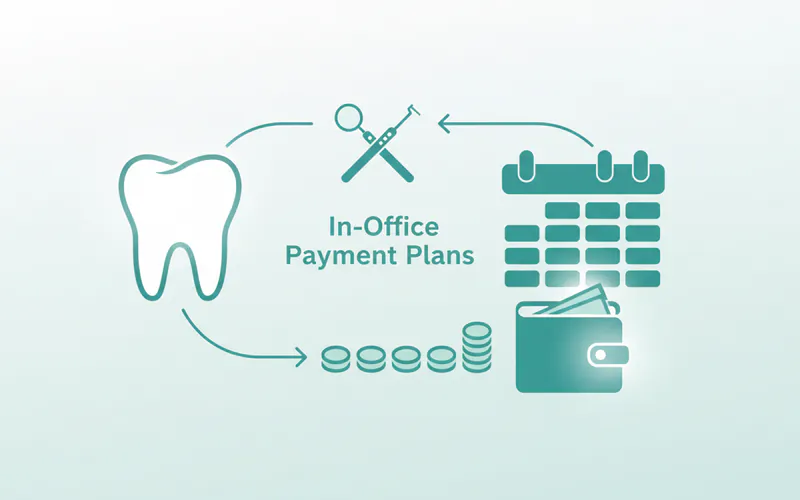
- In-Office Payment Plans: Many dental practices offer their own payment plans, allowing you to pay for expensive treatments over several months, often without interest.
- Dental Credit Cards (e.g., CareCredit): These specialized healthcare credit cards offer promotional financing options, often with 0% interest for a set period, if paid in full. Be cautious of deferred interest if the balance isn't paid off.
- Personal Loans: Banks and credit unions offer personal loans that can be used for dental work, though interest rates vary based on your credit score.
2. Health Savings Accounts (HSAs) and Flexible Spending Accounts (FSAs)
- HSAs: If you have a high-deductible health plan, you may be eligible for an HSA. These accounts allow you to contribute pre-tax dollars, which grow tax-free, and withdrawals for qualified medical expenses (including dental) are also tax-free. Unused funds roll over year to year.
- FSAs: Offered by employers, FSAs allow you to set aside pre-tax money for healthcare expenses. The main drawback is the "use-it-or-lose-it" rule, where most funds must be used within the plan year.
3. Community Dental Clinics and Dental Schools
- Dental Schools: University dental schools often provide services at significantly reduced rates. Students perform the work under the close supervision of licensed professors, ensuring high-quality care. This can be an excellent option for complex procedures.
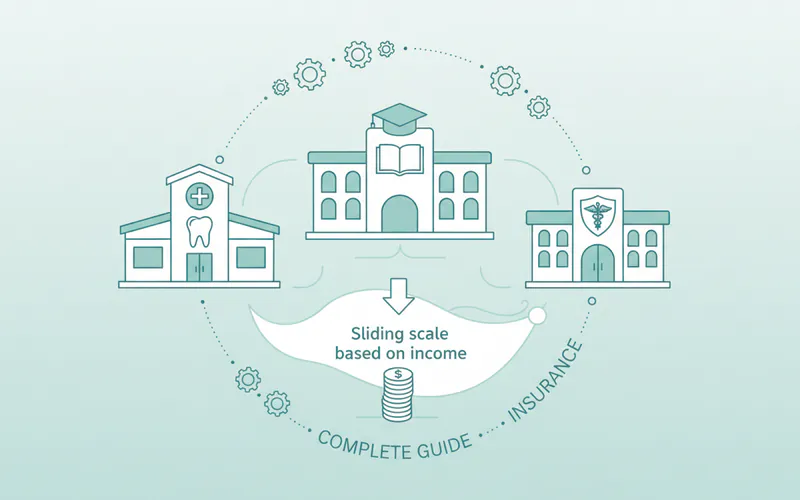
- Community Dental Clinics/Public Health Clinics: These clinics often offer services on a sliding scale based on income, providing affordable care for low-income individuals and families.
- FEMA-funded Health Centers: These centers sometimes offer dental services at reduced costs.
4. Discount Dental Plans
As mentioned earlier, these are membership programs where you pay an annual fee to receive discounted rates on services from participating dentists. This can be beneficial if you don't have insurance or need extensive work not covered by your plan.
5. Preventative Care
This is the most effective long-term cost-saving strategy. Regular brushing, flossing, and professional cleanings (covered 100% by most insurance) can prevent expensive issues like large cavities, root canals, or extractions. Maintaining good oral hygiene can drastically reduce your overall dental costs over your lifetime.
Pro Tip: Always get a second opinion for major dental work, especially if it's expensive. This can confirm the diagnosis and treatment plan, potentially saving you money or offering alternative, less invasive options.
Recovery and Aftercare (Preventing Future Costs)
While "recovery and aftercare" typically refer to post-procedure instructions, in the context of dental costs, it's about maintaining your oral health to prevent the recurrence of issues or the development of new, costly problems.
- Follow Post-Procedure Instructions: Diligently follow your dentist's instructions after any treatment. This includes diet restrictions, medication adherence, and specific cleaning protocols. Failing to do so can lead to complications, infections, or the need for re-treatment, all of which incur additional costs.
- Maintain Excellent Oral Hygiene: This cannot be overstated. Brushing twice a day with fluoride toothpaste, flossing daily, and using an antimicrobial mouthwash are foundational. This significantly reduces the risk of cavities, gum disease, and other conditions that necessitate expensive interventions.
- Regular Dental Check-ups: Even if you feel fine, adhering to your twice-yearly dental cleaning and exam schedule is crucial. Dentists can detect problems in their early stages when they are less expensive and easier to treat. A small cavity is a simple filling; an untreated one can become a root canal or extraction.
- Diet and Lifestyle: Limit sugary foods and drinks, which fuel cavity-causing bacteria. Avoid tobacco products, which contribute to gum disease, oral cancer, and tooth decay. If you grind your teeth, discuss a nightguard with your dentist to prevent costly tooth wear and fractures.
Children / Pediatric Considerations for Dental Costs & Insurance
Children's dental health has unique considerations, particularly regarding costs and coverage.
Specific Considerations for Children
- Early Intervention: Establishing good oral hygiene habits early and starting regular dental visits by age one (or within six months of the first tooth erupting) is paramount. Early detection of problems like "baby bottle tooth decay" can prevent extensive and costly treatments later.
- Fluoride Treatments: Many dental plans cover fluoride applications for children, which strengthen enamel and prevent cavities.
- Dental Sealants: These protective coatings are applied to the chewing surfaces of back teeth to prevent food and bacteria from settling in grooves. They are highly effective at preventing cavities in molars and are often covered by insurance for children (up to age 14 or 18) at 80-100%, costing $30-$60 per tooth without insurance.
- Orthodontics: While some adult plans offer limited orthodontic coverage, many child-specific or family plans have better benefits for braces, though often with a lifetime maximum. Early orthodontic evaluation (around age 7) can sometimes guide jaw development and prevent more complex, costly treatments later.
- Medicaid and CHIP: For low-income families, government programs like Medicaid and the Children's Health Insurance Program (CHIP) provide comprehensive dental coverage for children, often including preventive, basic, and major restorative services, and sometimes orthodontics if medically necessary.
Cost-Saving Tips for Parents
- Use All Preventive Benefits: Ensure your child receives all covered cleanings, exams, and fluoride treatments.
- Monitor Oral Hygiene Closely: Help your child brush and floss until they develop the dexterity to do it effectively themselves (usually around age 7-8).
- Pack Healthy Lunches: Limit sugary snacks and drinks, which are primary causes of childhood cavities.
- Ask About School Dental Programs: Some schools offer free or low-cost dental screenings and services.
- Consider a Family Dental Plan: Many insurers offer family plans that can be more cost-effective than individual policies.
Risks and Complications (of Ignoring Dental Costs)
The most significant "risk" associated with dental costs is the temptation to delay or skip necessary treatment due to financial concerns. This can lead to far more severe and costly problems in the long run.
Health Complications from Delayed Treatment
- Worsening Cavities: A small, inexpensive cavity can quickly grow, requiring a more complex (and costly) filling, then a root canal, and eventually an extraction and implant if left untreated.
- Gum Disease Progression: Gingivitis (mild gum inflammation) is reversible with good hygiene. If untreated, it progresses to periodontitis, which can lead to bone loss, tooth mobility, and eventually tooth loss, requiring expensive periodontal treatments or implants.
- Dental Abscesses: Untreated infections can lead to painful abscesses, which require emergency care (drainage, antibiotics, root canal, or extraction) and can spread to other parts of the body, potentially becoming life-threatening.
- Systemic Health Issues: Poor oral health is linked to numerous systemic conditions, including heart disease, stroke, diabetes complications, and adverse pregnancy outcomes. Addressing oral health issues proactively can prevent these more serious (and medically costly) systemic problems.
Financial Complications
- Higher Future Costs: A small, inexpensive problem today can become a major, expensive problem tomorrow. Forgoing a $200 filling might lead to a $1,500 root canal and a $1,000 crown, or a $3,000 implant, just a few years down the line.
- Emergency Fees: Waiting until a problem becomes an emergency often results in higher immediate costs for urgent appointments, after-hours care, and more complex treatments due to the advanced stage of the issue.
- Loss of Function and Quality of Life: Persistent pain, difficulty eating, and embarrassment about your smile can significantly impact your daily life and overall well-being.
Frequently Asked Questions
What's the best way to find affordable dental care without insurance?
Look for community dental clinics, dental schools, and public health departments that often offer services on a sliding scale based on income. Discount dental plans can also provide reduced rates for an annual fee. Additionally, some dental offices offer in-house membership plans or payment options for uninsured patients.
How much lysine to take for cold sores?
While cold sores are an oral health concern, their treatment primarily falls under general health rather than typical dental procedures. The recommended dosage of L-Lysine for cold sores can vary; generally, for an active outbreak, 1,000-3,000 mg per day in divided doses is often suggested, while a lower daily dose (e.g., 500-1,000 mg) may be used for prevention. It's crucial to consult a healthcare provider before starting any supplement regimen to ensure it's appropriate for you, especially concerning interactions with other medications.
How long does a typical dental cleaning take?
A routine dental cleaning (prophylaxis) usually takes about 30 to 60 minutes. This includes scaling to remove plaque and tartar, polishing, and flossing. If you haven't had a cleaning in a long time or have significant build-up, it might take longer or require multiple appointments.
Is dental bonding painful?
Dental bonding is generally not painful. The procedure usually involves minimal to no tooth preparation, and most patients do not require anesthesia unless the bonding is used to fill a cavity or the tooth is particularly sensitive. You might feel some pressure, but typically no sharp pain.
Can I get all my teeth pulled and replaced with implants? How much would that cost?
Yes, it's possible to replace all your teeth with dental implants, often through procedures like "All-on-4" or full arch restoration. This is a significant undertaking. The cost for a full mouth of implants (upper and lower arches) can range from $25,000 to $60,000 or more, depending on the number of implants, type of restoration (e.g., fixed bridge vs. removable overdenture), materials, and any necessary preliminary procedures like bone grafting.
What's the difference between a simple extraction and a surgical extraction?
A simple extraction is performed on a tooth that is visible in the mouth and can be removed in one piece with forceps. A surgical extraction is more complex, involving a tooth that is impacted (stuck under the gum line or bone), broken below the gum line, or requires the removal of bone or gum tissue to access it. Surgical extractions often require an oral surgeon and may involve sutures and more extensive recovery.
Why do some dentists charge more than others for the same procedure?
Differences in cost can stem from several factors: the dentist's experience and specialization, the geographic location of the practice (higher overhead in urban areas), the technology and materials used (e.g., advanced imaging, premium crown materials), and whether the dentist is in-network with your insurance. Reputable dentists maintain competitive pricing while ensuring high-quality care.
How often should I get my teeth cleaned?
The American Dental Association (ADA) recommends professional dental cleanings and check-ups at least once every six months for most individuals. For those with specific conditions like gum disease, more frequent cleanings (e.g., every three or four months) may be recommended by their dentist.
Does dental insurance cover cosmetic procedures like teeth whitening?
Generally, no. Most dental insurance plans consider procedures like teeth whitening, porcelain veneers, and purely cosmetic bonding to be elective cosmetic treatments and therefore do not provide coverage. There might be exceptions if a cosmetic procedure also has a restorative function.
How do I know if I need a tooth pulled versus a root canal?
The decision between a root canal and an extraction depends on the extent of damage or infection. A dentist will typically recommend a root canal to save a tooth if the pulp (nerve) is infected but the tooth structure is still largely intact. If the tooth is severely damaged, fractured beyond repair, or the infection is too widespread, extraction may be the only viable option. Always discuss both options and their pros and cons with your dentist.
When to See a Dentist
Knowing when to seek dental care is crucial for both your oral health and managing costs. Prompt attention to issues can prevent them from escalating into more expensive problems.
Immediate Attention (Emergency Signs)
You should see a dentist immediately (within 24 hours, ideally) if you experience any of the following:
- Severe Toothache: Persistent, throbbing pain that doesn't subside with over-the-counter pain relievers, especially if accompanied by swelling.
- Swelling: Swelling in your gums, face, or jaw, which could indicate a serious infection (abscess).
- Trauma: A knocked-out tooth, significantly chipped or fractured tooth from an injury, or any facial trauma affecting your mouth or teeth.
- Bleeding that Won't Stop: Persistent bleeding from your gums or mouth after an injury or procedure.
- Lost Crown or Filling Causing Pain: While not always an emergency, if the exposed tooth is sensitive or painful, it warrants urgent attention.
Scheduled Appointment (Red Flags for Routine Care)
These signs indicate a need for a scheduled dental visit soon, but not necessarily an emergency:
- Persistent Sensitivity: Sensitivity to hot, cold, or sweet that lasts more than a few seconds.
- Bleeding Gums: Gums that bleed easily when brushing or flossing, a common sign of gingivitis.
- Chronic Bad Breath: Persistent halitosis that doesn't improve with brushing and flossing can signal underlying dental problems.
- Loose Tooth: An adult tooth feeling slightly loose.
- Clicking Jaw or Pain When Chewing: Could indicate a temporomandibular joint (TMJ) disorder or bite issues.
- Visible Spots or Holes: Any dark spots, pits, or holes on your teeth that could be cavities.
- Lost or Damaged Filling/Crown (No Pain): If a restoration comes off but doesn't cause pain, schedule an appointment to get it replaced before decay sets in or the tooth weakens further.
Routine Preventative Care
Even without any specific symptoms, remember to schedule regular check-ups and cleanings every six months. These appointments are vital for preventing problems, detecting issues early, and maintaining optimal oral health, which ultimately saves you money and discomfort in the long run.
Your oral health is an invaluable asset, directly impacting your overall well-being. By understanding the intricate world of dental costs and insurance, leveraging available financial tools, and prioritizing consistent preventive care, you can make informed decisions that safeguard both your smile and your wallet. Don't let financial concerns deter you from seeking the dental care you need; proactive management is the key to a healthy, confident smile for years to come.
Frequently Asked Questions
Medically Reviewed Content
This article was written by our dental health editorial team and reviewed for medical accuracy. Our content follows strict editorial guidelines for reliability and trustworthiness.
Medical Disclaimer
This article is for informational purposes only and does not constitute medical advice. Always consult with a qualified dental professional for diagnosis and treatment. Do not delay seeking professional advice because of something you read on this website.
Related Articles
How Much Does Tooth Bonding Cost
Imagine looking in the mirror and seeing a smile that doesn't quite reflect your inner confidence – maybe a small chip from an unexpected accident, an annoying gap between your front teeth, or a stain that just won't budge. For many Americans, these minor imperfections can significantly impact self-
February 22, 2026
How Much Are Gold Grillz for Teeth
When considering a unique blend of personal style and dental aesthetics, many individuals find themselves drawn to the allure of gold grillz. But beyond the flashy appearance and cultural significance, a practical question often arises: how much are gold grillz for teeth? This isn't just a simpl
February 22, 2026

How Much Are Tooth Gems
In an age where personal expression extends to every facet of our lives, it's no surprise that cosmetic dentistry has evolved beyond mere functionality to embrace aesthetic adornment. From subtle enhancements to bold statements, teeth have become a new canvas for individuality. One increasingly popu
February 22, 2026

How Much Does a Dog Xray Cost
As a premier dental health portal, SmilePedia.net is dedicated to illuminating all facets of oral health and related medical costs for our valued readers across the US. While our primary focus remains squarely on human dentistry – from routine cleanings to complex restorative procedures – we underst
February 22, 2026